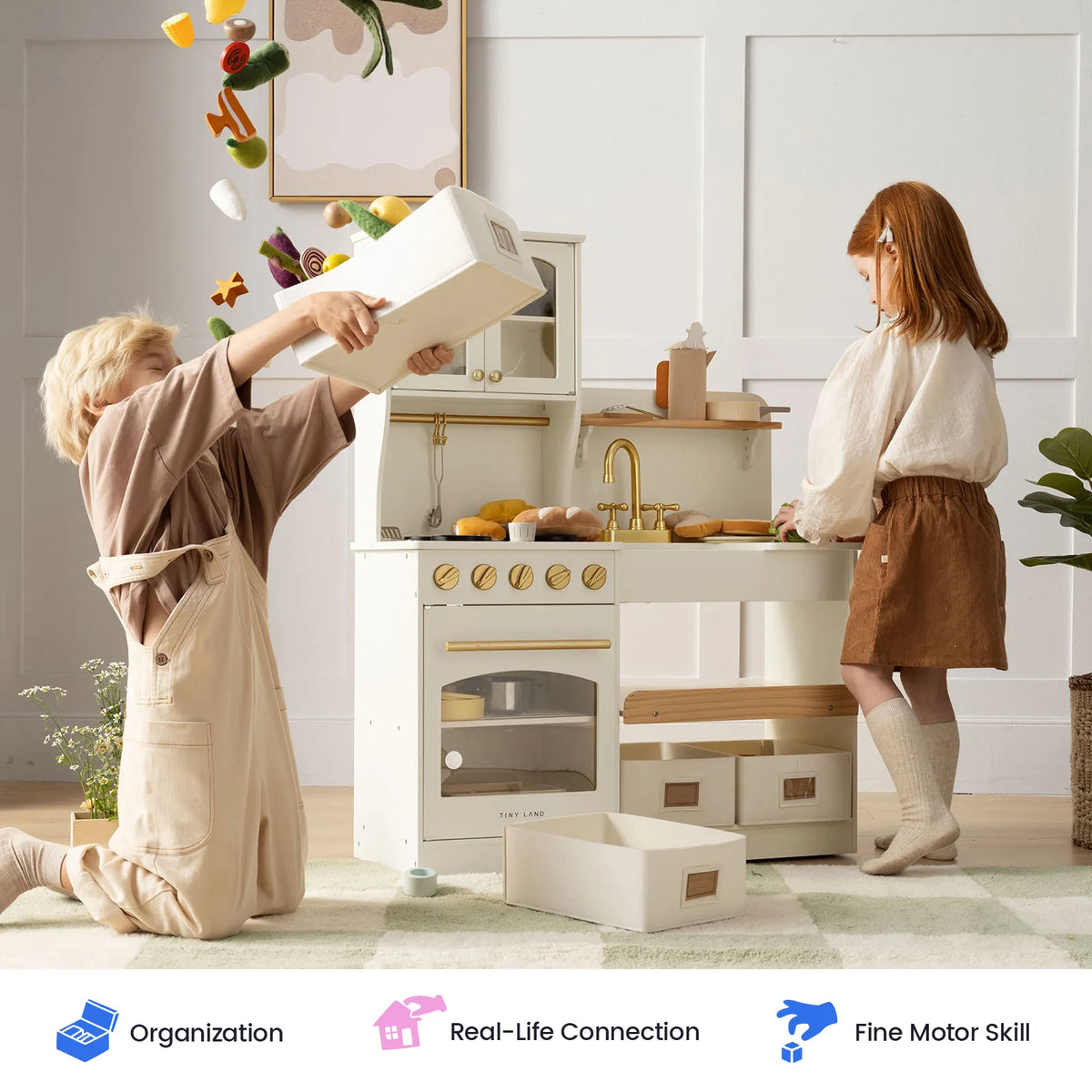
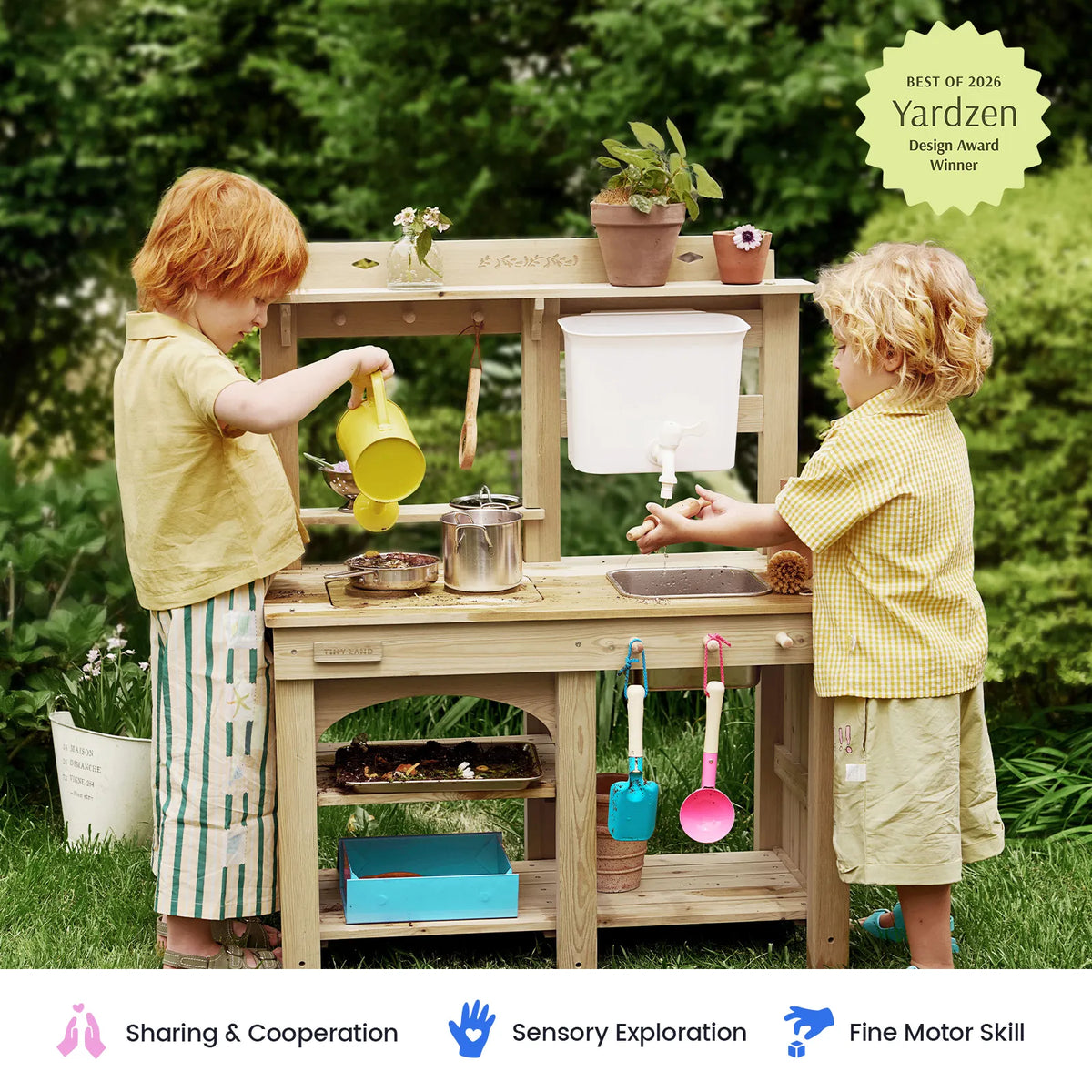
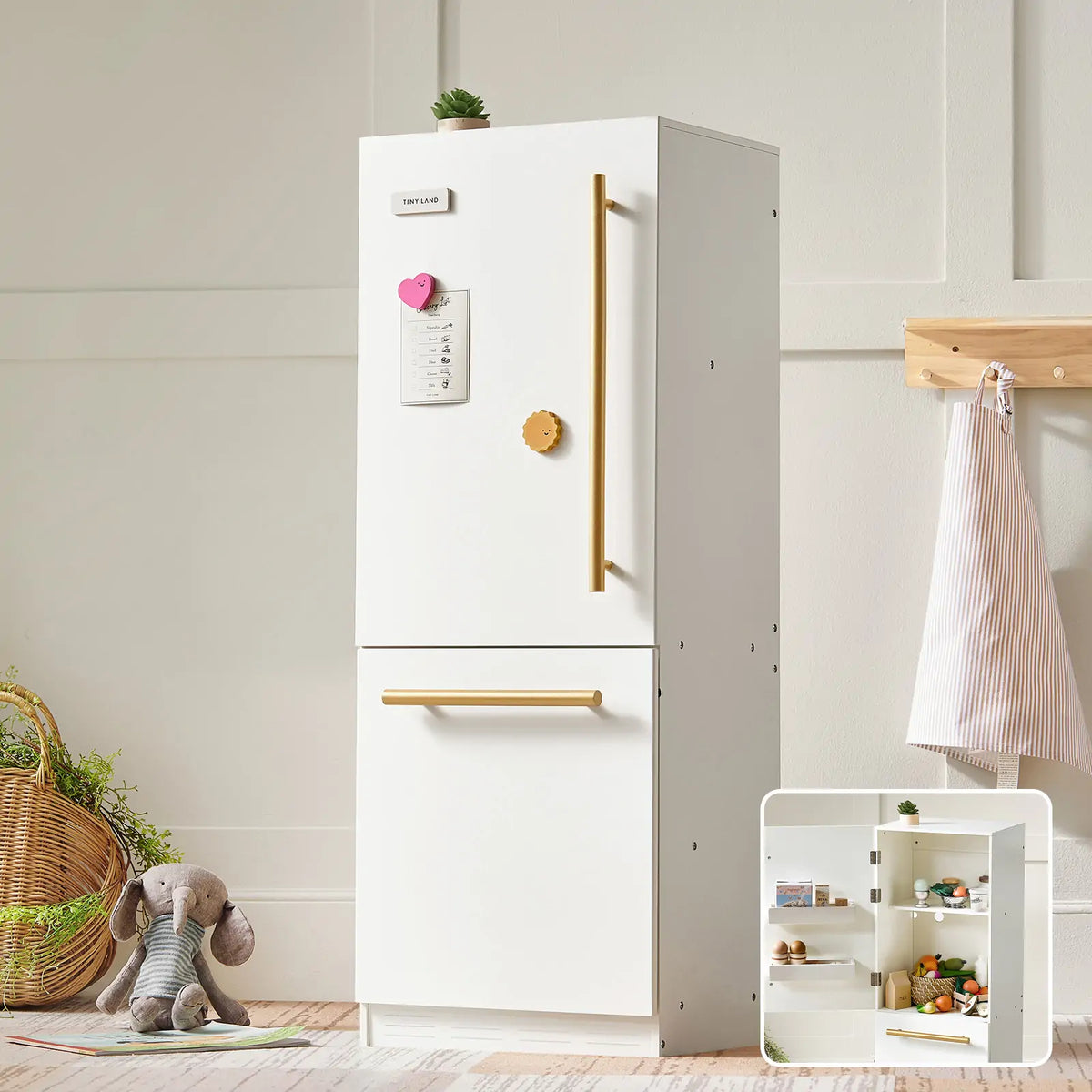
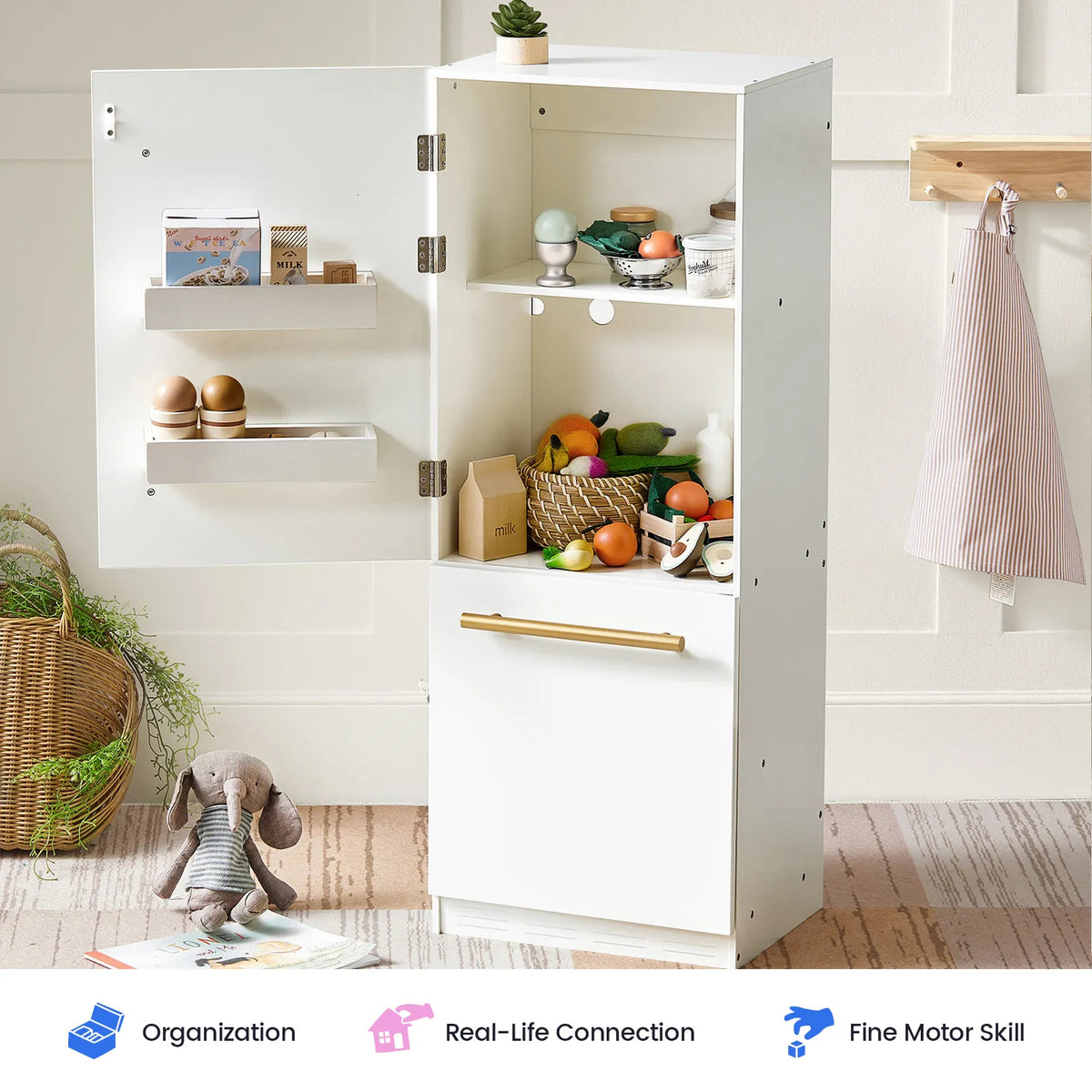
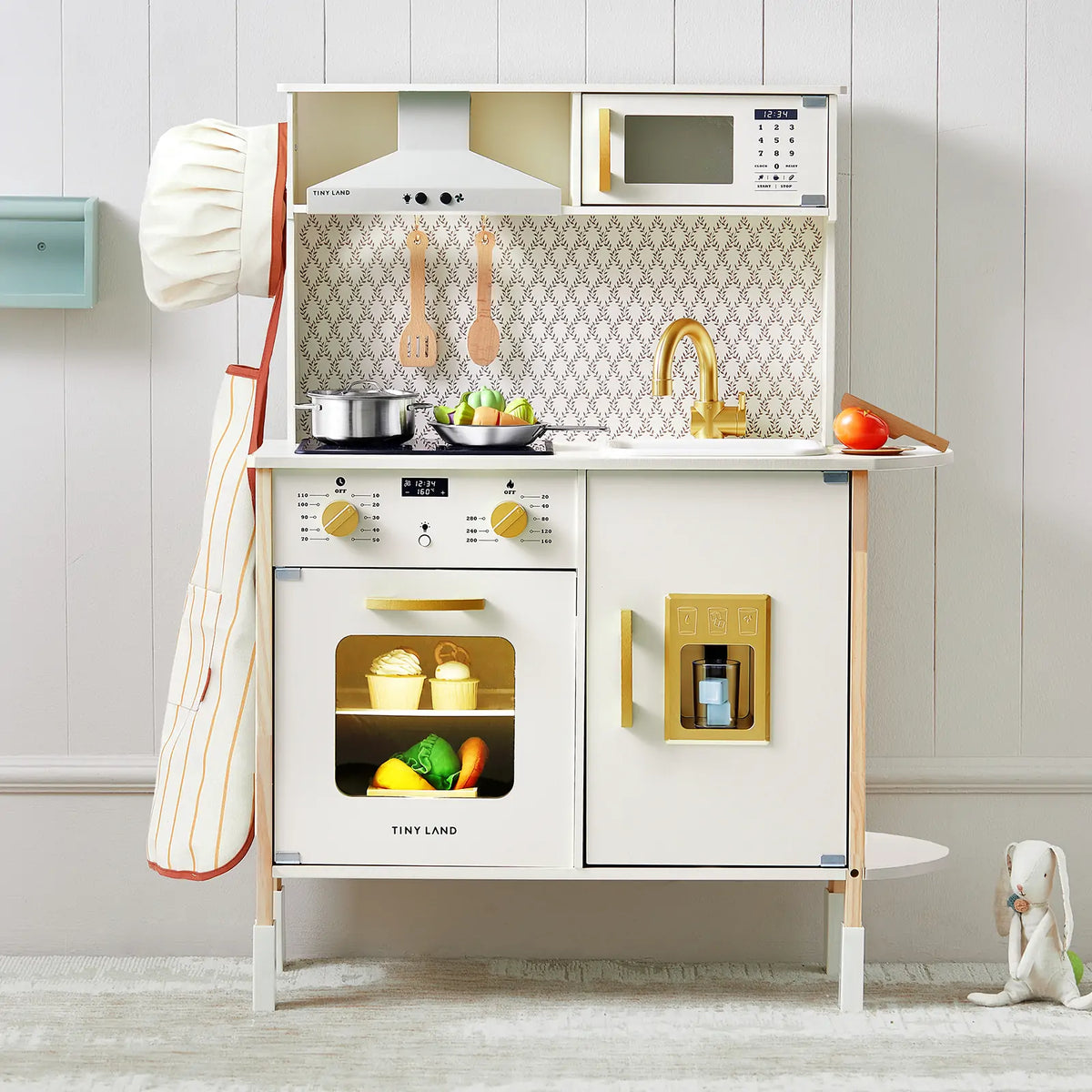
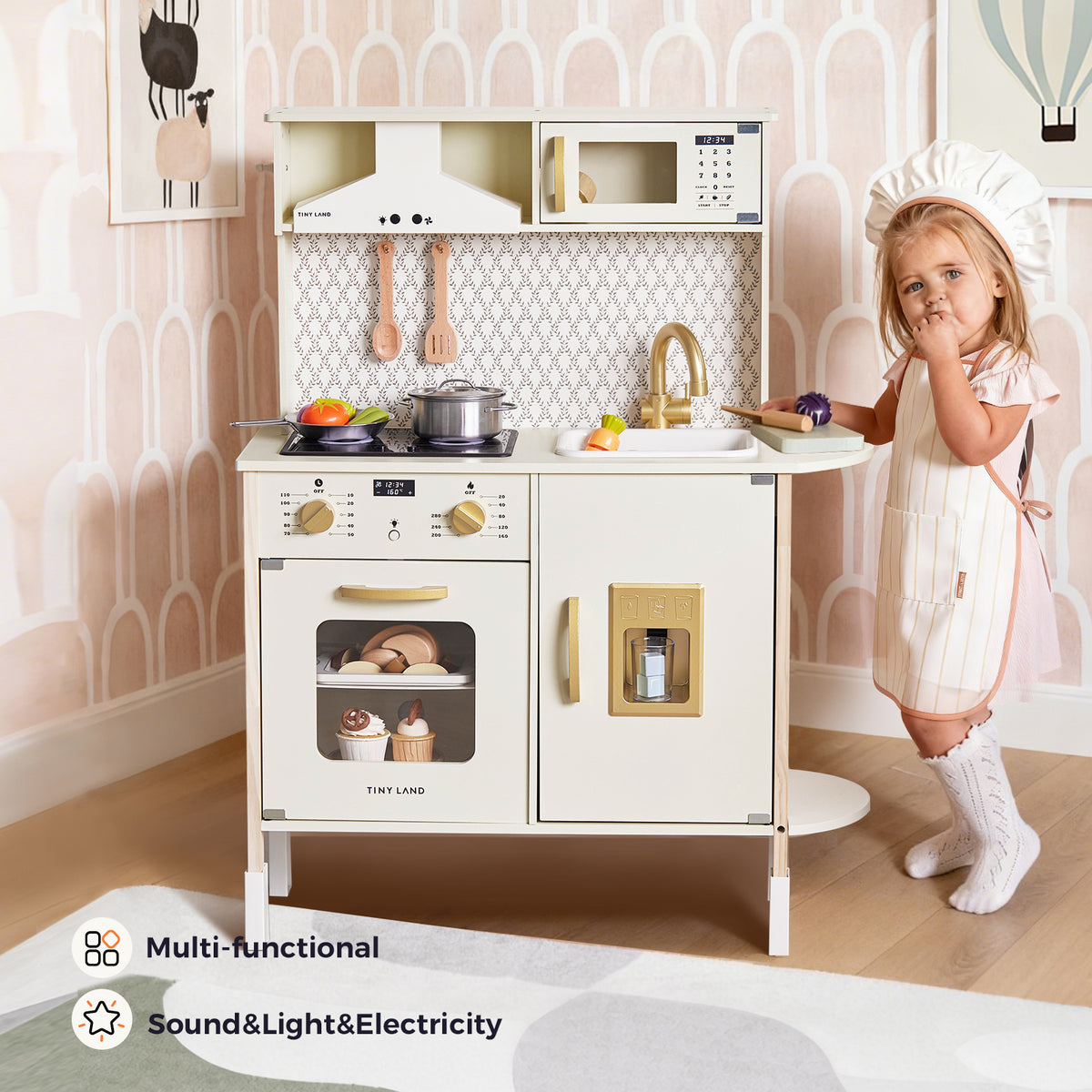



If you are wondering whether a play kitchen for 2 year old children is a smart choice, the answer is often yes. At this stage, many kids are eager to copy everything they see in the real kitchen. They want to stir, open doors, wash food, move utensils, and join everyday family routines. A well-designed play kitchen gives them a safe, age-appropriate way to do that through pretend play.

For many parents, the appeal is not just how much fun a toy kitchen can be. A good kids play kitchen can support fine motor skills, social skills, creativity, and language development while giving a child a familiar setting for imaginative play. Still, not every kitchen set is the right fit for every toddler. Before buying, it helps to know what features matter, how to prioritize safety, and what makes the best play kitchen a good match for a 2-year old.
Why 2-year-olds love a play kitchen
A 2-year-old learns through imitation. Kids this age watch parents prepare food, rinse dishes in the sink, open the fridge, use the stove, and take meals out of the oven. A play kitchen lets a child turn those observations into active play.
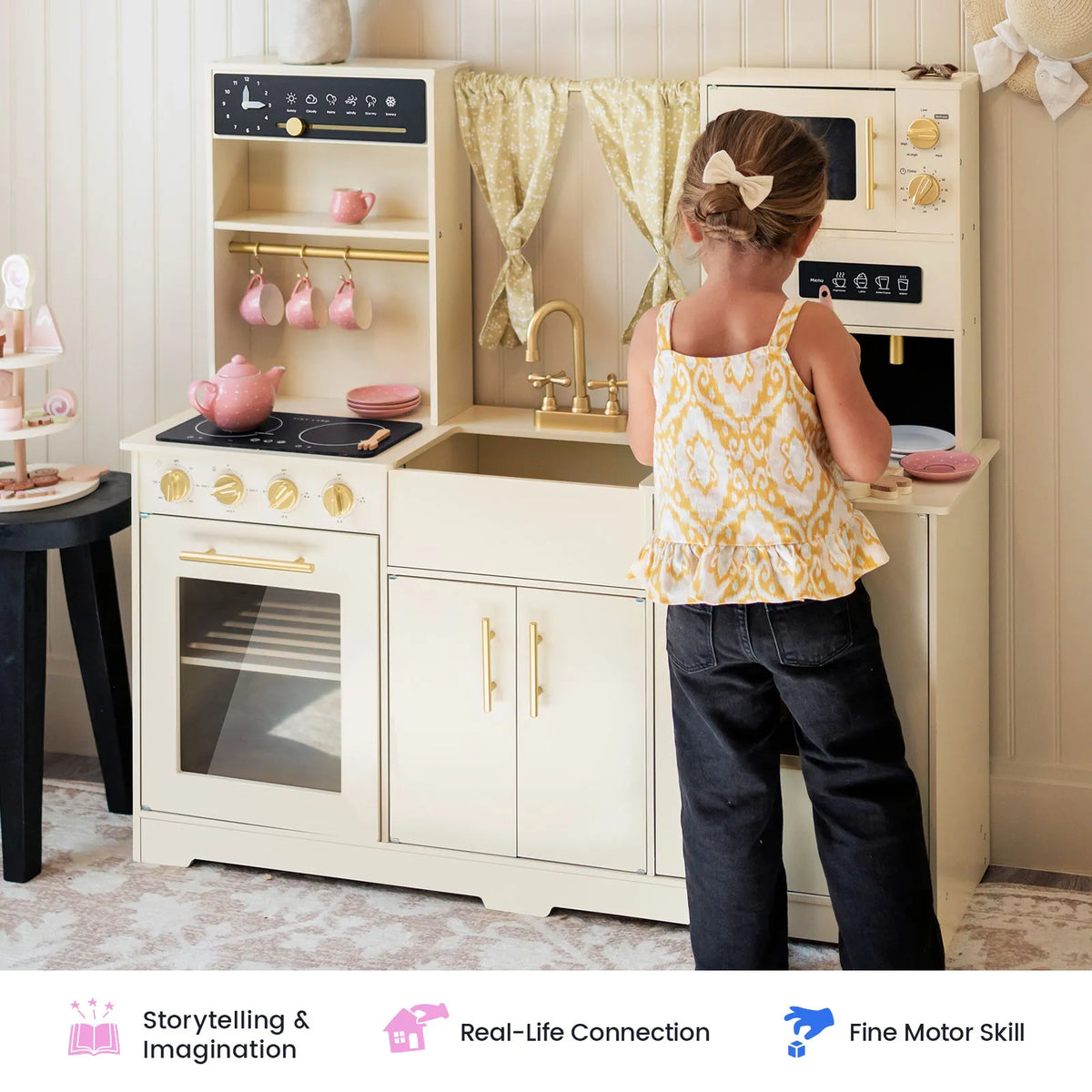
That is why a play kitchen often becomes part of everyday play. Instead of just watching adults, a child gets to practice the same routine in a space designed for little hands. They can wash vegetables in the sink, make breakfast with a coffee maker, place play food on shelves, or invite friends and family to dinner. This kind of pretend cooking helps kids feel included in daily home life.
It also gives them a sense of independence. Having their own own kitchen is exciting because it feels like a version of the real thing. That connection is what makes a kids play kitchen one of the best play options for toddlers who love copying what adults do.

Is a play kitchen good for development?
Yes, in many cases it is. A thoughtfully designed play kitchen supports far more than simple fun.
1. It builds fine motor skills
Opening cabinet doors, turning knobs, lifting lids, and putting items in the oven all help develop fine motor skills. Handling play food, spoons, cups, and kitchen accessories also improves hand control. These small actions strengthen fine motor development in a natural way.
2. It supports imaginative play and creativity
A play kitchen is a strong tool for imaginative play because it invites children to make up stories. They may pretend to cook soup, host a party, or serve snacks to friends. This kind of pretend routine helps create storylines, practice sequencing, and build confidence. It also encourages imagination, which is one reason many parents see it as one of the best play choices for toddlers.
3. It helps with social skills
A kids play kitchen often encourages cooperative play. When siblings, cousins, or friends join in, children practice sharing accessories, taking turns, and talking through simple roles. That kind of cooperative play is valuable for early social skills. Through role play, a child learns how to serve, ask, offer, and respond.
4. It introduces problem solving
Even simple pretend play can support problem solving. A child decides what to cook, where the food goes, which utensils to use, and how to organize the storage areas. Those small choices help create independence and flexible thinking.

What parents should prioritize first: safety
When choosing a play kitchen for 2 year old children, safety should come before style, trend, or price. At this age, many toddlers are still exploring with their mouths and may not handle small parts safely. That is why parents should prioritize safety from the start.
Look for a play kitchen with:
-
smooth edges
-
stable construction
-
age-appropriate accessories
-
sturdy doors and knobs
-
finishes labeled non toxic
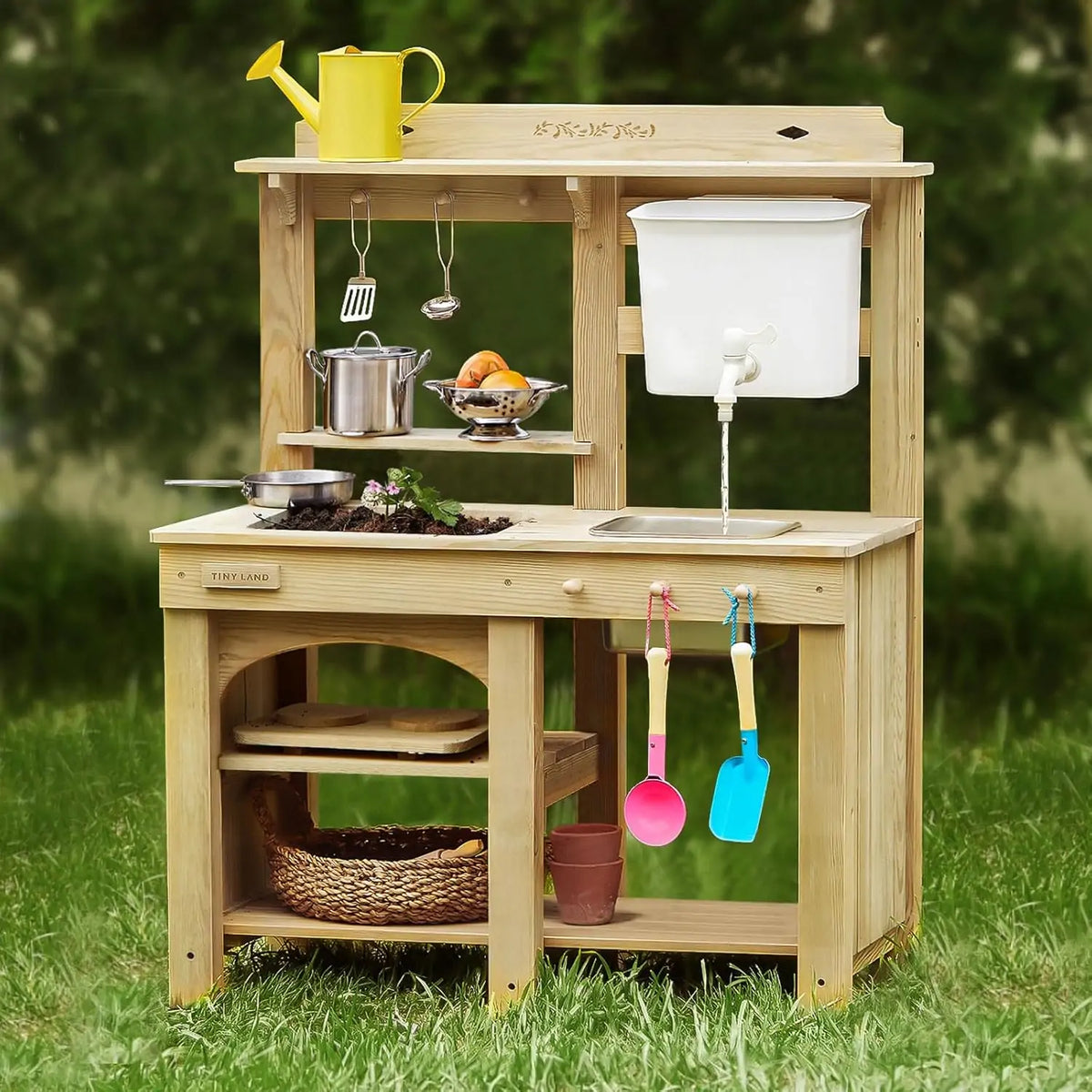
Many parents prefer a wooden play kitchen because it often feels more solid and durable. A well-made model built from solid wood can stand up to active daily play while offering better stability than lighter alternatives. A wooden play kitchen with non toxic paint or finish is especially appealing for families who want both quality and peace of mind.
It is also important to think about scale. For younger toddlers, the right counter height makes a big difference. If the sink, stove, and shelves are too high, the child may become frustrated. A good compact size keeps everything within reach and helps the play experience feel natural.

What features matter most for a 2-year-old?
A lot of parents assume more features always mean better play, but that is not necessarily true. For a 2-year-old, the best play kitchen is usually one with accessible design, strong materials, and enough details to inspire pretend play without becoming overwhelming.
Here are the features that matter most.
Realistic features and realistic details
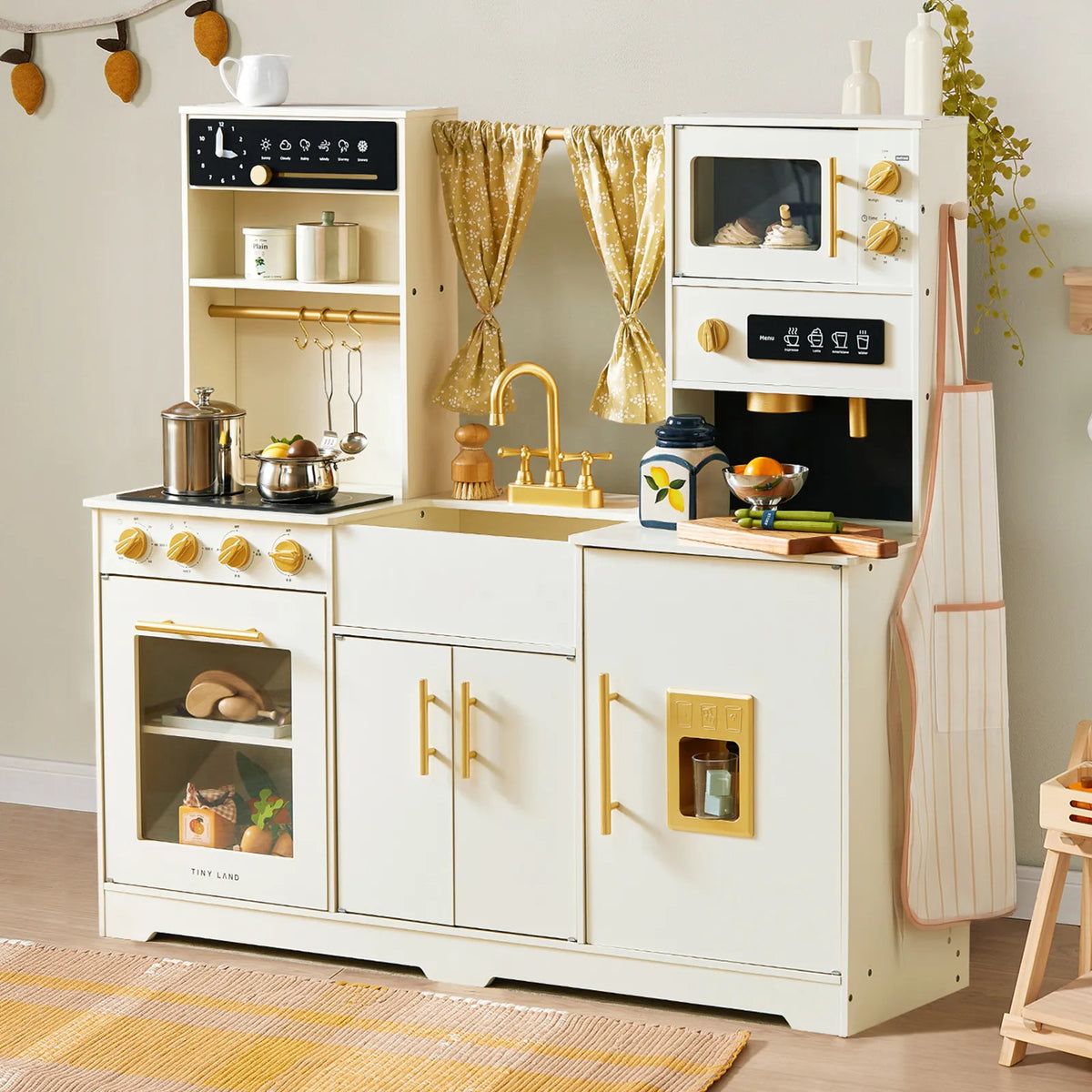
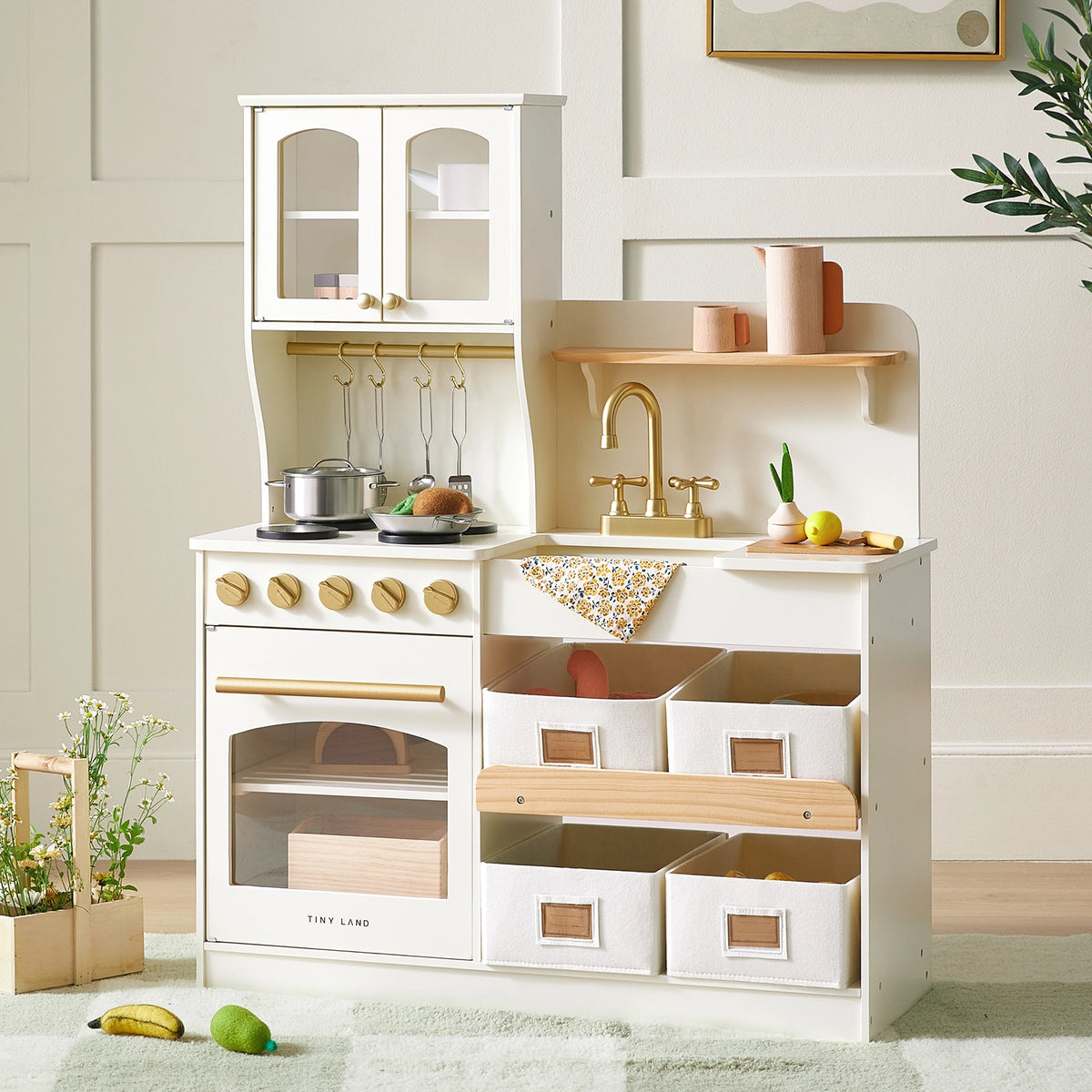
Toddlers are drawn to familiar routines, so realistic features matter. A sink, fridge, oven, and stove are often enough to support meaningful pretend cooking. Realistic details such as turning knobs, opening doors, and labeled shelves can make the toy feel more like a real environment.
Some models include interactive elements such as clicking knobs, a toy coffee maker, or an ice maker. A few may even offer light up stovetop burners or play functions inspired by real water. These extras can add fun, but they should never come at the cost of safety or durability.
Storage and storage space
Good storage is a major benefit, especially for parents trying to keep a play room tidy. Built-in shelves, cabinets, or bins make it easier to store play food, bowls, cups, and utensils. Extra storage space also helps toddlers learn cleanup habits by putting items back where they belong.
Durable materials
A durable kitchen set is often worth a higher price because it can last through years of active use. Many parents prefer wooden ones because they feel substantial, attractive, and long-lasting. A wooden play kitchen built from solid wood is often seen as a better long-term value than flimsier other options.
Compact size for modern homes
Not every family has unlimited space. A compact play kitchen or compact kitchen is often the best fit for apartments, shared living areas, or a smaller child’s room. The right compact size makes it easier to place the toy in a corner, play space, or family area without making the whole room feel crowded.

How to know if your child is ready
Not every child is interested in the same kind of play, but many signs can help parents decide. If your toddler enjoys watching cooking, copying household routines, organizing objects, or handing over spoons and bowls, a toy kitchen may be a natural fit.
A strong sign is when a child already shows interest in the real kitchen. Maybe they like standing nearby while parents prepare food, or they enjoy opening safe drawers and moving around cups and utensils. That interest often means a play kitchen will get regular use.
The best choice also depends on the child's interests. Some kids are especially drawn to role play, while others prefer blocks, books, or ride-on toys. If your little one loves pretend routines, serving meals, and talking through actions, a kids play kitchen can be one of the best play investments you make.
What accessories are best for a 2-year-old?
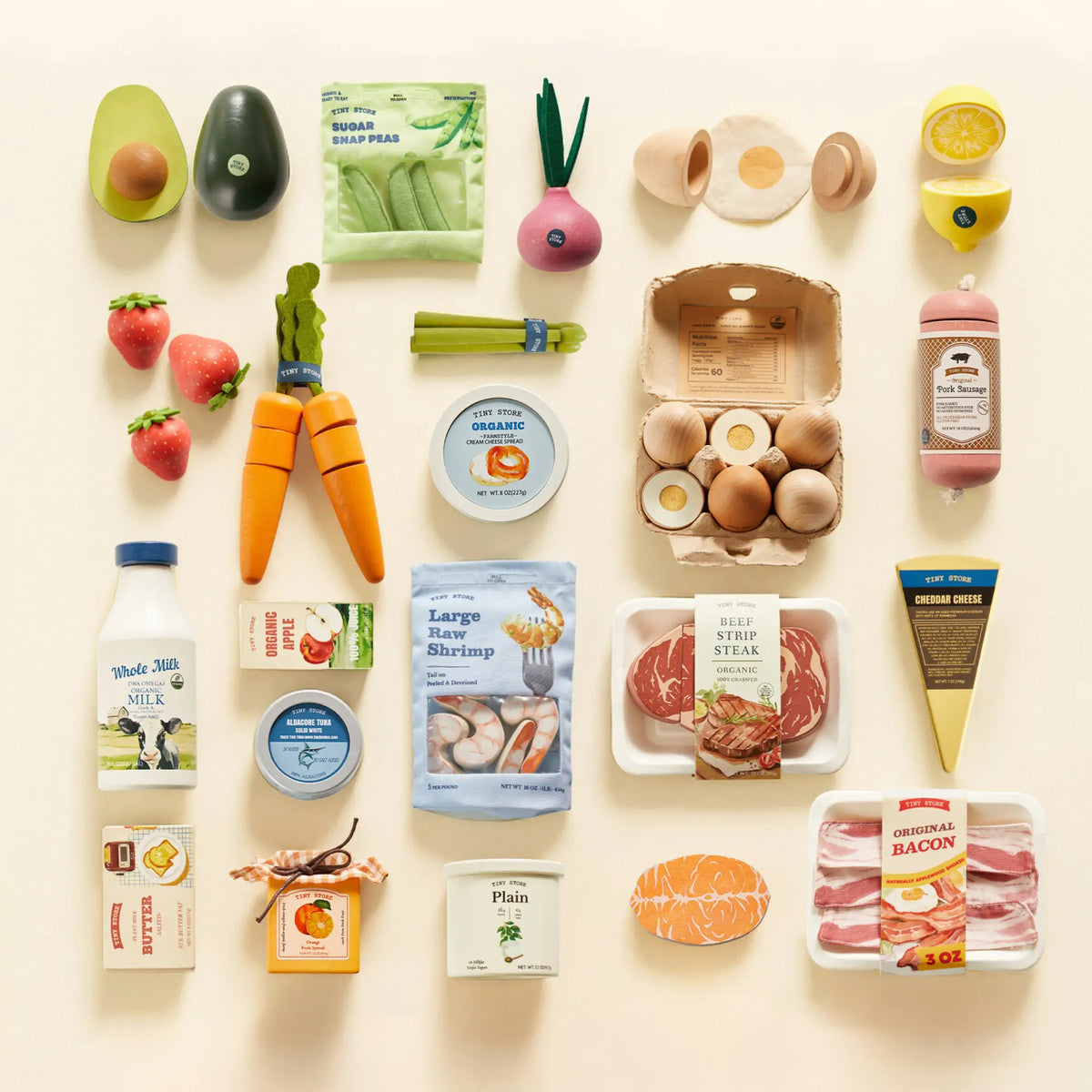
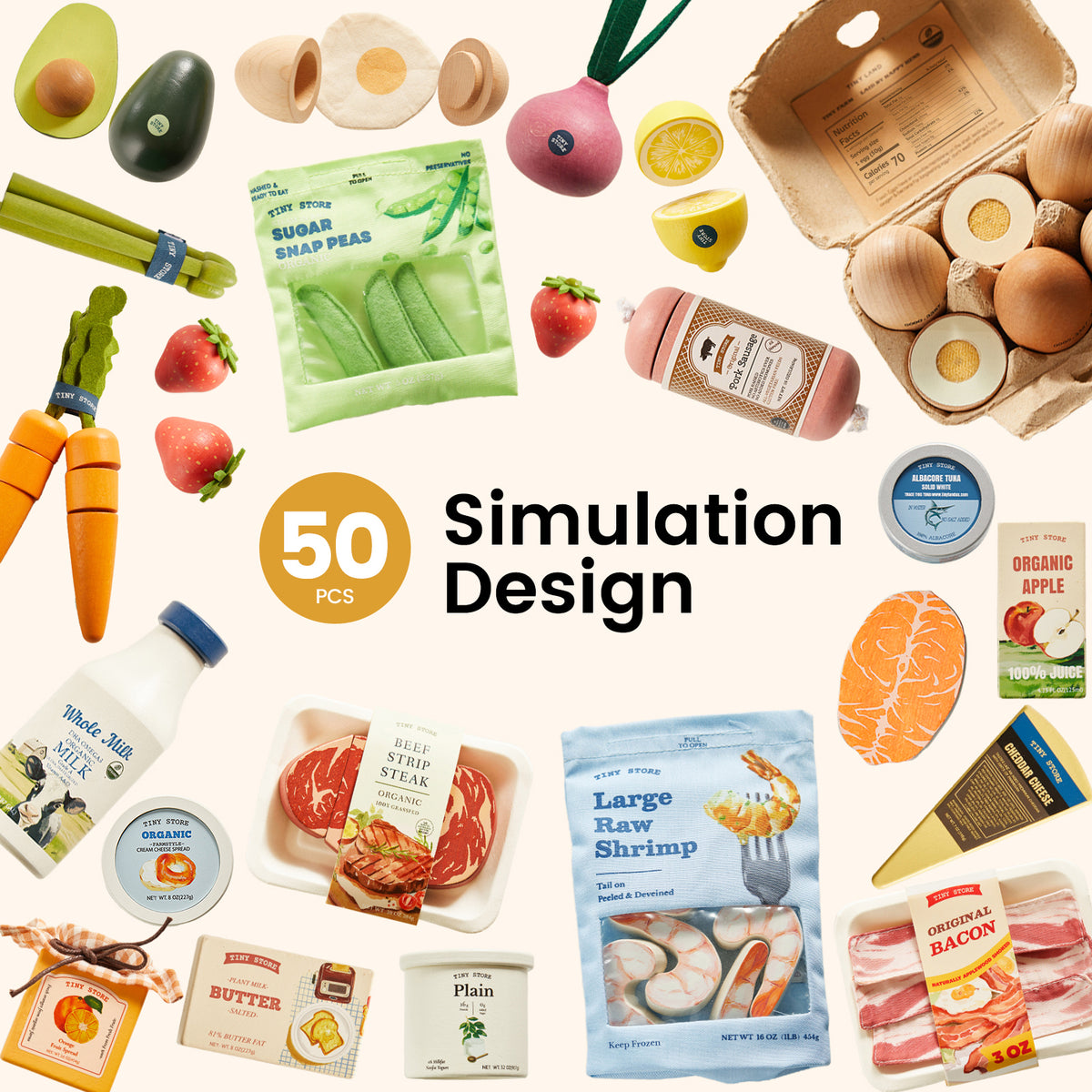
The right accessories can make a huge difference in the play experience. For younger children, simple is usually better. A few pieces of play food, some cups, plates, pans, and safe utensils are enough to support lots of pretend play.
Useful kitchen accessories may include:
-
pots and pans
-
spoons and spatulas
-
cups and bowls
-
plates
-
pretend fruit and vegetables
-
simple tea or coffee maker sets
A wide array of play kitchen accessories may sound appealing, but too many items can overwhelm both kids and parents. Start with a manageable set, then add more accessories over time based on how your child likes to play.

Common concerns parents have before buying
“Will my child outgrow it too quickly?”
Usually not. A quality play kitchen often grows with the child. At first, the focus may be opening the fridge, using the sink, and moving play food around. Later, the same toy supports richer role play, more advanced pretend cooking, and deeper social interaction with friends.
“Is the price worth it?”
The price question is valid. A lower price can be tempting, but parents should think about quality, safety, material, and longevity. A more durable model may have a higher price, yet offer better value over time. The right balance of price, function, and storage space often matters more than finding the cheapest option.
“Will it take up too much space?”
That depends on layout. A compact play kitchen is ideal for homes with limited space. Many parents now prefer minimalist designs that blend into the home while still offering enough storage and room for pretend play.
“Is assembly time consuming?”
Some kitchen set models are more time consuming to assemble than others. Checking setup details before purchase can help parents avoid frustration. In many cases, a slightly longer setup is worth it if the final product is more stable and durable.

How a play kitchen supports family life
A play kitchen is not just a toy for solo play. It can become part of family routine. Parents can join in by taking orders, serving meals, or asking a child to “cook” breakfast. Siblings and friends can share food, use the oven, open the fridge, and take turns at the sink. This repeated interaction helps create connection while supporting social skills and cooperative play.
For many families, this is where the most lasting value appears. A child is not simply pressing buttons. They are talking, imagining, sorting, organizing, and learning through active pretend routines. That is why a kids play kitchen often becomes one of the most used toys in the house.
Final thoughts: is it a good choice?
For many parents, yes. A play kitchen for 2 year old children can be an excellent choice when it matches the child’s stage and home space. It supports imaginative play, fine motor skills, social skills, and creativity while giving little ones a place to explore pretend cooking in a safe, engaging way.
The best play kitchen for a toddler is not necessarily the biggest or the lowest price. It is the one that balances safety, non toxic materials, child-friendly size, useful storage, and realistic design. A well-made wooden play kitchen with thoughtful accessories, a reachable counter height, and a smart compact size can deliver years of fun.
Whether your child is washing fruit in the sink, placing food in the oven, serving coffee from a coffee maker, or sharing meals with friends and family, a good toy kitchen can turn everyday routines into meaningful play. For toddlers who love to copy the grown-ups around them, it is often one of the best play kitchen options you can bring home.