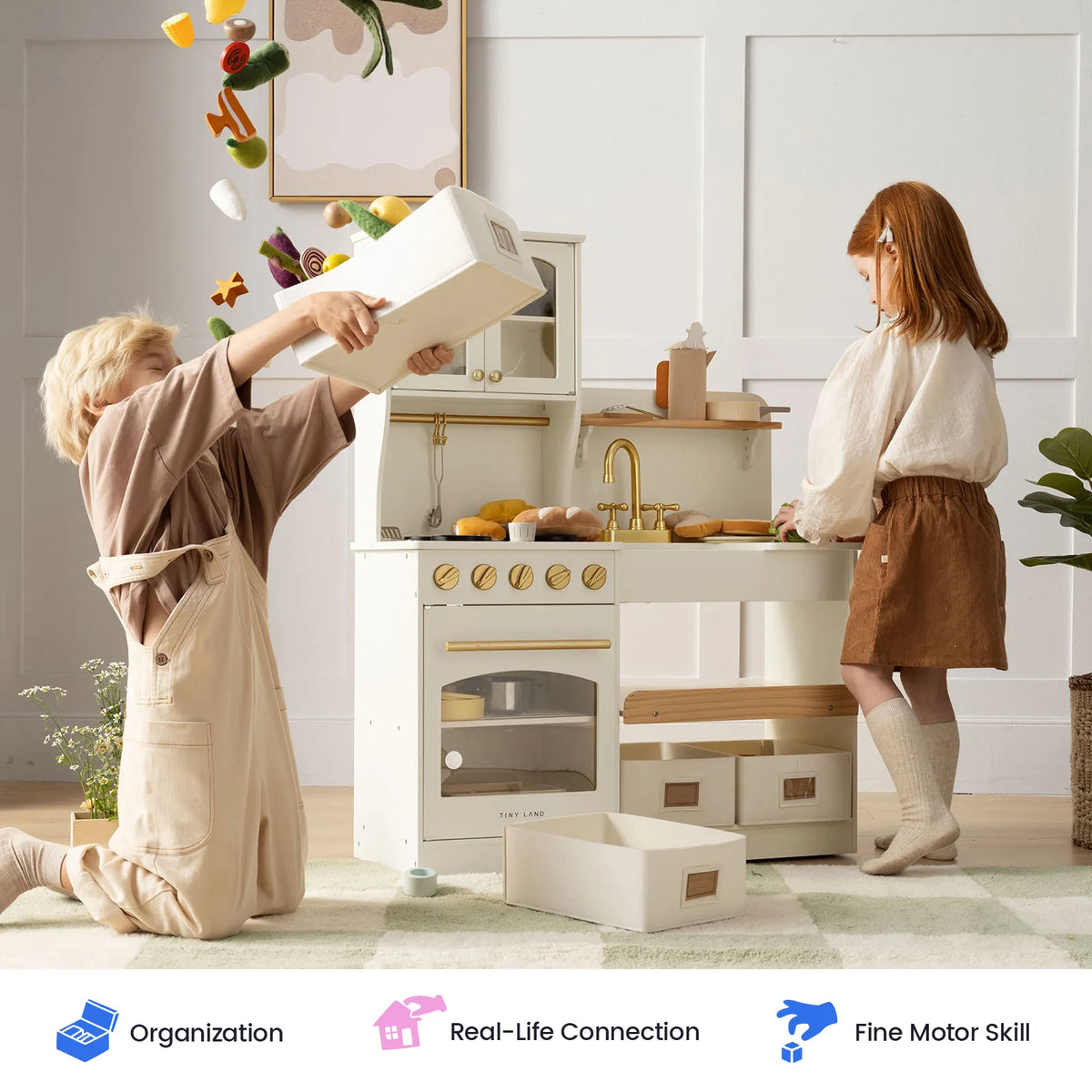
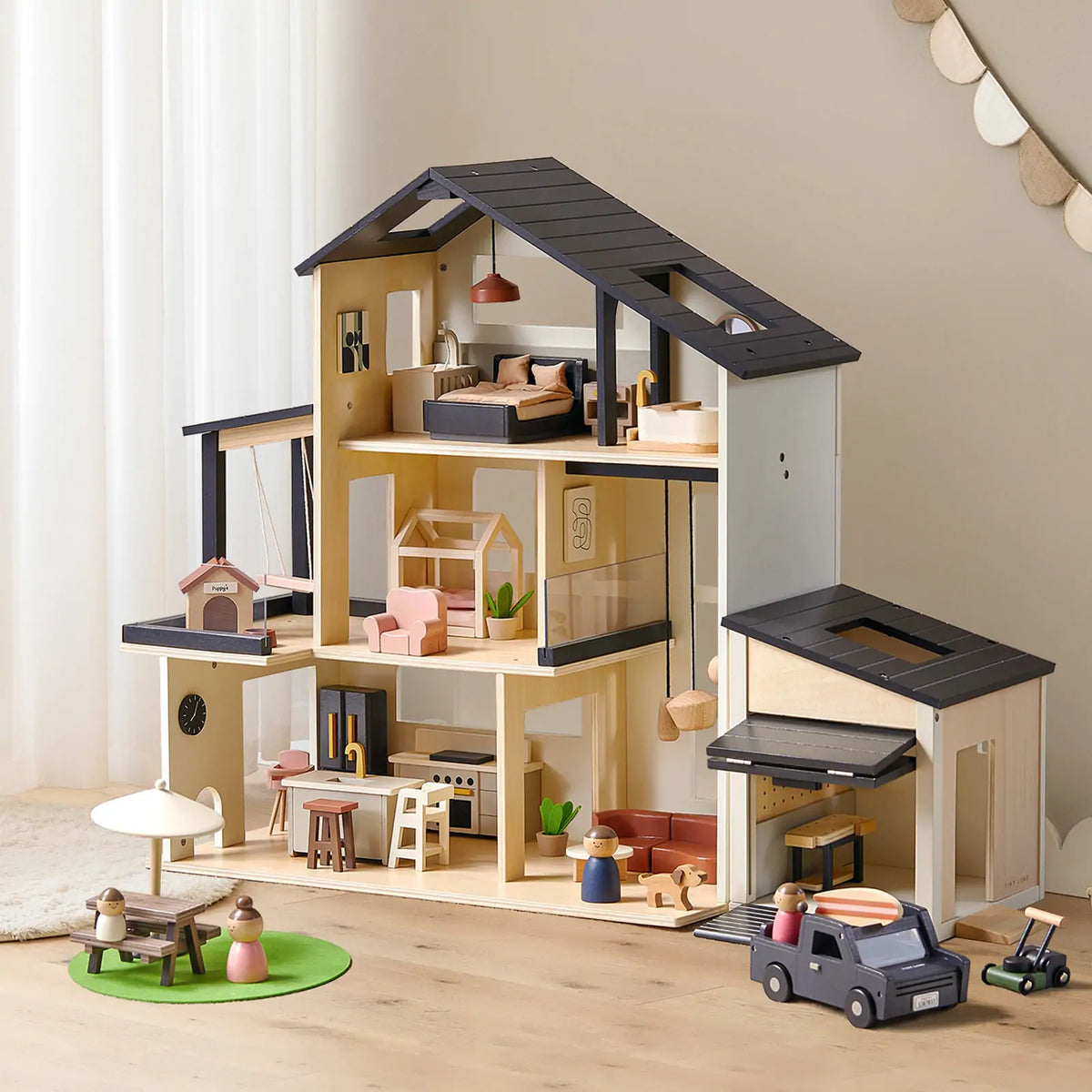
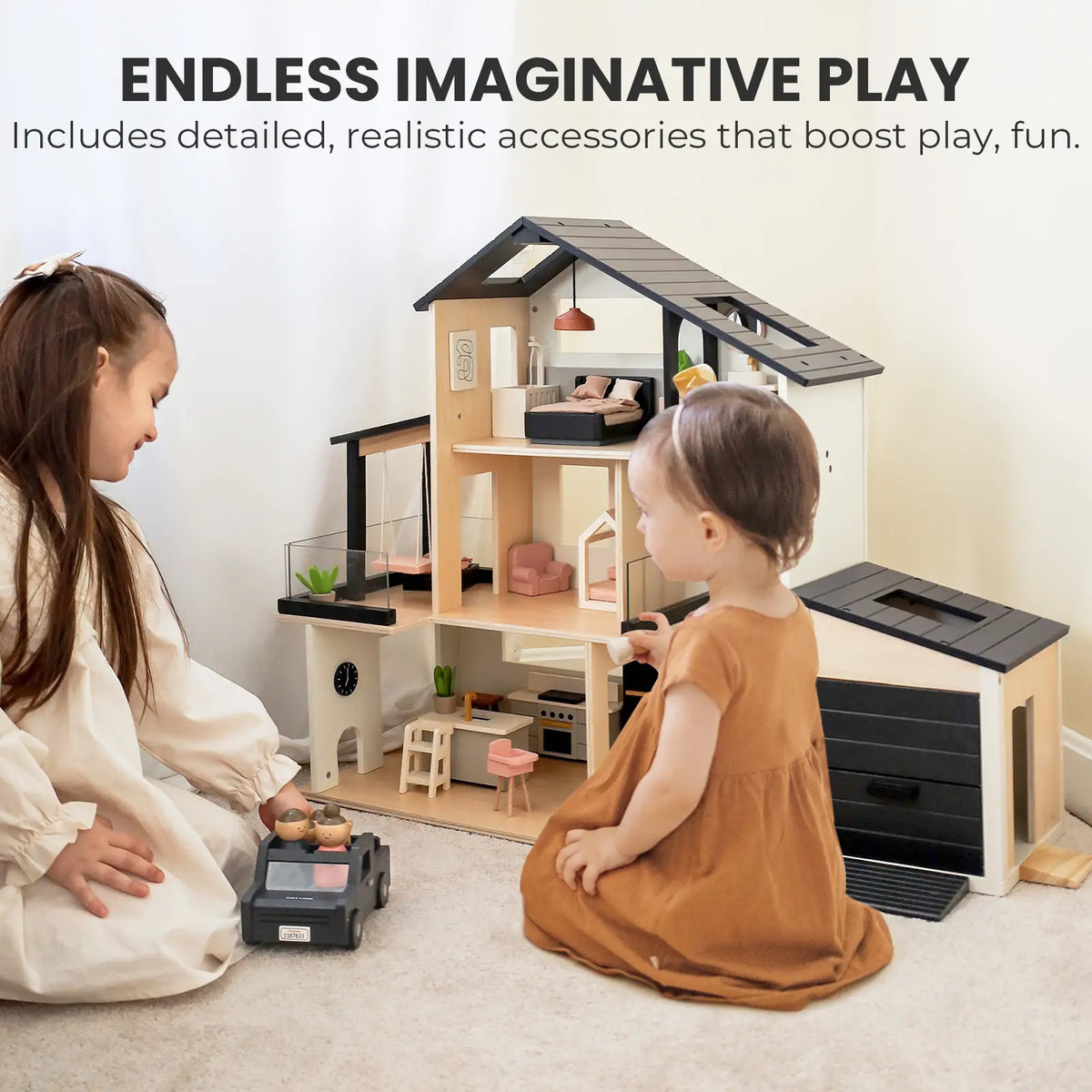


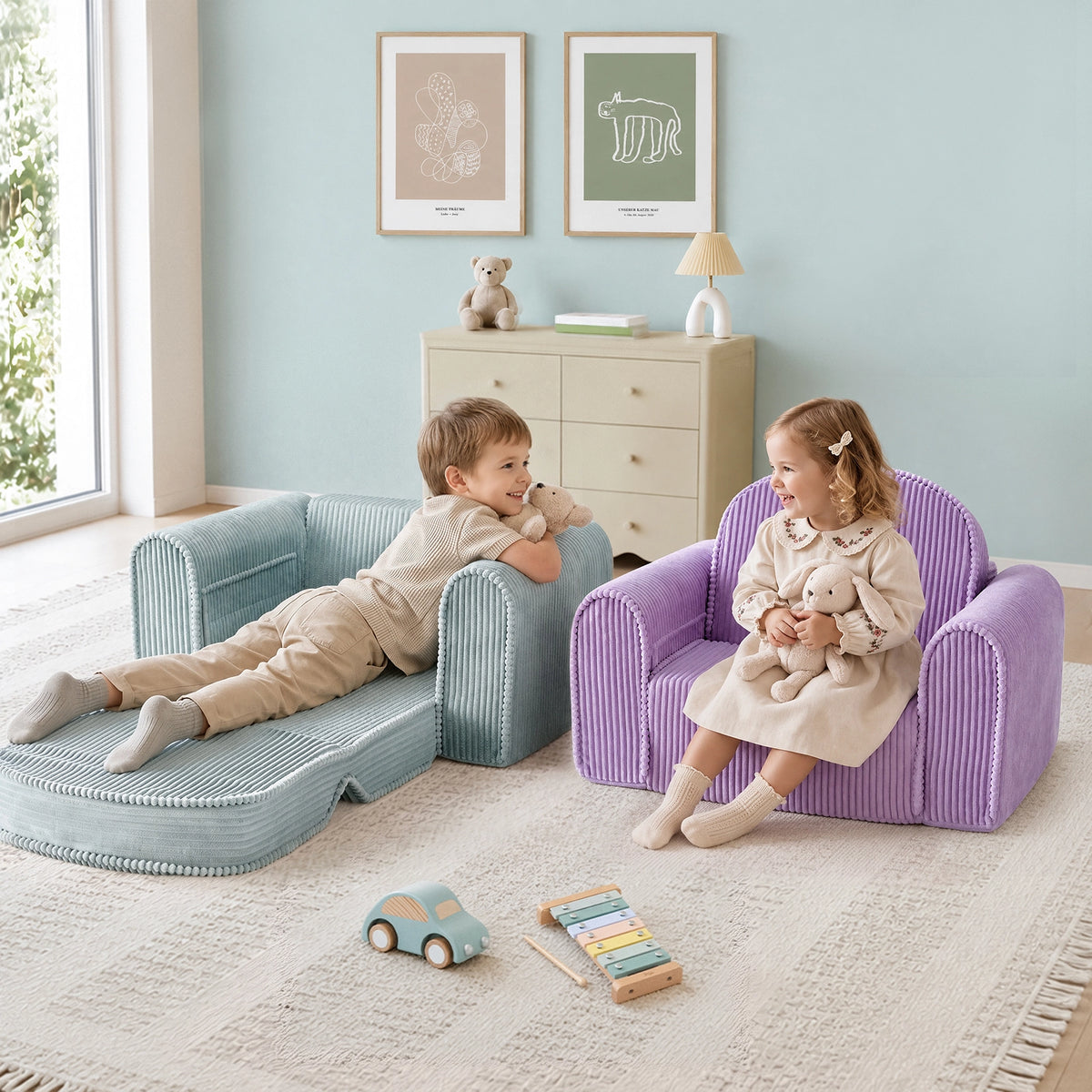

When children play, toys often end up scattered everywhere. What may look like chaos is actually a chance for children to develop Organization skills. Through play, kids learn to sort, organize, and put away items during and after play, practicing these abilities naturally while having fun.

What is Organization?
Organization is the ability for children to categorize, arrange, and return items to their proper places during and after play. It’s more than keeping a room tidy—it’s about practicing these skills through hands-on, playful experiences.
Toys That Encourage Organization
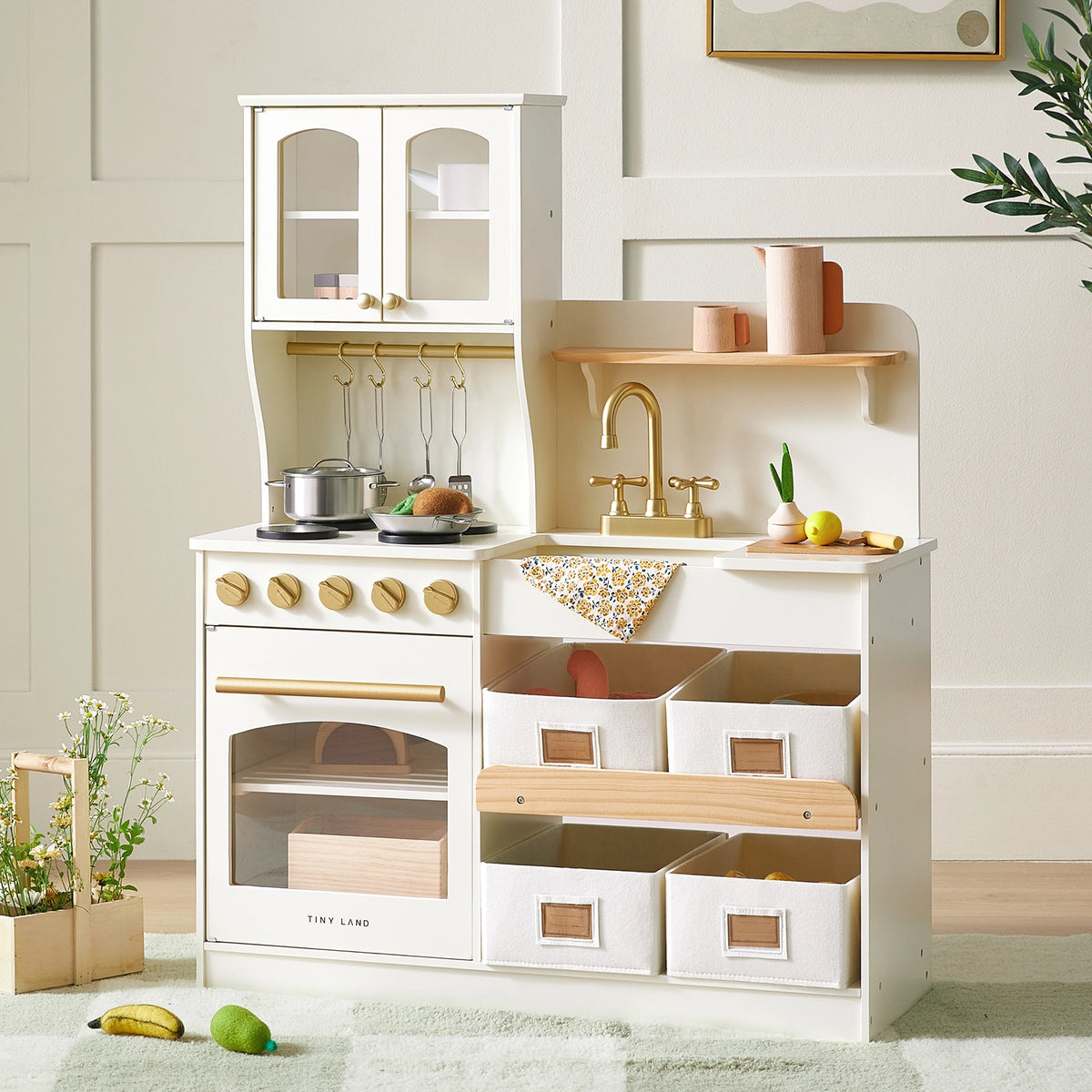
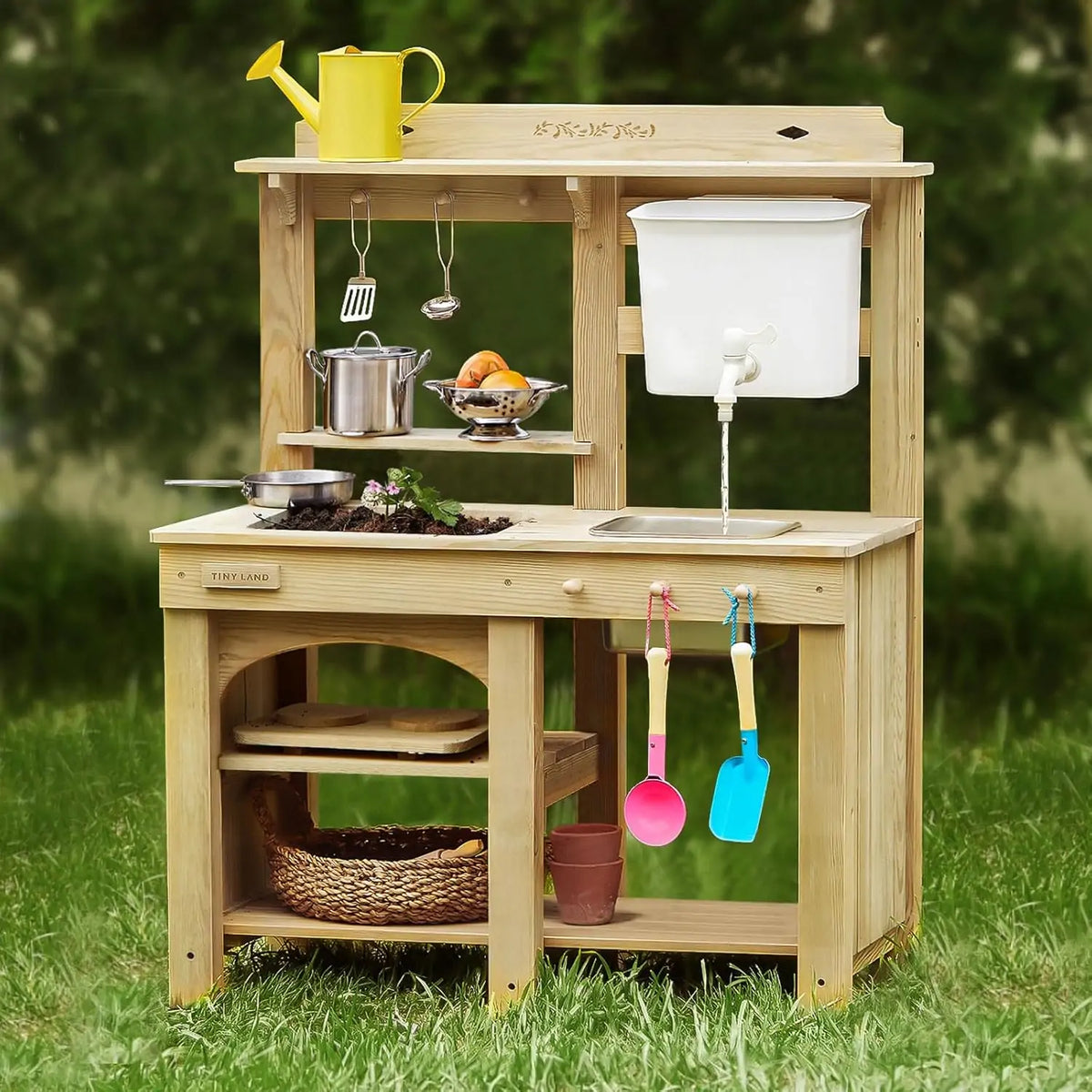
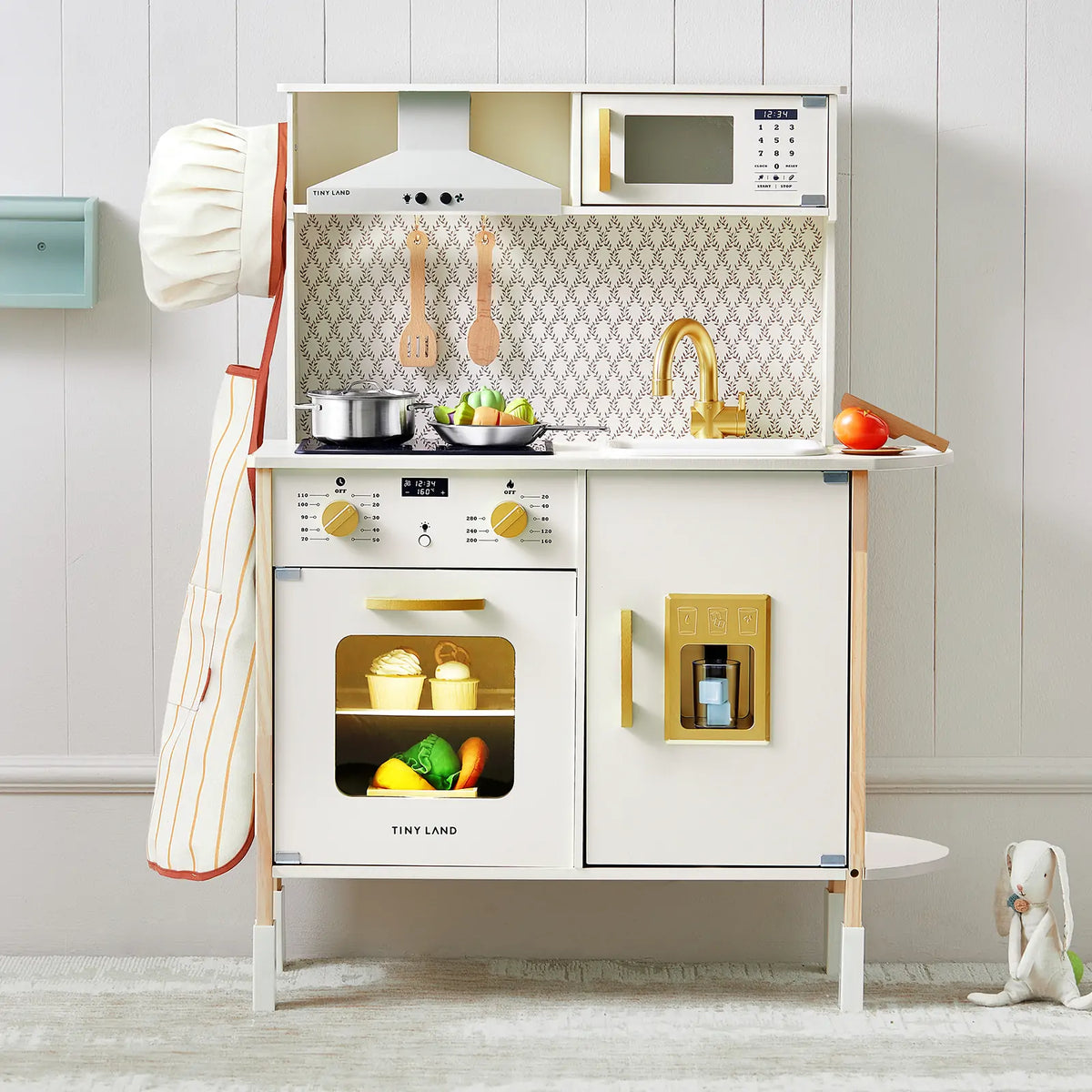
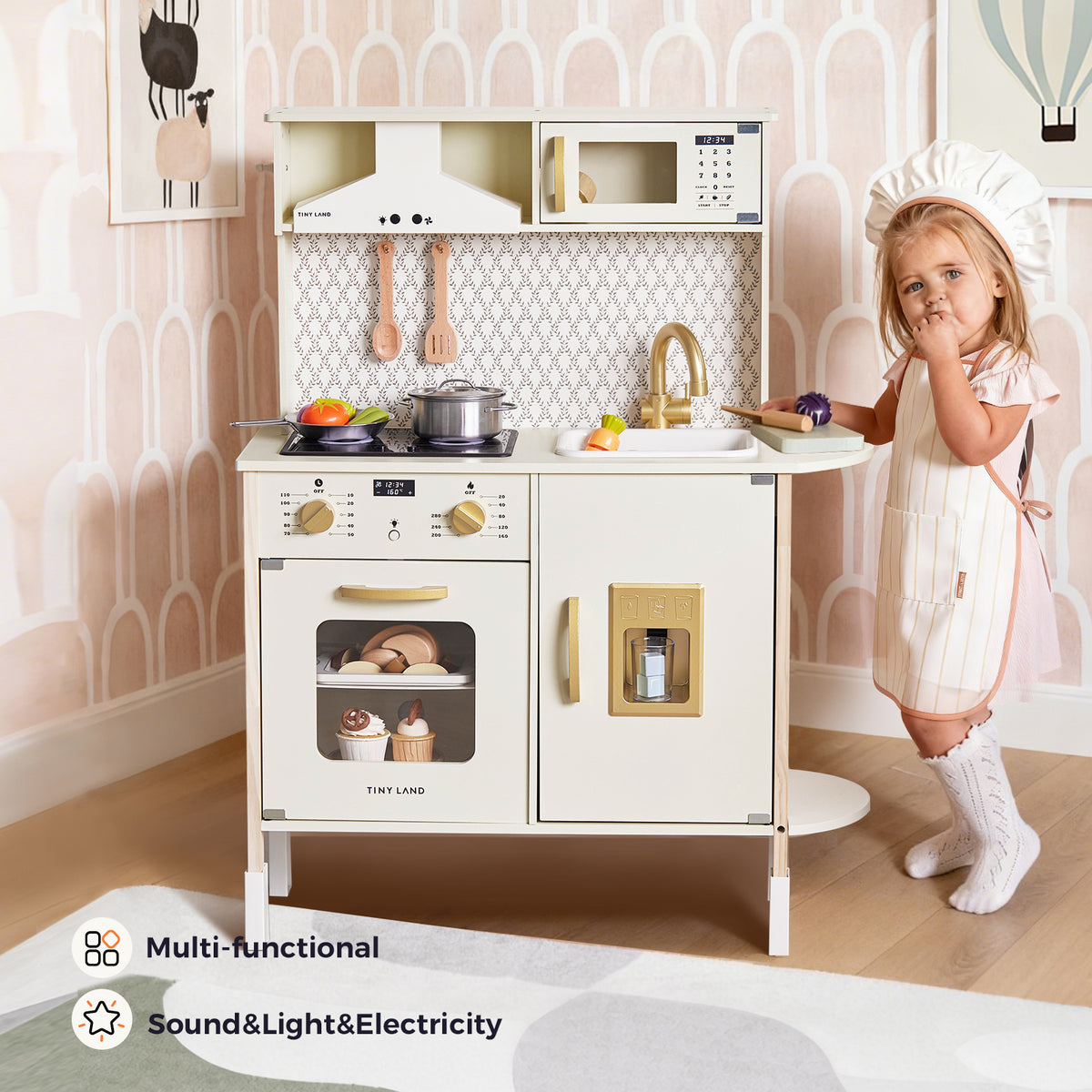
Play kitchen
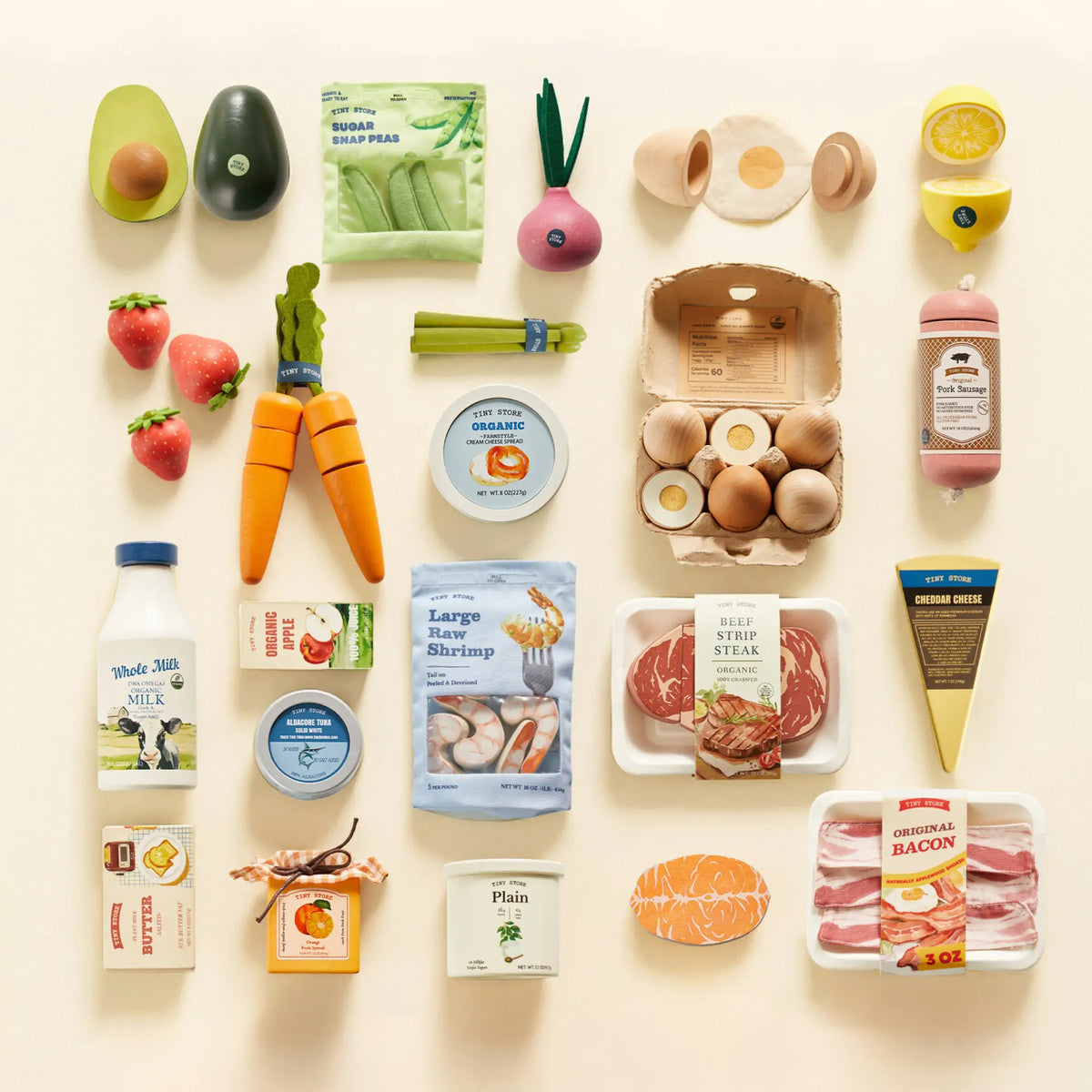
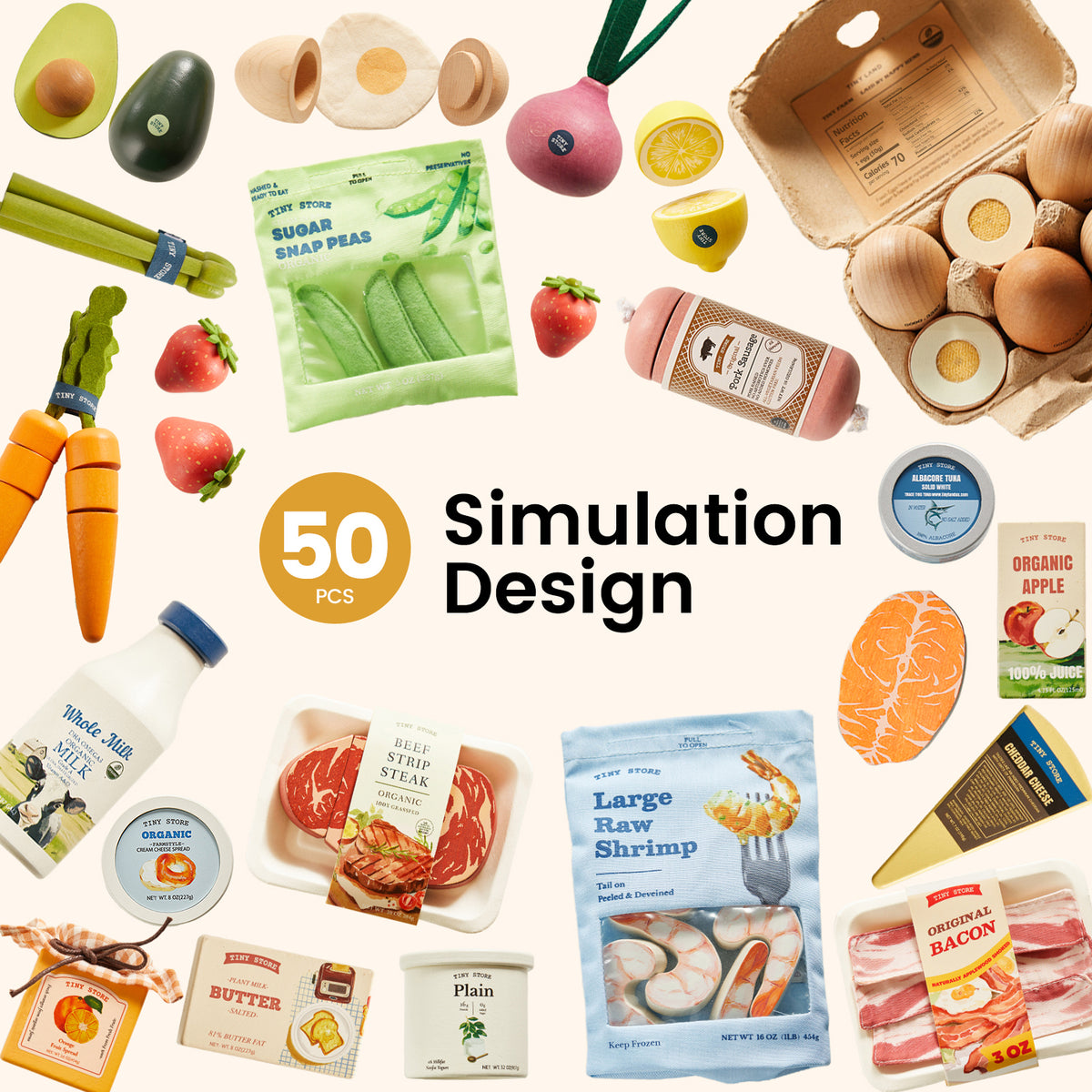
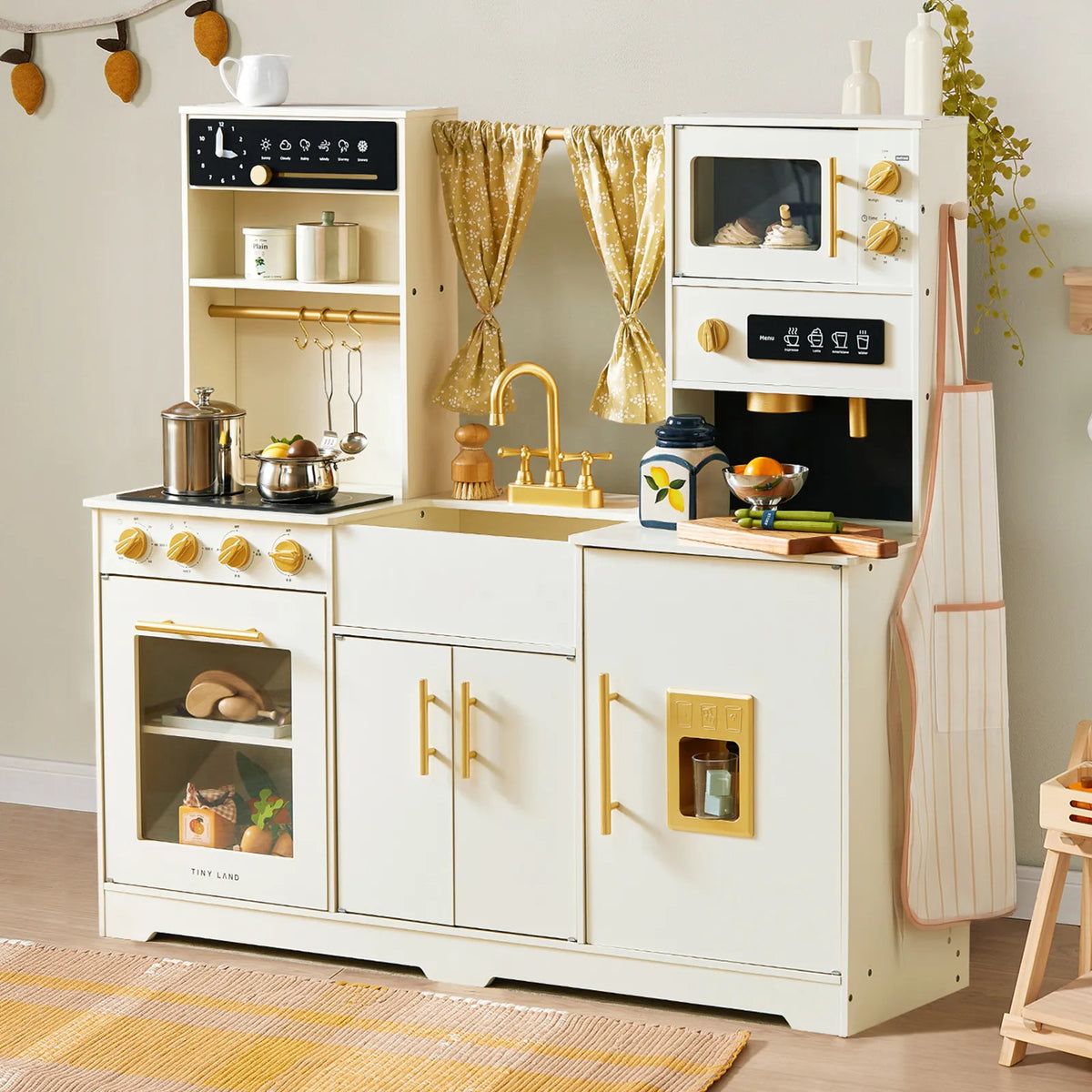
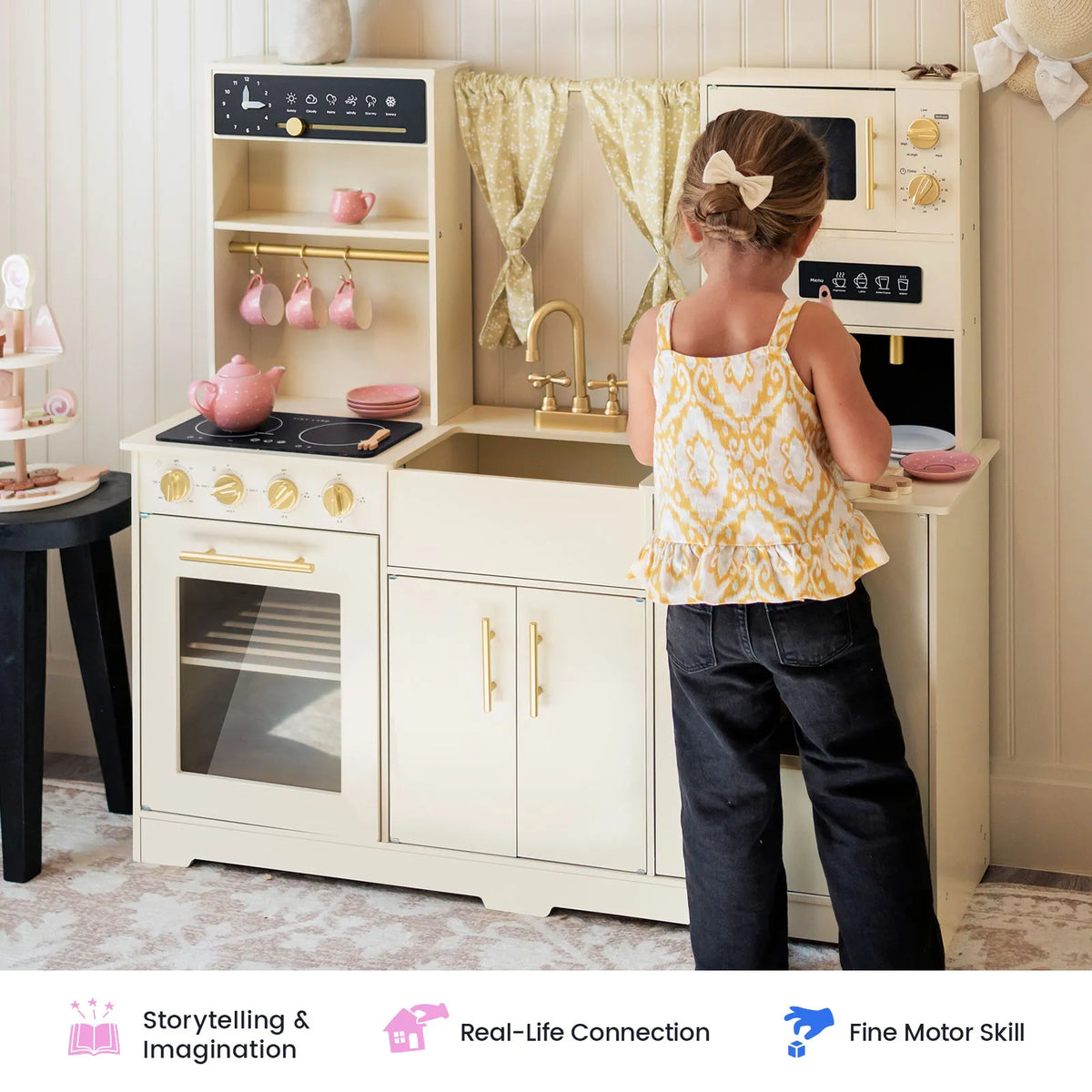
Using play food and utensils with a play kitchen that has built-in storage, children learn where items belong—such as hanging utensils or placing dishes in designated spots. This links directly to real-life kitchen routines. By combining storage bins with play food, children also practice sorting by color, type, and function, reinforcing categorization skills.

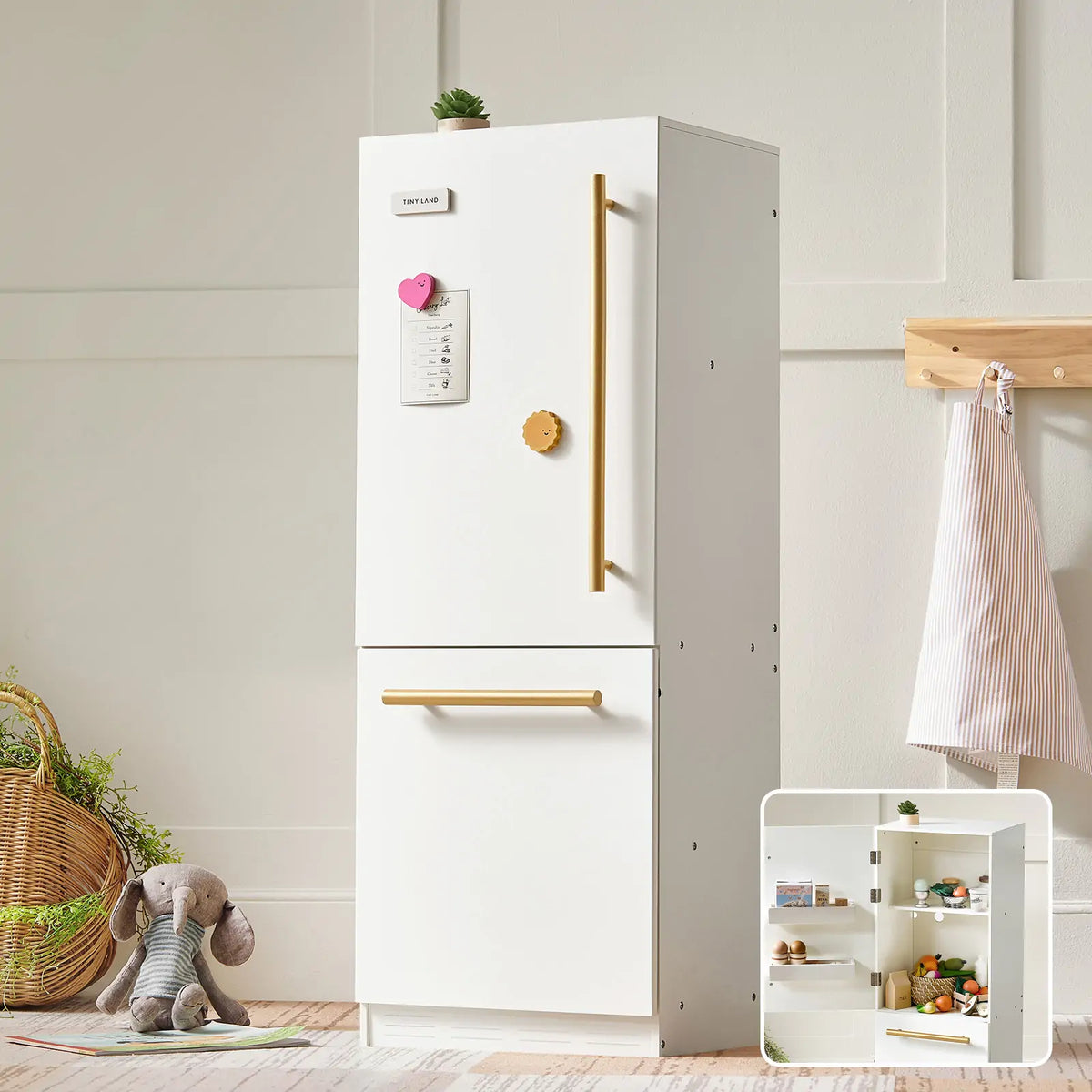
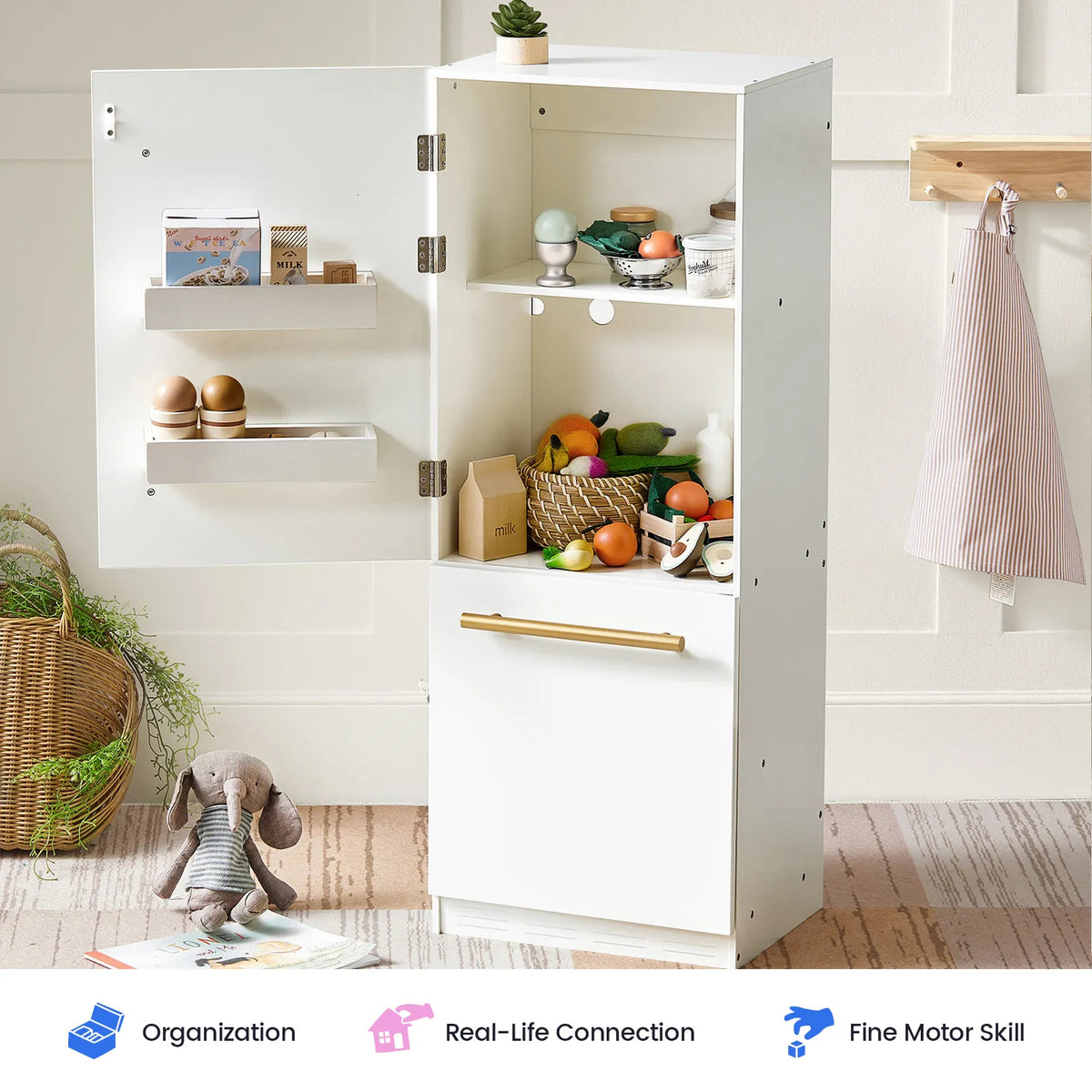
Toy fridge with cabinet
Children practice arranging dishes and ingredients in appropriate compartments, learning logical placement and developing a sense of order similar to real-life fridge organization.

Train track sets & track tables with storage boxes
After play, children put tracks and accessories back into storage boxes. This teaches children to manage their items responsibly, and reinforces tidy-up habits as part of play.

Play market stall with six built-in compartments
During pretend shopping and selling, children sort products by type, color, or category, practicing organization, spatial placement, and responsibility for keeping their market stall neat—all while engaging in imaginative role play.
These toys allow children to practice organizing and managing their items naturally, without it feeling like a chore.

Age-Appropriate Tips
Toddlers (1–3 years)
--Skill level: Early cognitive and fine motor development.
--Sorting method: Simple, single-dimension categories, such as color or size.
--Storage goal: Place items in one or a few bins without emphasizing exact placement.
--Educational value: Builds basic categorization awareness, hand-eye coordination, and an initial sense of order.
Preschool and Early School Age (3+ years)
--Skill level: Improved cognitive, memory, and logical skills; able to handle multi-step tasks.
--Sorting method: Multi-dimensional categories (color + type + function); children decide which compartment each item belongs to.
--Storage goal: Assign items to specific compartments or bins, emphasizing classification and spatial organization.
--Educational value: Strengthens multi-step execution, working memory, logical thinking, and responsibility.

Parent-Child Tips for Encouraging Organization
--Model and encourage: Play alongside your child, demonstrating how to sort and organize items, then let them try it themselves.
--Story-based cleanup: Make tidying part of a playful narrative, such as “Let’s put the fruit back for Teddy Bear’s breakfast,” sparking imagination while practicing organization.
--Use visual cues: Colors, labels, or divided storage bins help children recognize categories and put items in the correct place.
--Integrate cleanup into routines: Encourage children to put items away both during and after play, turning organization into a natural part of their playtime.
Playtime isn’t just about fun—it’s a chance for children to learn to sort, organize, and put away items, developing Organization skills in a natural, hands-on way. Thoughtfully designed toys and playful cleanup strategies help children build these abilities while enjoying themselves, preparing them for future learning and everyday life.