
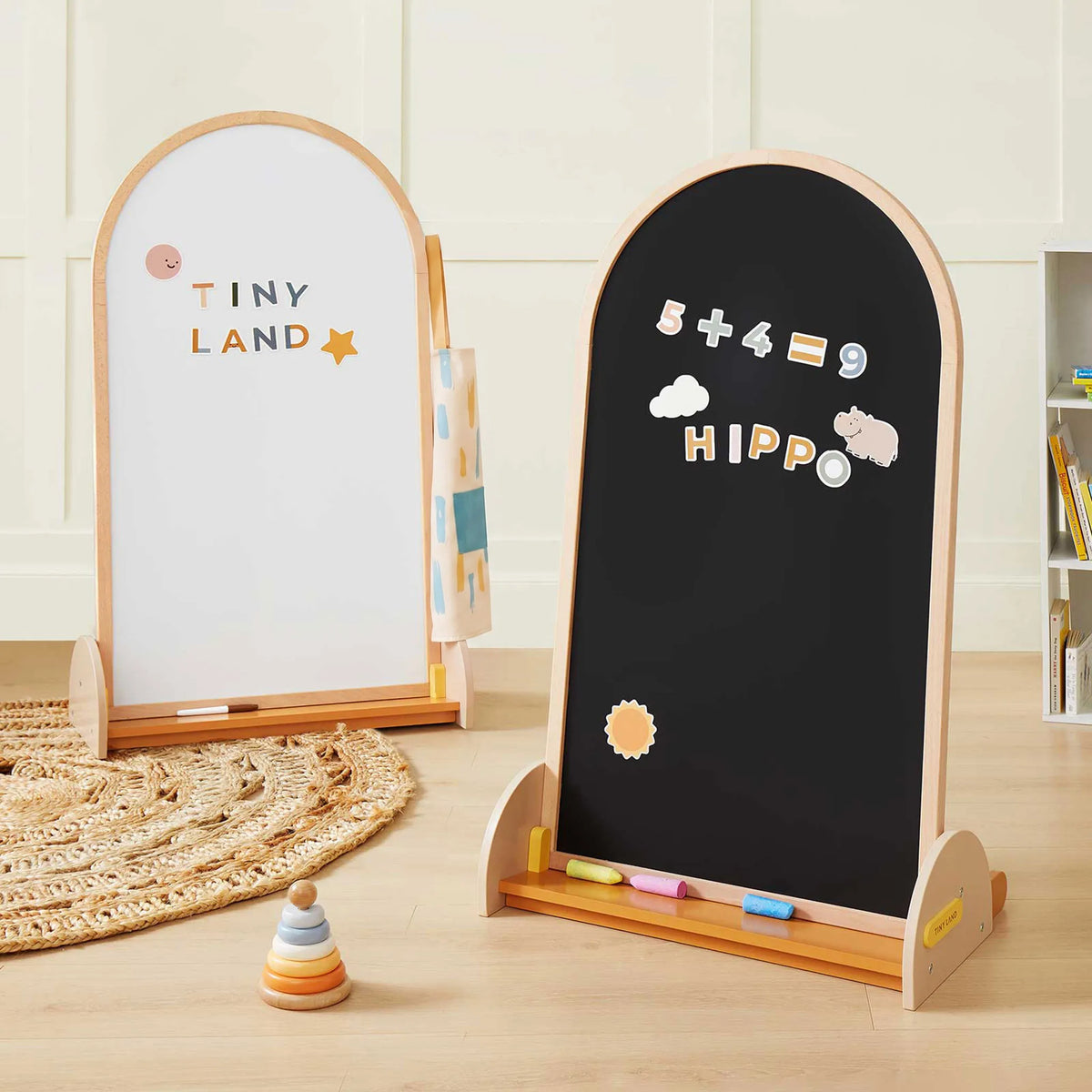
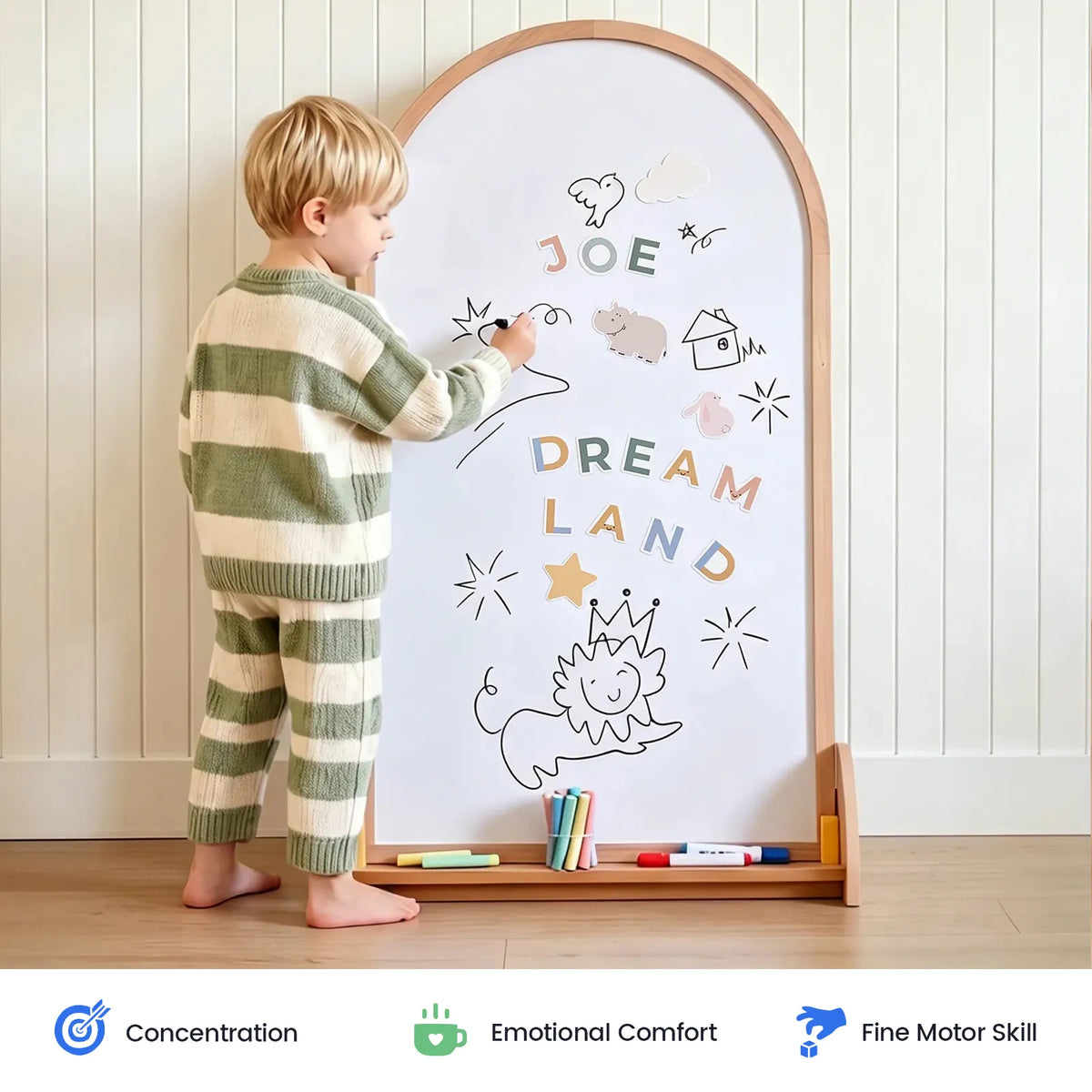

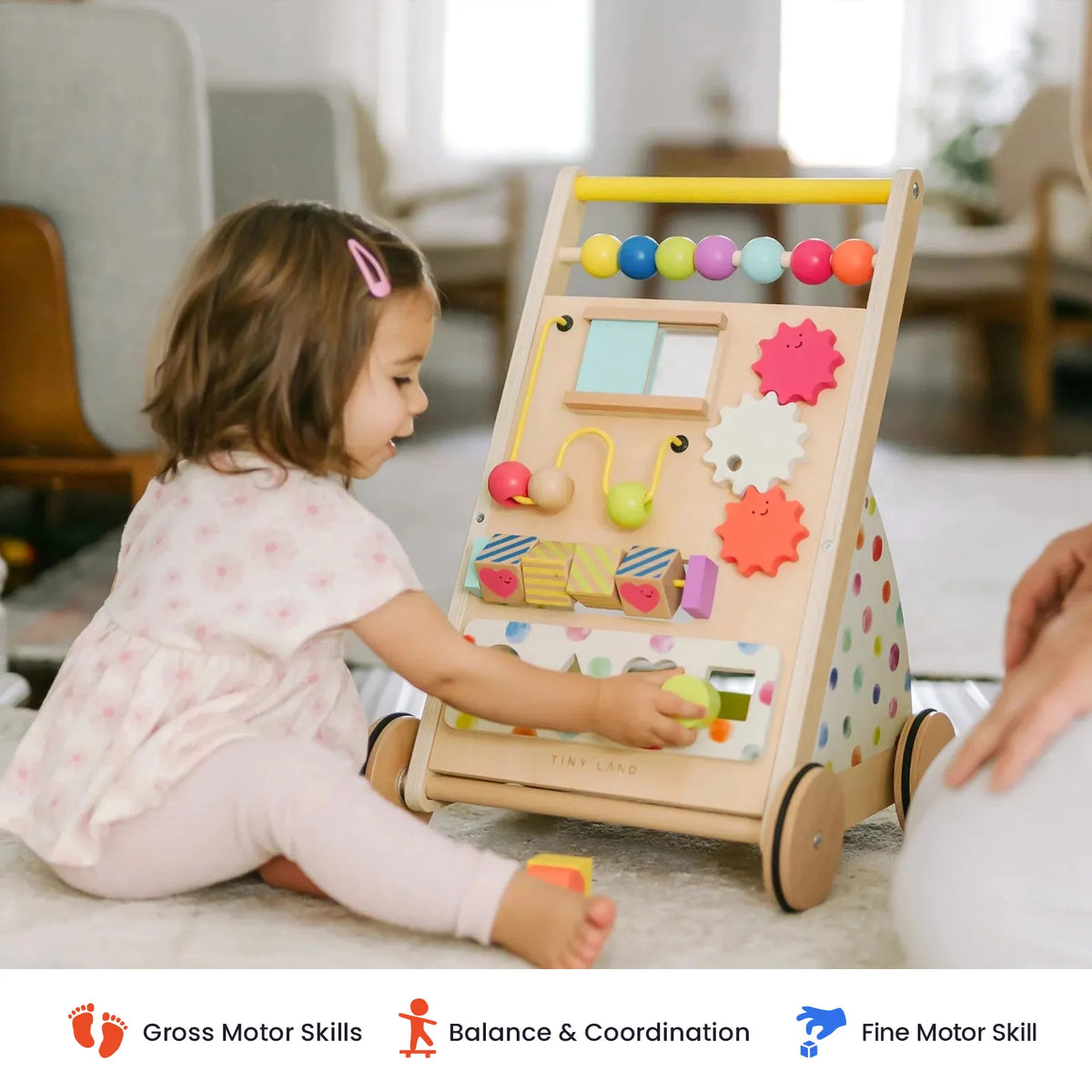


A thoughtfully designed playroom is more than a place filled with toys. For toddlers, it is a prepared environment where they can explore, create, move freely, and develop independence through meaningful play.
A Montessori-inspired playroom focuses on creating a child-centered space where furniture, toys, and activity areas are intentionally arranged to support children’s natural curiosity.
The idea behind a Montessori environment is simple: children learn best when they can safely interact with their surroundings and make choices independently.
From accessible play materials to child-sized furniture, every element should encourage confidence, exploration, and creativity.
Choosing the right safe kids play area furniture can help transform an ordinary room into a space where children feel comfortable learning through play.
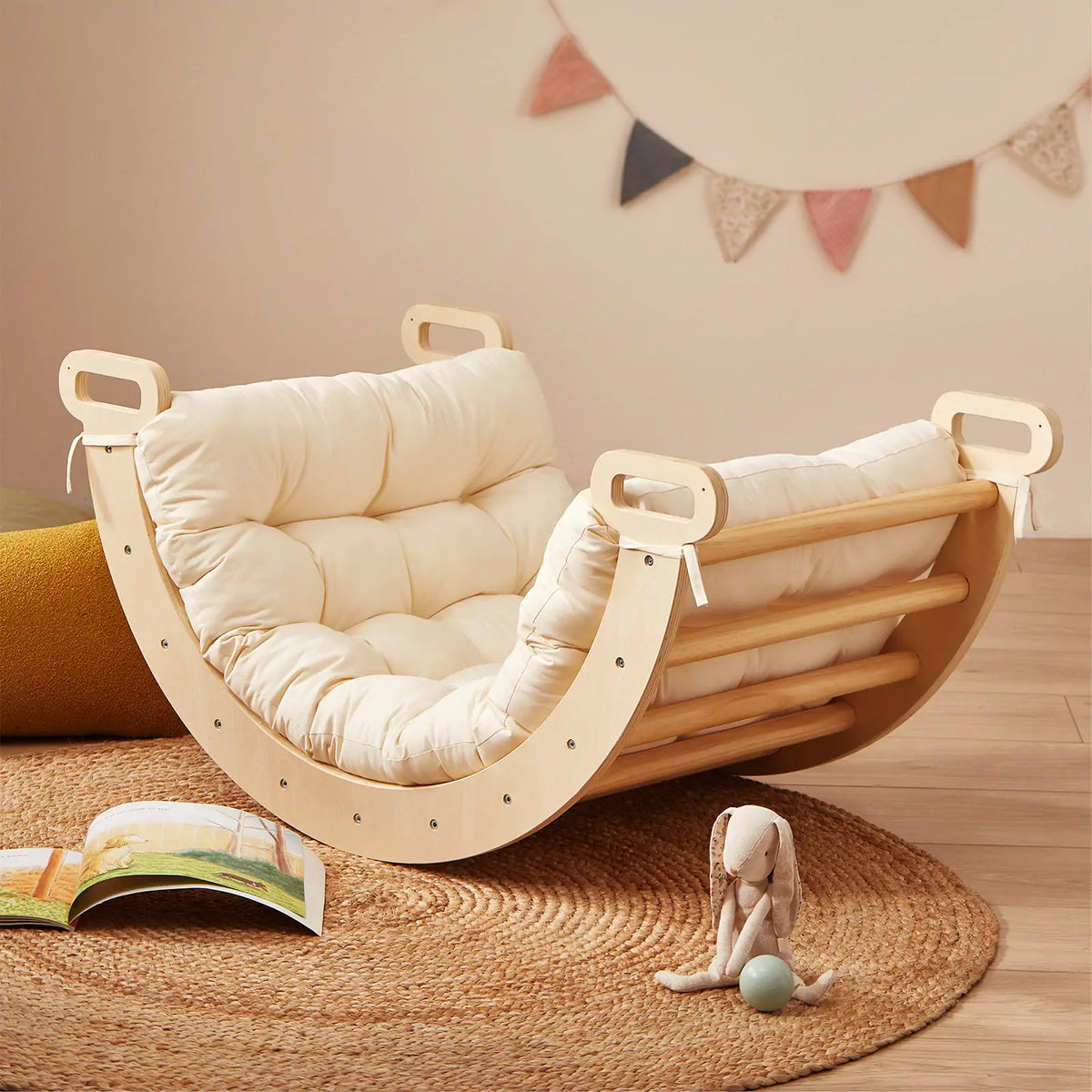
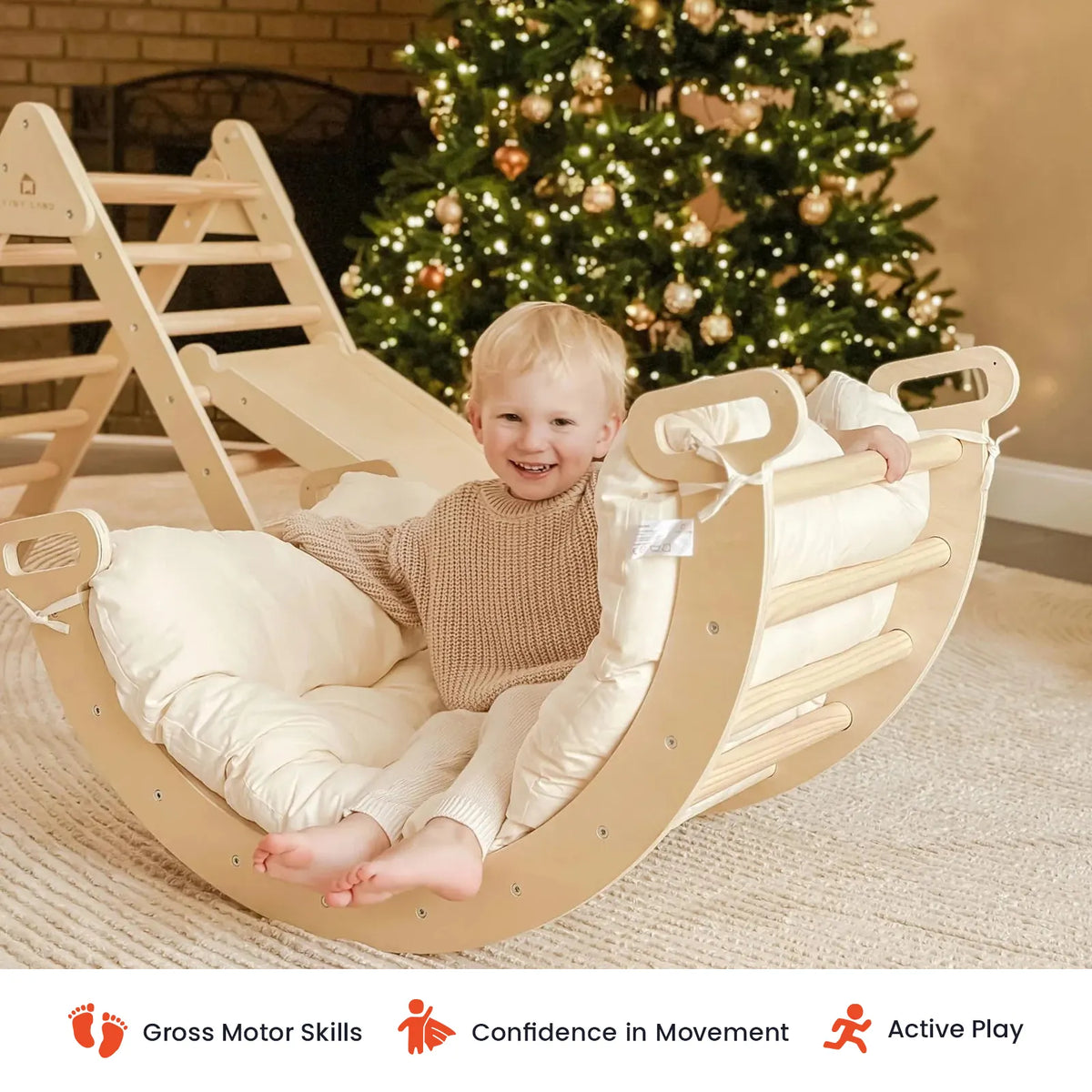
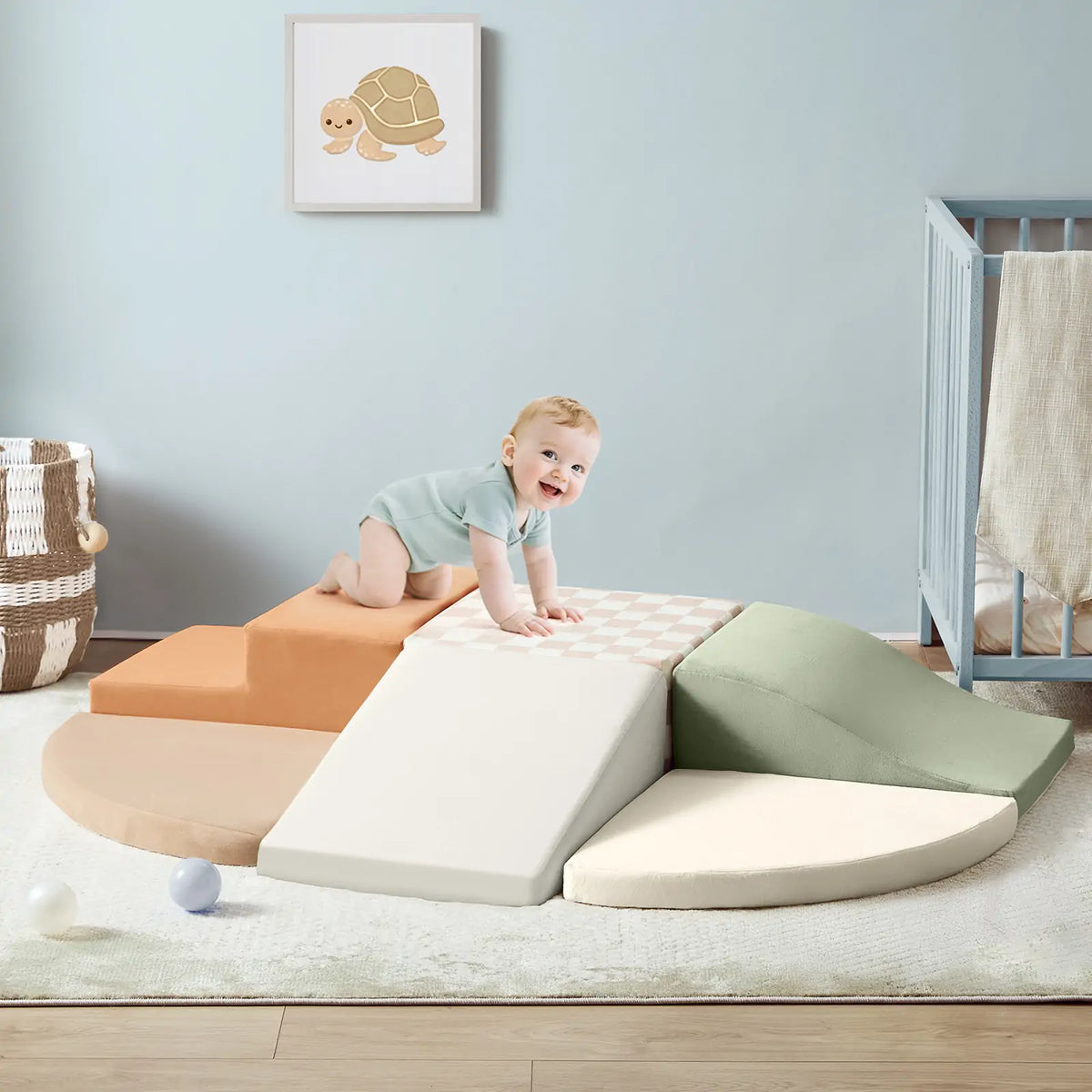
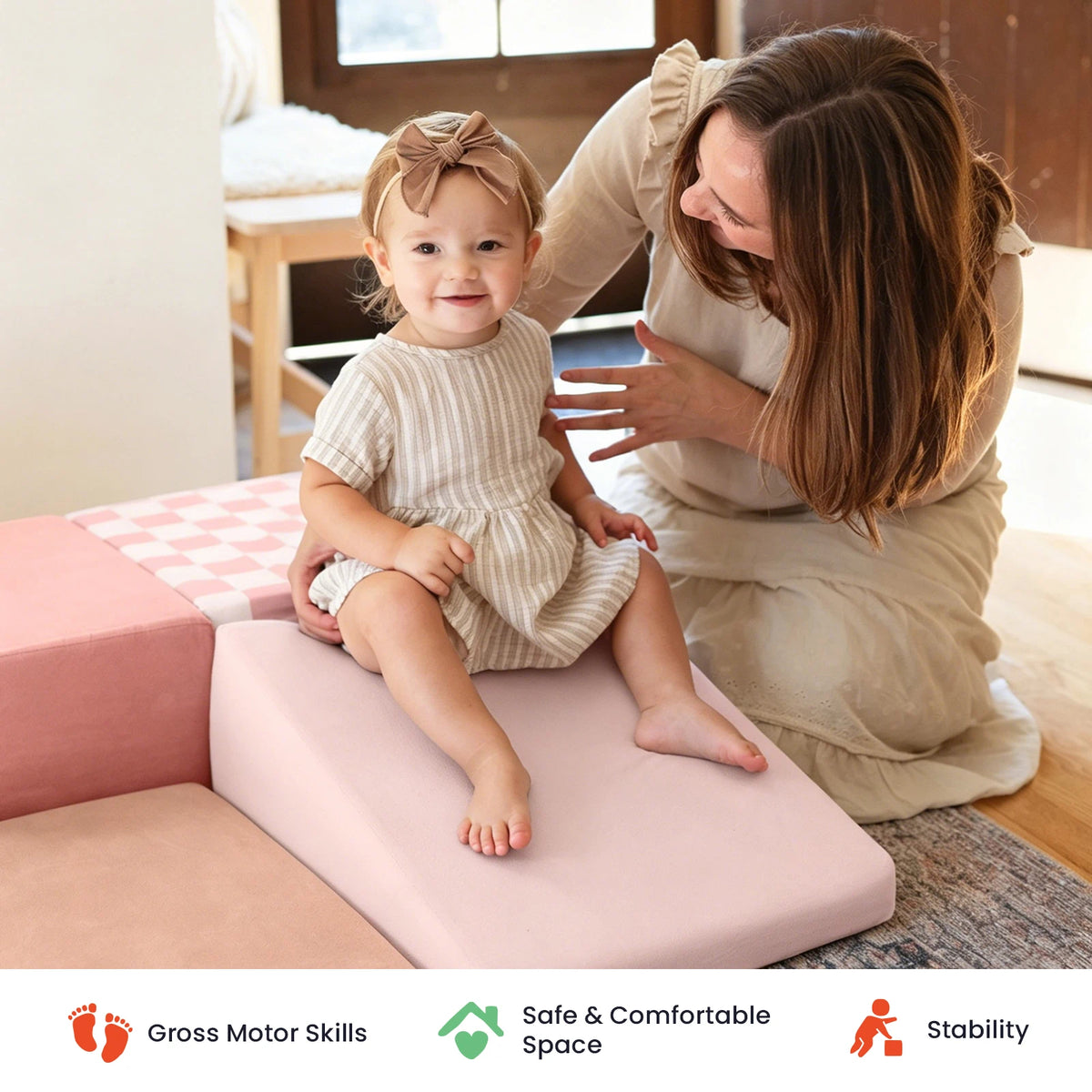
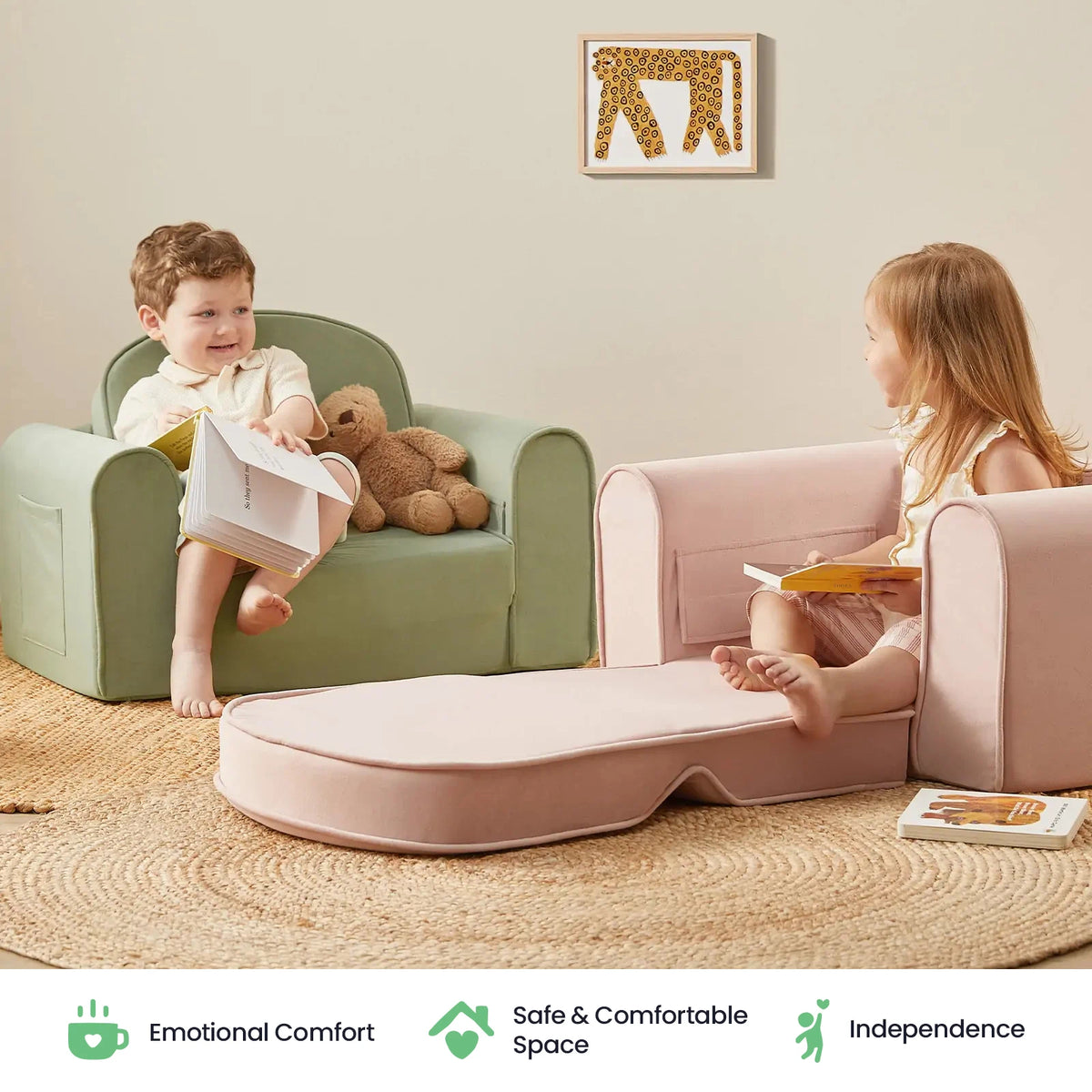
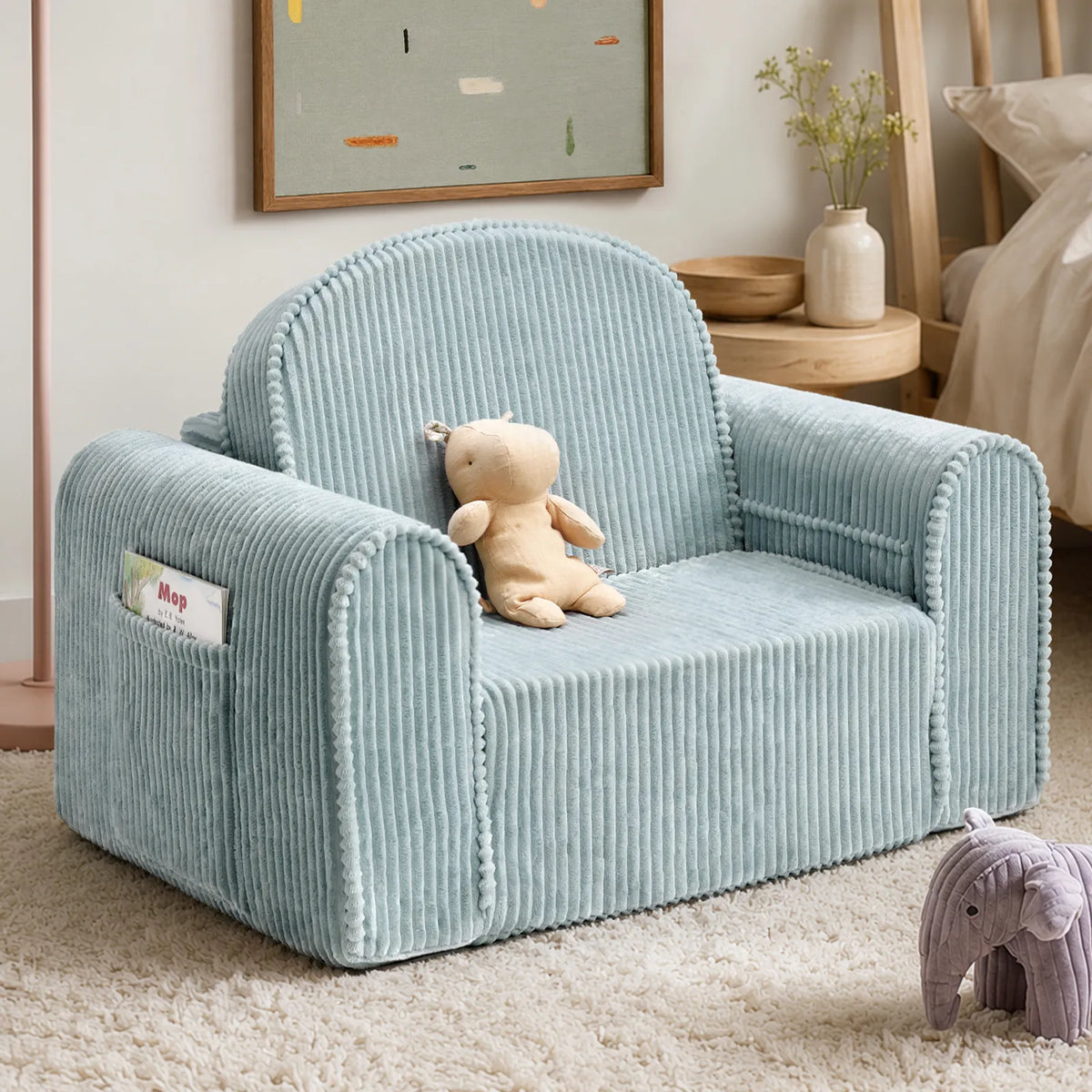
A soft foam toddler sofa plays an important role in this environment. Unlike traditional furniture designed only for sitting, foam seating creates a flexible area where children can read, relax, build, imagine, and connect with family.
By combining soft furniture with wooden play kitchens, kids tents, and dollhouses, families can create a complete Montessori playroom setup that supports active play, quiet moments, and independent exploration.

Core Principles of a Safe & Toddler-Friendly Playroom
A safe toddler playroom is not about limiting movement. It is about creating an environment where children can explore confidently while reducing unnecessary risks.
The best playroom designs balance:
- Safety
- Independence
- Comfort
- Creativity
- Natural movement
Thoughtfully chosen furniture allows children to interact with their space in meaningful ways while giving parents peace of mind.
Low-Profile & Soft Furniture for Total Independence
One of the key principles of Montessori-inspired spaces is encouraging children to participate independently in their environment.
Furniture designed for toddlers should be:
- Easy to access
- for small children
- Safe for everyday movementFlexible for different types of play
Low-profile furniture allows children to sit, stand, and move naturally without constantly needing adult assistance.
A soft foam sofa supports this independence by giving toddlers a comfortable space they can use in many ways.
It can become:
- A reading corner
- A resting area
- A storytelling space
- A place for imaginative play
When children can interact with their environment independently, they develop confidence and a stronger sense of ownership over their play space.

Banish Sharp Corners: The Power of Foam & Sponge Seating
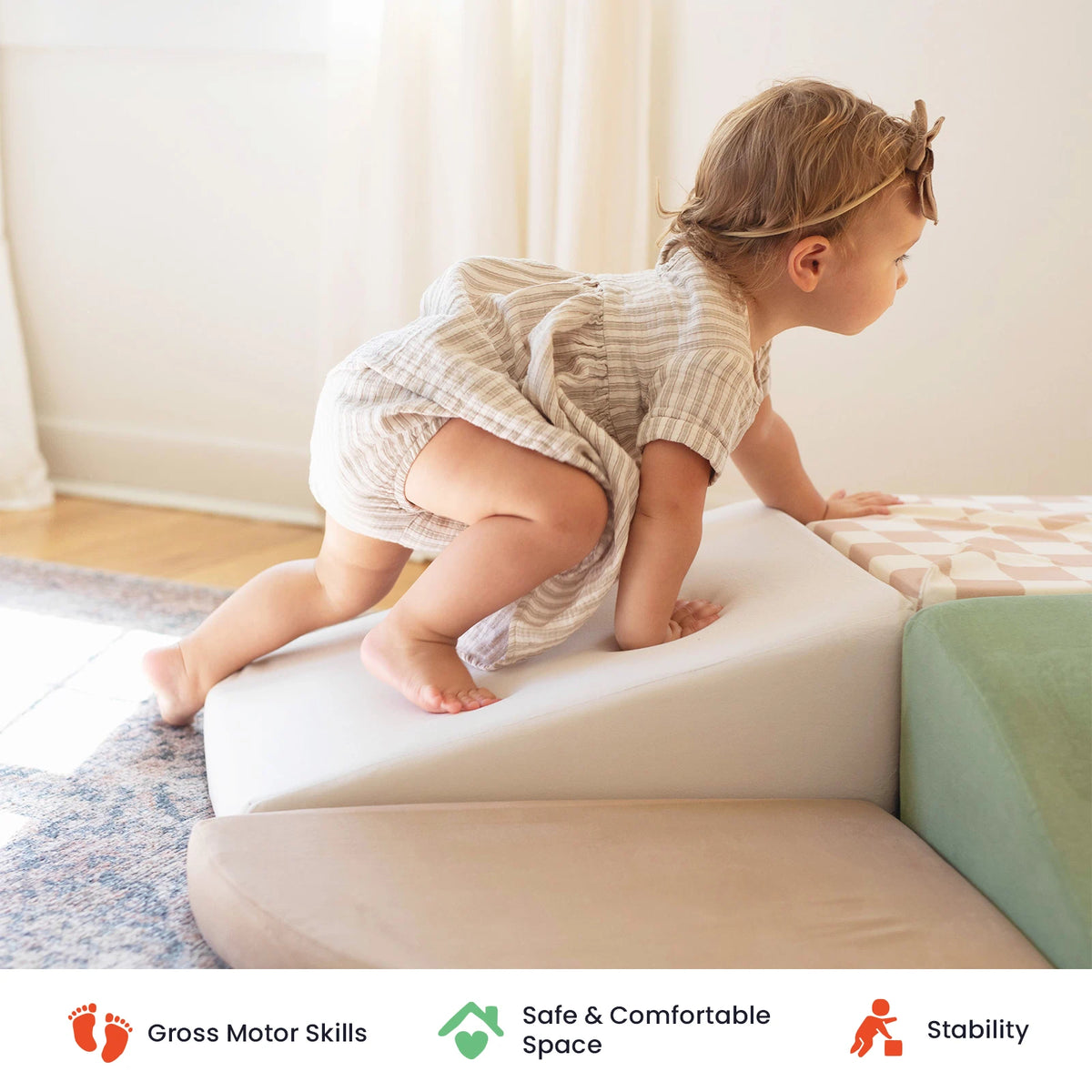
Toddlers learn through movement. They crawl, climb, jump, roll, and explore as they discover the world around them.
Because young children are naturally active, playroom furniture should support movement while creating a comfortable environment.
Compared with traditional hard furniture, soft foam seating provides:
- Cushioned support
- Comfortable surfaces
- Flexible play opportunities
- A softer environment for everyday activities
A soft foam toddler sofa is more than a seat. It becomes part of the playroom itself, creating a safe and cozy area where children can transition between active play and quiet relaxation.

Setting Up the 4 Essential Playroom Zones
A successful Montessori playroom setup does not require a large space. The goal is to create intentional zones that support different types of play and learning.
By organizing the room into different areas, children can naturally understand where they can create, imagine, explore, and rest.
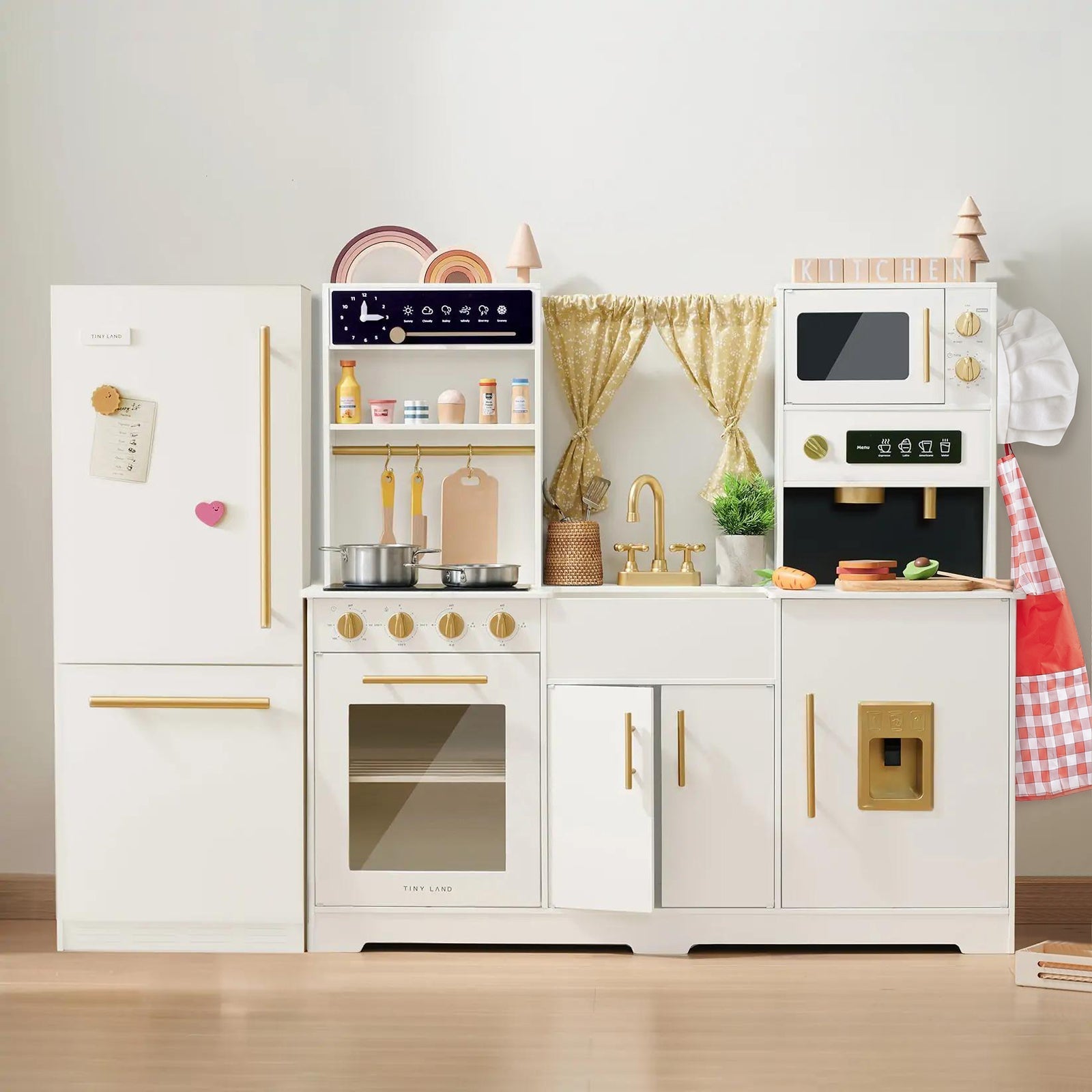
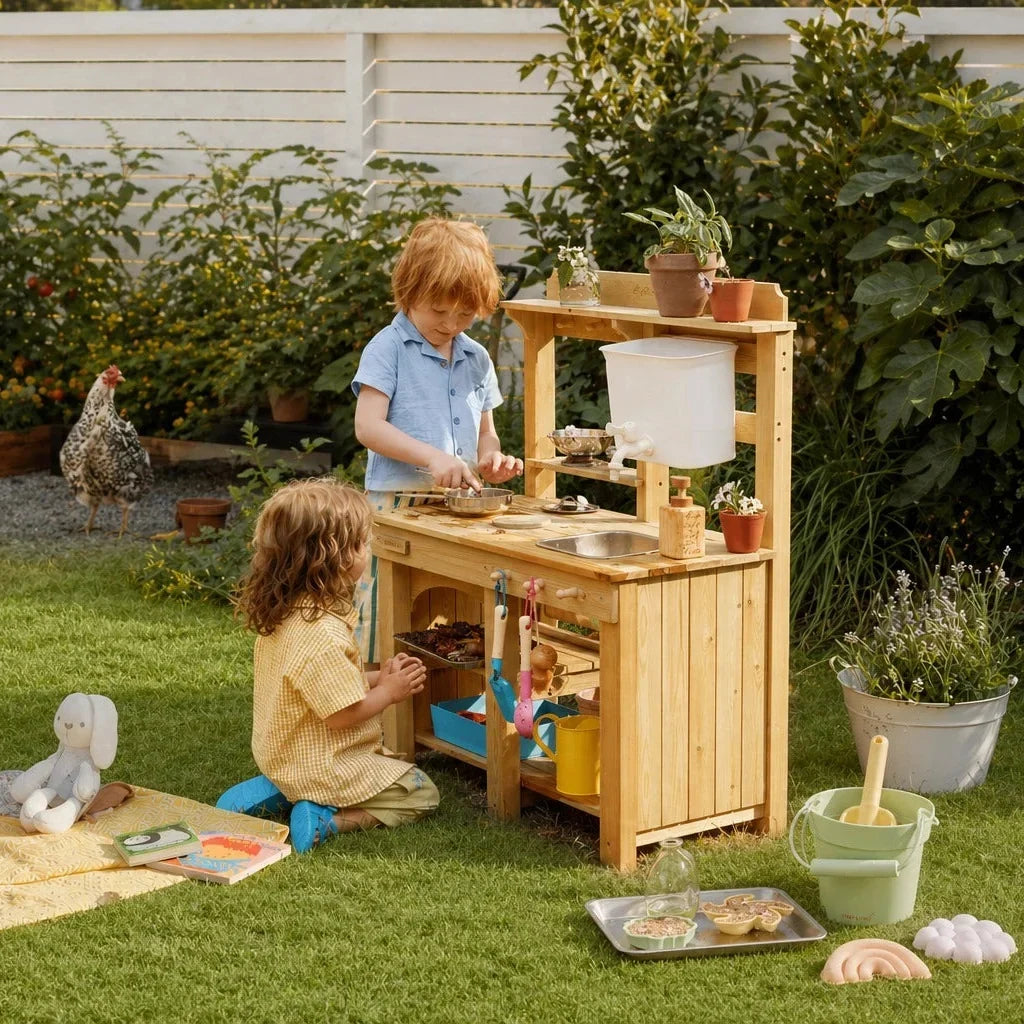
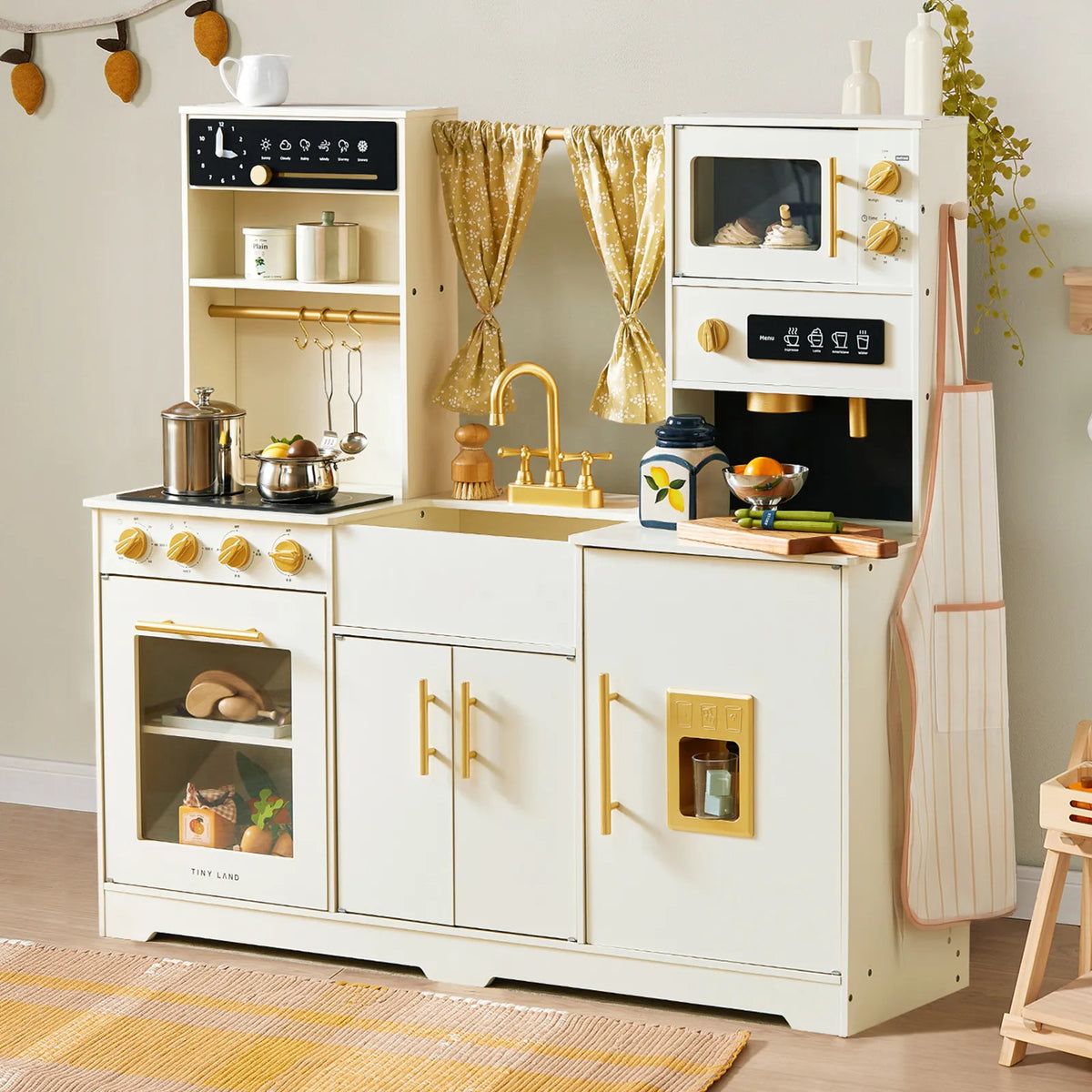
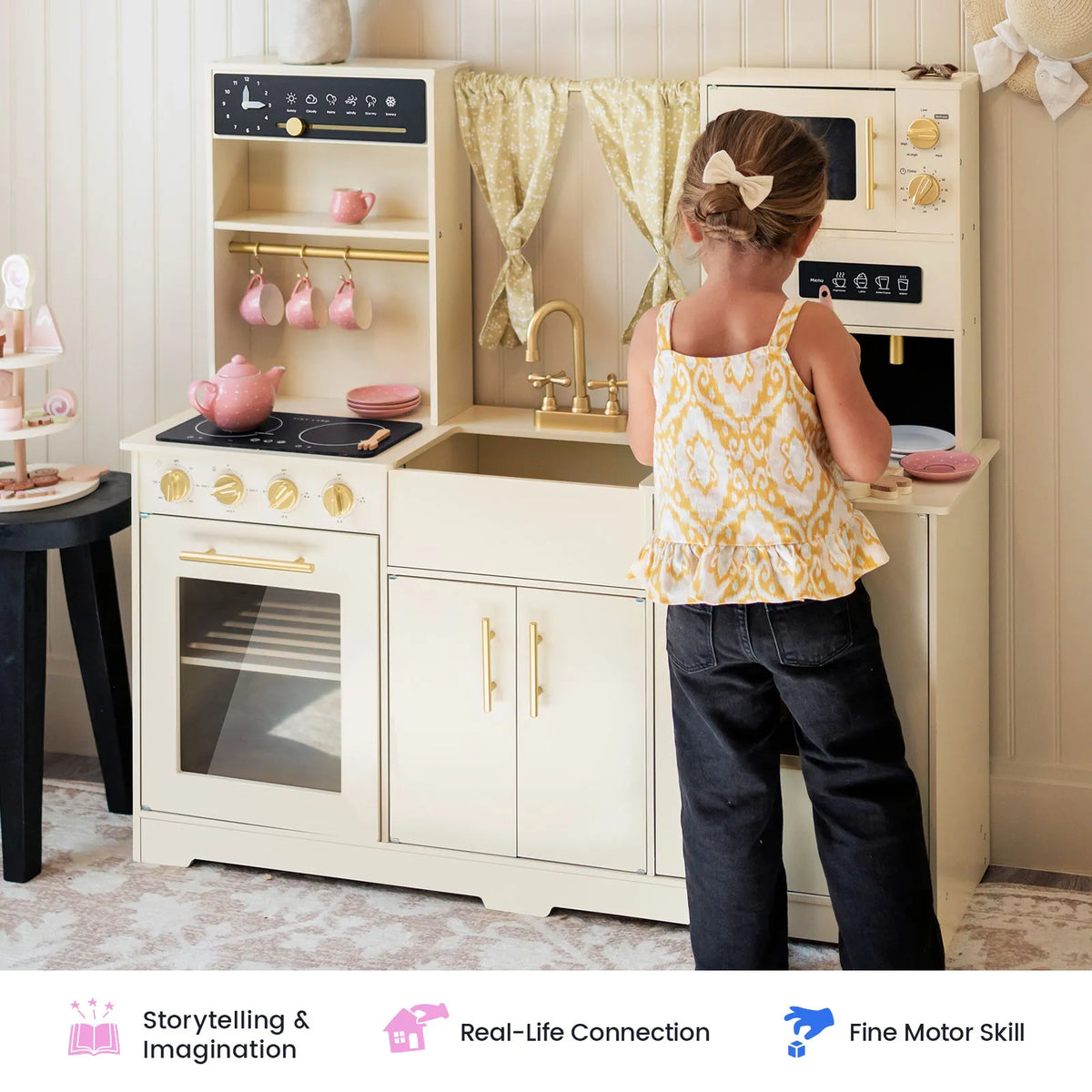
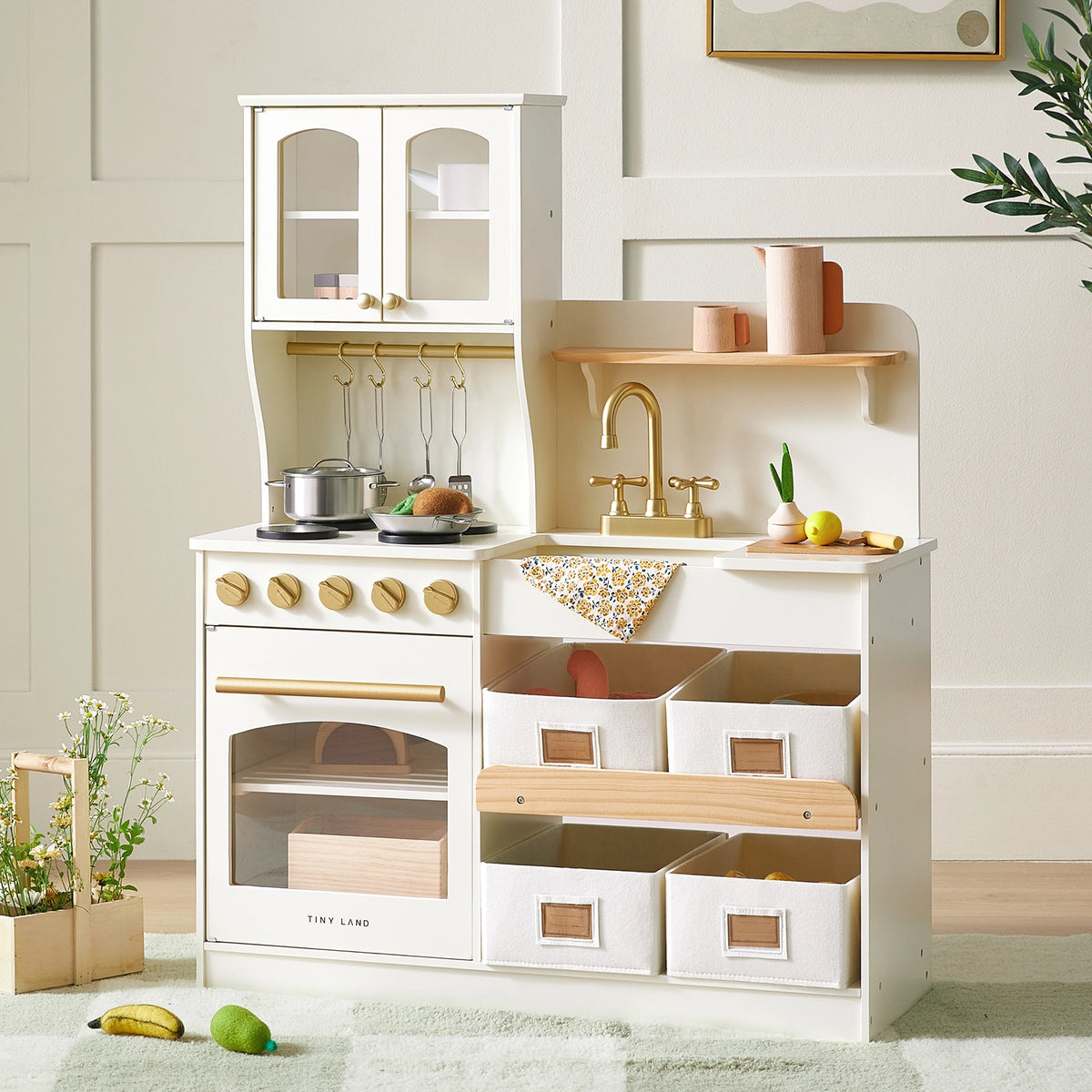
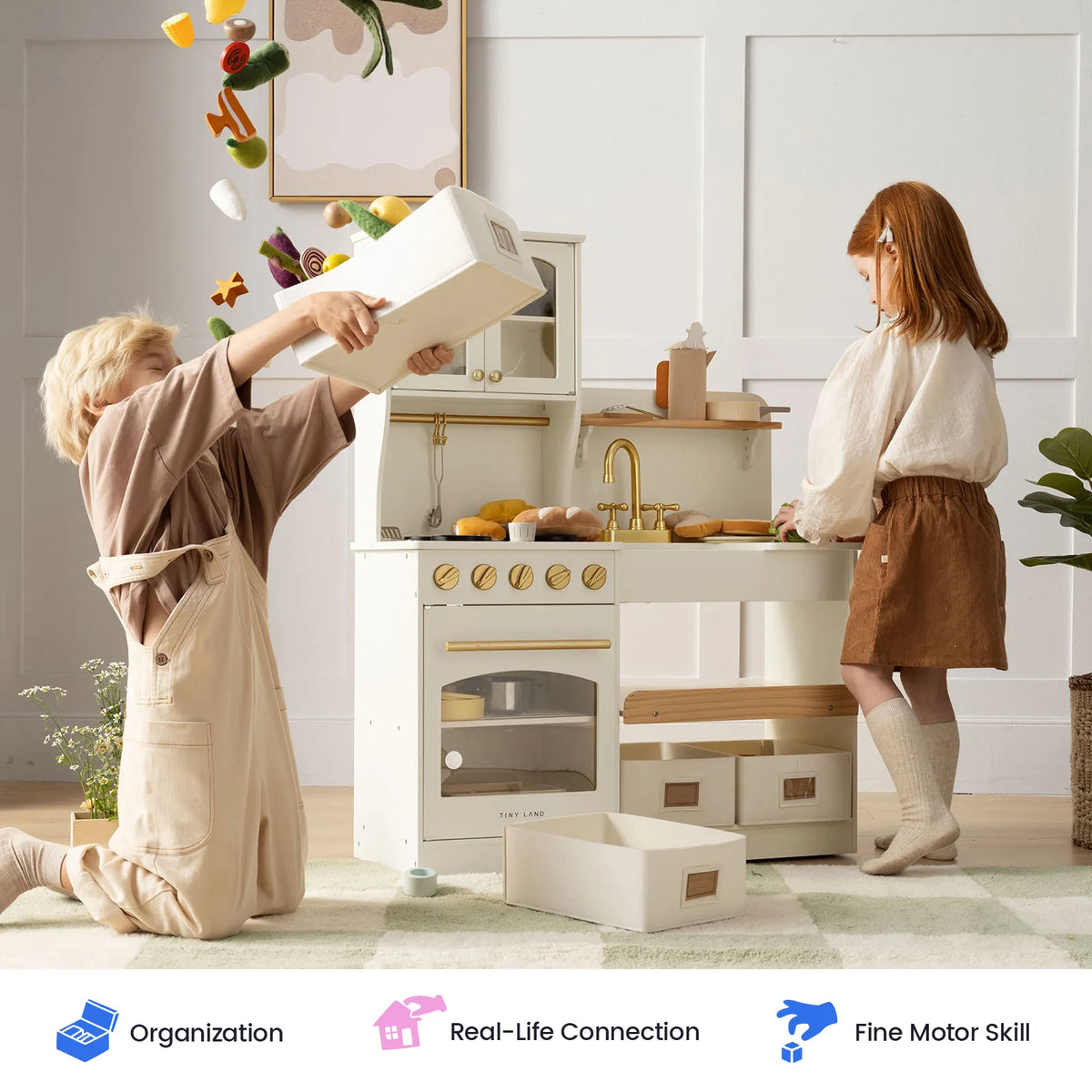
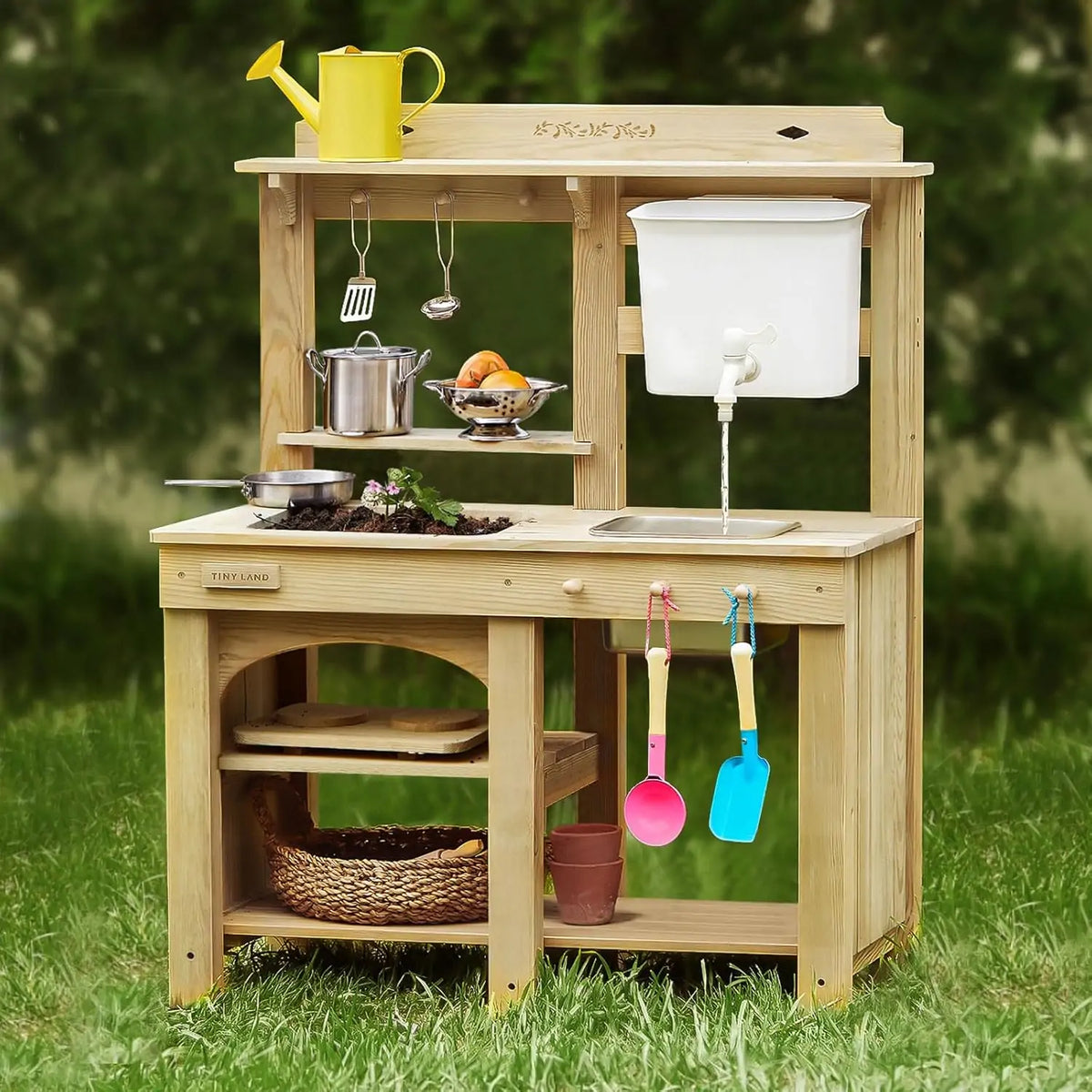
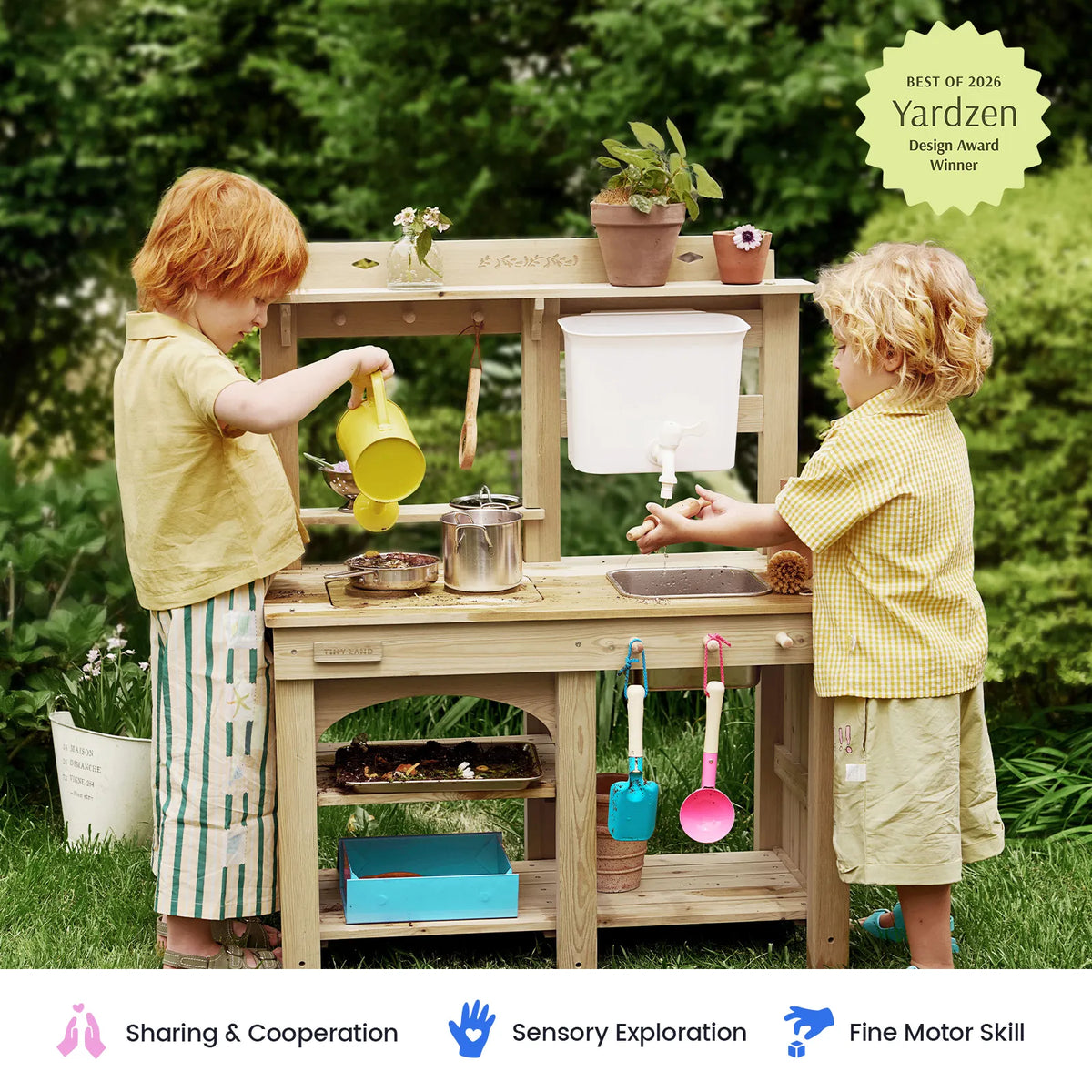
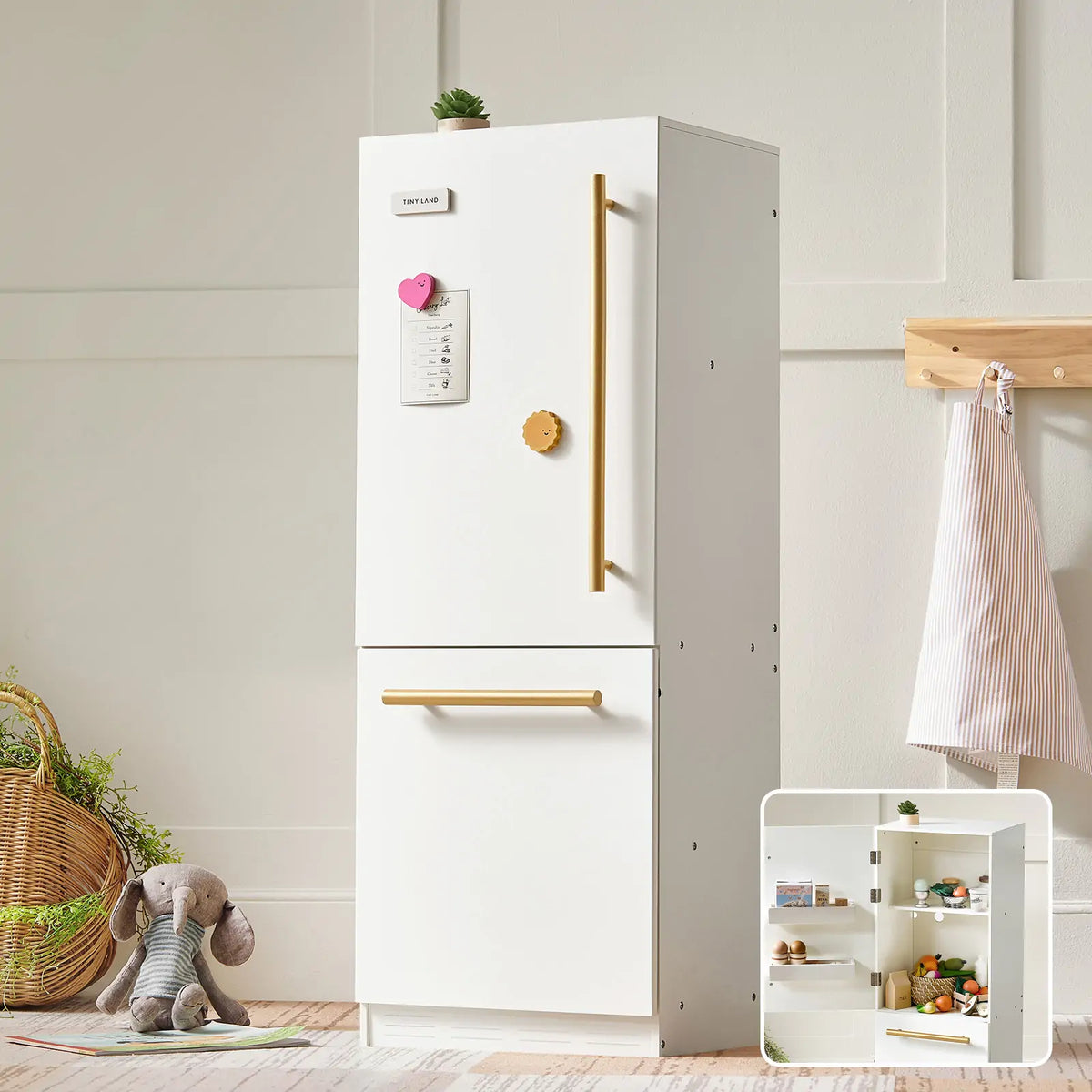
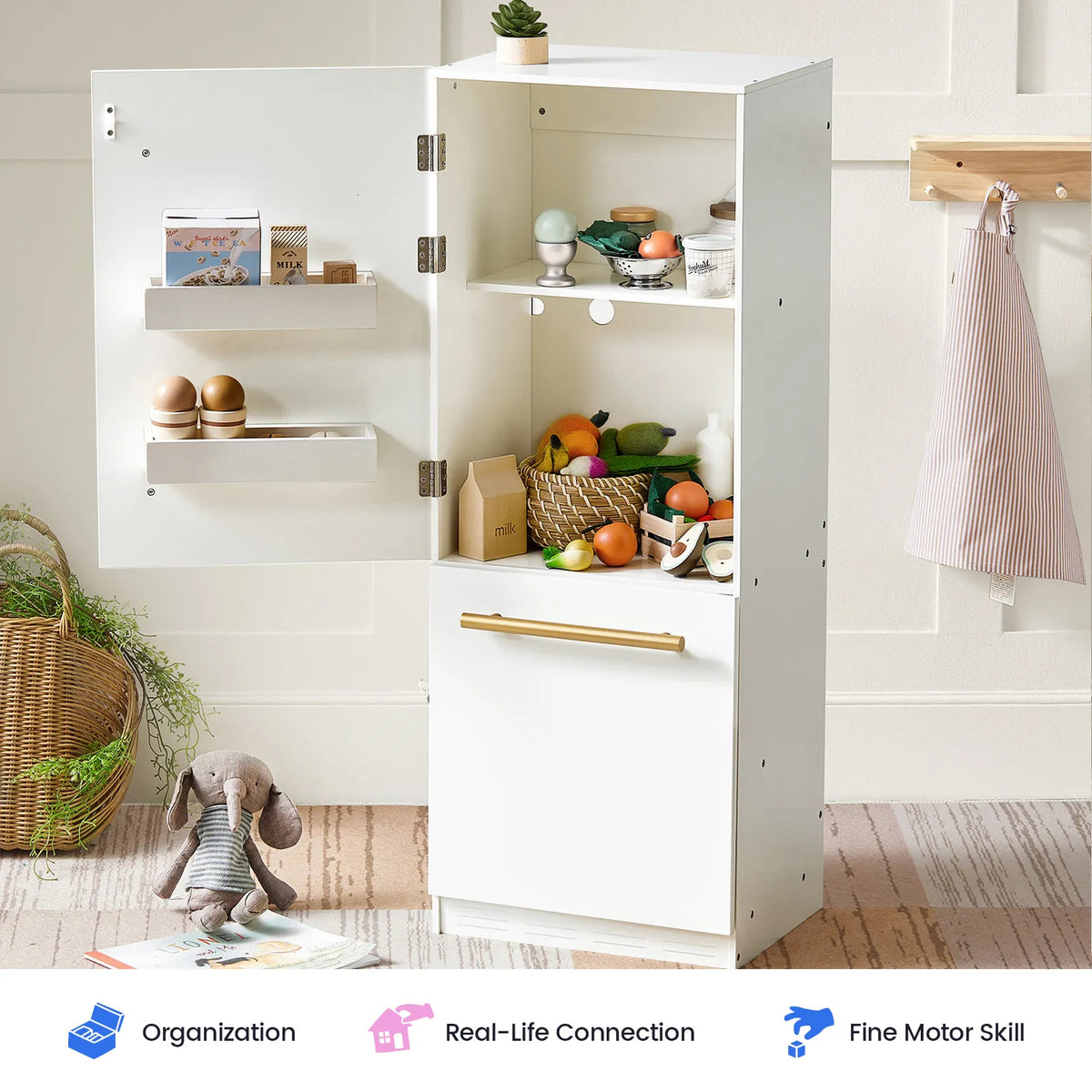
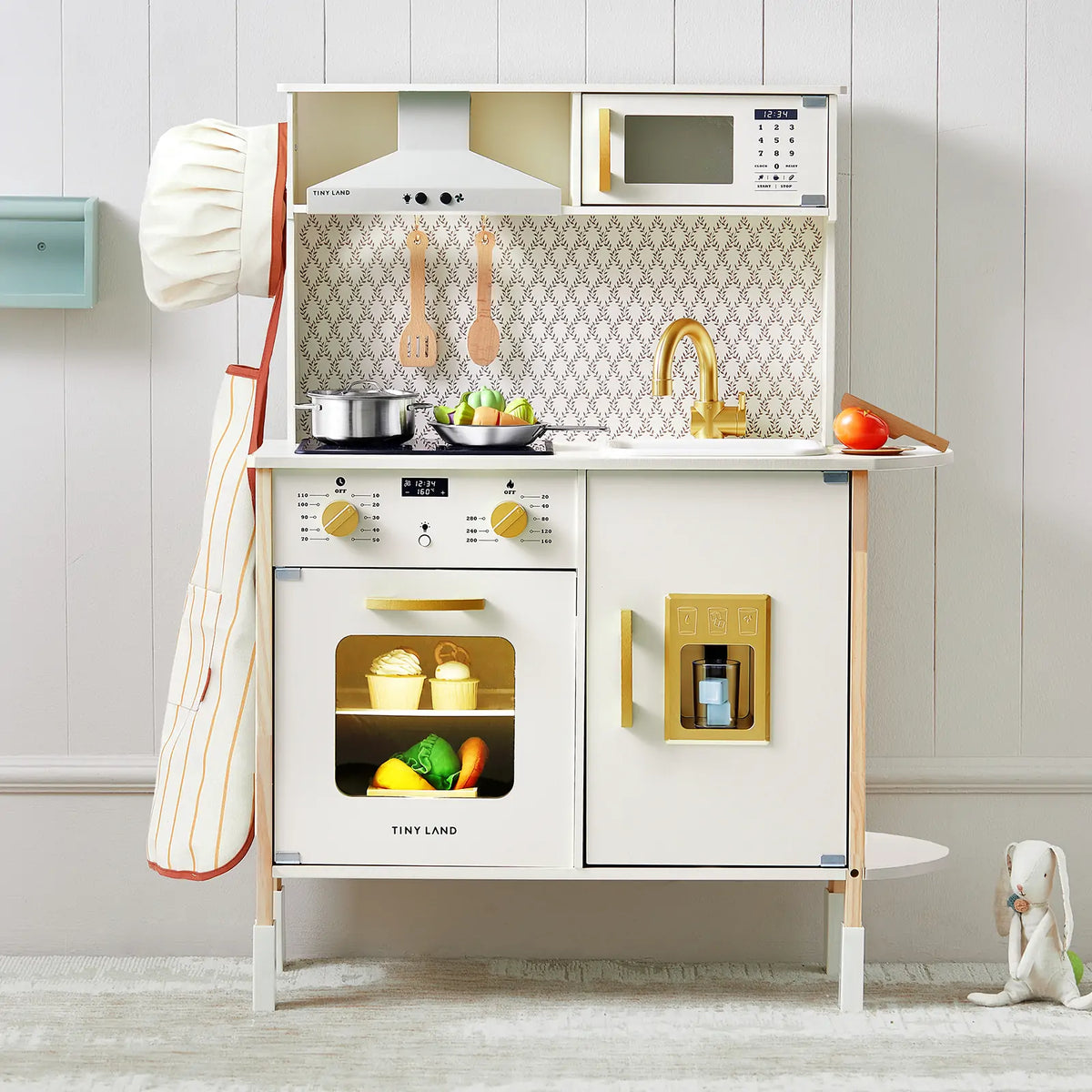
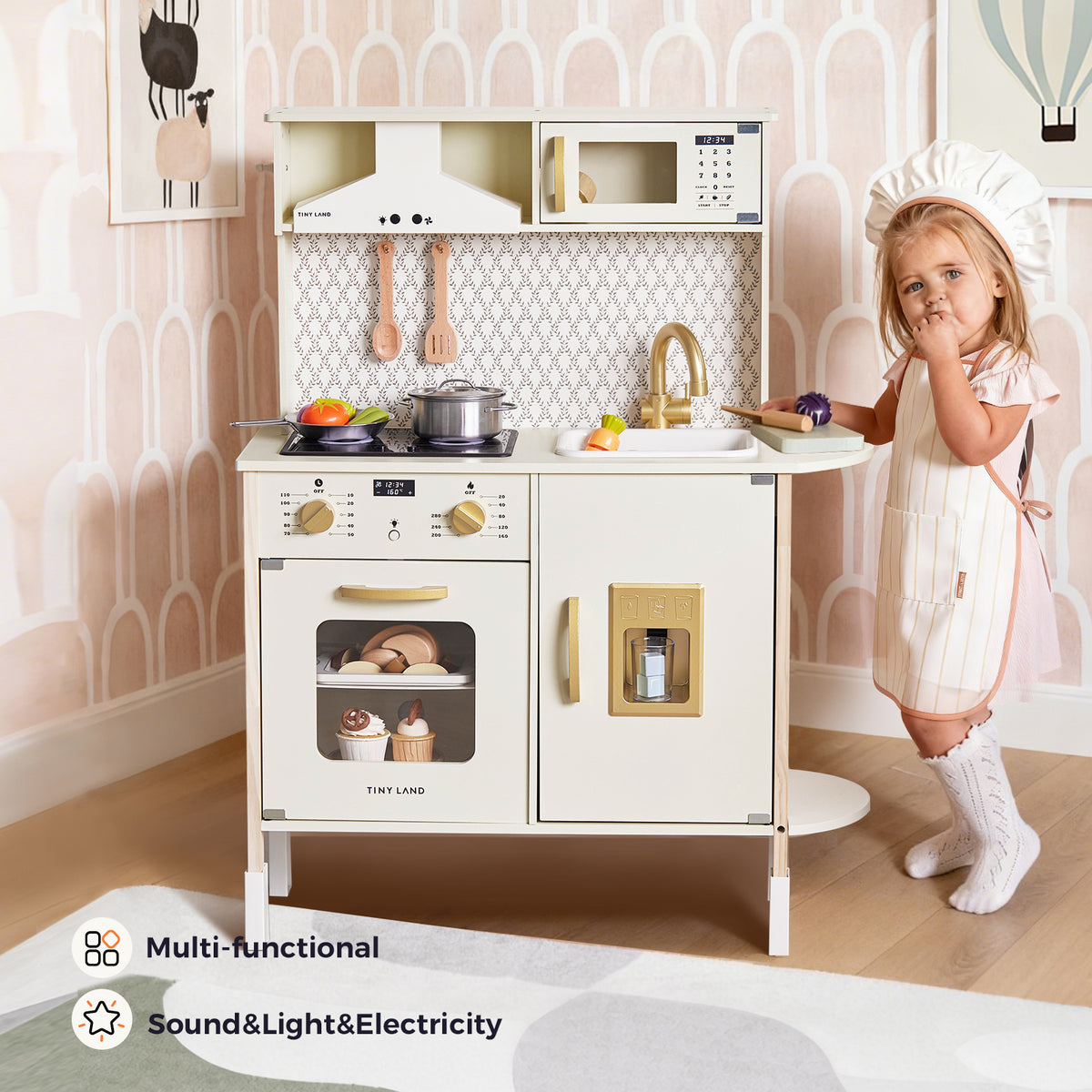
The Active Pretend Play Zone (Play Kitchens & Cooking Sets)
Pretend play allows children to recreate familiar experiences while developing creativity, communication, and problem-solving skills.
A wooden play kitchen creates opportunities for children to:
- Practice everyday routines
- Create imaginative scenarios
- Develop language through storytelling
- Build confidence through role-play
Children may pretend to prepare meals, run a café, or cook for family members and toys.
This type of open-ended play helps children understand the world around them while encouraging creativity and social development.
A dedicated pretend play area with a wooden play kitchen becomes an active learning zone where children can explore independently.

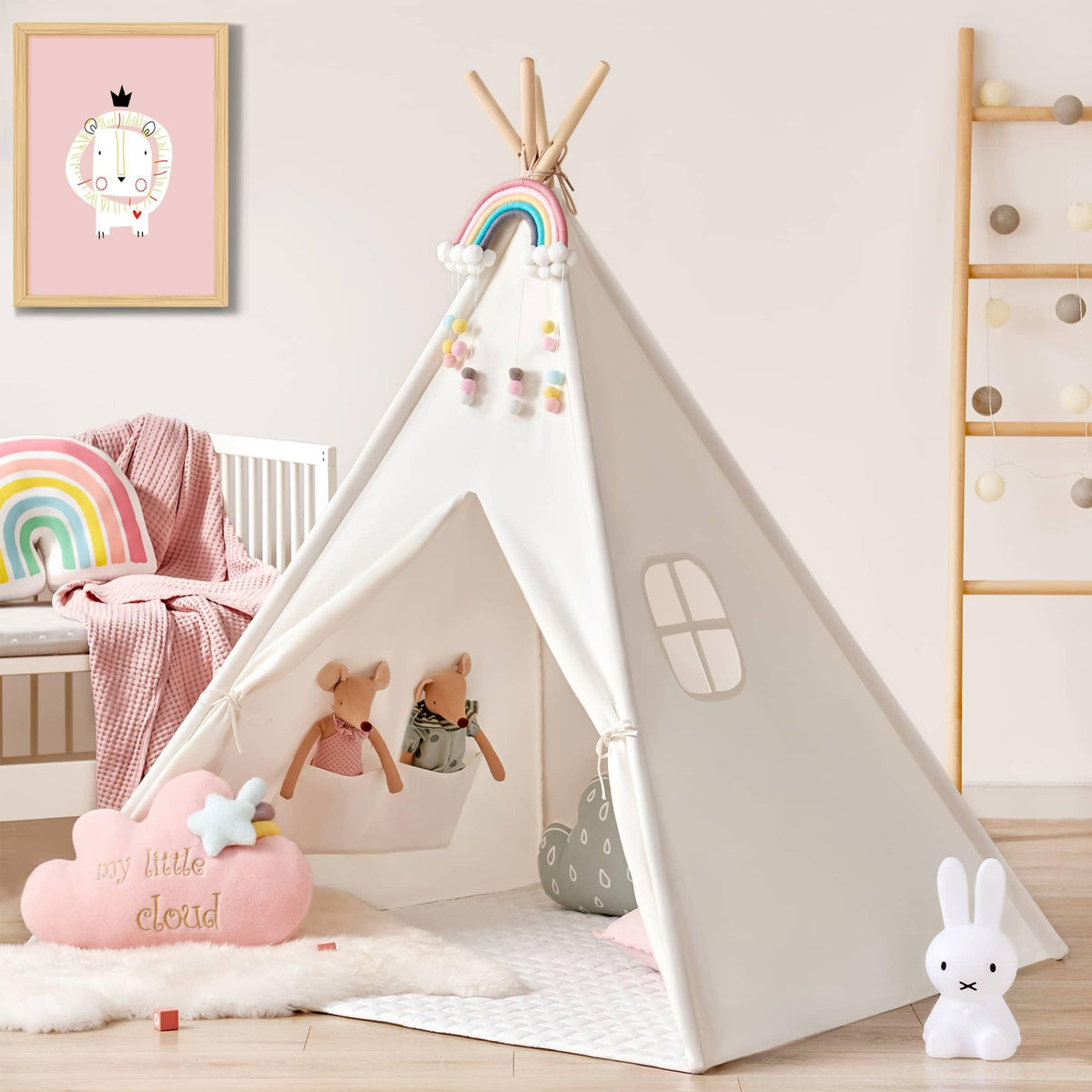
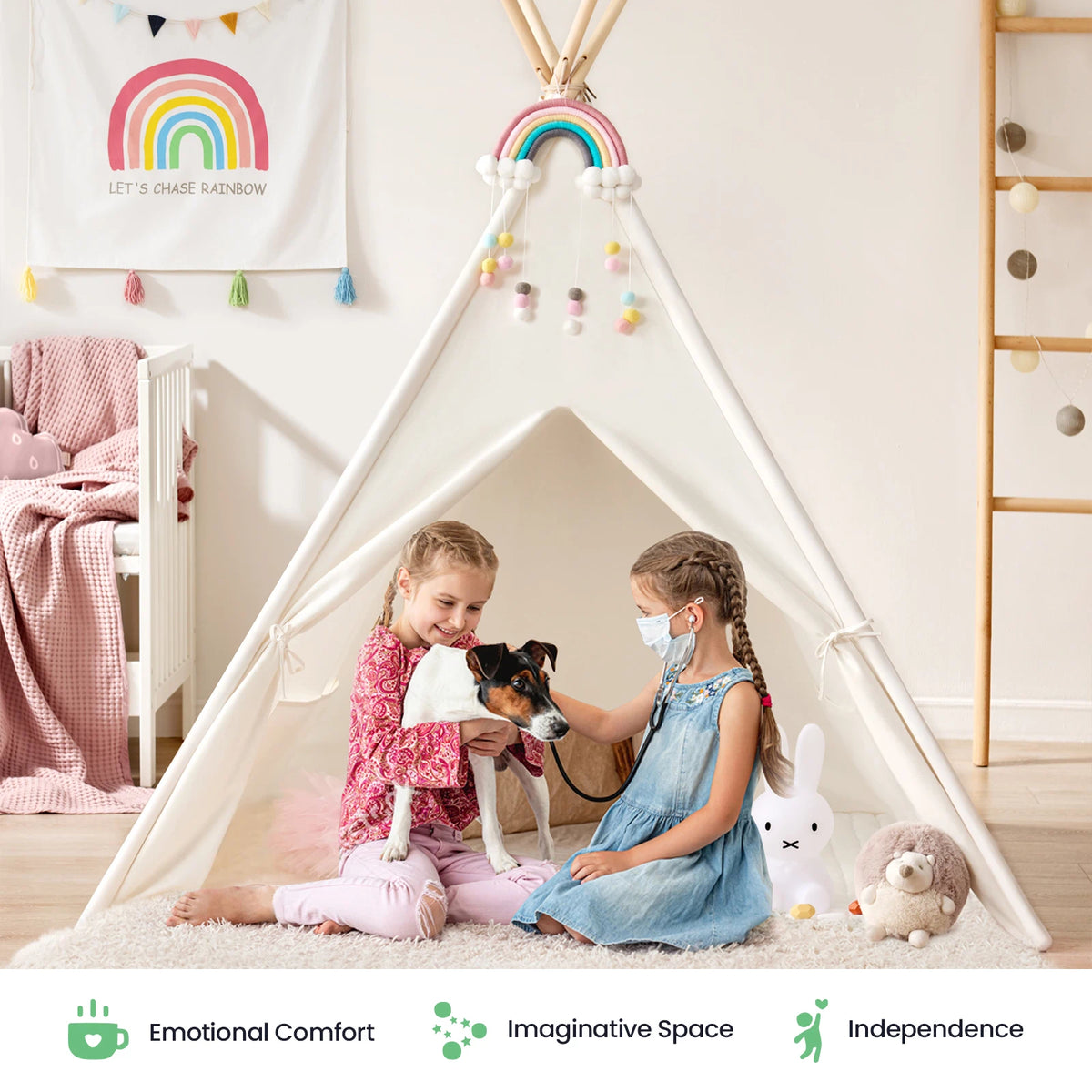
The Quiet Lounge & Reading Corner (Kids Tents + Comfy Foam Sofas)
A balanced playroom needs spaces for both excitement and calm.
A kids tent paired with a comfortable foam sofa creates a cozy retreat where children can:
- Read books
- Relax after active play
- Create a private imagination space
- Enjoy quiet independent time
The tent provides a sense of comfort and personal space, while the foam sofa offers soft seating for reading, storytelling, and family connection.
This combination creates a calming area where children can recharge while developing independence.
A thoughtfully designed reading corner can become one of the most meaningful spaces in a toddler’s playroom.

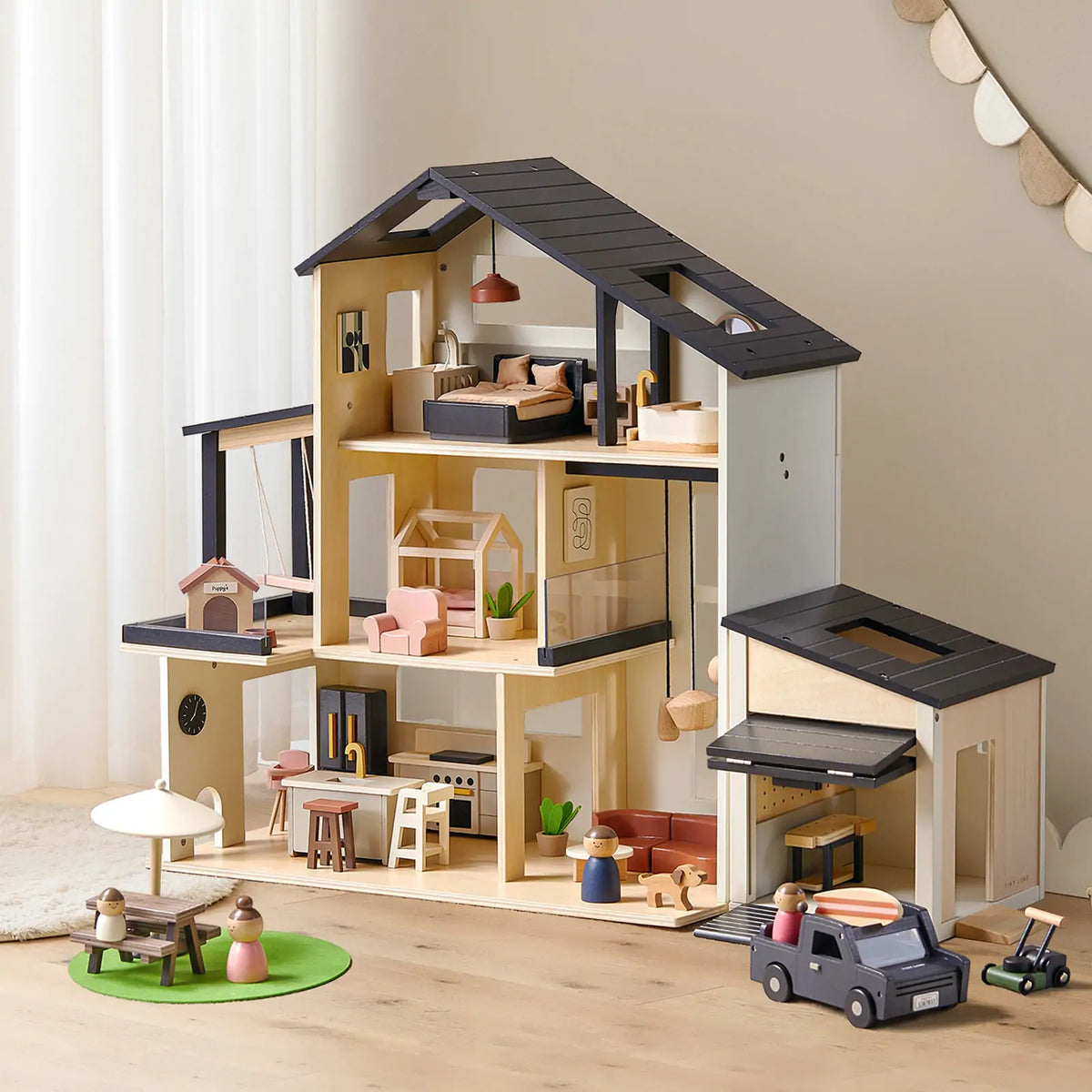
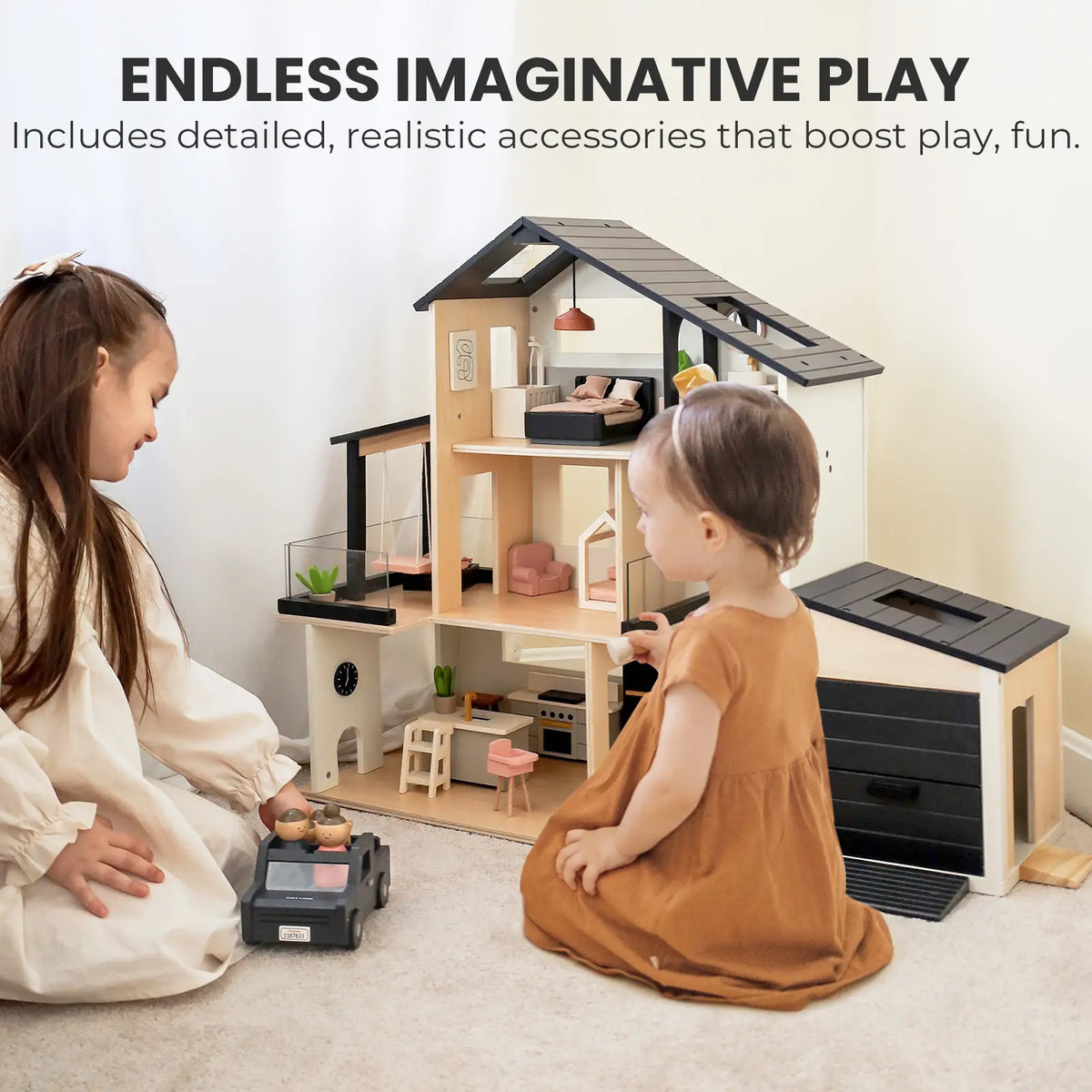
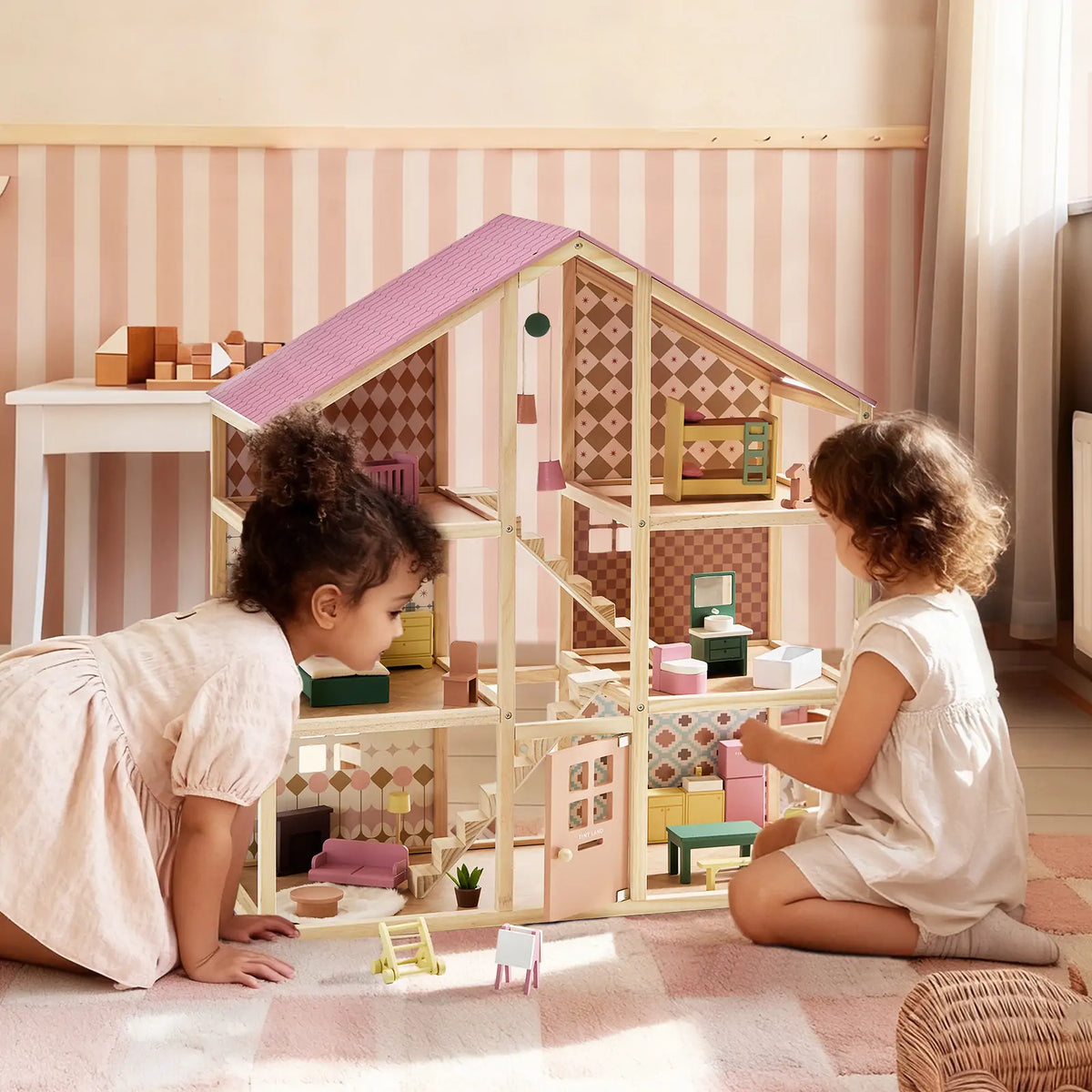
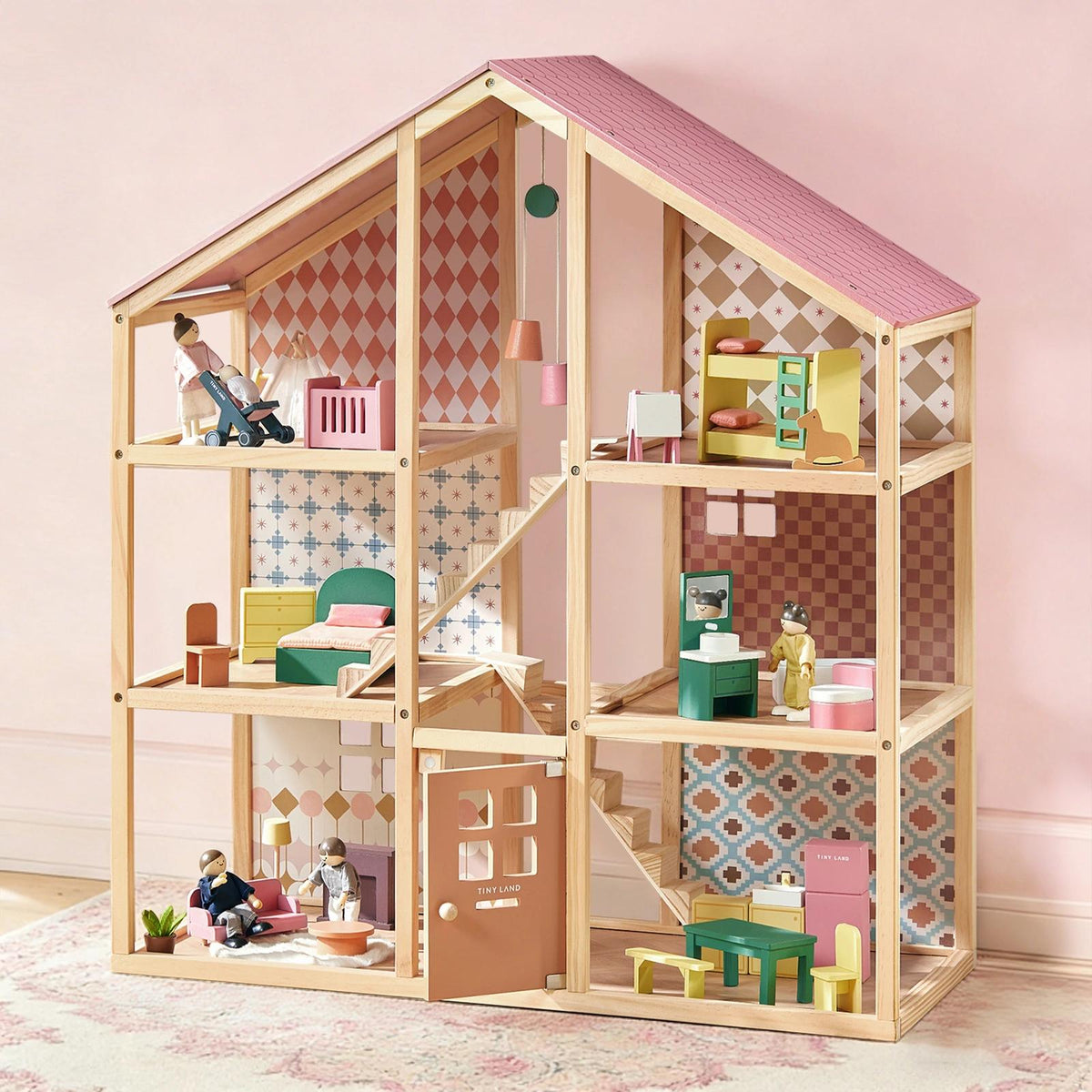
The Imaginative Floor Play Zone (Wooden Dollhouses & Figures)
Dollhouses encourage children to create stories, explore relationships, and develop imagination.
Through wooden dollhouse play, children naturally practice:
- Storytelling
- Creative thinking
- Social understanding
- Problem-solving
A dollhouse gives children the opportunity to build their own imaginary world and explore different scenarios through pretend play.
Comfortable seating nearby allows children to stay engaged during longer play sessions while having a cozy place to rest.
Combining imaginative toys with comfortable furniture creates a more complete play environment.

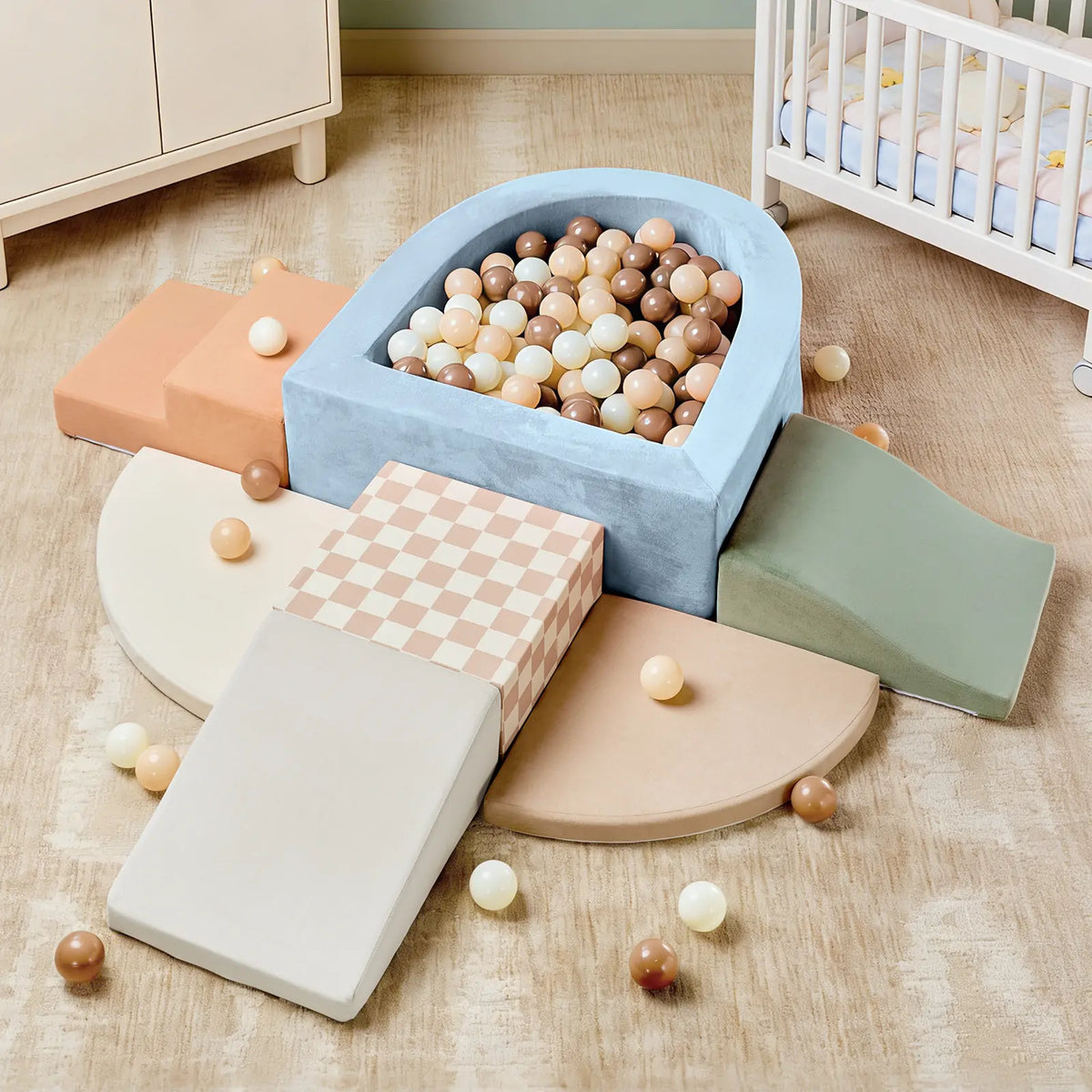
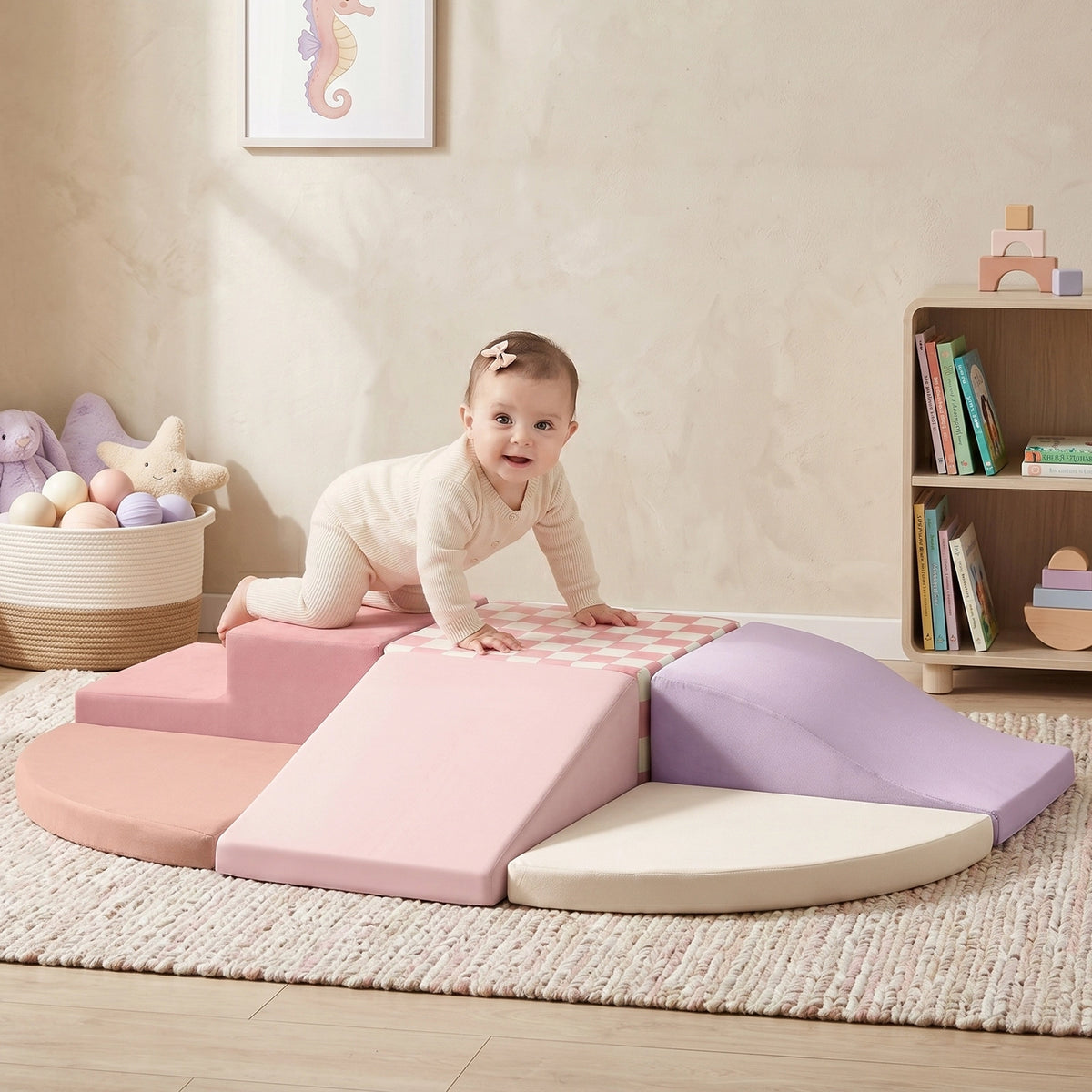
The Soft Rest & Tumbling Area (Modular Sponge Furniture)
Toddlers need opportunities for both focused activities and physical movement.
A soft furniture area can become a flexible space for:
- Resting
- Building forts
- Gentle movement
- Reading
- Family interaction
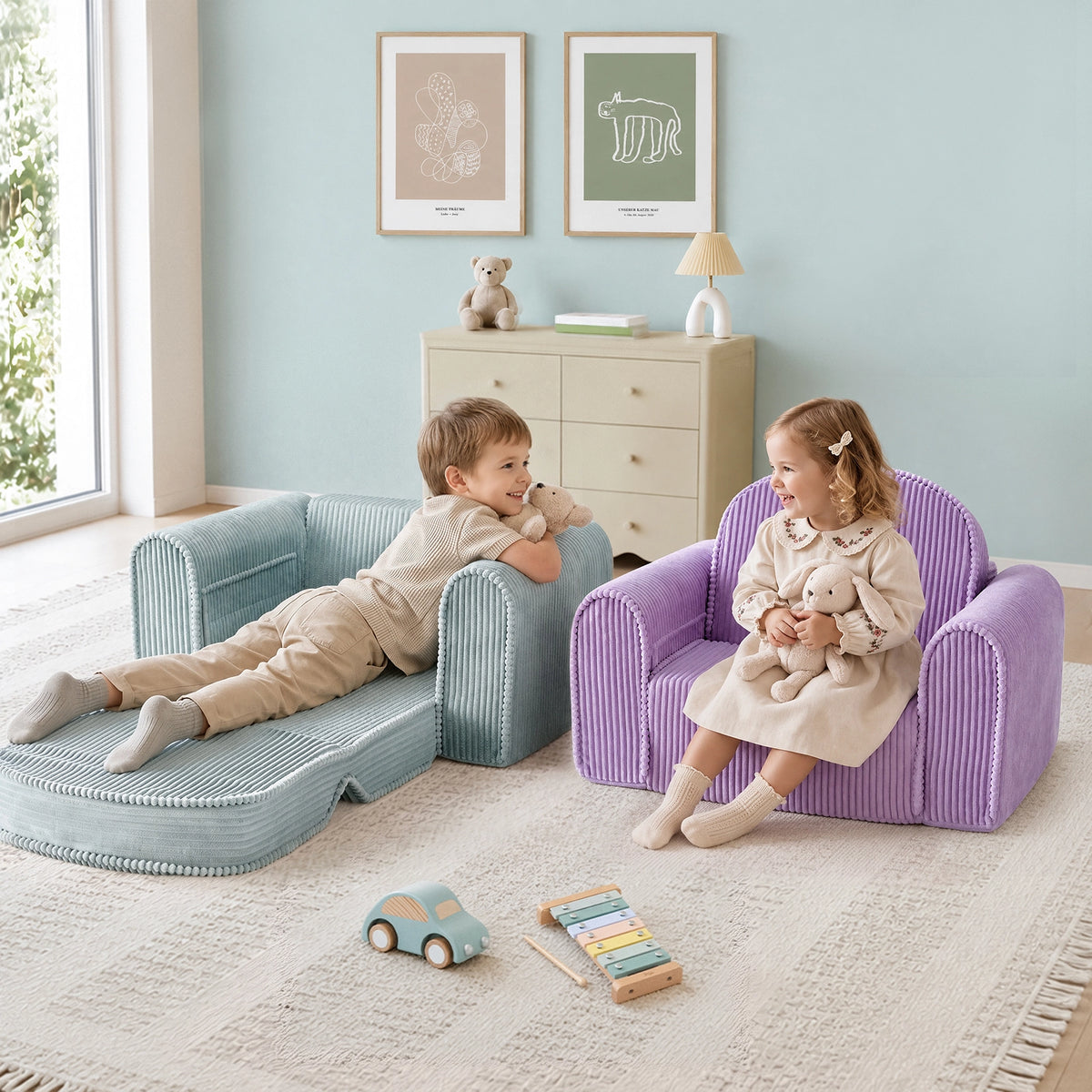
Modular sponge furniture adapts to children’s changing needs.
One day, it can become a comfortable sofa. Another day, it can become part of a fort, creative structure, or imaginative play scenario.
This flexibility makes foam furniture an important part of modern playroom design.

Why Foam Sofas are the Ultimate Montessori Playroom Furniture
Among children’s furniture choices, foam sofas provide a unique combination of comfort, flexibility, and independence.
A thoughtfully designed foam sofa supports the way toddlers naturally learn—through movement, exploration, and creativity.
Light Enough for Toddlers to Rearrange Independently
Montessori-inspired environments encourage children to actively participate in their surroundings.
A lightweight foam sofa allows toddlers to:
- Adjust their seating space
- Move cushions
- Create their own play areas
- Change their environment based on their imagination
These simple actions support:
- Independence
- Decision-making skills
- Confidence
- Spatial awareness
When children can influence their surroundings, they become active participants in their own learning experience.
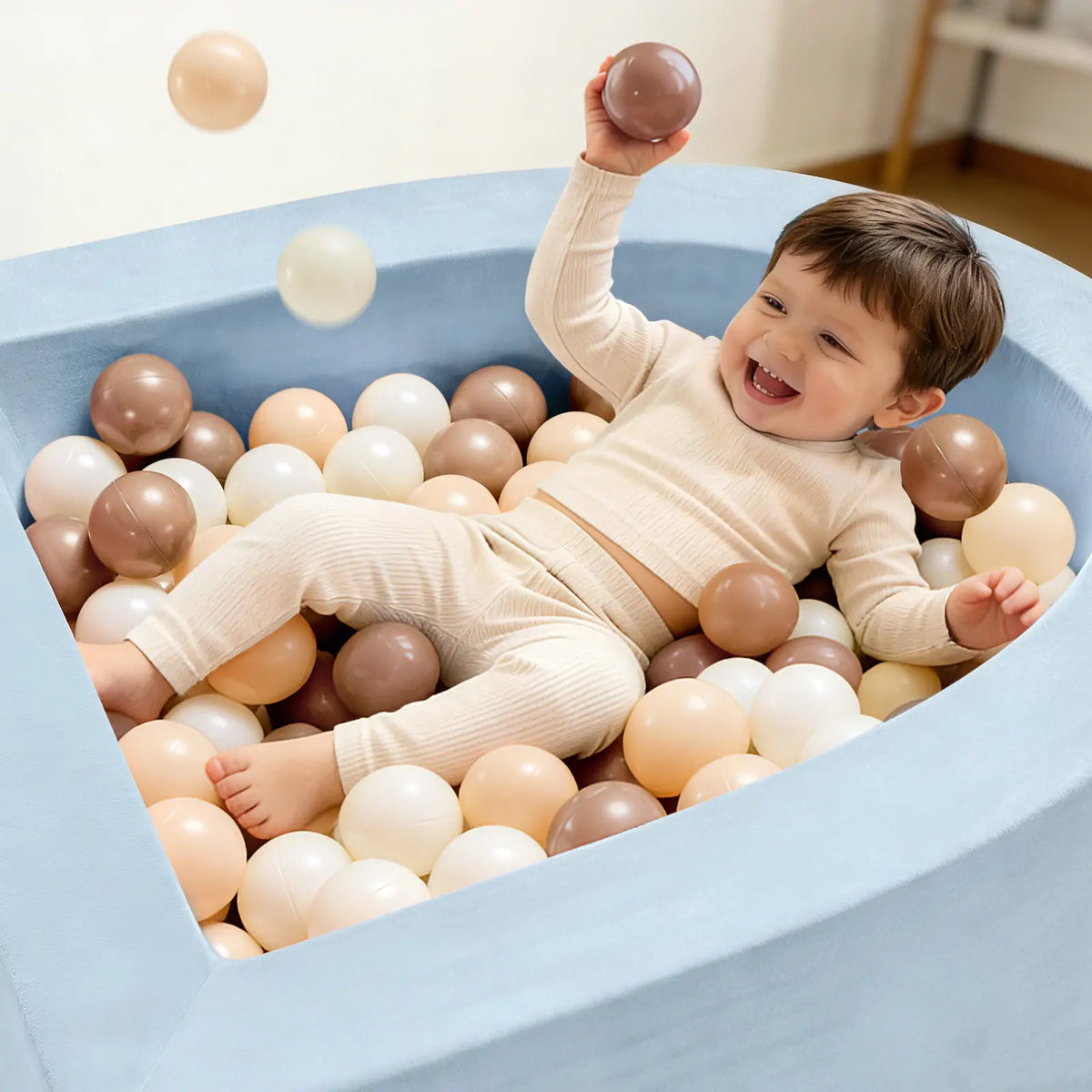
Non-Toxic, Soft High-Density Sponge for Daily Rough-and-Tumble
Playroom furniture needs to support everyday childhood adventures.
From reading and relaxing to building, climbing, and imaginative movement, children use their furniture in many different ways.
High-quality foam furniture should provide:
- Soft and supportive cushioning
- Durable construction
- Comfortable everyday use
- Easy maintenance for busy families
A soft foam sofa creates a comfortable layer of support while allowing children to explore their playroom naturally.
When paired with wooden toys, foam furniture creates the perfect balance between natural design, imaginative play, and everyday comfort.

Frequently Asked Questions (FAQ)
Why choose a foam sofa over traditional wooden chairs for toddlers?
Traditional wooden chairs provide a place to sit, but foam sofas offer more flexibility for toddler play.
A foam sofa provides:
- Softer support for active movement
- A comfortable resting space
- More opportunities for creative play
- Flexible use beyond simple seating
For toddlers, furniture can become part of their imagination rather than simply something they use.
How do I arrange playroom furniture to encourage independent play?
Start by creating clear areas for different activities.
Consider:
- Placing pretend play toys together
- Creating a cozy reading corner
- Leaving open space for movement
- Choosing furniture children can access independently
A well-designed playroom allows children to make choices, explore confidently, and engage with their environment naturally.

Build Your Safe & Cozy Dream Playroom
A thoughtfully designed playroom is more than a collection of toys. It is a space where children can explore, imagine, and grow.
By combining:
Families can create a Montessori-inspired playroom that supports creativity, independence, and meaningful play.
A safe playroom gives children the freedom to explore.
A thoughtfully designed playroom gives them the space to grow.