



Children don't always have the words to explain how they're feeling—but they often show us through play.
A child building a tower, climbing, creating an imaginary story, painting a picture, or spending quiet time in a cozy corner is doing more than having fun. Through play, children learn to understand emotions, express themselves, build confidence, and connect with the people around them.
The good news? Supporting emotional development at home does not require complicated lessons or perfectly planned activities. Many everyday play experiences already provide meaningful opportunities for children to develop emotional skills.
From pretend play to creative activities, these simple emotional development activities for kids can help children explore feelings, build independence, and strengthen emotional awareness through everyday play.

Why Play Matters for Emotional Development
Emotional development is the process of learning how to recognize, express, and manage feelings while building healthy relationships with others.
During early childhood, children are still learning how to:
-
Identify different emotions
-
Express feelings through words and actions
-
Handle frustration and challenges
-
Understand other people's perspectives
-
Build confidence and independence
Play provides a natural environment where children can practice these skills.
When children pretend, create, move, and explore, they can process experiences and emotions in ways that feel comfortable and familiar.
Unlike structured activities with a right or wrong answer, open-ended play allows children to follow their own ideas and learn at their own pace.

1. Create a Quiet Space for Big Feelings
Children sometimes experience emotions that feel too big to explain.
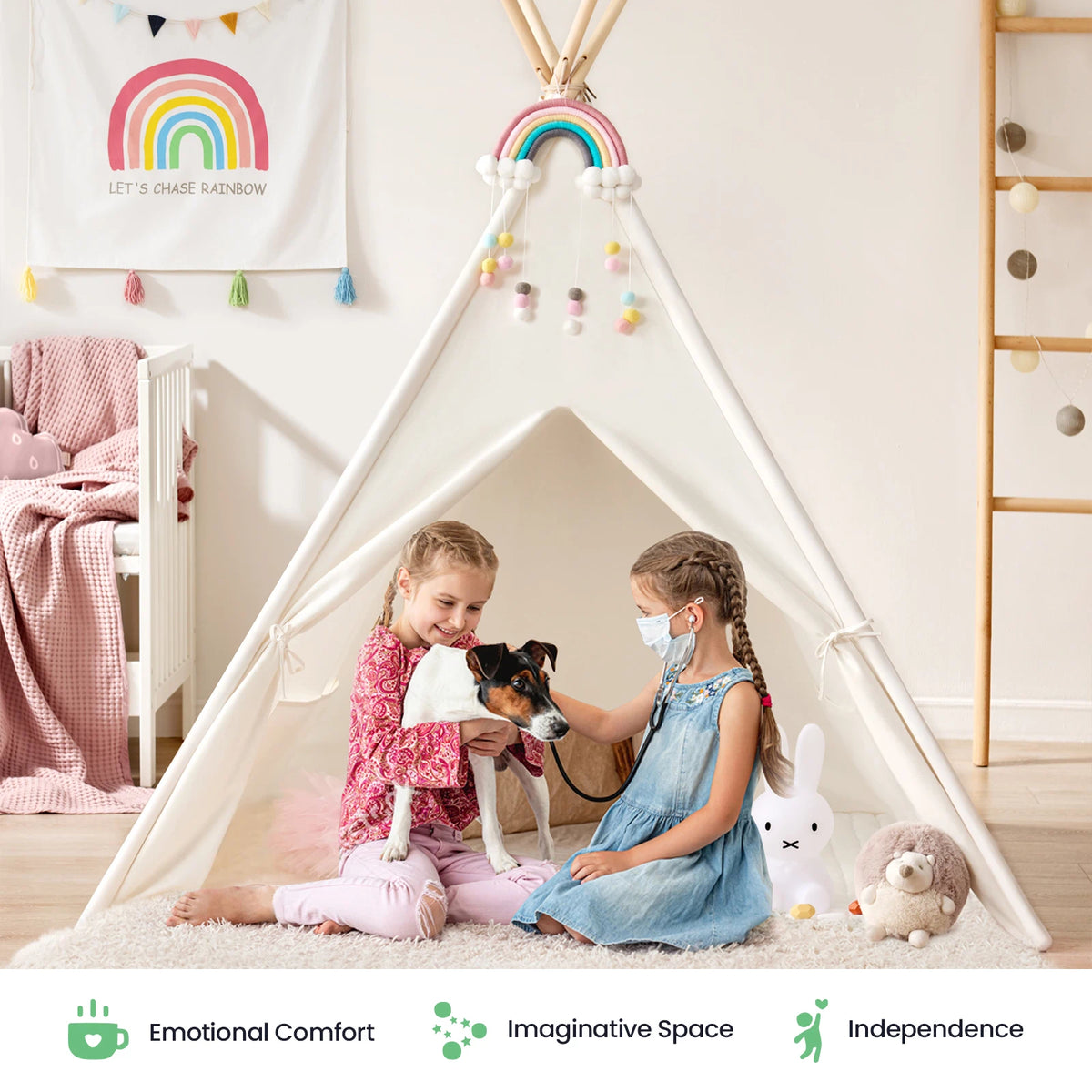
When children feel overwhelmed, they don't always need immediate solutions. Sometimes they simply need a calm, familiar space where they can slow down and feel safe.
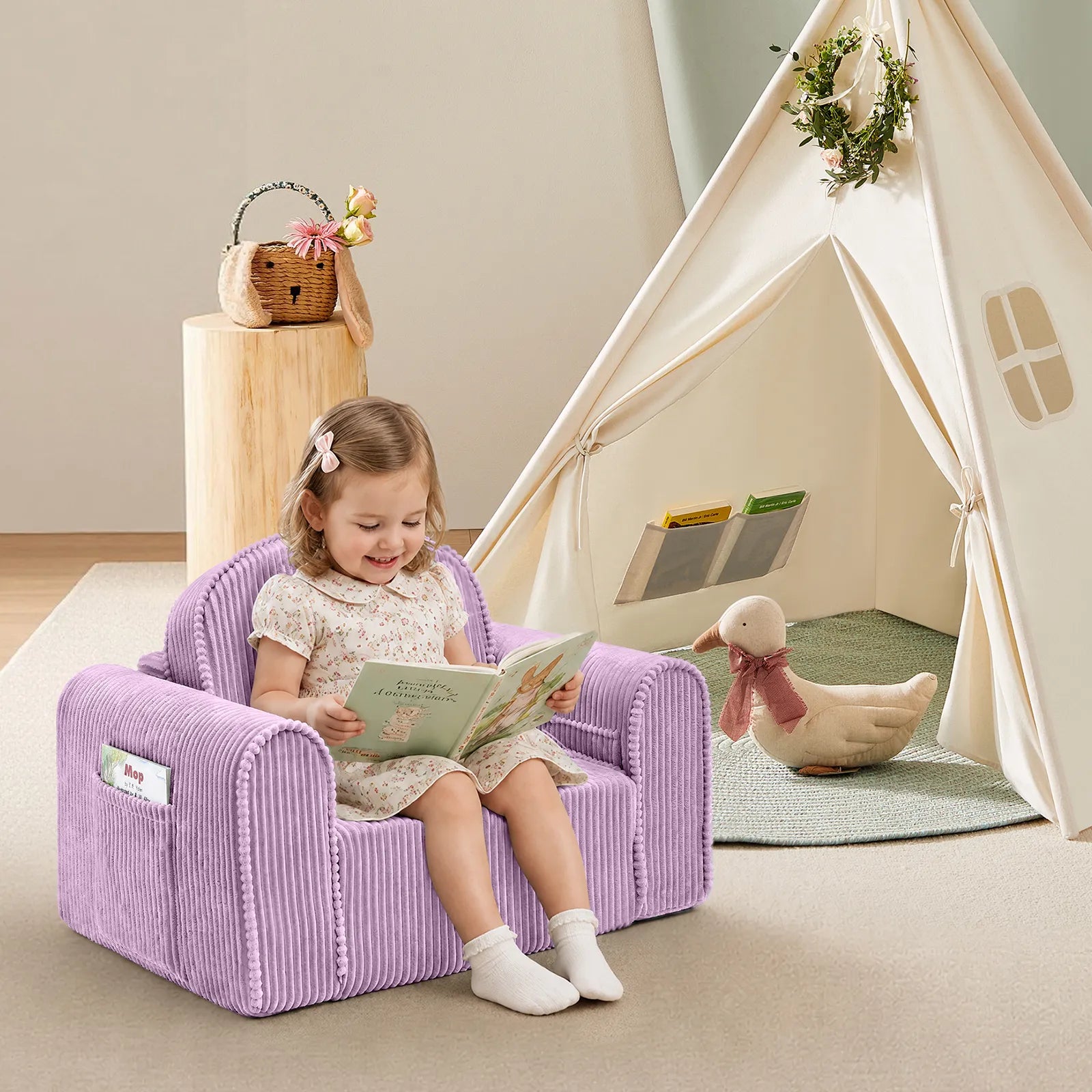
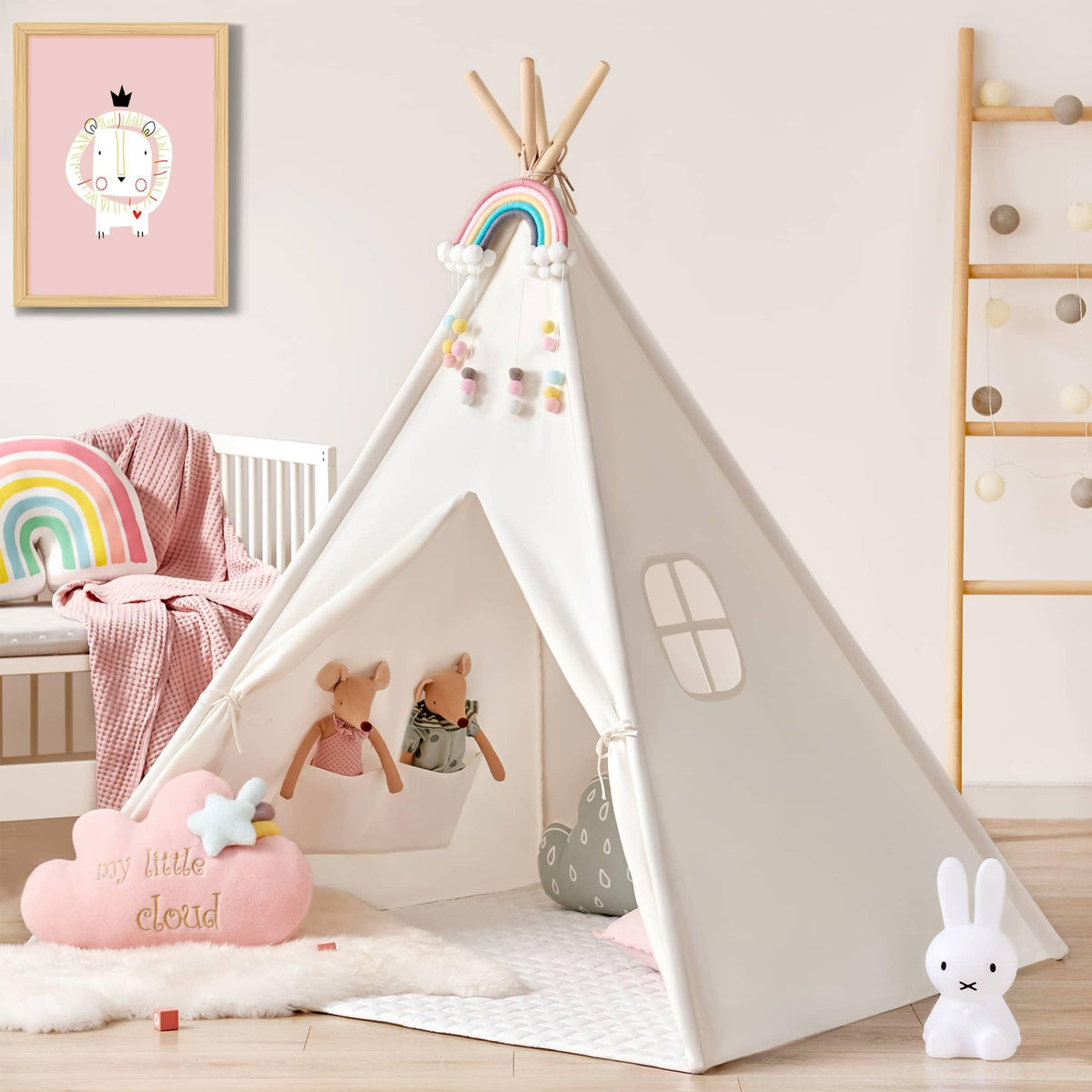
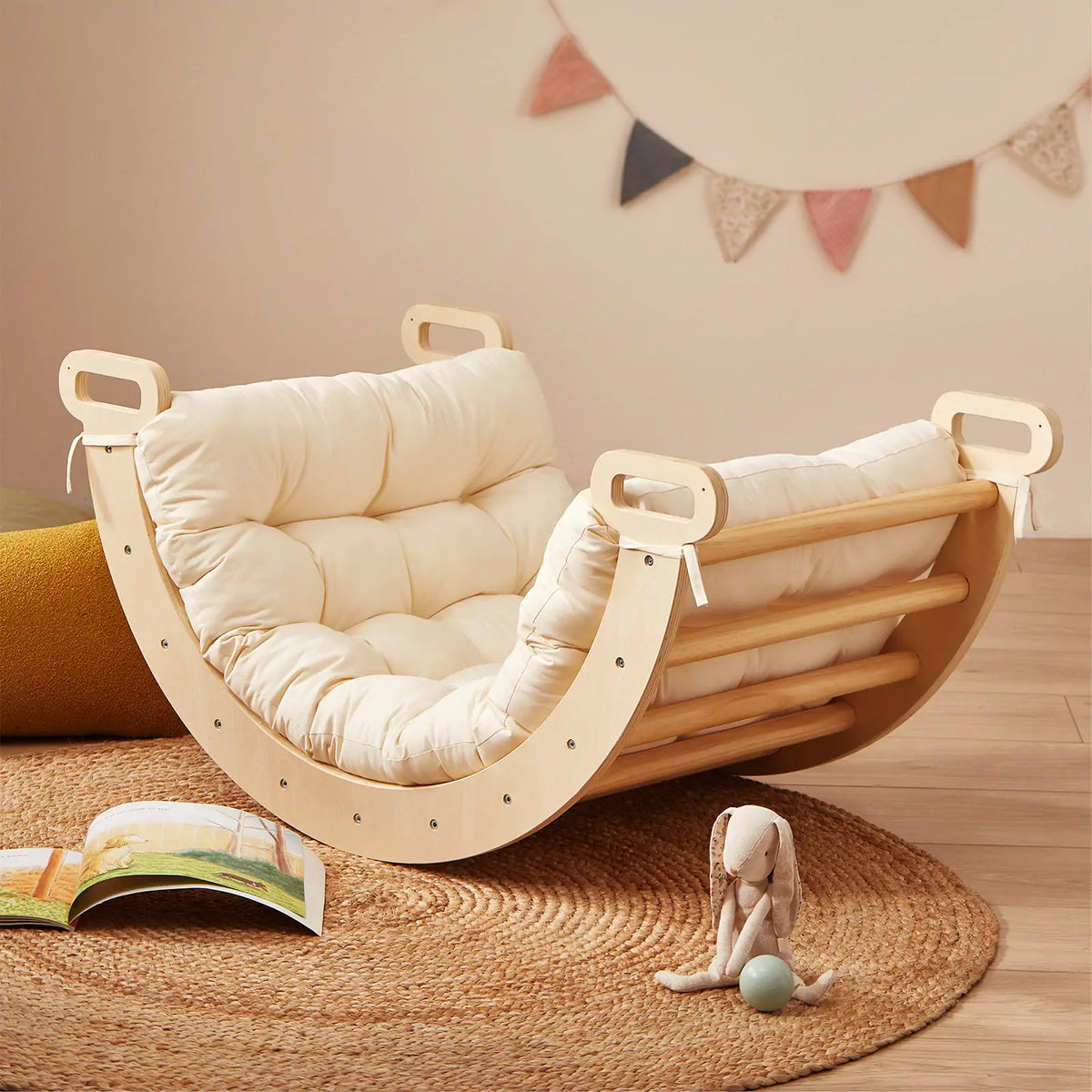
A cozy play tent can become a personal retreat where children read books, cuddle a favorite stuffed animal, listen to music, or simply enjoy a quiet moment.
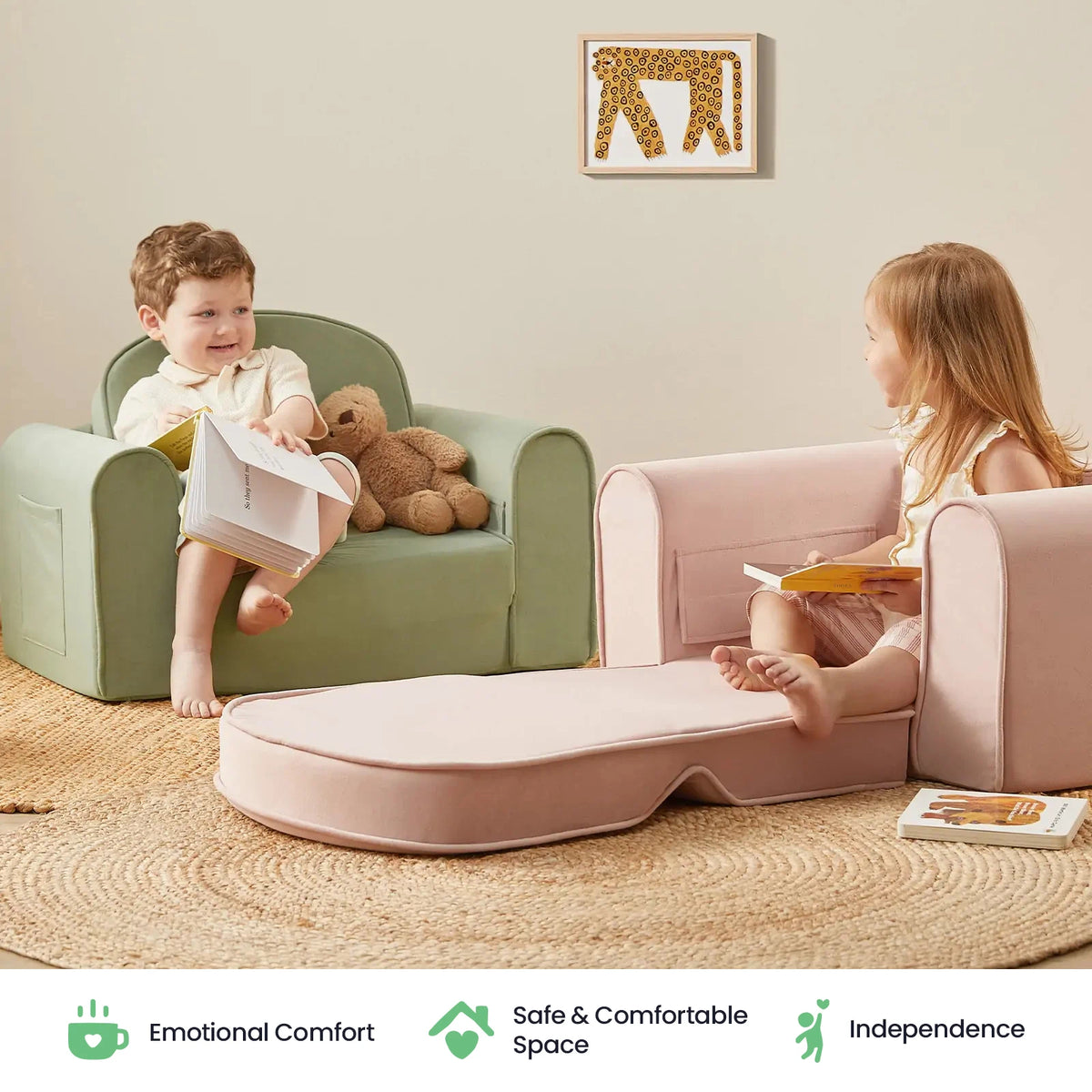
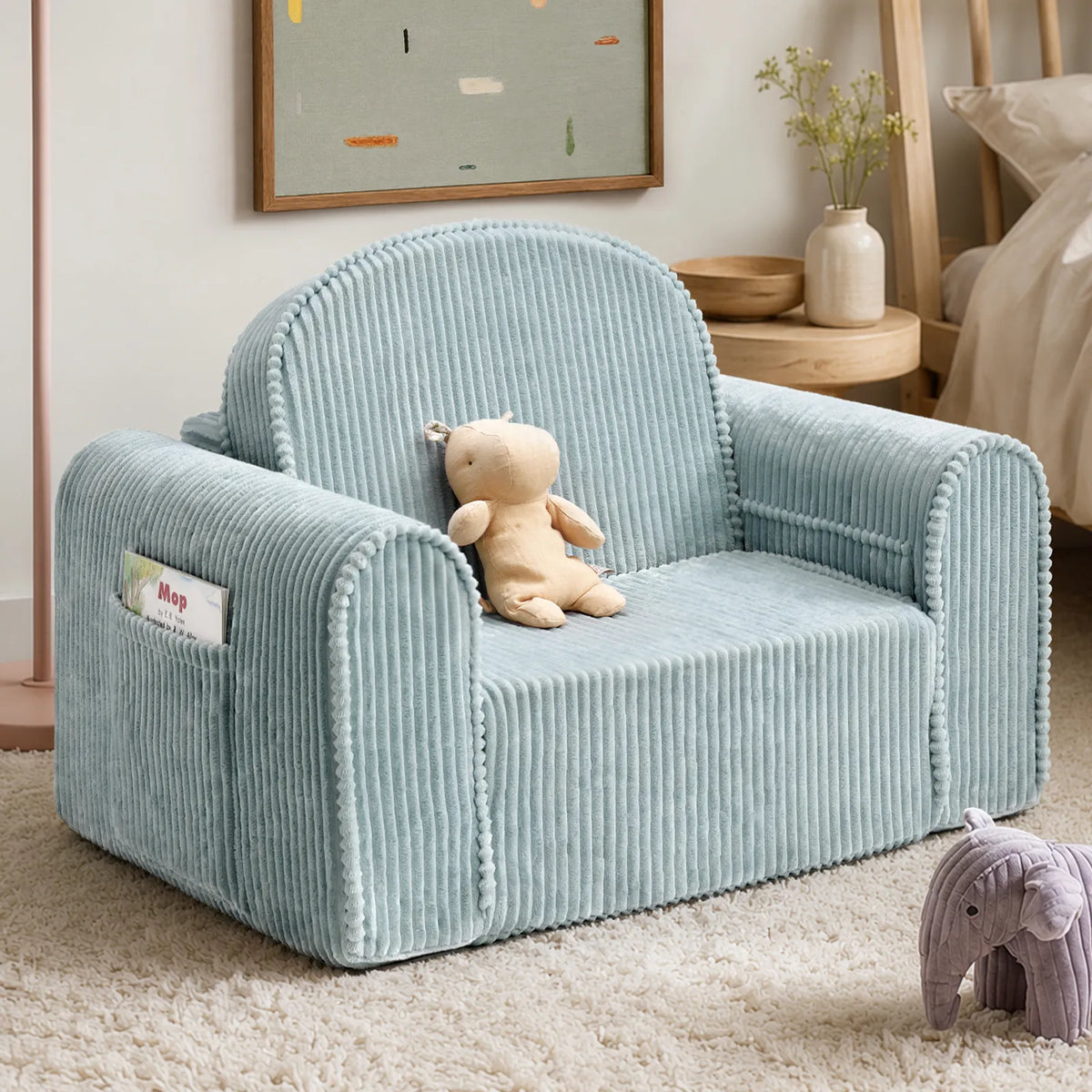
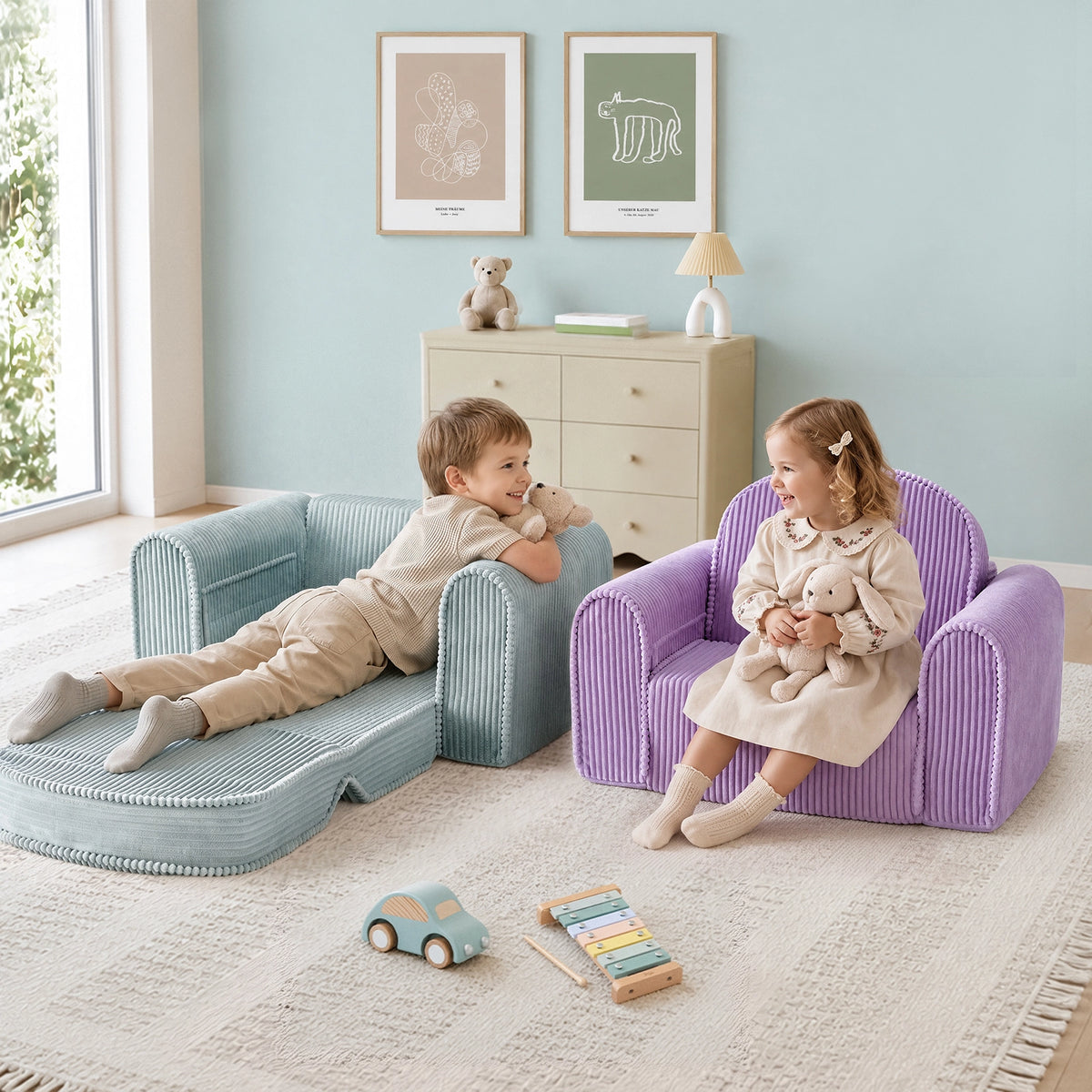
Adding a soft kids' sofa, cushions, or blankets can help create a comfortable space that feels familiar and inviting.
Instead of using this area as a "time-out" space, encourage your child to see it as a place they can choose whenever they need a moment to recharge.
Parent Tip
Once your child feels calmer, try gentle questions:
-
"Would you like to tell me what happened?"
-
"How are you feeling now?"
-
"Is there anything I can do to help?"
A calm environment often makes emotional conversations easier.

2. Use Active Play to Support Emotional Regulation
Sometimes children don't need to sit still—they need opportunities to move.
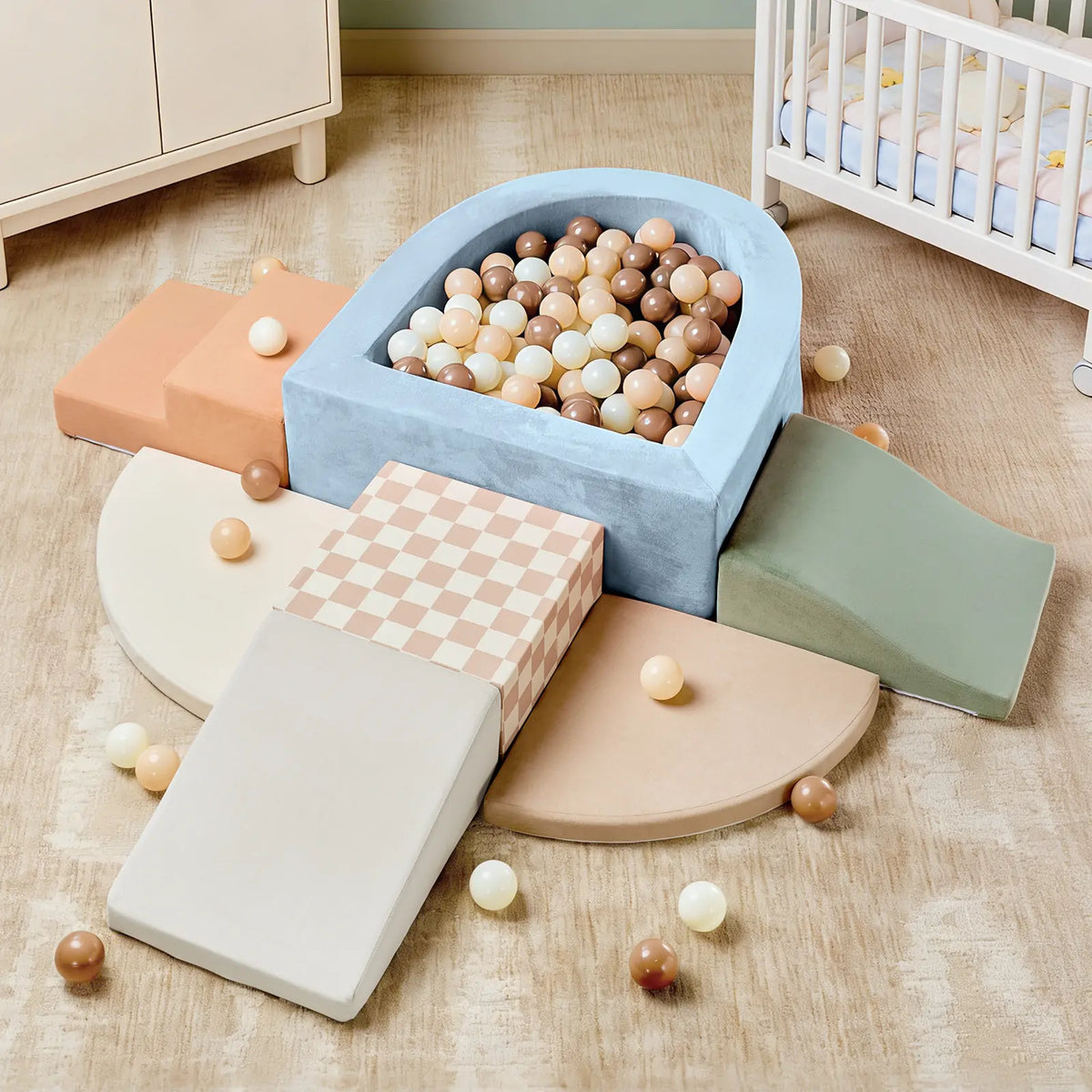
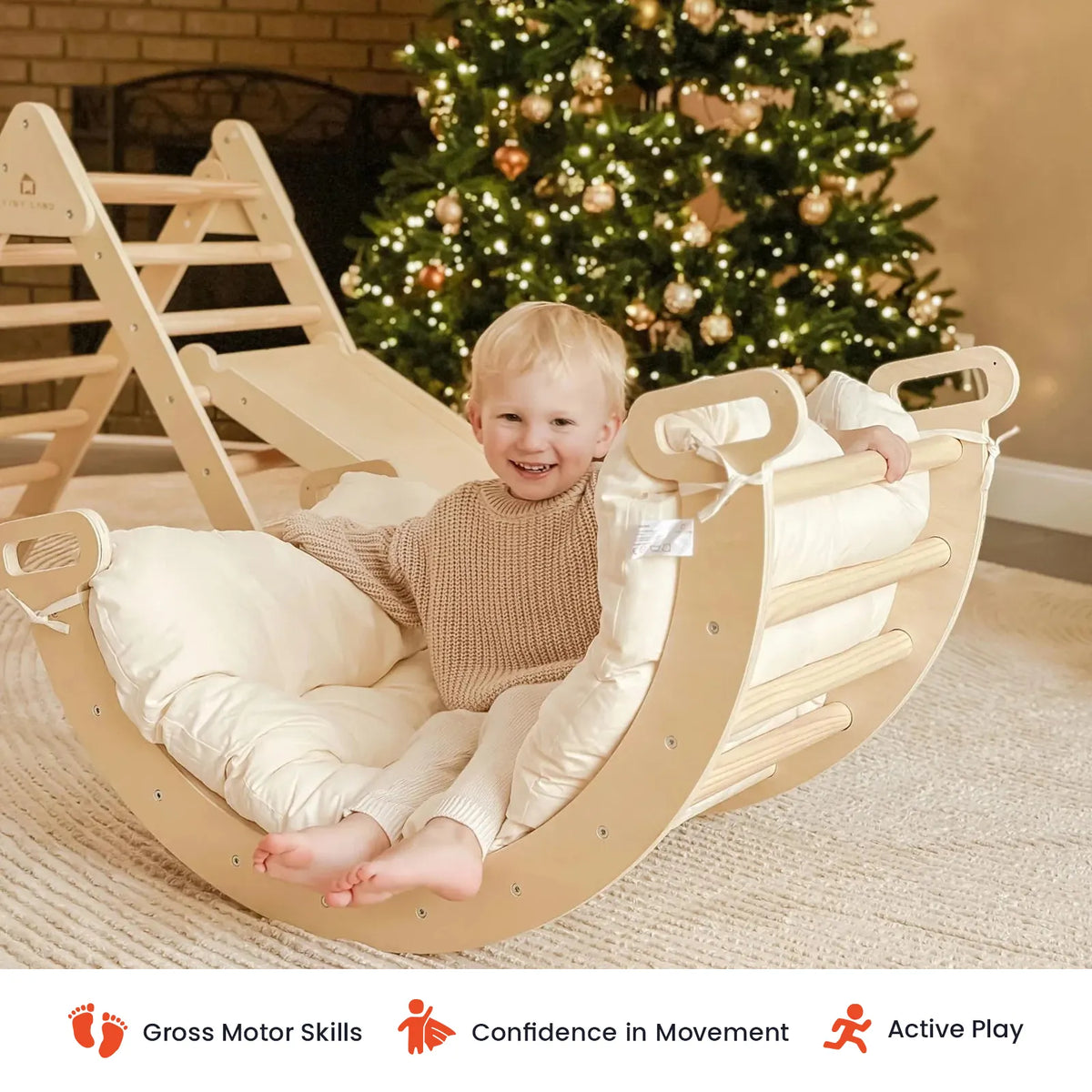
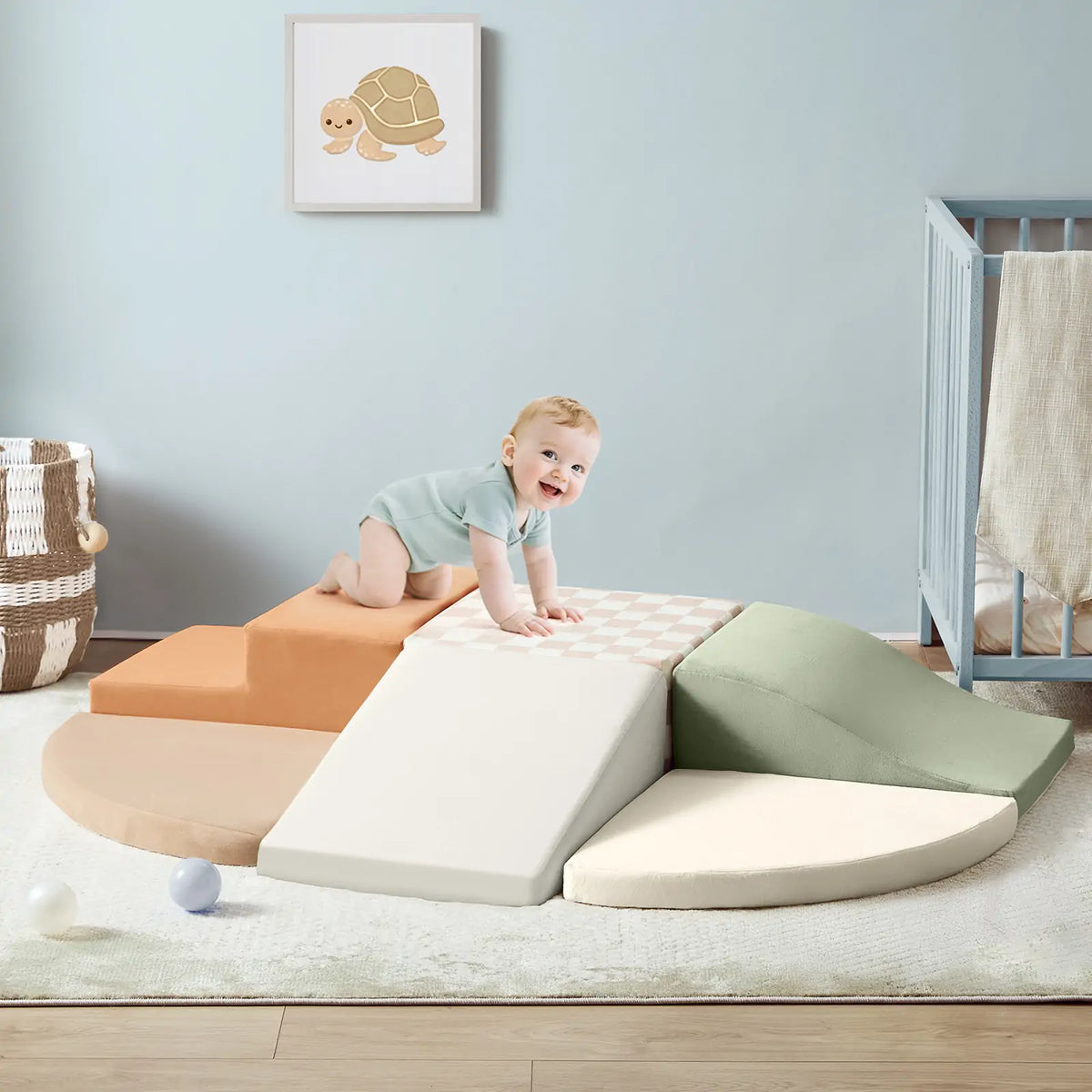
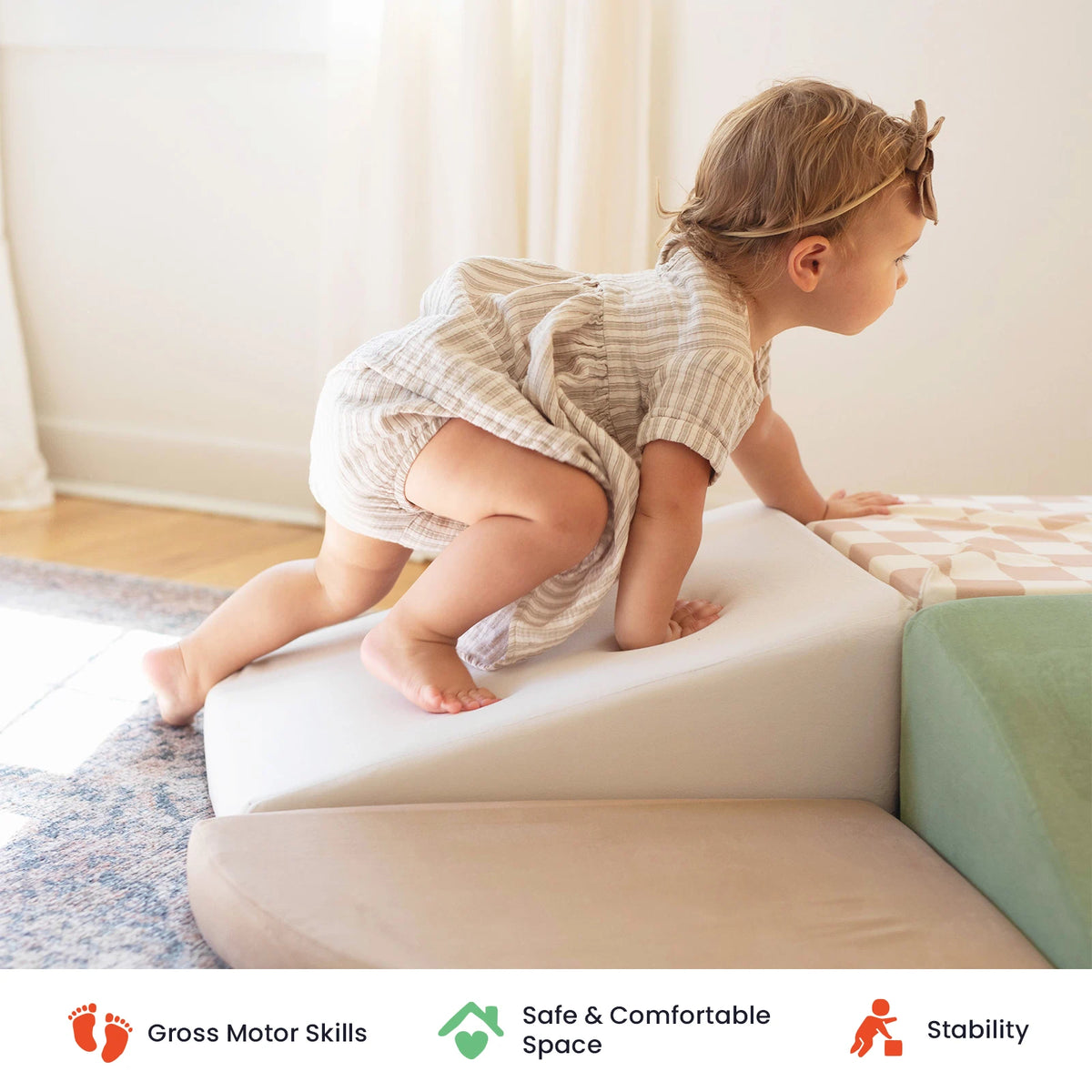
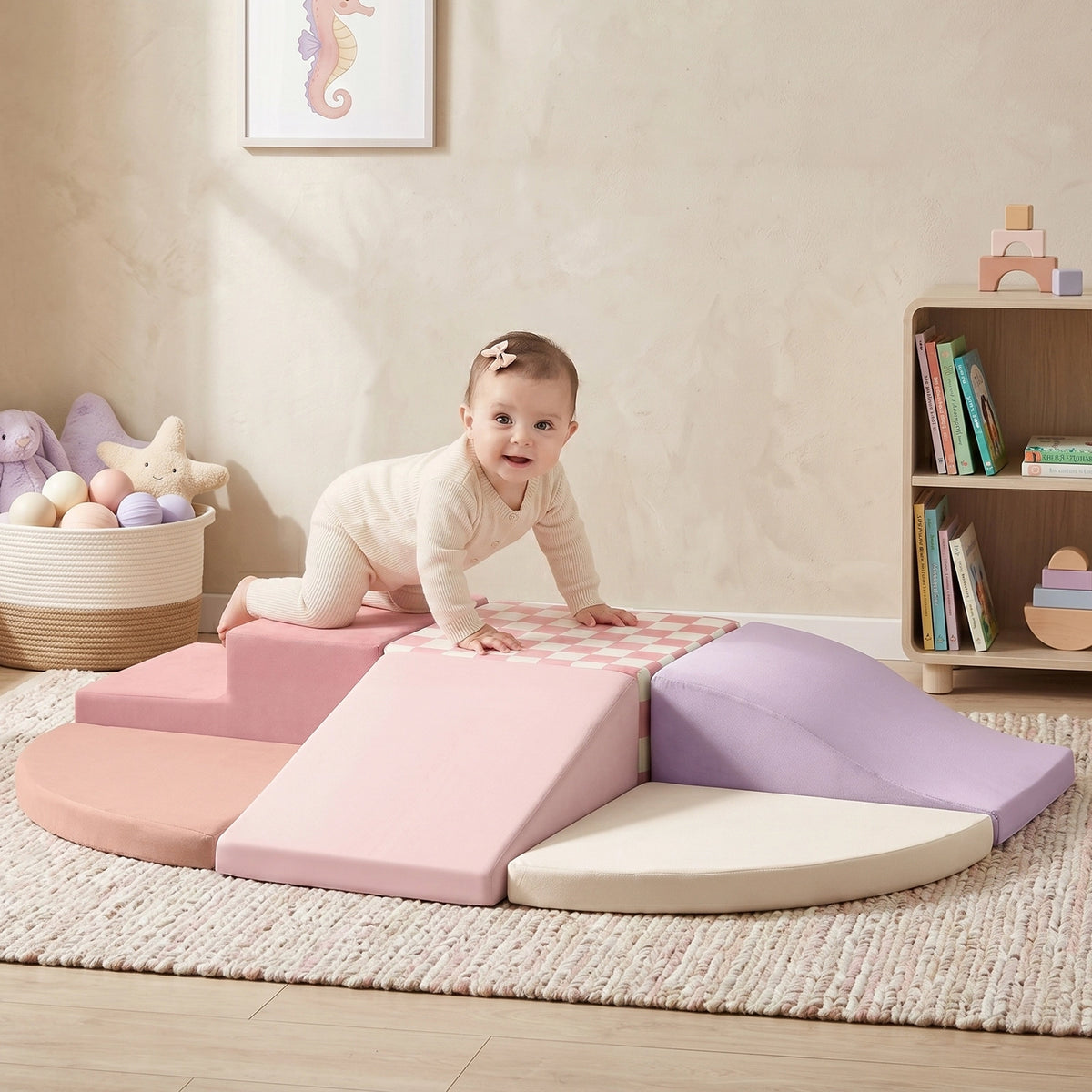
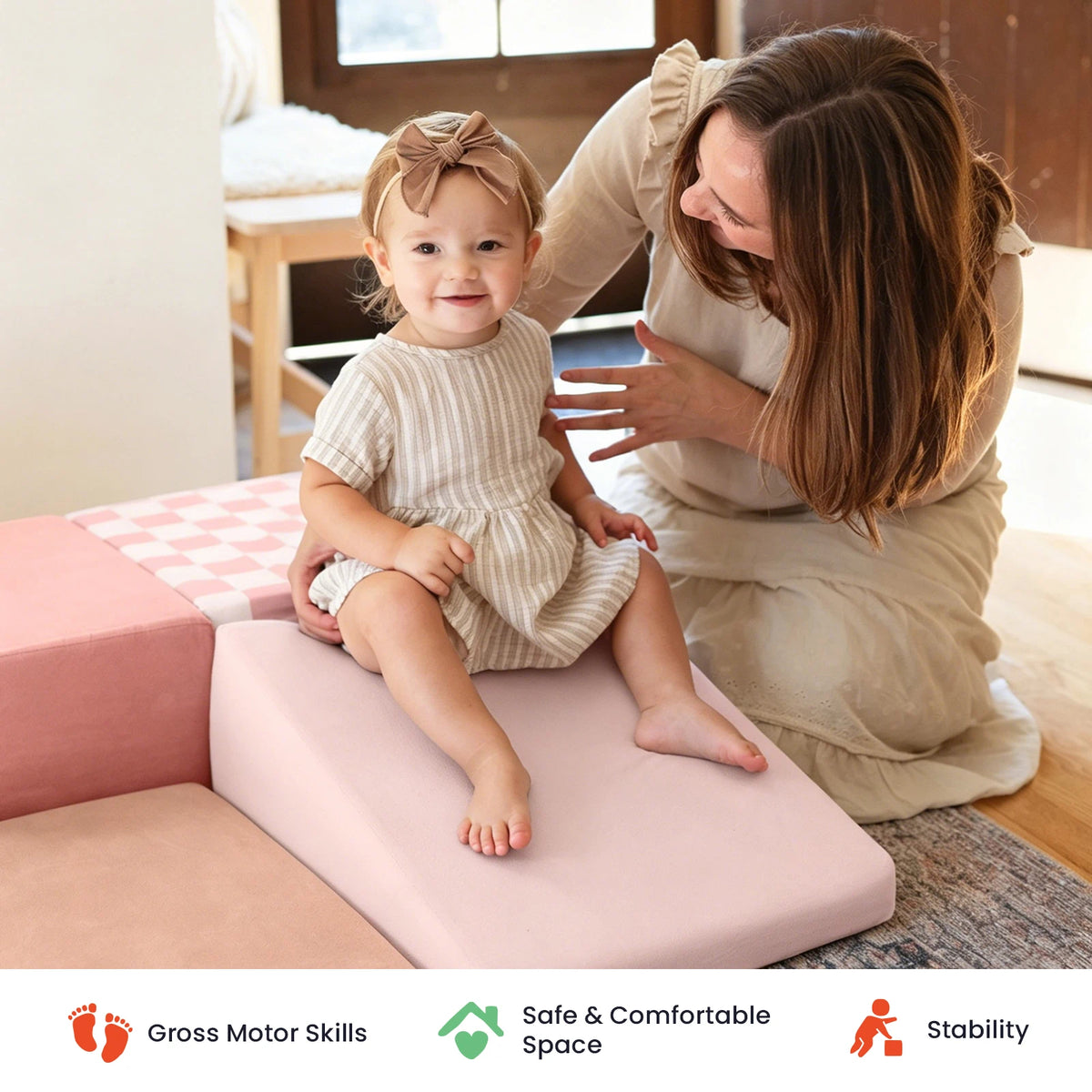
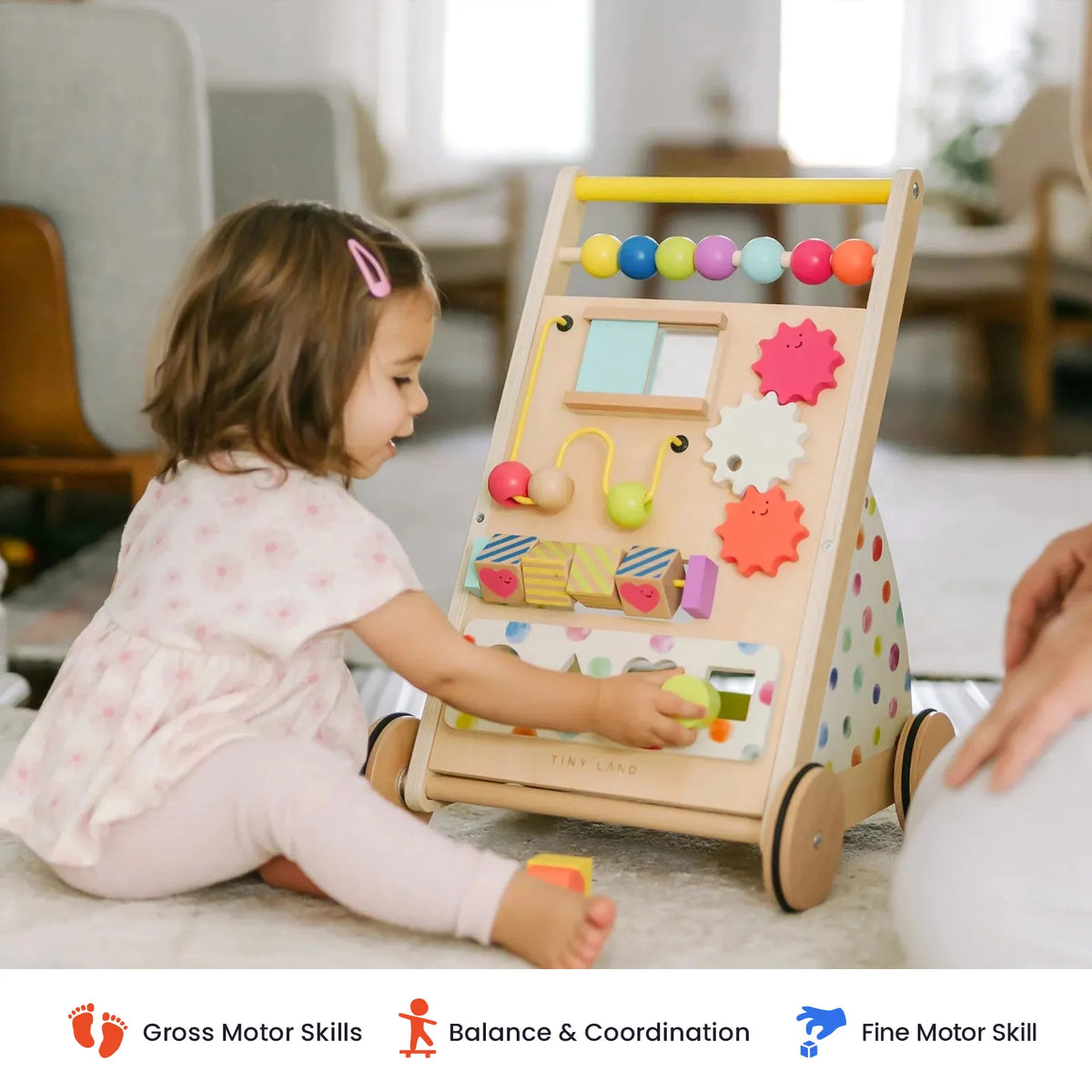
Climbing, balancing, crawling, jumping, and running allow children to release energy while building coordination, confidence, and resilience.
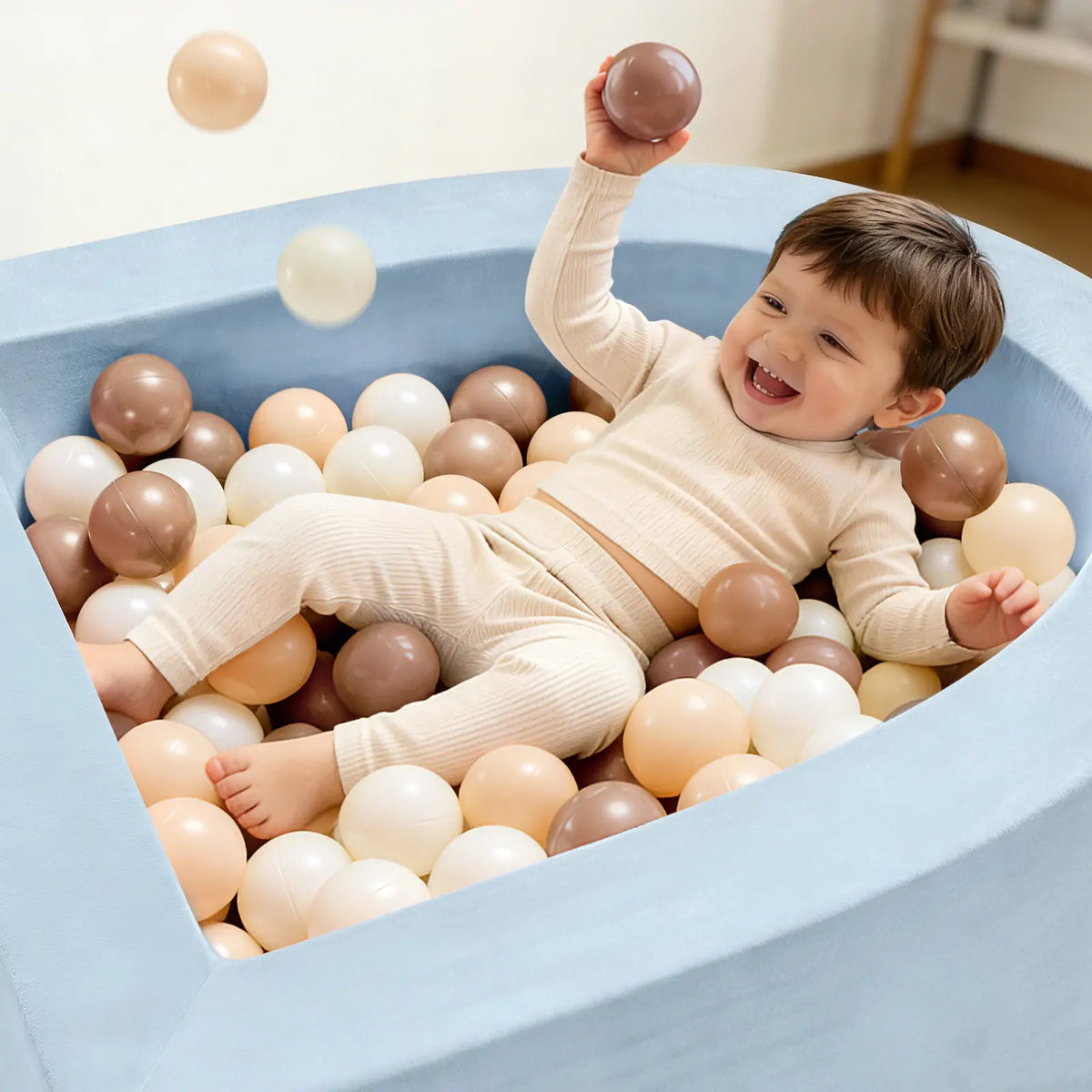
Activities such as climbing sets, ball pits, and outdoor play equipment encourage children to challenge themselves, try again after setbacks, and celebrate small achievements.
These experiences help children practice an important emotional skill: understanding that challenges can be approached with patience and persistence.
Parent Tip
If your child seems restless or has difficulty focusing, try 20–30 minutes of active play before quieter routines such as reading, dinner, or bedtime.
Movement can help many children transition into calmer activities.

3. Encourage Creativity Through Messy Play
Children learn when they have the freedom to explore without worrying about making mistakes.
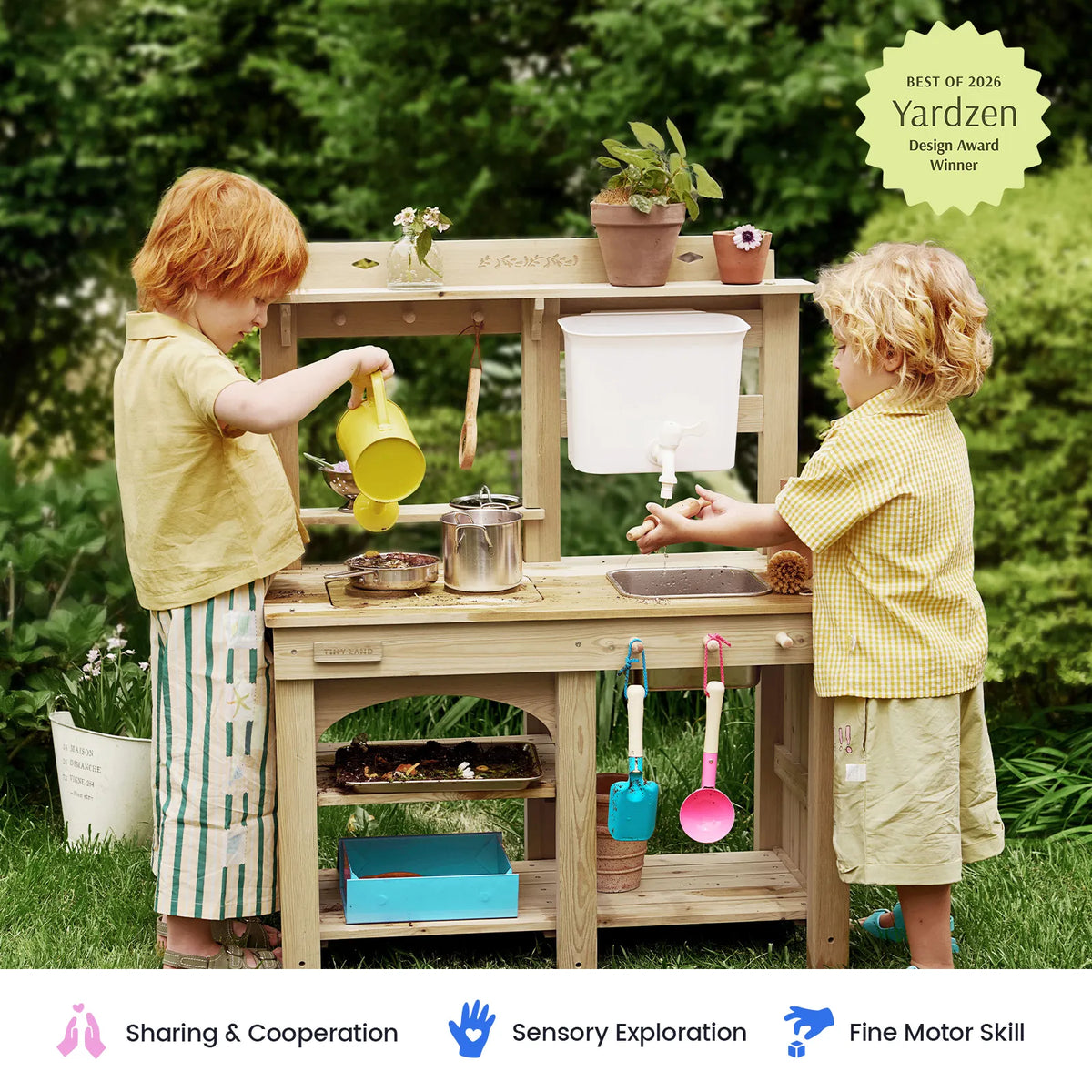
Messy play with water, sand, mud, leaves, and natural materials encourages curiosity, creativity, and problem-solving.
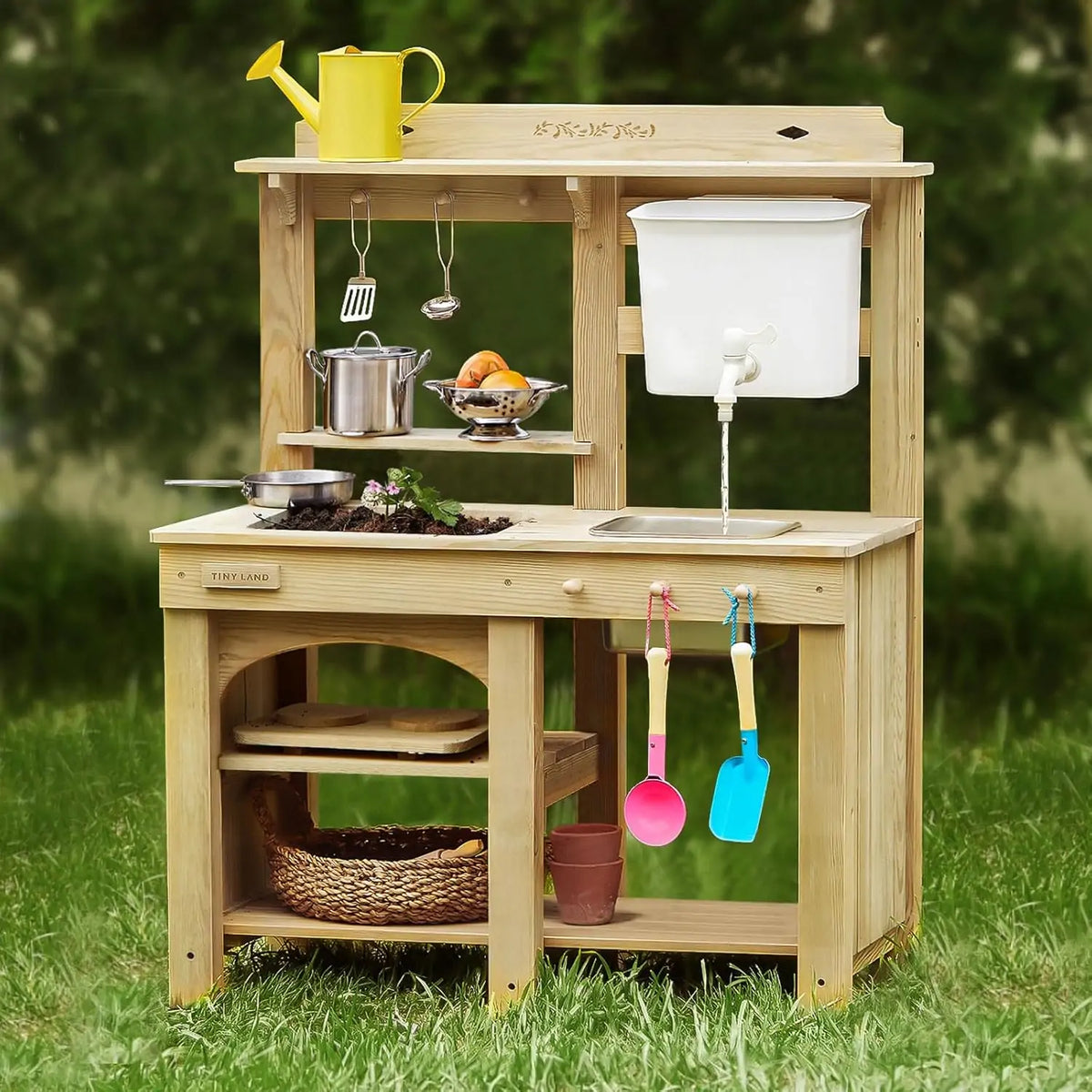
A mud kitchen is a great example of open-ended sensory play.
One day, your child might create "leaf soup." Another day, they might run an imaginary bakery, restaurant, or outdoor café.
There is no single correct answer—only opportunities to imagine, experiment, and create.
Parent Tip
Instead of showing your child what to make, provide simple materials and let them lead.
Following their own ideas helps build creativity, confidence, and independence.

4. Use Pretend Play to Explore Feelings
Young children often find it easier to talk about a toy's feelings before talking about their own.
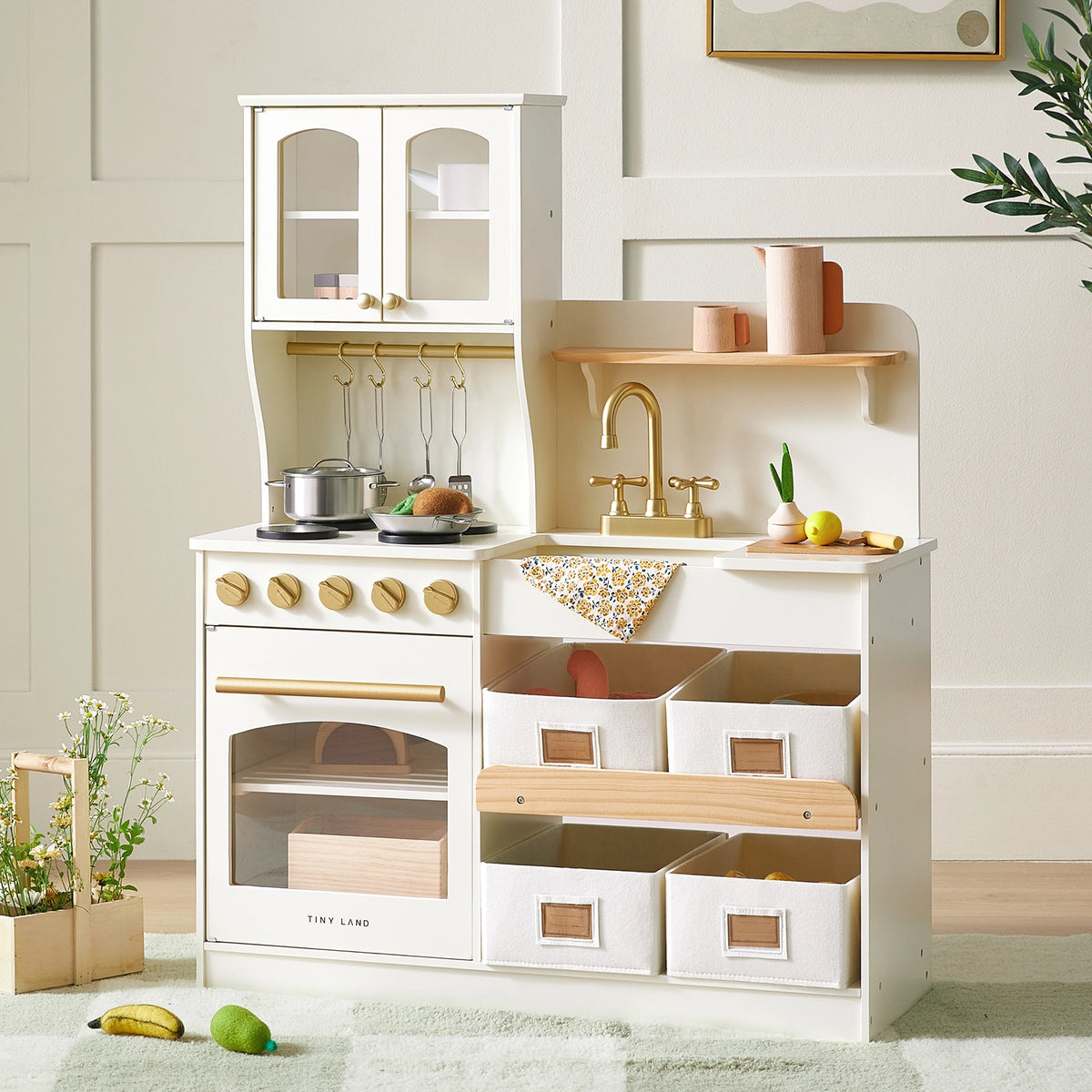
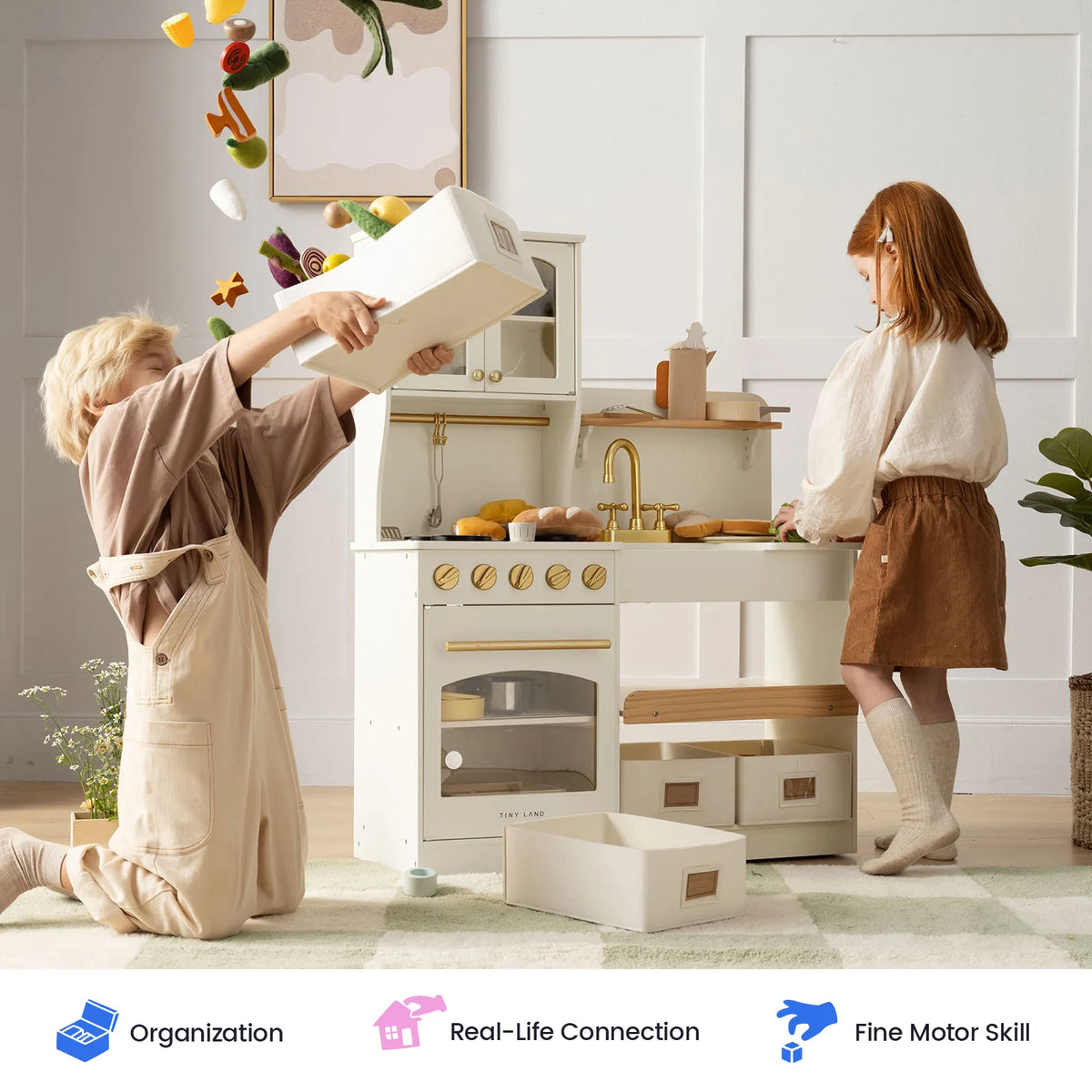
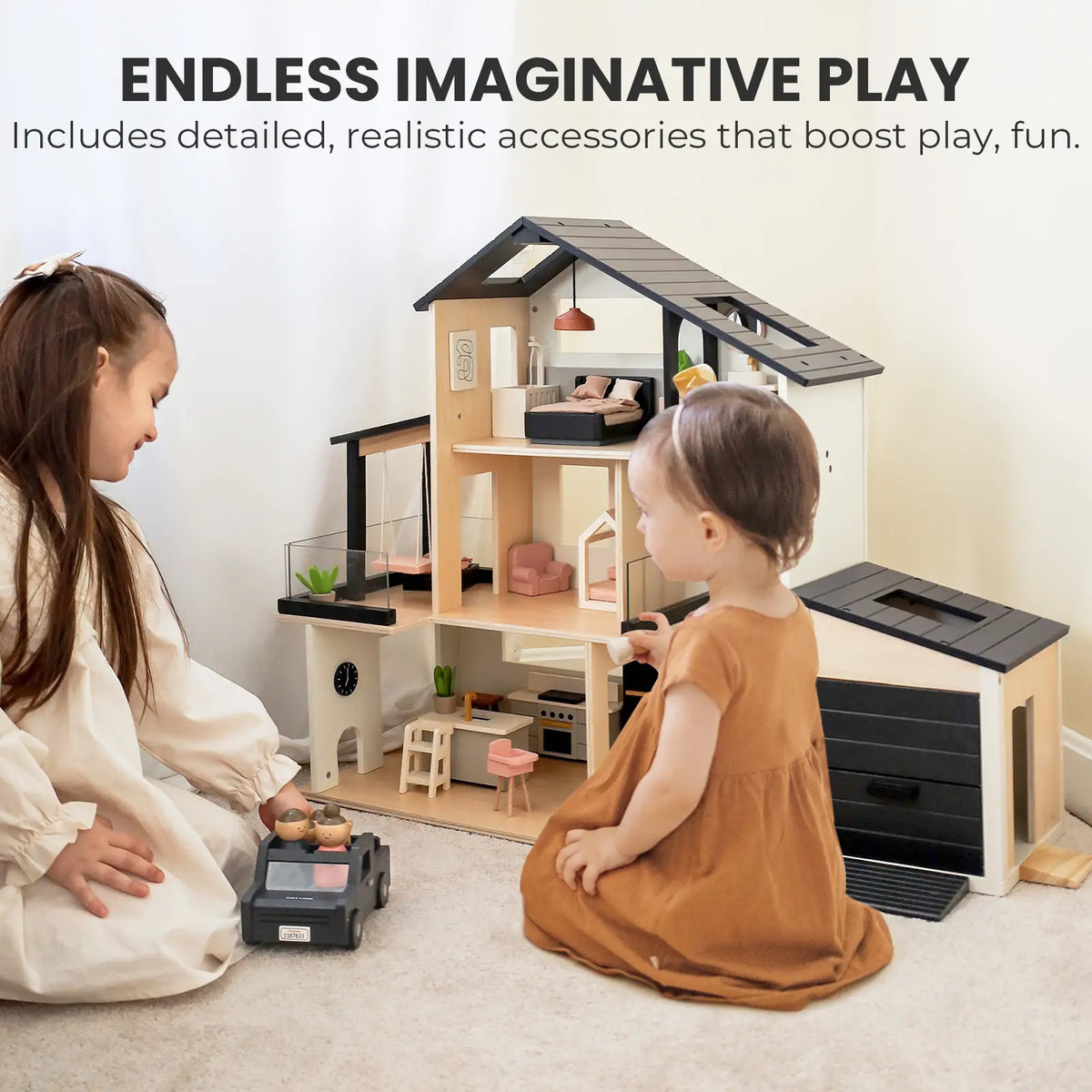
Pretend play creates a safe space where children can explore emotions, relationships, and different perspectives.
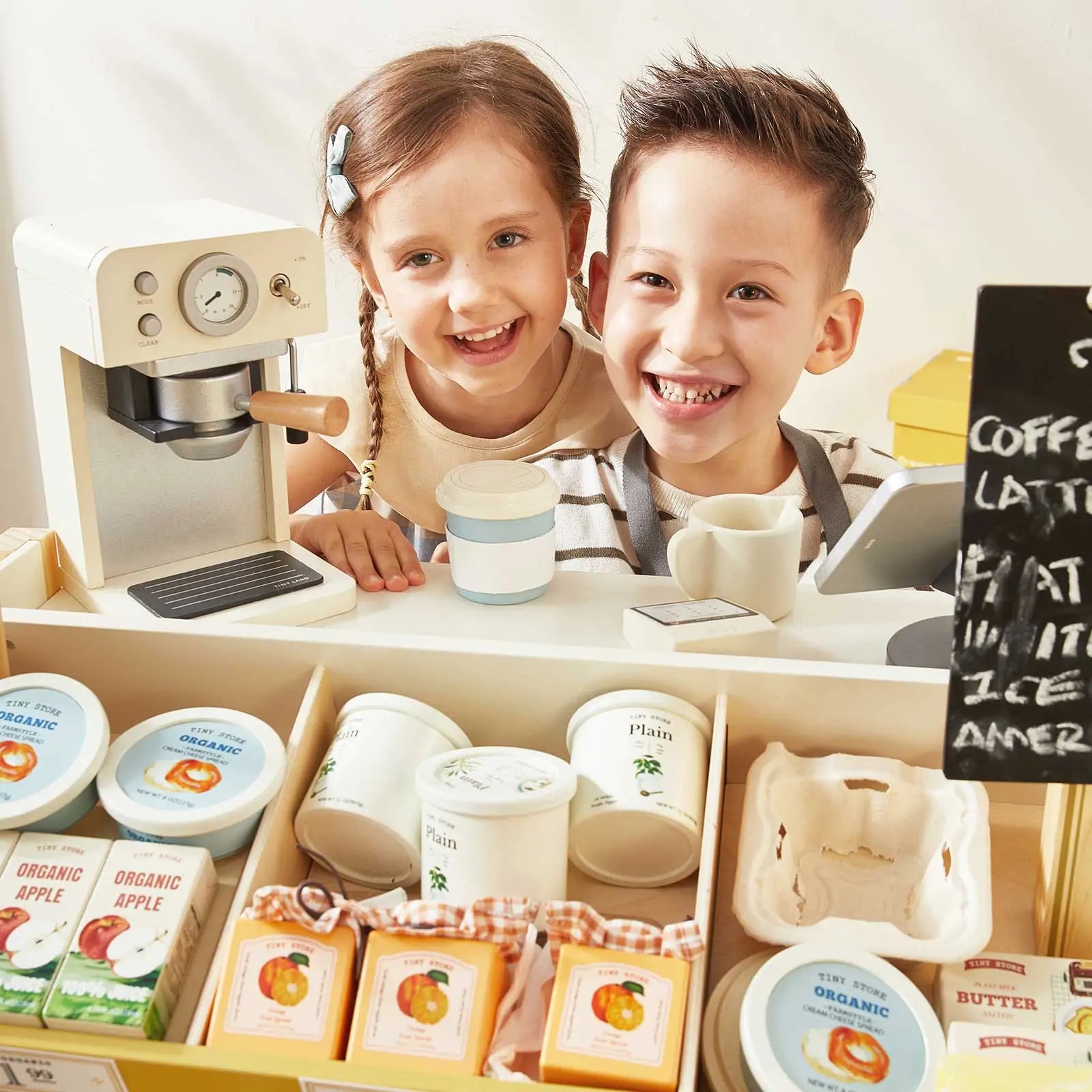
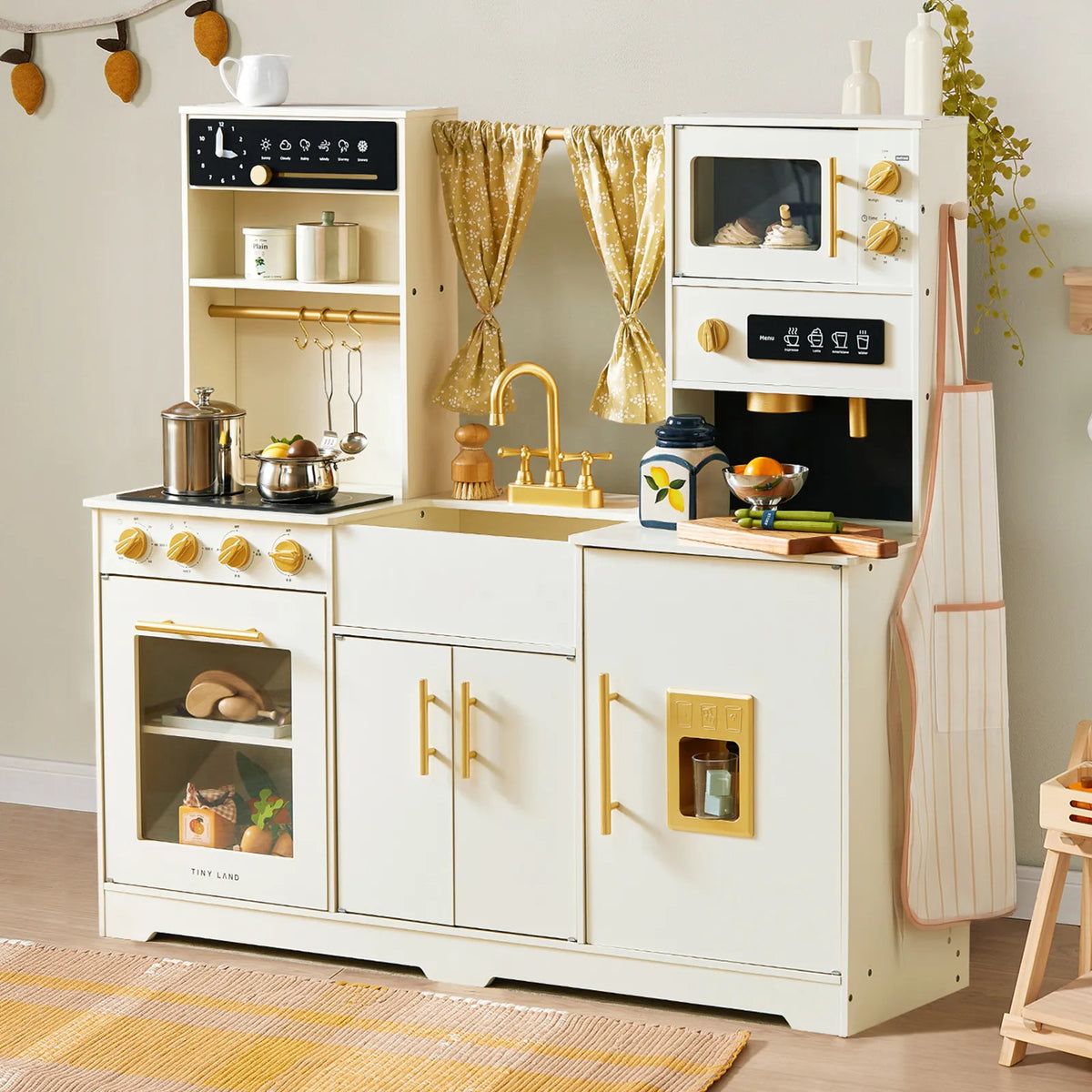
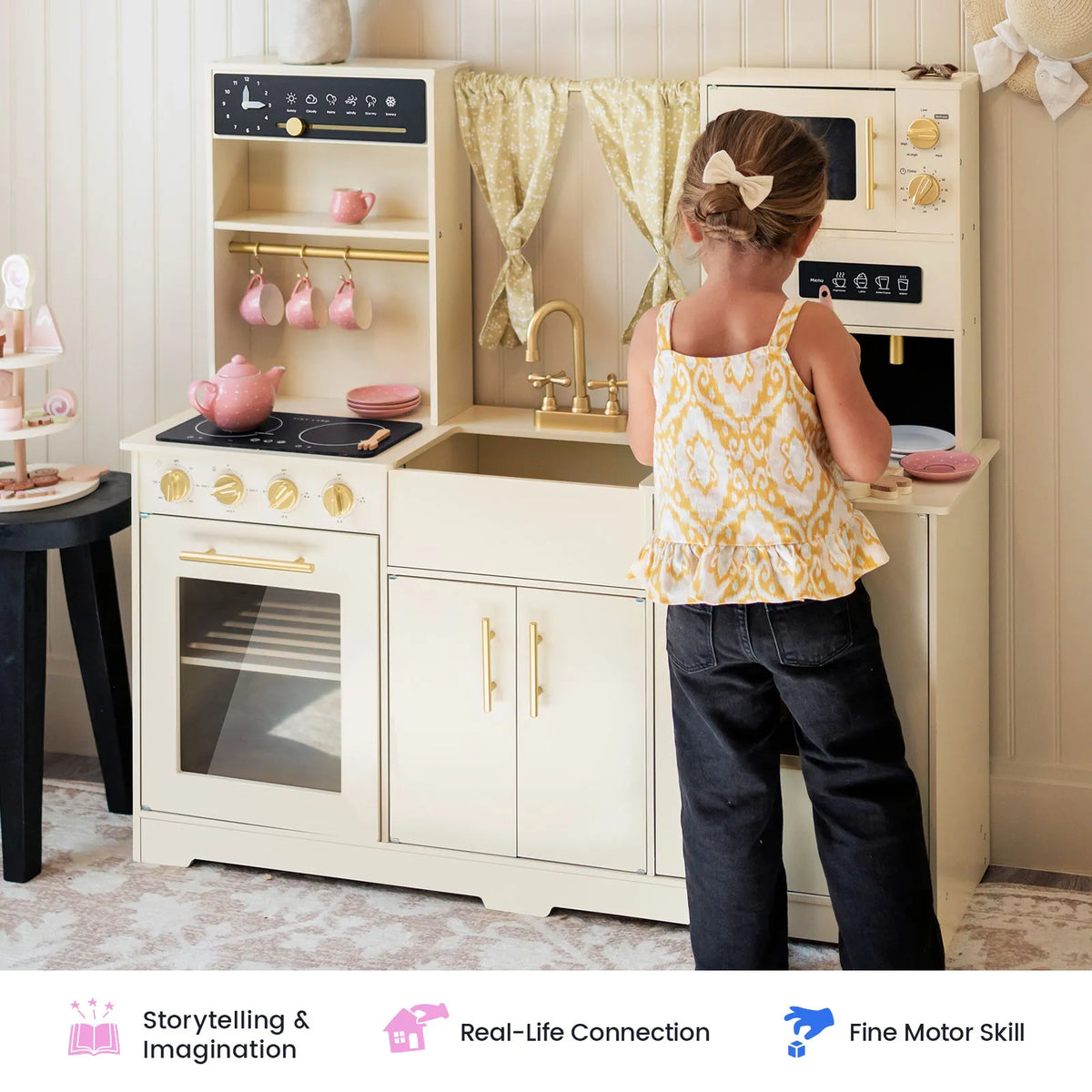
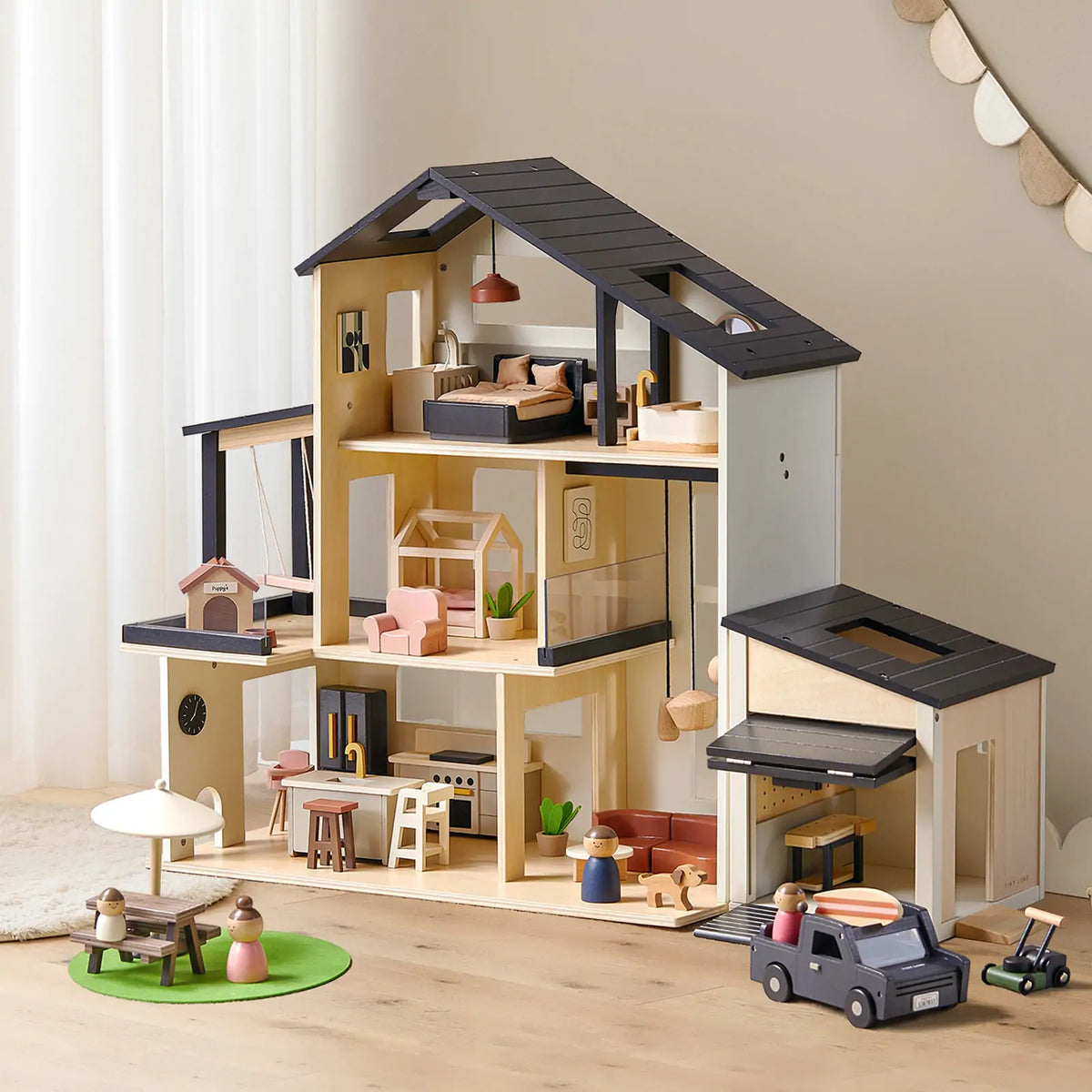
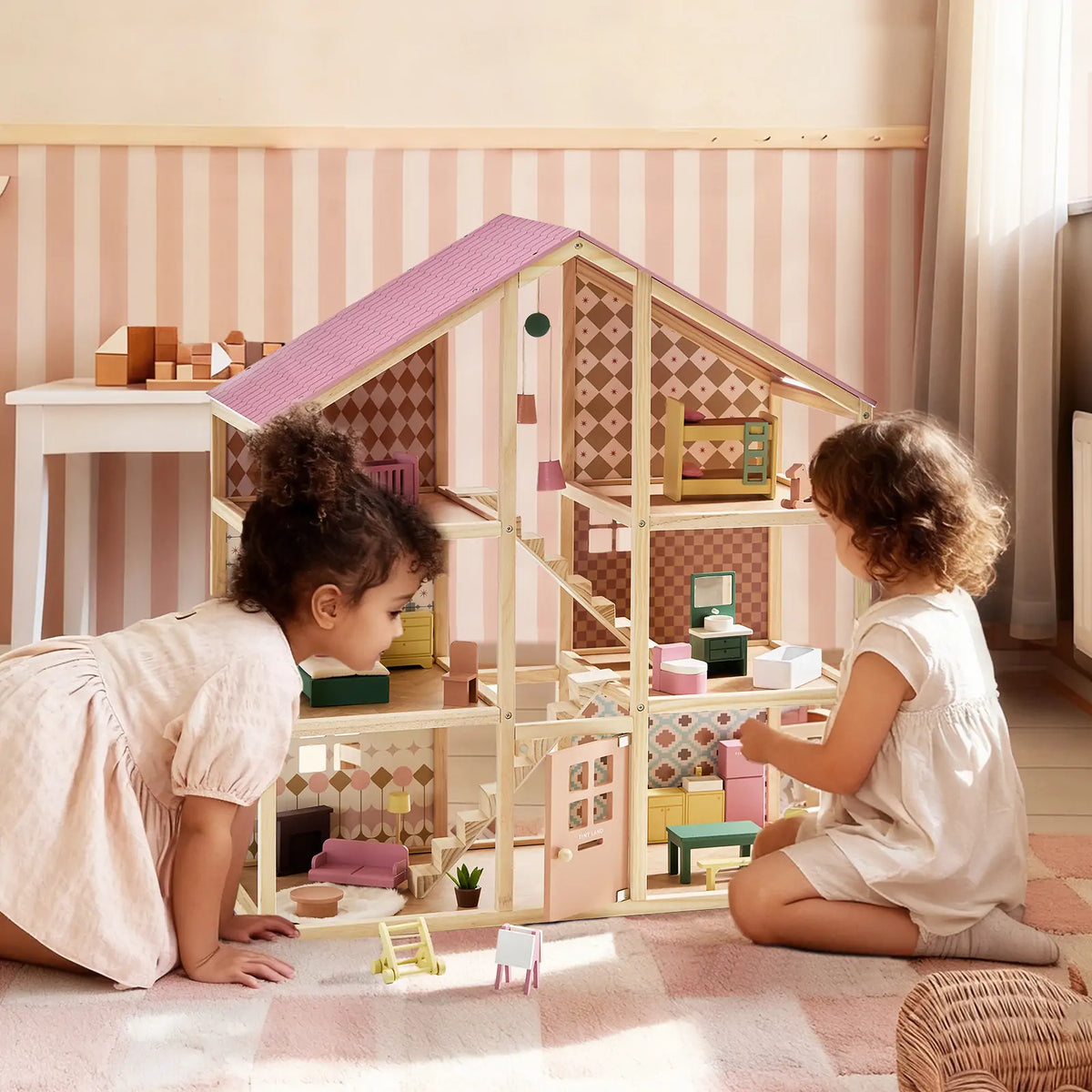
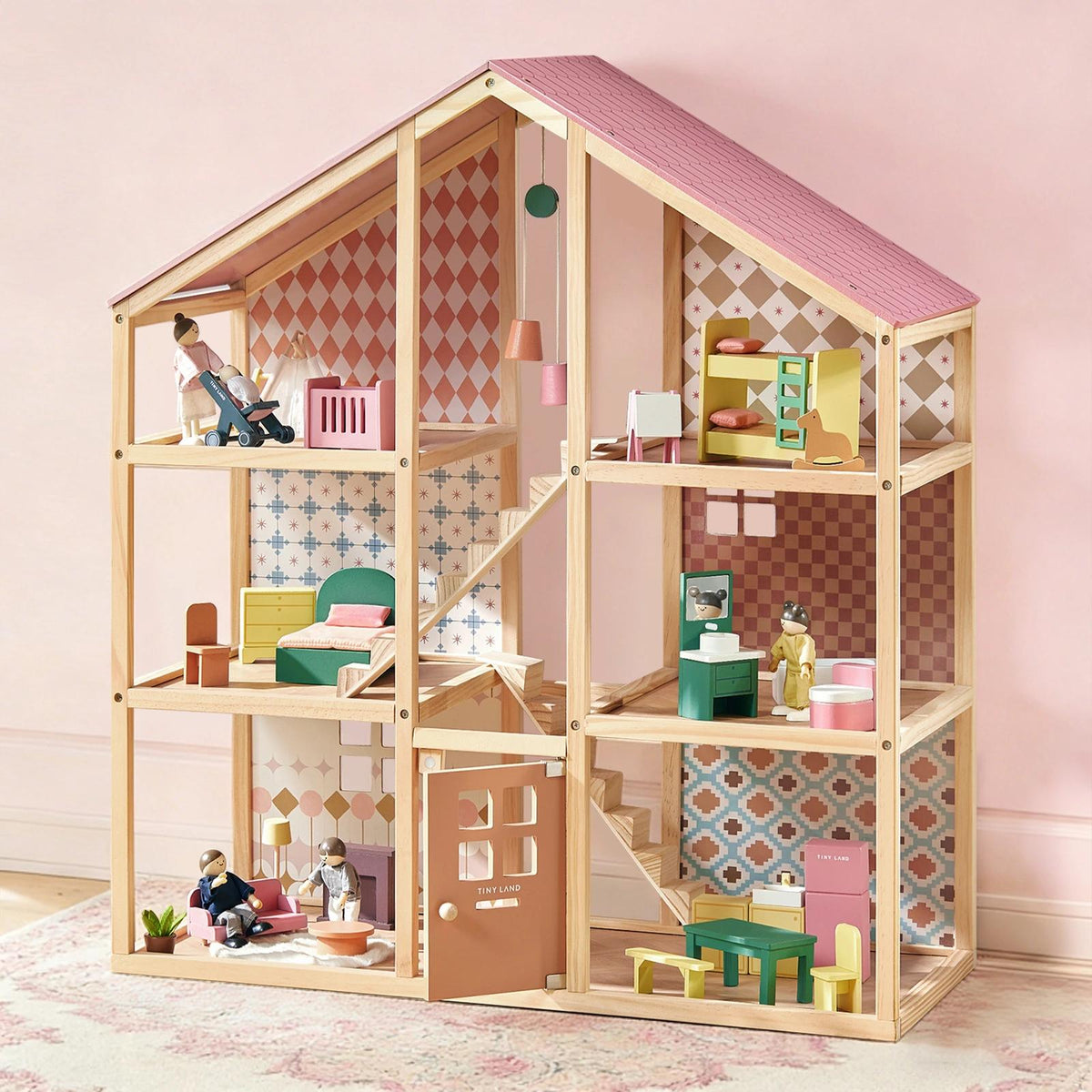
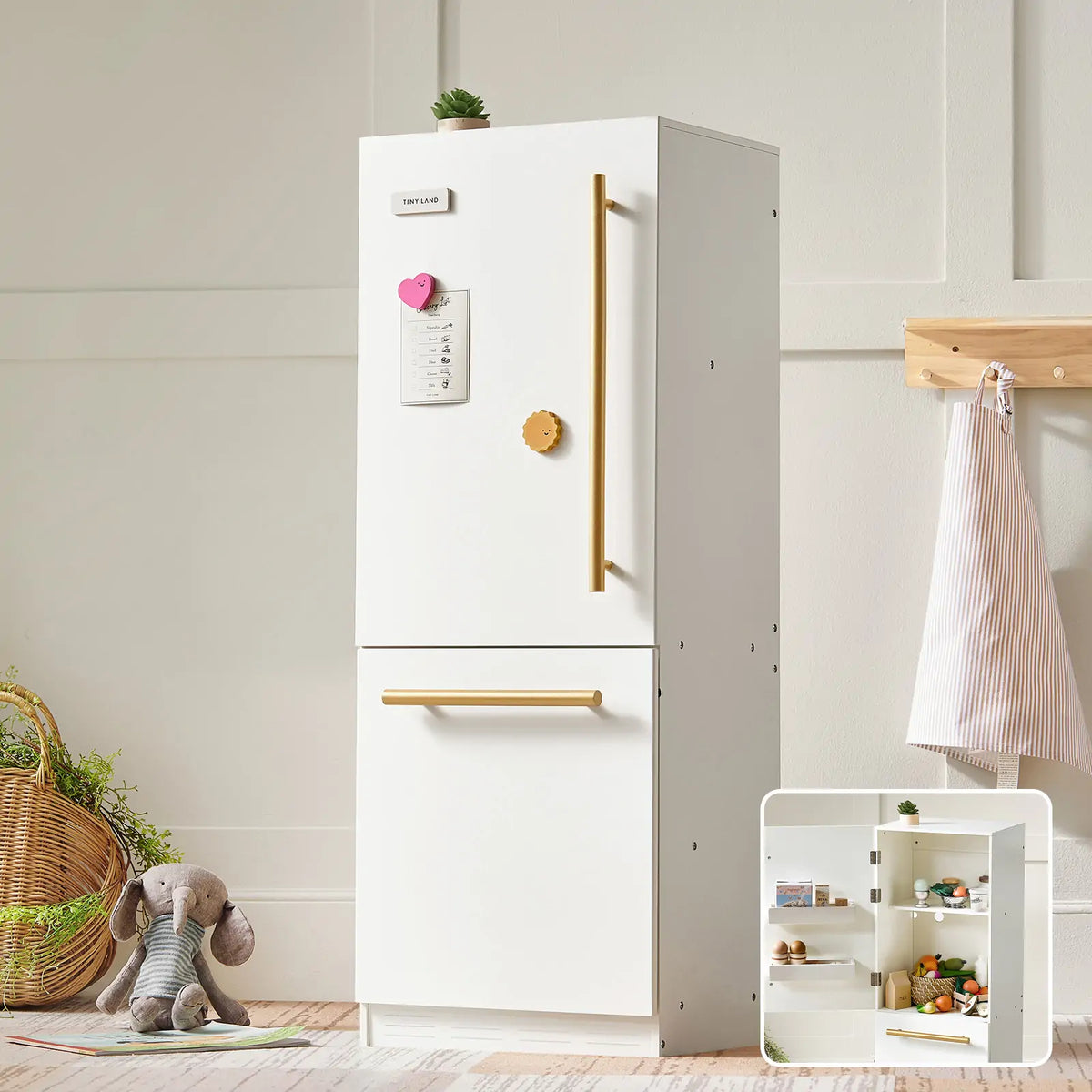
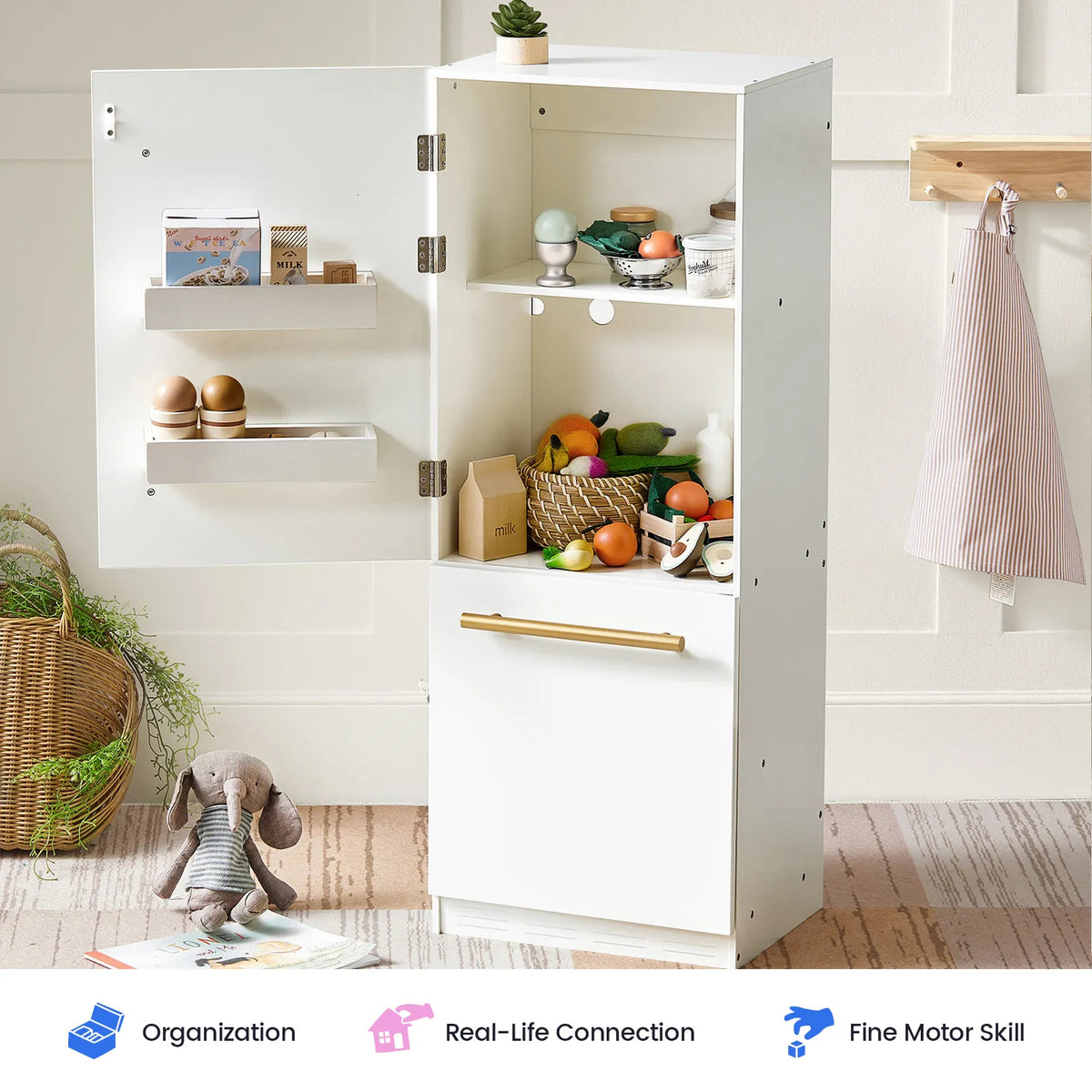
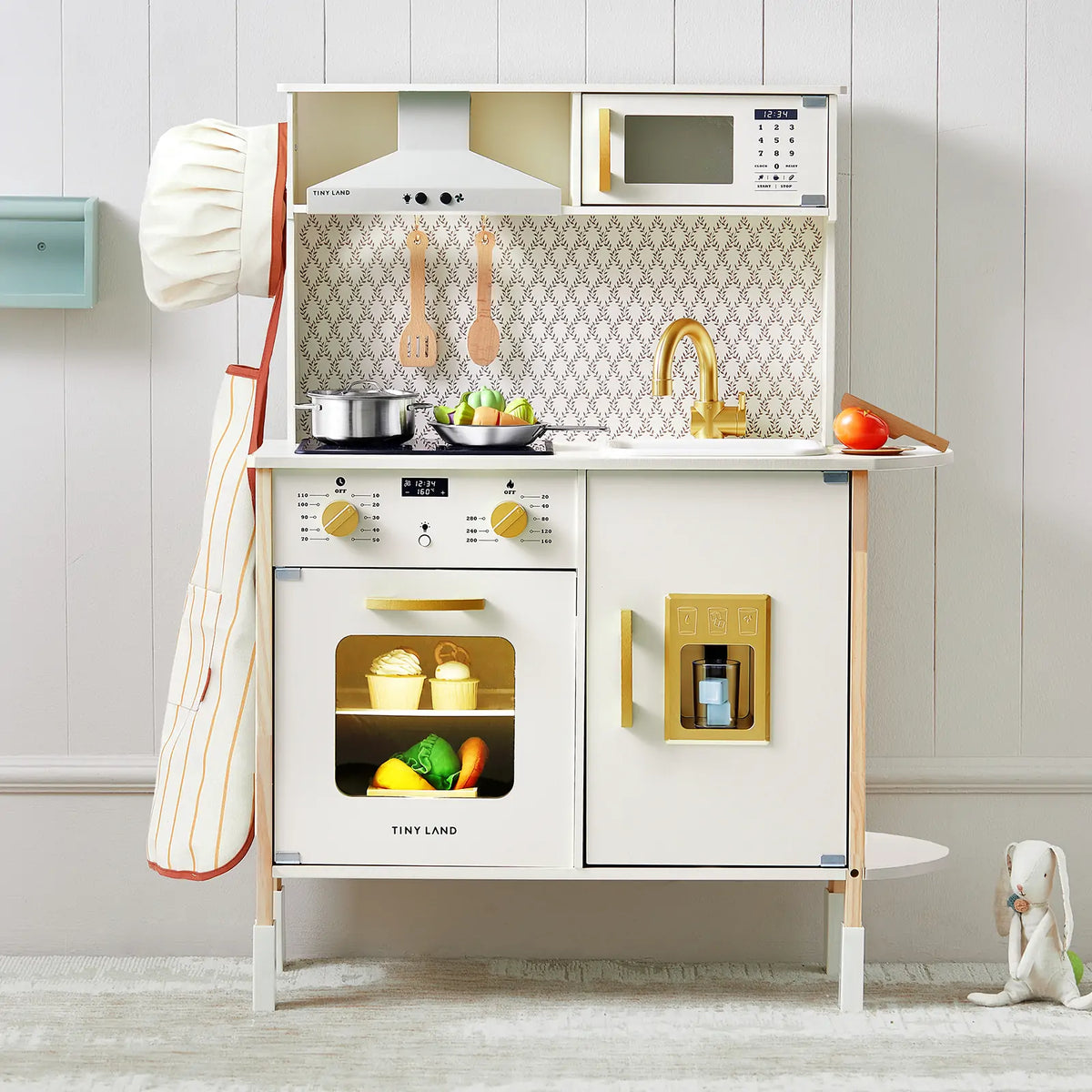
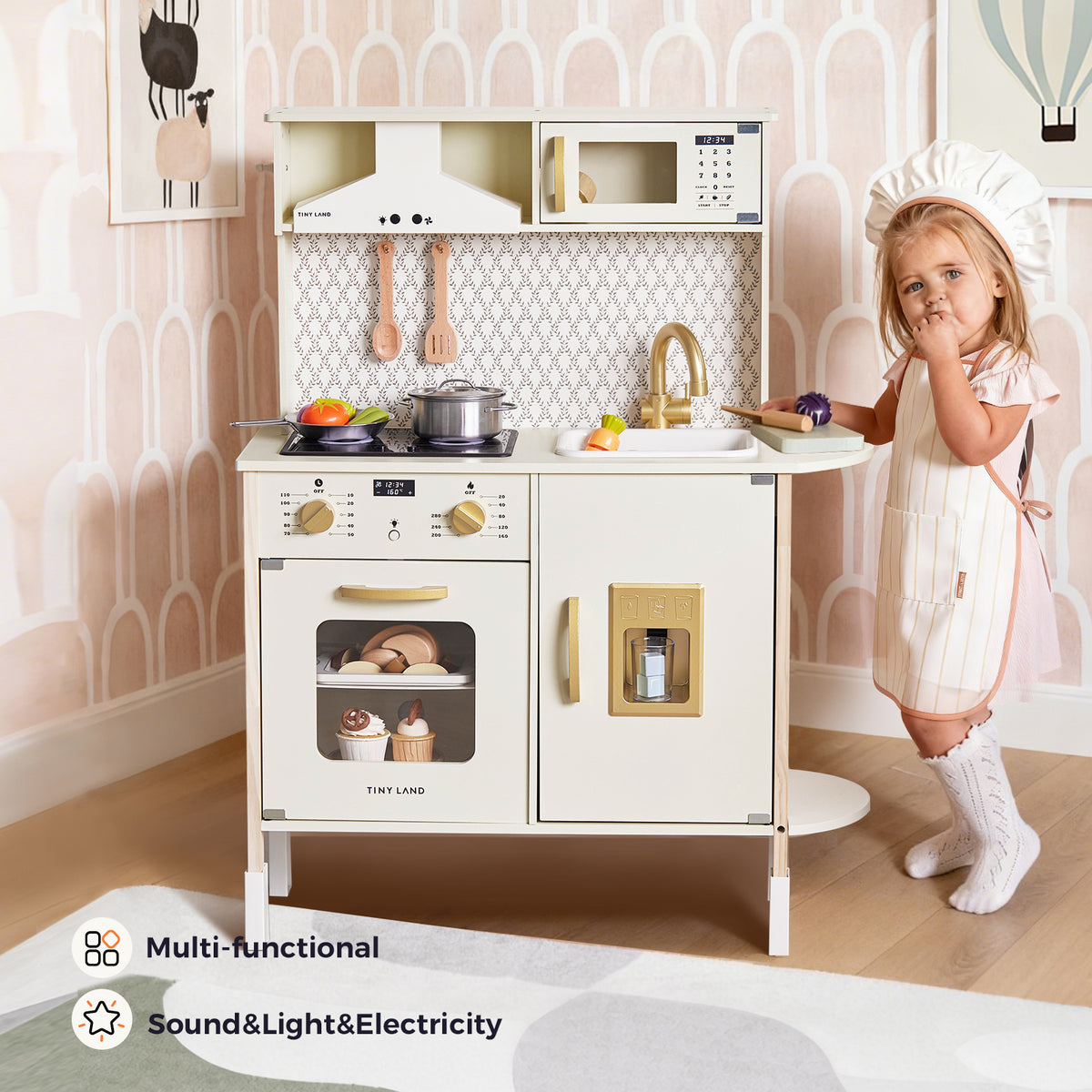
Whether they are playing with a dollhouse, cooking in a pretend kitchen, caring for dolls, or running a pretend store, children practice:
-
Communication
-
Empathy
-
Imagination
-
Problem-solving
-
Perspective-taking
Join their imaginary world instead of directing the story.
Try asking:
-
"How is Teddy feeling today?"
-
"Why is the baby crying?"
-
"What could help your customer feel better?"
-
"Who are you cooking for today?"
-
"What happened in your dollhouse?"
These conversations help children recognize emotions and become more comfortable expressing their own thoughts.

5. Let Art Become a Way to Express Feelings
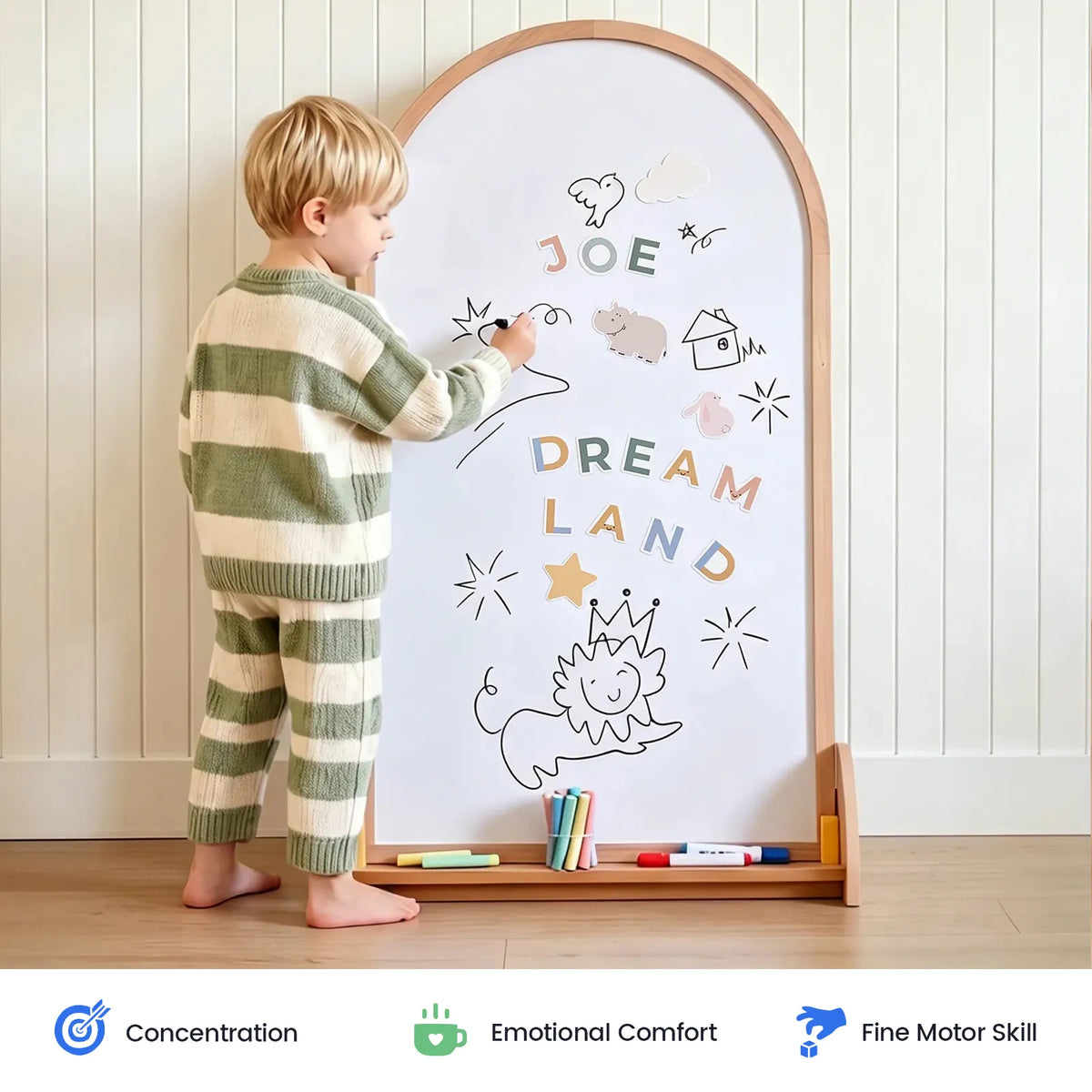
Some children express themselves more easily through colors, drawings, and creative activities than through words.
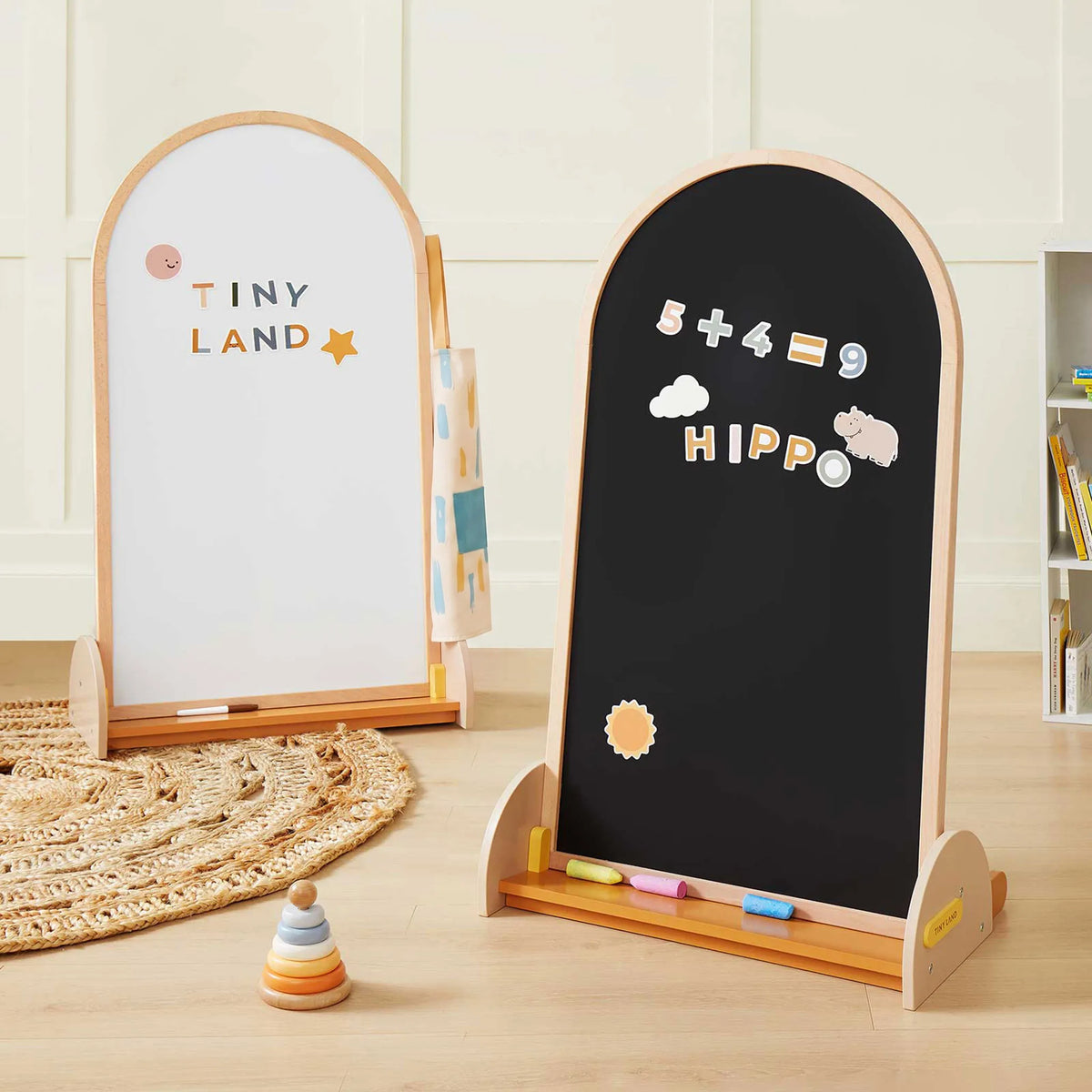
An easel or dedicated art space gives children the freedom to create without worrying about making mistakes.
Their artwork can become the beginning of meaningful conversations about their ideas, experiences, and feelings.
You don't need to interpret every drawing. Instead, invite your child to share the story behind it.
Parent Tip
Try asking:
-
"Tell me about your picture."
-
"What was your favorite part to draw?"
-
"What inspired your idea?"
-
"What would you like to create next?"
Listening with curiosity encourages children to share their thoughts more openly.

How Tiny Land Toys Support Emotional Development Through Play
The best toys don't tell children exactly how to play.
They create opportunities for children to imagine, explore, create, and grow.
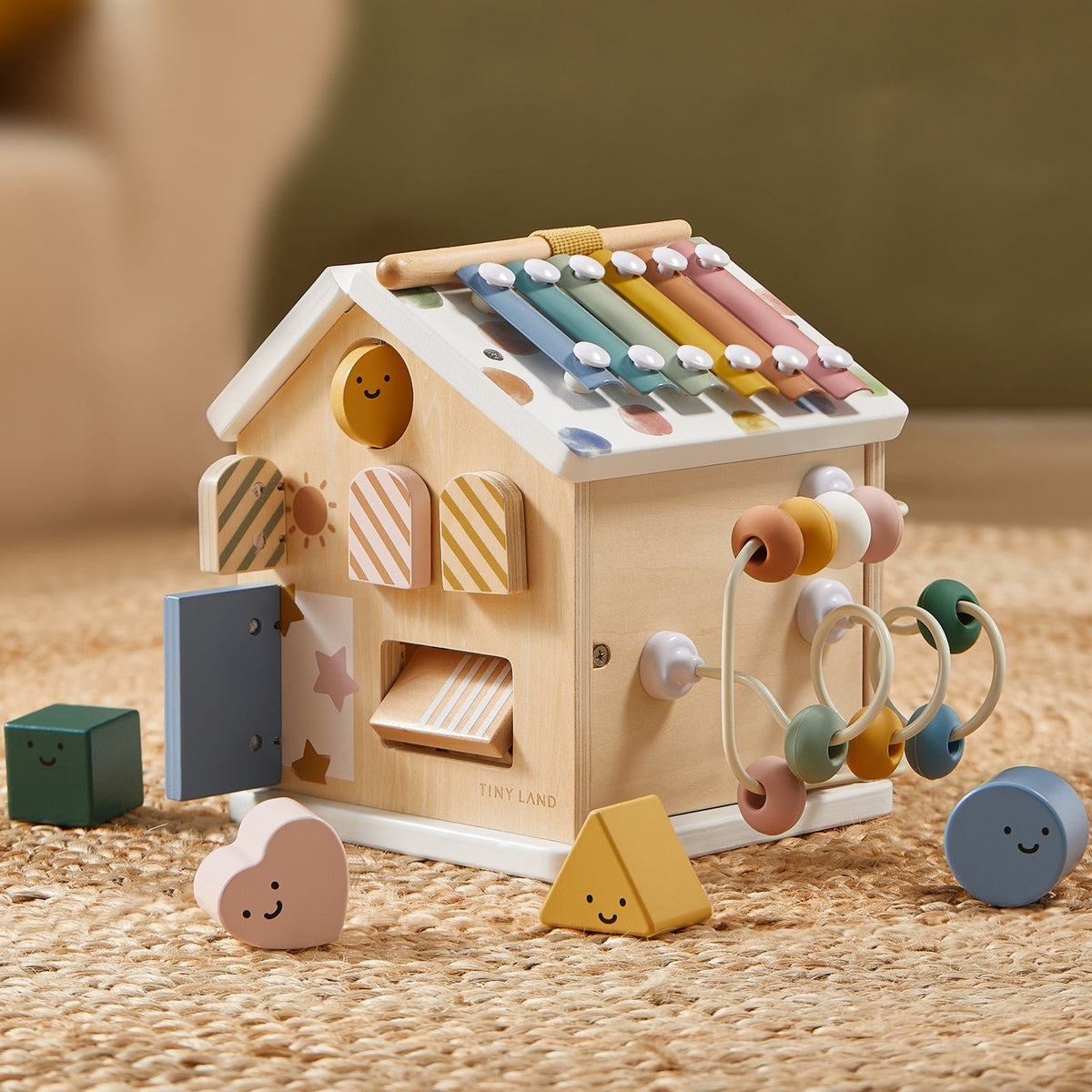
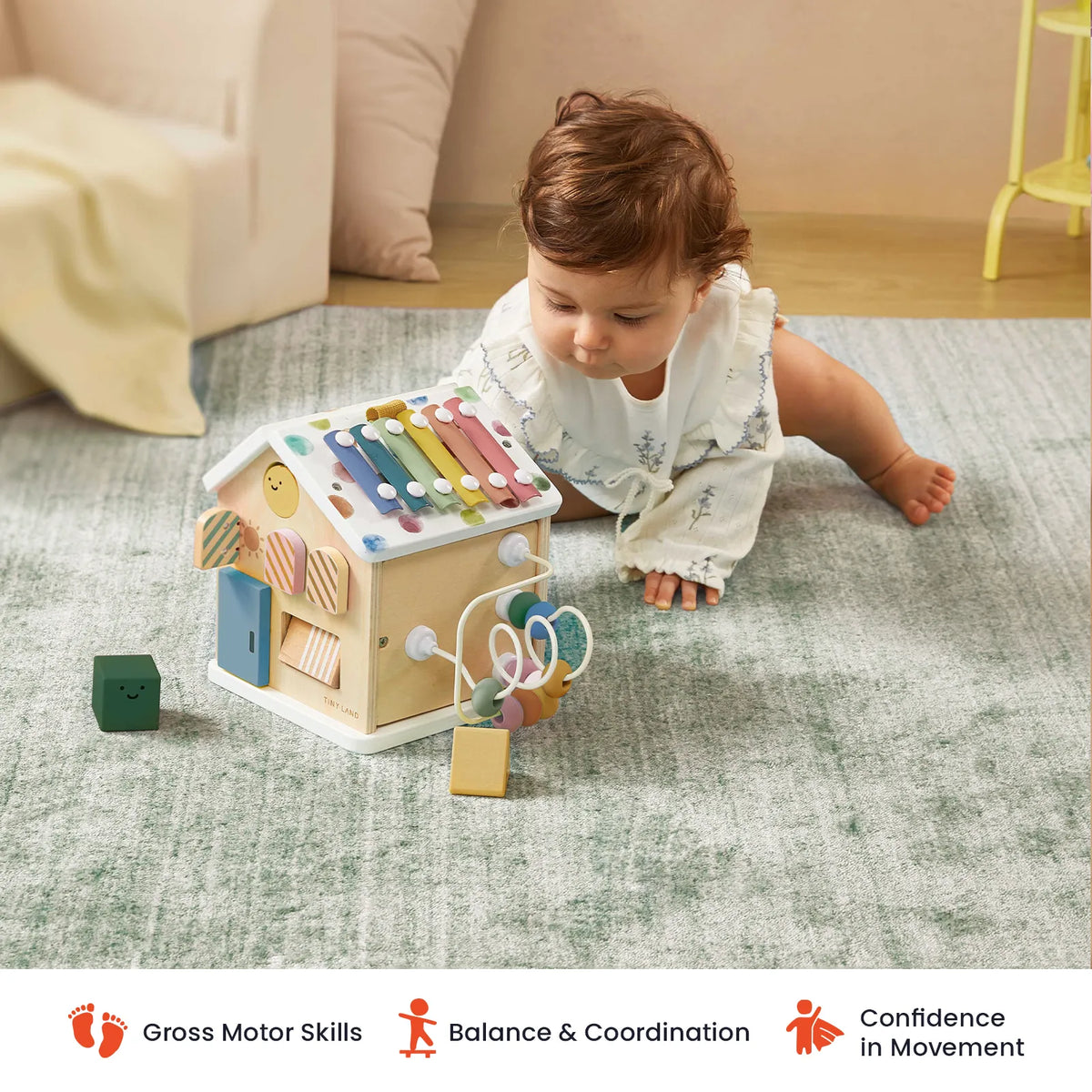
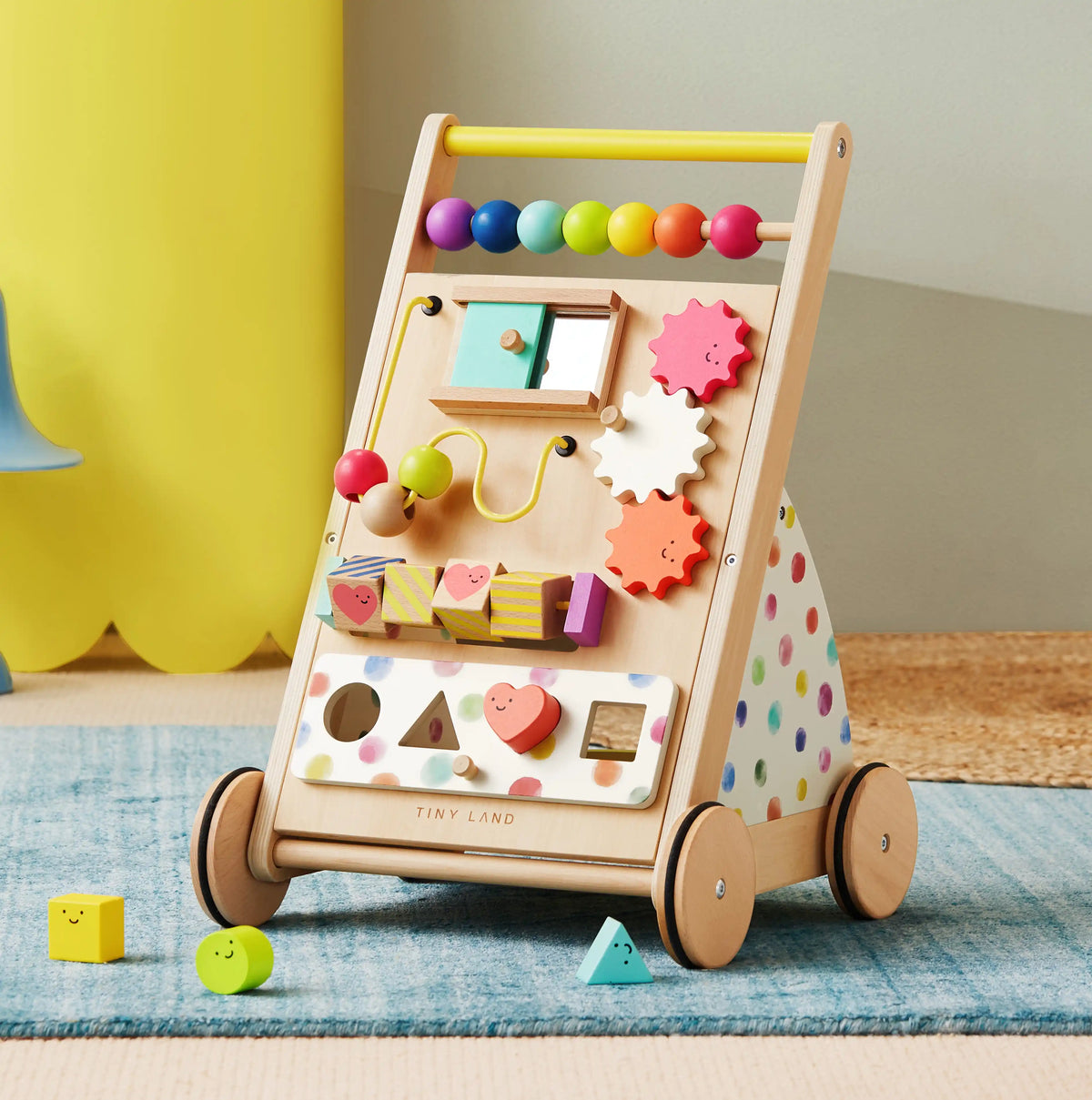
Open-ended play experiences such as cozy reading spaces, pretend kitchens, mud kitchens, climbing sets, and art stations allow children to practice emotional skills through everyday moments.
A quiet corner can support self-regulation.
Pretend play can encourage empathy and communication.
Creative activities can build confidence and self-expression.
Every play moment becomes an opportunity for growth.

Frequently Asked Questions
How does play help children express emotions?
Play gives children a natural way to communicate feelings, explore experiences, and practice emotional responses when they are still developing language skills.
What are the best emotional development activities for kids?
Simple activities such as pretend play, drawing, sensory play, climbing, storytelling, and creating quiet spaces can support emotional expression, confidence, and social skills.
Can toys help children learn emotional skills?
Open-ended toys can encourage children to practice communication, creativity, empathy, and problem-solving through imaginative play.
How can parents support emotional regulation at home?
Parents can support emotional regulation by creating calm spaces, encouraging movement, providing creative outlets, and talking about feelings during everyday play.

Every Play Moment Matters
Supporting emotional development does not require complicated routines or perfect activities.
It grows through everyday moments—a quiet break inside a play tent, climbing to a new height, creating muddy recipes outdoors, building imaginative stories, or painting together.
The goal is not to prevent children from having big emotions.
The goal is to give children safe opportunities to express themselves, build confidence, and feel understood.
At Tiny Land, we believe meaningful play helps children imagine, explore, create, and grow—one play moment at a time.
Explore Tiny Land play spaces designed to support imagination, independence, and meaningful family connections.