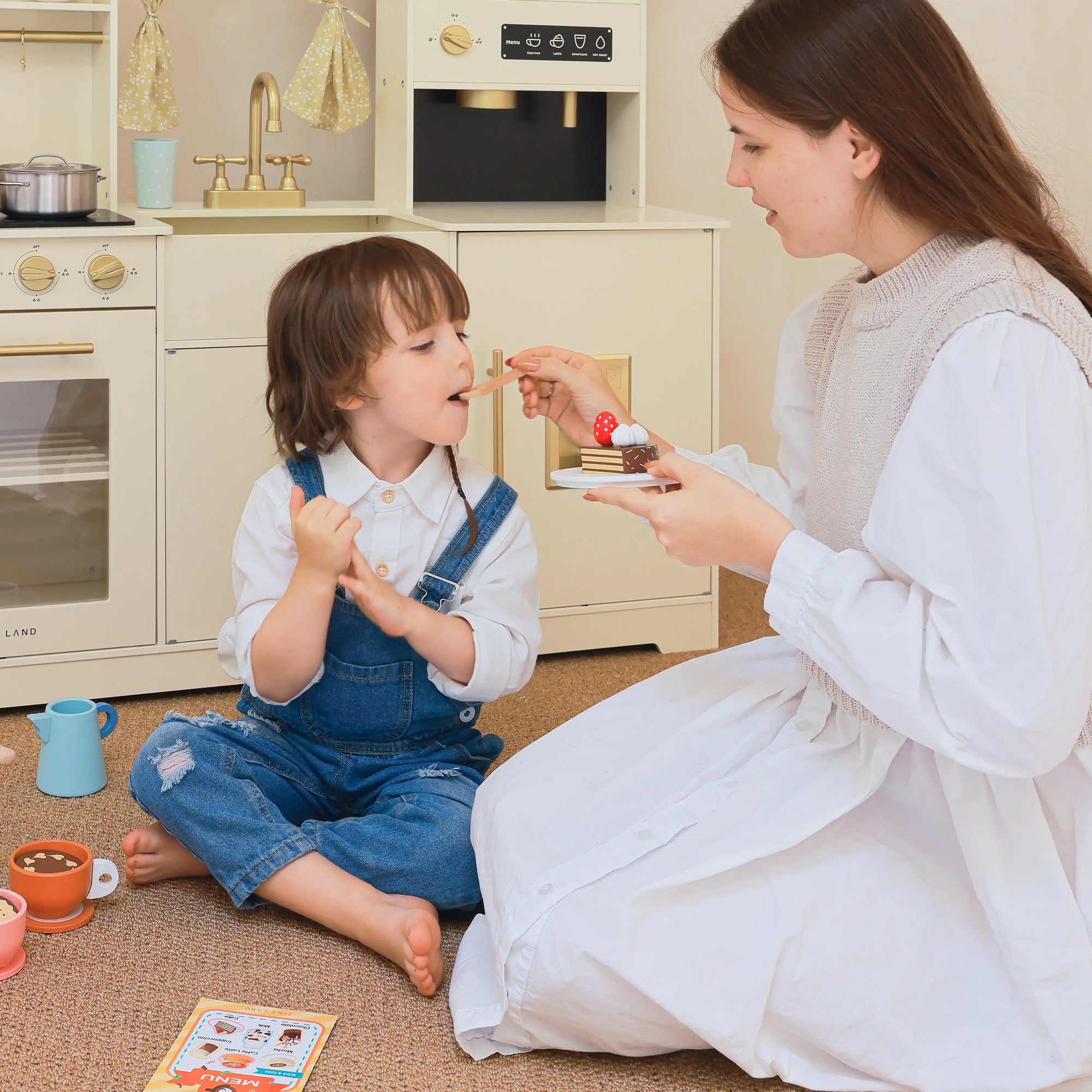

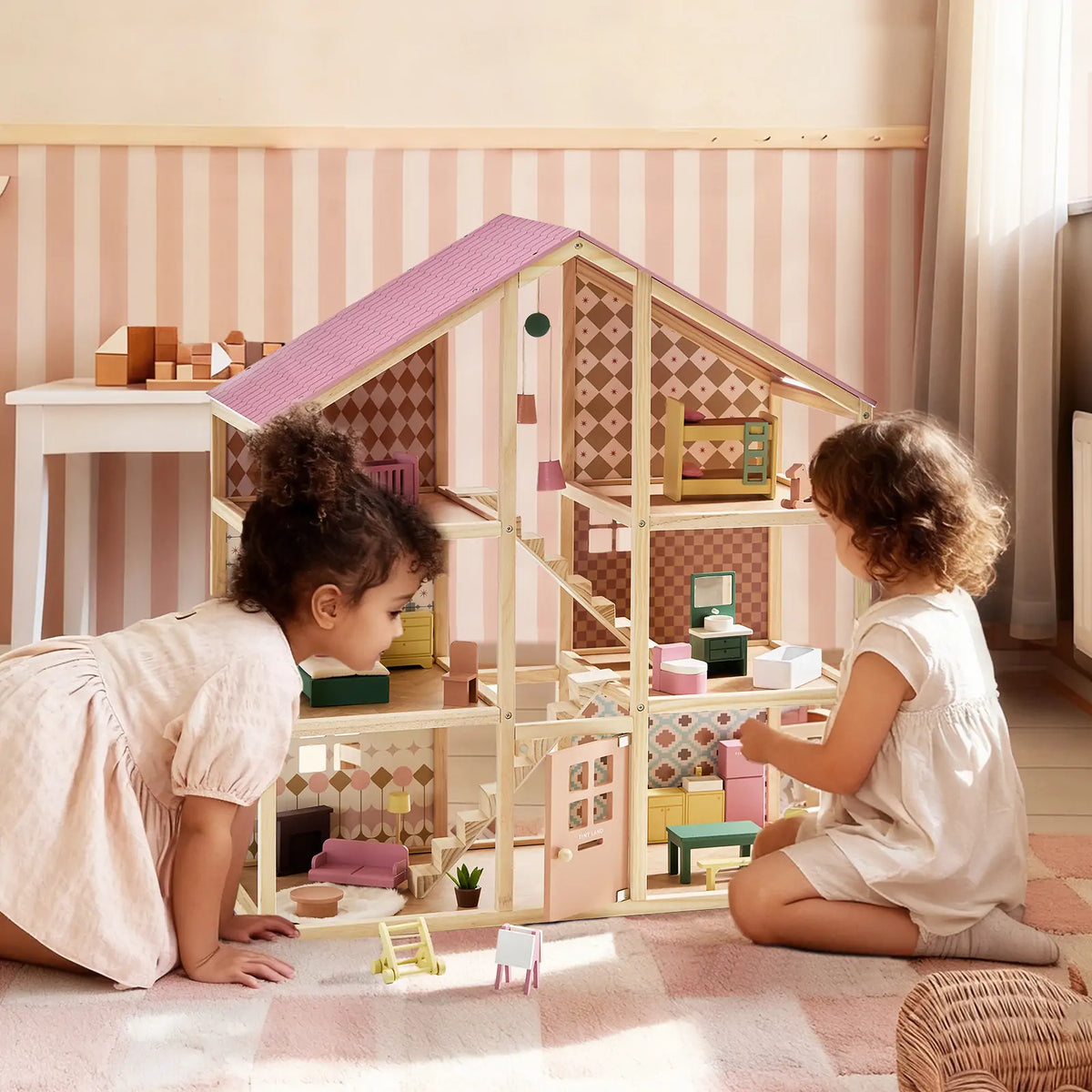



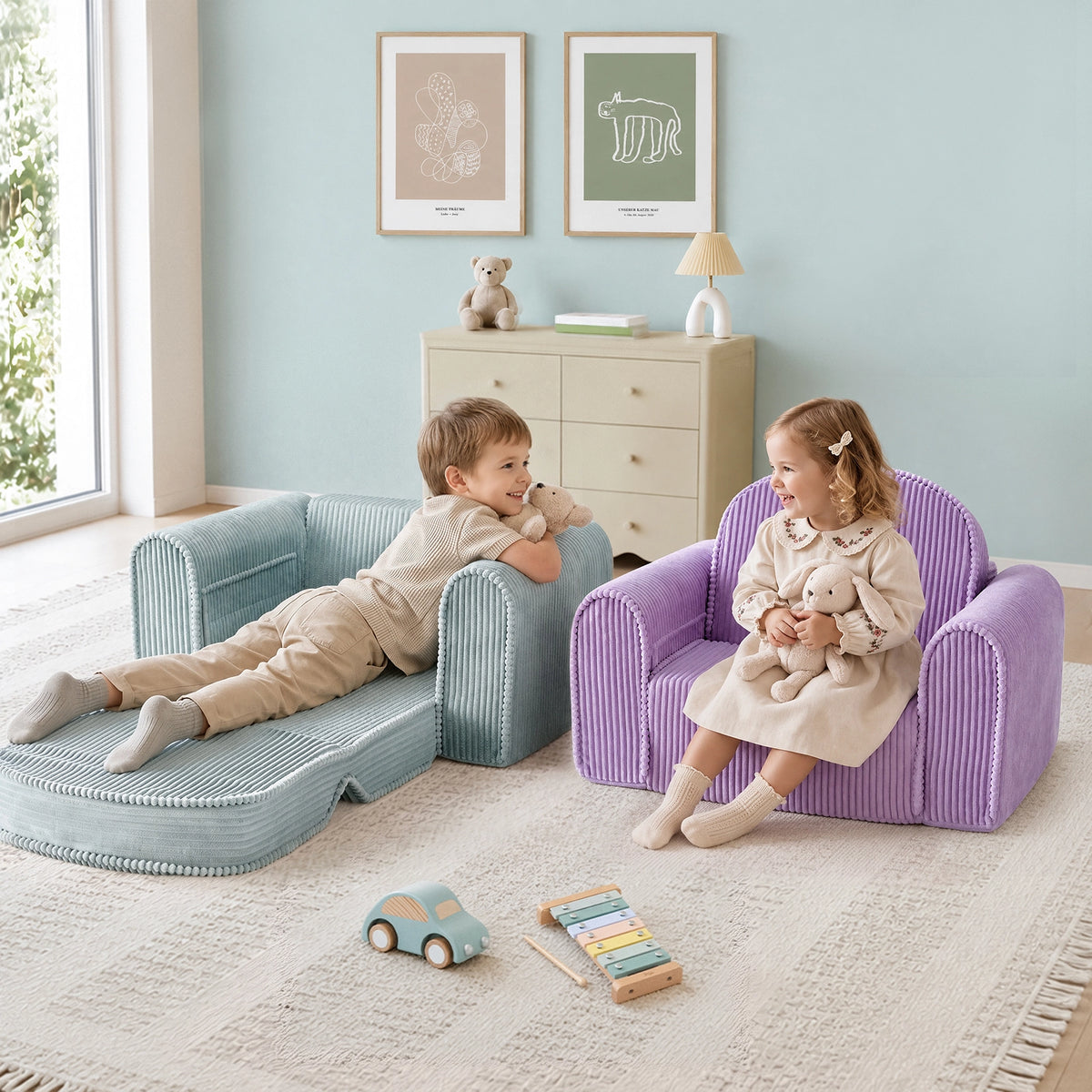

When two children want to play with the same play kitchen, even a fun pretend-play activity can quickly turn into an argument over the stove, sink, play food, or favorite accessories.
The good news is that you don't necessarily need two play kitchens.
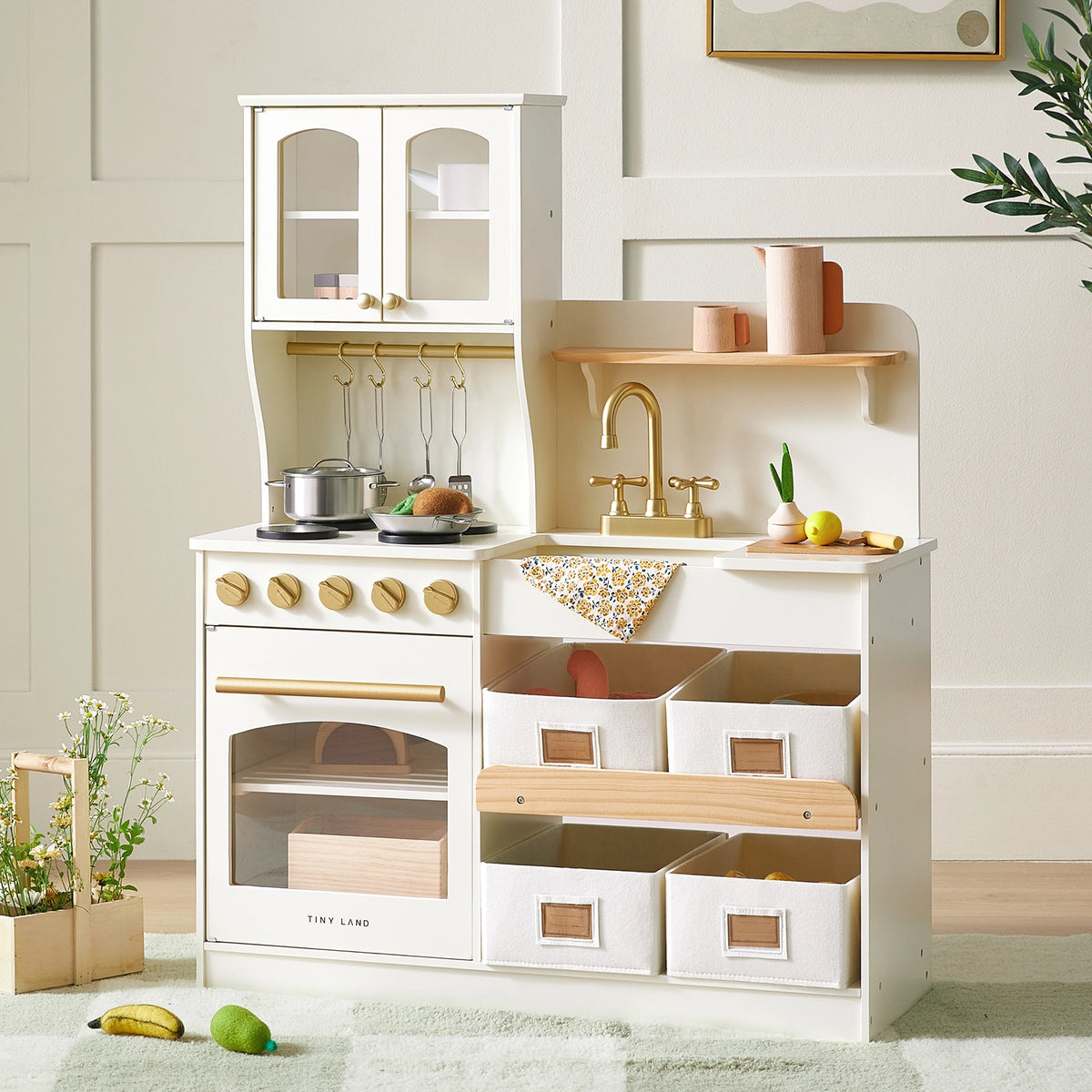
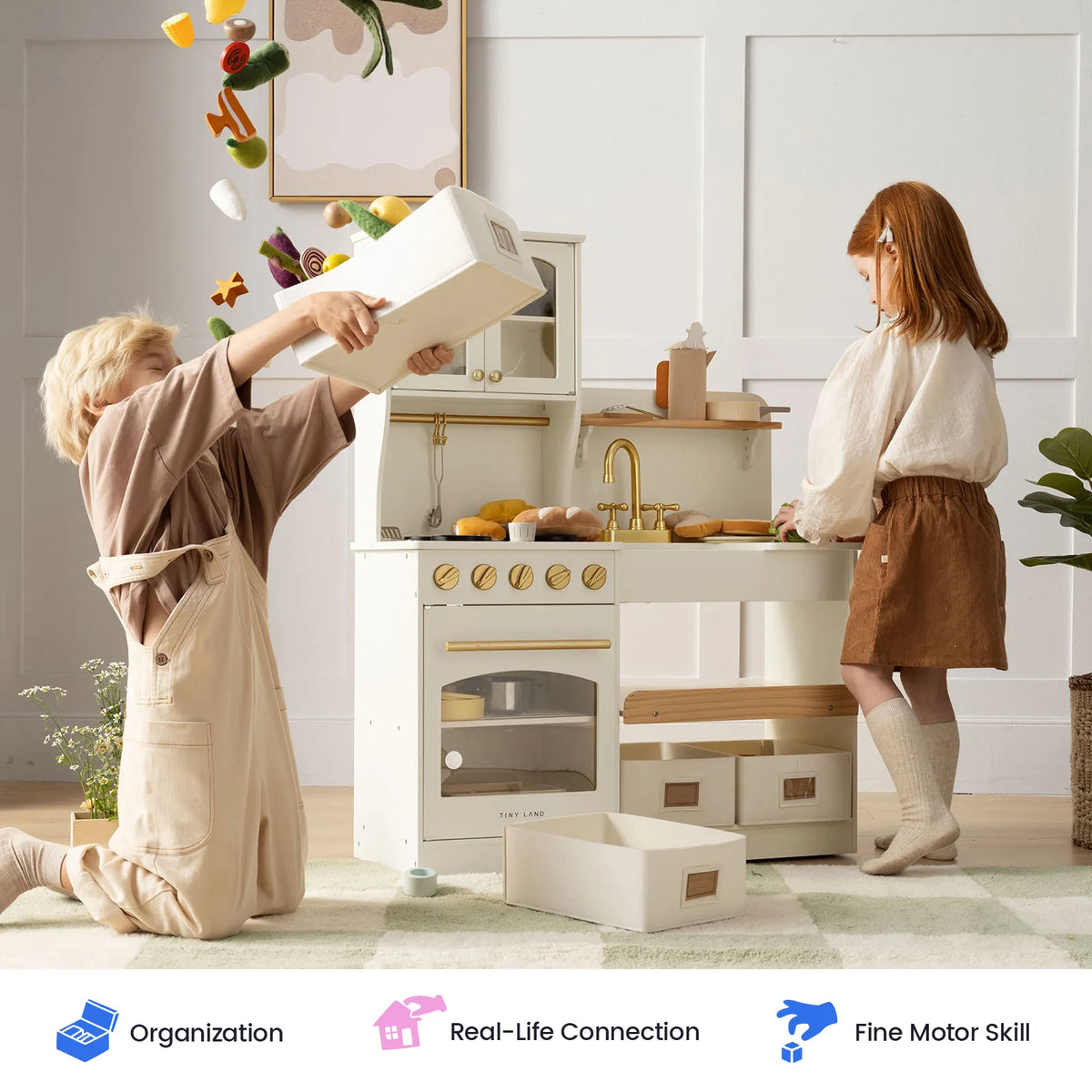
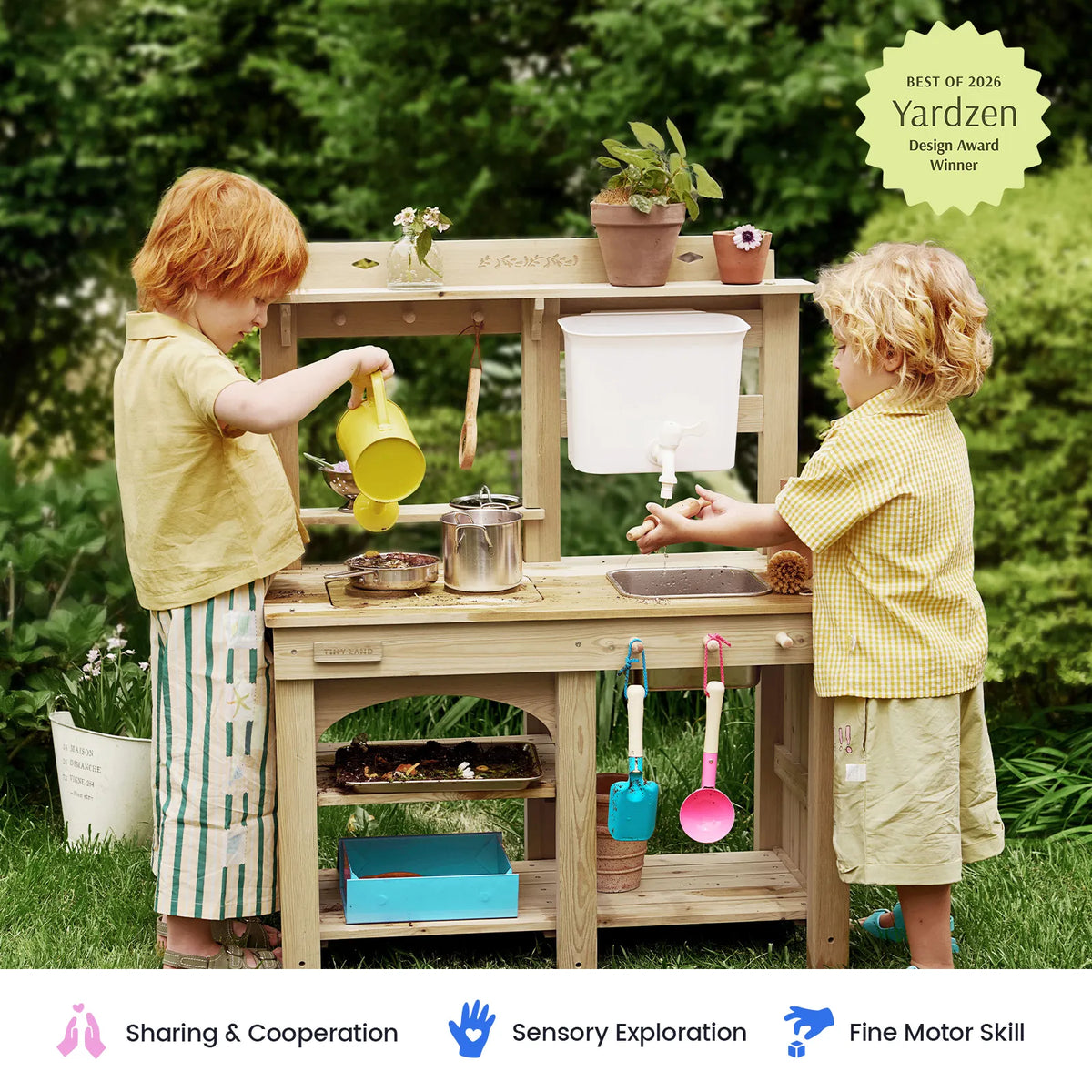
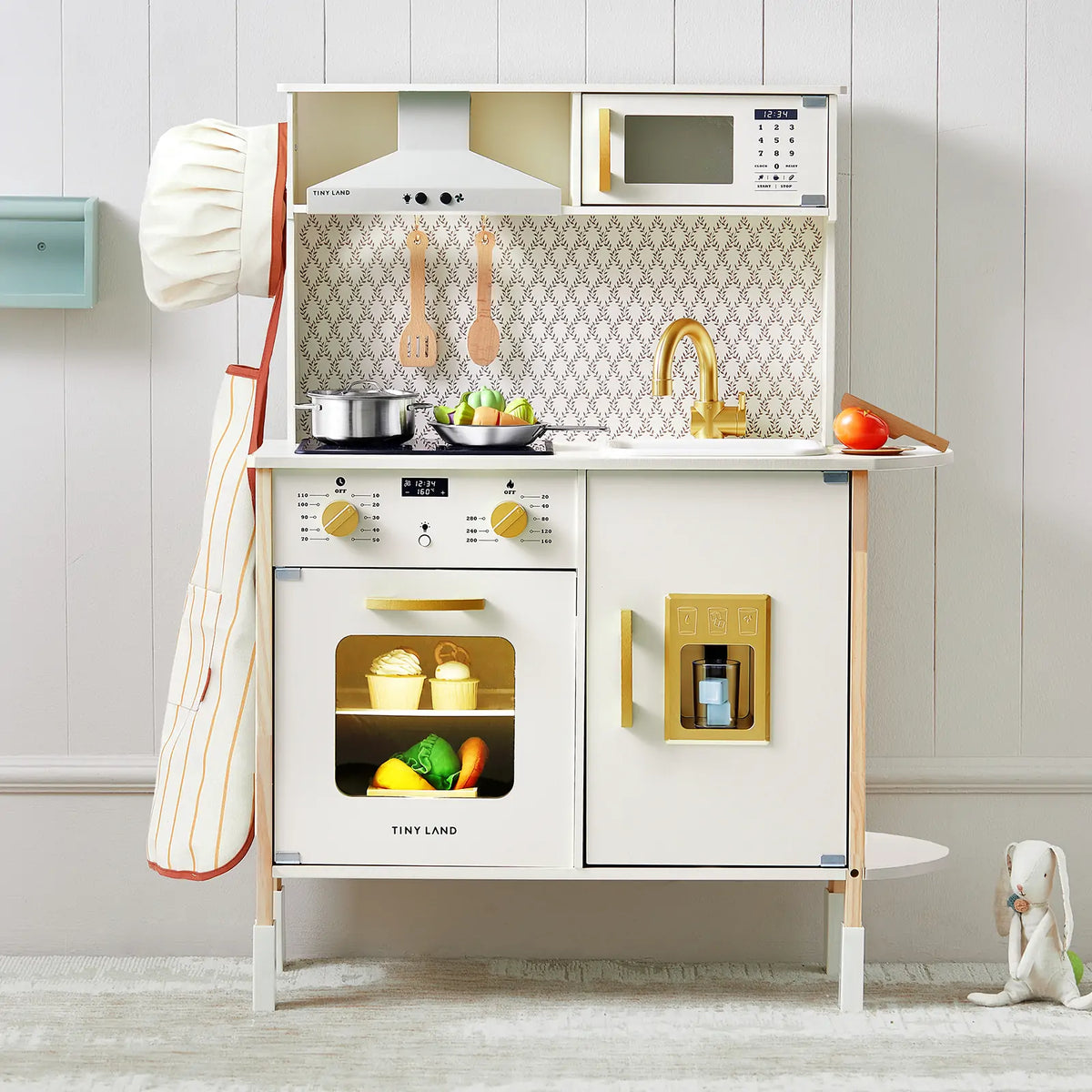
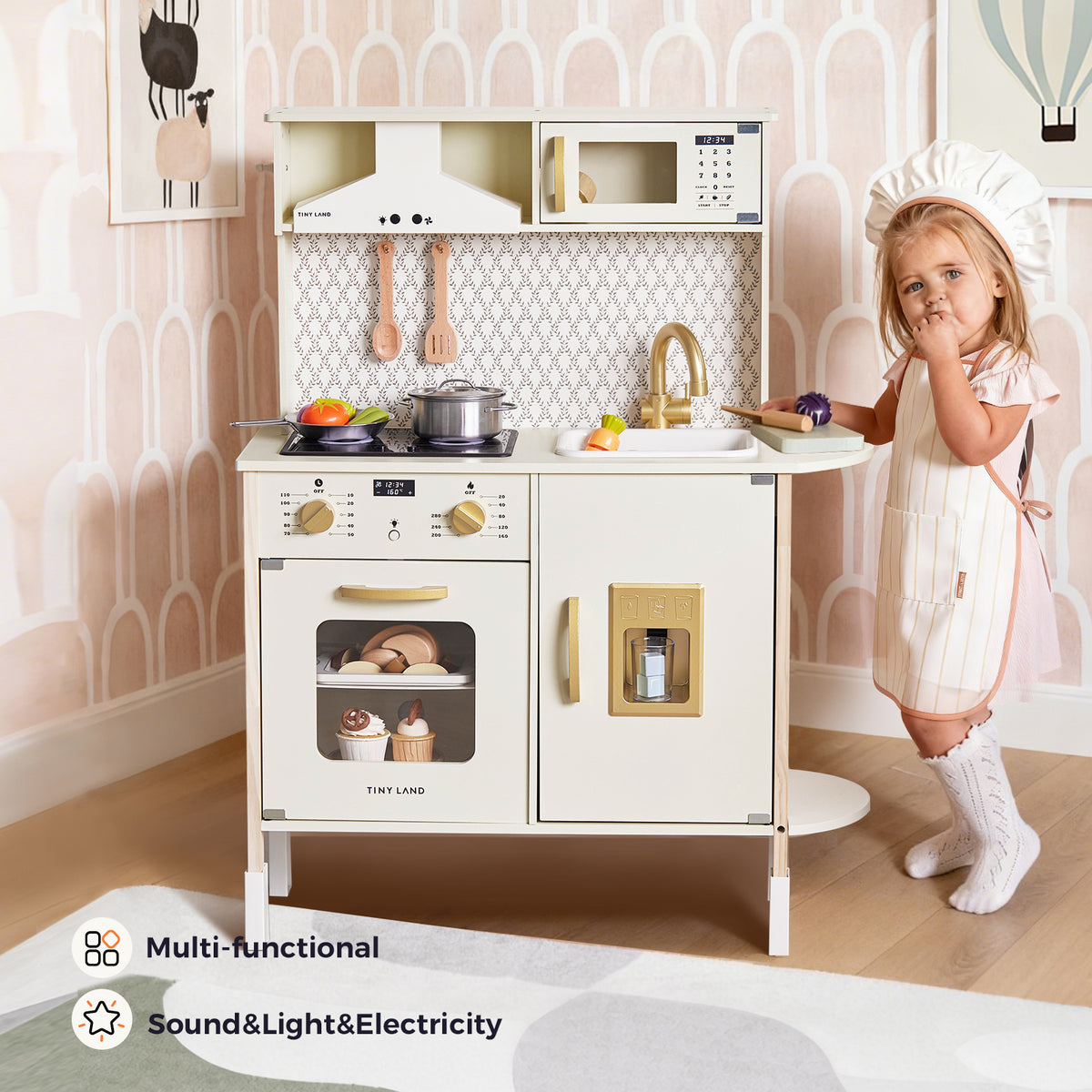
The right play kitchen for two children can give siblings or friends enough space to play side by side, take on different roles, and create a shared pretend-play story.
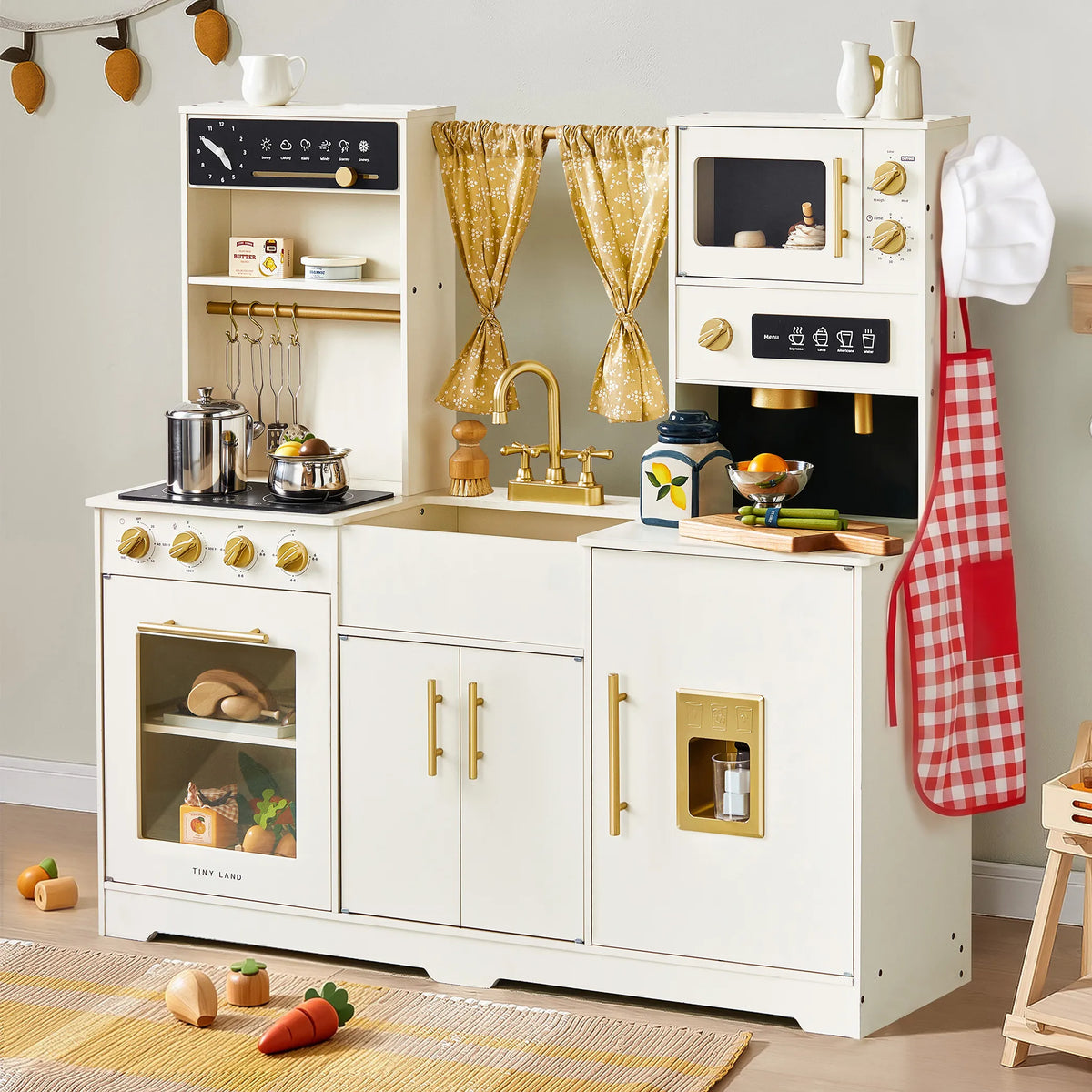
When choosing and setting up a play kitchen for two or even three kids, look for a spacious countertop, multiple interactive features, accessible play areas, easy-to-share accessories, and opportunities for cooperative play.

Can Two Children Share One Play Kitchen?
Yes. Two children can share one play kitchen, especially when the kitchen gives them enough space and different ways to participate.
A play kitchen with only one central feature may encourage both children to reach for the same spot. A kitchen with a large countertop and multiple interactive areas can create natural opportunities for children to divide their roles and play together.
For example, one child can prepare the food while another serves it. One can play the chef while the other becomes the customer.
With three children, the play can expand even further. One child can be the restaurant owner, another the chef, and another the customer.
The goal isn't to make children use the kitchen separately. It's to make it easier for them to play together.
Why Shared Pretend Play Can Be Challenging
Young children may not naturally know how to share every part of a play kitchen.
Popular features such as the oven, sink, stove, or other interactive areas can quickly become the center of an argument.
Accessories can create another source of conflict when both children want the same pot, plate, or piece of play food.
This is why the physical setup matters.
How the Right Setup Makes Cooperative Play Easier
A play kitchen for siblings works best when children can access different parts of the kitchen without constantly getting in each other's way.
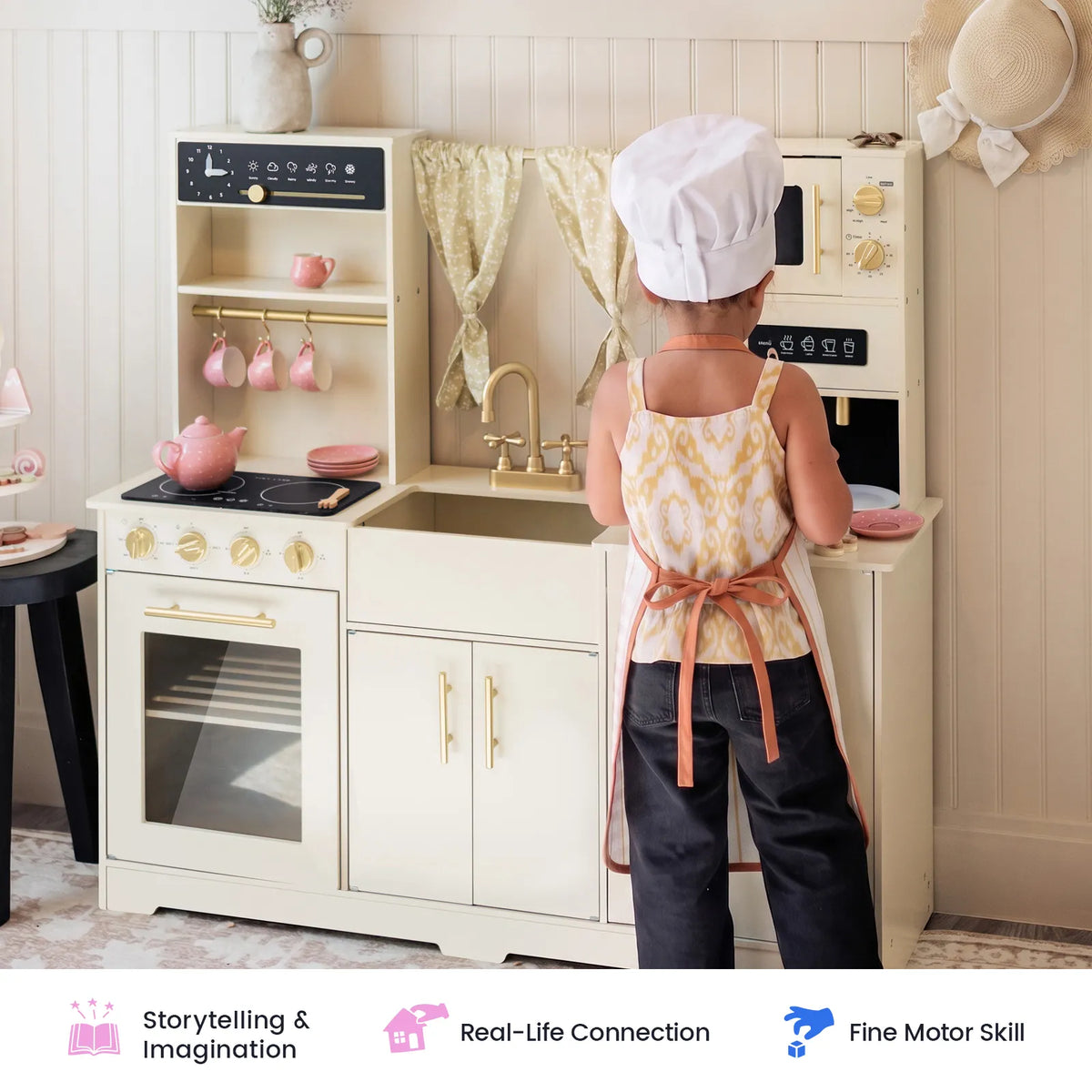
A spacious countertop can give children room to work side by side, while interactive features can give them different activities to focus on.
This makes it easier to create separate roles while keeping both children involved in the same pretend-play scenario.

Choose a Play Kitchen With Enough Space for Two or More Children
When two or more children play with the same play kitchen, the available play surface matters.
A kitchen doesn't simply need to be large overall. What matters is whether it provides enough usable countertop space and interactive areas for multiple children to participate at the same time.
Look for a Large, Shared Countertop
A spacious countertop gives children more room to work side by side.
One child can prepare pretend food while another organizes ingredients, sets up dishes, or gets the next part of the game ready.
For families with two or three children, a large play kitchen countertop can make shared pretend play easier because children don't have to compete for one small working area.
Look for Multiple Interactive Play Stations
A good play kitchen for multiple children should give each child something to do.
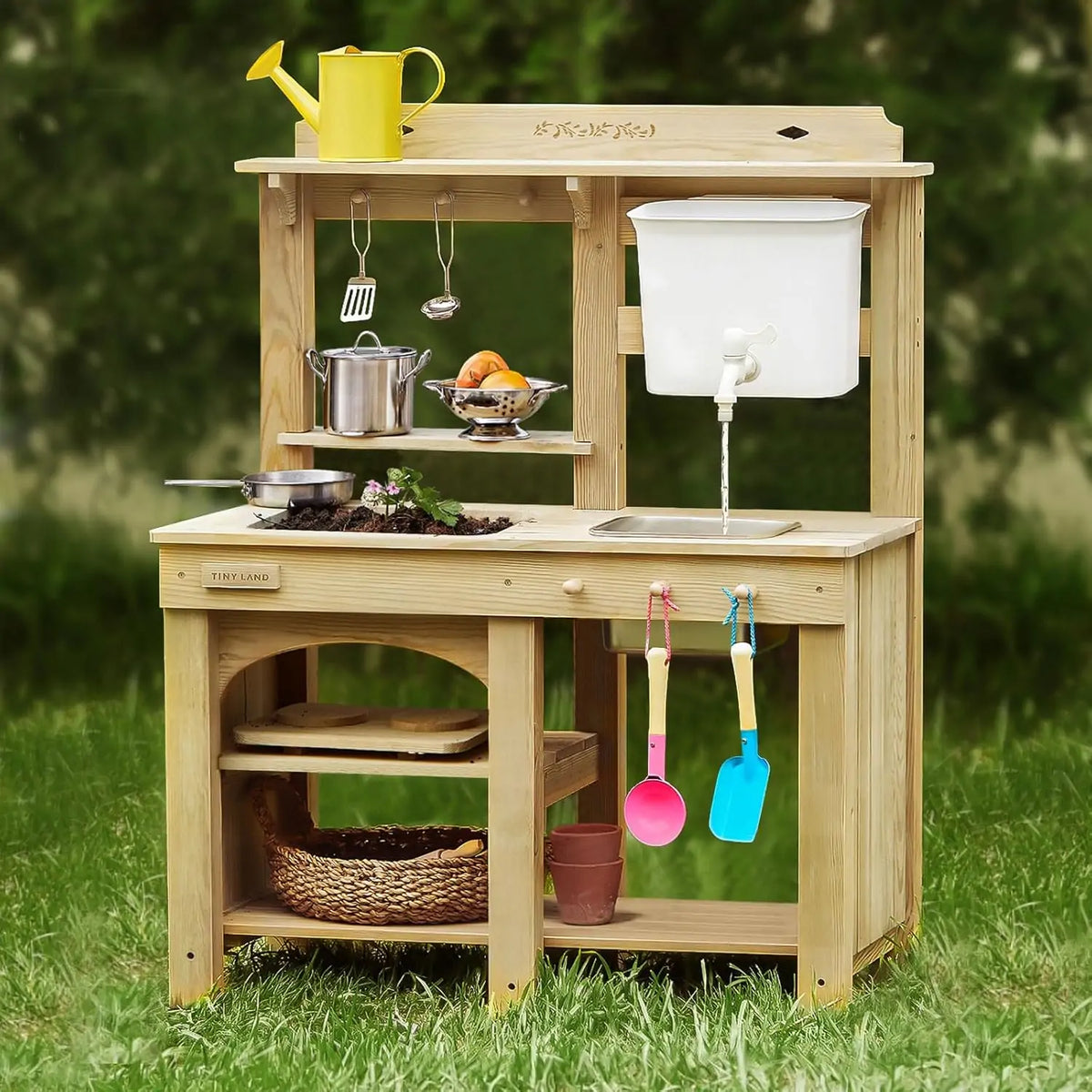
Features such as the stove, oven, sink, storage areas, and other interactive elements can create different opportunities for children to participate in the same play scenario.
Instead of waiting for one child to finish, children can use different parts of the kitchen at the same time.
Consider Kitchens With More Than One Accessible Side
A two-sided play kitchen or a kitchen with accessible areas from different directions can give children more room to move around the product.
This can be especially useful when two or three children are playing together, because they can approach the kitchen from different sides instead of crowding around one countertop.
Check the Doors, Shelves, and Interactive Features
Don't only look at the overall size.
Consider how many features children can actually use during play.
Doors, shelves, ovens, sinks, countertops, and other interactive elements can give each child something to do.
The more opportunities there are for children to participate, the easier it can be to create a shared play scenario.

Create Different Play Zones
You don't necessarily need a large playroom to create multiple play areas.
Instead, think about what each child can do within the same pretend-play story.
Cooking Zone
Set up the stove, oven, pots, and pans as the cooking area.
One child can pretend to cook while the other prepares ingredients.
Food Preparation Zone
Use the countertop as a food preparation area for cutting pretend vegetables, organizing ingredients, or preparing a meal.
A large play kitchen countertop can give children enough shared workspace for these activities without requiring them to compete for the same spot.
Serving or Restaurant Zone
Add plates, cups, play food, or a small table nearby.
Children can turn the kitchen into a pretend restaurant where one child cooks and another serves.
Cleaning and Storage Zone
The sink and storage areas can become part of the game too.
One child can wash dishes while the other finishes cooking or puts ingredients away.
This turns everyday kitchen routines into additional pretend-play opportunities.
 Turn a Play Kitchen Into a Shared Pretend-Play Space
A play kitchen for two children doesn't have to mean two children simply doing the same thing side by side.
A large countertop and interactive kitchen features can create opportunities for children to take on different pretend-play roles and build a shared story together.
Restaurant Owner and Customer
One child can pretend to be the restaurant owner, while another becomes the customer.
The owner can prepare the menu, take the order, and organize the restaurant while the customer chooses what to “order.”
Chef and Server
One child can play the chef, preparing pretend food at the kitchen, while another acts as the server, bringing the food to the customer.
They can switch roles during the game so both children get a chance to try different parts of the restaurant.
Cook and Customer
One child prepares a pretend meal while another waits for and enjoys the order.
This simple setup can easily become a longer pretend-play story as children decide what the restaurant serves and who will visit.
Shopper and Cashier
The kitchen can also become part of a pretend grocery store.
One child shops for ingredients while another acts as the cashier, then they can switch roles.
Restaurant Owner, Chef, and Customer
With three children, the play scenario can expand even further.
One child can be the restaurant owner, another the chef, and another the customer.
Each child has a different responsibility, but all three are contributing to the same pretend-play story.

How to Reduce Fighting Over Play Kitchen Accessories
Even with a well-designed kitchen, accessories can still cause disagreements.
A few simple strategies can make shared play easier.
Provide Duplicates of Popular Accessories
If both children frequently want the same type of item, consider having more than one.
Two plates, cups, spoons, or similar play-food pieces can reduce unnecessary competition.
Divide Play Food Into Simple Categories
Organize pretend food by category, such as:
- Fruits and vegetables
- Bakery items
- Breakfast foods
- Drinks
- Cooking ingredients
This gives children more options to choose from while keeping the play area organized.
Use Individual Baskets or Storage Containers
Give each child a small basket or container for the accessories they are currently using.
They can collect their ingredients before starting the game and return everything when they're finished.
Rotate Special Accessories
If there is one especially popular accessory, create a simple rotation system.
Children can take turns using it while continuing to participate in the same pretend-play activity.

Use a Simple Turn-Taking System
Not every disagreement needs a complicated system.
For popular features, try assigning roles before play begins.
For example: “You can cook first, and then you can switch.”
A visual timer can also help when children have difficulty understanding how long a turn should last.
For longer play sessions, switch roles so both children have an opportunity to use their favorite parts of the kitchen.
You can also let children help create simple sharing rules. When children participate in making the rules, they may be more willing to follow them.

Play Kitchen Ideas for Siblings of Different Ages
A play kitchen for two children doesn't have to involve children doing exactly the same activity.
Different ages can actually create opportunities for different roles.
For Younger Toddlers
Keep activities simple.
Younger children can sort play food, place items into baskets, carry pretend ingredients, or put dishes away.
For Preschoolers
Older preschoolers can take on more detailed pretend-play roles, such as cooking a meal, running a restaurant, taking orders, or serving food.
When an Older Child Takes the Lead
An older child may naturally want to direct the game.
Encourage them to guide the younger child without controlling every part of the activity.
For example, the older child can explain the restaurant game while allowing the younger child to choose what to cook or serve.
Choose Accessories Both Children Can Use
When children are different ages, choose accessories that are appropriate for each child's age and abilities.
Always follow the manufacturer's age recommendations and supervision guidance.

Best Play Kitchen Activities for Two Children
Once the kitchen is set up, you can turn everyday pretend play into simple shared games.
Run a Pretend Family Restaurant
One child cooks while the other takes orders and serves the food.
Then switch roles.
Prepare a Make-Believe Breakfast
Children can pretend to prepare breakfast together.
One child can make the food while the other sets the table.
Open a Bakery or Café
Turn the kitchen into a pretend bakery or café.
Children can make pretend orders, prepare food, and serve customers.
Pack a Pretend School Lunch
One child can prepare the food while the other chooses what goes into the lunch box.
Create a Grocery Delivery Game
Use play food as groceries.
One child shops for the ingredients while the other prepares and delivers the order.
These activities give children a reason to communicate, divide responsibilities, and continue the same pretend-play story together.

How to Set Up a Play Kitchen in a Small Room
A play kitchen for two kids doesn't necessarily require a large room.
The key is to make the available space work efficiently.
Keep the Main Walking Area Clear
Place the kitchen where children can move around it without blocking the main walkway.
If multiple children will be playing, leave enough room for them to move between different areas.
Use Vertical Storage
Use shelves, hooks, or other vertical storage options for play food and accessories when appropriate.
This keeps the floor clearer and makes frequently used items easier to reach.
Store Extra Play Food Outside the Kitchen
You don't need to keep every accessory next to the kitchen.
Store less frequently used items nearby and bring them out when they fit the day's activity.
Choose Activities With Fewer Accessories
Some of the best shared pretend-play games don't require dozens of accessories.
A simple restaurant game can work with just plates, cups, play food, and a few cooking tools.

What Parents Can Do When Conflict Happens
Some disagreements are a normal part of children learning to play together.
Parents don't always need to solve every disagreement immediately.
Help Children Describe the Problem
Instead of deciding who is right, help children explain what they both want.
For example: “You both want to use the oven. What could you do?”
Offer Two Acceptable Solutions
Give children a couple of options:
- Take turns using the feature.
- Find another role while waiting.
This gives children a chance to practice solving small problems.
Reset the Activity if Play Becomes Unsafe
If the disagreement becomes physical or the play is no longer safe, pause the activity.
Once everyone has calmed down, you can restart with simpler roles or rules.

Frequently Asked Questions About Play Kitchens for Two Children
What Size Play Kitchen Is Best for Two Children?
There is no single ideal size for every family.
For two children, look beyond width and consider the number of accessible play stations, available countertop space, layout, and whether children can access different parts of the kitchen.
How Many Play Kitchen Accessories Do Two Children Need?
There is no fixed number.
Start with the accessories needed for the types of play your children enjoy. For frequently contested items, having duplicates can make shared play easier.
Can Children of Different Ages Share a Play Kitchen?
Yes.
Children of different ages can participate in the same pretend-play activity by taking on different roles suited to their abilities.
Always follow the manufacturer's age guidance and supervise children appropriately.
How Can I Stop Siblings From Fighting Over a Play Kitchen?
Try creating different roles, providing duplicates of popular accessories, organizing accessories into separate containers, and using simple turn-taking rules when necessary.
The goal isn't to eliminate every disagreement but to make cooperative play easier.
Is a Two-Sided Play Kitchen Better for Multiple Children?
A two-sided design can give multiple children access to different parts of the kitchen at the same time.
However, the best choice depends on the kitchen's overall layout, available space, features, and how your children play.

Final Thoughts
Choosing a play kitchen for two children isn't only about finding the biggest kitchen.
Look for a design that gives children enough shared countertop space, multiple interactive features, accessible play areas, and opportunities to take on different pretend-play roles.
A spacious countertop can give two or three children room to participate at the same time, while interactive features can help them naturally divide responsibilities.
Then make the most of the kitchen by creating simple play zones, organizing accessories, and introducing activities that encourage children to work together.
With the right setup, one play kitchen can become a shared space where siblings or friends can cook, serve, shop, deliver, and create restaurant and pretend-play stories together.