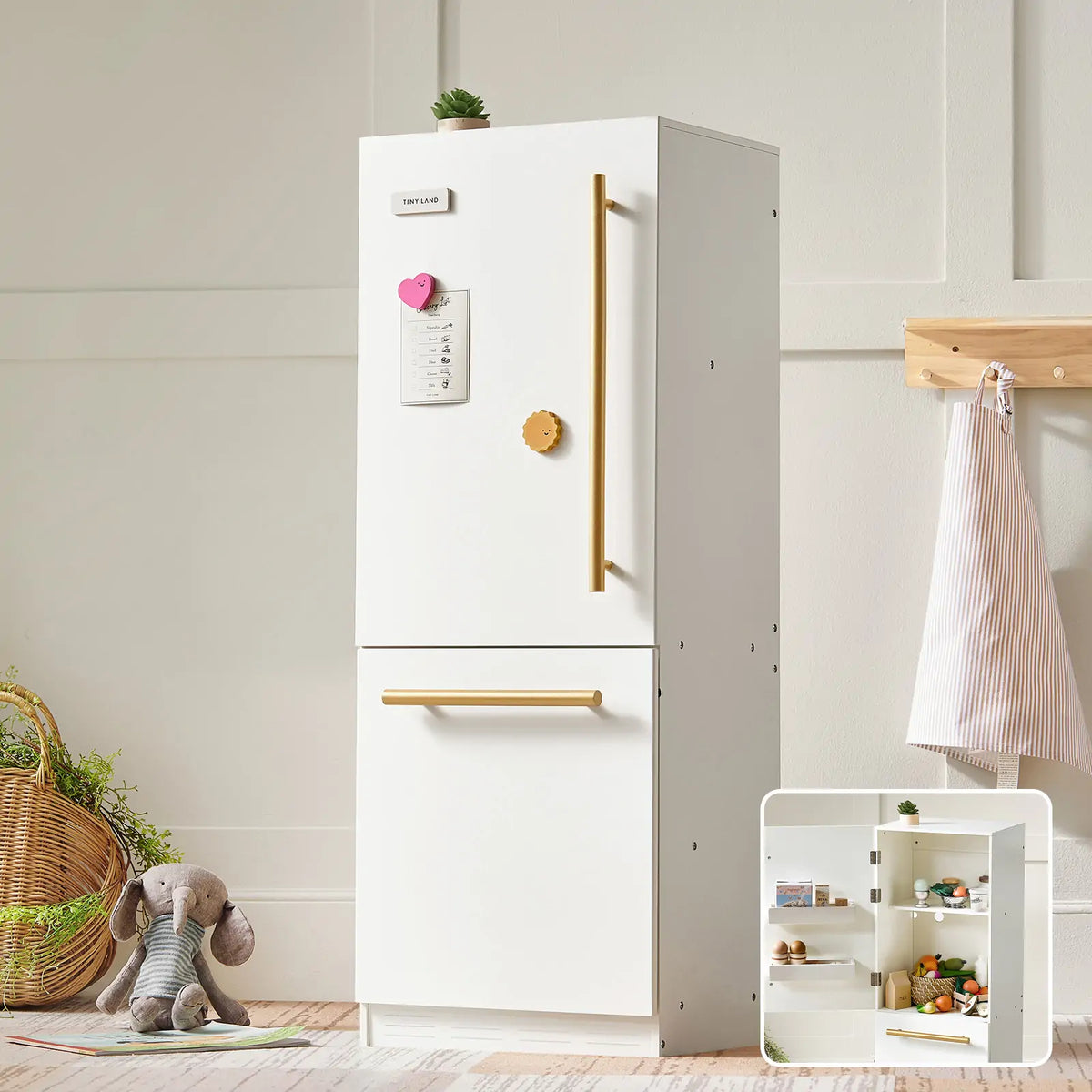
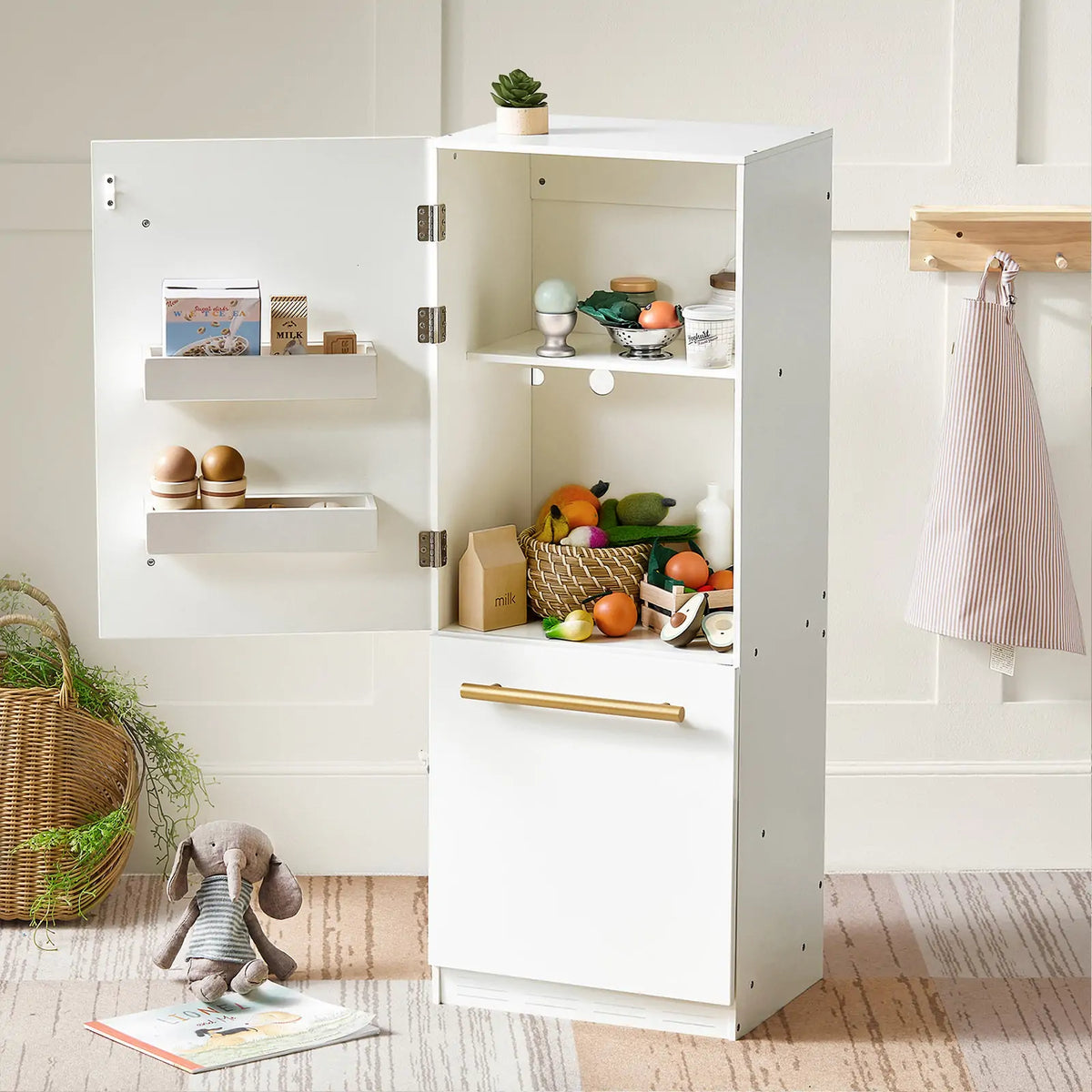
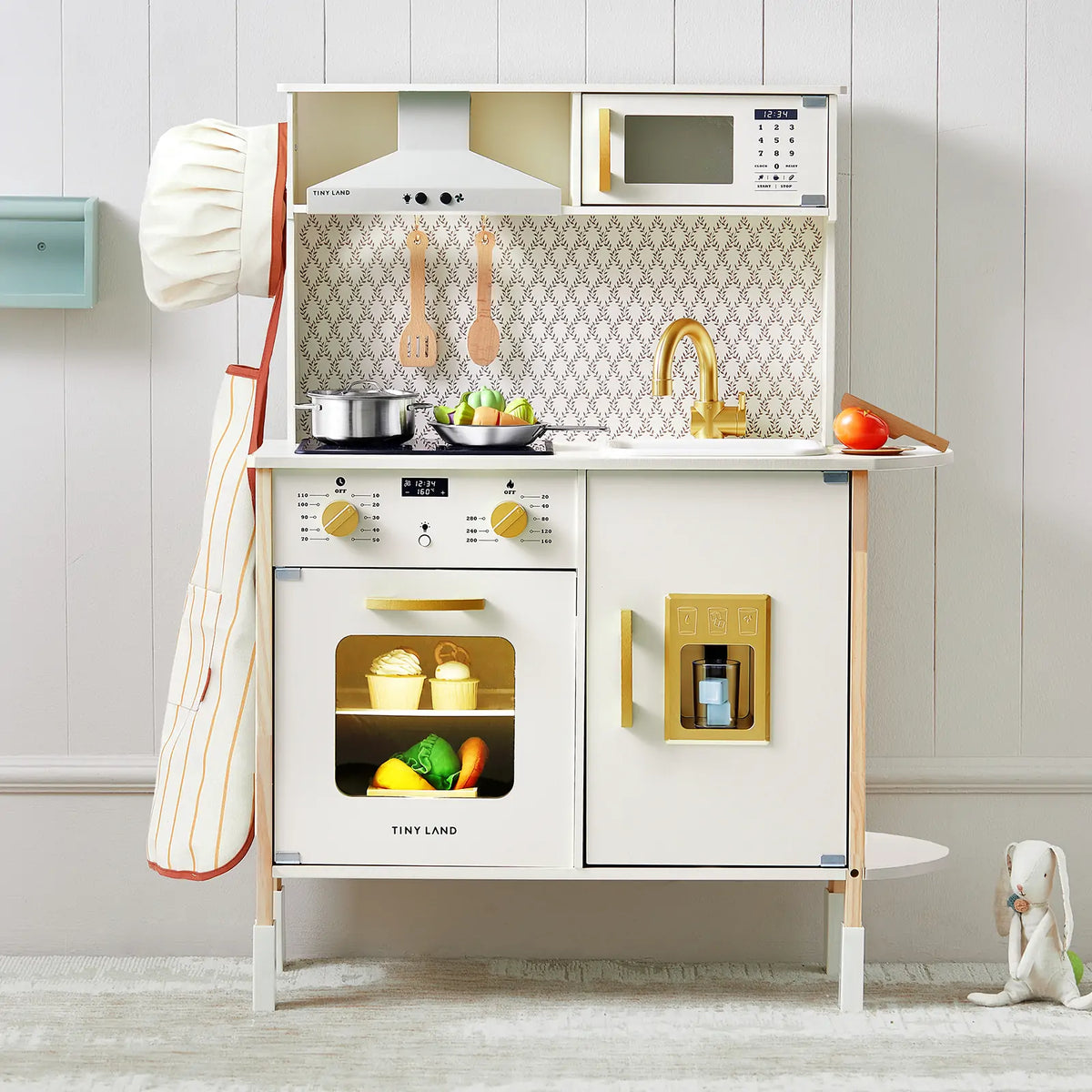
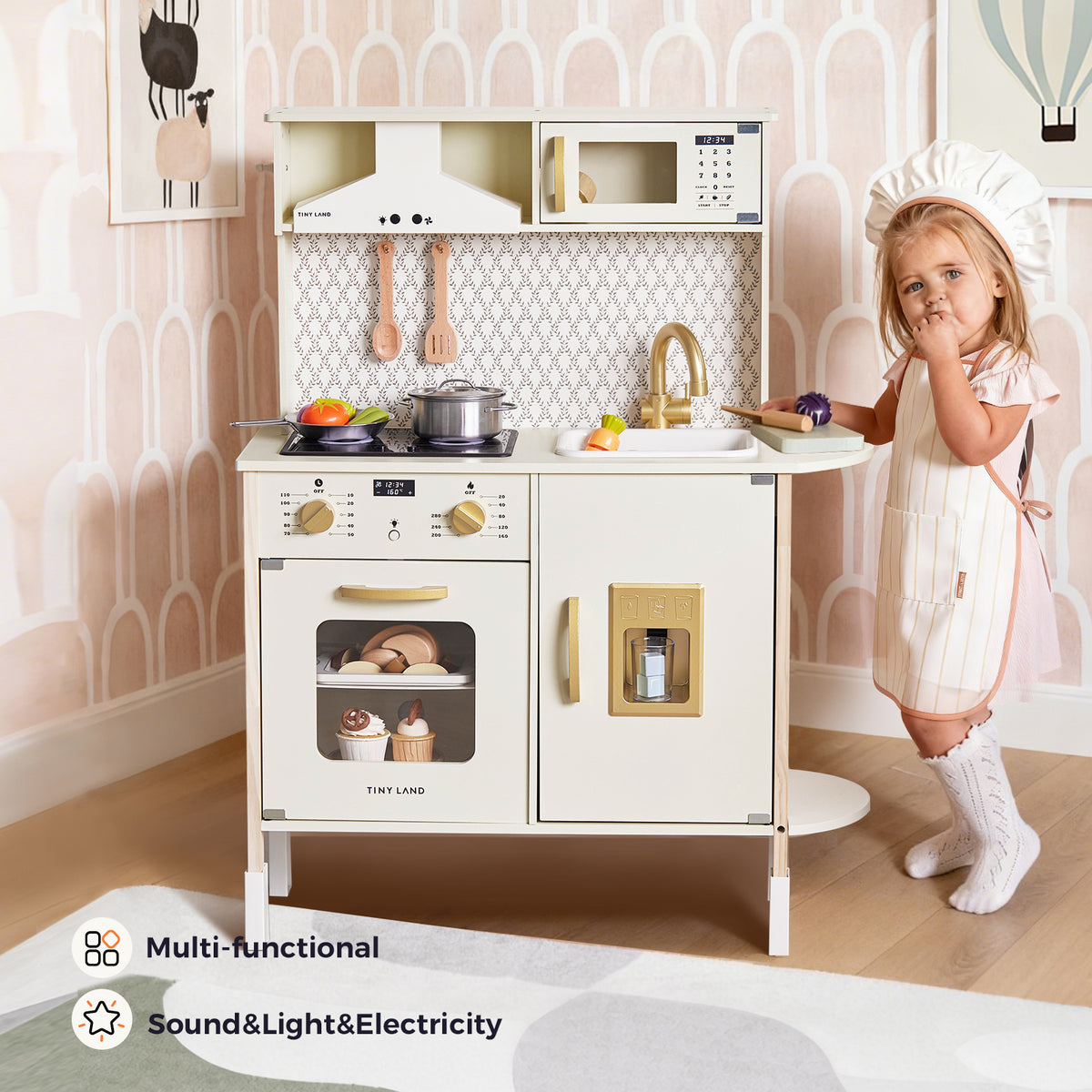




Play kitchens may look like simple toys, but for toddlers, they can become powerful learning spaces. When children pick up play food, open little doors, stir pots, wash dishes in pretend sinks, or serve meals to friends, they are doing much more than pretend cooking. They are building fine motor skills, communication skills, social skills, creativity, and other essential skills through hands on play.
A well-designed educational play kitchen gives little ones a fun and educational experience that feels natural. Children are not sitting through a lesson. They are exploring everyday activities they see in the real kitchen, copying grown ups, taking on different roles, and using their imagination to create their own world.

Why Play Kitchens Support Toddler Learning
Toddlers learn best through play. Toy kitchens give them endless opportunities to explore, move, talk, and think. A child might place food pieces into pots, turn knobs, organize dishes, or use kitchen accessories to make an imaginary meal. These simple actions support child development because they connect learning with real-life routines.
Play kitchen sets also help children understand the world around them. Cooking, cleaning, serving food, and washing dishes are everyday activities that toddlers often see parents doing. When kids copy these routines, they begin to understand responsibility, care, and important life skills in a playful way.
Unlike many toys with only one purpose, play kitchens are open-ended. There is no right or wrong way to play. A wooden play kitchen can become a home kitchen, a restaurant, a bakery, or a classroom café. This freedom makes the play more meaningful and encourages children to keep creating new ideas.

Pretend Play Builds Imagination
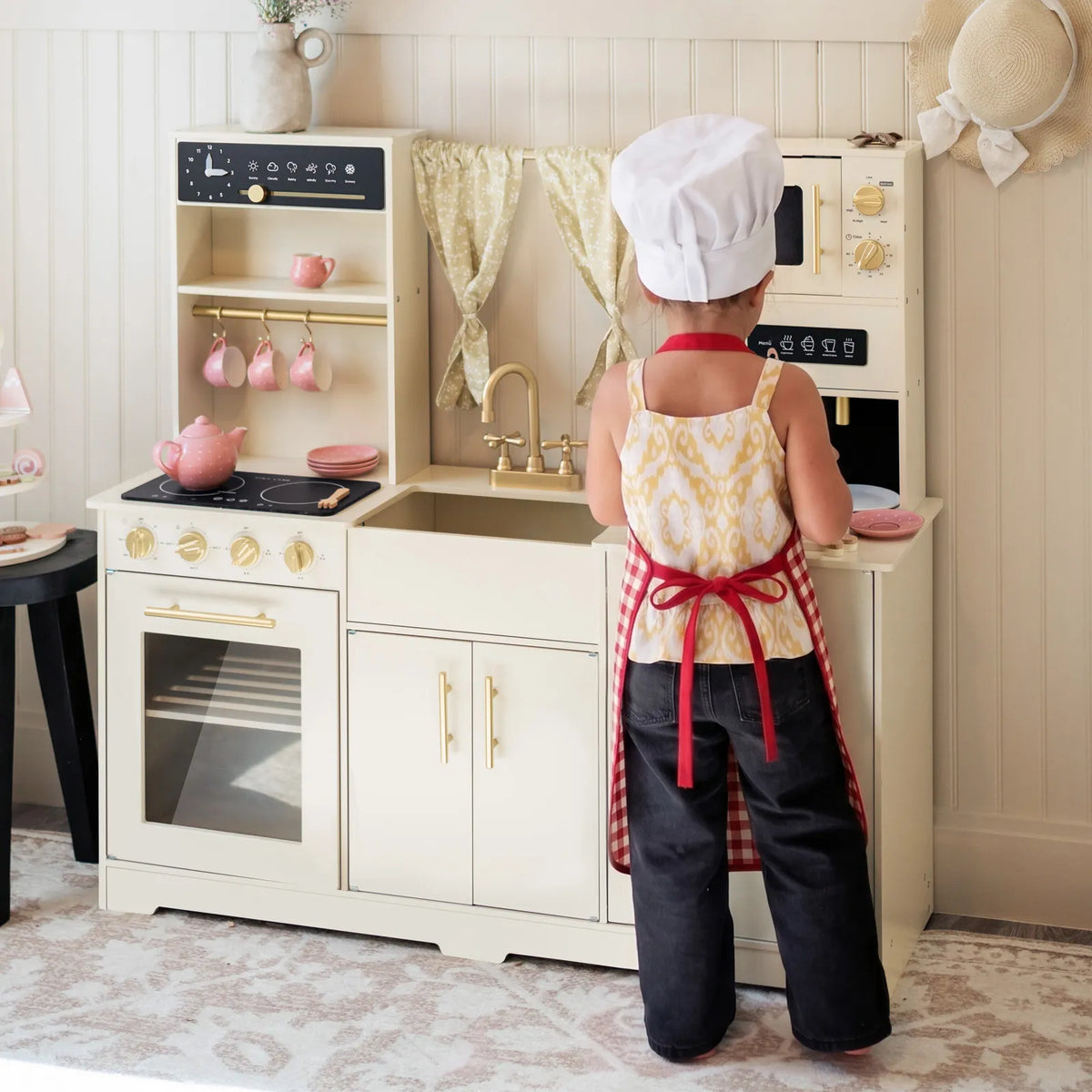
Pretend play is at the heart of every play kitchen. In a toddler’s imagination, play food can become breakfast for a doll, soup for friends, or dinner for the whole family. Pots, utensils, plastic accessories, and food sets all become tools for storytelling.
This kind of imaginative play supports creativity and cognitive development. Children decide what to cook, who to serve, and what happens next. One child may become a chef, another may be a customer, and another may help clean the sink. Through role play, kids practise thinking from different viewpoints and using language in real situations.
A play kitchen also encourages culinary creativity. Children can mix pretend ingredients, create new dishes, or serve food in their own style. These moments may look small, but they help little chefs build confidence and independence.

Fine Motor Skills Grow Through Play
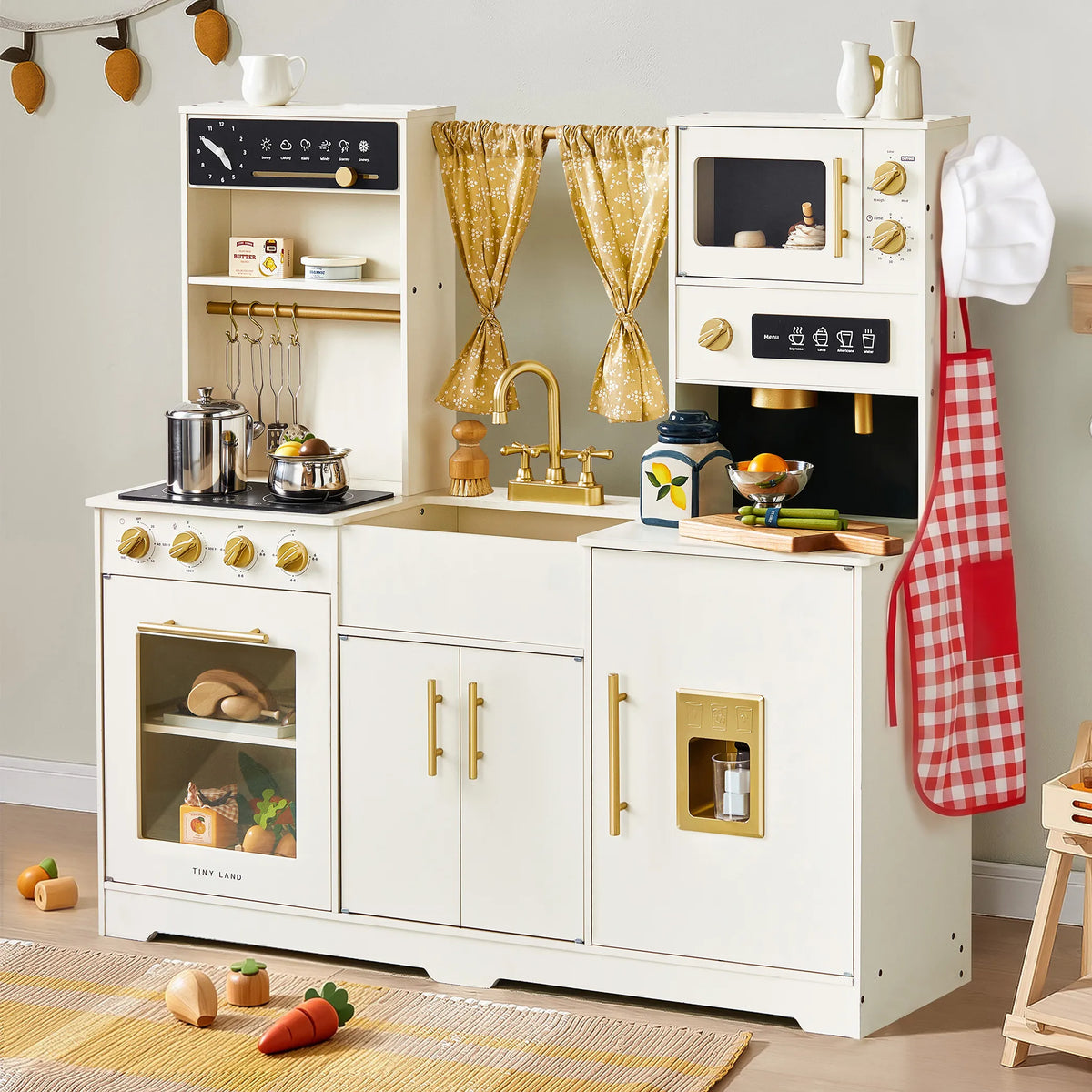
Play kitchens are excellent for fine motor skills. When toddlers hold utensils, pick up small food pieces, turn knobs, open doors, place dishes in the sink, or use an ice maker feature, they are strengthening the small muscles in their hands and fingers.
These fine motor movements are important for many later skills, including drawing, dressing, feeding themselves, and writing. Because the practice happens during fun play, children stay engaged without feeling pressured.
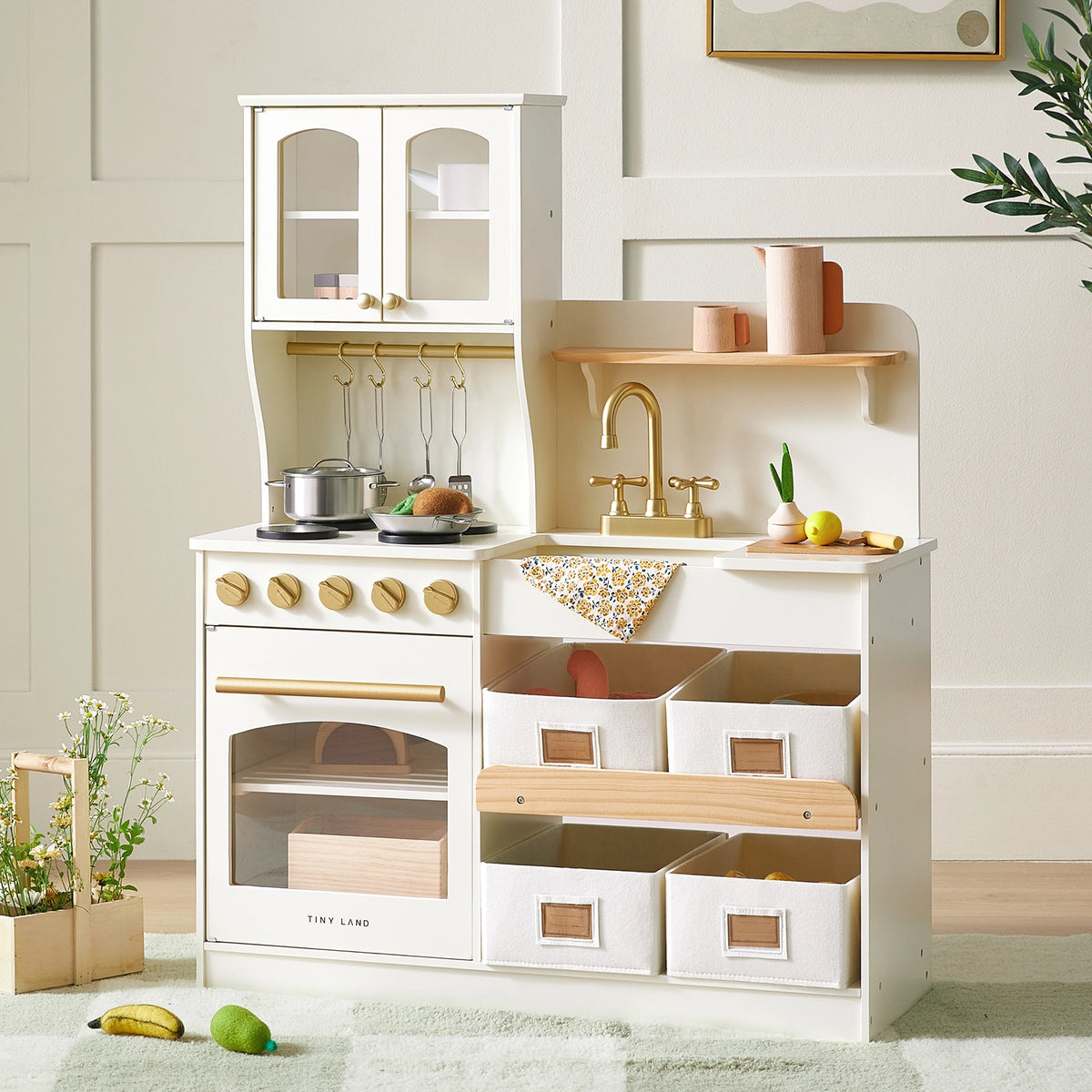
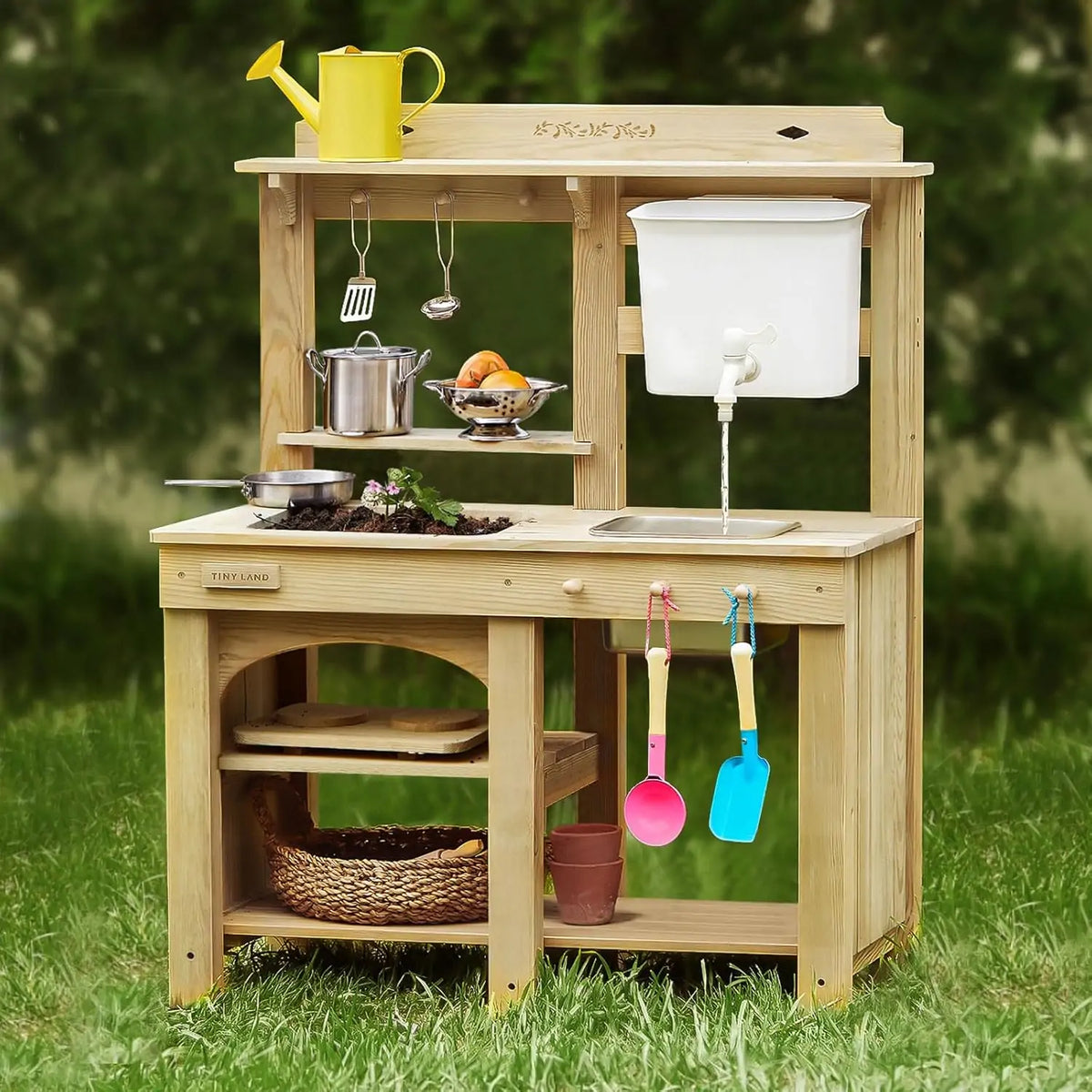
Age appropriate features matter here. The best kids play kitchens are designed for little hands, with easy-to-hold accessories, smooth doors, safe materials, and simple interactive features. Wooden play can be especially appealing because a wooden play kitchen often feels sturdy, warm, and inviting.

Play Kitchens Encourage Language Development
An educational play kitchen is full of language opportunities. Children naturally use words related to food, cooking, size, color, number, and everyday routines. They may say, “I’m making soup,” “The food is hot,” “Do you want some pizza?” or “I need more plates.”
This supports language development because children are using words with purpose. They are asking, answering, explaining, pretending, and serving. They are not just repeating vocabulary; they are communicating through play.
Parents, teachers, and grown ups can enhance this learning by joining gently. Instead of taking over, they can comment on what the child is doing: “You are stirring the soup carefully,” or “I see red tomatoes and green lettuce.” These natural conversations help build communication skills while keeping the play relaxed and fun.
In daycare centers, classrooms, and home playrooms, play kitchens often become social spaces where children feel comfortable talking. The familiar setting gives little ones a reason to express ideas and interact with others.

Cooperative Play Builds Social Skills
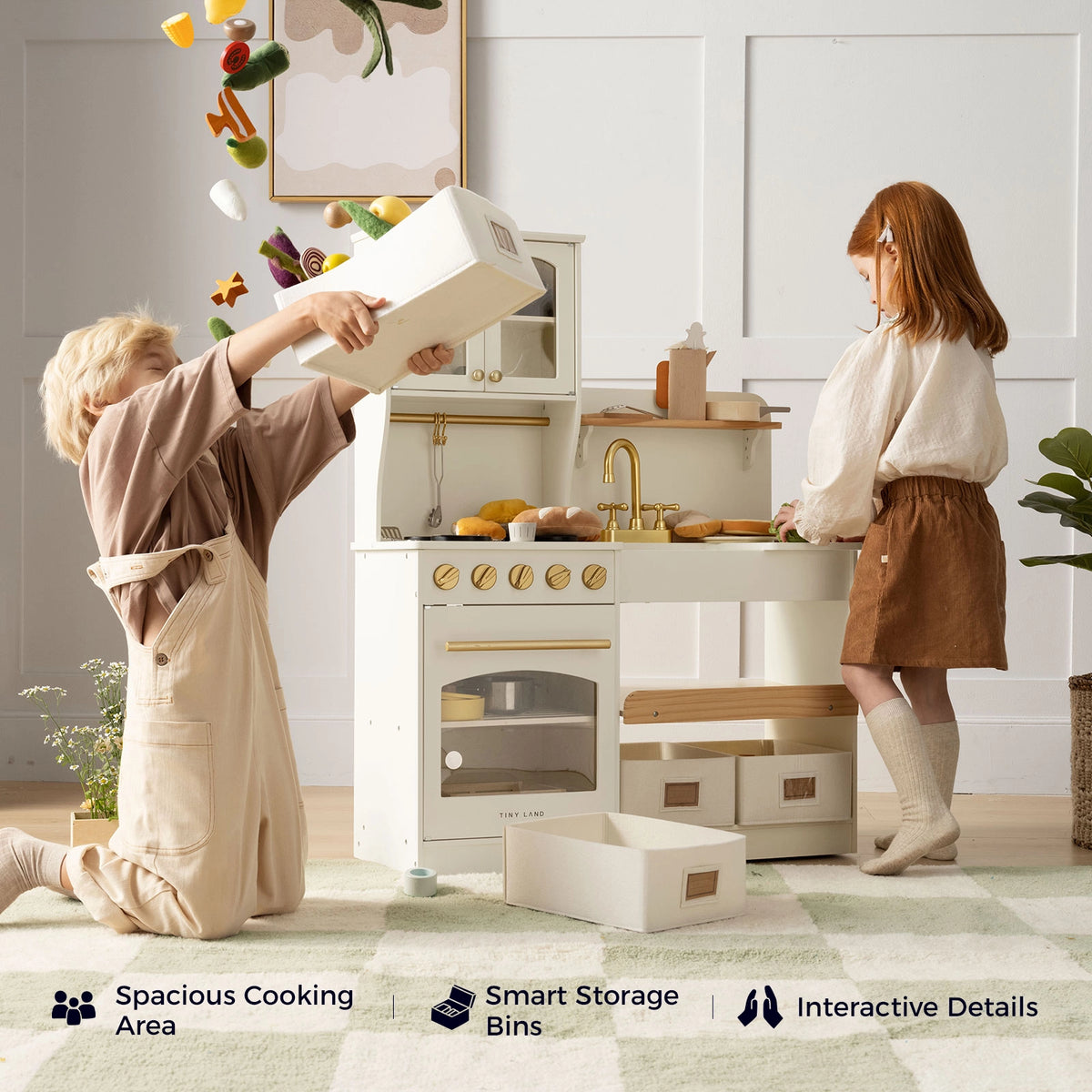
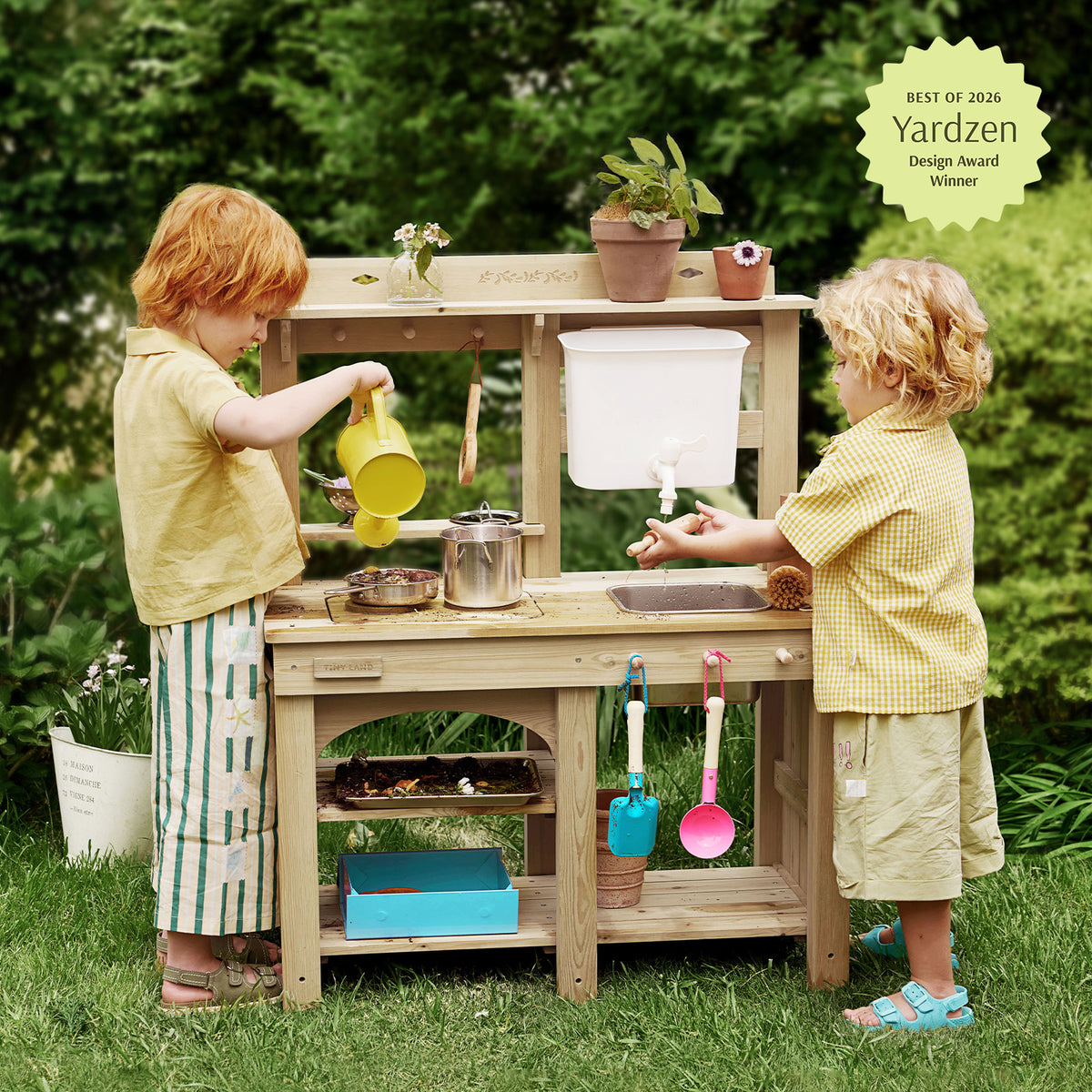
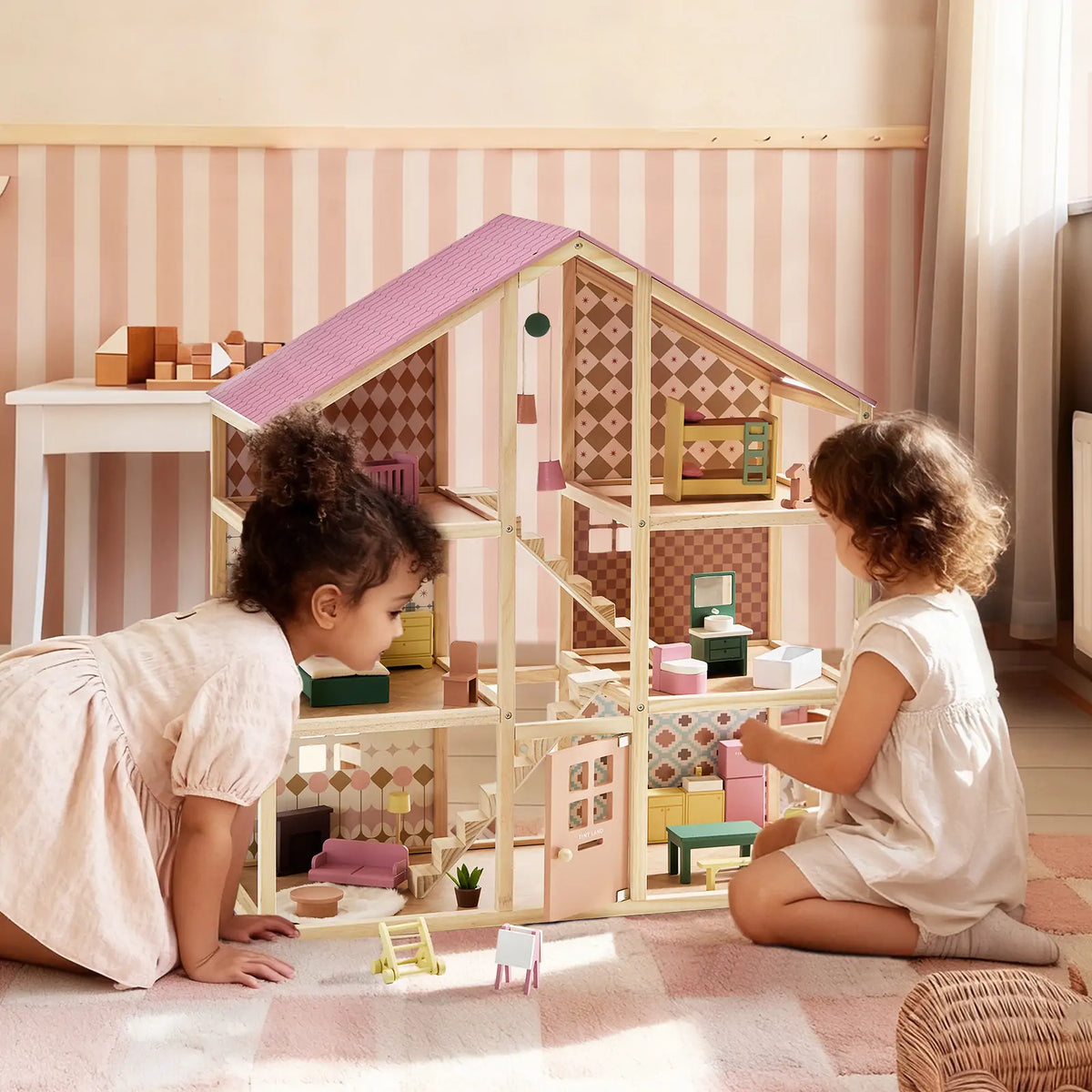
Play kitchens are also wonderful for cooperative play. When children play together, they learn to share accessories, take turns, listen, and solve problems. One child may be the chef, another may be the customer, and another may wash dishes.
These different roles help children practise social interaction. They learn how to invite friends into play, offer food, ask for a turn, and respond to another child’s ideas. A child might say, “You can cook, and I will serve,” or “Let’s make dinner together.” These are simple but important moments for social skills and emotional growth.
Of course, sharing is not always easy. Two children may want the same spoon or the same piece of play food. With gentle support from adults, they can learn to wait, trade, share, or find another solution. This makes the play kitchen a natural place for problem solving.

Cognitive Development and Problem Solving
Every pretend kitchen scene includes small decisions. What food goes in the pot? Which plate should be used? How many cups are needed? Where do the dishes go after eating? These questions support cognitive development because children are sorting, planning, comparing, and organizing.
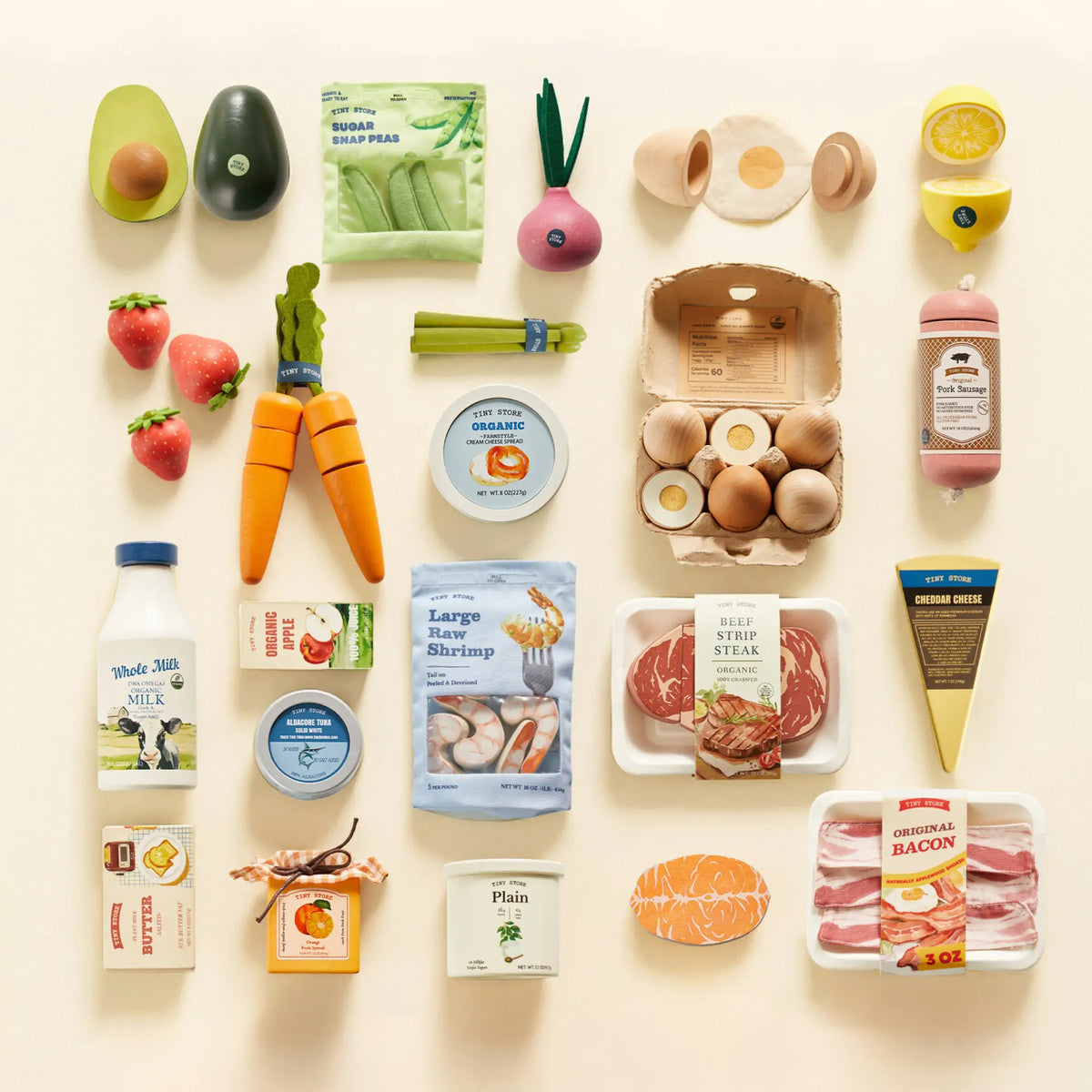
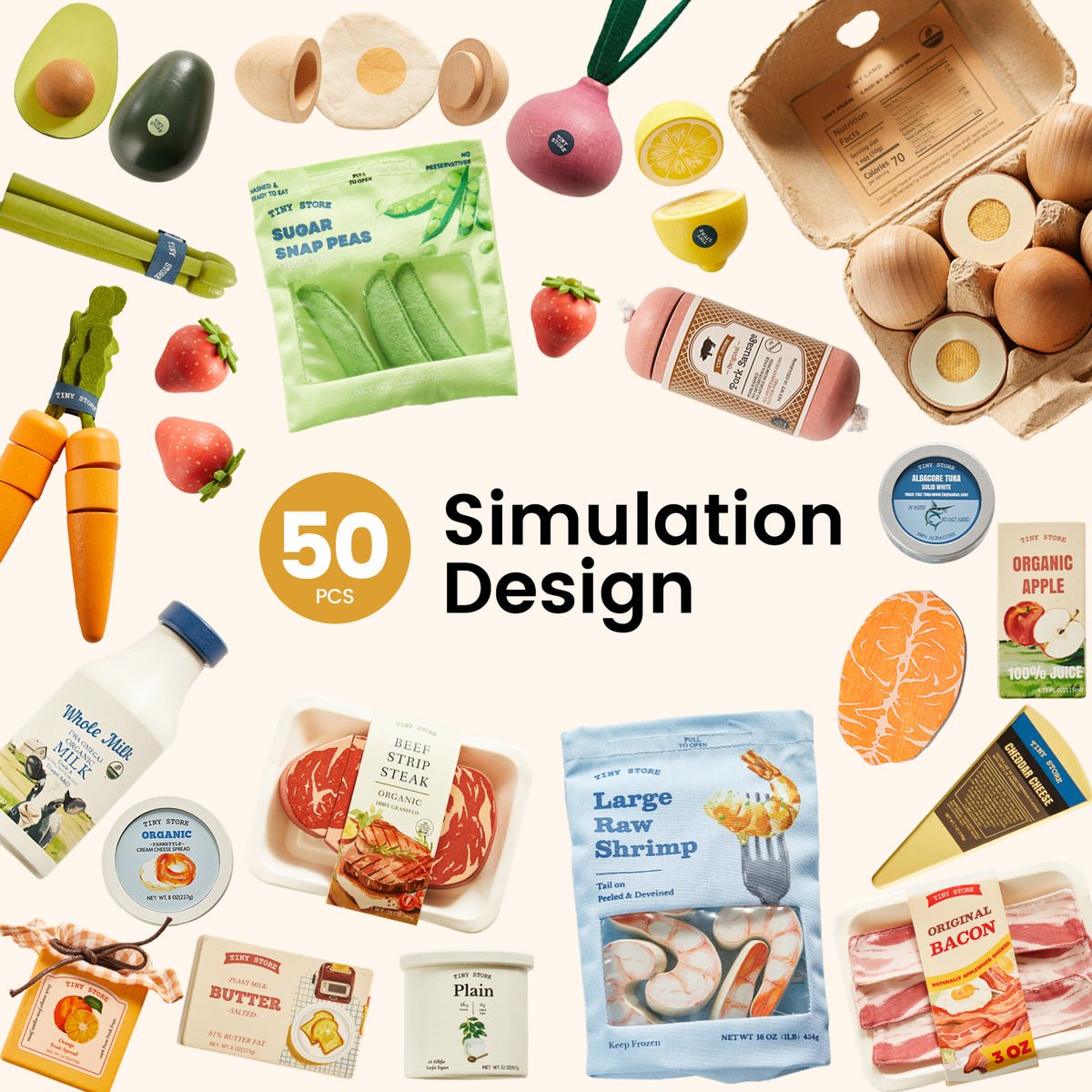
Food sets can be grouped by color, shape, or type. Children can count food pieces, match kitchen accessories, or create simple meals. Interactive learning happens naturally as toddlers test ideas and see what works.
Interactive features such as doors, knobs, pretend sinks, and ice maker details also help children understand cause and effect. They learn that their actions can create results, which supports curiosity and confidence.

Choosing a Safe Play Kitchen
When choosing play kitchen sets, parents should prioritize safety. Look for smooth edges, stable construction, non-toxic materials, and age appropriate features. Accessories should be large enough for toddlers, easy to grip, and comfortable for little hands.
A wooden play kitchen can be a long-lasting choice, especially when it has thoughtful storage, strong doors, and enough room for more than one child to play. Safety should always come before style, but a beautiful design can also help the kitchen fit naturally into a playroom, bedroom, or classroom.
How Parents Can Make Play More Educational
Parents do not need to turn play into a formal lesson. The best learning often happens when children lead. Adults can simply add new accessories, rotate play food, or suggest gentle themes such as breakfast time, restaurant day, picnic lunch, or baking day.
They can also model useful phrases like, “May I order some soup?” or “What ingredients did you use?” Many parents notice how much their child enjoys this kind of play and may say, “My son absolutely loves pretending to cook for everyone.” That joy is part of what makes play kitchens so effective.

Final Thoughts
Play kitchens become educational toys because they combine fun, creativity, and real learning. Through pretend play, toddlers practise fine motor skills, language development, communication skills, social skills, problem solving, and important life skills.
Whether children are cooking, washing dishes, serving friends, opening doors, using utensils, or creating meals from play food, they are learning in a hands on way. With safe materials, age appropriate features, and plenty of room for imagination, an educational play kitchen can turn everyday play into a meaningful educational experience for little chefs.