


For many American families, brunch isn’t just a meal — it’s a special ritual. A time to slow down, share stories, and connect over good food and laughter. And for kids? Brunch becomes a hands-on chance to explore food, nutrition, and healthy habits in a way that feels like play.
Pretend food lets kids become little chefs — mixing, matching, and building their own plates. It’s screen-free, tactile, and packed with learning disguised as fun. Best of all, it sparks curiosity about why we eat what we eat, setting the stage for lifelong healthy habits.
Ready to start your child’s food adventure? Let’s build that first brunch board!
Build Your Child’s First Brunch Board with Nutrient-Packed Pretend Foods
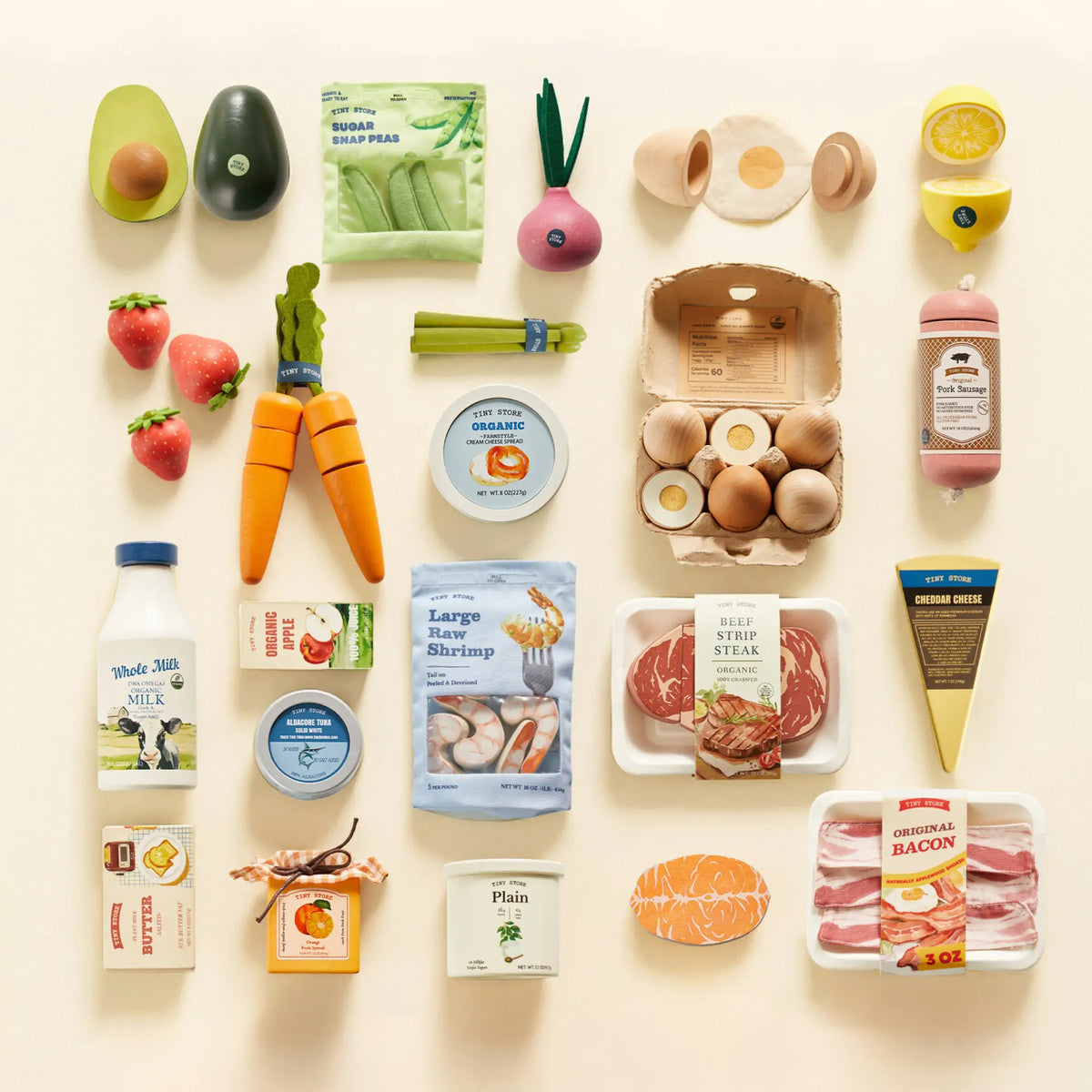
Our organic-inspired pretend foods come grouped into five playful, nutrient-rich brunch ideas. Each one helps your child explore balanced eating — all while having a blast.
Healthy Fats Brunch
West Coast vibes for tiny foodies with big brains.
Play Food You’ll Need:
-
Avocado
-
Salmon
-
Optional: lemon wedge, toast base
How to Build It:
-
Start with a pretend toast or plate base.
-
Add avocado slices and a salmon fillet.
-
Drizzle some pretend olive oil and squeeze a bit of lemon — just like Mom does on Sunday mornings!
Why It Matters:
Omega-3 fatty acids from salmon and healthy fats from avocado support brain development, memory, and mood. According to the NIH, DHA and EPA are key nutrients for early childhood brain growth.
Play Prompt:
“This is our Brain Boost Toast! Can you think of other foods that help our brains grow strong?”
 Protein Power Plate
Muscle fuel for mini superheroes.
Play Food You’ll Need:
-
Boiled egg
-
Steak
-
Cheese
How to Build It:
-
Plate a boiled egg next to a mini steak.
-
Add cheese slices for extra protein.
-
Pretend it’s sizzling on a skillet — just like Dad’s favorite diner breakfast!
Why It Matters:
Protein builds strong muscles and bones, while iron in meat and eggs supports focus and energy. Cheese adds protein plus calcium for healthy teeth and bones. The CDC notes that iron and protein are essential in early childhood for brain development.
Play Prompt:
“This is our Strong Kid Brunch! What awesome things can strong muscles help us do?”
 Fiber-Fueled Feast
Colorful veggies that keep tummies happy.
Play Food You’ll Need:
-
Peas
-
Carrots
-
Onion
-
Asparagus
How to Build It:
-
Toss the veggies into a pretend “warm veggie salad.”
-
Drizzle olive oil and sprinkle some pretend seasoning — Mom’s secret touch!
-
Serve it in a mini bowl or on a platter and call it the Rainbow Veggie Bowl.
Why It Matters:
Fiber is essential for digestion and a healthy gut. Yet only 1 in 10 kids meet their veggie goals (CDC, 2022). Pretend play makes these colorful foods fun and familiar.
Play Prompt:
“Let’s build a Rainbow Bowl! Which veggie colors are you picking today?”
 Vitamin Boost Brunch
Sweet, creamy, and packed with immune power.
Play Food You’ll Need:
-
Strawberry
-
Yogurt
-
Milk
How to Build It:
-
Fill a toy bowl with yogurt.
-
Add sliced strawberries on top.
-
Pour a pretend glass of milk on the side.
-
Call it a Sunshine Smoothie Bowl!
Why It Matters:
Vitamin C in strawberries boosts immunity. Yogurt adds probiotics for gut health and calcium for growing bones. The American Academy of Pediatrics reminds us most bone mass develops before age 20 — making toddler years crucial.
Play Prompt:
“This bowl keeps our teeth strong and tummies happy! Can you name another red fruit?”
 Super Nutrition Combo
The All-Star Brunch Board — made by your little chef.
Play Food You’ll Need:
-
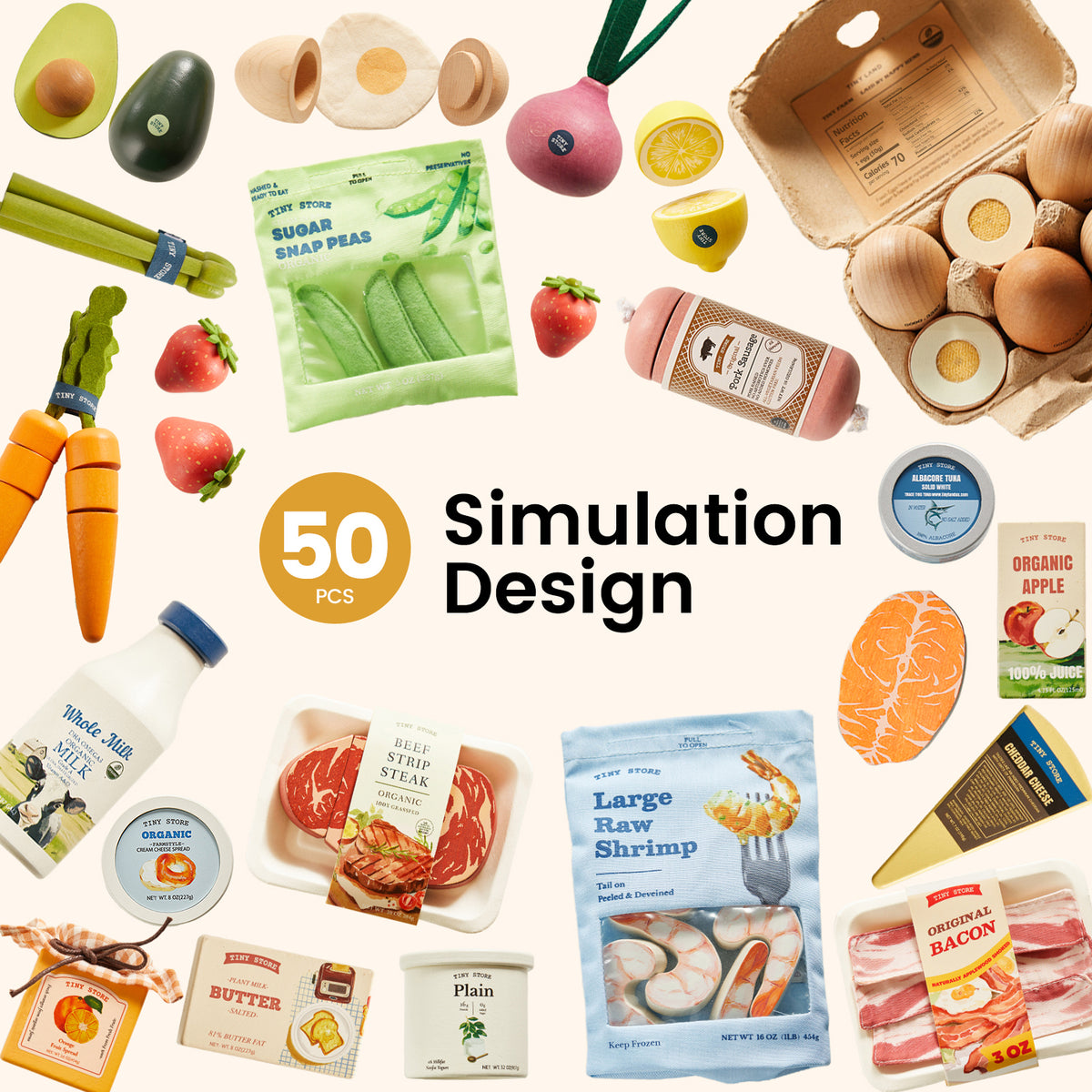
Bacon (healthy fat)
-
Shrimp or canned tuna (protein)
-
Onion (fiber)
-
Lemon slice (vitamin C)
-
Fried egg or butter (calcium & fat-soluble vitamins)
How to Build It:
Invite your child to pick one food from each group and arrange them on a plate — like their very own mini charcuterie board. Want to add flair? Pretend to squeeze lemon juice over the shrimp for “extra flavor, just like at a brunch café.”
Give your creation a fun name:
-
“Chef Riley’s Power Plate”
-
“Sunny Day Brunch Board”
-
“The Yum Yum Sampler”
Why It Matters:
Balanced plates teach variety, a core USDA MyPlate principle. This mix helps kids get a broad range of nutrients for growing strong and healthy. Pretend play builds curiosity about new foods and helps reduce picky eating over time.
Play Prompt:
“You’re the chef! What does each food do for your body? Can you build a plate that helps you run, jump, and think better?”
 Final Thought for Parents
Your toddler doesn’t need to know the science behind DHA or probiotics yet — but they will remember the joy of choosing foods, the giggles while playing, and the pride of building their own plate. Those fun moments lay the foundation for a lifetime of food confidence and curiosity.
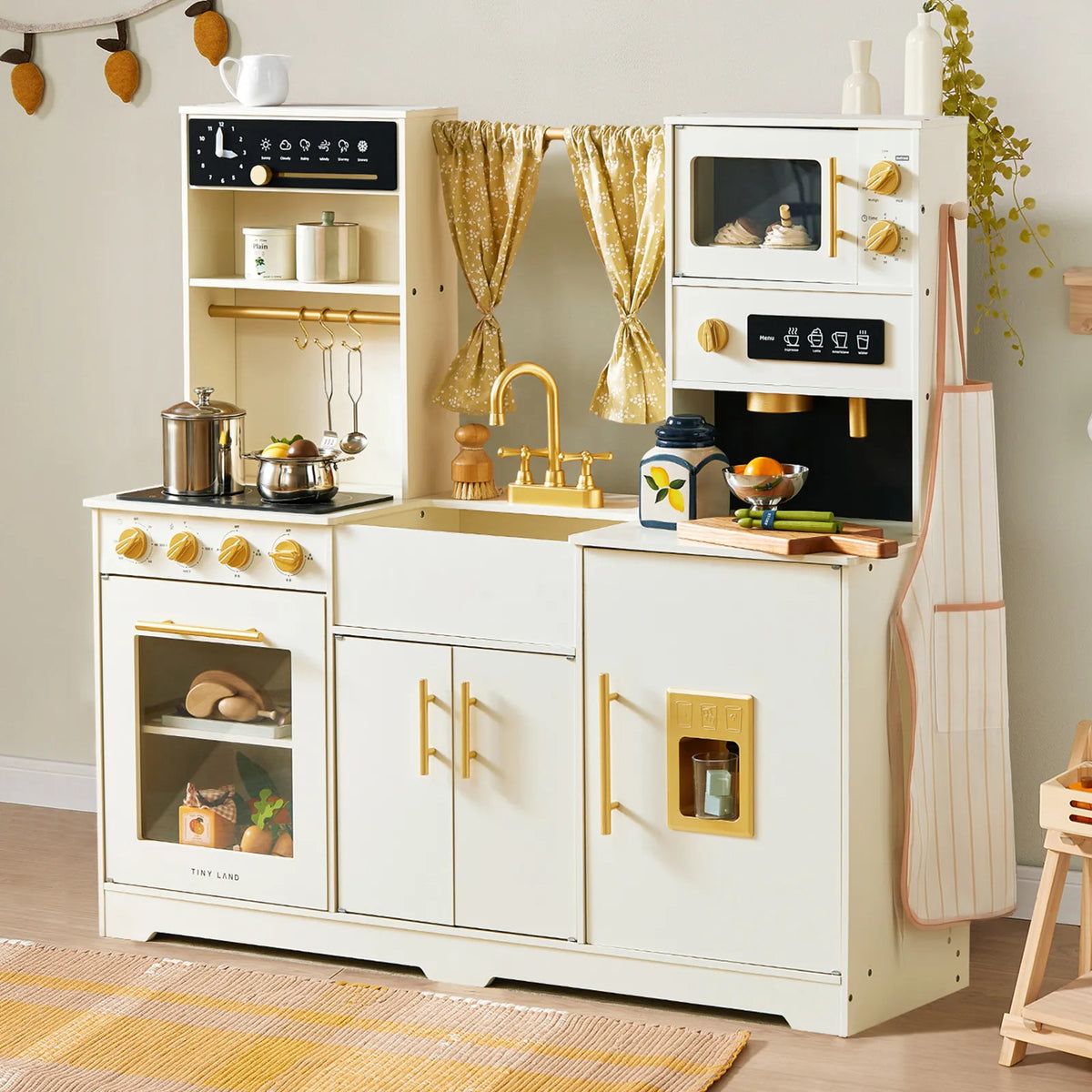
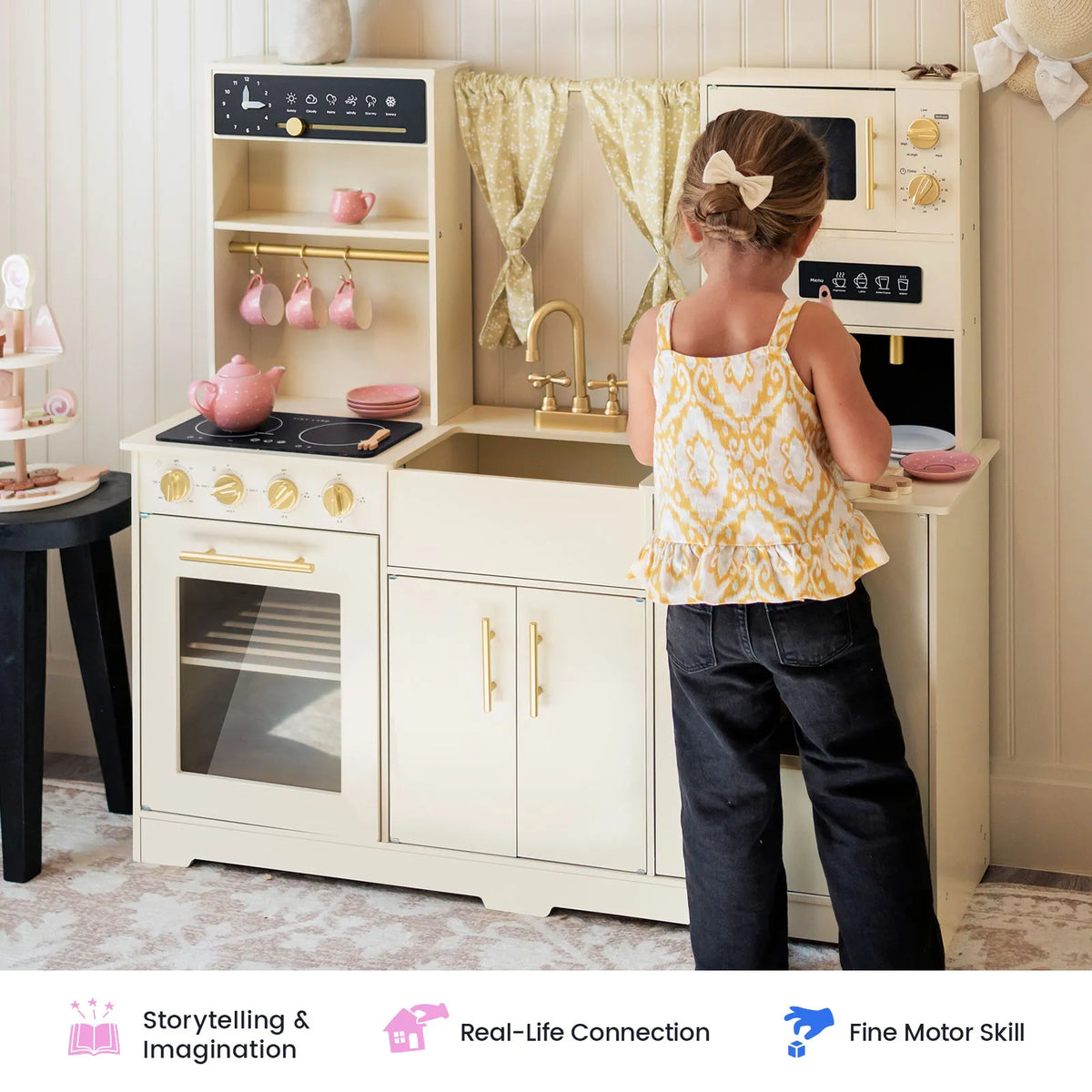
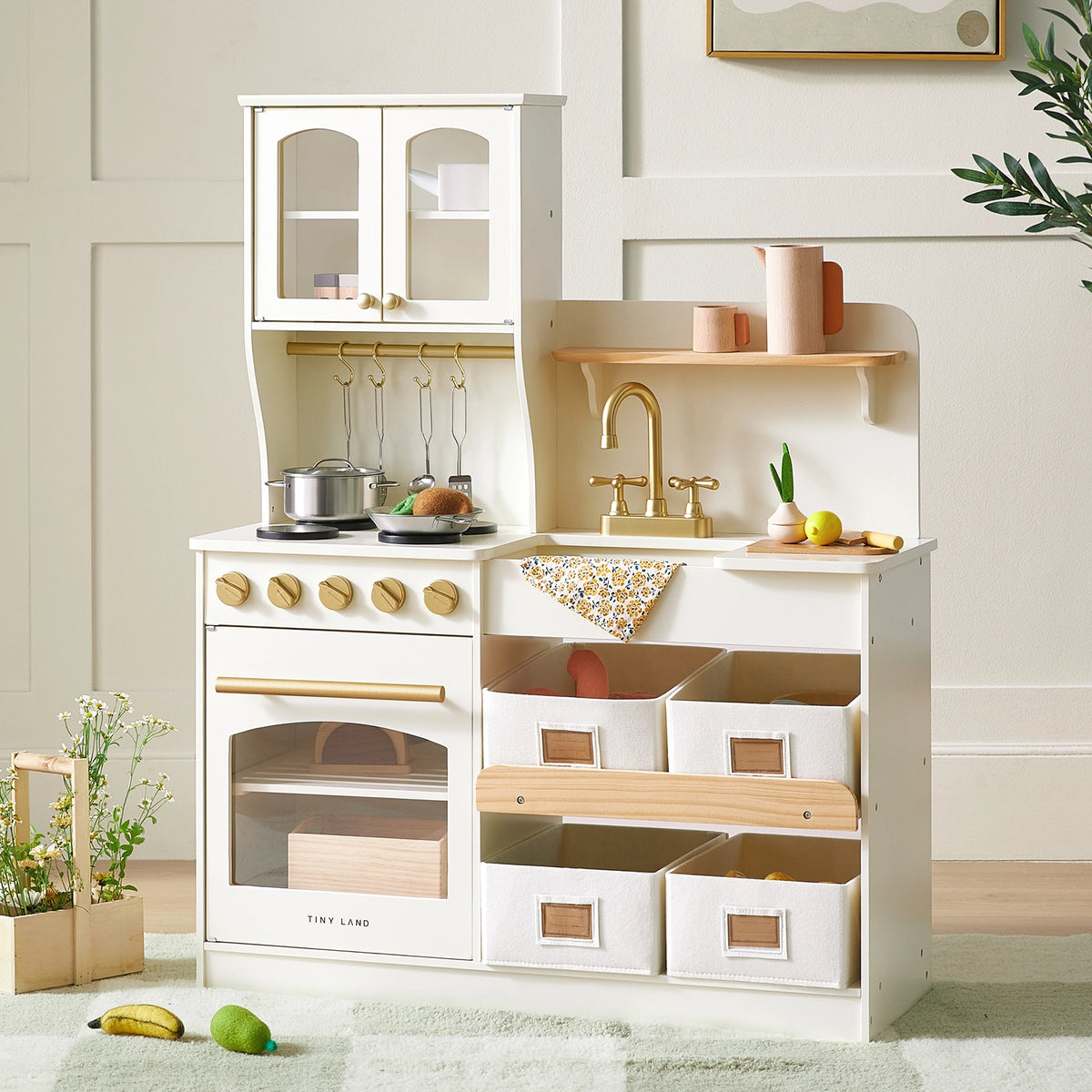
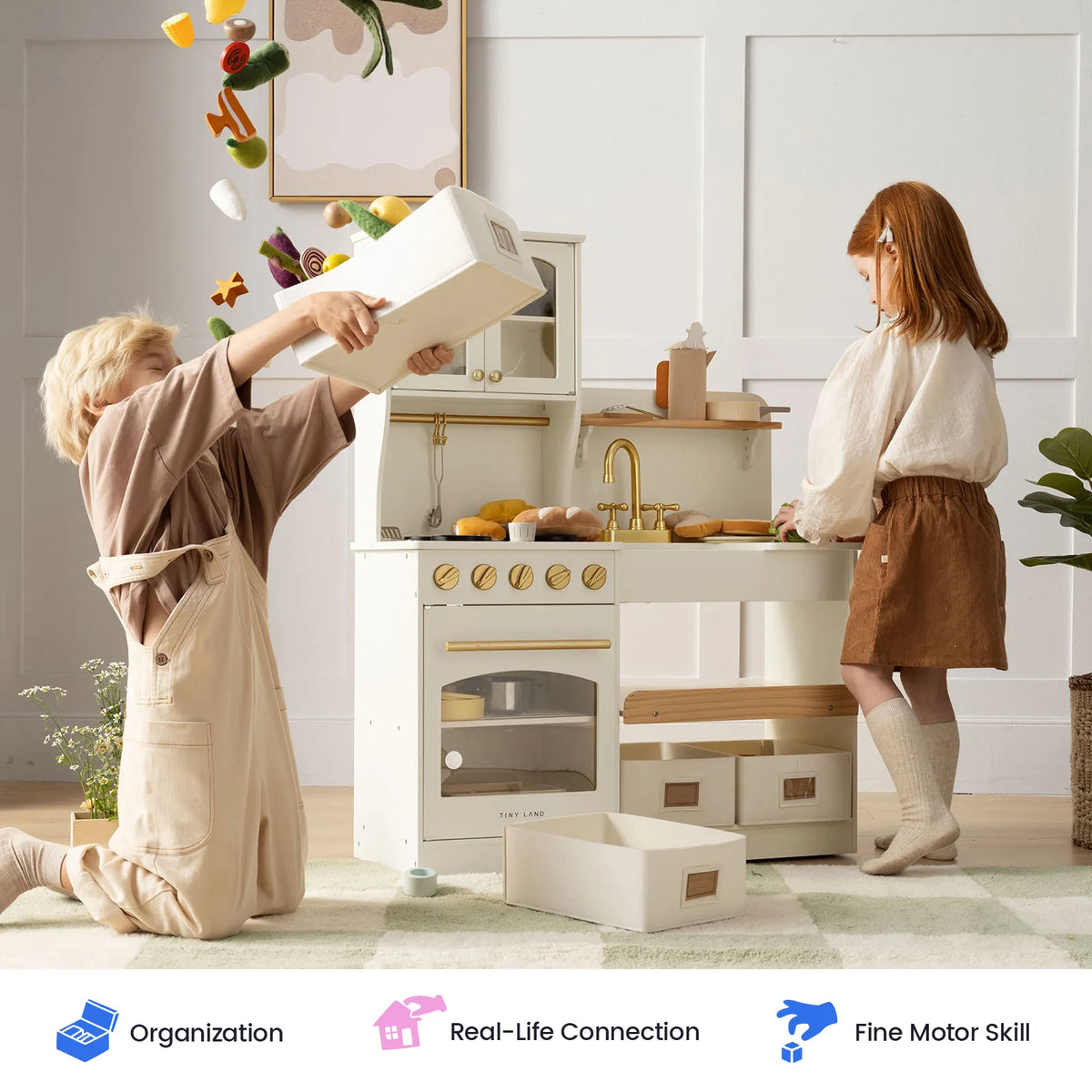
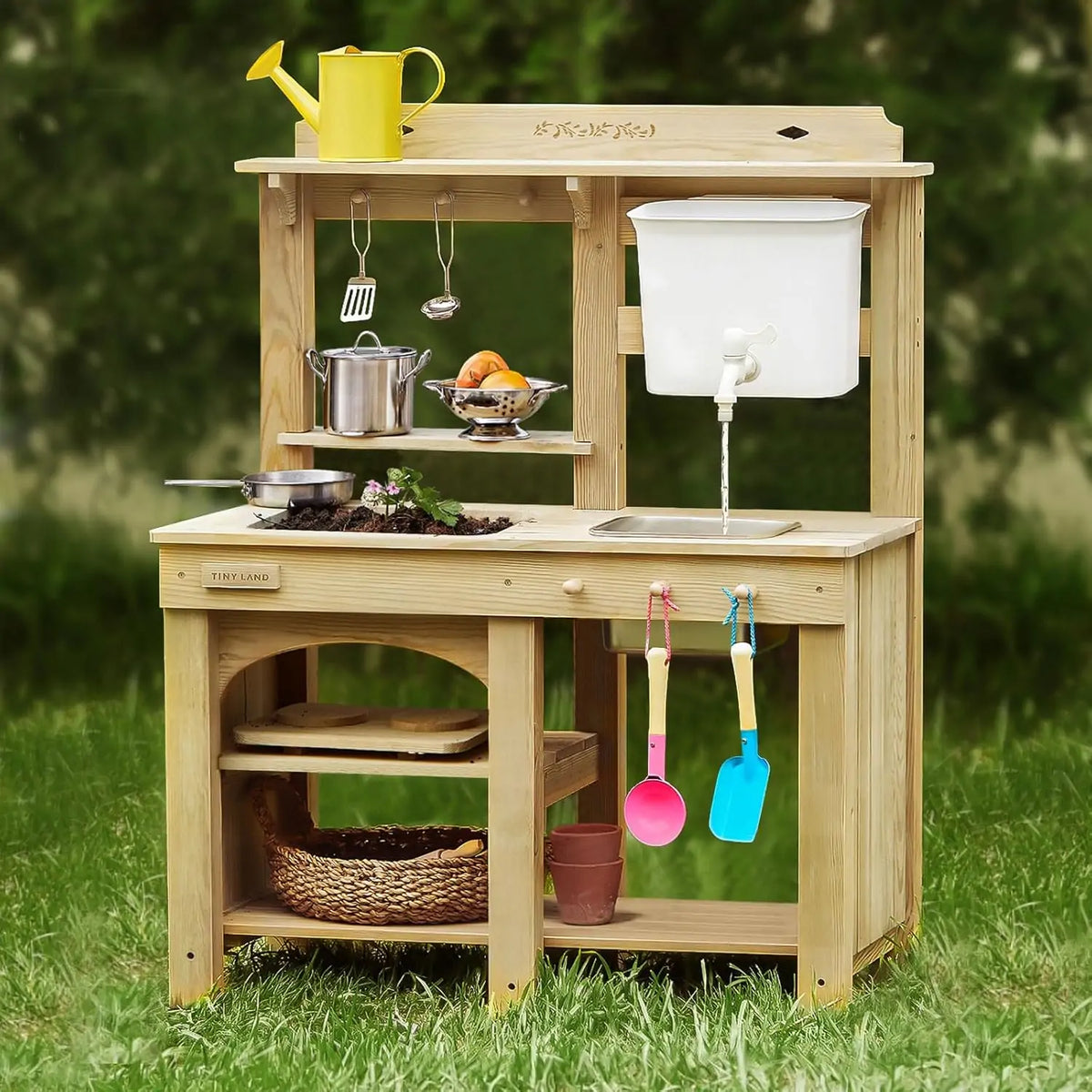
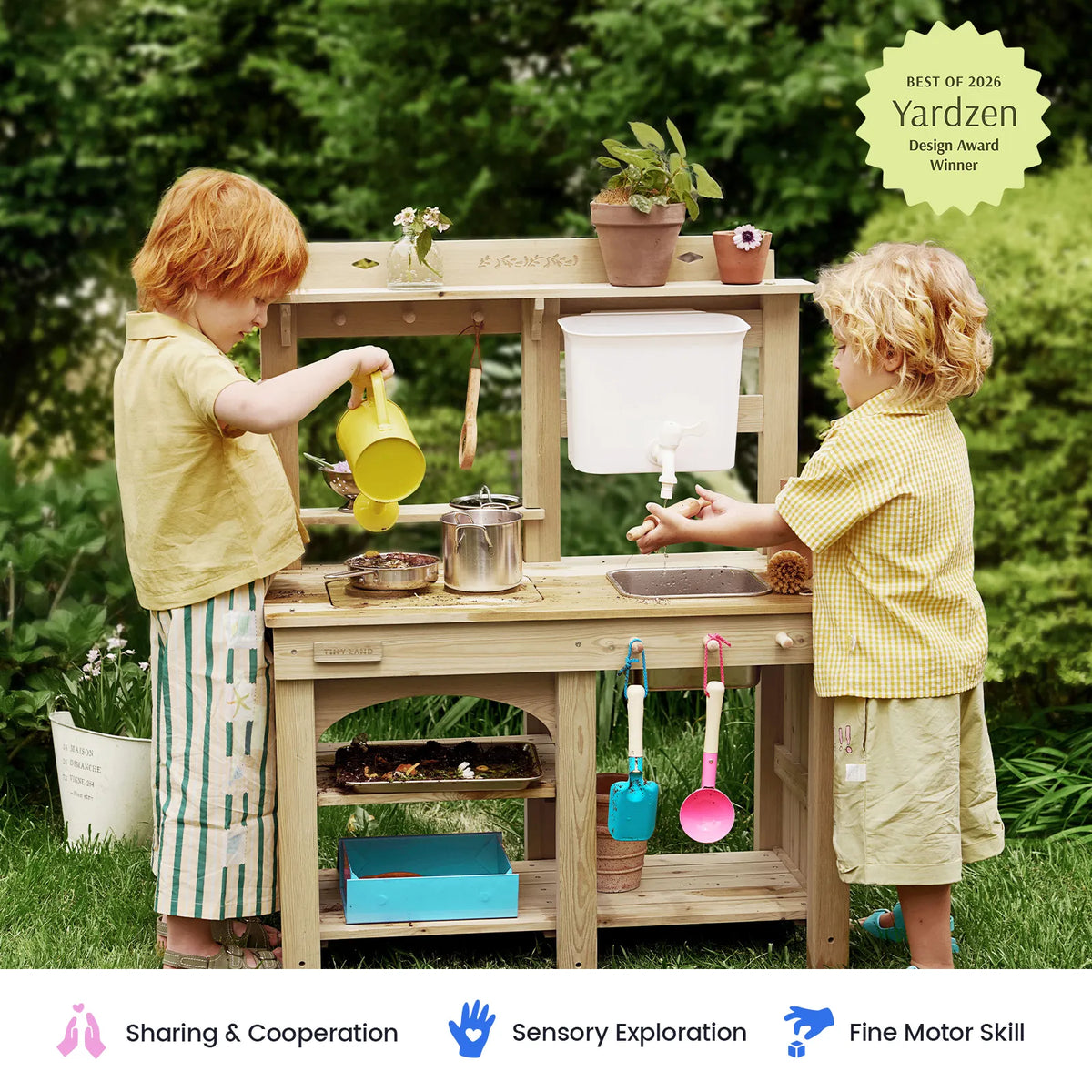
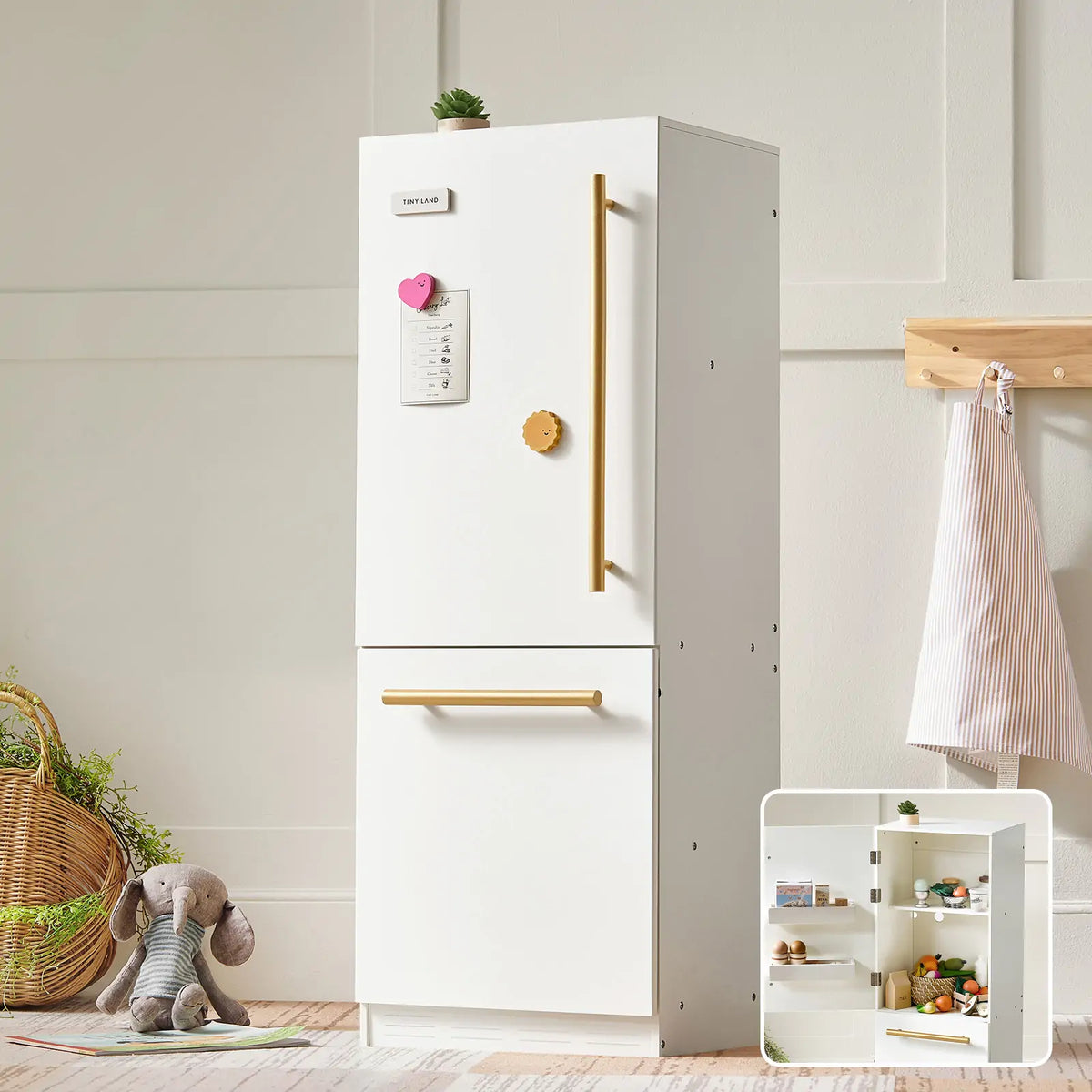
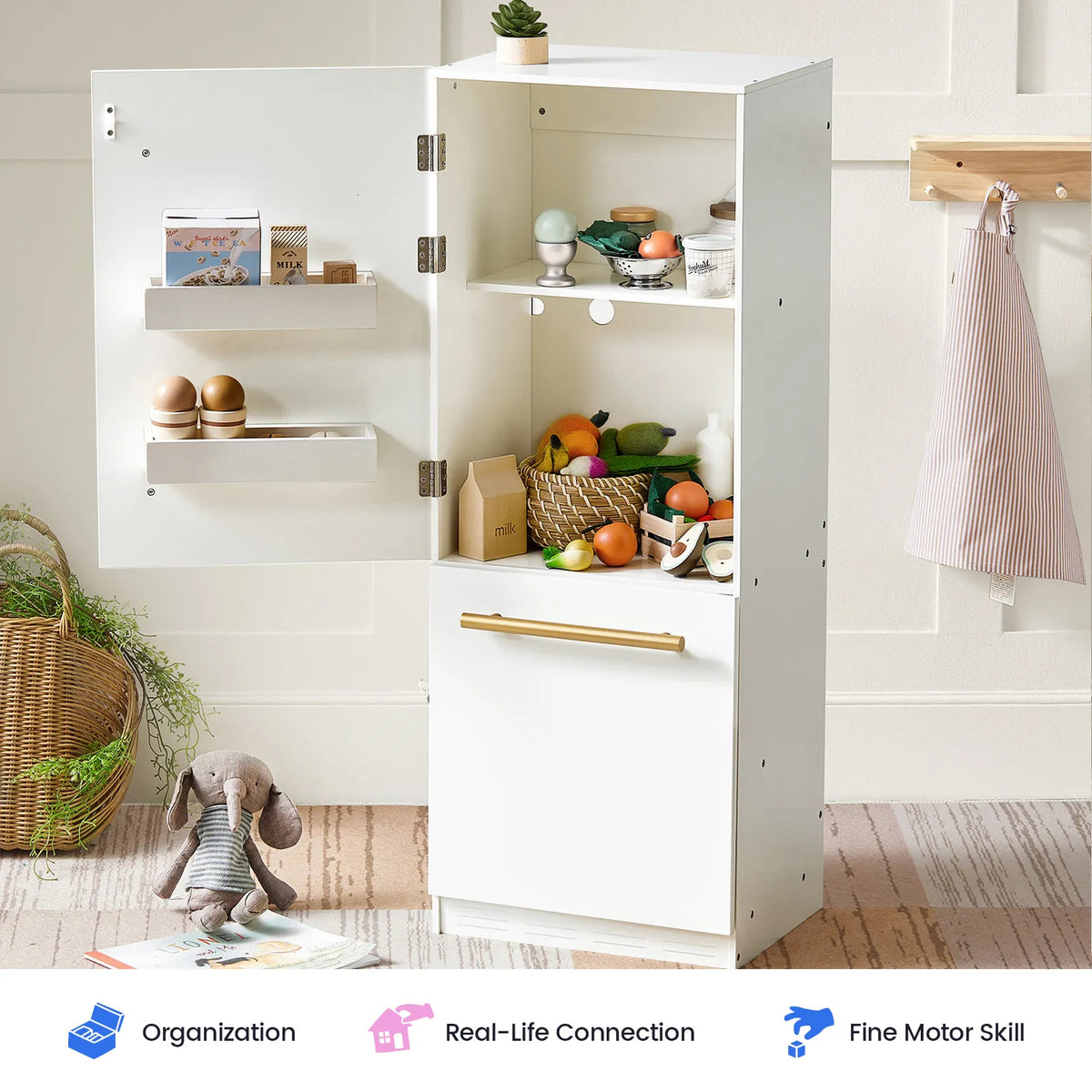
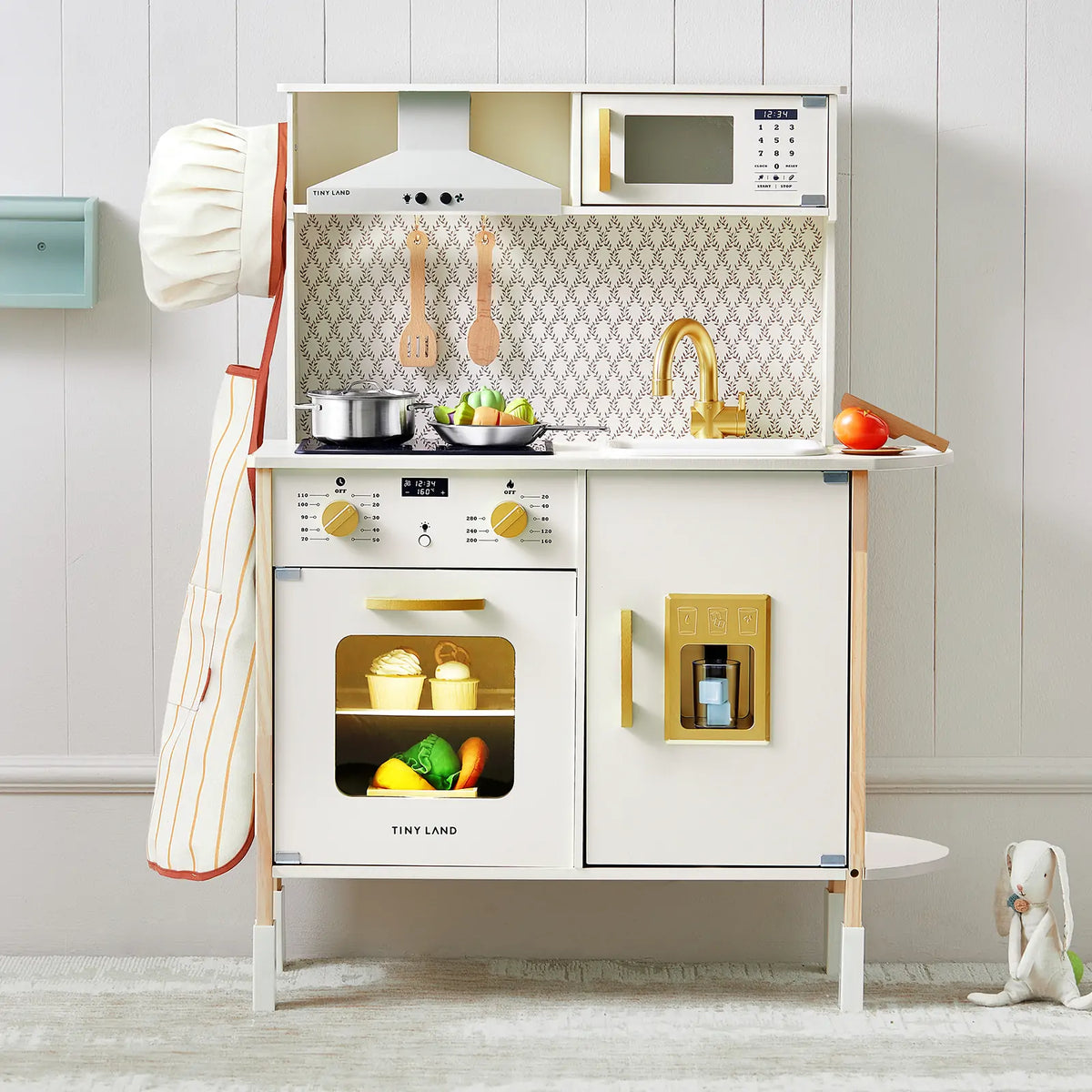
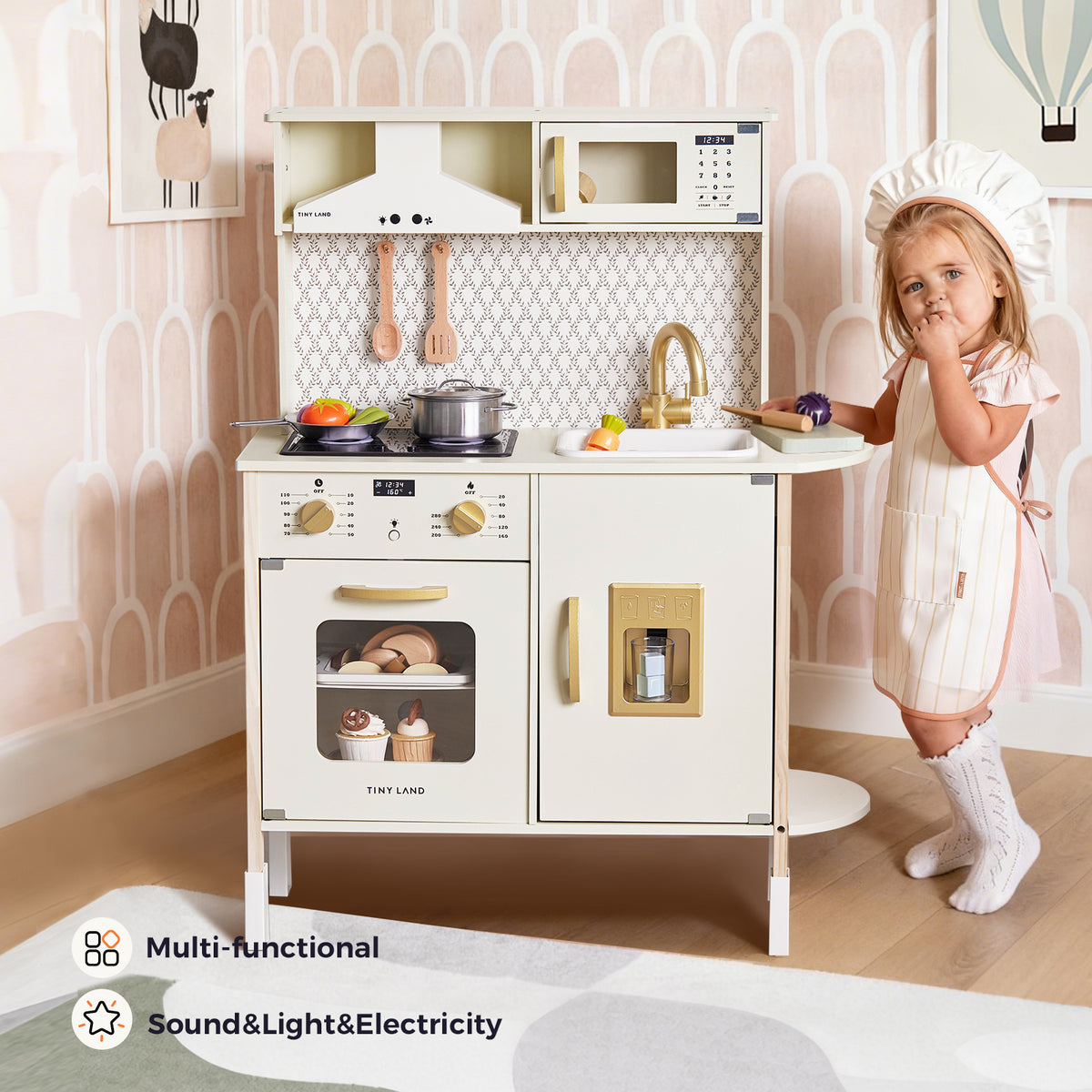
So this weekend, pull out the play kitchen, gather your pretend food, and start your family’s new favorite ritual — the pretend brunch board.
 Frequently Asked Questions (FAQs)
Q1: How can pretend play food help my child learn about nutrition?
Pretend food lets kids explore healthy choices through hands-on play, building their food vocabulary and positive mealtime habits.
Q2: Are these play food sets safe for toddlers?
Absolutely! Our toys meet U.S. safety standards and are made from non-toxic, child-safe materials.
Q3: What age are these toys best for?
Designed for kids ages 2 and up, they support motor skills, imagination, and early nutrition awareness.
Q4: Can pretend food replace real food education?
Pretend food complements real eating by introducing balance, variety, and portion sizes in a memorable way.
Q5: How can I make brunch playtime fun and educational?
Ask open-ended questions, encourage creative combos, and celebrate your child’s choices by linking foods to benefits like energy, focus, or strength.
Q6: Can these toys help picky eaters?
Yes! Research shows that familiarity through play reduces fear of new foods and encourages trying new flavors.

Ready to Build Your Child’s First Brunch Board?
Start a joyful family tradition that teaches nutrition through play. Explore our full collection of organic-inspired pretend food sets and turn your kitchen into your child’s favorite classroom.