






A practical step-by-step guide for parents at home
A real moment every parent knows
It’s 9:12 AM.
Breakfast is barely finished, and the first request appears:
“Can I watch something?”
For many families, summer break quickly becomes a cycle of screen requests, busy schedules, and constant negotiation.
This guide is designed to break that cycle—not by removing screens completely, but by making play easier to choose in everyday life.
No complicated planning. No full-day schedules. Just a simple system that works in real homes.

Quick Answer: How to reduce screen time during summer
- Set up one simple, visible play area
- Offer only 2–3 play choices when screens are requested
- Follow a simple daily rhythm (morning play → independent play → outdoor time)
- Avoid using screens as the default boredom solution
- Protect 20–40 minutes of independent play daily
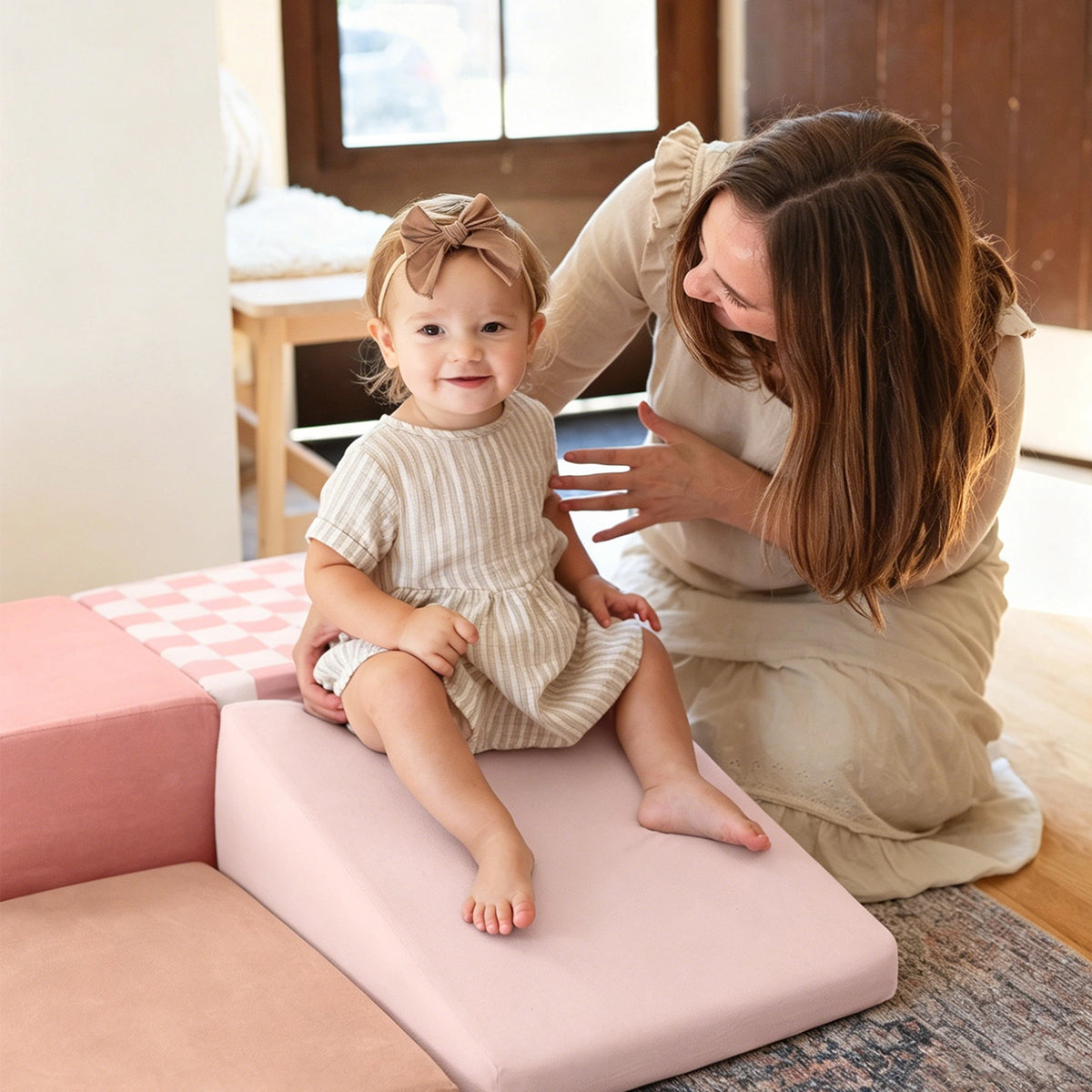
Set up one simple play environment
You do not need multiple zones or a perfectly organized home.
Start with one principle:
Make play easier to start than screen time.
What to do
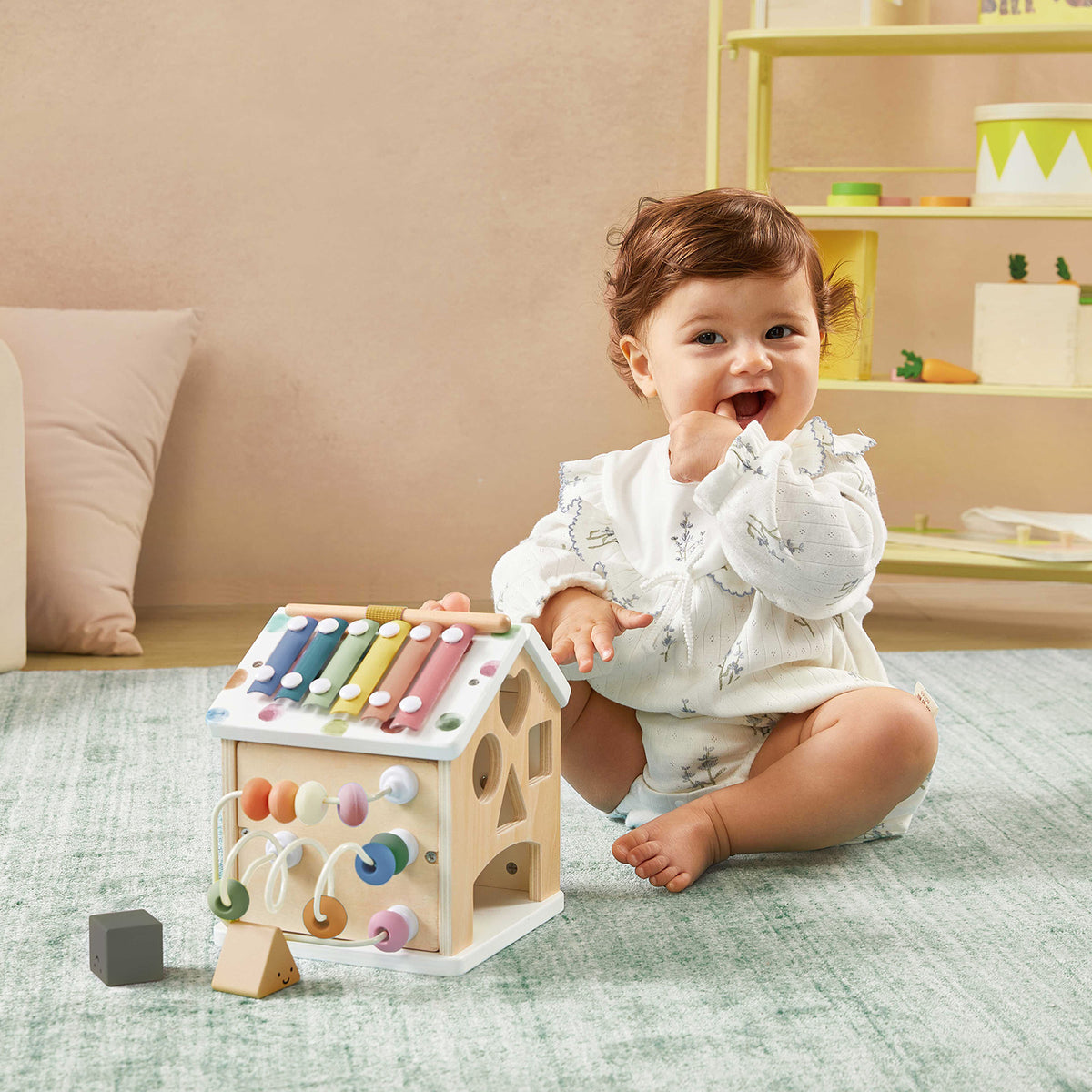
Choose one visible play setup:
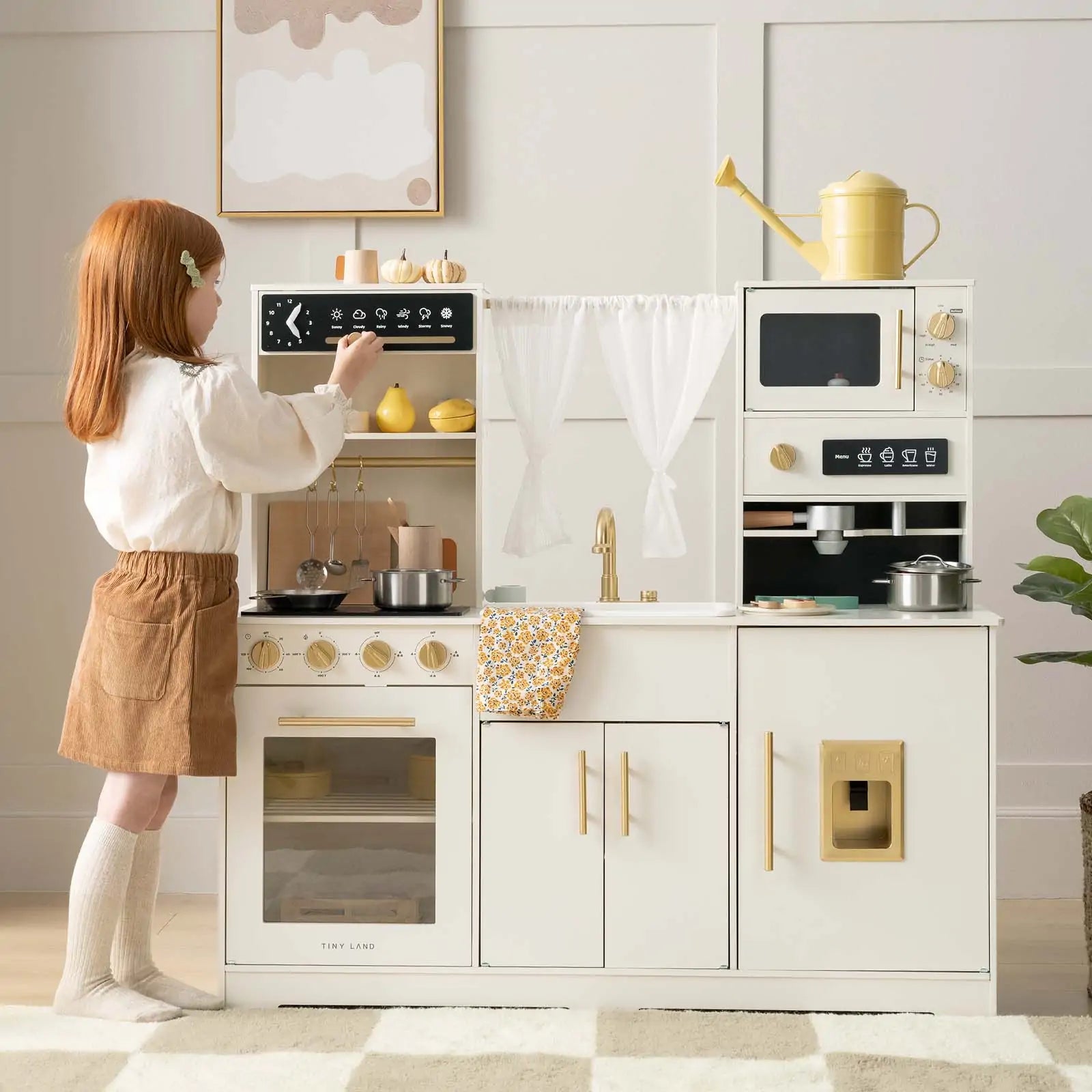
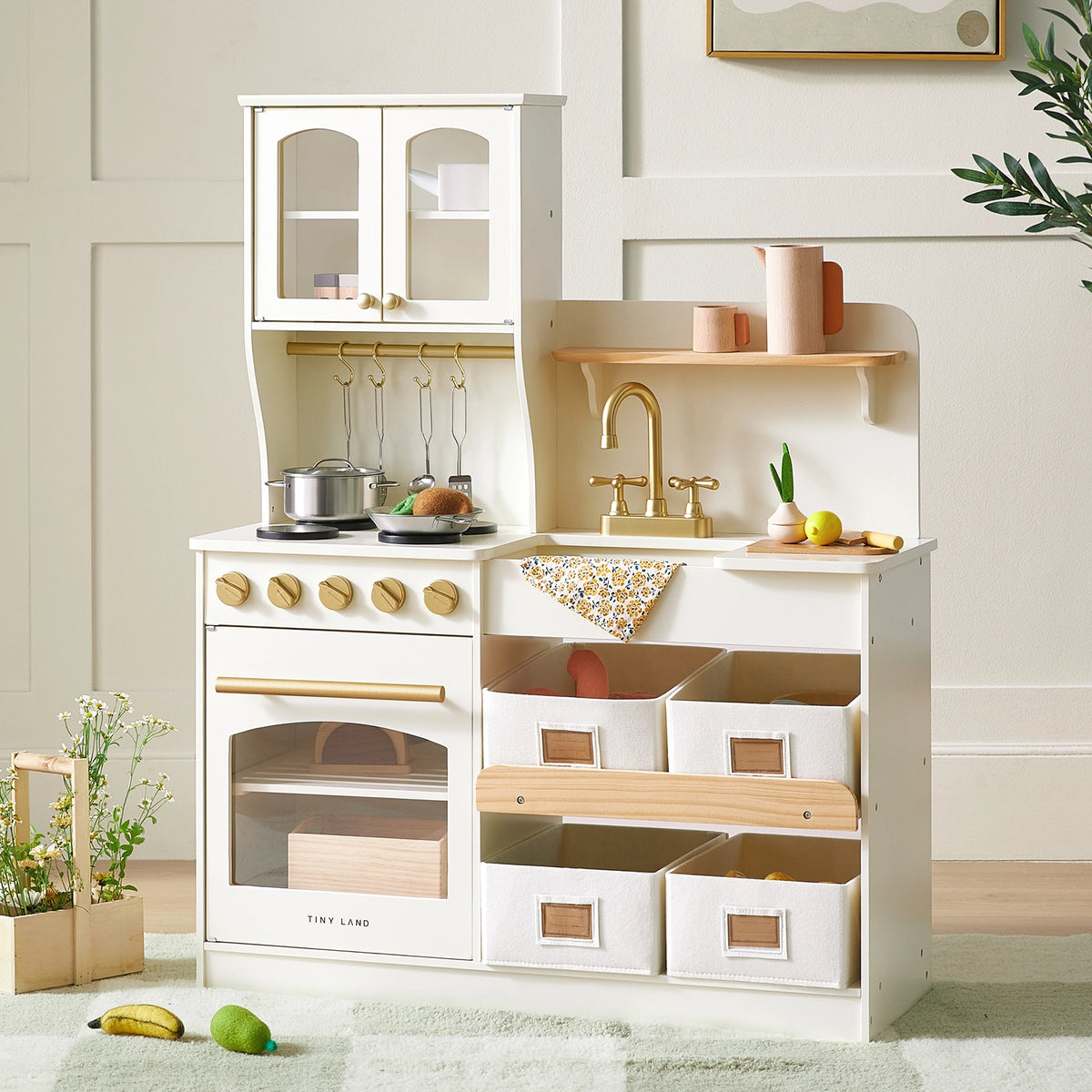
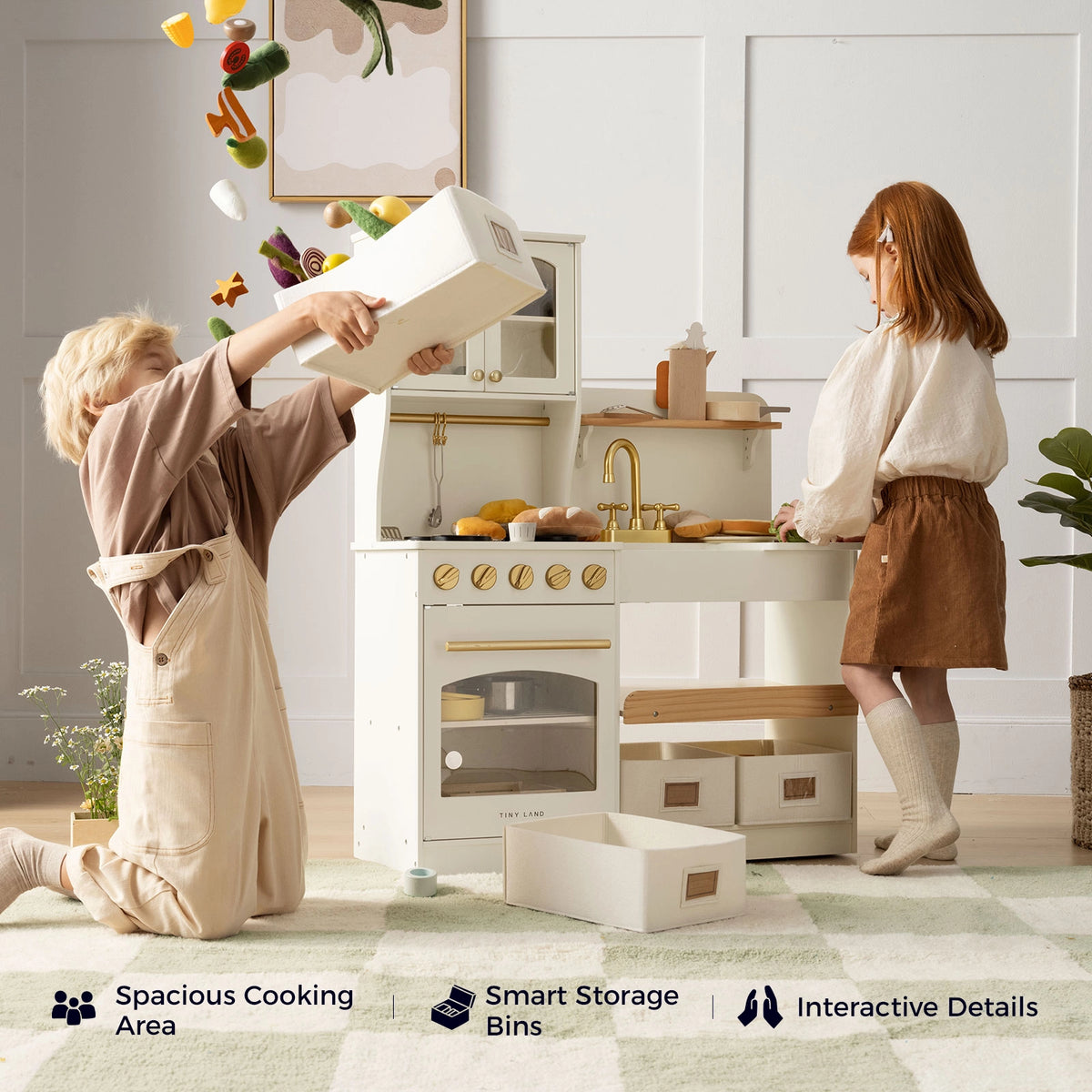
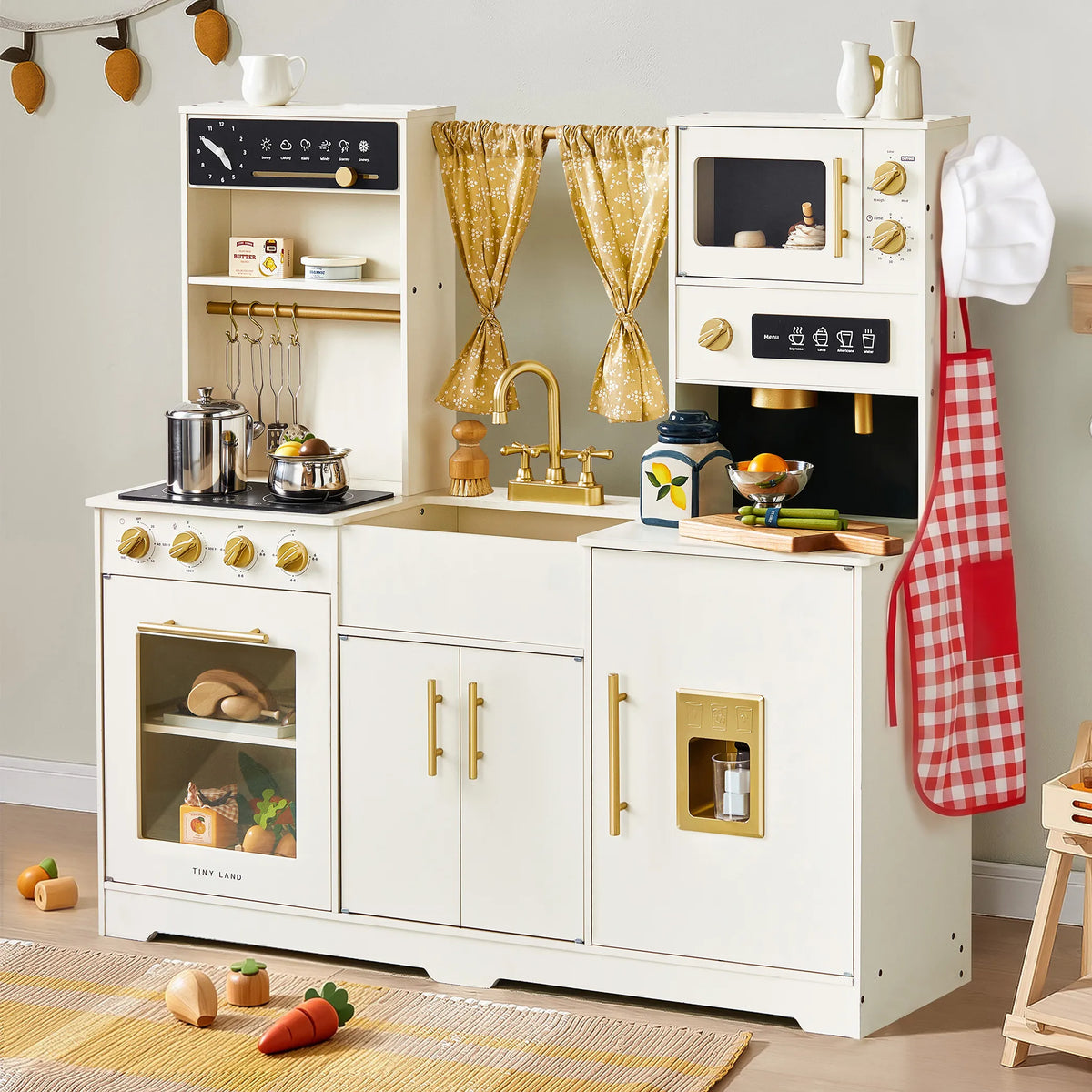
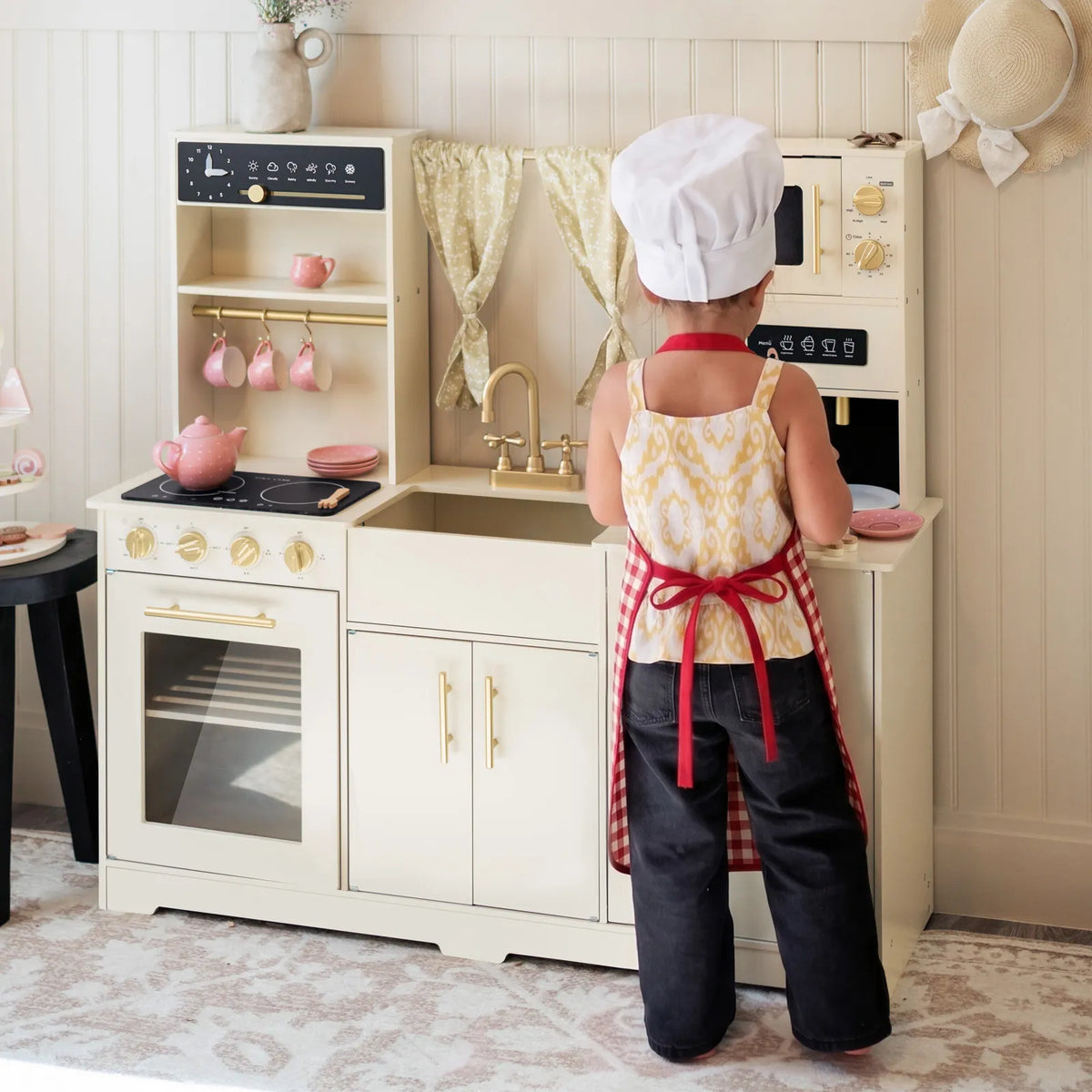
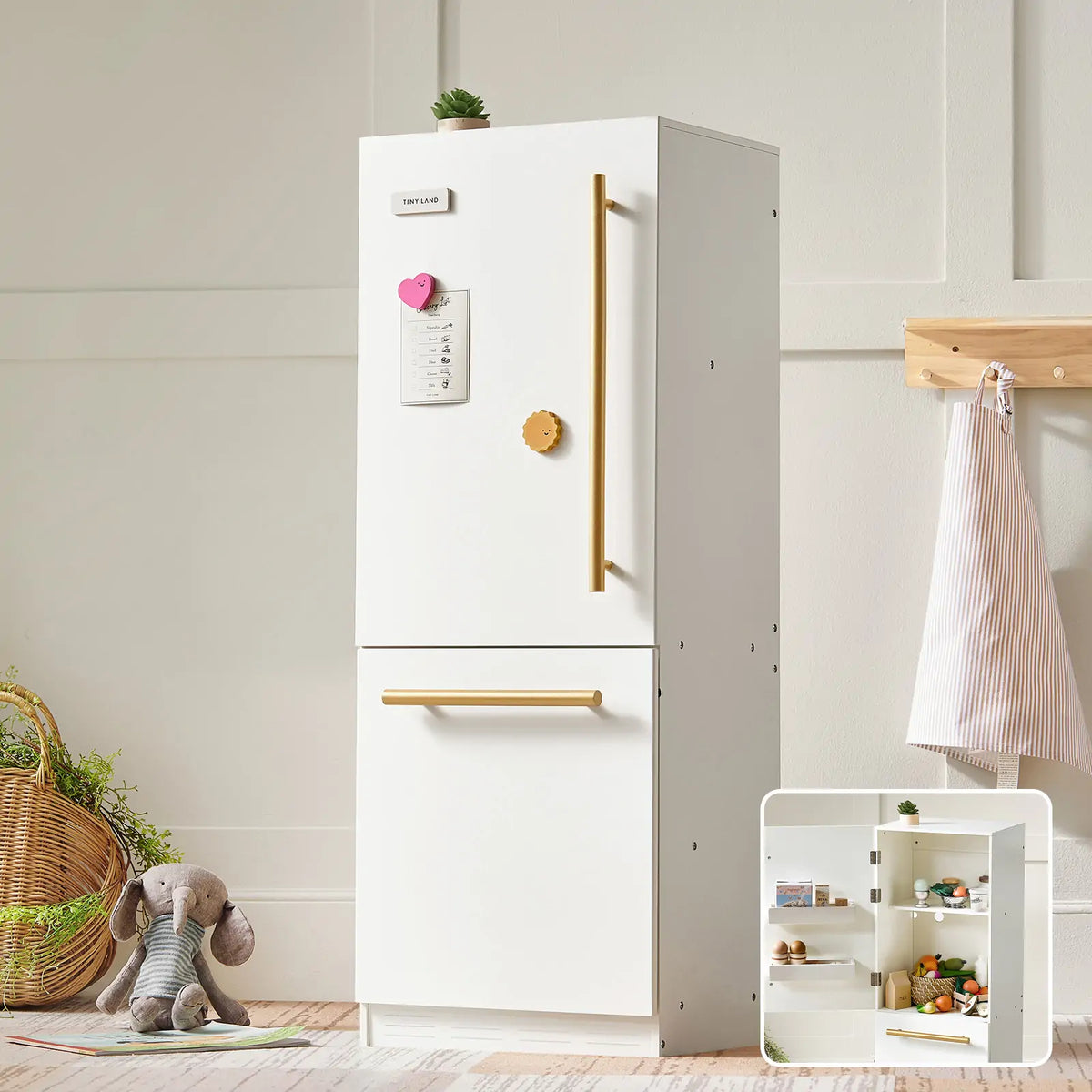
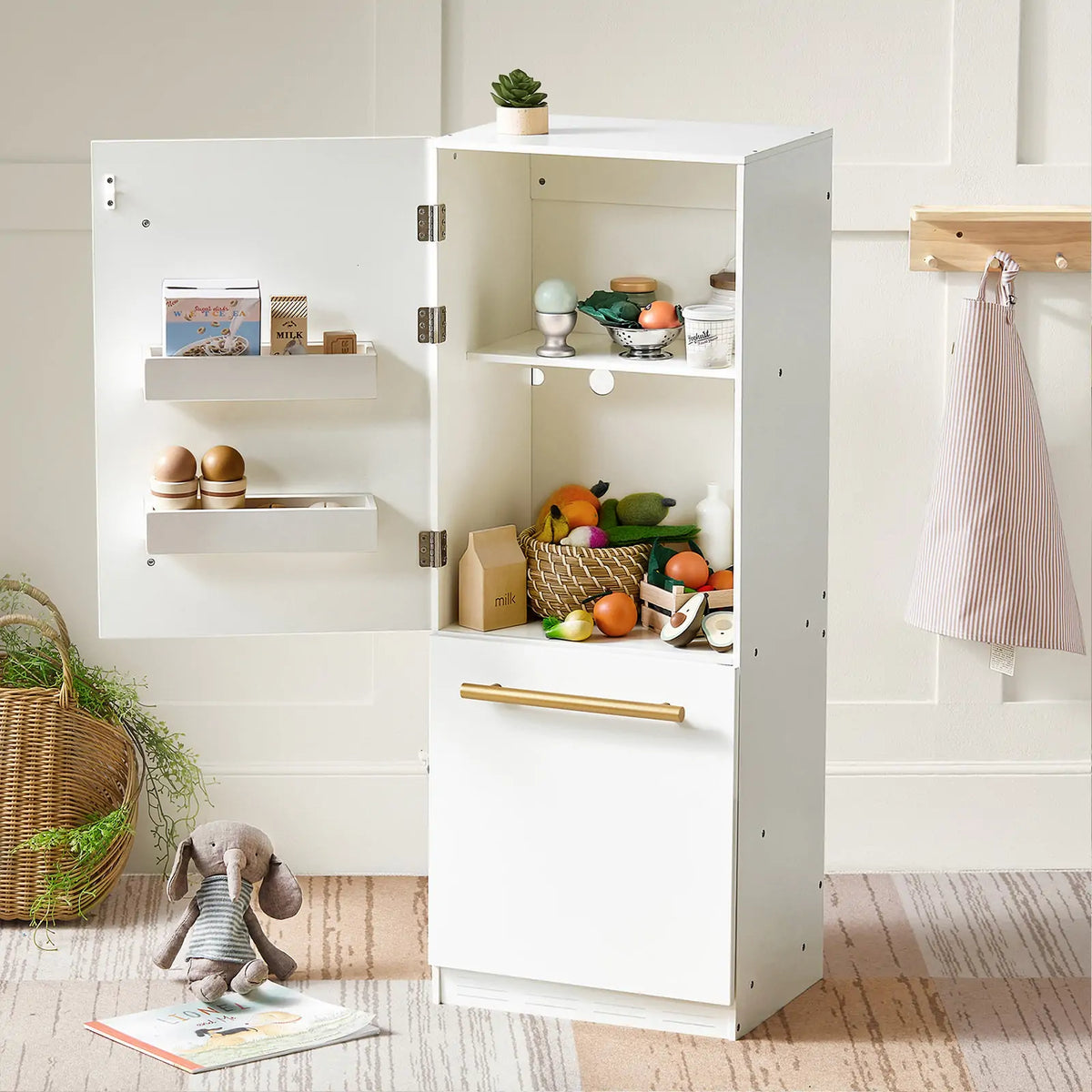
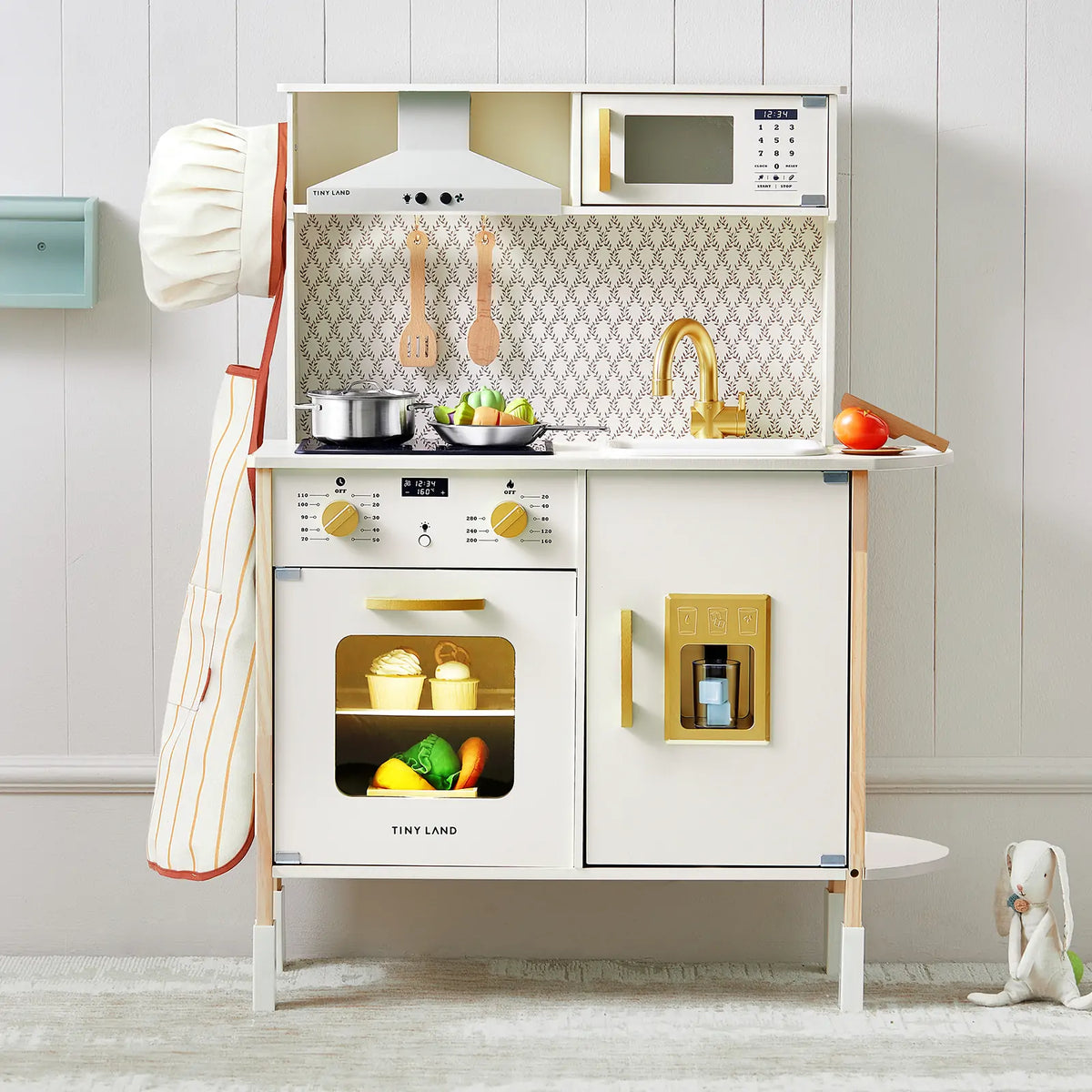
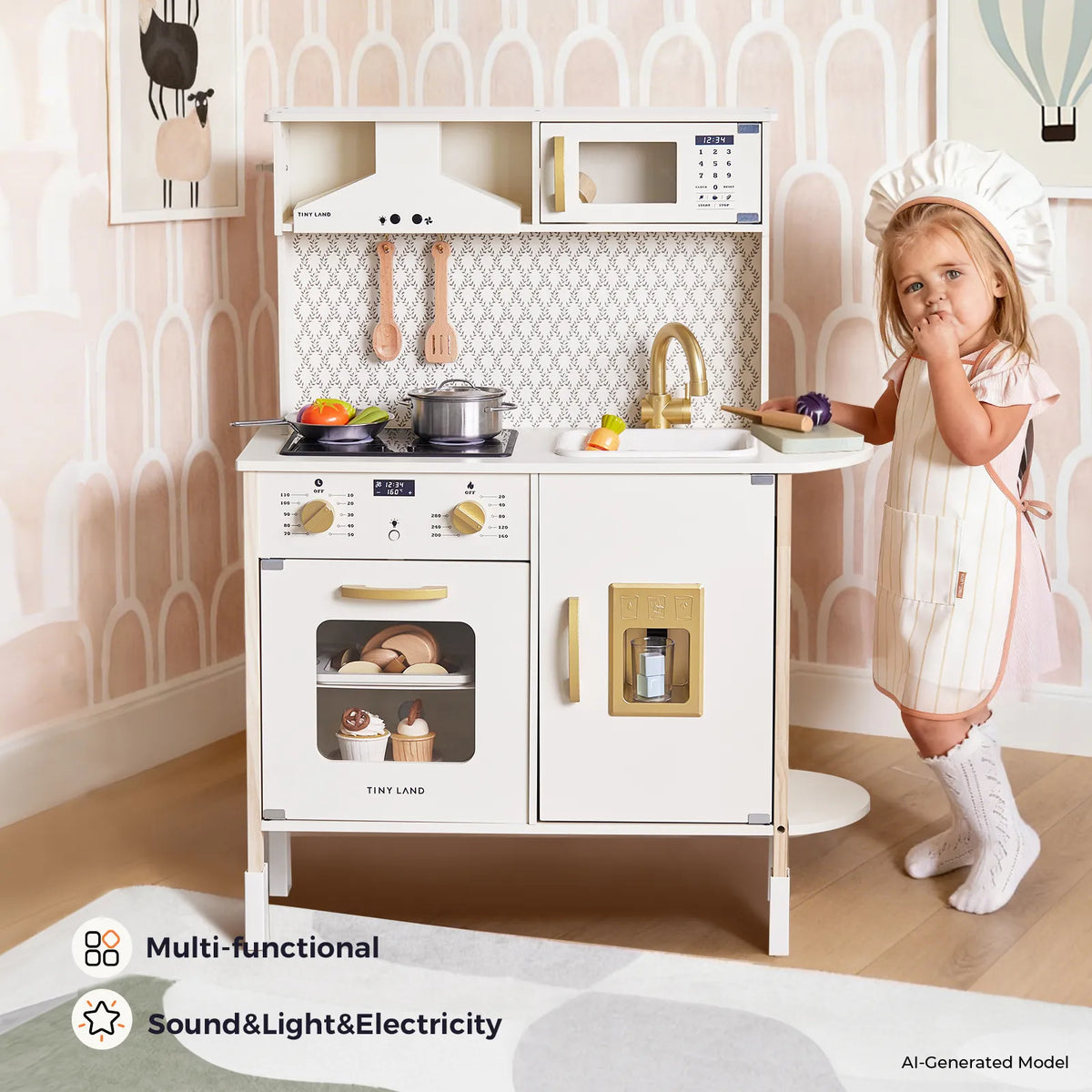
- A play kitchen for pretend cooking and role play
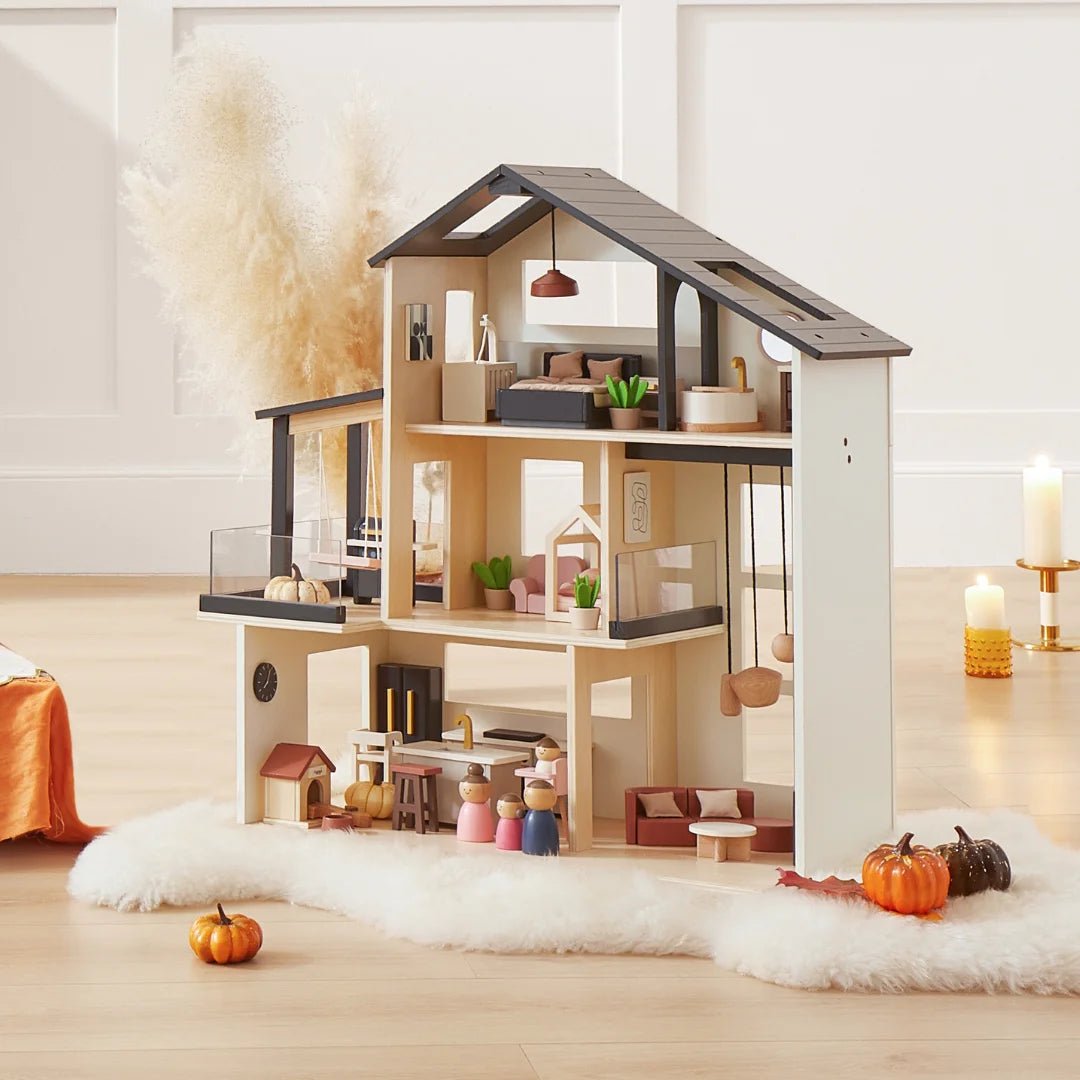
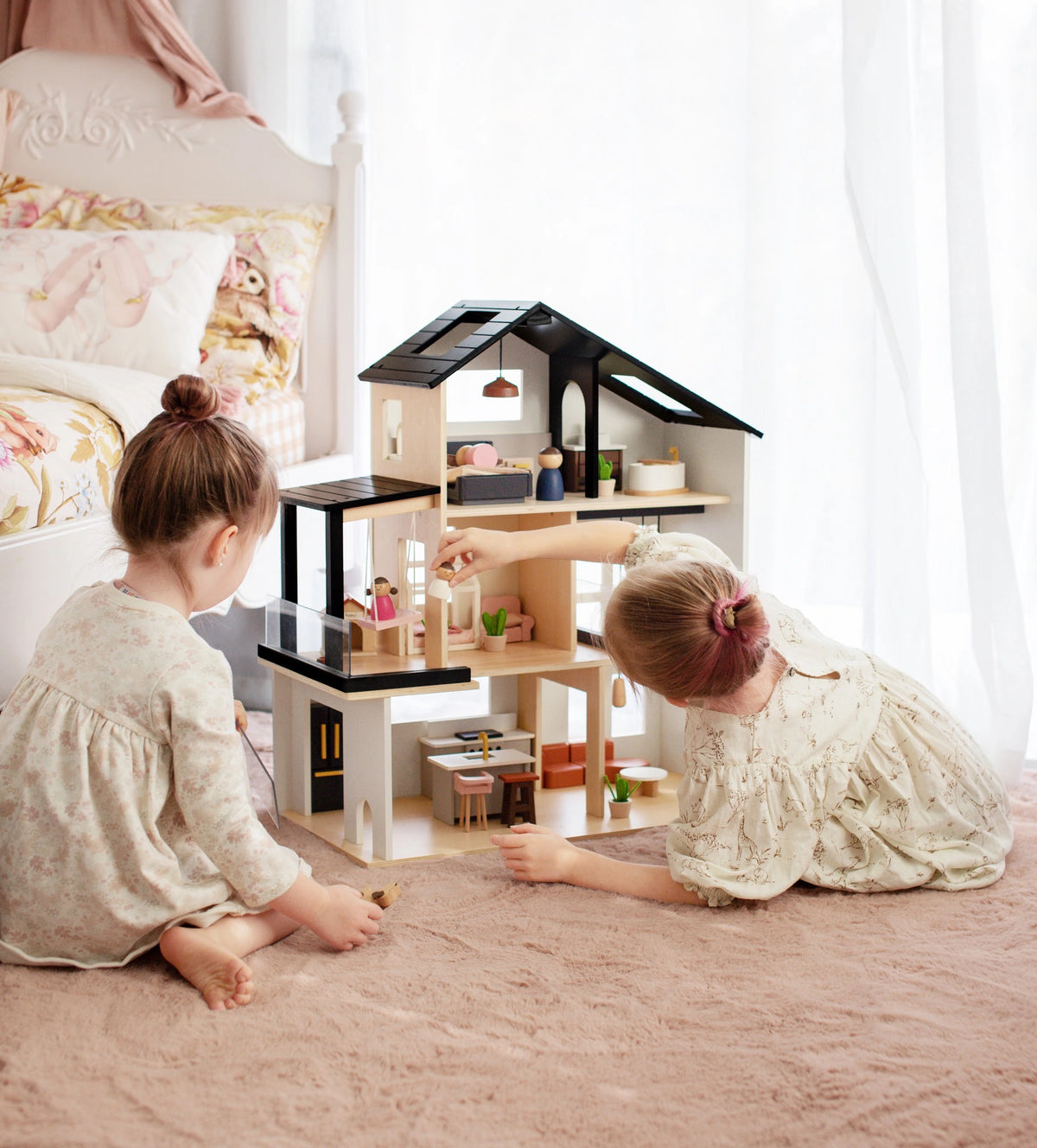
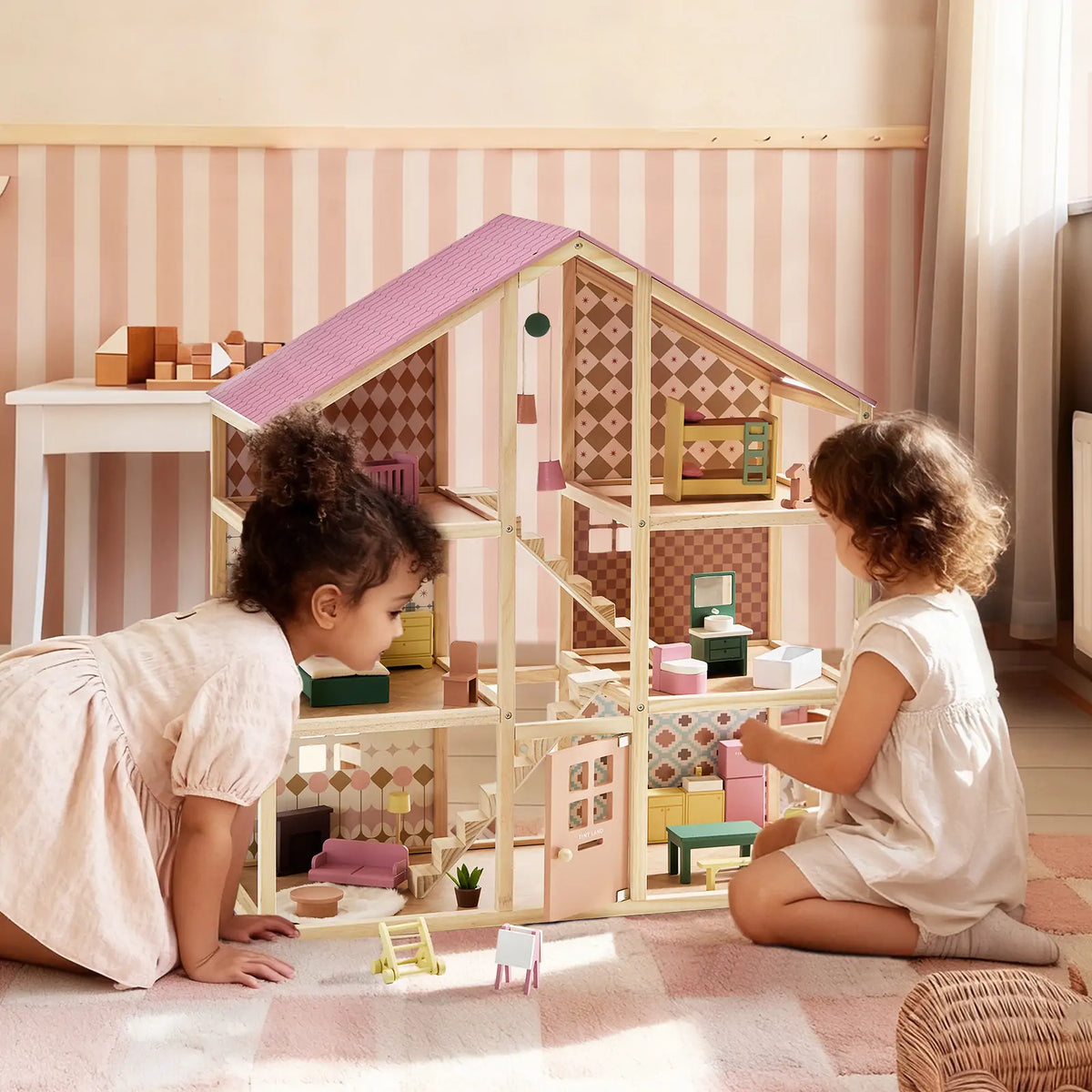
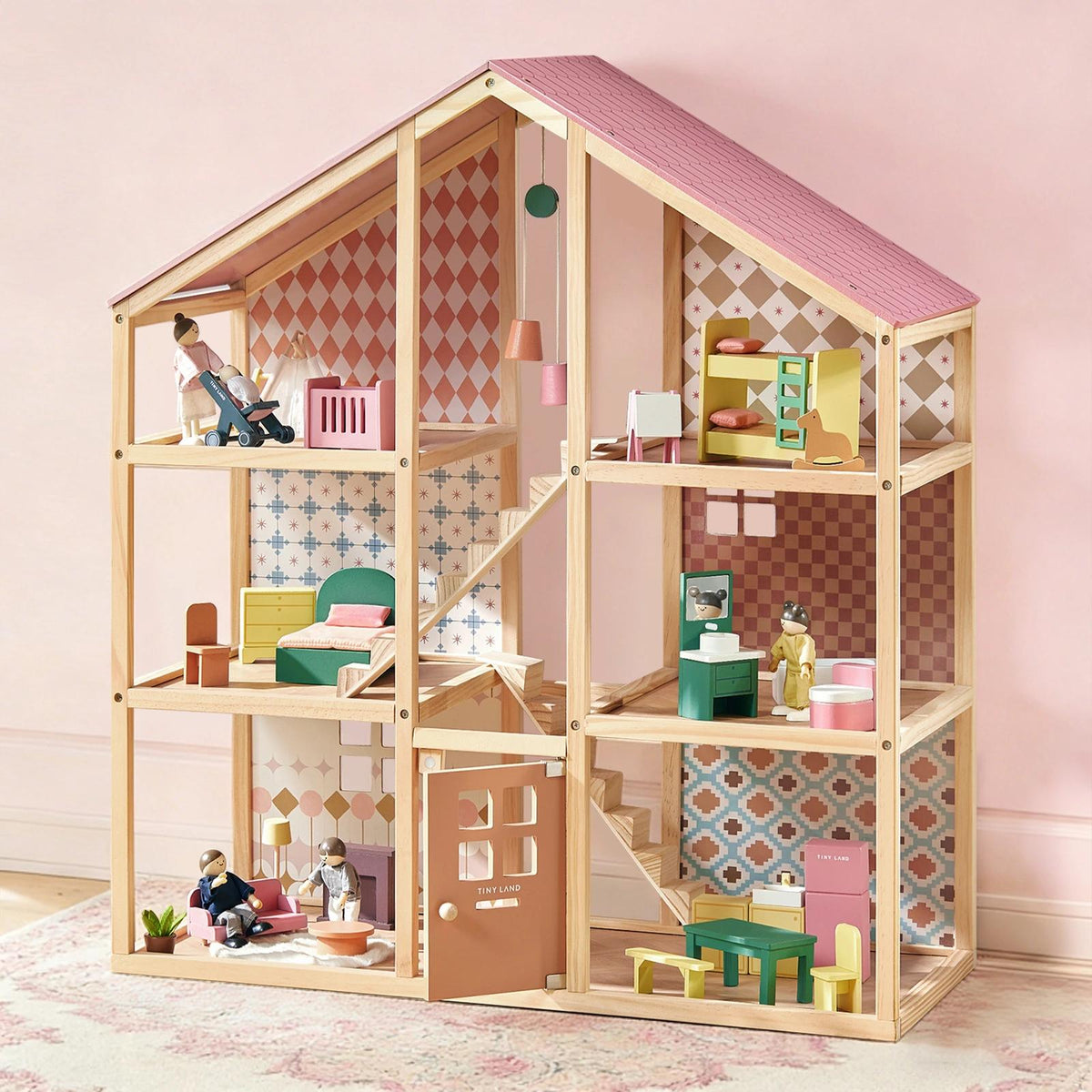
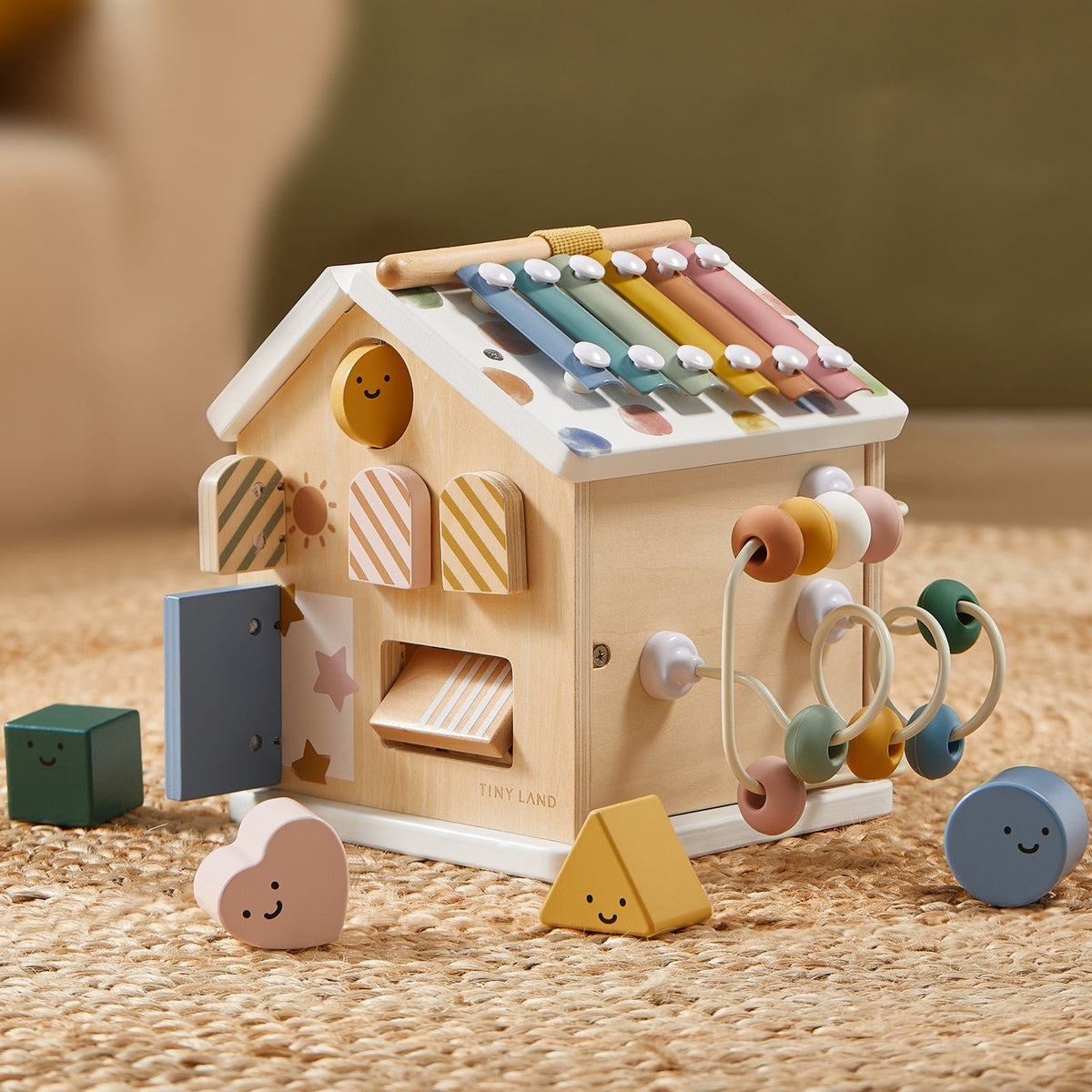
- A dollhouse for storytelling and independent play
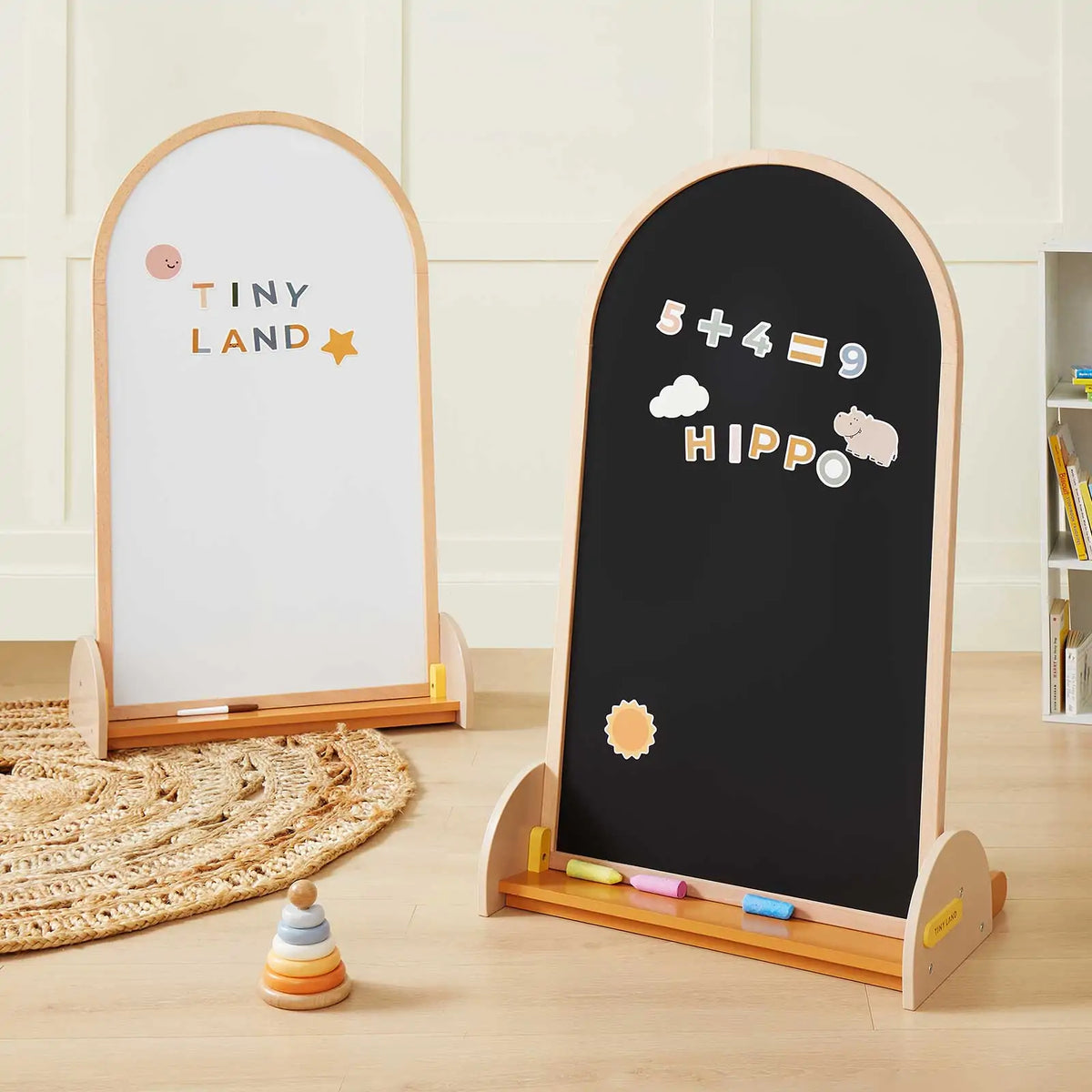
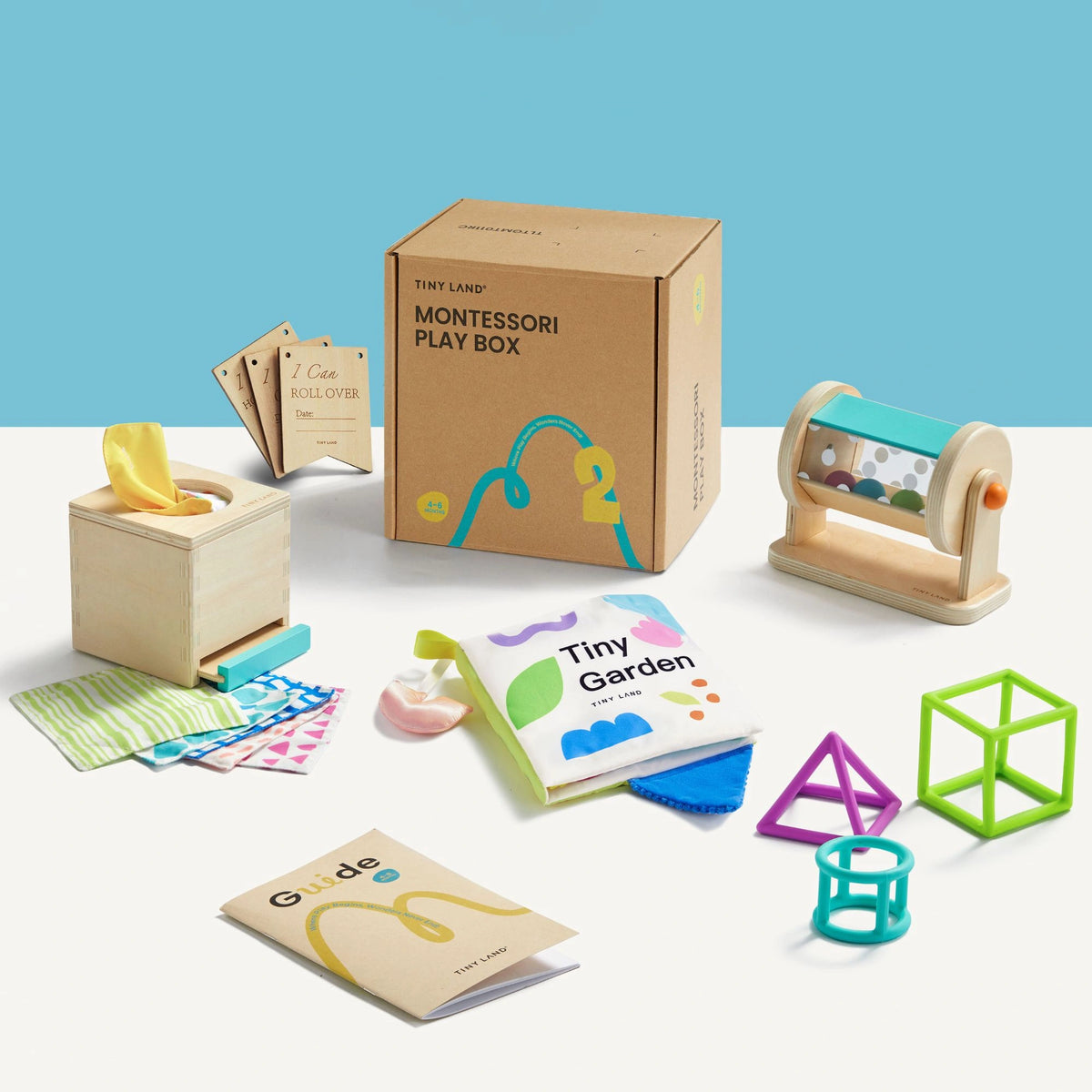
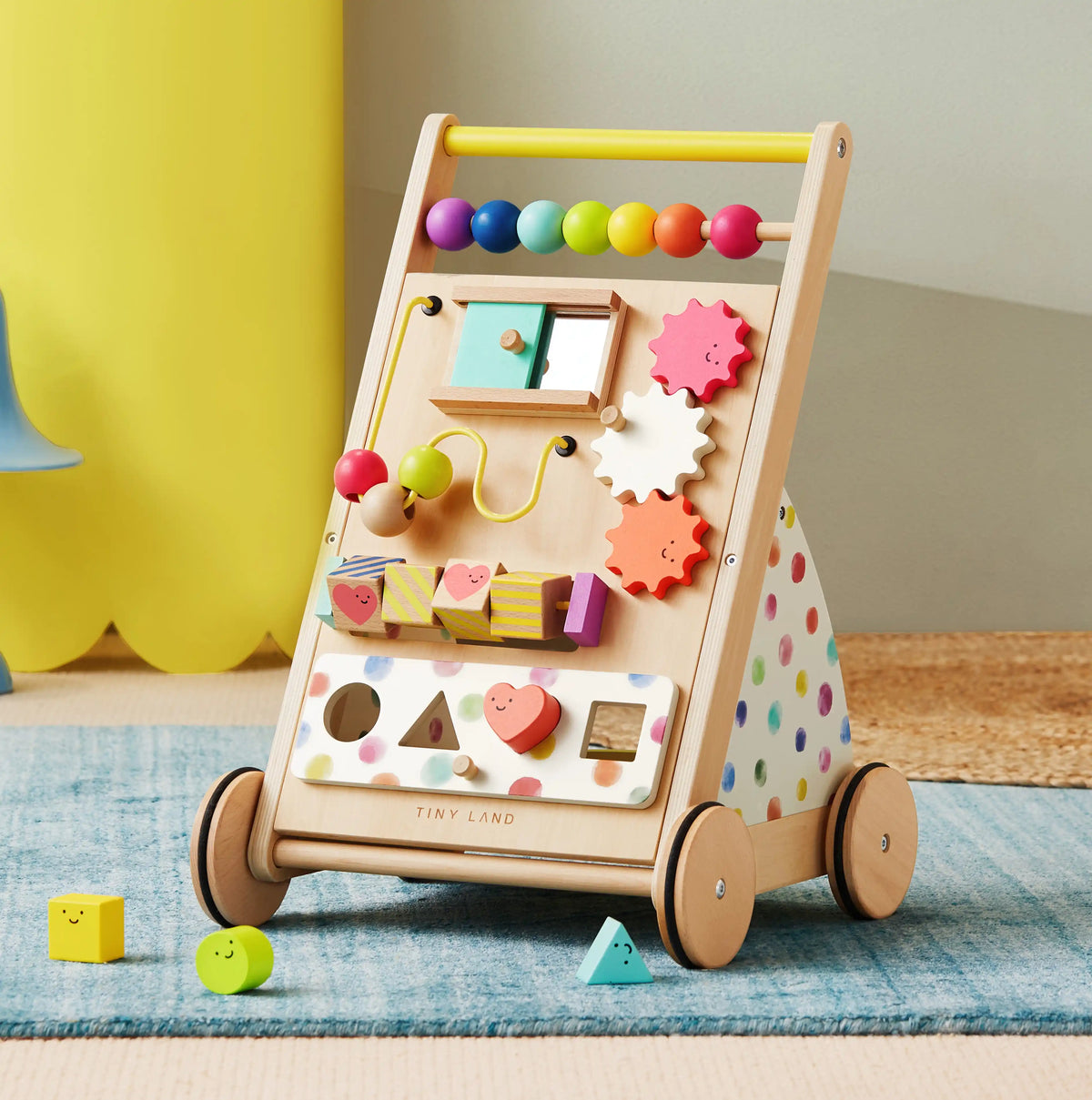
- A small basket of open-ended toys for building or creating
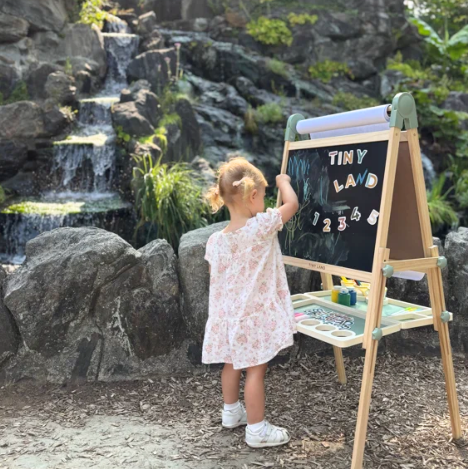
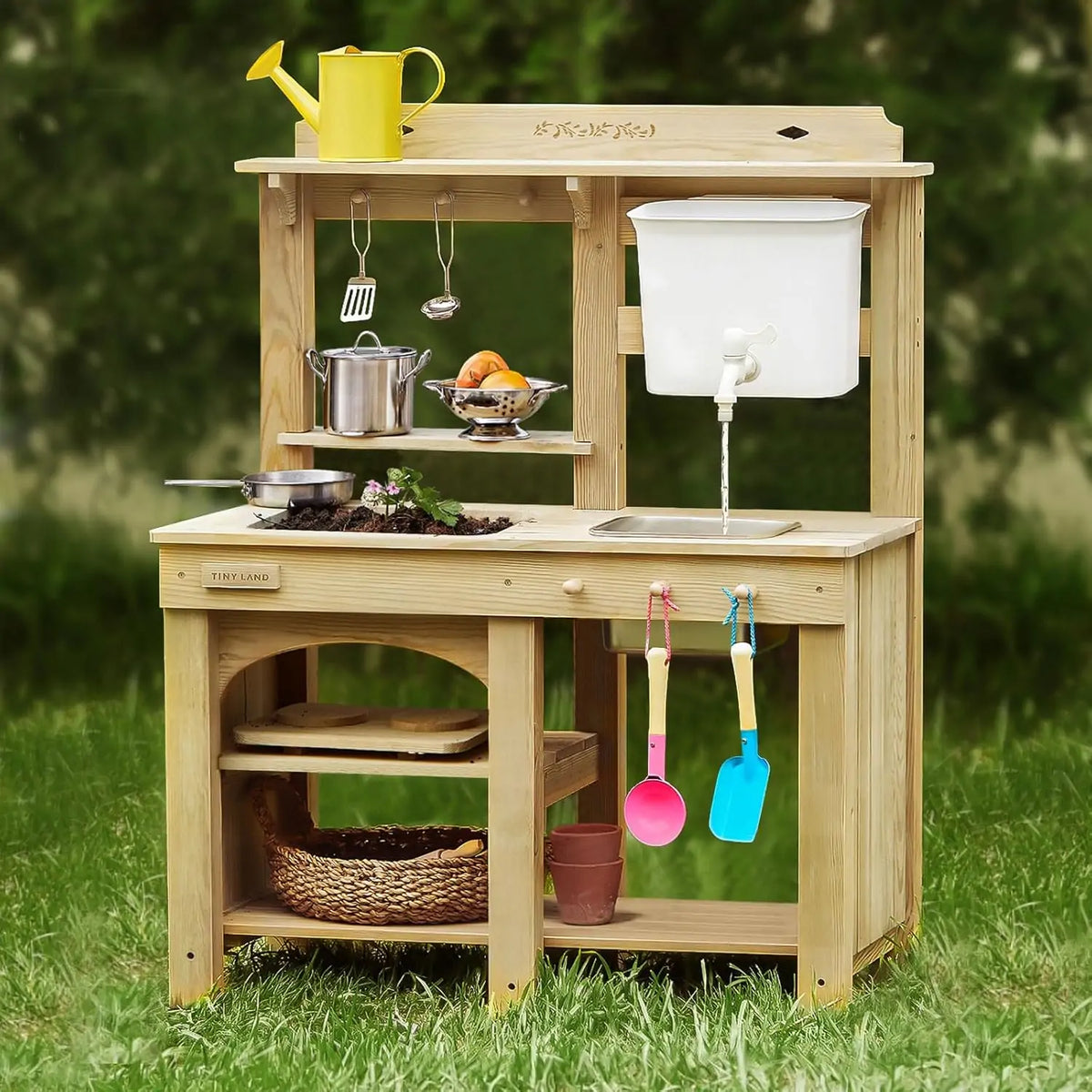
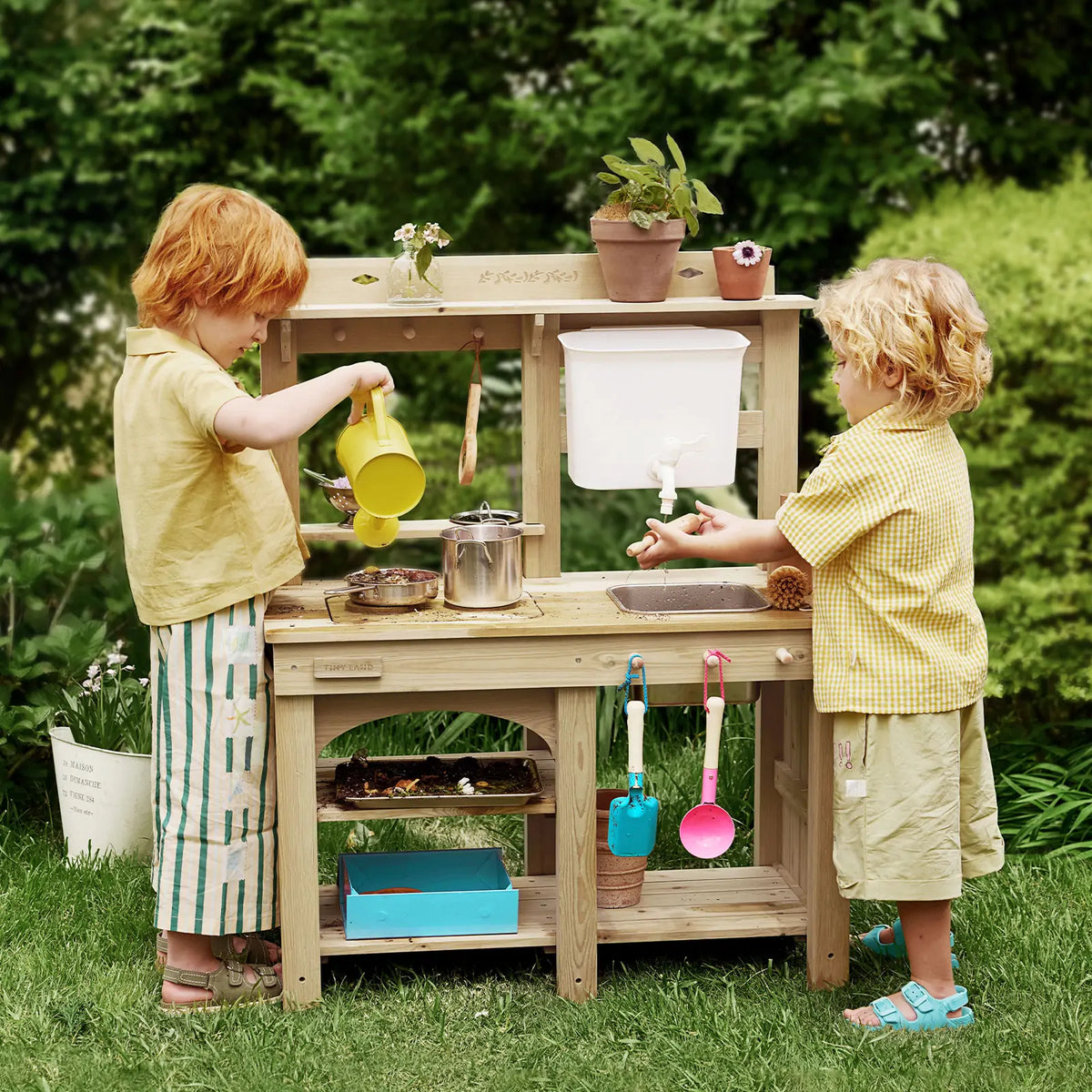
- A simple outdoor setup (water, mud, or nature play tools)
Keep it accessible all day. No setup required.
Why this works
Children choose what is visible and easy to start.
If toys are hidden or require adult help, screens naturally become the easier option.

What to do when your child asks for screen time
Instead of saying yes or no immediately, use a simple 3-step system.
Step 1: Pause the request
Say calmly:
“First choose something to play.”
Step 2: Offer limited choices
Only give 2–3 options:
- Pretend play (kitchen / shop / restaurant)
- Dollhouse storytelling
- Outdoor or water play
Step 3: Wait 10–15 minutes
Do not negotiate further.
Most of the time, once play begins, screen demand naturally decreases.

A simple daily rhythm (no strict schedule)
You do not need hourly planning.
Instead, follow this order:
Morning: Active play first
- Outdoor movement
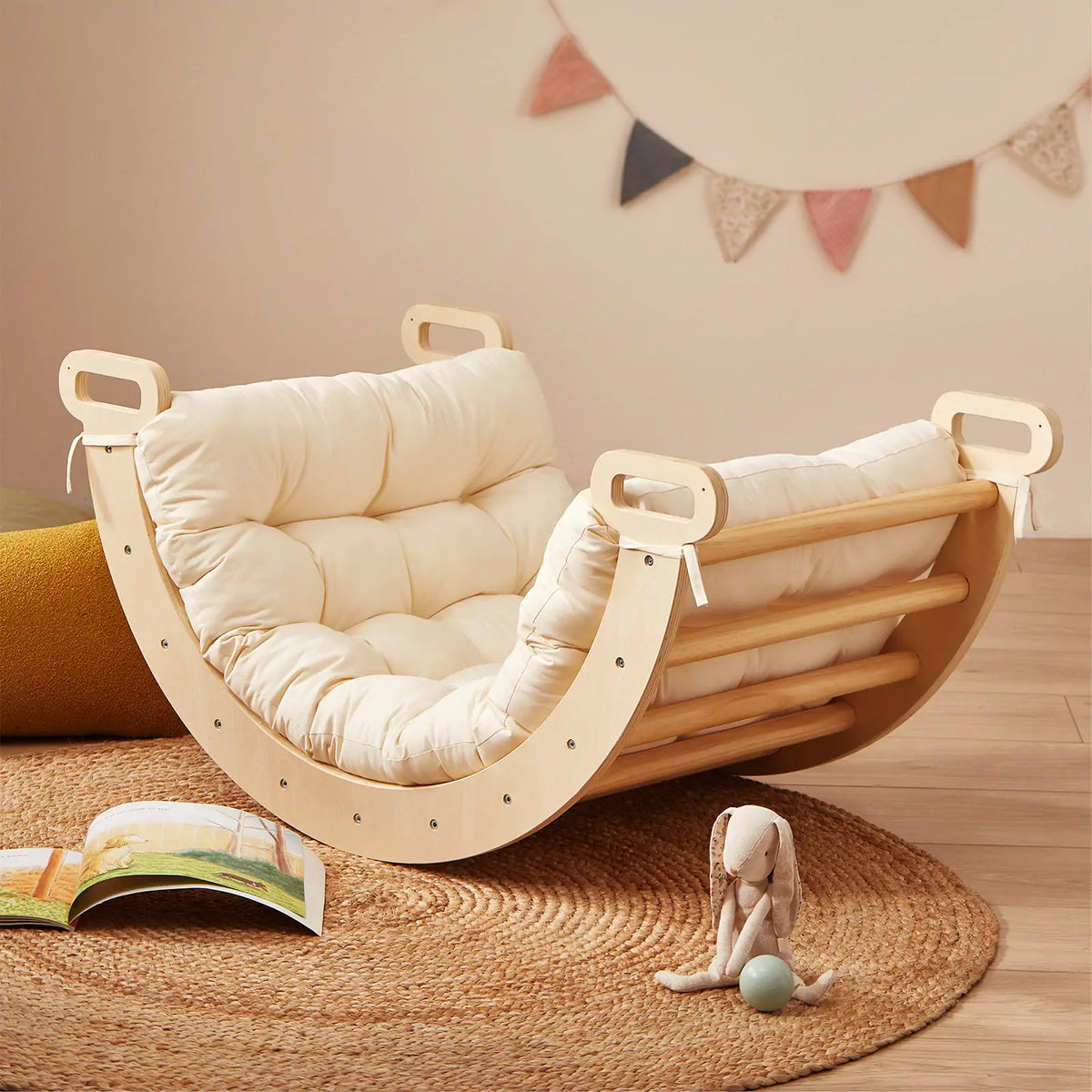
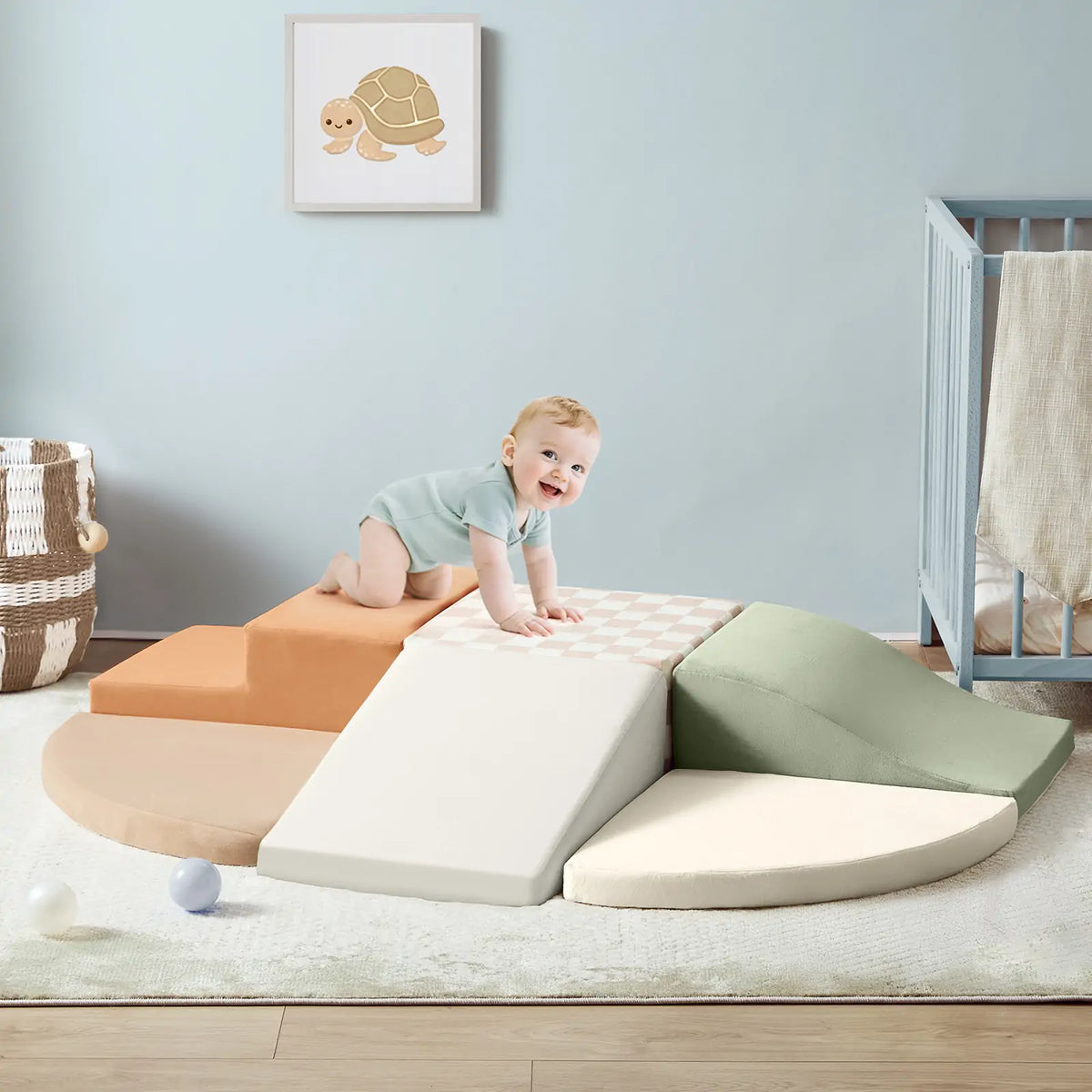
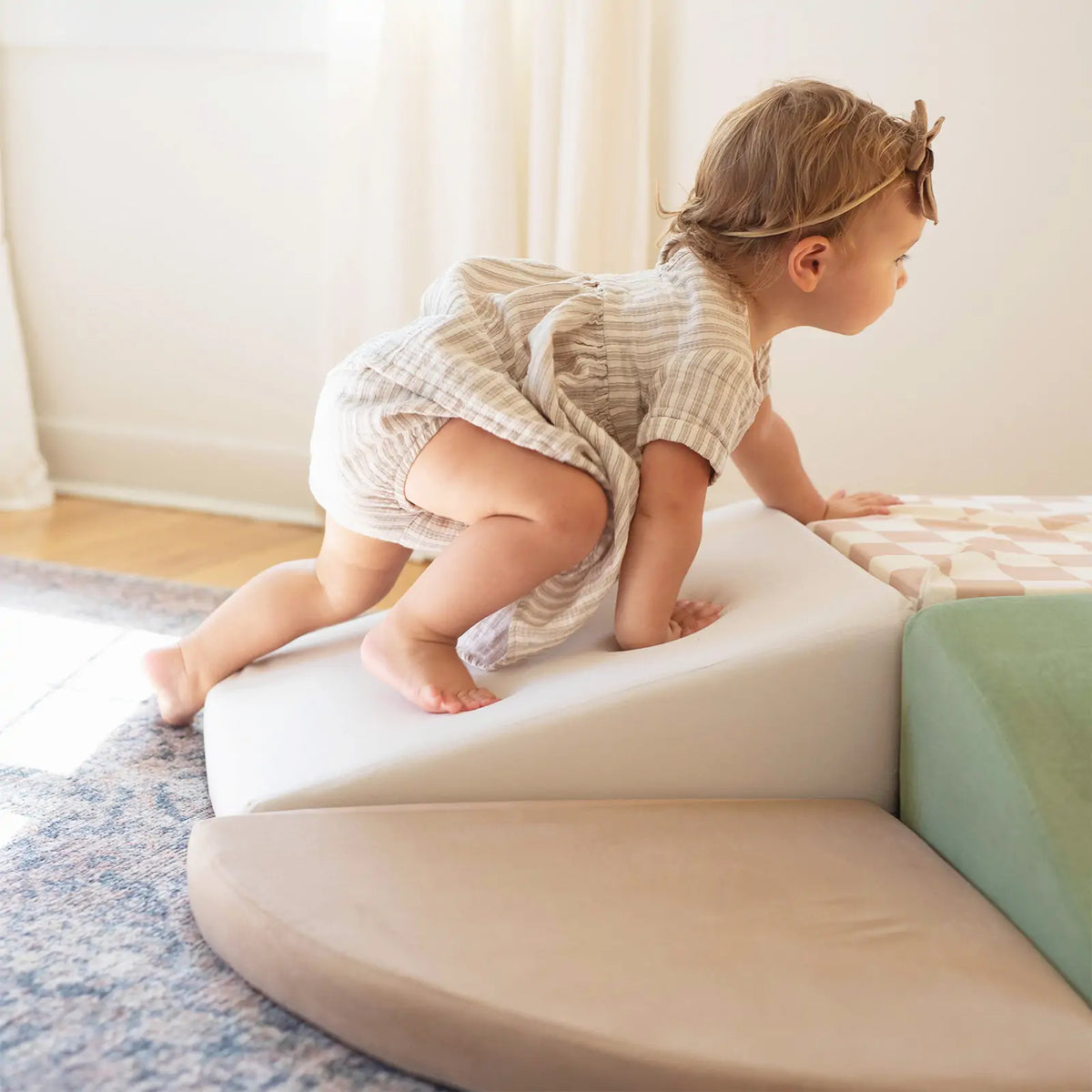
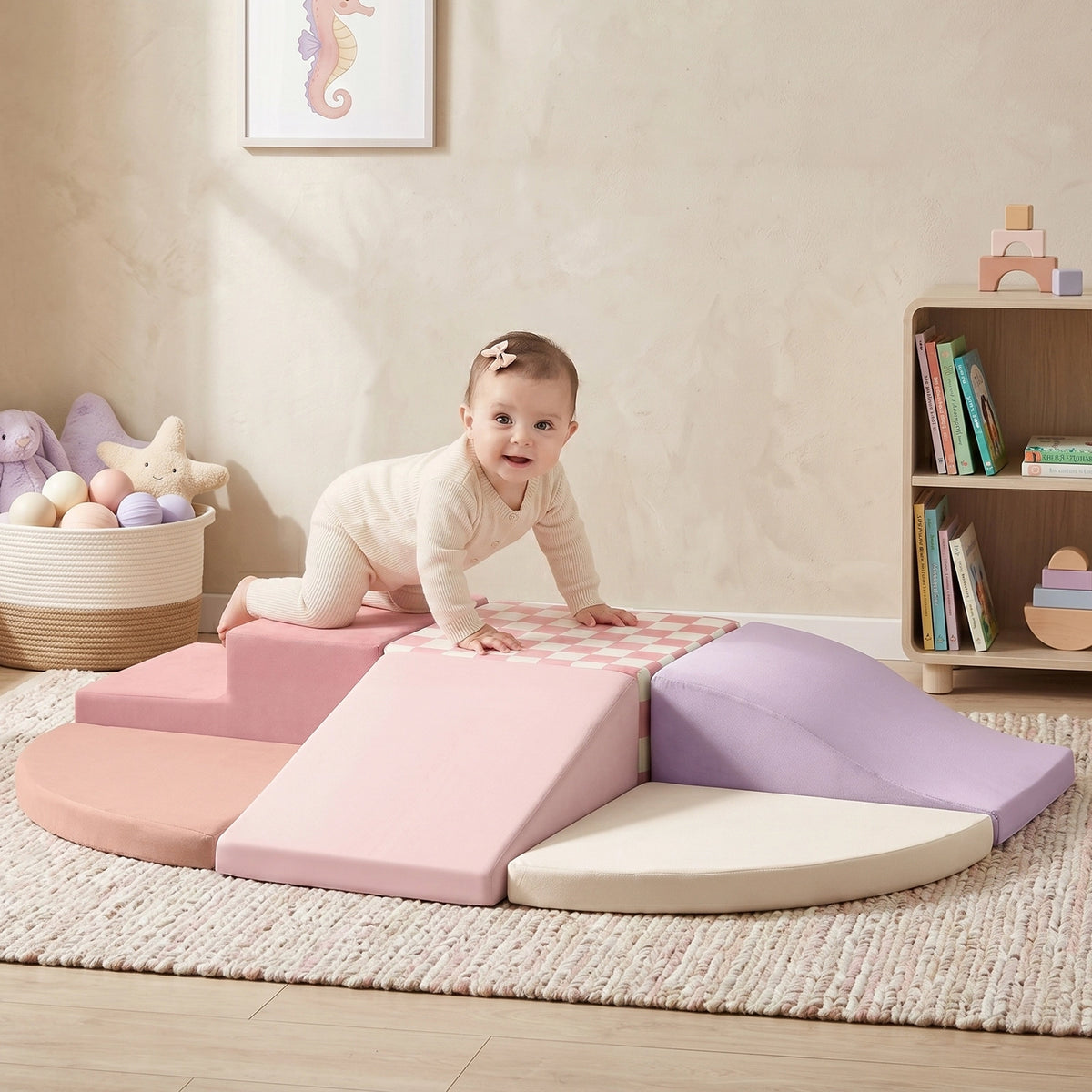
- Climbing, bikes, balance toys
Midday: Independent play
- Dollhouse stories
- Kitchen play
- Building activities
Afternoon: Outdoor reset
- Water play
- Mud kitchen
- Nature exploration
Evening: Calm wind-down
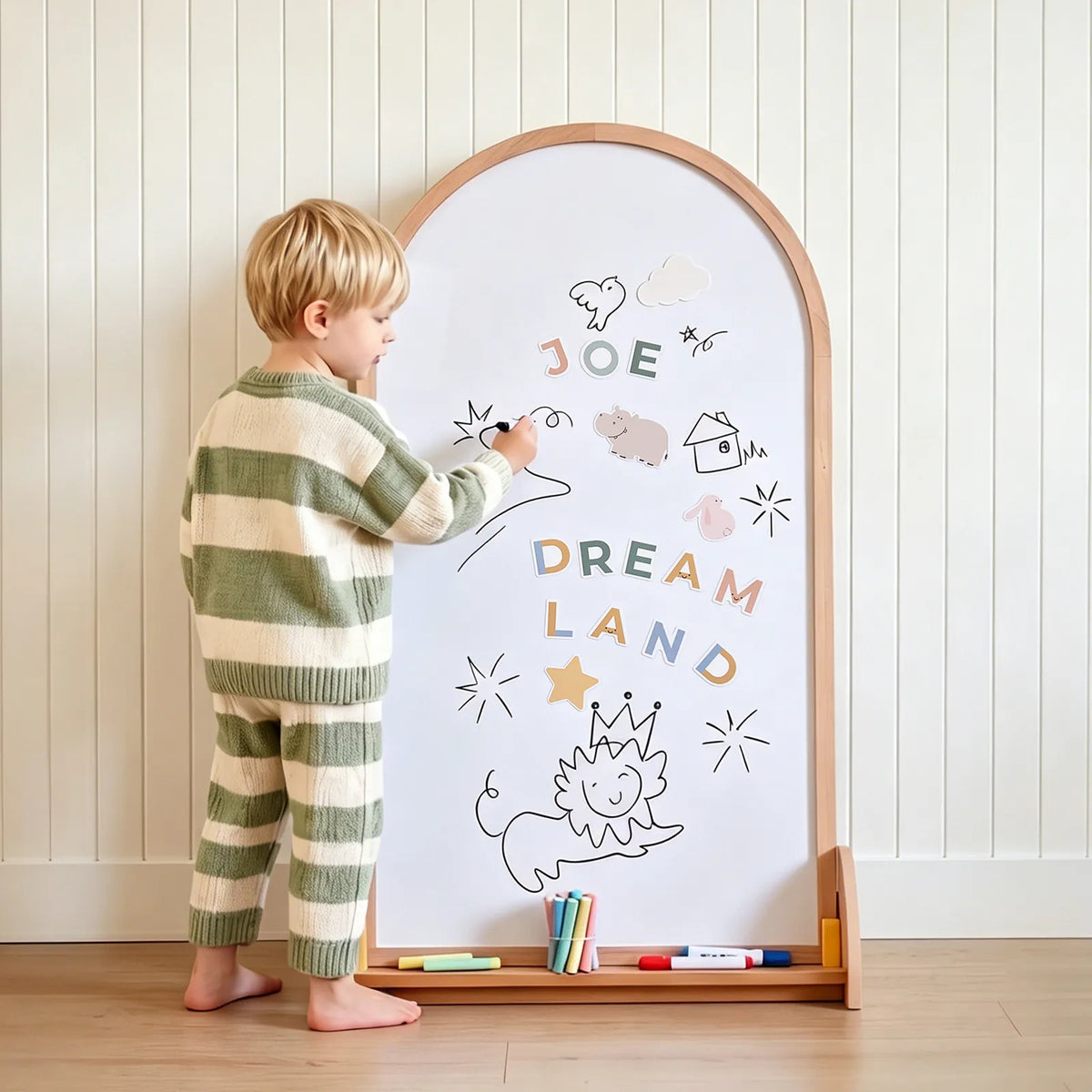
- Drawing
- Books
- Quiet play

What to say when your child says “I’m bored”
Do not rush to fix boredom.
Use this simple response:
Step 1: Acknowledge
“Okay.”
Step 2: Redirect
“What would you like to build or create?”
Step 3: Pause
Give space for them to start.
If needed:
“You can try your kitchen, dolls, or outside play.”
Then step back.

Toy rotation (optional tool, not required)
Toy rotation is helpful only when needed.
Use it if:
- Your child gets bored very quickly
- Too many toys create distraction
Simple method:
- Keep 6–8 toys visible
- Store the rest
- Rotate every 1–2 weeks
Best categories:
- Play kitchens
- Dollhouses
- Building toys
- Outdoor play sets
If your child plays well already, skip this step.

Why independent play matters every day
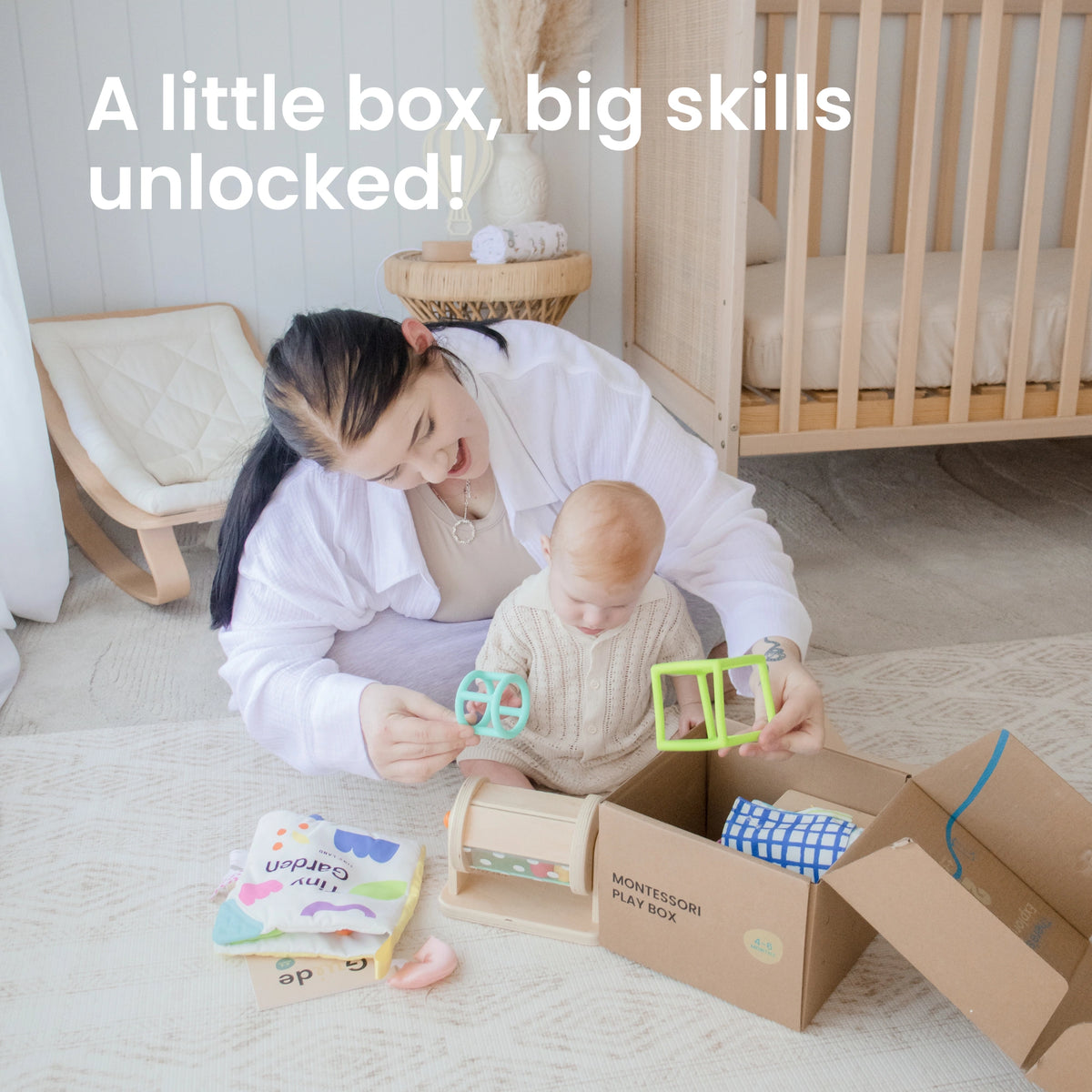
Try to protect at least 20–40 minutes of independent play daily.
Rules:
- No instructions
- No correcting
- No interruption
Examples:
- Pretend cooking
- Dollhouse storytelling
- Building and creating
- Outdoor exploration
Independent play builds focus and reduces reliance on screens over time.

Outdoor play as a natural reset
Outdoor time does not need planning.
Just go outside.
Examples:
- Water play
- Mud kitchen activities
- Backyard pretend restaurant
- Nature collecting games
- Bike or scooter riding
Outdoor environments naturally reduce screen requests because they constantly change.

What actually reduces screen time
It is not stricter rules.
It is environment design:
- Fewer but clearer choices
- Visible toys children can access alone
- Simple daily rhythm
- Daily independent play time
When play is easier to start than screens, children naturally shift.
Tiny Land play-based learning note
Open-ended toys support this system because they do not define how children should play.
Instead, they create starting points:
- Play Kitchen → role play and storytelling
- Dollhouse → independent narrative play
- Outdoor/Mud play → sensory exploration
- Building toys → creativity and problem-solving
The value is not instruction. It is possibility.

FAQ
How do I reduce screen time during summer?
Make play easier to access, limit choices, and build a simple daily rhythm that prioritizes play before screens.
What are the best screen-free activities for kids?
Pretend play, outdoor exploration, building activities, drawing, reading, and sensory play.
What should I do when my child is bored?
Do not immediately solve boredom. Offer simple play options and give time for independent engagement.
Do kids need structured activities every day?
No. A simple rhythm and accessible play environment are more effective than constant planning.

Conclusion
A successful screen-free summer is not about removing screens completely.
It is about designing a home where play is easier to choose than screen time.
When children have visible toys, simple choices, and daily opportunities for independent play, they naturally shift toward more creative engagement.