
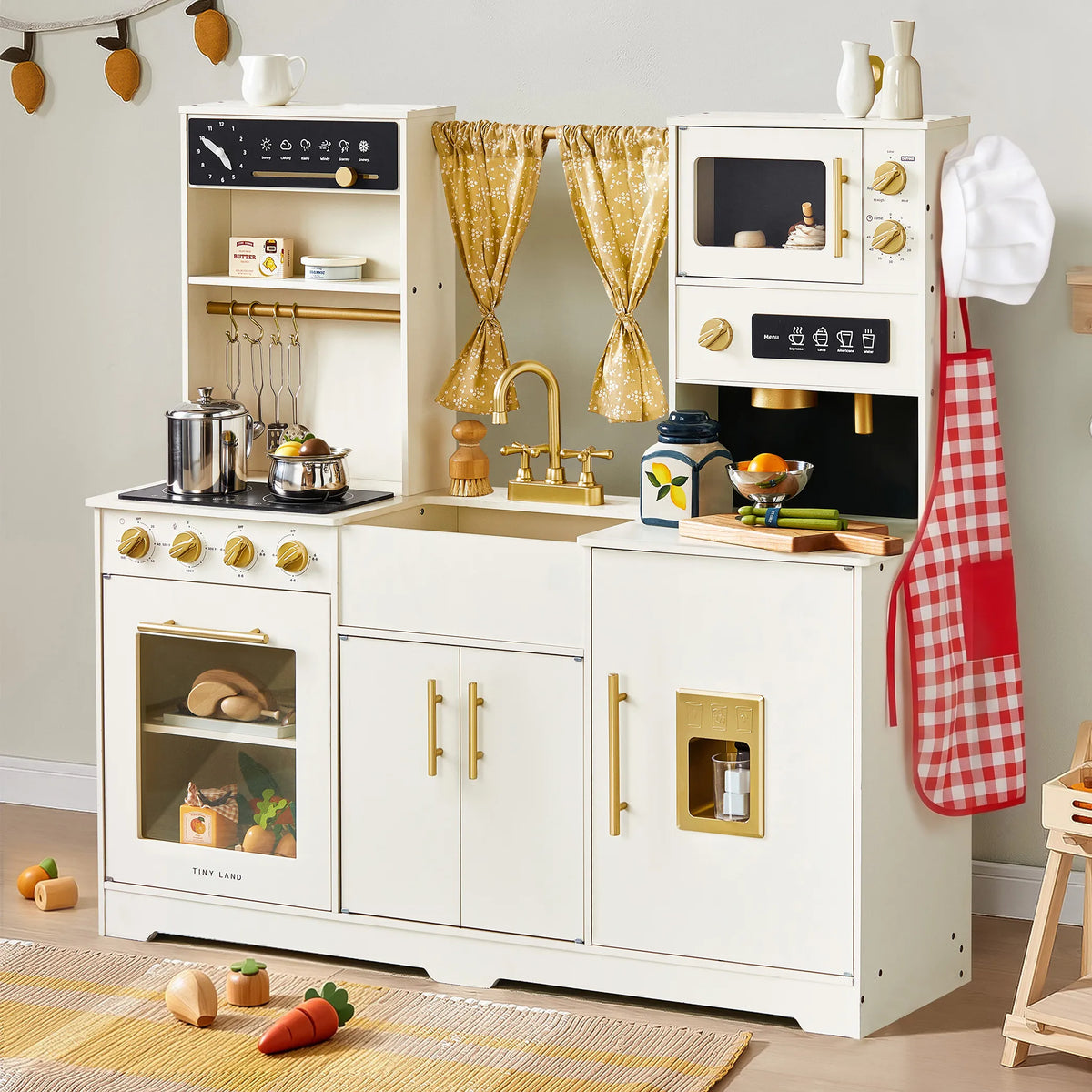
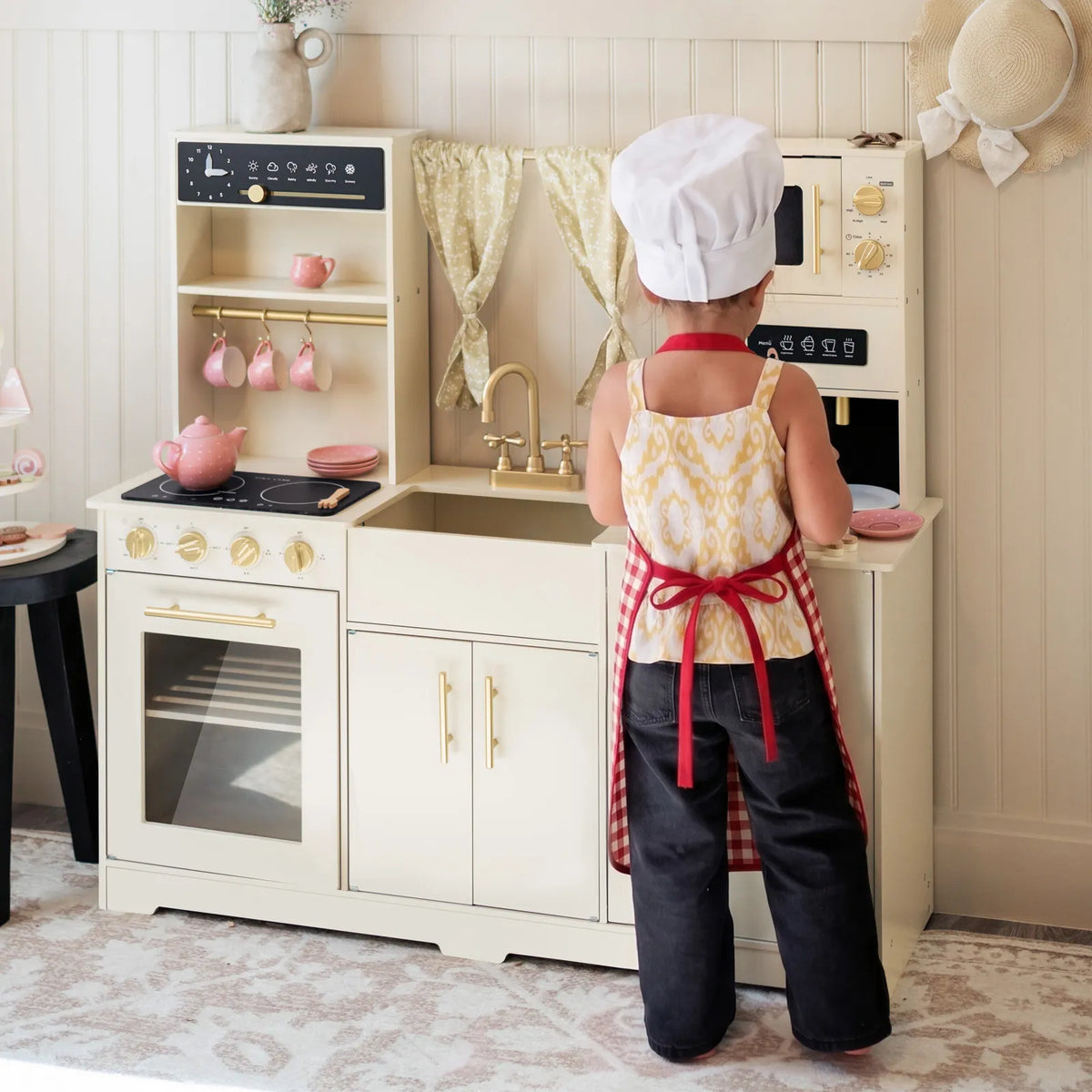
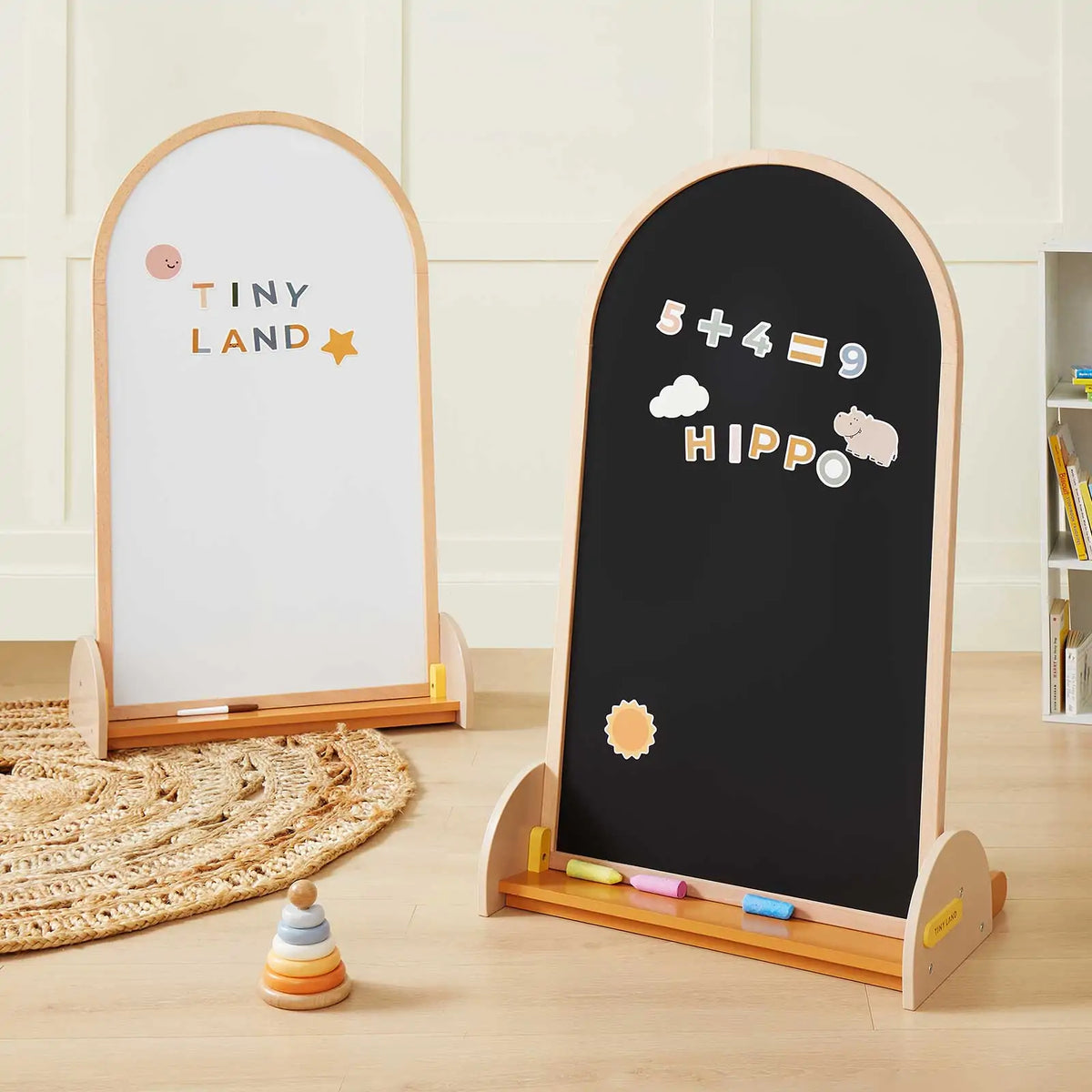
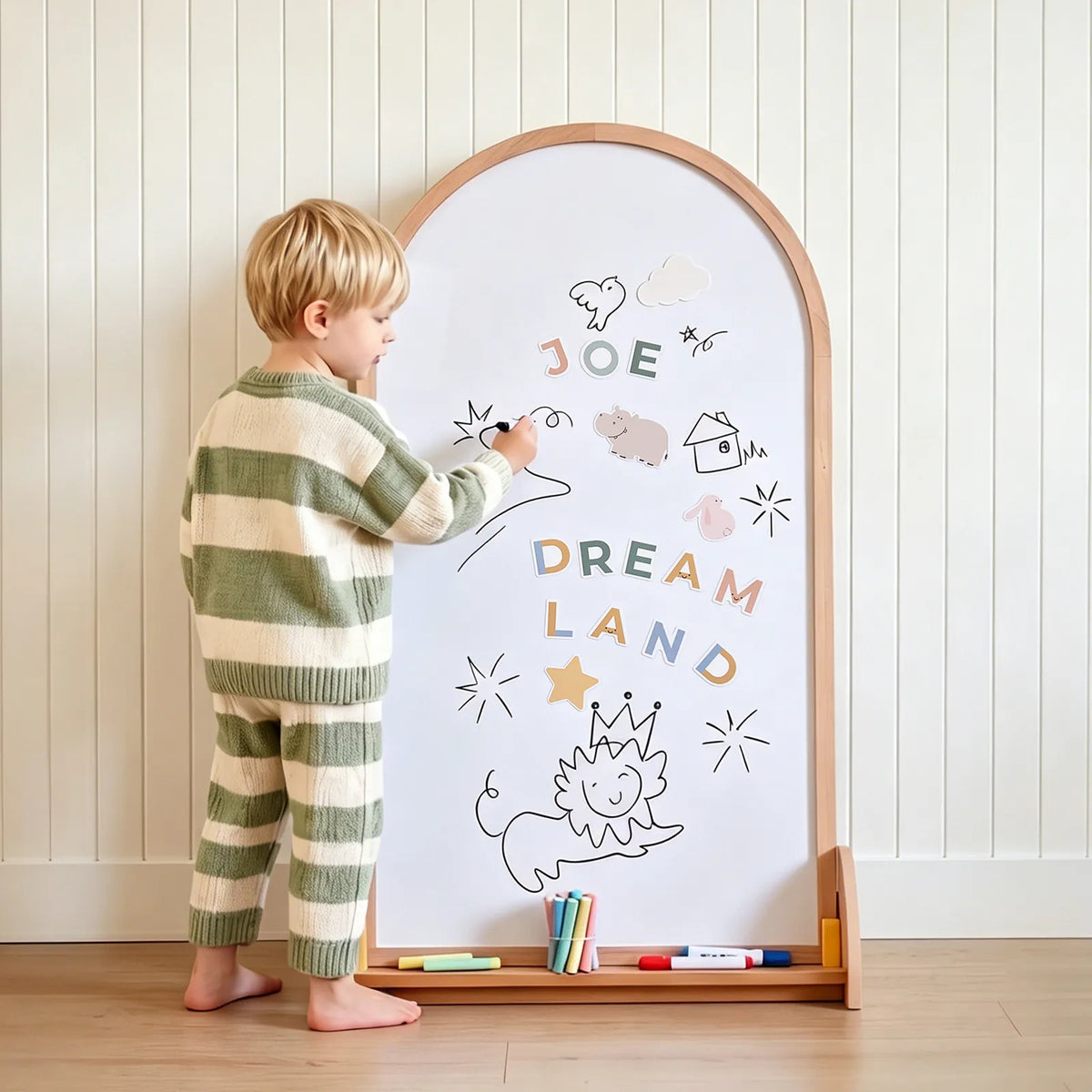
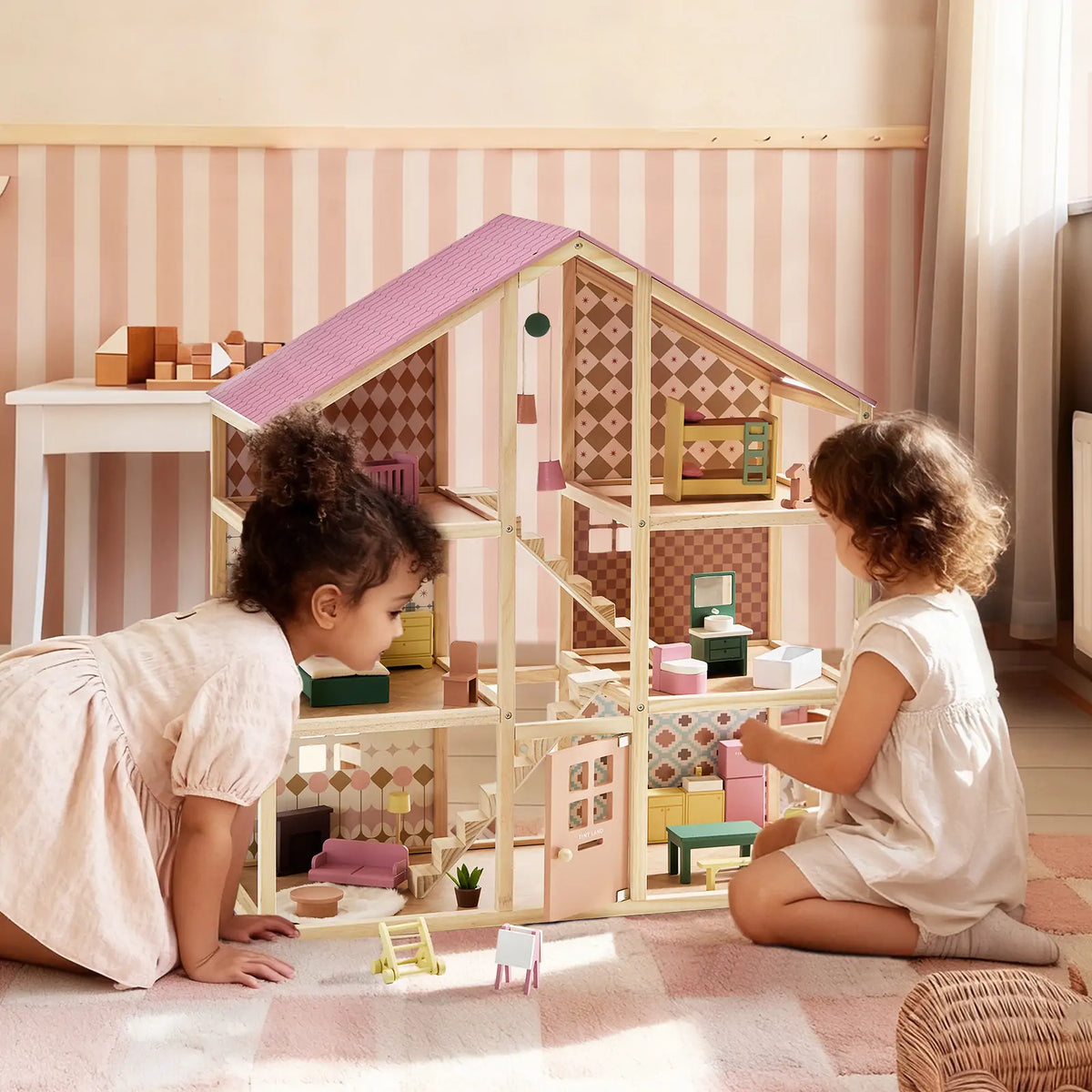
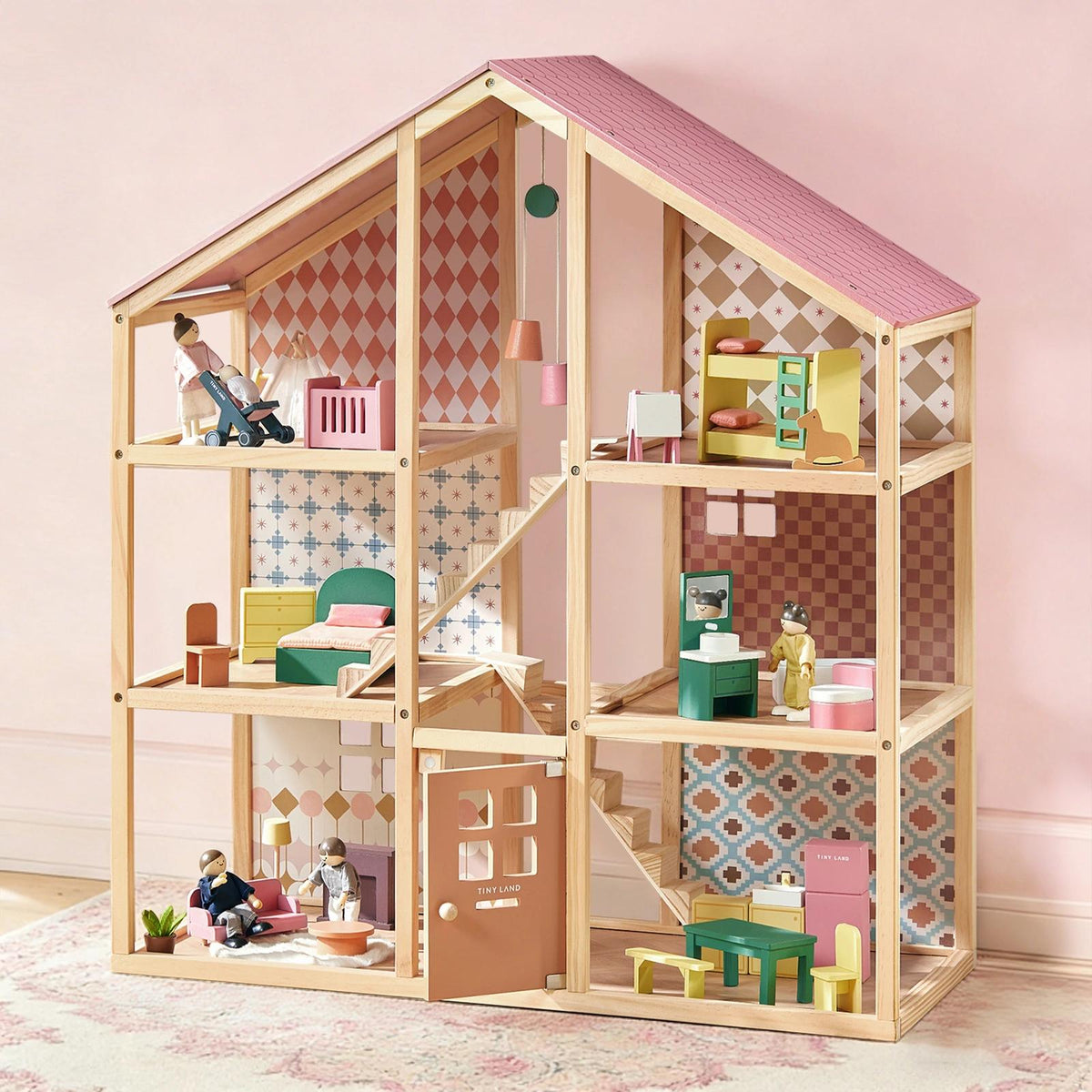



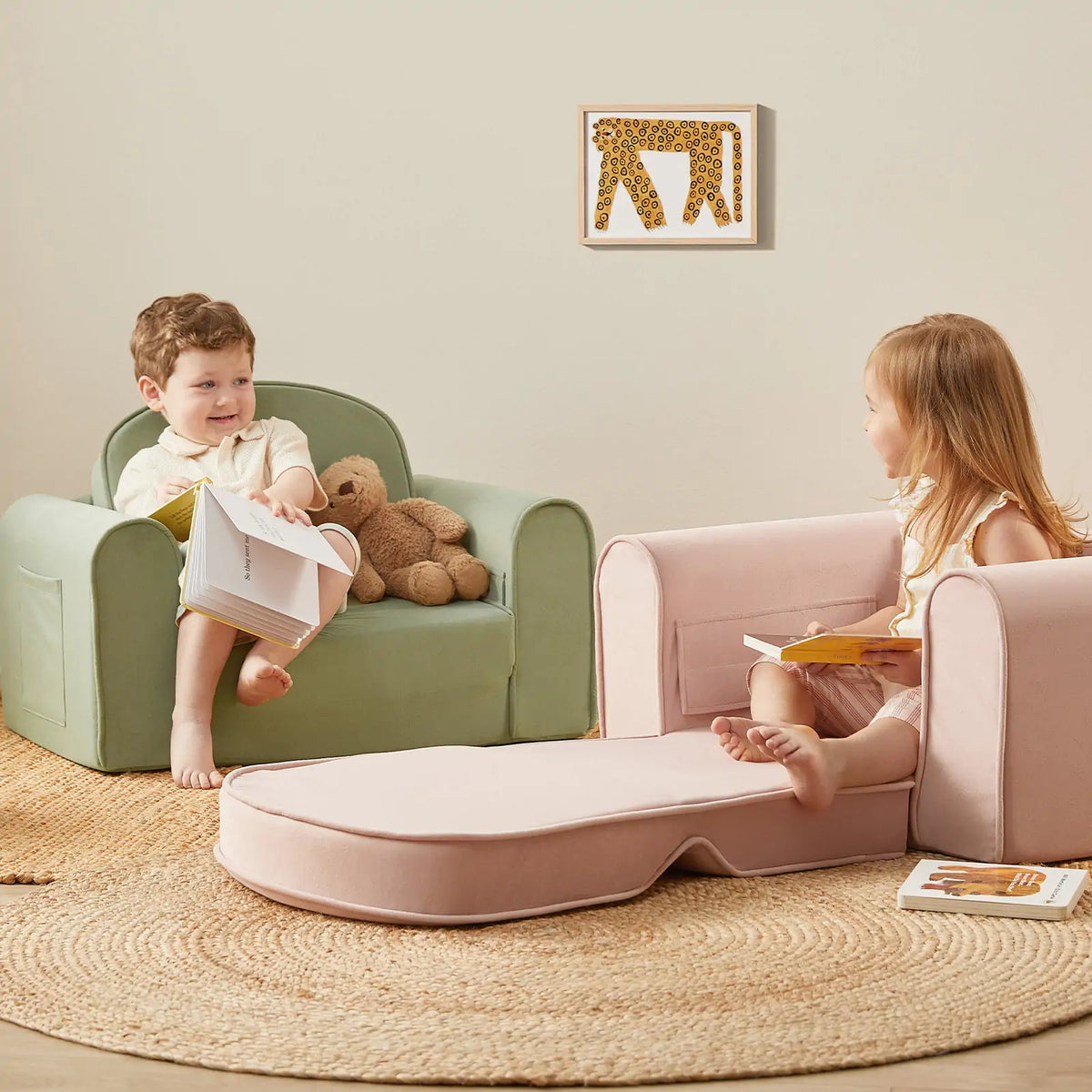

Around the ages of two and three, toddlers begin developing a stronger sense of self.
They start expressing their own preferences, making independent choices, and showing a desire to do things “their own way.” During this important stage, having a personal environment can provide children with a sense of security, confidence, and independence.
A dedicated play space is not simply a place to store toys. For toddlers, it can become a small world where they feel ownership, freedom, and comfort.
Many parents today are exploring toddler play space ideas that support creativity, emotional development, and independent play while still fitting naturally into modern family homes.
A thoughtfully designed environment inspired by Montessori principles allows children to explore at their own pace. It creates opportunities for movement, imagination, concentration, and discovery.

Designing a Multi-Functional Play Space (From Active Play to Quiet Time)
Children naturally move between moments of high energy and moments that require focus. A successful toddler play space should support both needs by creating areas for active exploration and peaceful creativity.
Instead of filling a room with too many toys, parents can focus on selecting versatile pieces that encourage different types of play. A balanced environment allows children to release energy, challenge their abilities, and transition naturally into calmer activities.
This approach reflects the idea behind play-based learning, where children develop important skills through meaningful, self-directed experiences.
A well-designed play space can include:
- A movement area for physical exploration
- A creative area for focused activities
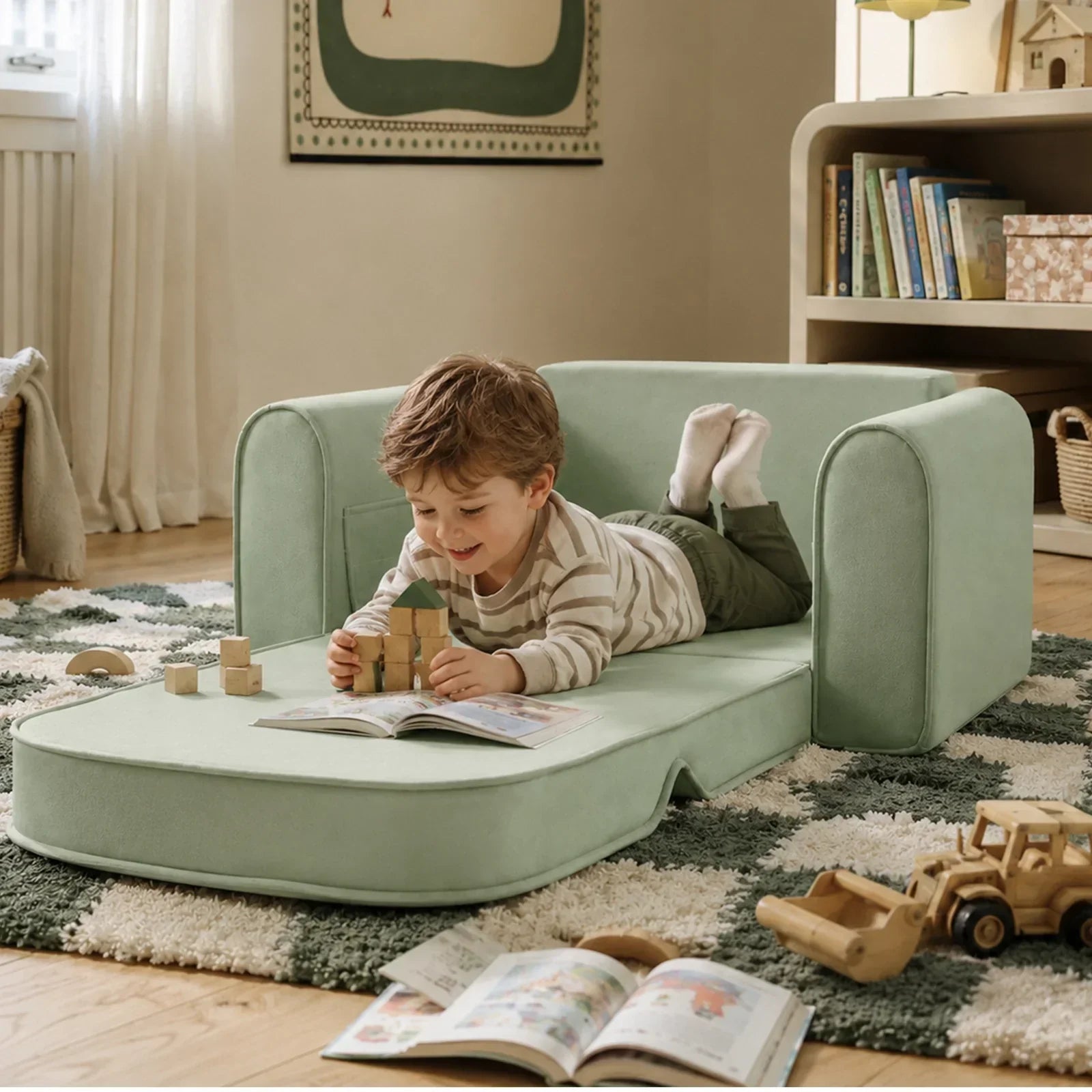
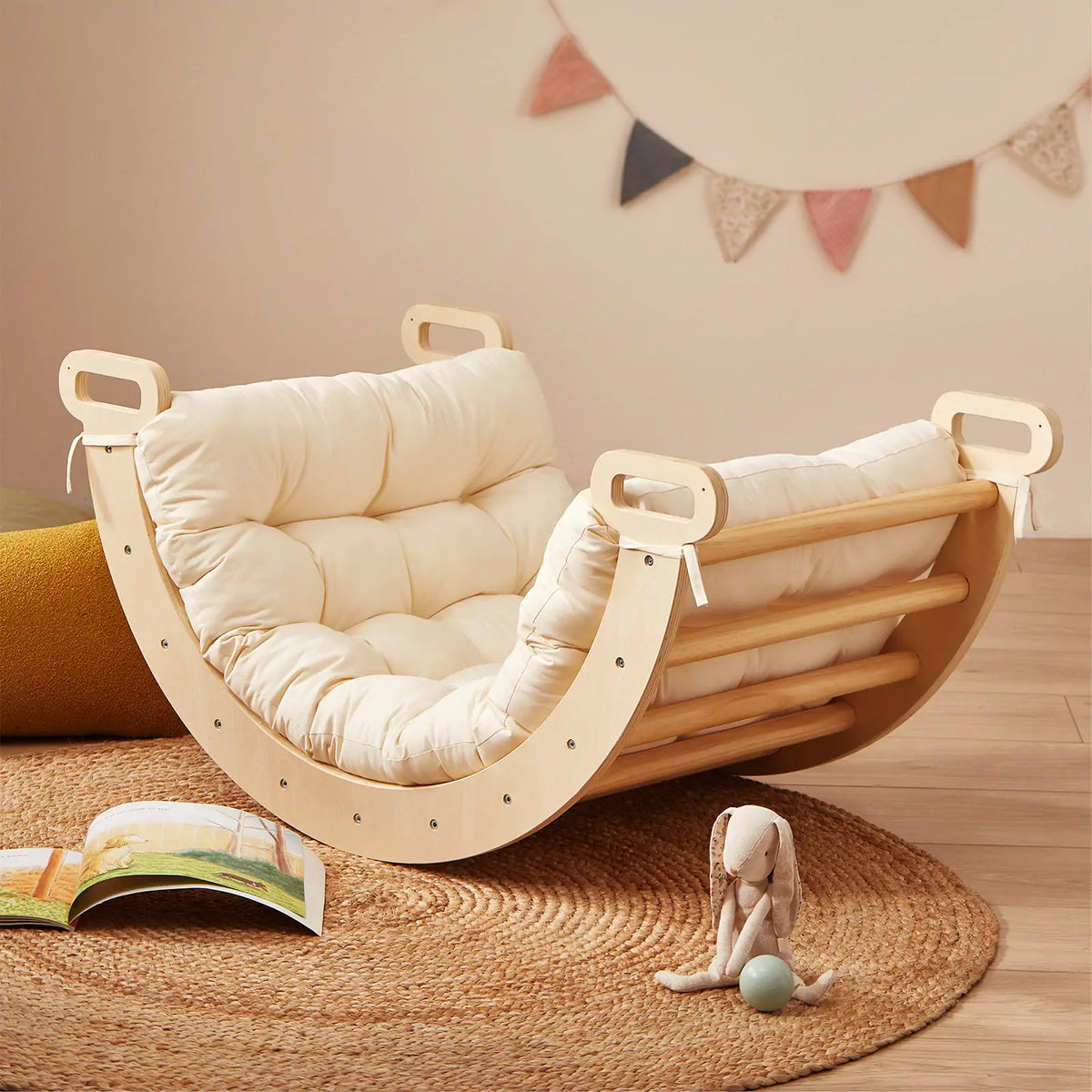
- A cozy corner for quiet time
By creating different zones within one space, parents can help children understand that play can take many forms—from energetic movement to thoughtful creativity.

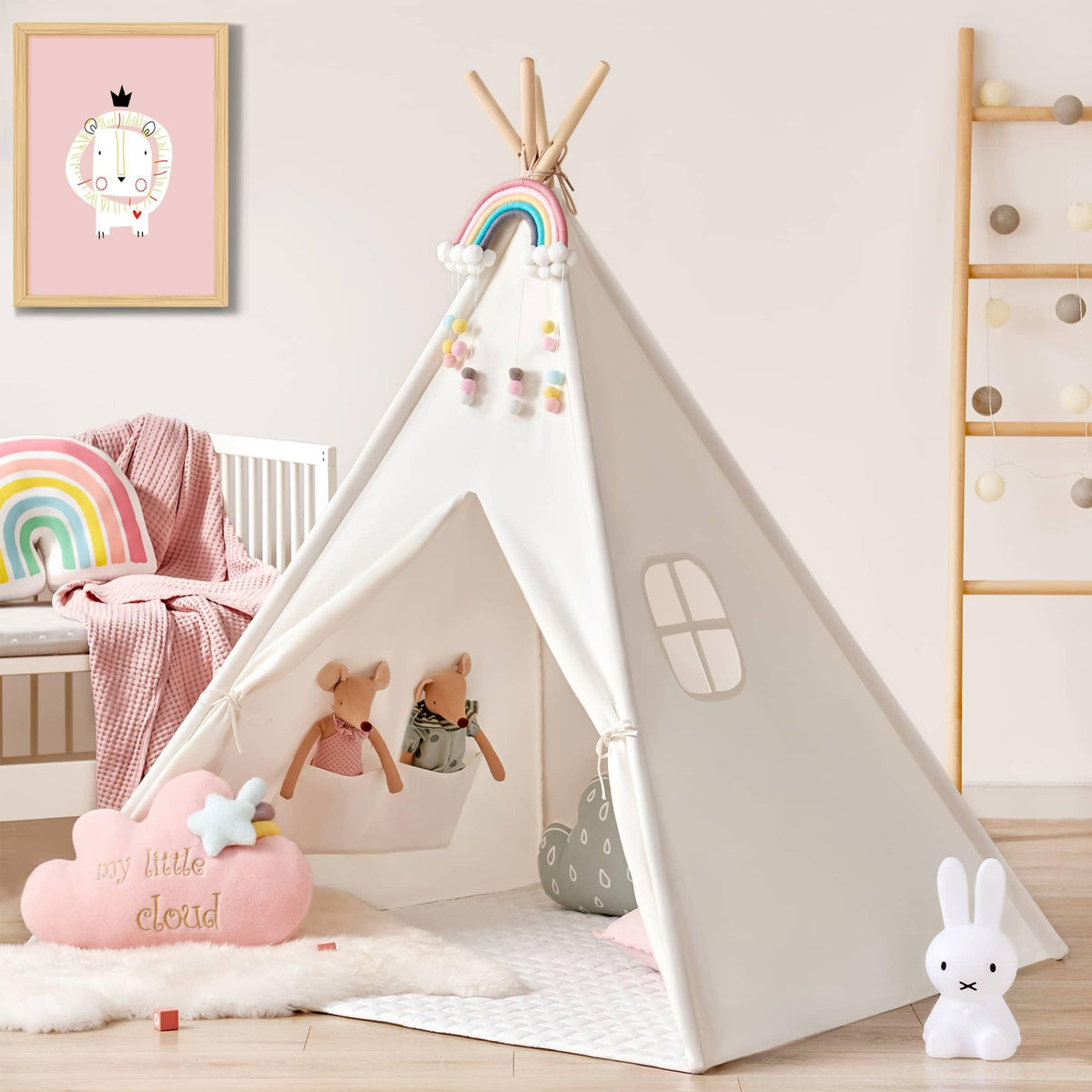
The Power of a Private Sanctuary: Kids Tent Indoor
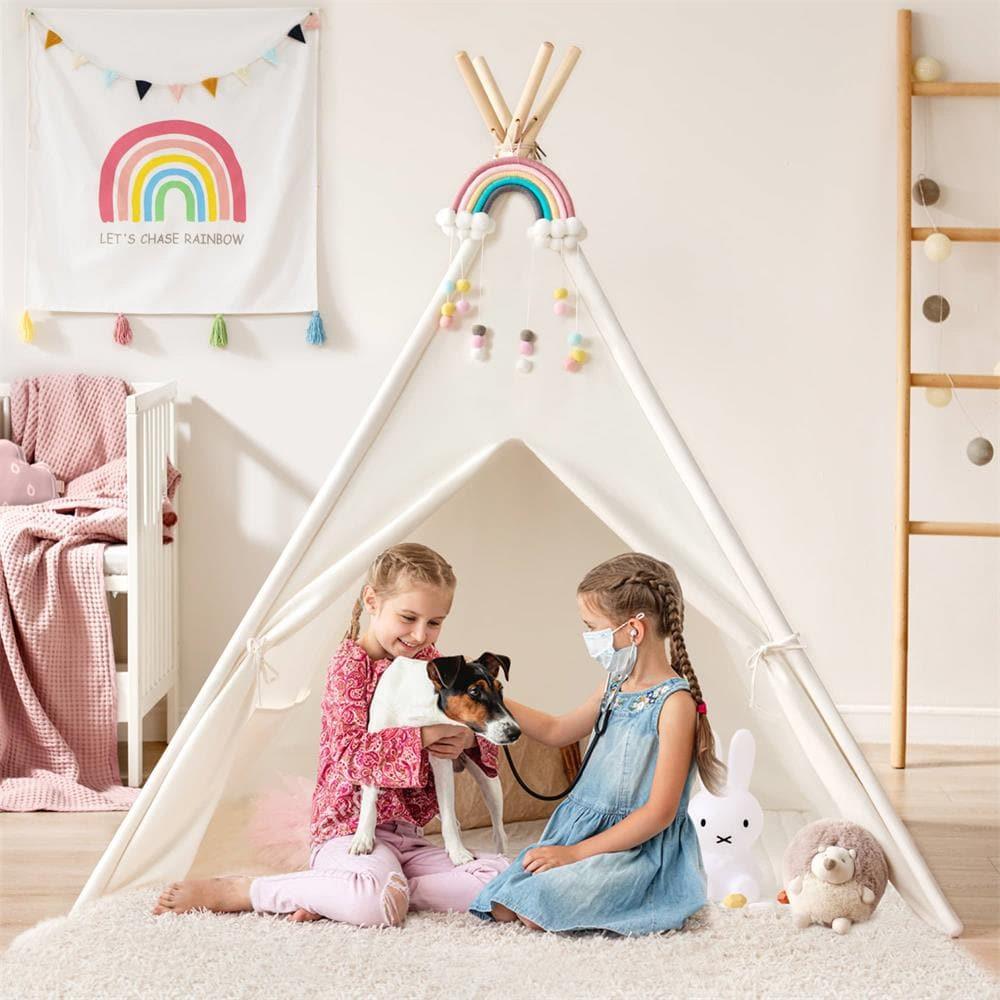
For many toddlers, small enclosed spaces naturally feel comforting. A play tent can become a secret reading corner, an imaginary castle, a campsite, or a quiet retreat where children can spend time in their own world.
Unlike large open spaces filled with distractions, a personal hideaway gives children a stronger sense of control. Inside this special corner, they decide what stories to create, which treasures to keep, and how they want to spend their time.
This feeling of ownership plays an important role in early childhood development. When children have a place that feels like their own, they begin learning how to make choices, organize their belongings, and develop confidence through independent play.
A private sanctuary can also support emotional regulation. After a busy day full of new experiences, toddlers may need a familiar space where they can pause, relax, and process their emotions.
Setting up a kids tent indoor provides an instant, magical boundary where children feel safe to explore their inner world.
Inside this personal retreat, children can read favorite books, create pretend-play stories, store their little treasures, or simply enjoy quiet moments away from everyday distractions.
A thoughtfully designed kids tent indoor is more than a decorative addition to a bedroom or playroom. It becomes a child’s first personal environment—a place where imagination grows and where they learn that their ideas and choices matter.

Burn Energy with Active Toys and Climbing Blocks
Movement is an essential part of toddler development. Climbing, balancing, building, and exploring help children strengthen coordination, improve body awareness, and develop confidence.
Active toys provide opportunities for children to move their bodies while turning physical activity into a valuable learning experience. Through movement, toddlers practice problem-solving, spatial awareness, and gross motor skills in a natural and enjoyable way.
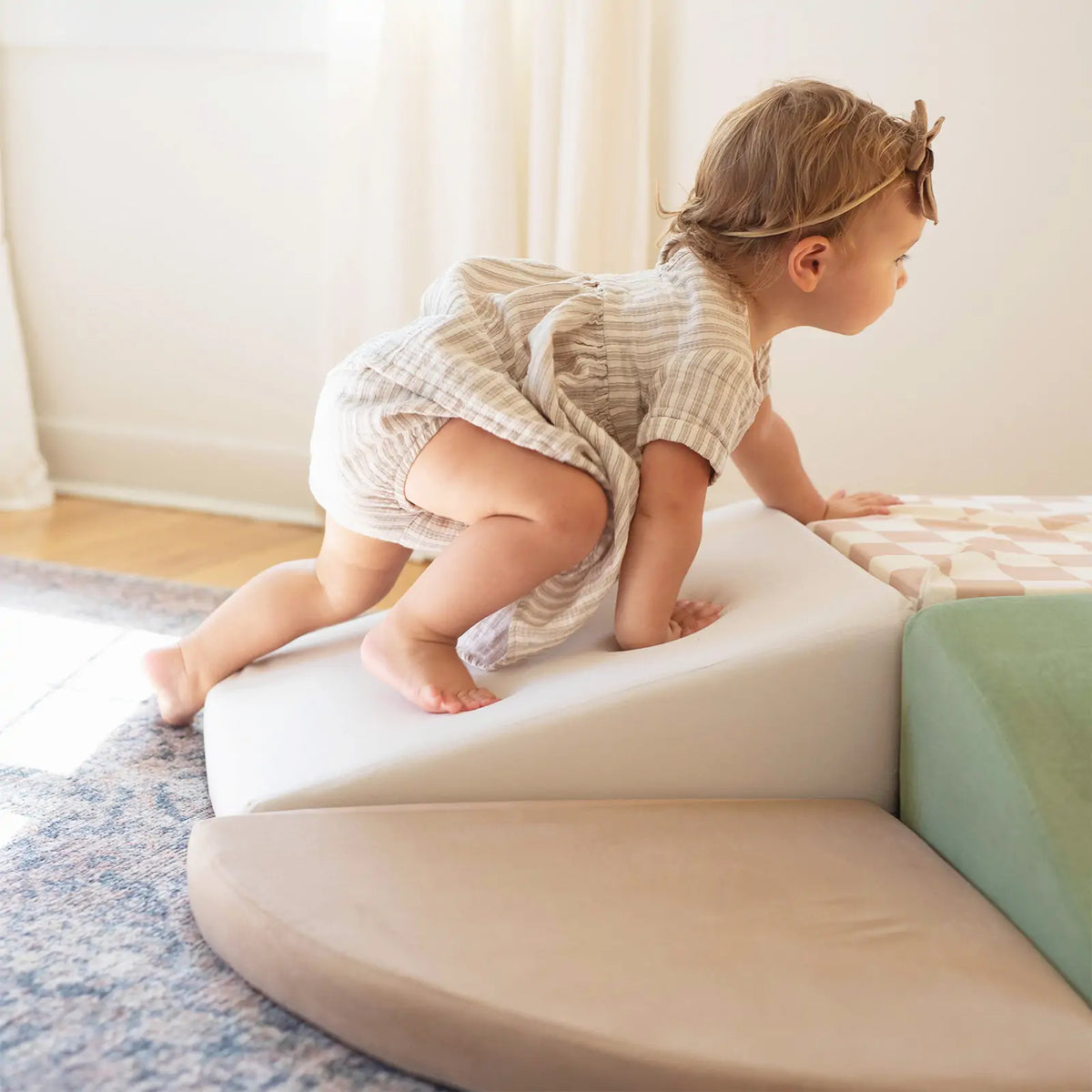
Among different movement activities, climbing structures are especially valuable because they encourage children to challenge themselves while developing physical confidence.
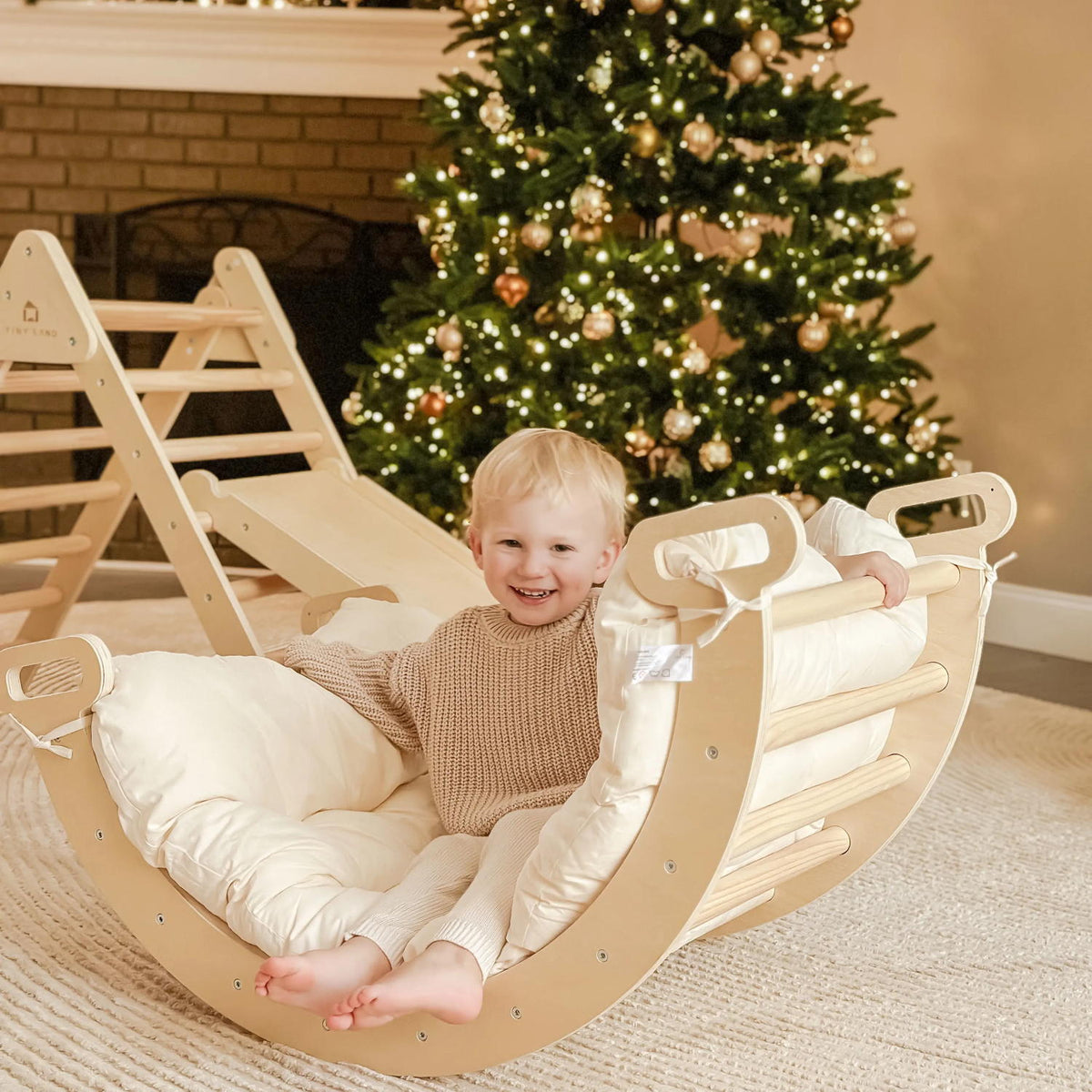
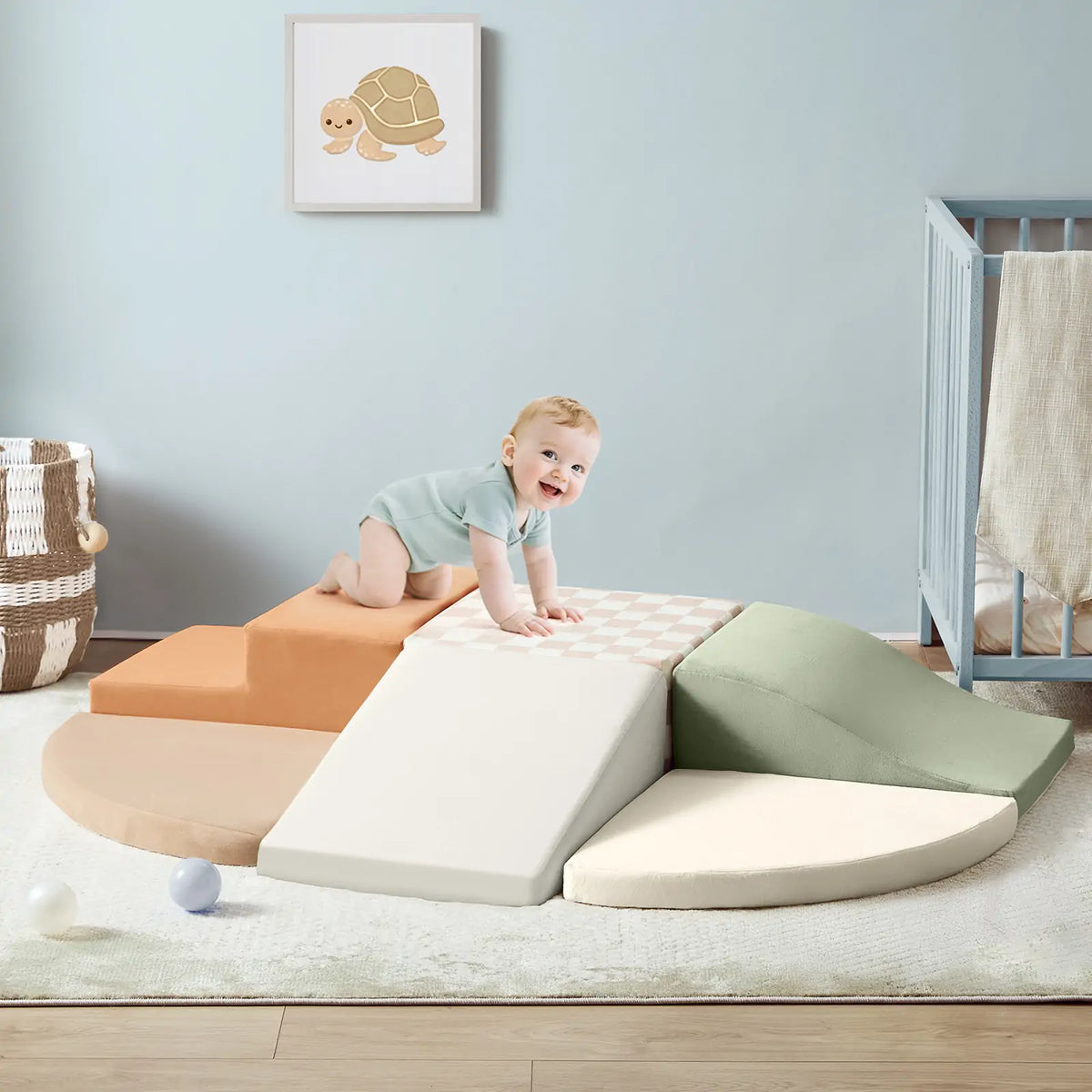
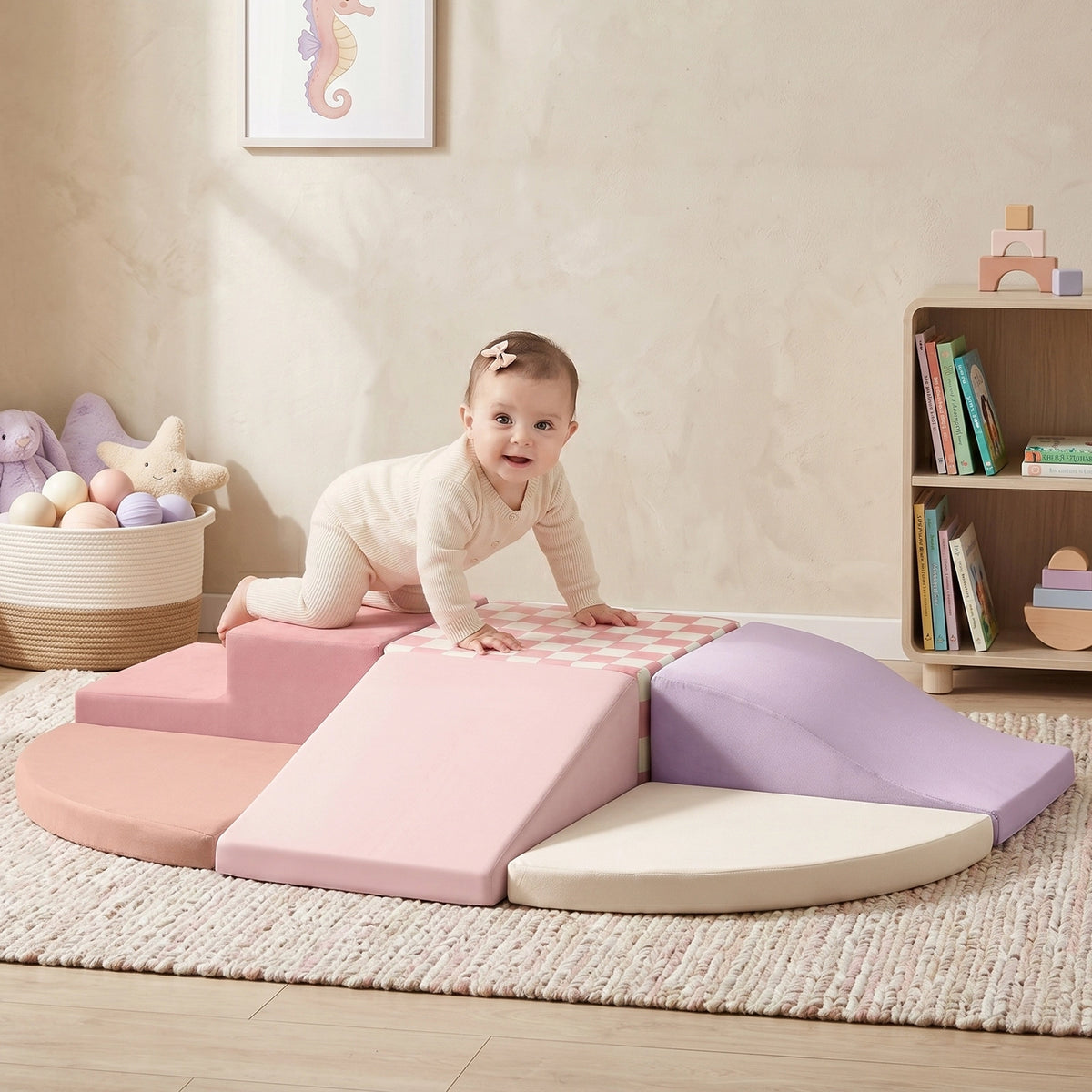
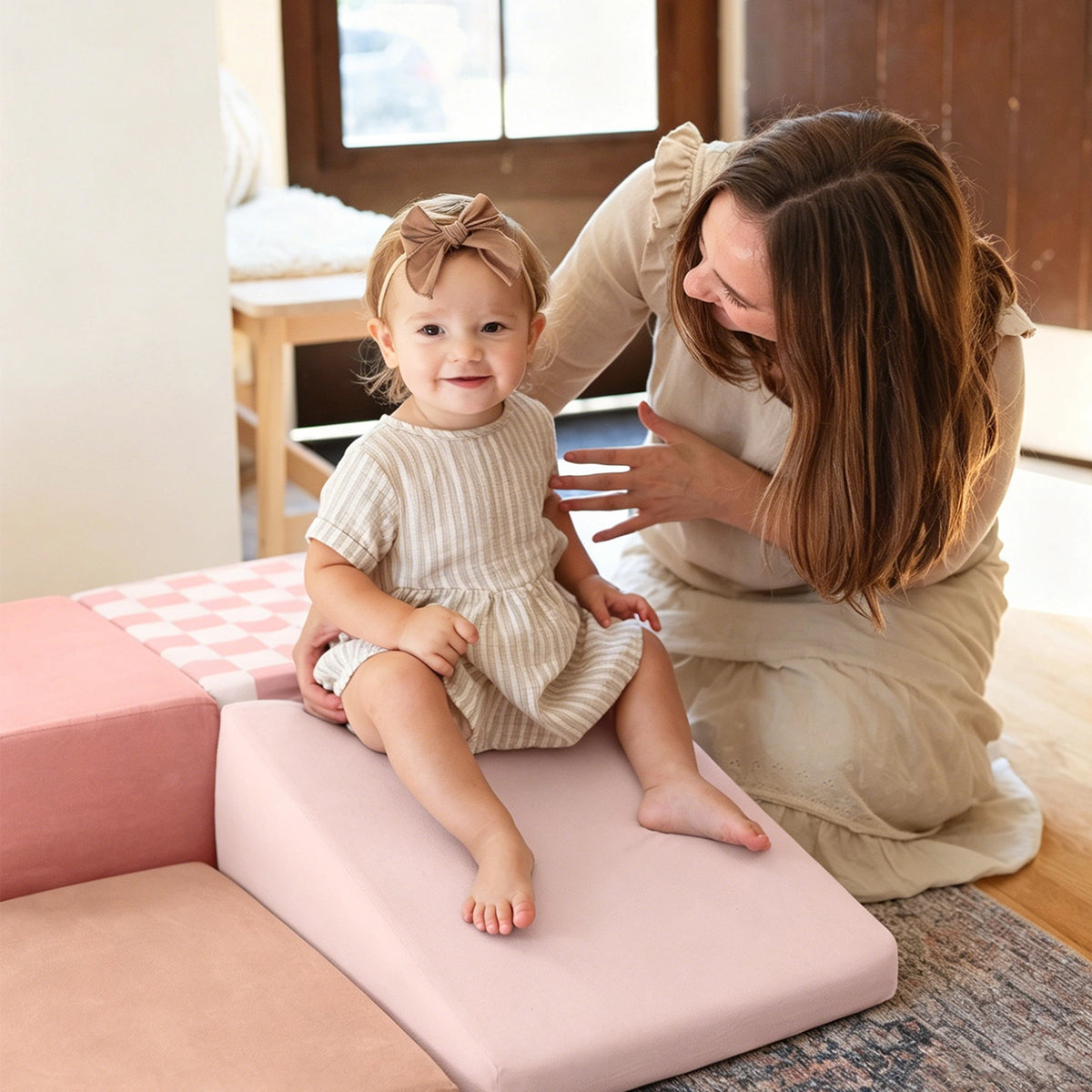
Modular climbing blocks allow children to create different play scenarios. They can become stepping stones, bridges, mountains, or obstacle courses depending on a child’s imagination.
By arranging modular climbing blocks, you create a safe indoor playground that satisfies their natural urge to climb.
Because these pieces can be rearranged in different ways, they encourage open-ended play and grow alongside children’s changing abilities. A thoughtfully designed movement area helps children safely release energy indoors while strengthening balance, coordination, and creativity.
Combined with other movement-focused activities, climbing blocks create an environment where children can stay active while learning through exploration.

Create a Focus Zone with a Perfect Kids Chair
After active movement, children also need opportunities to slow down, concentrate, and express their creativity.
A quiet corner designed for reading, drawing, crafts, or puzzles helps toddlers transition from energetic play into activities that encourage focus and imagination.
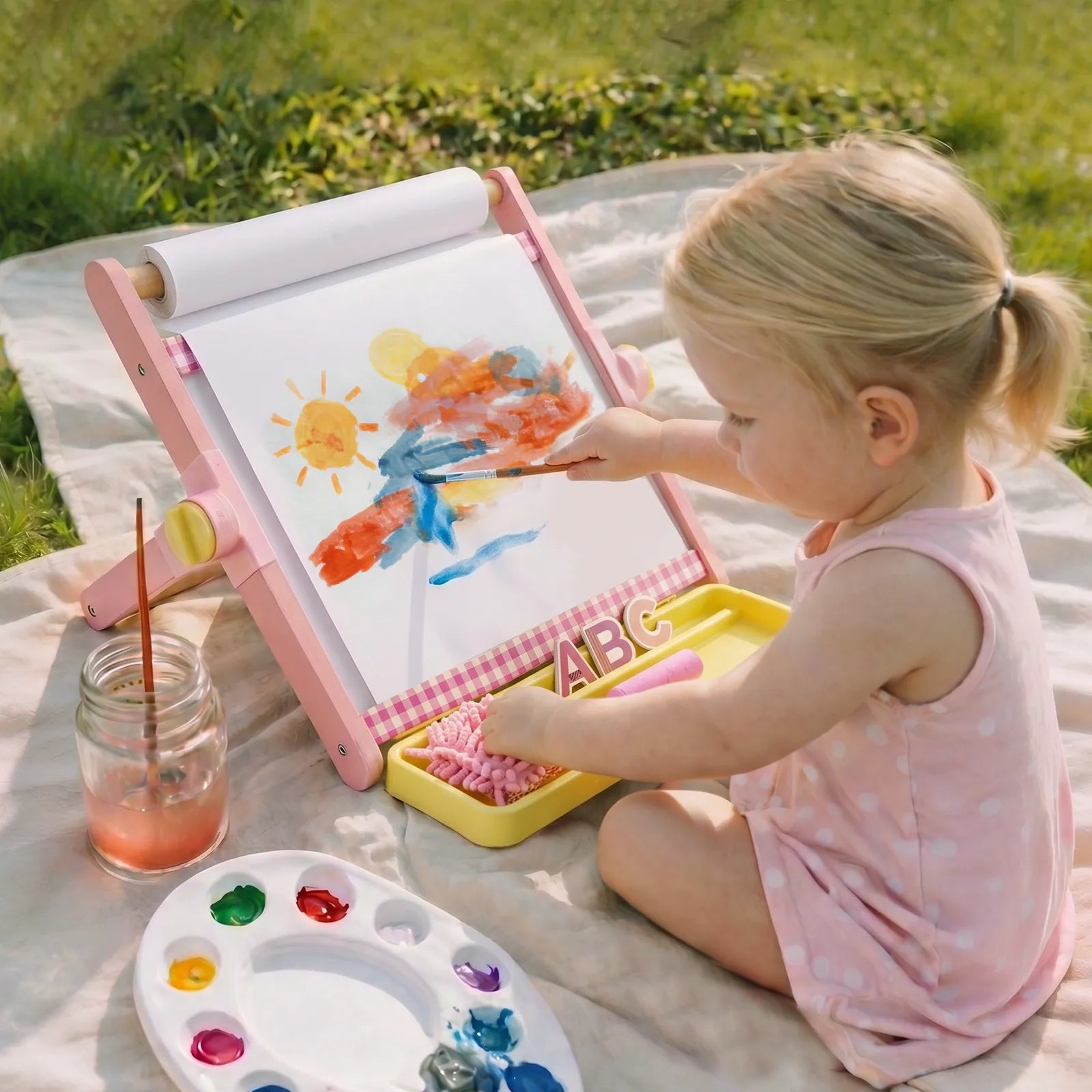
A properly sized kids chair plays an important role in creating this environment. Unlike oversized adult furniture, child-sized seating allows children to sit comfortably, participate independently, and feel connected to their own space.
A dedicated kids chair signals to the child that this is their special place to focus, create, and think.
When paired with books, art supplies, or a small table, this simple addition can transform an ordinary corner into a personal learning area. It encourages children to return to creative activities, build concentration, and develop their own routines.

Creating a Space That Grows With Your Child
A meaningful play space does not need to be large or complicated. The most important element is that children feel the space belongs to them.
Parents can start with a small corner of a bedroom, living room, or nursery and gradually build an environment that reflects their child’s interests and developmental needs.
The best play spaces combine comfort, creativity, and movement. A cozy retreat provides emotional security, while opportunities for physical exploration encourage curiosity and confidence.
Thoughtfully designed wooden elements, timeless aesthetics, and open-ended play materials can blend naturally into modern homes while creating meaningful opportunities for children to learn through play.
A kids tent indoor, a collection of active toys, flexible climbing blocks, and a comfortable kids chair can transform a simple corner into a place full of possibilities.
The goal is not to create a perfect playroom. It is to create an environment where children feel safe, inspired, and empowered.

Conclusion
Every child deserves a place that feels like their own.
A dedicated play space does not require an entire room. Even a small corner can become a child’s personal sanctuary when it includes elements that support imagination, movement, creativity, and independent exploration.
Whether it is a cozy retreat, a place to build with climbing blocks, a space filled with active toys, or a creative area supported by child-friendly furniture, these thoughtful environments help children develop independence and confidence through everyday play.
A child’s world does not have to be big to feel extraordinary. Sometimes, all they need is a space of their own—and the freedom to make it truly theirs.