
What Do You Put in a Mud Kitchen? Essential Supplies, Sensory Play Materials, and Fun Ideas for Kids

What Do You Put in a Mud Kitchen? Essential Supplies, Sensory Play Materials, and Fun Ideas for Kids

How to Set Up a Mud Kitchen at Home (Backyard or Small Space Friendly) Reading What Do You Put in a Mud Kitchen? Essential Supplies, Sensory Play Materials, and Fun Ideas for Kids 6 minutes Next How to Choose a Kids Sofa: A Complete Guide for Parents

Setting up a mud kitchen is only the first step. Once it's in your backyard, patio, or outdoor play space, the next question is often:
What should I actually put in it?

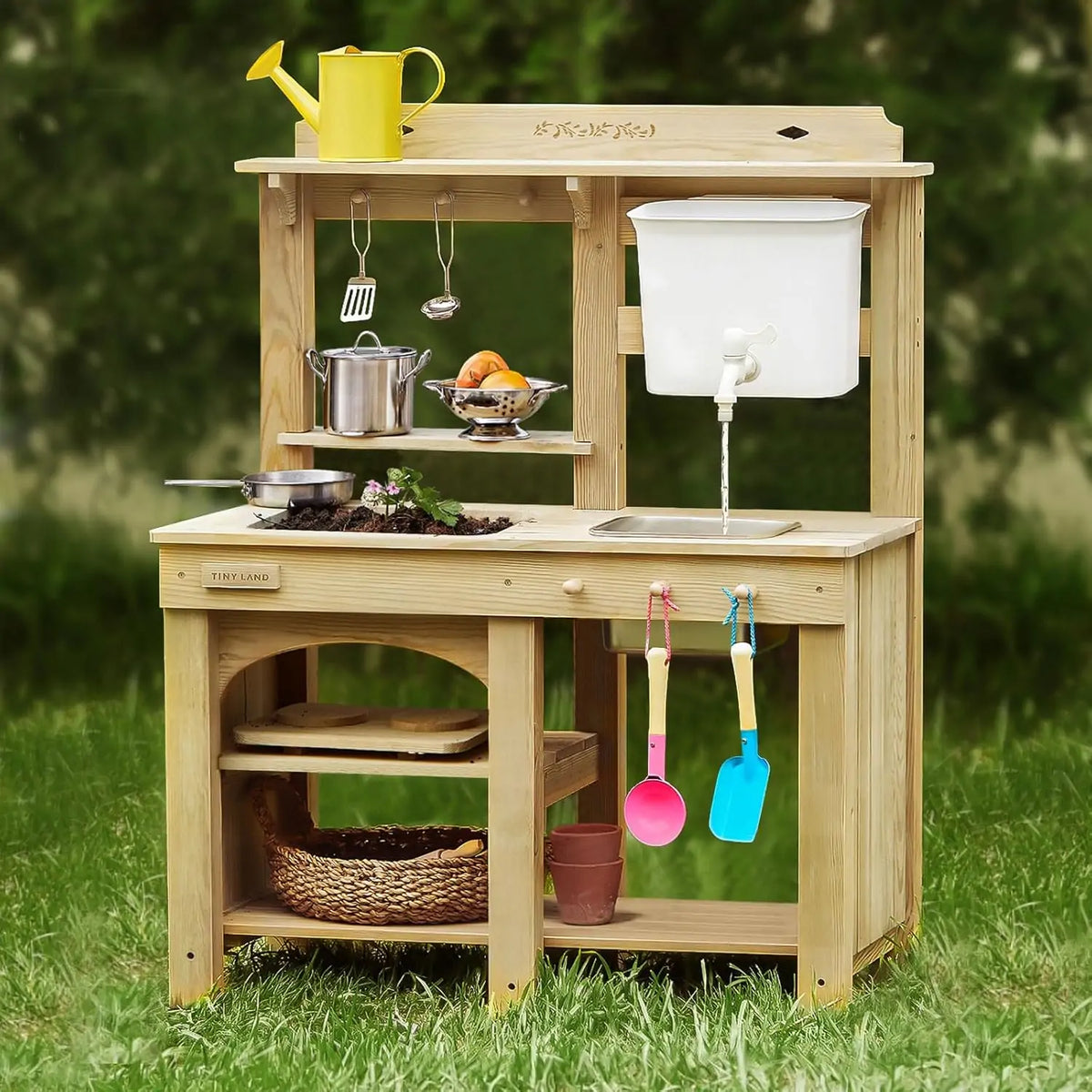
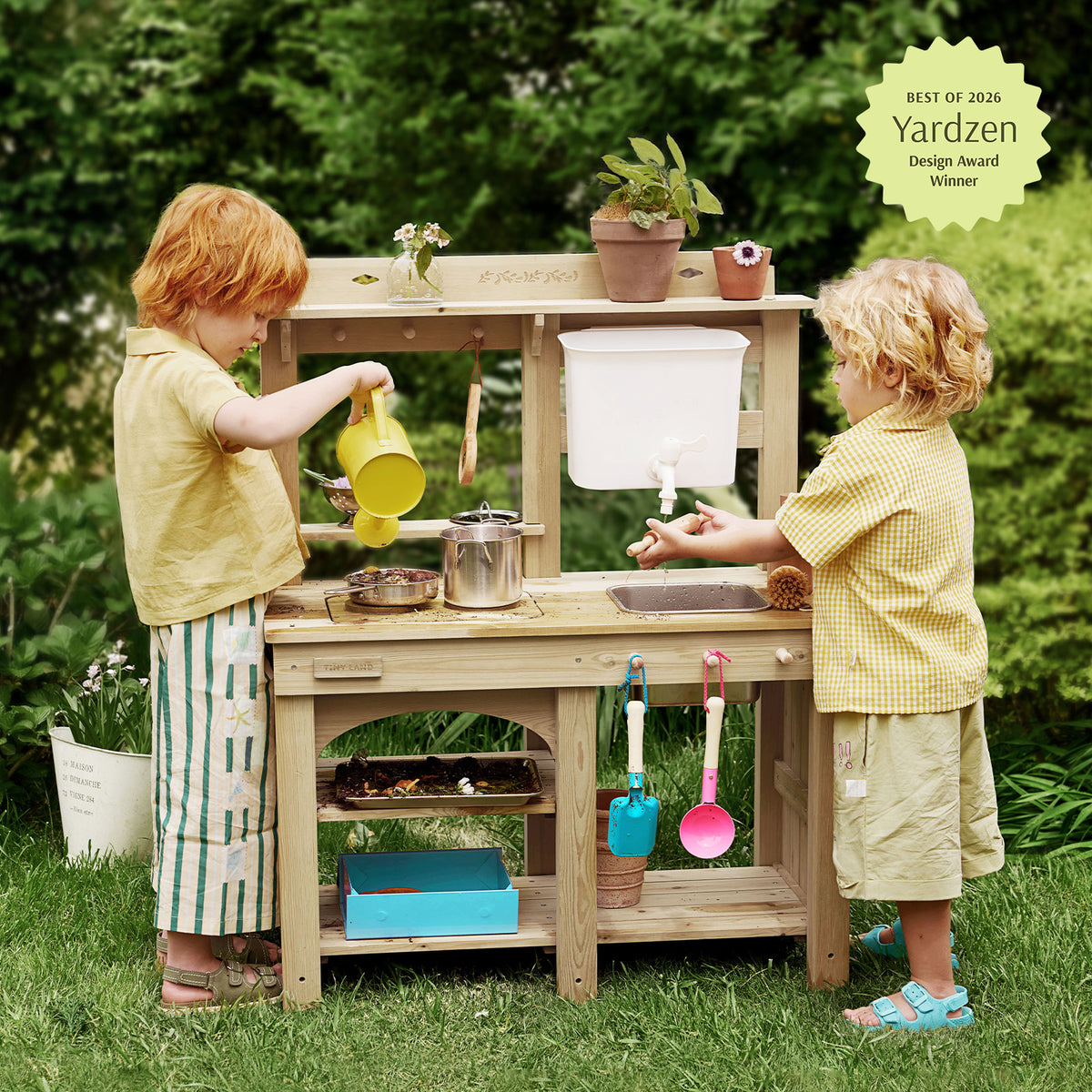
The good news is that you don't need shelves full of toys or expensive accessories. The best mud kitchens combine a few simple tools with materials that encourage children to mix, pour, create, experiment, and explore.

From natural treasures collected outdoors to colorful sensory materials and themed play stations, the right supplies can turn a mud kitchen into a space for creativity, STEM learning, imaginative play, and outdoor discovery.

Why Add Materials to a Mud Kitchen?

A mud kitchen becomes more engaging when children have a variety of tools and ingredients to work with.
Different materials inspire different types of play:

● Scooping and pouring build fine motor skills
● Mixing ingredients encourages creativity
● Collecting natural materials promotes outdoor exploration
● Pretend cooking supports imagination and storytelling
● Science-based activities introduce early STEM concepts
● Open-ended materials encourage independent problem-solving

The goal isn't to fill every shelf. It's to provide opportunities for children to create their own play experiences.

1. Essential Supplies Every Mud Kitchen Should Have

Before adding themed activities, start with a few basic tools that support everyday play.

Bowls and Mixing Containers

Perfect for:
● Making mud soup
● Mixing recipes
● Collecting ingredients
● Sorting materials

Spoons, Scoops, and Ladles

Perfect for:
● Stirring
● Scooping
● Measuring
● Pretend cooking

Water Containers

Water is often the most-used ingredient in a mud kitchen.

Try:
● Watering cans
● Small pitchers
● Buckets
● Cups
● Spray bottles

2. Nature Play Materials: The Heart of Every Mud Kitchen

One of the biggest advantages of a mud kitchen is the ability to use real materials from nature.

These open-ended materials inspire creativity, encourage outdoor exploration, and cost little to nothing.

Flowers and Petals

Add:
● Rose petals
● Daisies
● Lavender
● Wildflowers

Play Ideas:
● Flower soup
● Fairy tea
● Nature bakery decorations

Herbs and Garden Plants

Add:
● Mint
● Rosemary
● Basil
● Lemon balm

Play Ideas:
● Herb café
● Nature cooking

Leaves and Grass Clippings

Play Ideas:
● Nature salads
● Seasonal soups
● Garden recipes

Pinecones, Acorns, and Seed Pods

Play Ideas:
● Nature baking
● Counting games
● Loose parts play

Stones and Pebbles

Play Ideas:
● Stone cookies
● Nature cakes
● Outdoor cafés
● Sorting activities

Create a Nature Collection Basket

Keep a basket near your mud kitchen and encourage children to collect their own ingredients.

Popular finds include:
● Flowers
● Leaves
● Pinecones
● Acorns
● Seed pods
● Small sticks
● Pebbles

Every collection becomes a new opportunity for imaginative play.

3. Sensory Play Favorites Kids Love Right Now

Many families use their mud kitchen as a sensory play station and rotate materials throughout the year.

These are some of the most popular options among parents and creators today.

Colored Water Station

Colored water is one of the easiest ways to make a mud kitchen feel brand new.

Add:
● Colored water
● Clear containers
● Funnels
● Measuring cups
● Droppers or pipettes

Play Ideas:
● Mixing colors
● Creating pretend drinks
● Potion making
● Sink-and-float experiments

Sand Kitchen Play

Sand creates a different sensory experience while supporting many of the same skills as mud play.

Add:
● Play sand
● Buckets
● Scoops
● Sand molds
● Sifters

Play Ideas:
● Sand cakes
● Pretend baking
● Construction projects
● Nature recipes

Play Dough Bakery

Play dough can transform a mud kitchen into an outdoor bakery.

Add:
● Play dough
● Rolling pins
● Cookie cutters
● Silicone molds
● Baking trays

Play Ideas:
● Making cookies
● Creating pizzas
● Designing cakes and desserts
● Bakery role play

4. Fun Themed Activities

Rotating themes helps keep children interested and encourages new types of play.

Summer Smoothie Bar

Add:
● Small cups or jars
● Water + natural “flavor” ingredients (lemon slices, herbs, flowers)
● Spoons and stir sticks

Activities:
● Mixing “fruit smoothies”
● Creating color + texture combinations
● Serving different drink “flavors”
● Pretend café drink orders

Backyard Popsicle Shop

Add:
● Ice cube trays or frozen colored water cubes
● Small sticks or spoons
● Natural items frozen inside ice (flowers, leaves)

Activities:
● “Making” popsicles from ice and nature
● Melting and refreezing play
● Serving frozen treats
● Exploring temperature changes

Outdoor Farmer’s Stand

Add:
● Baskets or crates
● Leaves, stones, flowers, sticks
● Handwritten price tags or signs
● Small containers for sorting

Activities:
● Collecting and organizing “products”
● Setting up a market display
● Sorting by size, color, or type
● Pretend buying and selling

Nature Cooking Grill Station

Add:
● Flat stones or trays
● Leaves, sticks, pinecones
● Bowls or plates
● Scoops or tongs

Activities:
● “Grilling” nature ingredients
● Creating outdoor BBQ meals
● Mixing and layering natural materials
● Pretend restaurant cooking


How Much Should You Put in a Mud Kitchen?

A common mistake is adding too many materials at once.
Children often play more creatively when they have fewer, well-organized options.

A simple setup might include:
● 2–3 bowls or containers
● A few scoops and spoons
● Water tools
● A basket of natural materials
● One sensory activity (colored water, sand, or play dough)

You can rotate materials regularly to keep play fresh and exciting.

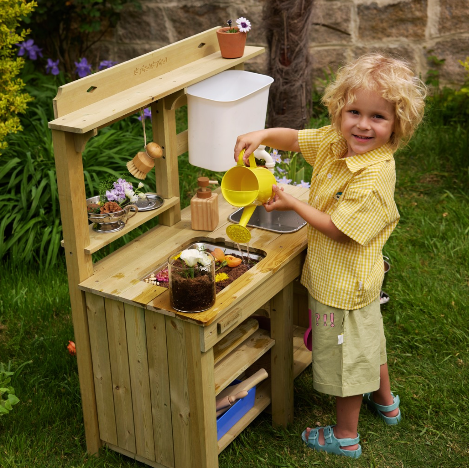
The Tiny Land® Mud Kitchen & Sand-Buddies by Tiny Land INC features a wooden sink with floating flowers, glitter jars, a seashell, rocks, a leafy bowl, and golden accents—perfect for creative outdoor play and imaginative exploration.

Where to Find Mud Kitchen Supplies

You don't need specialty toys to create an engaging mud kitchen.

Many families find supplies at:
● Dollar stores
● Thrift stores
● Garage sales
● Facebook Marketplace
● Craft stores
● Garden centers
● Unused kitchen supplies

And some of the best materials—flowers, leaves, sticks, pinecones, and stones—can be collected during everyday outdoor adventures.

Final Thoughts

The best mud kitchens aren't filled with more toys—they're filled with more possibilities.

Start with a few basic tools, add natural materials from the outdoors, and introduce sensory favorites like colored water, sand, and play dough. Then keep things fresh with themed activities such as science labs, bakeries, cafés, and potion stations.

With a thoughtful mix of materials, your mud kitchen can become a place where creativity, outdoor exploration, sensory play, and learning come together every day.

Leave a comment

This site is protected by hCaptcha and the hCaptcha Privacy Policy and Terms of Service apply.