|
Feature
|
Wooden Play Food
|
Plastic Play Food
|
|
Realistic Design
|
Natural colors and lifelike details that resemble real food
|
Often features bright colors
|
|
Durability
|
Sturdy construction designed for years of everyday play
|
May show wear over time depending on the material
|
|
Easy to Clean
|
Smooth sealed surfaces wipe clean with a damp cloth
|
Easy to wipe clean and water-resistant
|
|
Indoor Play
|
Ideal for play kitchens, classrooms, and Montessori-inspired spaces
|
Suitable for indoor play
|
|
Outdoor Play
|
Best for dry, covered play areas
|
Better suited for water play
|
|
Quality & Aesthetics
|
Natural materials with a timeless look that complements modern homes
|
Bright, colorful appearance with a more toy-like style
|
|
Long-Term Value
|
Built to last and grow with your child's pretend play over the years
|
May be replaced sooner as children's interests and play evolve
|

1. Realistic Design: Which Looks More Like the Real Thing?
One of the biggest differences between wooden and plastic play food is how closely they resemble real food.
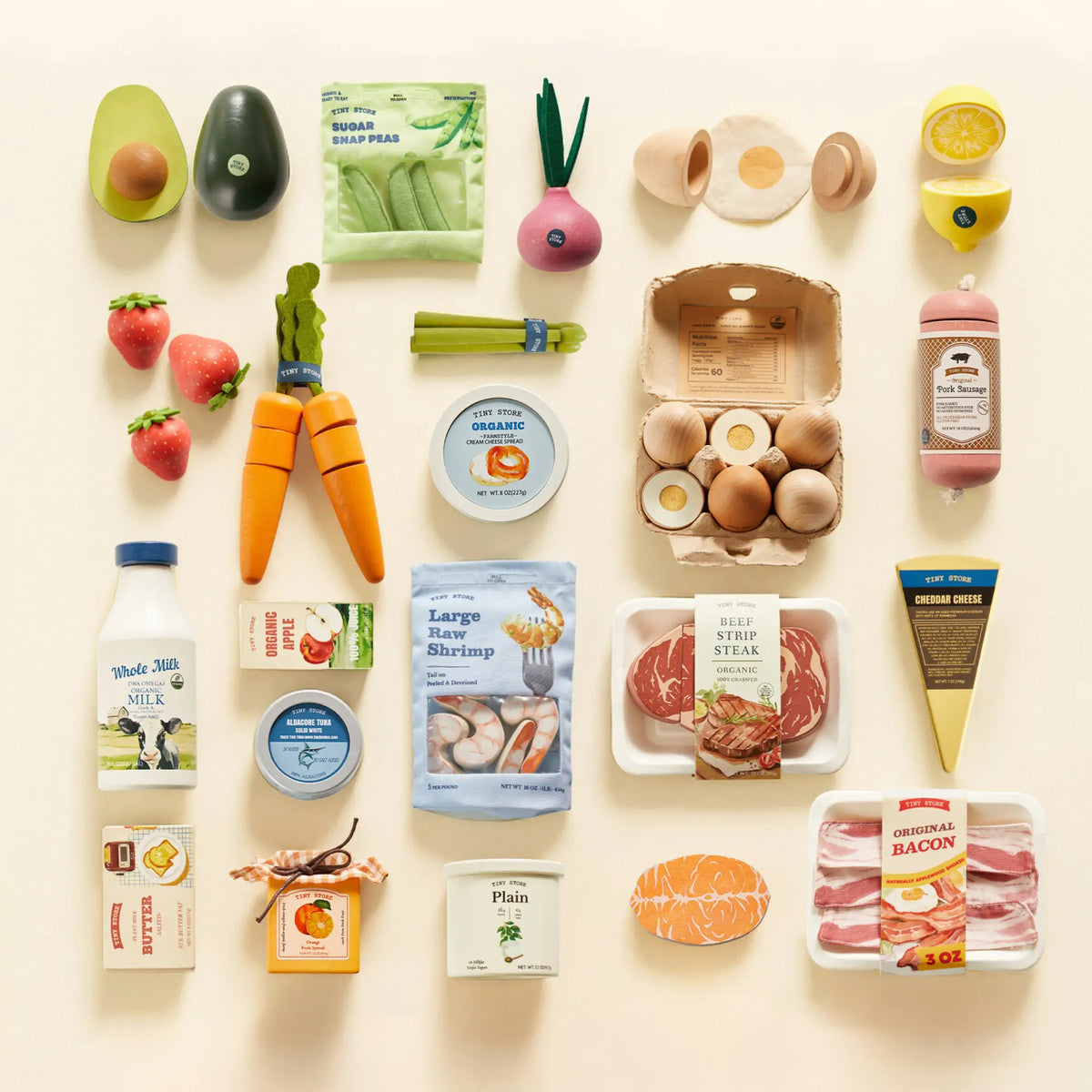
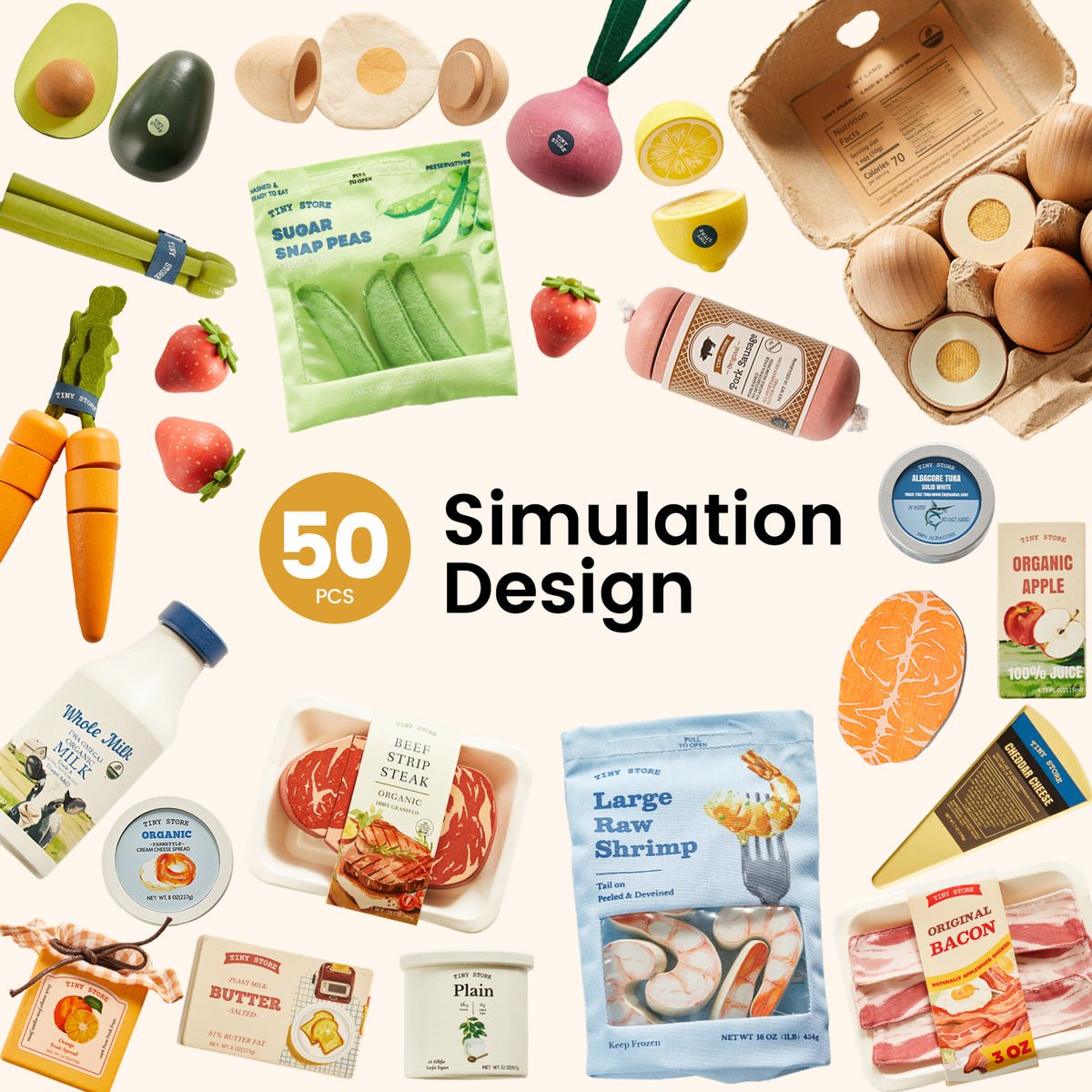
Wooden play food is often designed with natural colors, realistic shapes, and carefully crafted details that reflect the fruits, vegetables, breads, and other ingredients children see every day.
A wooden carrot, apple, loaf of bread, or slice of cheese can easily become part of a pretend kitchen, grocery store, or family meal.
Because these toys closely resemble everyday foods, they help children connect pretend play with real-life experiences. Through repeated play, children become more familiar with different ingredients and everyday foods, making it easier to recognize and accept them in daily life.
Plastic play food can also be colorful and engaging, but many sets feature brighter colors, exaggerated proportions, or themed designs rather than realistic details.
For families looking to create a pretend play environment that reflects everyday life, wooden play food offers a more realistic experience.
Winner: Wooden Play Food
 2. Pretend Play Experience: How Does the Material Influence Play?
Both wooden and plastic play food encourage imaginative play, but they often inspire different types of play experiences.
Because wooden play food closely resembles real food, children naturally recreate the routines they observe every day. A simple collection of wooden ingredients can become part of countless real-life scenarios, such as:
- Preparing a family meal
- Shopping at a pretend grocery store
- Running a café or restaurant
- Hosting a picnic or serving afternoon snacks
Because wooden play food often features simple, realistic designs rather than highly themed details, it gives children more freedom to create their own stories while drawing inspiration from the world around them.
Plastic play food can be just as enjoyable, particularly for themed play sets or character-based collections. However, for families who value realistic role play based on everyday experiences, wooden play food often provides a more natural foundation for imaginative play.
Winner: Wooden Play Food
 3. Sensory Experience: Does the Material Matter?
The material of a toy can shape how children interact with it during play.
Wooden play food offers a warm, solid feel and a natural texture that encourages children to pick up, arrange, stack, and explore each piece through hands-on interaction. The smooth finish and substantial feel create a tactile experience that many families appreciate for everyday indoor play.
As children sort ingredients, prepare pretend meals, organize groceries, or set the table, they actively engage with the objects around them through movement, touch, and exploration.
Plastic play food also has practical advantages. It is lightweight, easy to clean, and well suited for outdoor activities or water play. However, for everyday pretend play at home, many parents appreciate the natural look and feel that wooden toys provide.
Winner: Wooden Play Food
4. Indoor vs. Outdoor Play: Which Is Better for Different Play Environments?
The best material often depends on where your child enjoys playing.
Plastic play food has a clear advantage for outdoor activities. Its water-resistant, lightweight design makes it well suited for:
- Water tables
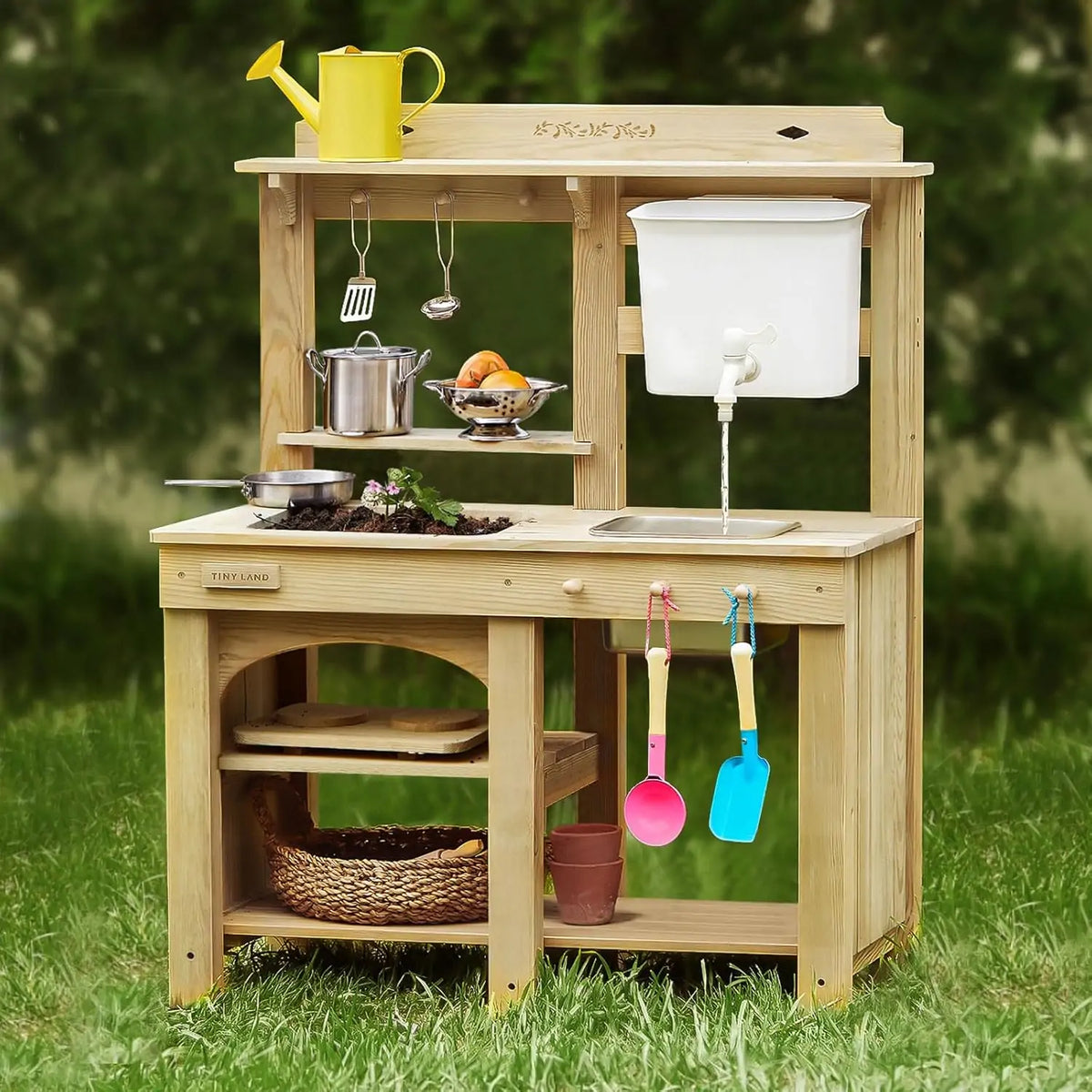
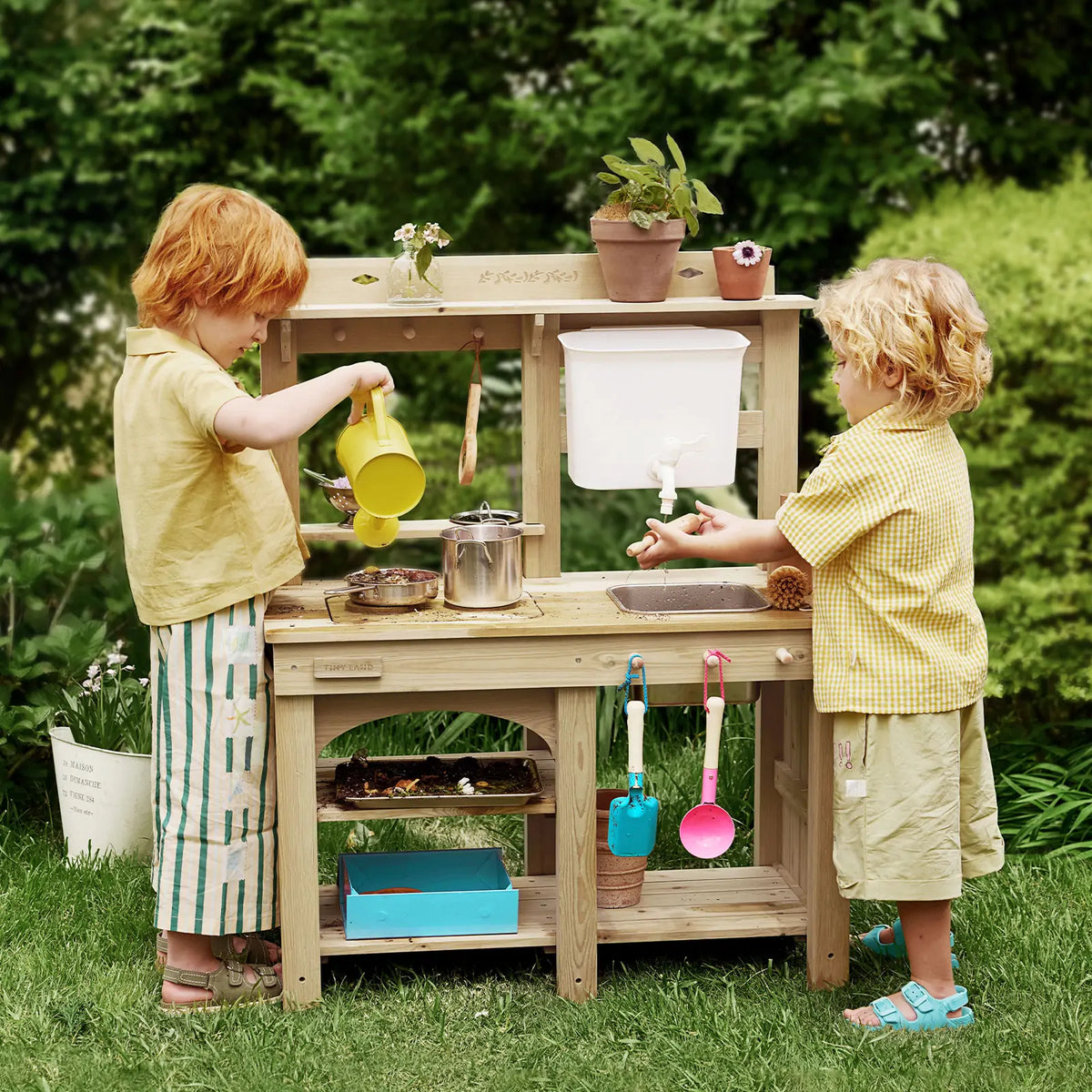
- Mud kitchens
- Outdoor sensory activities
Wooden play food, on the other hand, is typically a better choice for indoor pretend play. It works especially well in:
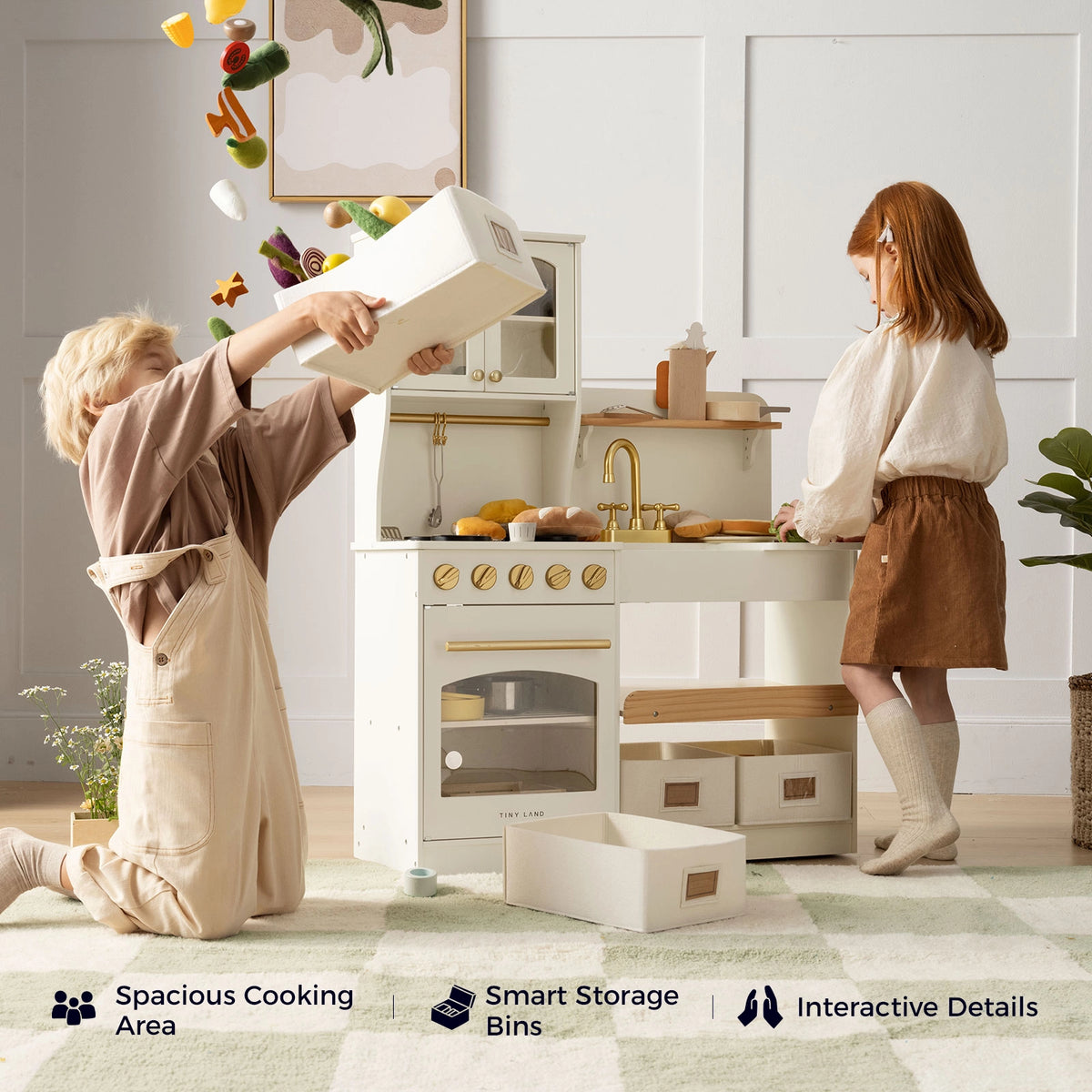
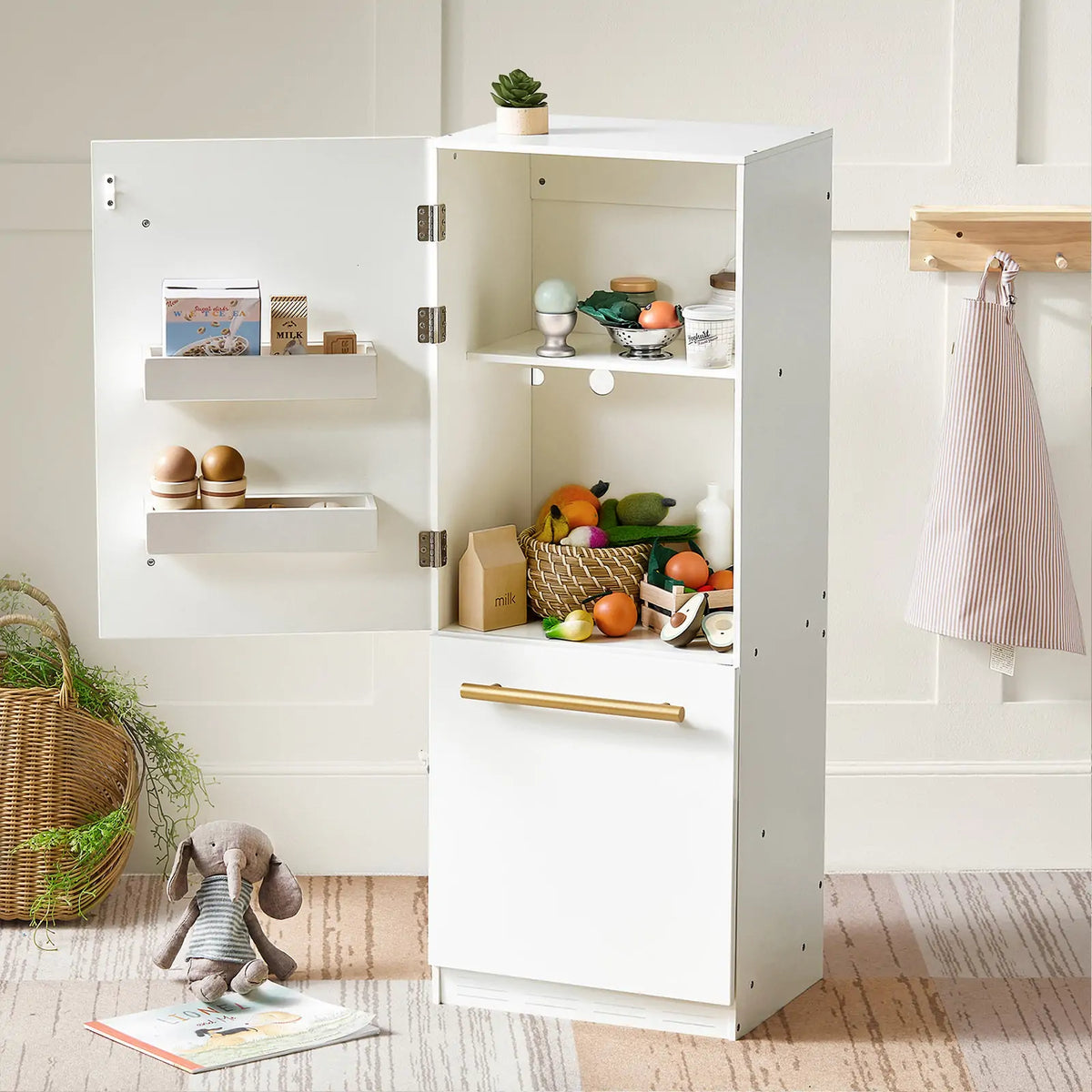
- Play kitchens
- Pretend grocery stores
- Classroom dramatic play areas
- Indoor role-play activities
Many families enjoy using both—wooden play food indoors for everyday pretend play and plastic play food outdoors for messy adventures.
Winner: Depends on Your Child's Play Style
 5. Which Looks Better in Your Home?
Children's toys often become part of the family's living space, especially in play kitchens and pretend play areas.
Wooden play food is appreciated for its natural materials, soft color palette, and timeless craftsmanship. Its realistic appearance complements modern home décor while creating a calm and inviting environment for imaginative play.
Many parents also enjoy the fact that wooden toys blend naturally into shared family spaces without overwhelming a room with bright colors or busy designs. Their simple aesthetic allows the focus to remain on the child's creativity rather than the toy itself.
Plastic play food often features bold colors and playful styling that many children enjoy. However, families looking for a more natural, calm play environment often prefer wooden options.
Winner: Wooden Play Food
 6. Which Offers Better Long-Term Value?
Pretend play naturally becomes more sophisticated as children grow.
A toddler may begin by simply naming foods and learning new vocabulary. As children get older, the very same play food can become part of a grocery store, restaurant, bakery, farmers' market, or family dinner filled with imaginative storytelling.
A quality wooden play food collection is designed to grow with these changing play experiences. New food sets, kitchen accessories, and pretend play themes can easily be added over time, allowing children to expand their play without replacing the original collection.
Plastic play food can also provide lasting enjoyment. However, for families looking for a durable indoor play set that continues to support imaginative role play year after year, wooden play food often offers greater long-term value.
Winner: Wooden Play Food

How to Choose the Best Play Food for Your Child
Choose wooden play food if you are looking for:
- Realistic pretend play
- A beautiful addition to a play kitchen
- Durable toys for long-term use
- Montessori-inspired play experiences
- Indoor imaginative play
Choose plastic play food if you:
-
Enjoy outdoor water play or mud play
- Want lightweight options
The best choice depends on your family’s lifestyle and how your child enjoys playing.
Frequently Asked Questions
- Is wooden play food better than plastic?
Both materials can support meaningful pretend play. Wooden play food is often preferred for indoor play because of its realistic appearance, durability, and timeless design. Plastic play food is useful for outdoor and water-based activities.
- Can wooden play food get wet?
Wooden play food is best used indoors. While occasional moisture can usually be wiped away, prolonged exposure to water may affect the material over time.
- What age is play food good for?
Play food is commonly enjoyed by toddlers and preschoolers. Younger children may practice naming and sorting foods, while older children can create more complex pretend play scenarios.
- Does pretend play help child development?
Yes. Pretend play can support language development, creativity, social skills, and problem-solving by allowing children to create stories and interact with others.
- Can wooden play food be used outdoors?
Wooden play food is best for indoor use or covered outdoor areas. For frequent water play, mud play, or outdoor sensory activities, plastic play food may be a more practical option.
Final Verdict
Both wooden and plastic play food can inspire creativity and fun.
For families looking for a realistic, durable, and beautiful pretend play experience, wooden play food is often the better choice for everyday indoor play.
Its natural design helps children connect play with real life, while its lasting quality allows pretend worlds to grow over time.
For outdoor adventures, water play, or messy sensory activities, plastic play food can be a practical addition.
At Tiny Land, we believe the best toys help children explore the world through play. Our wooden play food collections are designed to bring realistic details, lasting quality, and meaningful pretend play into children’s everyday experiences.