



For many parents, choosing toys is no longer just about fun or price. It’s about safety, learning value, and what kind of world we are leaving for our kids. When comparing wooden and plastic toys, the decision often comes down to health, durability, and long-term impact.
Today, many plastic toys are colorful and easy to find, but concerns about toxic chemicals and short product lifespan are growing. In contrast, high-quality wood toys are returning as a trusted, safer, and more meaningful option for little ones. Brands like Tiny Land show how thoughtful craftsmanship can make toys both educational and responsible.

How how wooden toys are made makes a difference
Understanding how wooden toys are produced helps explain why they are often safer. Instead of being molded from synthetic compounds, wooden toys come from natural materials such as solid wood. This reduces exposure to harmful chemicals that may exist in poorly regulated plastics.
With Tiny Land, each product is carefully designed with a strong safety-first mindset. From raw material selection to surface treatment, Tiny Land ensures toys are made to protect young children’s health. Their toys are crafted to be truly child safe, meeting modern expectations for quality and responsibility.
If you want to explore deeper toy safety standards, this toy safety guide is helpful.

Why choose wooden toys for long-term value
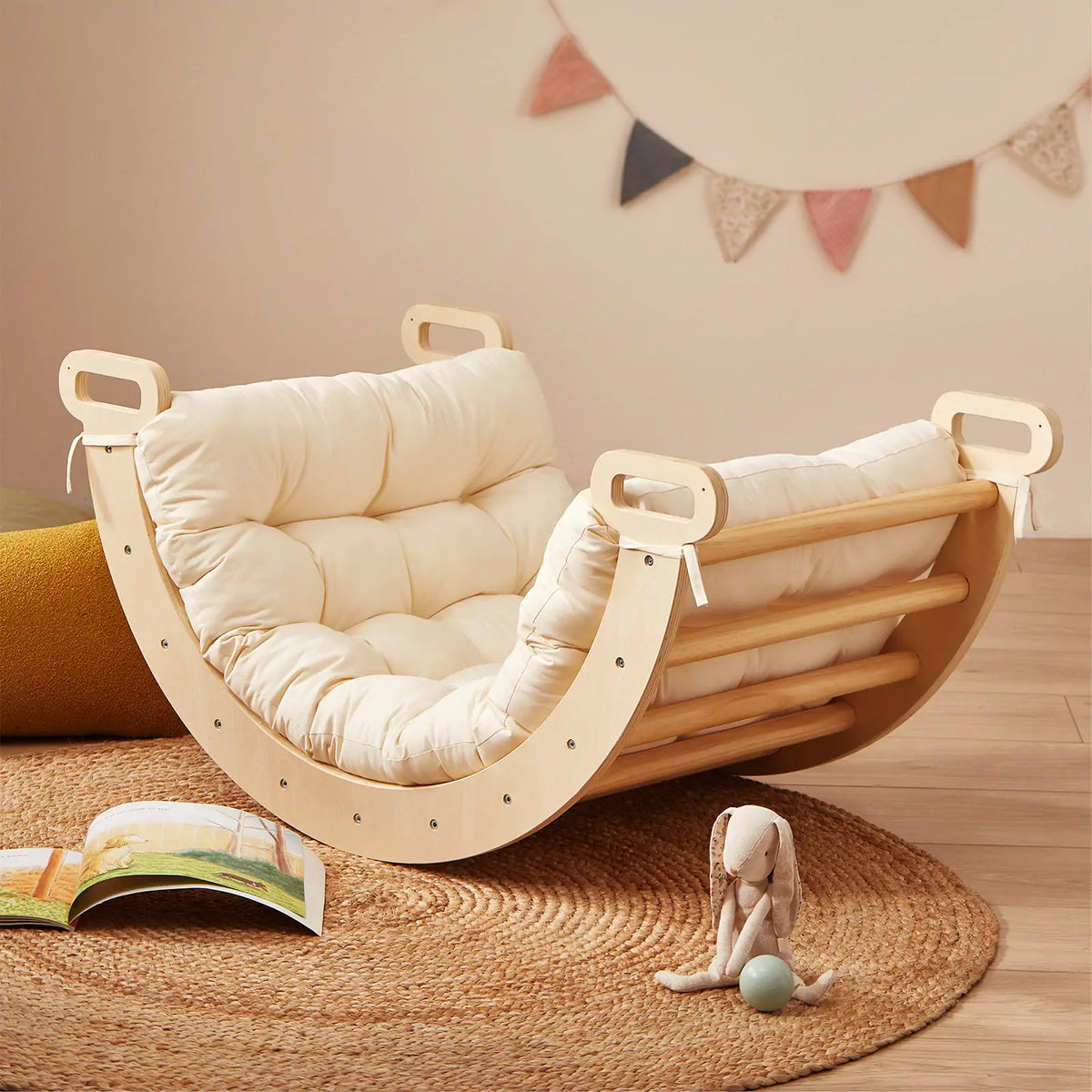
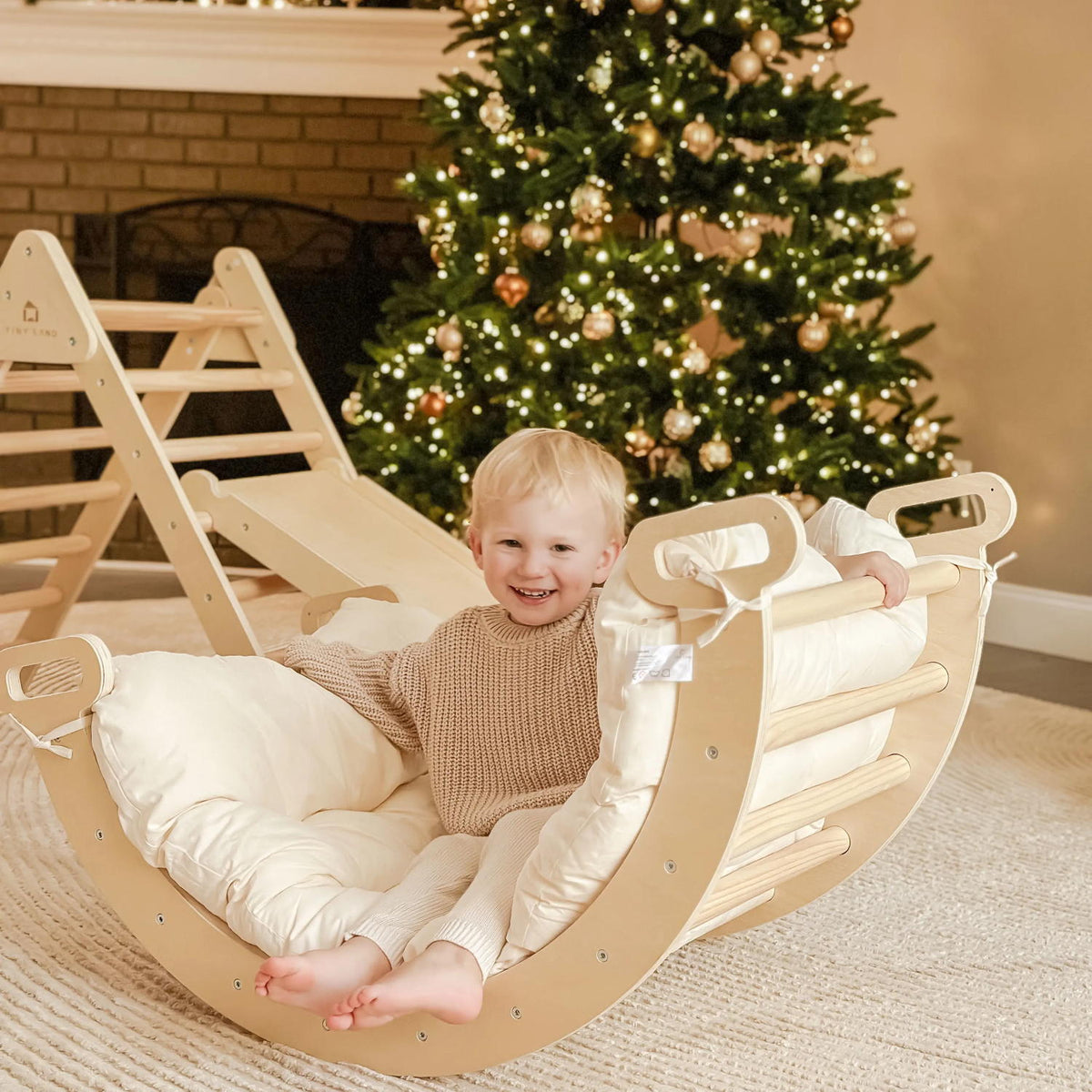
When deciding whether to choose wooden toys, think beyond short-term excitement. Wooden toys are often more durable and long lasting, meaning they don’t crack or break easily. They can grow with your child from baby years into older children stages.
Tiny Land toys are built with solid structures that withstand daily play. Instead of buying replacements again and again, parents invest once and enjoy years of use. That makes wooden toys a better choice financially and emotionally.

Developing fine motor skills through wooden play
One of the biggest educational benefits of wooden toys is how they support fine motor skills. Grasping, stacking, sorting, and fitting pieces together help strengthen hand muscles and coordination.
Classic items like wooden blocks train patience and control while encouraging logical thinking. This strengthens overall child development in a natural, stress-free way.
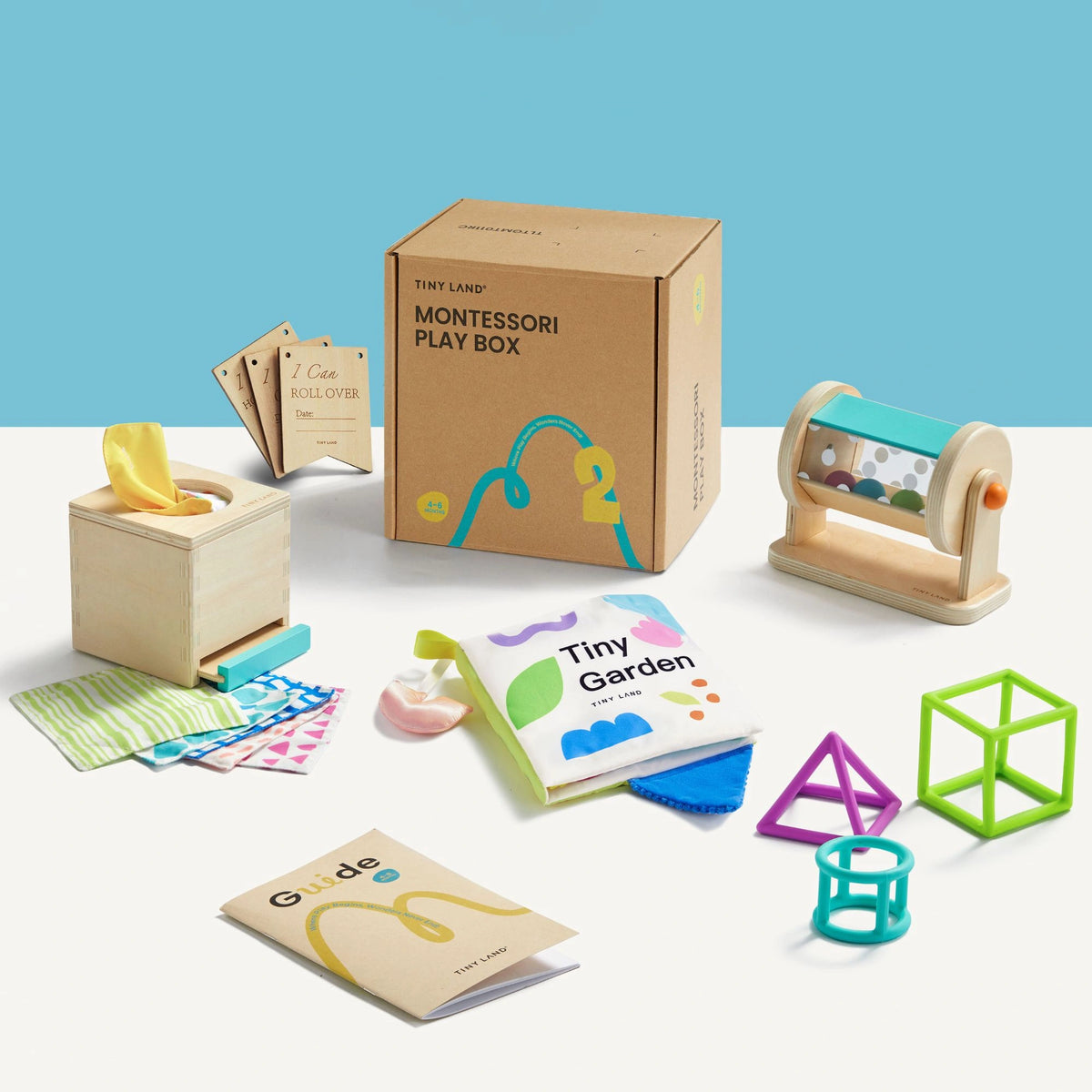
Tiny Land designs many products to support small hand movements, making them ideal for both toddlers and growing children.

Encouraging imaginative play with open-ended toys
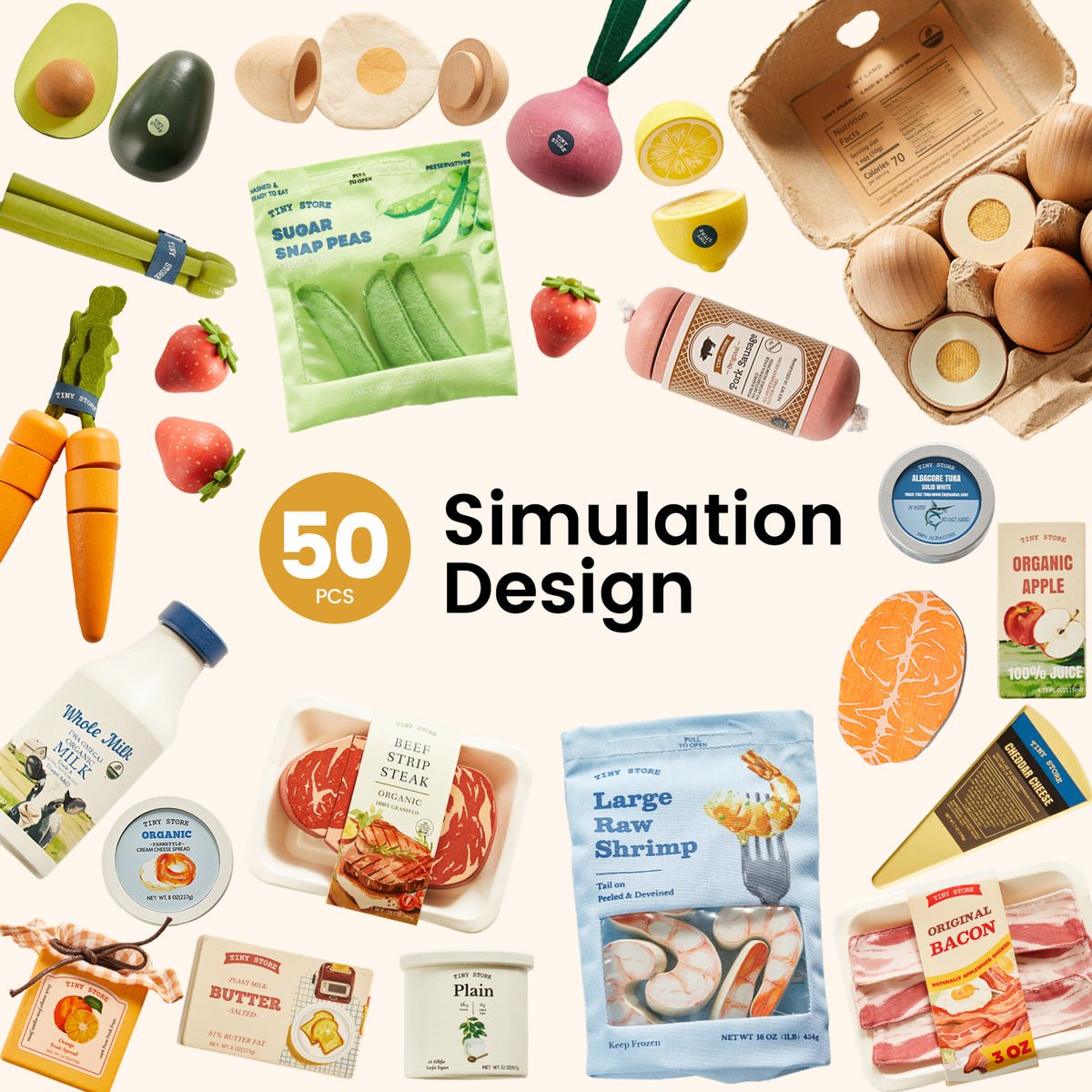
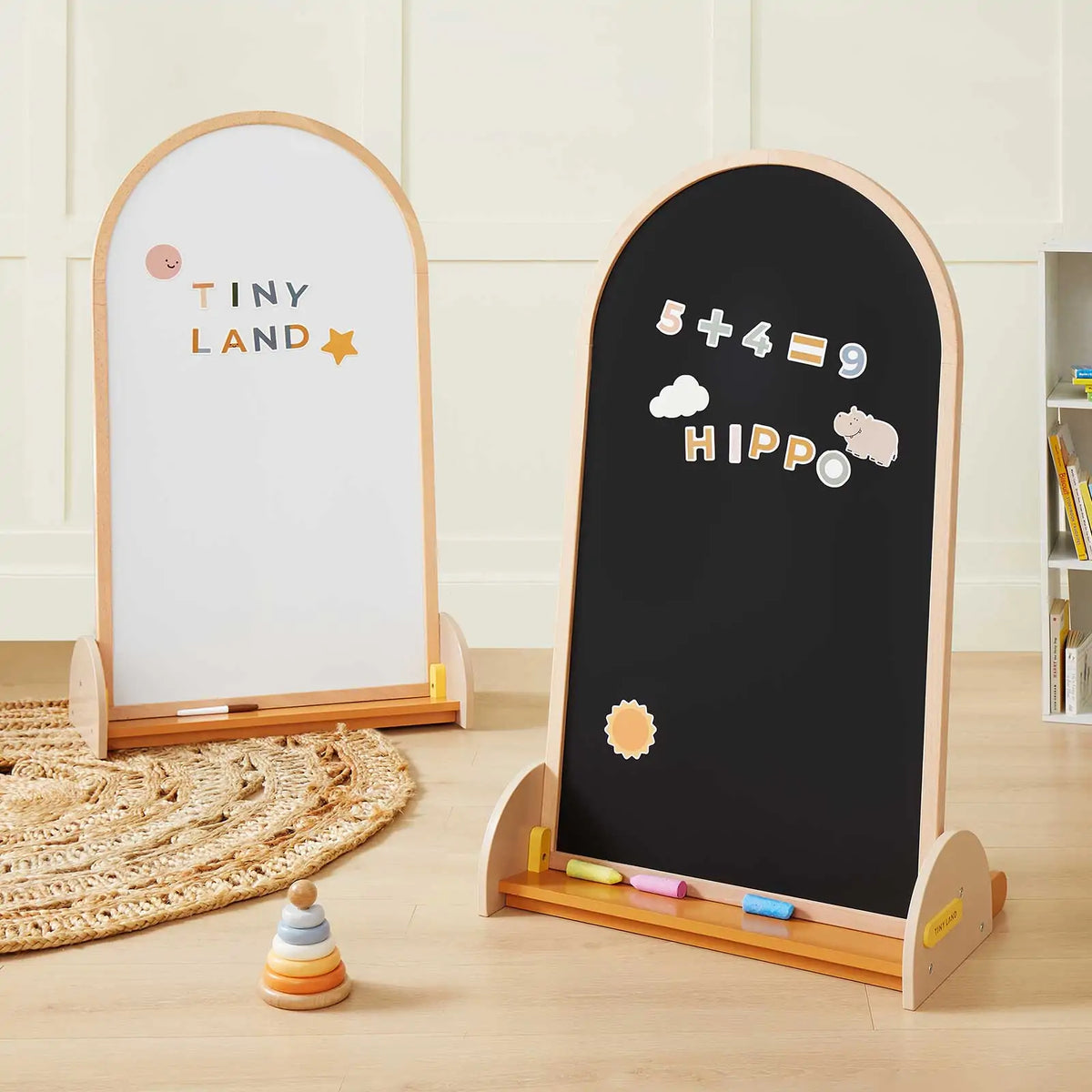
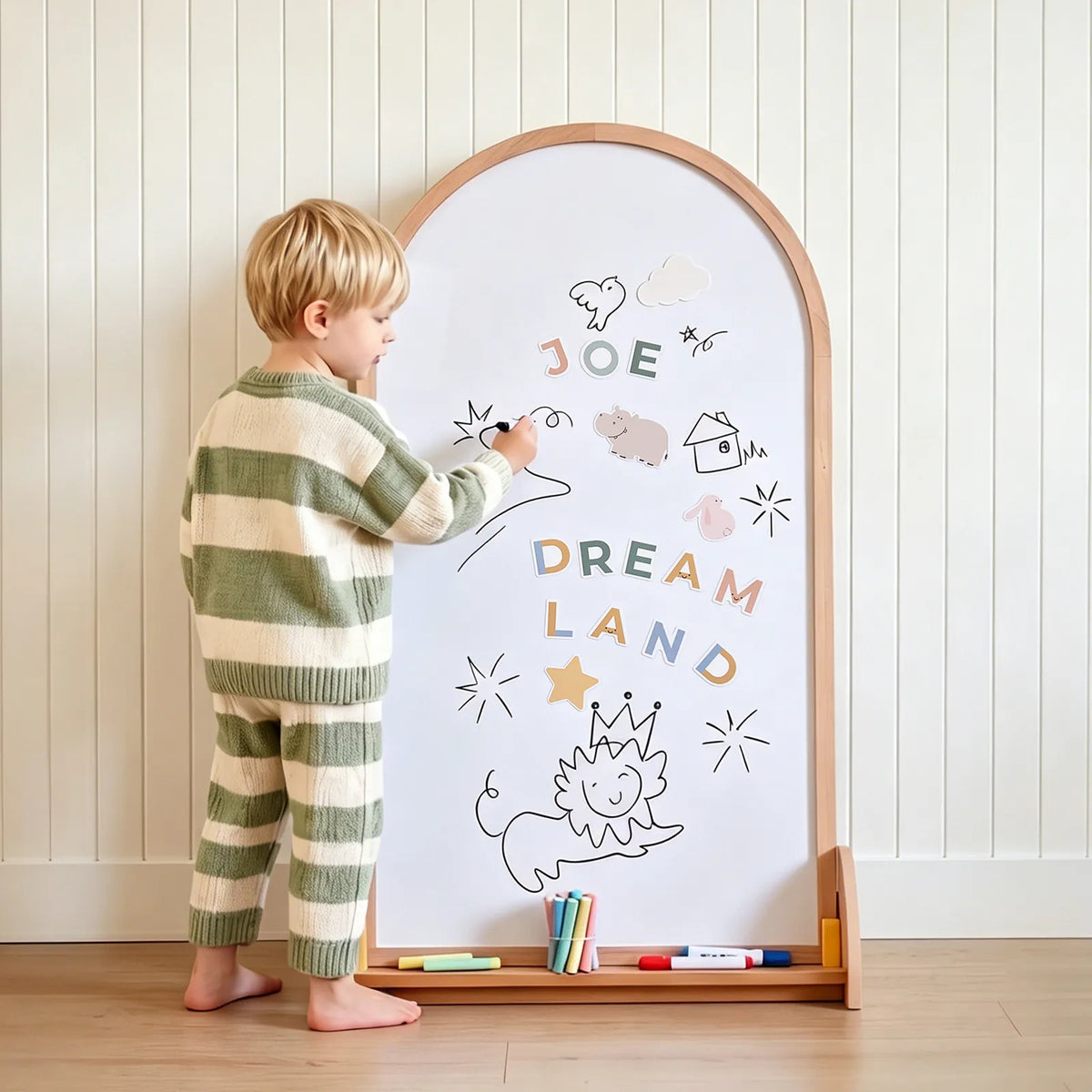
Wooden toys shine when it comes to imaginative play. Without fixed sounds or screens, children create their own stories and worlds. This improves creativity and communication.
Tiny Land’s collections show this beautifully:
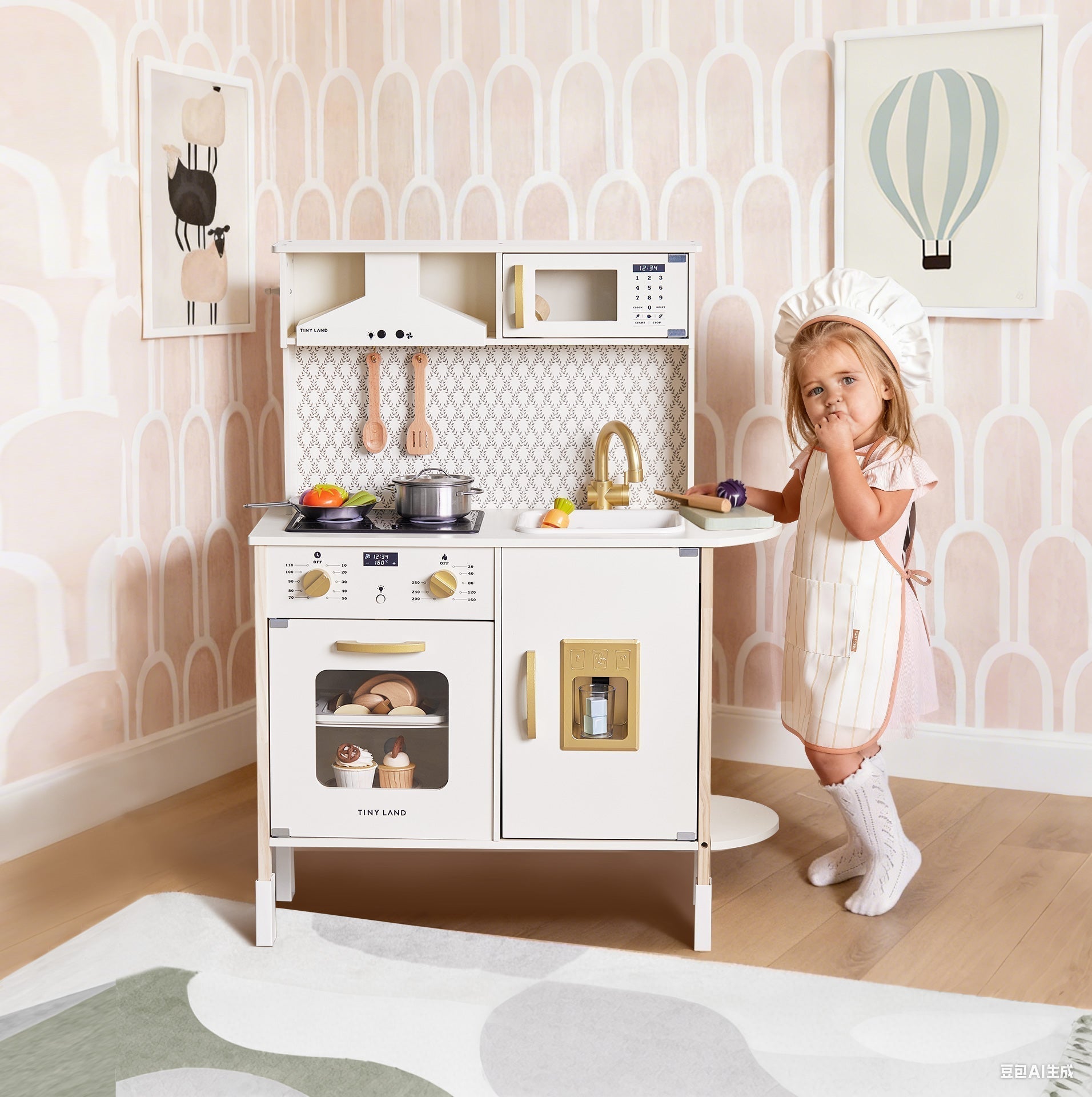
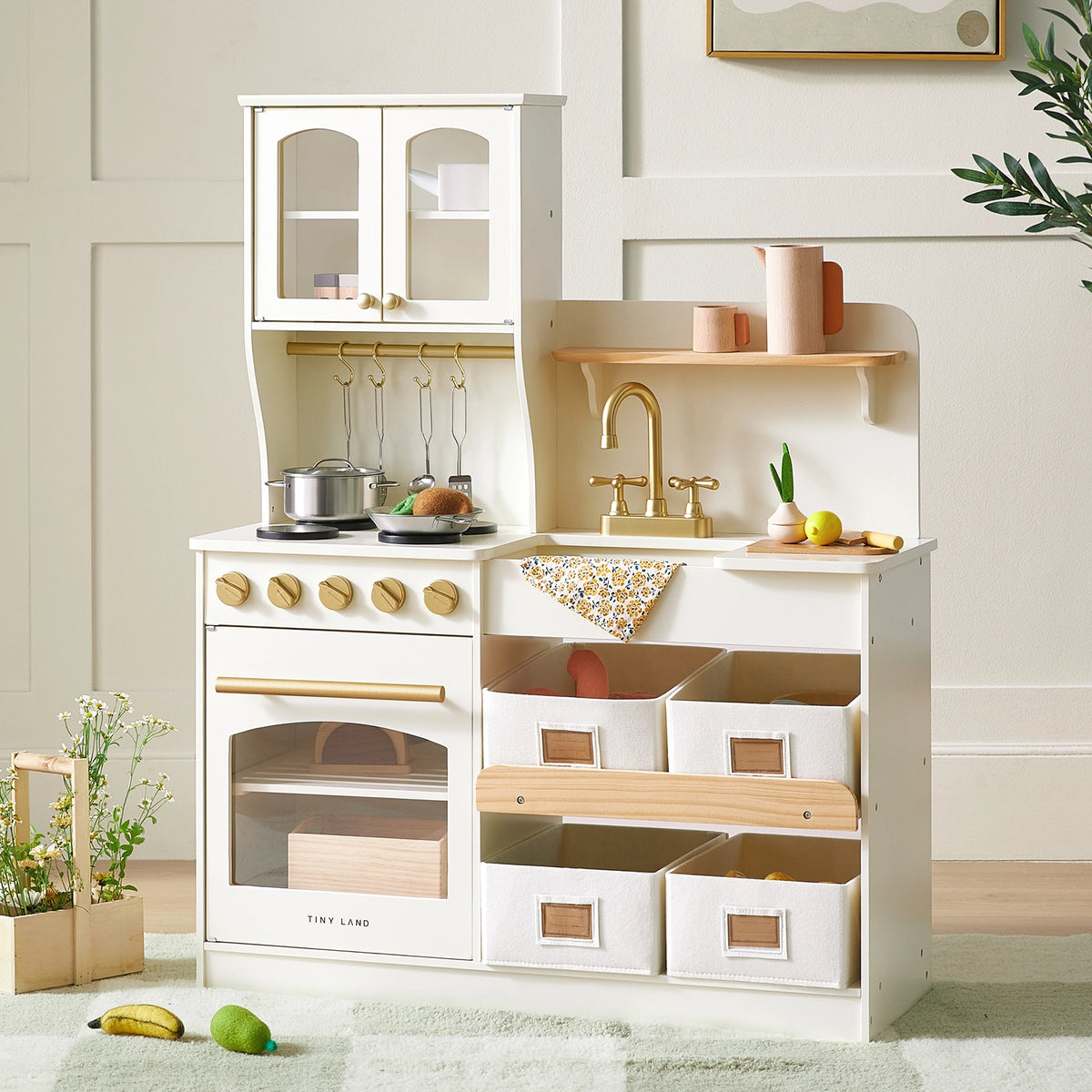
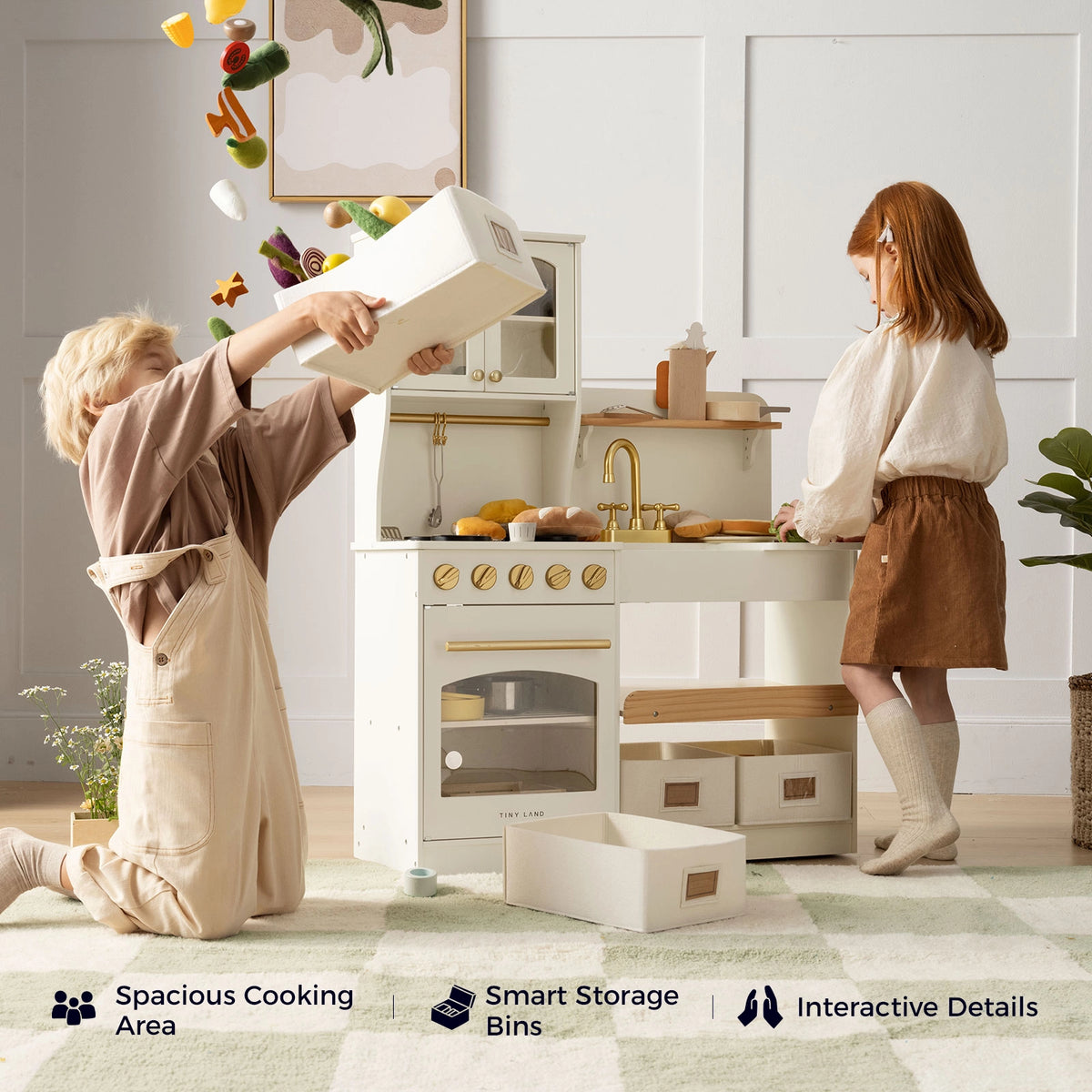
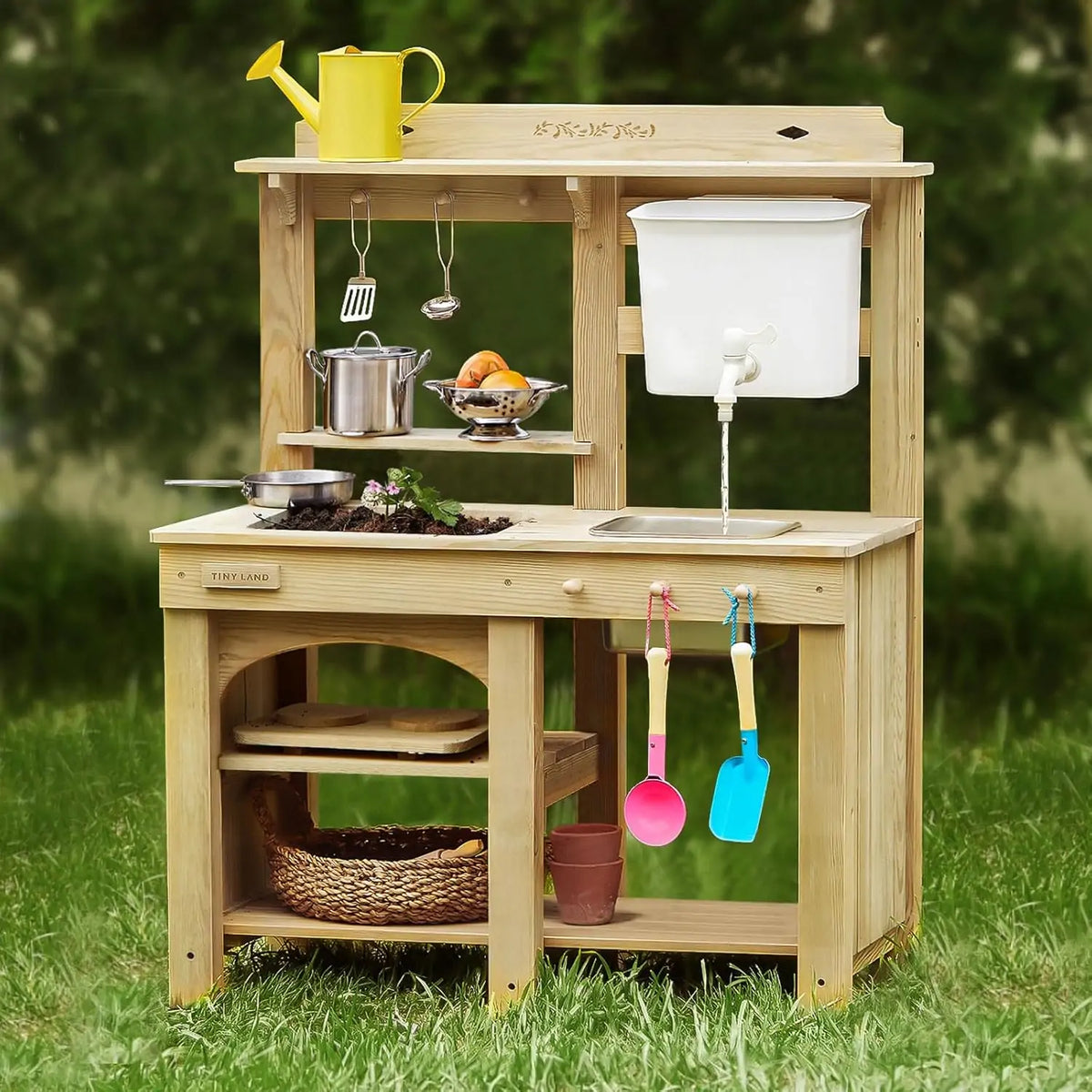
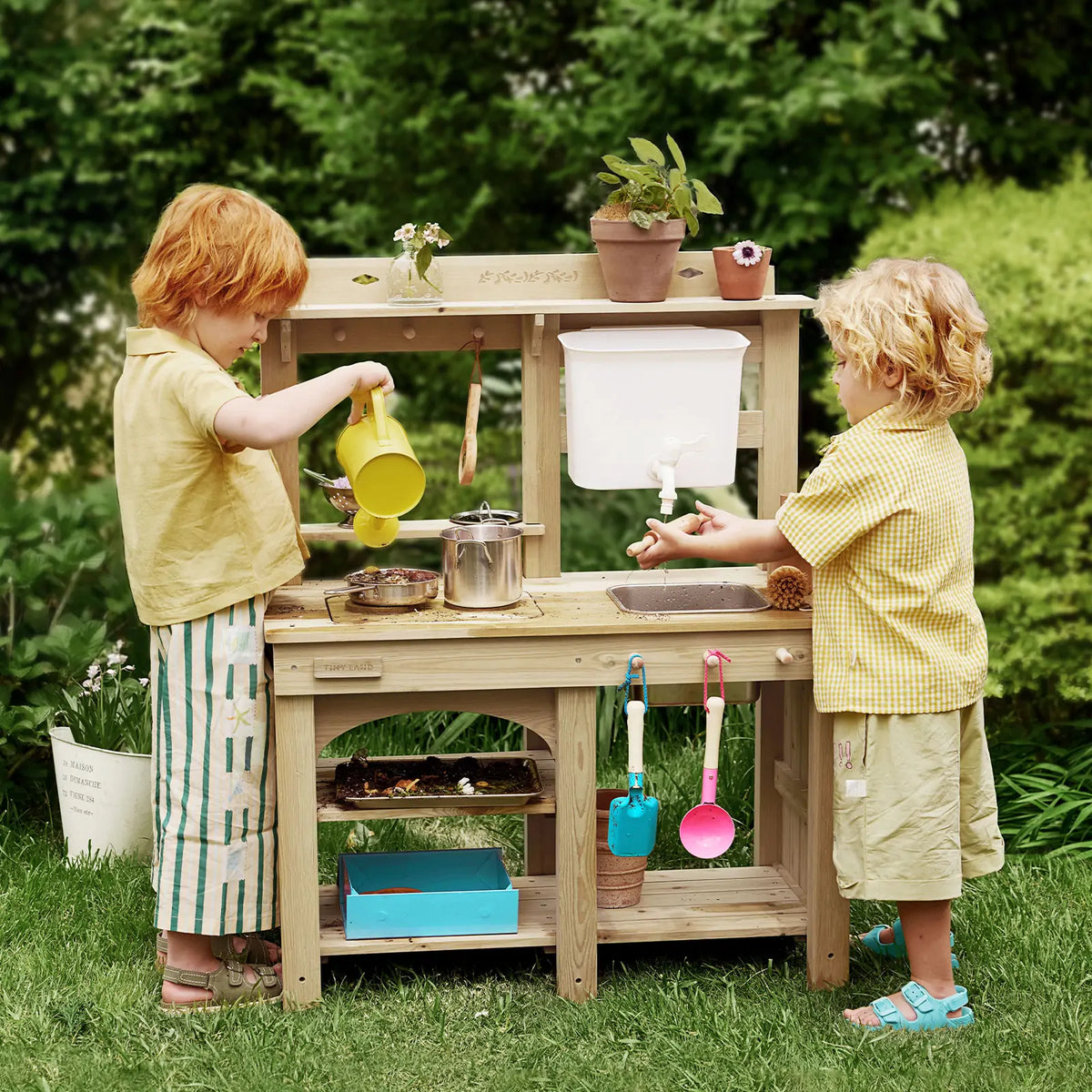
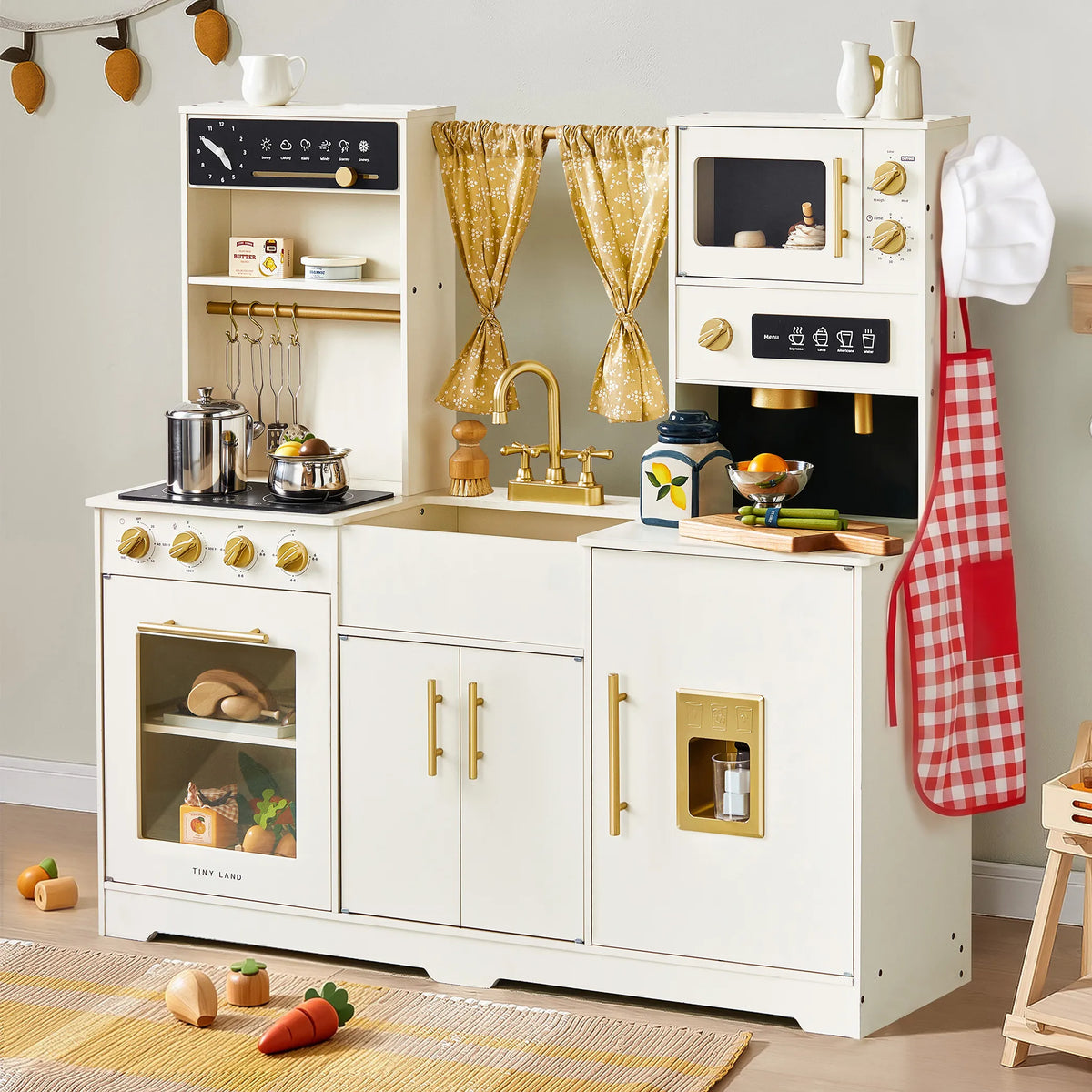
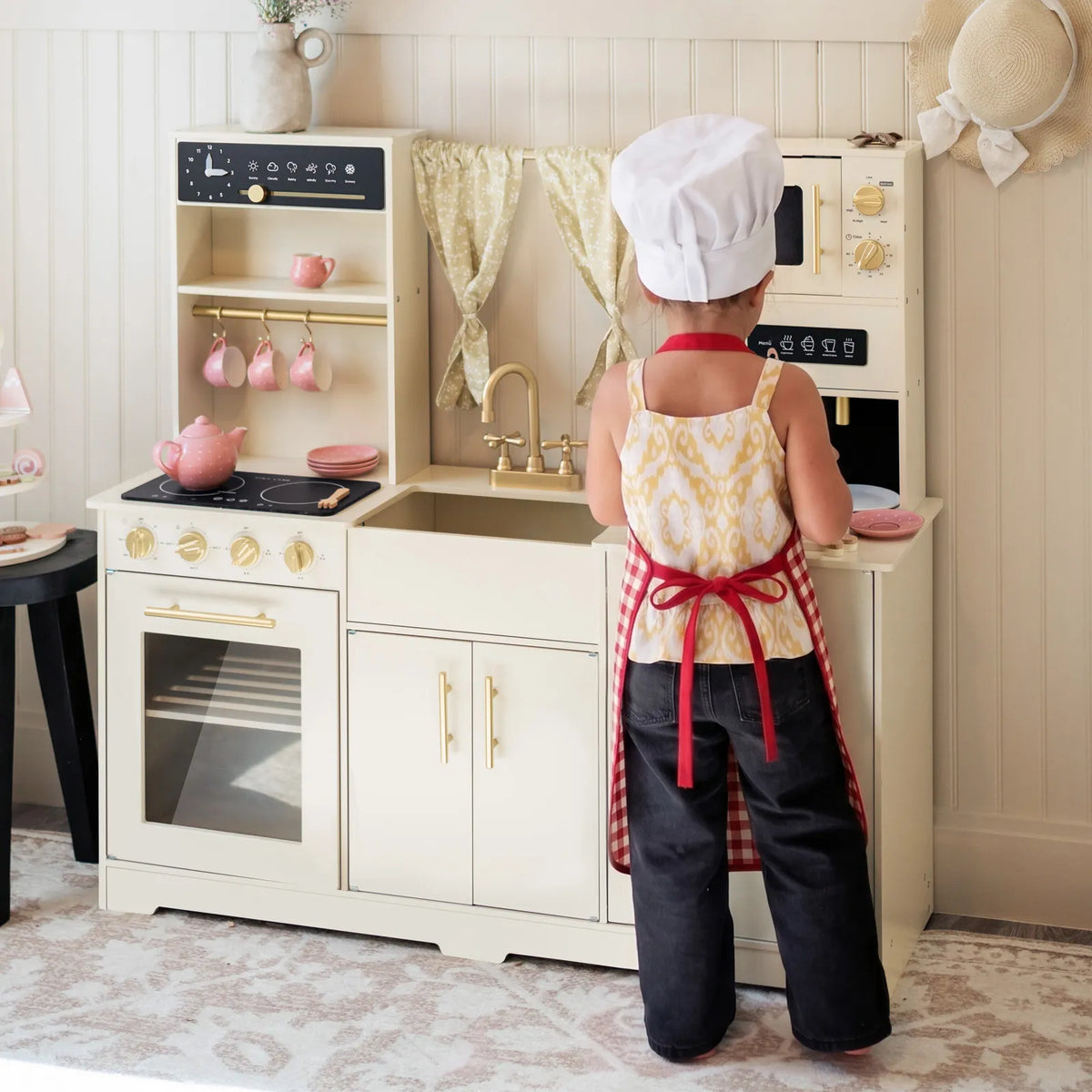
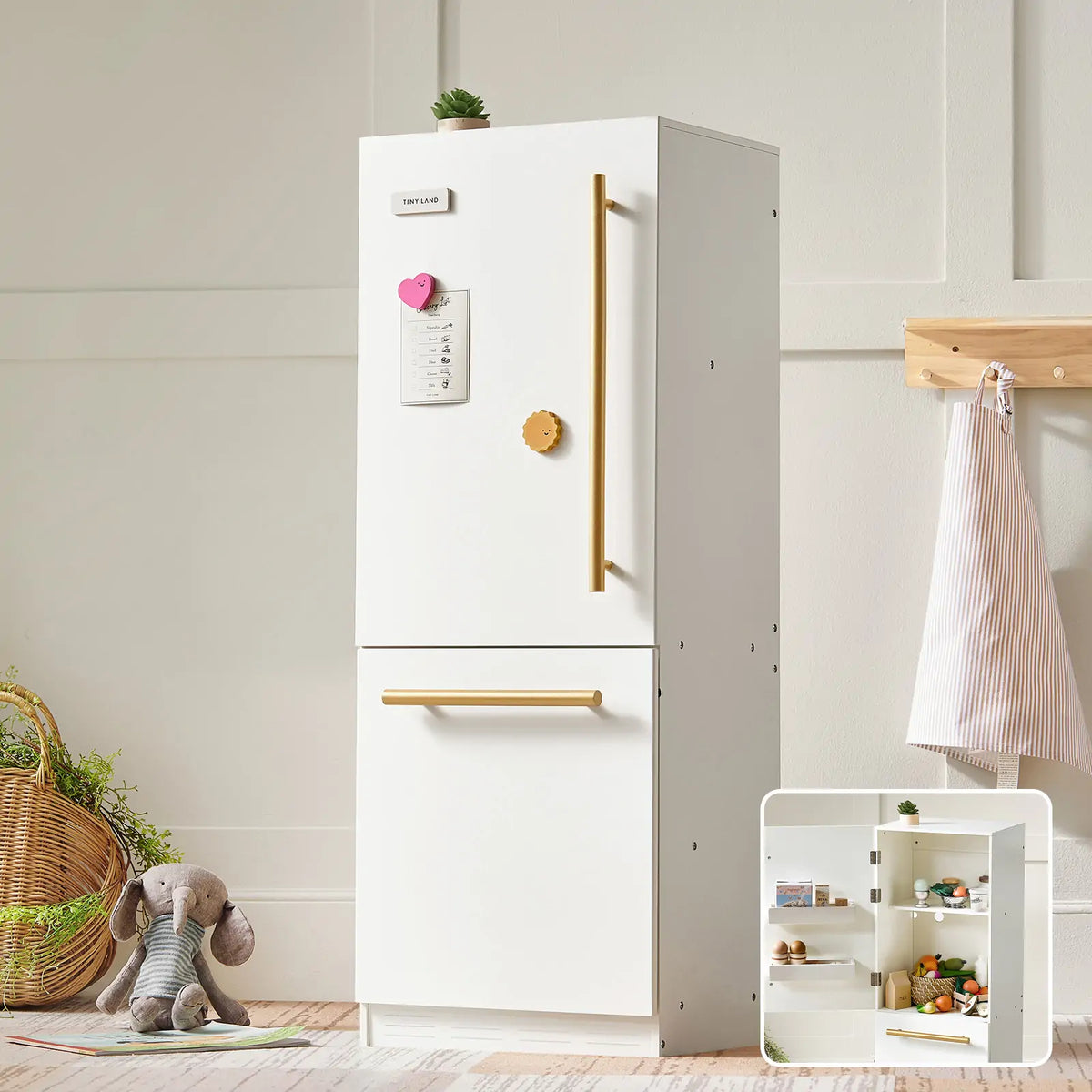
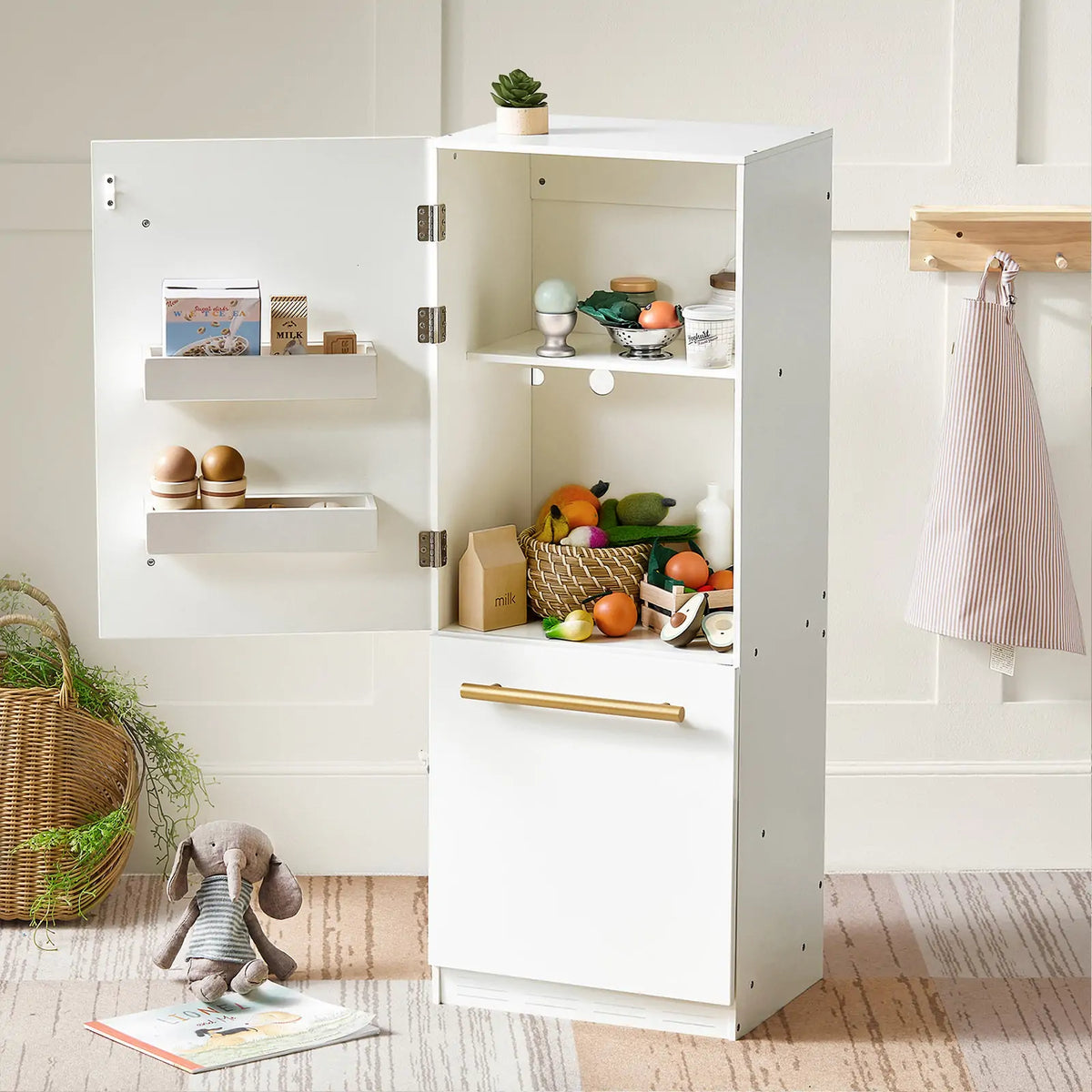
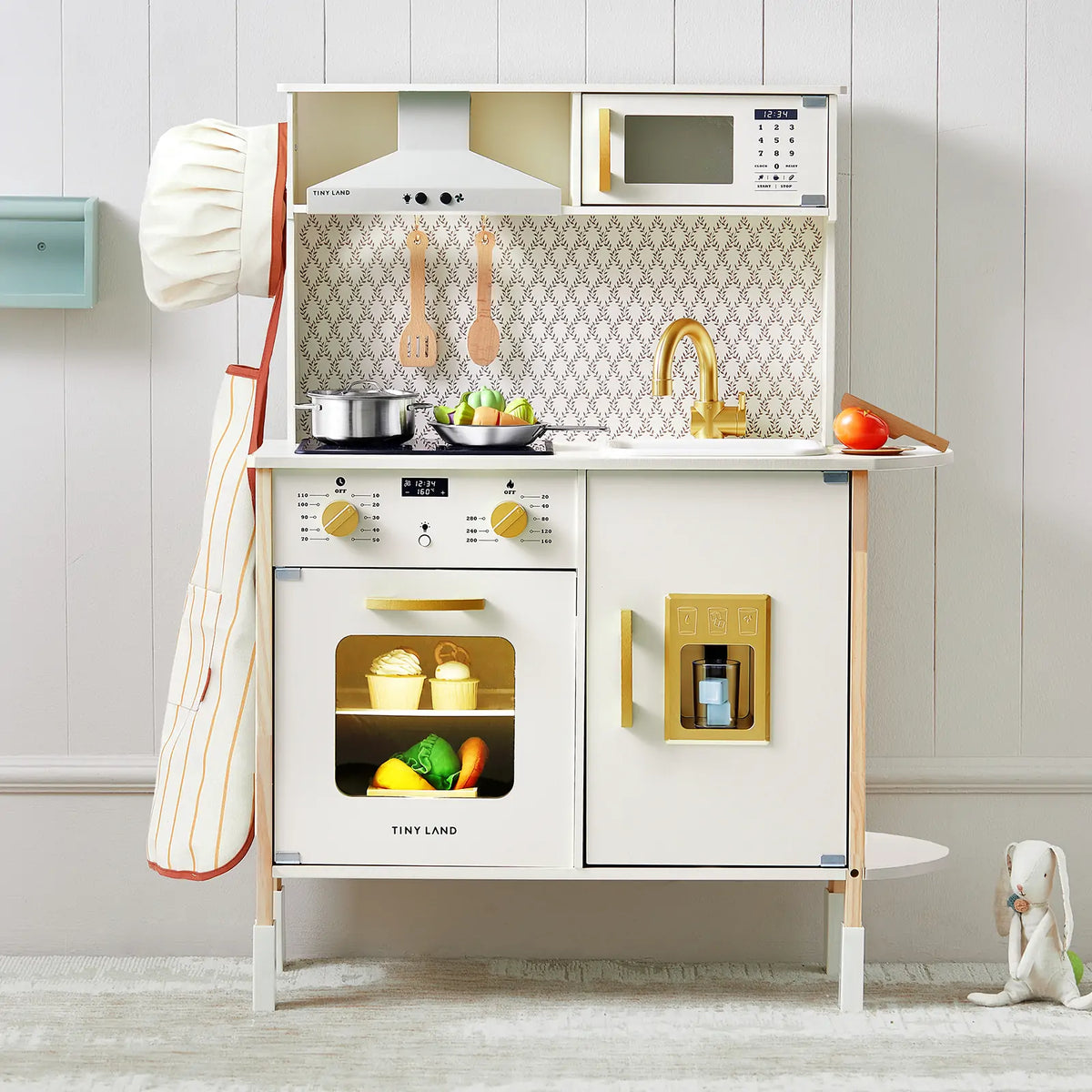
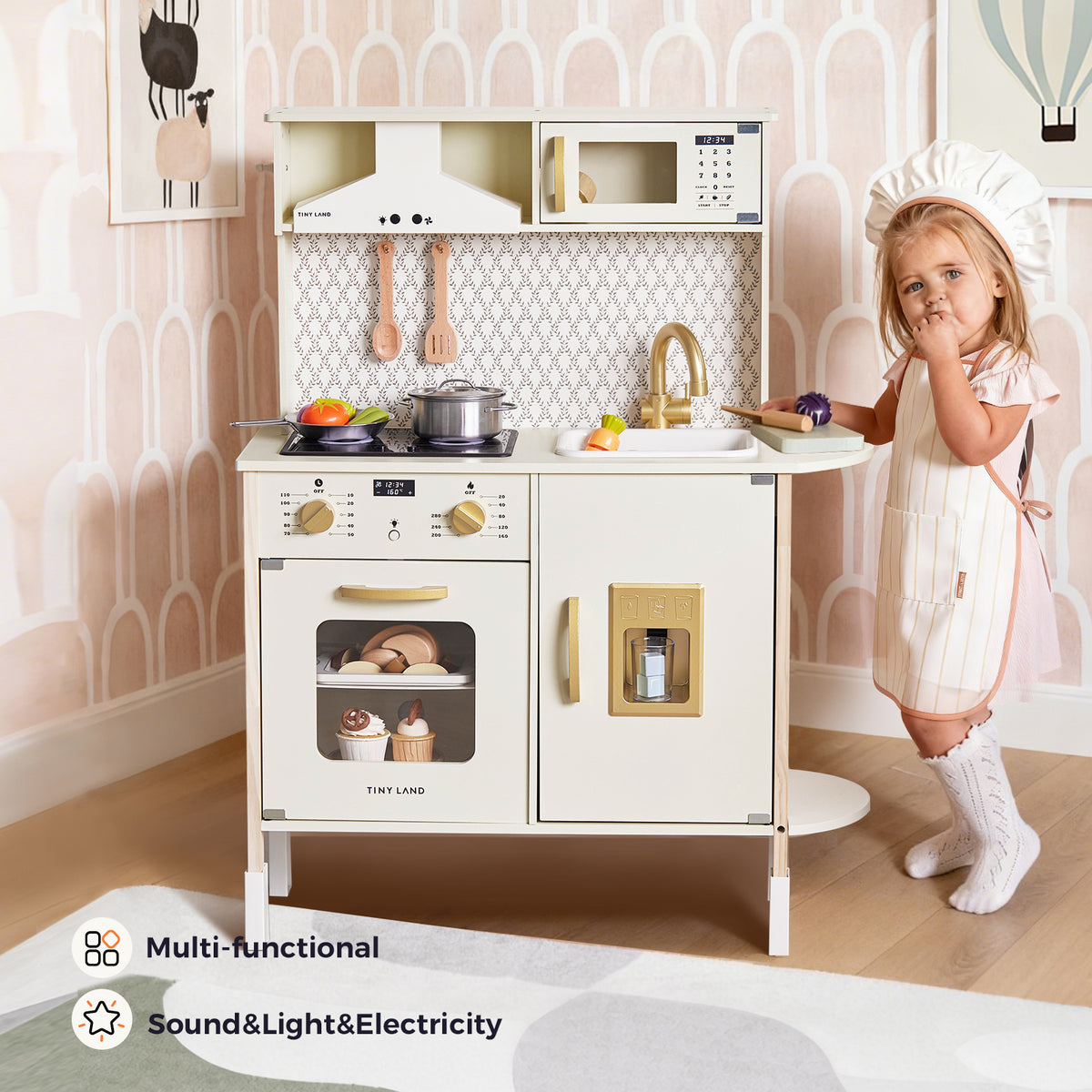
- Play kitchens help children mimic real life and build independence
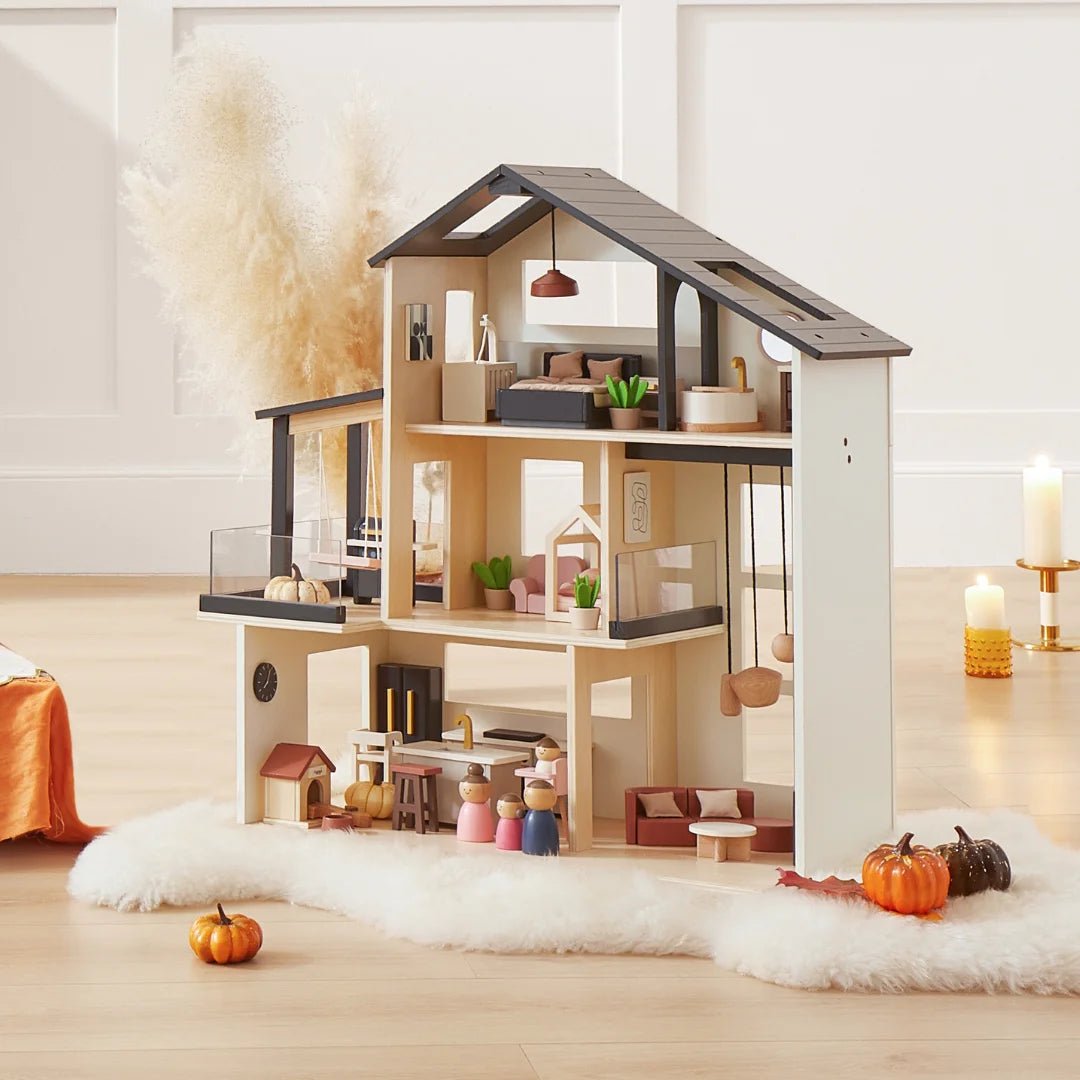
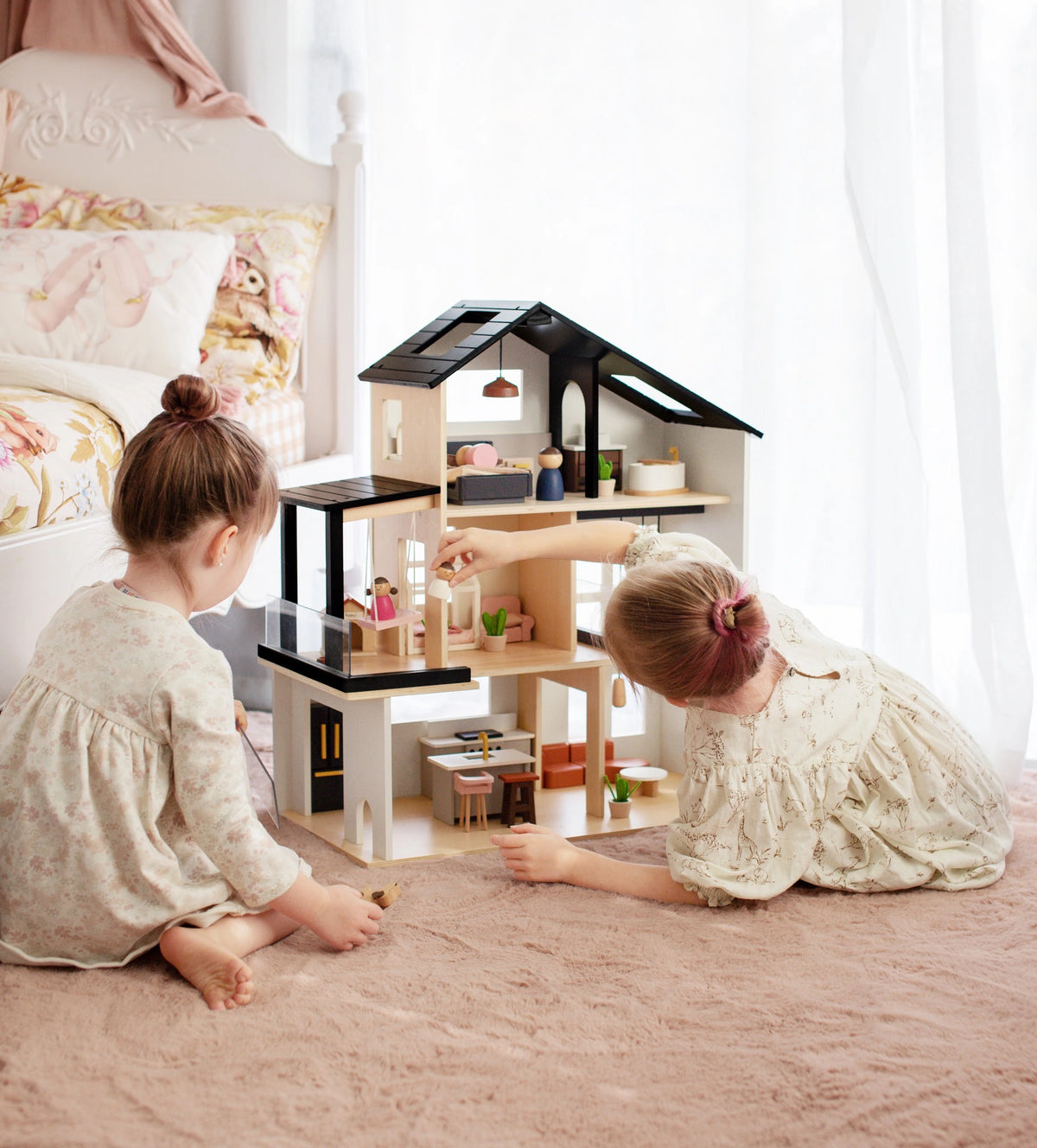
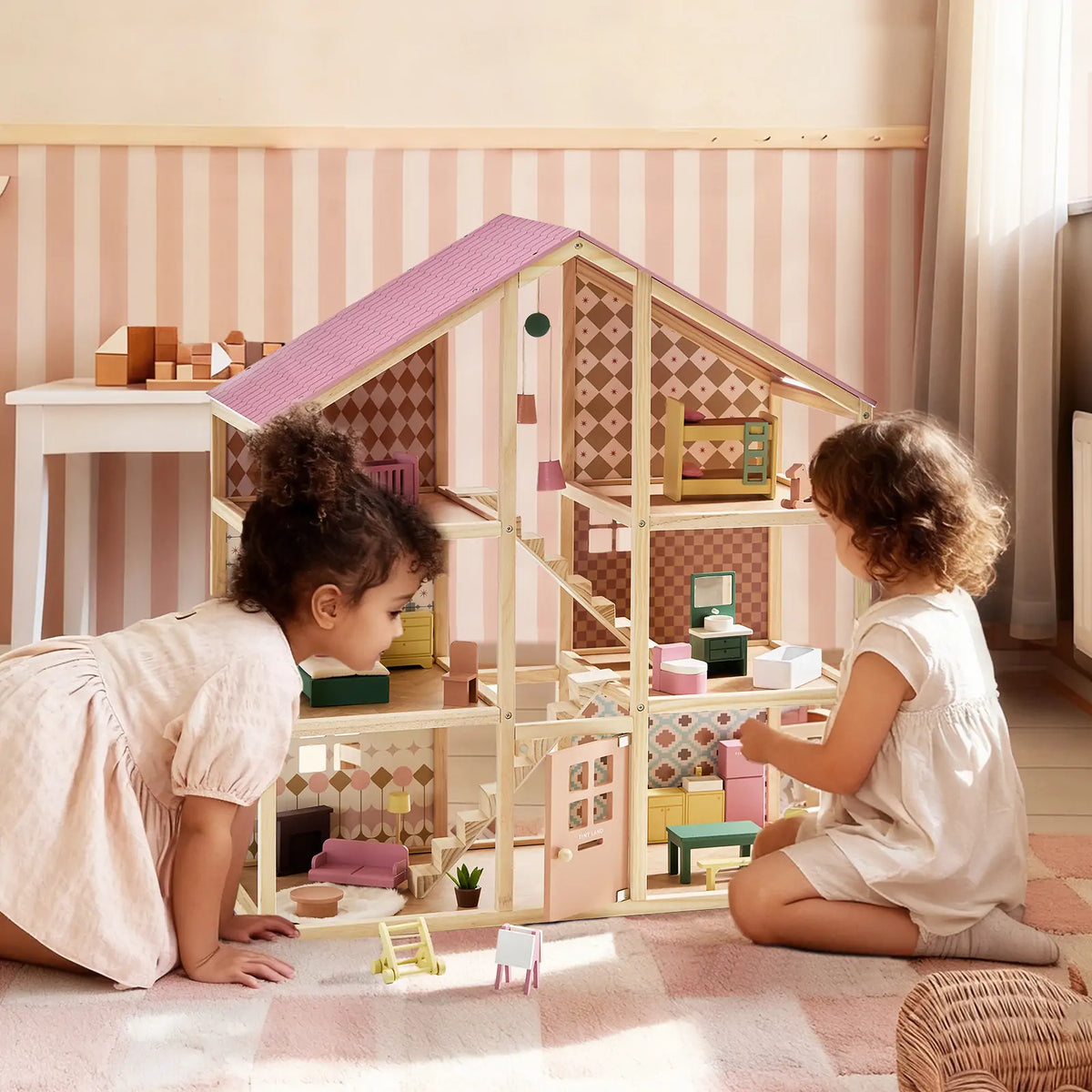
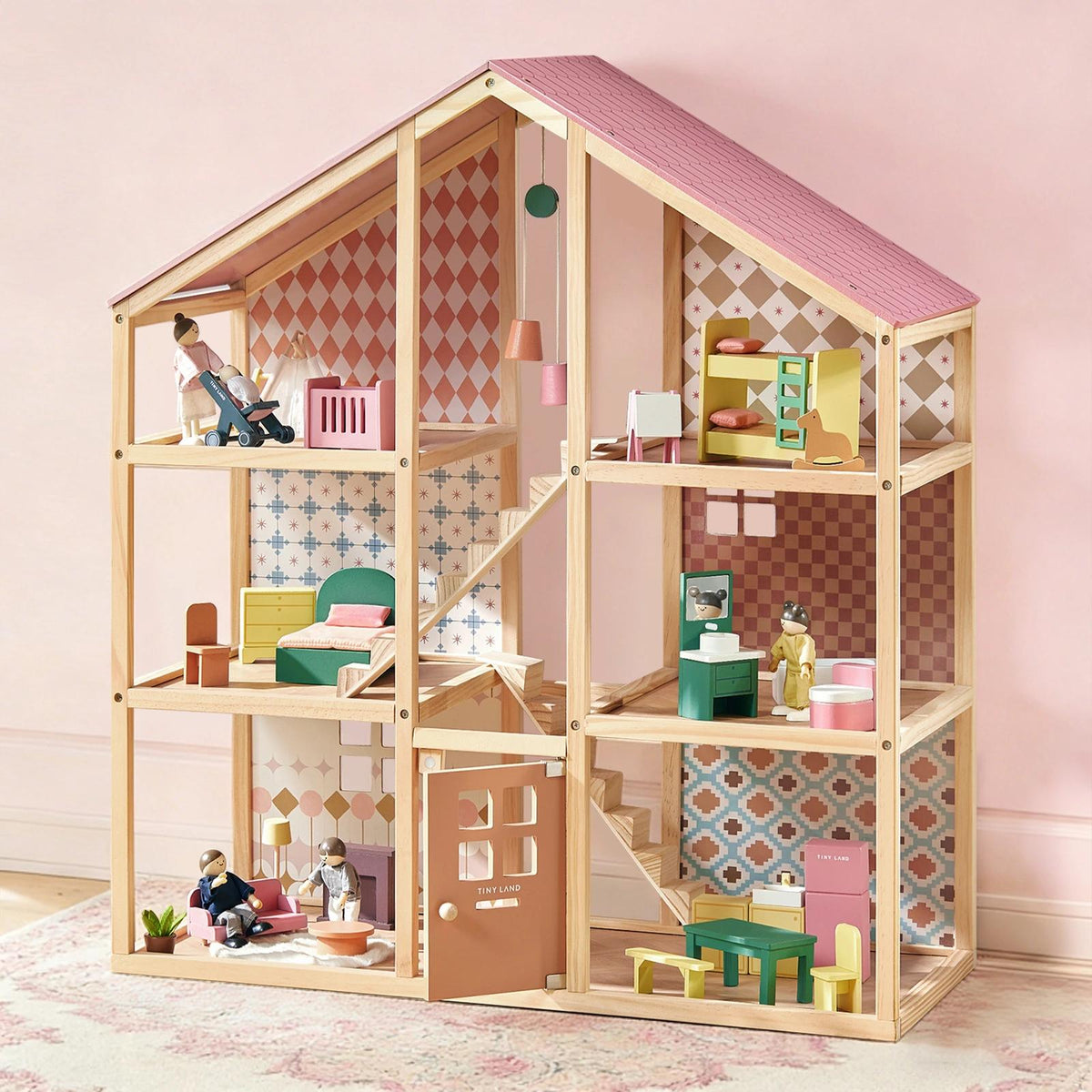
- Dollhouses develop storytelling, empathy, and role-playing skills
These toys don’t limit creativity. Instead, they grow with children and stay meaningful for years.

Choosing safe toys that parents can trust
When looking for safe toys, always focus on:
- Rounded edges
- Strong construction
- Secure joints
- No detachable small parts
Tiny Land products follow strict safety design standards, ensuring each toy is built with a strong emphasis on protection and reliability.
Why non toxic standards matter
Choosing non toxic toys means protecting your child from unwanted chemical exposure. Plastic toys may contain additives that raise safety concerns. High-quality wooden toys use safer finishes.
Tiny Land uses non toxic finishes, ensuring surfaces remain smooth and harmless even during frequent touching or chewing. This gives parents confidence that toys are not only beautiful but genuinely safe.
Environmental impact and responsibility
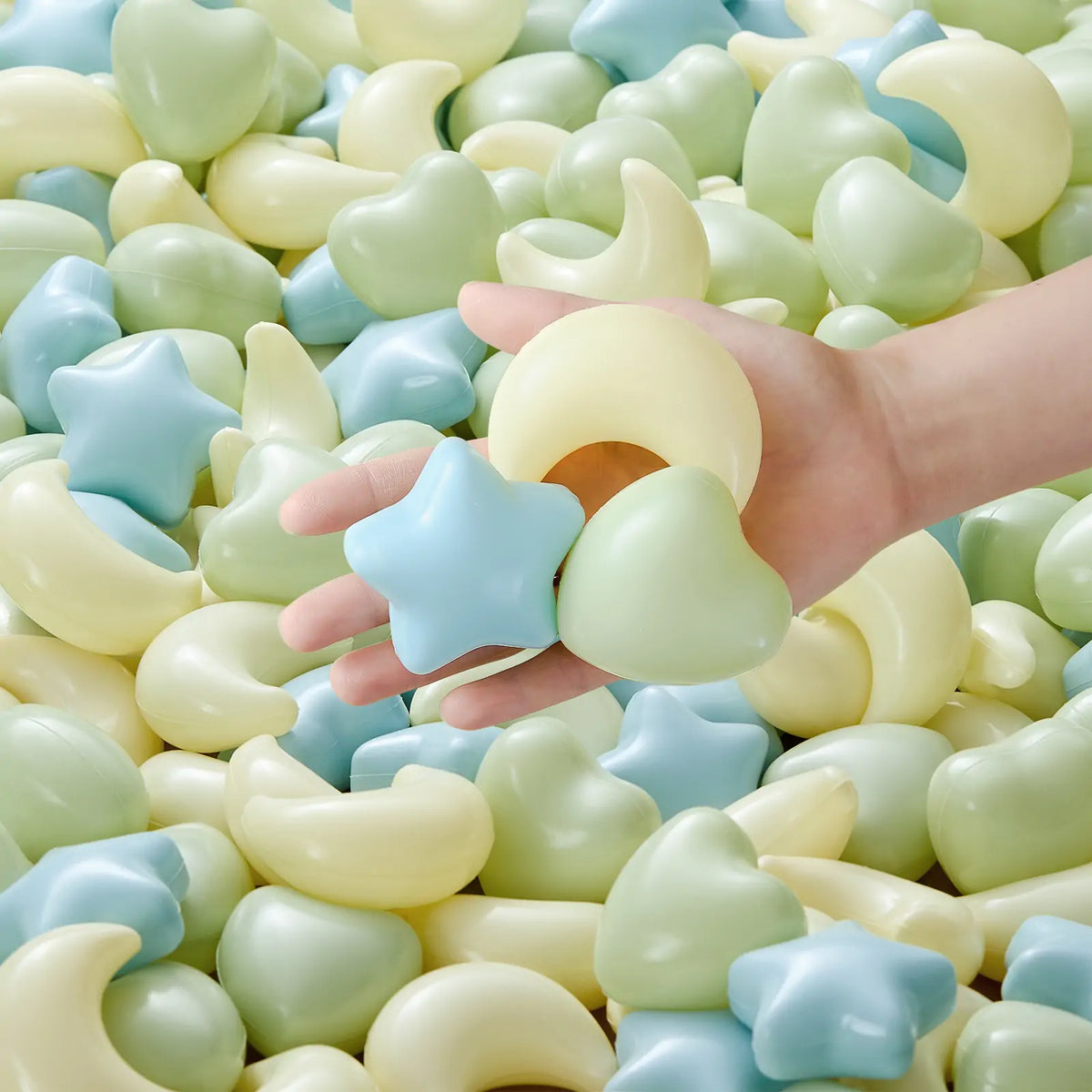
Plastic toys often create large waste problems due to short life cycles. Their environmental impact is high because they are difficult to recycle and break easily.
Wooden toys, by contrast, are more eco friendly. They use renewable resources and last much longer. Choosing wooden toys helps protect the planet for future generations and teaches children respect for nature from a young age.

Different types of toys serve different needs
There are different types of toys for different purposes:
- Plastic toys: bath toys, lightweight travel toys
- Wooden toys: educational tools, role-play sets, building toys
While both have uses, wooden toys focus on deeper learning and lasting value. They are often better alternatives to disposable plastic products.
Supporting sensory development and learning
Wood has a natural texture, weight, and warmth that stimulates sensory development. Children experience touch, balance, and resistance differently than with plastic.
At the same time, wooden toys promote cognitive development through problem-solving, spatial awareness, and independent thinking.
This is why wooden toys are ideal for structured and calm learning environments.

Why Tiny Land wooden toys stand out
Tiny Land’s wooden toys combine:
- Strong craftsmanship
- Safe materials
- Educational design
- Long-term usability
Their toys show that quality toys can be both functional and meaningful. They reflect how toys should be designed when children’s safety and growth come first.
Final thoughts for parents
For modern families, choosing toys is about responsibility. Wooden toys offer safety, durability, creativity, and environmental awareness. Tiny Land shows how thoughtful design can make toys safer and more valuable for growing children.
By choosing well today, you support healthier play, smarter learning, and a better world tomorrow.