









Summer offers a unique opportunity for early childhood development. With longer days and warmer weather, the backyard naturally transforms into a space where children can explore, experiment, and engage all their senses through hands-on play.
The Backyard Sensory Play System is a structured approach to outdoor learning that combines sensory exploration, pretend play, and water-based activities into one cohesive environment.
This guide explains how to build this system using simple, versatile materials and an outdoor play kitchen setup designed for open-ended backyard exploration.
Why Backyard Sensory Play Matters
Sensory play is more than entertainment. When thoughtfully designed, it supports multiple areas of early childhood development:
- Cognitive development through experimentation, mixing, and problem-solving
- Fine motor skills through pouring, scooping, squeezing, and stirring
- Language development through storytelling and role play
- Emotional regulation through calming, repetitive sensory activity
- Creativity and imagination through open-ended exploration
An open-ended outdoor environment helps transform everyday play into meaningful developmental experiences.

The Core of the System: Outdoor Play Kitchen
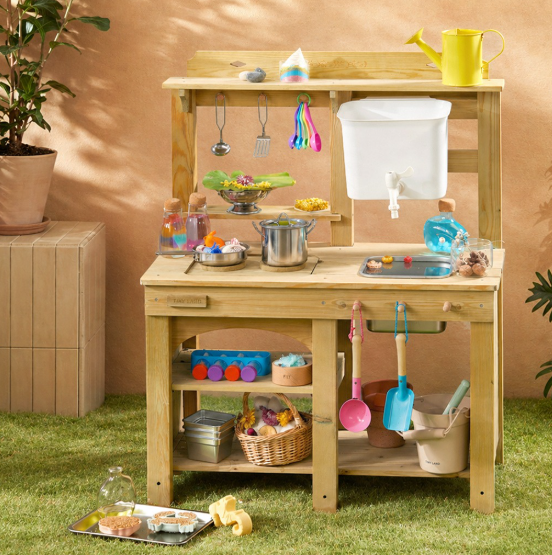
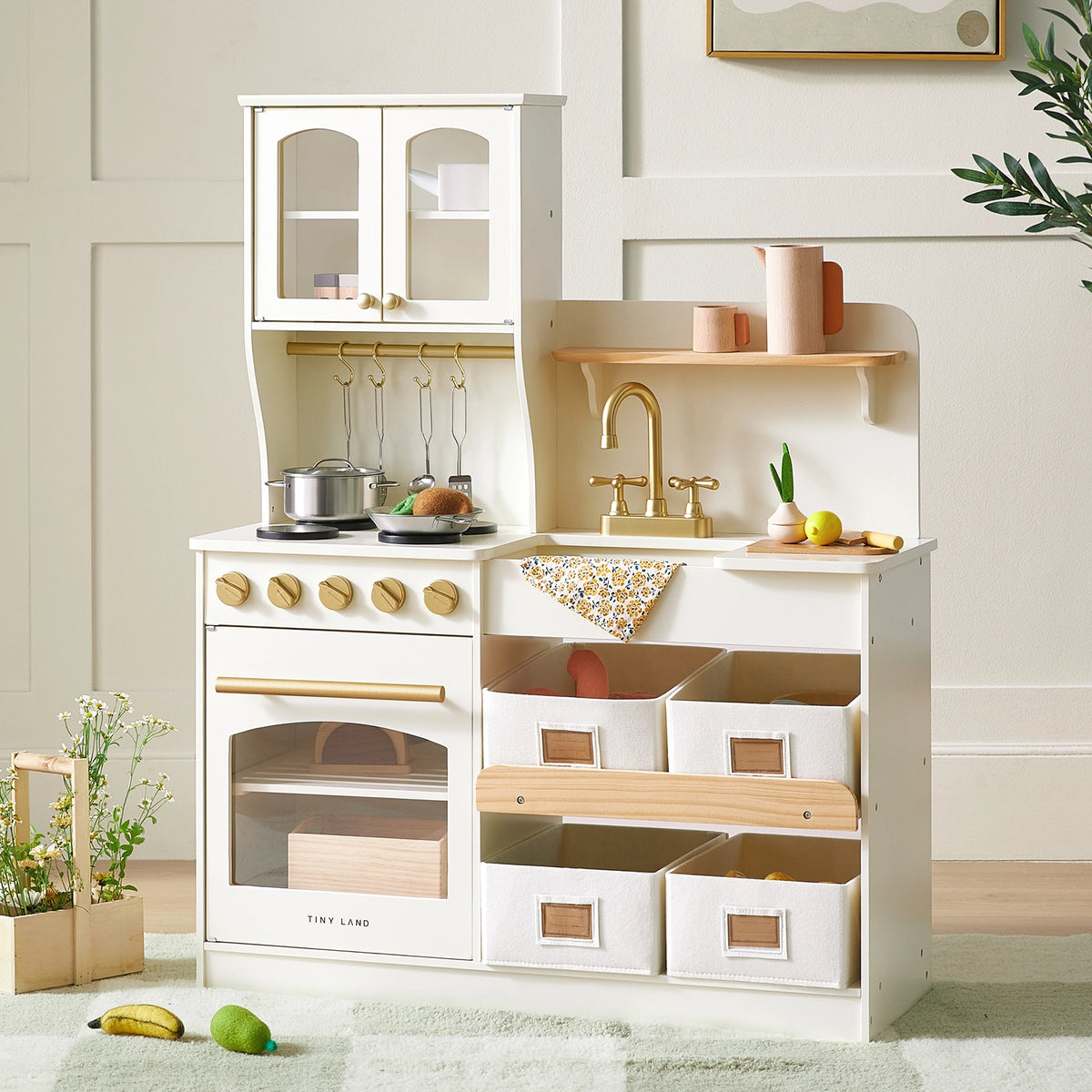
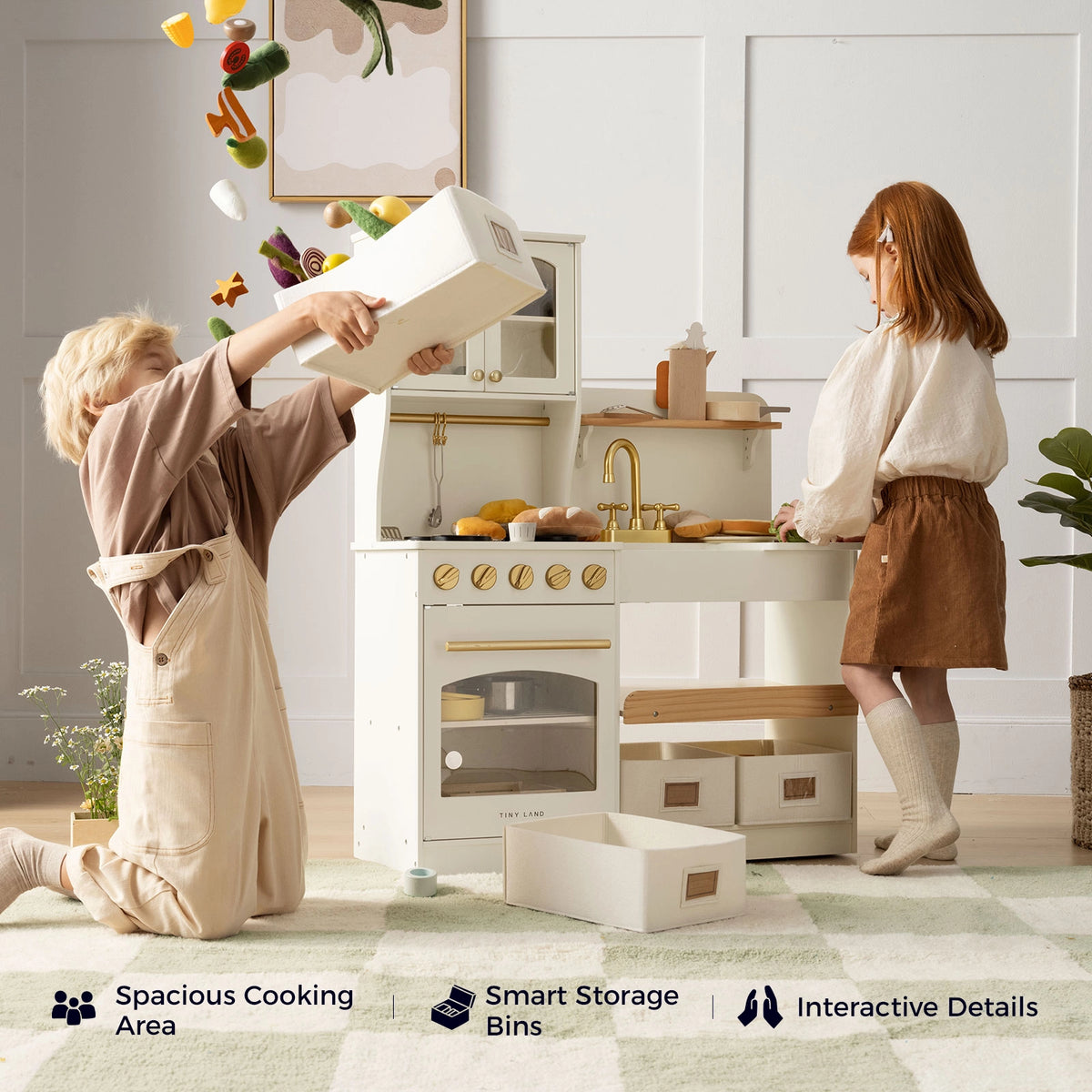
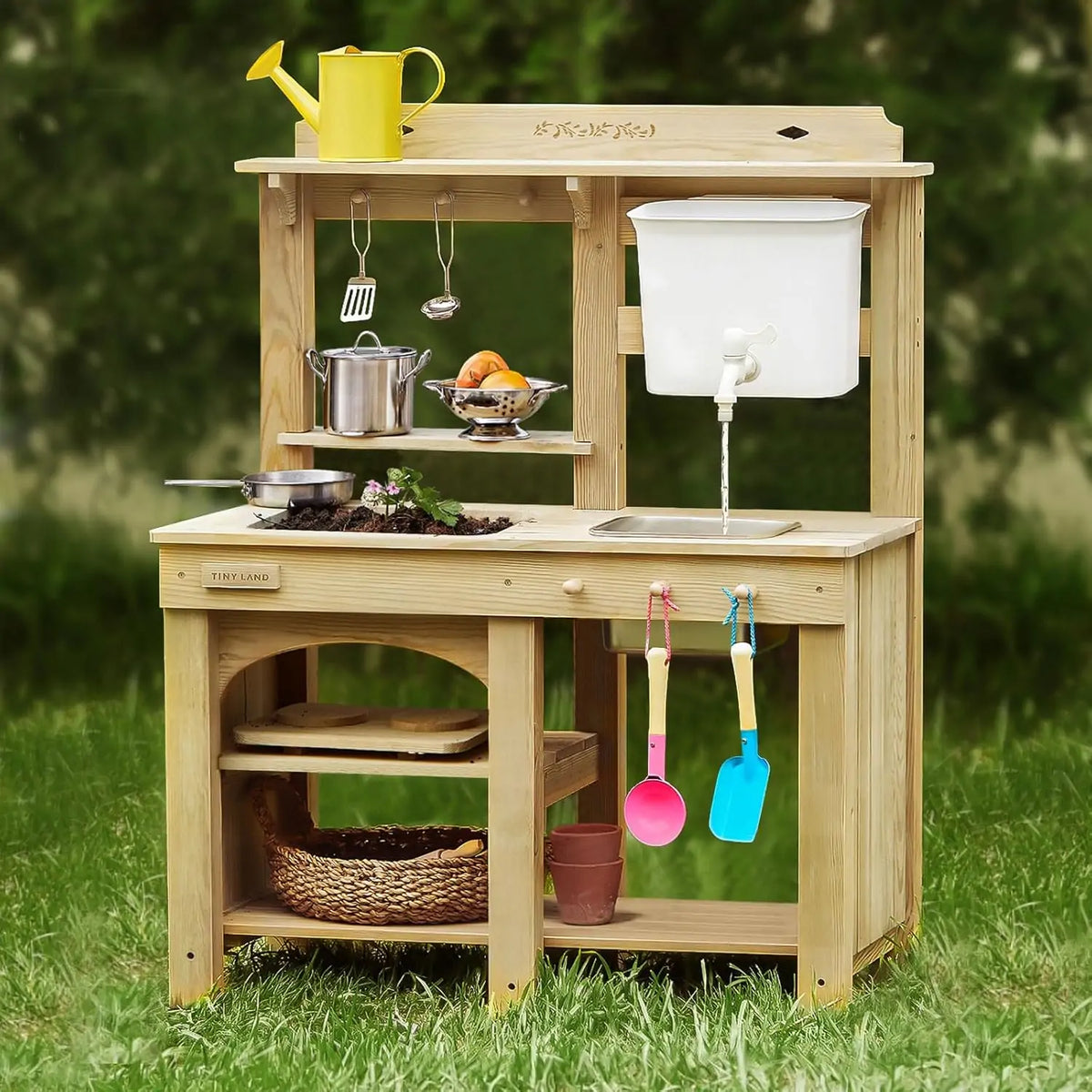
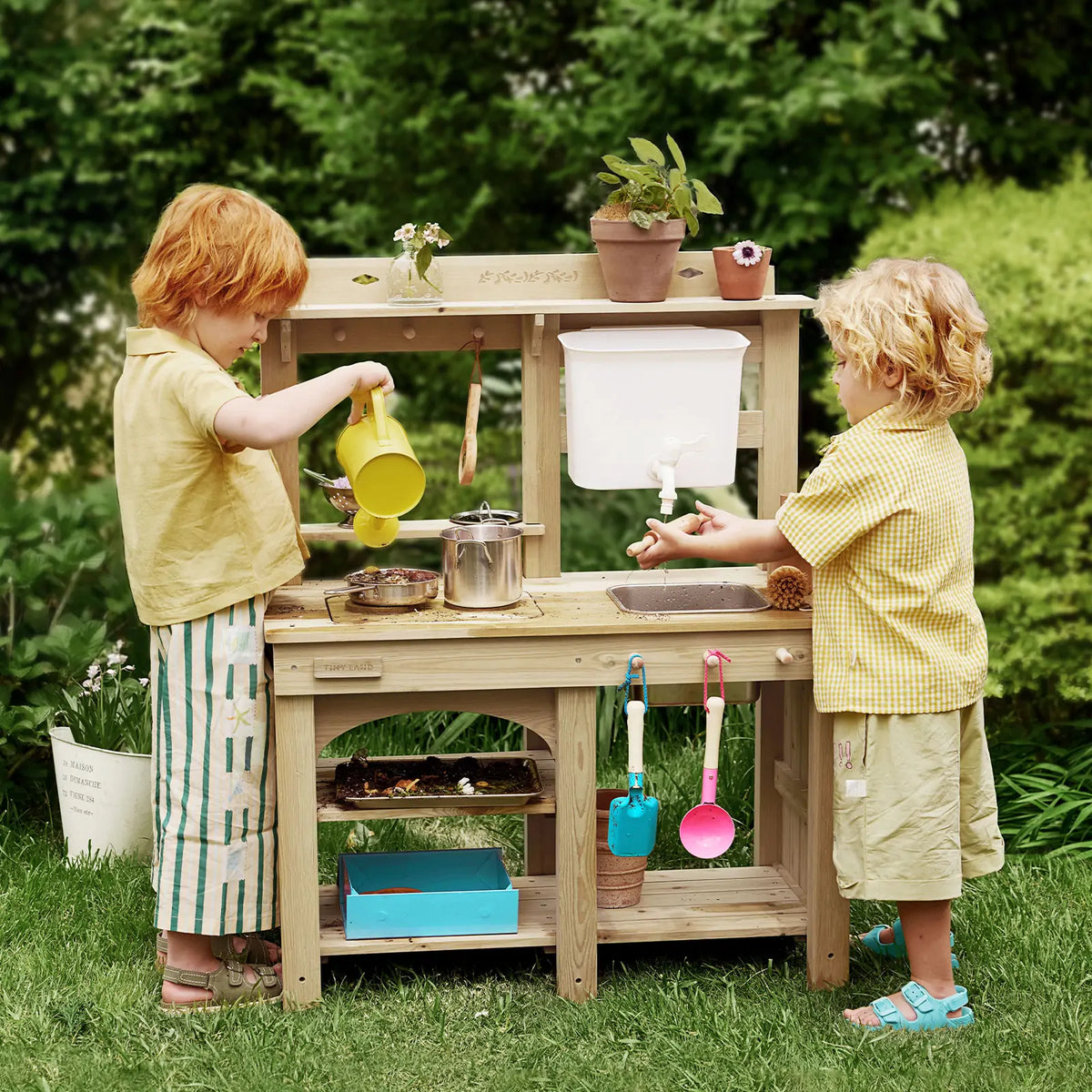
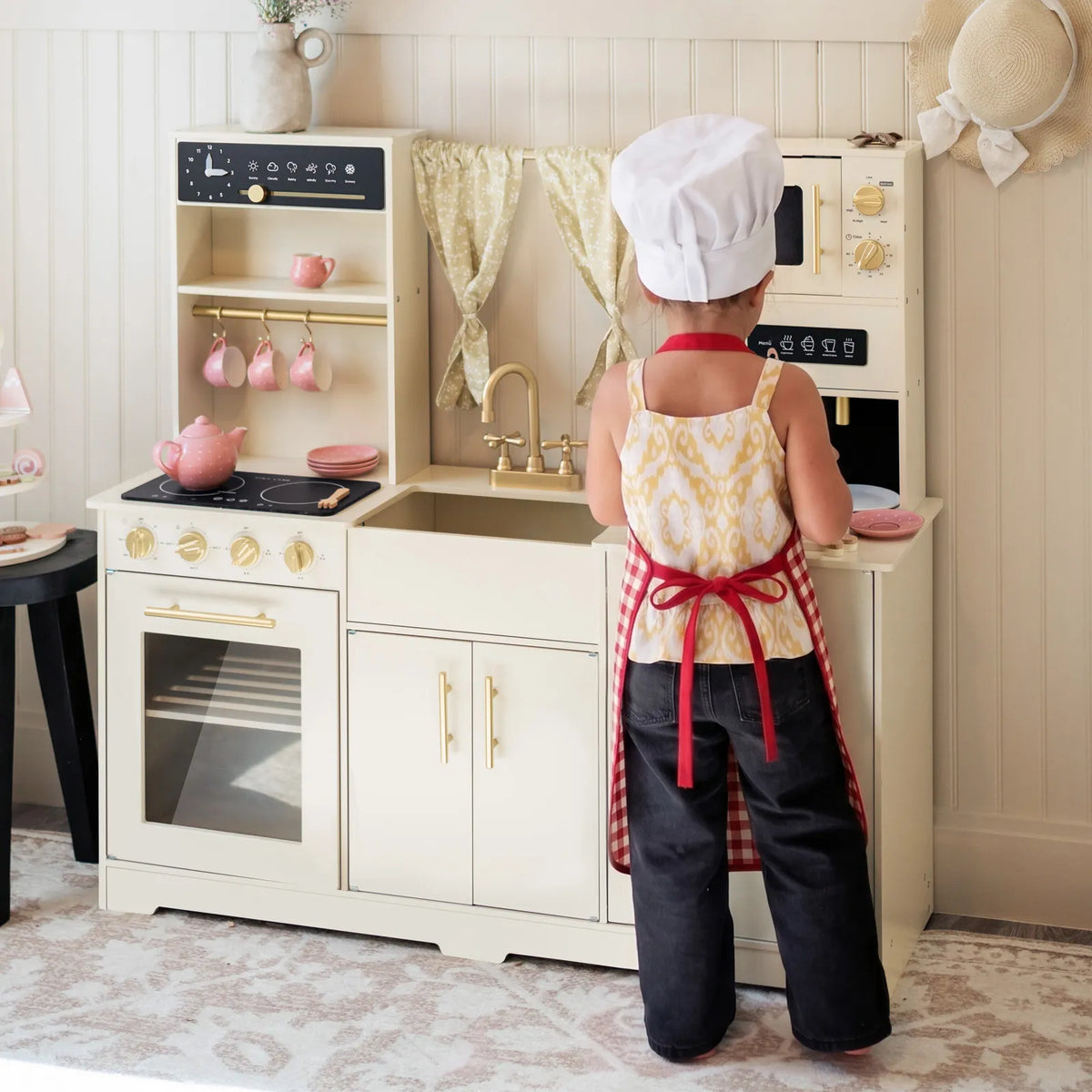
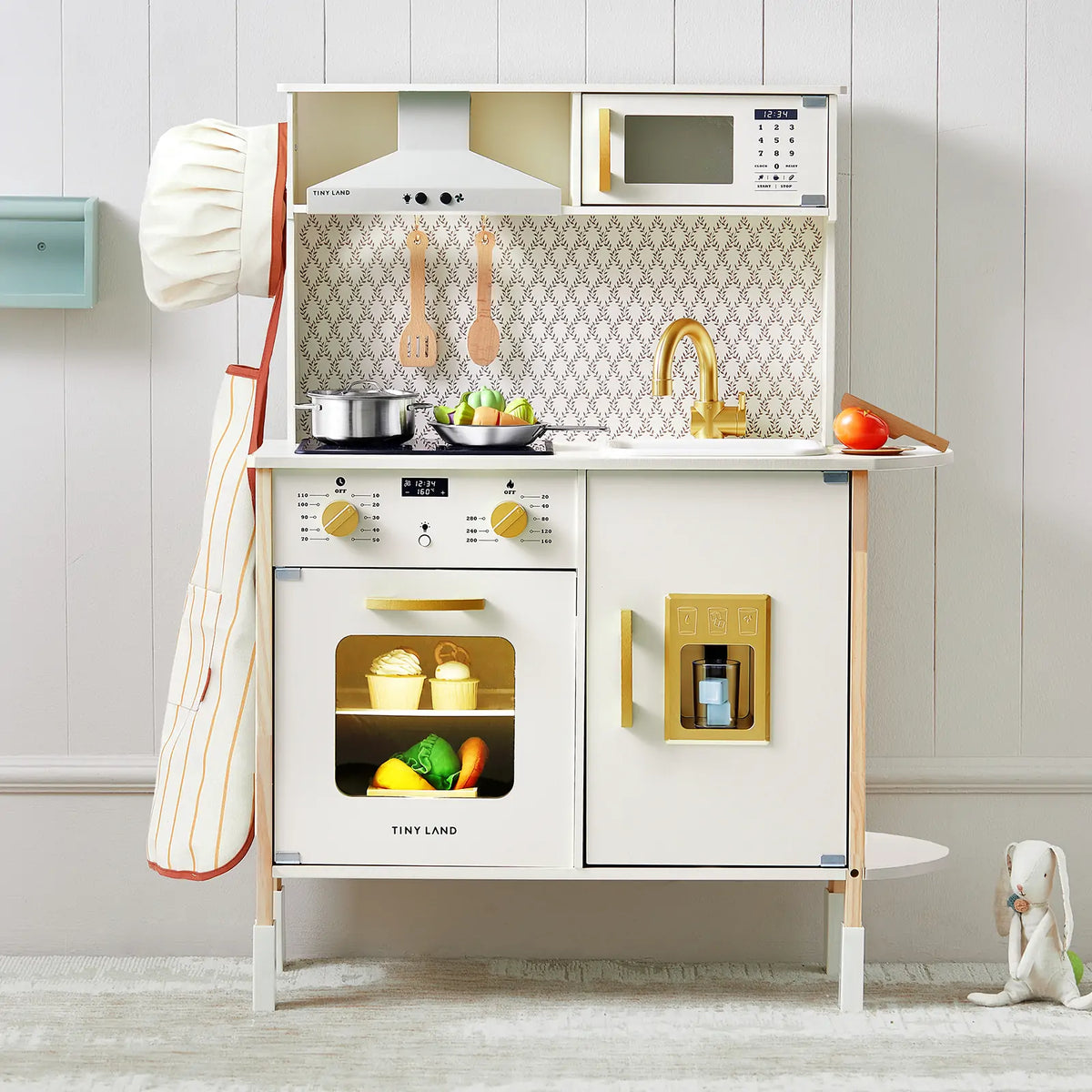
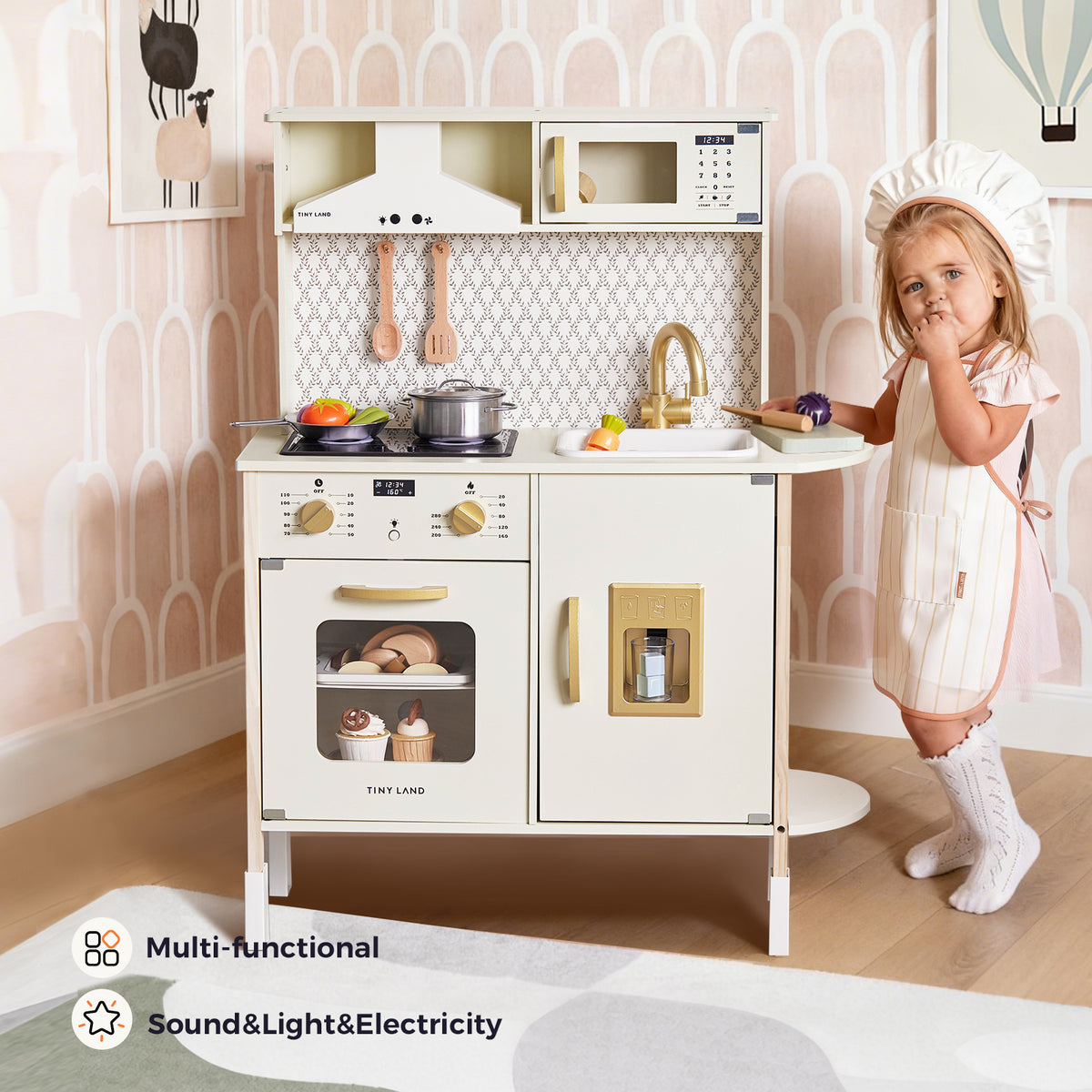
At the center of the Backyard Sensory Play System is a Tiny Land mud kitchen, serving as a functional base for all water, sensory, and pretend cooking activities.
A well-designed setup typically includes:
- A dedicated play kitchen station for role play cooking
- Water-friendly cookware and utensils
- Defined surfaces for mixing, pouring, and serving
-
Storage space for sensory materials and natural elements
This structure allows children to naturally move between different types of play—cooking, experimenting, and exploring—within one cohesive environment.
Tiny Land outdoor play kitchen systems are designed to support this type of open-ended, multi-sensory learning environment, helping families bring structured sensory play into everyday outdoor routines.

Backyard Sensory Play Setup Checklist
This system does not require complex tools. The key is variety, texture, and flexibility.
Water & Liquid Play Tools
- Squeeze bottles filled with colored water (food coloring)
- Watering cans
- Cups, jars, and containers for pouring and mixing
Natural Sensory Materials
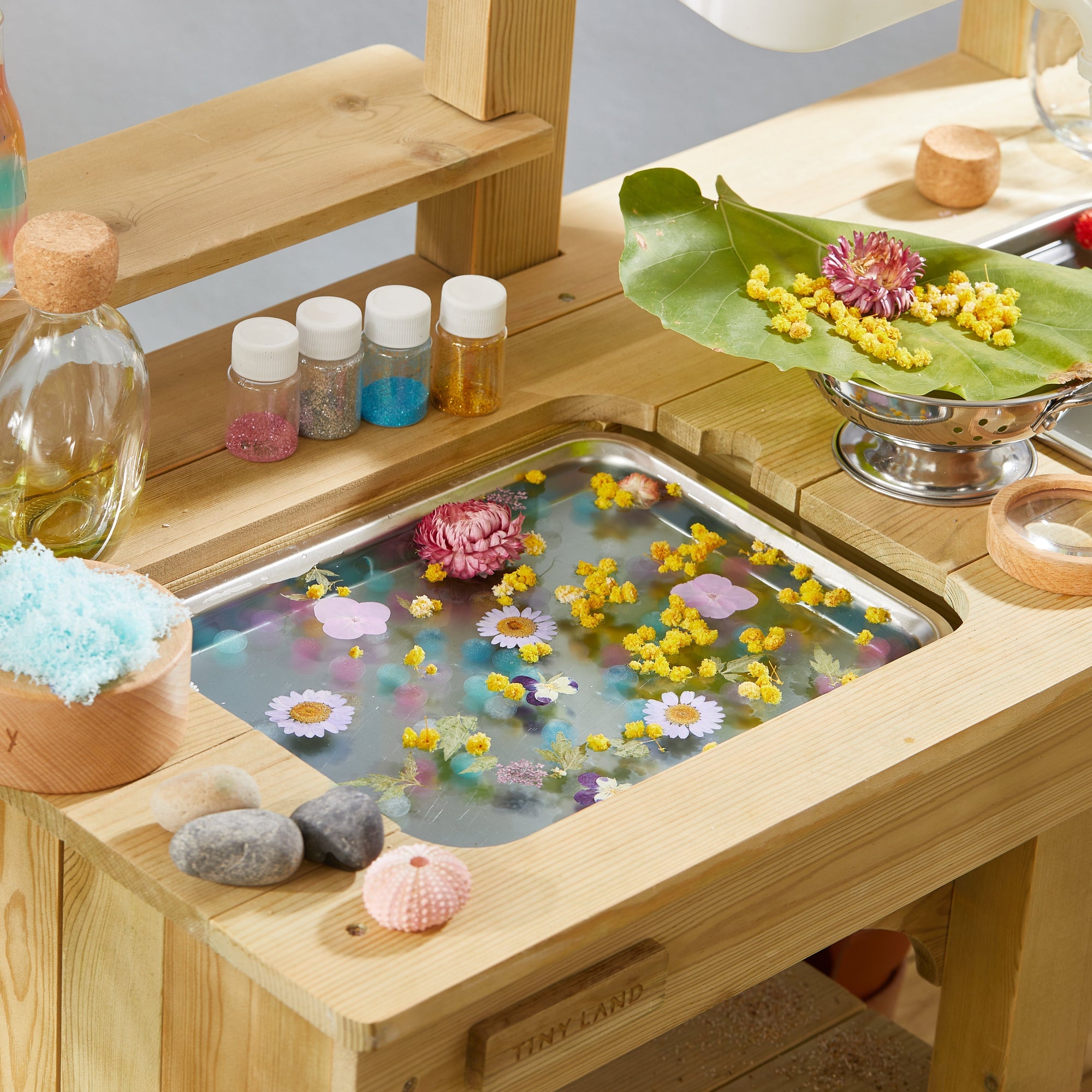
- Pebbles and small stones
- Sand or soil for digging and scooping
- Leaves, sticks, or seasonal natural elements
Visual Sensory Materials
- Glitter or mica powder (used sparingly and safely)
- Colored water for visual mixing and exploration
Pretend Cooking Tools
- Wooden spoons and utensils
- Baking trays and cooking surfaces
- Salt & pepper shakers for role play seasoning
- Small pots, bowls, and serving containers
Digging & Water Interaction Tools
- Small shovels and scoops
- Ladles and transfer tools
- Spray bottles or watering tools

How Children Play Within the System
Once the setup is ready, children naturally engage in different types of play without instruction.
Sensory Exploration
Children mix colored water, transfer materials, and observe changes in texture, color, and movement.
Pretend Cooking
They assign meaning to materials—stones become ingredients, water becomes soup, and trays become cooking stations.
Social Role Play
Children create roles such as chef, customer, or helper, building communication and collaboration skills.
Experimental Play
Children naturally explore ideas:
- What happens when water and glitter are mixed?
- Can natural materials be “cooked”?
- How do different containers change movement and flow?

Benefits of a Structured Sensory Backyard Setup
Compared to unstructured outdoor play, this guided system provides added developmental value:
- Supports independent play
- Encourages screen-free engagement
- Promotes calm, focused activity
- Builds early life skills such as pouring, measuring, and organizing
Safety Guidelines for Parents
This setup is designed to be open-ended but structured for safety:
- Use non-toxic, child-safe materials
- Keep small materials contained in trays or jars
- Supervise water play for younger children
- Avoid small choking hazards for toddlers under 3
- Maintain a clearly defined outdoor play area

Frequently Asked Questions
What age is backyard sensory play suitable for?
Most setups can be adapted for children ages 2–6 with appropriate supervision.
Do I need a play kitchen for sensory play?
No, but a structured play kitchen significantly enhances role play and engagement.
Is sensory water play safe for toddlers?
Yes, when properly supervised and age-appropriate materials are used.
What if I don’t have a large backyard?
Even small outdoor spaces or patios can support a simplified version of this system.

Final Thought
A backyard can become one of the most meaningful learning environments in early childhood when it is intentionally designed. By combining water play, sensory exploration, and pretend cooking into a structured system, families can create a summer experience that supports creativity, independence, and developmental growth.
It is not about adding more toys, but about creating a connected environment where children can explore freely within a safe and thoughtfully designed framework.
Explore our outdoor play kitchen designed to support sensory-rich, open-ended backyard play.