








Expert Perspective by Alli Platter , Speech-Language Pathologist
For young children, play is one of the most natural ways to explore ideas, express themselves, and connect with others.
But meaningful play does not always come from adults deciding what happens next.
According to Alli Platter , a Speech-Language Pathologist, children often communicate most naturally when they have the freedom to follow their own ideas.
“My role is not to lead the play. It’s to help him bring his vision to life.”
This idea reflects the power of open-ended play—a type of play where children can experiment, create, and discover without a single “right” outcome.
Instead of directing the experience, adults can create supportive environments where children’s ideas become the starting point for exploration, communication, and connection.

How Play Gives Children a Reason to Communicate
Communication is more than answering questions or naming objects. For children, communication is a way to share ideas, express needs, and invite others into their world.
When children lead their own play, they naturally find reasons to communicate.
A child playing in a mud kitchen may say:
-
“Look what I made.”
-
“This is my recipe.”
- “Can you help me?”
These moments happen because children have something meaningful they want to share.
As Speech-Language Pathologist Alli Platter explains:
“Children enter the experience with their own ideas about what they want to experiment with, explore, create, and discover. I get to sit back, watch it unfold, and follow their lead.”
Alli also shares how play can support children who use familiar phrases or “gestalts” as part of their communication development:
“This little guy already uses ‘I need help,’ which is a powerful communication skill—it shifts my attention toward him and lets me know he needs support.”
As children are supported in meaningful play interactions, they may begin using communication in more flexible ways—sharing what they want to create, how they want others to participate, and what they are experiencing.
Through play, communication becomes a tool that helps children bring their ideas to life.
How Mud Kitchen Play Encourages Imaginative Communication
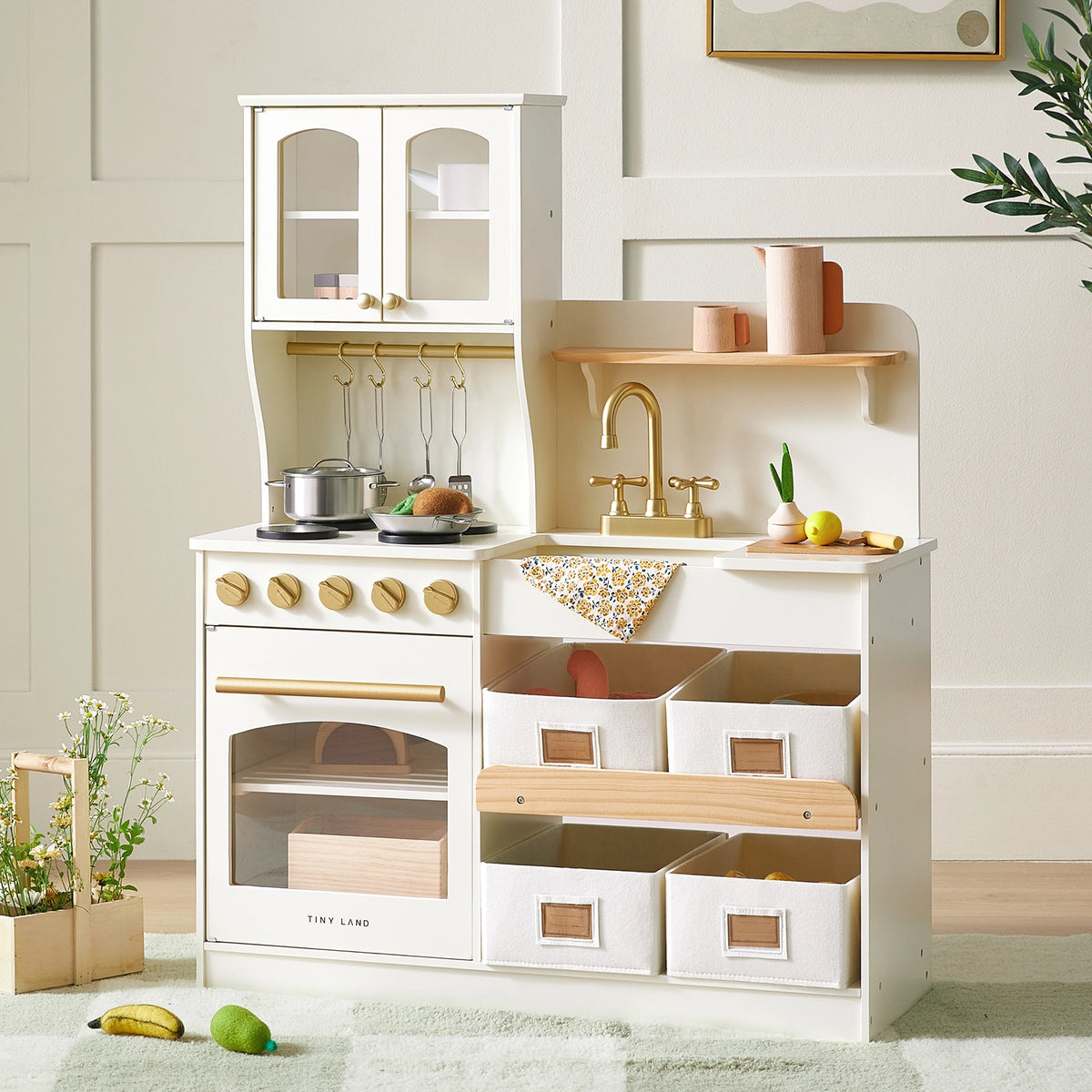
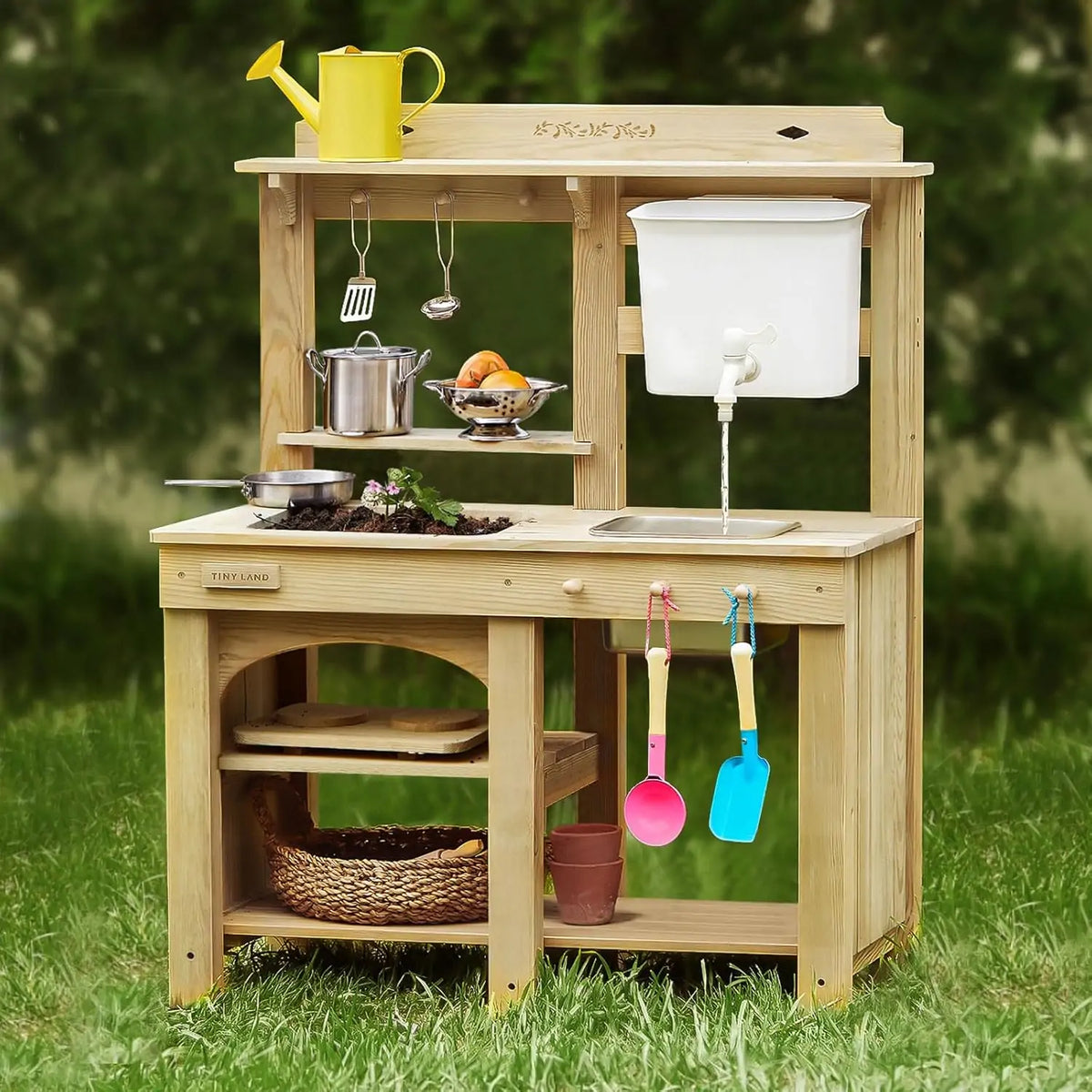
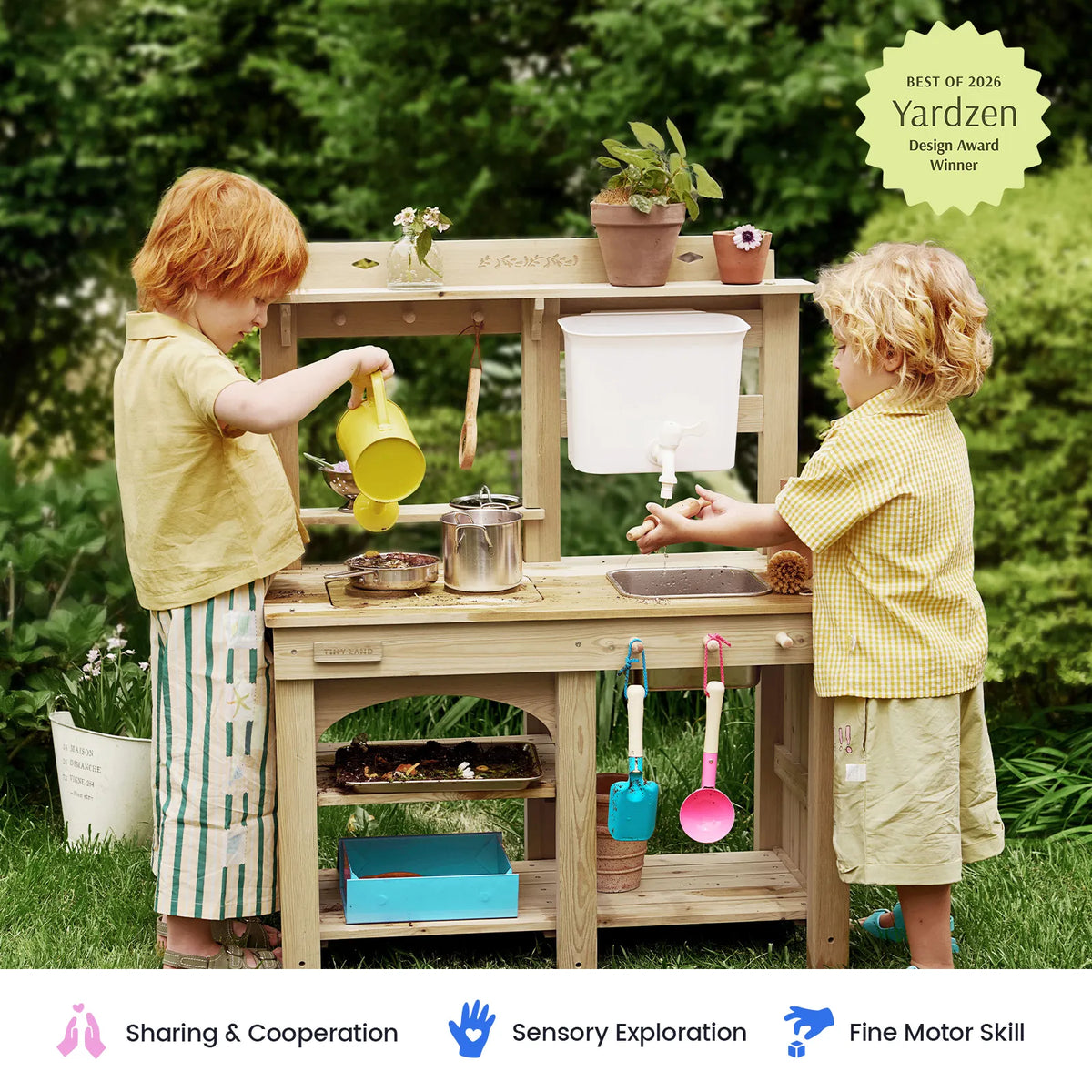
A mud kitchen is more than a place for children to pretend cook. It creates an open-ended play environment where children can turn their ideas into stories, create their own roles, and invite others to be part of their imagination.
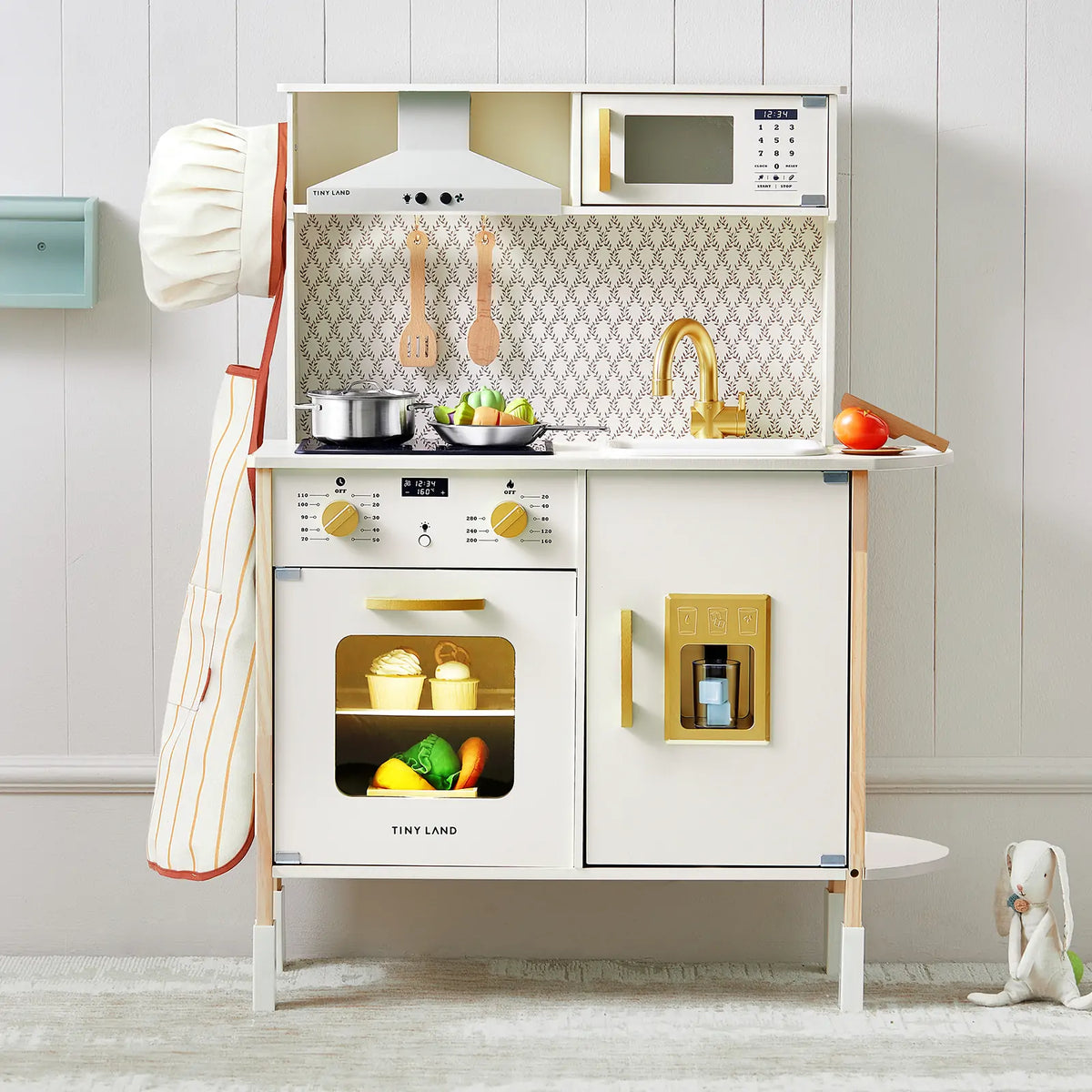
Unlike traditional play kitchens with more predictable scenarios, mud kitchens give children the freedom to decide what the play becomes.
A handful of mud can become a special recipe. Leaves can become ingredients. Water can become part of a pretend creation.
The possibilities are shaped by the child’s own ideas.
This freedom is what makes mud kitchen play so meaningful. When children have something they want to create, they naturally have reasons to communicate.
Sharing Their Ideas Through Pretend Play
In a mud kitchen, children often become the creators of their own stories.
They may pretend to run a restaurant, prepare a meal for their family, or invent a brand-new recipe. As they play, they may want to explain their ideas and invite others into their world.
They might say:
- “This is my special soup.”
- “I made this for you.”
- “You have to try it.”
These moments give children opportunities to practice expressing their thoughts and sharing their imagination with others.
Using Communication to Bring Their Ideas to Life
Open-ended play also creates natural moments when children need support from others.
A child may ask:
- “Can you get more water?”
- “Can you be my customer?”
These requests are meaningful because the child has a clear purpose—they are using communication to make their ideas happen.
Instead of taking over the play, adults can support children by following their lead and helping bring their vision to life.
Creating Shared Stories Together
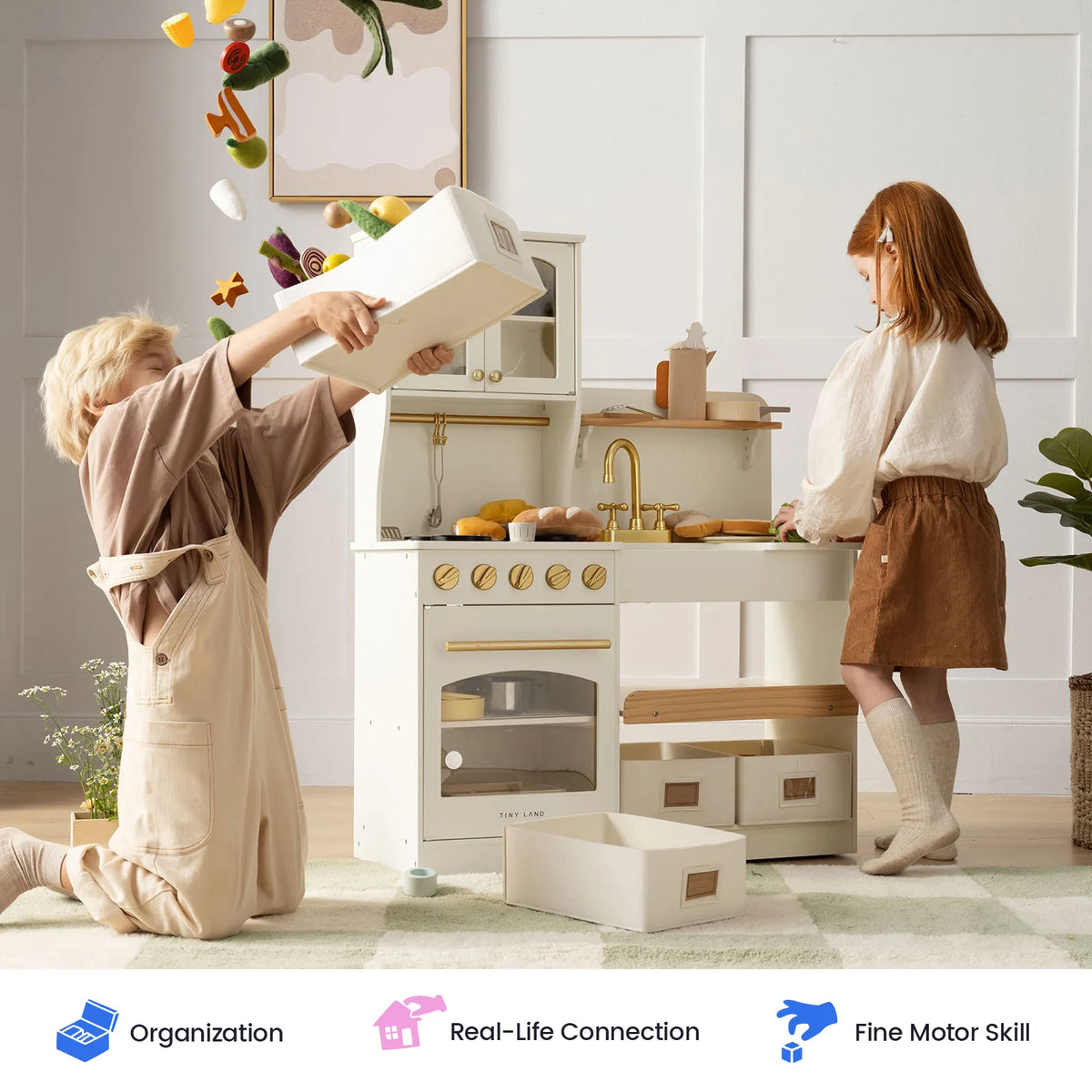
Mud kitchen play naturally invites collaboration. Children can create roles for parents, siblings, or friends and build imaginary experiences together.
A parent might become a customer at a pretend restaurant. A sibling might help prepare ingredients. A child might explain the rules of their imaginary game.
During these interactions, children have opportunities to practice:
- Sharing ideas
- Taking turns in conversations
- Expressing what they want others to do
- Building connections through shared play

How Parents Can Support Communication During Mud Kitchen Play
In child-led play, the adult’s role is not to control the experience, but to become a supportive partner who follows the child’s ideas and helps the play unfold.
As Alli Platter shares:
“As the child plays they may want to connect with or need to recruit an adult to help make their vision happen or assist with their sensory needs.”
A mud kitchen naturally creates these moments. Children may invite adults into their play because they have something they want to share, create, or explore together.
Here are simple ways parents can support communication during mud kitchen play:
Follow the Child’s Lead
Start by observing what interests your child and join their play without changing the direction.
If your child says:
“I’m making soup.”
Instead of deciding what the soup should be, respond to their idea:
“Tell me about your recipe.”
Use Comments That Encourage Sharing
During play, questions can sometimes make children feel like they need to give the “right” answer.
Instead of:
❌ “What are you making?”
Try:
✅ “That looks like something special.”
✅ “I wonder what you will add next.”
✅ “You added something new to your recipe.”
These comments show interest in the child’s ideas and create more opportunities for conversation.
Join Their Play Without Taking Over
Children may invite adults to participate:
- “Can you help me?”
- “Can you be my customer?”
- “Can you get more water?”
These moments are opportunities for connection. By responding to the child’s ideas, adults become play partners rather than play directors.
A mud kitchen does not provide one set way to play. It gives children the freedom to imagine, create, and decide what happens next.
When children have ideas they are excited to share, communication becomes a natural part of the play experience.

Why Open-Ended Play Matters: Let Children’s Ideas Lead the Way
The value of open-ended play is not about creating one specific outcome. It is about giving children the freedom to explore, communicate, and connect in ways that feel meaningful to them.
Through experiences like mud kitchen play, children have opportunities to practice:
Communication
Sharing ideas, expressing needs, and participating in conversations.
Creativity
Creating stories, roles, and imaginary worlds based on their own ideas.
Social Connection
Collaborating with others and building shared experiences through play.
Independence
Making choices and seeing their ideas become part of the experience.
As Alli Platter shares:
“The play is his.The ideas are his. My job is to help give him the communication tools to make them happen.”
Children’s ideas are the foundation of meaningful play. When adults provide a supportive environment and respond to children’s interests, play becomes more than an activity—it becomes a place where children can explore, connect, and express themselves.
A thoughtfully designed open-ended play space, such as a mud kitchen, gives children the freedom to create their own stories while providing natural opportunities for communication and connection.

About the Expert
Alli Platter, M.S., CCC-SLP is a speech-language pathologist with 14 years of experience supporting children and families in communication development.
She specializes in early language development and provides functional communication strategies tailored to each child’s strengths, interests, and needs.
Alli holds a Master’s Degree in Communication Disorders from the University of Kansas, is licensed by the North Carolina Board of Speech-Language Pathologists and Audiologists, and holds the Certificate of Clinical Competence (CCC) from the American Speech-Language-Hearing Association (ASHA).
Through her coaching-based approach, Alli empowers caregivers to support communication during everyday routines and interactions.