


If you’ve ever noticed a toddler completely ignoring their toys just to play with dirt, water, or leaves, there is a reason for it.
What looks like “messy play” is actually one of the most natural forms of early learning.
Children don’t need cleaner play. They need richer play.
This is where mud kitchens come in.

What Is a Mud Kitchen?
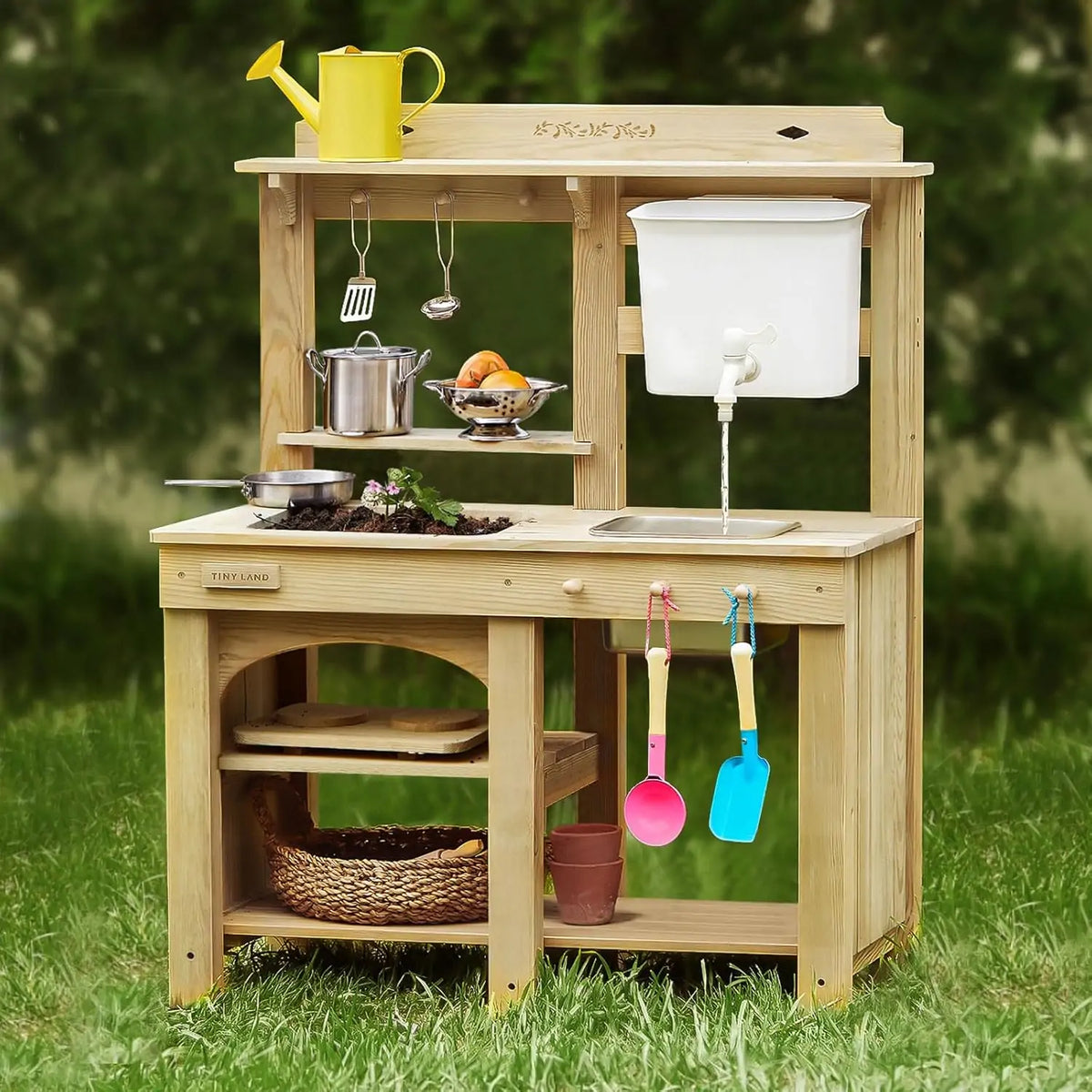
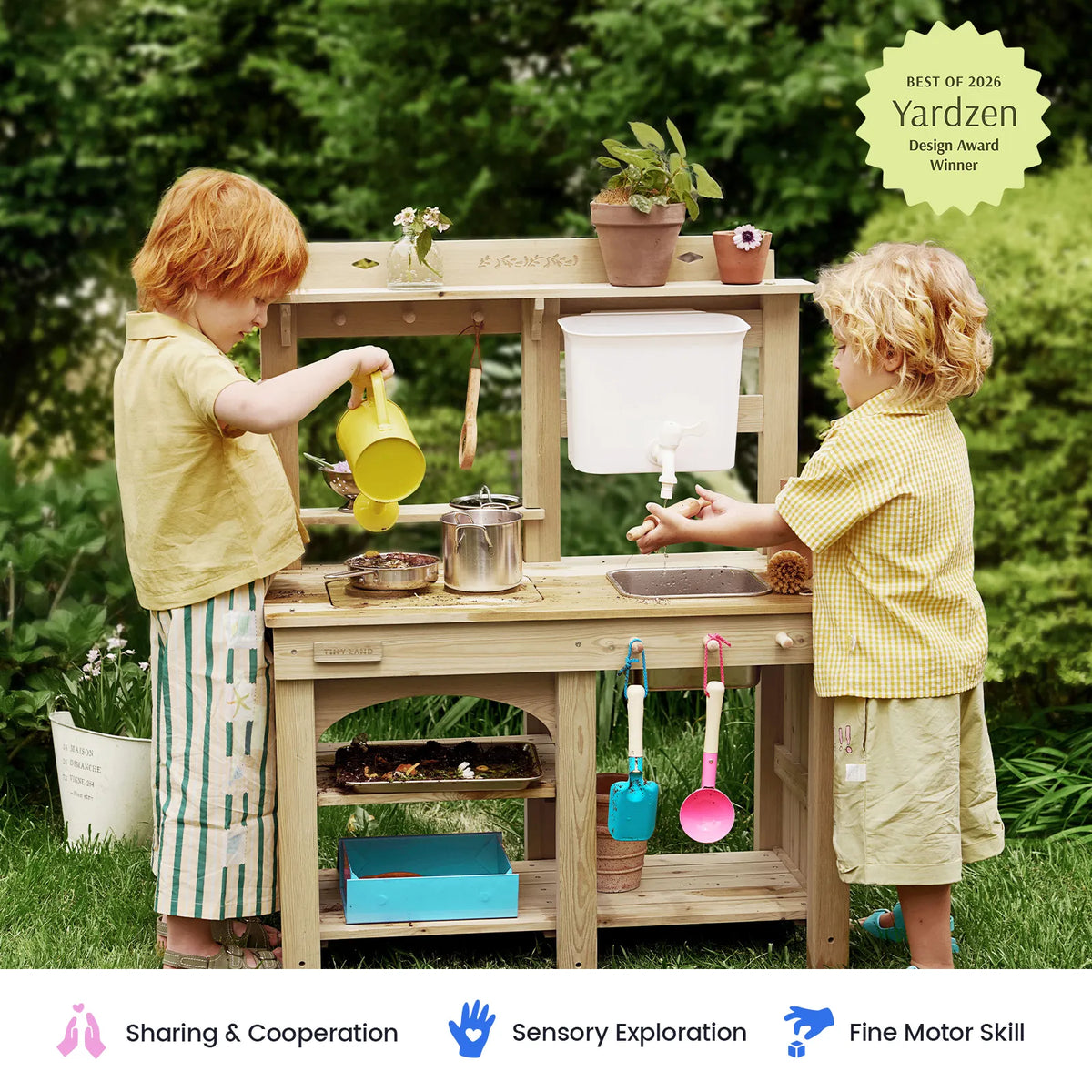
A mud kitchen is an outdoor play space where children use natural materials—such as soil, water, sand, leaves, and sticks—to create imaginary food and cooking experiences.
At its core, it combines two essential types of early childhood play:
- Pretend play: children act out roles like chef, baker, or café owner
- Sensory play: children explore textures, materials, and physical change through hands-on interaction
Early childhood educator Marina often describes this combination as a powerful example of open-ended learning, where imagination and sensory exploration naturally reinforce each other. She also shares this perspective in a short video discussing how mud kitchen play supports children’s development through self-directed exploration.
This combination makes mud kitchens highly open-ended, meaning there is no single right way to play.
Why Mud Kitchen Play Supports Early Development
Early childhood educators often recommend mud kitchen play because it supports multiple areas of development at the same time.
1. Longer Attention and Deep Engagement
Because there are no instructions or fixed outcomes, children naturally stay engaged longer.
Every play session is different:
- Different materials
- Different ideas
- Different stories
This helps build sustained attention in a natural way.
2. Creativity and Early Problem-Solving
Mud kitchens encourage children to experiment freely:
- How can I make “soup” thicker or thinner?
- What happens if I mix sand with water?
- How do I serve food to my pretend customers?
These simple moments build early reasoning, creativity, and flexible thinking.
3. Social Skills and Communication
Mud kitchen play often becomes shared play.
Children naturally begin to:
- Assign roles (chef, customer, helper)
- Negotiate ideas
- Share tools and materials
- Build group stories
This strengthens communication and cooperation skills.
4. Sensory Development and Emotional Regulation
Touching and working with natural materials provides rich sensory input.
Children experience:
- Different textures (wet, dry, sticky, grainy)
- Material changes (mud becoming “food”)
- Repetitive, calming movements
This kind of sensory engagement supports focus and emotional balance.

Why “Messy Play” Is Actually Structured Learning
To adults, mud kitchen play can look random. In reality, it is highly structured learning driven by the child.
It naturally supports:
- Cause and effect thinking
- Planning and decision-making
- Sensory integration
- Early executive function skills
Children are not just playing outside—they are actively learning how the world works through direct experience.
Safe Exploration of Nature
Mud kitchens also provide a way for children to interact with nature in a guided and supervised environment.
This allows them to:
- Explore natural textures safely
- Build familiarity with outdoor environments
- Gain confidence in unstructured play
The goal is not to eliminate all risk, but to create safe opportunities for exploration and learning.

What Mud Kitchen Play Looks Like in Real Life
In practice, mud kitchen play often becomes highly imaginative:
- Cooking “mud soup” with leaves and water
- Running a pretend outdoor café
- Baking sand cakes and decorating them with flowers
- Collecting natural ingredients from the garden
Each activity evolves naturally without adult direction.
From Mud Kitchens to Outdoor Play Systems
Mud kitchens are often a child’s first introduction to open-ended outdoor role play.
This concept has evolved into more structured outdoor play environments that extend the same learning principles into everyday backyard play.
These systems are designed to support:
- Long-term imaginative play
- Sensory exploration
- Social interaction
- Creative storytelling
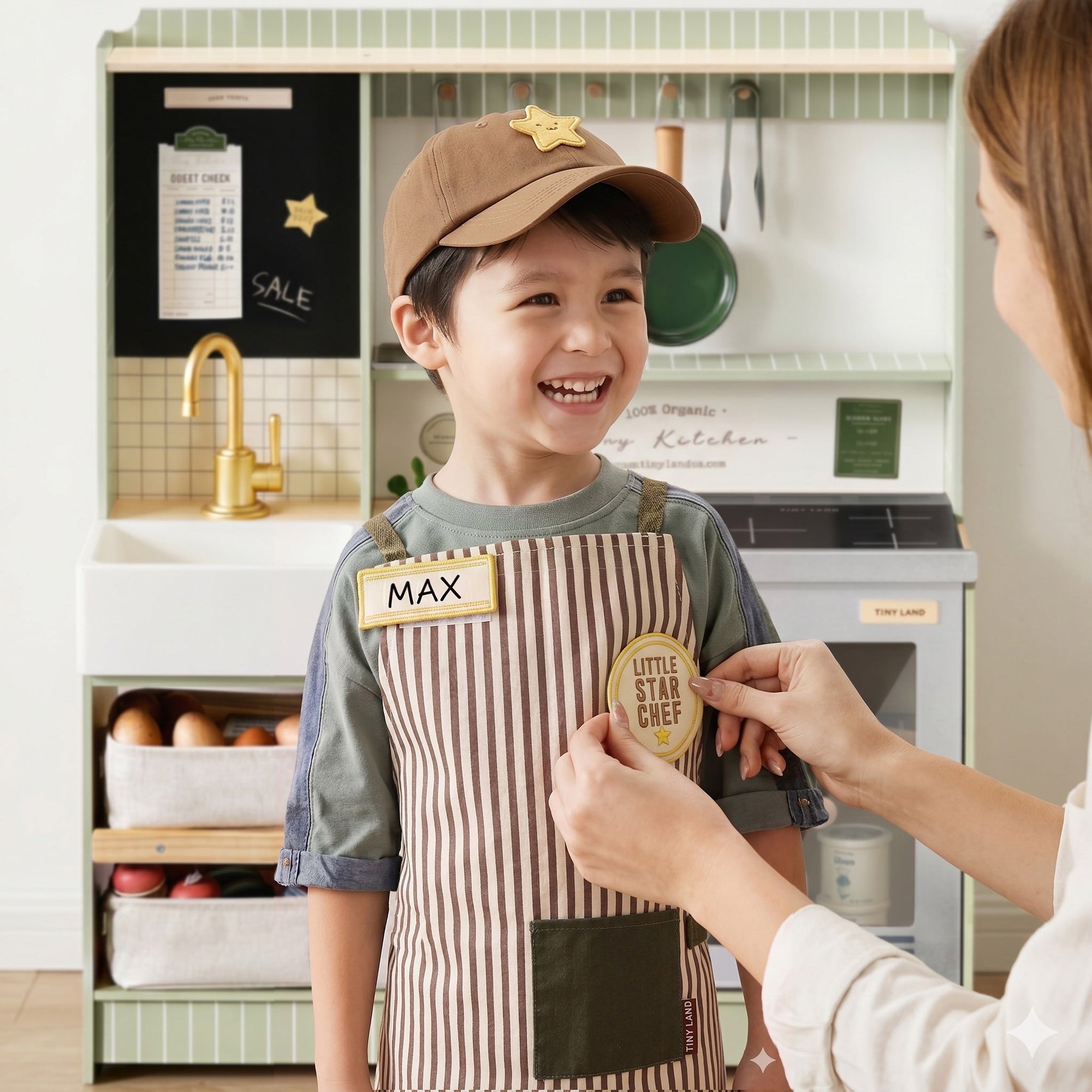
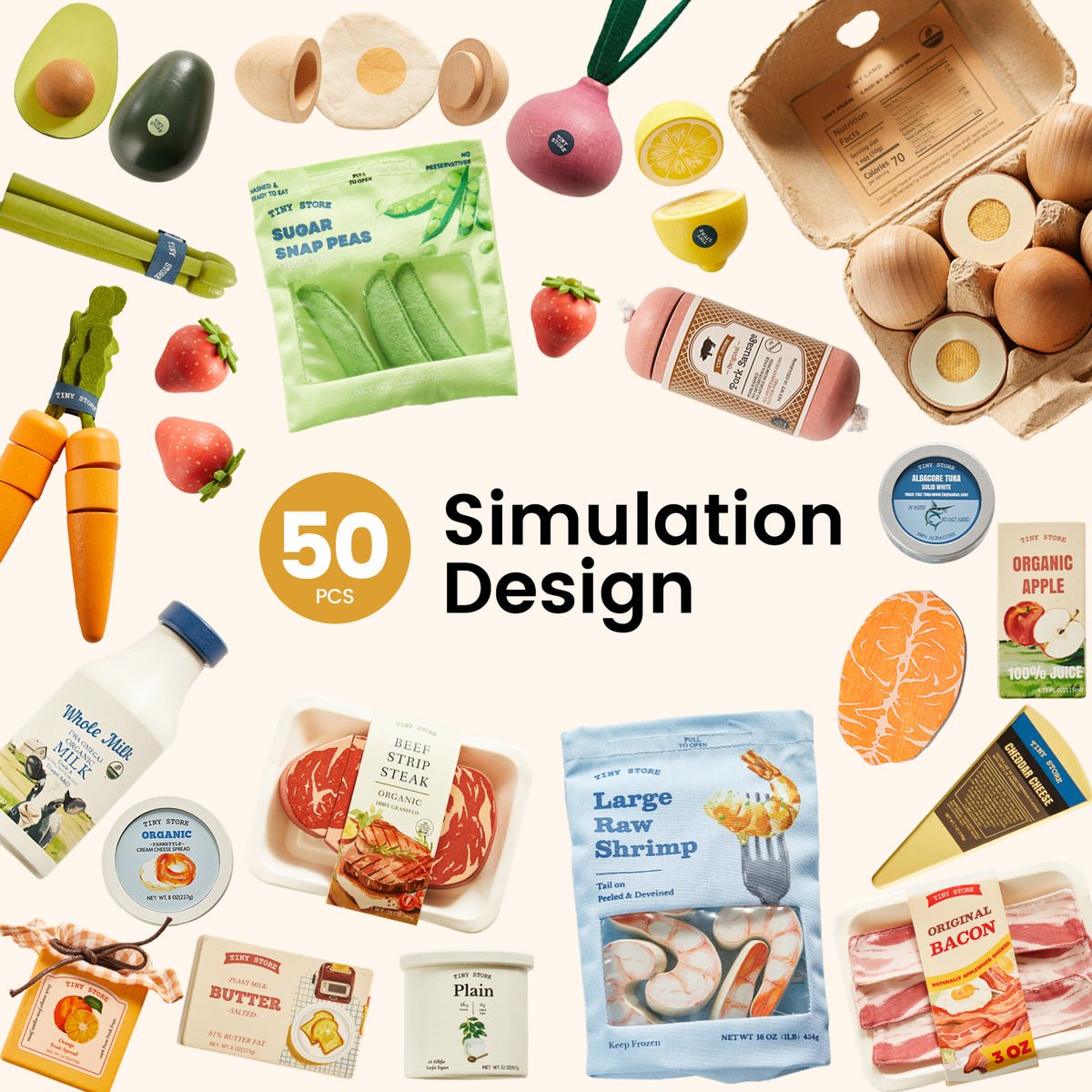
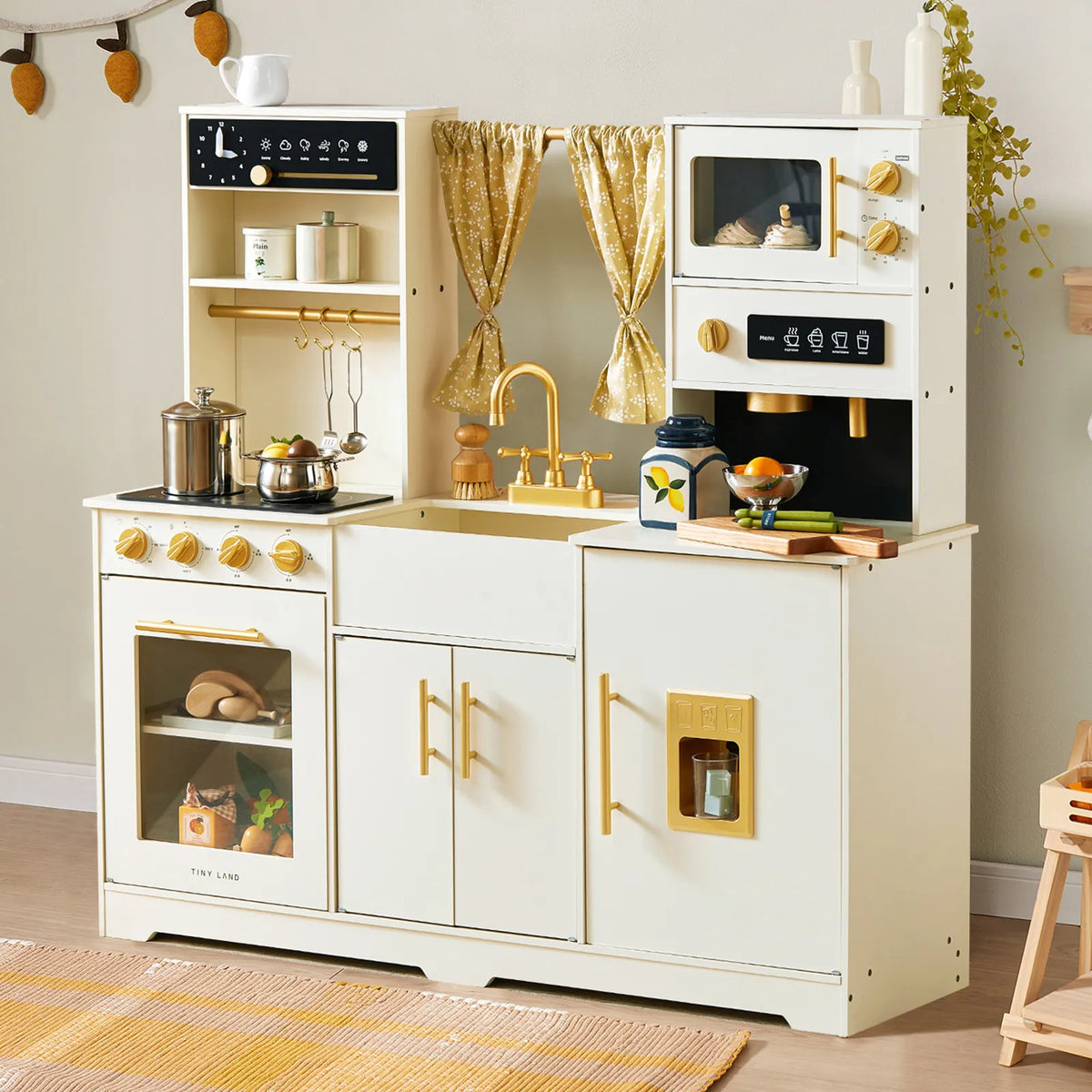
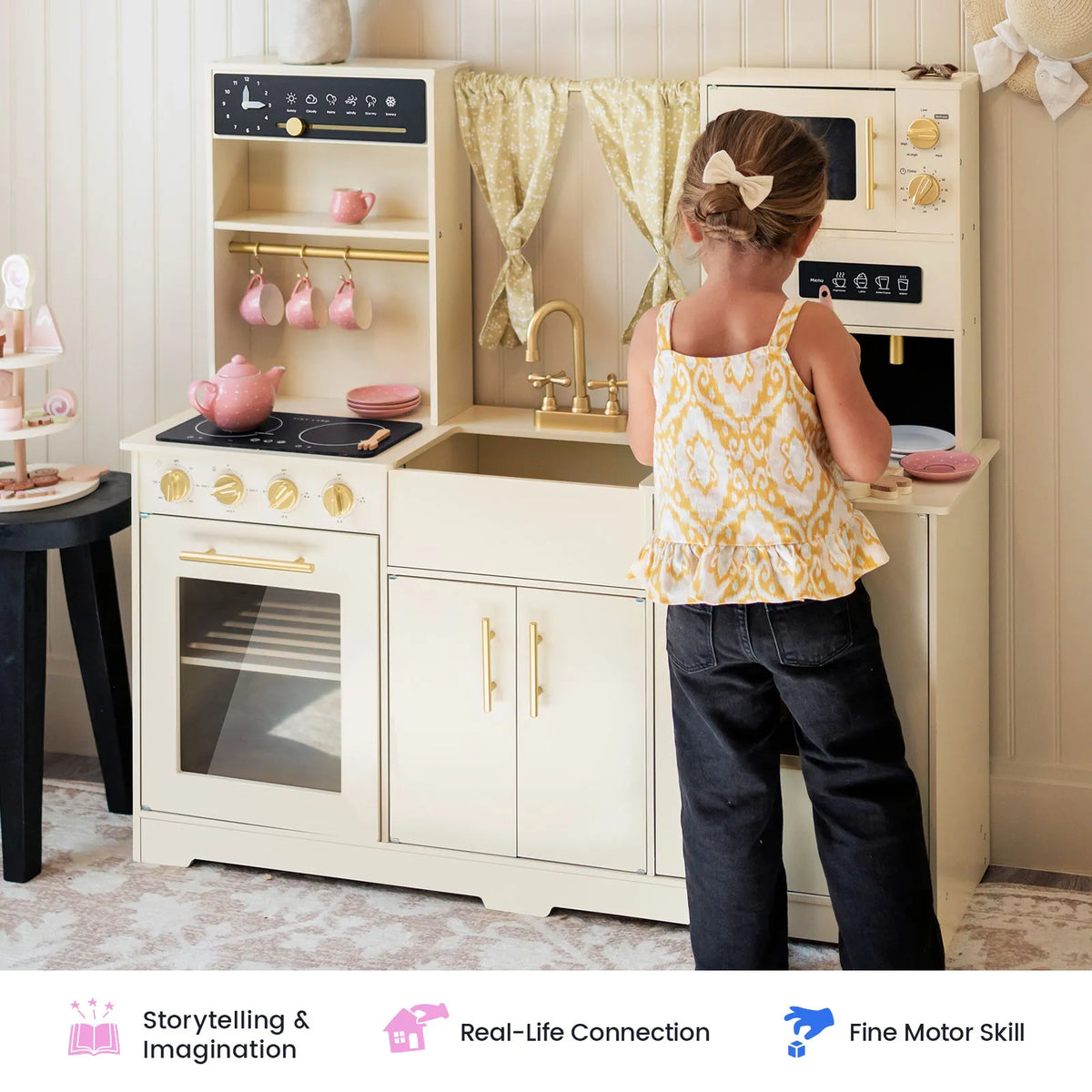
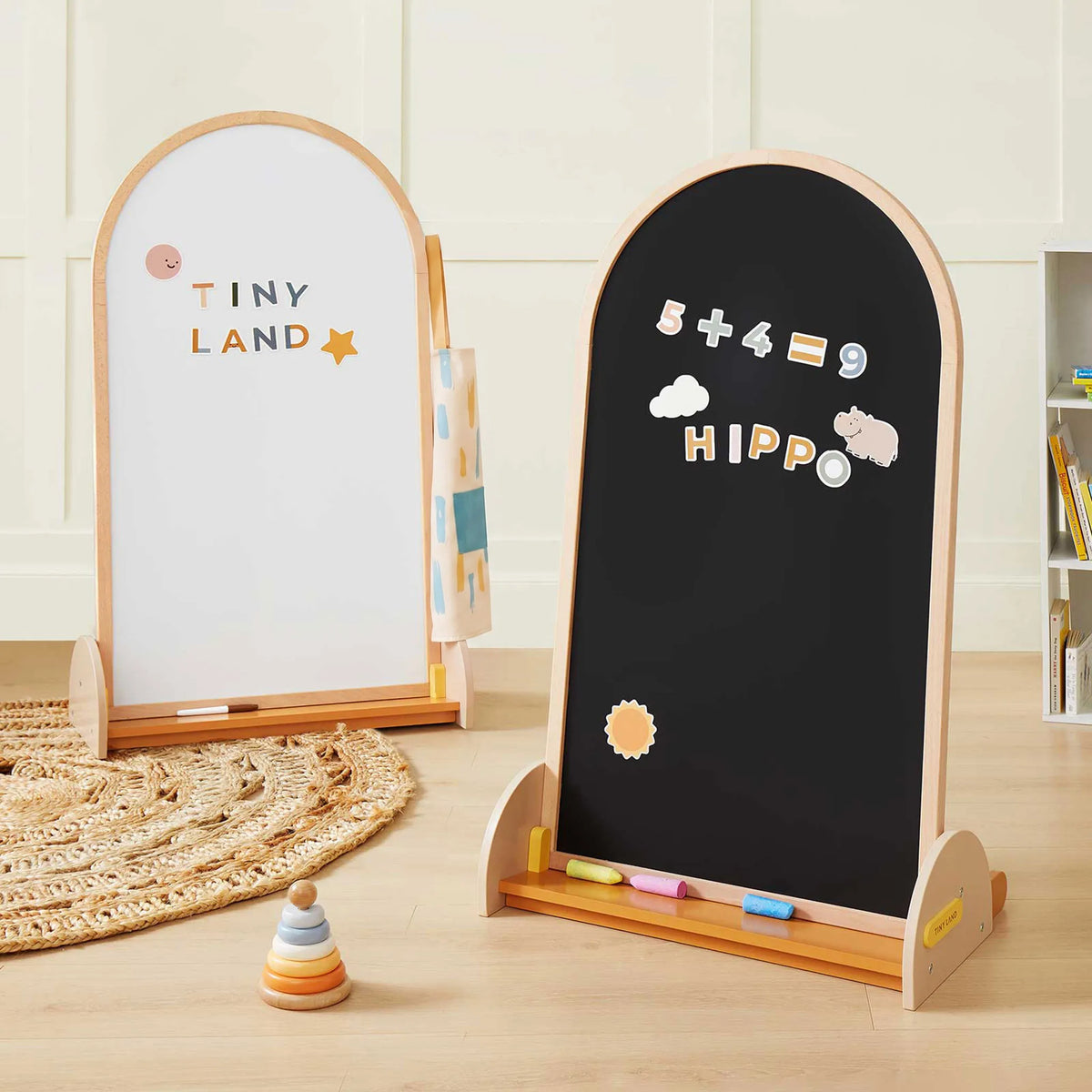
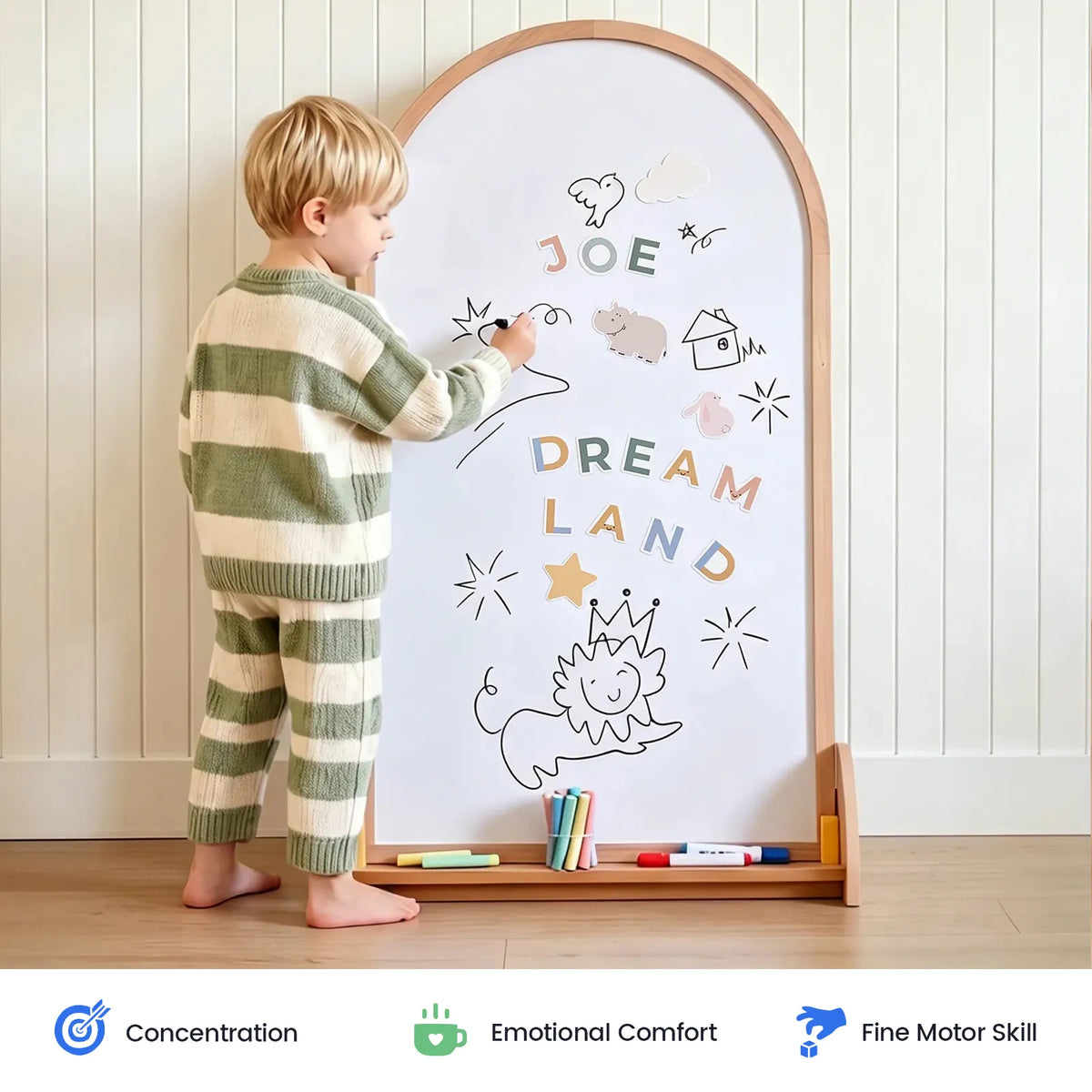
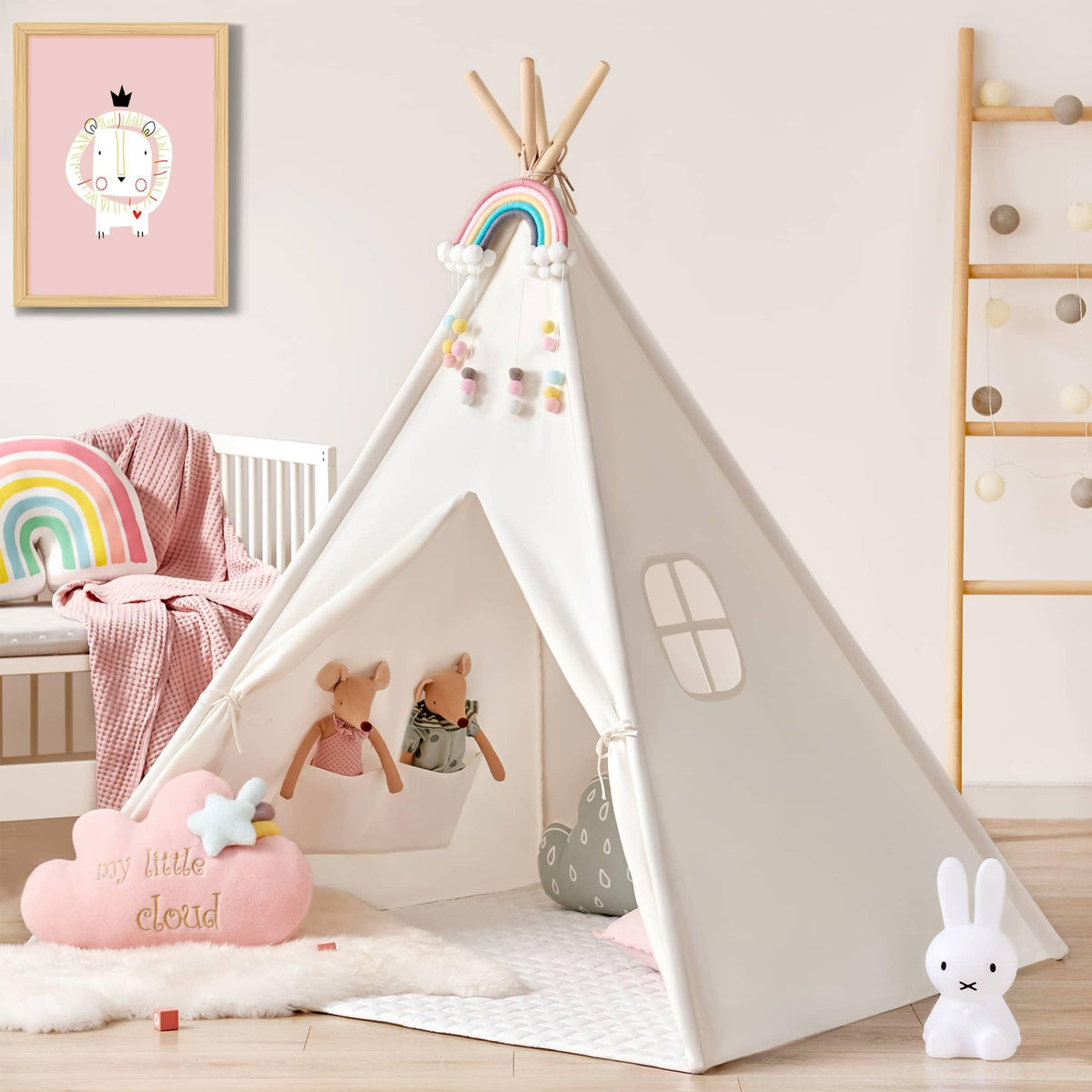
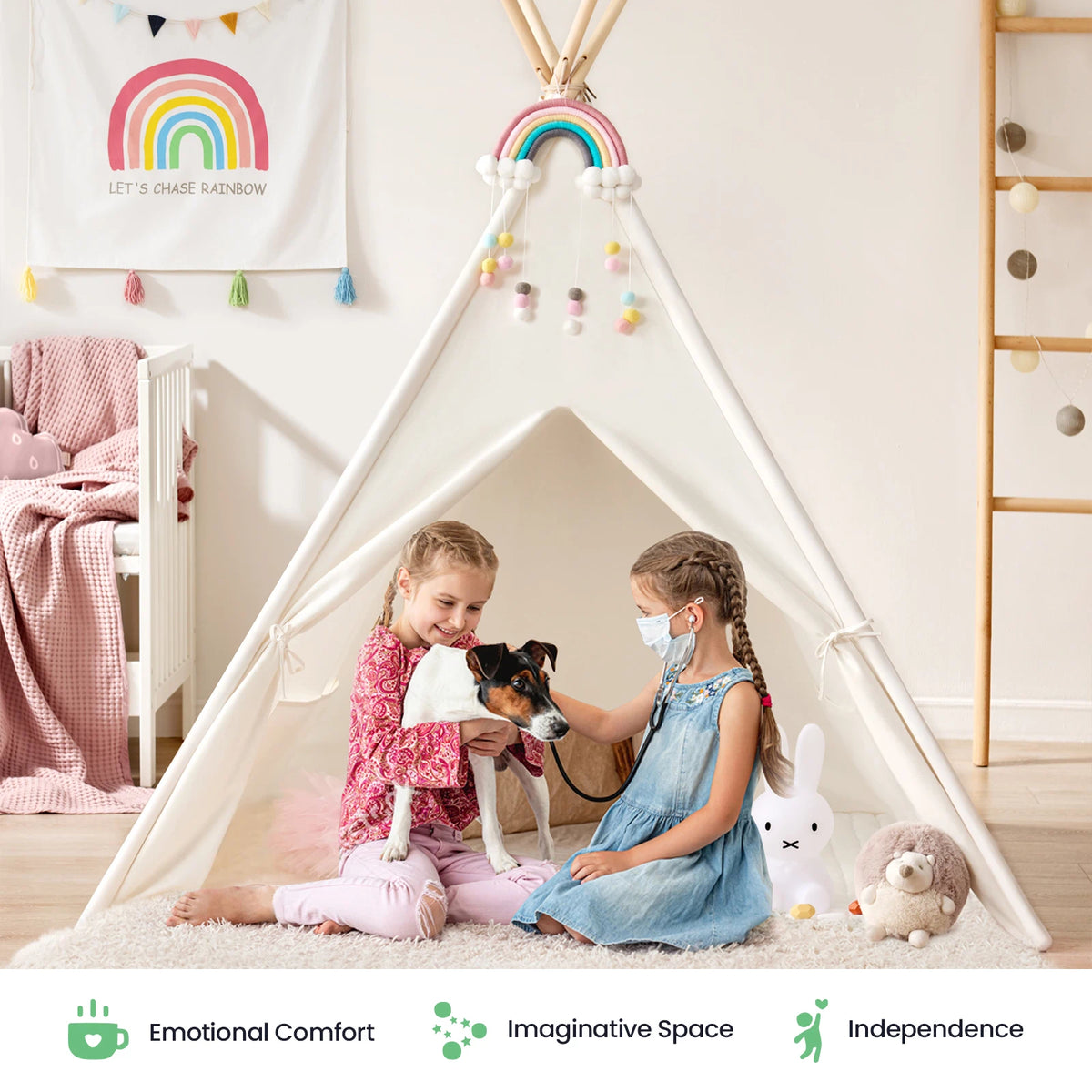
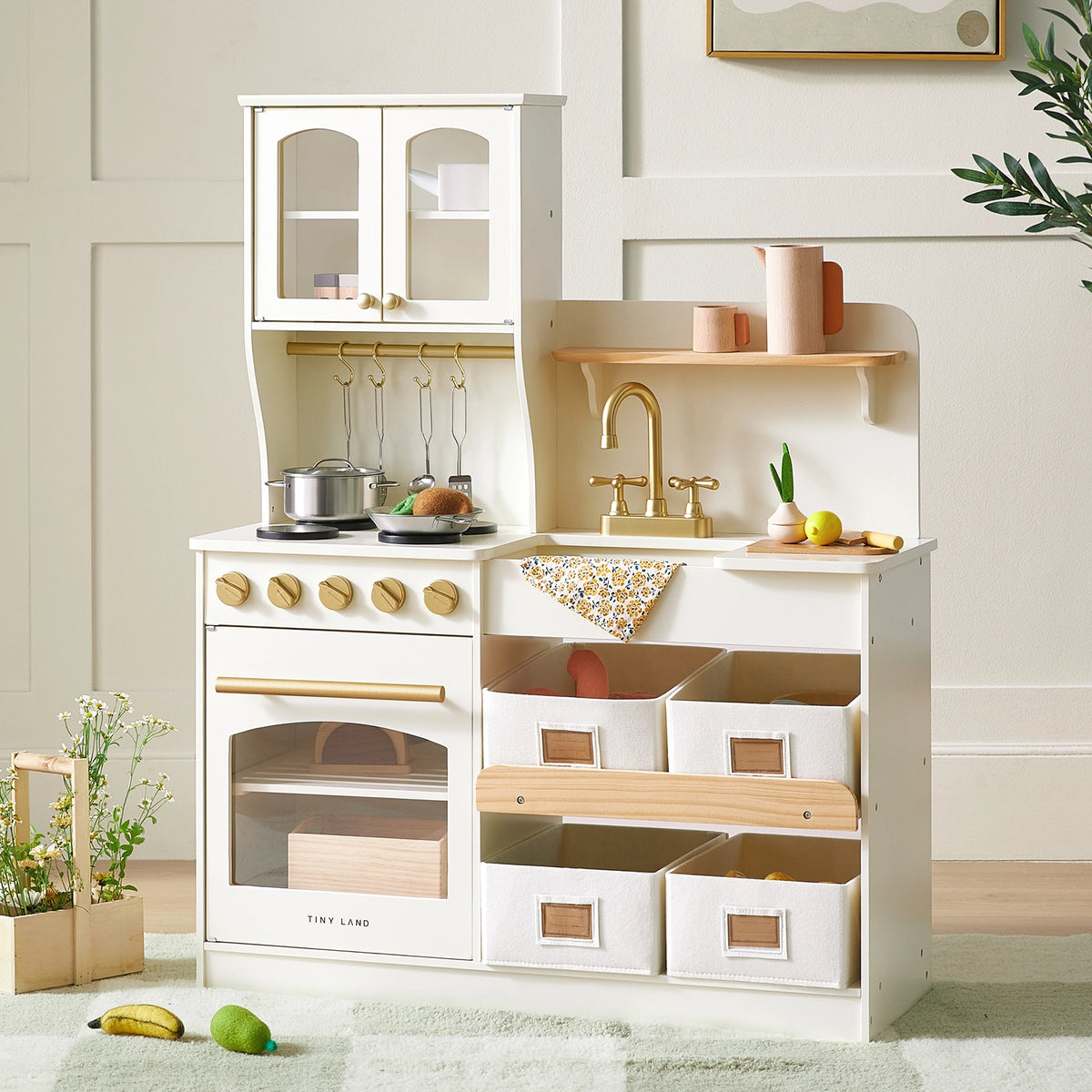
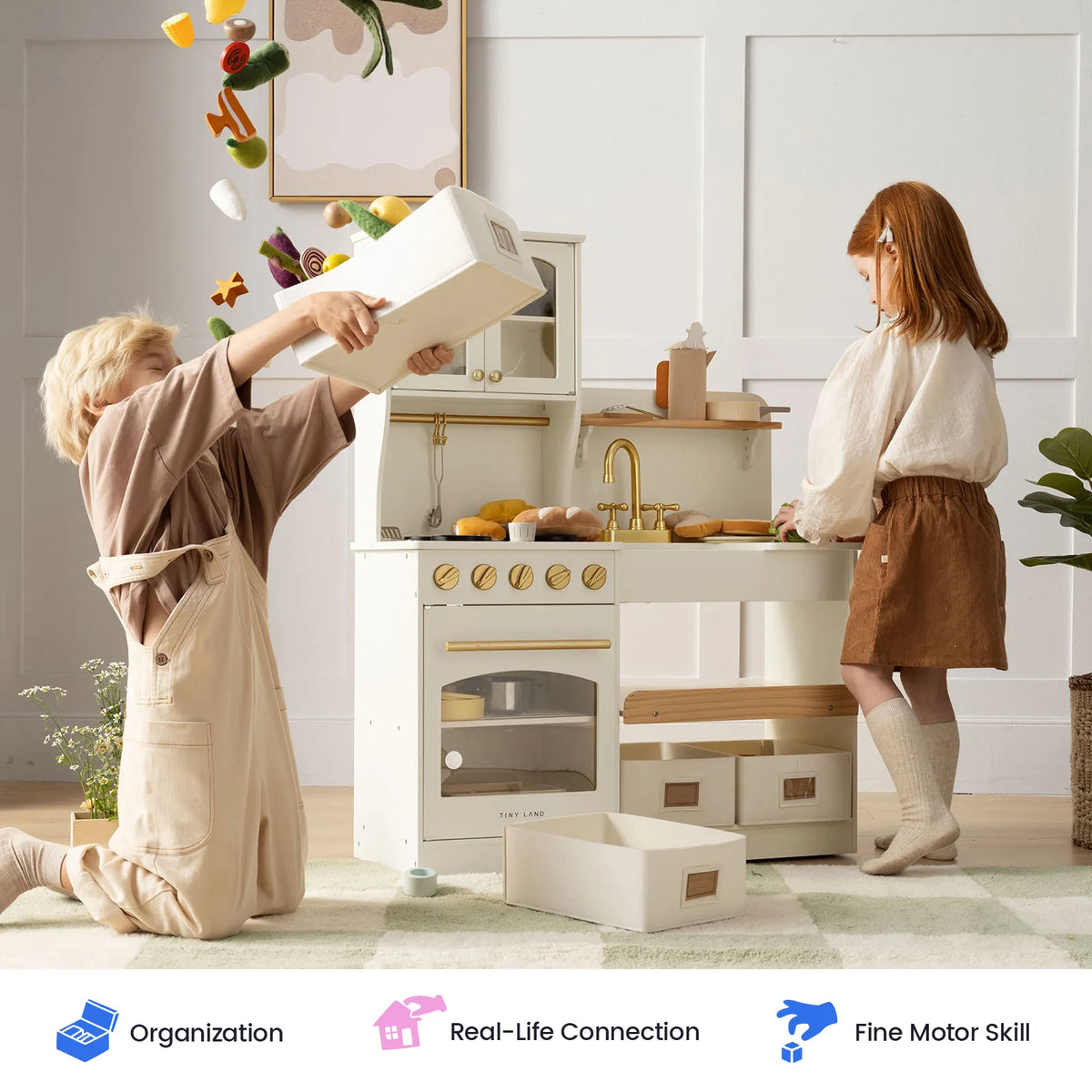
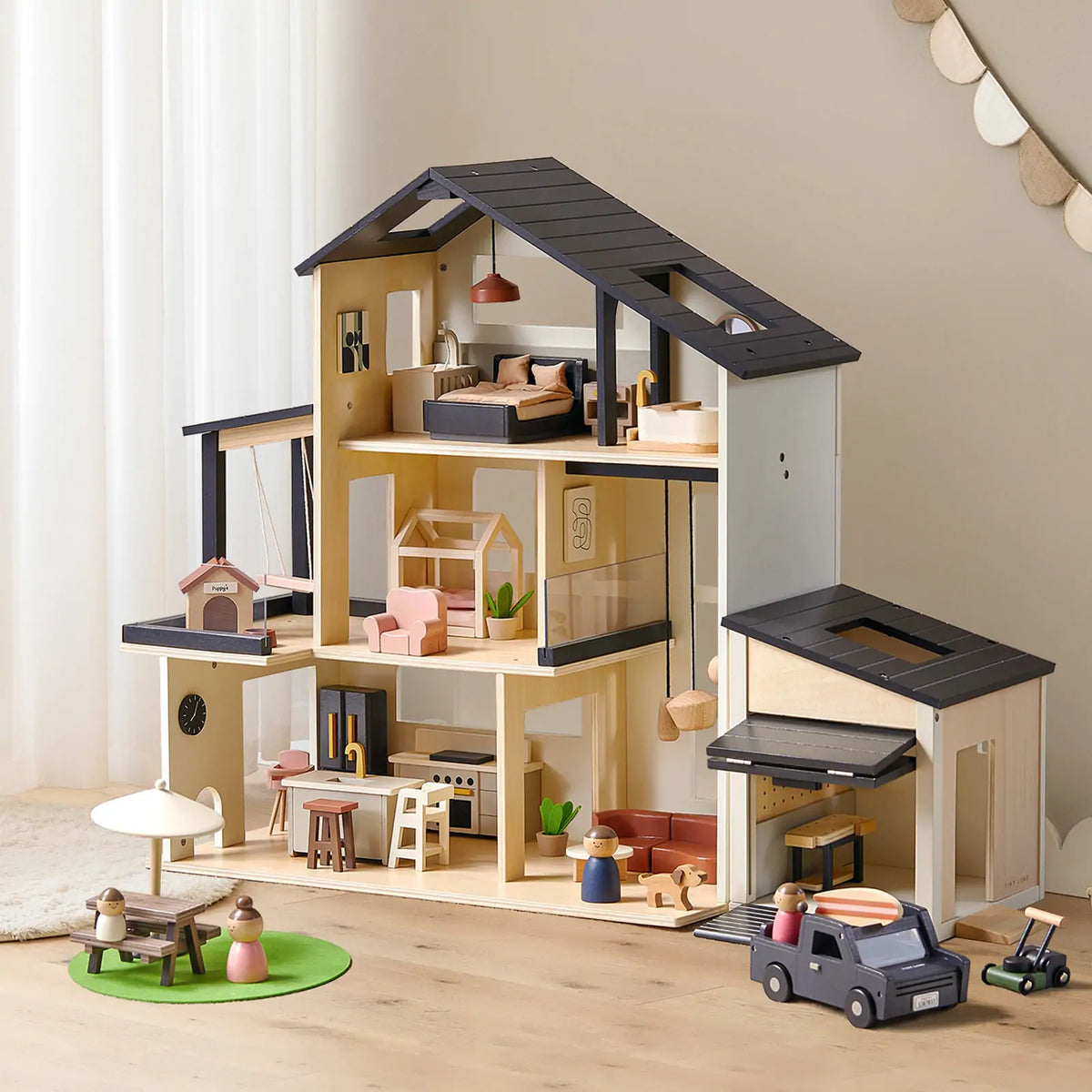
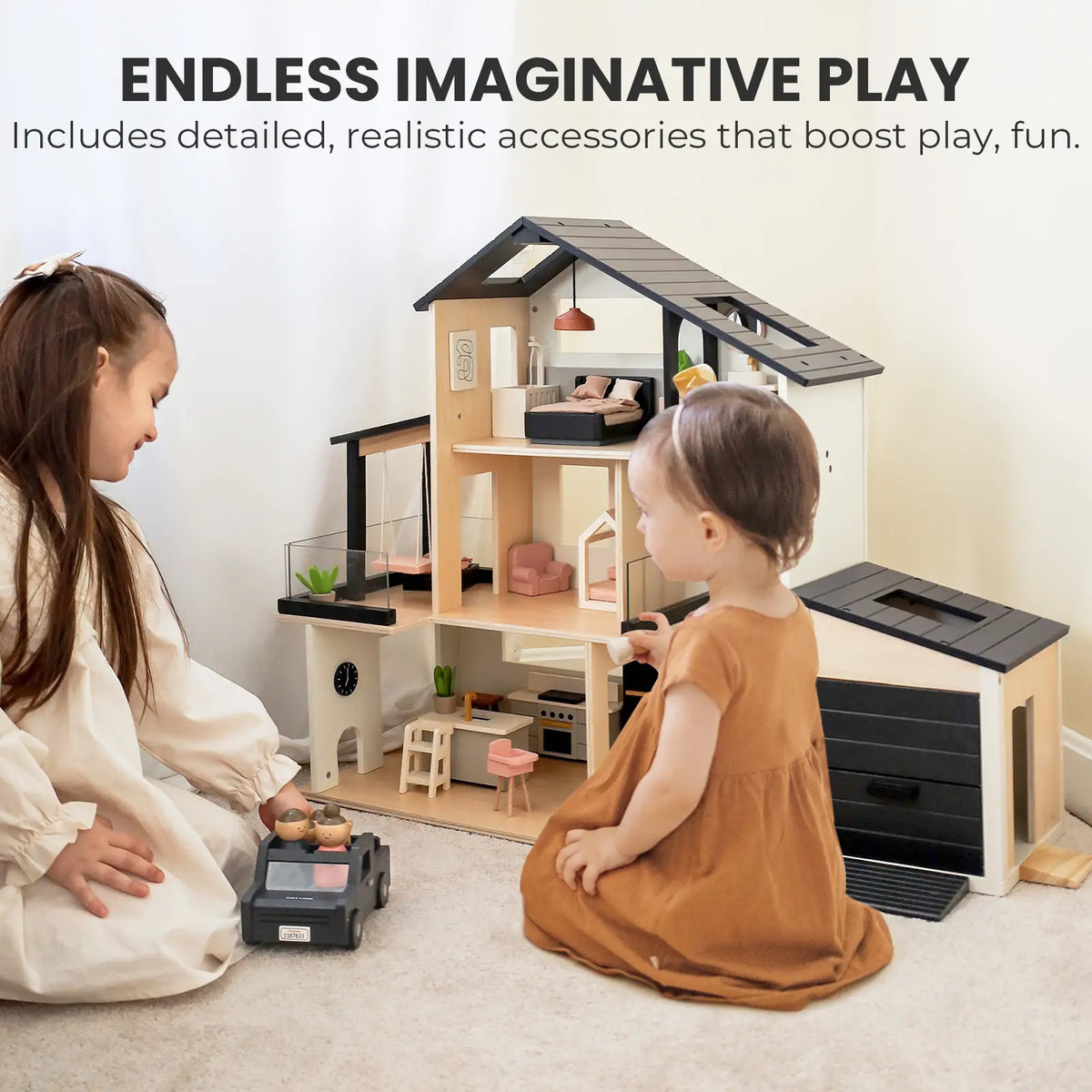
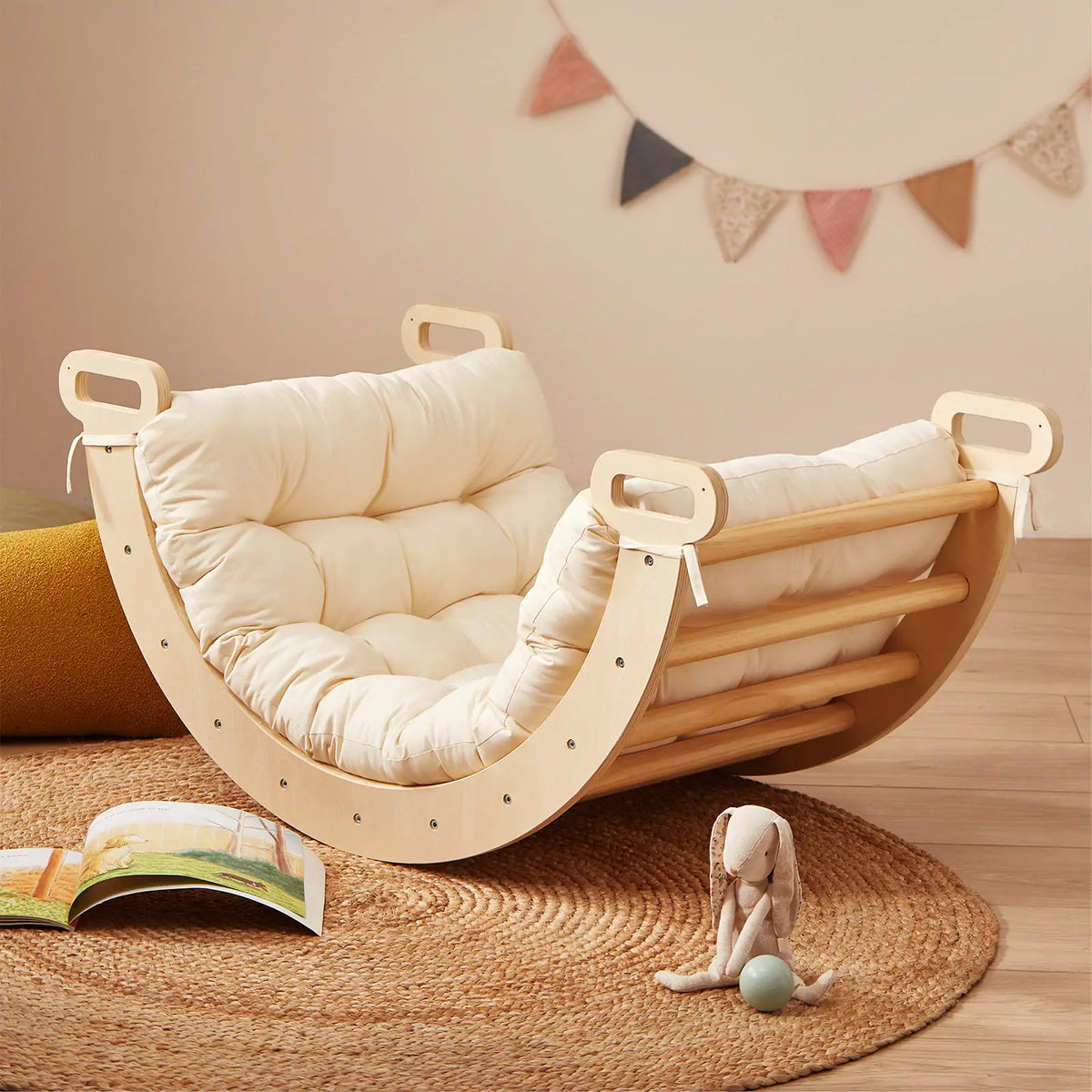
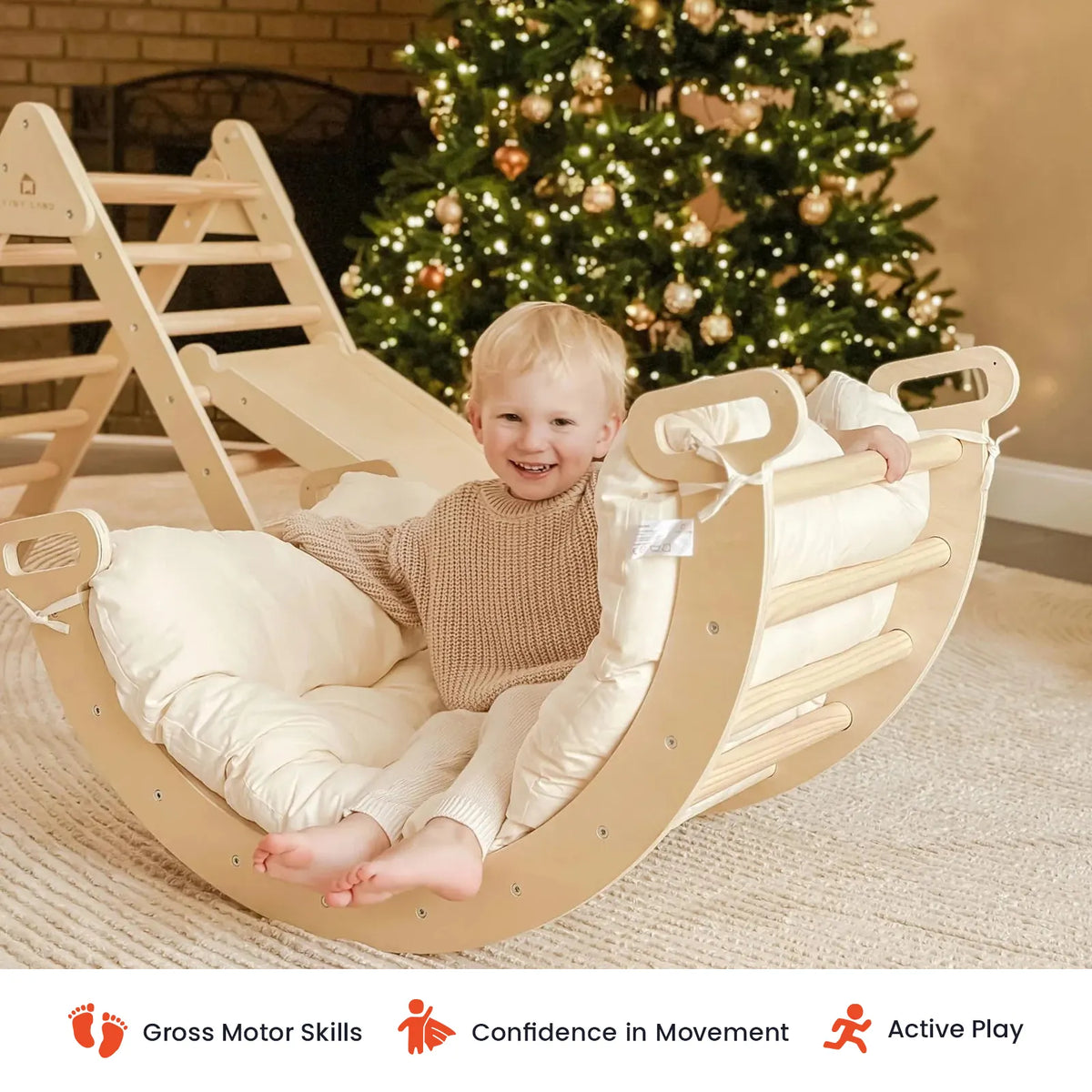
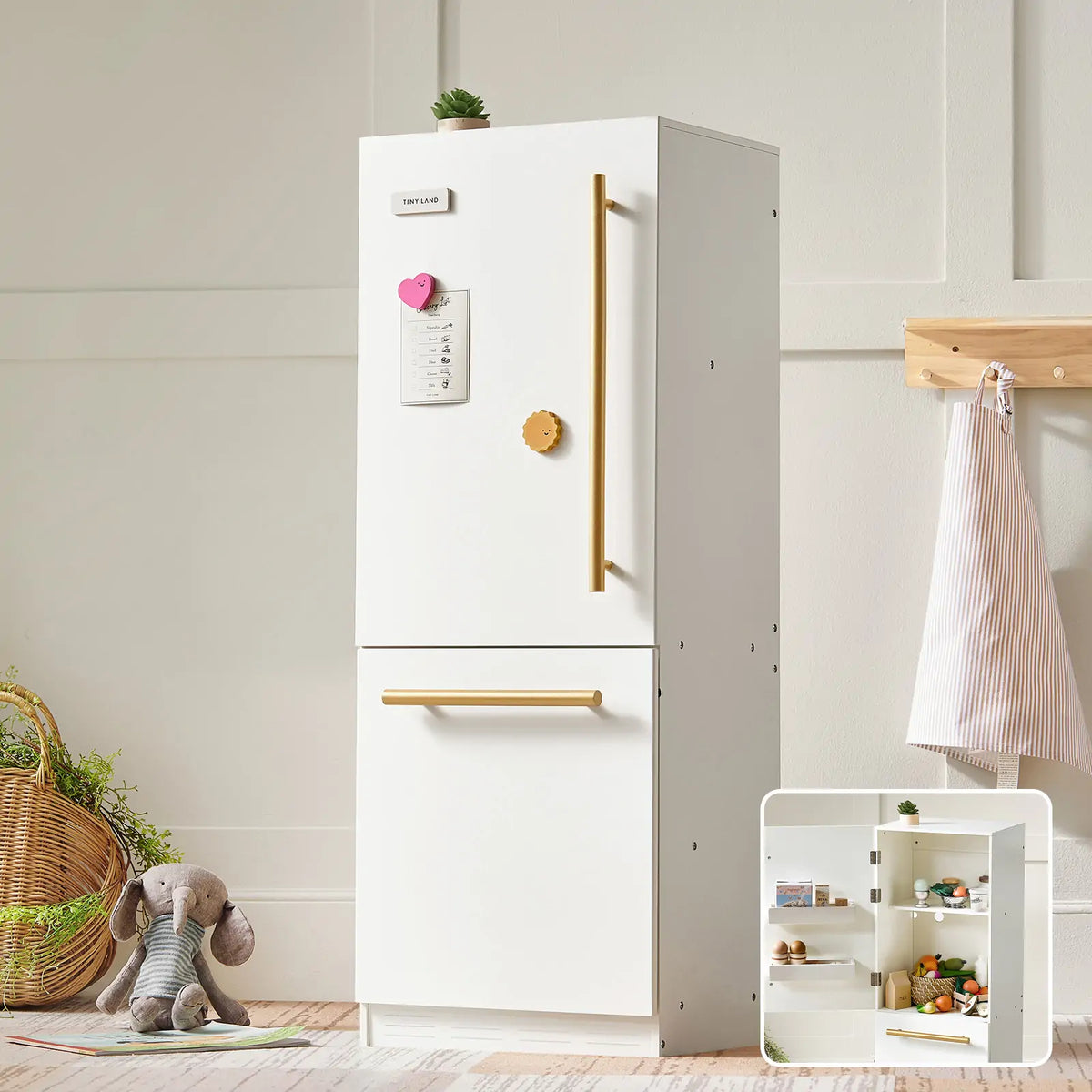
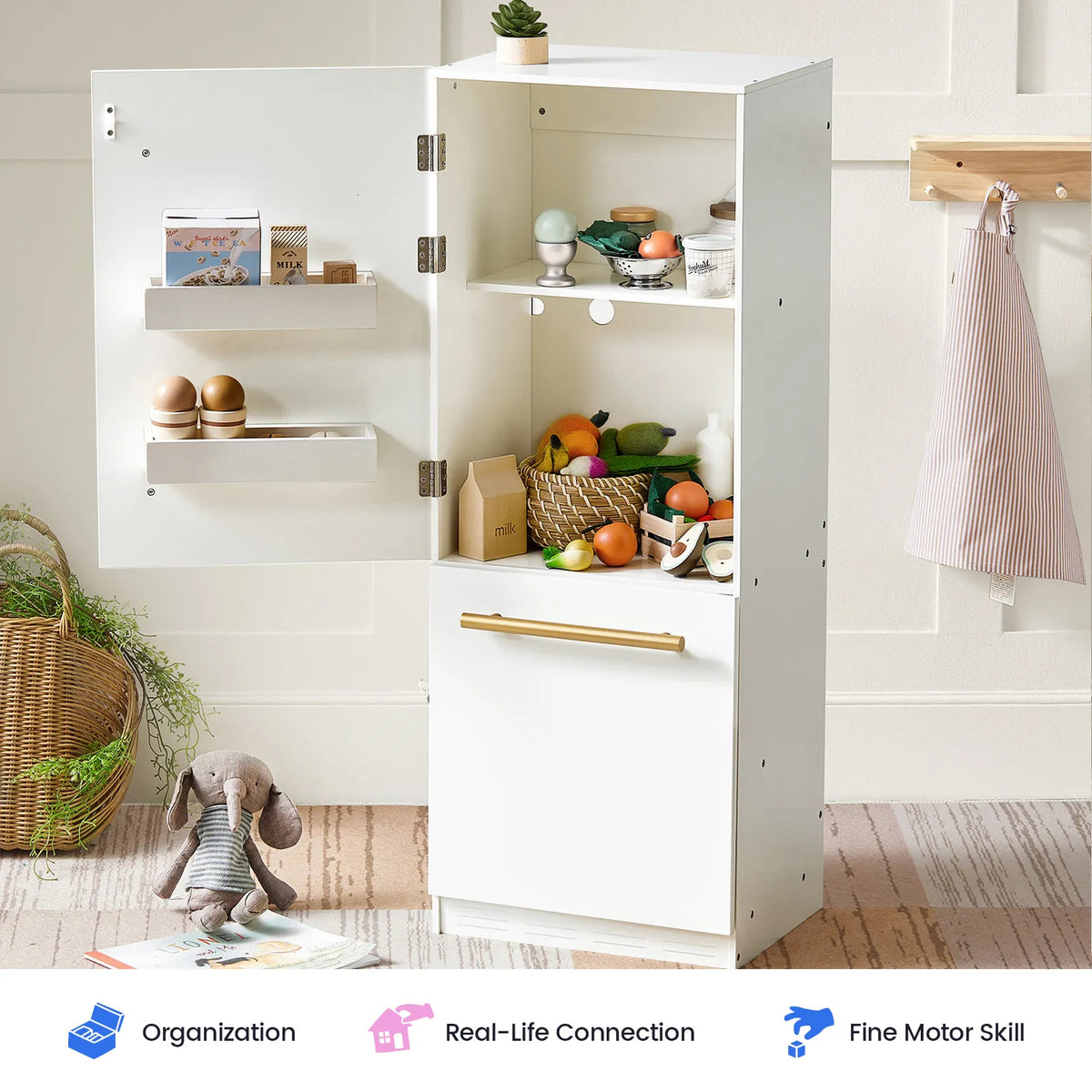
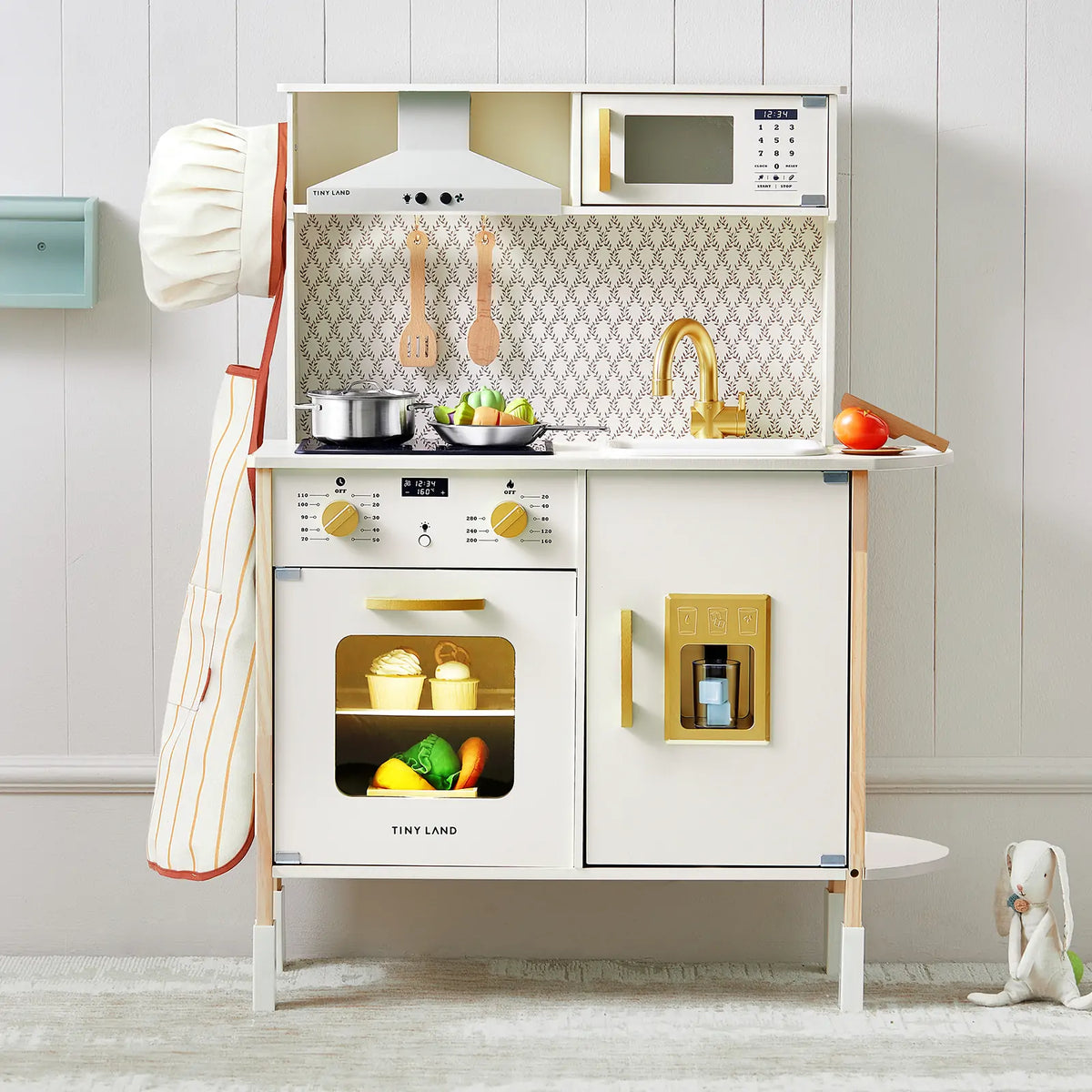
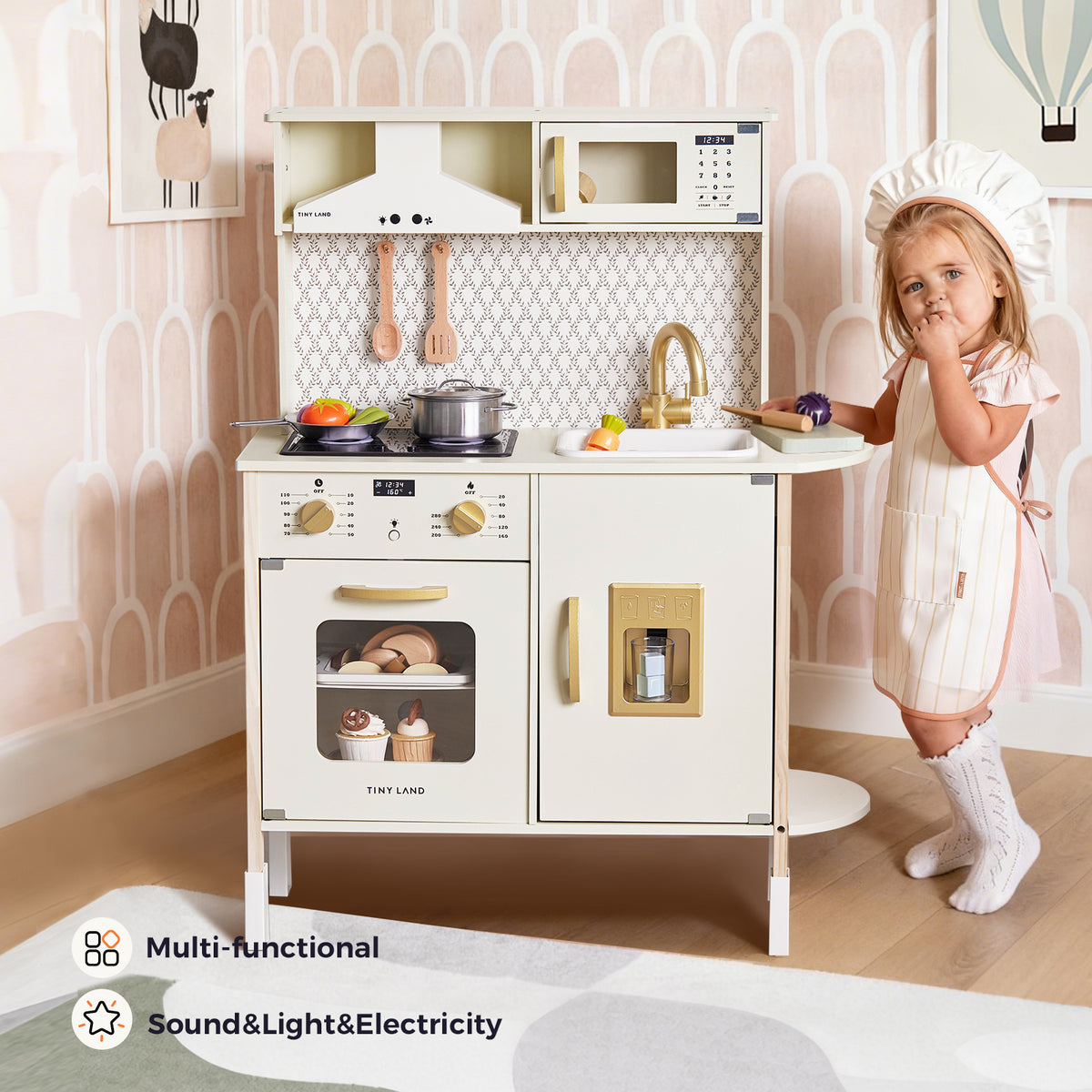
Brands like Tiny Land build on this idea by creating outdoor and pretend play environments that allow children to move naturally between imagination, sensory exploration, and real-world inspired role play.

Final Thoughts
Mud kitchens are more than just messy outdoor fun.
They are a powerful early childhood learning experience that supports:
- Creativity
- Focus
- Social development
- Emotional regulation
- Sensory awareness
When children are given the freedom to explore natural materials through imagination, learning happens naturally and deeply.