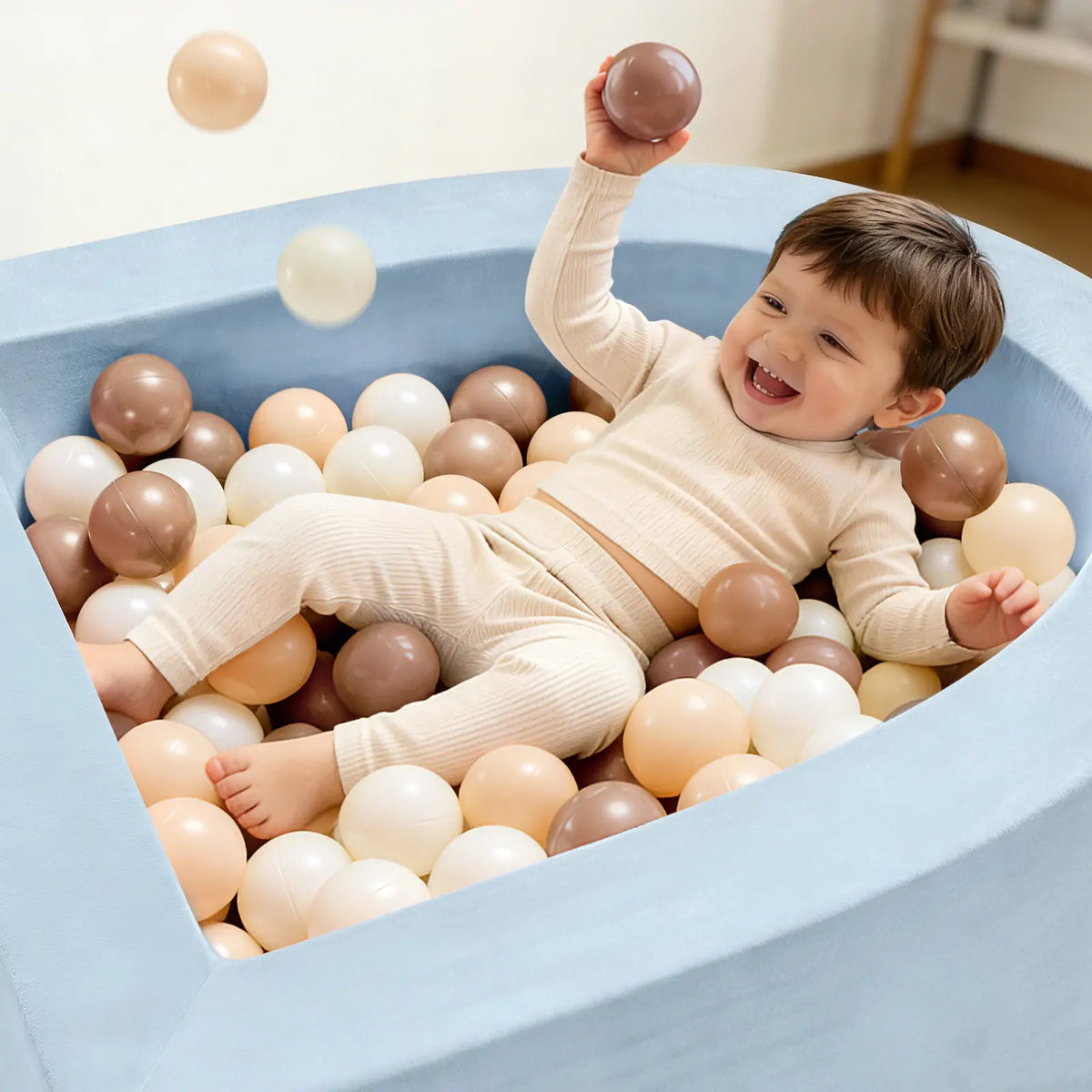
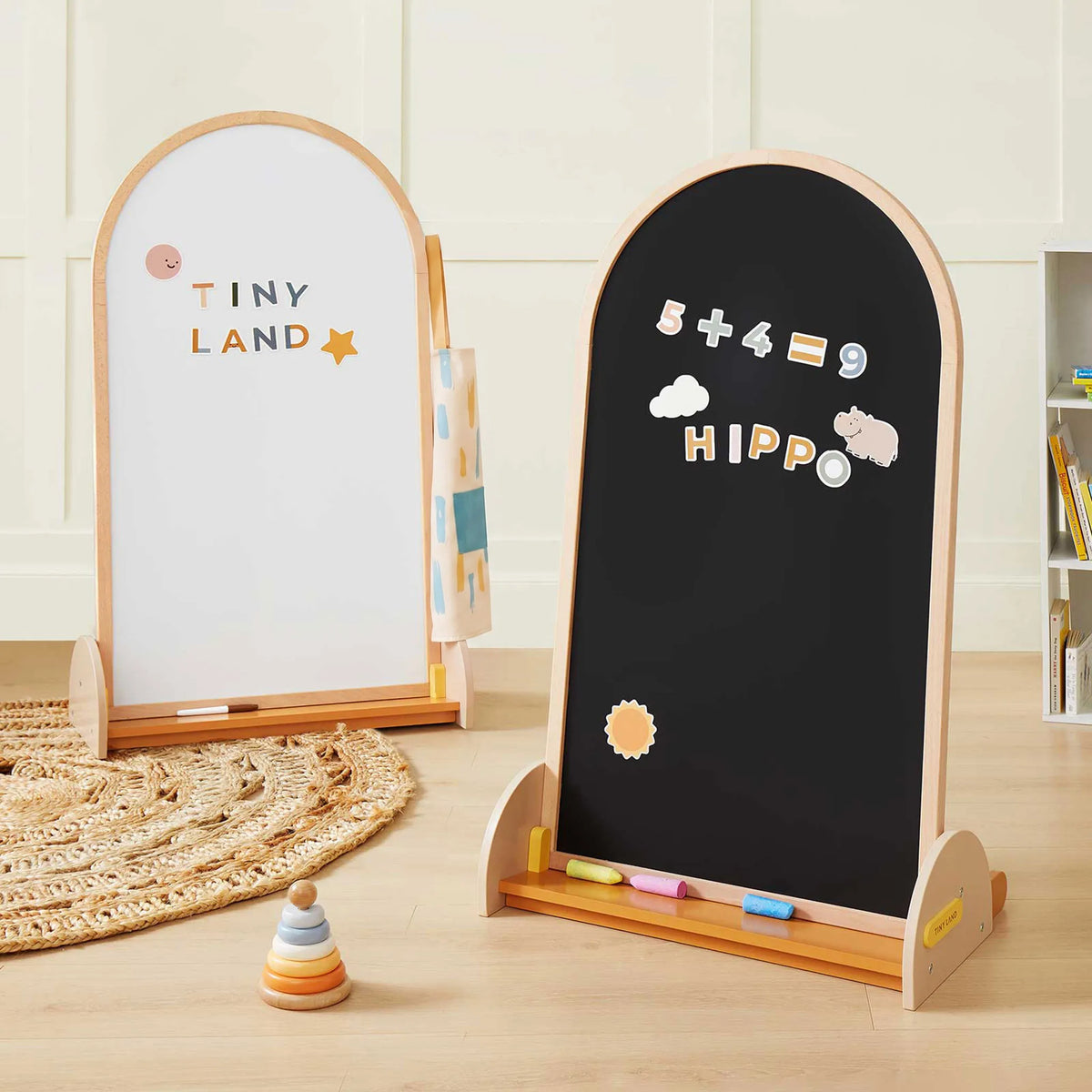

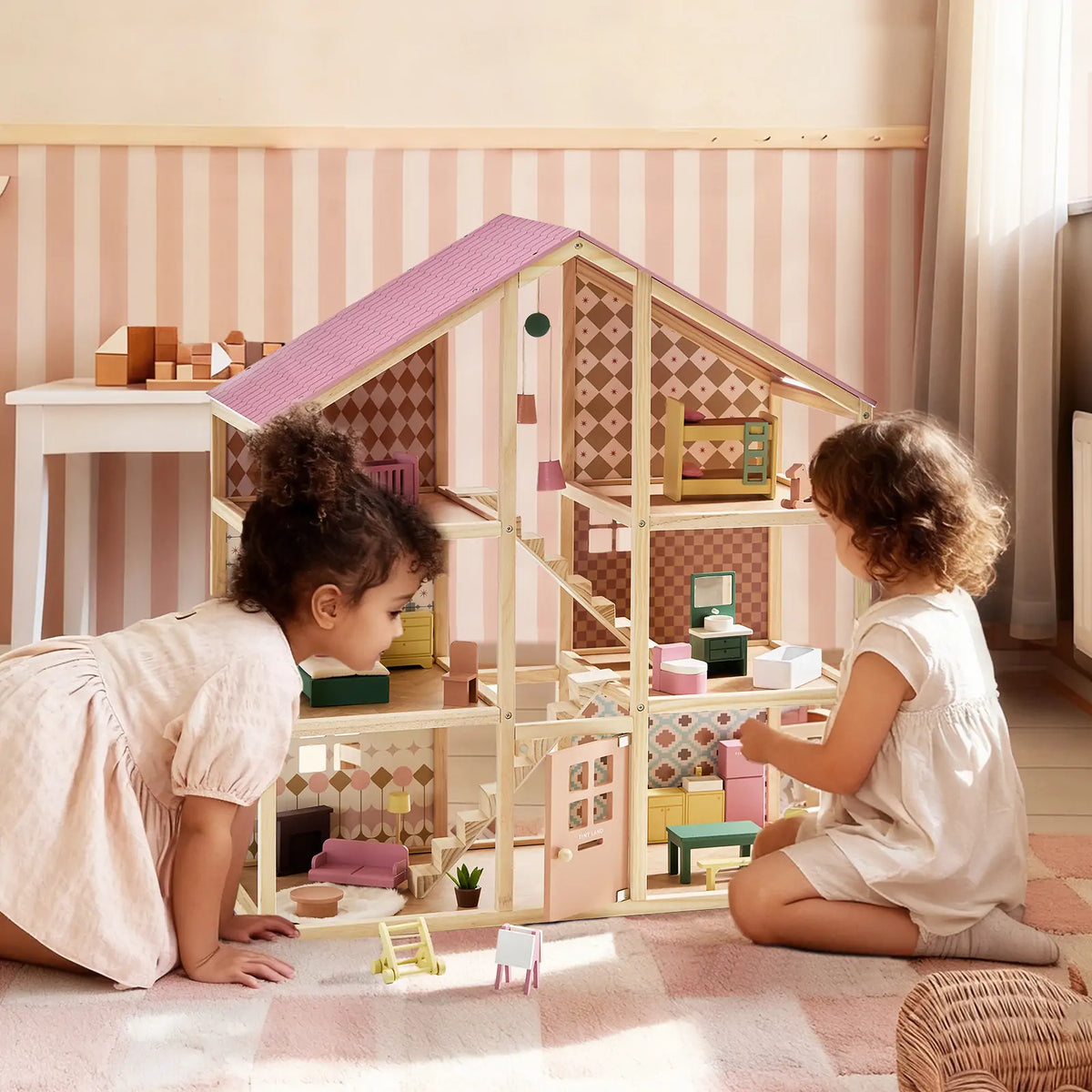
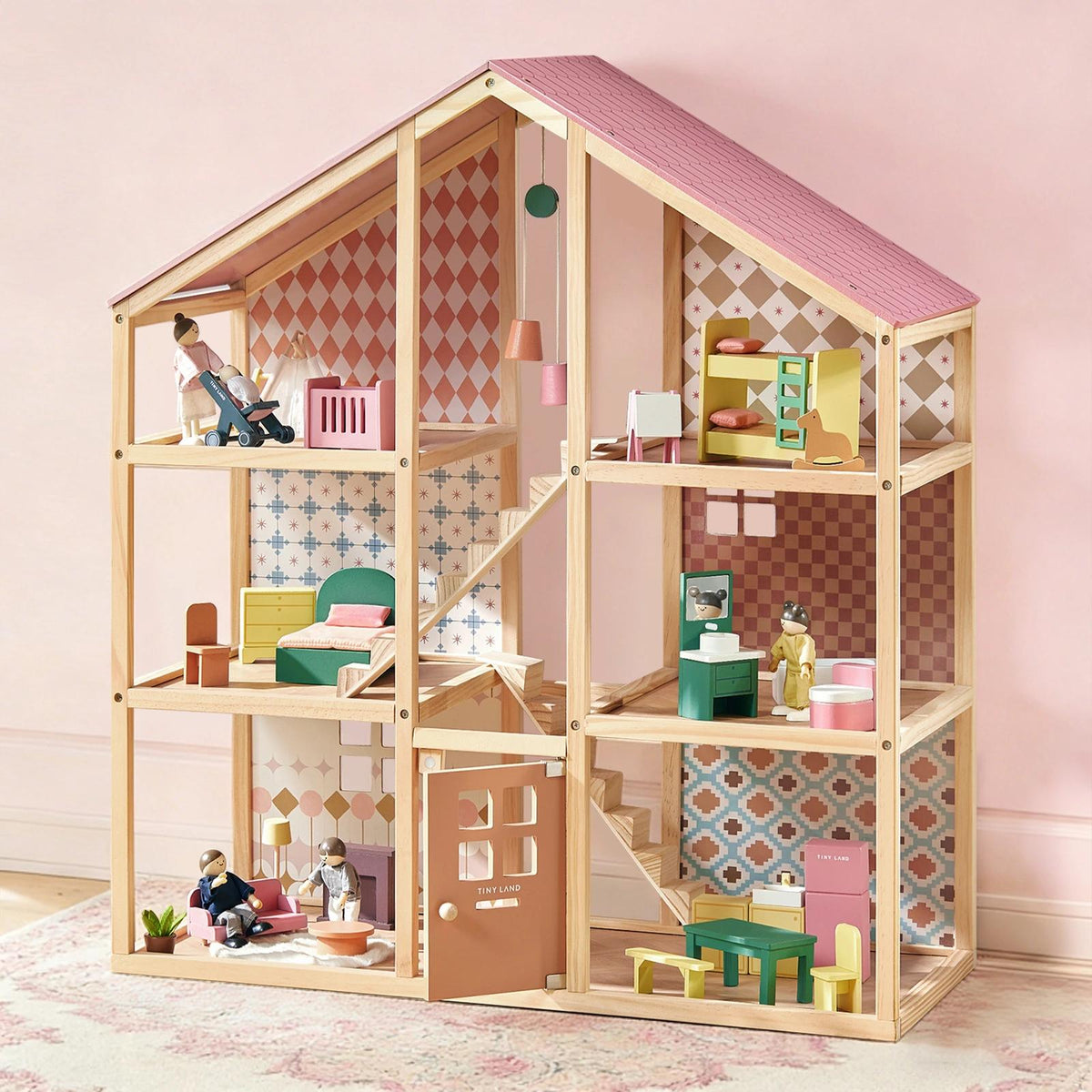
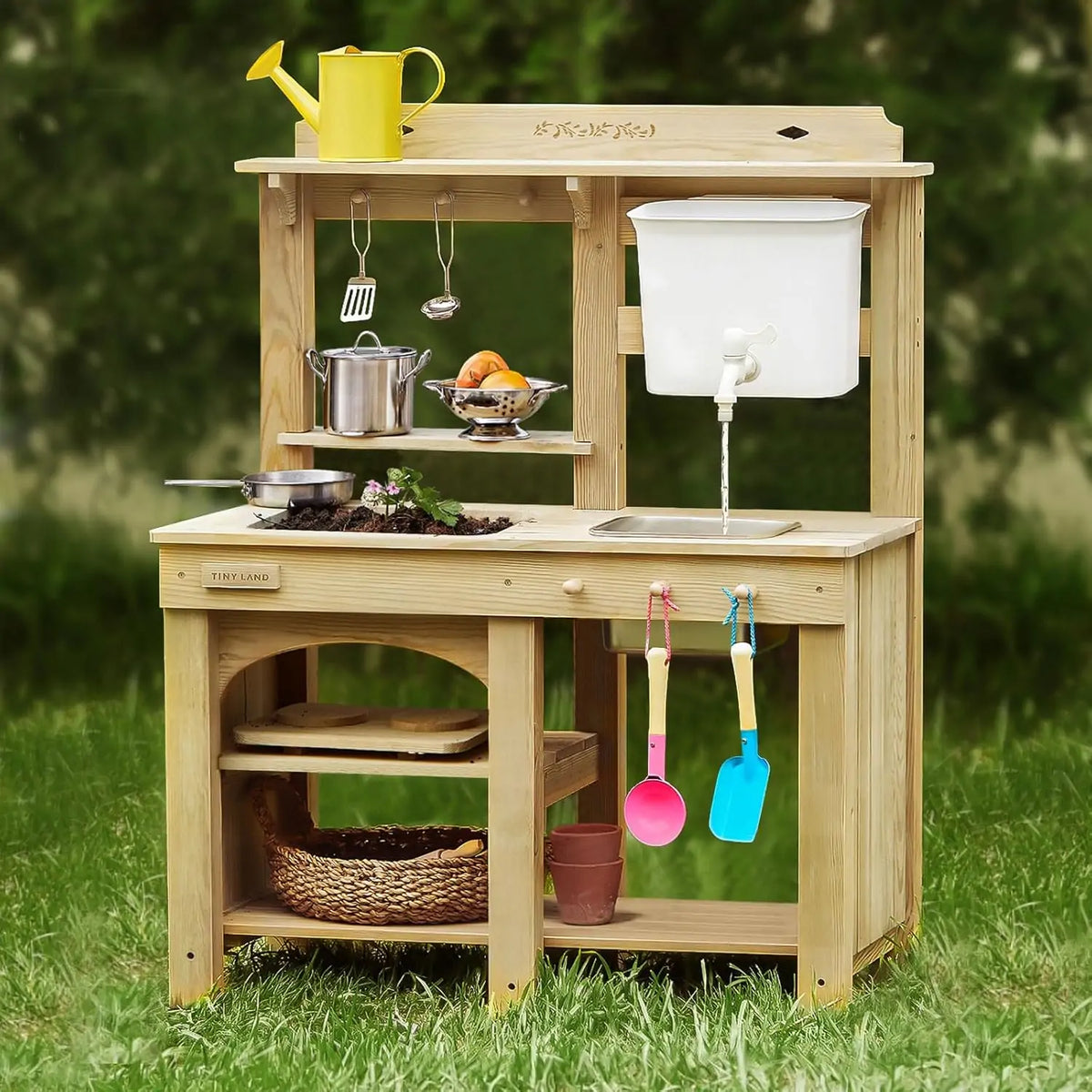
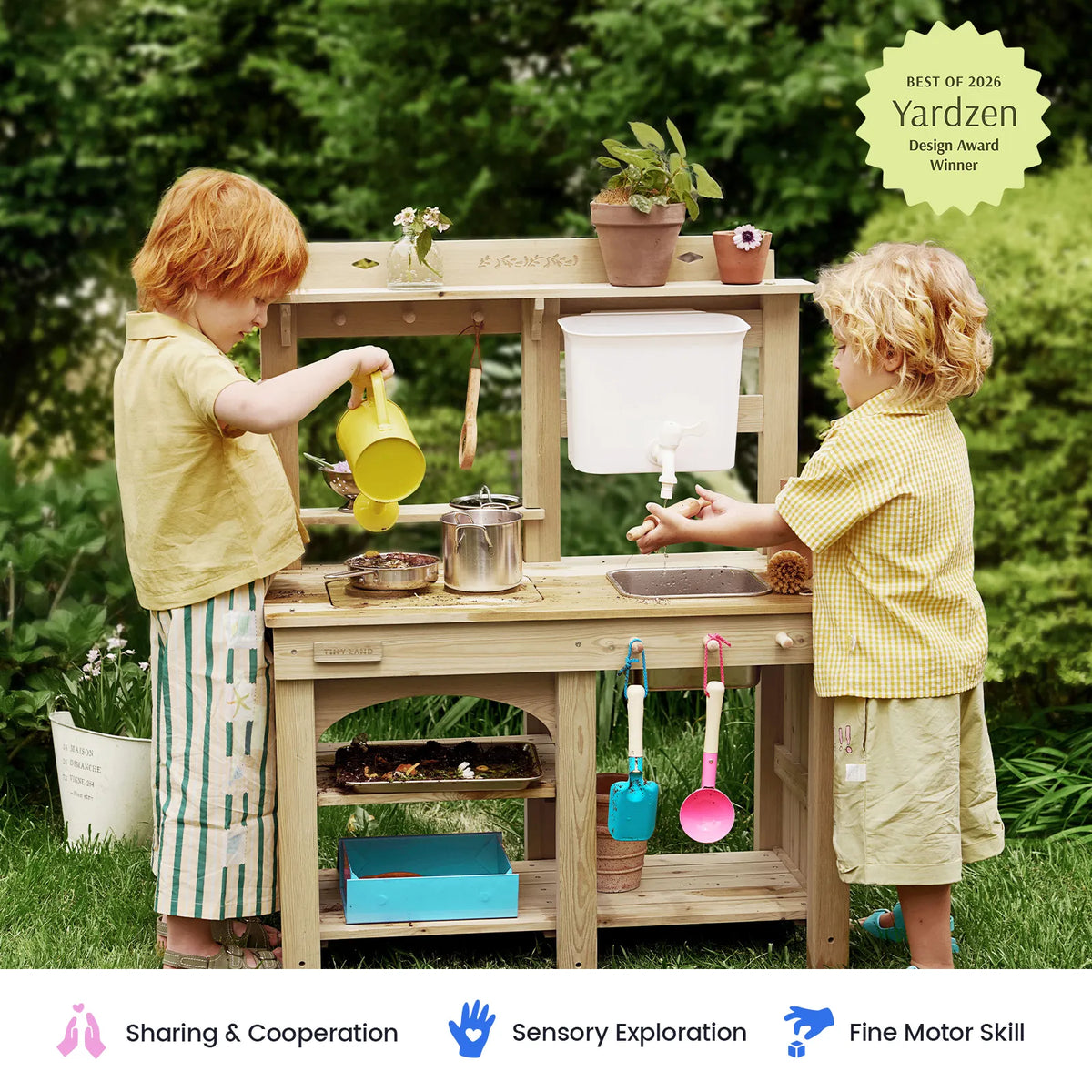
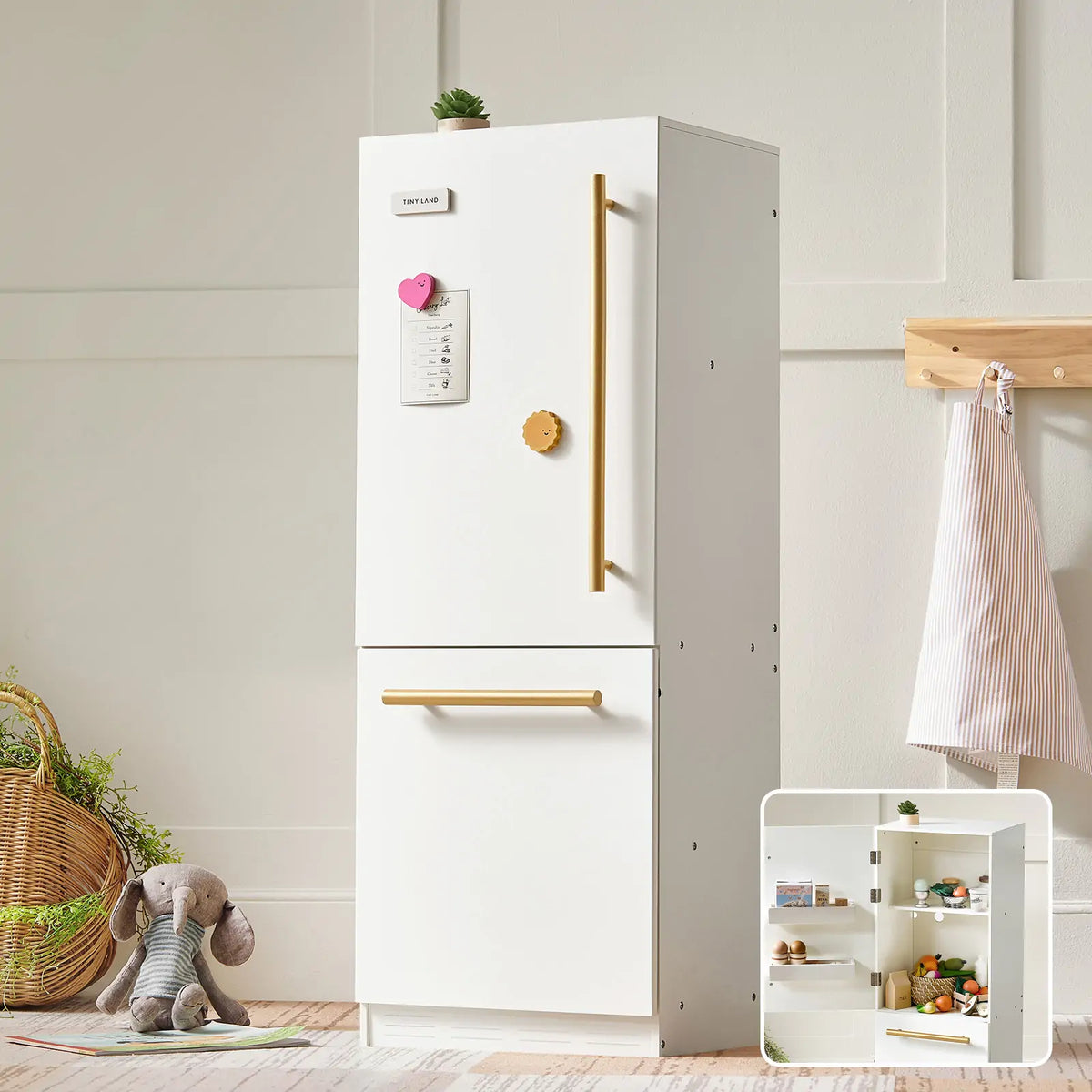
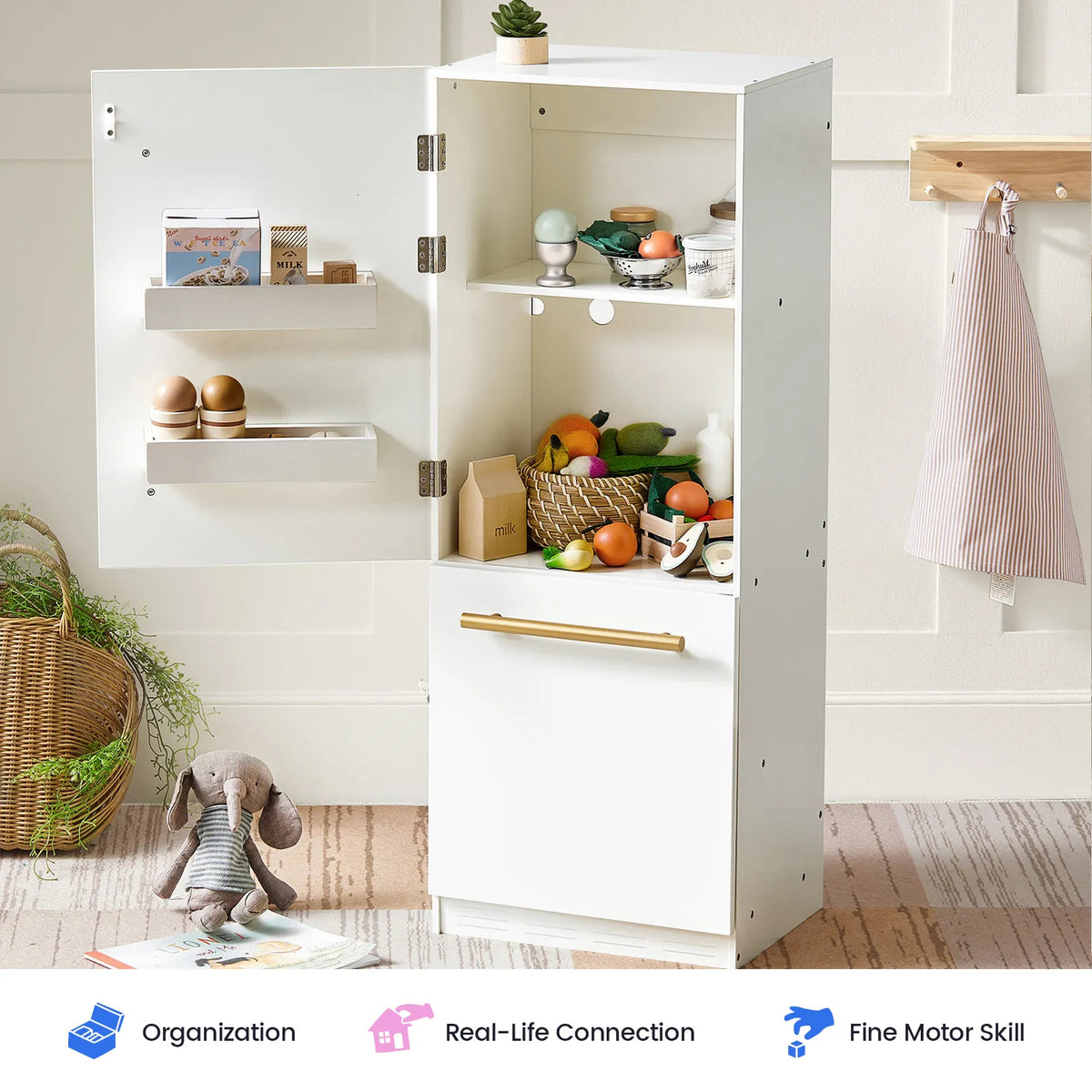



At Tiny Land, we believe the best toys don't tell children what to imagine—they give them the freedom to create.
Pretend play is when children use their imagination to create stories, take on different roles, and explore real-life experiences through play.
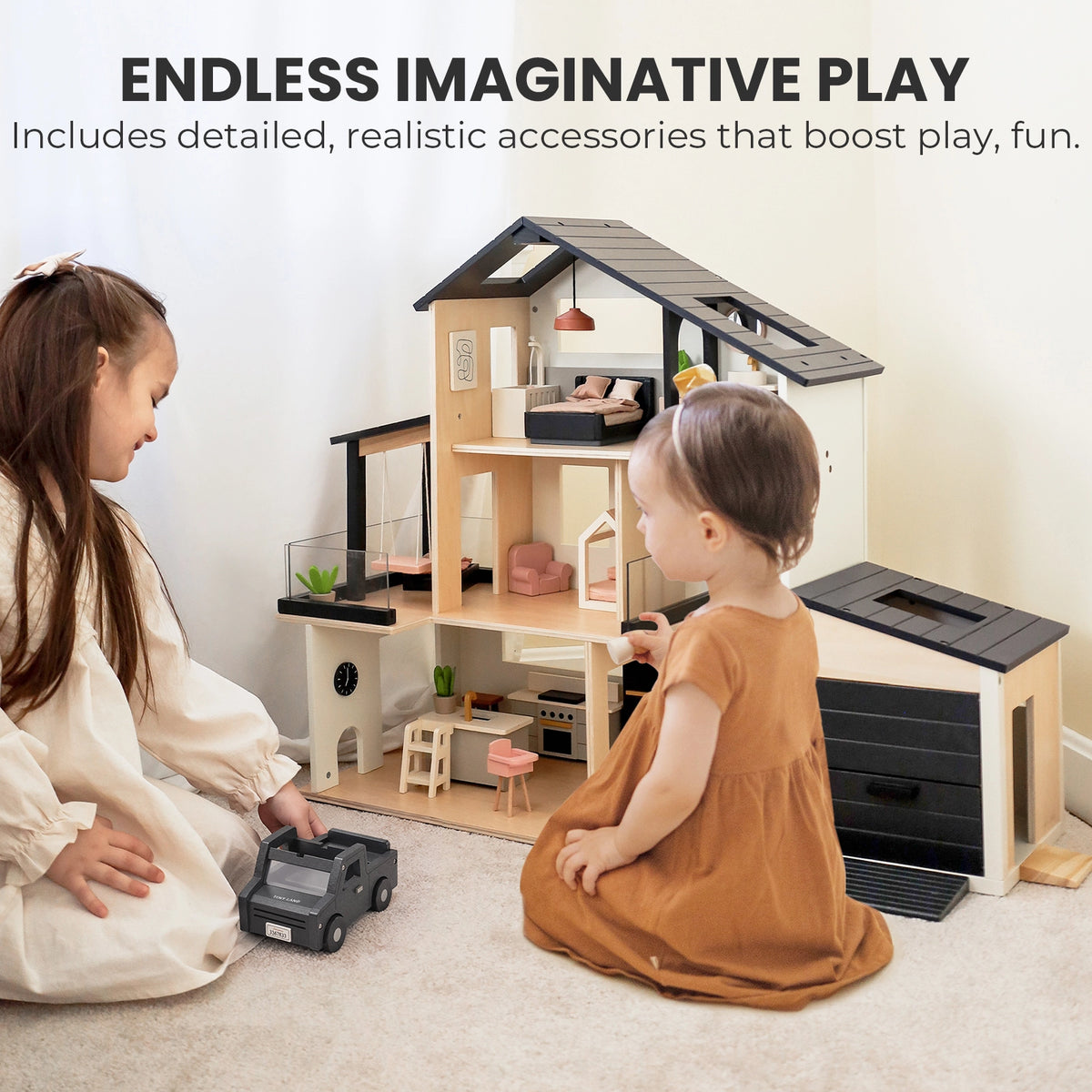
A play kitchen becomes a café. A grocery store becomes a flower shop. A simple play moment becomes an entirely new world created by a child's imagination.
After years of designing pretend play spaces for children, we've noticed something again and again: children rarely play with a toy exactly the way adults expect. And that is the magic of pretend play.
While children may see it as fun, child development professionals recognize pretend play as an important way children build communication skills, creativity, confidence, problem-solving abilities, and independence.
Through our collaborations with child development professionals—including a pediatric physical therapist, speech-language pathologists, and a pediatric dietitian—we've gathered expert insights into why pretend play matters and how parents can encourage it at home.

Why Pretend Play Matters for Child Development
Pretend play gives children opportunities to explore ideas, make decisions, and understand the world around them.
According to Dr. Anastasia Bach, PT, DPT, a pediatric physical therapist, one of the most valuable parts of pretend play is the opportunity for children to take on different roles.
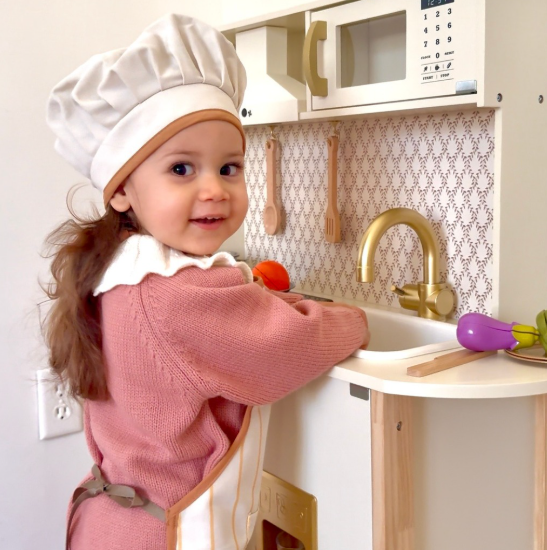
A child may become a chef preparing a meal, a customer placing an order, or a restaurant owner solving a problem. Each new role encourages children to think flexibly, adapt to new situations, and see things from different perspectives.
But the most important part is that children are in control of the story. They decide what happens next, create their own solutions, and learn that their ideas matter.
That sense of ownership helps build confidence—not only during play, but also in everyday life.
Pretend Play Creates Natural Opportunities for Communication
Children often communicate the most when they have something meaningful to say.
That's why Brittany and Jessica from The Play Society, speech-language pathologists specializing in early communication and play-based learning, use pretend play to support language development.
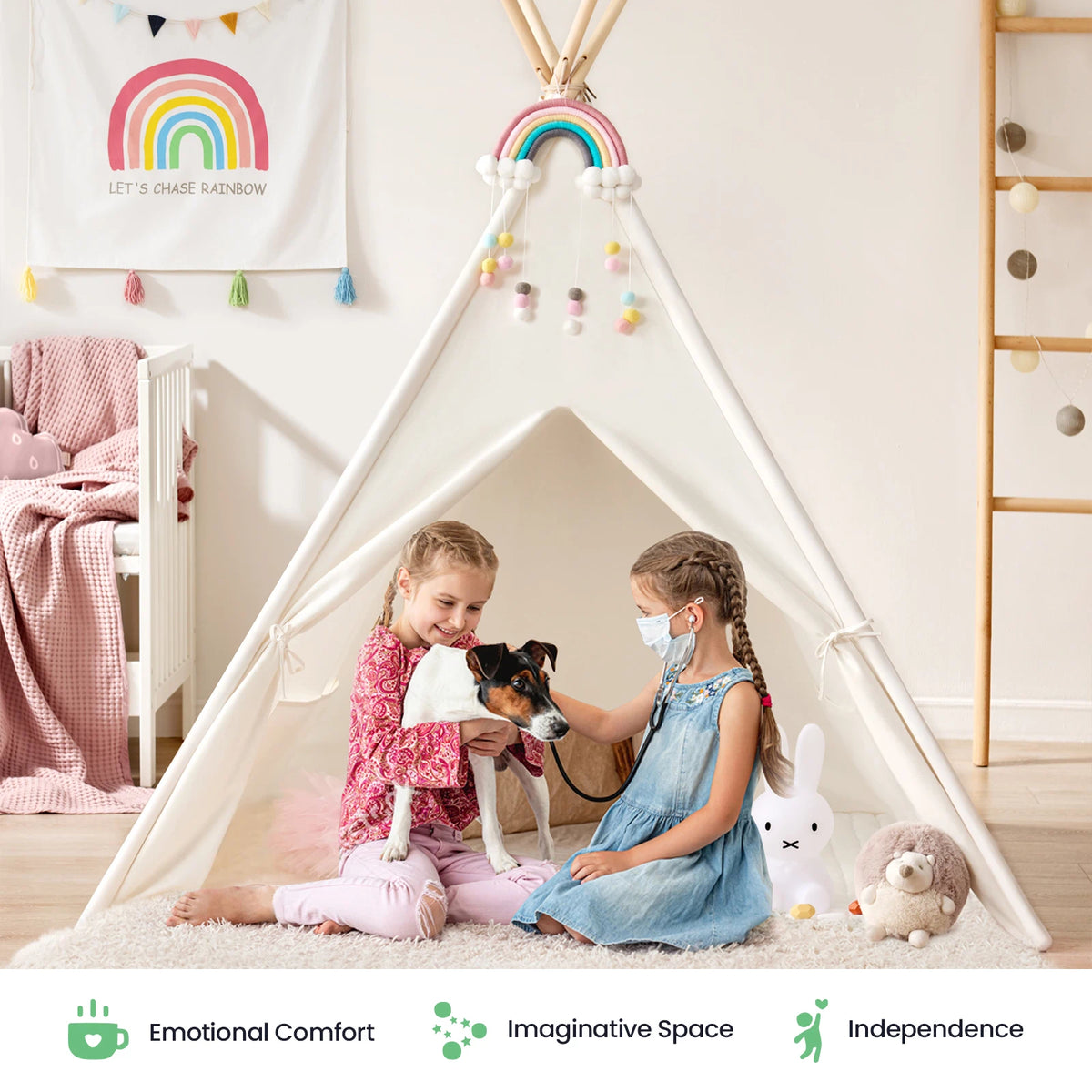
When children run a pretend grocery store, restaurant, or doctor's office, communication happens naturally:
"Welcome to my store!"
"What would you like today?"
"Your order is ready."
These simple conversations help children practice vocabulary, social interaction, listening, and turn-taking without the pressure of a structured lesson.
The Play Society encourages parents to follow their child's lead instead of directing every moment of play. Rather than asking constant questions, parents can model language by describing what they see:
"You're making soup."
"Your customer is choosing apples."
"I see you taking care of your patient."
Simple comments like these support language growth while allowing children to stay focused on their own ideas.

Everyday Experiences Inspire the Best Pretend Play
Children don't need complicated activities to start imagining. The experiences they see every day often become their favorite play themes.
A grocery trip can become a market adventure. A family meal can inspire a restaurant. A doctor's visit can turn into caring for stuffed animals at home.
This is why Tiny Land designs pretend play toys with open-ended possibilities.
A Tiny Land Grocery Store Playset is not limited to one story. With a few simple props, children can transform it into a farmers market, flower shop, bookstore, or another world entirely.
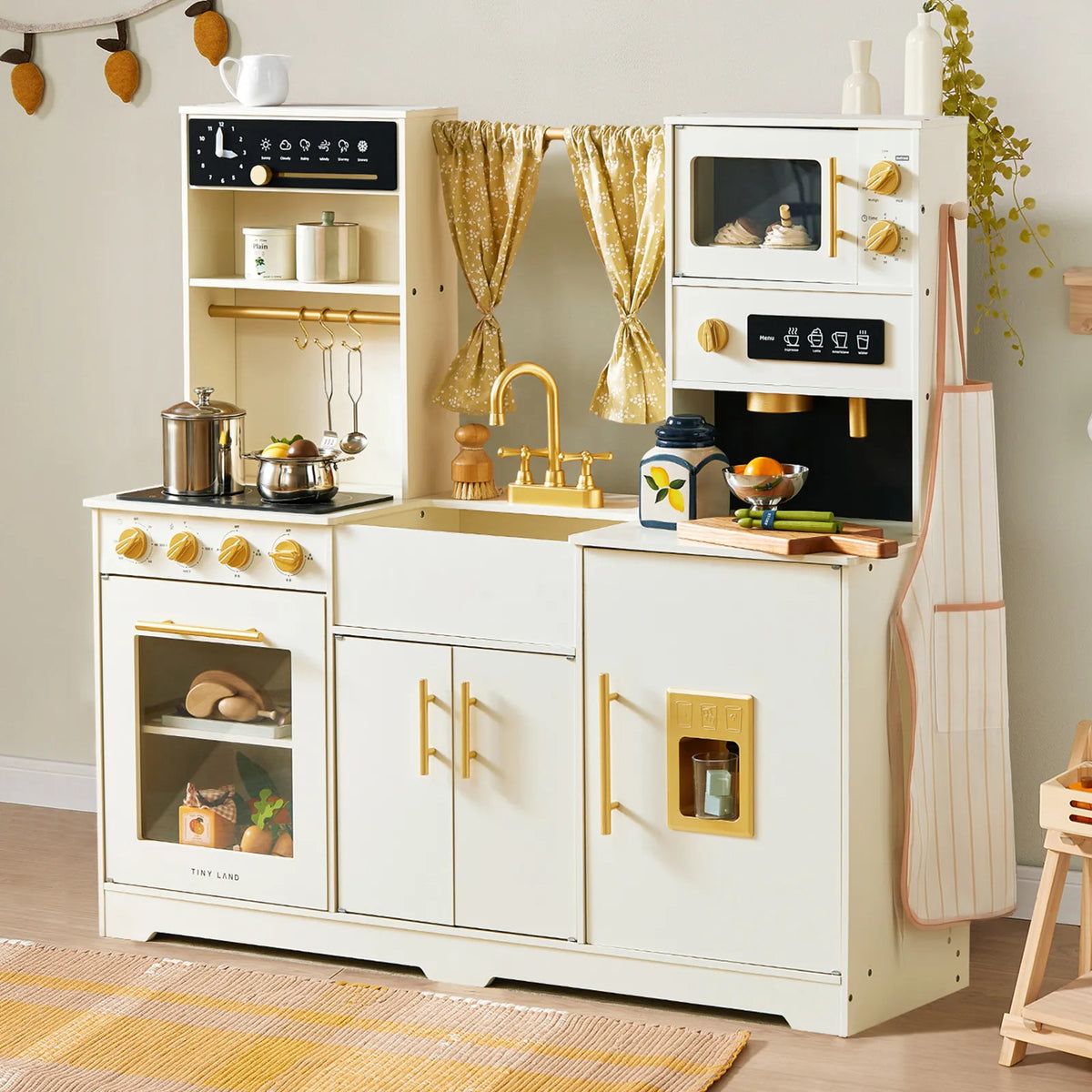
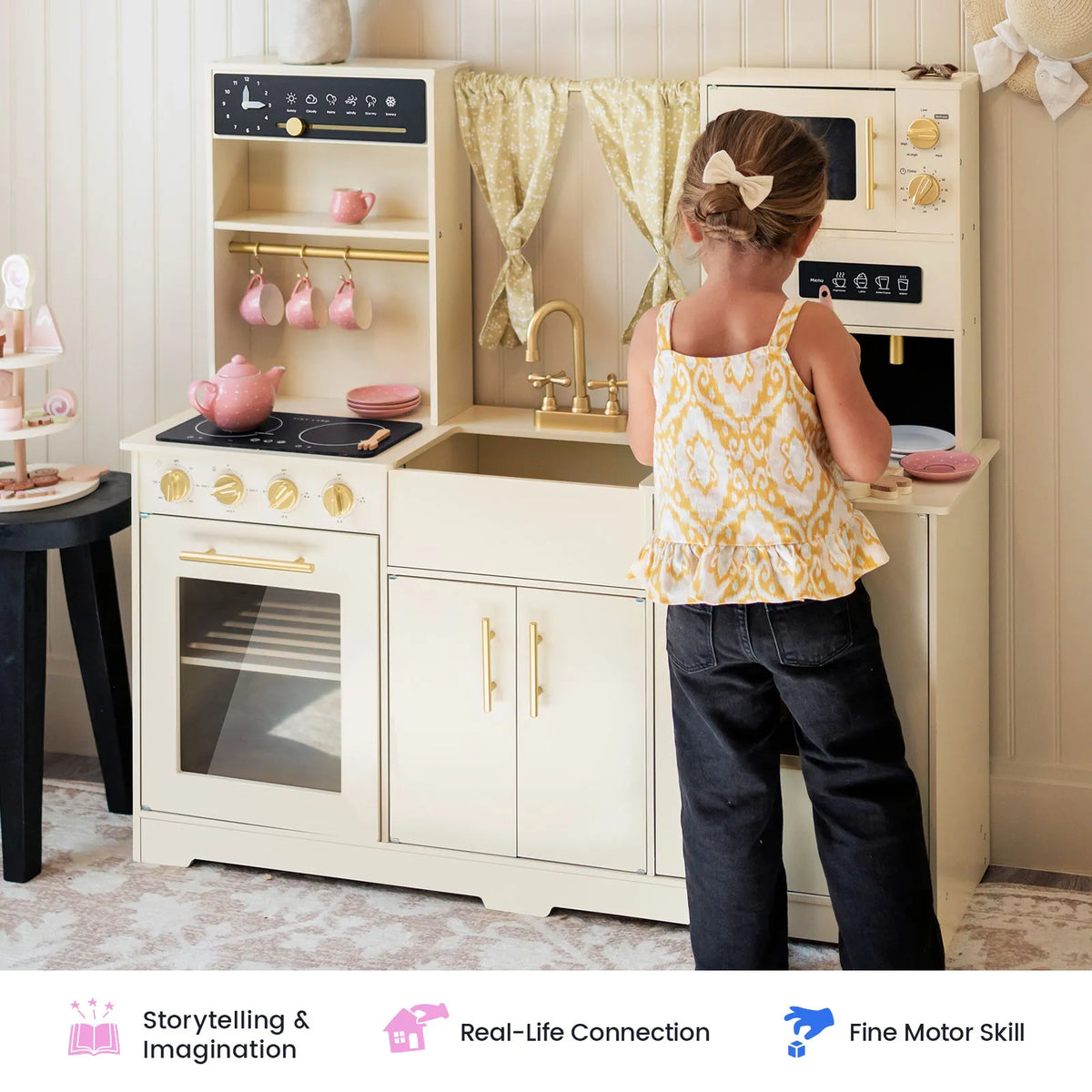
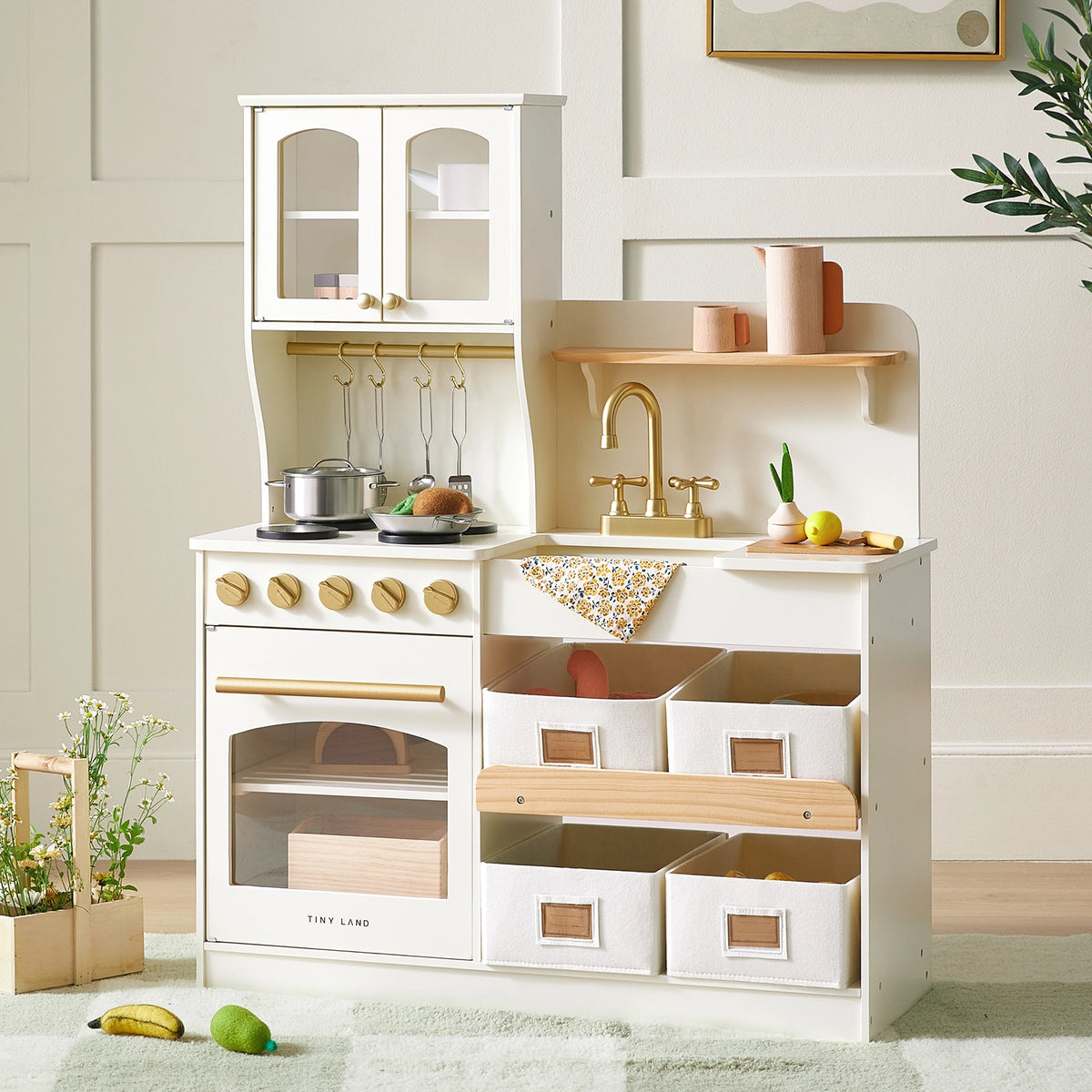
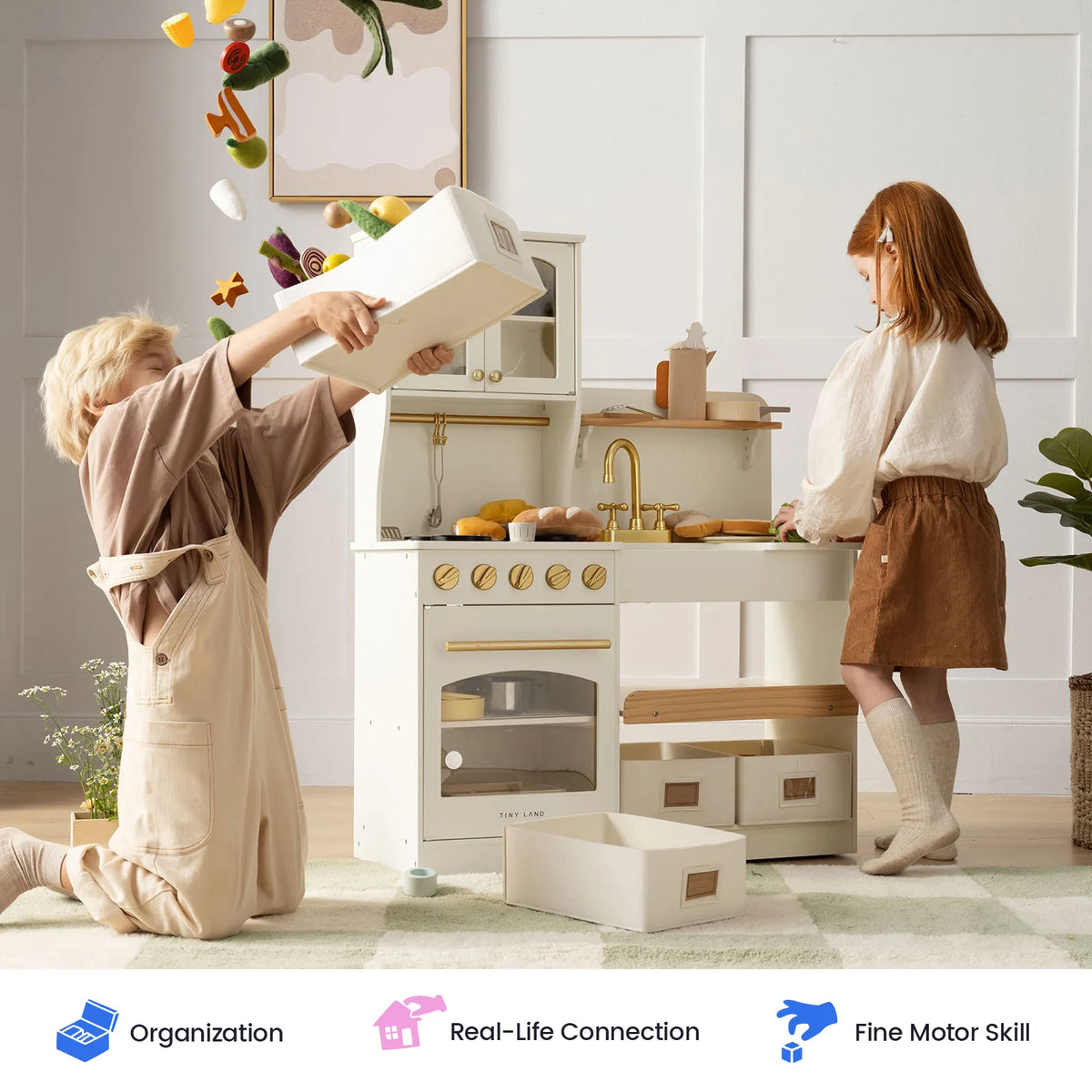
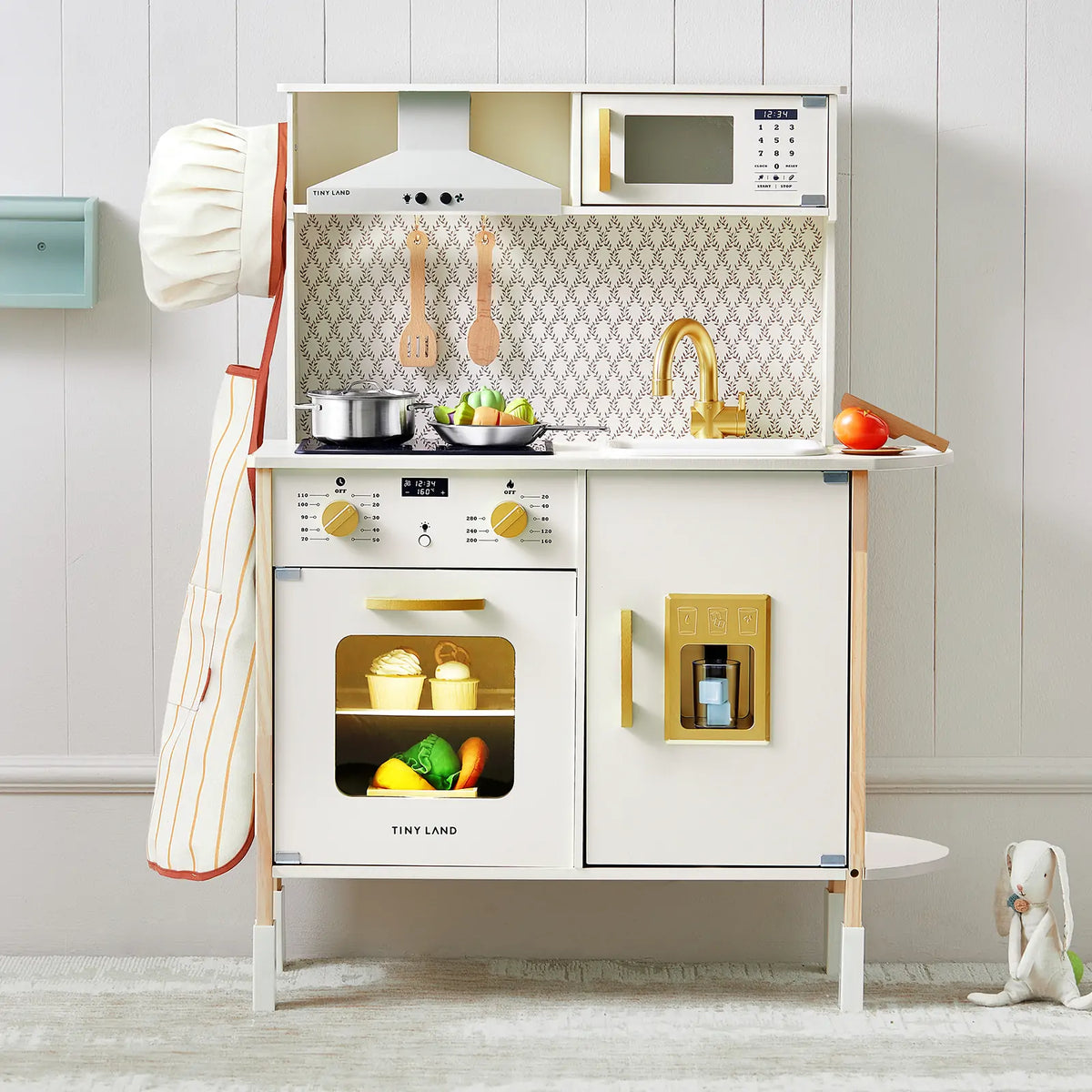
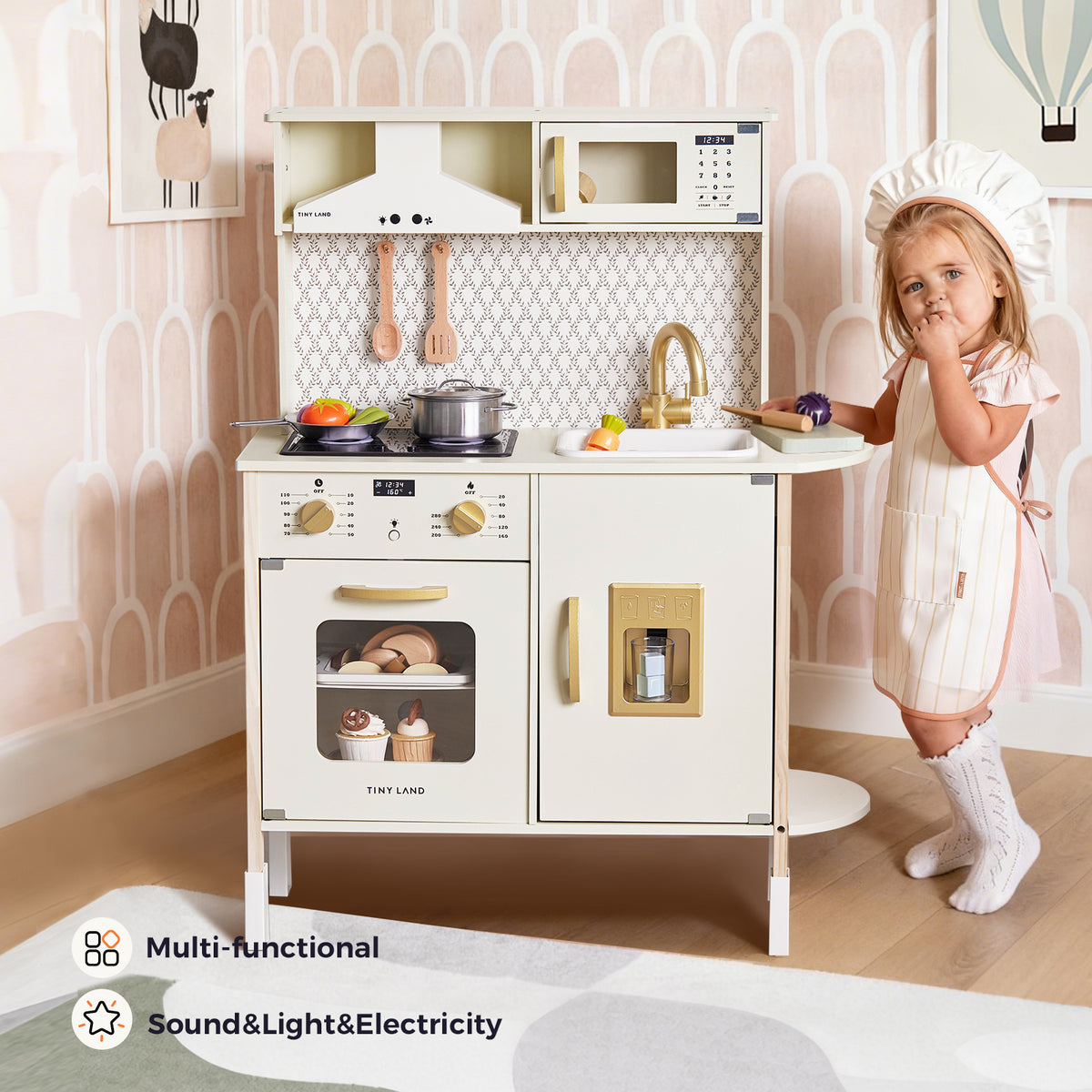
A Tiny Land BistroSwitch Play Kitchen can become a bakery in the morning, a family restaurant in the afternoon, or a café where children serve imaginary guests.
Open-ended pretend play allows children to revisit the same toy in new ways as they grow. Instead of creating one fixed experience, these toys become a foundation for countless stories, encouraging curiosity and creativity at different stages of childhood.

Pretend Play Can Support Healthy Habits
Pretend play can also help children build positive relationships with everyday routines—including food.
According to Lucy Upton, a pediatric dietitian and feeding therapist, playful food experiences allow children to explore ingredients in a relaxed, pressure-free environment.
Pretend grocery shopping, preparing meals, and serving food give children opportunities to become familiar with different foods before they ever appear on their plate.
For children who are hesitant about new foods, play can make food exploration feel safe and enjoyable.
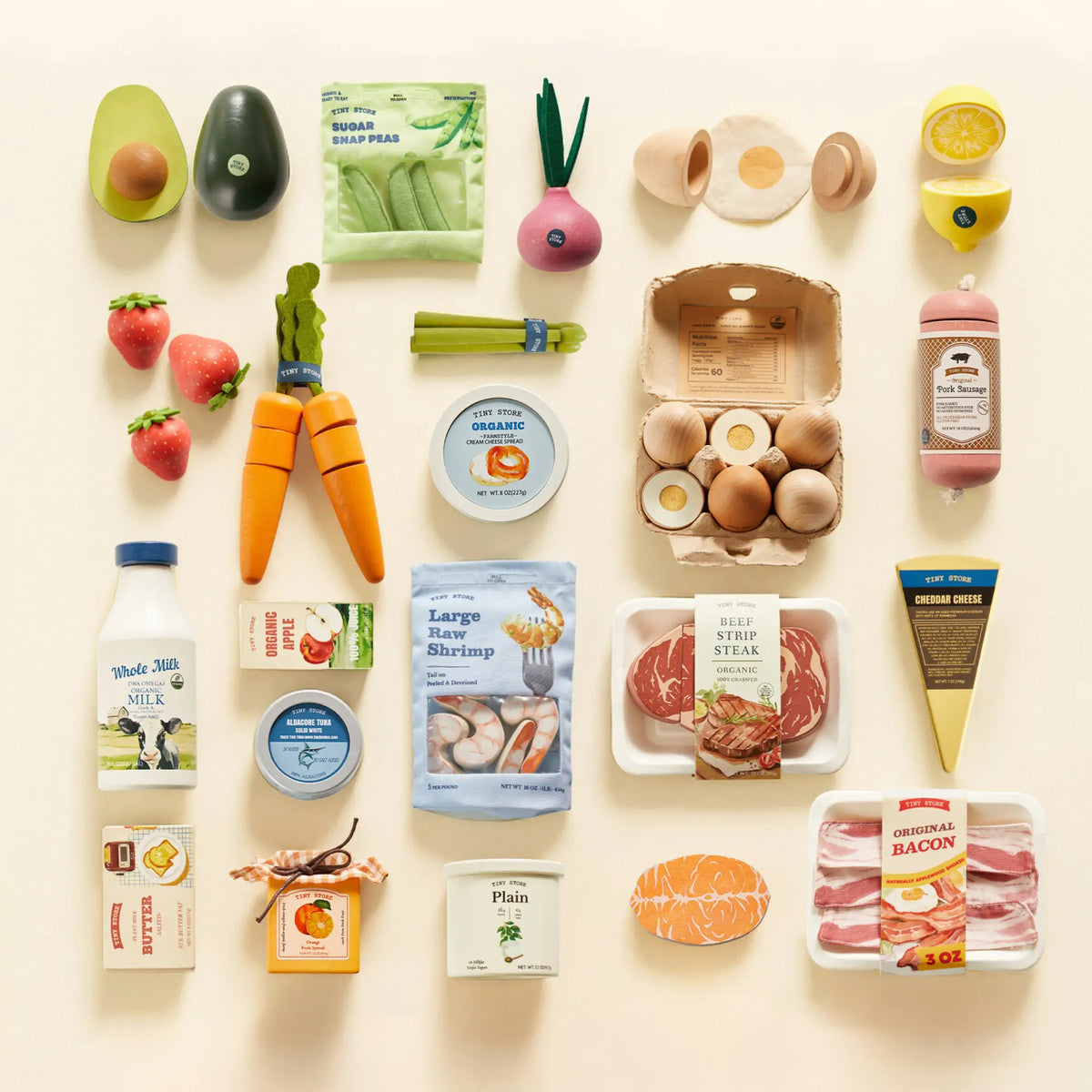
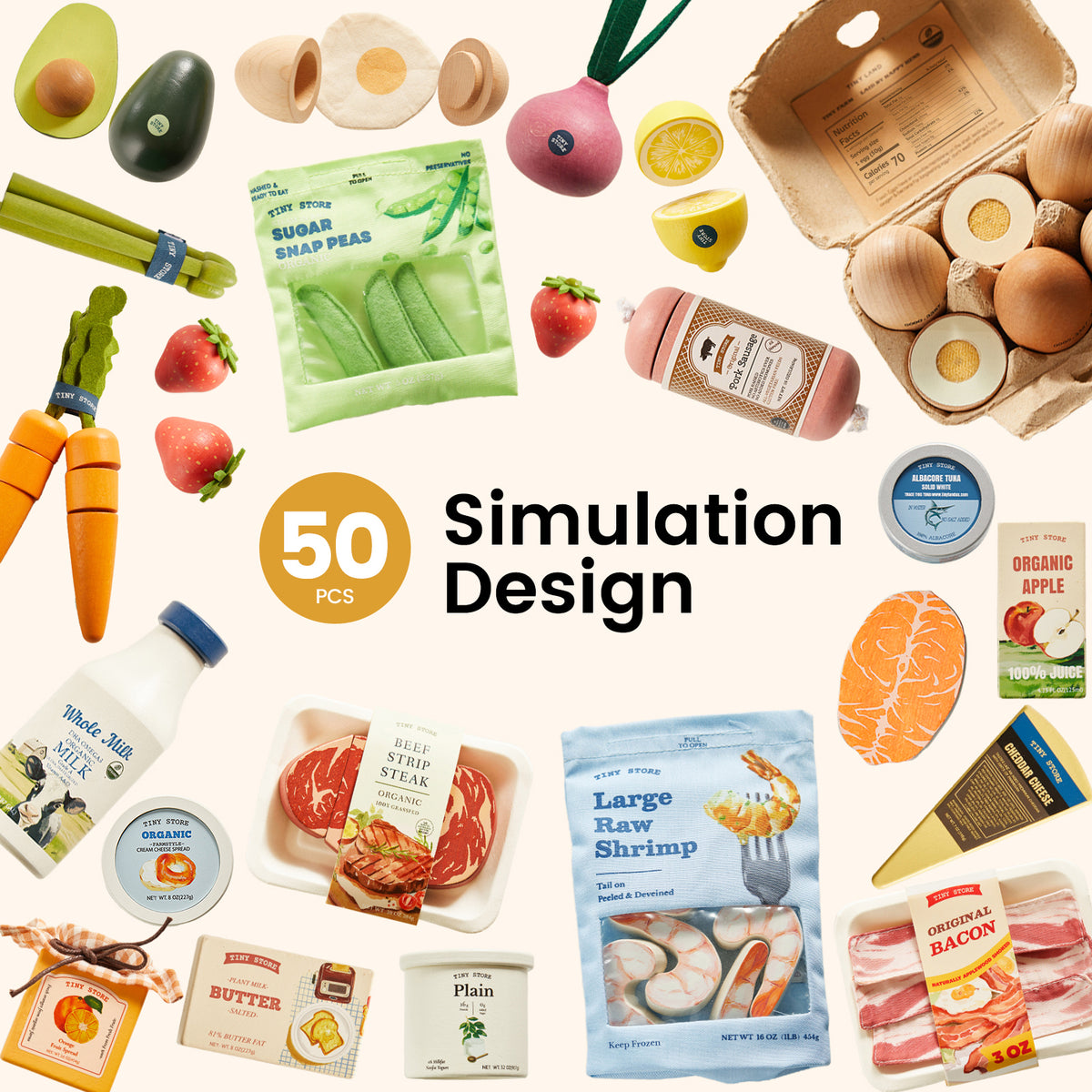
A Tiny Land Play Kitchen paired with Organic Food Sets turns everyday routines into imaginative experiences where children can explore cooking, sharing, and healthy habits through play.
Five Expert Tips for Encouraging Pretend Play at Home
Our expert partners consistently share a few simple ideas that can help make pretend play more meaningful:
-
Follow your child's lead
Let children decide the story, the roles, and how the adventure unfolds. Their ideas are often where the richest learning happens.
-
Model language naturally
Instead of turning play into a series of questions, describe what is happening. Simple comments help build vocabulary while keeping conversations relaxed.
-
Welcome repetition
Children often return to the same pretend scenario again and again. Repetition helps strengthen confidence, understanding, and communication skills.
-
Use everyday moments as inspiration
Cooking dinner, shopping, visiting the library, or going to the doctor can all become opportunities for imaginative play.
-
Choose toys that grow with imagination
The best pretend play toys are flexible and open-ended, allowing children to create new stories and challenges as their interests develop.

Bringing Pretend Play Home with Tiny Land
Every Tiny Land pretend play toy is designed around one belief: children learn best when they are free to imagine.
Whether they're preparing meals in a Play Kitchen, welcoming customers at a Grocery Store, exploring food through pretend cooking, or creating an adventure completely from their own imagination, children are building skills that extend far beyond playtime.
Our collaborations with child development professionals continue to remind us that meaningful play does not require perfect instructions or complicated setups.
Sometimes, all children need is a little space, a little imagination, and the freedom to create their own stories.
Because every pretend adventure is more than make-believe—it's a chance for children to learn, grow, and discover the world in their own way.

Frequently Asked Questions About Pretend Play
-
What age do children start pretend play?
Many children begin showing early pretend play behaviors around 18 months to 2 years old, such as pretending to feed a toy or copying everyday actions. As children grow, pretend play becomes more complex with storytelling, role-playing, and social interaction.
-
Why is pretend play important for toddlers?
Pretend play helps toddlers develop language, creativity, problem-solving, emotional understanding, and independence by allowing them to explore real-life experiences through imagination.
-
How can parents encourage pretend play at home?
Parents can encourage pretend play by providing open-ended toys, joining children's stories, modeling simple language, and allowing children to lead the activity.
-
How do I choose a pretend play toy for my child?
Look for toys that encourage imagination rather than one specific way of playing. Open-ended pretend play toys allow children to create different stories, roles, and experiences as they grow.