


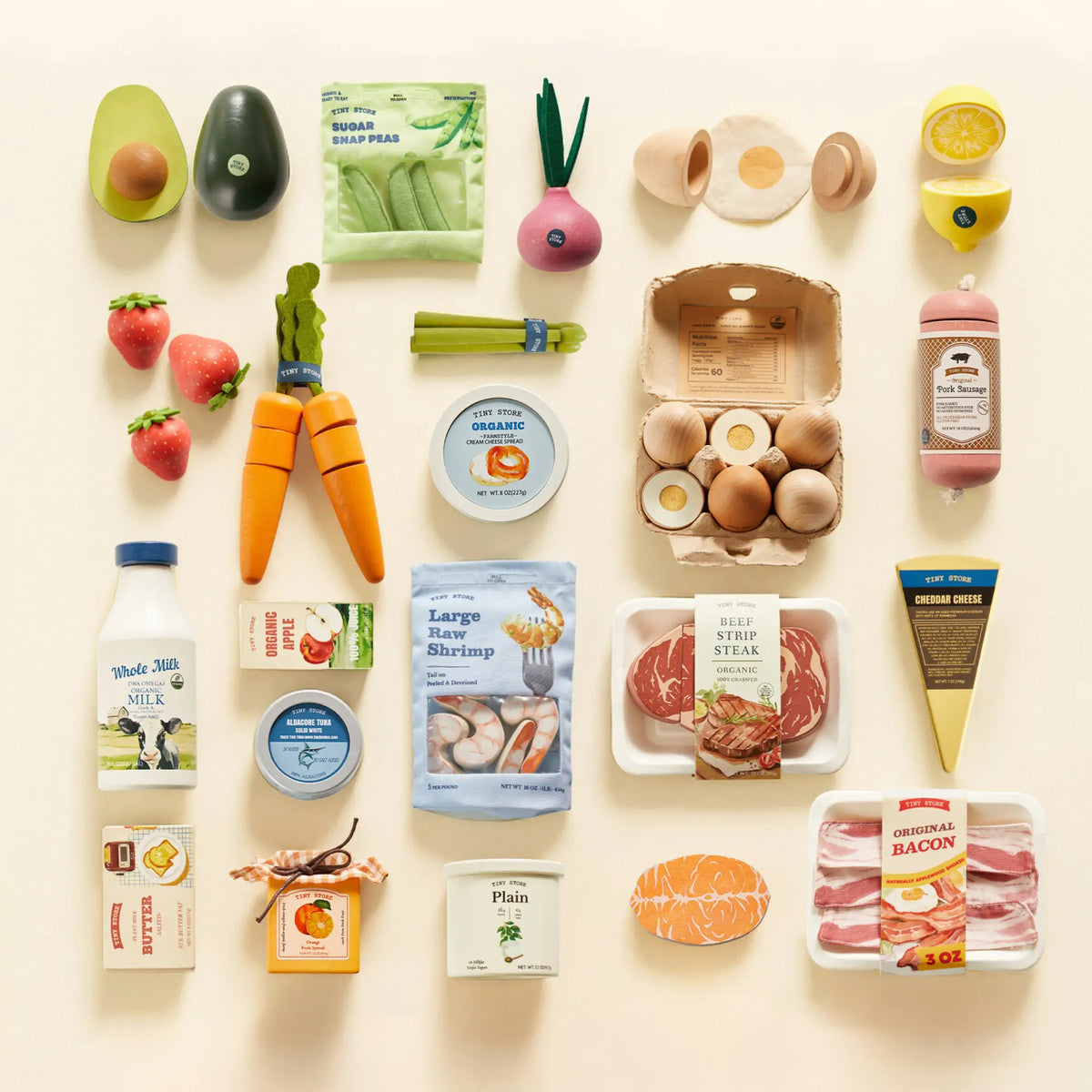
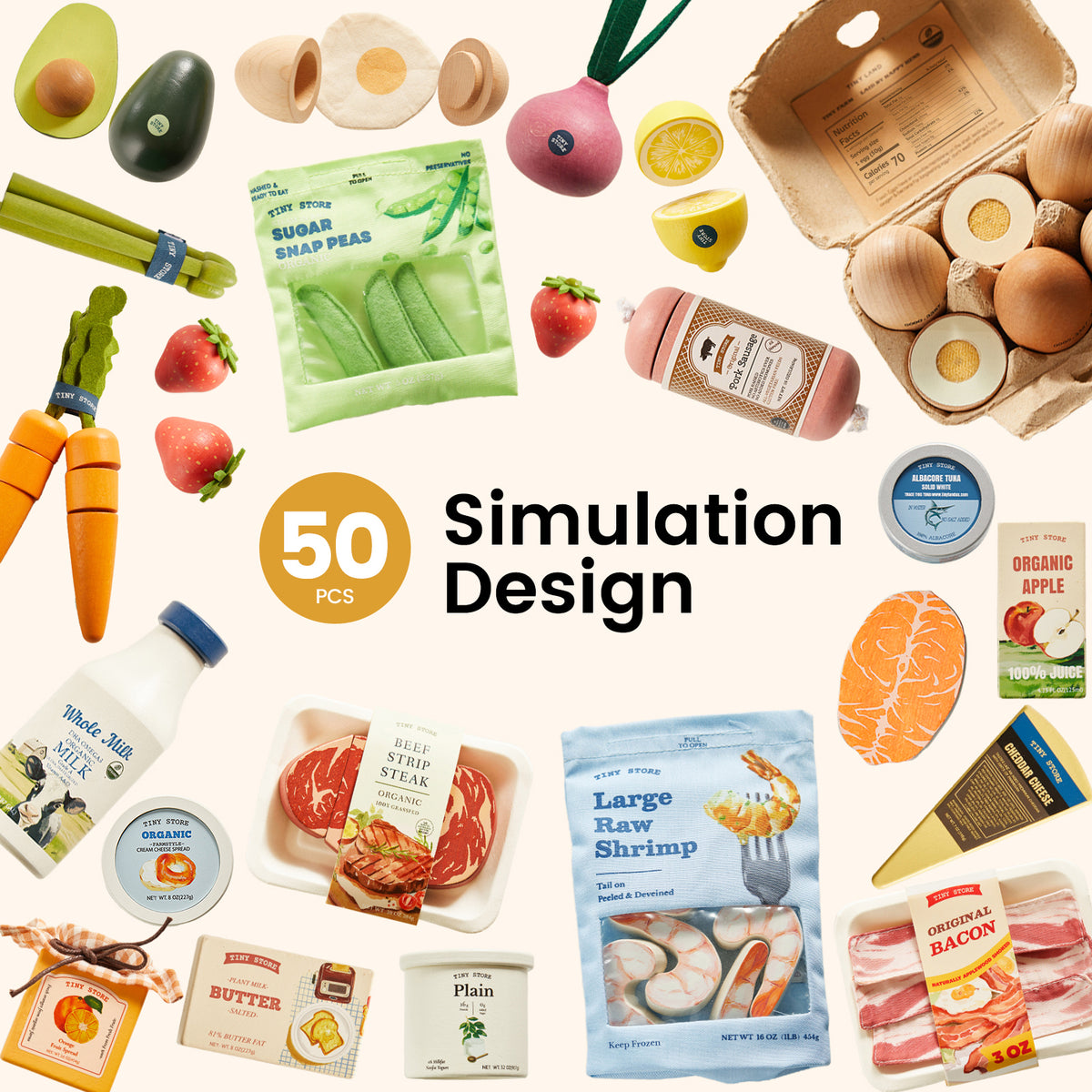
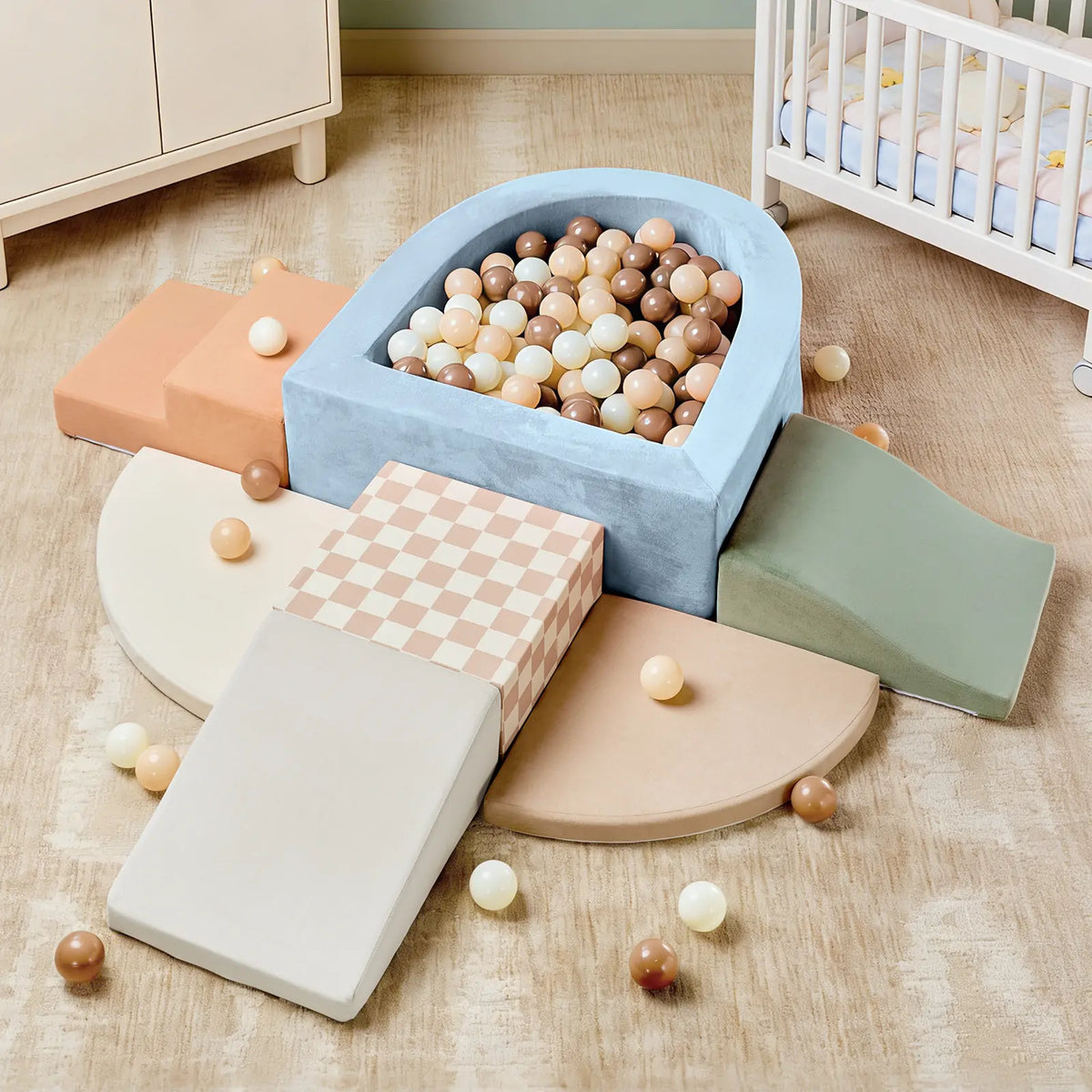
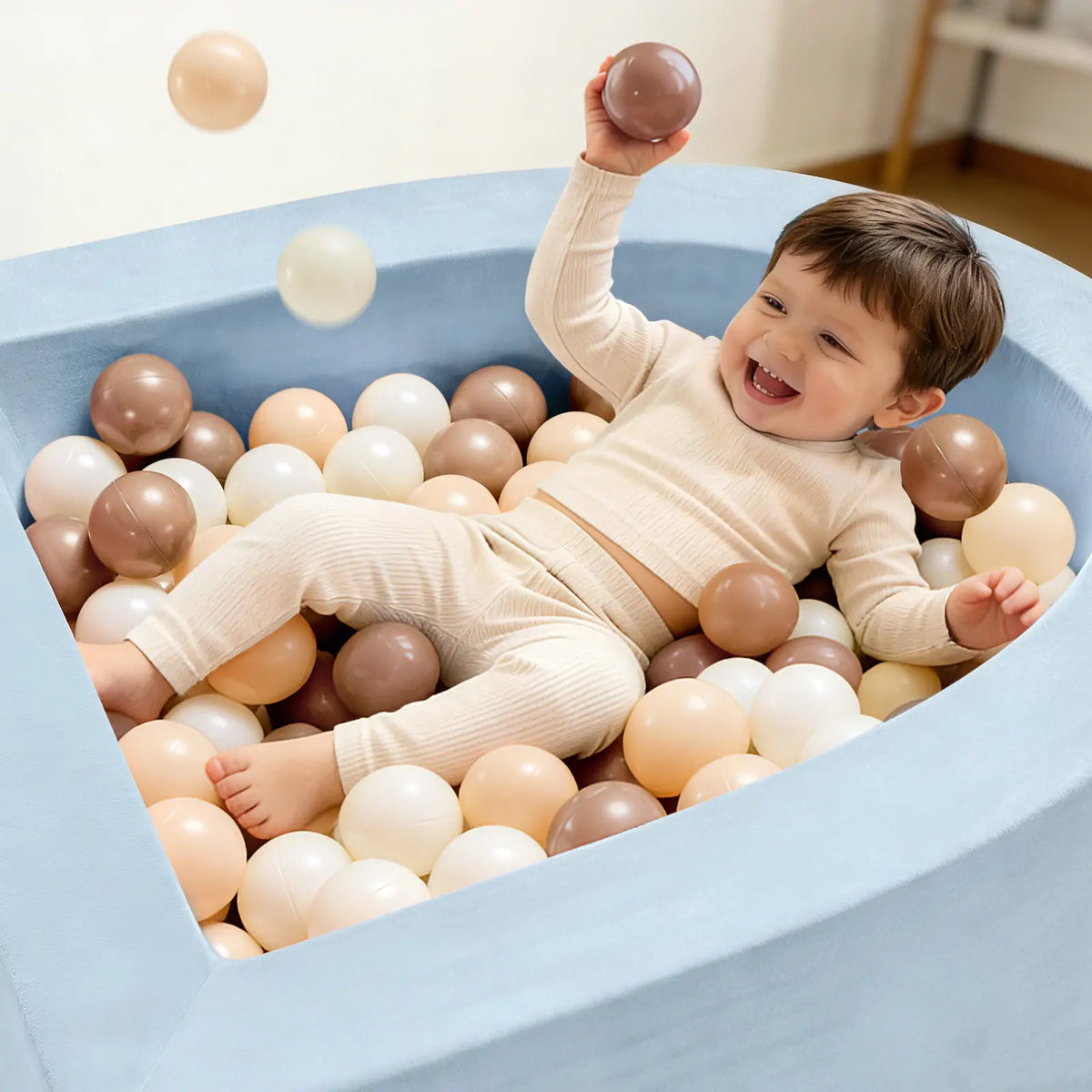
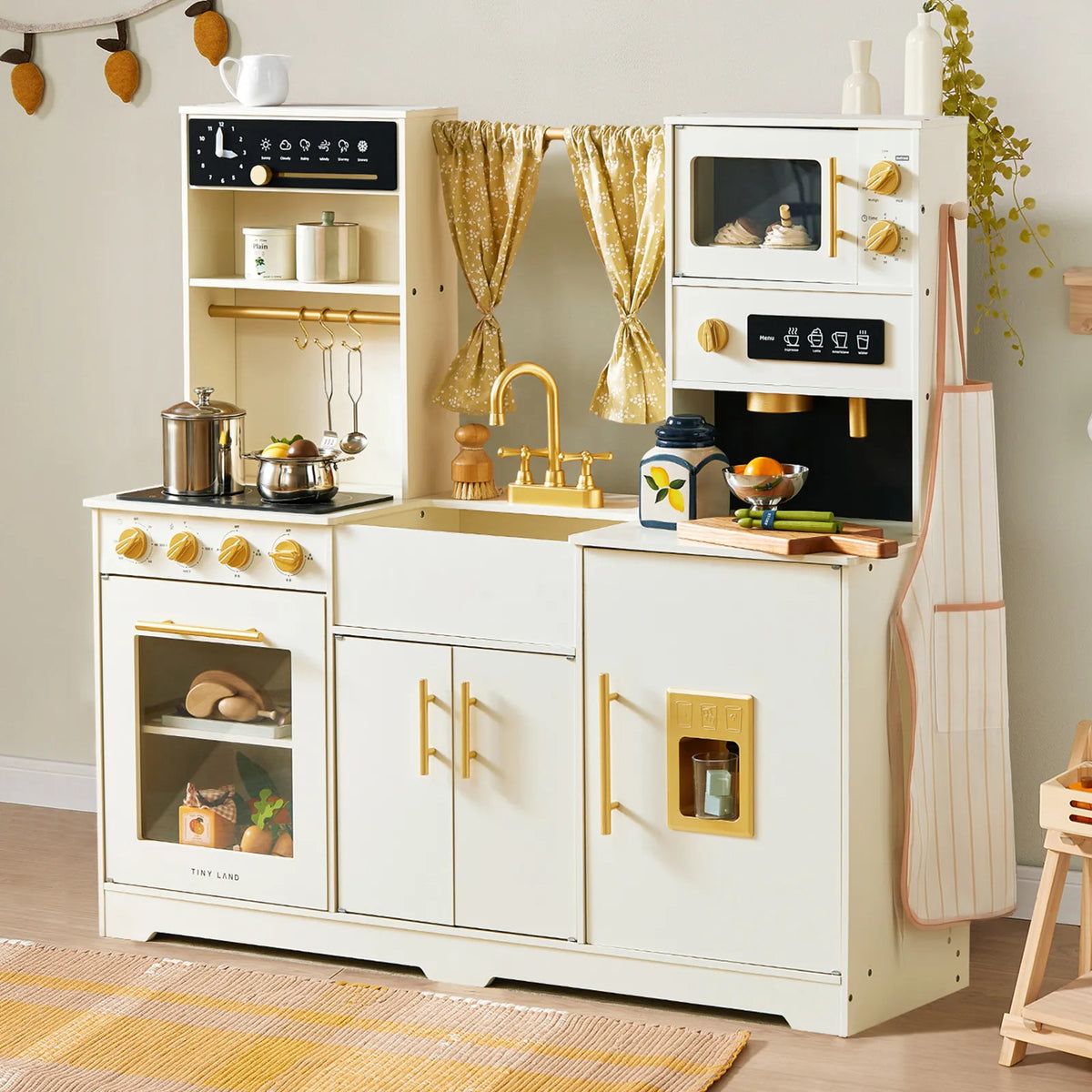
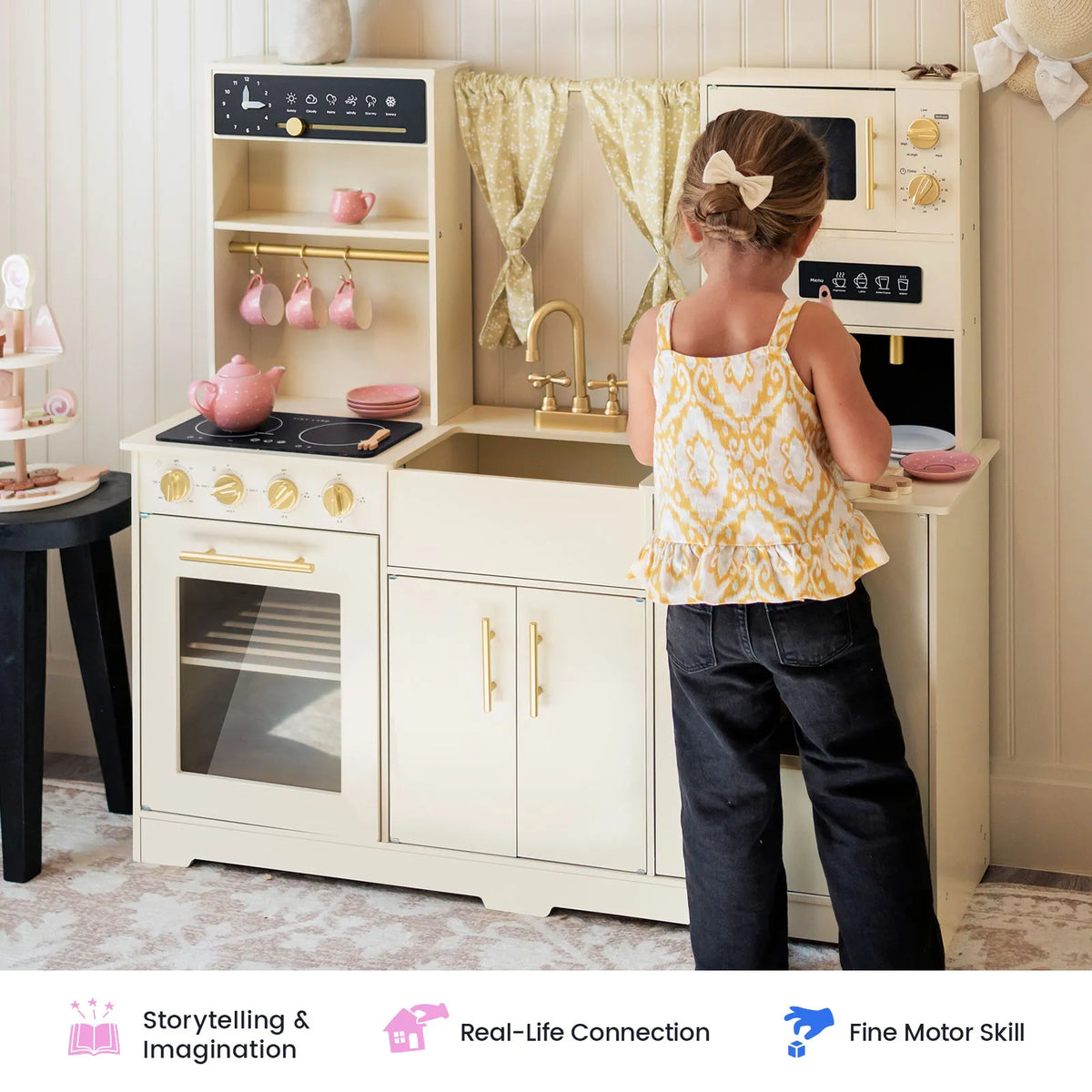
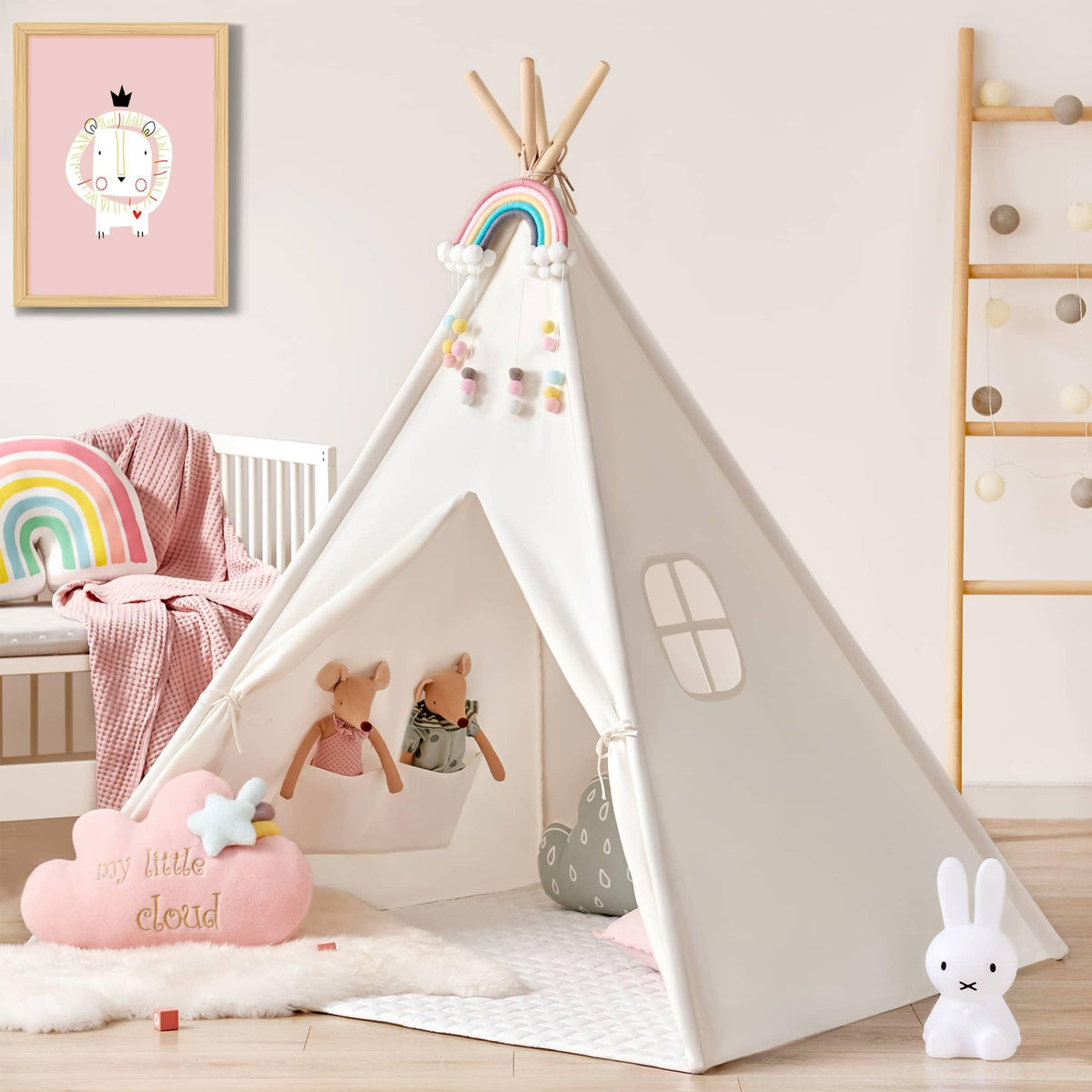
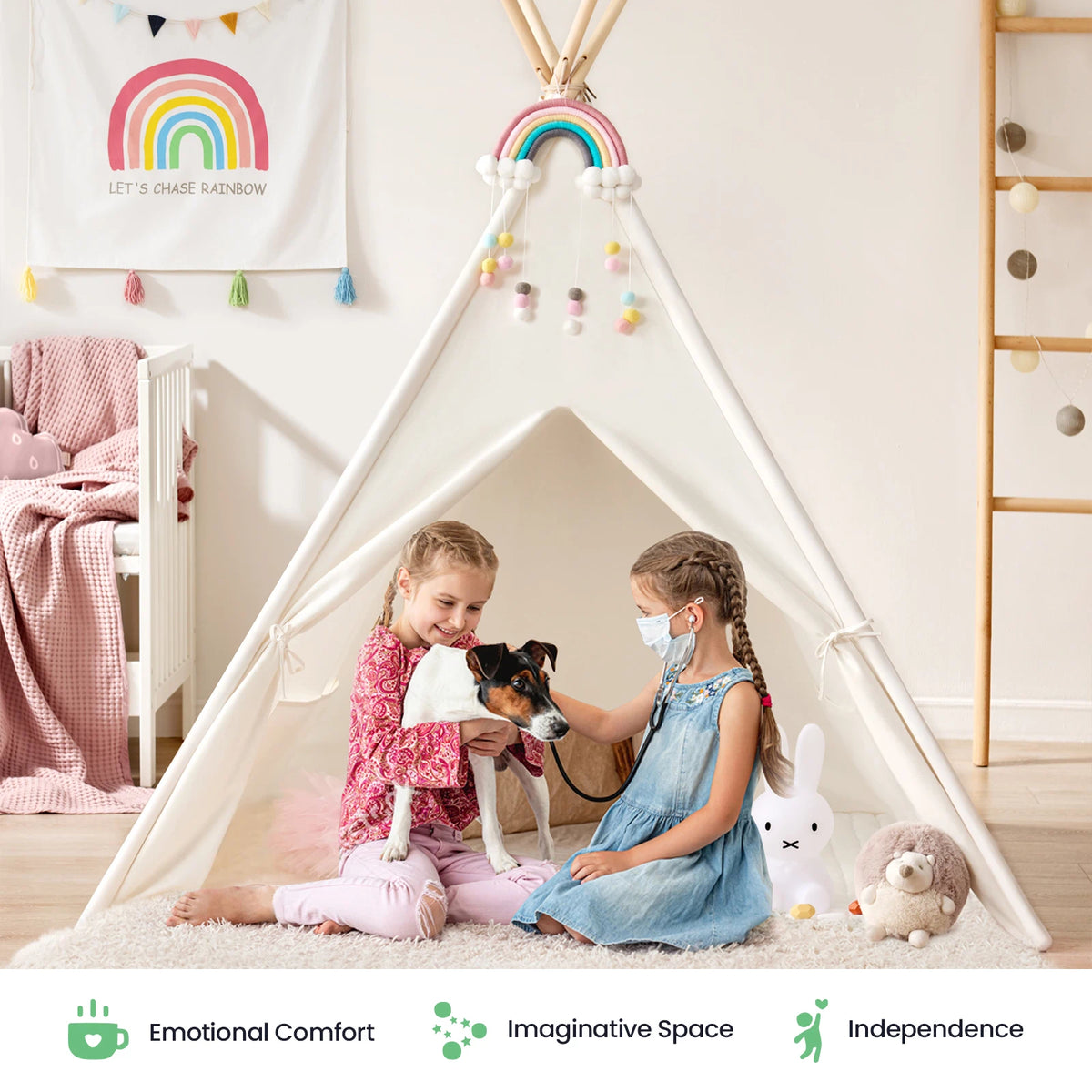
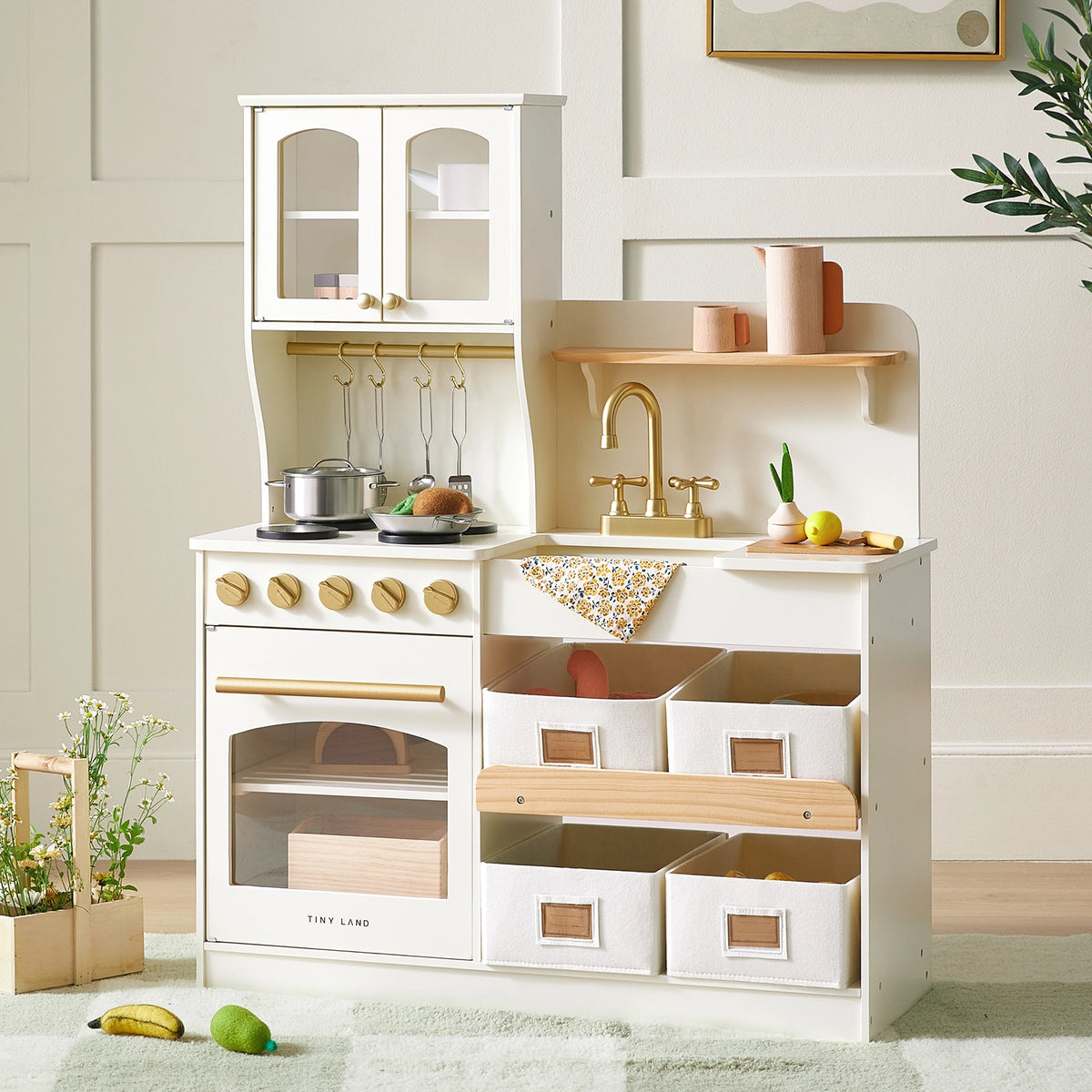
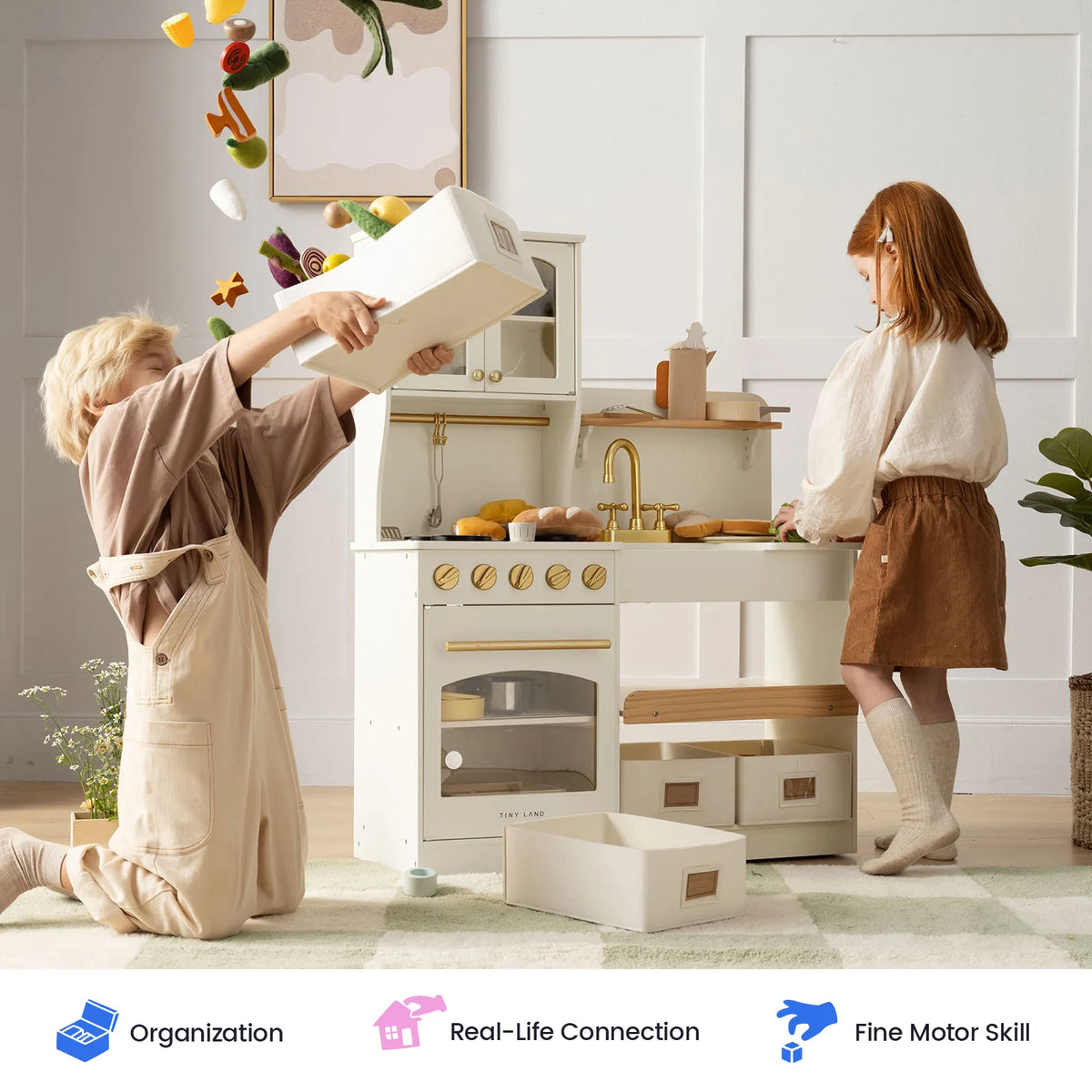
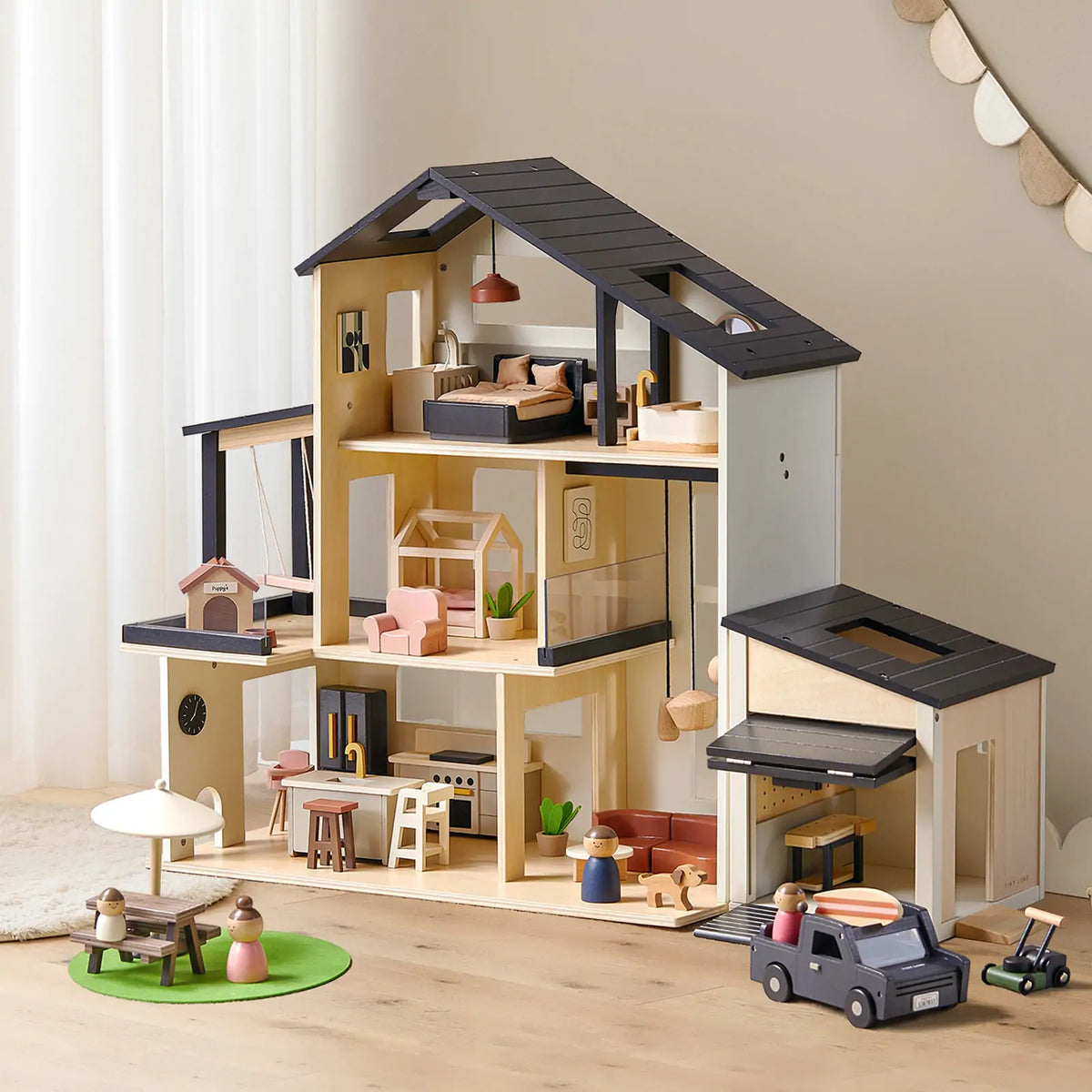
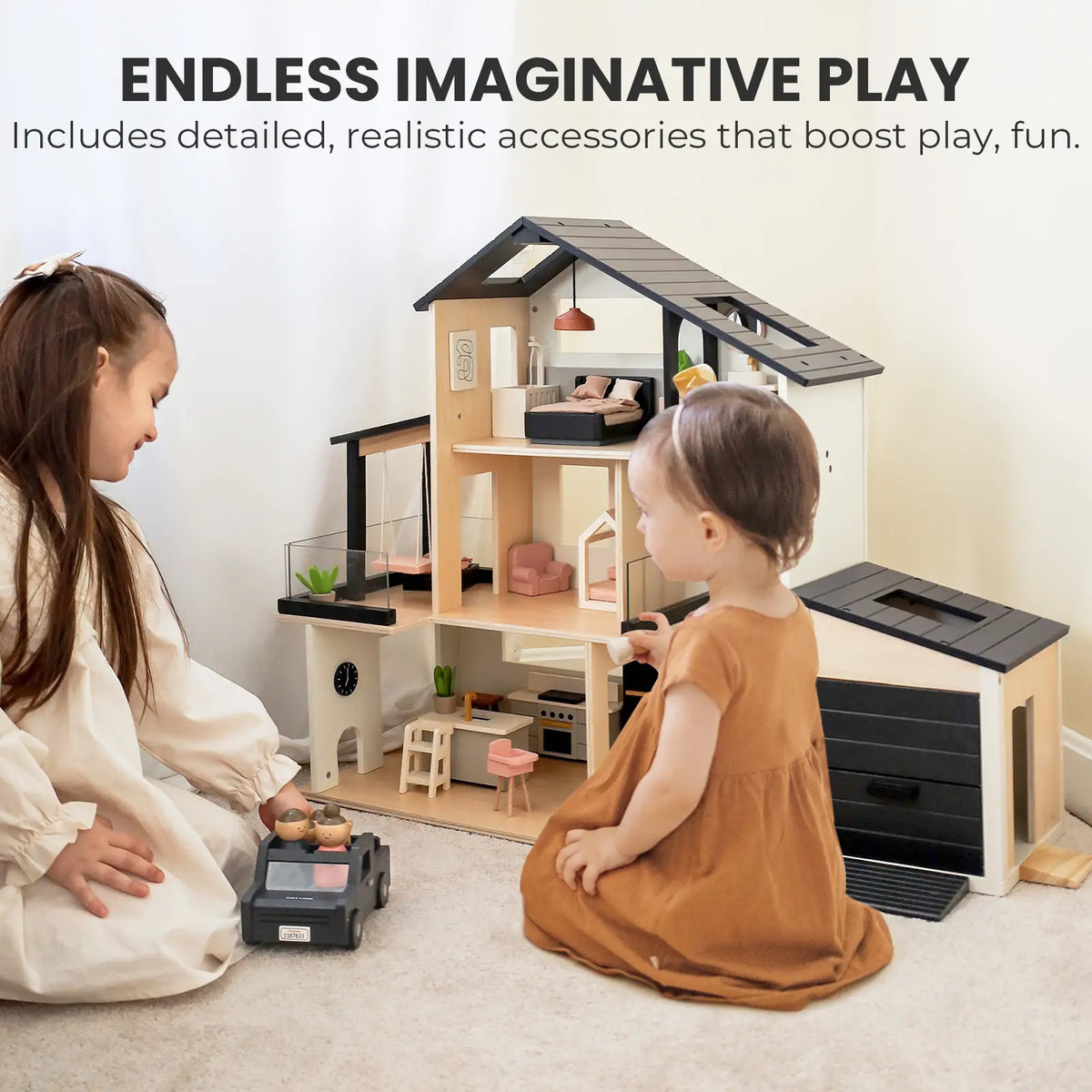
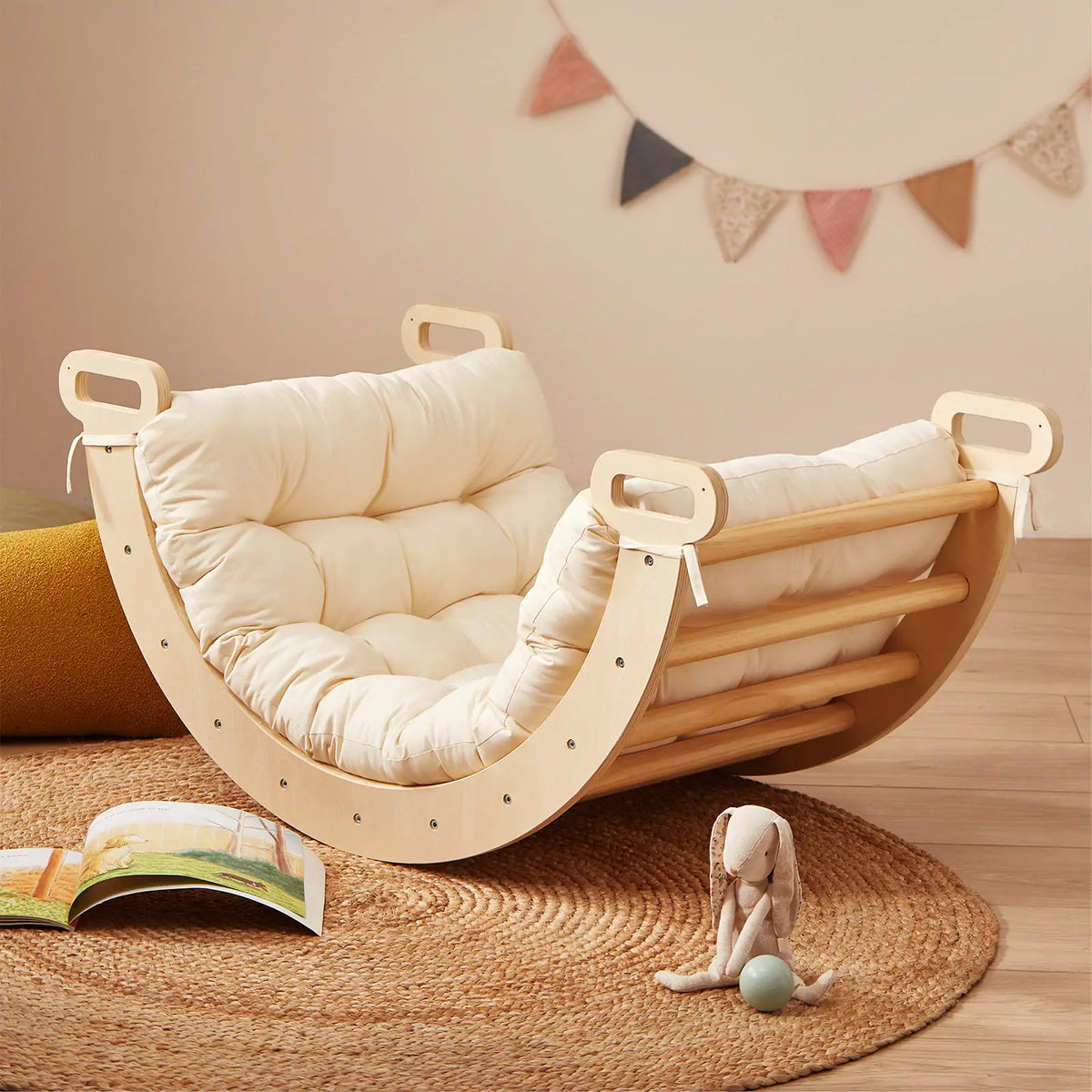
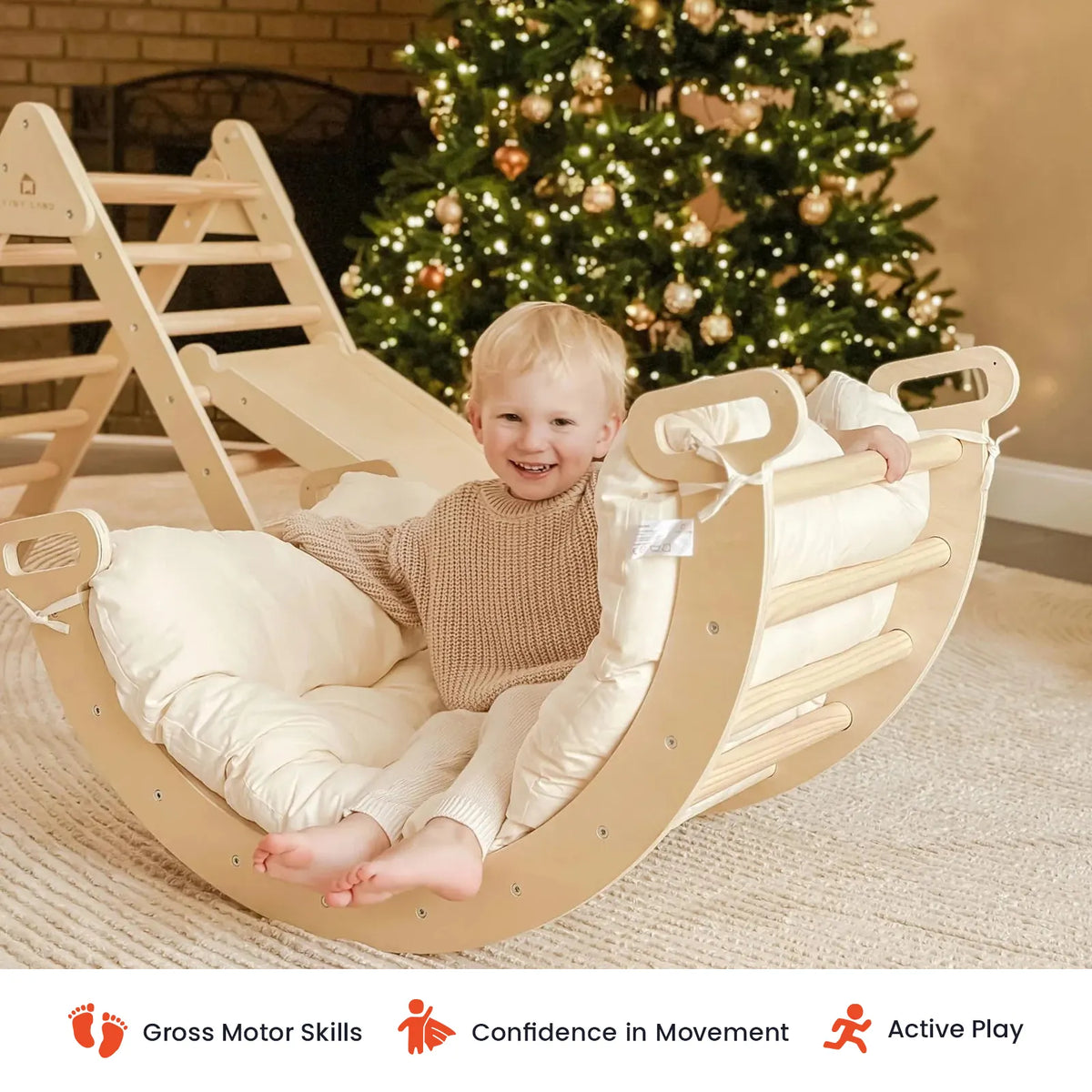
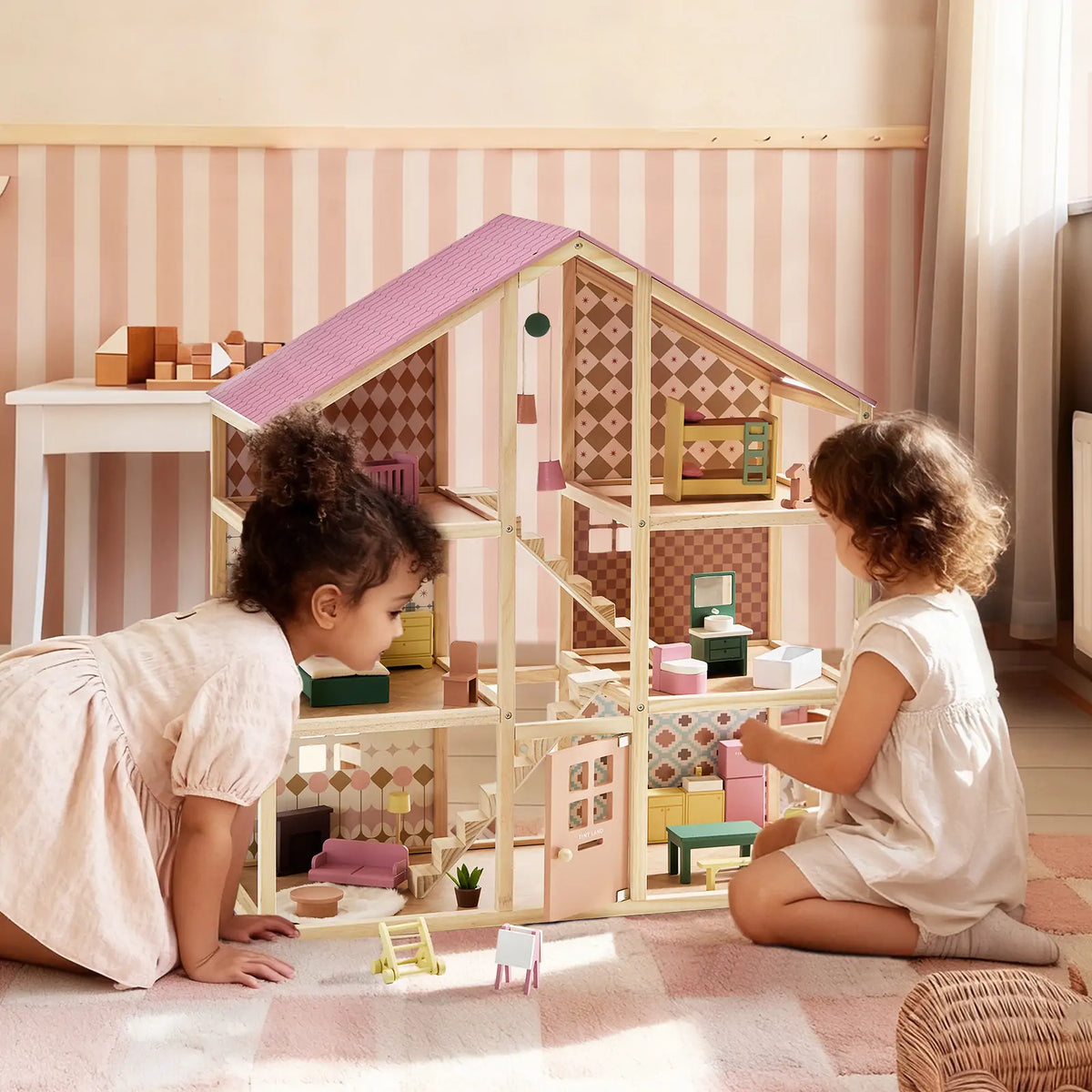
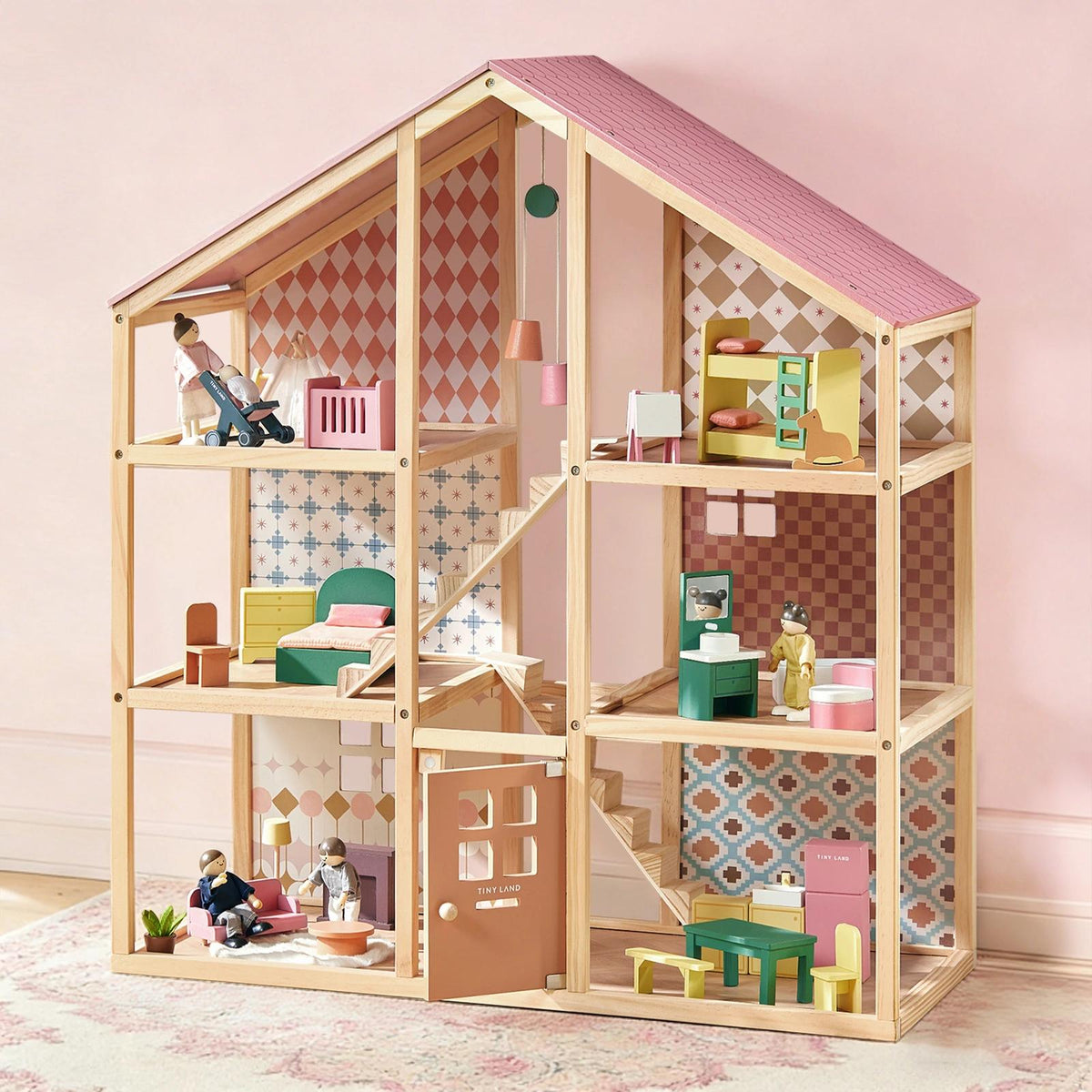
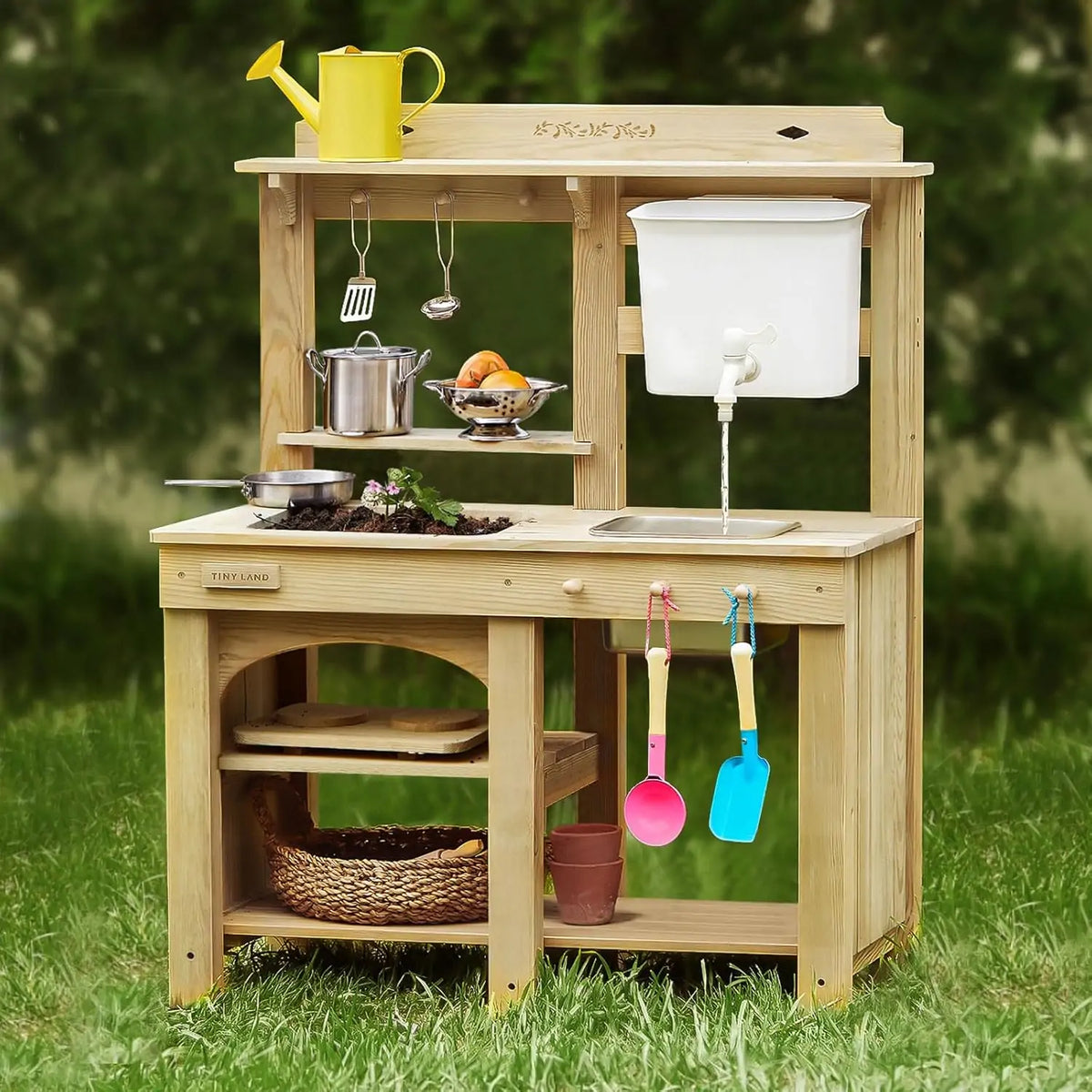
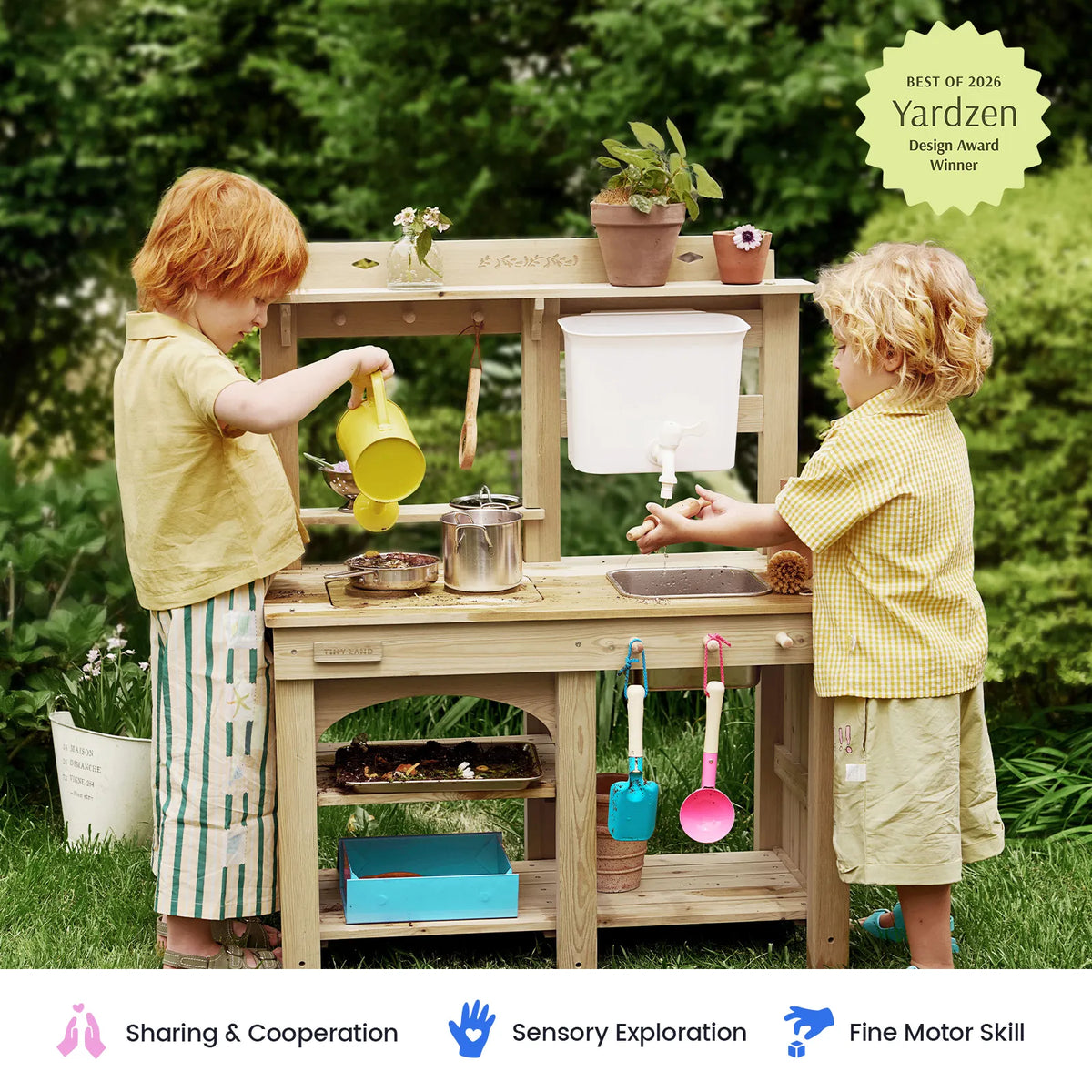
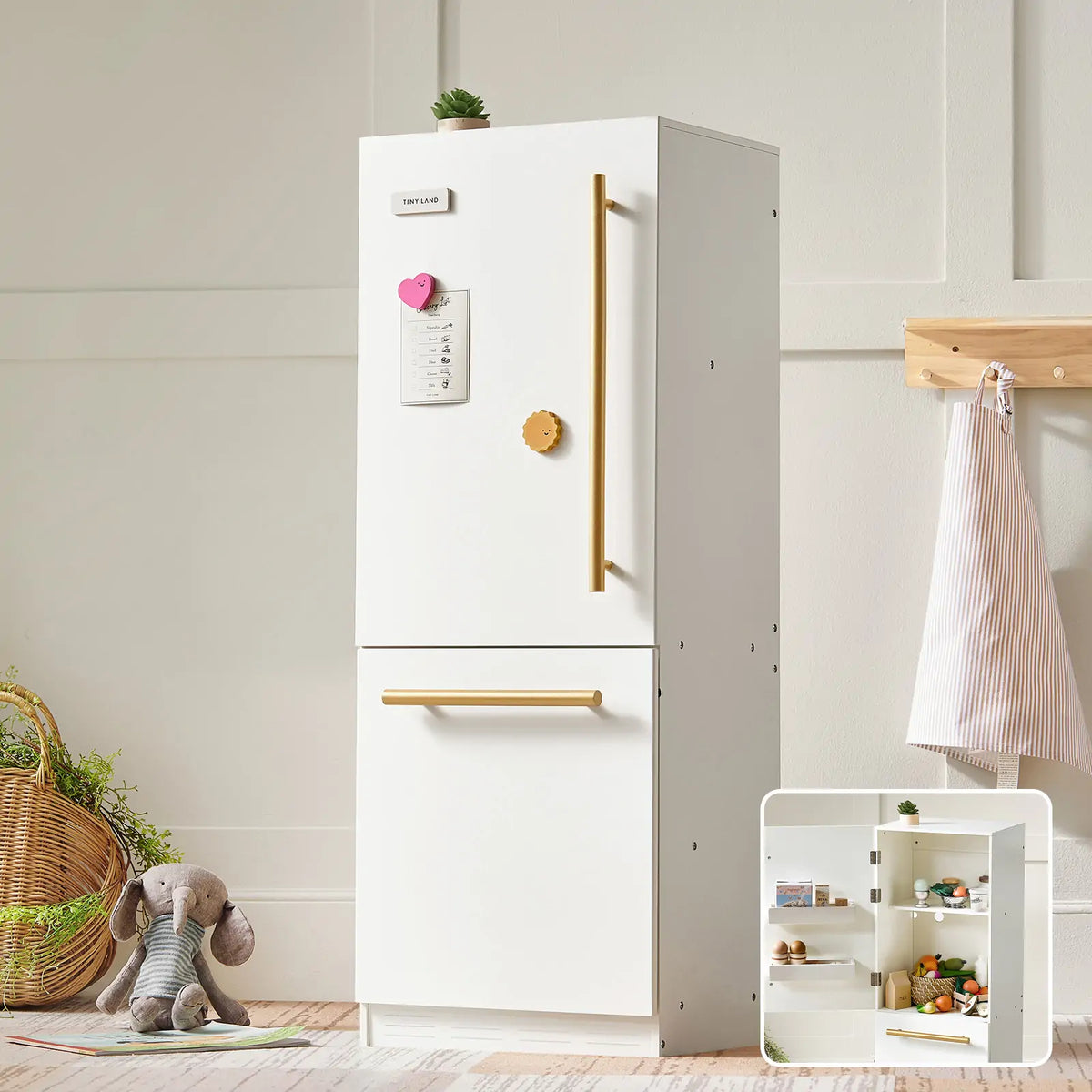
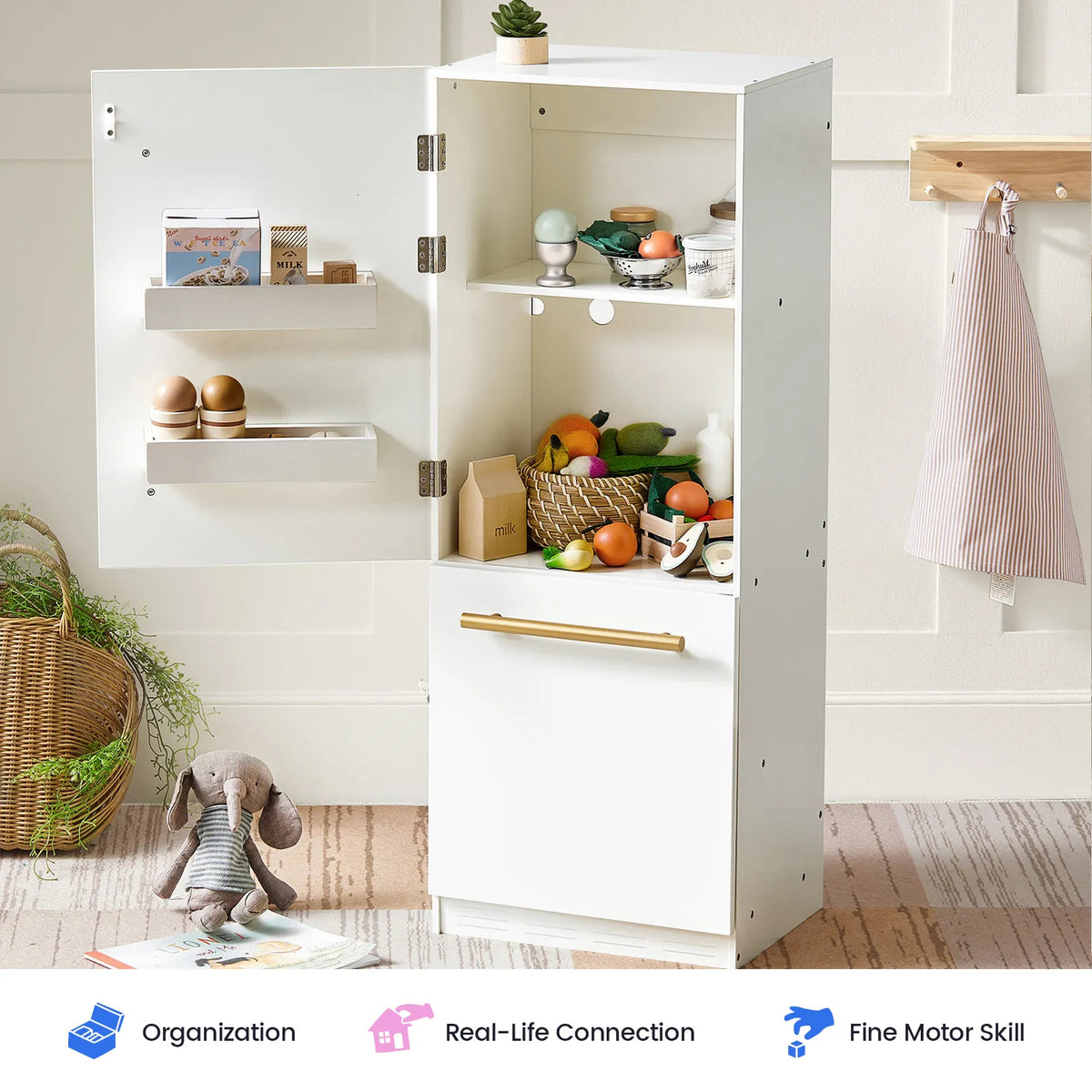
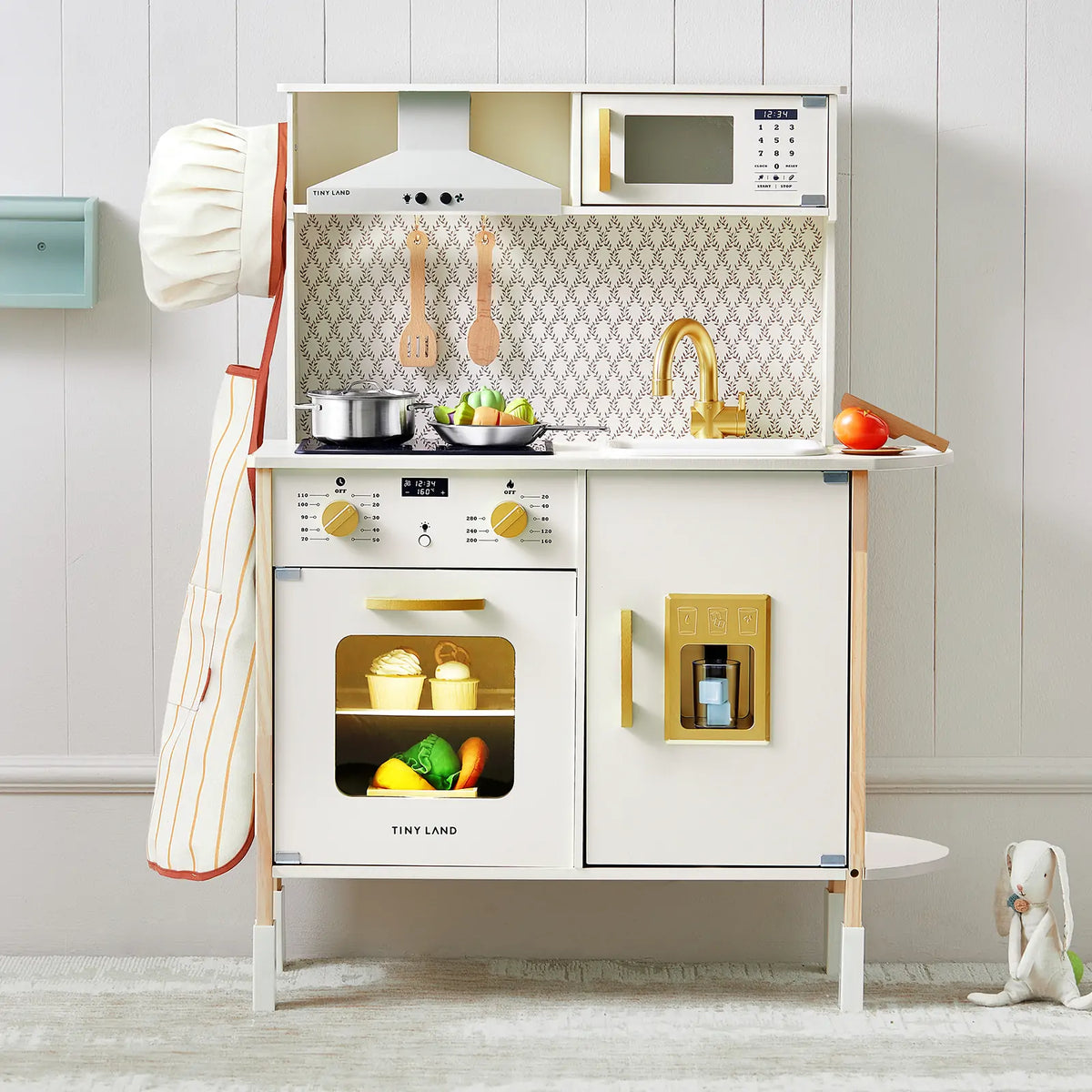
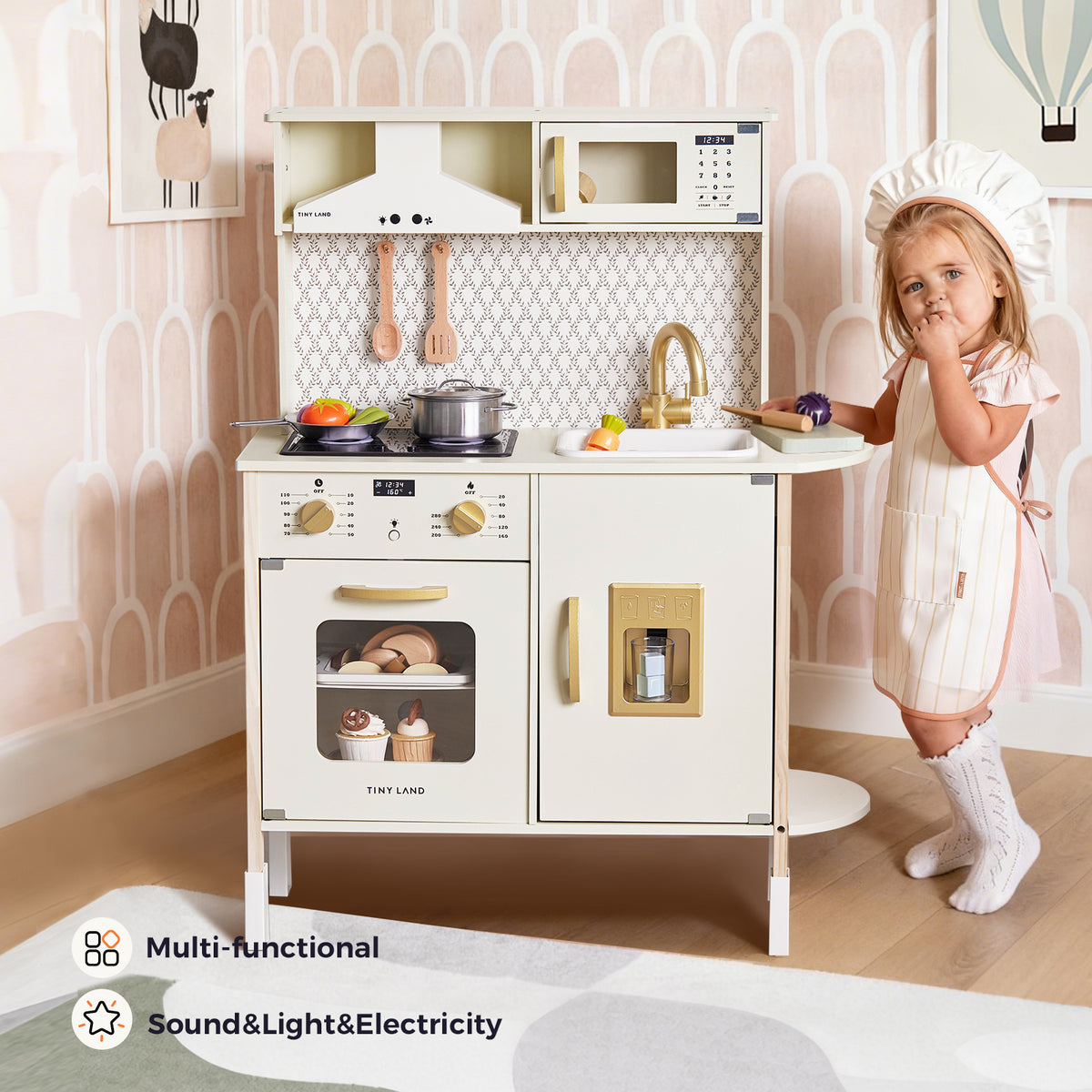

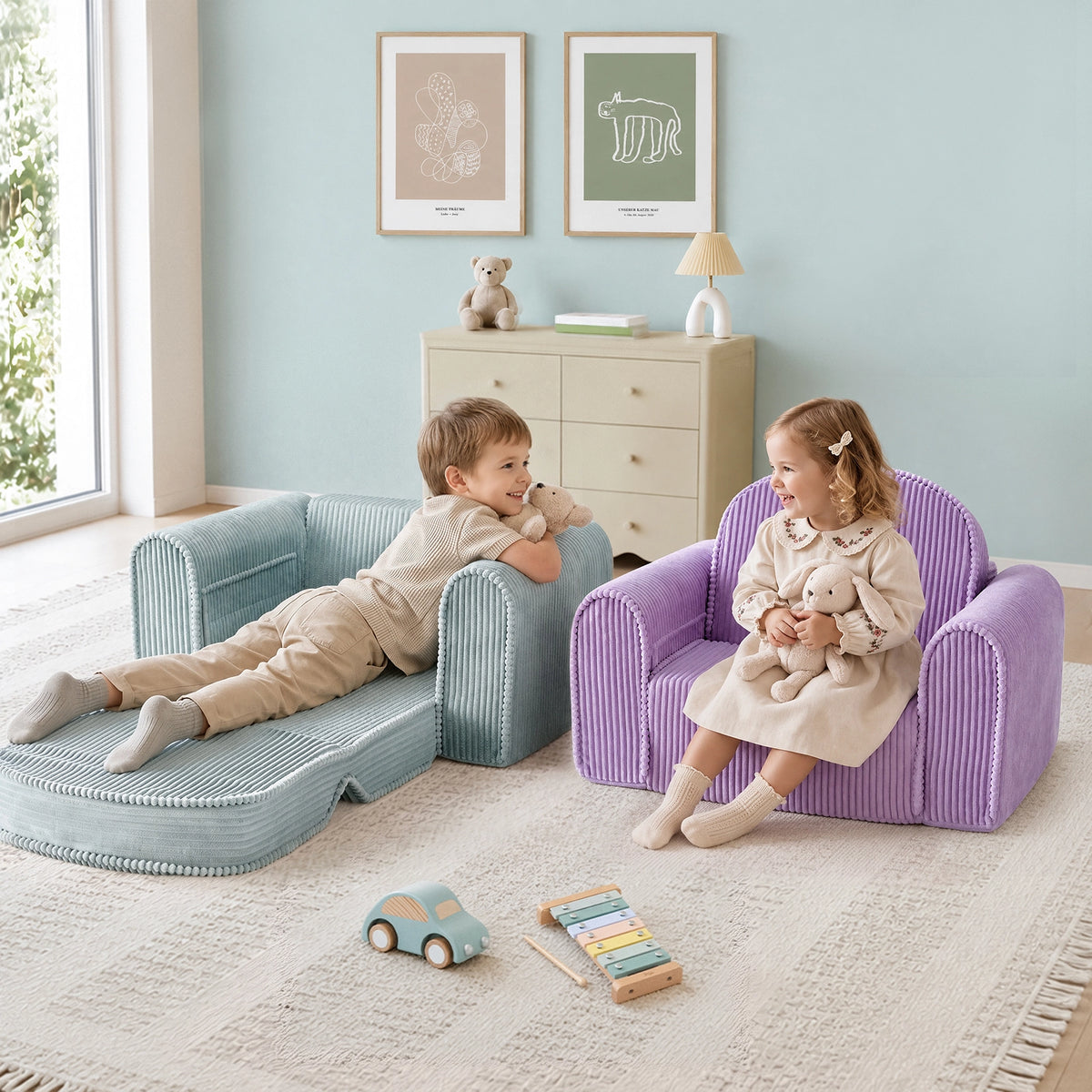

In early childhood, play is rarely linear. A child may start the morning “cooking breakfast” in a toy kitchen, turn it into a restaurant by lunch, and later transform the same space into a café serving stuffed animals. None of this follows a fixed script—children constantly shift between roles, stories, and imagined worlds based on curiosity, emotion, and context.
This is why the most meaningful pretend play toys are not defined by a single function, but by how many roles and scenarios they can support over time.

Children Learn Through Role and Scenario Switching
Pretend play is a form of early role rehearsal. It allows children to safely explore how the world works by stepping into different perspectives and responsibilities.
With one toy, a child may naturally move between roles such as:
- A parent preparing meals in a home kitchen
- A chef running a busy restaurant
- A customer placing an order and interacting socially
- A host organizing a gathering and serving guests
Each role involves different language, decision-making, and emotional responses. A child is not just “pretending”—they are practicing real-world social thinking in a simplified environment.
This kind of switching matters because it helps children understand that the same situation can be seen from multiple viewpoints. Over time, this builds flexibility in thinking, communication, and empathy.

One Toy Can Become Multiple Worlds
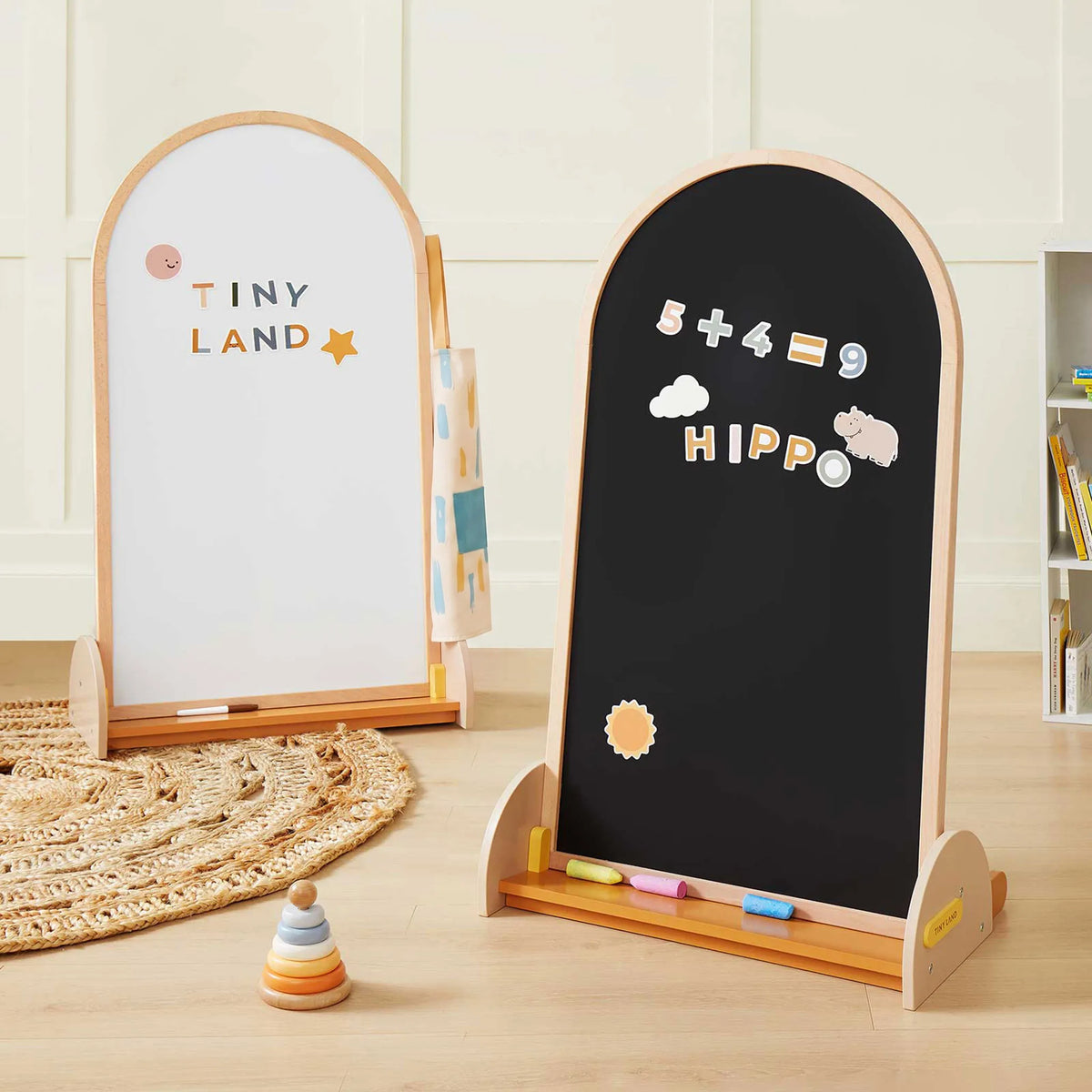
A well-designed pretend play toy is not limited to one fixed story. Instead, it becomes a platform that supports many different imaginary worlds. Each scenario brings new vocabulary, new interactions, and new problem-solving moments. Even though the physical toy remains the same, the meaning of the play changes completely.
This is where deeper engagement happens—not through adding more toys, but through expanding what one toy can represent.

Why Multi-Scenario Pretend Play Is More Valuable Than More Toys
From a parenting perspective, it is easy to assume that more toys create richer play. In reality, many single-purpose toys often lead to short attention spans and fragmented engagement, because each toy only supports one type of interaction.
In contrast, one open-ended toy that supports multiple roles and scenarios can:
- Encourage longer, more focused play sessions
- Reduce constant switching between different toys
- Support deeper imagination within a consistent play system
- Create stronger emotional attachment to familiar objects
Children do not necessarily need more toys. They need toys that grow with their imagination instead of limiting it.
When a toy can shift meaning over time, it naturally stays relevant longer—because the child is the one redefining how it is used.

A New Standard for Pretend Play Toys
Modern early childhood education increasingly emphasizes open-ended play as a foundation for cognitive, social, and emotional development.
Within this view, a high-quality pretend play toy is defined by how flexibly it can be used.
It should allow children to:
- Shift roles freely and naturally
- Create new storylines without instruction
- Adapt play as their interests and abilities grow
- Build new meanings from the same physical object
In this sense, a toy is not a single experience. It is a system that supports many evolving experiences over time.
The value of play is no longer measured by what a toy does, but by what a child can do with it.

Final Thought: What Children Truly Need From Play
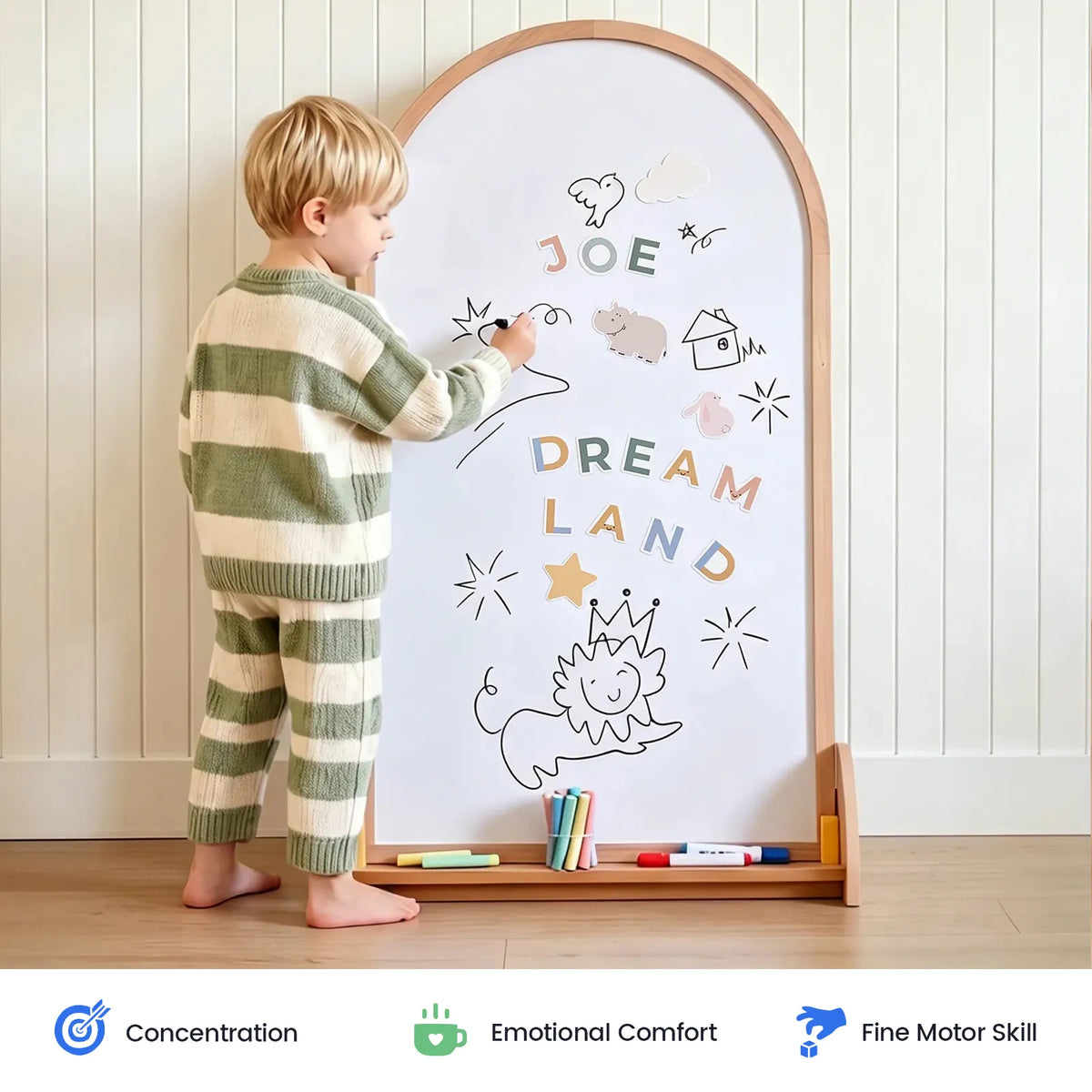
Children do not need toys that decide the story for them. They need toys that allow them to become the storyteller.
When a single toy supports multiple roles and evolving scenarios, it becomes more than an object in a room. It becomes a space where children practice thinking, expressing, cooperating, and imagining.
And over time, this kind of play does something even more important—it helps children understand that one simple thing can hold many different meanings.
Because in the end, the most meaningful play is not about repetition.
It is about transformation—how children make new worlds from the same piece of their everyday life.

