

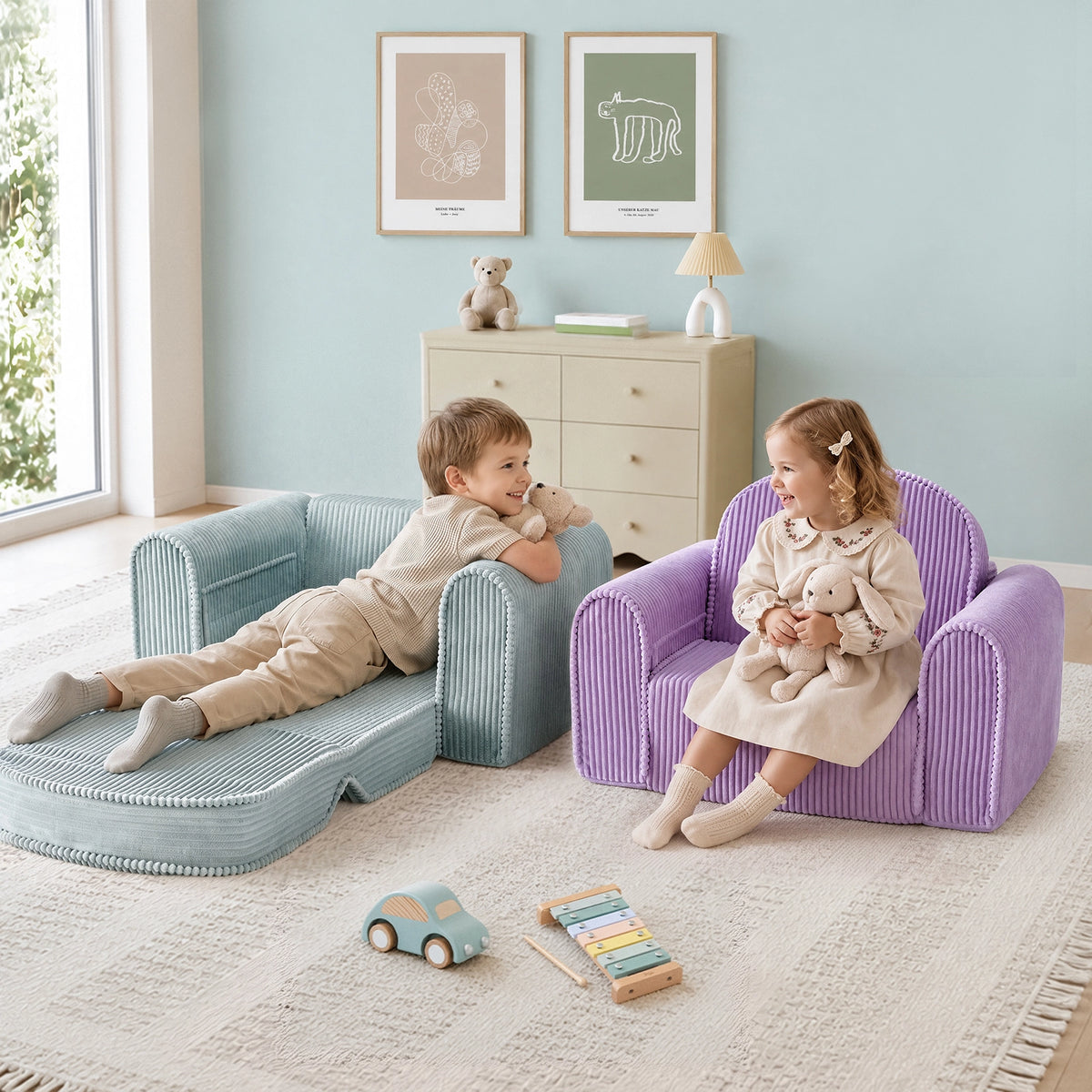

According to the Houzz 2026 U.S. Emerging Summer Trends Report, highlighted by Forbes, homeowners are increasingly creating environments centered around warmth, personal experiences, and shared moments.
Today’s children’s play spaces are becoming more than areas for storing toys. They are becoming part of the home—spaces where children can imagine, create, and experience everyday moments through play.
At Tiny Land, we believe children’s spaces can be designed with the same attention to warmth, thoughtful details, and meaningful experiences as the rest of the home.

From Family Spaces to Children’s Play Spaces
The Houzz report highlights a growing interest in spaces designed around human connection.
One example is the rise of Nostalgic Spaces—areas created for offline entertainment, shared activities, and simple moments of togetherness.
As families seek more opportunities to spend time together, traditional forms of interaction and imaginative experiences are becoming increasingly valuable.
This idea naturally connects with pretend play.
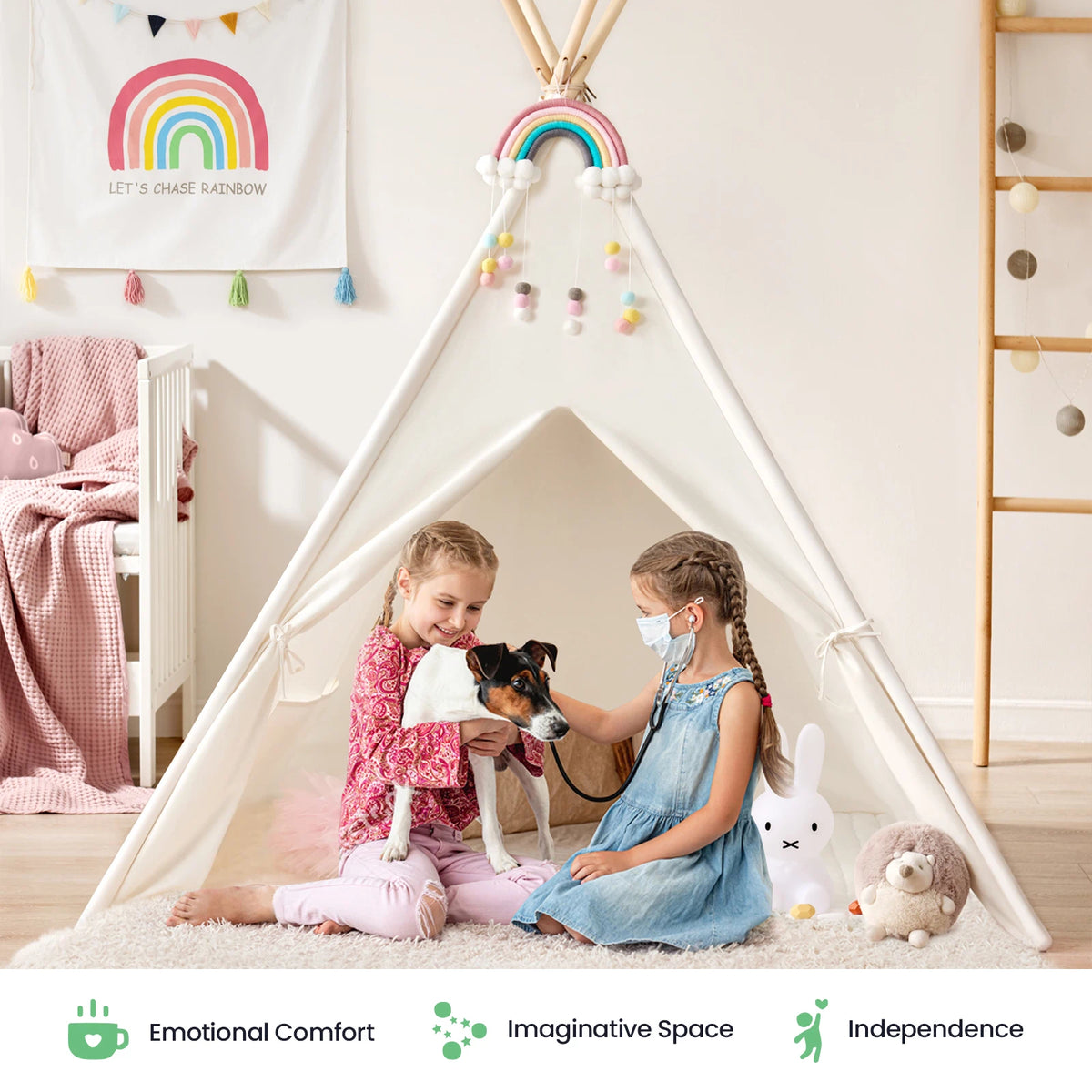
Through pretend play, children recreate familiar moments from everyday life, build their own stories, and explore the world through imagination.
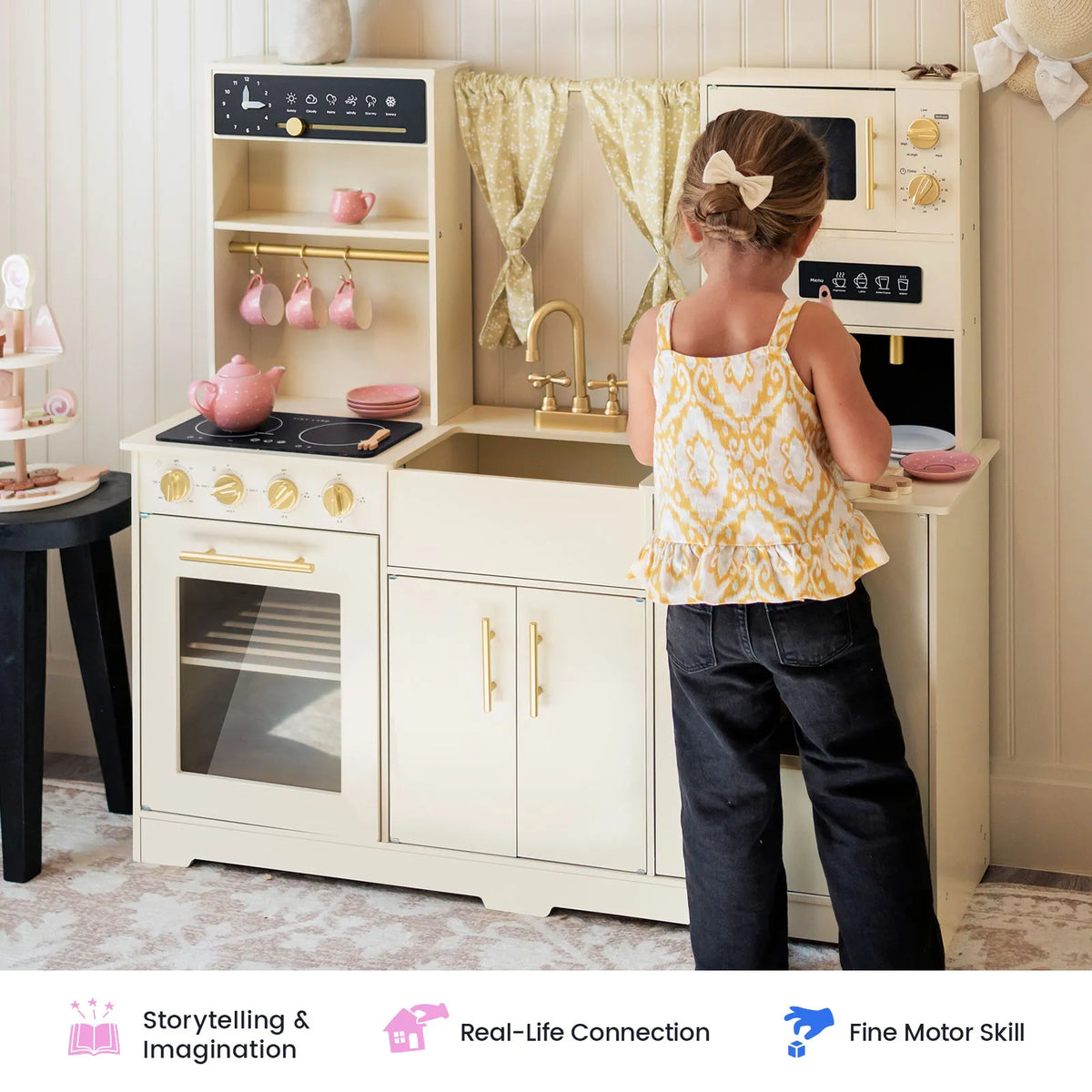
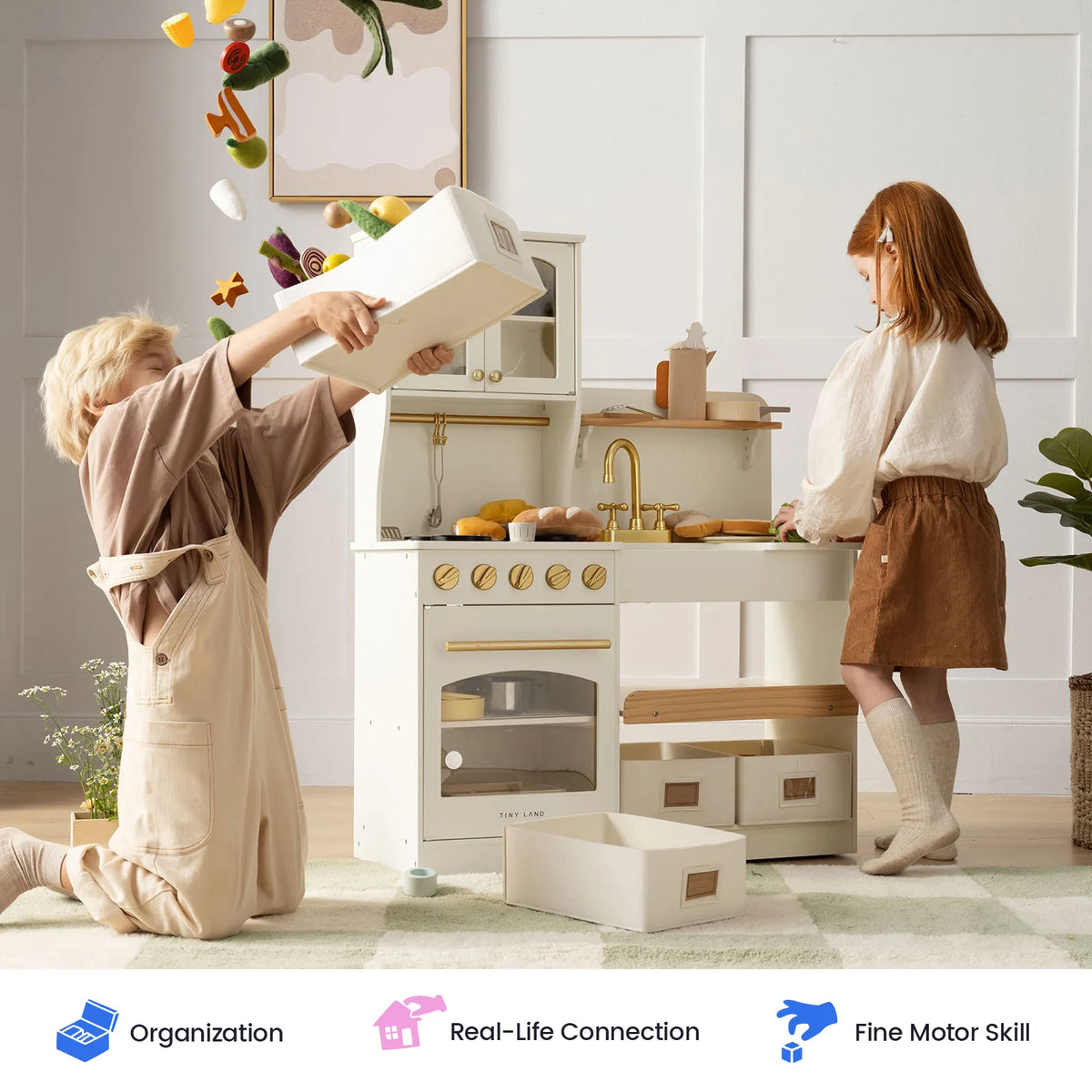
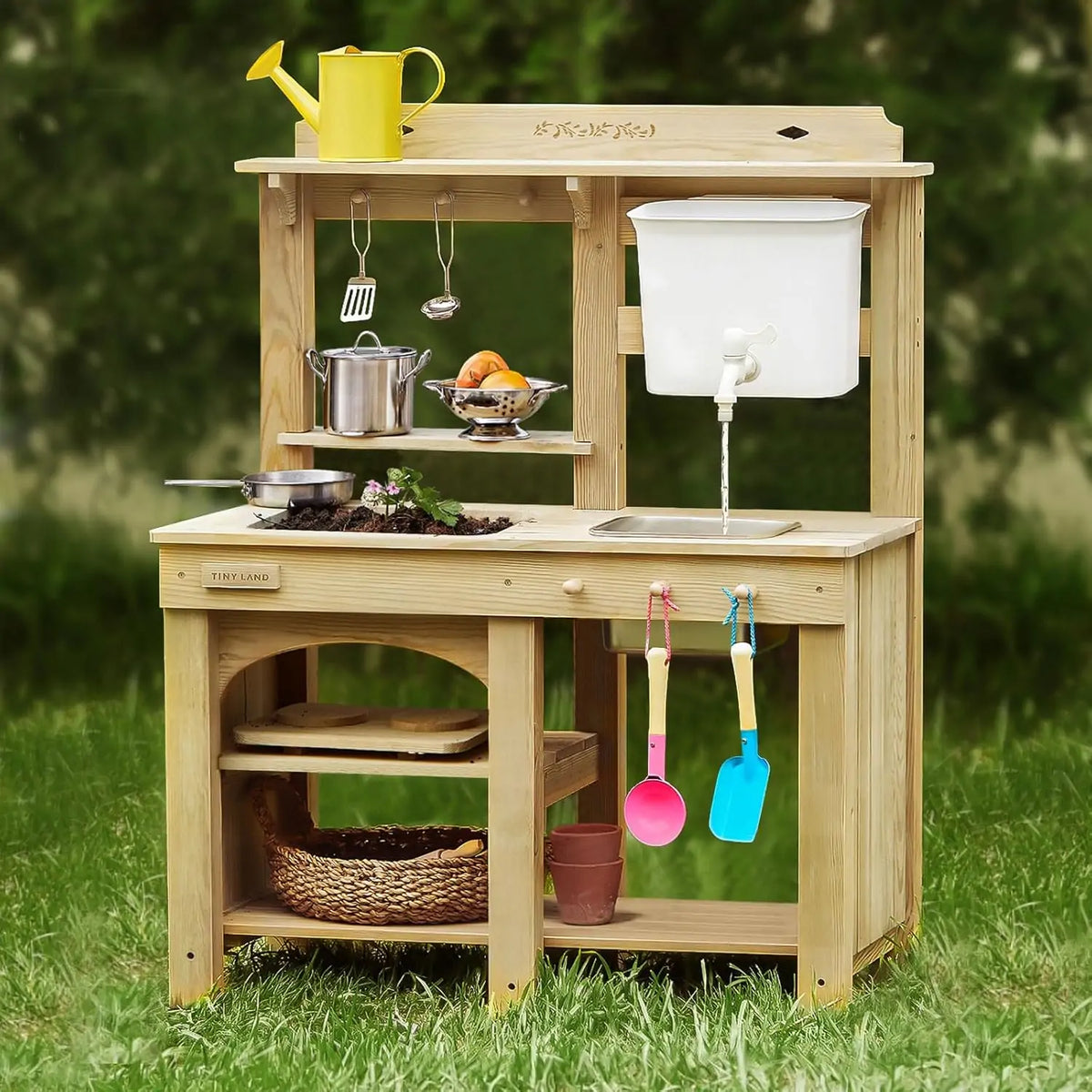
A play kitchen can become a family restaurant.
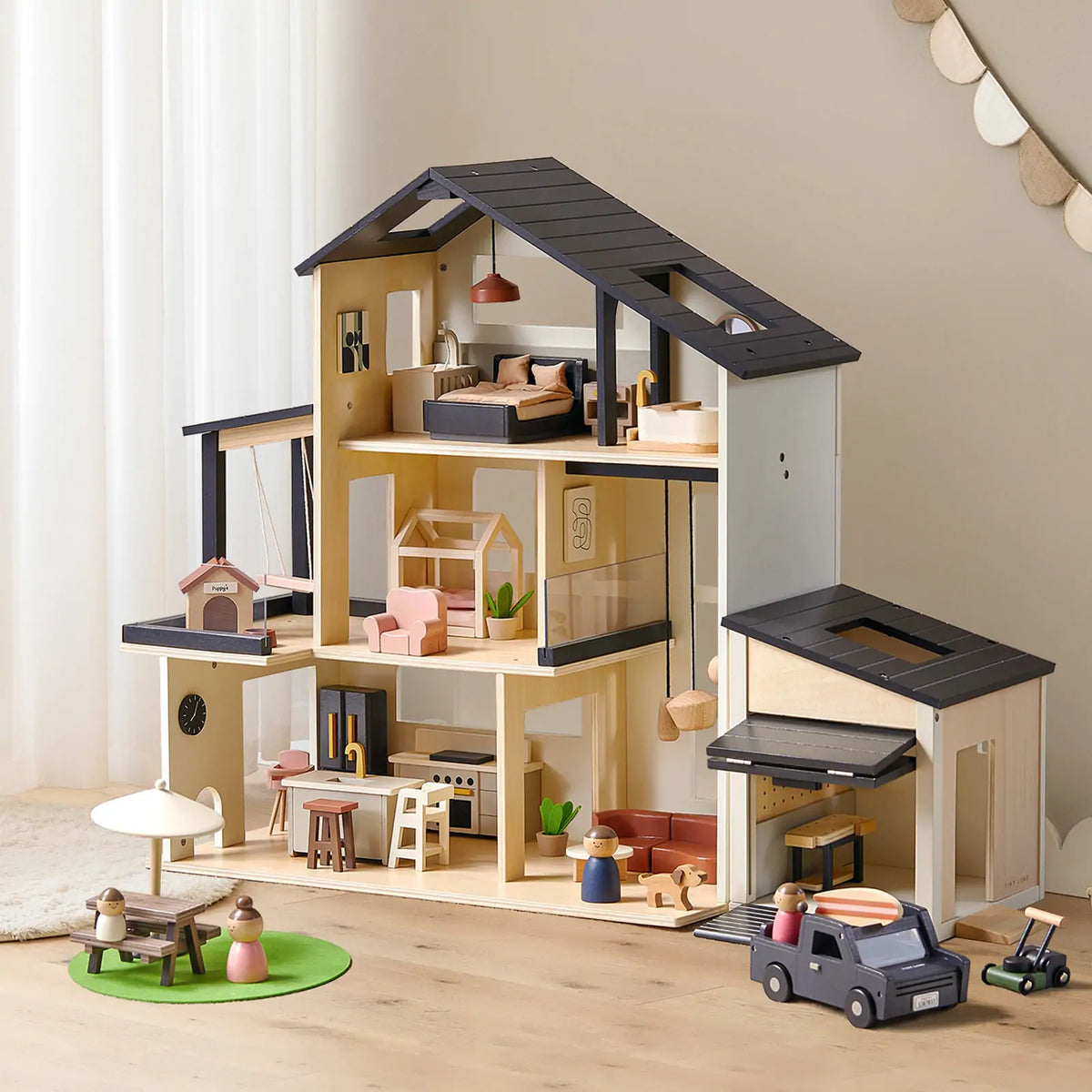
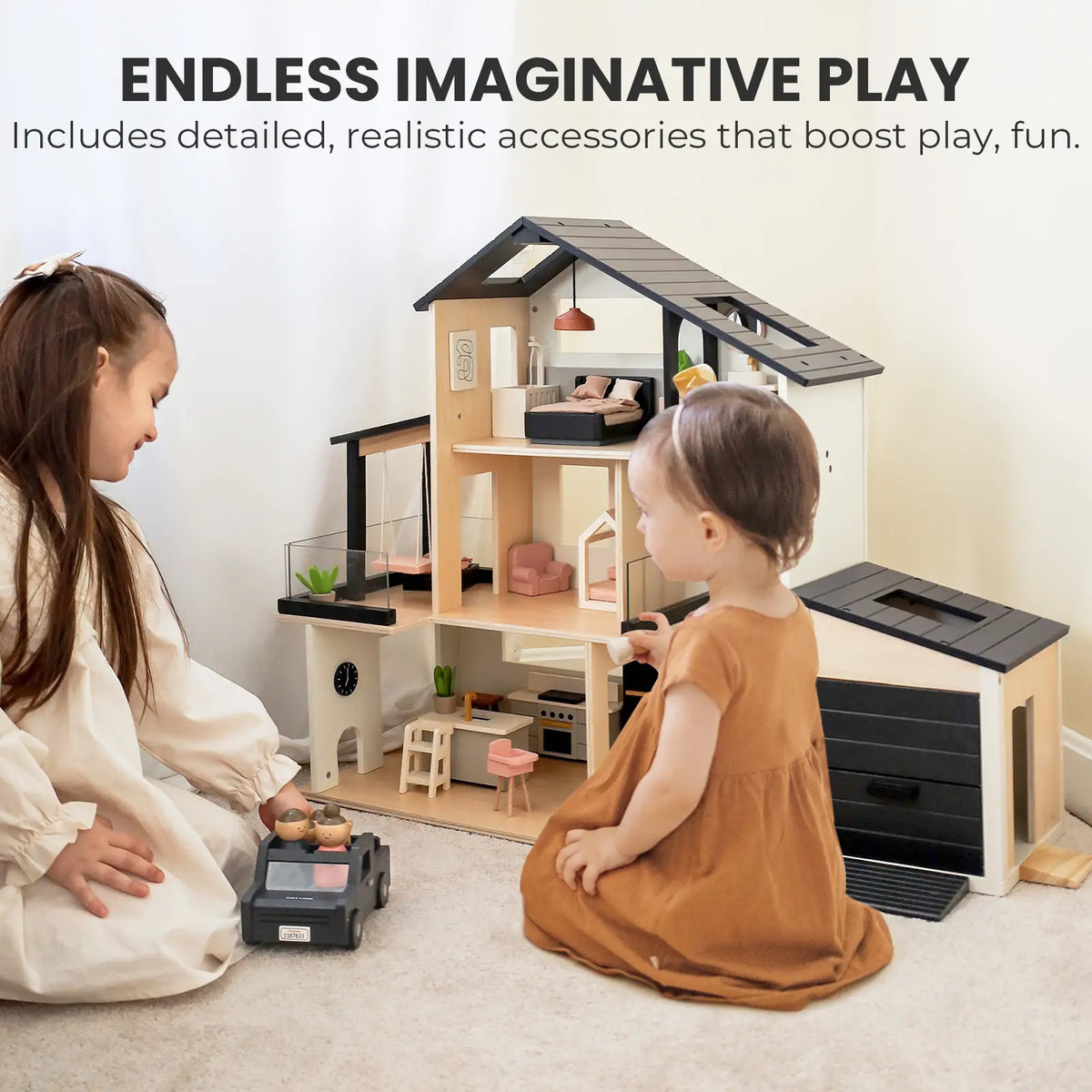
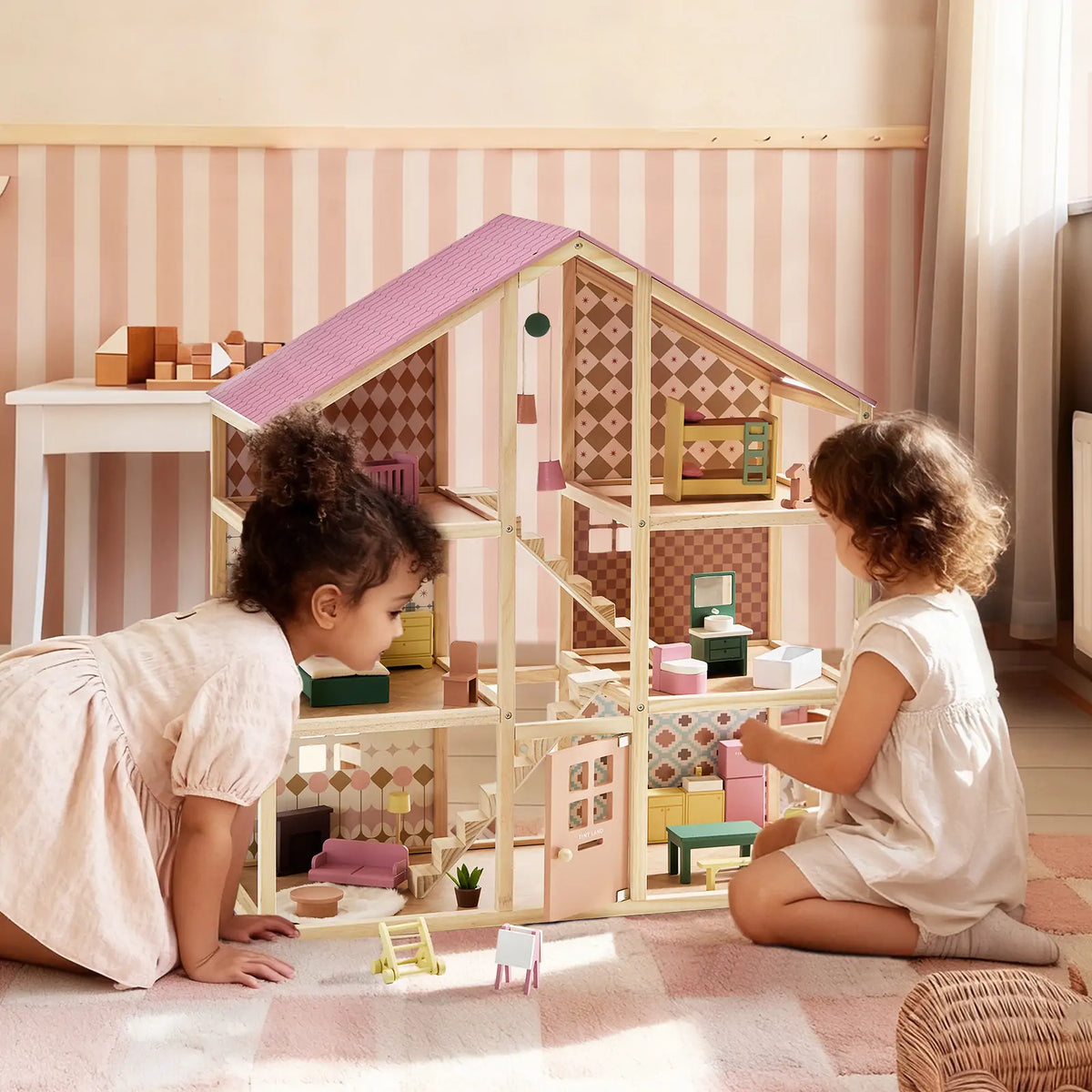
A dollhouse can become a place where children create their own version of home.
Rather than simply providing toys, thoughtfully designed play spaces give children an environment where imagination can grow.

Bringing Thoughtful Home Design Into Children’s Environments
Another important shift in modern home design is the movement toward spaces that feel intentional and connected to daily life.
Families are increasingly looking for homes that reflect their lifestyle, values, and experiences—not just spaces that look beautiful.
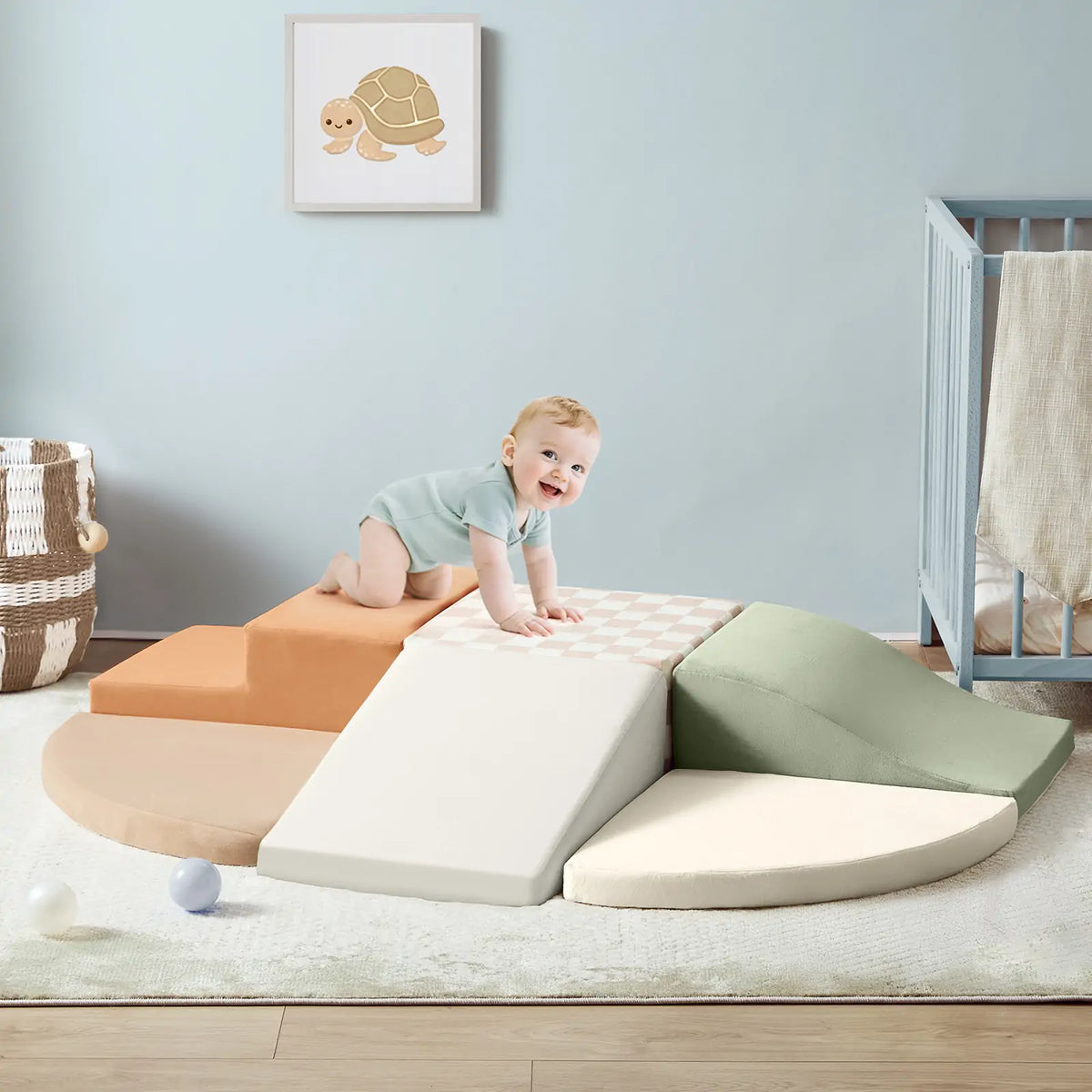
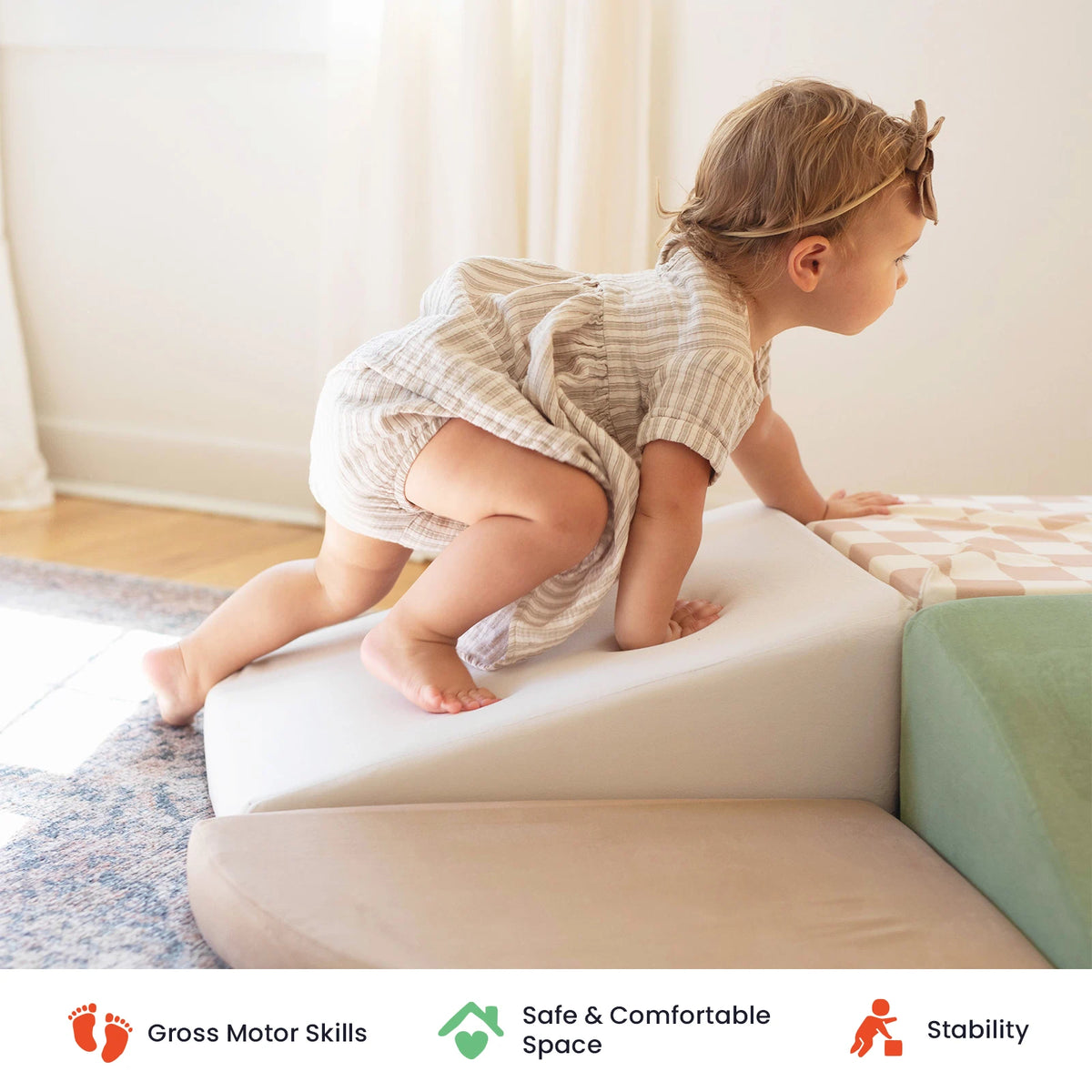
This perspective is also changing the way parents approach children’s play areas. Instead of viewing play spaces as separate areas filled only with toys, many families are looking for environments that blend naturally with their homes while still encouraging creativity and exploration.
At Tiny Land, we believe children’s play spaces can be designed with the same thoughtfulness as the rest of the home.
We don’t design toys separately from the home. We design play environments where children’s imagination can live within the family’s everyday spaces.
The goal is not only to design individual toys, but to create immersive spaces where children can engage with familiar scenarios through open-ended play.

Home-Inspired Play Spaces: Where Everyday Life Becomes Imagination
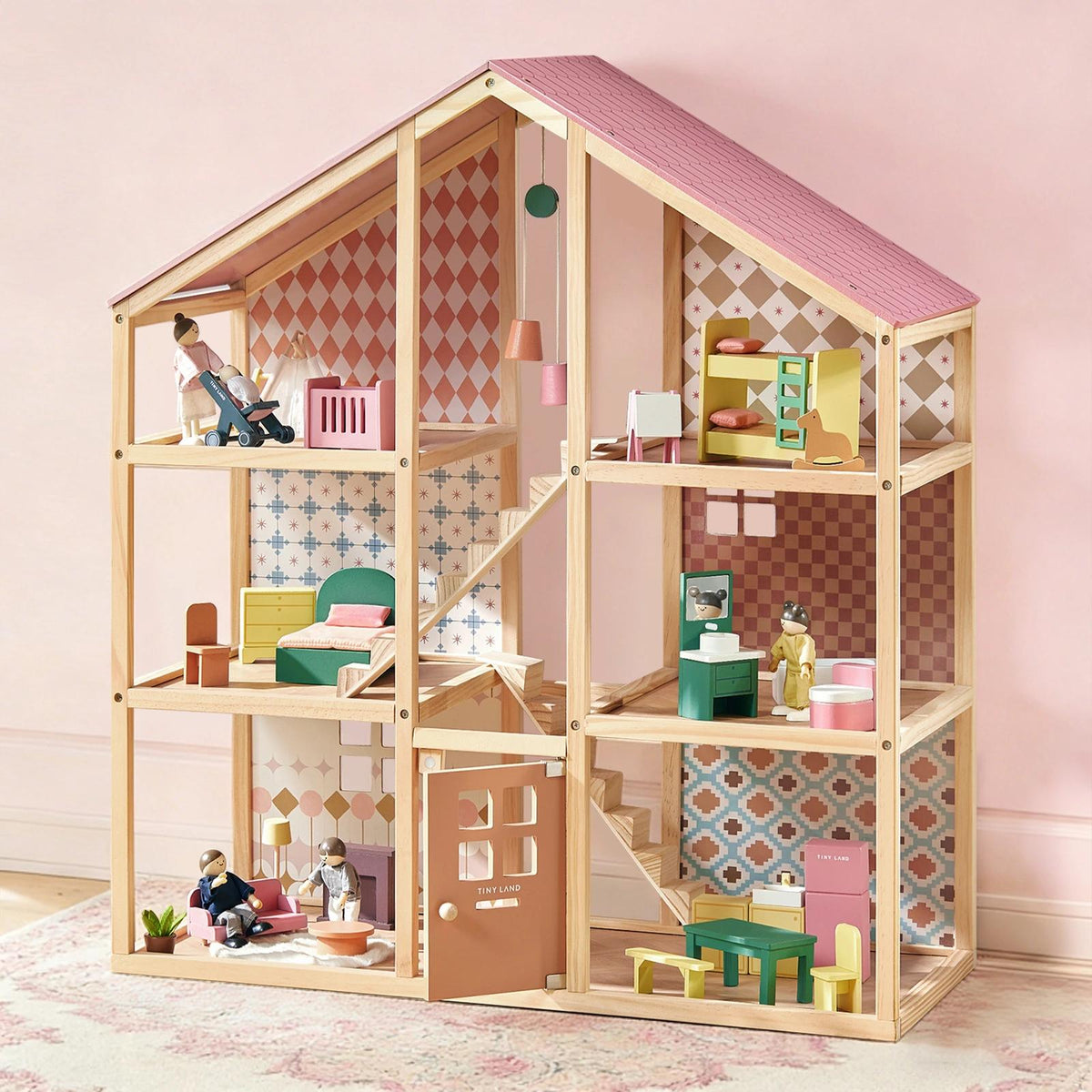
Tiny Land’s Black Dollhouse with Garage and Extra Dolls reflects the idea of bringing the feeling of a real home into children’s imaginative worlds.
Designed with a home-inspired aesthetic, thoughtful details, and familiar living spaces, the dollhouse creates an environment where children can build stories around everyday experiences while enjoying a space that feels warm, inviting, and connected to the home.
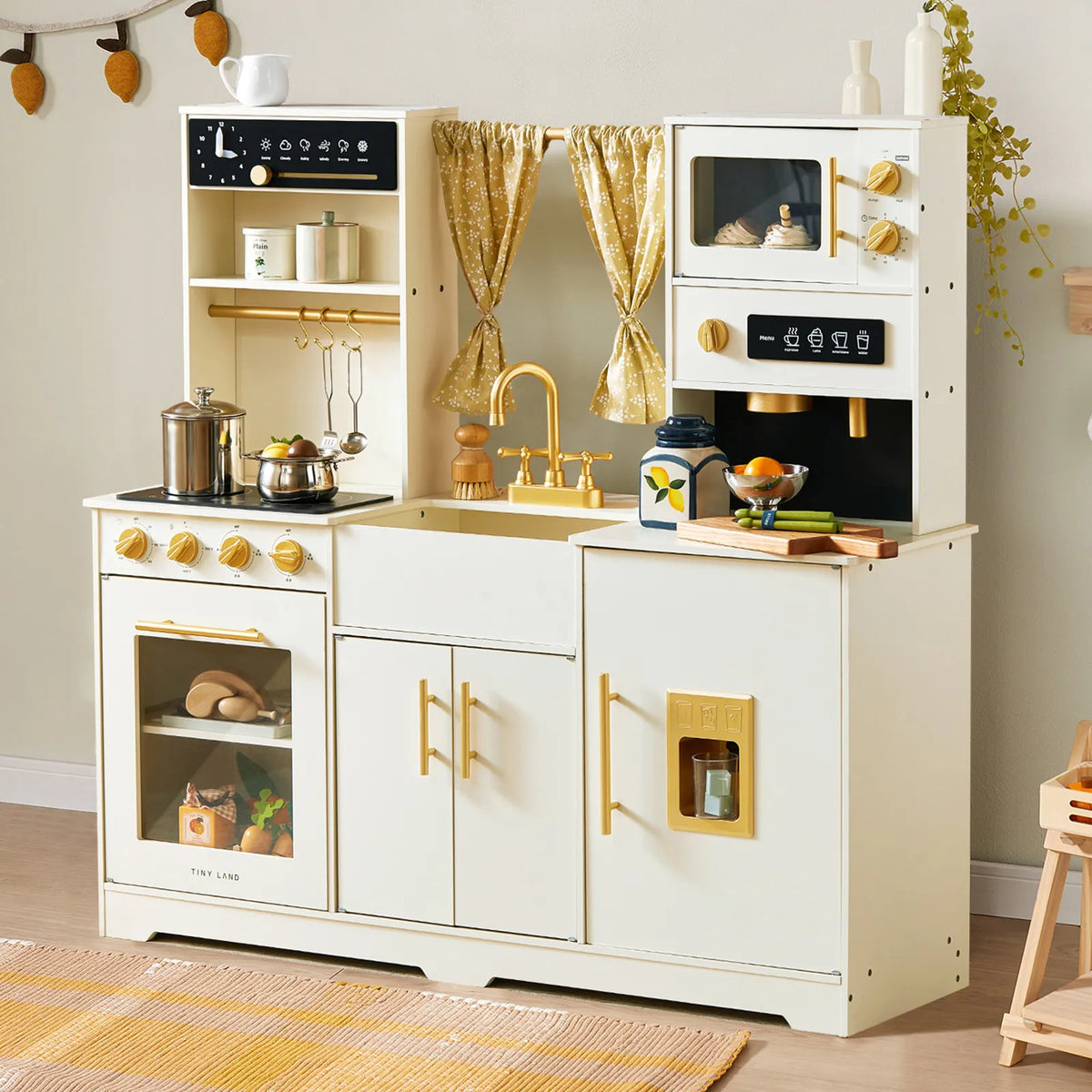
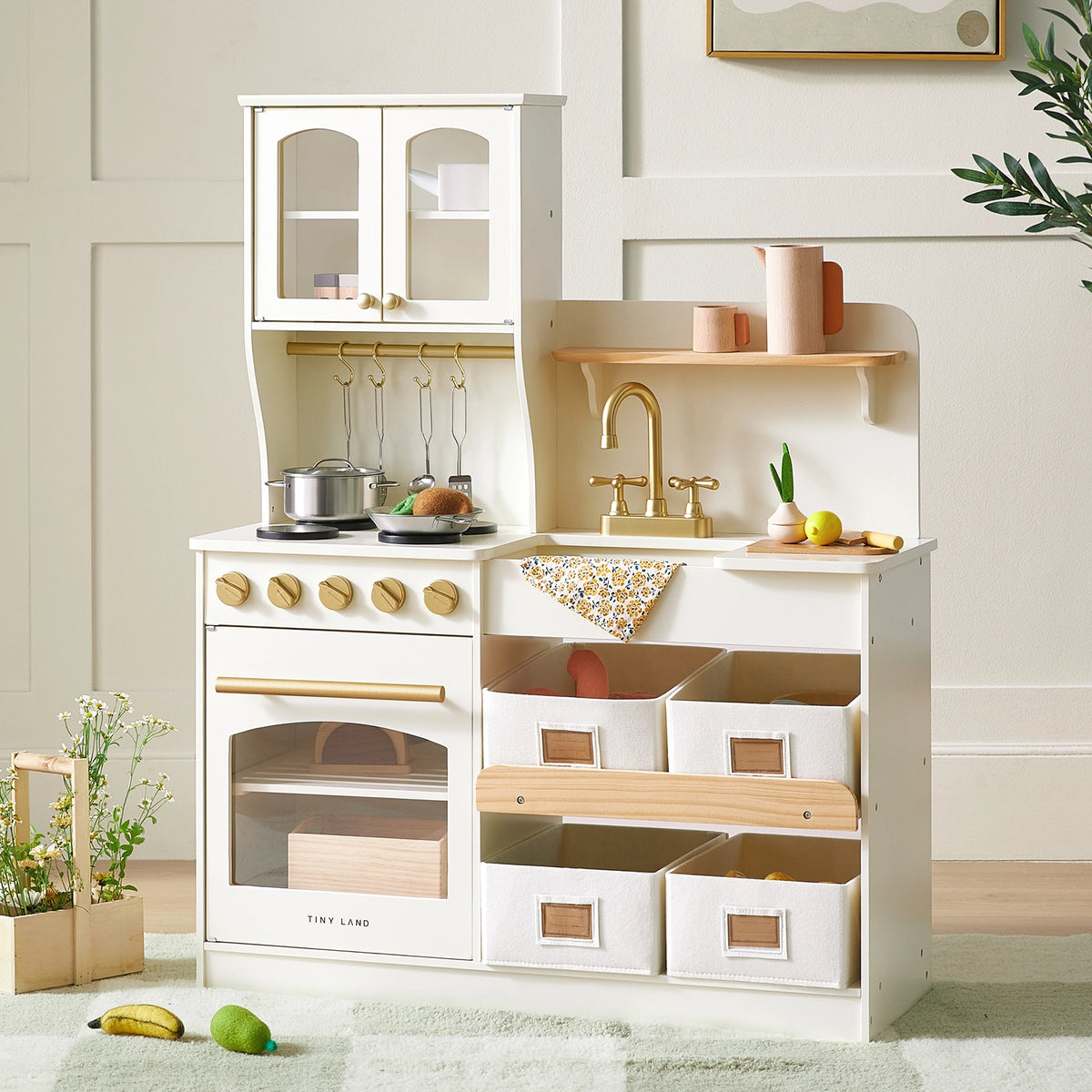
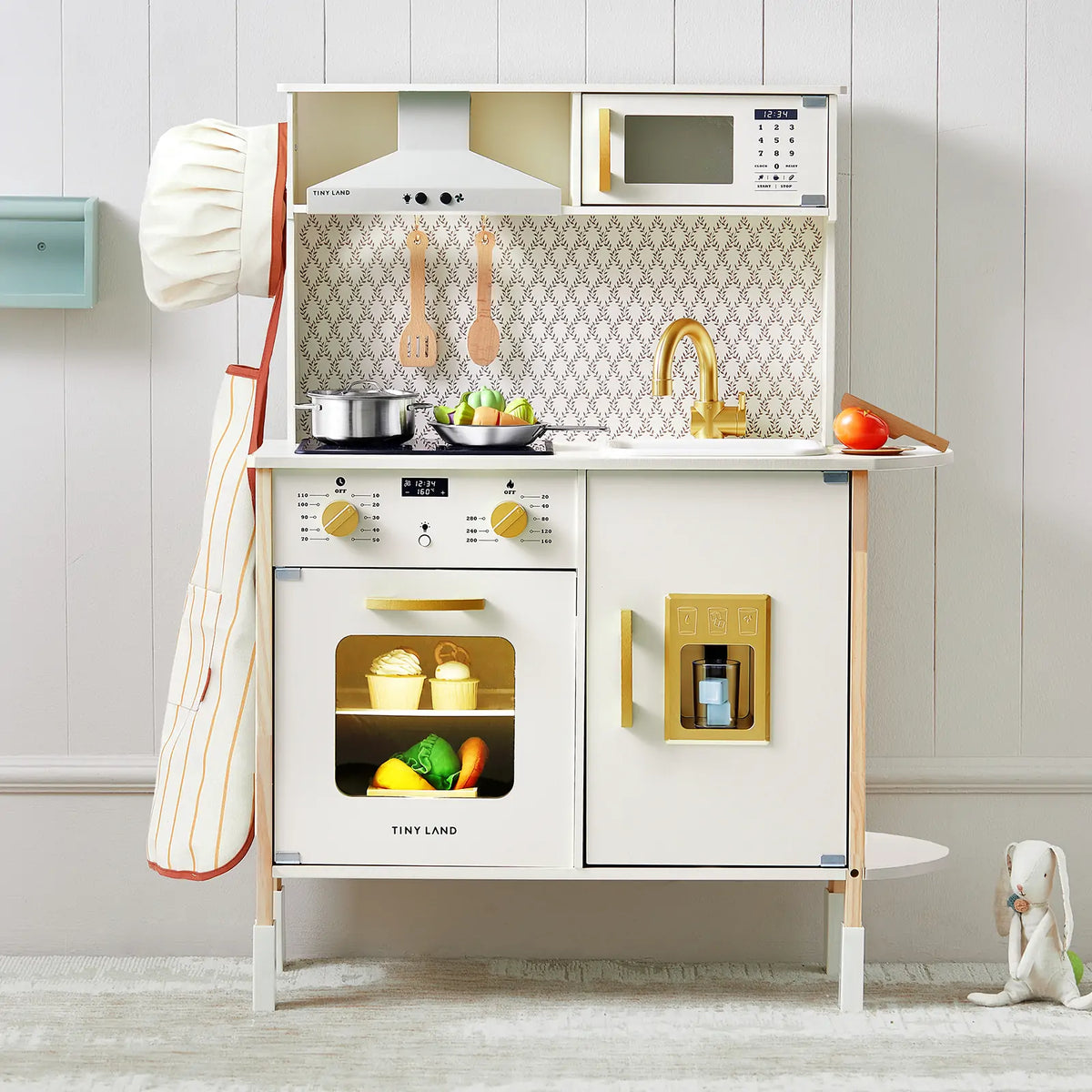
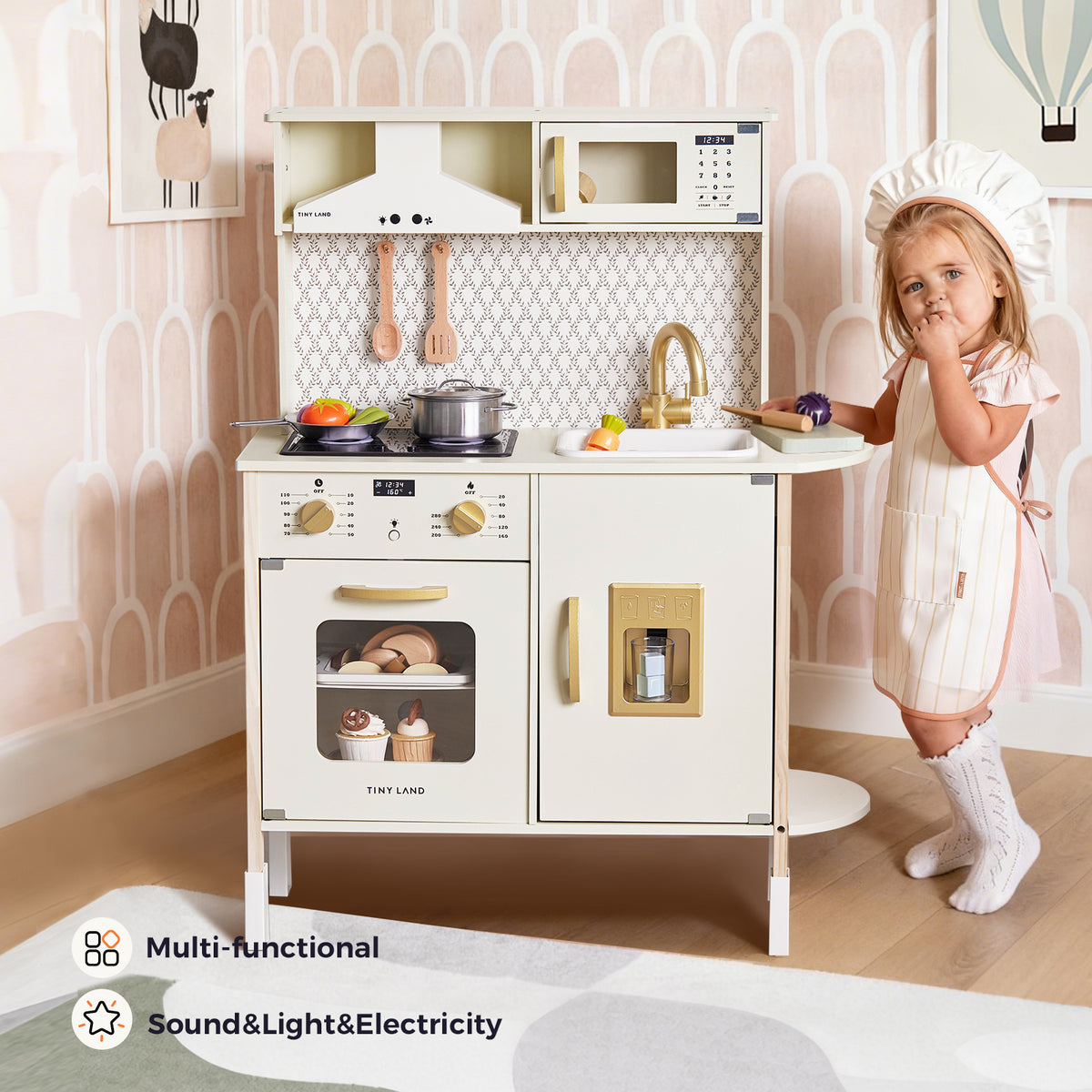
Similarly, the BistroSwitch Play Kitchen transforms a familiar family activity into an imaginative setting inspired by real-world interactions.
With a design approach that blends functionality with modern home aesthetics, it allows children’s play spaces to feel like a natural extension of the family environment.
These examples represent a broader approach to children’s play spaces: creating environments that are not only designed for play, but also thoughtfully integrated into the look and feeling of modern homes.

Designing Play Spaces for Modern Families
Play value remains at the heart of Tiny Land’s approach. Through pretend play and open-ended experiences, children are encouraged to create, imagine, and develop their own stories.
At the same time, thoughtful design helps these experiences become a natural part of the family home.
As home design continues to evolve, children’s spaces are becoming an important part of the overall living environment. The future of play spaces is not only about what children play with, but also about where and how those experiences happen.
By combining meaningful play with home-inspired design, Tiny Land continues to explore new ways to create children’s spaces that support imagination, connection, and everyday family moments.