
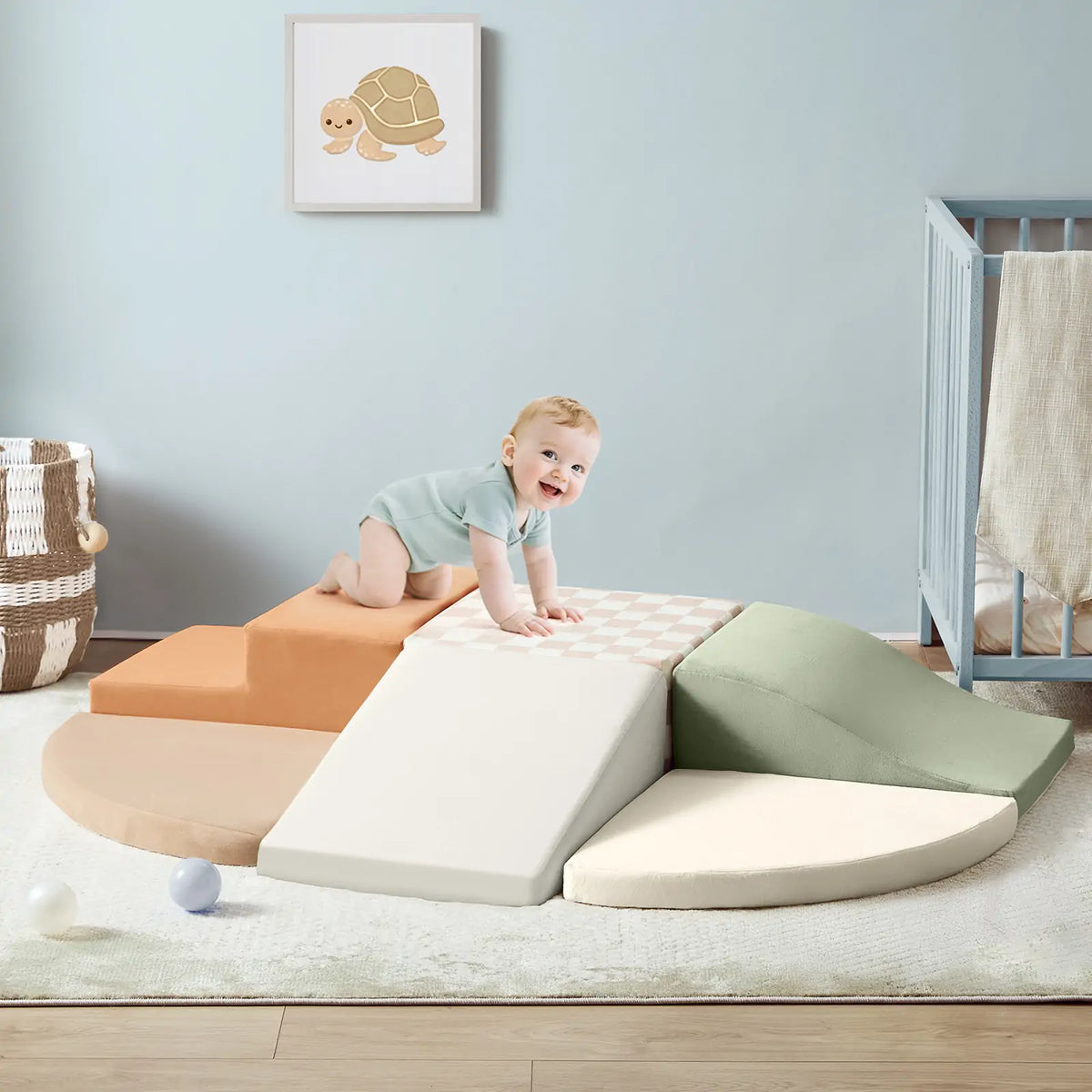
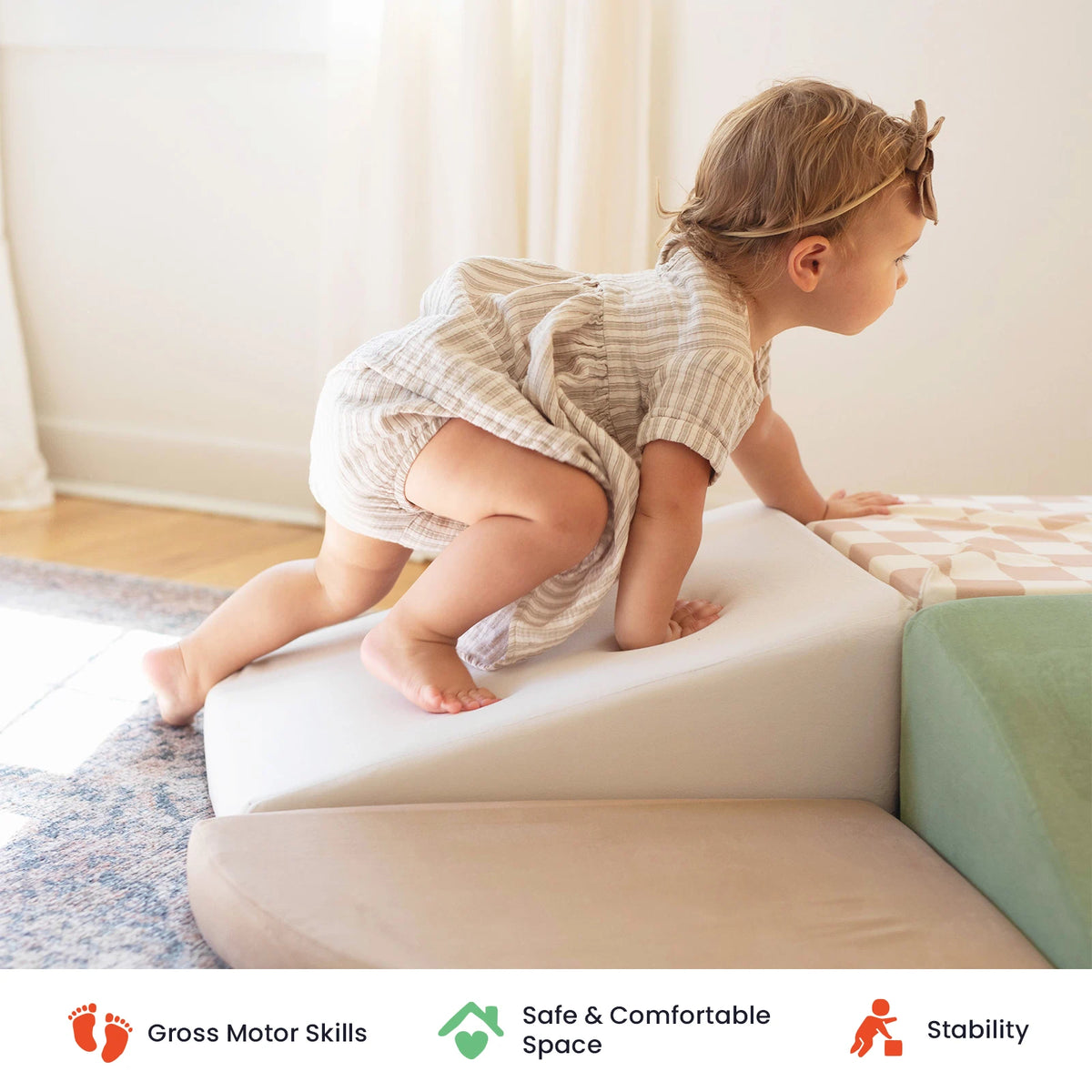

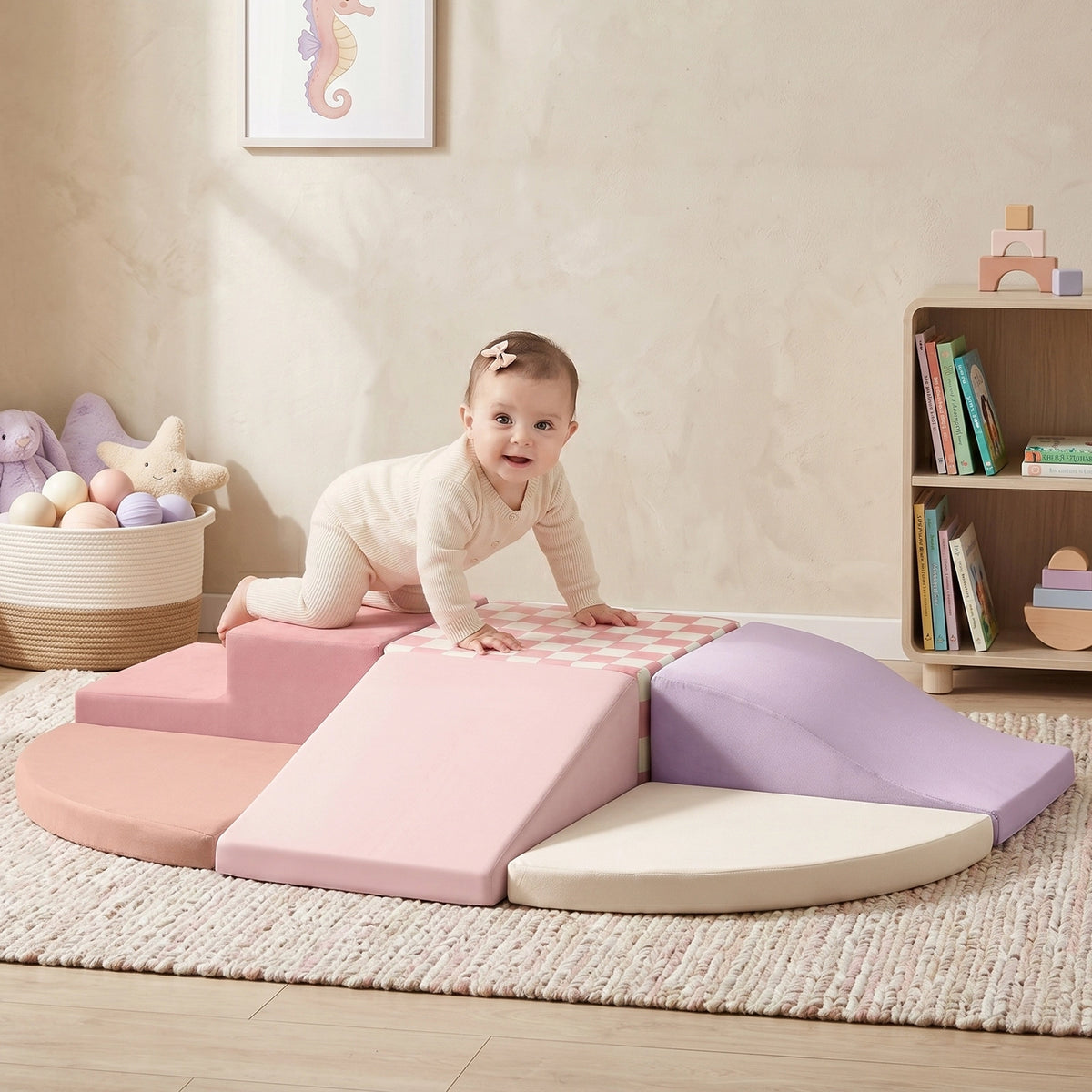


For young children, climbing can be more than a physical activity.
As they climb, balance, step, and move across a structure, they have opportunities to practice coordination, body control, problem-solving, and confidence—all through play.
At Foothills Faith Academy in La Mesa, California, these experiences have become part of everyday classroom play.
Serving the community for more than 50 years, Foothills Faith Academy introduced the Tiny Land Pikler Triangle Set into three classrooms.
Teachers shared photos and classroom perspectives on how children interact with the climbing set during active play.
Their experiences offer a firsthand look at what climbing and movement can look like in a real school environment.

What Teachers Observed in the Classroom
For the teachers at Foothills Faith Academy, the value of the climbing set is not simply that children are moving. It is what happens while they move.
Children climb, balance, step, navigate the structure, wait for their turns, and watch their classmates. Some approach a new challenge right away, while others take time to explore.
Ms. Courtney observed:
“The kids had so much fun exploring and interacting with the climbing toy! This activity encouraged them to practice gross motor skills, balance, coordination, strength and body control as they climbed, stepped, and moved across the equipment.”
Her observation highlights several ways the Pikler Triangle can become part of active, movement-based play in a classroom.
 How the Pikler Triangle Supports Active Play
Gross Motor Skills, Balance & Body Control
Climbing involves whole-body movement. Children may use their arms and legs to support themselves, shift their weight, coordinate their movements, and adjust their body position as they move across the structure.
These actions can provide opportunities to practice gross motor skills, balance, coordination, strength, and body control.
The Pikler Triangle does not guarantee a particular developmental outcome. Instead, it provides a physical environment where children can explore movement and practice these skills through play.
Confidence & Problem-Solving
Climbing can also involve small physical challenges that require children to make decisions.
Where should they place their hands or feet? How can they move to the next part of the structure? Should they try a different approach?
These moments can turn physical play into opportunities for exploration and problem-solving.
Ms. Courtney noted:
“It also built their confidence and problem solving skills as they navigated over the climber.”
Ms. Calli described a similar experience:
“Whether they’re climbing, balancing, or waiting for a turn, they’re building confidence and learning together on the Pikler Triangle set.”
For children, navigating a new physical challenge can make the experience personally meaningful. They can decide how they want to approach the equipment, try a movement, and discover what works for them.

Learning Together Through Play
The classroom setting adds another dimension to active play.
When children share the climbing equipment, they may wait for a turn, observe what another child is doing, or encourage a classmate.
Ms. Calli specifically noticed children “cheer each other on” and practice “waiting for a turn.”
These simple moments show how movement and social interaction can happen together. Children are not only exploring the equipment; they are also learning alongside their peers.

The Mat: A Cozy Space to Rest and Recharge
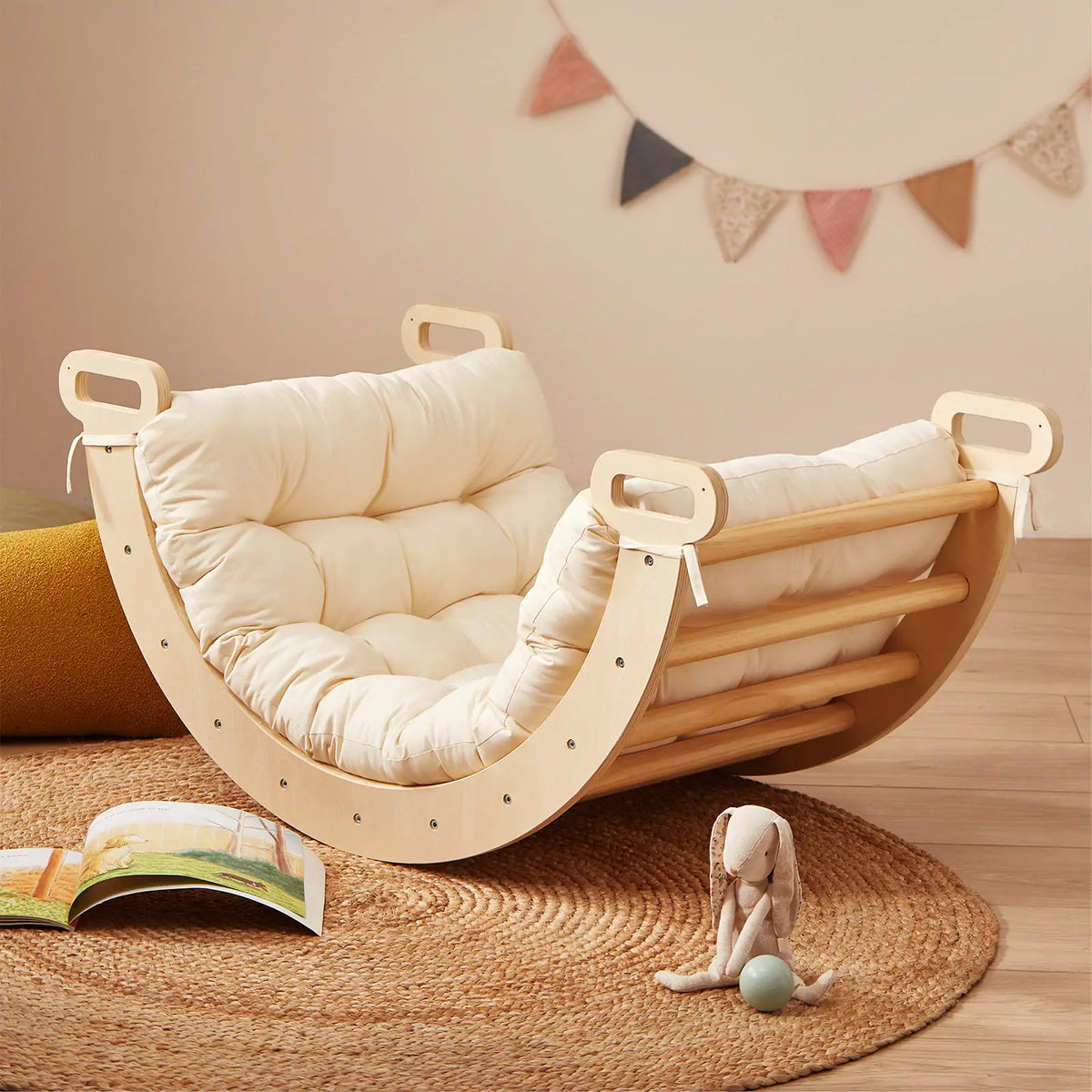
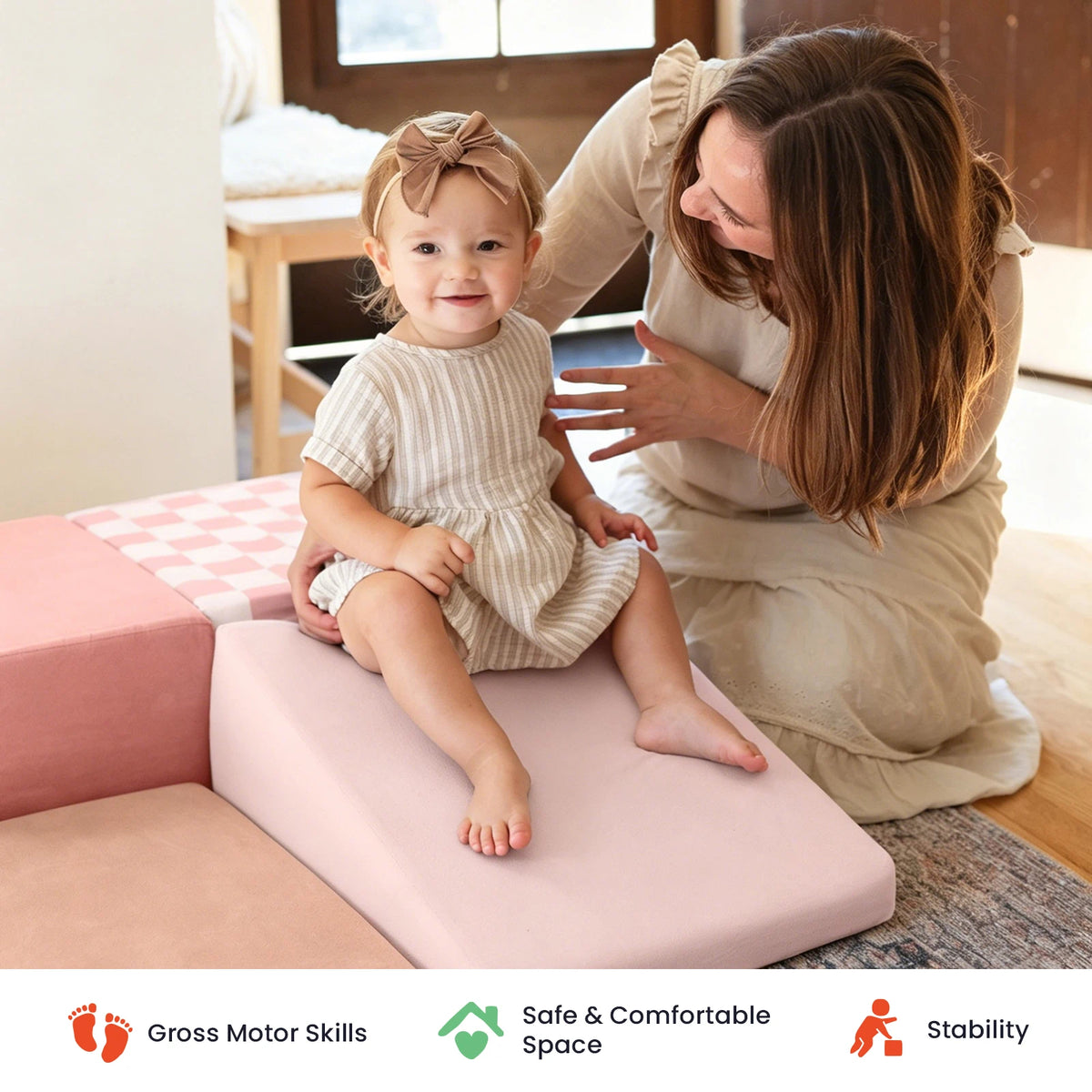
While the Pikler Triangle encourages climbing, balancing, and active movement, the mat offers a different kind of play experience: a soft, comfortable space where children can slow down, relax, and recharge after active play.
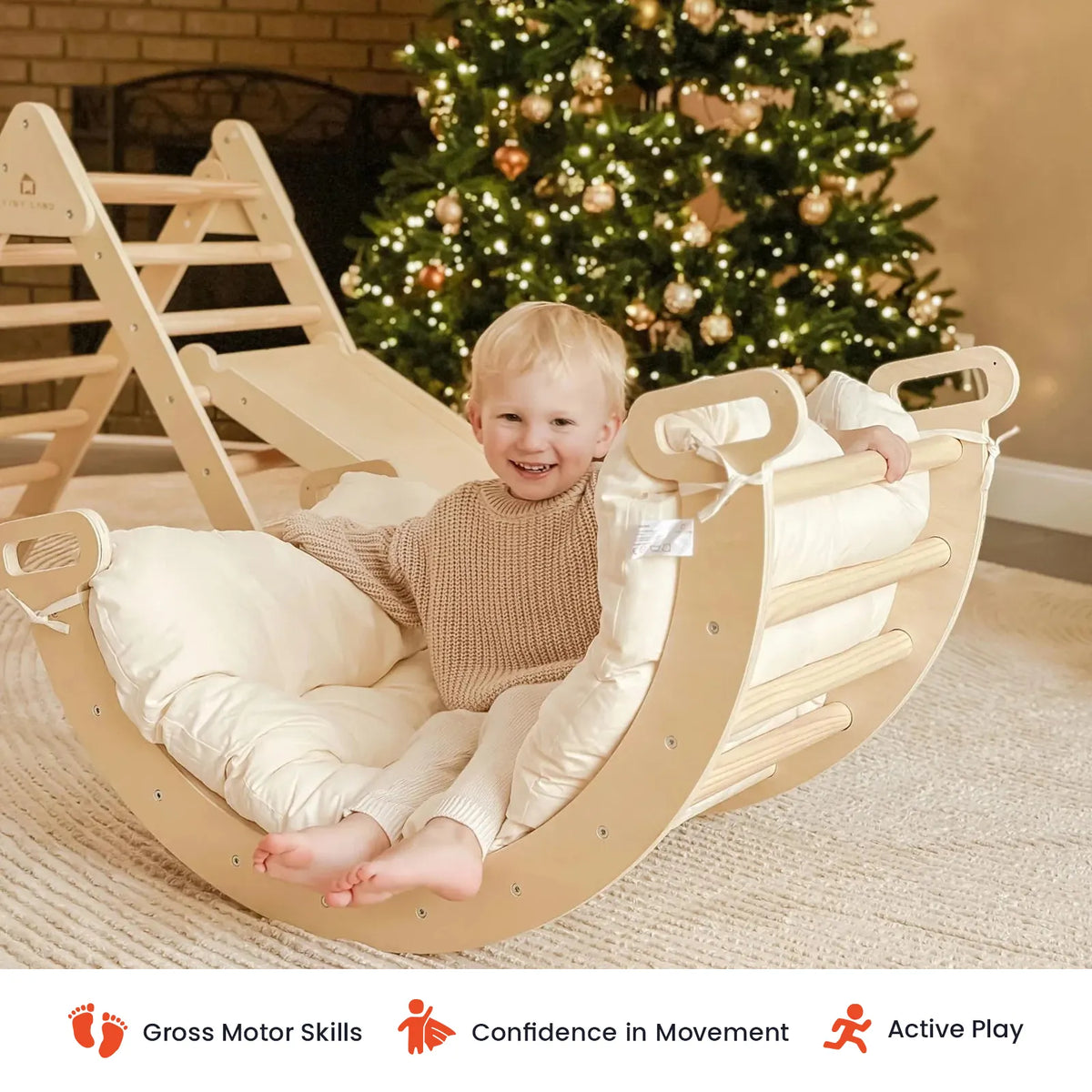
The large, thick mat can be placed on the arch of the Pikler Triangle to create a cozy rocking bed.
After climbing and exploring, children can settle into the space for a quieter moment—rocking gently, resting, reading, or simply enjoying a comfortable place to pause.
This creates a natural rhythm within play:
- The Pikler Triangle encourages movement and exploration.
- The mat creates a cozy space for rest and relaxation.
For young children, active play does not have to mean constant movement. Having a comfortable place to pause can allow children to transition naturally from energetic physical play to quieter, more relaxed moments.
In a classroom setting, this combination can offer children different ways to engage with the same play space—from climbing and balancing to rocking, resting, and enjoying a cozy moment of their own.

At Foothills Faith Academy, the Tiny Land Pikler Triangle Set has become more than a space for children to practice movement and explore physical challenges—it is also a place where they can have fun, play with their friends, and grow together, creating joyful childhood memories along the way.
As Ms. Courtney put it:
“Most importantly, the kids were actively learning through play while having fun!”
For educators and families looking for ways to encourage active, hands-on play, the experience at Foothills Faith Academy is a reminder that play can be a meaningful part of a happy childhood. With the freedom to move, explore, try, and play, children can simply enjoy being kids.
We’re honored to see the Tiny Land Pikler Triangle Set become part of a real classroom environment, giving children a space to play, have fun, and grow together—and to be part of their meaningful childhood along the way.