








Filters

FAQ
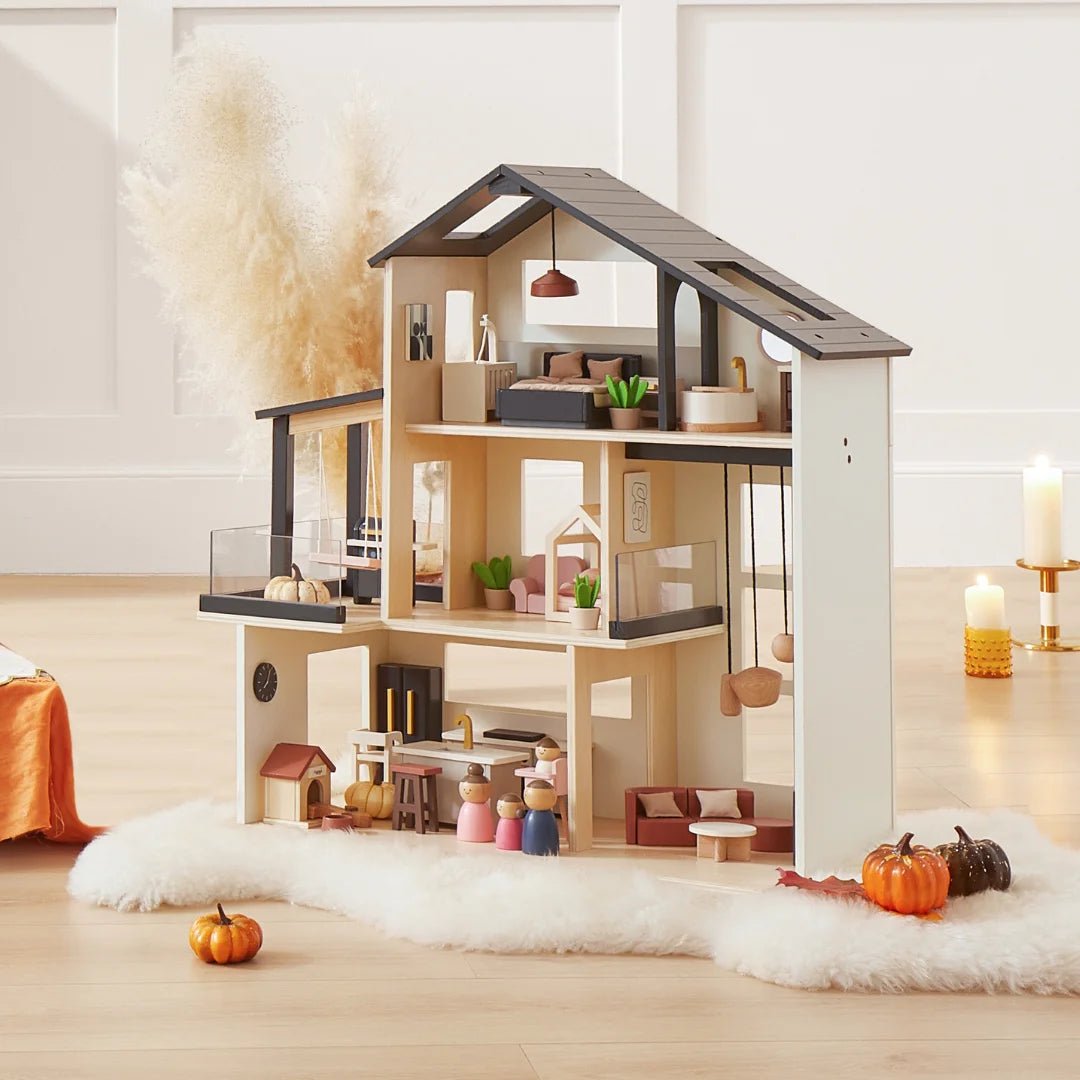
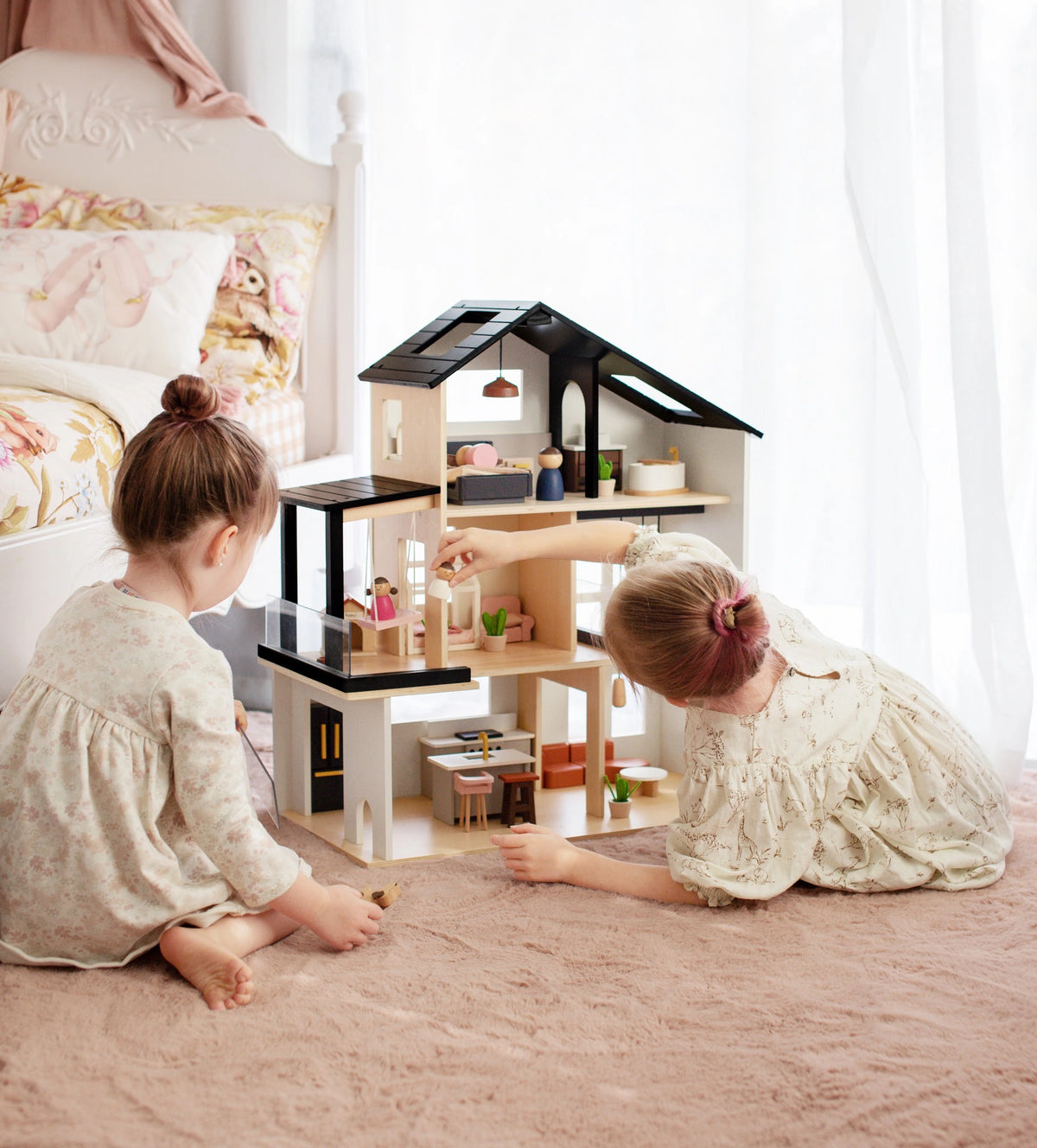
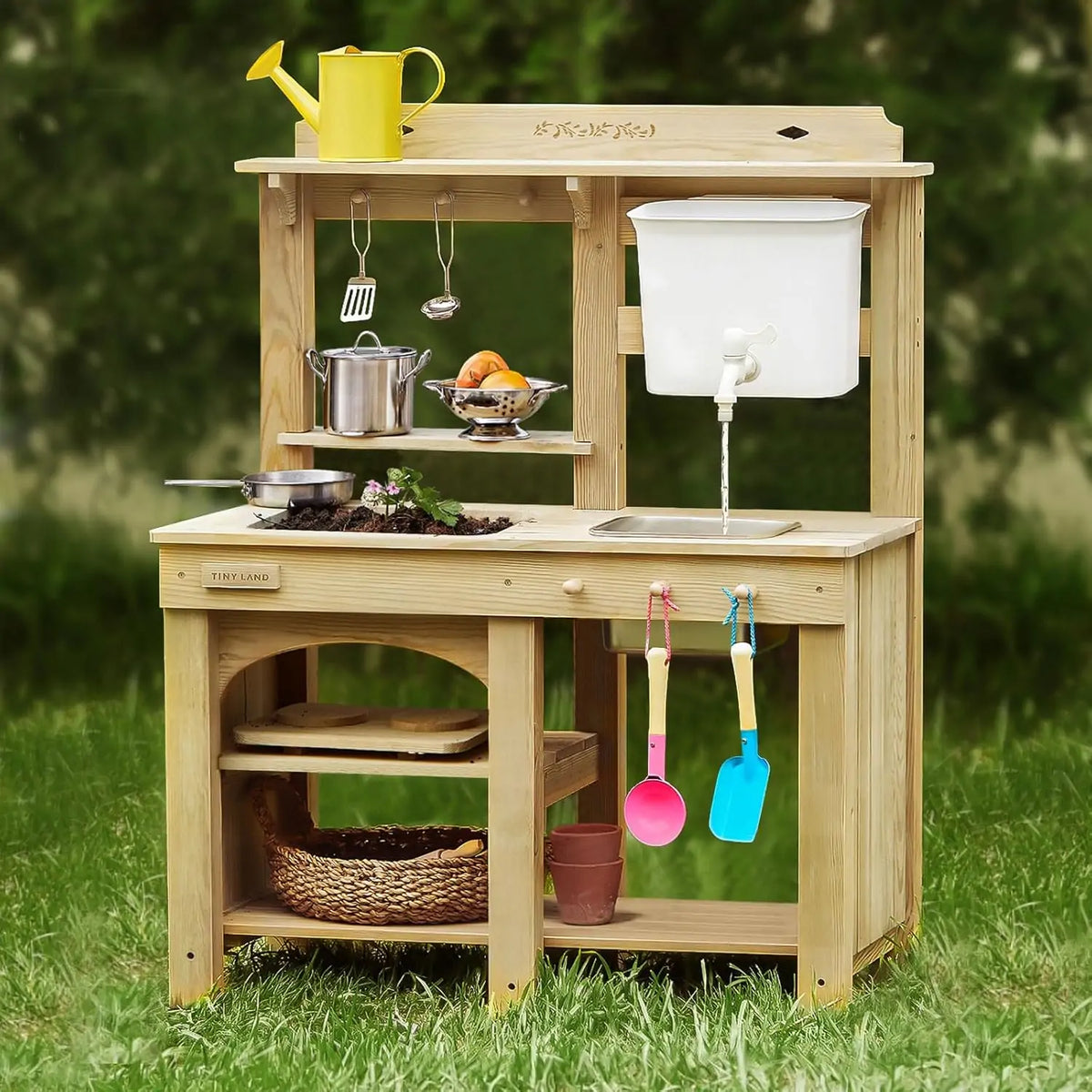
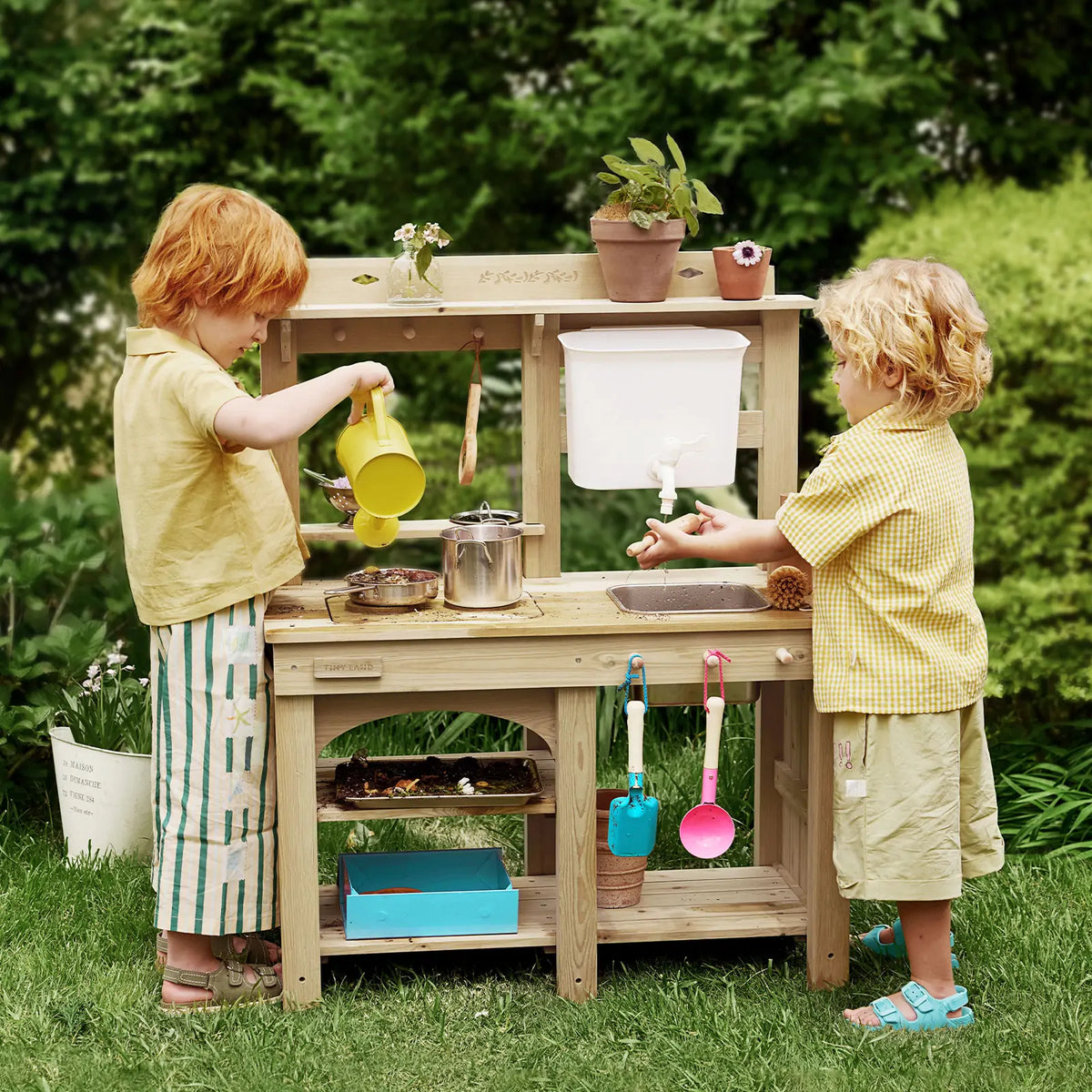
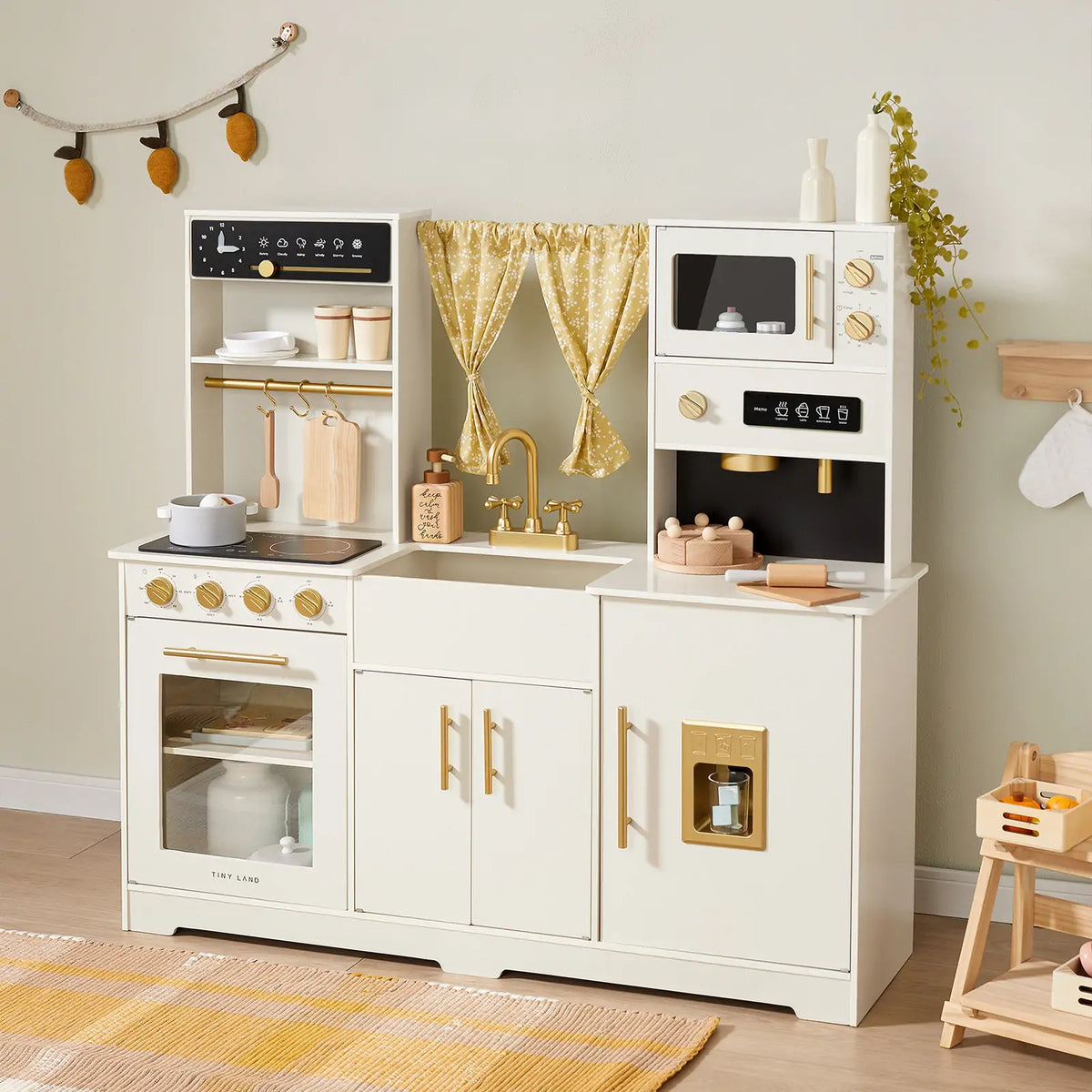
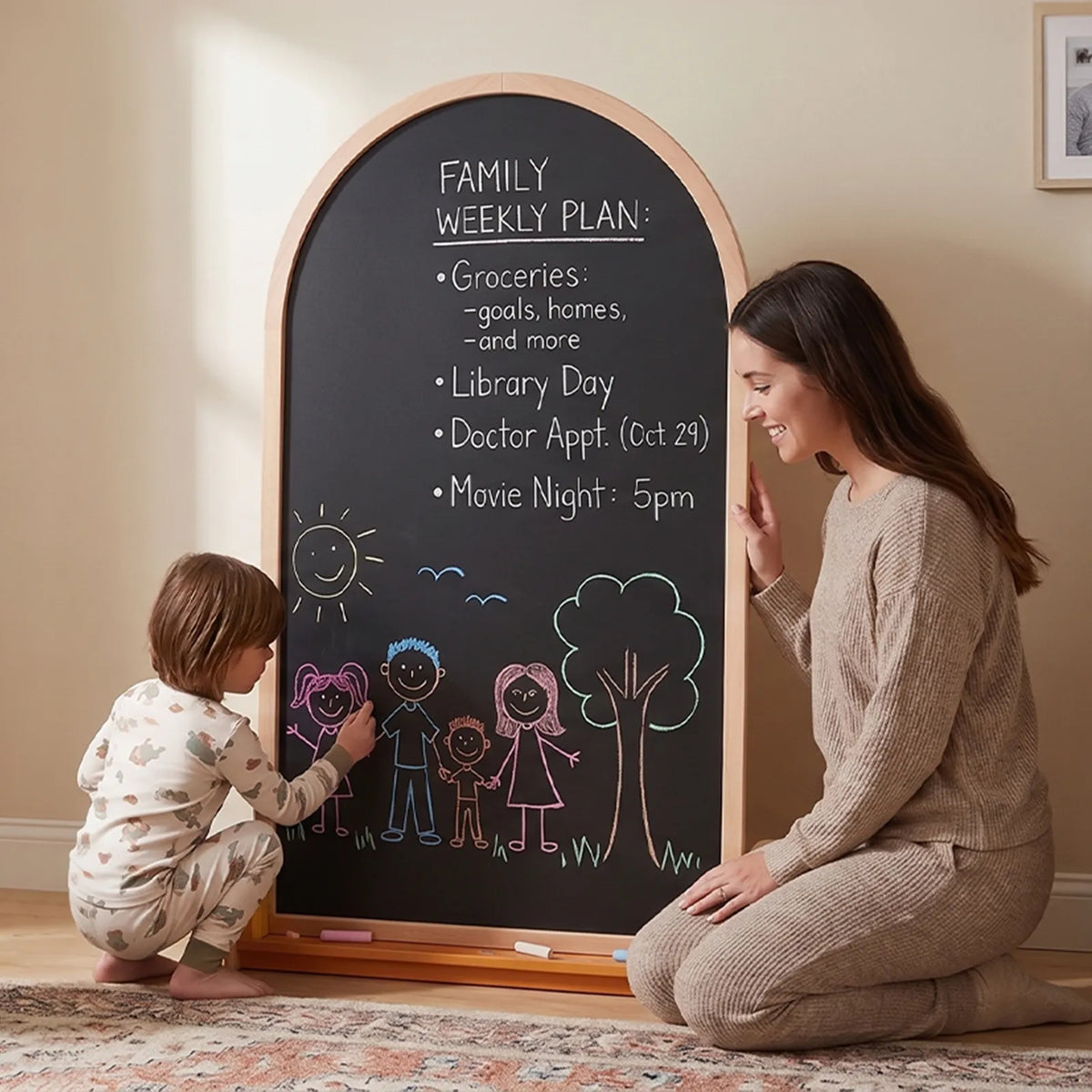
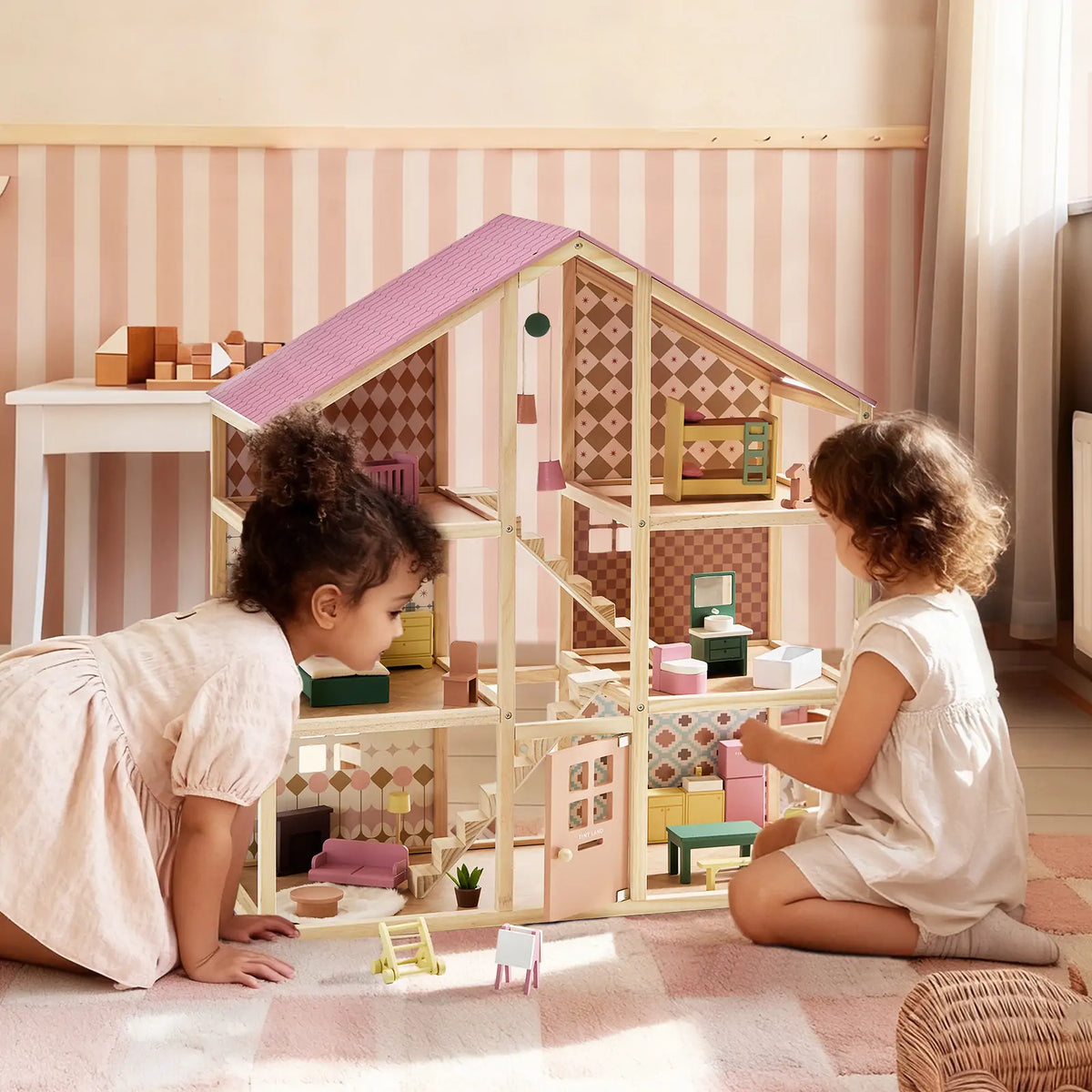
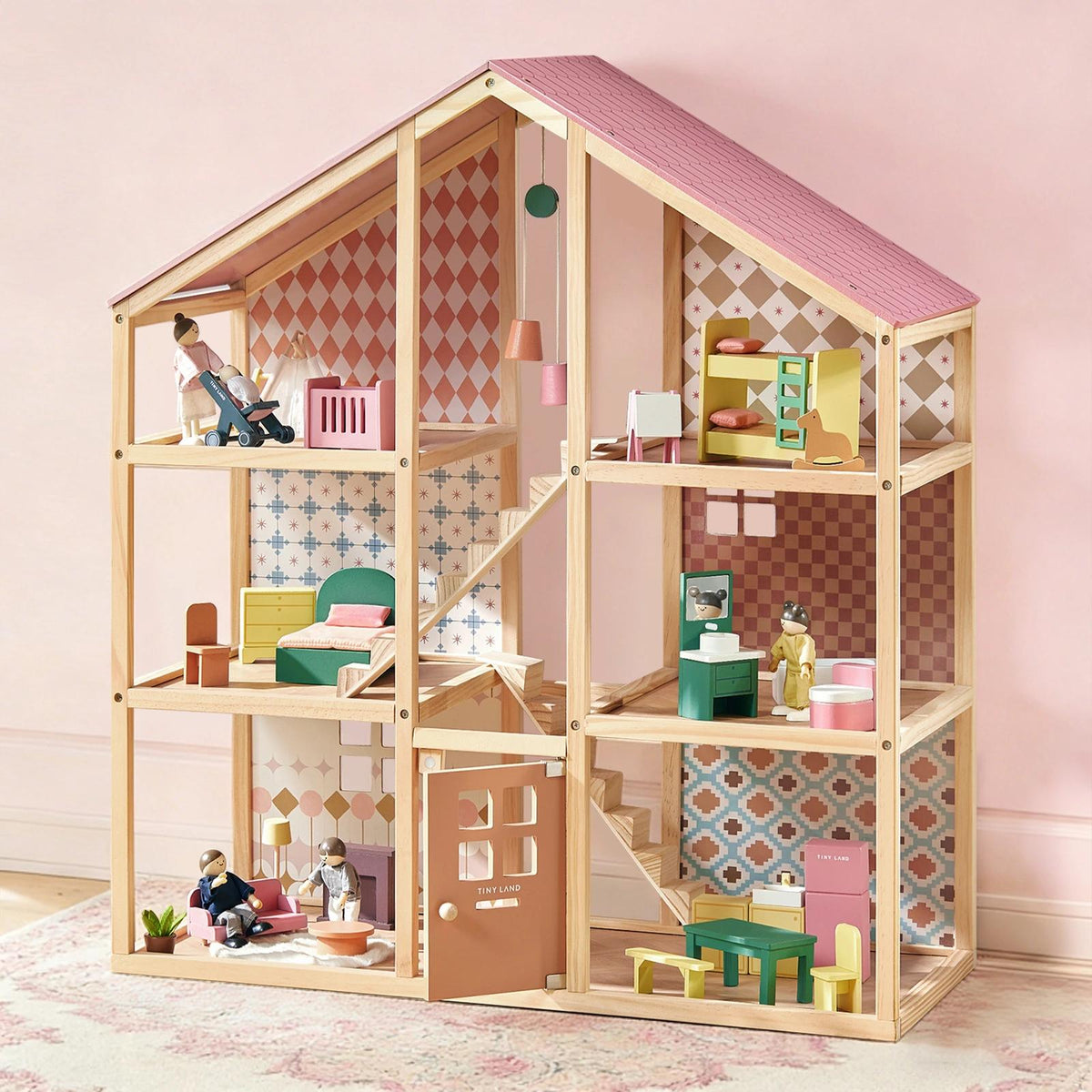
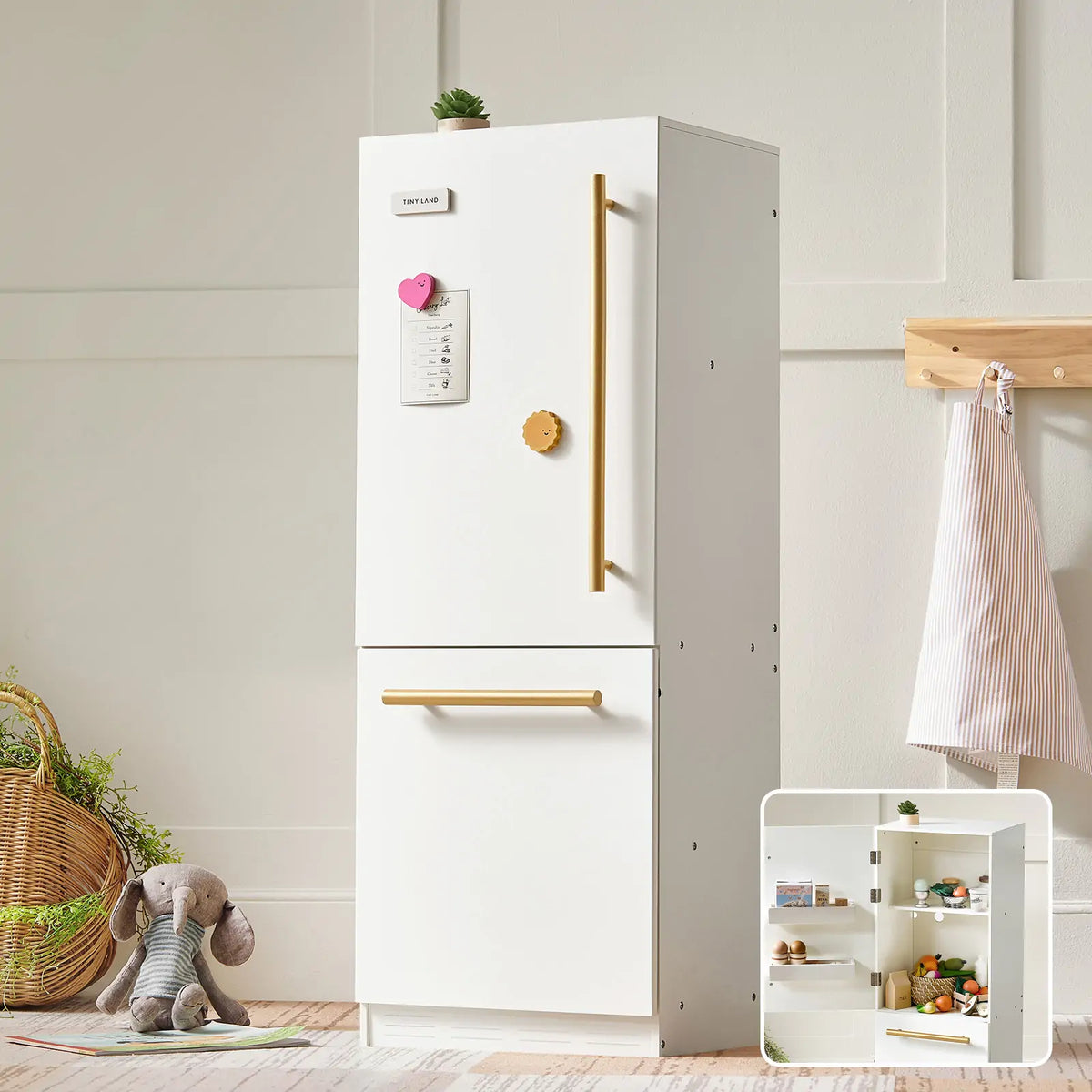
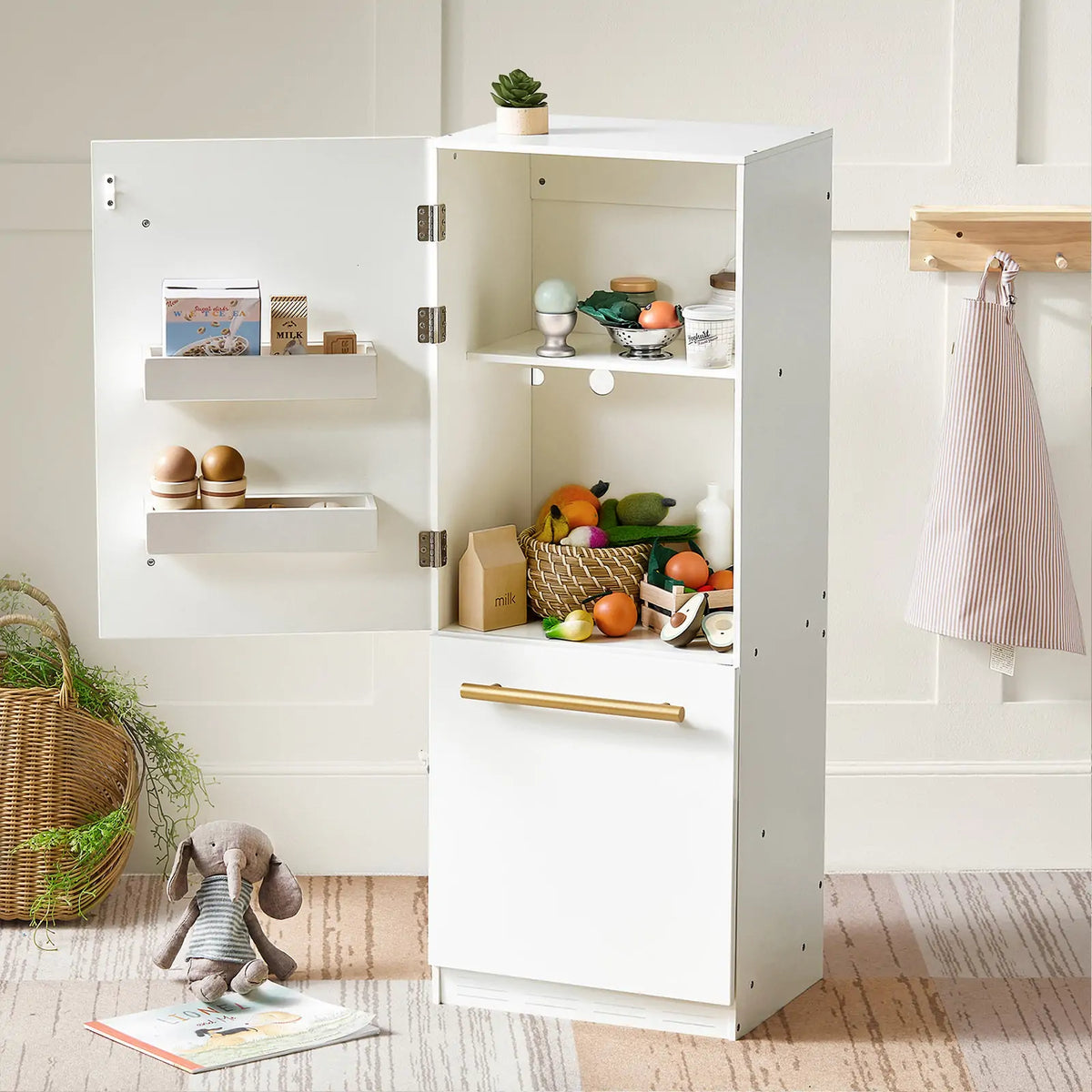
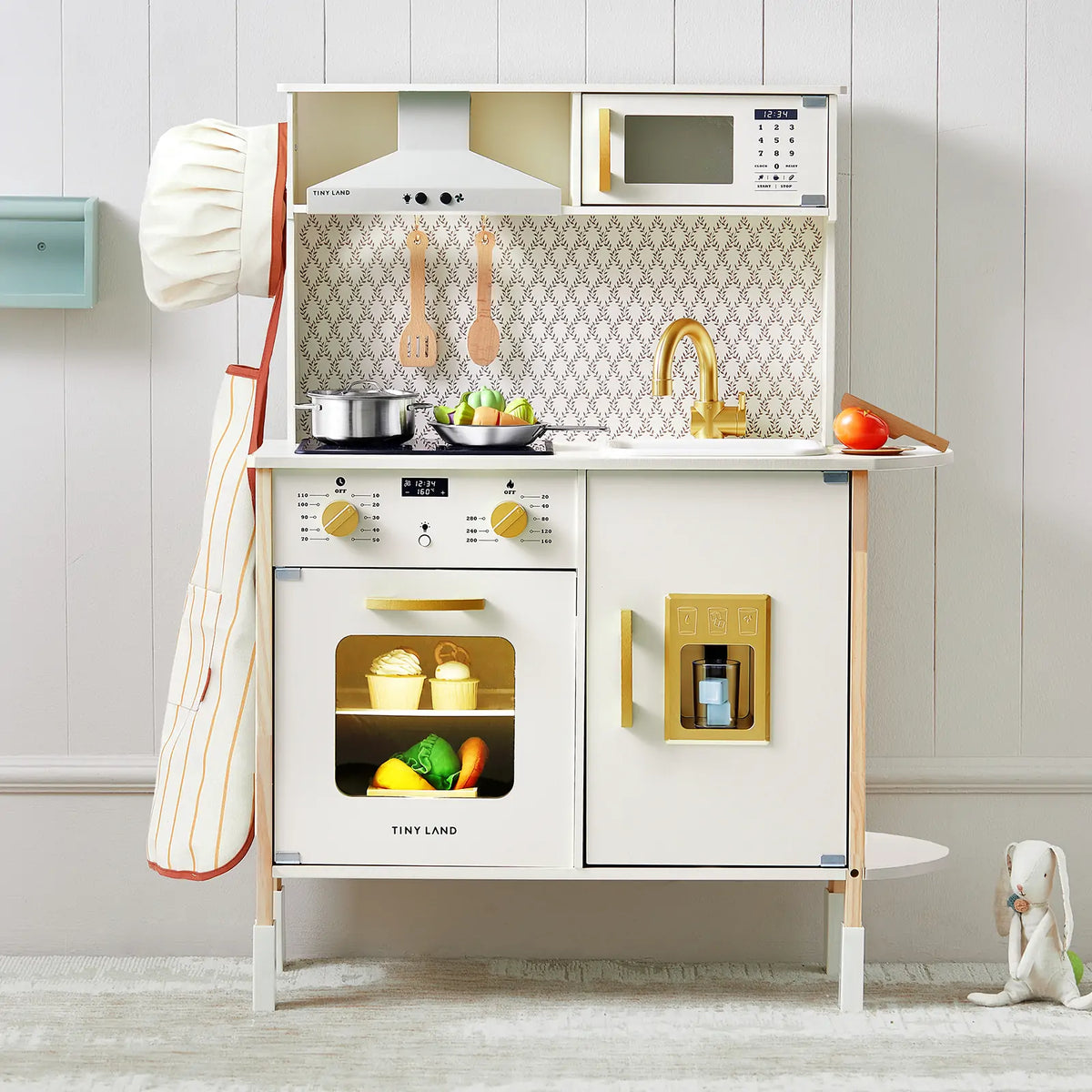
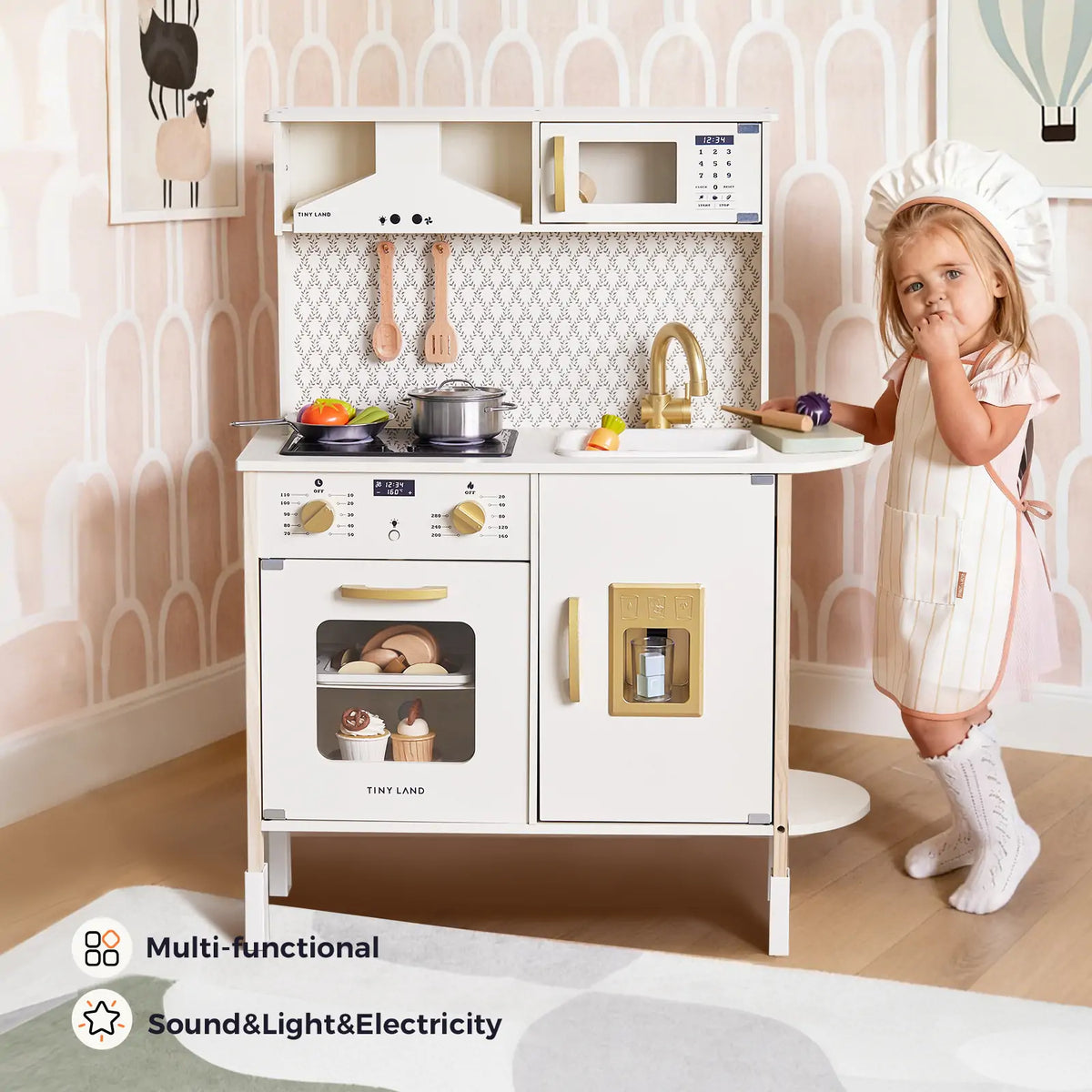
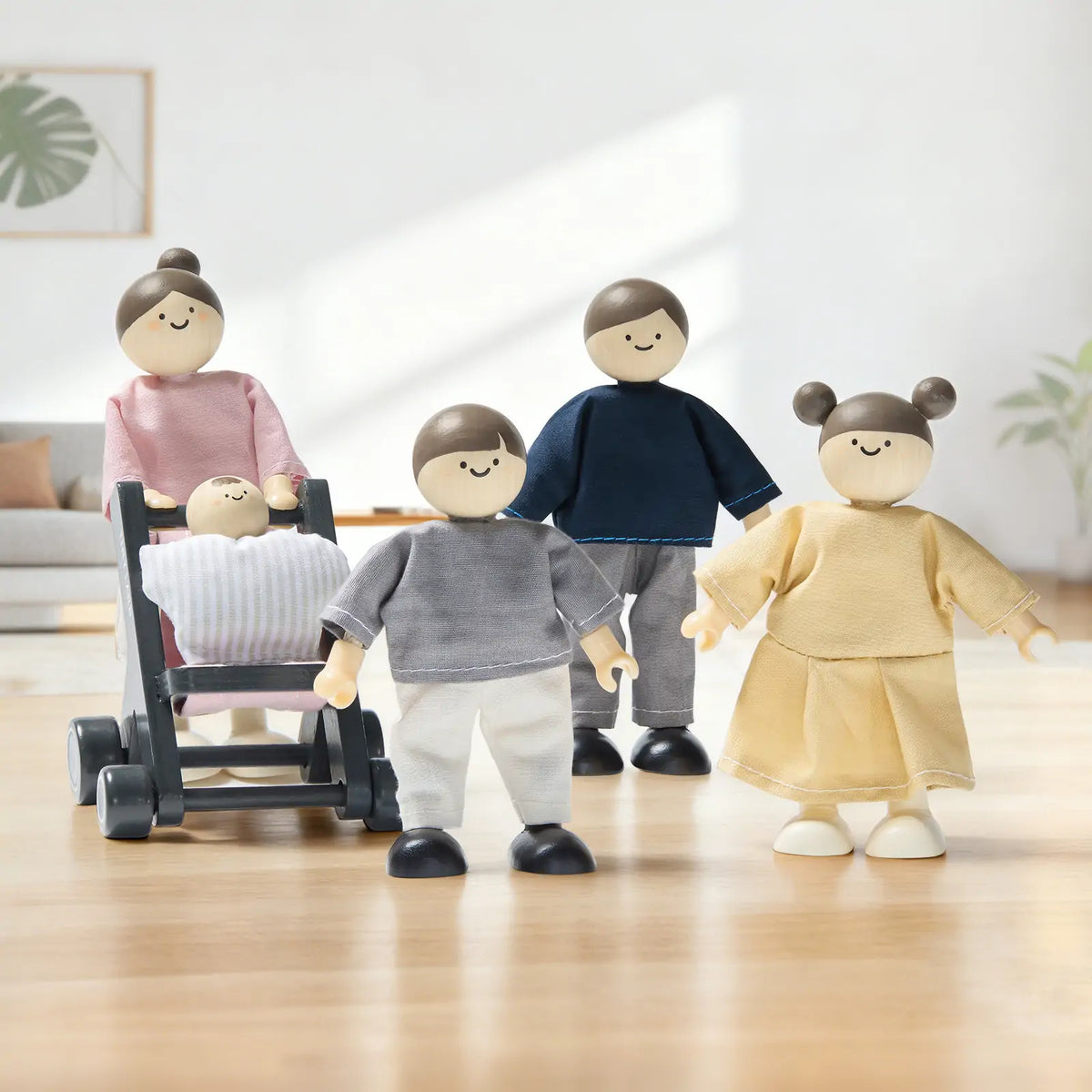
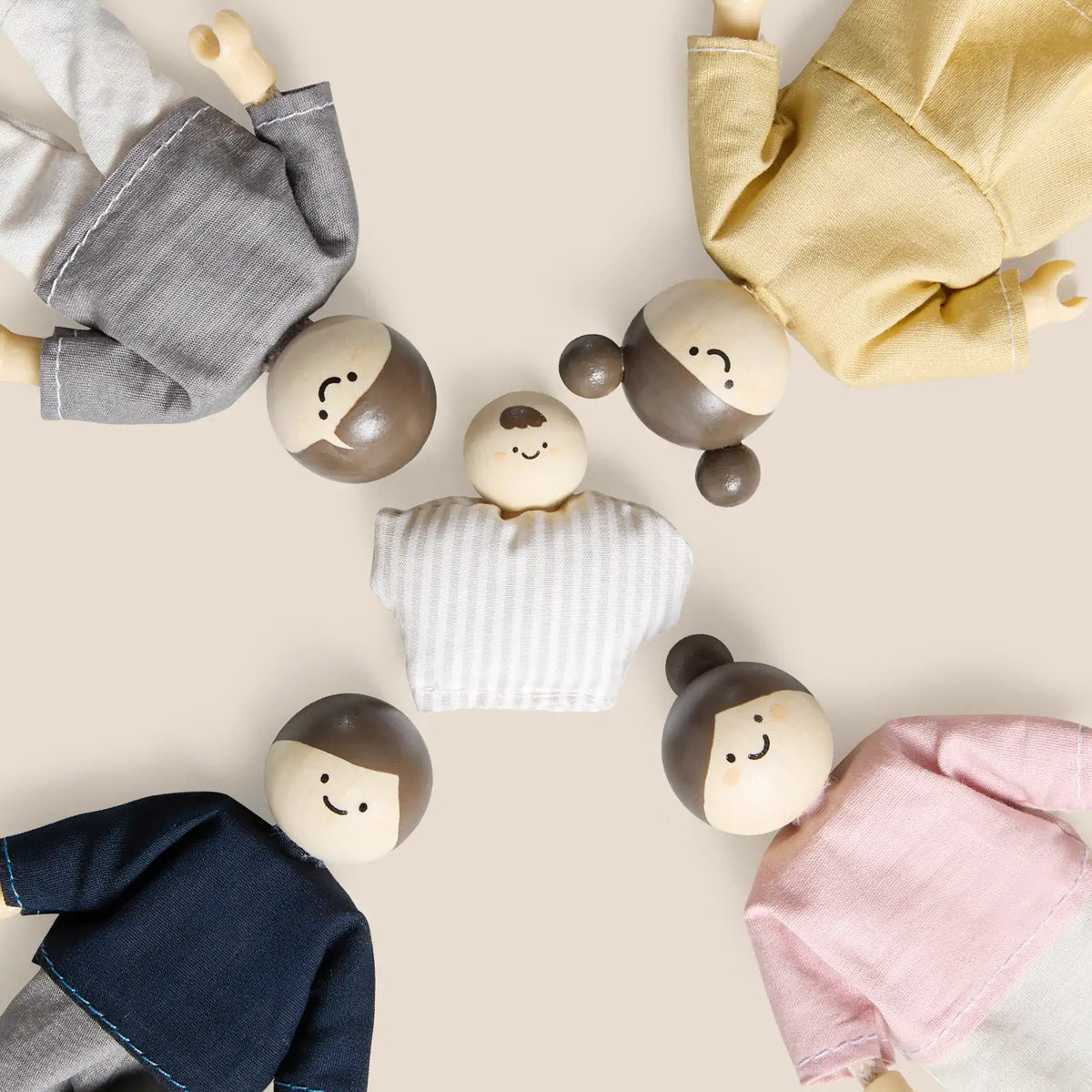
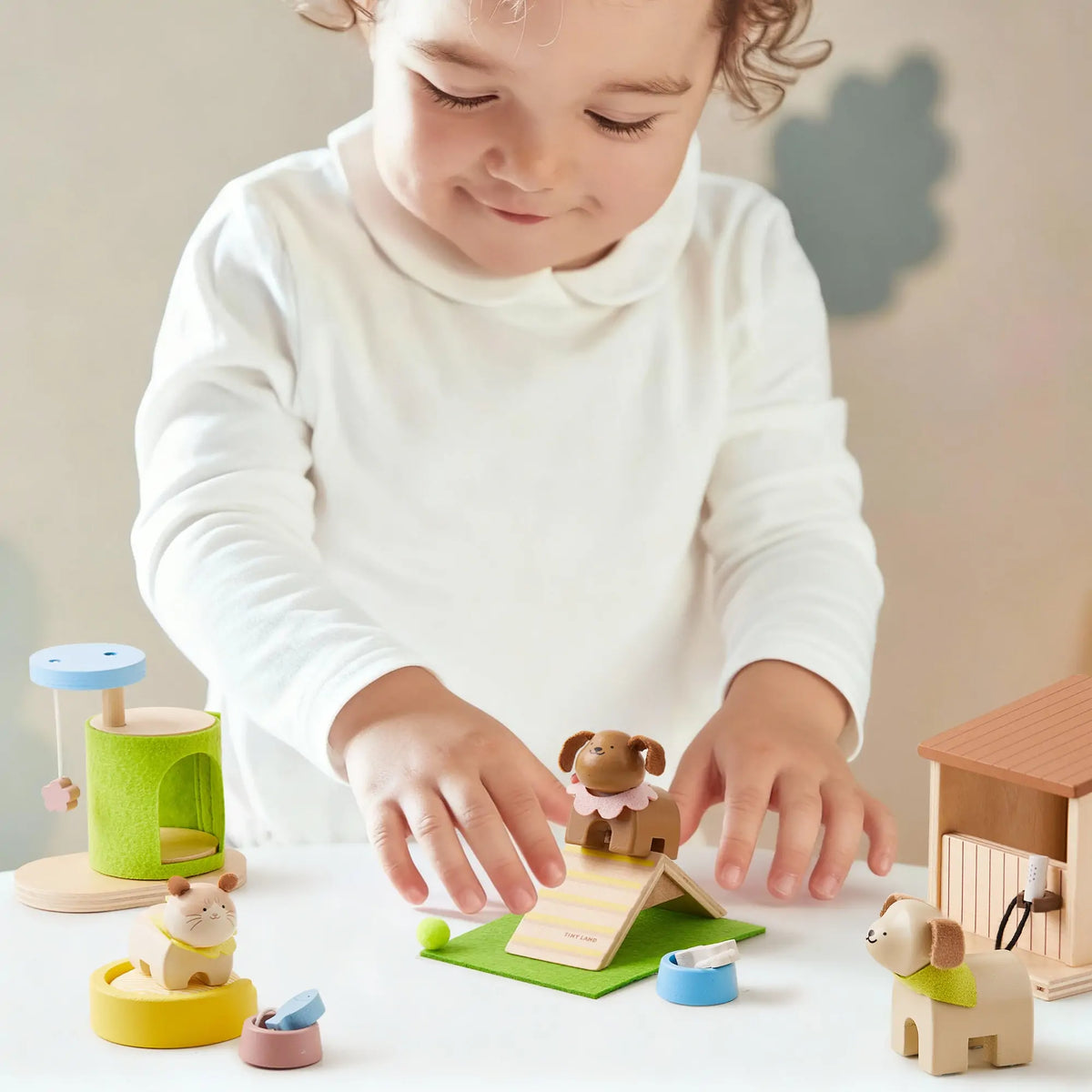
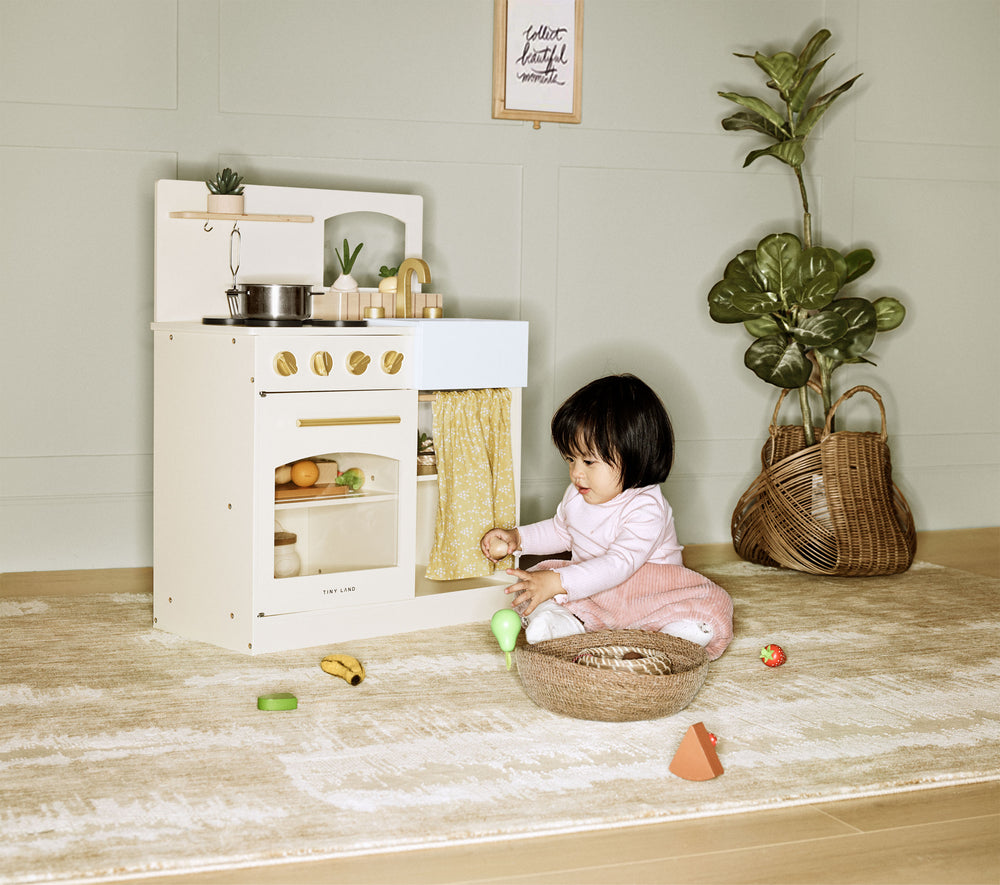
Pretend play is when a child’s imagination turns everyday objects and ideas into stories. It includes activities like doll play, cooking in toy kitchens, or child pretending to be a doctor. This kind of imaginative play helps preschool children build pretend play skills, learn about a child’s life, and practice problem solving skills through fun and creative exploration.
In Piaget’s theory of child development, pretend play begins as children begin using symbols and ideas to represent real-world situations. For example, a block can become a car, or children engage in role play as parents or teachers. This stage supports cognitive development, social skills, and emotional skills, as confirmed by studies in experimental child psychology.
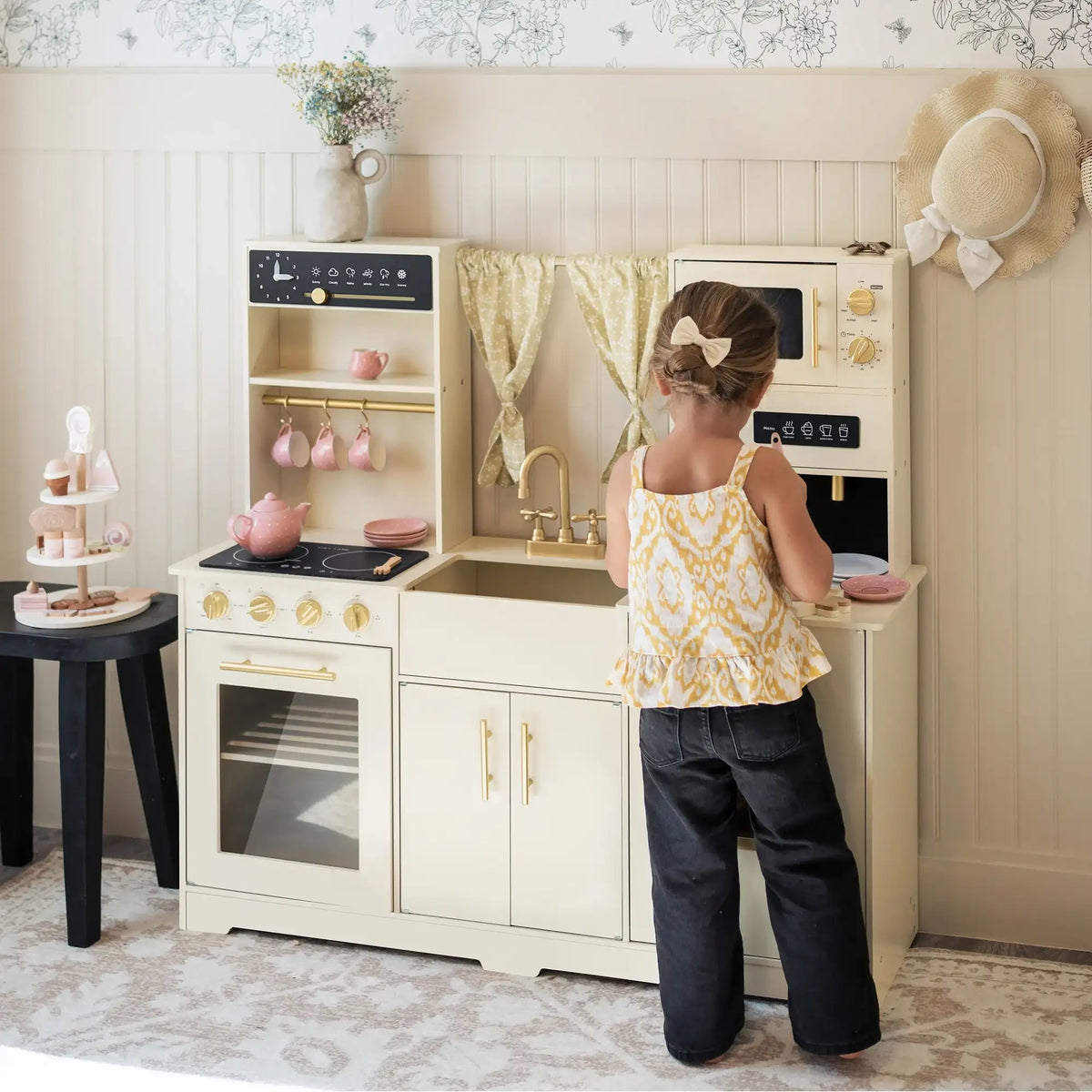
Through child pretending in play kitchens, doctor sets, or with dolls, kids learn to express and manage feelings. This type of imaginative play helps them practice empathy and emotional awareness in a safe way, which is essential in a child’s life.
When children engage in storytelling and role play, they practice planning, sequencing, and flexible thinking. These activities strengthen memory and problem solving skills, which are key parts of early child development.
With pretend kitchens, doctor kits, or doll play, preschool children learn to cooperate, share, and communicate. Toys that encourage pretend play help kids interact naturally, making social learning a joyful part of everyday play.
Research shows that pretend play skills link directly to better communication, creativity, and adaptability. Studies in experimental child psychology confirm that imaginative play supports both intellectual and emotional growth, making it a cornerstone of early child development.