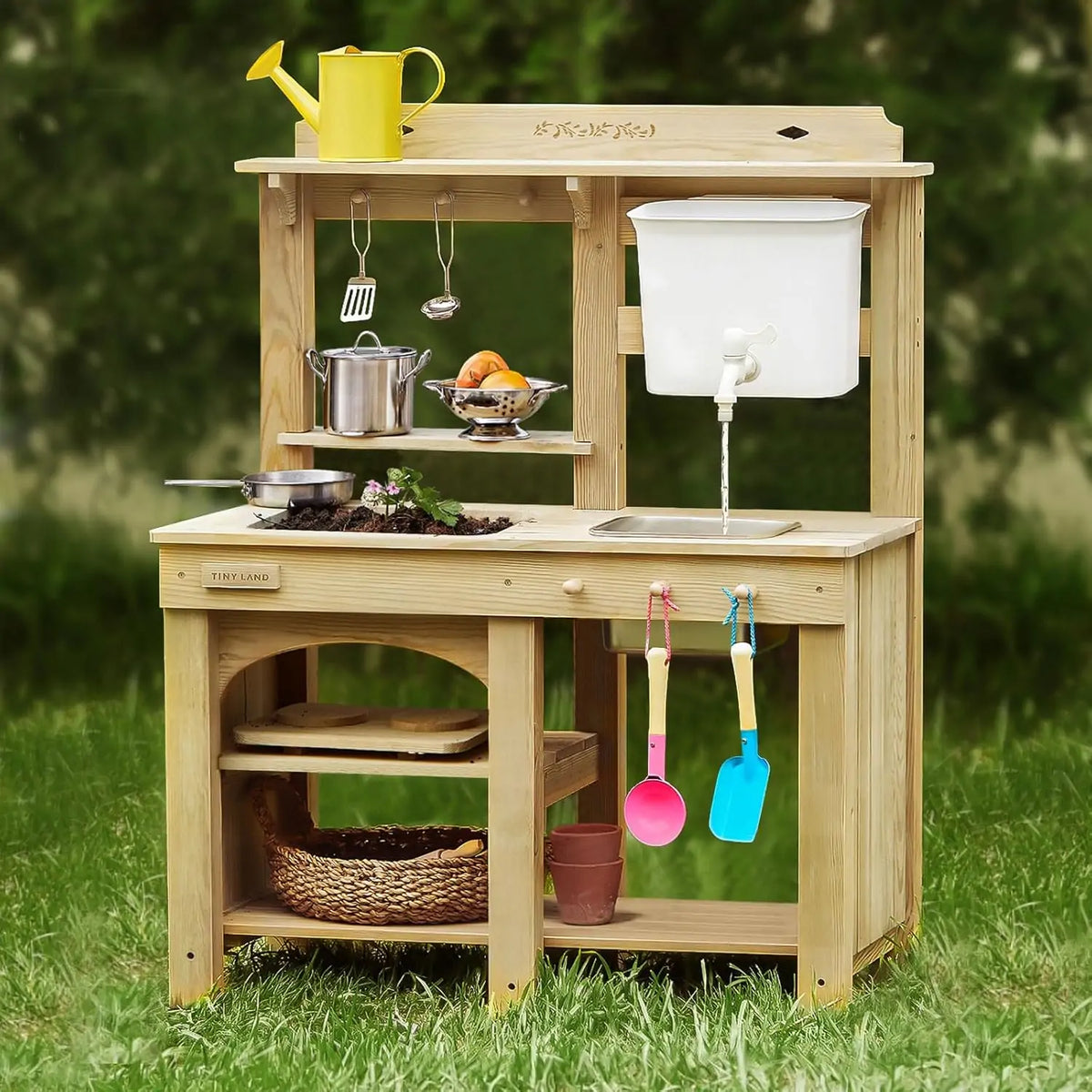
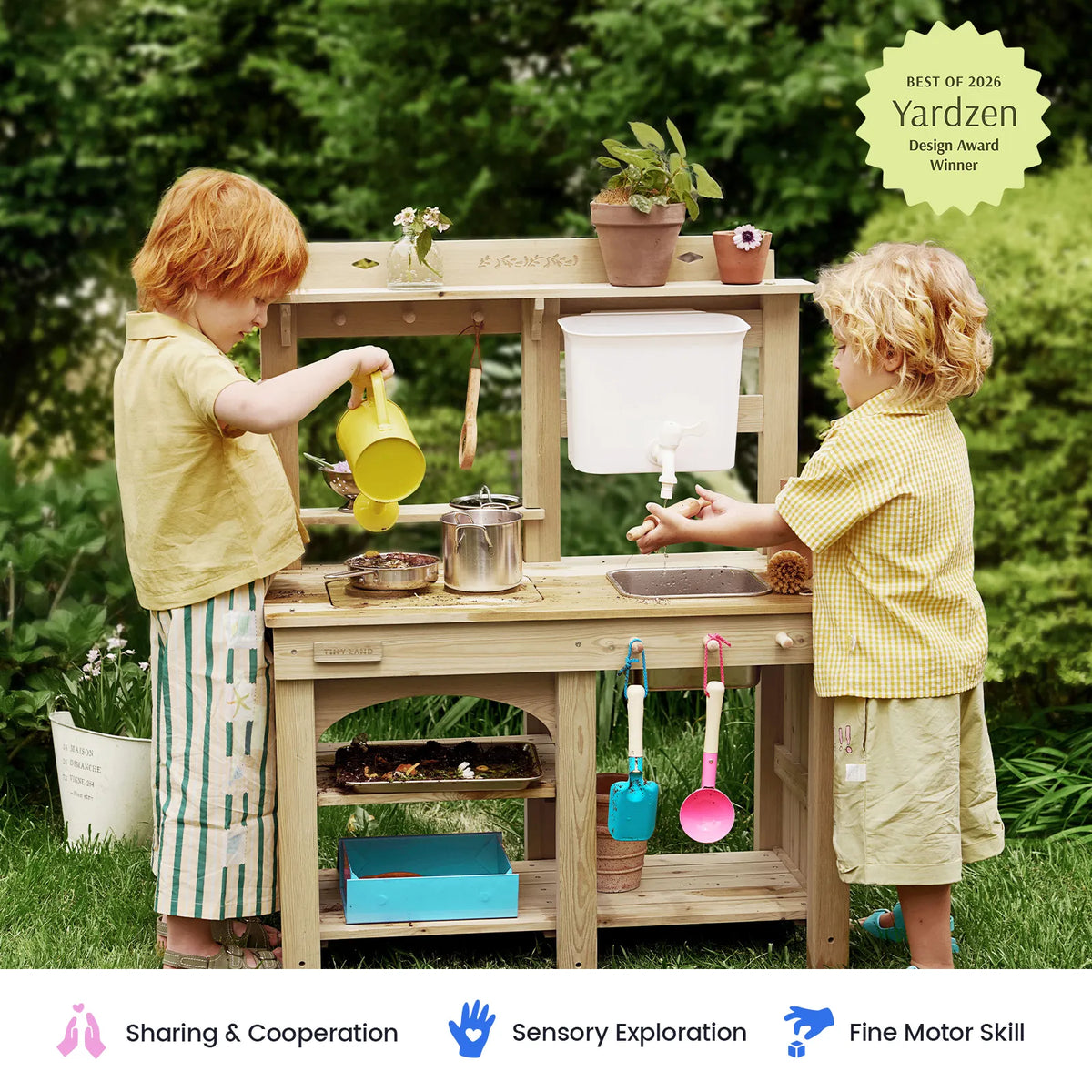
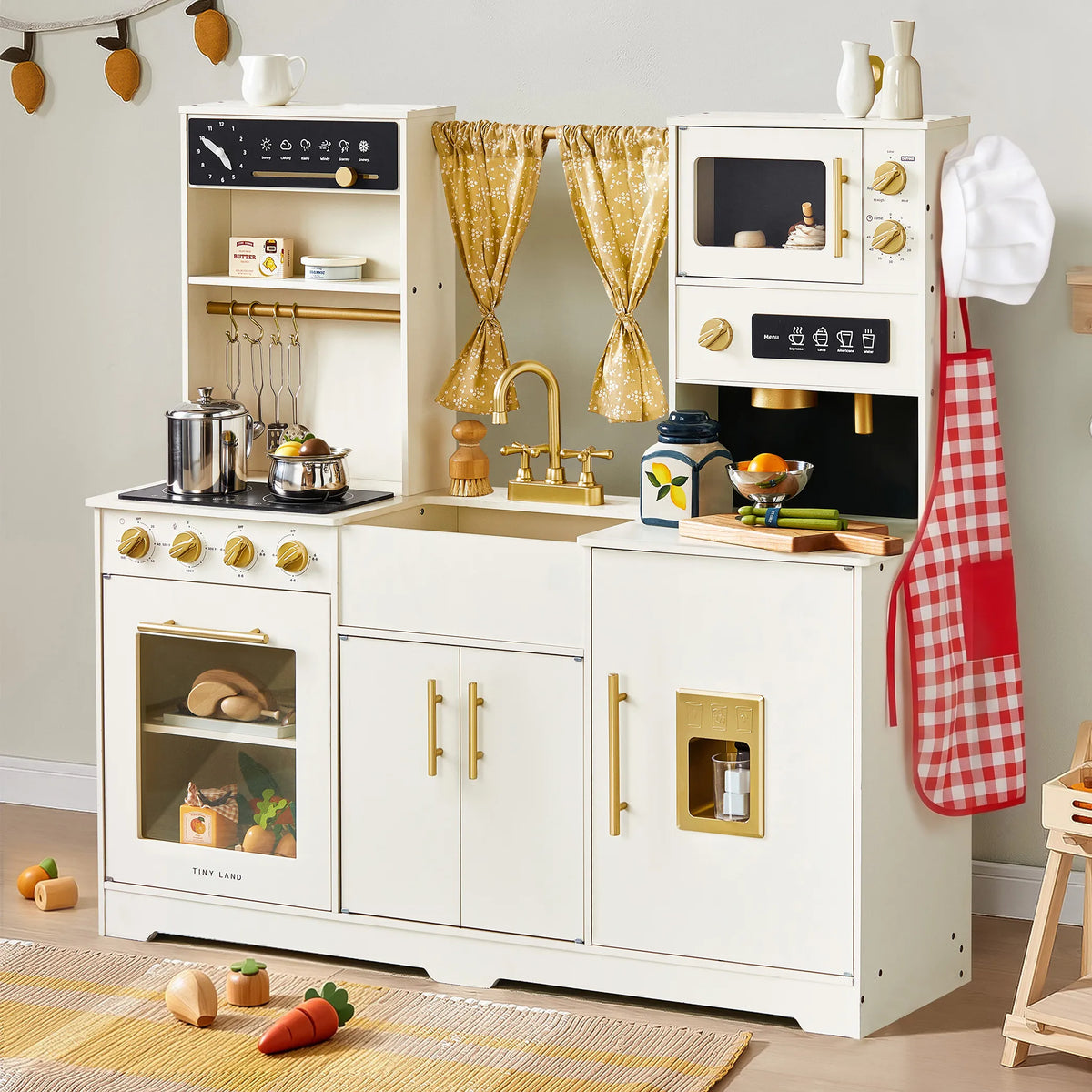
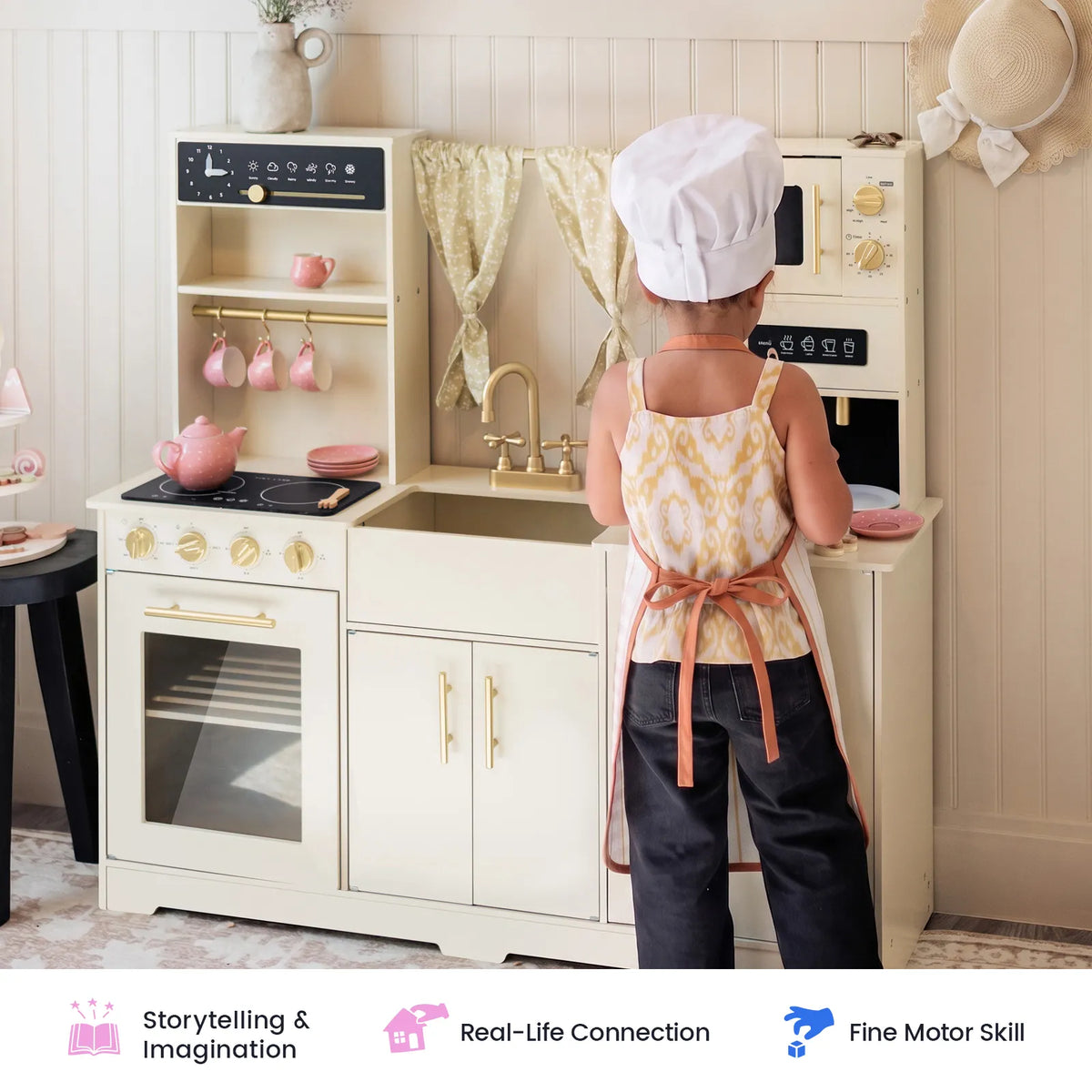



Looking for pretend play ideas for your 2-year-old?
At this age, children are becoming increasingly interested in copying the people and routines they see every day.
A play kitchen can become a restaurant, a small tent can become a house, and a stuffed animal can suddenly become a hungry customer.
The best pretend play activities for 2-year-olds are usually simple, familiar, and open-ended. You don't need an elaborate setup or a complicated storyline.
A few everyday-inspired toys and a parent willing to play along can be enough to get the imagination started.
In this guide, you'll find 12 simple pretend play ideas for 2-year-olds, plus tips for encouraging imaginative play, choosing age-appropriate toys, and turning everyday routines into screen-free play.

What Is Pretend Play for a 2-Year-Old?
Pretend play, sometimes called make-believe or imaginative play, is when children use toys, objects, or actions to represent something from real life or their imagination.
For a 2-year-old, pretend play often looks very simple.
They might:
- Pretend to feed a doll
- Stir an imaginary pot
- Give a stuffed animal a drink
- Pretend to go shopping
- Put a toy to bed
- Serve food to a parent
- Pretend to talk on a toy phone
- Turn a play tent into a house
At this age, pretend play doesn't have to involve a long story or multiple characters. Imitating familiar routines is already meaningful pretend play.

What Makes Pretend Play Appropriate for a 2-Year-Old?
The best pretend play activities for toddlers tend to have a few things in common:
Familiar: They are based on things your child already sees, such as cooking, shopping, eating, or caring for a baby.
Simple: There are only a few steps rather than a complicated storyline.
Flexible: Your child can change the activity or take it in a different direction.
Interactive: A parent, sibling, doll, or stuffed animal can easily join the game.
Short: The activity works even if your toddler plays for only a few minutes.
You don't need to expect a 2-year-old to follow a detailed pretend-play scenario. Instead, give them a simple starting point and let them decide where the play goes.

12 Best Pretend Play Ideas for 2-Year-Olds
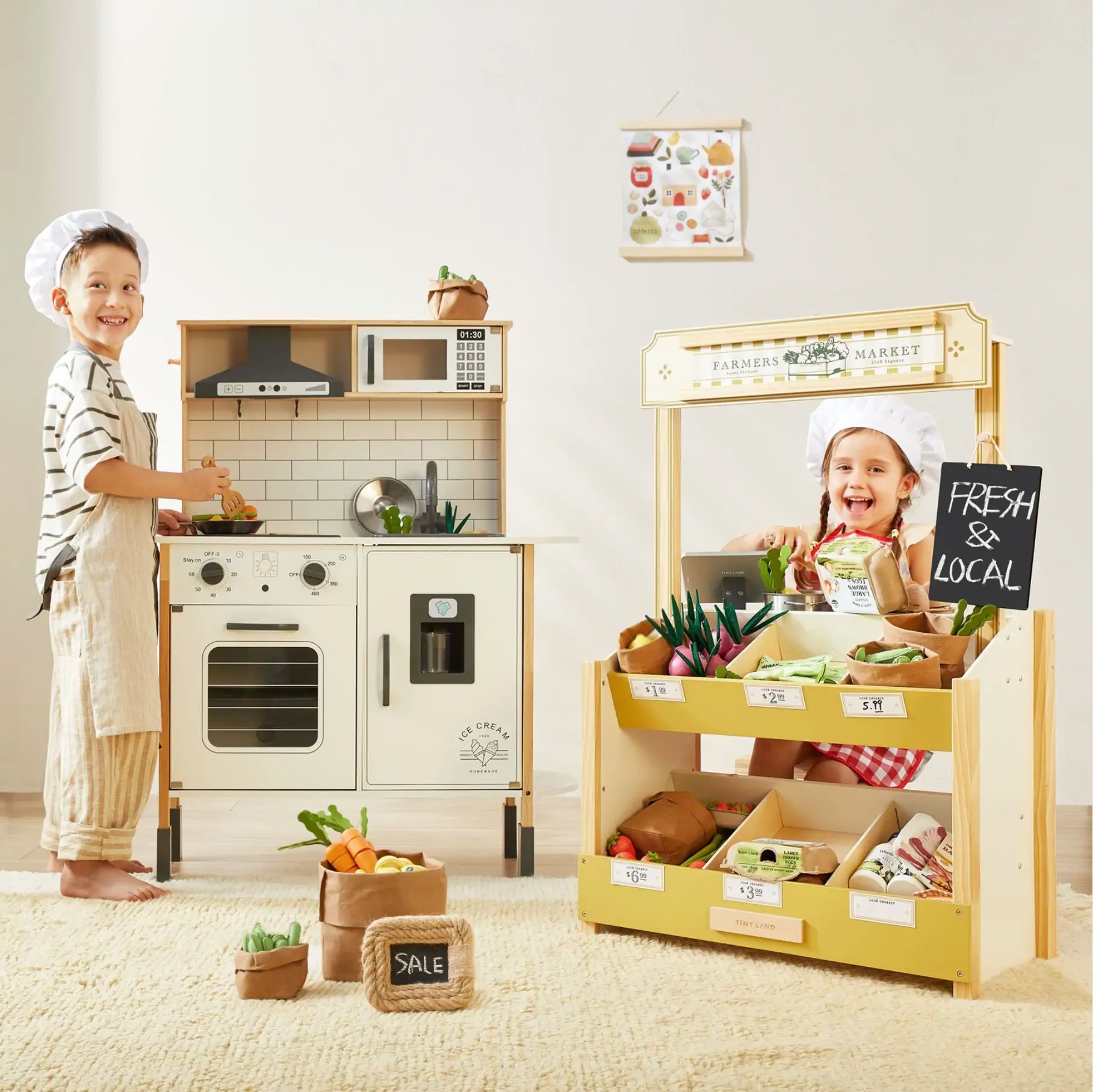
1. Play Restaurant

2. Set Up a Pretend Grocery Store
- “Can you find the apple?”
- “Should we get some bread?”
- “Where should we put the food?”
- “Are we ready to go home?”

3. Create a Pretend Café
- “What would you like?”
- “Here you go.”
- "Thank you.”
- “Is it hot?”
- “Are you finished?”

4. Have a Teddy Bear Picnic
- Put food on a plate
- Give the teddy a drink
- Pretend to feed the teddy
- Invite the teddy to sit down
- Clean up after the picnic
5. Pretend to Cook Dinner

6. Take Care of a Baby Doll
- Feed the baby
- Give the baby a drink
- Cover the baby with a blanket
- Put the baby to bed
- Take the baby for a walk
- Comfort the baby
- “Baby is hungry.”
- “Baby is sleepy.”
- “Let's give Baby a blanket.”

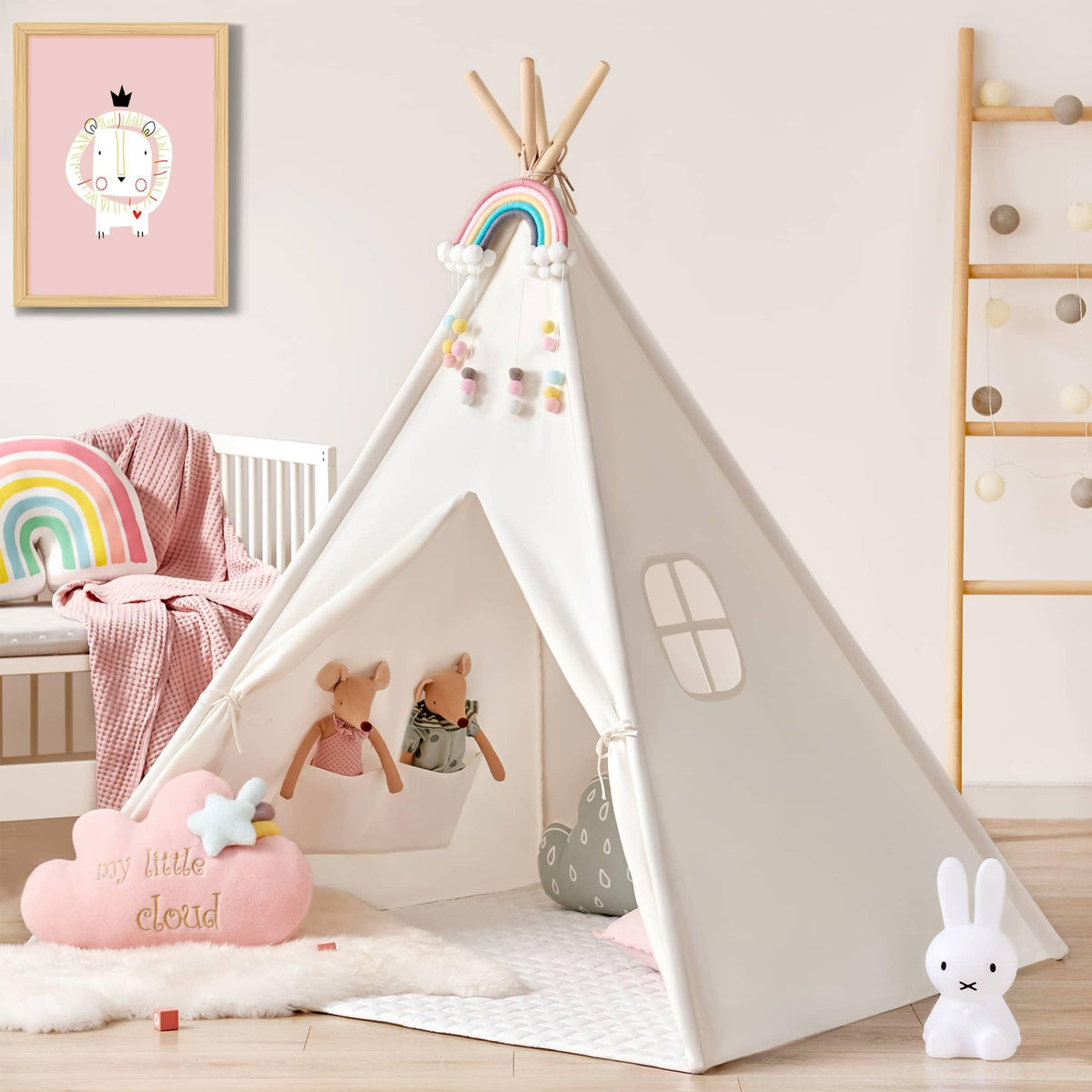
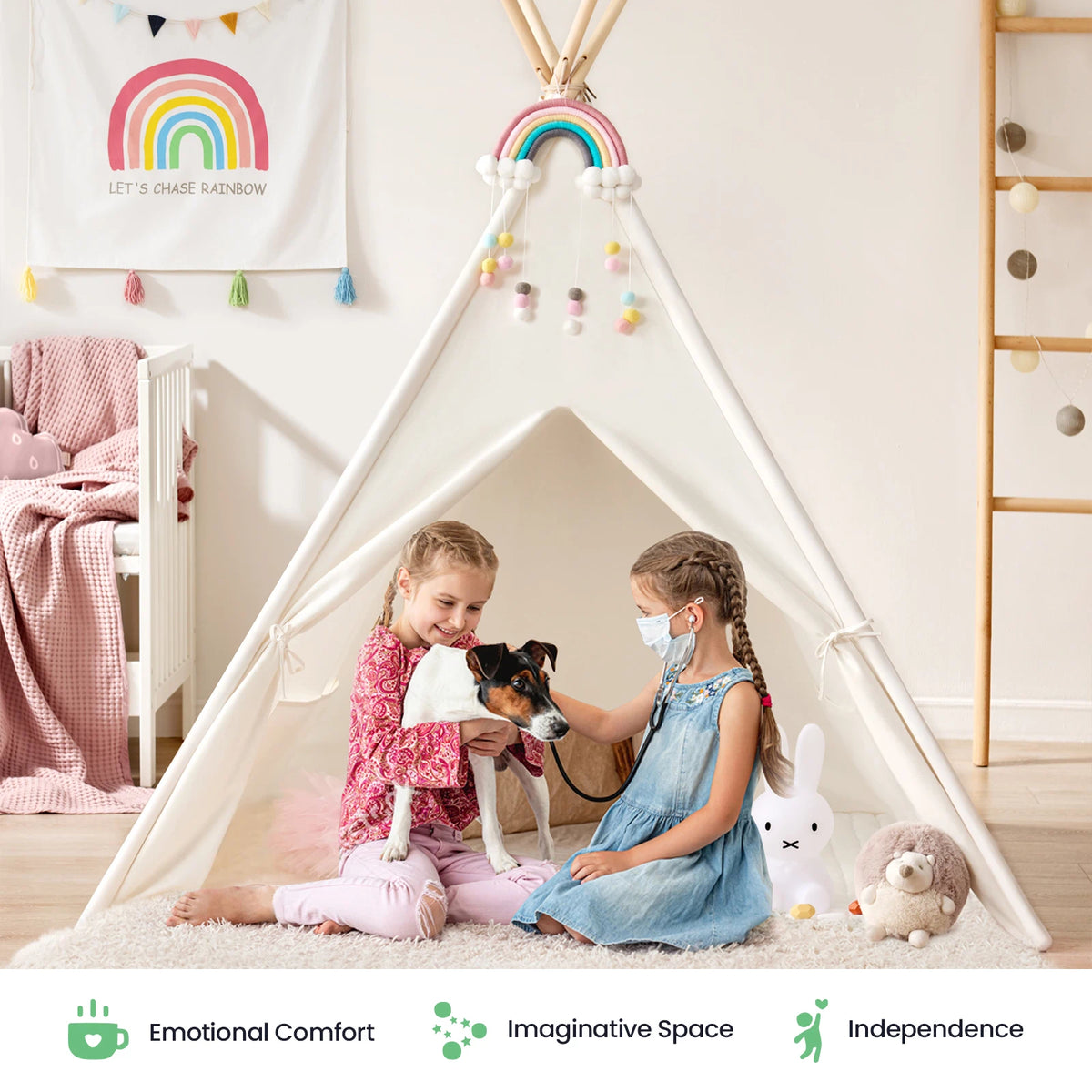
7. Turn a Play Tent Into a House

8. Open a Pretend Bakery
- Cookies
- Cakes
- Bread
- Muffins
- Pretend pizza
9. Go on a Pretend Camping Trip

10. Play “Going Shopping”
- “Can you find the apple?”
- “Put it in the basket.”
- “What should we get next?”
11. Play Teddy Bear Doctor
- “Where does it hurt?”
- “What should we do?”
- “Does Teddy need some water?”
- “Is Teddy feeling better?”

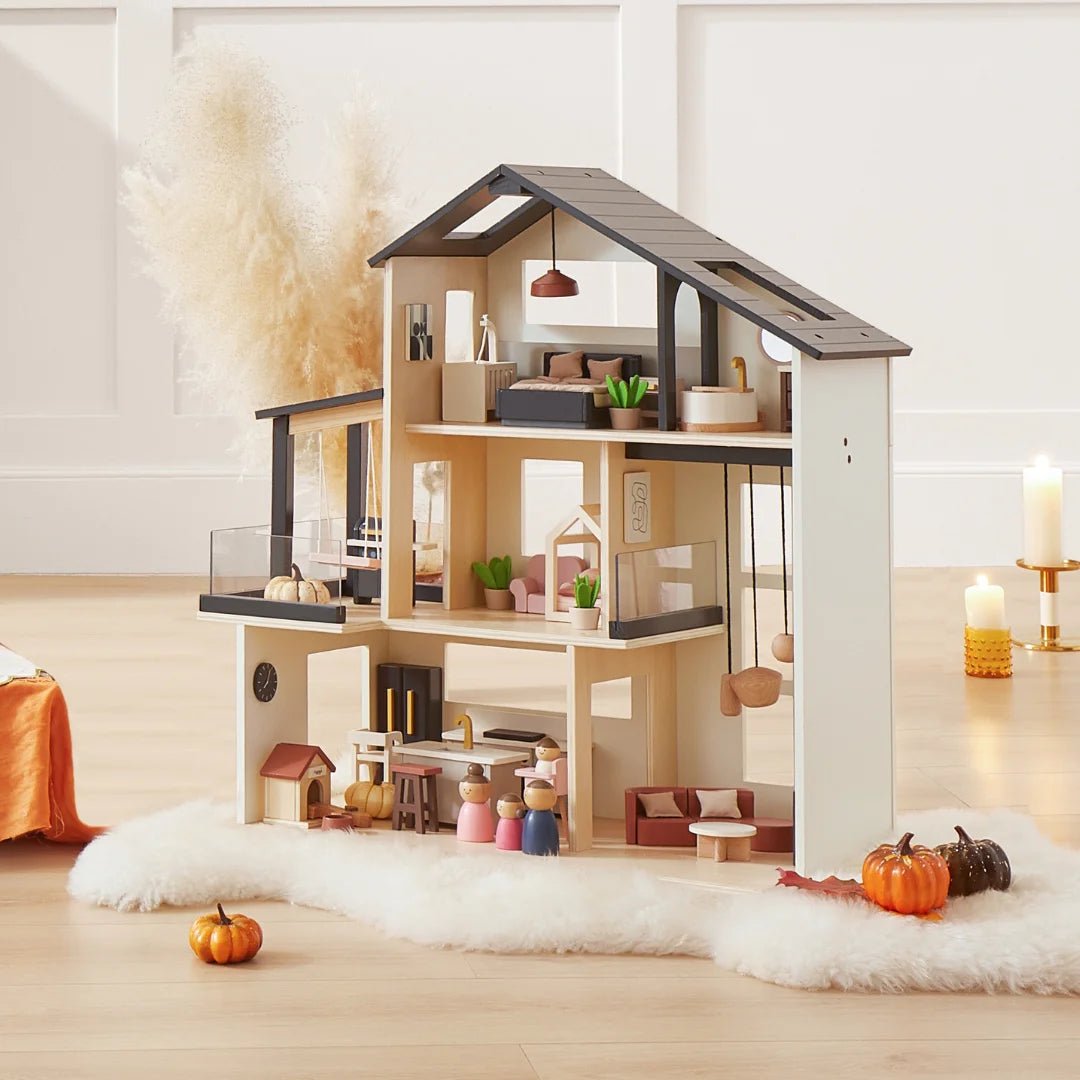
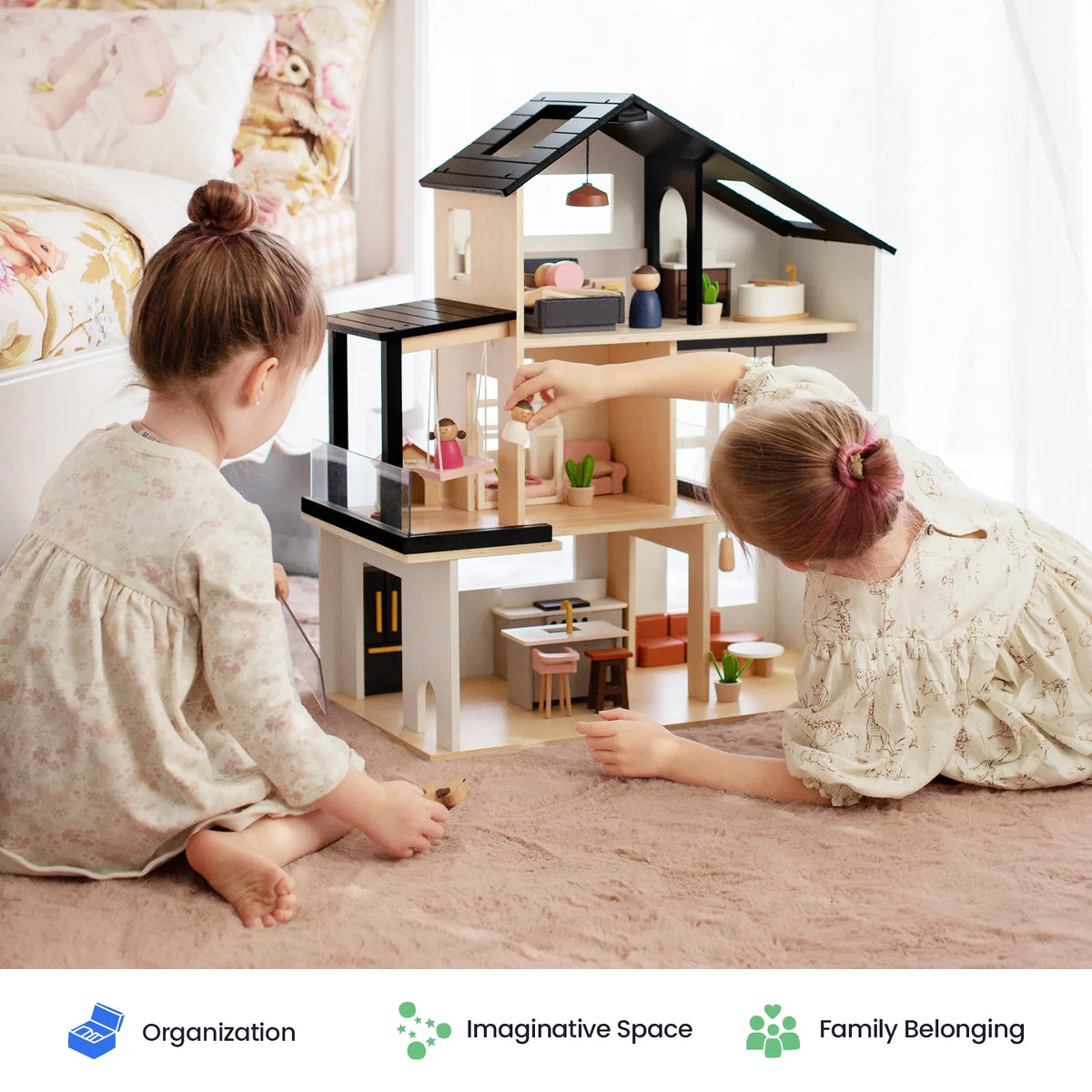
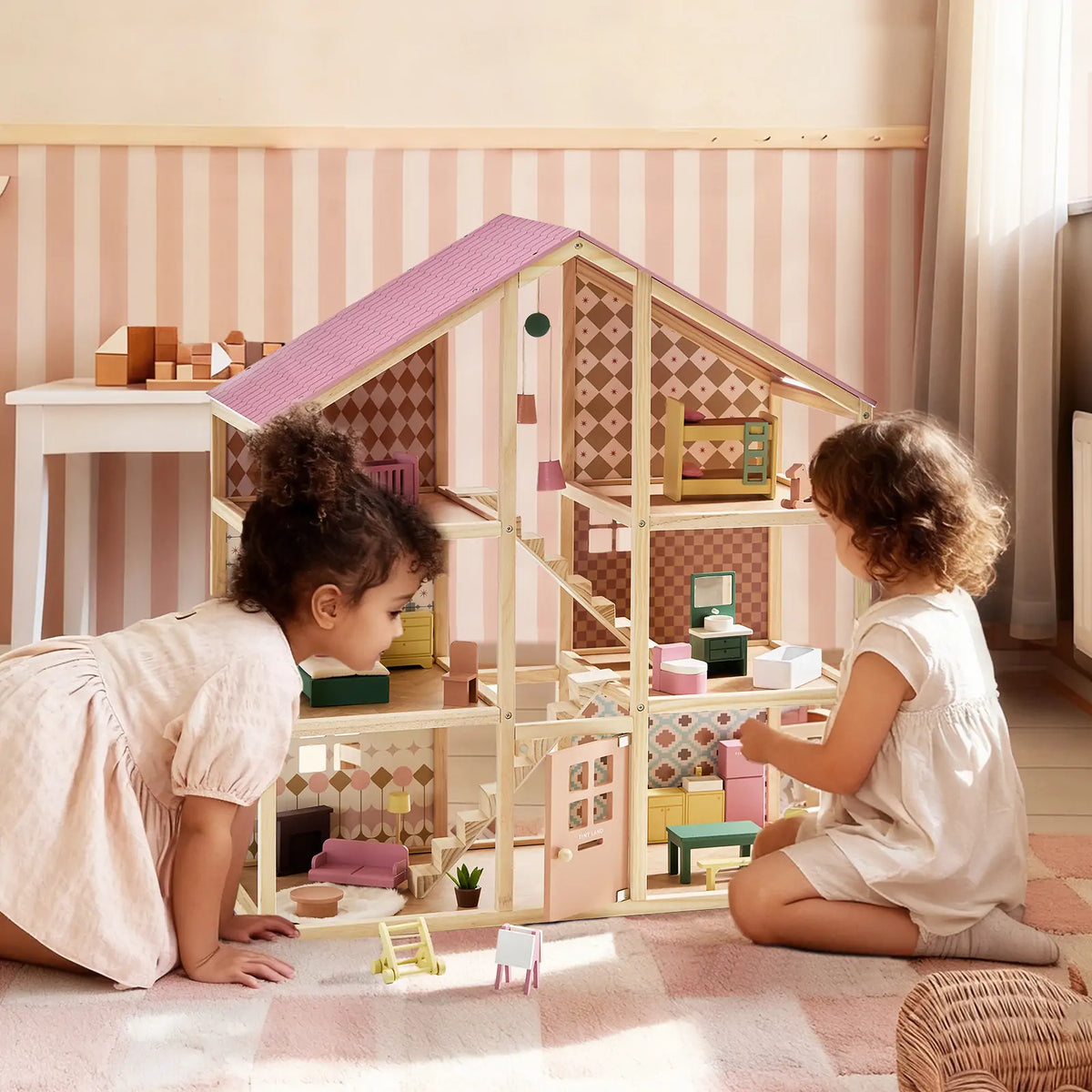
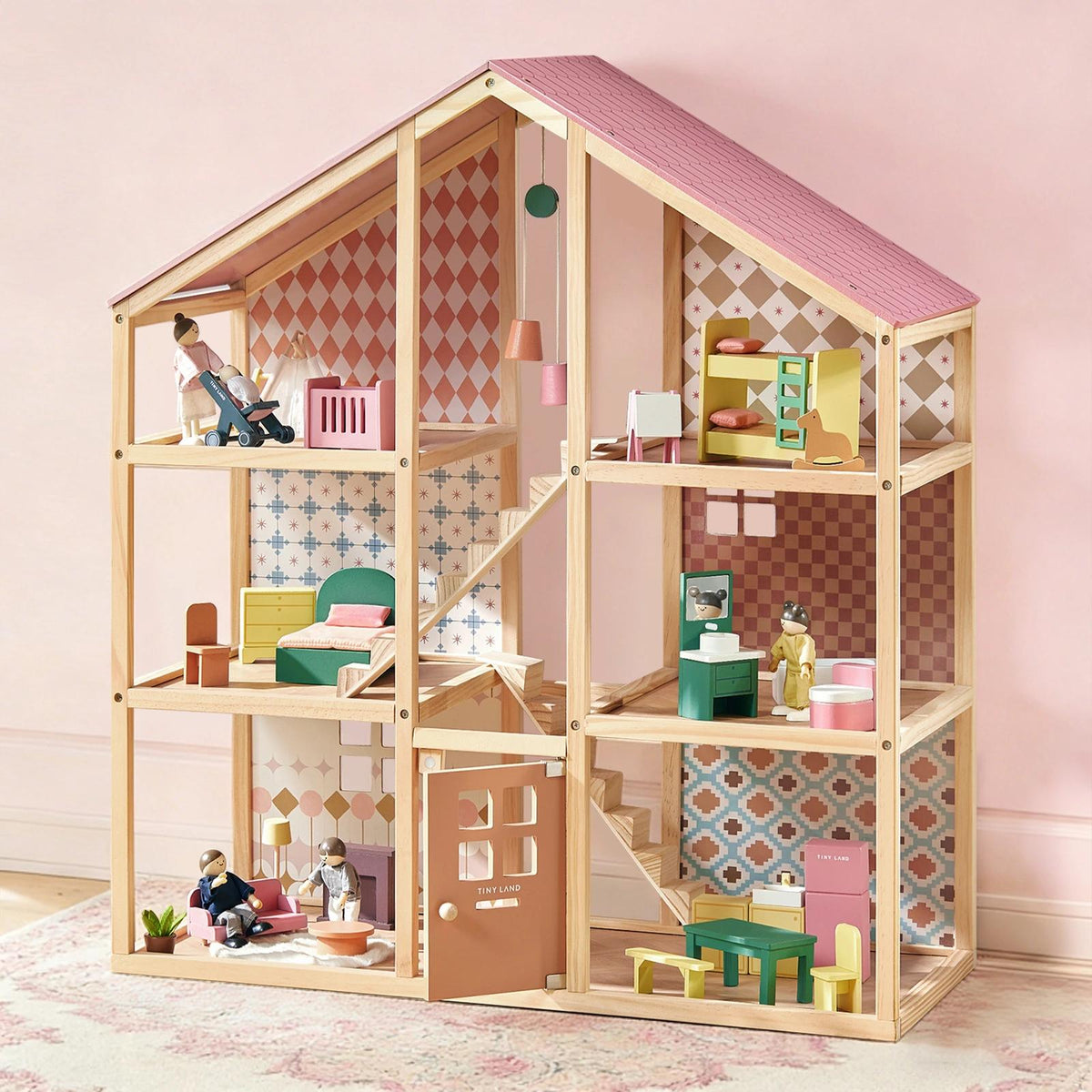
12. Create a Tiny Home With a Dollhouse
- Move dolls from room to room
- Pretend to cook
- Put a doll to bed
- Welcome a visitor
- Have a family meal
- Create a simple home routine
-
“Baby is going upstairs.”
-
“Dinner is ready.”
- “Everyone is going to bed.”

Easy Pretend Play Ideas for 2-Year-Olds Without Screens
If you're looking for screen-free activities for toddlers, pretend play is an easy place to start.
You don't need a new activity every day. The same toys can support completely different scenarios.
|
Pretend Play Idea |
Simple Setup |
|
Restaurant |
|
|
Grocery Store |
|
|
Café |
|
|
Camping |
Play tent + blanket |
|
Baby Care |
Doll + blanket |
|
Bakery |
|
|
Teddy Bear Picnic |
Blanket + stuffed animals |
|
Teddy Bear Doctor |
Stuffed animal + doctor kit |
| Tiny Home | Wooden dollhouse |
This is one reason open-ended pretend play toys can be useful for toddlers: the same toy doesn't have to represent only one thing.
A play kitchen can be a restaurant one day and a bakery the next. A play tent can become a house, campsite, or secret hideaway.

How to Encourage Pretend Play in a 2-Year-Old
Not every toddler immediately starts creating elaborate pretend scenarios. That's okay.
If you're wondering how to encourage pretend play, try these simple approaches.
Start With What Your Child Already Knows
Think about the routines your toddler watches every day.
- Do they love helping you cook?
- Start with a pretend kitchen.
- Do they enjoy grocery shopping?
Create a pretend store.
Do they like taking care of stuffed animals?
Try baby-care play.
Starting with familiar experiences gives your toddler an easy entry point.
Demonstrate One Simple Action
You don't need to explain an entire game.
Instead, demonstrate one action.
Pretend to stir a pot.
Feed the teddy.
Put the doll to bed.
Then pause.
Your toddler may copy you—or do something completely different.
Either response is fine.
Follow Your Toddler's Lead
Once the game starts, let your child guide it.
- If the kitchen suddenly becomes a doctor's office, go with it.
- If the teddy becomes a customer, become the cashier.
- If your child wants to repeat the same action ten times, that's okay too.
Pretend play doesn't have to look like a storybook.
Use Simple Questions
Open-ended but simple questions can help keep the play going:
- “What are you making?”
- “Who is hungry?”
- “Where should Baby go?”
- “What's next?”
- “Can I have one?”
- “Who is coming?”
You don't need to ask questions constantly. Sometimes simply describing what your toddler is doing is enough.
 What Are the Best Pretend Play Toys for a 2-Year-Old?
You don't need a large collection of toys to encourage pretend play.
The best choices are usually toys that can support multiple scenarios.
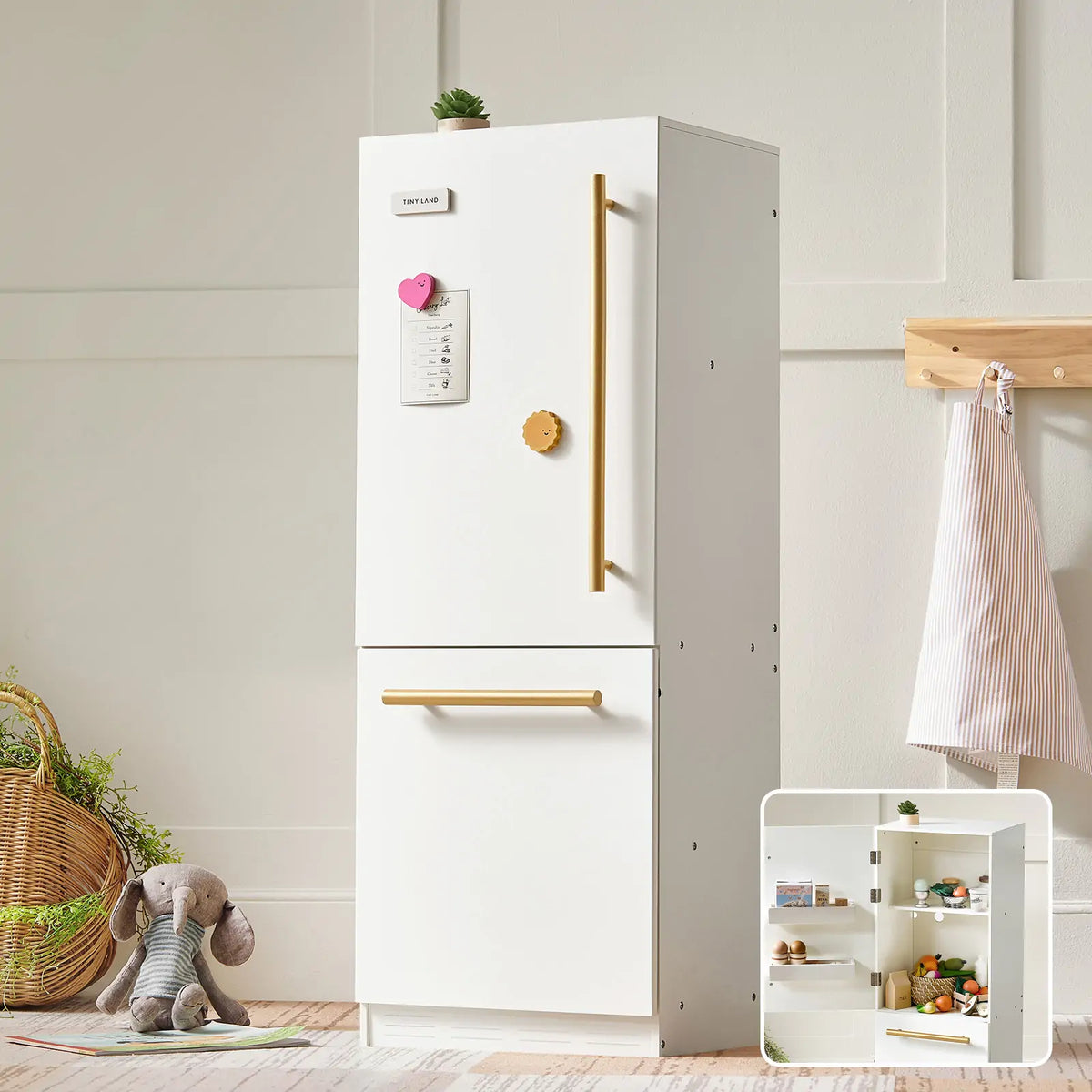
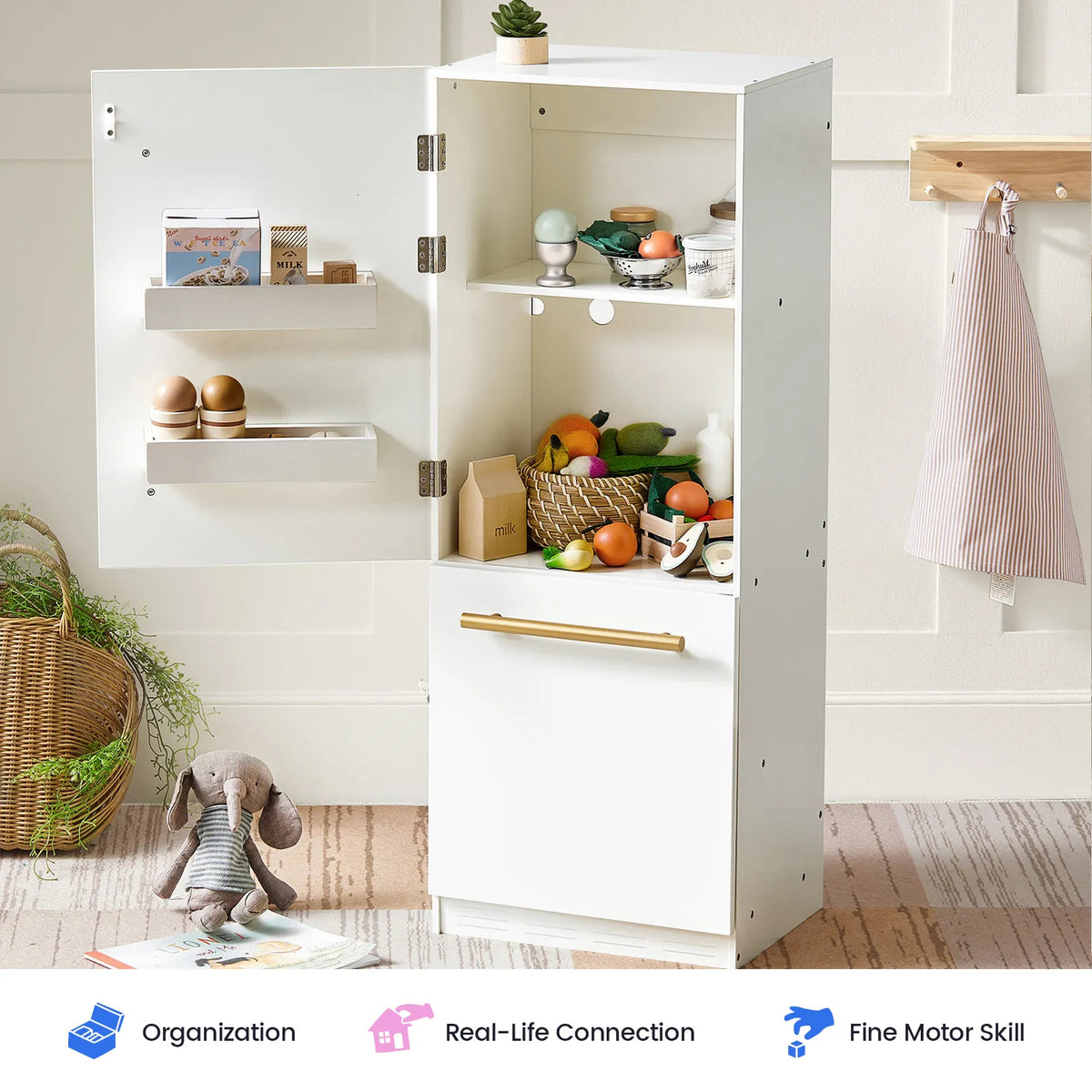
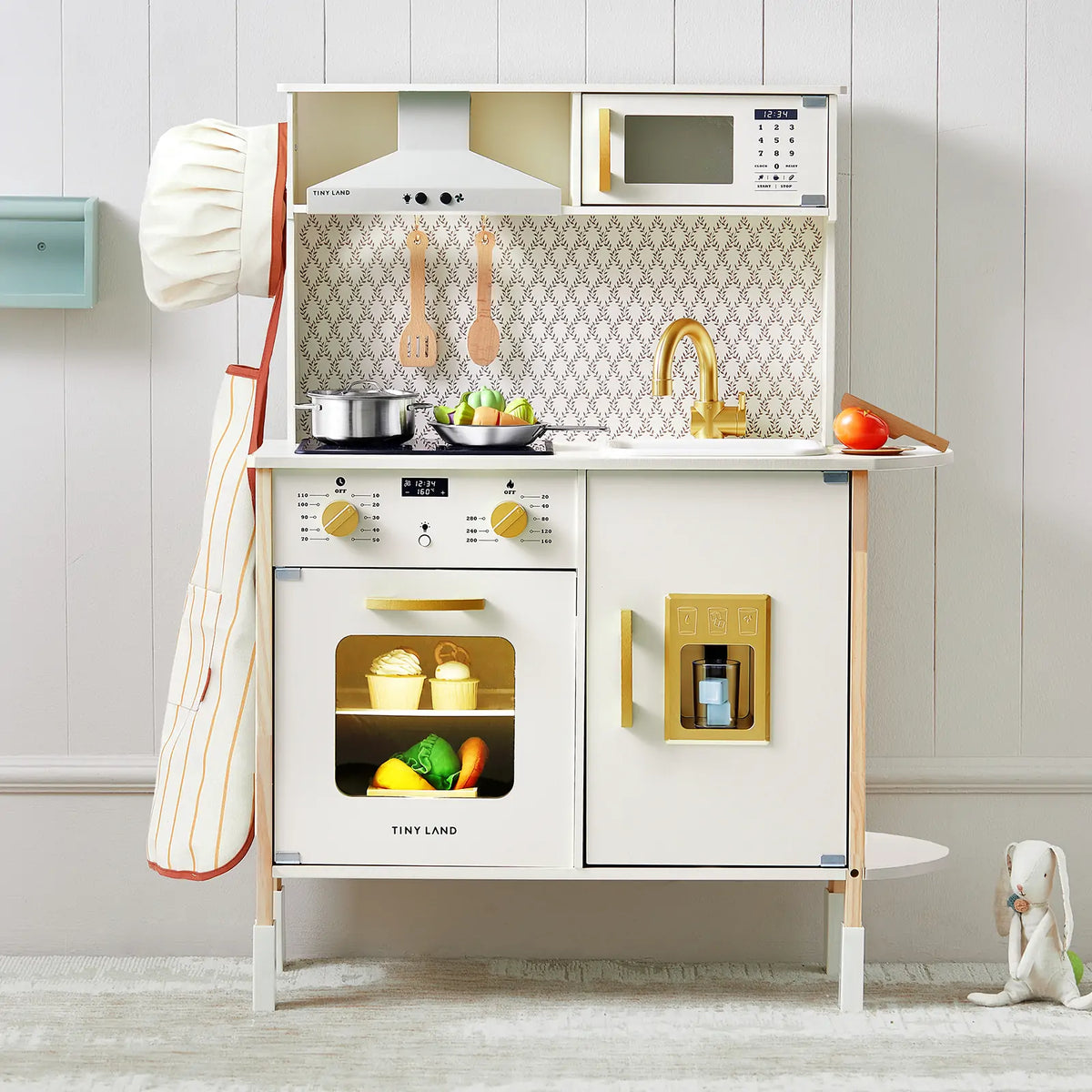
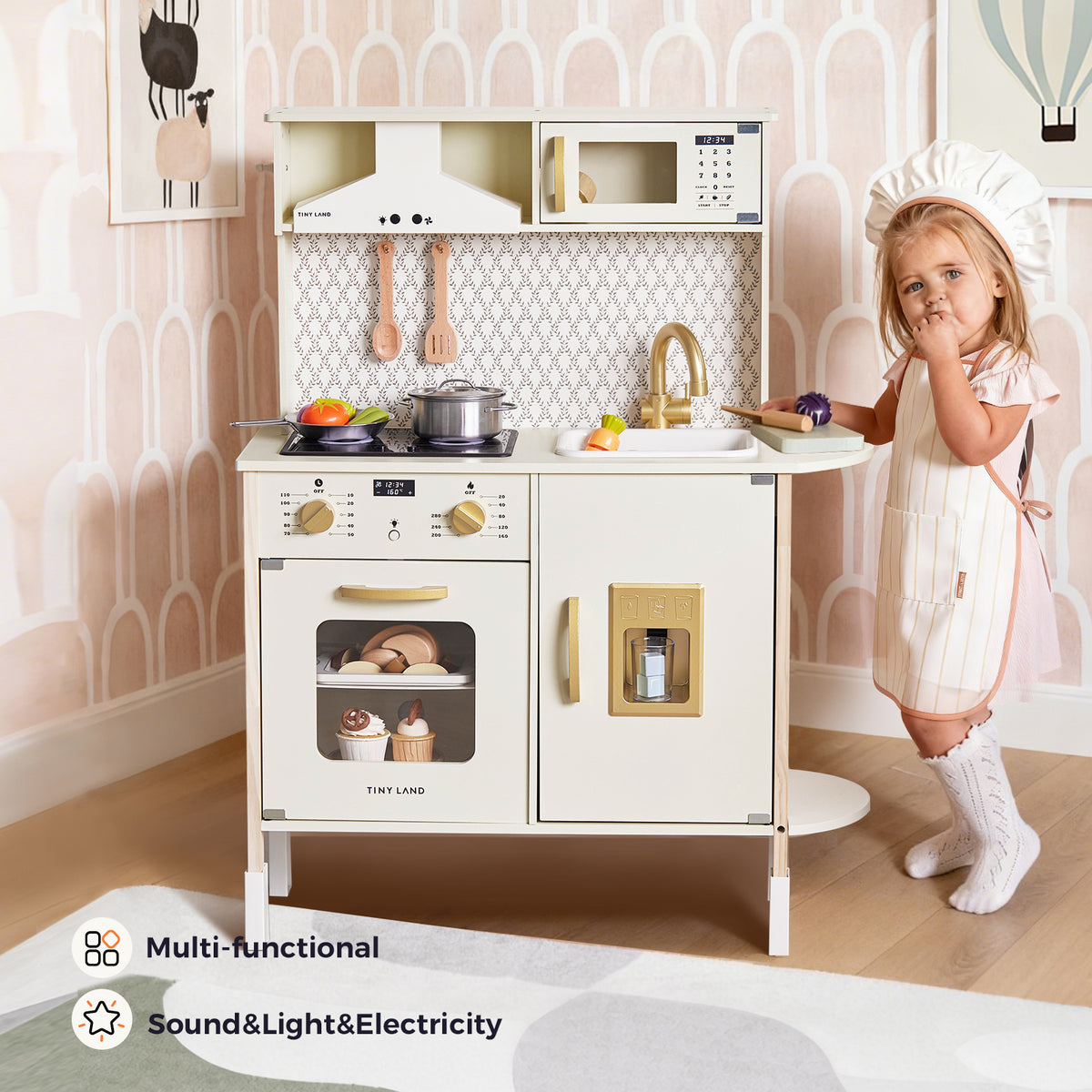
Play Kitchen
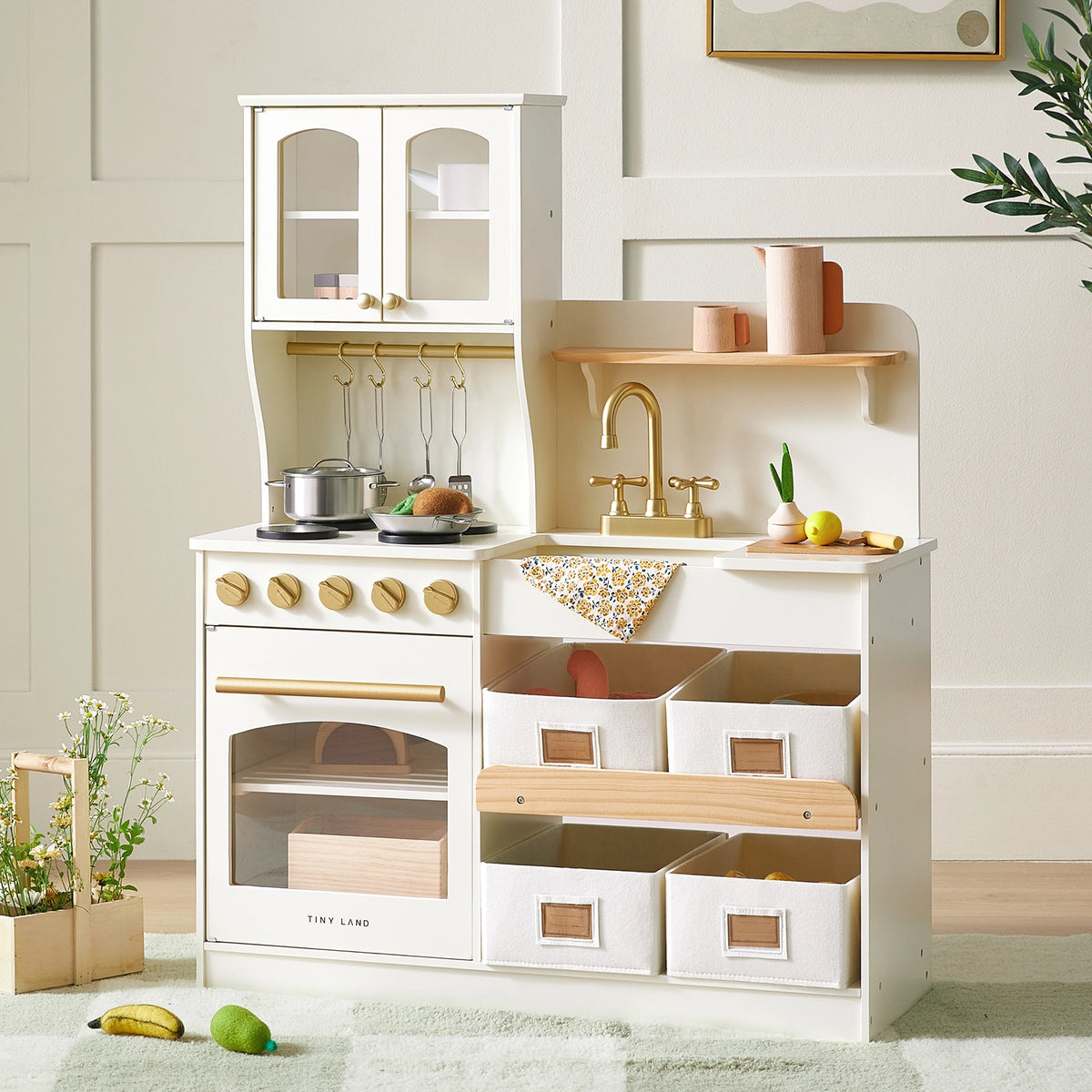
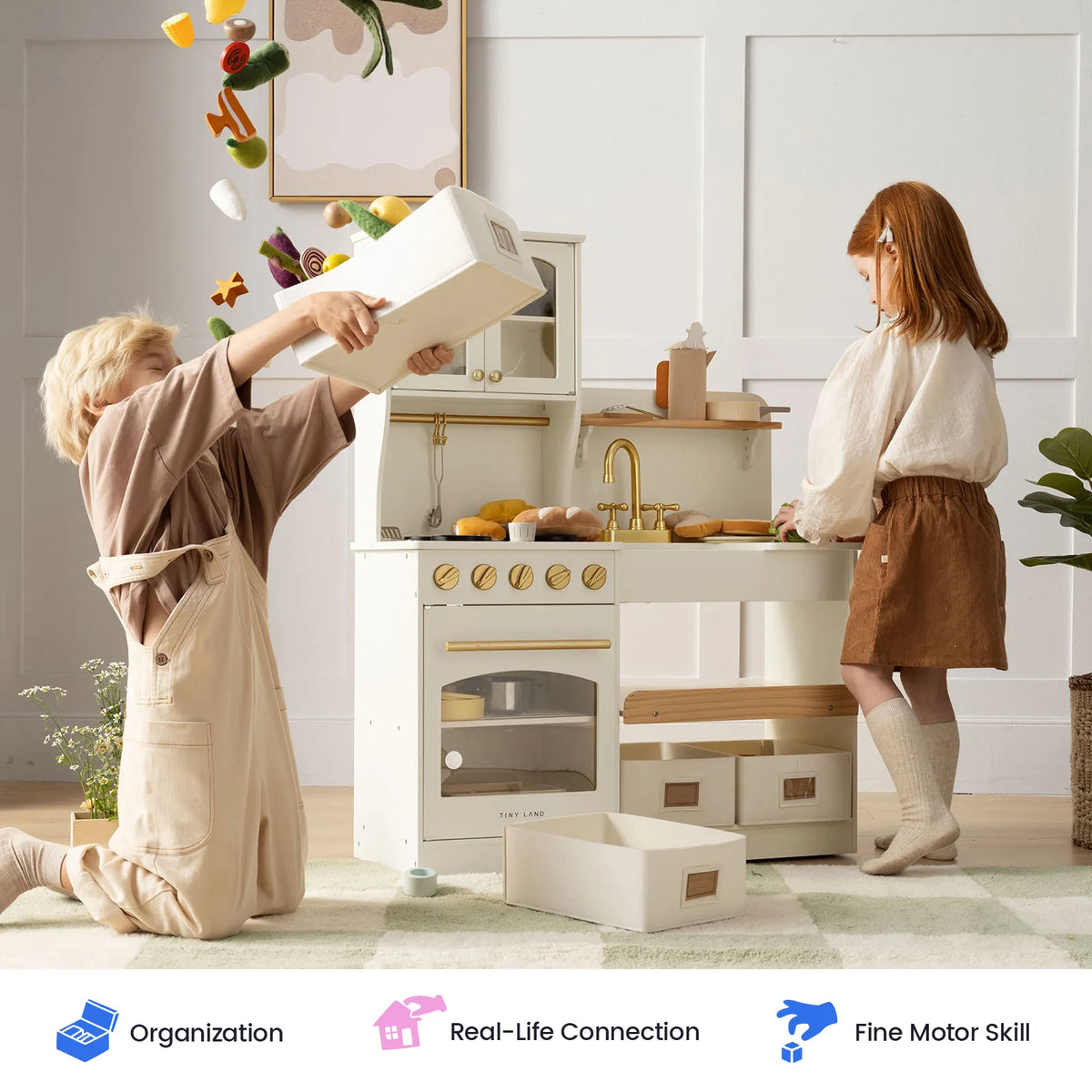
A play kitchen can become a restaurant, bakery, café, grocery store, or family home.
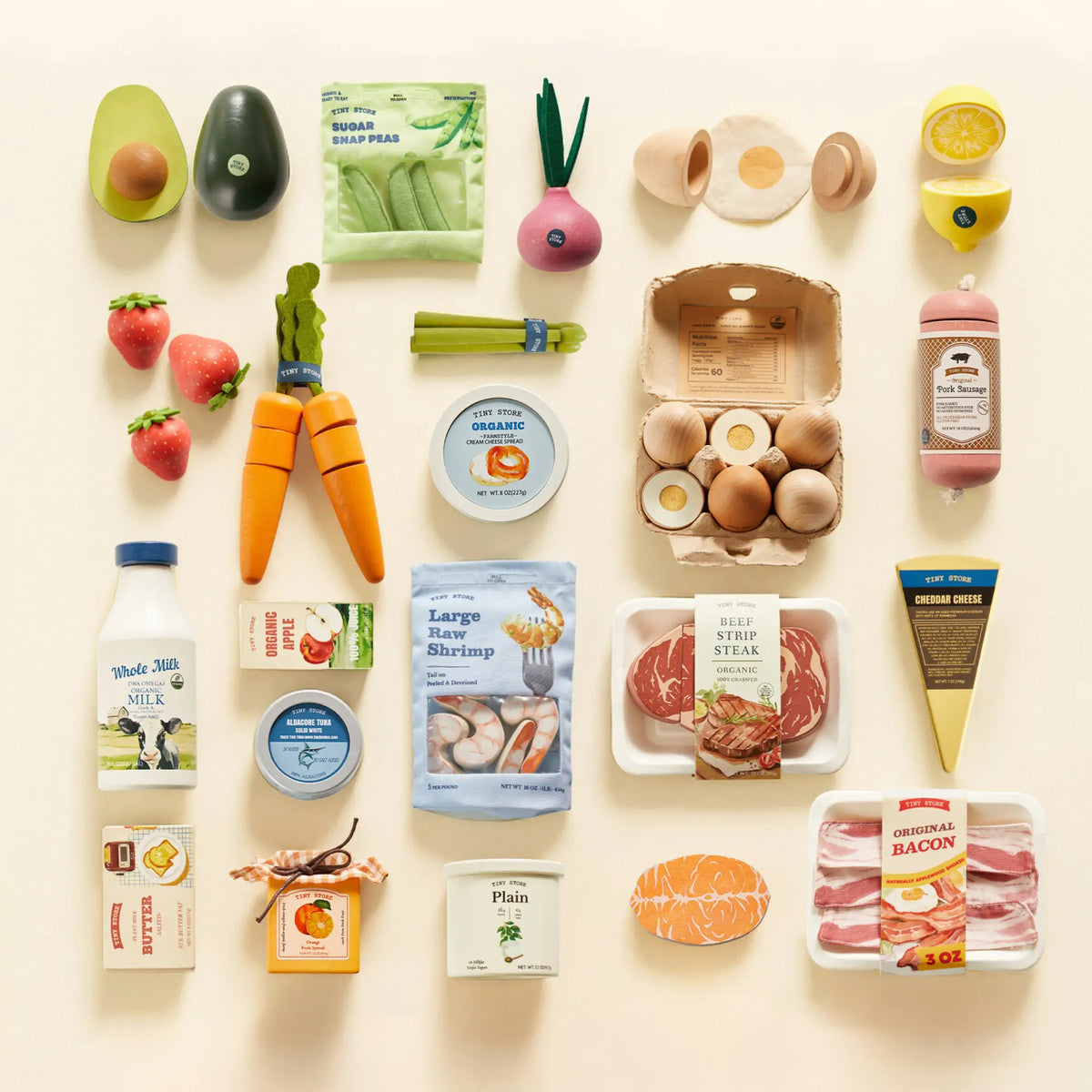
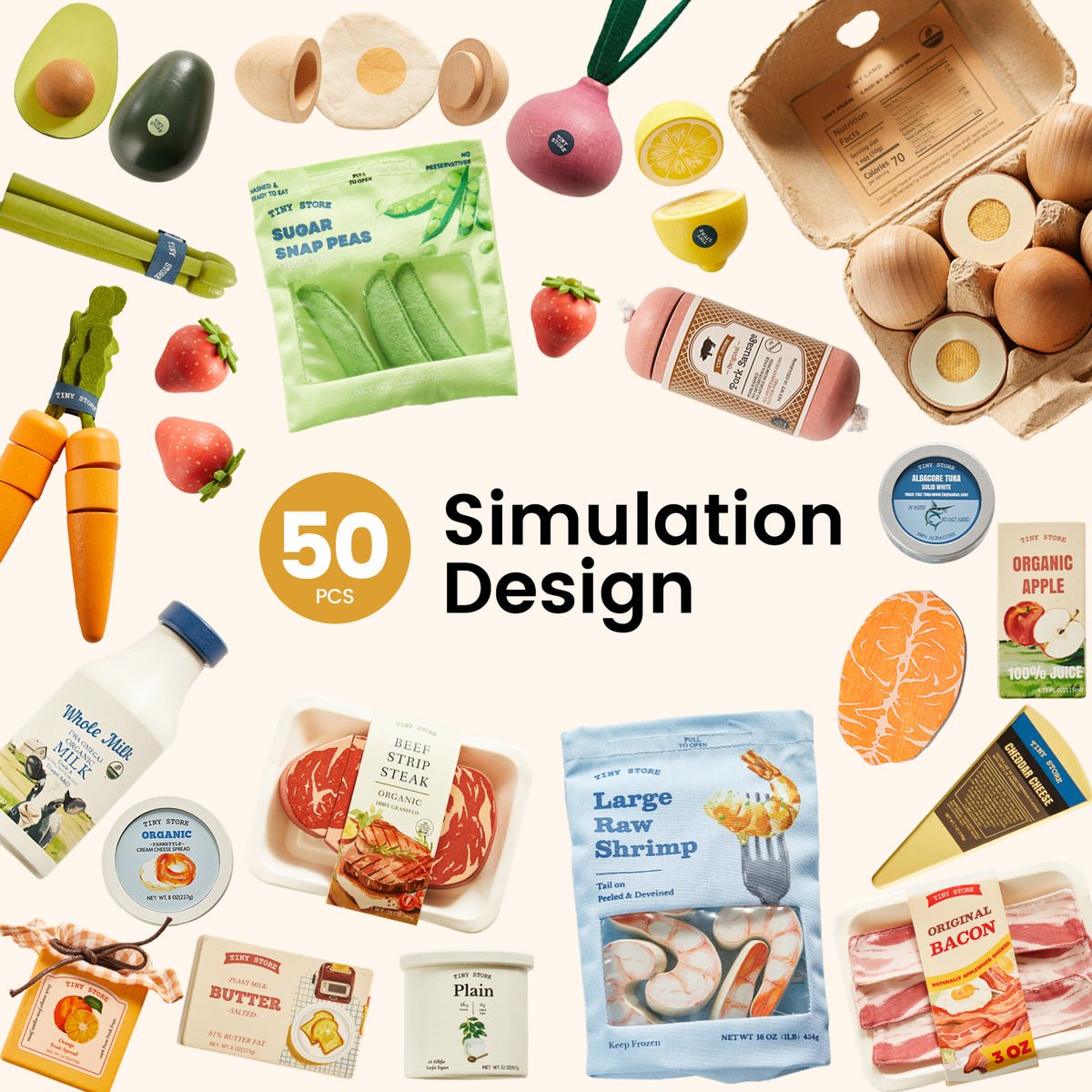
Pretend Food
Pretend food can be used for cooking, shopping, picnics, restaurants, and market games.
Play Tent
A play tent can become a house, campsite, café, reading space, or imaginary hideaway.
Dollhouse
A dollhouse provides a setting for simple home-based stories and everyday routines.
Dolls
These can become babies, customers, patients, family members, or picnic guests.
Market Stand
A market stand can support shopping games, grocery-store play, and simple shopkeeper scenarios.
Pretend Coffee Machine
A pretend coffee machine can turn a play space into a cozy café where toddlers can pretend to make drinks, serve customers, and take orders.
Doctor Kit
A doctor kit can inspire simple pretend-play scenarios where toddlers can pretend to be doctors, care for patients, and give their dolls or stuffed animals a checkup.
When choosing pretend-play toys for a 2-year-old, think less about having the most accessories and more about whether the toy can support different ways to play.
 How Long Should a 2-Year-Old Play Pretend?
There isn't one specific amount of time that every 2-year-old should spend in pretend play.
Toddlers naturally move between activities and may play with one scenario for only a few minutes before changing direction.
Instead of focusing on how long the activity lasts, look for signs that your child is engaged:
- They repeat an action
- They imitate something familiar
- They invite you into the game
- They give objects new roles
- They create a simple sequence of actions
- They return to the same pretend game later
Even a short pretend-play session can become a meaningful part of your toddler's day.
 Frequently Asked Questions About Pretend Play for 2-Year-Olds
What can a 2-year-old pretend to be?
A 2-year-old can pretend to be a chef, parent, doctor, shopkeeper, customer, café worker, or camper. They can also pretend that dolls, stuffed animals, or toys have roles in their play.
What are easy pretend play activities for a 2-year-old?
Simple options include pretend cooking, grocery shopping, playing restaurant, caring for a doll, having a teddy bear picnic, playing doctor, and pretending to camp.
How do I start pretend play with my 2-year-old?
Start with a familiar activity and demonstrate one simple action. For example, pretend to stir a pot or feed a doll. Then let your toddler decide what happens next.
What toys encourage pretend play for toddlers?
Open-ended toys such as play kitchens, pretend food, play tents, dolls, dollhouses, market stands, and stuffed animals can support many different pretend-play scenarios.
Do 2-year-olds need special toys for pretend play?
No. Pretend play can begin with everyday objects such as blankets, boxes, cups, spoons, dolls, and stuffed animals. Pretend-play toys can simply make certain scenarios easier to set up.
Is pretend play normal for a 2-year-old?
Pretend play can look different from child to child. Some toddlers imitate familiar actions, while others begin creating simple scenarios.
Short, repetitive, and everyday-inspired pretend play is a natural way for young children to explore their experiences.
 Turn Everyday Routines Into Pretend Play
For a 2-year-old, pretend play doesn't have to mean creating an elaborate activity.
The simplest pretend-play ideas are often the ones toddlers understand best because they are connected to the world they already know.
So start with one familiar routine, give your child a few objects, and let their imagination take the lead.
 More Pretend Play Ideas From Tiny Land
Looking for more ways to create an imaginative, screen-free play space at home?
Explore Tiny Land's collection of play kitchens, pretend food, play tents, dollhouses, and other pretend-play toys designed to give children more ways to imagine, explore, and play.