




For many parents, buying toys can feel simple at first: choose something colorful, safe, and fun. But as children grow, the question becomes more thoughtful: what are educational toys, and how are they different from regular toys?
At their best, educational toys are not just toys with letters, numbers, or instructions printed on the box. They are toys that help children explore, think, move, imagine, and solve problems through everyday play. In other words, the right toys can turn playtime into meaningful learning without making it feel like a lesson.
That is why educational toys matter. They support a child’s development while still keeping play natural, joyful, and open-ended.

What Are Educational Toys?
Educational toys are toys designed to support learning, skill building, and a child’s growth through play. They may help with fine motor skills, problem solving, language, creativity, memory, emotional awareness, sensory exploration, or early STEM learning.
But a good educational toy does not need to be complicated. Simple building blocks, pretend play sets, memory games, craft kits, art supplies, puzzles, science kits, and sensory materials can all become powerful learning tools when they encourage active participation.
The most effective educational toys combine fun with purpose. They invite children to touch, build, sort, stack, pretend, ask questions, and try again. This is how learning through play works: children learn naturally because they are curious, engaged, and emotionally connected to what they are doing.

Why Educational Toys Matter for Early Learning
During early childhood, children develop quickly. Their brains are building connections every day through movement, language, social interaction, and hands-on discovery. This is why early learning does not only happen at school. It happens on the floor, at the table, in the backyard, and during pretend play.
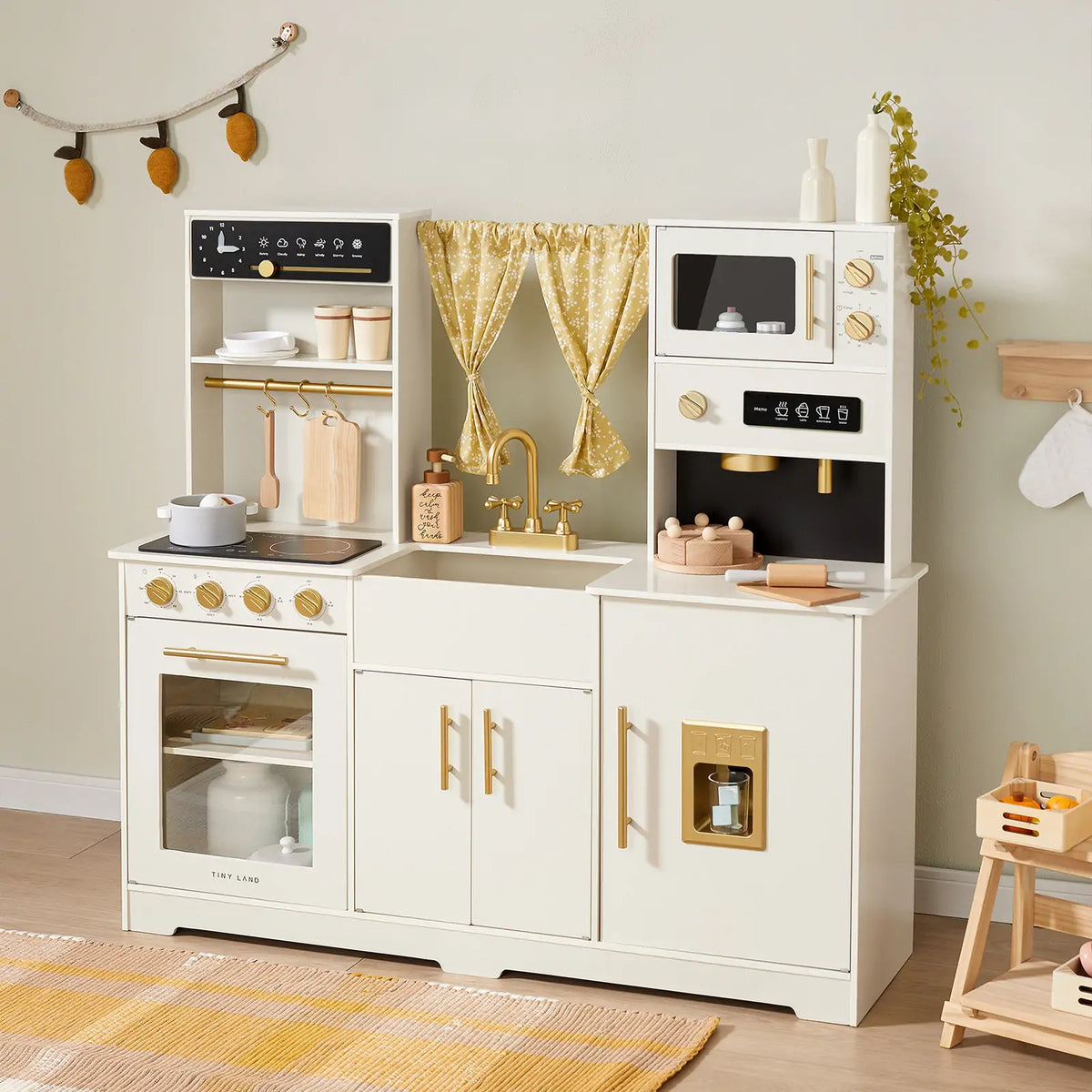
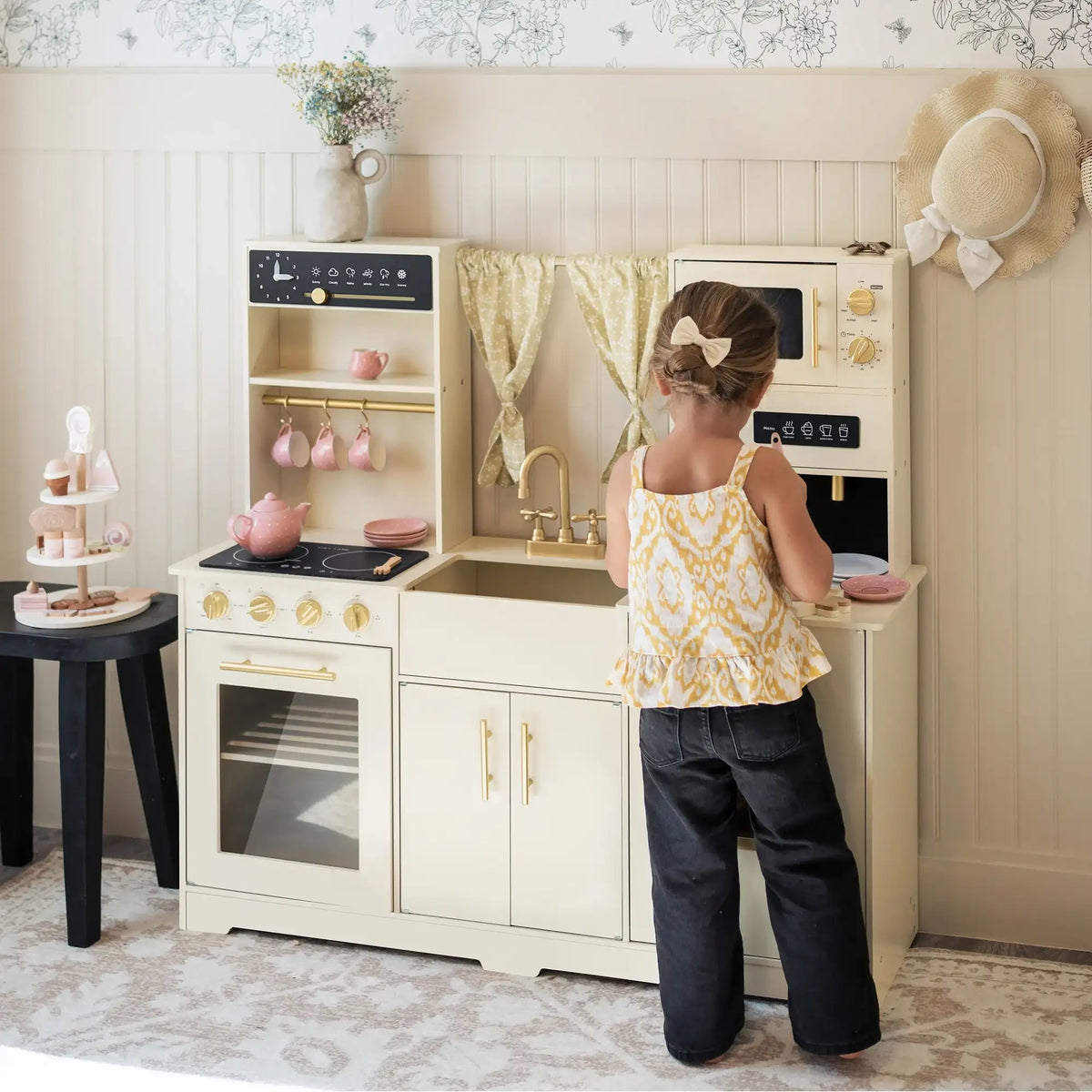
Educational toys support this process by giving young children a safe and interesting way to practice important skills. For example, stacking blocks can support hand eye coordination and spatial awareness. A pretend kitchen can encourage imaginative play, communication, and real-world understanding. A shape sorter can help with logical thinking and fine motor control.
When children play with the right toys, they are not “just having fun.” They are practicing how to think, move, communicate, and create.
That is why educational toys play an important role in a child’s early development.

Educational Toys vs. Traditional Toys
Parents often ask whether educational toys are better than traditional toys. The answer depends on how the toy is designed and how the child uses it.
Many traditional toys focus mainly on entertainment. Some are made for quick excitement, flashing lights, or passive watching. These toys may keep a child busy, but they do not always encourage deep thinking or hands-on learning.
Unlike traditional toys, educational toys are usually designed to promote learning through action. They ask the child to do something: build, sort, match, pretend, create, balance, experiment, or solve problems.
That does not mean traditional toys are bad. Some traditional toys can still support creativity and imagination. A doll, a toy car, or a simple animal figure can become educational when children use them for storytelling, role play, and social development.
The key question is not only “Is this toy educational?” but also: What does this toy help my child practice?
A toy educational in value should support at least one particular skill, such as motor skills, emotional awareness, language, creativity, or problem solving abilities.

How Educational Toys Support a Child’s Development
The best educational toys are designed around a child’s natural curiosity. They do not force learning. They invite it.
Here are the main ways educational toys work:
1. They Build Fine Motor Skills
Fine motor skills involve the small muscles in the hands and fingers. These skills help children hold crayons, use utensils, button clothes, turn pages, and eventually write.
Toys like puzzles, lacing beads, peg boards, stacking cups, blocks, play food, and craft projects are great for fine motor practice. Through hands-on play, children develop control, patience, and coordination.
This type of physical interaction is especially important for young learners because they understand the world through touch and movement.
2. They Encourage Problem Solving
Good educational toys often include a small challenge. A block tower falls down. A puzzle piece does not fit. A marble needs a different path. A pattern needs to be completed.
These moments help children solve problems, test ideas, and build confidence.
Over time, this supports logical thinking, cognitive growth, and problem solving abilities. Children begin to understand cause and effect: “If I try it this way, what happens?”
This is one of the strongest reasons educational toys matter. They help children develop skills that go far beyond playtime.
3. They Support Creativity and Imagination
Not every educational toy needs to have one correct answer. In fact, open-ended toys are often some of the best educational toys because they allow children to create their own meaning.
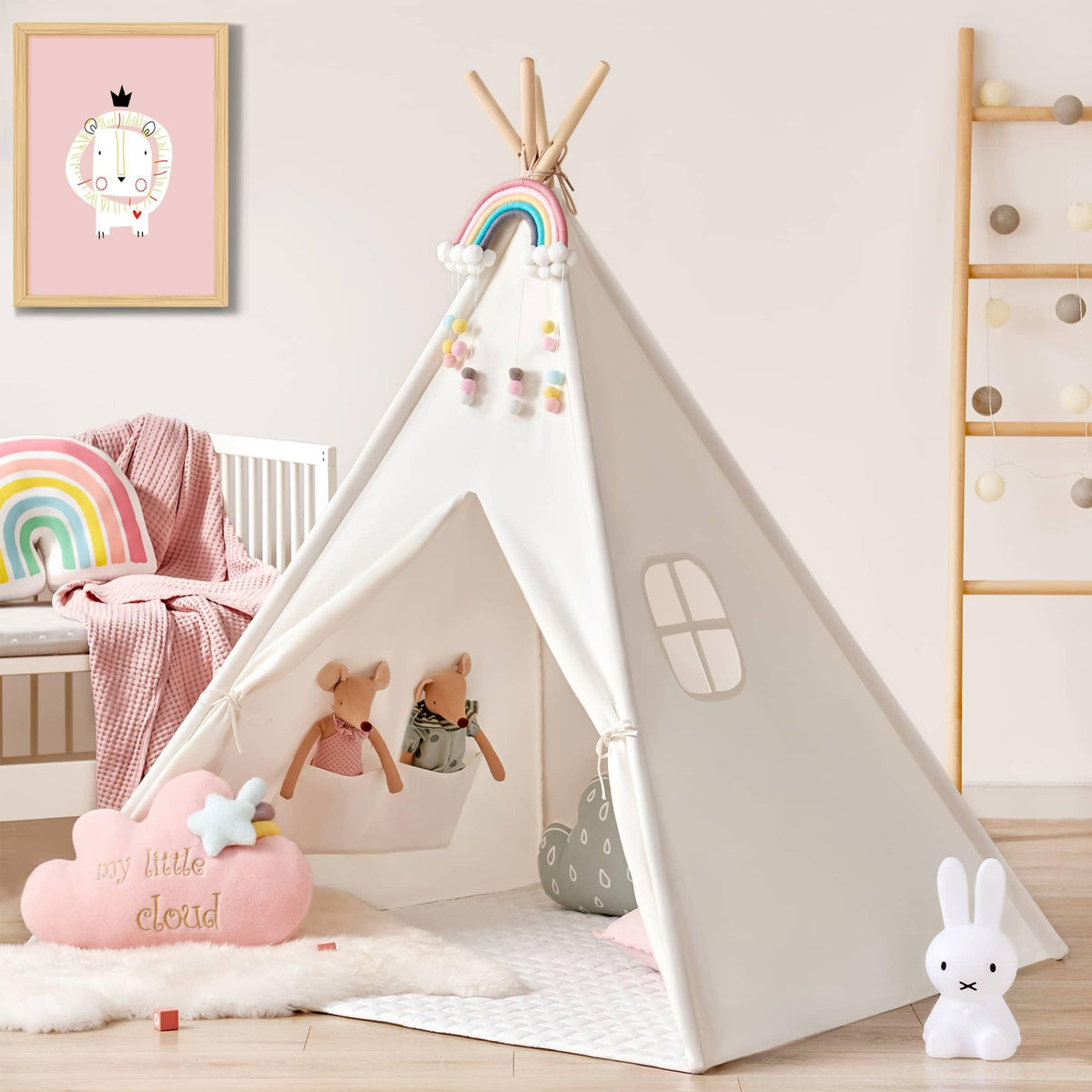
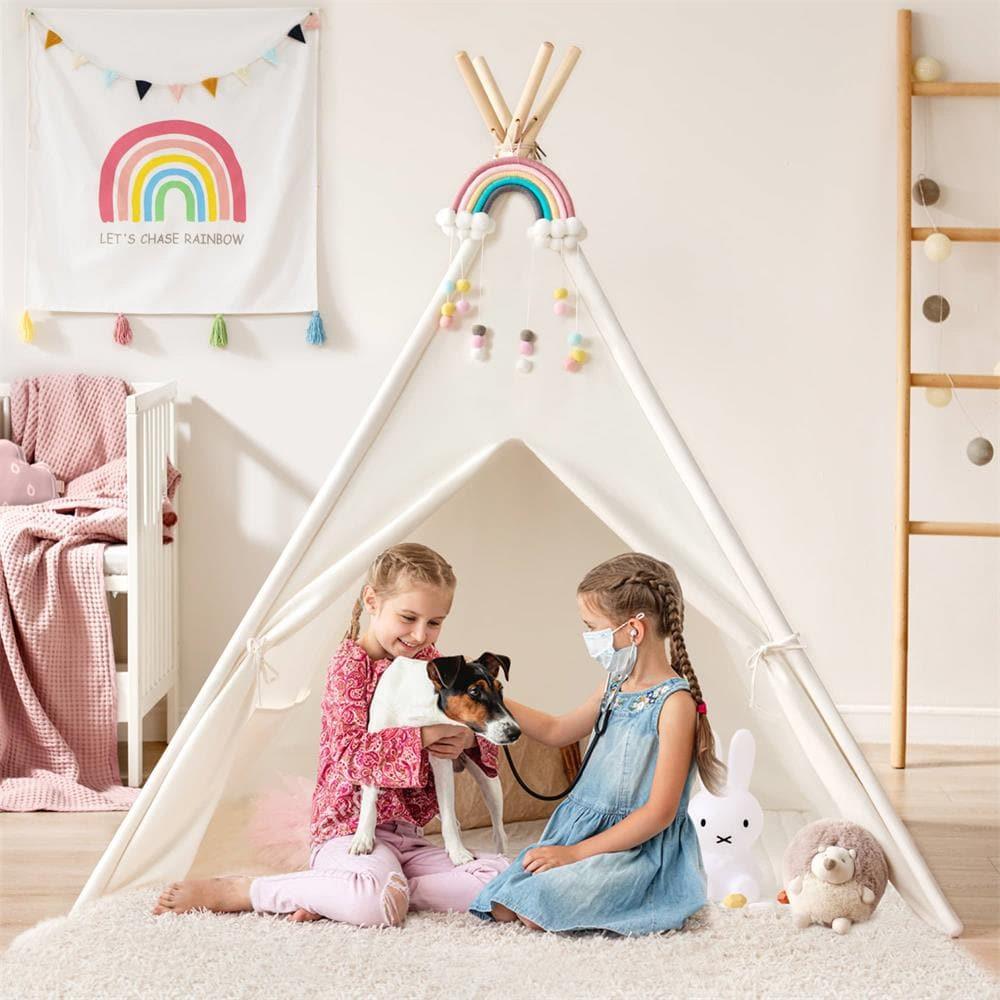
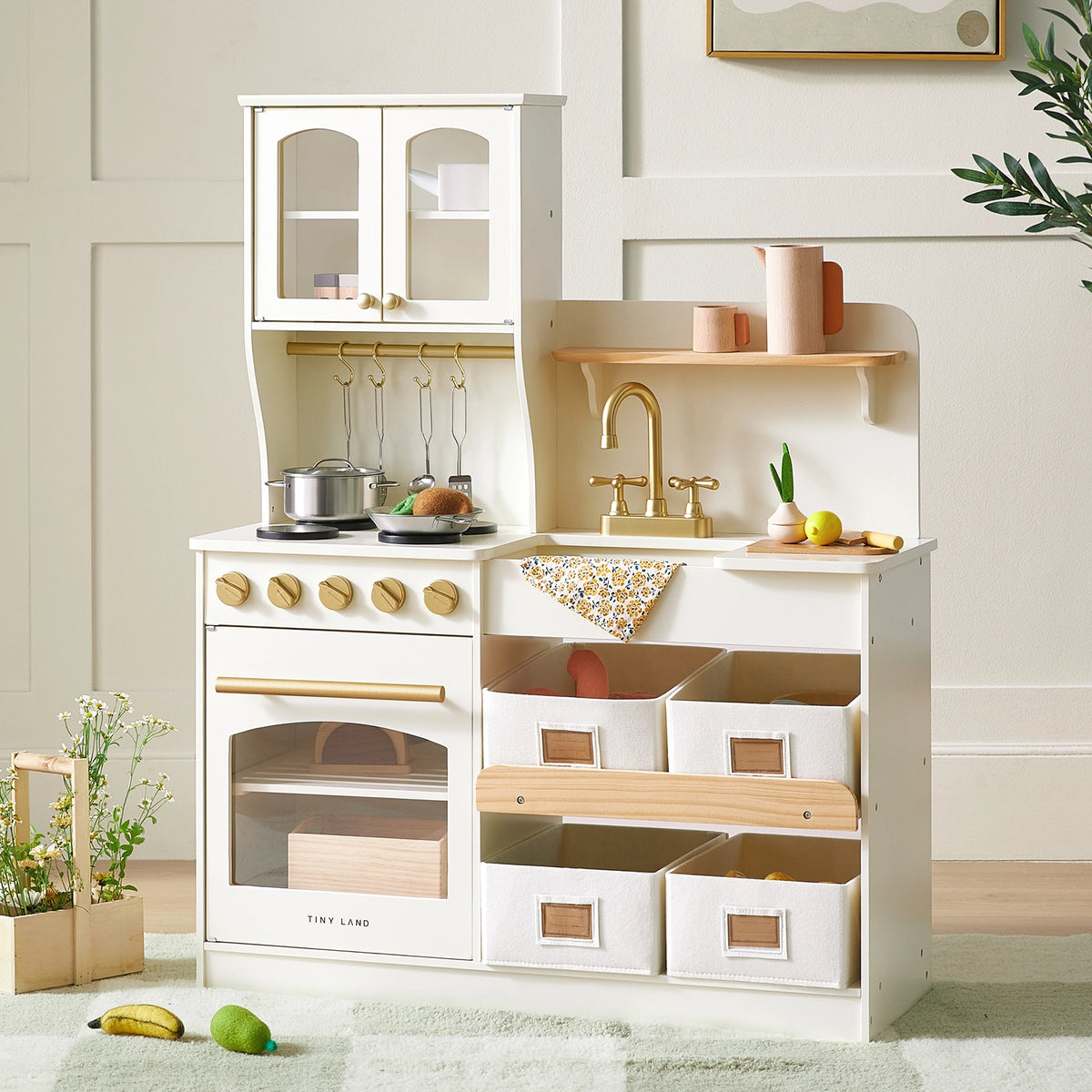
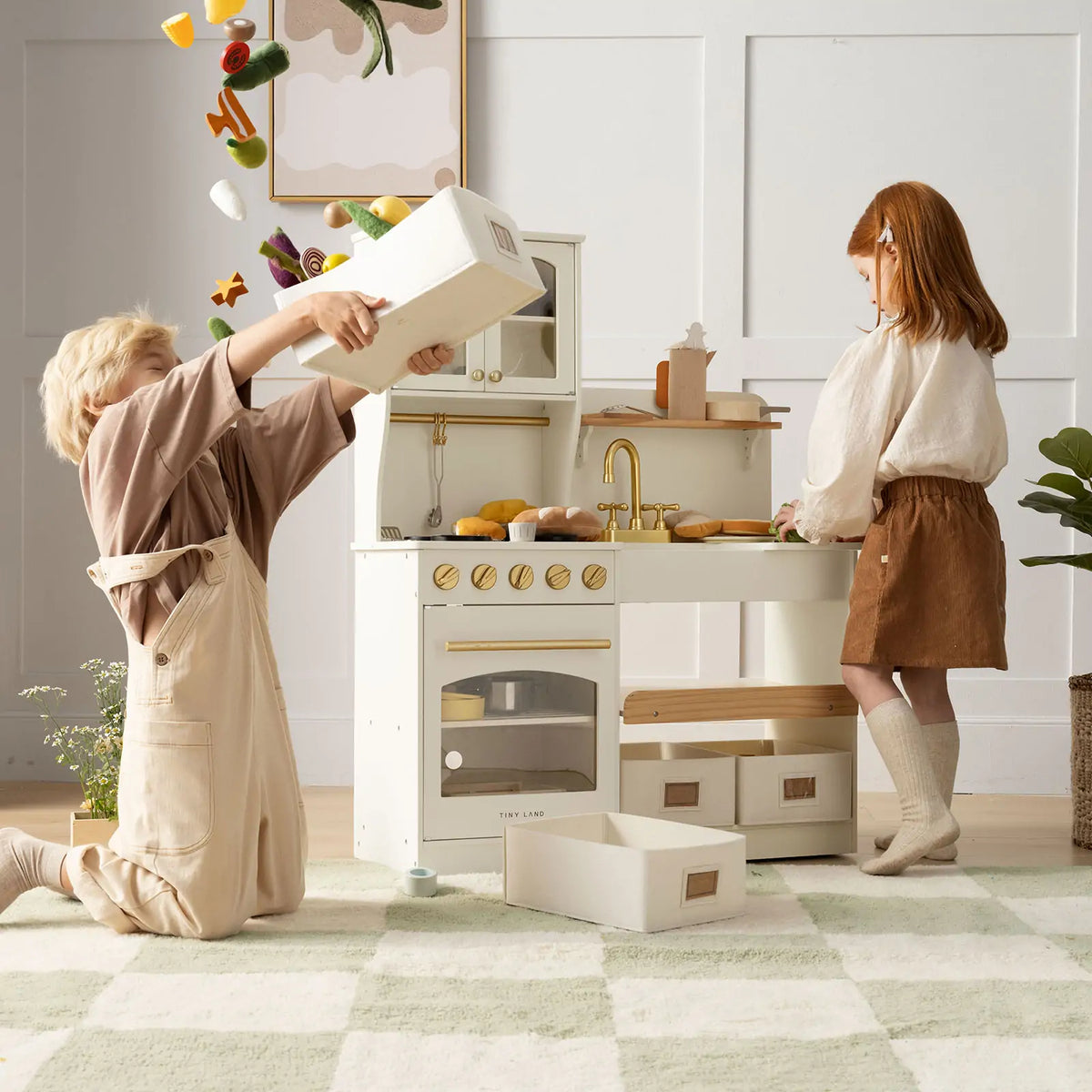
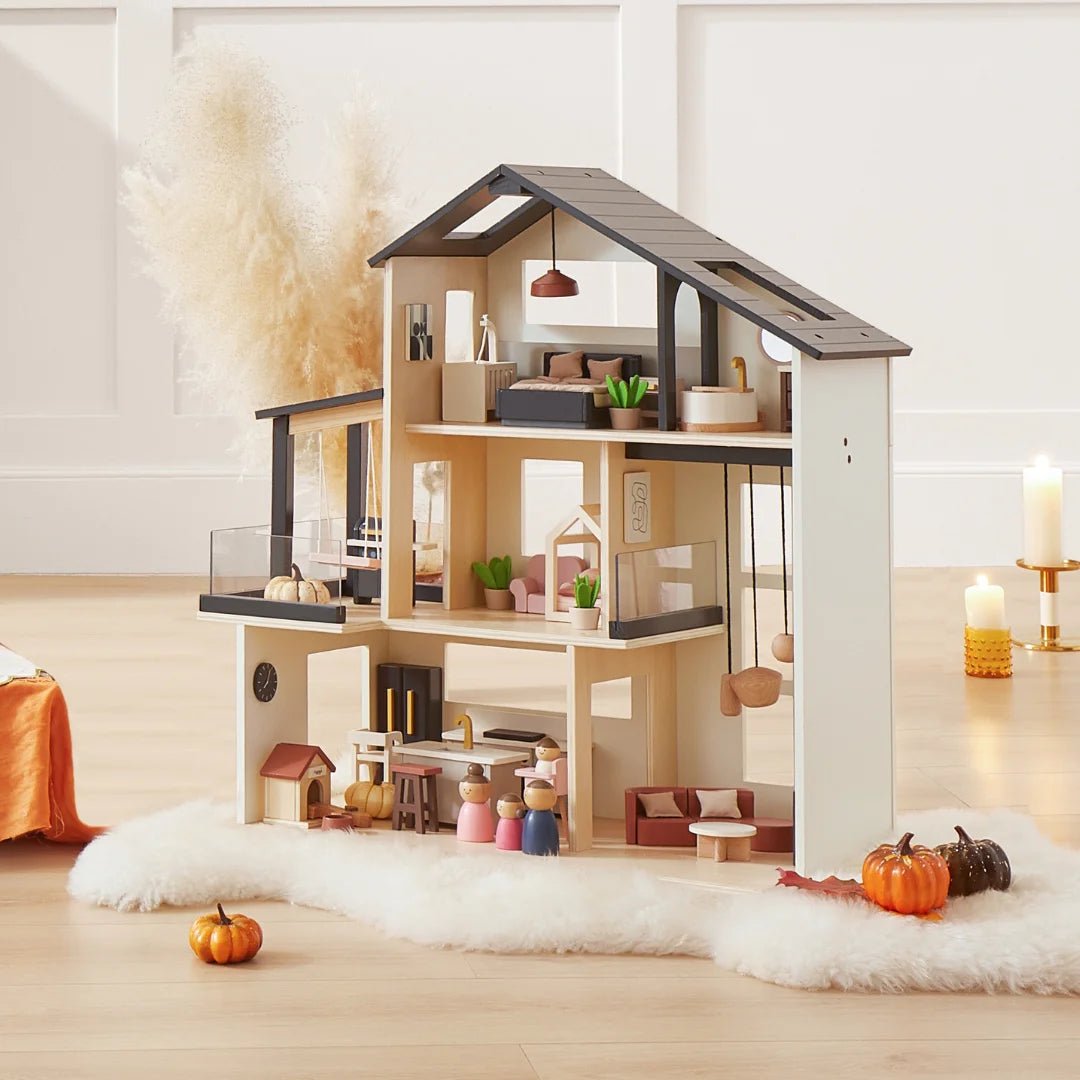
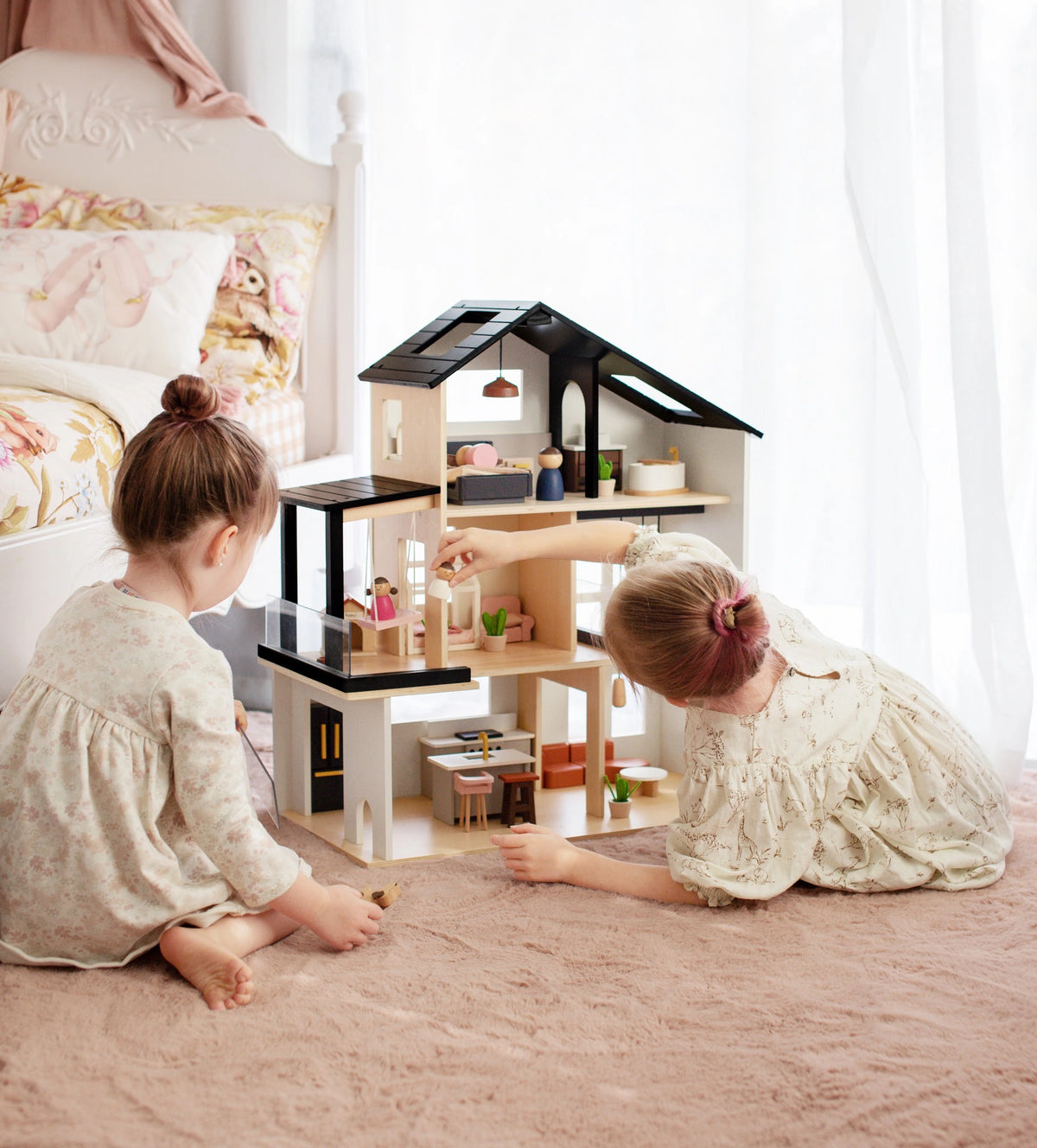
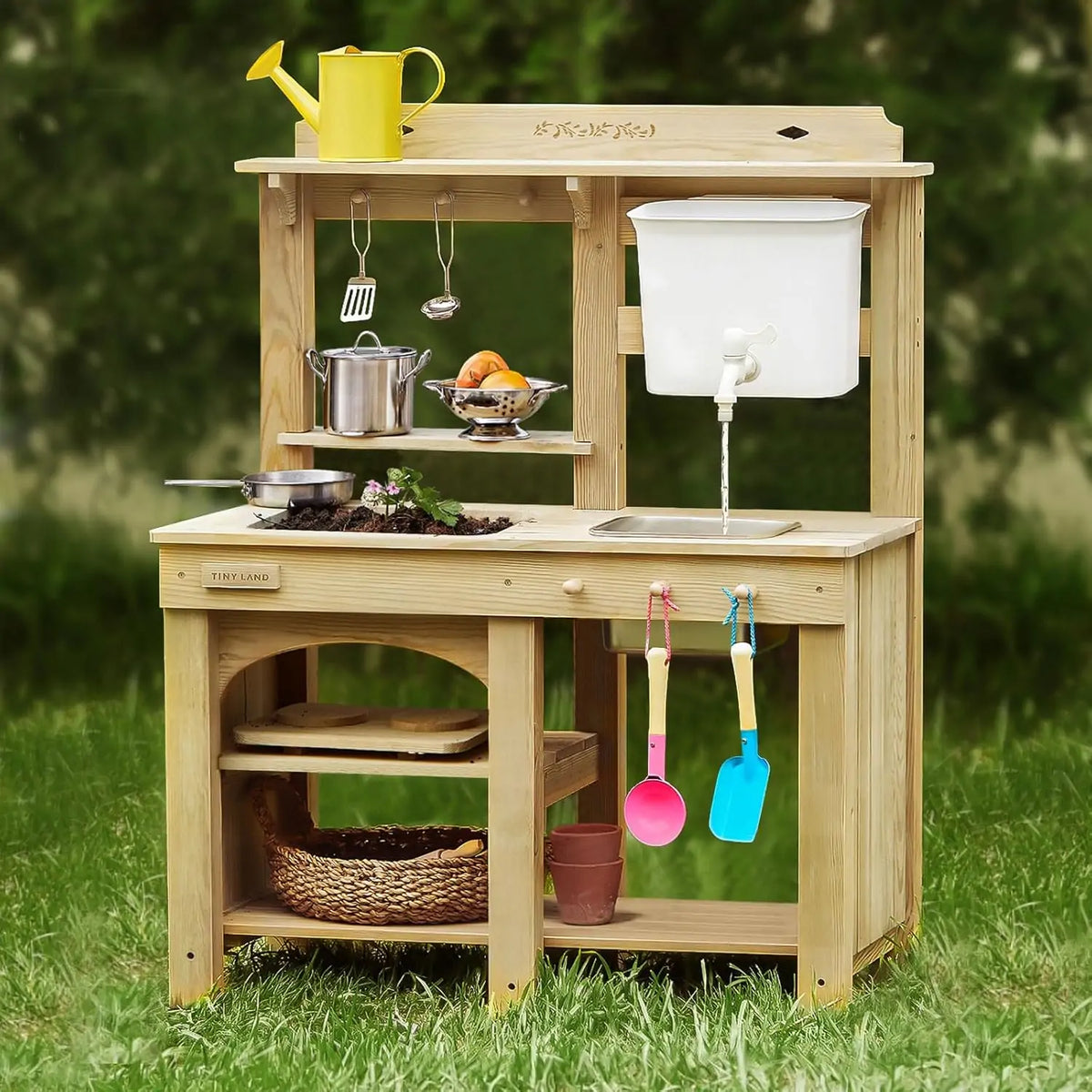
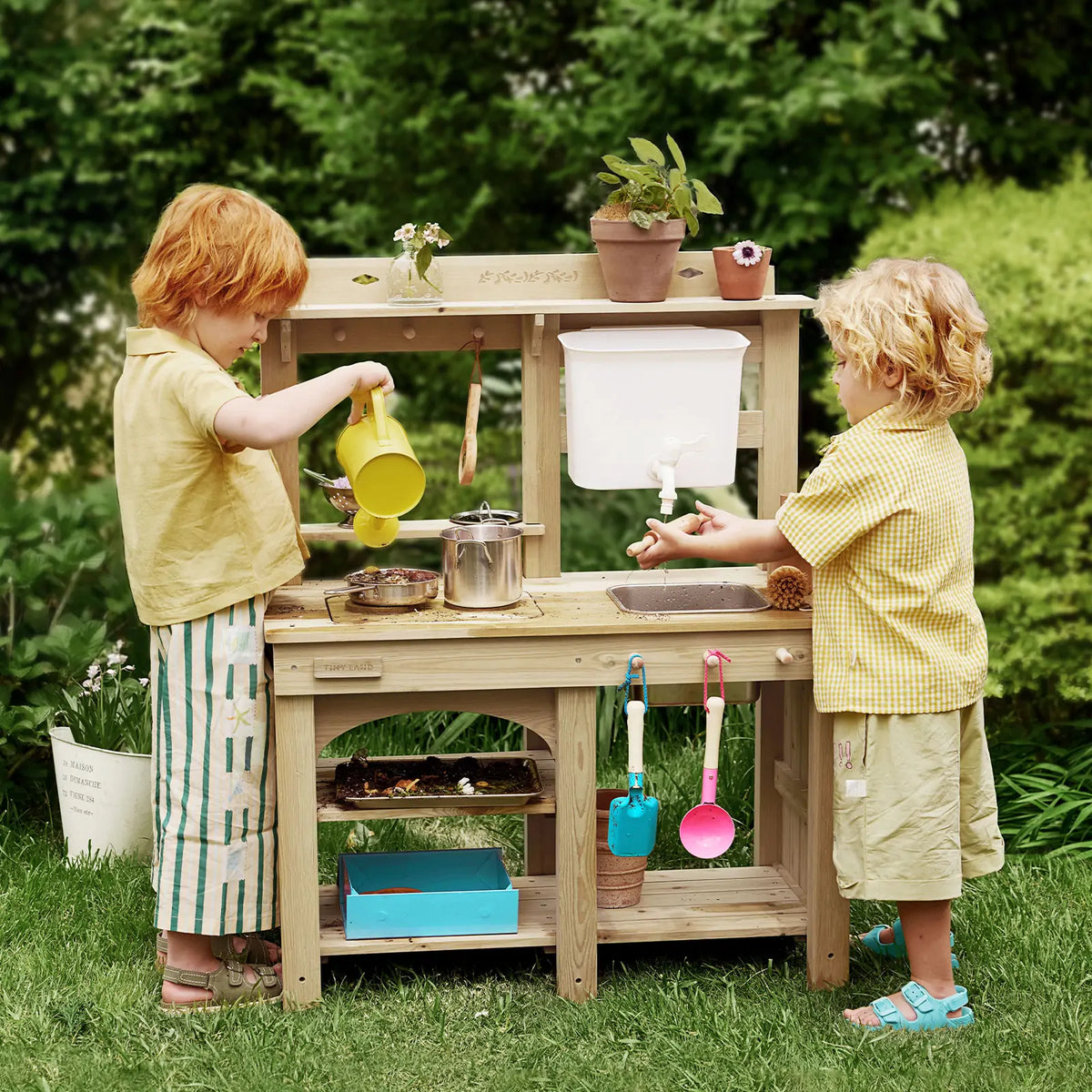
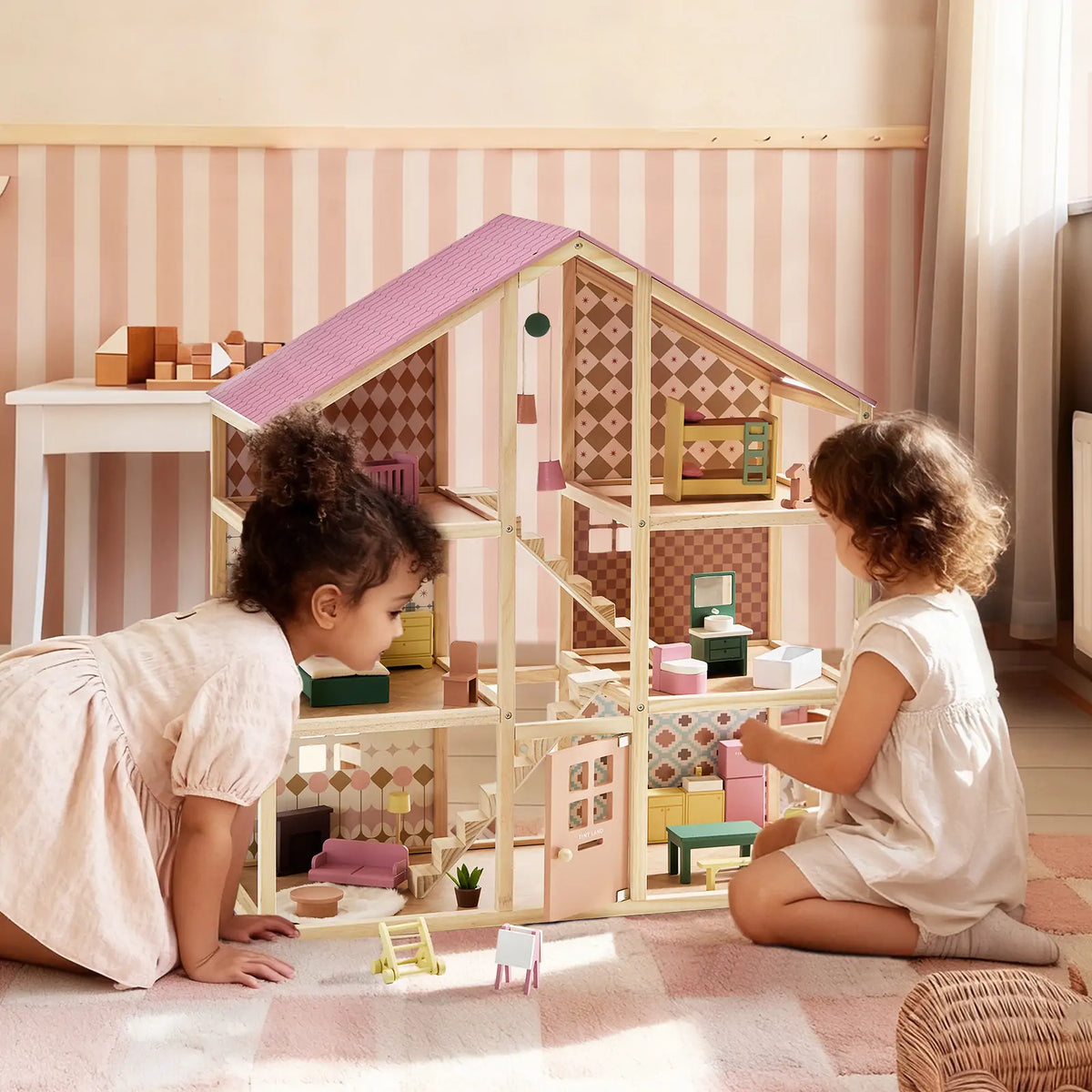
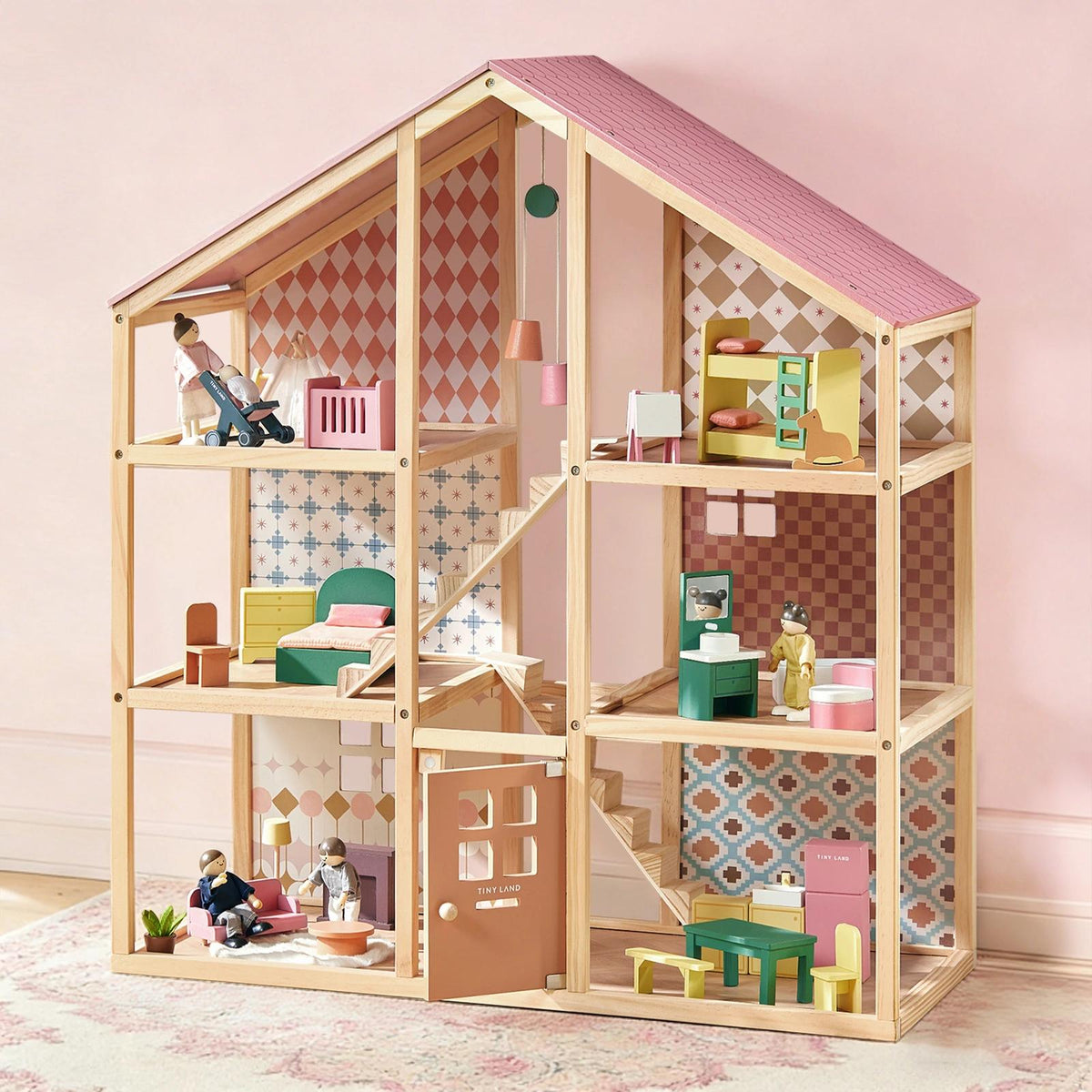
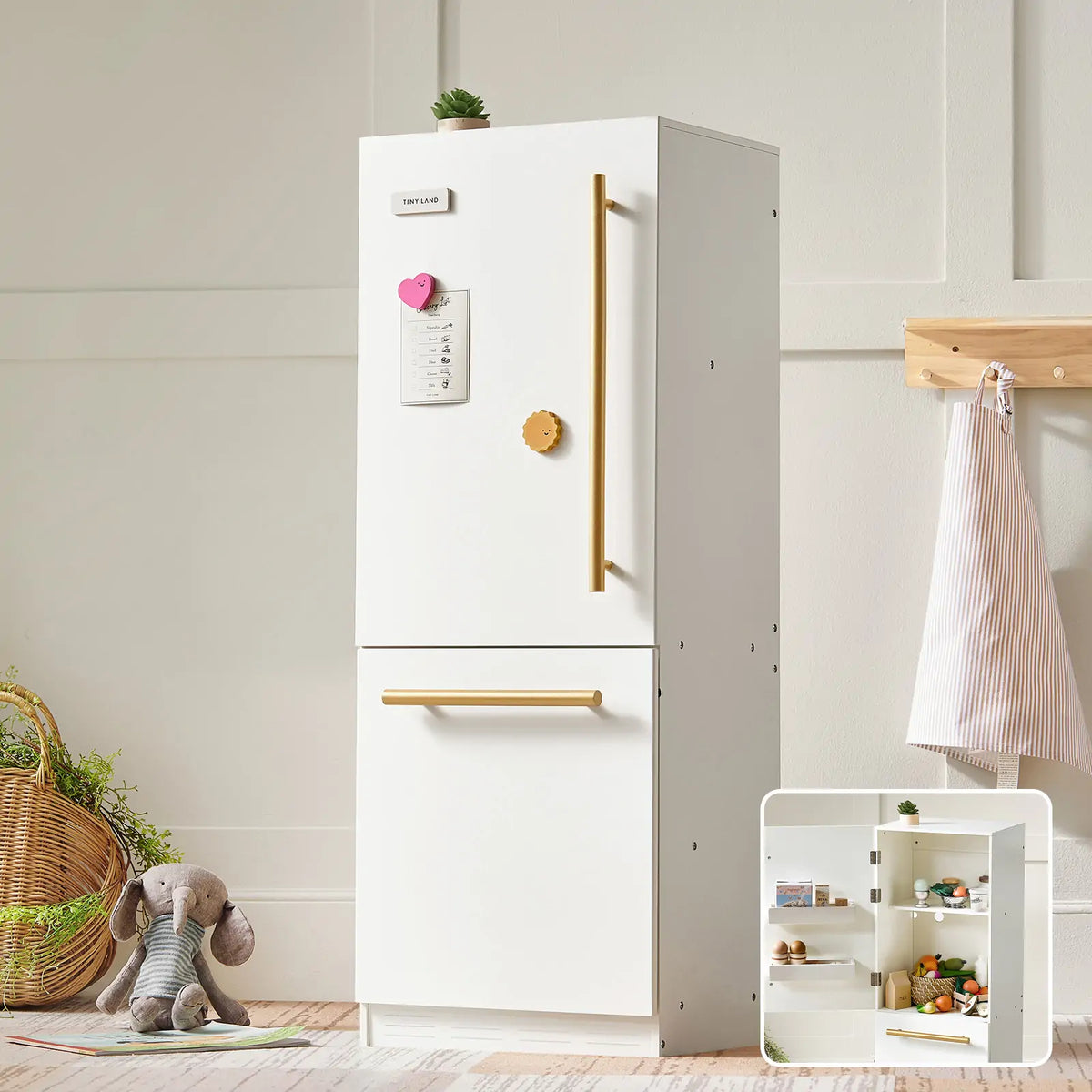
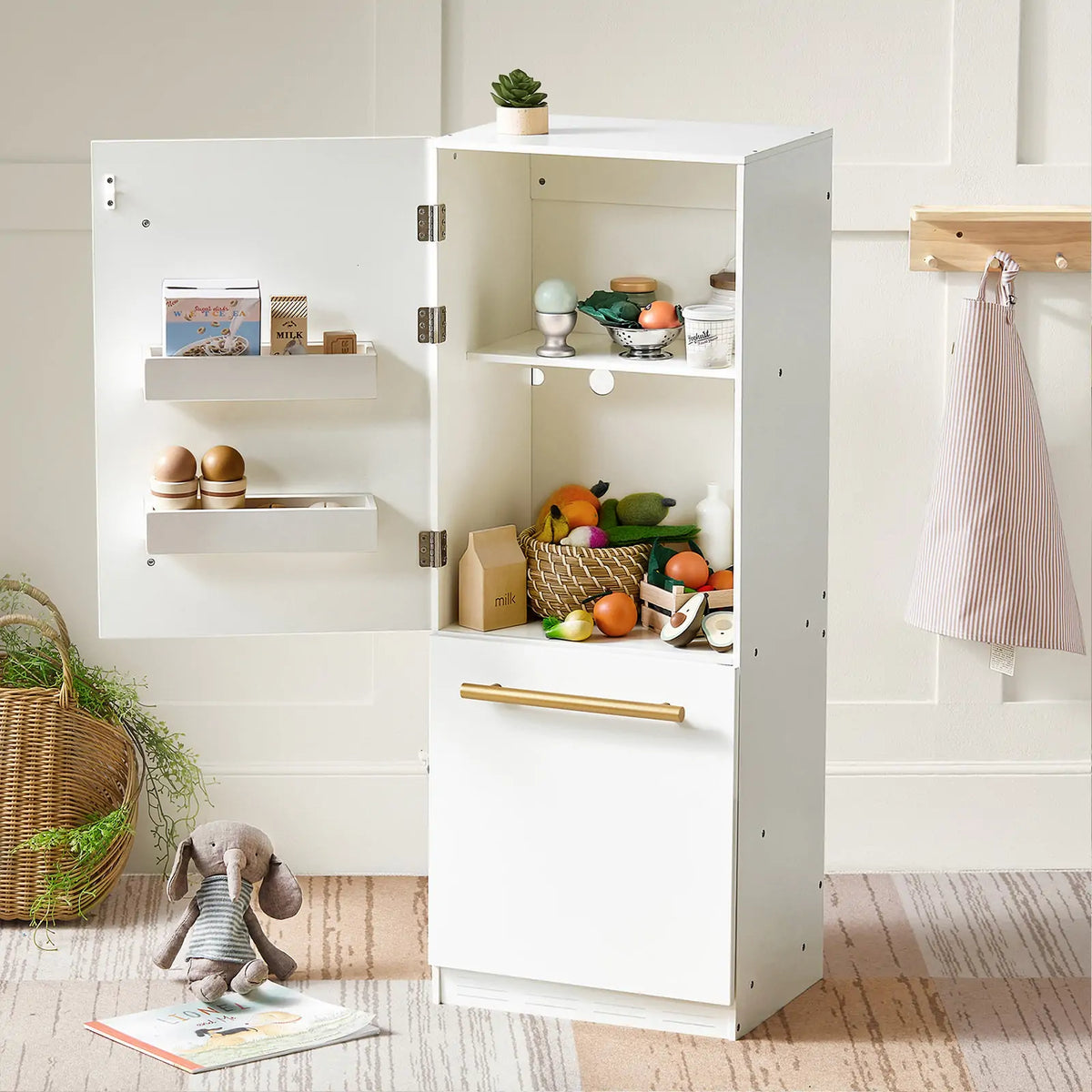
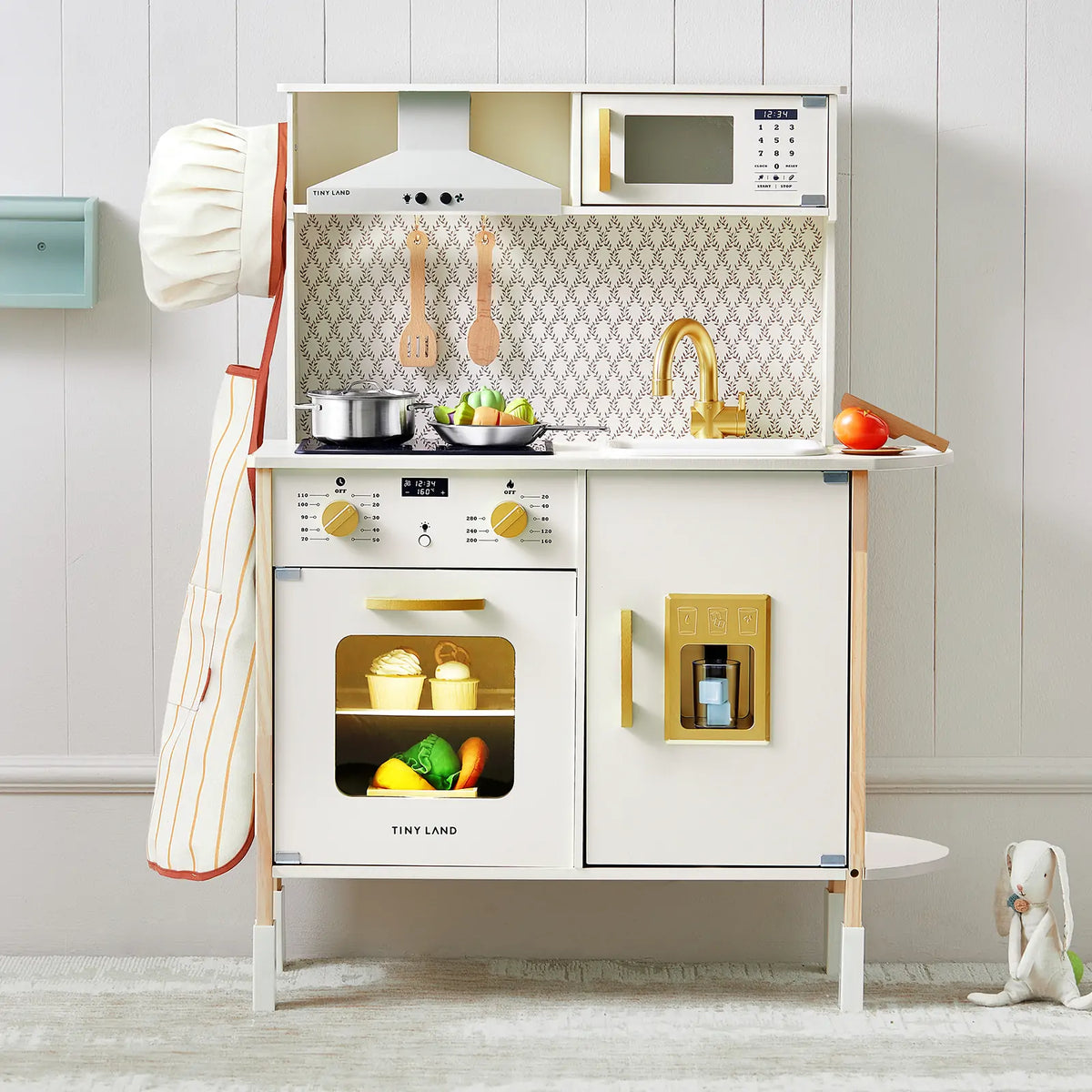
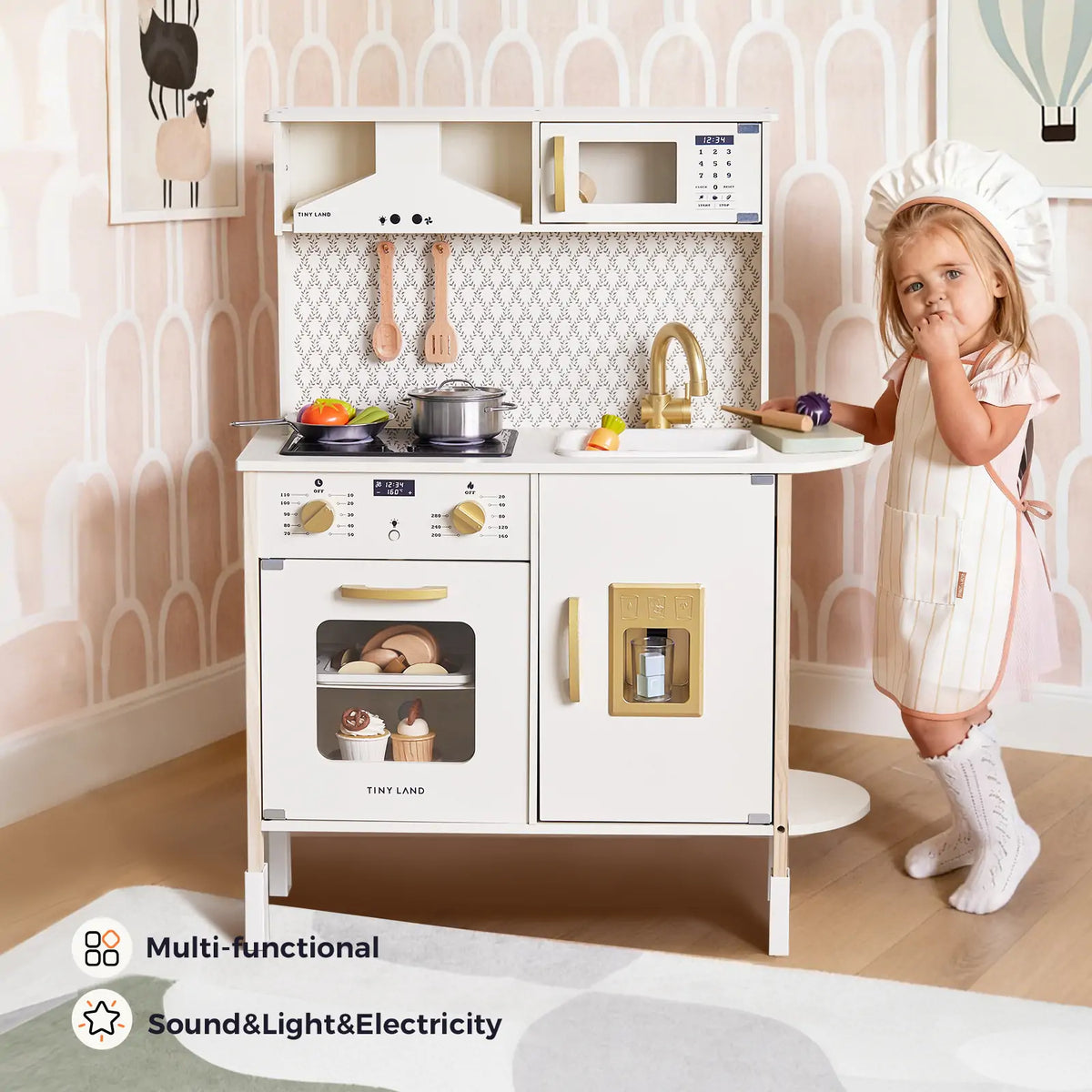
Pretend play kitchens, dollhouses, animal figures, dress-up pieces, blocks, art supplies, and play tents can all spark creativity. They give children space for storytelling, social roles, emotional expression, and flexible thinking.
Through imaginative play, children practice real-world situations. They may pretend to cook dinner, care for a baby, visit a store, build a city, or go on an adventure.
This kind of play supports creativity and imagination, communication, and emotional awareness.
4. They Promote Cognitive Development
Cognitive development includes thinking, memory, attention, reasoning, and understanding. Educational toys can stimulate learning by encouraging children to compare, sort, count, match, remember, and make decisions.
Memory games, sorting toys, matching cards, puzzles, STEM toys, and simple board games can help children build essential skills in a playful way.
The goal is not to rush academics. The goal is to give the child’s mind rich opportunities to explore and connect ideas.
5. They Make STEM Learning Feel Natural
STEM learning does not need to start with advanced science or math. For young children, STEM can begin with simple questions:
Why did the tower fall?
Which object is heavier?
How can I make this bridge stronger?
What happens if I mix these colors?
STEM toys, science kits, building sets, magnetic tiles, water play tools, and simple construction toys can help children explore science, technology, engineering, and math in an age-appropriate way.
The best STEM toys combine fun with discovery. They encourage hands-on learning, active participation, and curiosity.

6. They Support Sensory Play and Active Play
Children learn with their whole bodies. That is why sensory play and active play are so important in early childhood.
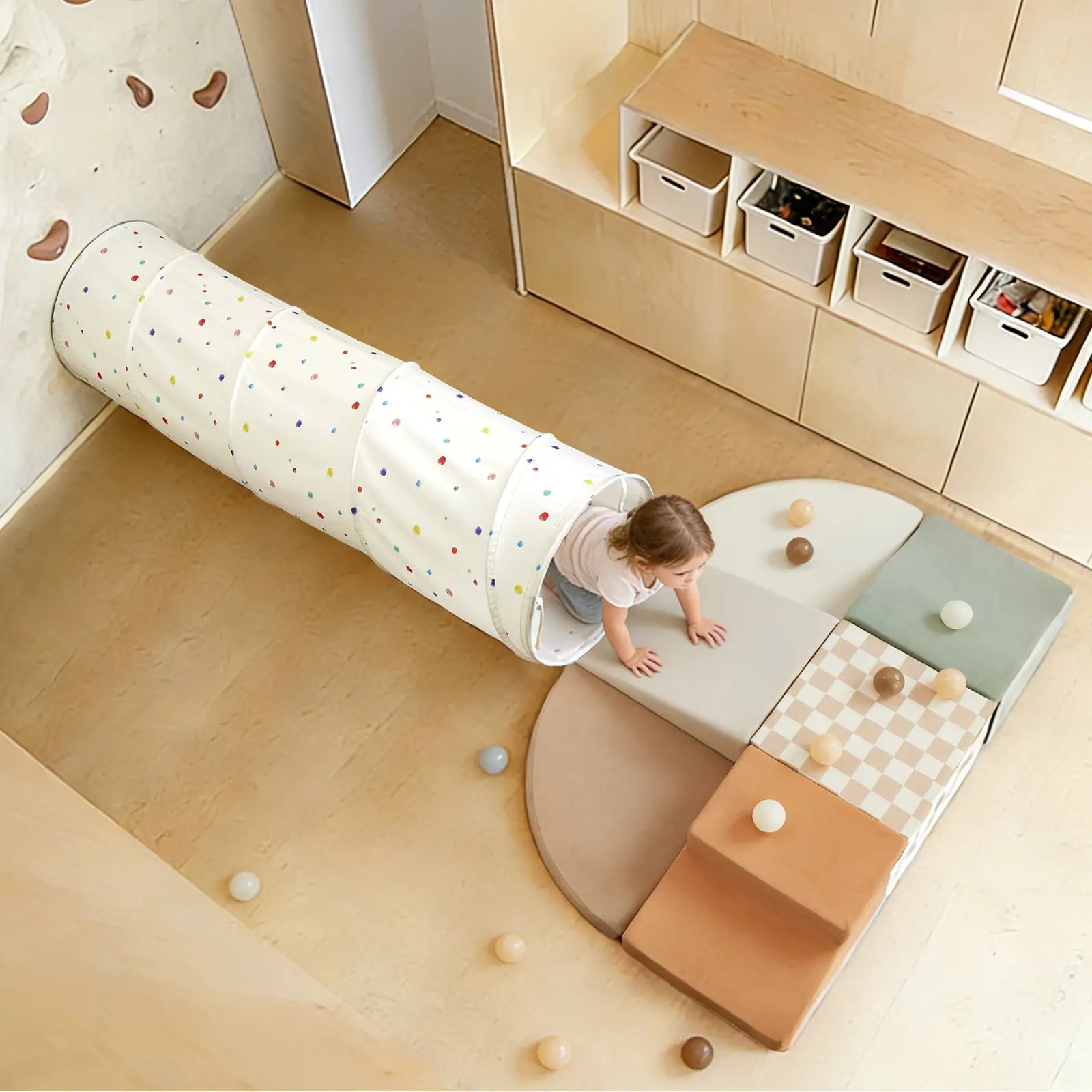
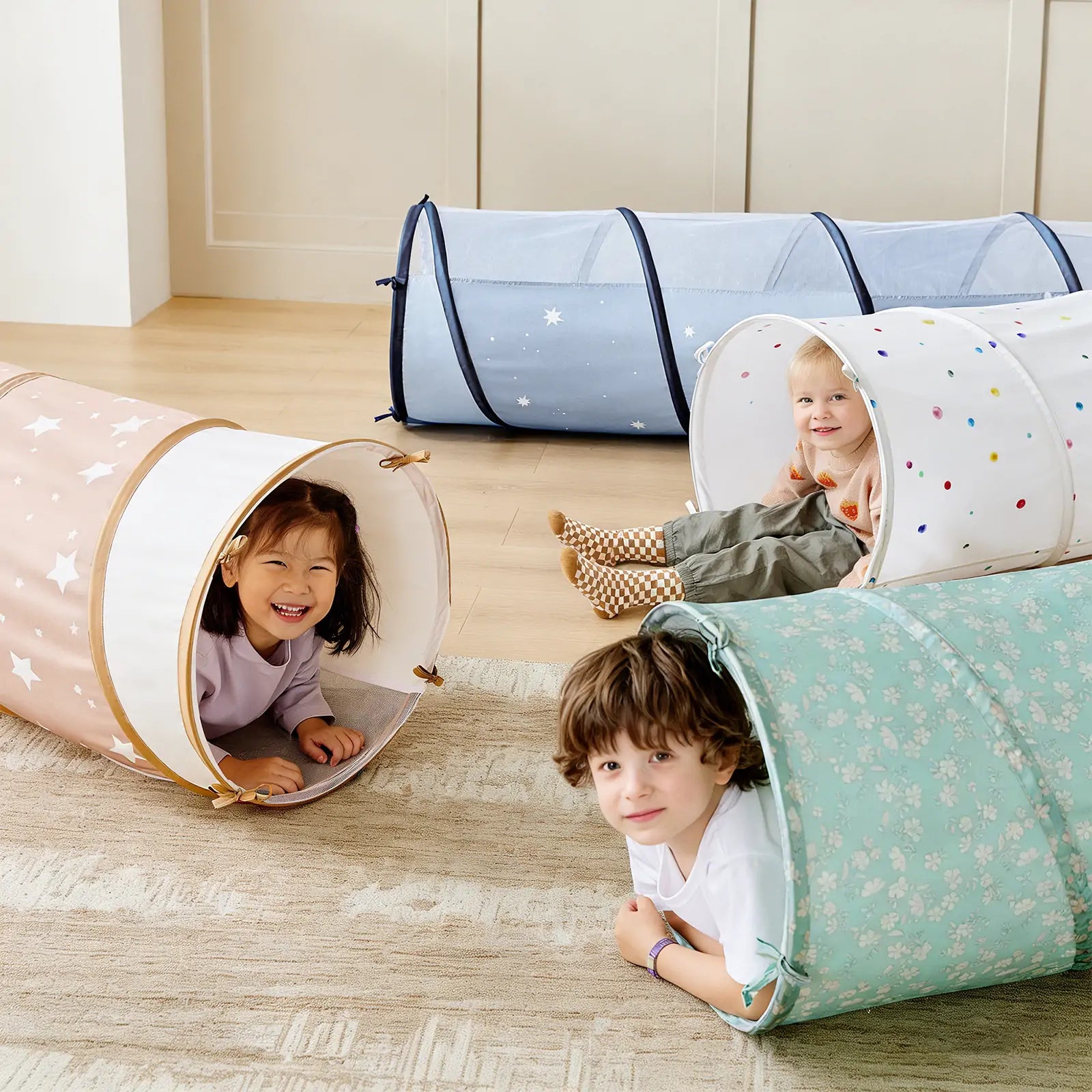
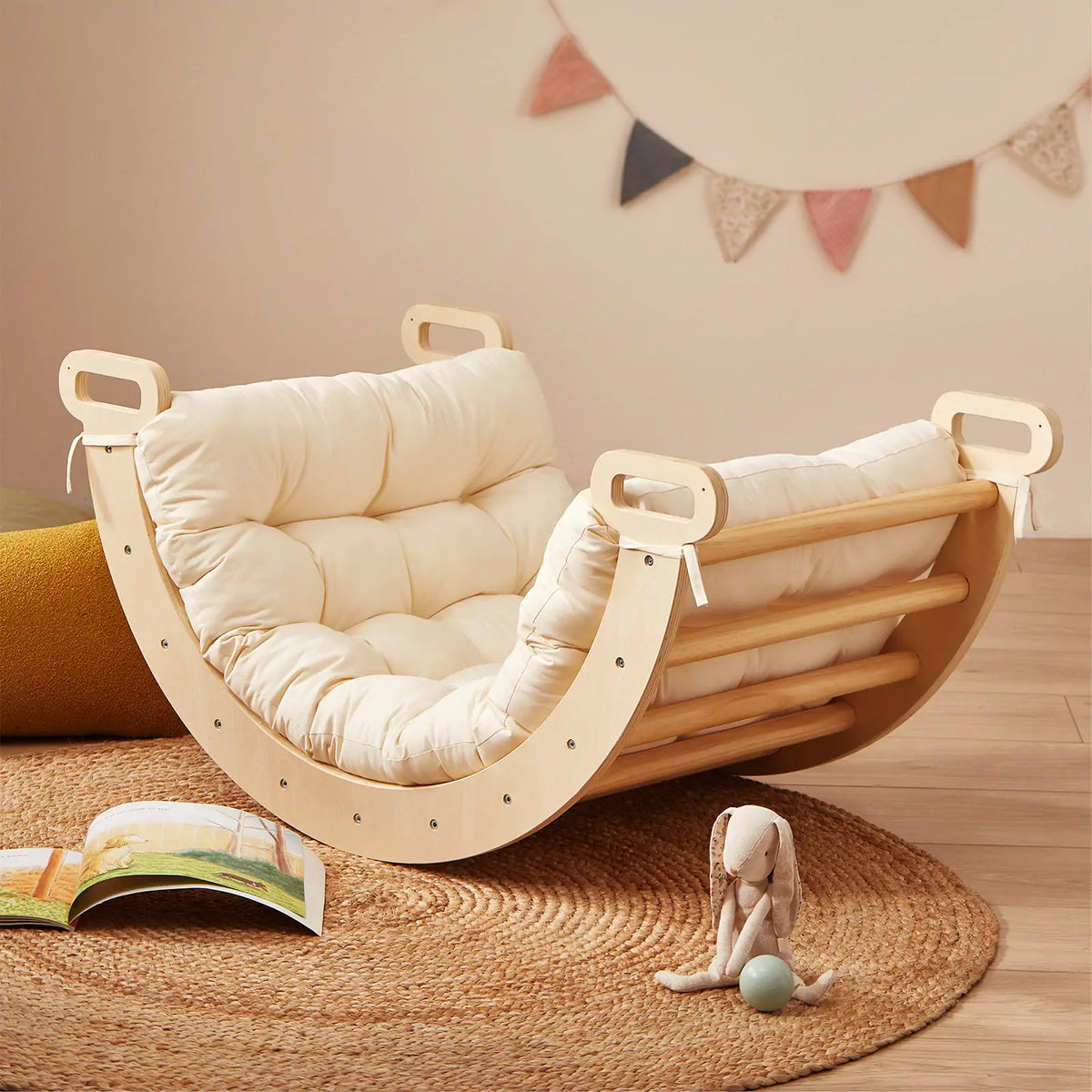
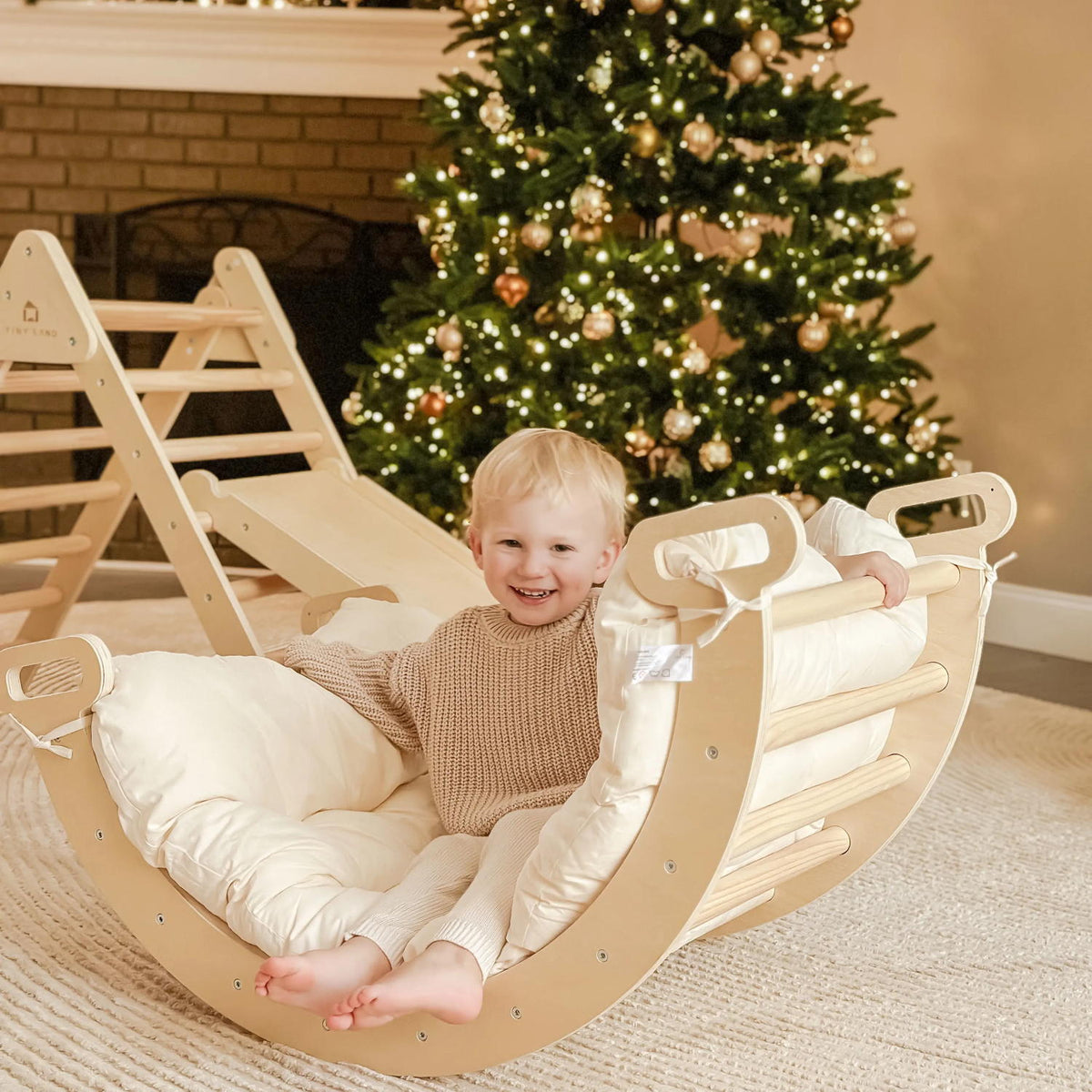
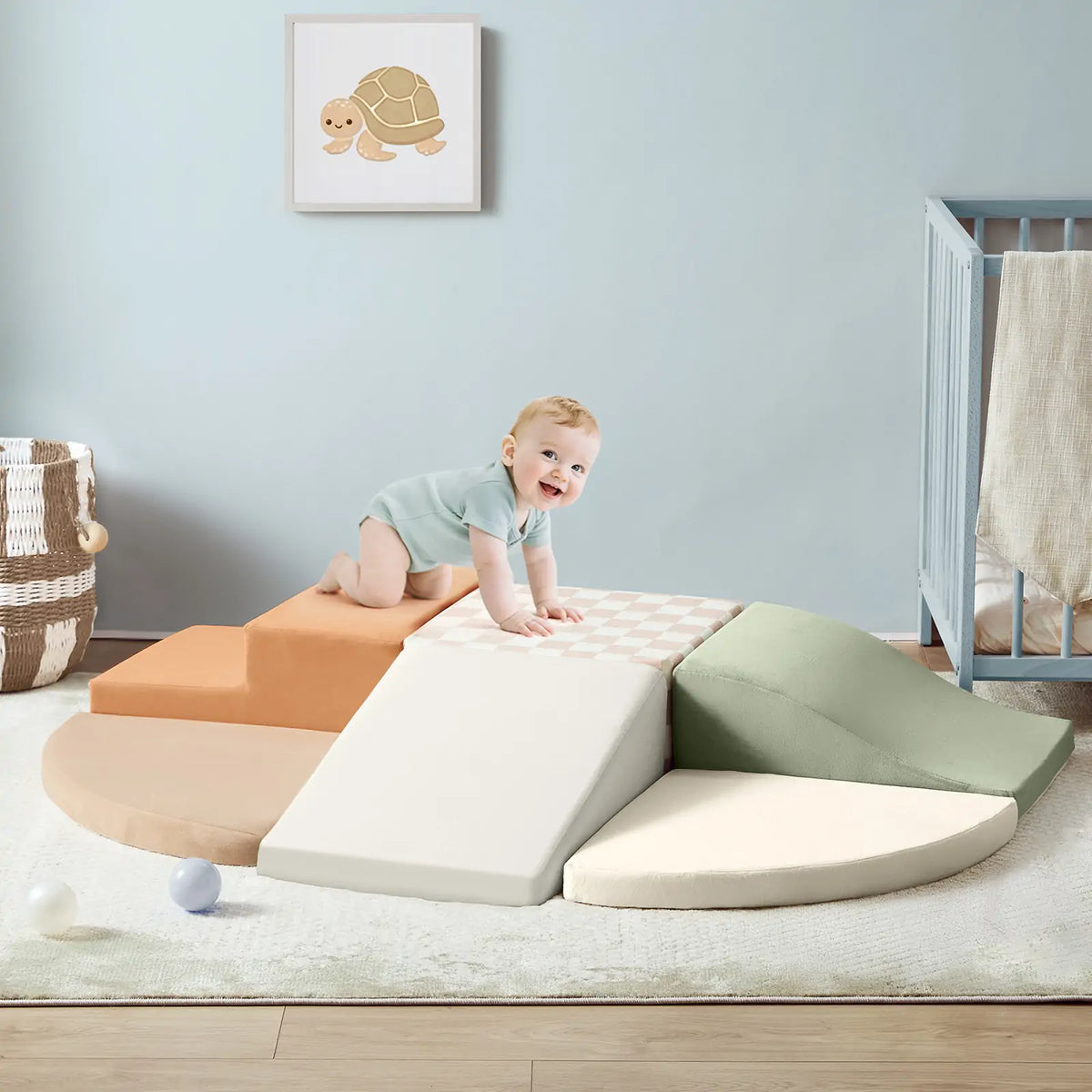
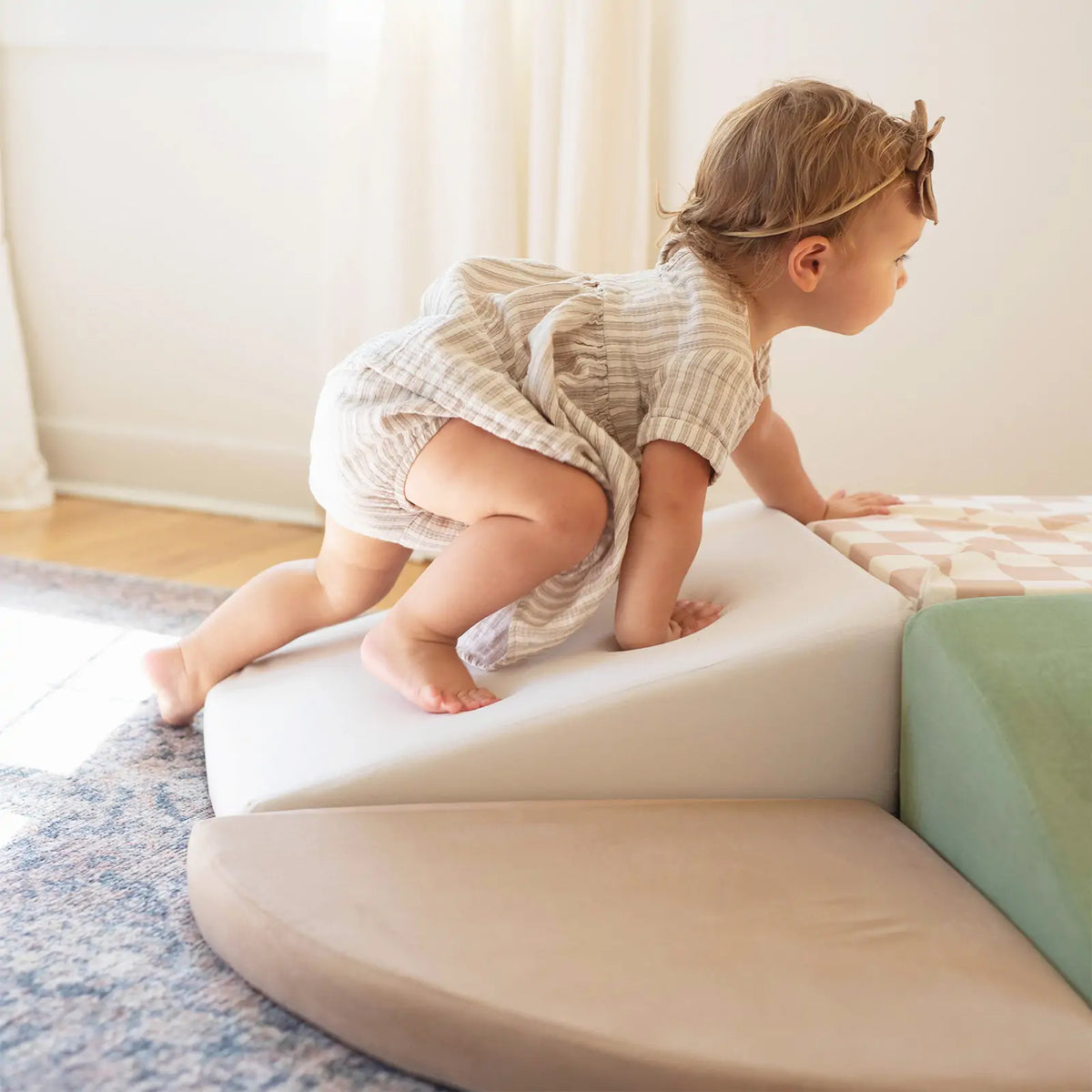
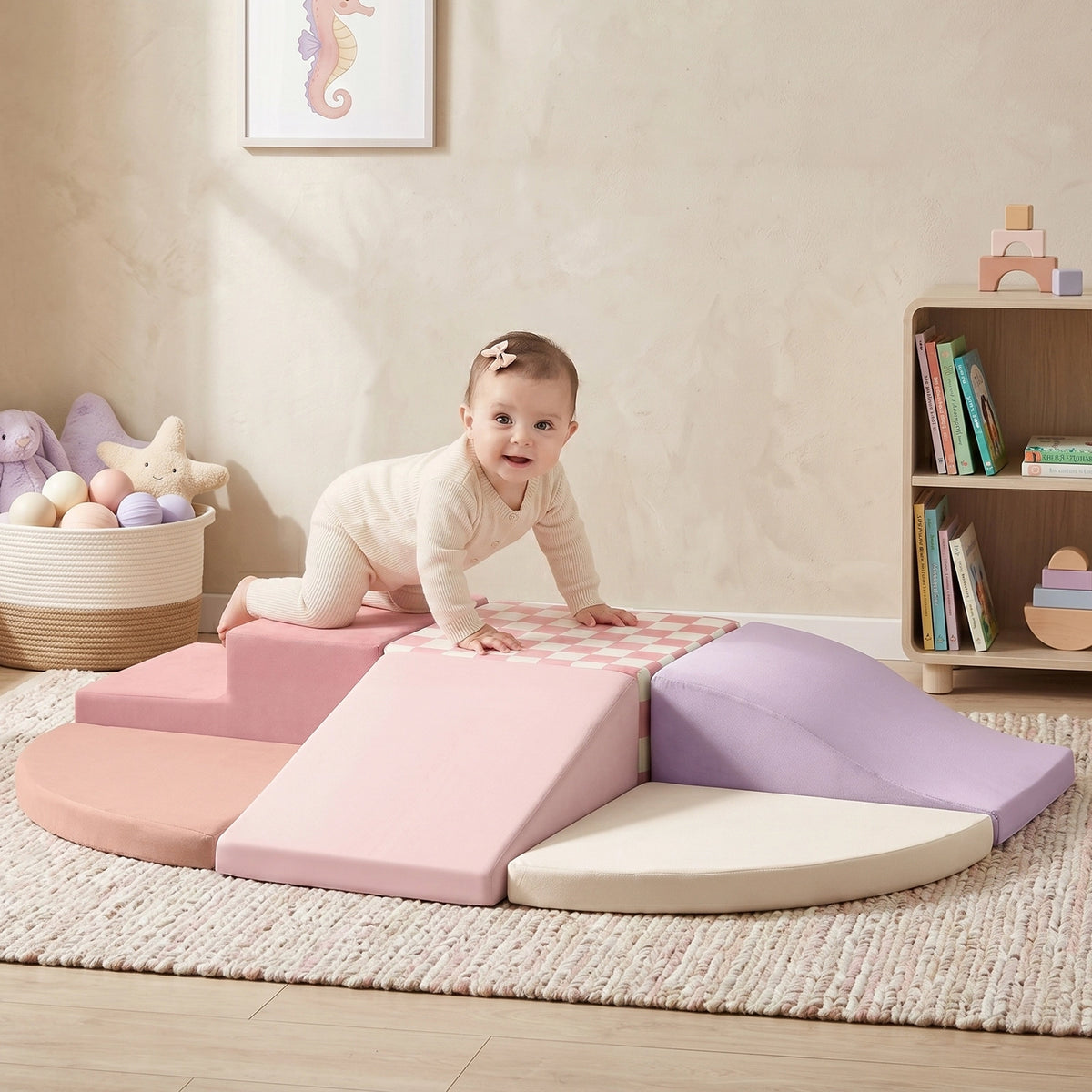
Sensory toys help children explore texture, sound, color, weight, and movement. Active toys, such as climbing sets, balance toys, play tunnels, and outdoor play materials, support gross motor skills and body awareness.
These experiences help children develop confidence, coordination, and self-regulation.
For young children, movement is not separate from learning. Movement is part of learning.
What Makes a Toy Educational?
A toy becomes educational when it helps a child practice a meaningful skill while staying engaging and age-appropriate.
Before choosing educational toys, parents can ask:
Does this toy encourage hands-on play?
Does it support my child’s developmental stage?
Does it allow creativity or problem solving?
Can my child use it in more than one way?
Does it match my child’s age and current interests?
Does it encourage active participation instead of passive watching?
The right toys do not need to do everything. A single toy may focus on one particular skill, such as hand eye coordination, emotional awareness, memory, or fine motor skills.
For example:
|
Toy Type |
Skills It May Support |
|---|---|
|
Building blocks |
Problem solving, motor skills, creativity |
|
Craft kits |
Fine motor skills, creativity, patience |
|
Memory games |
Focus, memory, matching, cognitive growth |
|
Pretend play sets |
Language, social skills, real world understanding |
|
STEM toys |
Logical thinking, experimentation, problem solving |
|
Art supplies |
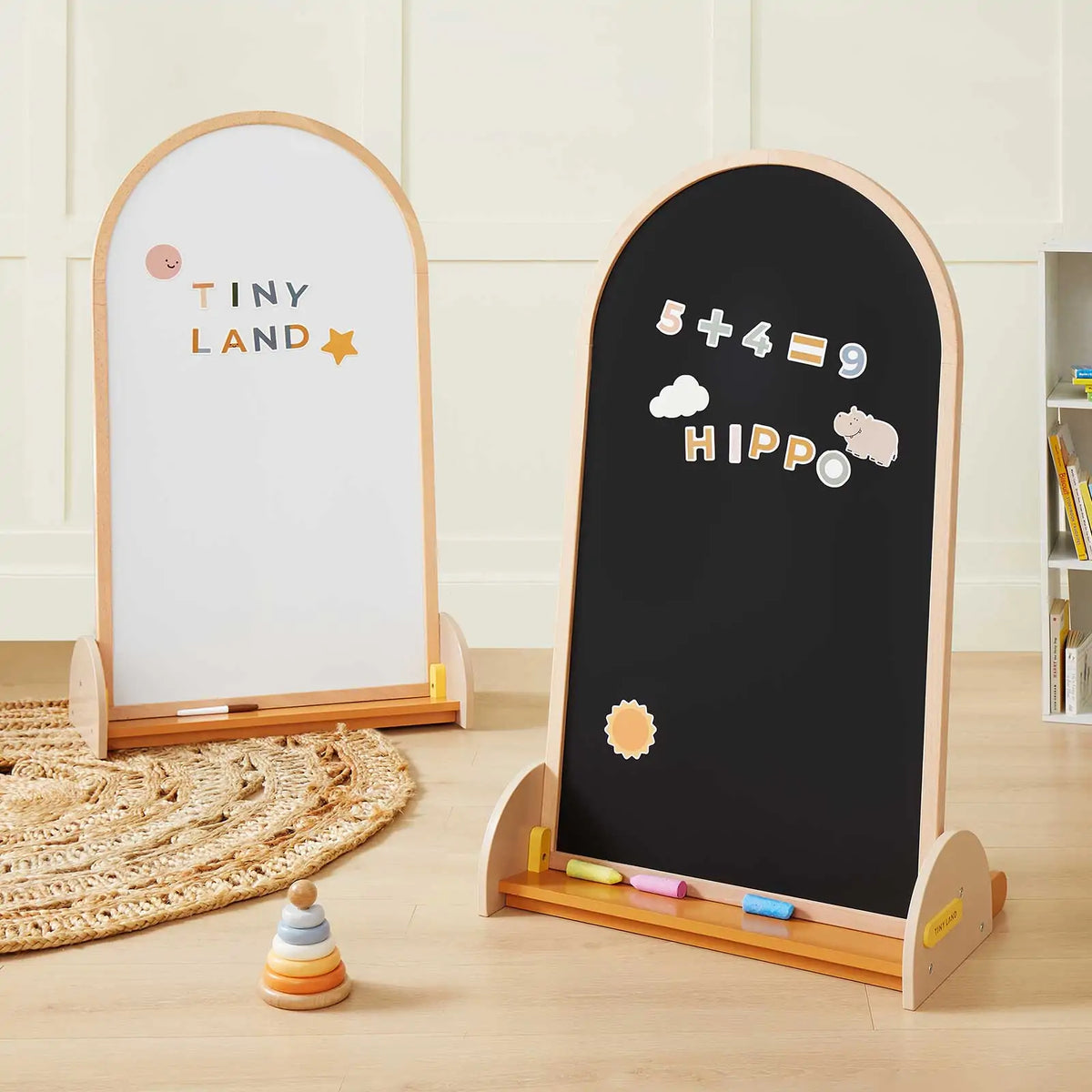
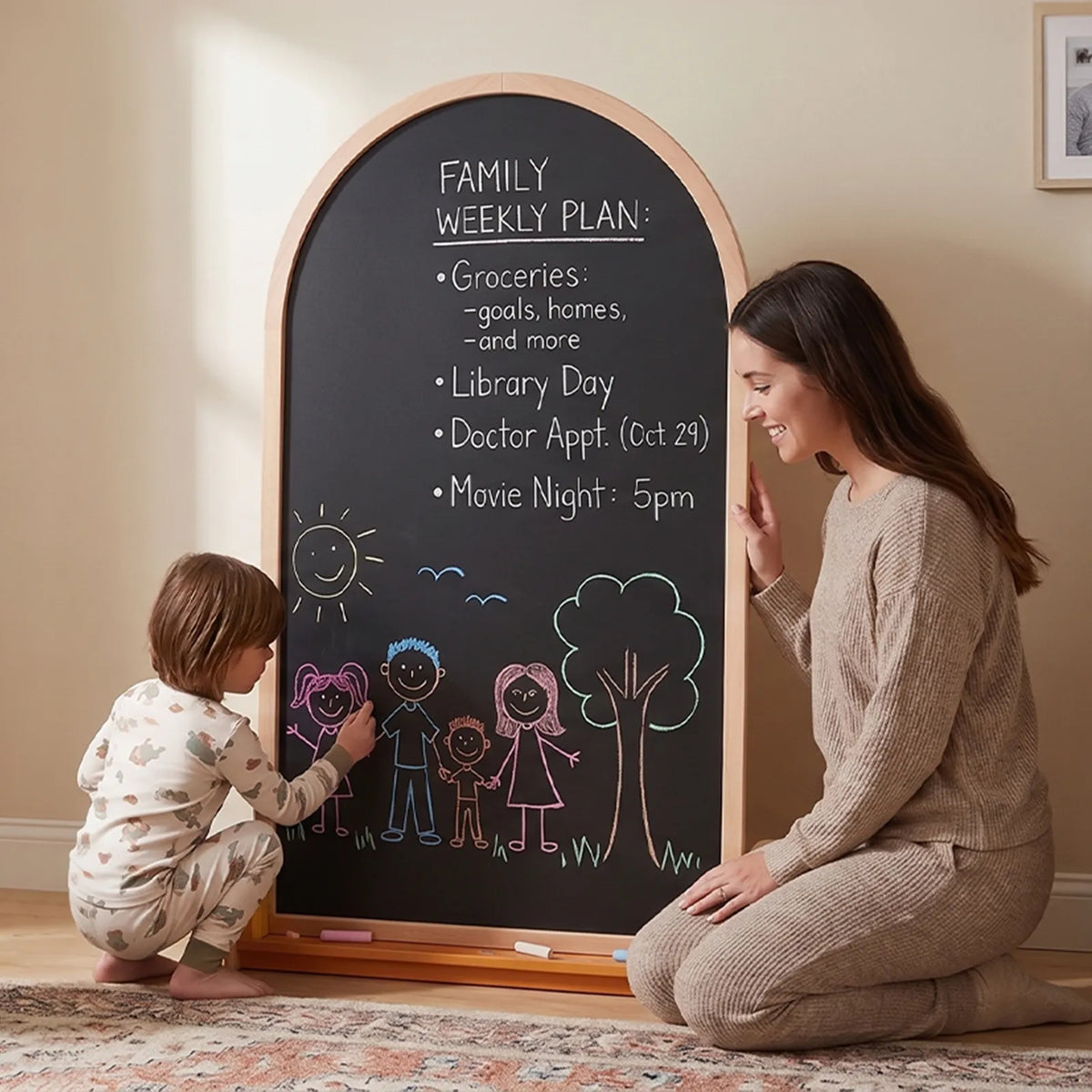
Self-expression, fine motor control, imagination |
|
Sensory play toys |
Exploration, focus, emotional regulation |
|
Active play toys |
Balance, coordination, physical confidence |
This is why choosing educational toys should always connect back to the child’s age, interest, and developmental needs.

Choosing Educational Toys by Age Group
Different age groups need different types of learning experiences. The best educational toys for a toddler may not be the best choice for a preschooler.
Babies and Young Toddlers
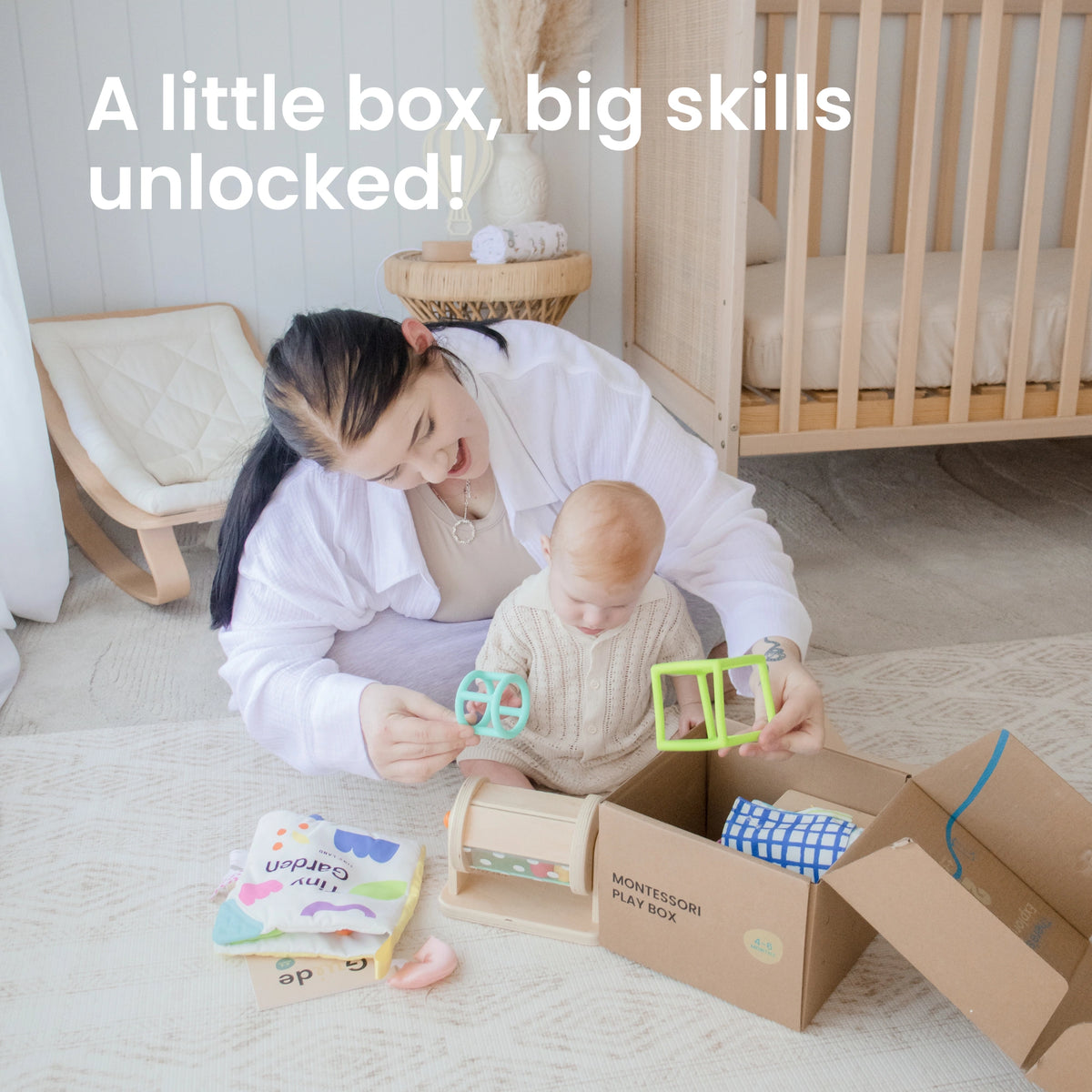
For babies and younger toddlers, focus on sensory exploration, safe materials, simple movement, and cause-and-effect play.
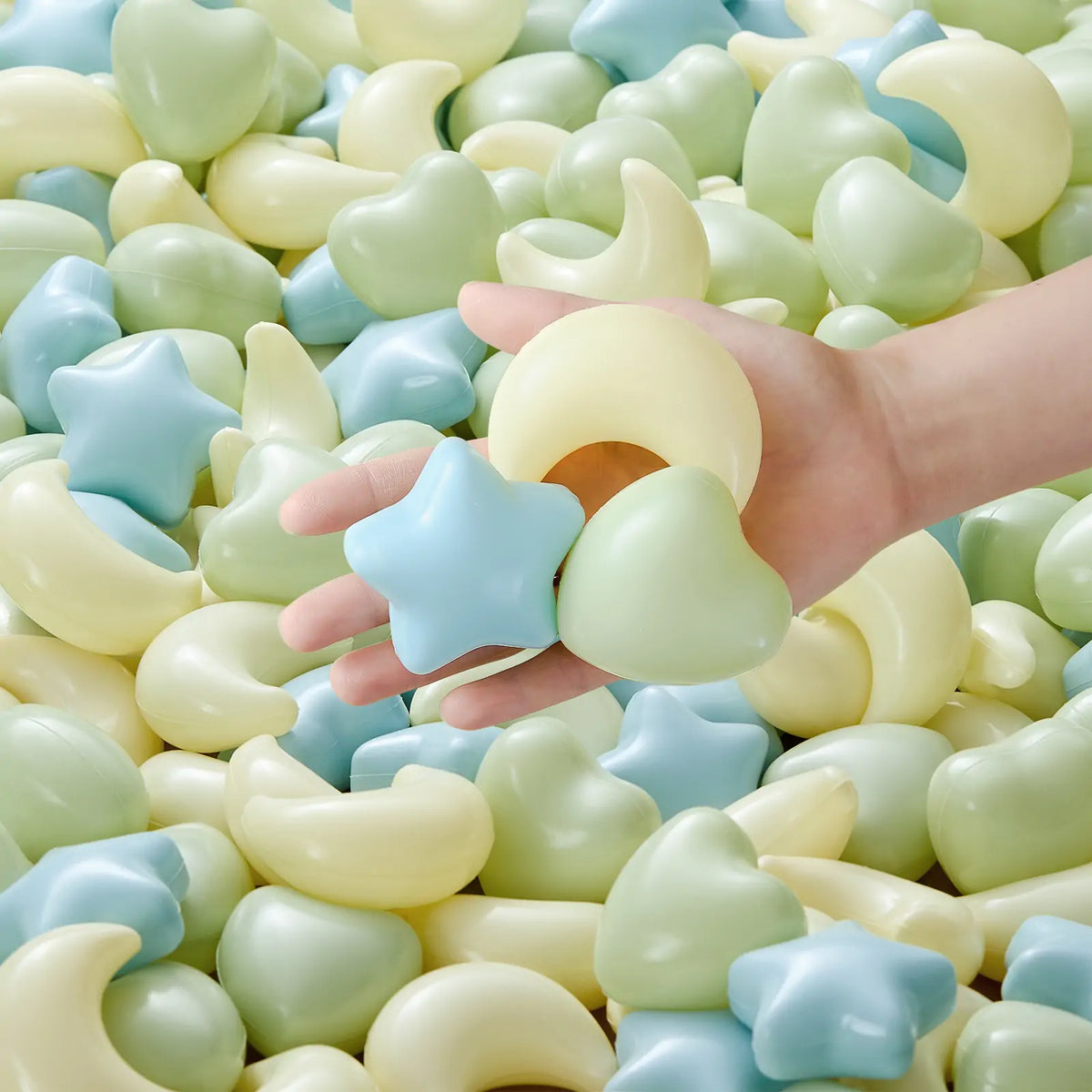
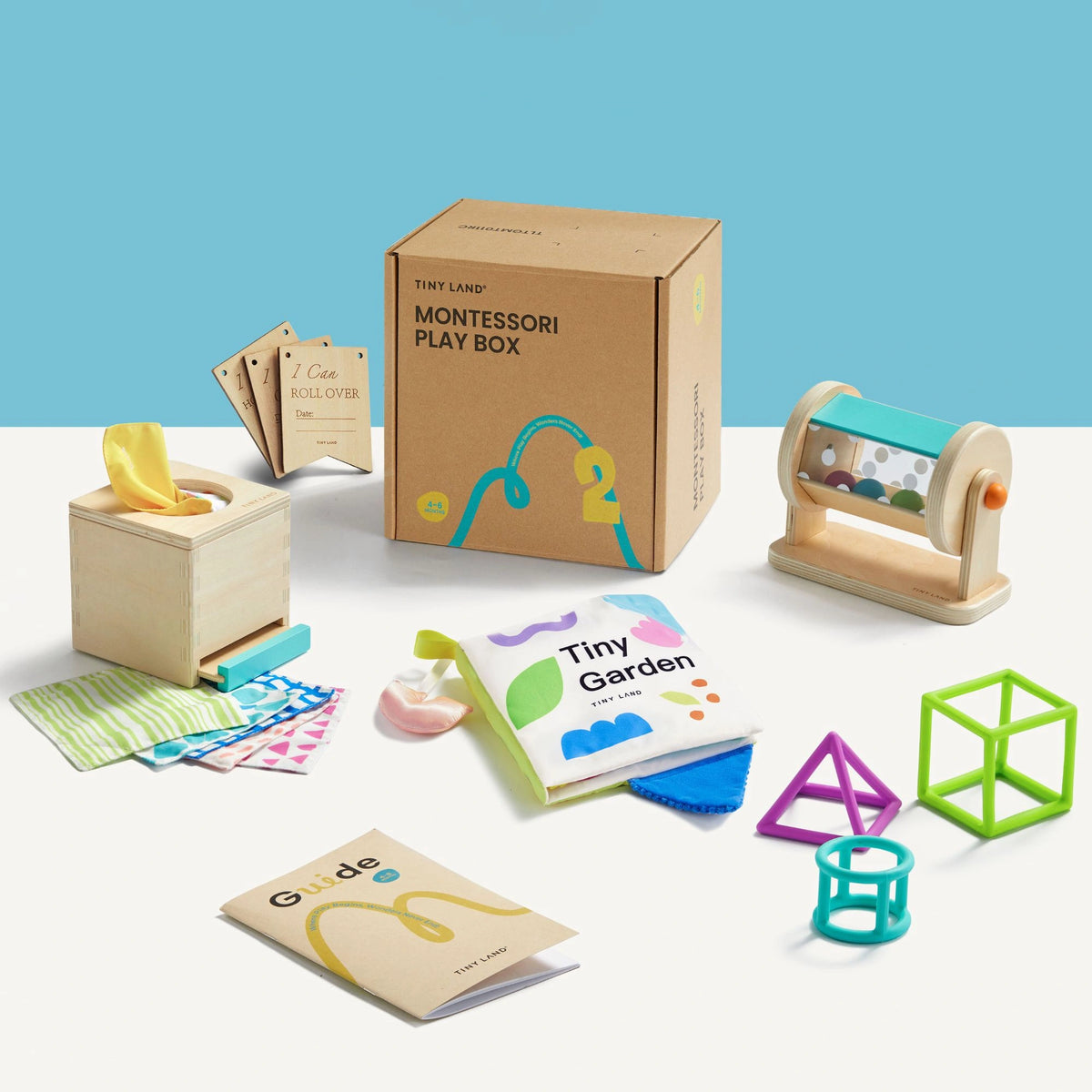
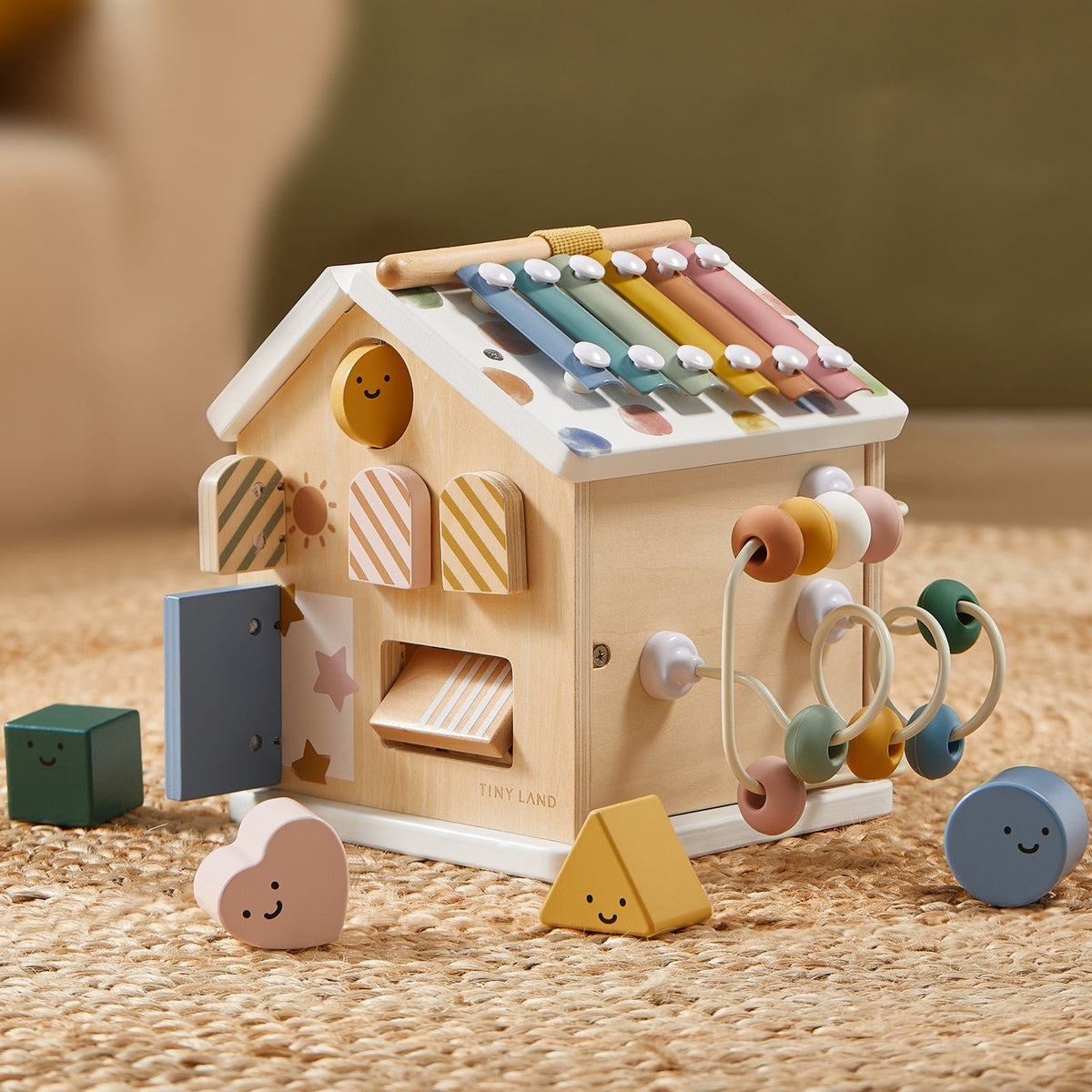
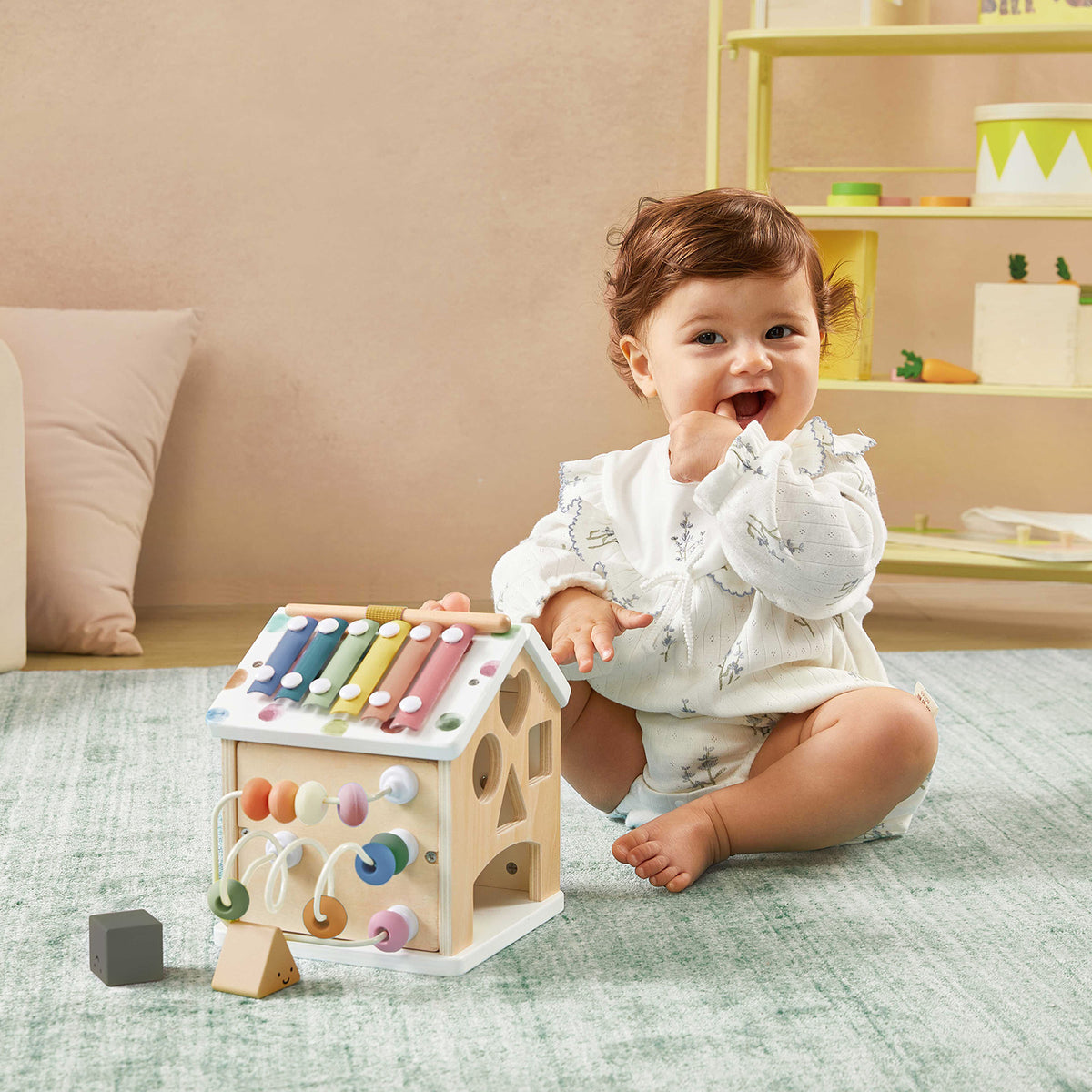
Good options include soft blocks, stacking cups, shape sorters, sensory balls, simple musical toys, and wooden grasping toys.
At this stage, educational toys support early development through touch, sound, movement, and repetition.
Toddlers Ages 2–3
Toddlers are becoming more independent. They want to test, build, move, and copy real life.
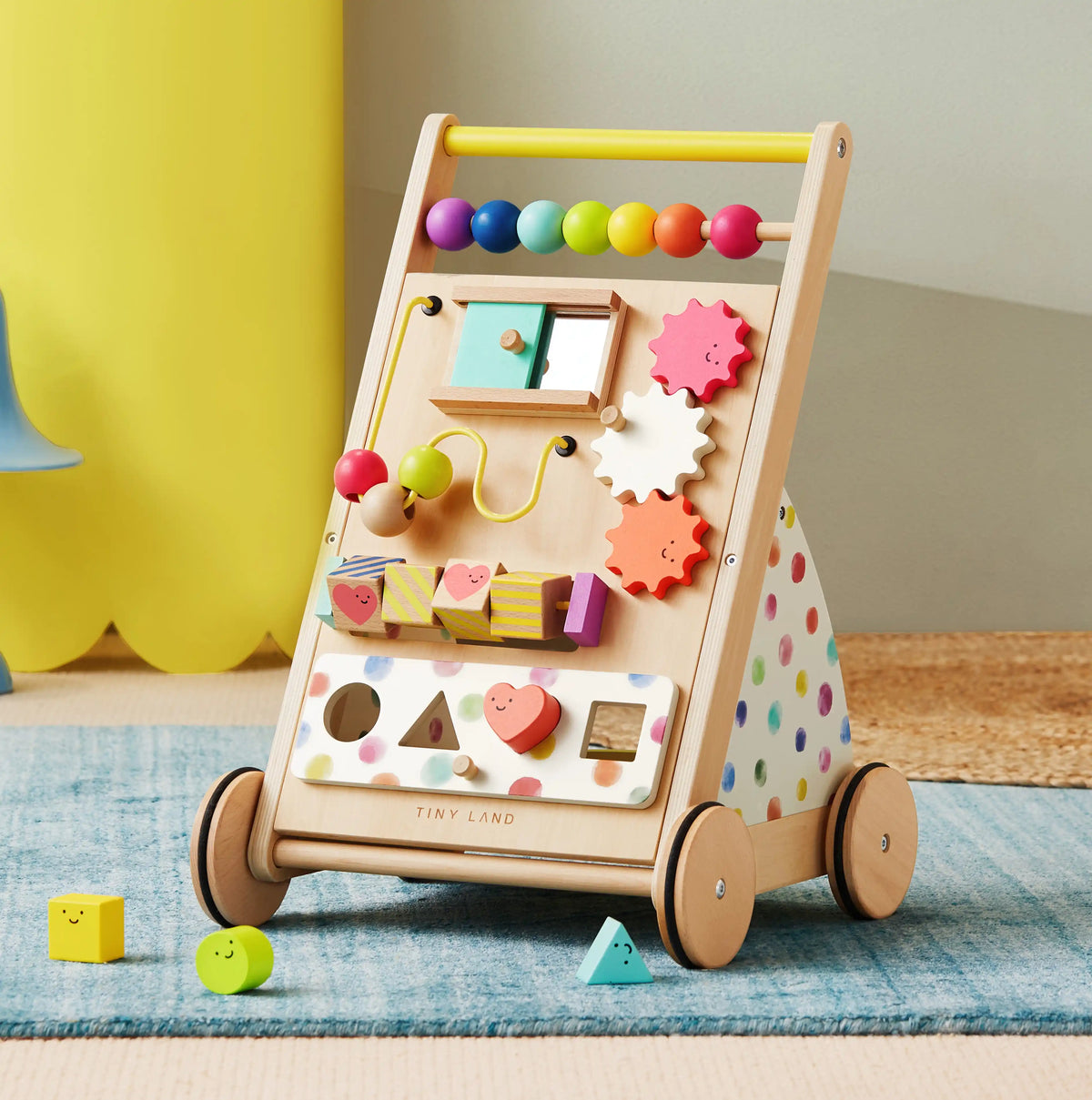
Good choices include building blocks, pretend food, simple puzzles, play kitchens, pull toys, art supplies, and sensory play sets.
These toys help children develop fine motor skills, language, imagination, and problem solving.
Preschoolers Ages 3–5
Preschoolers are ready for more complex pretend play, storytelling, early STEM learning, and cooperative play.
Good options include dollhouses, pretend play sets, craft projects, science kits, memory games, magnetic tiles, and construction toys.
At this age, educational toys can support creativity, cognitive development, emotional awareness, and early academic readiness.

How Educational Toys Help Children Learn Real-World Skills
One reason many parents choose educational toys is that they connect play with the real world.
A play kitchen can teach children about cooking, routines, sharing, and responsibility. A doctor kit can help children understand care, empathy, and emotions. Building blocks can teach balance, structure, and persistence. Art supplies can help children express ideas and feelings.
These experiences may look simple, but they help children build essential skills for lifelong success.
Educational toys support learning because they allow children to practice the world in a safe, playful way.
Best Educational Toys: What Parents Should Look For
The best educational toys are usually not the loudest or most complicated. In many cases, simpler toys create deeper play.
Look for toys that are:
Open-ended
Age-appropriate
Safe and durable
Hands-on
Easy to understand but not too easy
Connected to real-world play
Able to grow with the child
Designed for creativity, problem solving, or skill building
Good educational toys should invite children to think and explore. They should not do all the work for the child.
If a toy only requires pressing a button and watching something happen, it may be fun for a short time, but it may not offer the same level of meaningful learning as toys that require building, pretending, sorting, creating, or experimenting.

Educational Toys Are Not About Making Play “Serious”
Some parents worry that educational toys will make play feel too structured. But real learning through play should still feel playful.
Children do not need every moment to become a lesson. They need time to explore freely, make mistakes, and follow their curiosity.
The purpose of educational toys is not to pressure children. It is to give them better tools for discovery.
A good toy can be both educational and joyful. It can teach children without feeling like school. It can support learning while still being fun, silly, creative, and child-led.
That balance is what makes educational toys powerful.
Final Thoughts: Learning Through Play Starts at Home
So, what are educational toys?
They are toys that help children learn through meaningful, hands-on, and joyful play. They support a child’s development by encouraging fine motor skills, problem solving, creativity and imagination, sensory play, active play, STEM learning, emotional awareness, and cognitive growth.
But most importantly, educational toys respect how children naturally learn. Young children are curious. They want to touch, build, pretend, move, ask questions, and try again.
When parents choose toys that match a child’s age, interests, and developmental stage, everyday play becomes more than entertainment. It becomes a foundation for confidence, curiosity, and lifelong success.