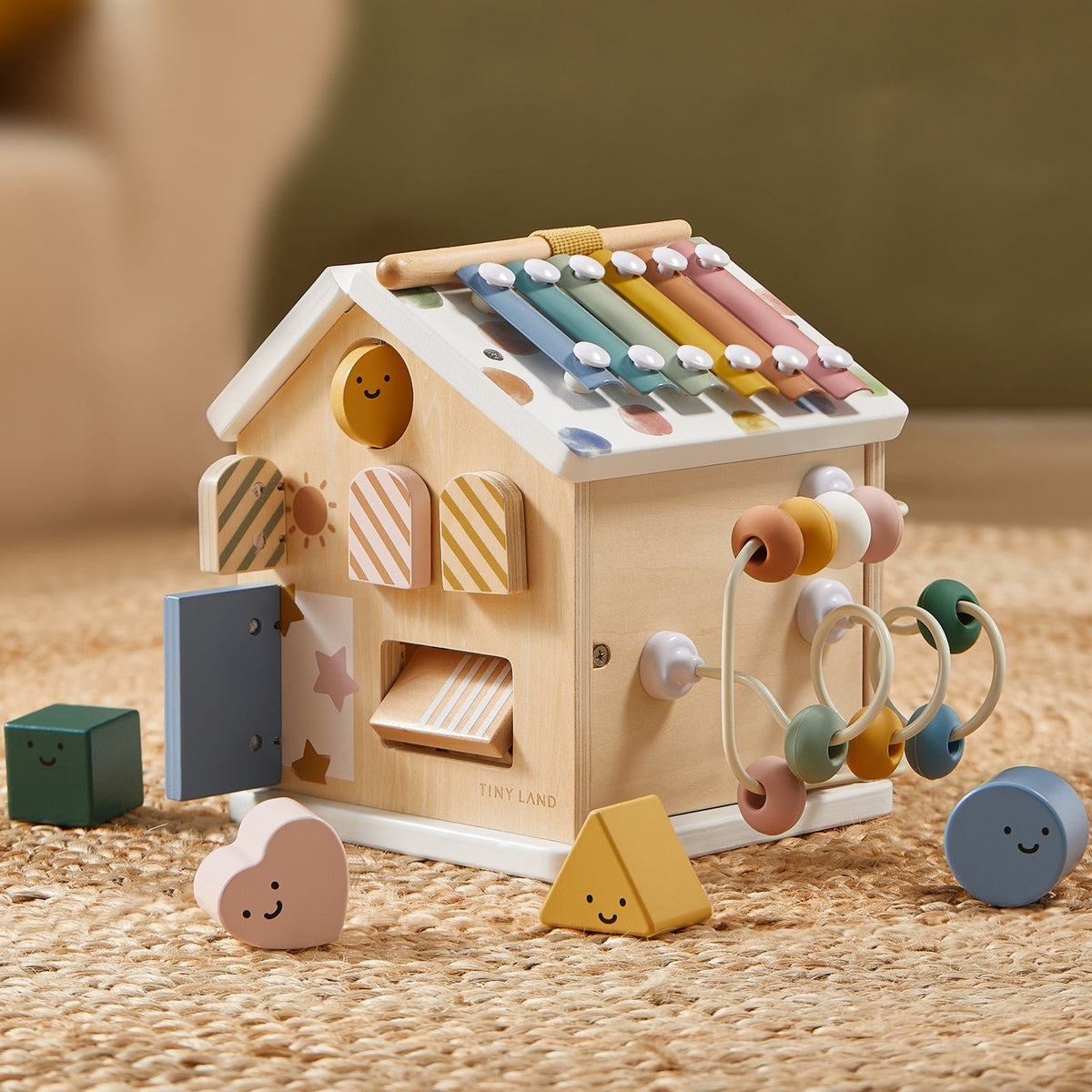
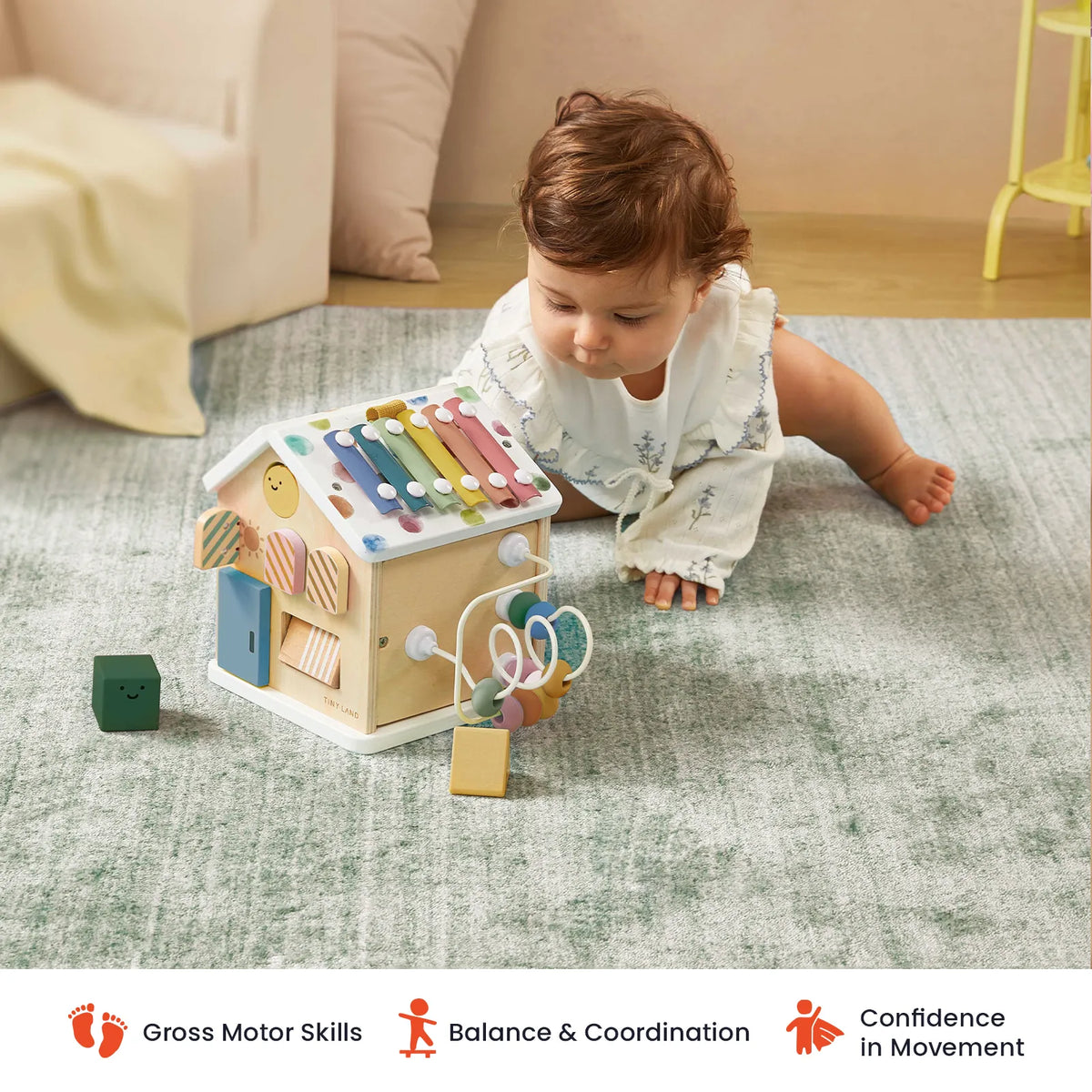
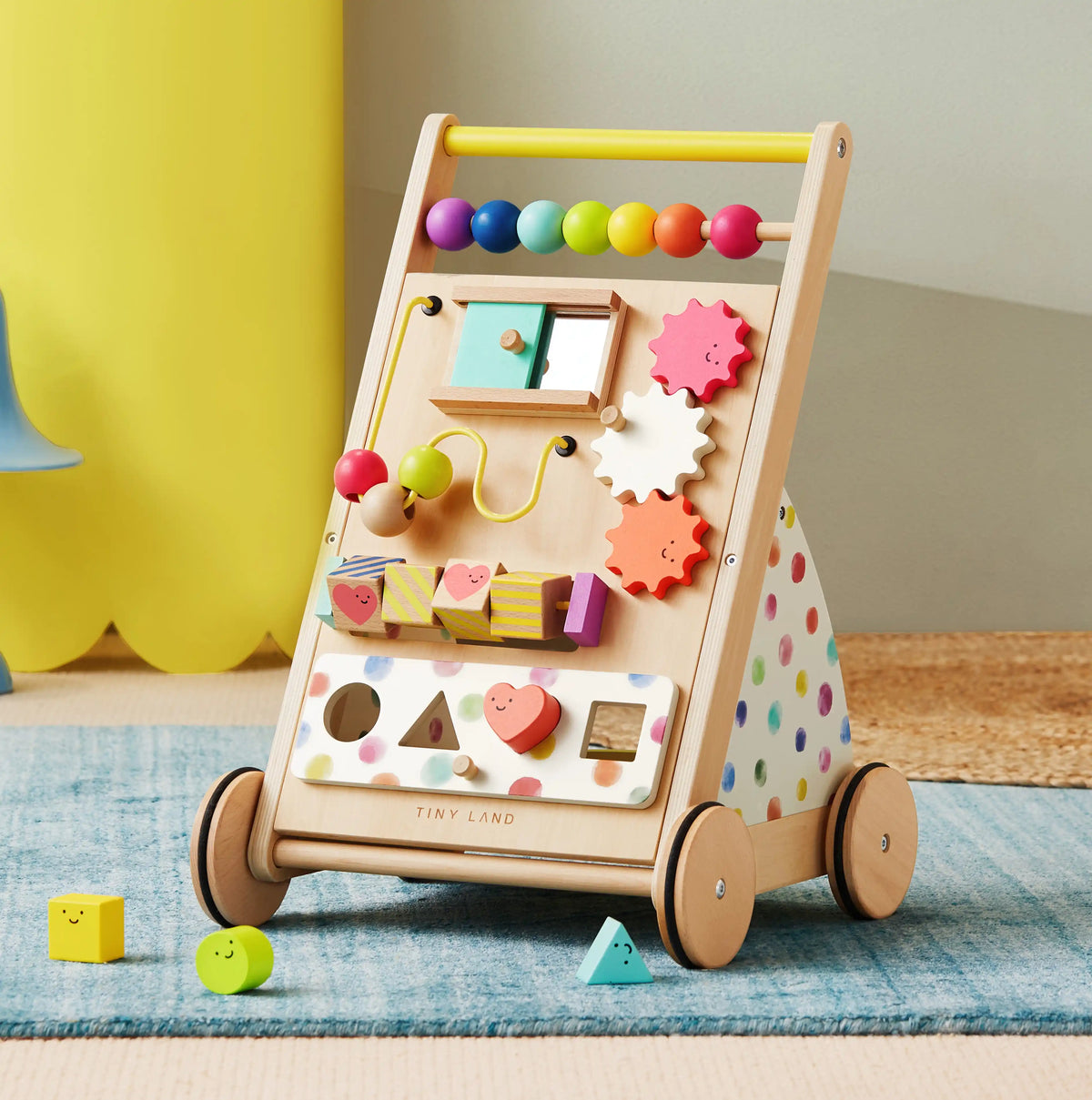
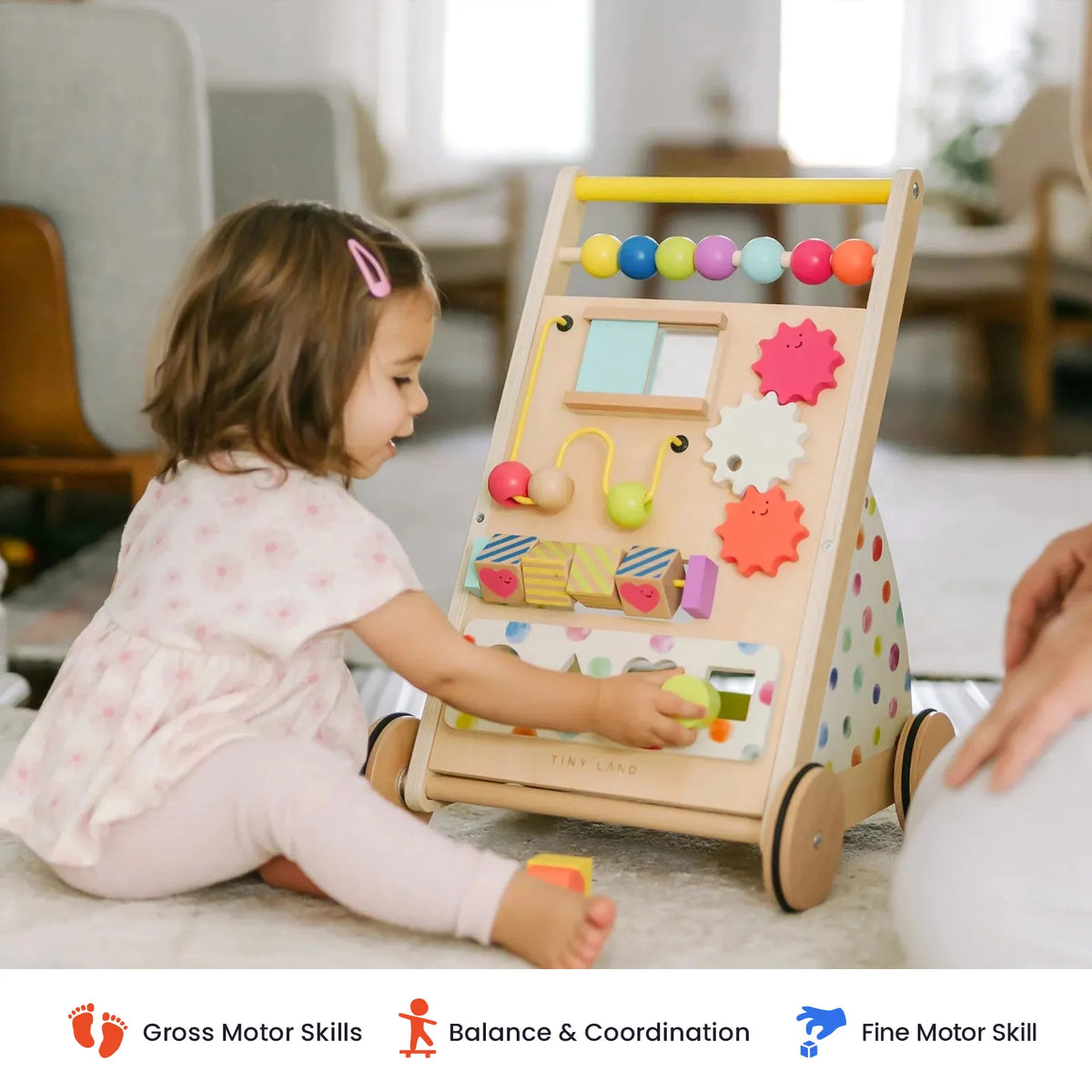


Choosing the best play food sets for toddlers is not simply about finding the set with the most pieces.
Parents may also want to consider a child's age, the size and shape of the pieces, material, durability, and how the food can be used in pretend play.
A good toddler play food set can become part of many everyday play scenarios. Children may use it to prepare breakfast in a play kitchen, shop for groceries, serve food at a pretend restaurant, pack a picnic, or sort different types of food.
If you're comparing wooden play food for toddlers, plastic or fabric options, or looking for a play food set for 2 year olds or 3 year olds, this guide can help you focus on the features that matter most before you buy.

Why Play Food Sets Are Great for Toddlers
Toddlers often enjoy copying familiar activities they see at home. Cooking, grocery shopping, preparing meals, and serving food are all everyday routines that can become part of pretend play.
Play food gives children simple objects to recreate these experiences, and play food encourages hands-on learning through imagination.
A piece of fruit can become part of a pretend grocery trip, while bread, vegetables, and other foods can be combined into a pretend meal.
Different types of pretend play food for toddlers can also create opportunities for children to:
-
Practice naming foods and talk about them, which supports vocabulary development.
-
Sort food into simple groups such as fruits and vegetables.
-
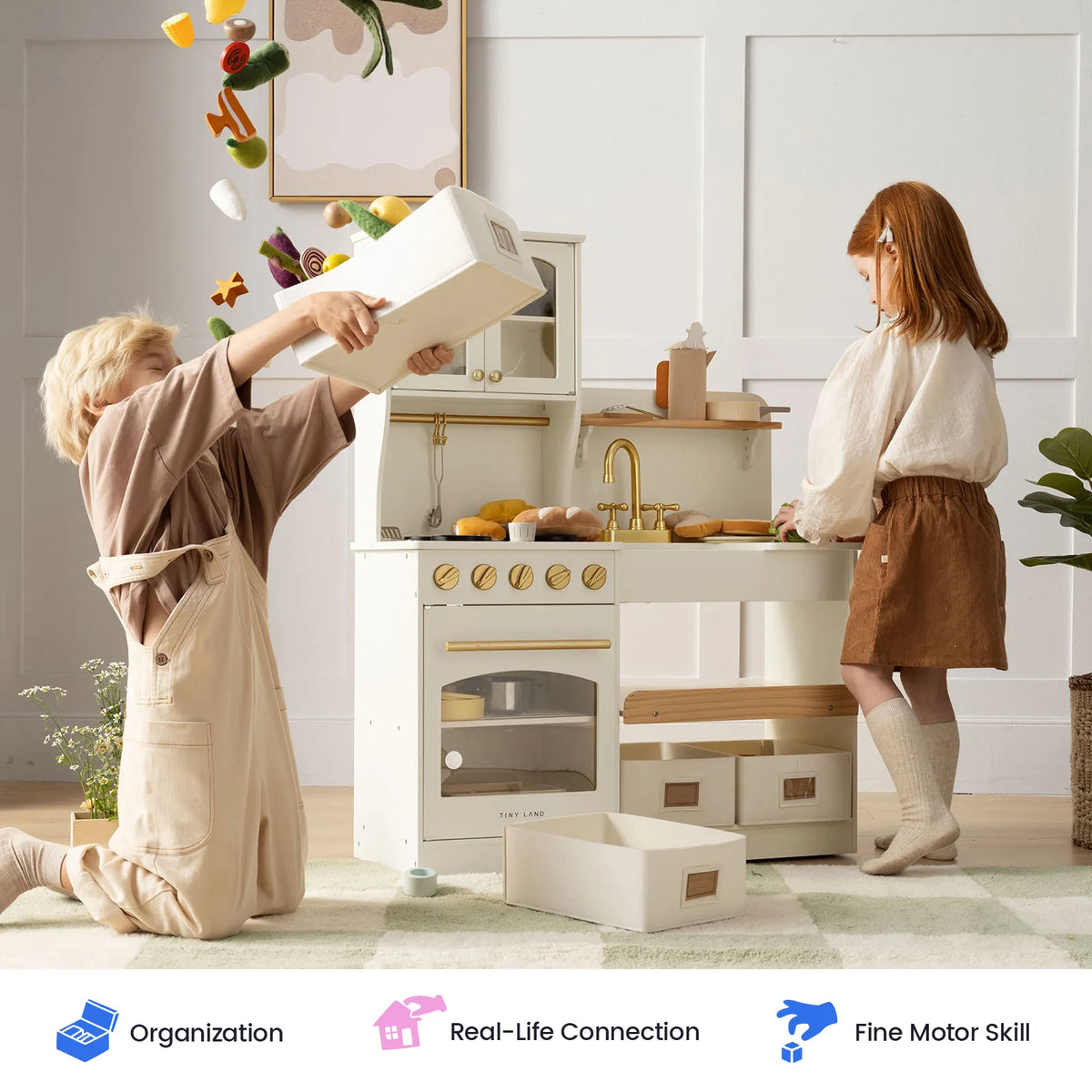
Pick up, move, arrange, and organize individual pieces.
-
Practice taking turns during pretend cooking or restaurant play.
-
Recreate everyday routines such as shopping, cooking, and serving.
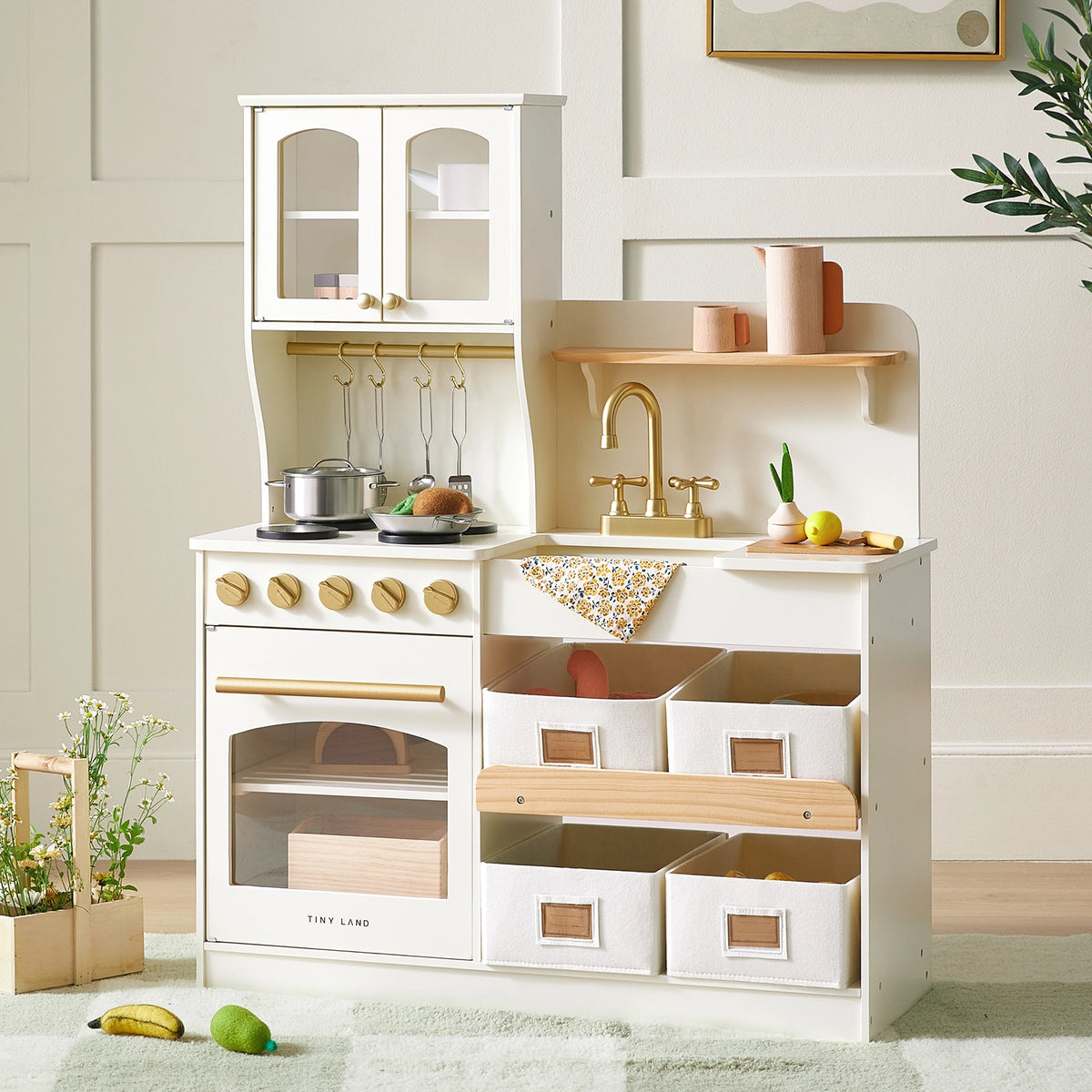
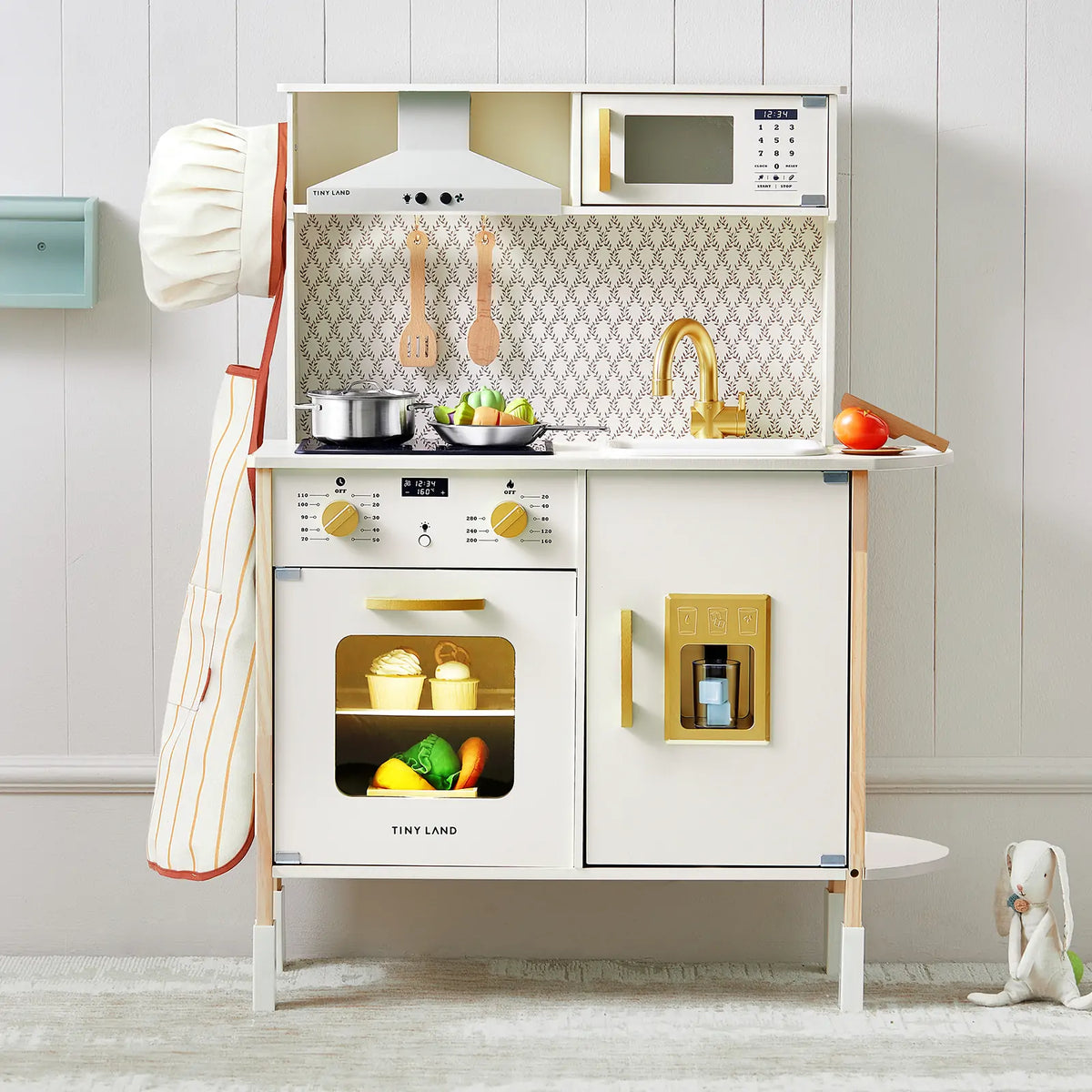
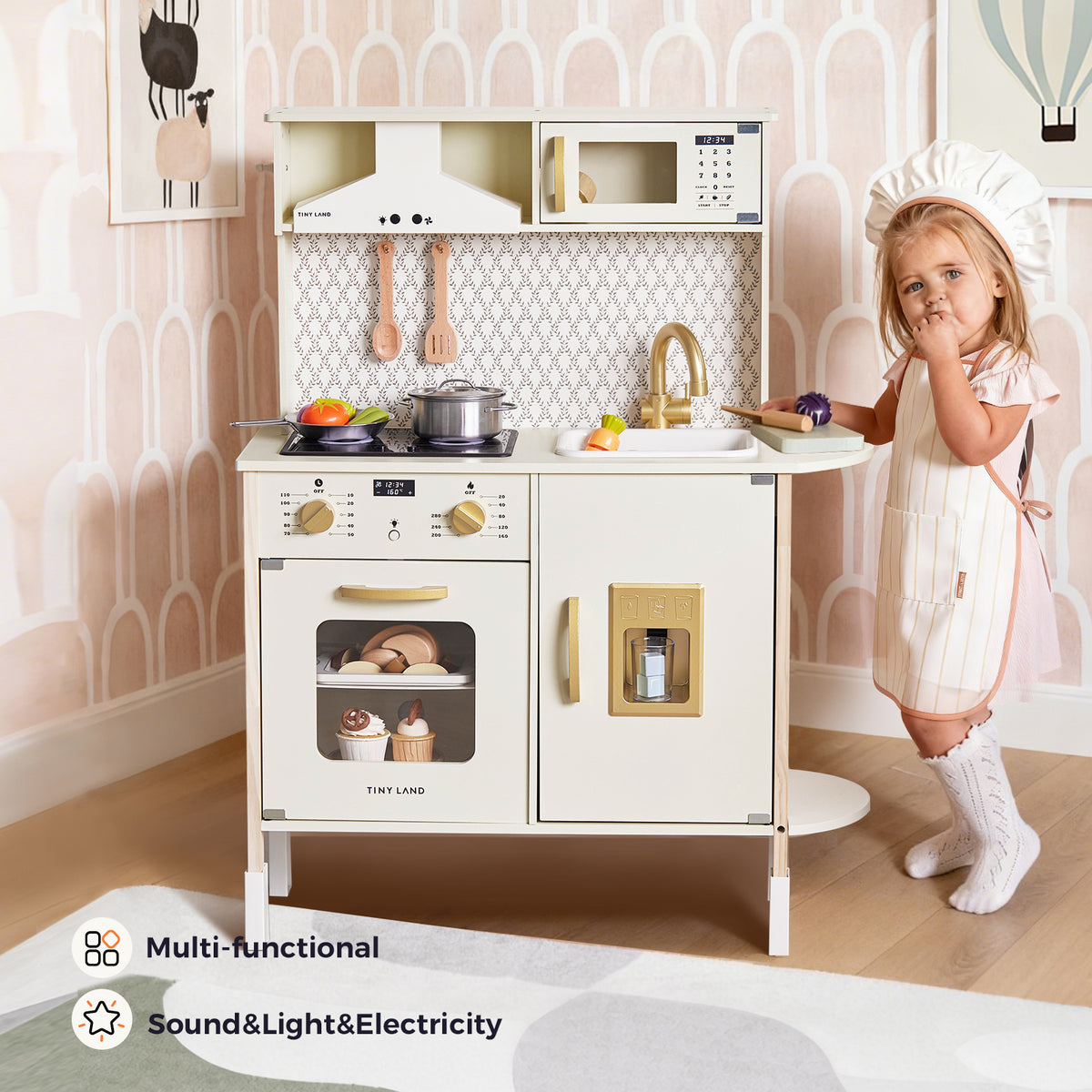
Play food is also easy to combine with other pretend-play toys. With a play kitchen, children can pretend to prepare meals.
With a shopping basket or grocery setup, the same food can become part of a shopping game. A few plates and cups can turn it into a tea party or restaurant.
The most useful set is often one that gives children several ways to play rather than limiting them to a single activity.
Choose play food that promotes imaginative play and role-play to support language, social-emotional development, and other early skills.

What Makes a Good Play Food Set for Toddlers?
When comparing play food sets for toddlers, look beyond the number of pieces. The right set should be appropriate for the child's age and easy to incorporate into the type of pretend play they already enjoy.
Safe, Toddler-Friendly Pieces
Start with the manufacturer's recommended age range and safety information.
For toddlers, piece size and construction are particularly important considerations. Food should be easy for the child to hold and move during play, while pieces that are not appropriate for the child's age should be avoided.
Parents should also regularly inspect toys for damage and follow the manufacturer's instructions for use and care.
Durable Materials
Toddlers can use play food frequently and in different environments. Pieces may be moved between a play kitchen, table, basket, or playroom, so durability can make a difference for families looking for toys intended for regular use.
Wooden toy food can be a practical option for parents who prefer a more substantial feel, since wooden play food is durable and supports open-ended play.
Many sets made from wood can also be cleaned with a damp cloth, depending on the care instructions. It also pairs naturally with wooden play kitchens and other pretend-play toys.

Realistic but Simple Food Shapes
Children do not need highly detailed replicas to understand pretend food.
Recognizable shapes can make it easier for toddlers to identify familiar foods and use them in their own scenarios, and realistic shapes and colors can help bridge the gap between toys and real-world items.
An apple can be used for grocery shopping, cooking, serving, or a picnic without needing to represent only one specific activity.
For older toddlers and preschoolers, realistic play food can also help make grocery store or restaurant role play feel more like familiar everyday experiences while supporting routines like cooking and meal prep.
Easy-to-Grab Sizes
A toddler play food set should be comfortable for little hands to pick up, carry, and arrange, with easy-to-grasp pieces that help develop fine motor skills.
Rather than choosing a set simply because it contains many pieces, consider whether the individual pieces are practical for the child who will be using them.
For younger toddlers, oversized, chunky foods are often better for children under 3 because they are easier to handle, support pretend play actions, and can help reduce choking hazards.
As children grow, they may be ready for a greater variety of shapes and smaller details within the manufacturer's recommended age range.
Pieces That Support Open-Ended Play
The best toy food for toddlers can be used in more than one way.
A food piece might become a grocery item in the morning, part of a pretend lunch later, and an ingredient in a restaurant game another day.
This flexibility makes it easier to build different play scenarios without constantly adding new toys. When comparing sets, consider whether the food can work with play kitchens, shopping games, pretend restaurants, tea parties, and picnics.

Wooden vs. Plastic vs. Fabric Play Food
Material is another important factor when choosing wooden play food for toddlers or comparing different types of toy food.
|
Material |
What Parents May Like |
What to Consider |
|---|---|---|
|
Wooden |
Durable feel, substantial pieces, natural appearance, well suited to repeated pretend play |
Can be heavier than fabric or lightweight plastic and may require specific care |
|
Plastic |
Lightweight, easy to move, widely available, many food styles and shapes |
Quality, appearance, and durability can vary by product |
|
Fabric |
Soft, lightweight, and suitable for certain pretend-play settings |
May offer less structure and realism and may be less versatile for some play setups |

Wooden Play Food
Wooden play food is a popular choice for families looking for durable pretend-play pieces with a more substantial feel, and it also encourages open-ended play.
It can work especially well with a play kitchen because children can move the pieces between shelves, counters, plates, and pretend cooking areas.
For parents comparing wooden play food for toddlers, consider the age recommendation, piece size, construction, finish, and care instructions rather than choosing based on material alone.
Wooden food can also be useful when you want one set to support different types of pretend play as your child grows.
Plastic Play Food
Plastic play food is lightweight, easy for toddlers to grip, and available in many different designs. This can make it convenient for children who enjoy moving fake food between different play areas.
Plastic can be a practical option for larger grocery store or restaurant scenarios where children may want to handle many pieces at once. Durable, lightweight plastic and soft food items can also work well for toddlers who still mouth toys, as long as the set is age-appropriate.
However, plastic play food varies significantly from one product to another. Check the individual product's construction, age recommendation, and care instructions before purchasing.
Fabric Play Food
Fabric play food offers a softer alternative, with soft play food being safe and easy for young toddlers to handle in certain pretend-play environments.
Because fabric items include plush pieces that are often machine washable, and felt-style food stays soft and quiet for indoor play while some designs add gentle sounds, they can work well for simple pretend meals or play areas where parents prefer softer materials.
However, fabric food may not have the same structured shape or realistic appearance as wooden or plastic food, which can make it less suitable for some play kitchen, grocery store, or restaurant setups. Some soft plush options are also marketed for babies 6 months and older, but parents should still follow the product age guidance.

Best Types of Play Food Sets for Toddlers
The type of food included in a set can affect how easily it fits into your child's existing toys and play habits.
Instead of choosing a set only by piece count, consider what your child is most likely to pretend to do.
Fruit and Vegetable Sets
Fruit and vegetable play food is a straightforward choice for younger toddlers because these are familiar foods that can be used in simple pretend scenarios.
Children can place them in baskets, sort fruit and veggies into different food groups, add them to a pretend meal, or use them during grocery shopping, which helps toddlers practice early categorization skills.
These sets can be particularly useful for children who are beginning to explore simple sorting and everyday food-related routines, and they can also introduce healthy ingredients and simple food groups.

Breakfast Food Sets
Breakfast food can be a natural addition to a pretend kitchen.
Children can pretend to prepare breakfast, serve a meal, or decide what different family members will eat.
Breakfast-themed food can also support simple everyday role play because the scenario is easy for toddlers to recognize and recreate.
Meat, Seafood, and Protein Sets
Protein-based play food can add variety to a pretend kitchen or grocery collection.
These pieces can be combined with vegetables and other foods to create more complete pretend meals, such as grilled chicken with vegetables or fish with sides.
For older toddlers and preschoolers, they can also become part of restaurant games, grocery shopping, or meal-planning scenarios, and a wider variety of foods in play can help some children feel more comfortable with unfamiliar foods.

Bakery or Dessert Sets
Bakery and dessert foods can add another type of pretend scenario.
Children can pretend to run a bakery, serve dessert at a restaurant, prepare a tea party, or choose treats for a picnic.
These sets can be especially useful when a child already has basic food pieces and is ready to expand their pretend-play scenarios.
Grocery Store Food Sets
Grocery-themed food is useful when pretend play moves beyond simply preparing a meal.
Children can choose items from a pretend store, place them in a basket or food basket, organize groceries, stock shelves, or sort items by color or type to support early math skills before switching between being the shopper and store worker.
This type of pretend grocery food for toddlers can become even more engaging when paired with a grocery store play setup. Grocery store play can work well for both solo and interactive play, especially when children sort, shop, and serve. If your child enjoys shopping scenarios, you can also explore pretend grocery store ideas for more ways to build this type of role play.
For families looking for a broader selection of food categories, you can browse play food sets for toddlers and compare options based on the foods and play scenarios that best fit your child's interests.

How to Choose by Age
Age is one of the most useful ways to narrow down a play food purchase. A set that works well for a preschooler may offer more pieces or complexity than a younger toddler needs.
Always follow the individual product's age recommendation, but the following guidelines can help when comparing options.
Best Play Food for 2-Year-Olds
For a 2-year-old, look for food pieces that are larger, simple in shape, and easy to grasp.
At this stage, children may be more interested in basic actions such as picking up food, putting it into a basket, placing it on a plate, or pretending to feed a doll or stuffed animal, which can keep a little one engaged without making play feel too complicated.
Fruit, vegetables, bread, and other recognizable foods can be good starting points because they are easy to incorporate into simple pretend routines.
When choosing a play food set for 2 year olds, a smaller collection of easy-to-handle pieces can be more practical than a large set with many complex components. For many young toddlers, that usually means about 15 to 25 pieces rather than an oversized collection.
Best Play Food for 3-Year-Olds
Three-year-olds may be ready to use play food in more organized pretend scenarios.
They can begin sorting different foods, combining several pieces to create pretend meals, and using food as part of kitchen role play.
A play food set for 3 year olds can therefore benefit from greater variety. Fruit, vegetables, breakfast foods, bakery items, and other recognizable foods can be combined to create different meals and scenarios.
At this age, children may also enjoy switching roles with parents or siblings during pretend cooking, serving, or grocery shopping.
Best Play Food for Preschoolers
For children around 4 and older, play food can become part of more complex role play.
Instead of simply pretending to cook, children may create an entire scenario around a grocery store or restaurant. They can decide what ingredients to buy, plan a pretend meal, serve different customers, or take turns as the shopper, cashier, cook, or restaurant customer.
For preschoolers, consider sets that offer enough variety to support grocery store, restaurant, and meal-planning play rather than focusing only on simple food recognition.

Play Ideas to Get More Value from a Play Food Set
Once you choose a play food set, you can use the same pieces across different scenarios.
Pretend Grocery Shopping
Give your child a basket and create a simple pretend shopping list.
You can name a few foods for them to find, or let them decide what ingredients are needed for a pretend meal. Simple shopping role-play can also encourage independent play ideas once toddlers understand the routine; for example, they may start repeating it on their own.
This can work with a few food pieces or a larger grocery-themed setup.
Cooking Breakfast
Use a play kitchen and a few breakfast foods to create a simple morning routine.
Your child can choose the food, crack two eggs or stir eggs for breakfast, prepare a pretend meal, pour a drink, set out dinner on a plate, and serve it to a parent, sibling, doll, or stuffed animal; these pretend cooking actions can also strengthen fine motor skills.
For more ideas, explore play kitchen activities and pretend cooking ideas for toddlers.
Sorting Fruits and Vegetables
Put different types of food together and invite your child to sort them.
You can start with simple categories such as fruits and vegetables. Older children can create additional categories based on food type, color, or where the food might be found in a grocery store.
Restaurant Role Play
Turn a play kitchen or table into a pretend restaurant.
One child can act as the cook, server, or little chef while another becomes the customer, and this kind of imaginative role-play can build language, social-emotional development, and social skills as children interact.
As children become more comfortable with the game, they can create pretend menus, take orders, and decide what food to serve.
Packing a Picnic Basket
Choose several pieces of play food and pack them into a basket.
Ask your child what they want to bring and who is going on the picnic. This gives them an opportunity to choose, organize, and create their own pretend scenario.
Matching Food With a Play Kitchen
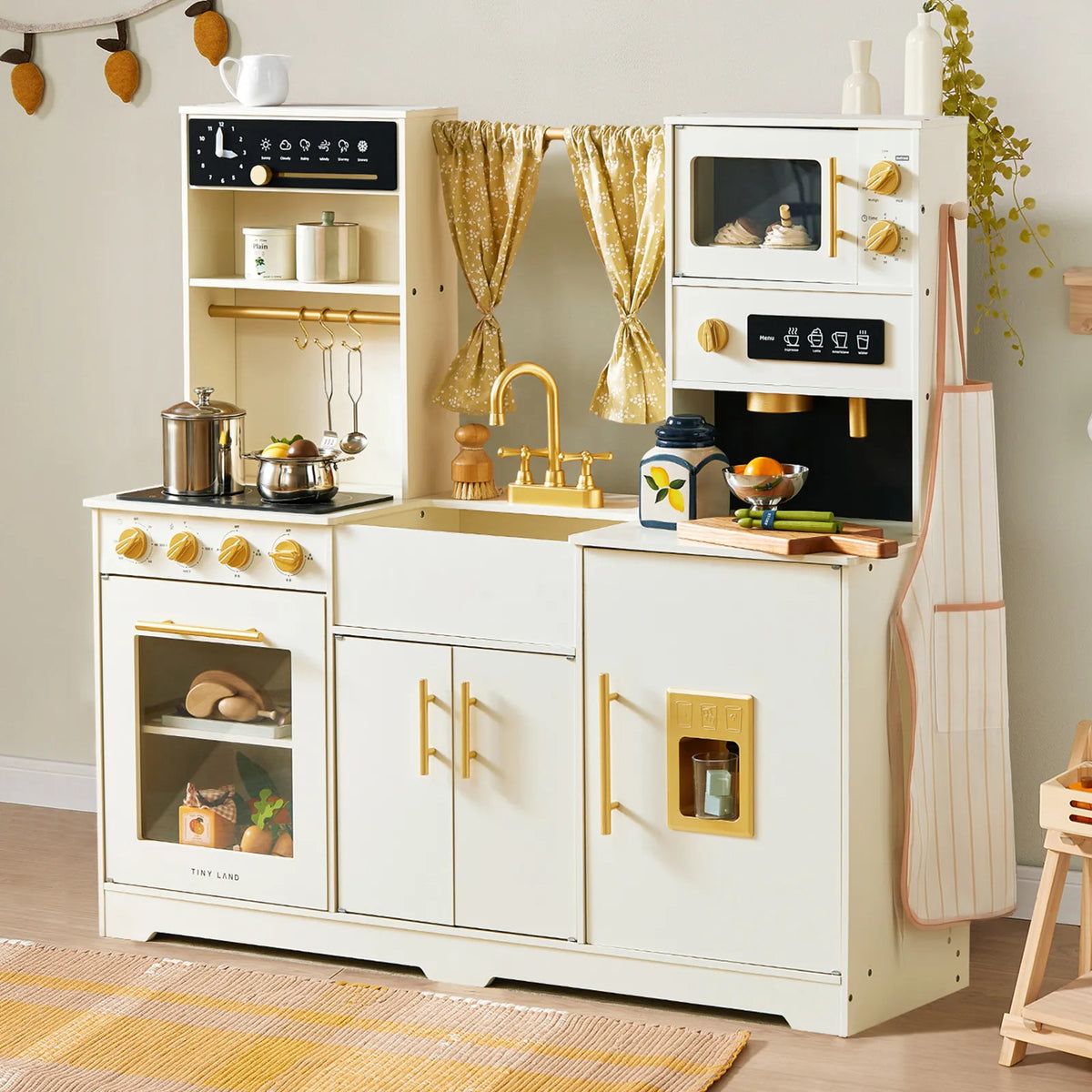
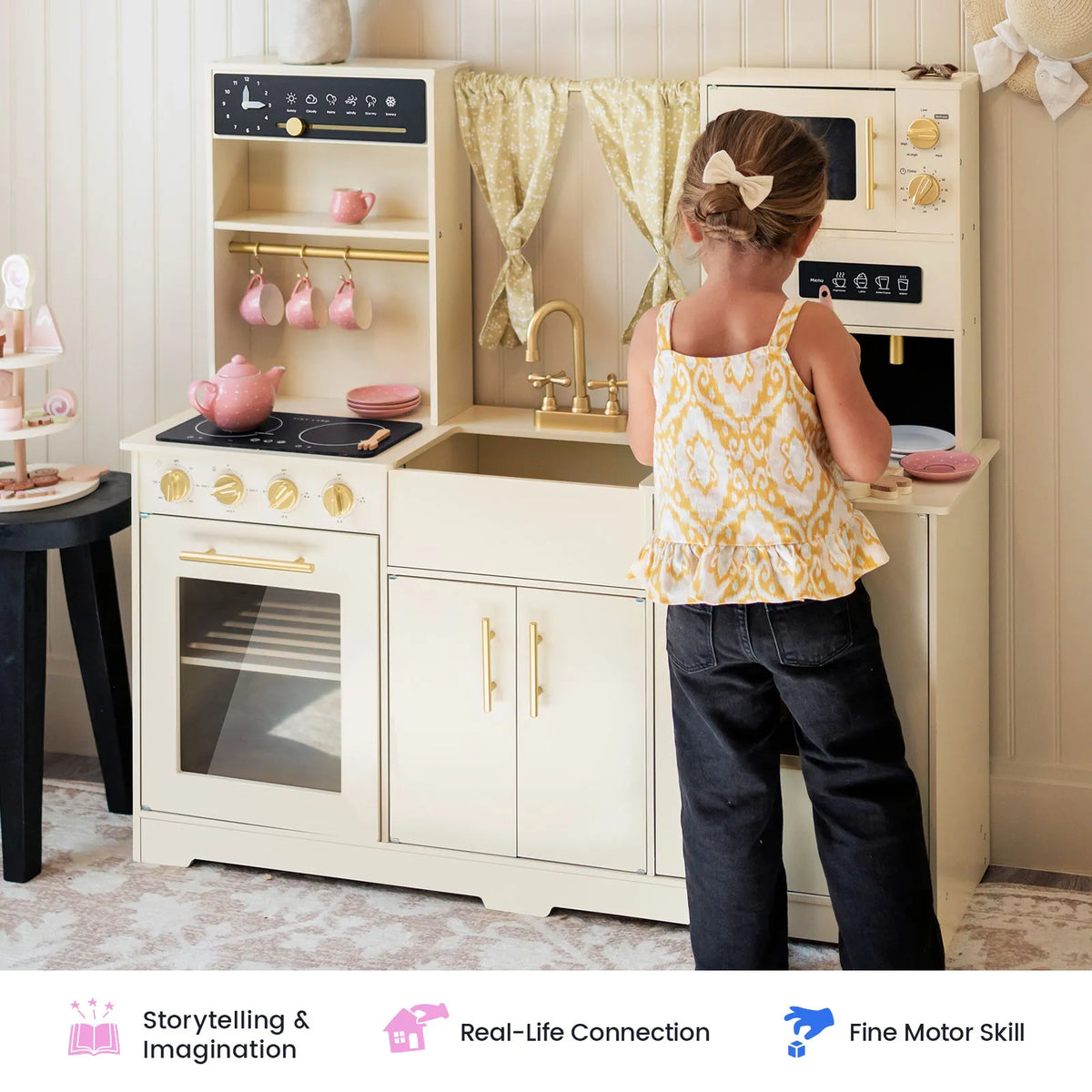
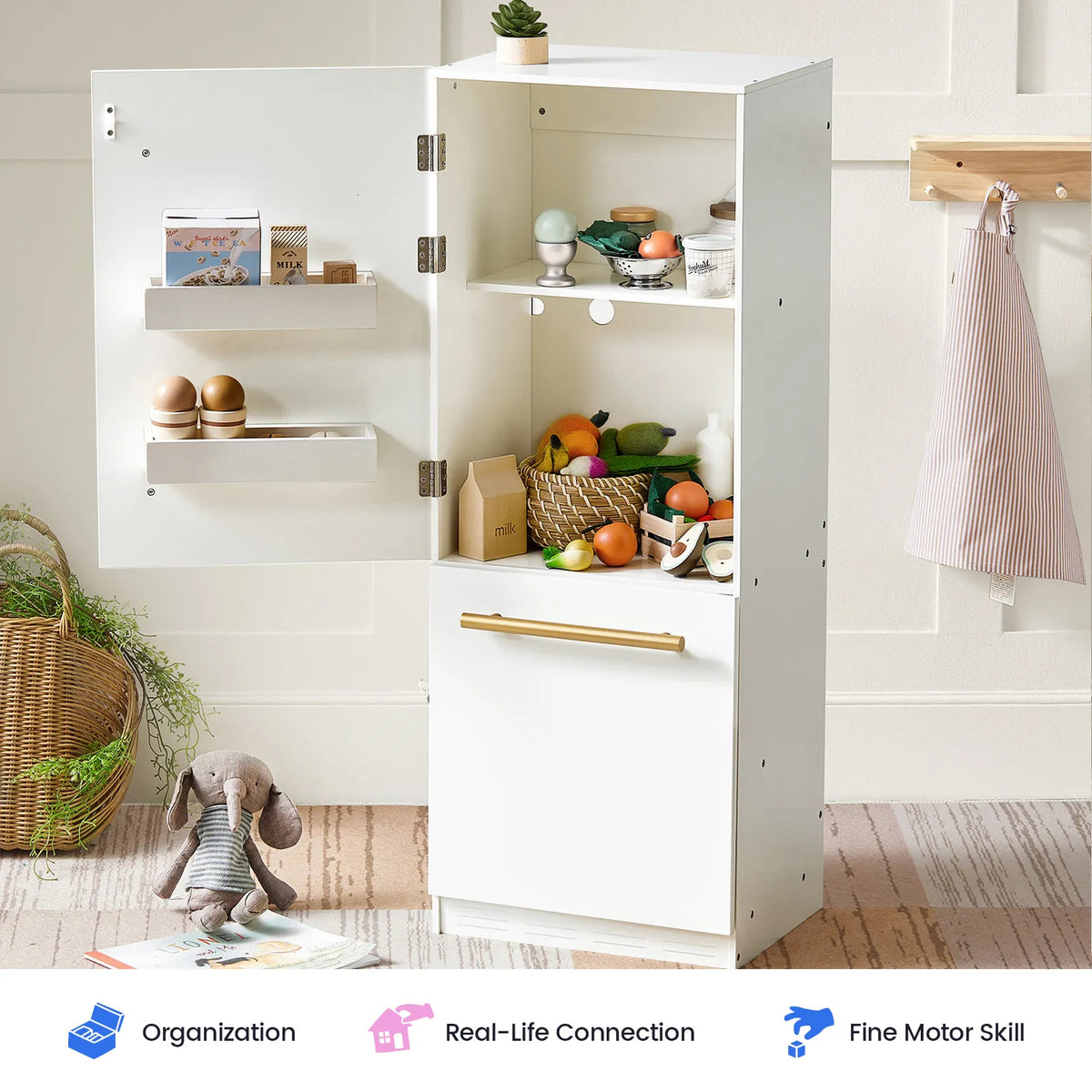
Play food becomes even more versatile when it has a dedicated pretend kitchen.
Children can store food, move ingredients to the counter, prepare pretend meals, and serve them on plates.
If you're building a complete pretend-play area, explore play kitchens for toddlers and wooden play kitchen options that can work alongside your food set.

Frequently Asked Questions
What age is best for play food sets?
Play food can be appropriate during the toddler years when children begin showing interest in imitation and pretend play. The right set depends on the child's age, the individual product's recommended age range, and the size and construction of the pieces.
For younger toddlers, prioritize simple, easy-to-grasp food. Older toddlers and preschoolers can generally explore more varied pretend-play scenarios within the manufacturer's recommended age range.
Is wooden play food safe for toddlers?
Wooden play food can be suitable for toddlers when it is designed and labeled for their age group.
Before purchasing, check the manufacturer's age recommendation, piece size, construction, finish, and safety information. Parents should also inspect toys regularly for signs of damage and follow the product's care instructions.
How many pieces should a toddler play food set include?
There is no universal ideal number.
For a younger toddler, a smaller collection of recognizable, easy-to-grasp pieces may be enough for simple pretend play.
As children grow, more variety can support grocery shopping, restaurant role play, meal planning, and more complex pretend scenarios.
The usefulness of a set therefore depends on the variety and usability of the pieces, not just the total number.
What kind of play food is best for a play kitchen?
The best play food for a pretend kitchen is food that is easy to handle and can be used in several cooking and serving scenarios.
Fruit, vegetables, breakfast foods, bakery items, and other familiar, realistic food items can all work well, helping toddlers practice everyday routines like cooking and meal prep with a kitchen set.
Wooden play food can be a good option for families who prefer durable, substantial pieces that complement a wooden play kitchen, and pairing it with simple play kitchen accessories like pots, a coffee maker, and other kitchen accessories can extend play.
Is play food a good gift for 2-year-olds or 3-year-olds?
Play food can be a useful birthday or holiday gift for toddlers who enjoy pretend cooking, shopping, or role play.
For a 2-year-old, look for simple and easy-to-grasp pieces. For a 3-year-old, a set with more food categories may provide additional opportunities for sorting, combining foods, cooking, and role play.
The most important consideration is choosing a set appropriate for the child's age and interests.
How do you clean wooden play food?
Always follow the cleaning instructions provided with the specific product.
Wooden toys generally should not be soaked unless the manufacturer specifically states that they can be. Depending on the product's care instructions, surface cleaning with a slightly damp cloth may be appropriate.
Allow wooden pieces to dry thoroughly and inspect them regularly for damage before returning them to play.

Final Recommendation
When comparing the best play food sets for toddlers, focus on four basic questions:
Is it appropriate for the child's age? Is it easy to handle? Is the material suitable for the way the toy will be used? Can the food support more than one type of pretend play?
For 2-year-olds, simple and easy-to-grasp food can make a practical starting point. For 3-year-olds, more variety can support sorting, combining foods, and kitchen role play.
Preschoolers may get more value from sets that can become part of grocery stores, restaurants, and meal-planning games.
Material is another consideration. Plastic and fabric can each have their place, while wooden play food offers a durable, substantial option for families looking for pieces suited to repeated pretend play.
Ultimately, the right set is the one that fits your child's age, play style, and existing toys, and simpler sets with little or no assembly can help toddlers use them more independently and save frustration for a busy mom.
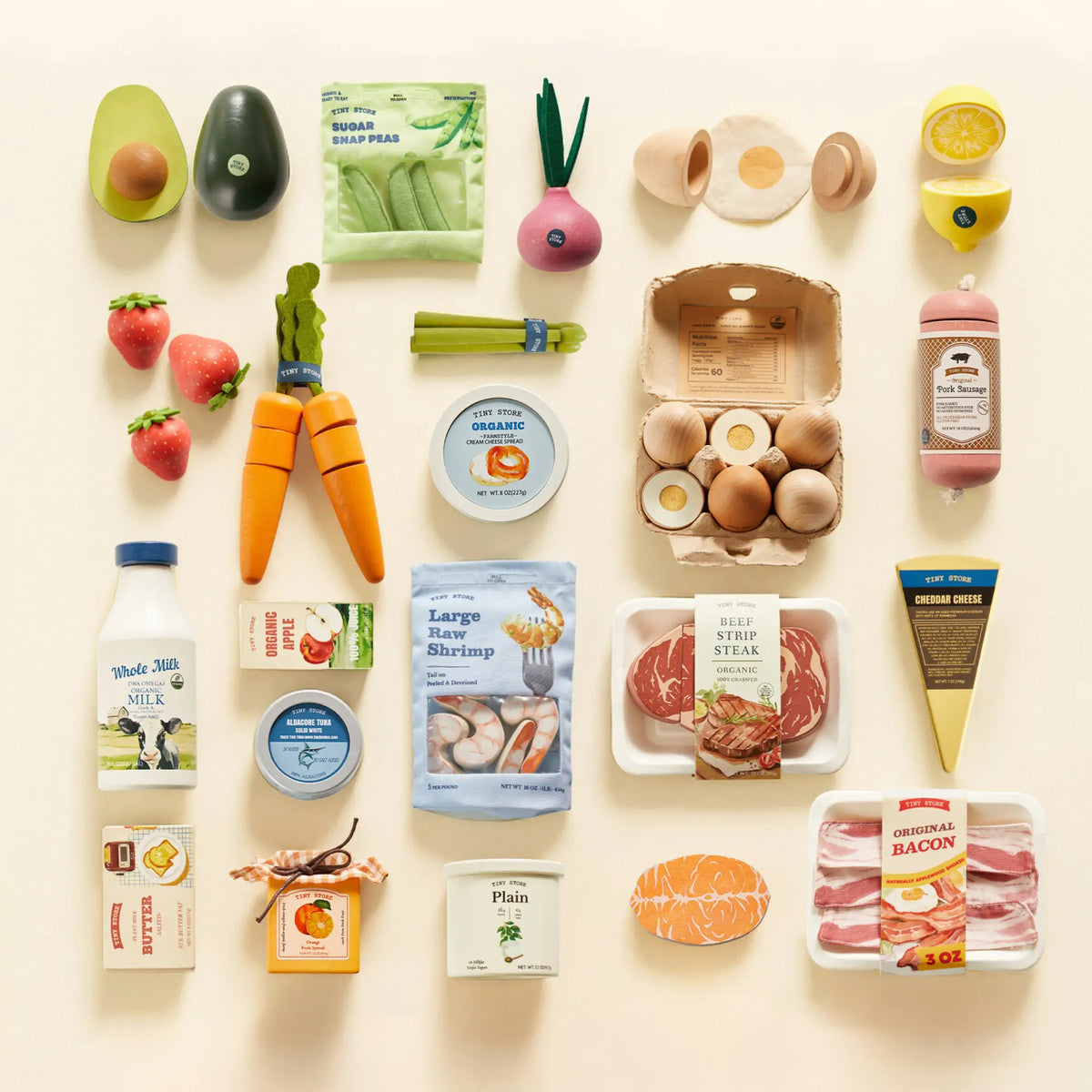
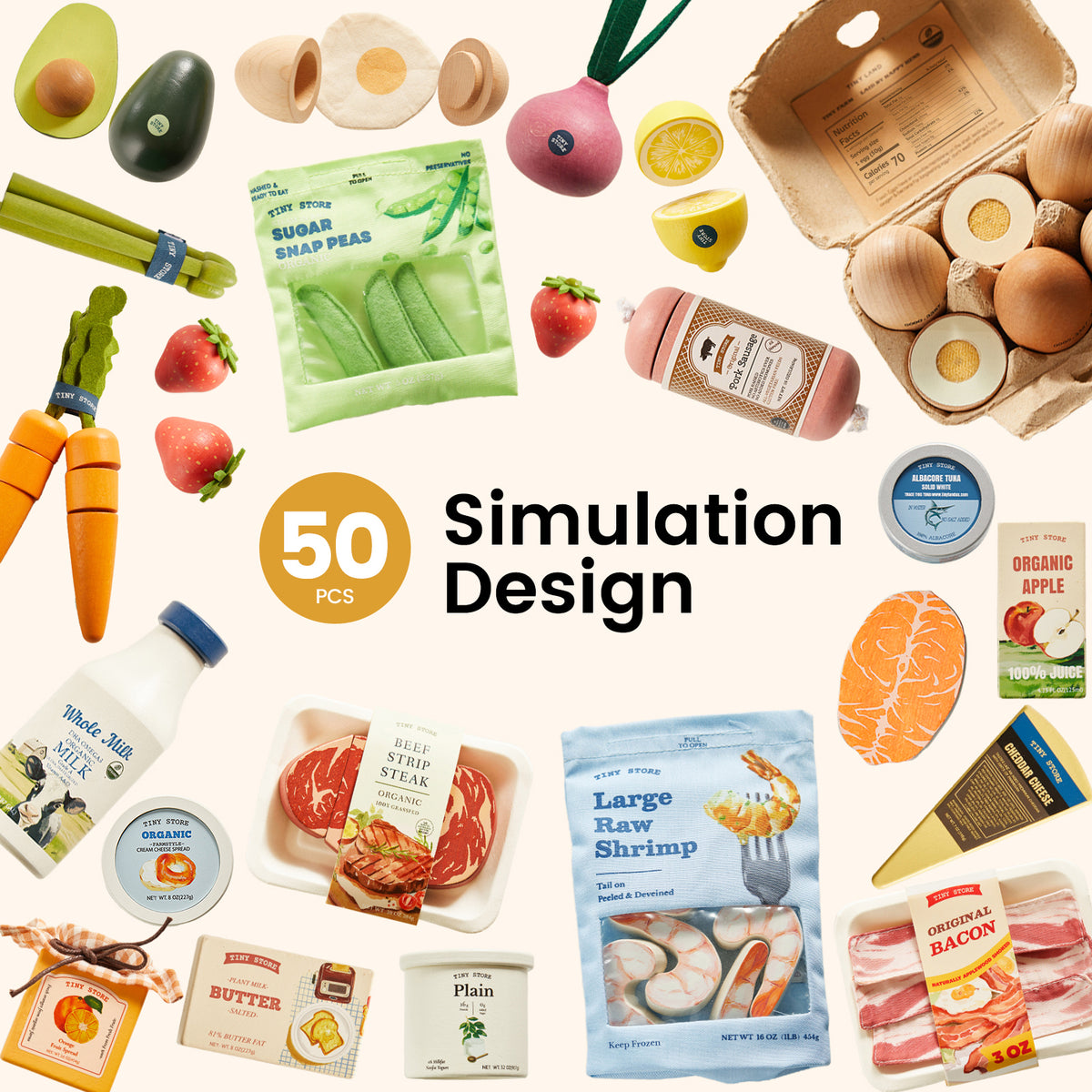
For example, the Tiny Land Wooden Play Food Set includes 43 pieces.
To compare different food types and find options for your child's pretend-play setup, browse wooden play food sets and explore the full pretend play food collection from Tiny Land.