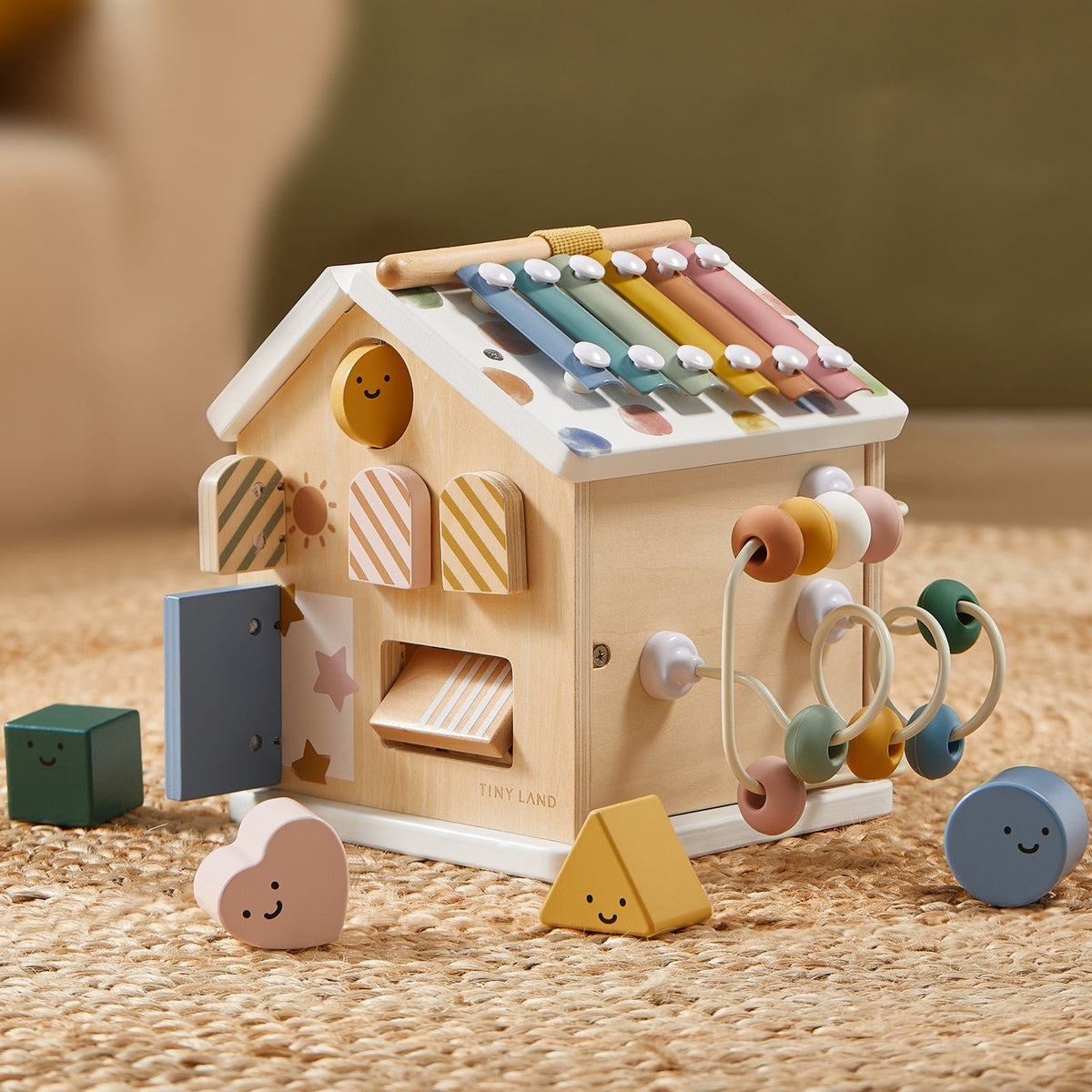
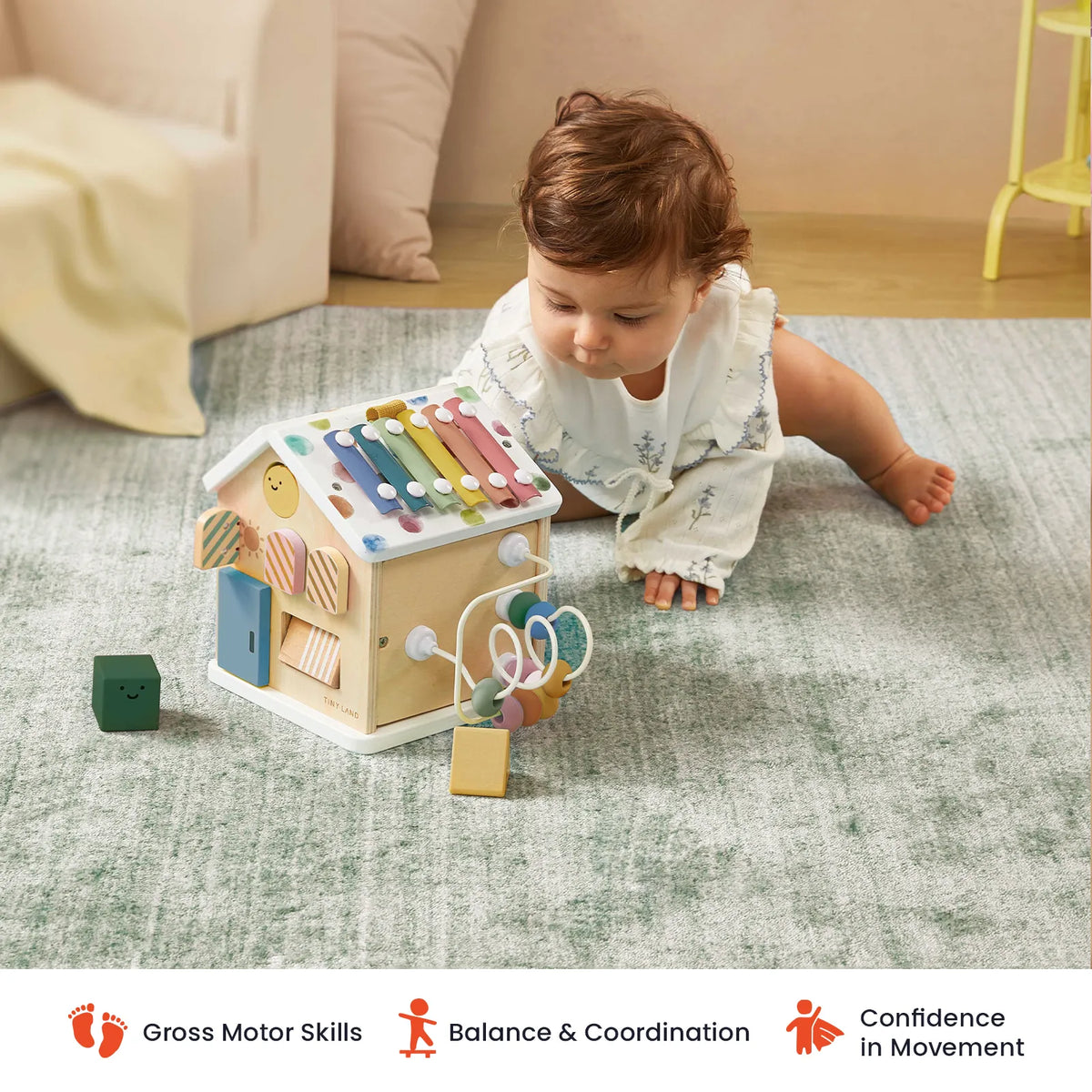
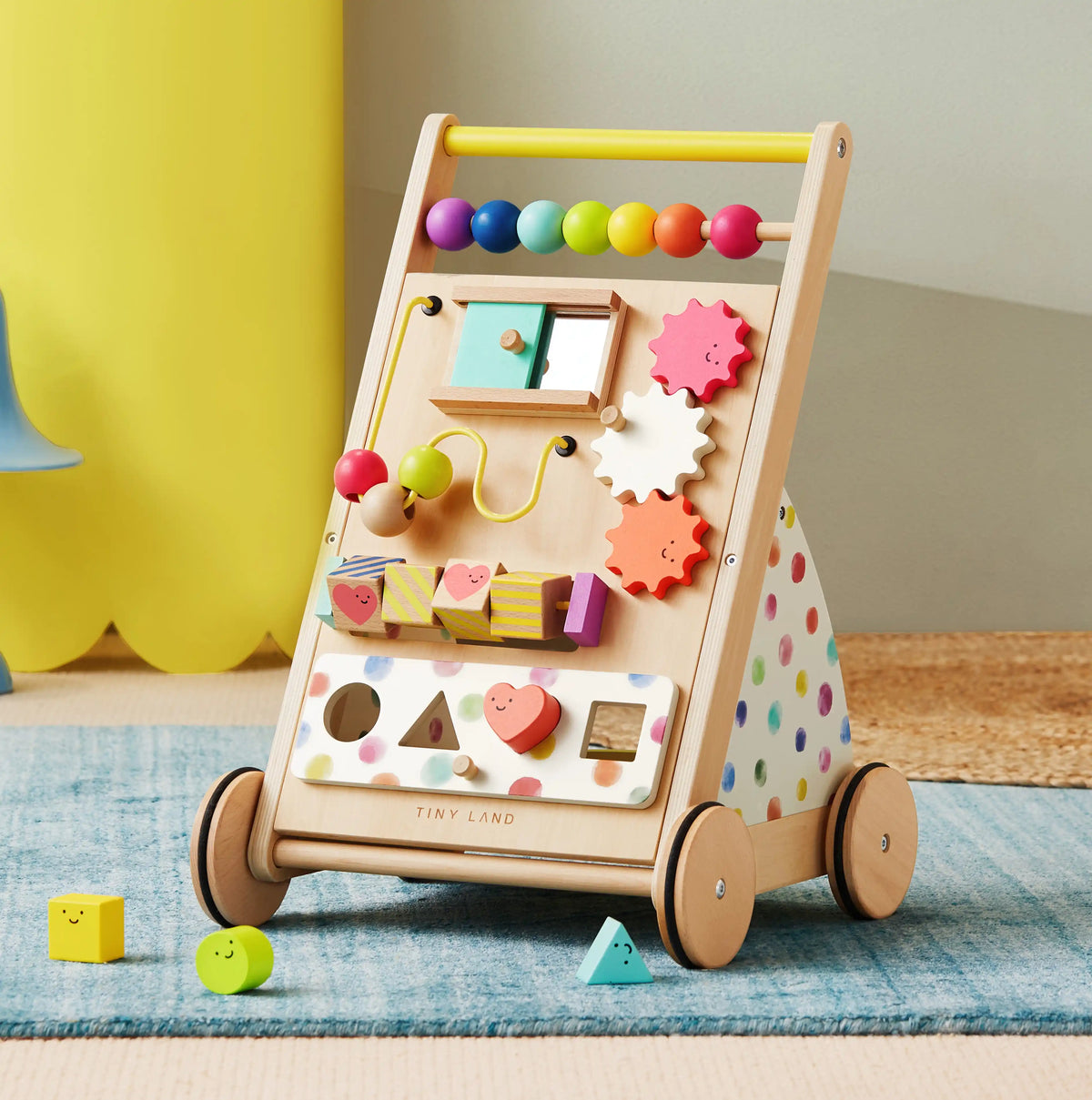
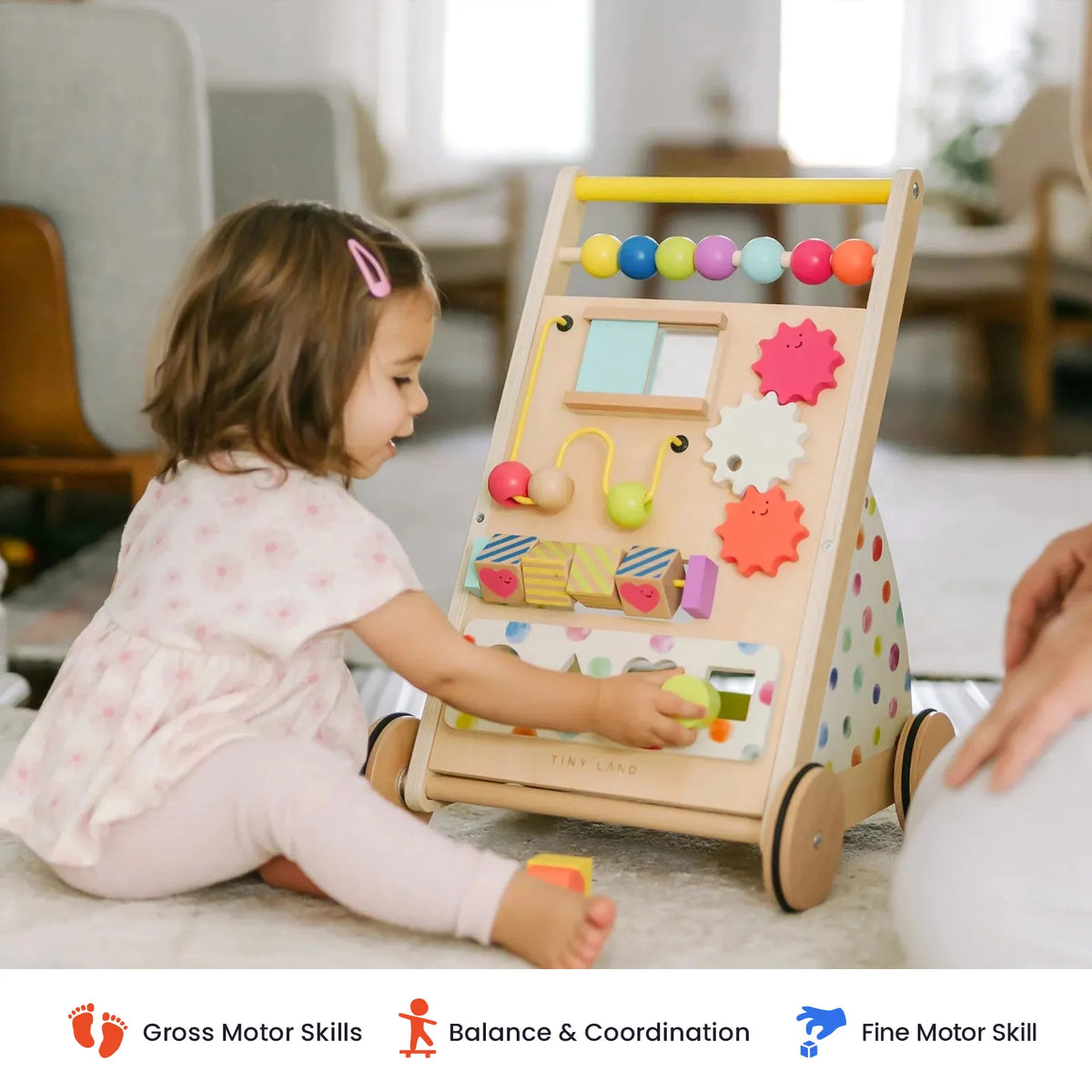


Choosing toys for a toddler can feel complicated. Some products look exciting but lose a child’s interest quickly, while simple toys may be used for years. The best educational toys for toddlers are not always the ones with the most lights or sounds. They encourage children to explore, solve small problems, and practice new skills through play.
Age recommendations help, but every child develops differently. One toddler may love animals and dolls, while another prefers wooden blocks or art. The goal is to offer learning toys that suit a child’s stage while leaving room for creativity.

Educational Toys for 12- to 18-Month-Olds
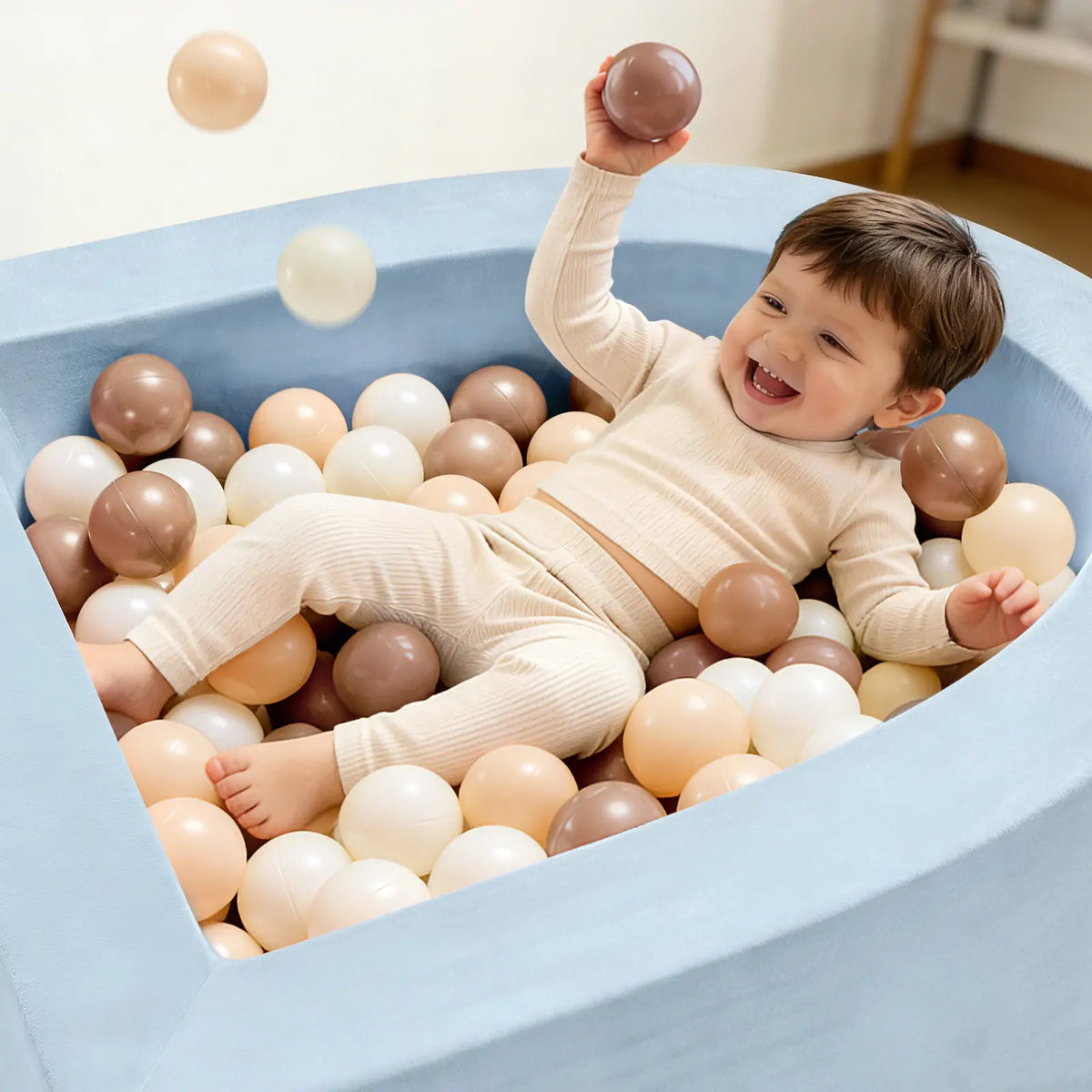
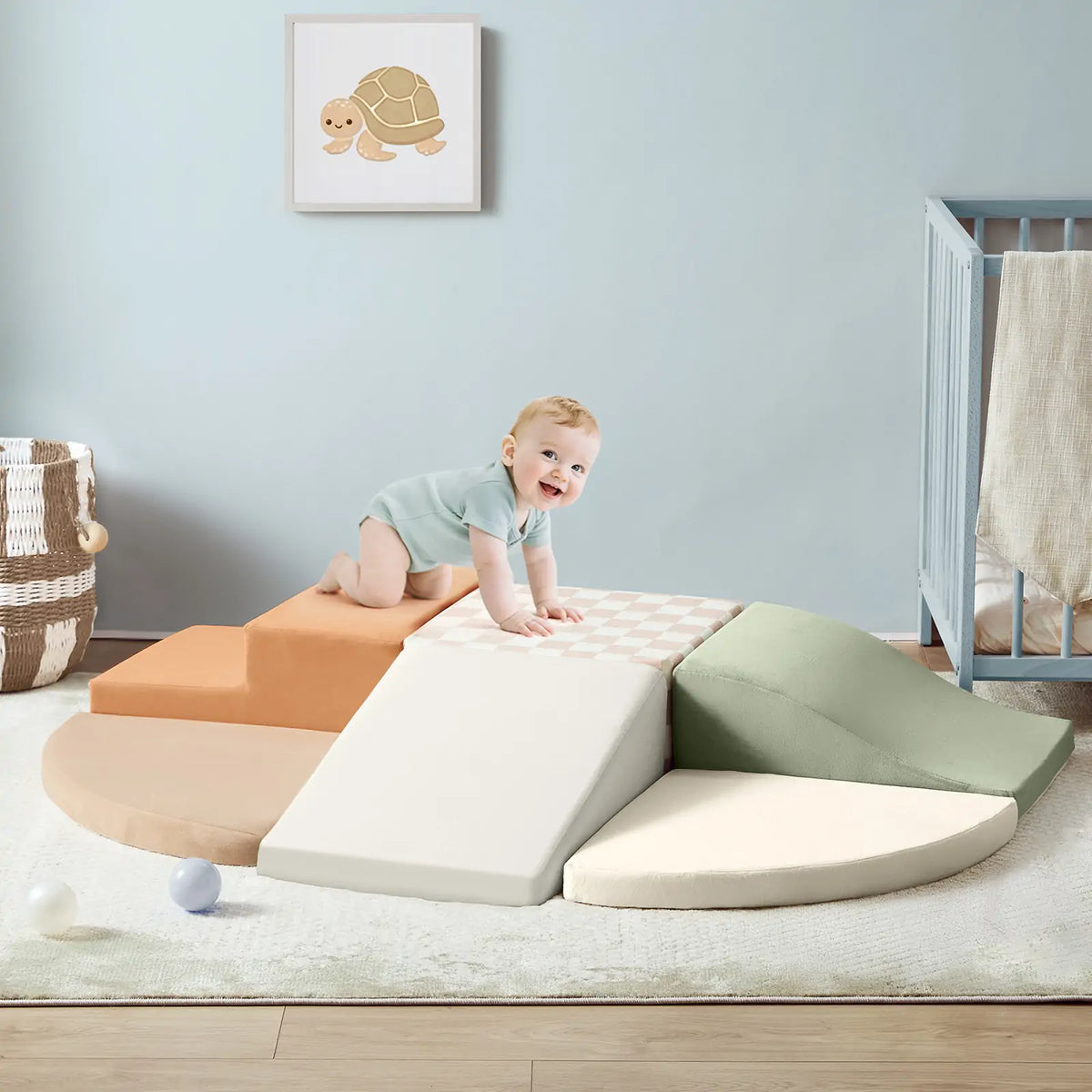
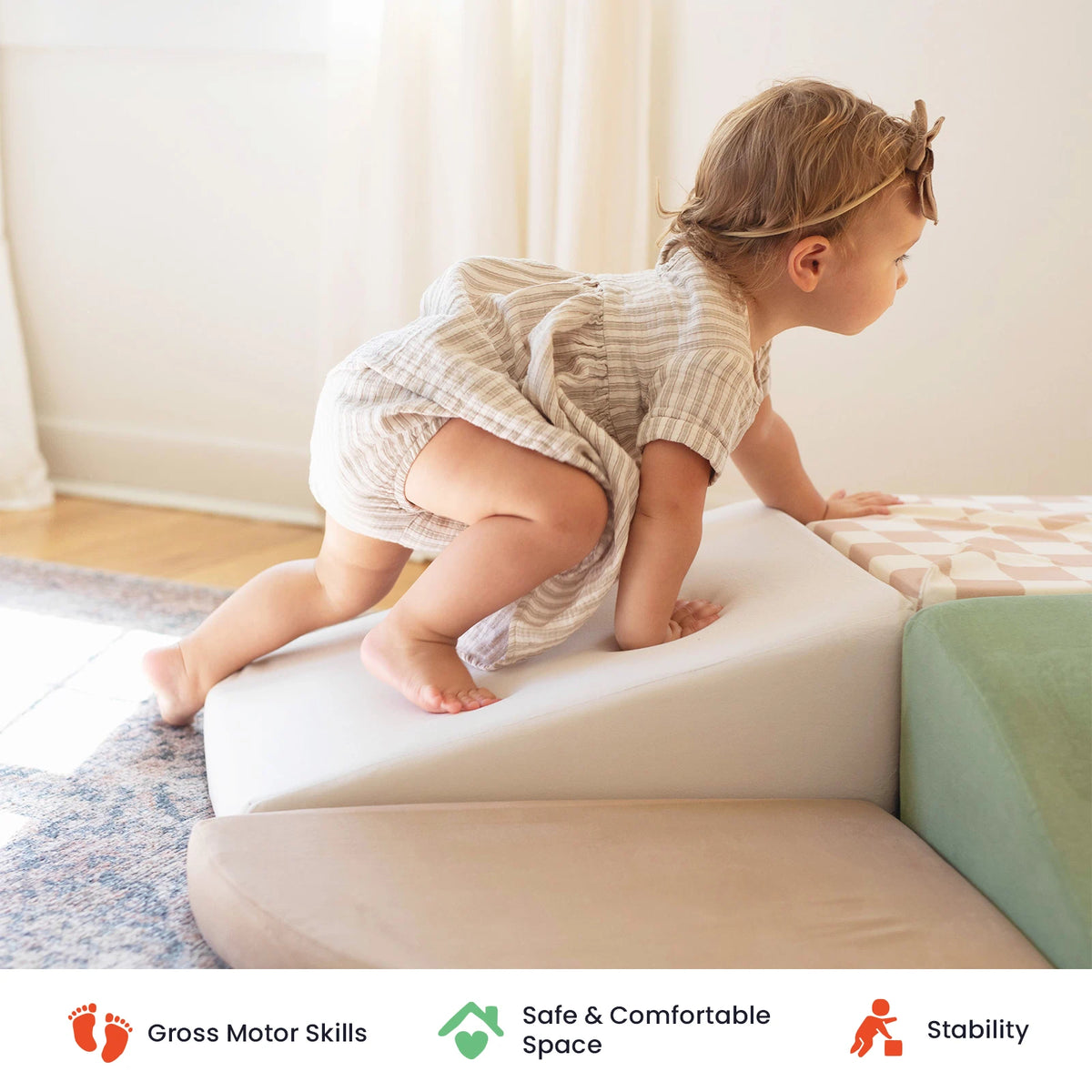
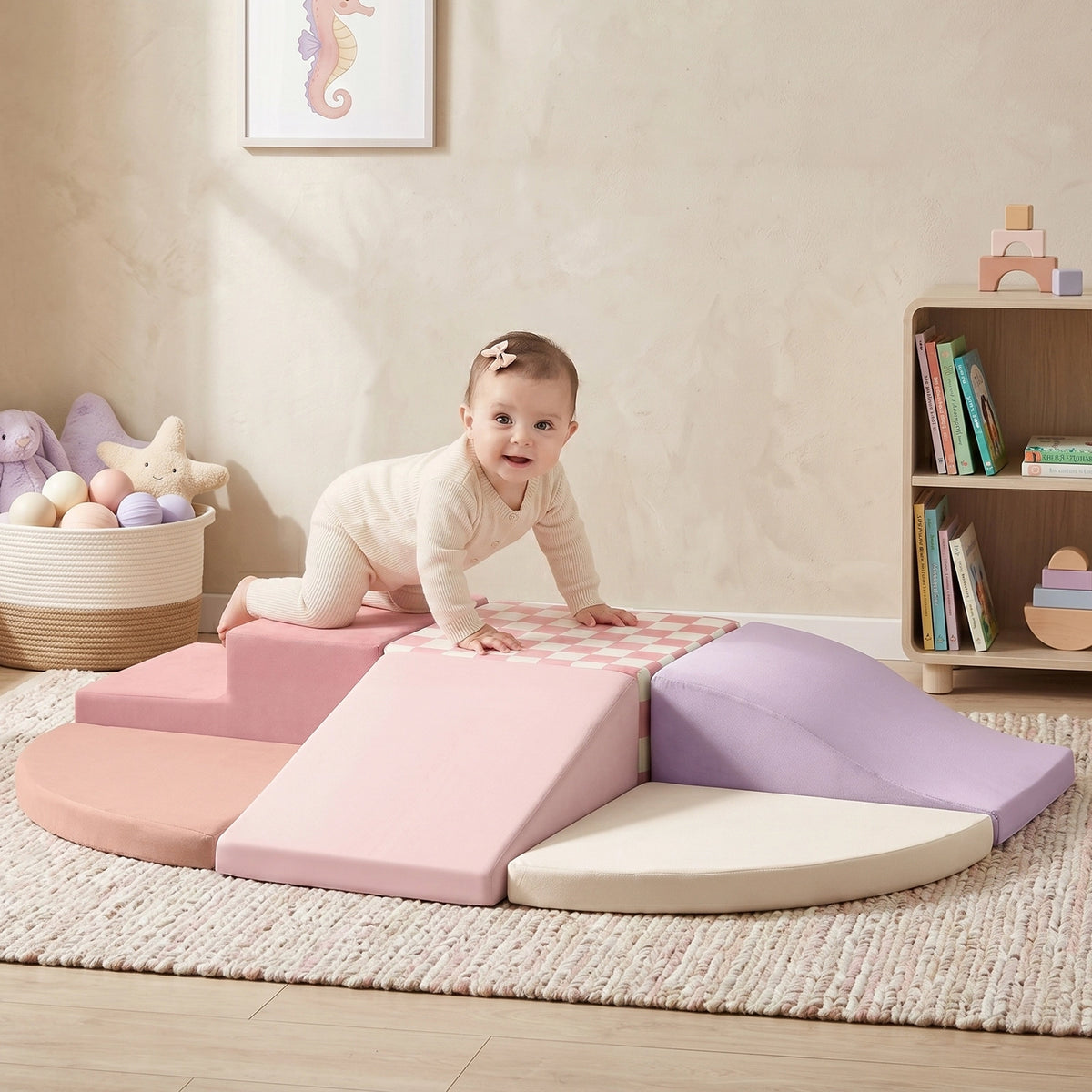
At this age, babies learn through movement, touch, sound, and repetition. They may enjoy putting pieces into containers, pulling toys, stacking objects, and knocking them down.
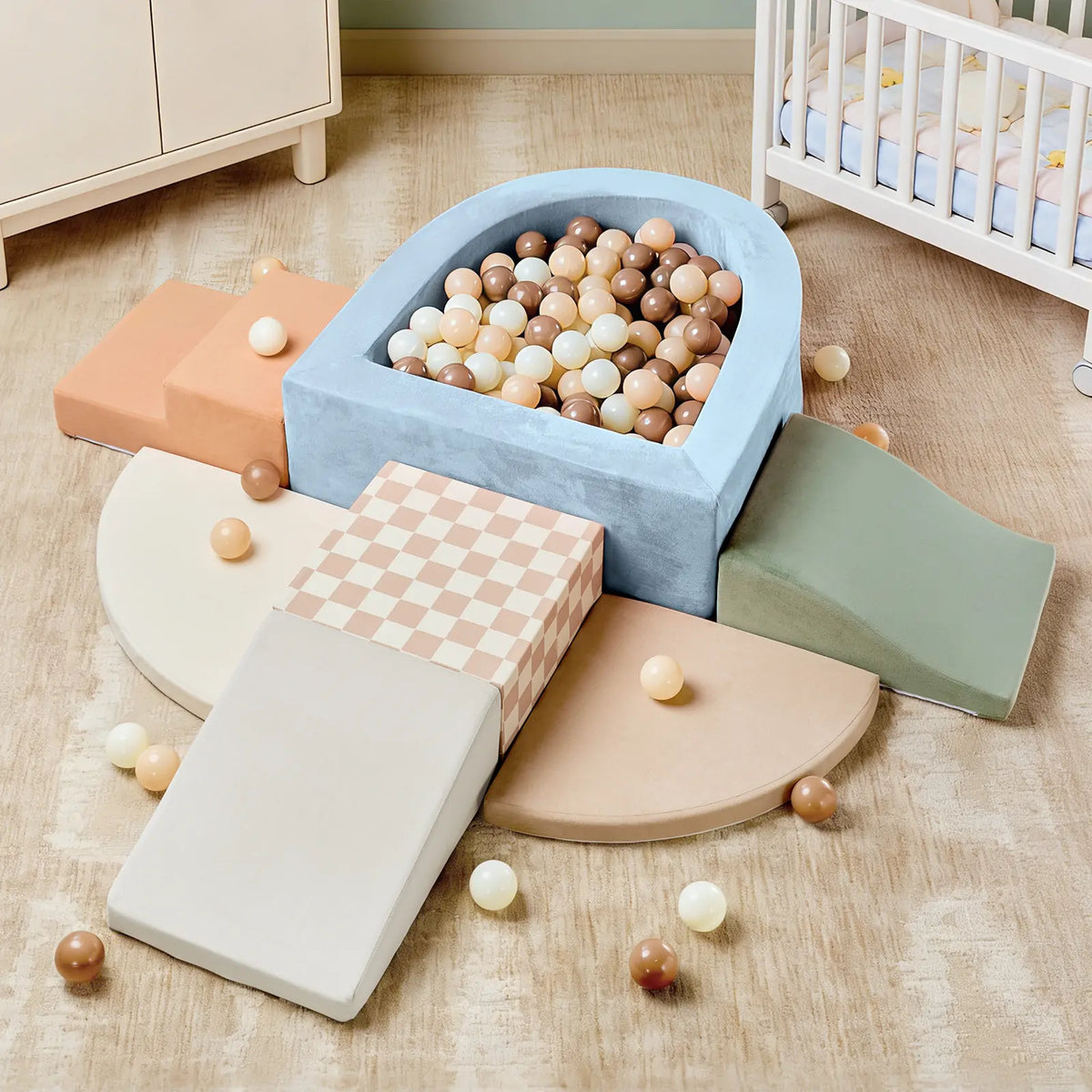
Stacking toys, nesting cups, pull toys, soft blocks, and chunky puzzles support hand eye coordination, problem solving, and fine motor skills. Shape sorters also introduce basic shapes and cause and effect.
Parents can support color recognition by naming colors during play. Choose toys that are easy to hold, durable, and safe for children who still explore objects with their mouths.

Best Learning Toys for 18- to 24-Month-Olds
Between 18 months and 2 years, toddlers become more independent. They want to carry objects, open boxes, copy their parents, and complete simple tasks without help.
This is a good stage for wooden blocks, peg puzzles, toy animals, beginner art supplies, and pretend play sets. Wooden blocks support open ended play because there is no single correct result. A child may stack two blocks today, build a house next month, and create castles as a preschooler.
A Little People farm set or similar animal toy can help children learn new words. They may begin with animal sounds, then move on to naming each animal and creating short stories.
Toddlers may only focus for a few minutes. That is normal. A toy does not need to keep kids engaged for an hour to be educational.

Educational Toys for 2-Year-Olds
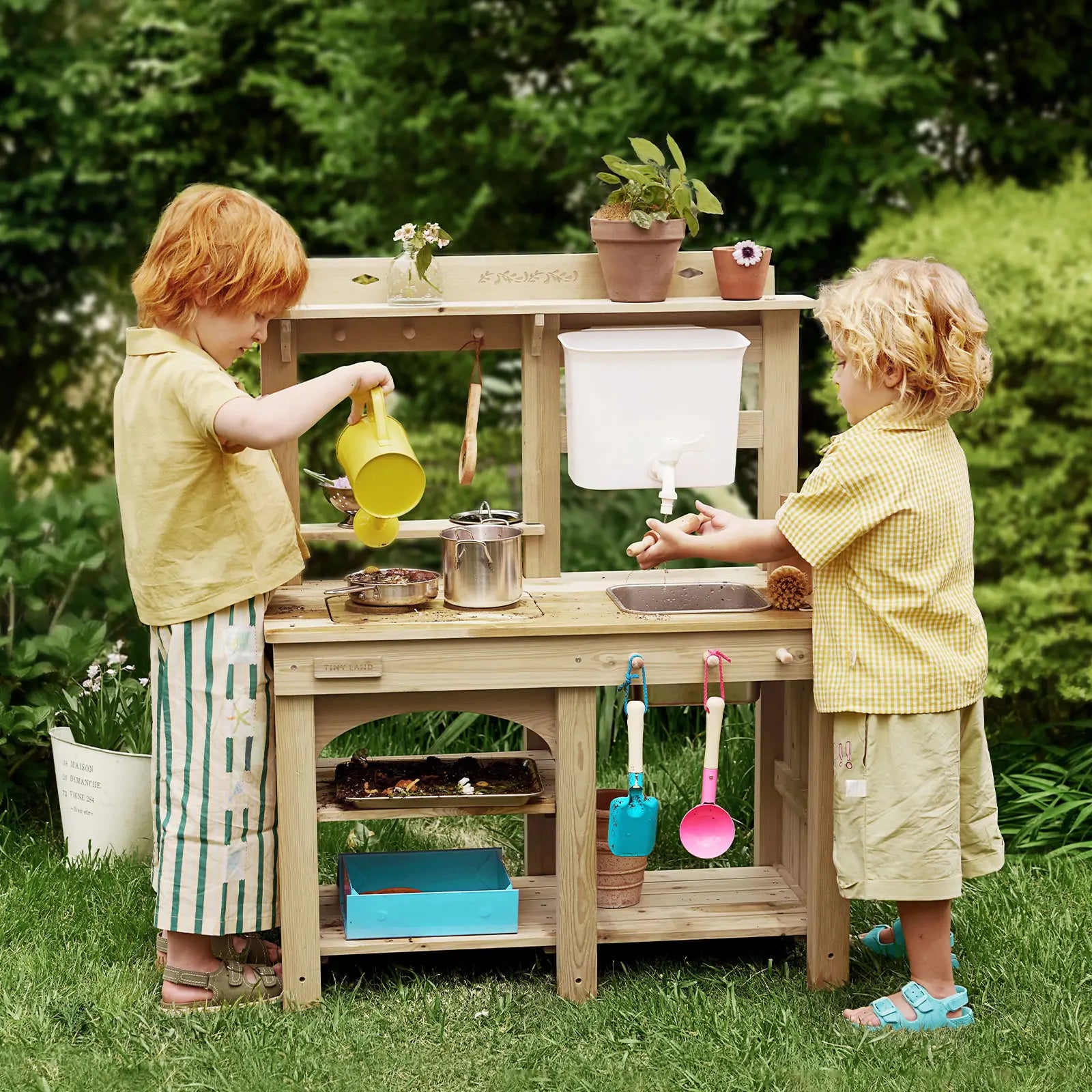
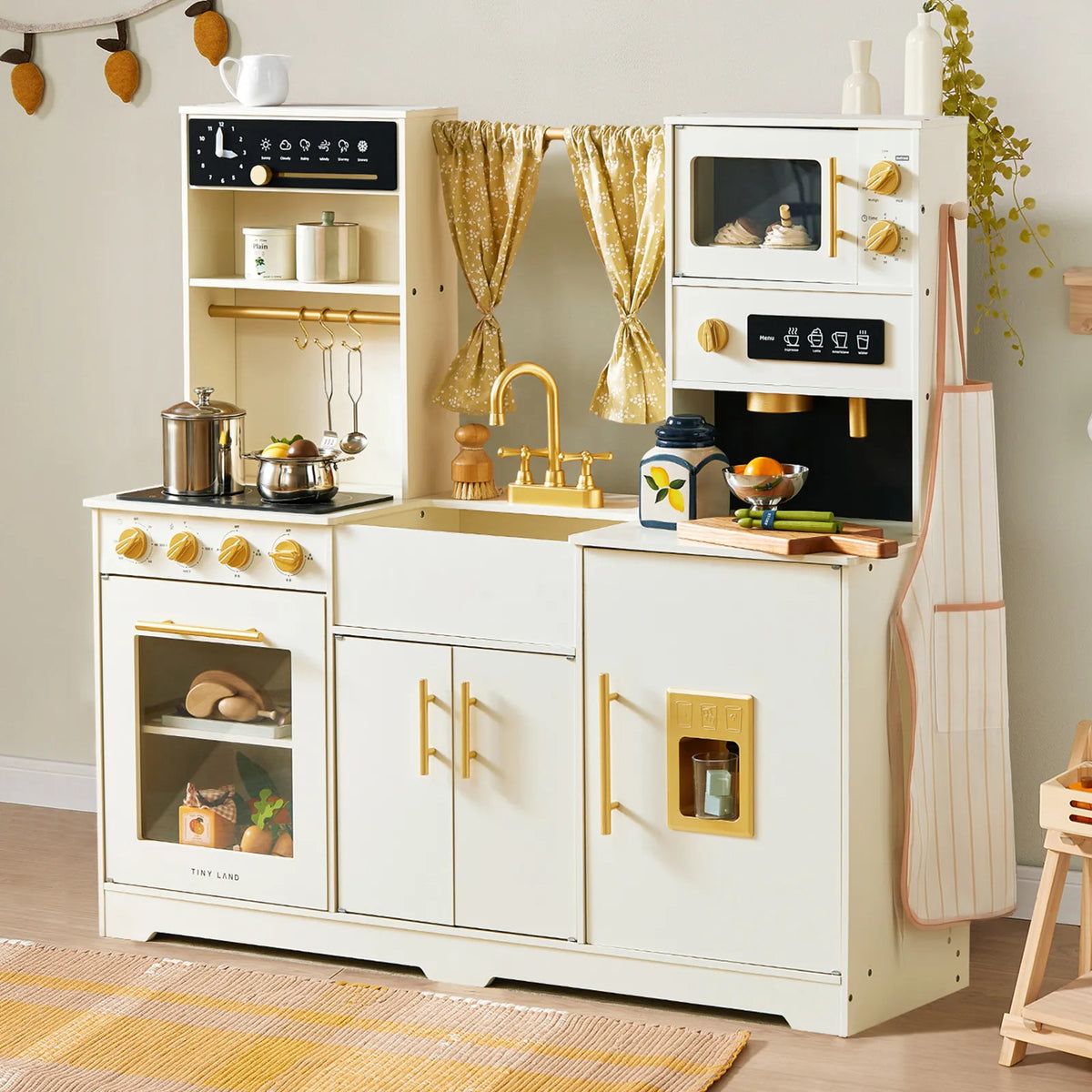
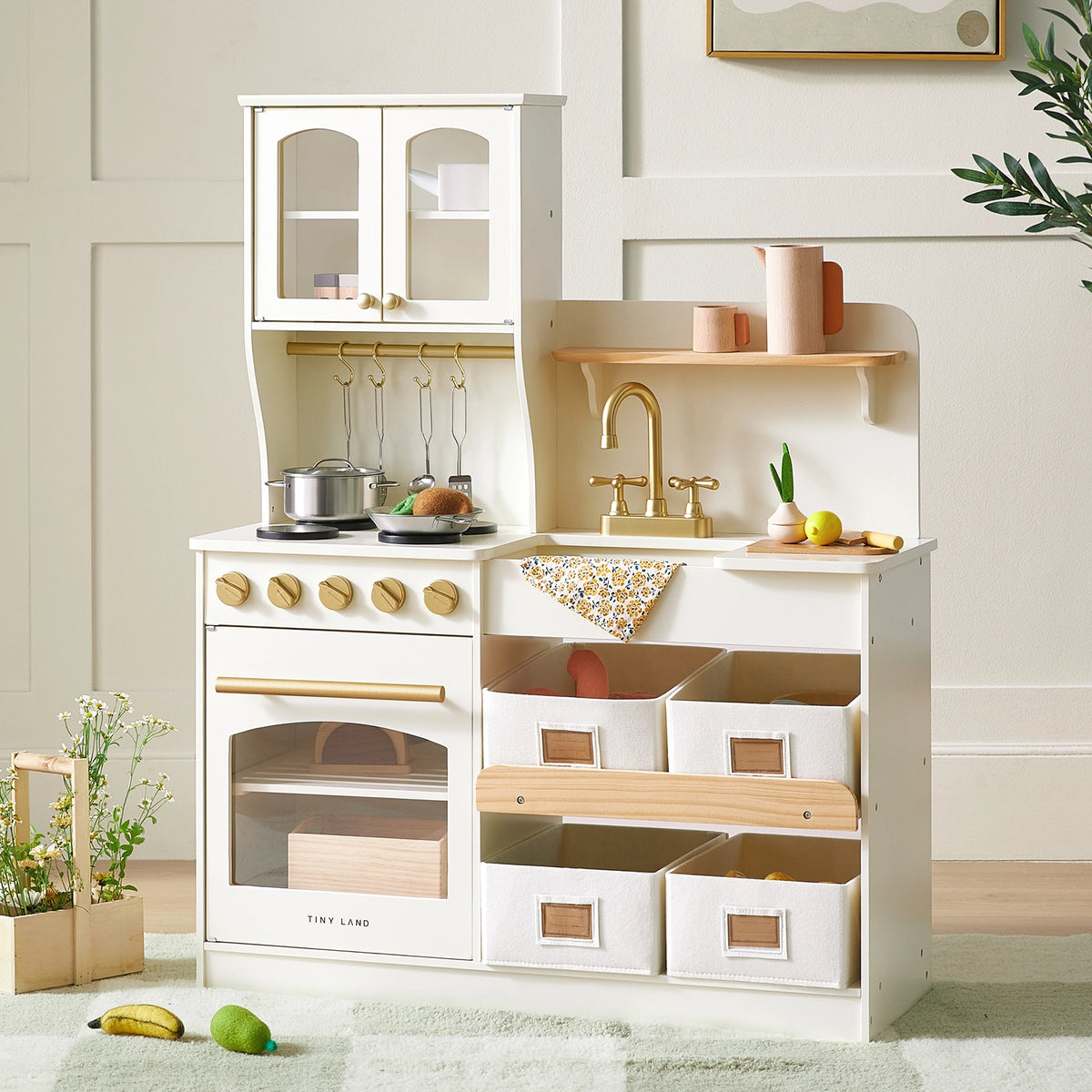
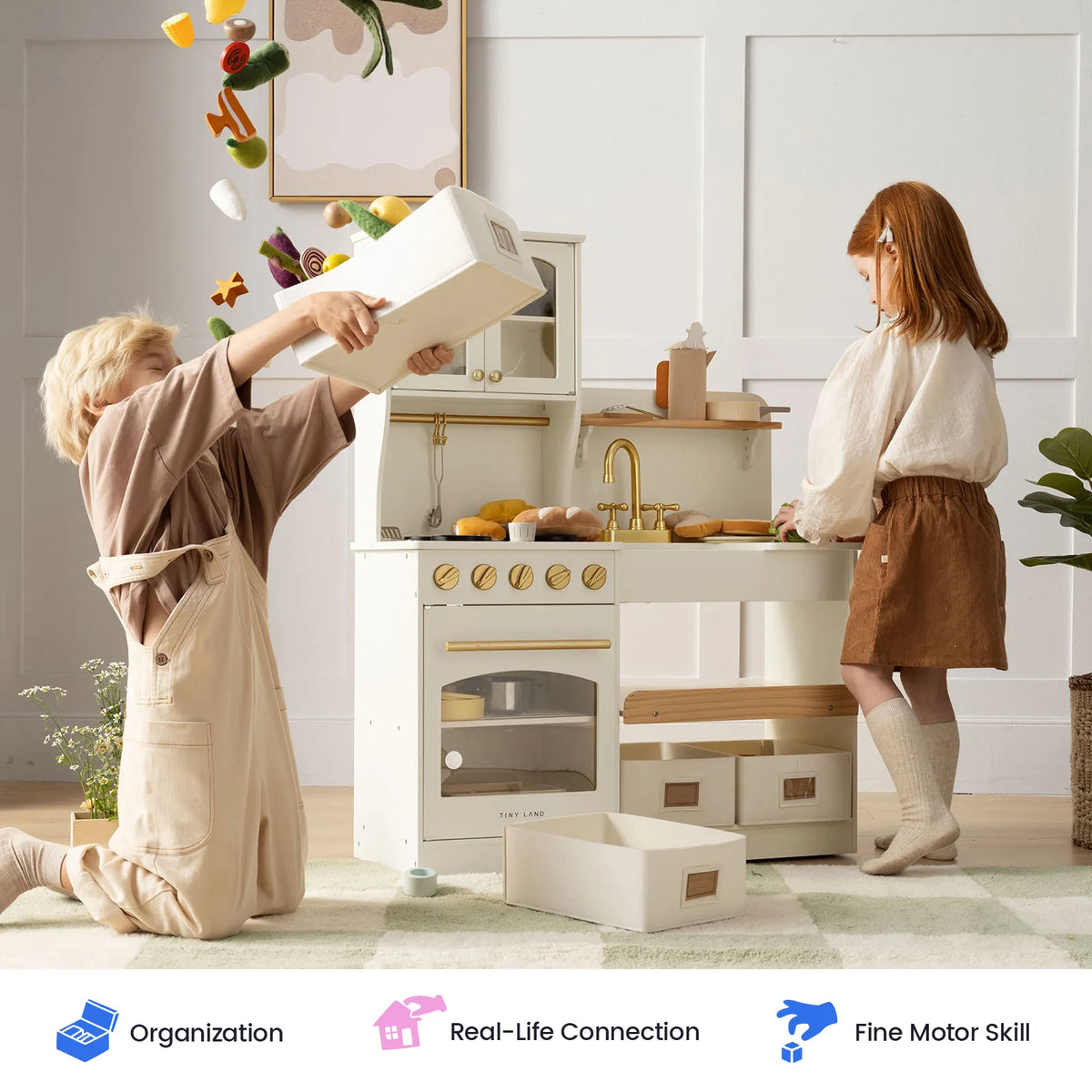
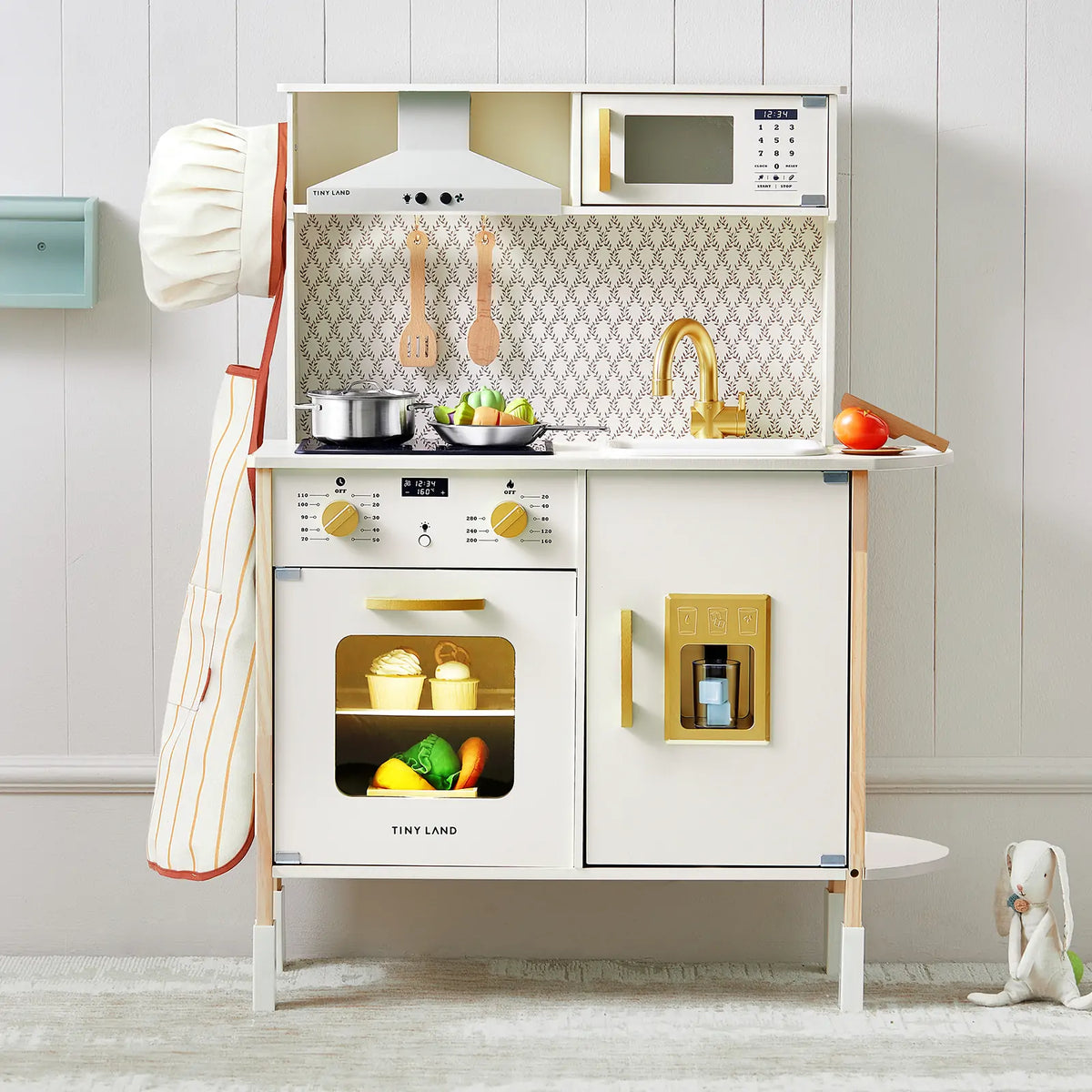
Two-year-olds are curious about how things work. Good choices include large-piece puzzles, wooden blocks, DUPLO blocks, play kitchens, dolls, matching games, crayons, and toy cleaning sets.
DUPLO blocks are useful because the pieces are large enough for small hands and can be used in many ways. Children can build towers, sort pieces by color, create a house, or start again. This supports creativity, fine motor skills, and early planning.
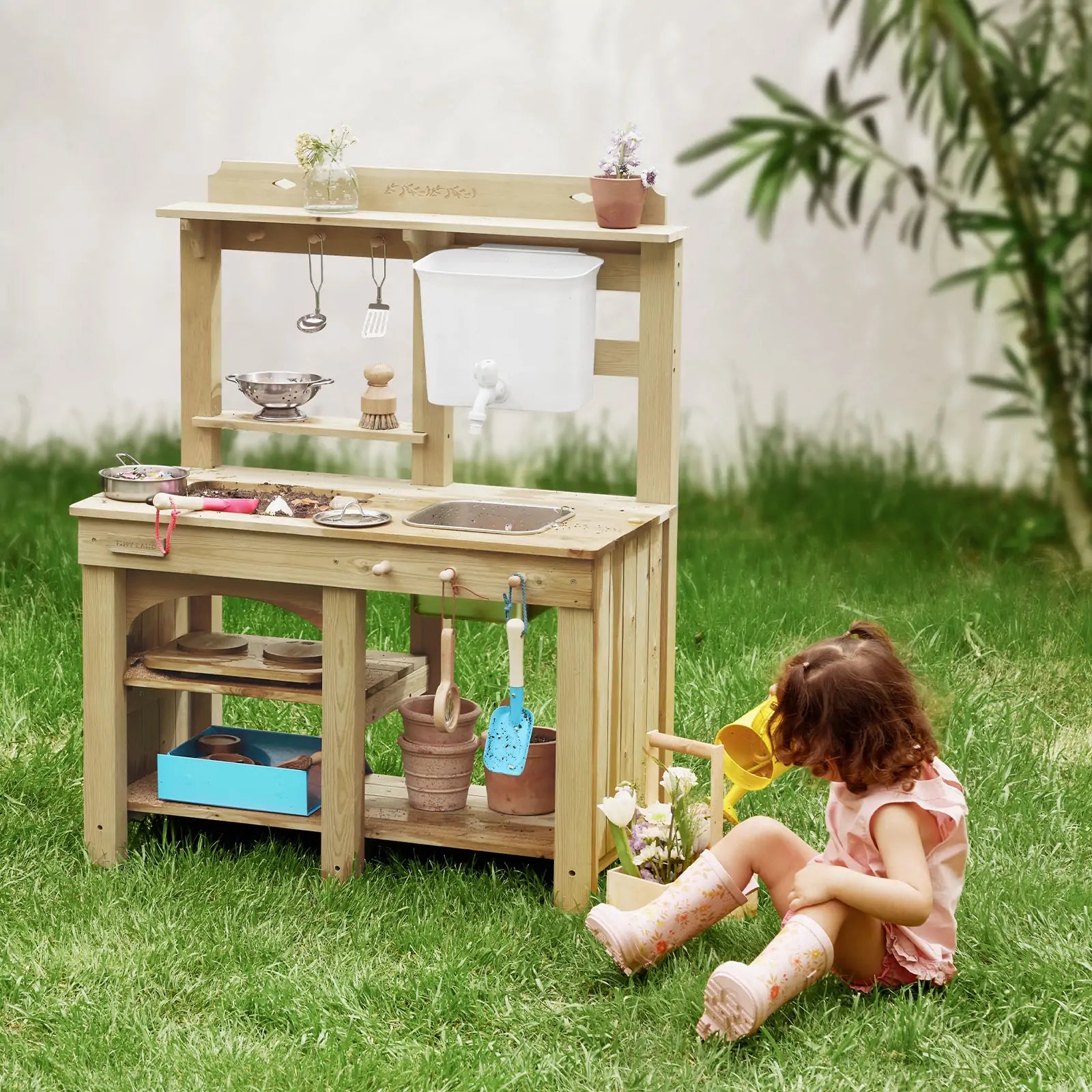
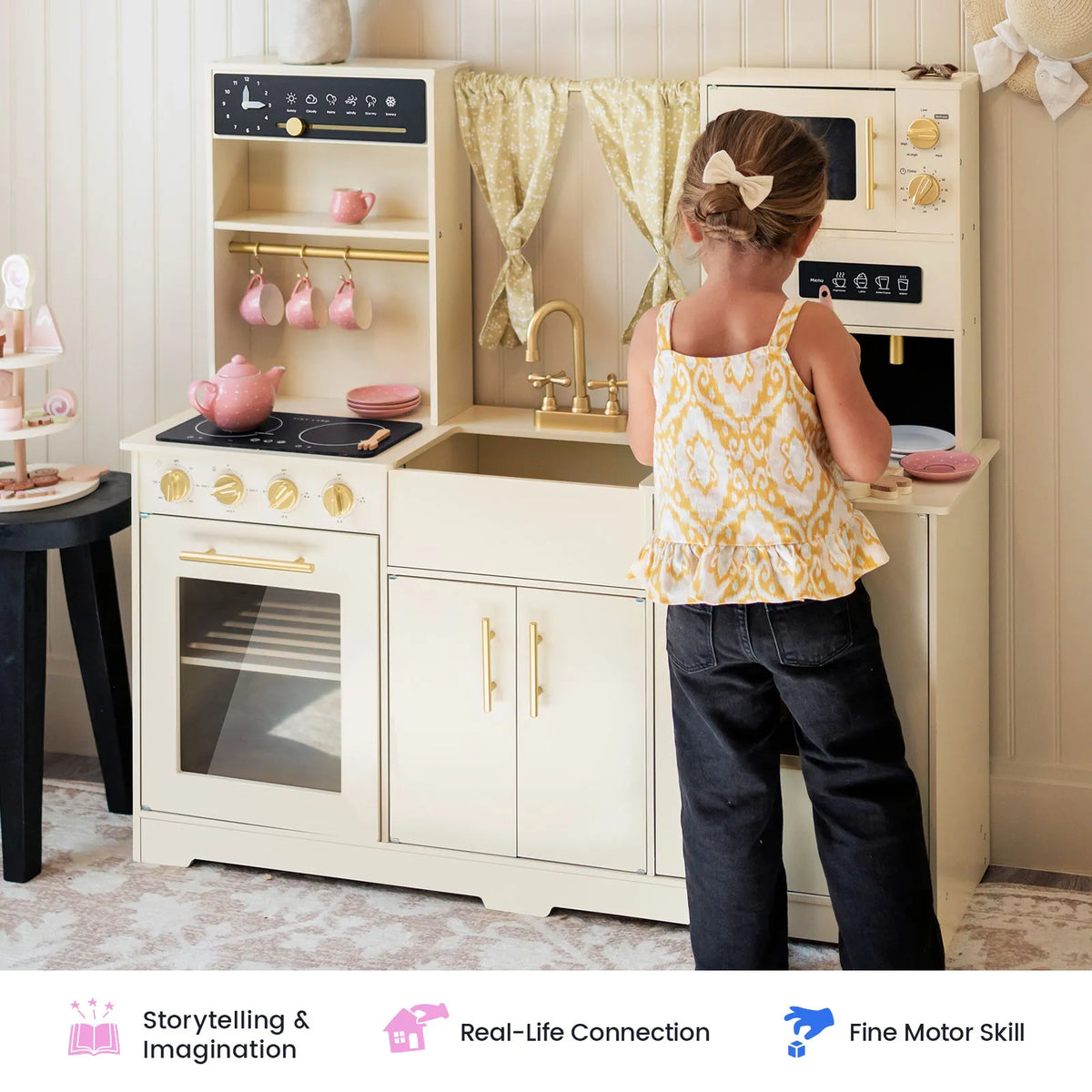
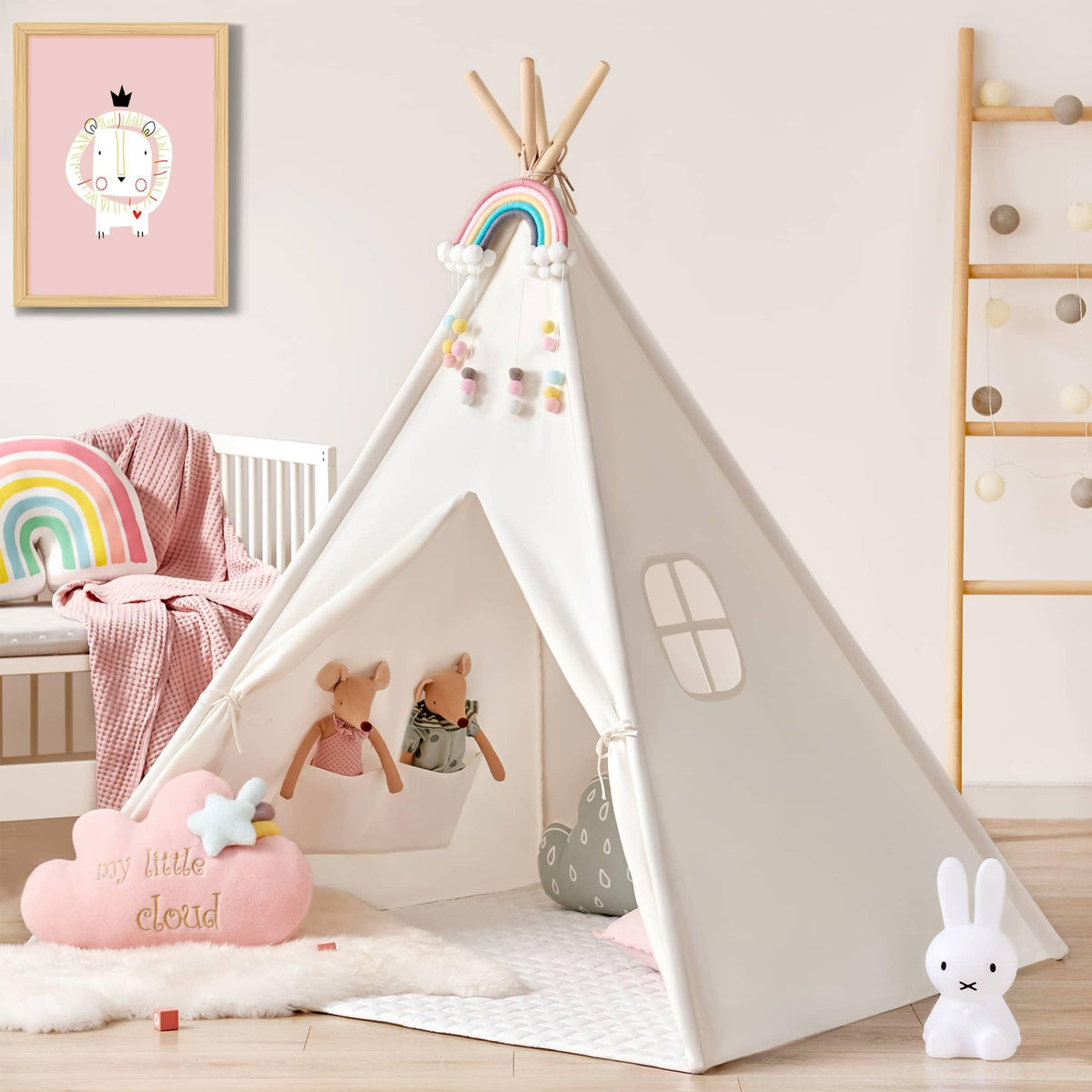
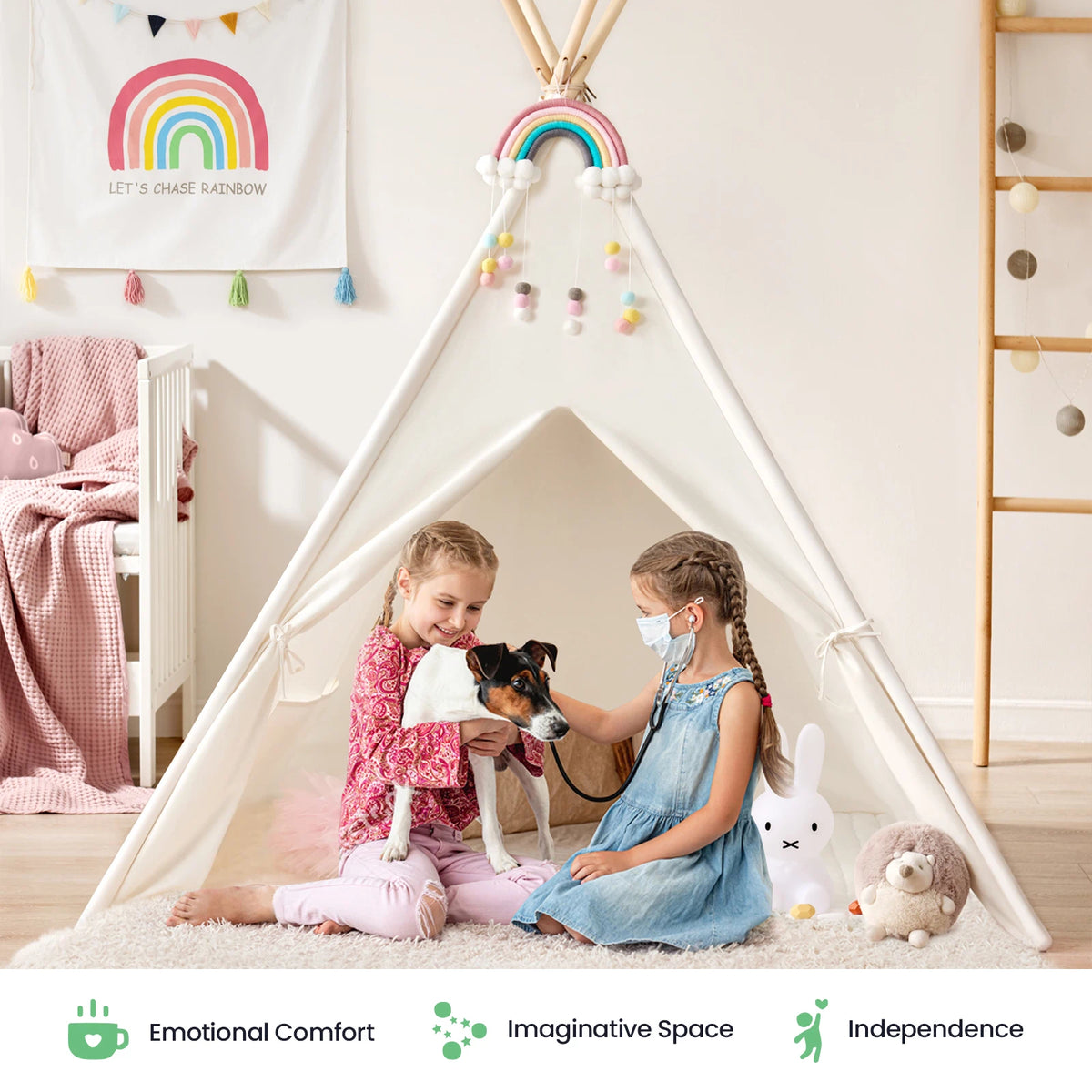
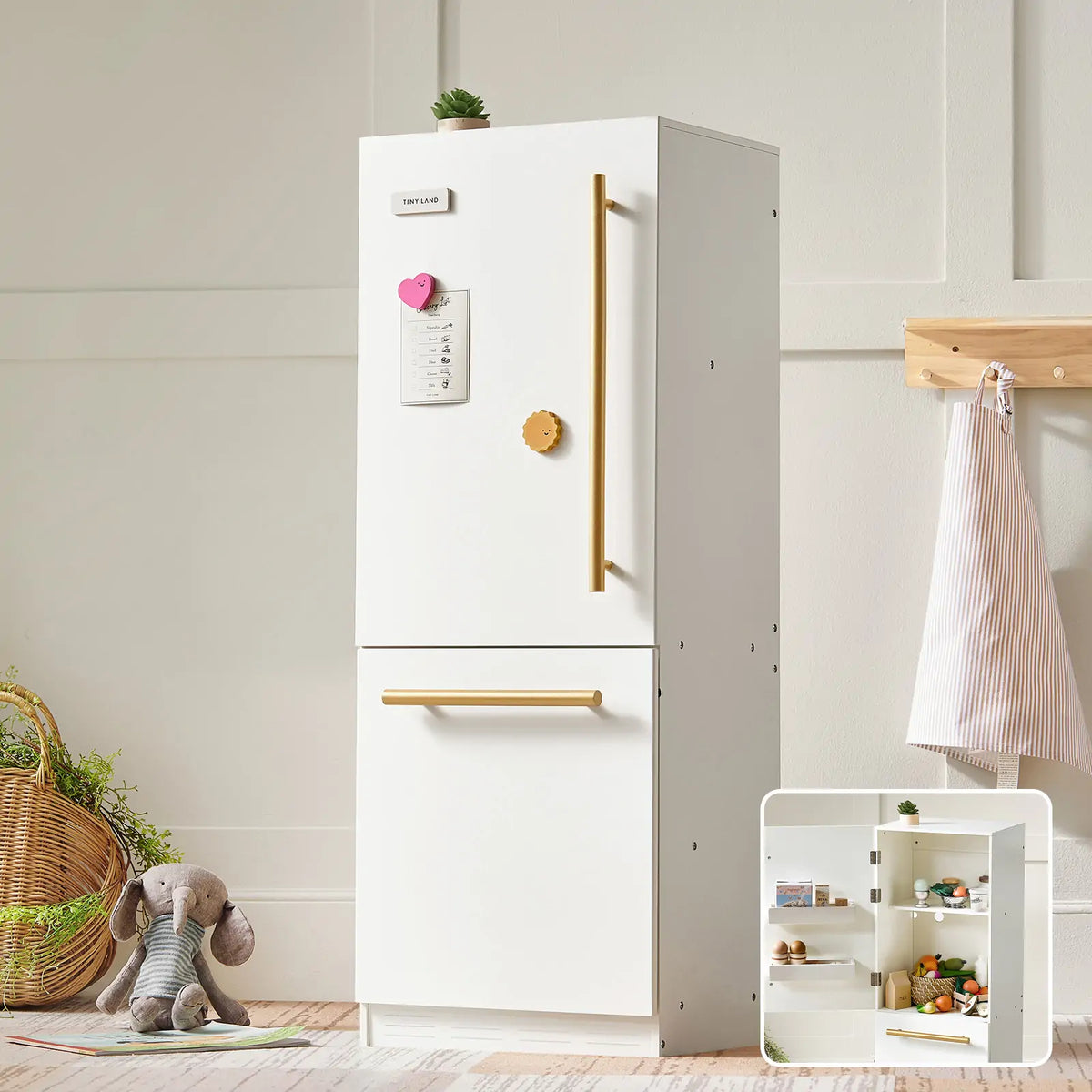
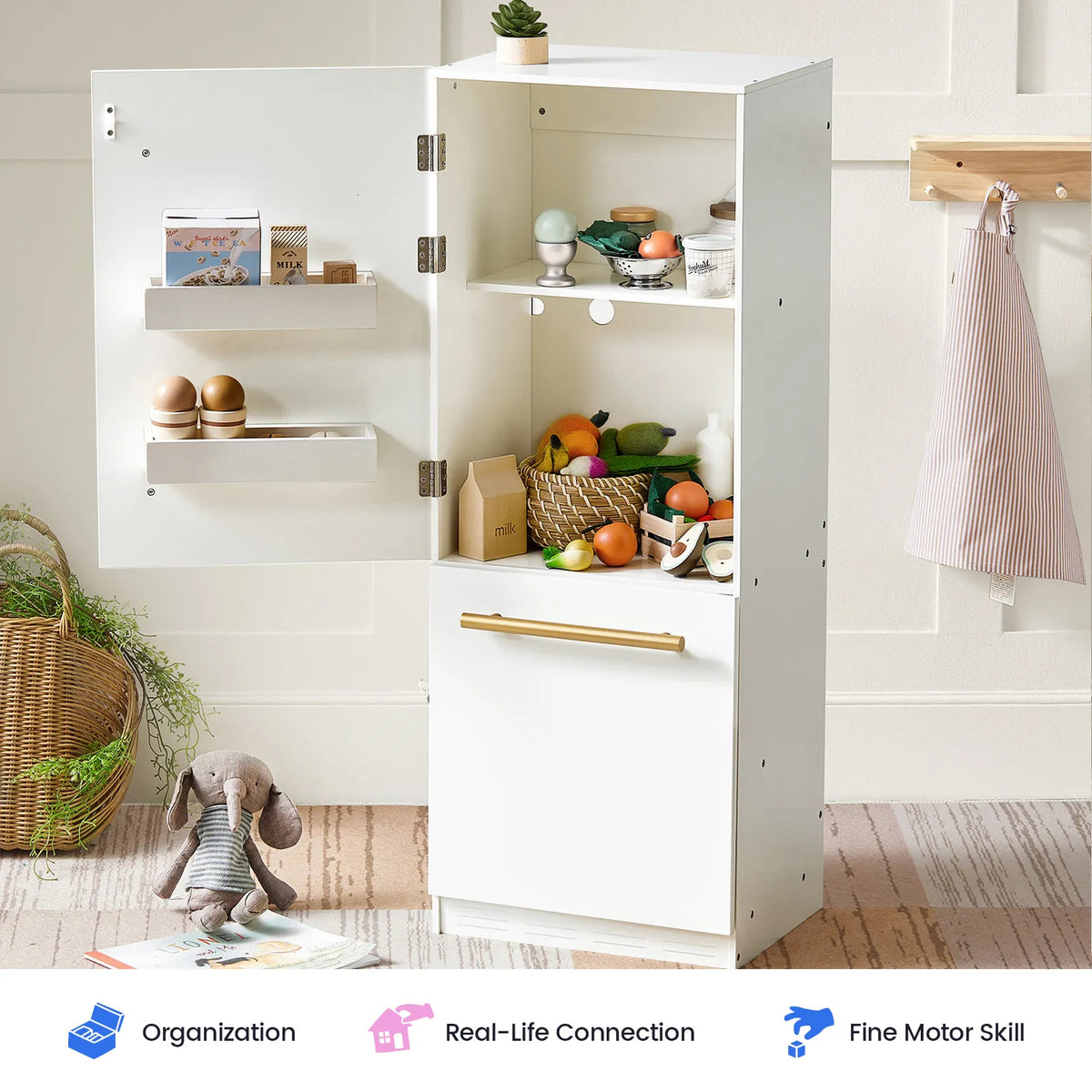
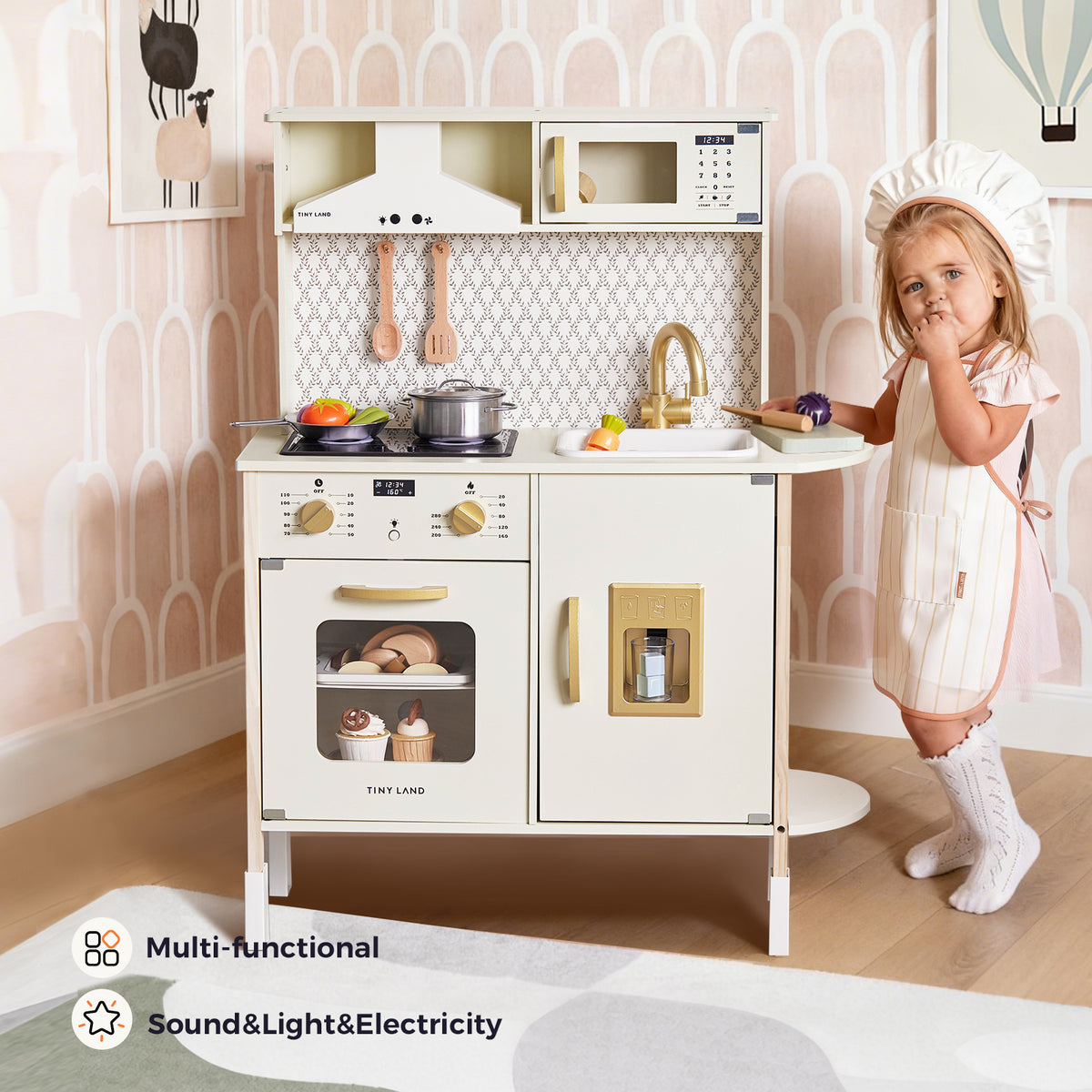
Pretend play also becomes more important around age two. A child may feed a doll, cook pretend food, or copy a parent cleaning the house. These games support communication and help children understand daily life.
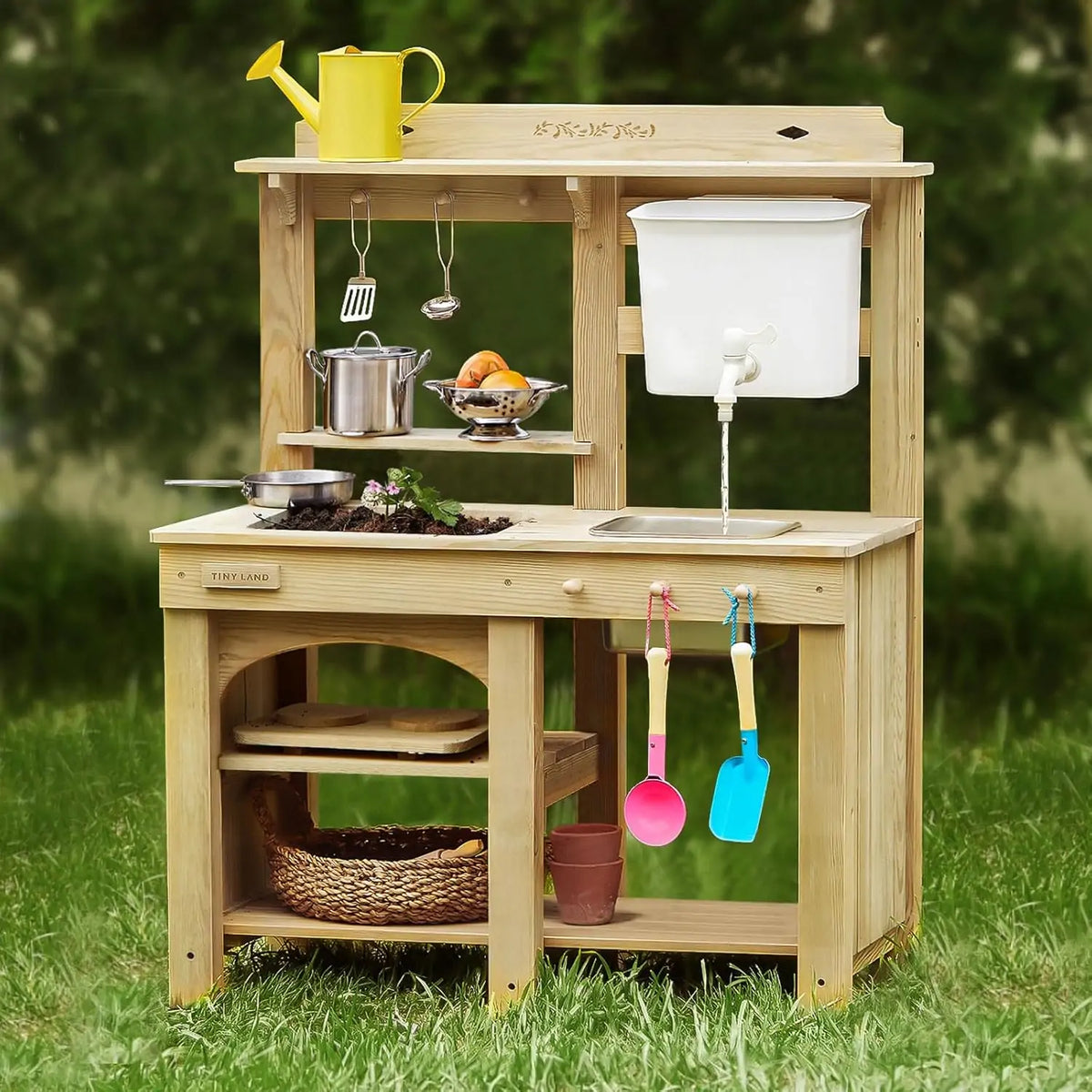
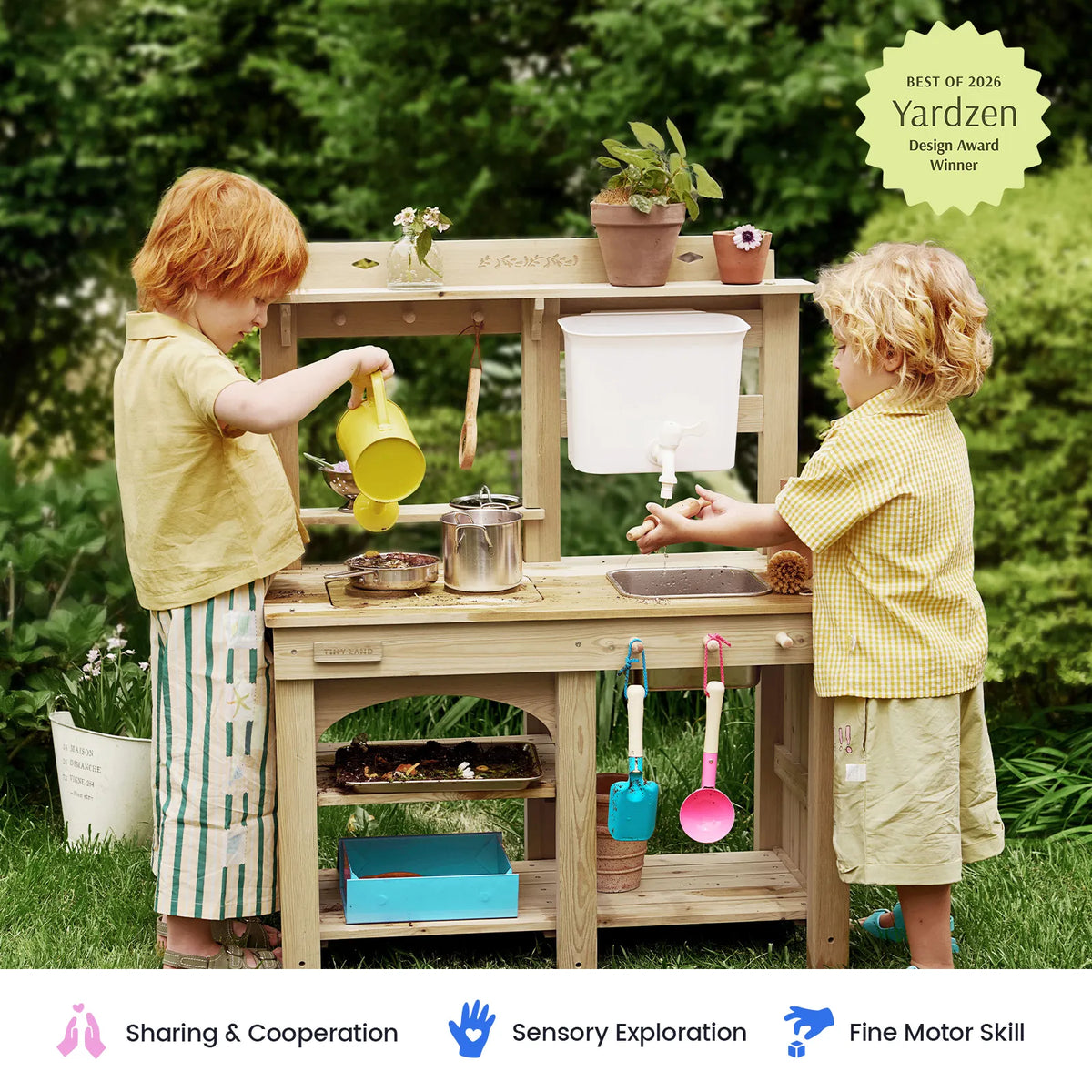
A play kitchen can introduce counting, learning colors, naming foods, and taking turns. When multiple kids play together, it can also encourage cooperation.

Best Educational Toys for 3-Year-Olds
By age three, many toddlers are ready for more detailed play. Their language skills are growing, and they often begin creating stories around their toys.
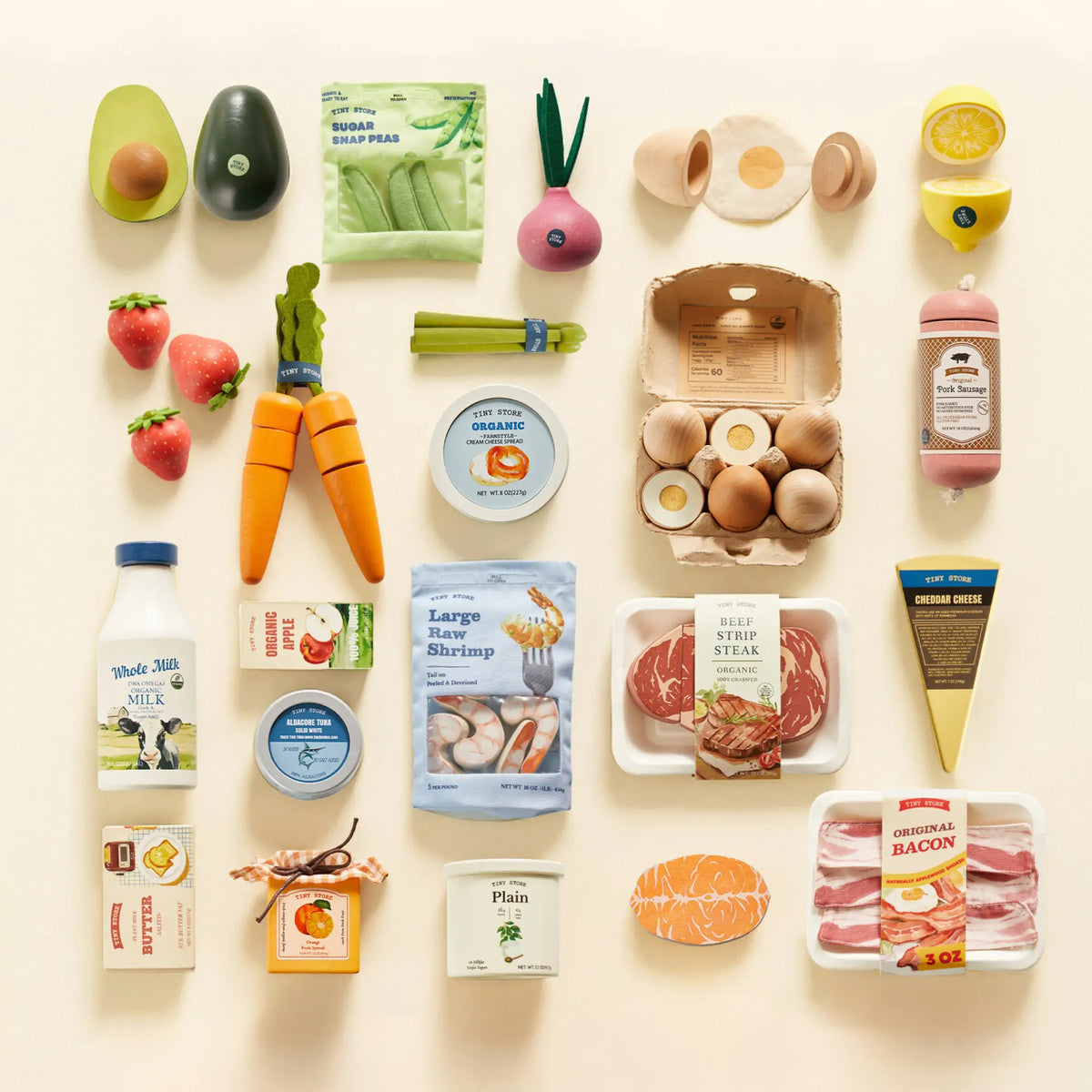
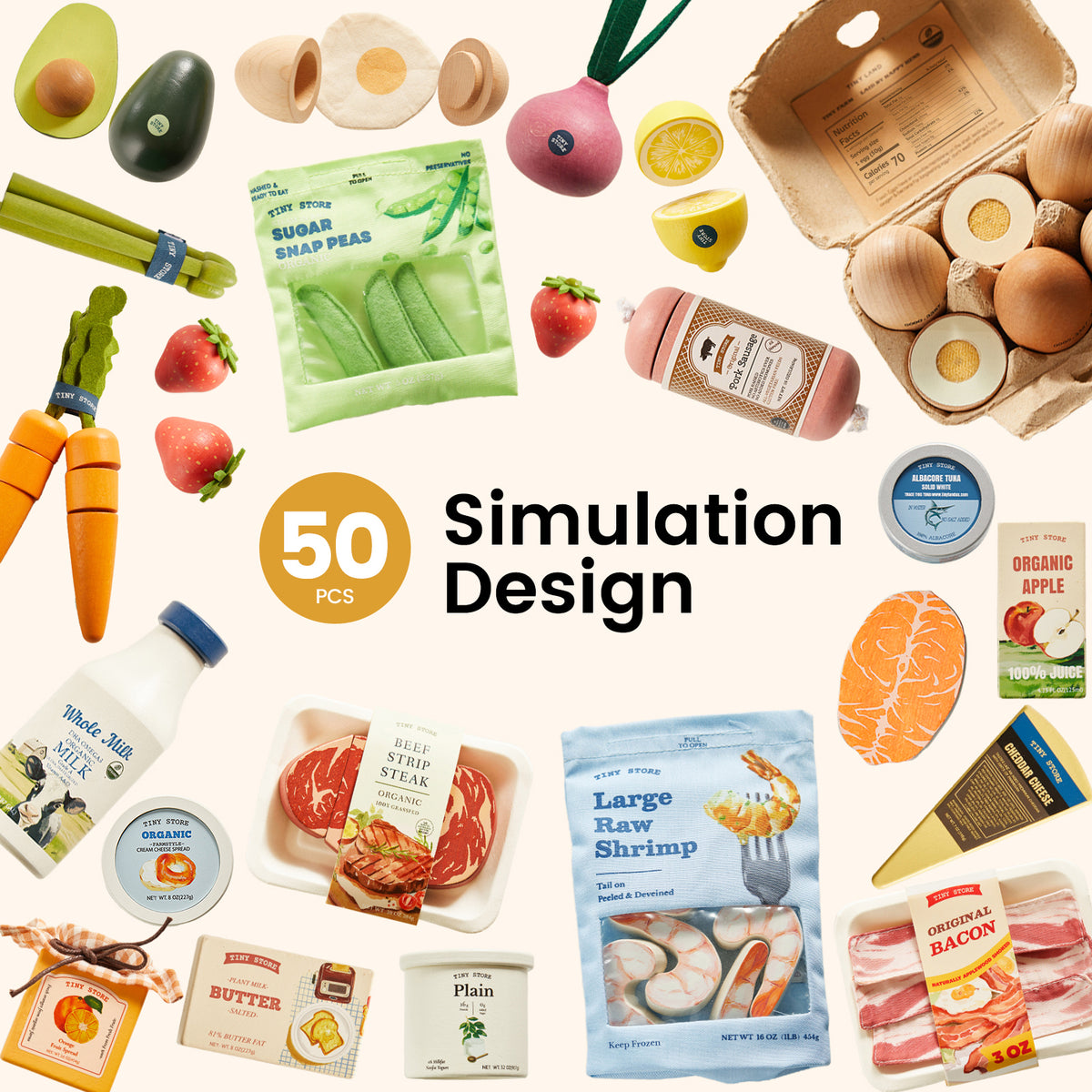
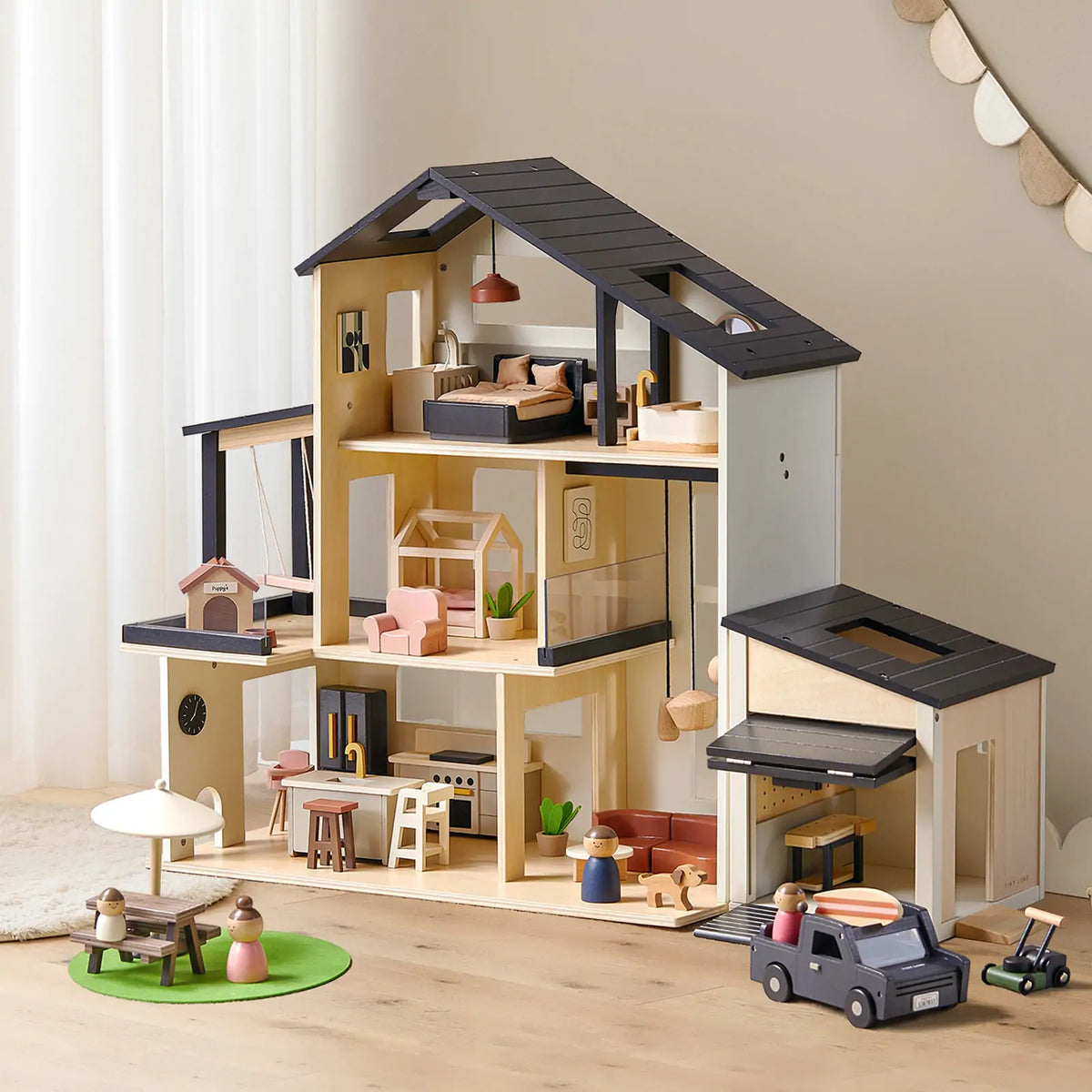
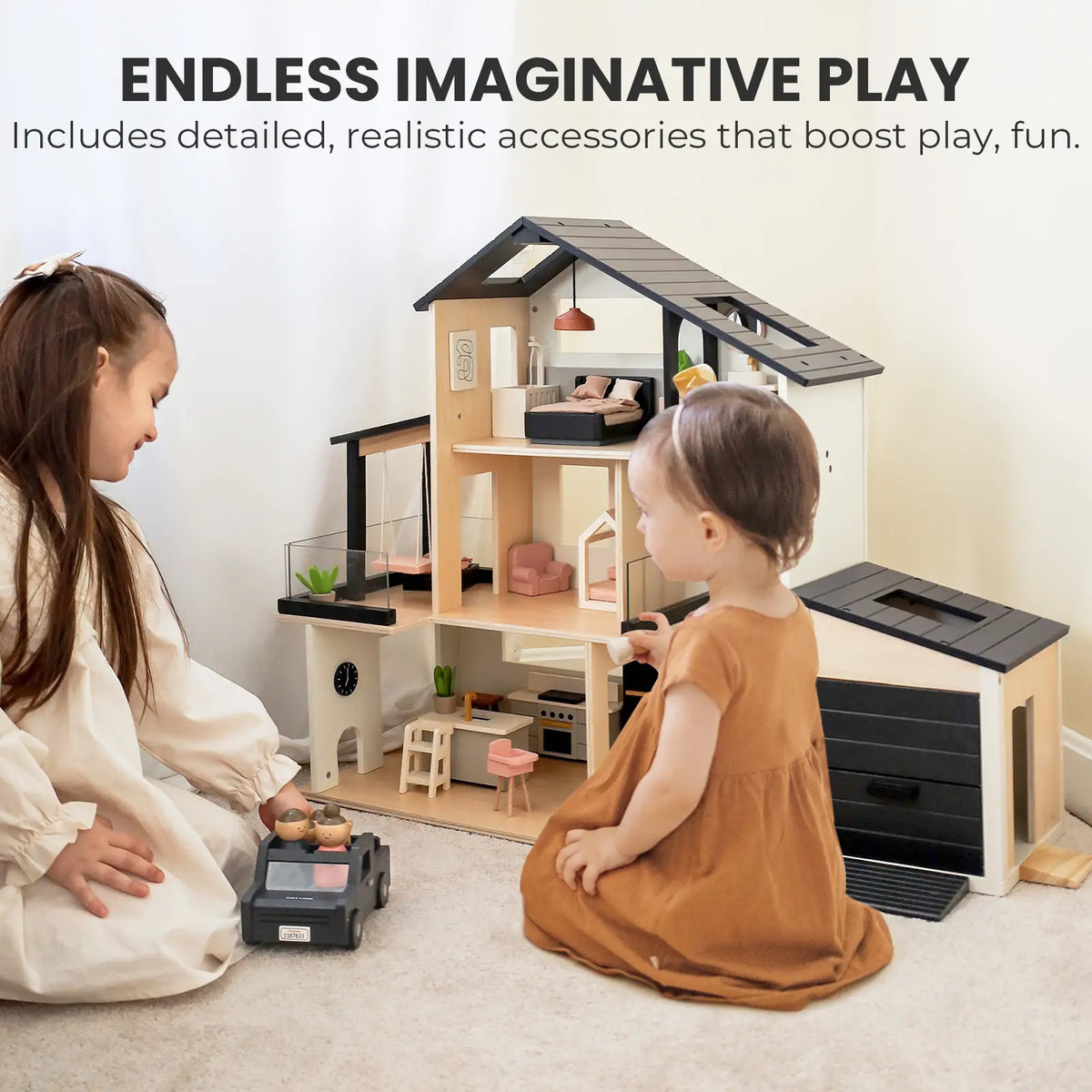
Useful educational toys include dollhouses, magnetic tiles, alphabet puzzles, counting games, play food, and art supplies.
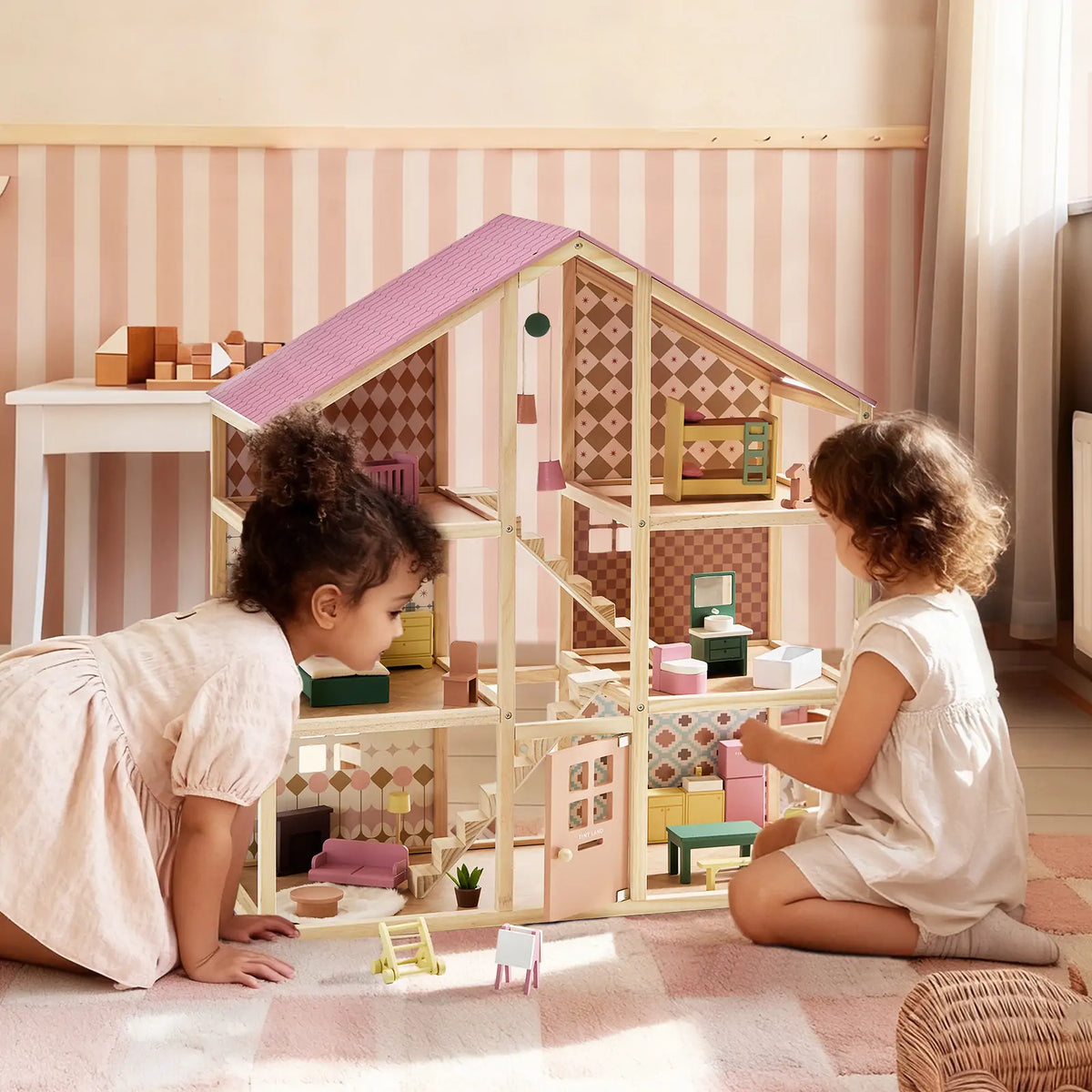
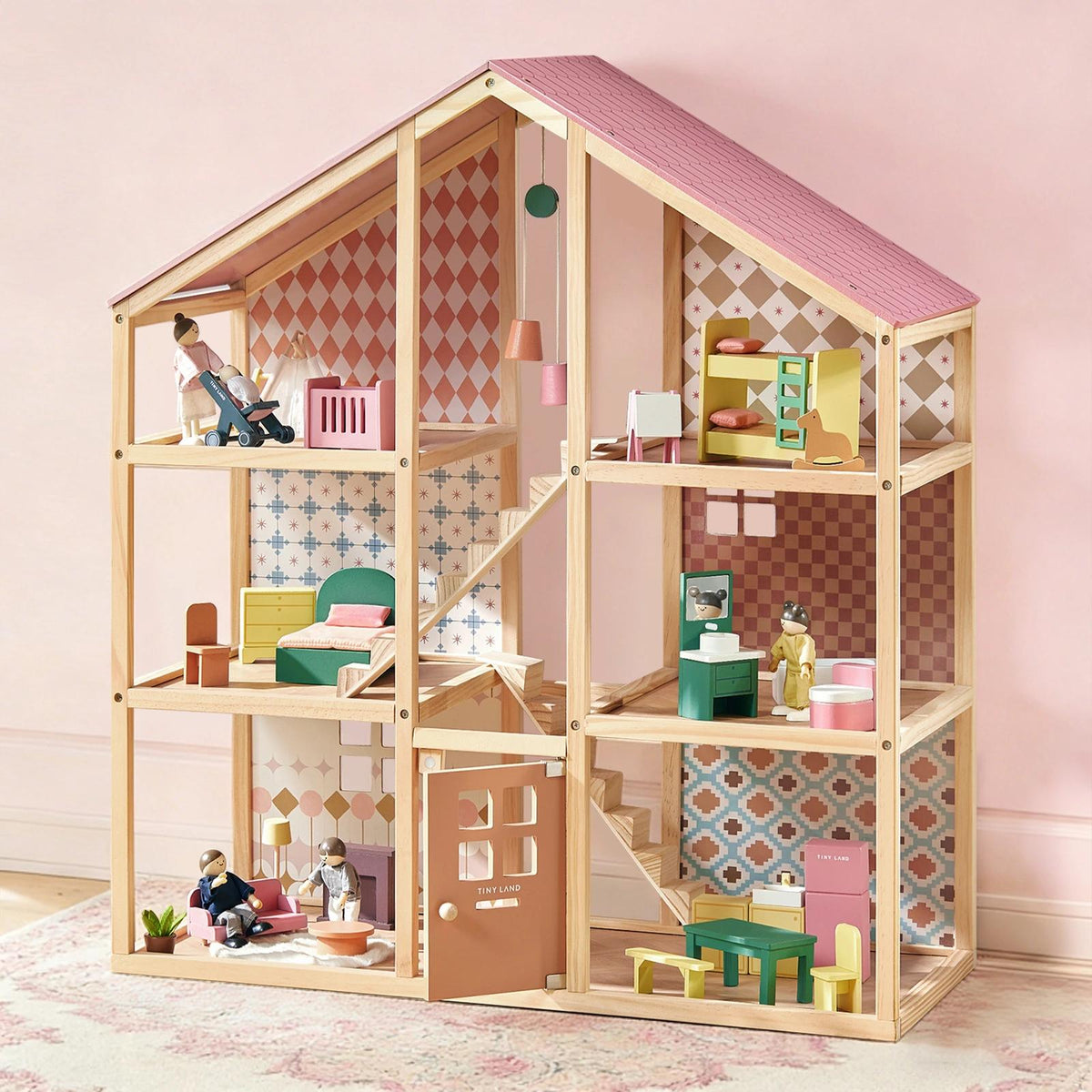
A dollhouse can help children explore family routines, feelings, and relationships. They may create a nursery, move dolls from room to room, or act out events they have seen at home.
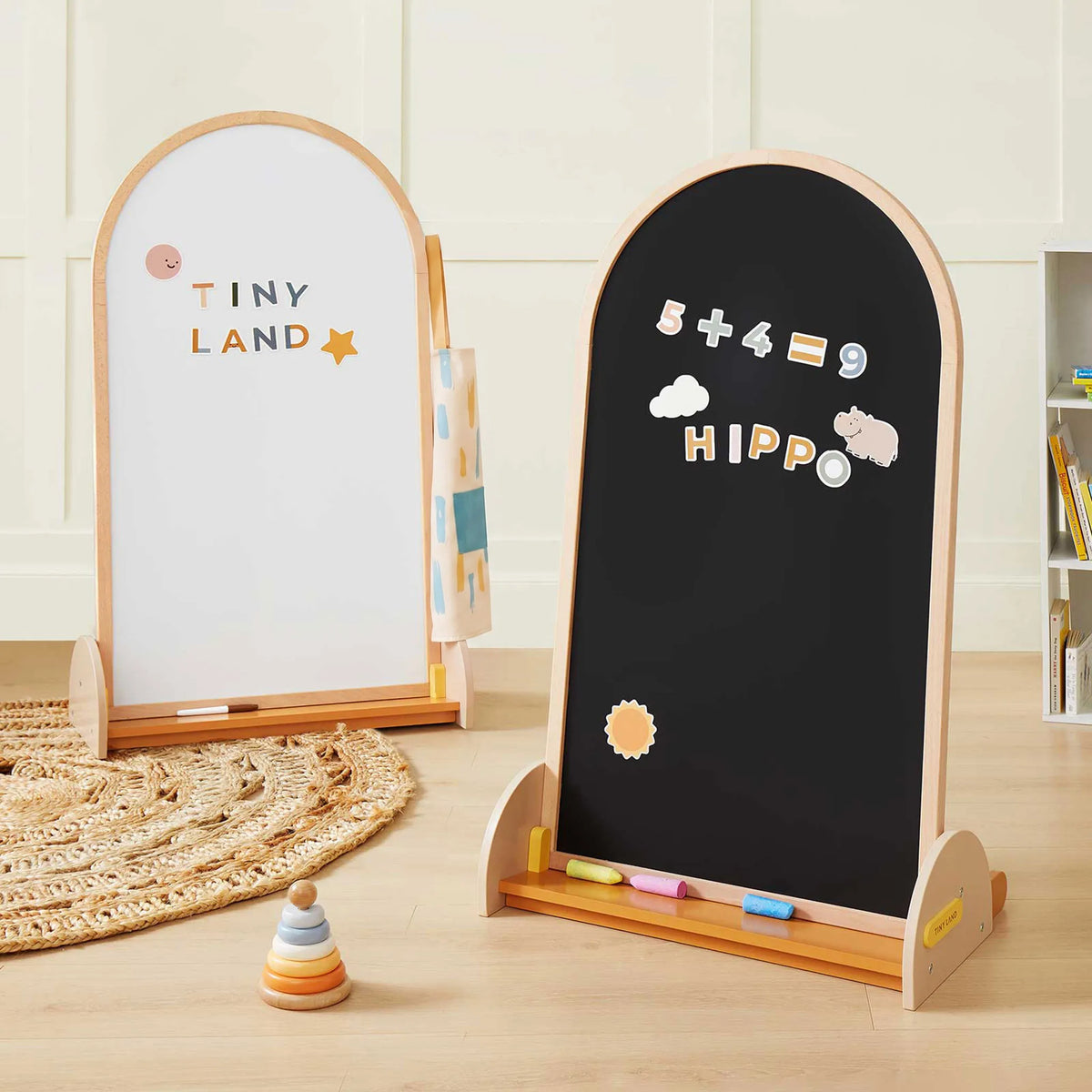
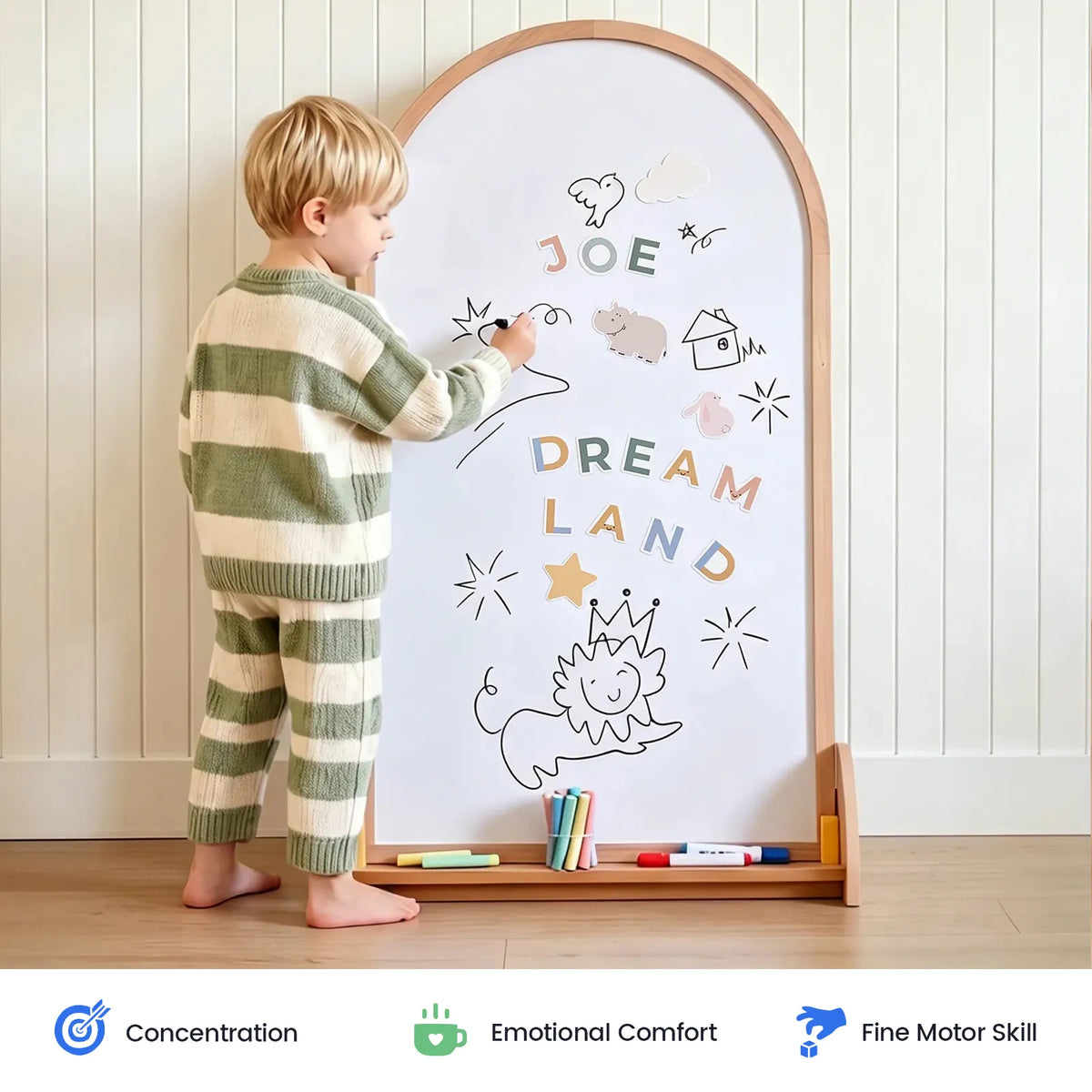
Drawing, painting, and using stickers strengthen the small hand muscles needed later for writing. Giving children space to create freely often leads to more meaningful learning.
Alphabet and number toys should still feel fun. Some three-year-olds are ready to recognize letters, while others prefer animals, shapes, or building. Follow the child’s interest instead of turning play into a test.

Learning Toys for Preschoolers Ages 3 to 4
Older toddlers and preschoolers can handle toys with more steps or creative choices. Good options include construction sets, role-play costumes, market stands, early science resources, craft materials, and more complex puzzles.
Brands such as Learning Resources and Melissa & Doug offer many educational toys, but a best seller label should not decide the purchase. Look at what the toy allows the child to do. Does it encourage building, sorting, drawing, imagining, or communicating?
One preschooler may love farm animals, while another is drawn to art, dolls, vehicles, or blocks. Toys linked to a child’s interests are more likely to stay exciting.

Choosing Toys by Skill
For fine motor skills, choose stacking toys, puzzles, crayons, dolls, and blocks that children can grasp, twist, sort, press, or connect.
For problem solving, try puzzles, shape sorters, matching games, and construction toys. Avoid helping too quickly. A little frustration can lead to a strong sense of achievement.
For communication, use books, animal figures, dolls, and pretend play. Open questions such as “What is the bear cooking?” encourage more words than quiz-style questions.
For creativity, choose art supplies, dress-up clothes, blocks, and other open ended play materials. These toys have no single correct result and can grow with the child.
Should Parents Rotate Toys?
Rotating toys can make a familiar room feel new without another purchase. Keep a smaller selection available and store the rest. After a week or two, switch a few items.
This can reduce mess, improve focus, and help children notice toys they previously ignored.

Final Thoughts
The best educational toys for toddlers are the ones children return to again and again. They do not need to be expensive or complicated. Wooden blocks, puzzles, dolls, art supplies, and pretend play sets can support learning for years.
Choose toys that fit your child’s age, interests, and current skills, but leave room for imagination. When toddlers build, sort, count, draw, and pretend, they are not just having fun. They are developing the confidence and abilities they will use as they grow.