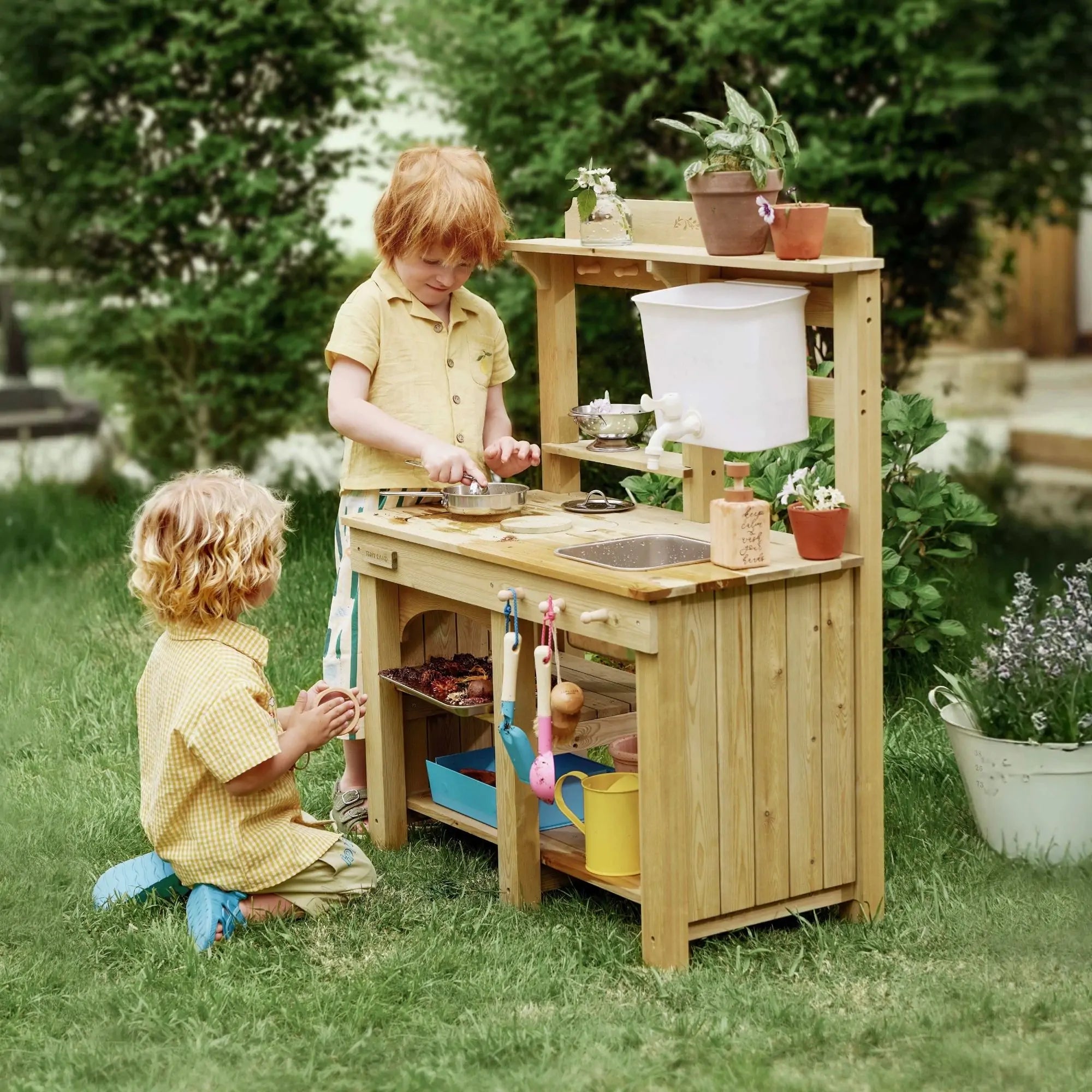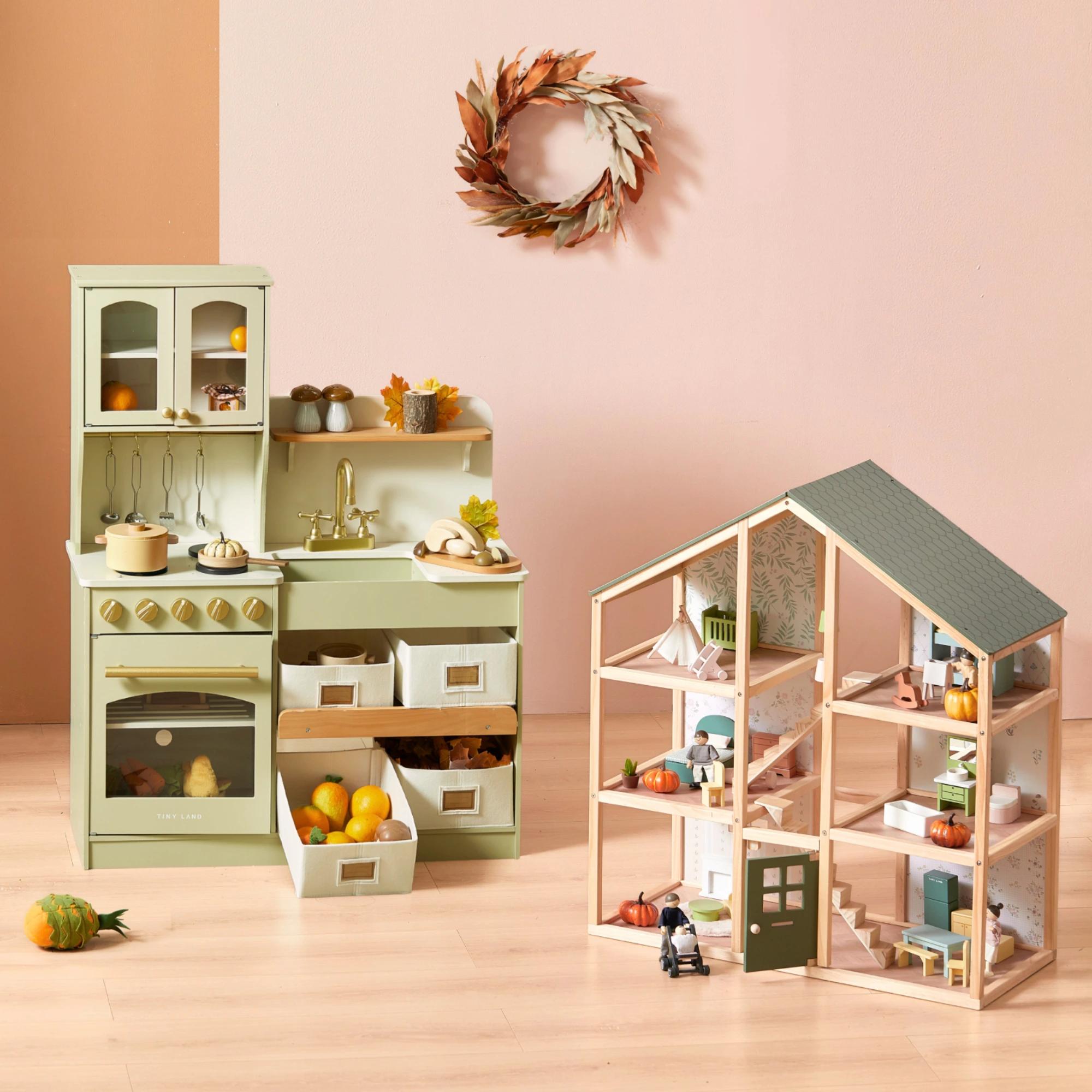
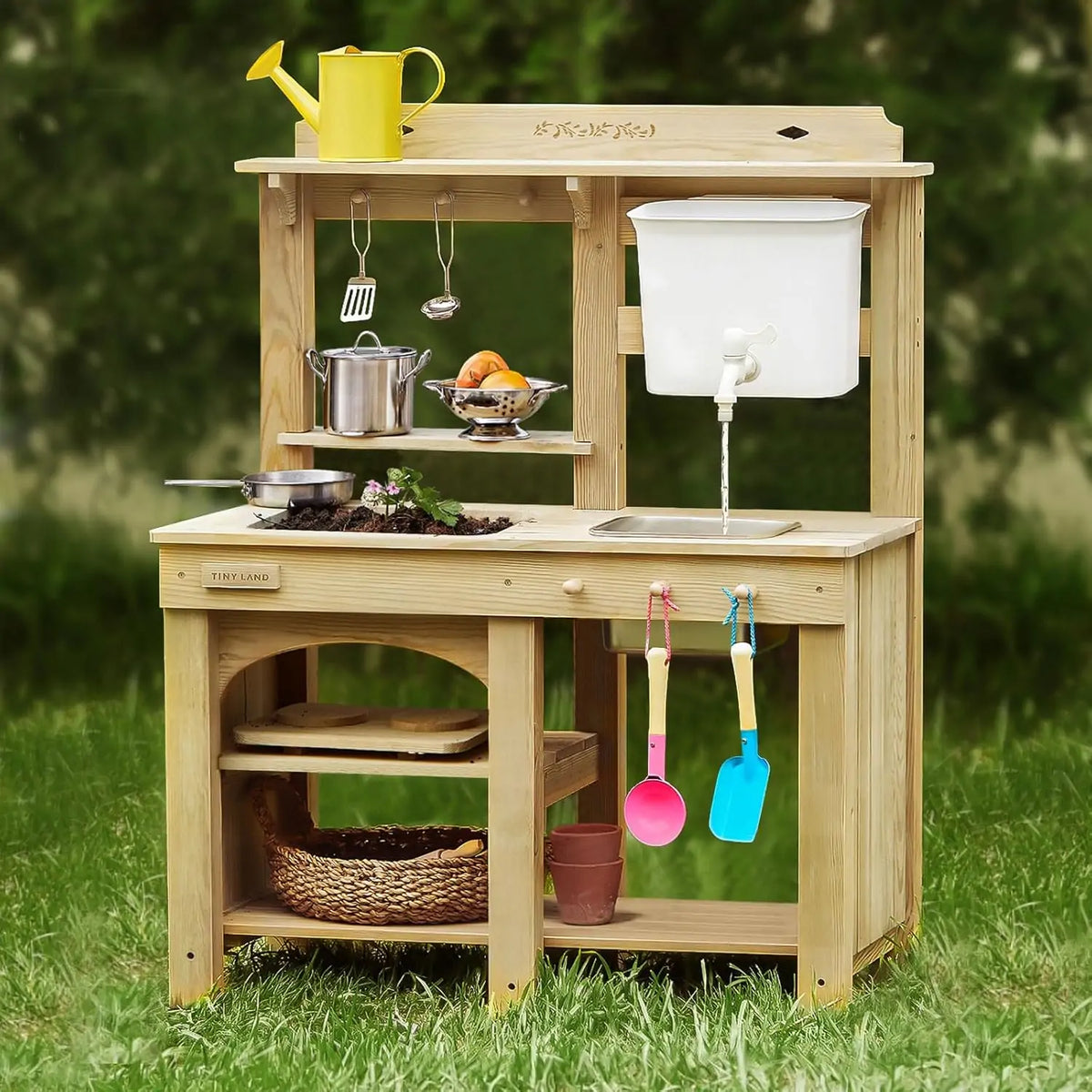
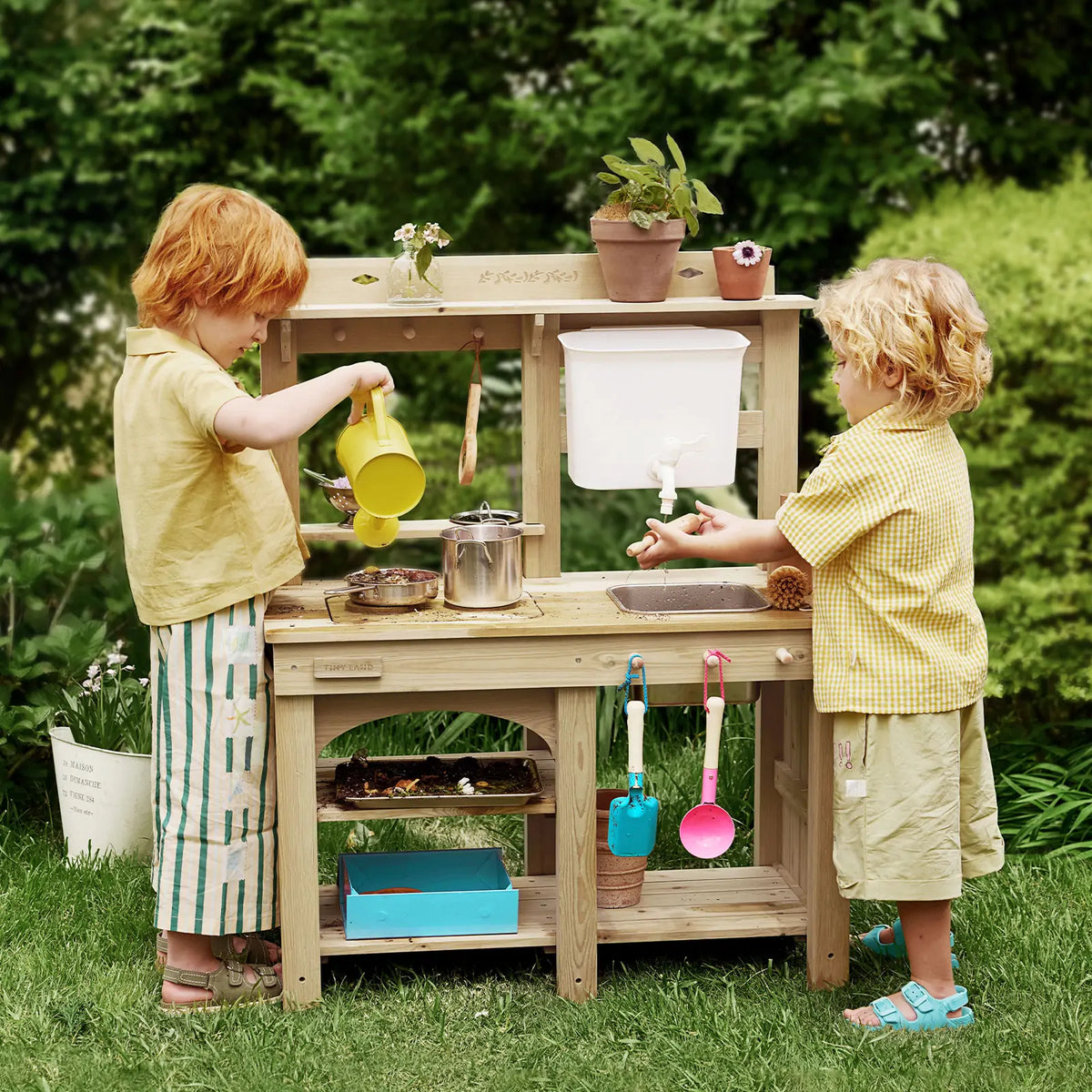
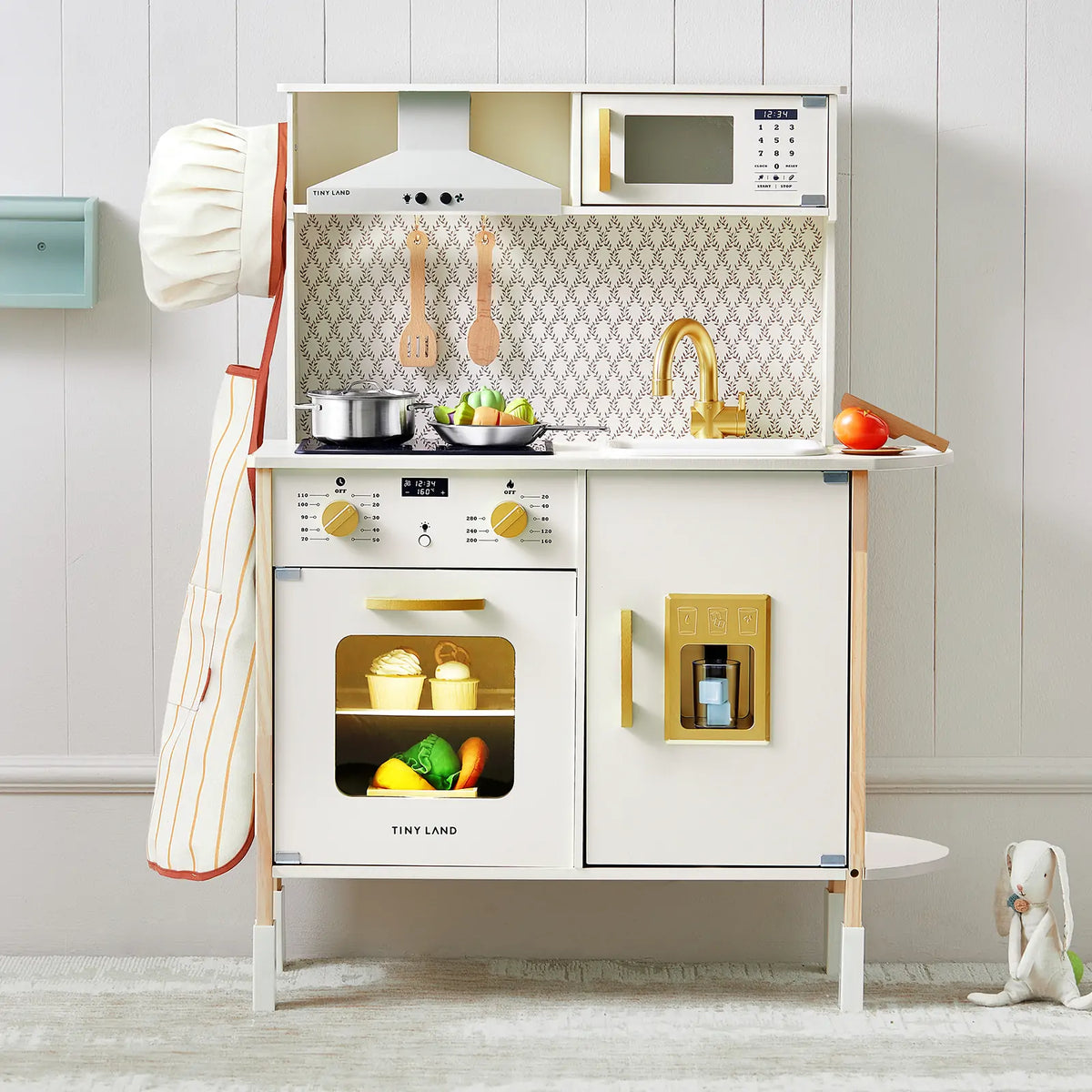
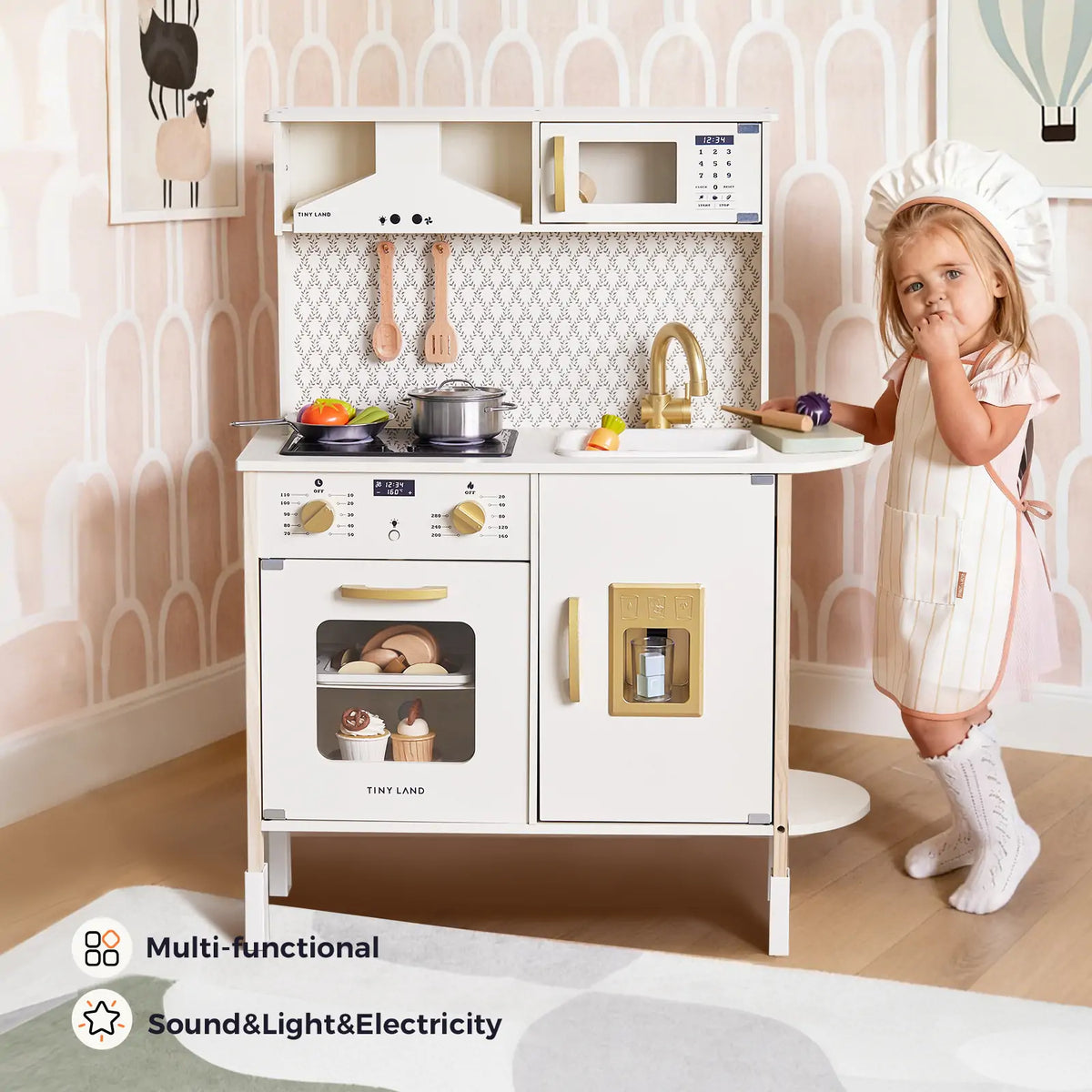



There is something wonderfully simple about mud play. Give kids a little dirt, water, old pots, a few bowls, and some natural materials, and suddenly the backyard becomes a busy outdoor kitchen. One child is making mud pies, another is mixing flower soup, and someone else is very seriously decorating a mud cake with grass and leaves.
That is the magic of mud kitchen activities. They do not need to be fancy, expensive, or perfectly organized. A mud kitchen gives children space for messy play, sensory play, role play, and hands on play in a way that feels natural and fun. Whether you already have an outdoor mud kitchen or are planning to create your own mud kitchen with scrap wood and a small table, these mud kitchen recipes and play ideas can keep kids busy for hours.

Why Kids Love Mud Kitchen Play
Mud kitchens are great because they let children use their imagination in a real outdoor setting. Instead of watching play happen on a screen, kids can touch, pour, mix, scoop, smell, decorate, and create. They can use dirt, sand, flowers, sticks, water, and natural items from the garden to make their own pretend food.
This kind of play also connects kids with the natural world. They notice how mud changes when they add water. They see which leaves float, which flowers add color, and how grass can become “sprinkles” on mud cakes. It may look messy, but there is a lot of learning happening.
In early childhood education, outdoor play and sensory experience are often valued because they help children focus, explore, and solve small problems. How much water makes the mud too runny? Which bowl is best for mixing? How can they make a mud pie hold its shape? These little questions encourage problem solving in a fun and natural way.

Simple Mud Kitchen Setup Ideas
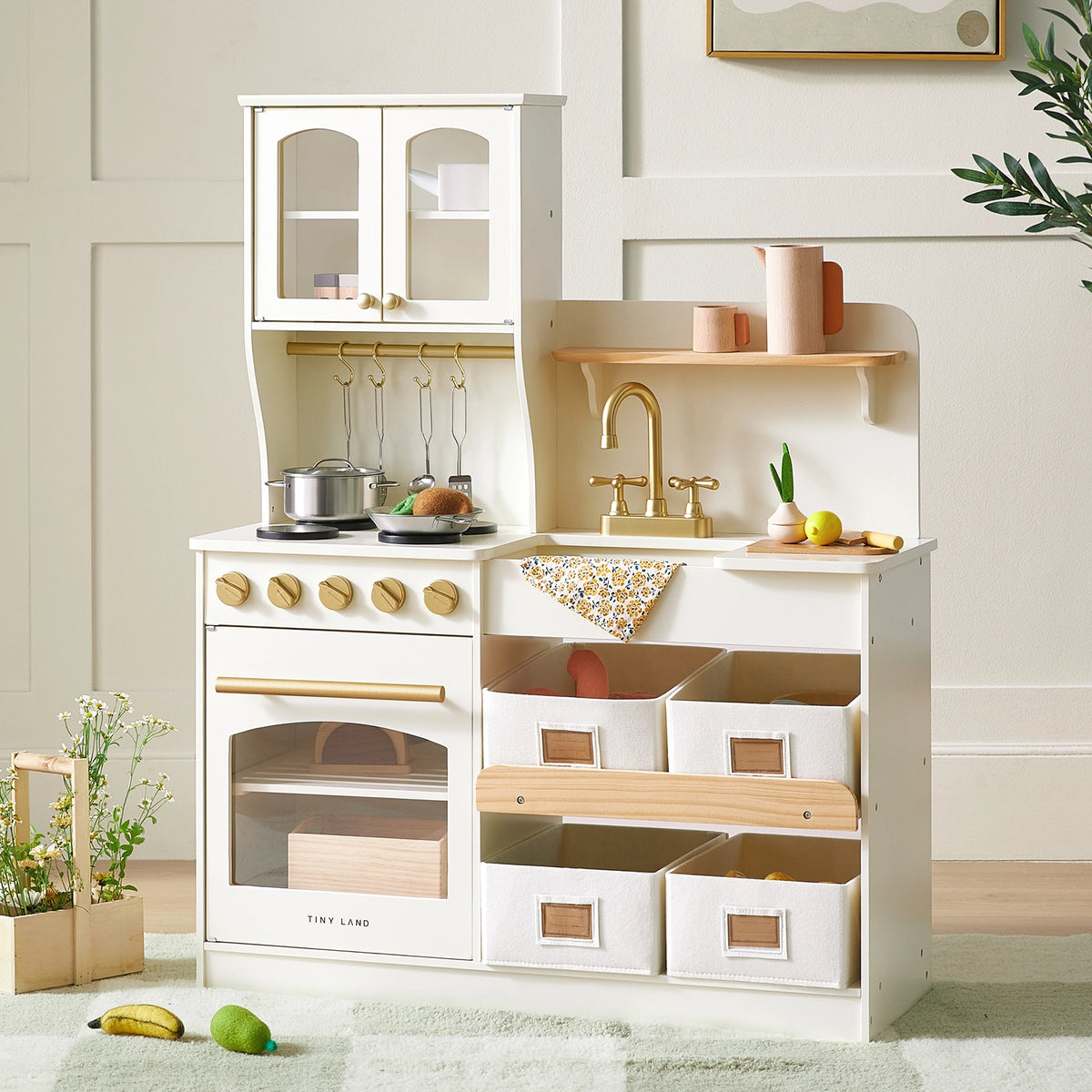
You do not need a perfect backyard to start. A mud kitchen can be as simple as a low table, a few tree stumps, old pots and pans, cups, jugs, and utensils. Many parents find tools from charity shops, garage sales, or the back of a cupboard. A small sink, water dispenser, or garden hose nearby makes washing and mixing easier.
If you want more storage space, add a small shelf or crate for bowls, dishes, and mud kitchen tools. Natural materials like stones, pinecones, leaves, flowers, bark, and sticks can be stored in baskets or trays so children can search, collect, and decorate their creations.
The best part is that mud kitchen play works almost year round. In warm weather, kids can add water and make muddy recipes. In cooler weather, they can use damp sand, leaves, or pretend ingredients from the garden. Of course, children should dress for the weather, because mud play is supposed to be messy.

Recipe 1: Classic Mud Pies
Making mud pies is the classic mud kitchen activity, and it never really gets old. Kids can scoop dirt into a bowl, add water, mix until it becomes thick, and press the mud into cups, pans, or small dishes.
To make it more fun, let children decorate their mud pies with grass, petals, leaves, pebbles, or tiny sticks. They can create a “menu” and pretend to serve the pies to friends, parents, dolls, or even favorite characters like Peppa Pig.
This activity supports creativity, fine motor skills, and role play. Kids are not just making mud. They are pretending to cook, serve food, and run their own little kitchen.
Recipe 2: Flower Soup
Flower soup is a lovely idea for toddlers and younger children because it is easy to make and full of color. Fill a bowl or old pot with water, then add flowers, leaves, grass, and small natural items. Children can stir with spoons, pour the soup into cups, and pretend to serve it.
This is a great sensory play activity because children can notice colors, textures, smells, and floating materials. They can also practice language by naming what they add: “yellow flower,” “green leaf,” “big spoon,” or “cold water.”
Parents can gently join by asking, “What does your soup need next?” or “Who are you cooking for?” Simple questions help children build imagination without turning play into a lesson.

Recipe 3: Mud Cakes With Natural Decorations
Mud cakes are perfect for kids who love decorating. Start with thick mud in a pan or bowl, then let children add real ingredients from nature: sand, petals, small stones, leaves, sticks, or seeds. They can use cups to shape the cakes and utensils to smooth the top.
This activity gives kids a chance to plan and create. Some may make a birthday cake. Others may make a cake for a pretend restaurant or a backyard tea party. There is no wrong way to do it.
Mud cakes are also helpful for children who enjoy detailed work. Pressing, shaping, placing, and decorating all support hand control and focus.
Recipe 4: Magic Mud Kitchen Potions
Mud kitchen potions are always popular because they feel a little mysterious. Give children a few jugs, bowls, cups, and spoons. Let them mix water, mud, grass, petals, and leaves to create “magic” potions.
They might make a potion for growing flowers, turning sticks into soup, or helping dolls get ready for a party. This is where imagination really takes over. Children can create stories around their potions, name them, and explain what each one does.
For older kids, you can add simple challenges: make a potion that is thick, a potion that smells like flowers, or a potion with three different colors. These small prompts keep the play fresh.

More Mud Kitchen Play Ideas
Once kids understand the basic concept, they will usually create their own mud kitchen play ideas. They might open a pretend café, wash dishes in the sink, cook meals for the family, or make muddy “ice cream” with sand and leaves.
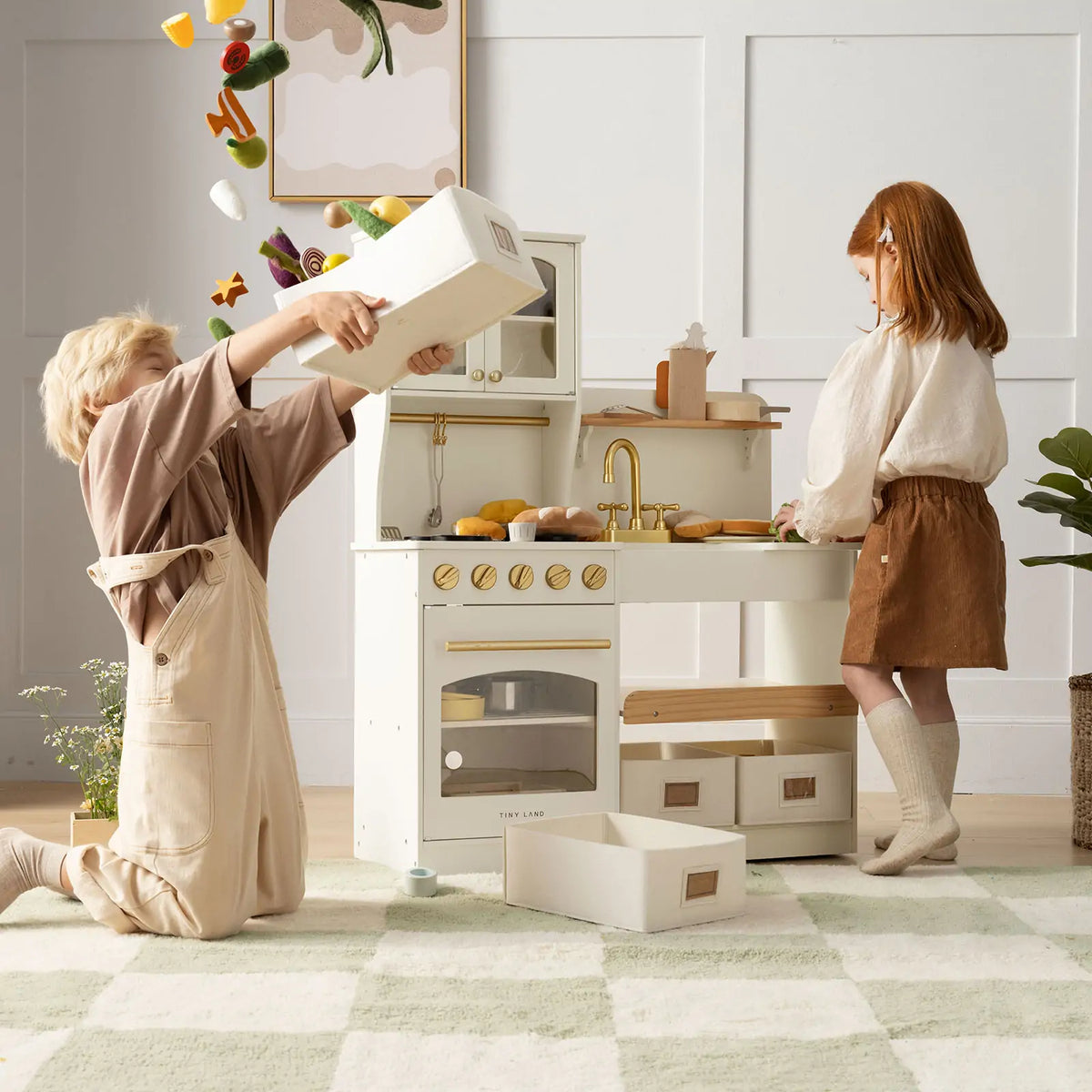
You can also set up theme days. Try a garden restaurant, mud bakery, woodland tea party, or rainy day cooking challenge. If friends or siblings play together, they can take different roles: chef, customer, server, gardener, or cleaner. This makes the play more social and helps children practice cooperation.
For toddlers, keep activities simple with larger tools and fewer small pieces. For older children, add more complex materials and let them design their own recipes.

Let the Mess Be Part of the Fun
Mud kitchen activities are not meant to stay clean. The mess is part of the learning. Kids get to explore texture, temperature, water, dirt, and natural materials in a way that feels free and joyful.
A good outdoor mud kitchen does not need to be perfect. It just needs a safe space, a few tools, some water, and permission to create. With mud pies, flower soup, mud cakes, and potions, children can turn a simple corner of the yard into a world of cooking, storytelling, sensory play, and outdoor fun.