




When parents are choosing a pretend play toy, two classics often come up first: a doll house and a play kitchen. Both are loved by kids, both encourage imaginative play, and both can become the center of a playroom. But if you only have enough space or budget for one larger toy, the question is fair: in the doll house vs play kitchen debate, which one is better?
The honest answer is that neither choice is wrong. A dollhouse and a kitchen set support different kinds of kids play. A doll house gives children a small house where they can create stories, act out family life, and explore characters. A play kitchen lets them cook, serve meals, wash dishes, play with food, and copy the routines they watch every day. The better choice depends on your child’s age, interests, space, and play style.

What Makes a Doll House Special?
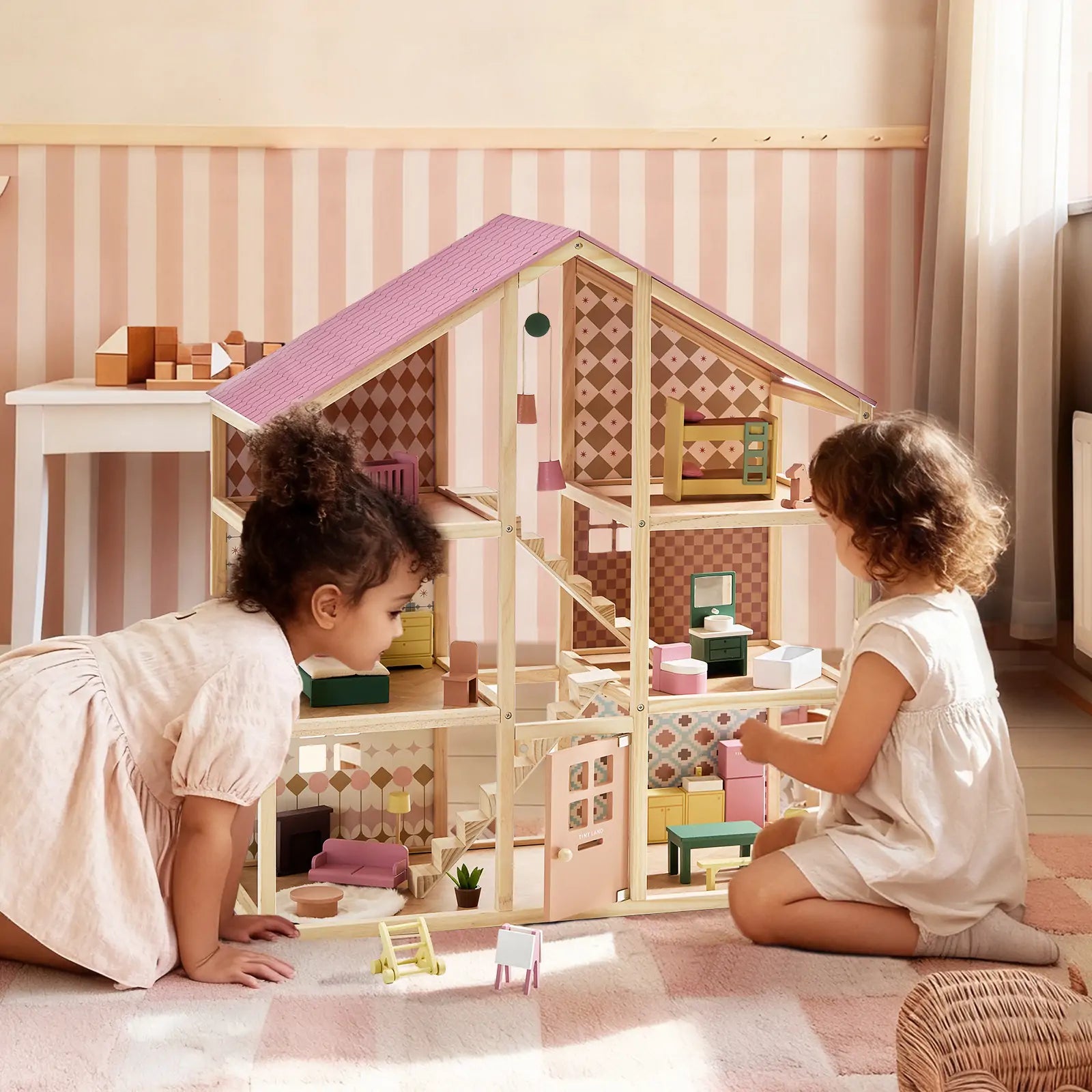
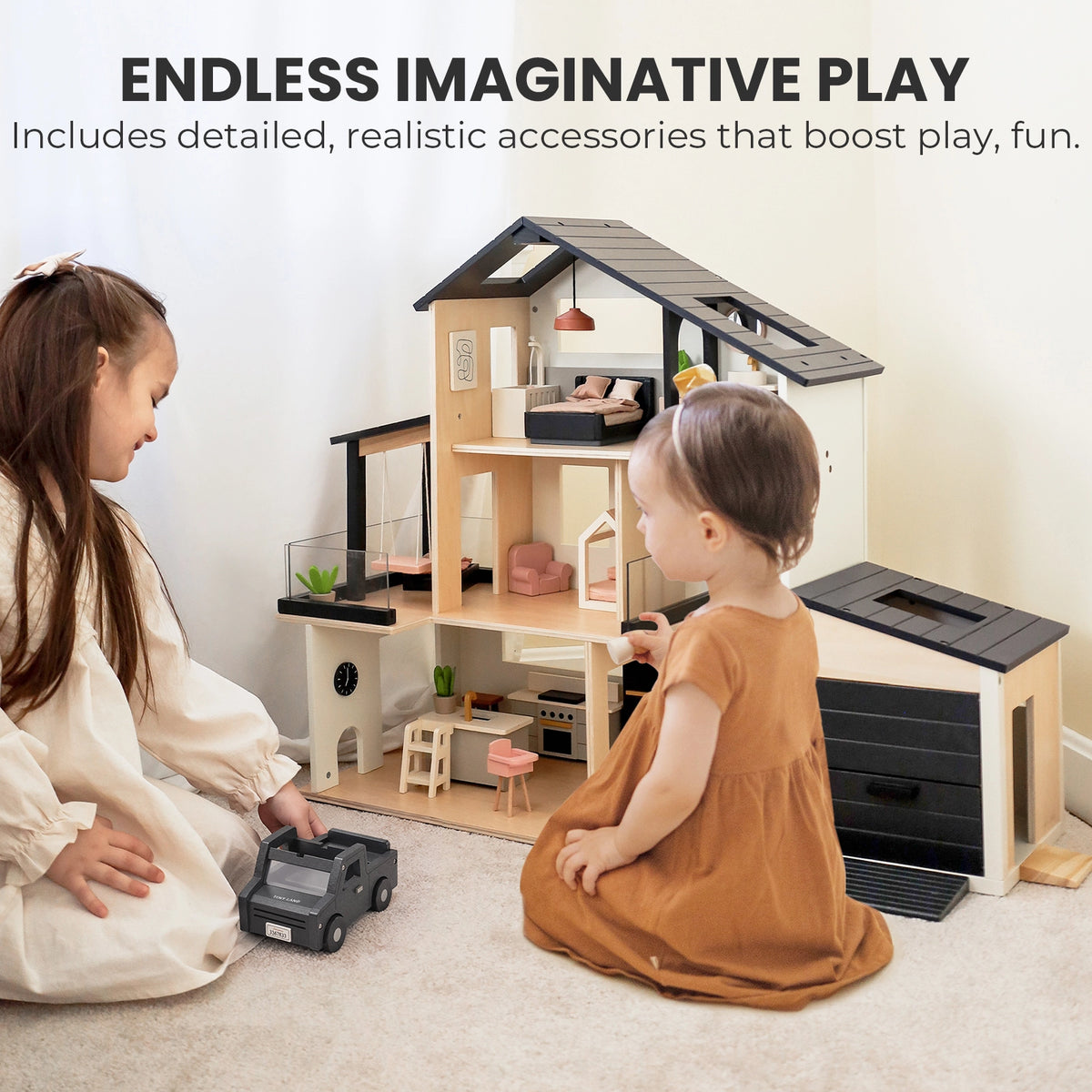
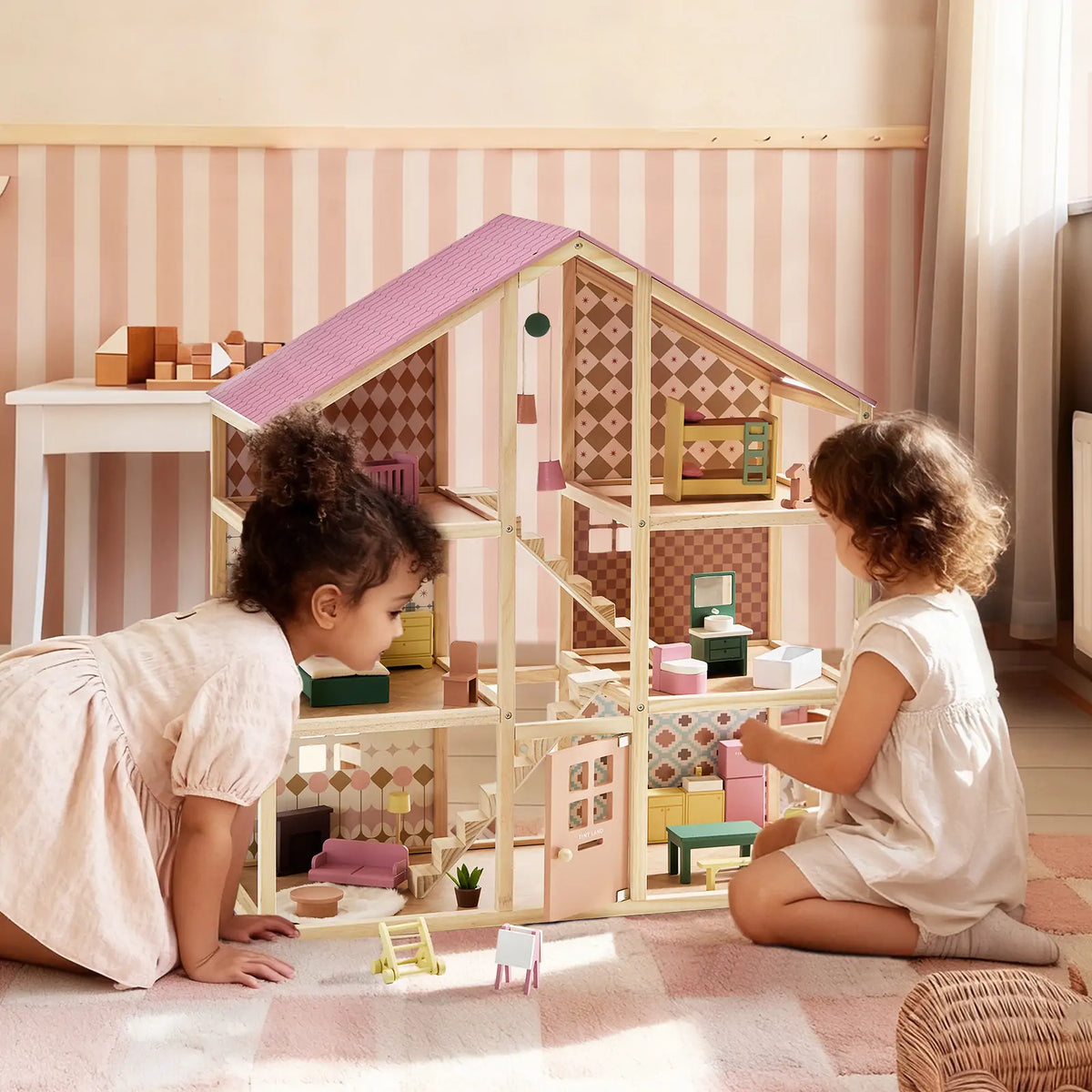
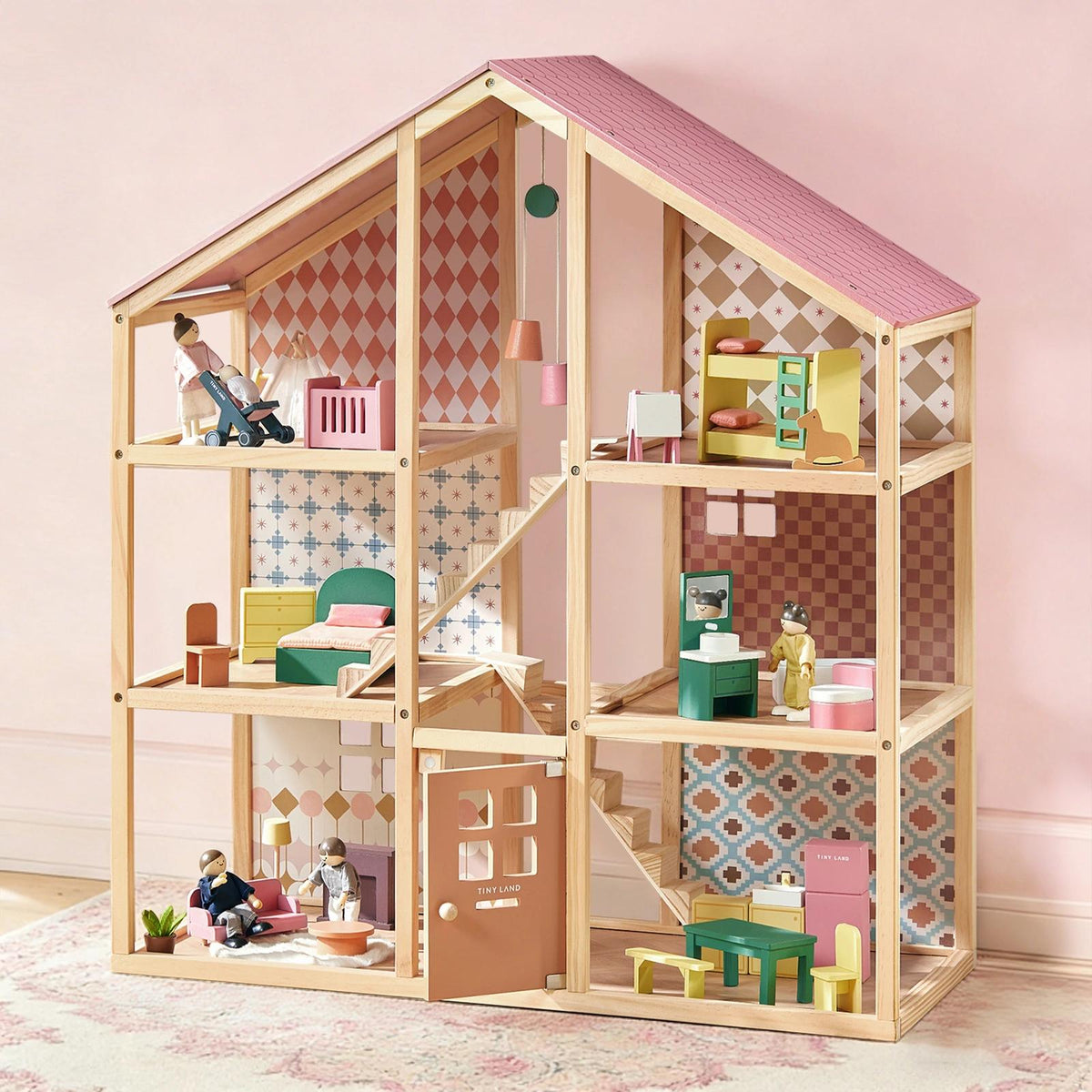
A doll house gives kids a small world they can control. With dolls, furniture, rooms, and accessories, children can create family stories, bedtime routines, visits from friends, school mornings, or funny moments between characters. It may look simple, but a child playing with a dollhouse is often using language, imagination, and problem-solving at the same time.
Dollhouse play is especially strong for storytelling. A toddler may simply move dolls from room to room or arrange furniture around the house. A three or four year old may start creating simple stories: the baby is sleeping, the daughter is going to school, or the family is sitting at the table. Older kids may create more complex stories with feelings, friendships, and little conflicts.
A doll house also supports social skills. Kids can practice role playing, sharing, taking turns, and seeing things from another person’s point of view. If siblings or friends join the play, they may decide who controls which dolls, which room belongs to each character, and what happens next. These small moments help children build the words and confidence they need in real social situations.
Fine motor skills are another benefit. Moving small pieces of dollhouse furniture, placing a doll at a table, opening doors, or arranging tiny objects helps children develop hand control. Parents should always check the recommended age, especially if the dollhouse includes small pieces.

What Makes a Play Kitchen Special?
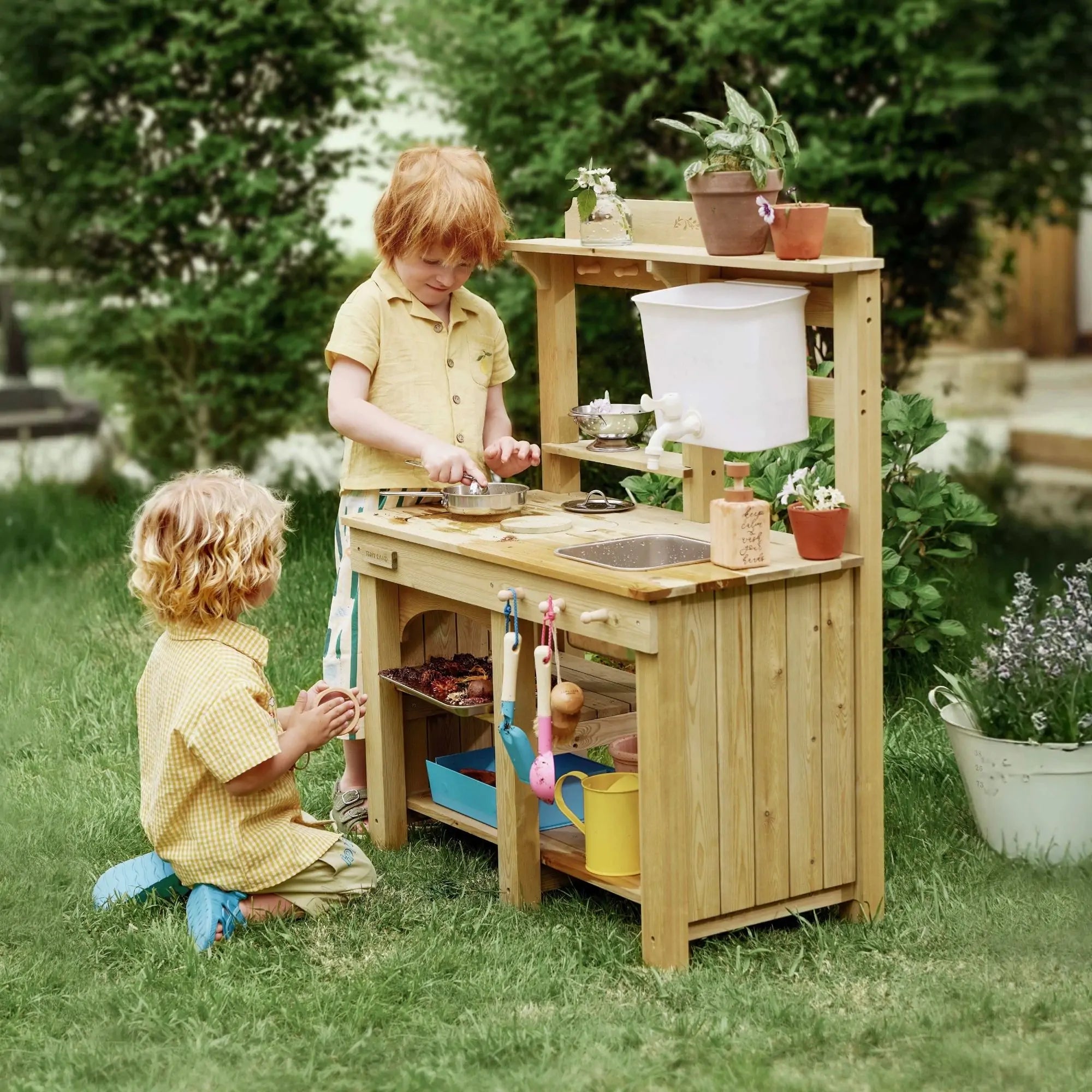
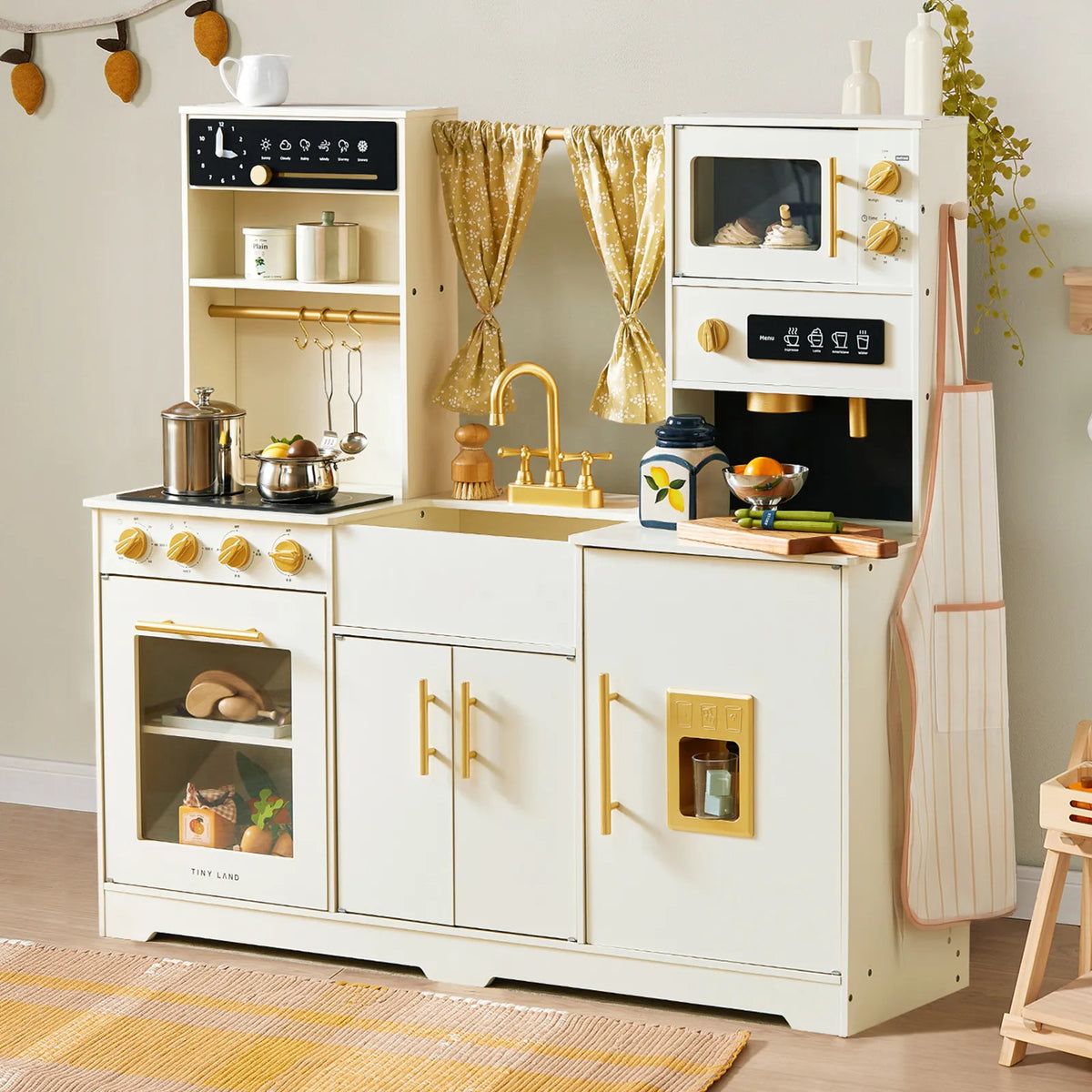
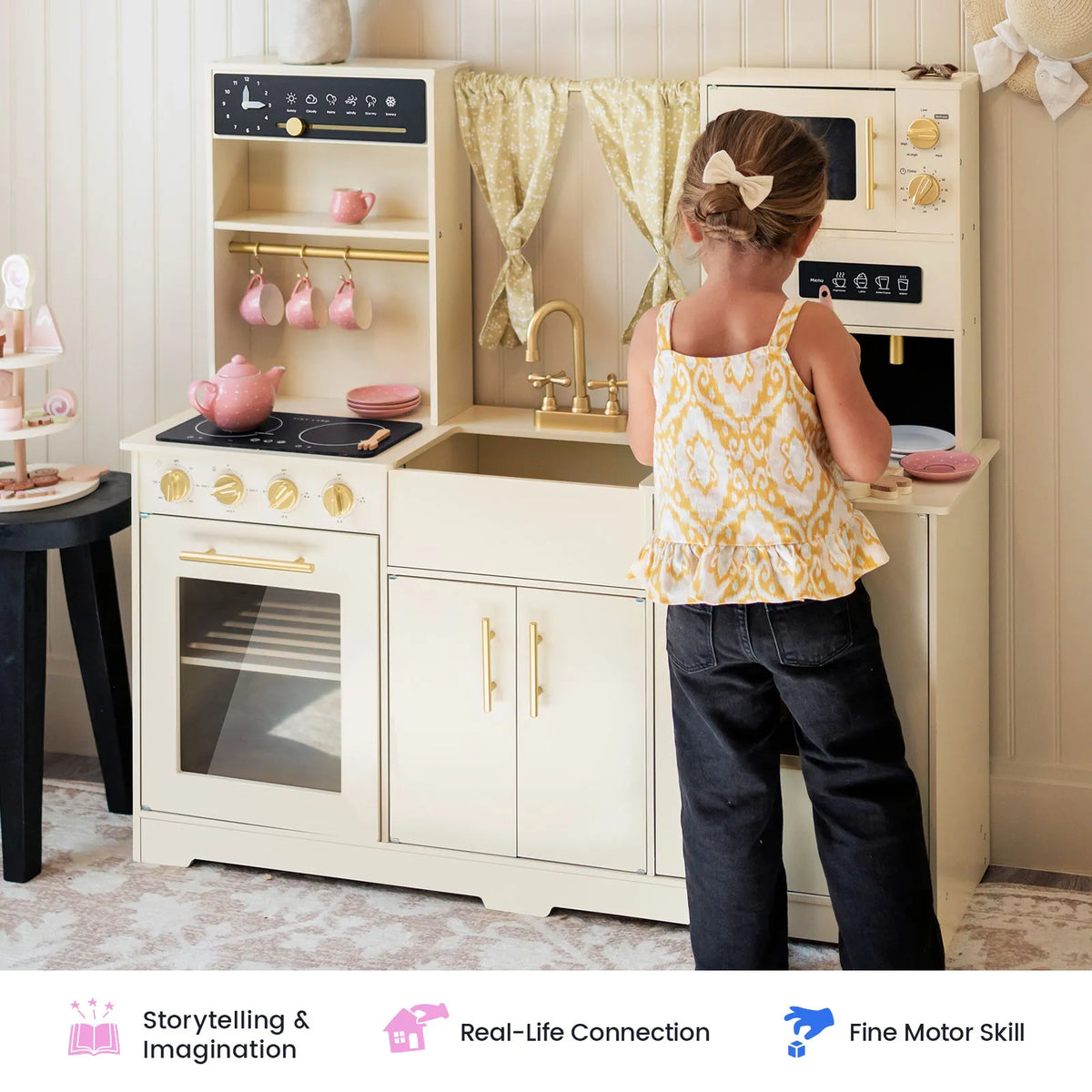
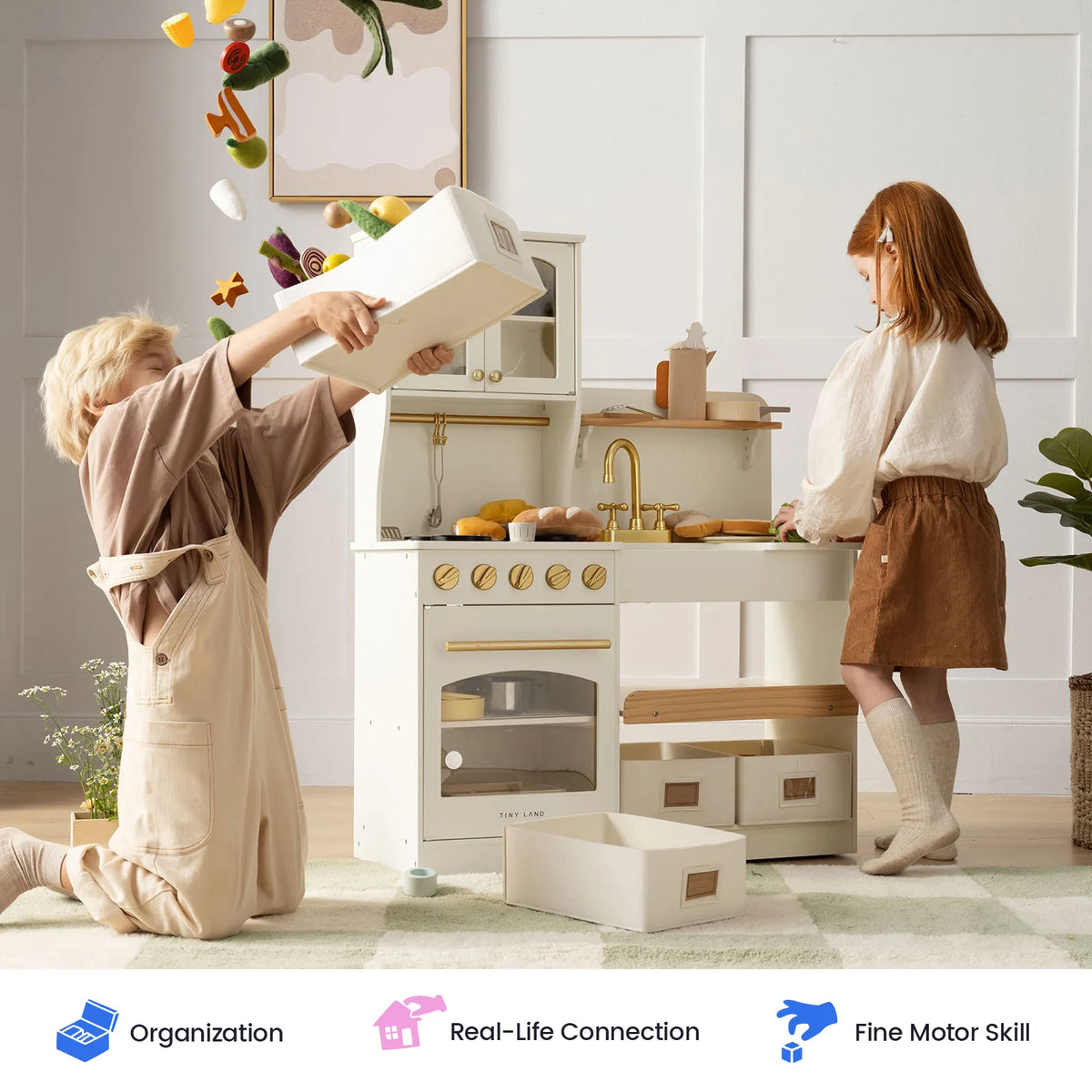
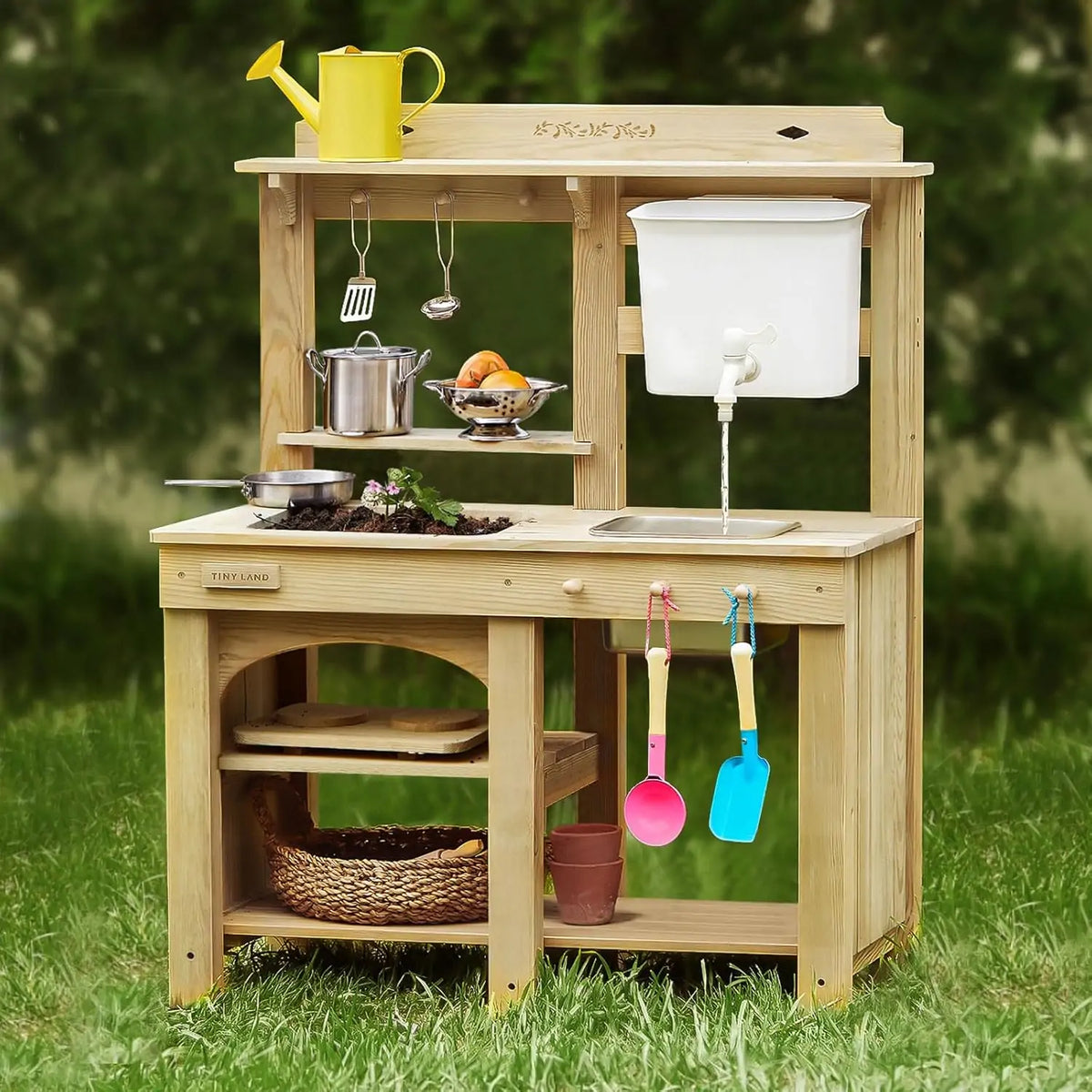
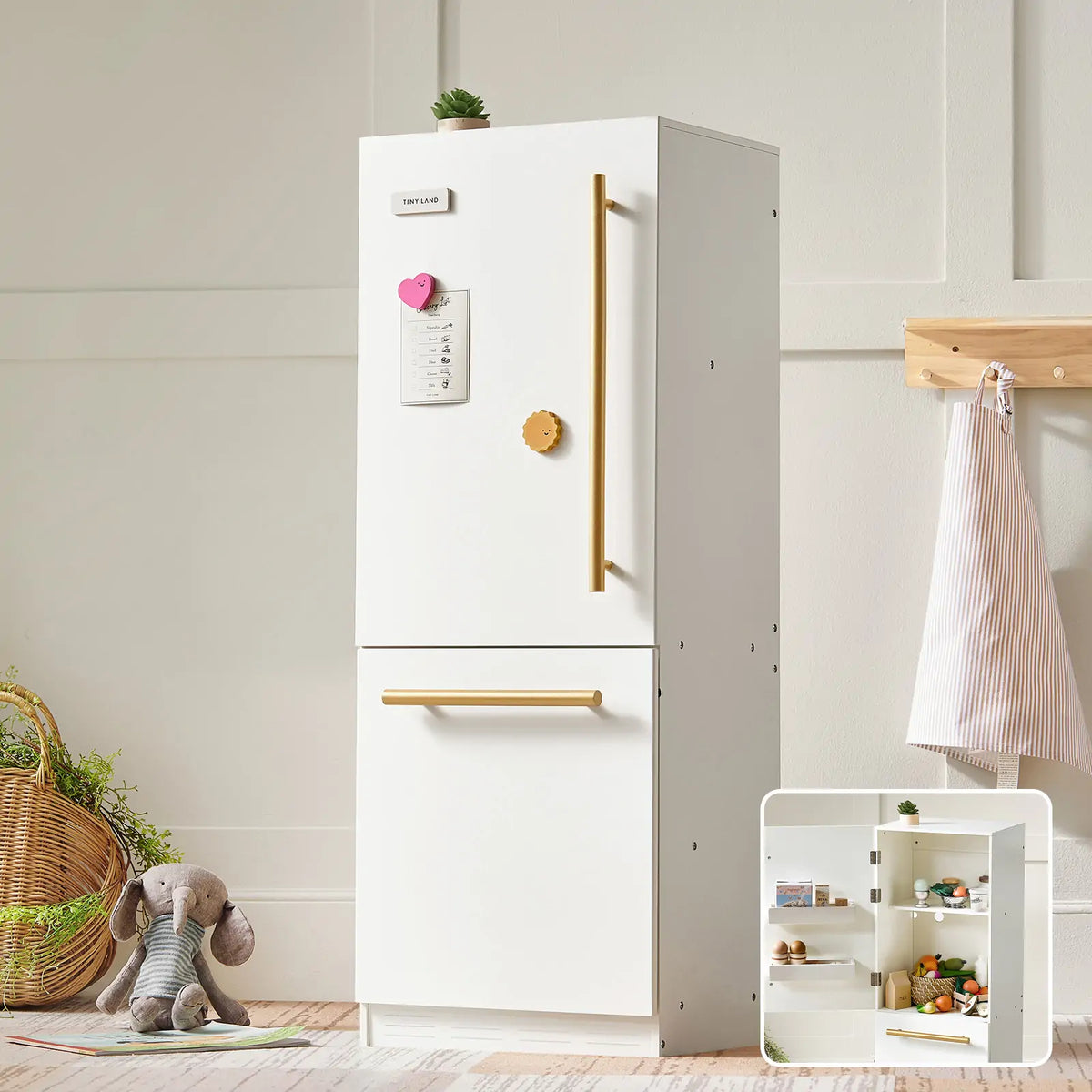
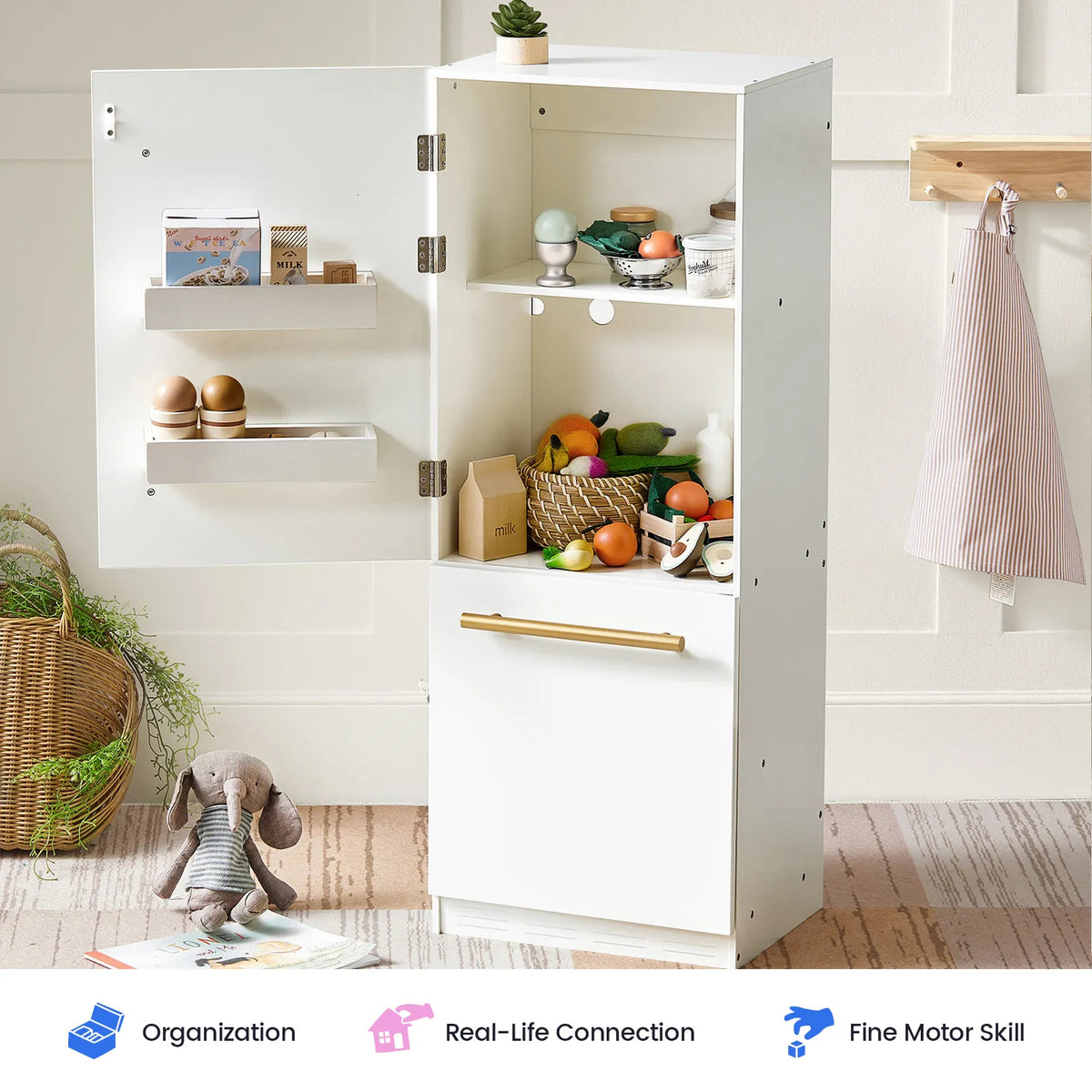
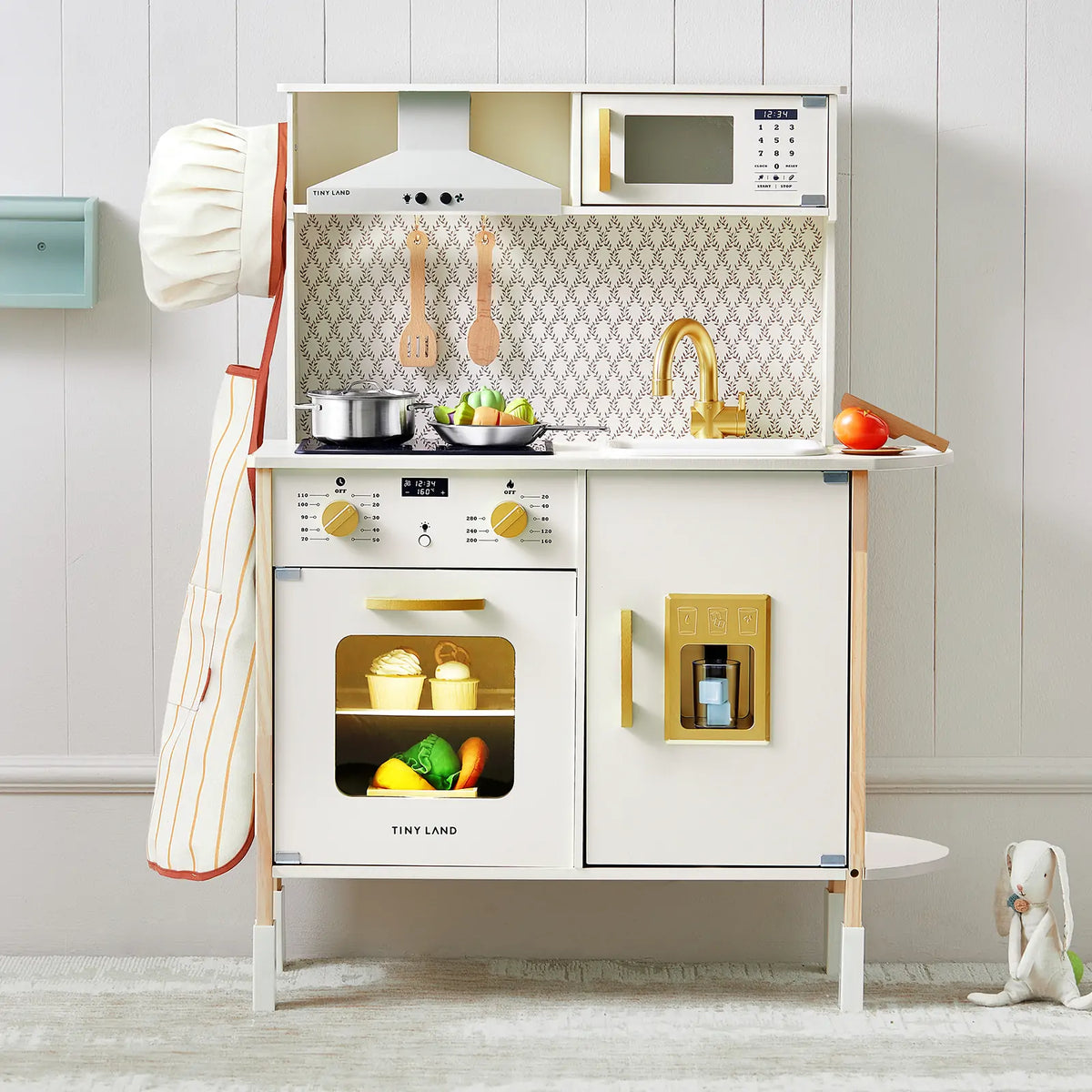
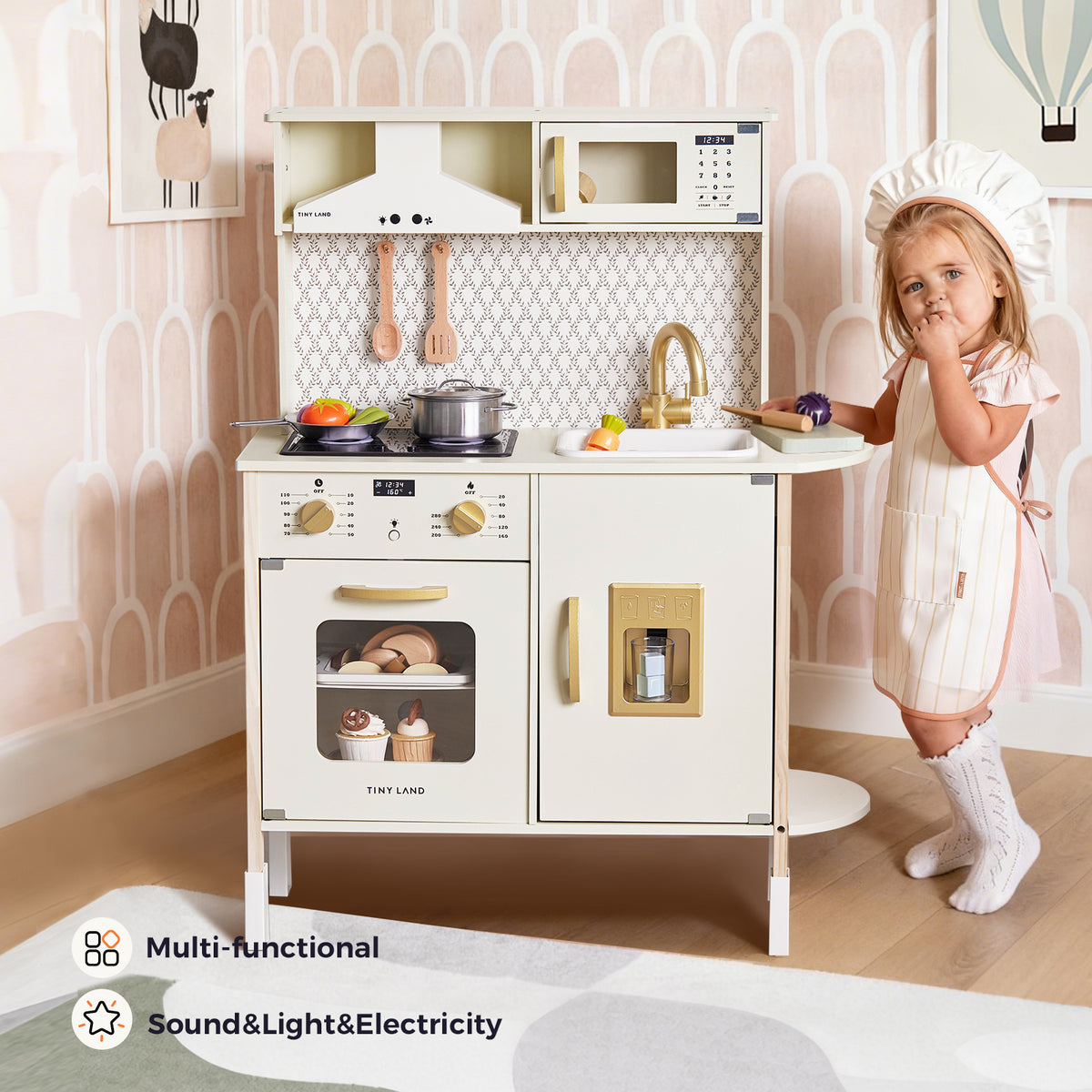
A play kitchen is usually more action-based. Kids can pretend to cook, wash food in the sink, use utensils, pour tea, serve meals, or prepare dinner for everybody in the family. Because children already watch adults cook and clean in real life, a kitchen set often feels familiar right away.
For many toddlers, a play kitchen is easy to understand. They know food. They know meals. They have watched a parent cook, stir, pour, cut, and clean. That real-world connection makes pretend kitchen play very natural, even for a younger child.
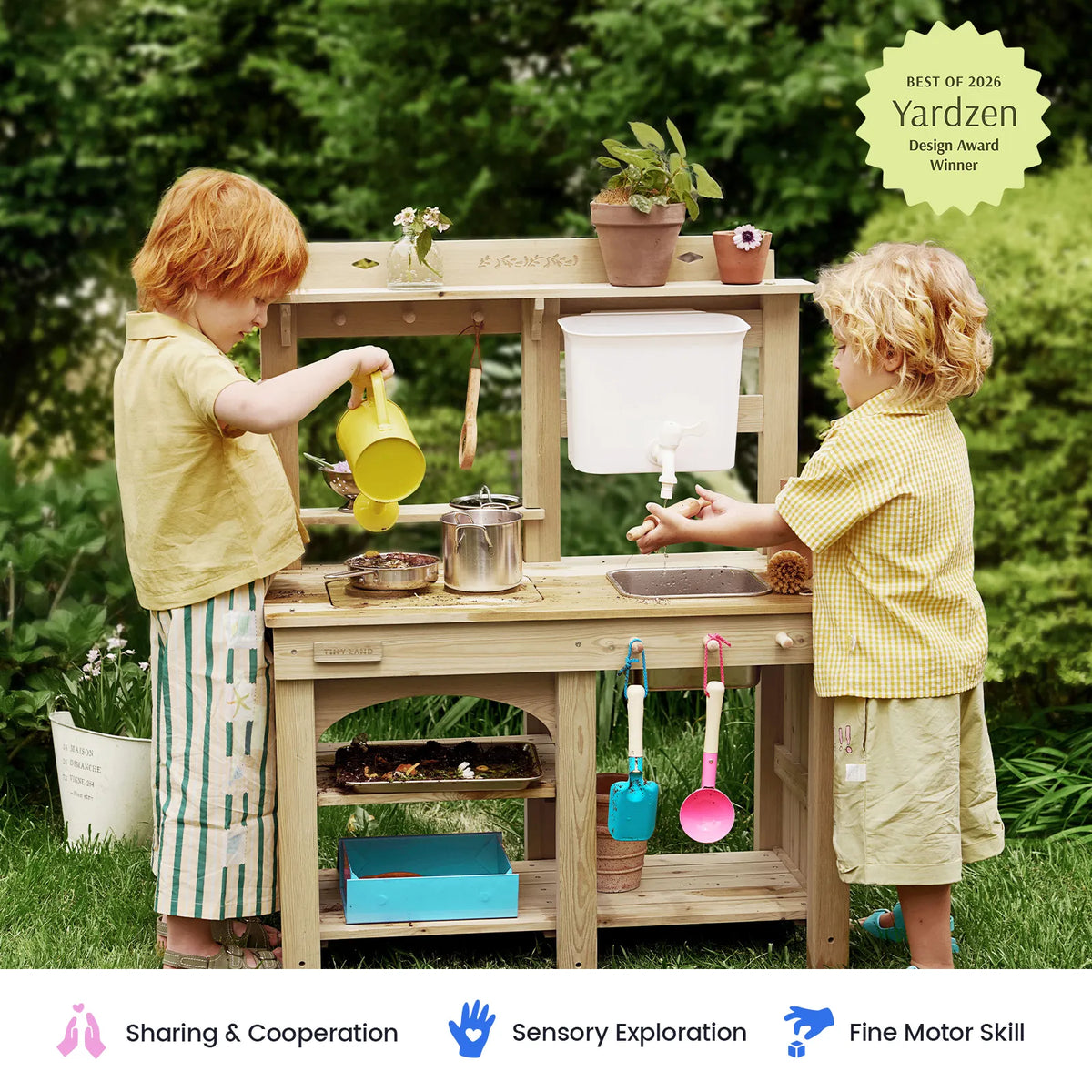
A play kitchen also supports role playing and language. Children may say, “I’m making soup,” “Dinner is ready,” “Do you want tea?” or “This is too hot.” These simple words help them engage with parents, siblings, and friends. If other kids join, everybody can take a role. One child can cook, another can set the table, and another can serve the play food.
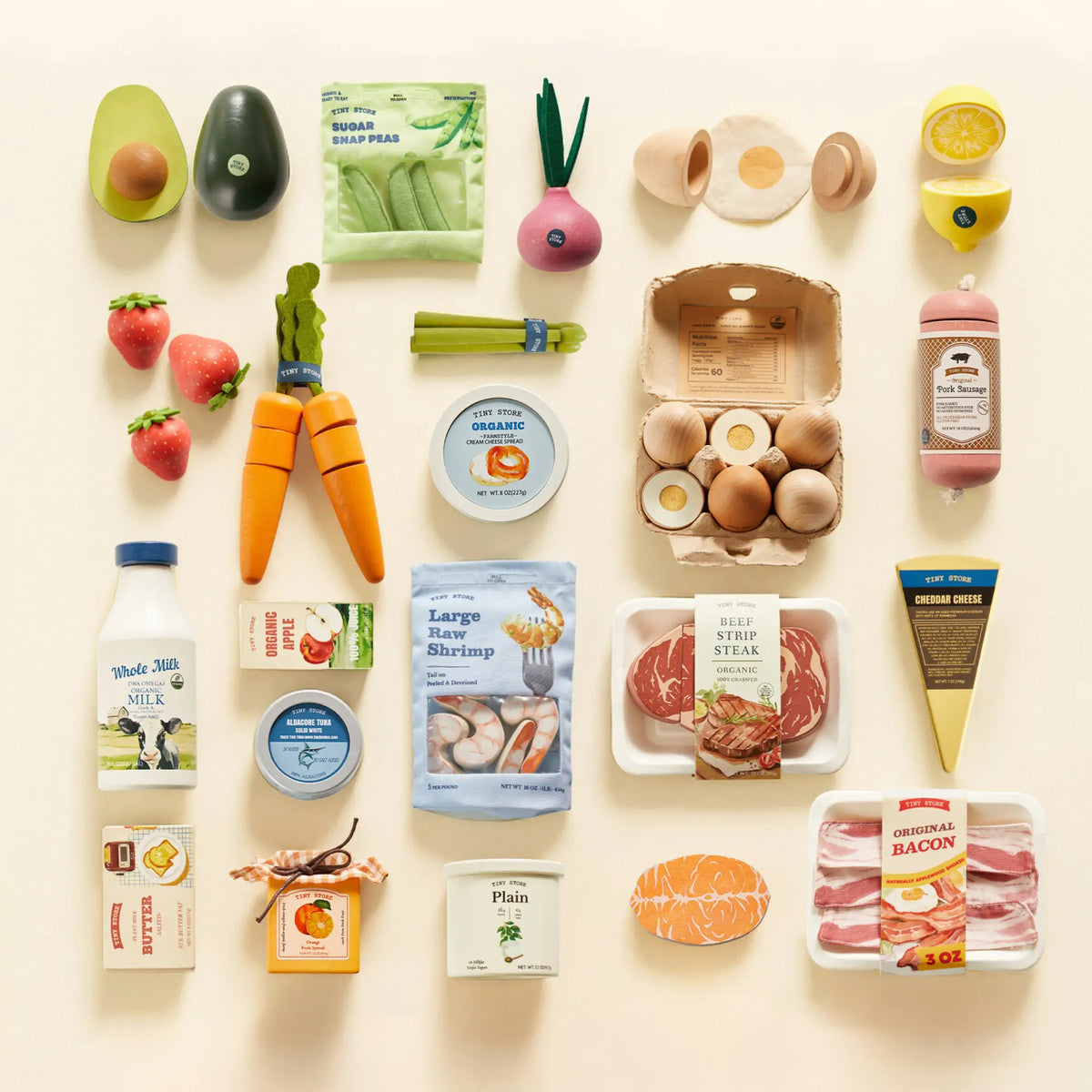
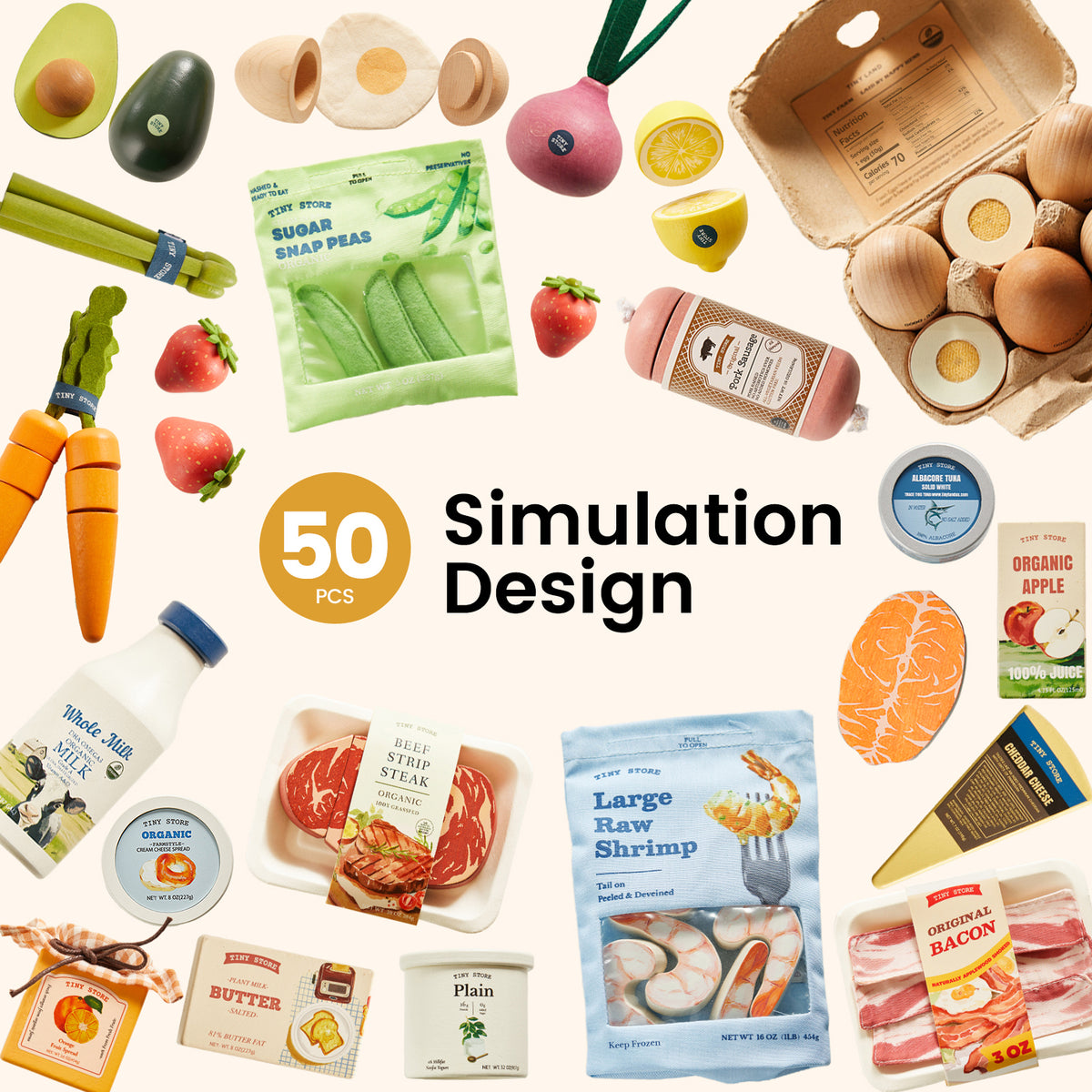
Accessories make the play more fun. Play food, cups, plates, pots, pans, a tea set, and small utensils can help children create more complete pretend meals. Some kids love running a restaurant. Others like cooking for their dolls or making breakfast for the whole house.

Which One Fits Your Child Better?
If your child loves stories, dolls, family scenes, furniture, and characters, a doll house may be the better choice. It gives them space to create their own world and explore different relationships. It can also grow with them because the stories usually become richer as their imagination and language develop.
If your child loves food, movement, cooking, helping in the kitchen, or copying adults, a play kitchen may be the better fit. It gives kids a clear concept and lets them act out routines they already understand.
For a two year old or younger toddler, a play kitchen can sometimes be easier to start with because the actions are simple: cook, wash, stir, serve. For a child who is more interested in characters and small-world play, a dollhouse may offer more long-term creativity.
Still, there is no strict rule. Boys can love dollhouses. Girls can love play kitchens. Some kids enjoy both. The best toy is not the one that fits an old idea of what boys or girls should like. It is the one your child wants to engage with again and again.

Space, Materials, and Durability
Before buying either toy, think about your home and playroom. A doll house is often taller and may need wall space. A play kitchen can be wider and may need room for kids to stand, move, cook, and open cabinet doors. If space is limited, check the size carefully instead of choosing only from photos.
Materials matter too. Many parents prefer wooden toys because they feel sturdy, classic, and durable. Wood also tends to look better in a living room or shared play space. Plastic toys can be lighter and sometimes cheap, but they may not always last as long or match the look parents want.
If eco friendly choices matter to your family, look for safer paint, responsible wood sources, recycled materials, or thoughtful material details when available. A toy does not need to be perfect, but better materials can make it feel more trustworthy and easier to keep for years.
Also, think about accessories. A dollhouse with flexible furniture and dolls gives kids more story options. A play kitchen with play food, a sink, utensils, and tableware gives children more ways to act out daily life. Often, simple open-ended pieces are more helpful than too many lights or sounds because they leave more room for creativity.

Final Choice: Doll House or Play Kitchen?
Choose a doll house if your child loves dolls, stories, furniture, family life, and character-based play. It is a strong choice for creativity, social skills, fine motor skills, and emotional storytelling.
Choose a play kitchen if your child loves food, cooking, action, and copying real life. It is a great choice for toddlers, role playing, hands-on play, and social fun with friends or parents.
Both toys can support imaginative play and important developmental skills. So the better choice is not about which toy is best for every child. It is about which toy fits your child’s world right now.
And if your child wants to cook dinner for dolls inside a small house, maybe the real answer is simple: both toys can belong in the same story.