




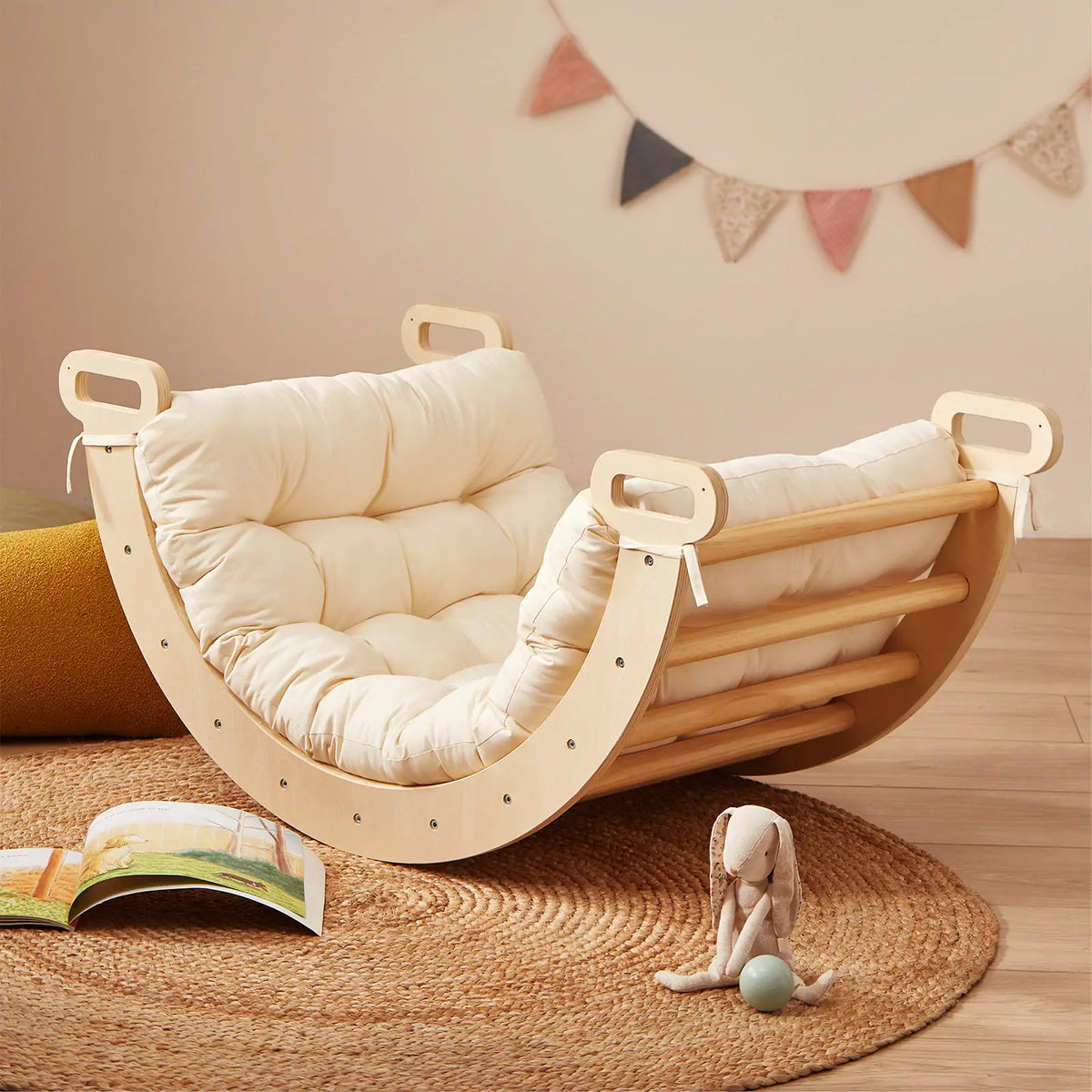
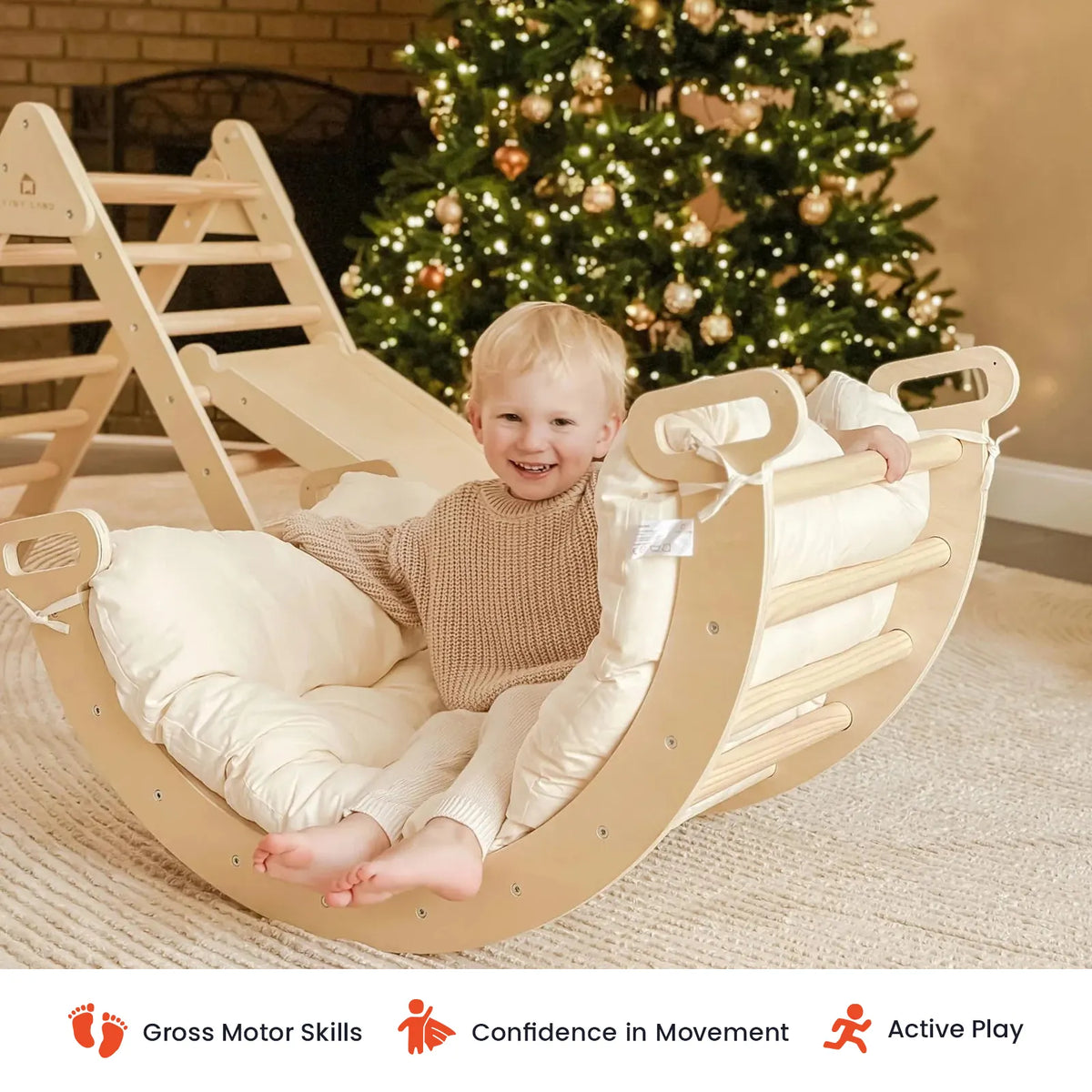
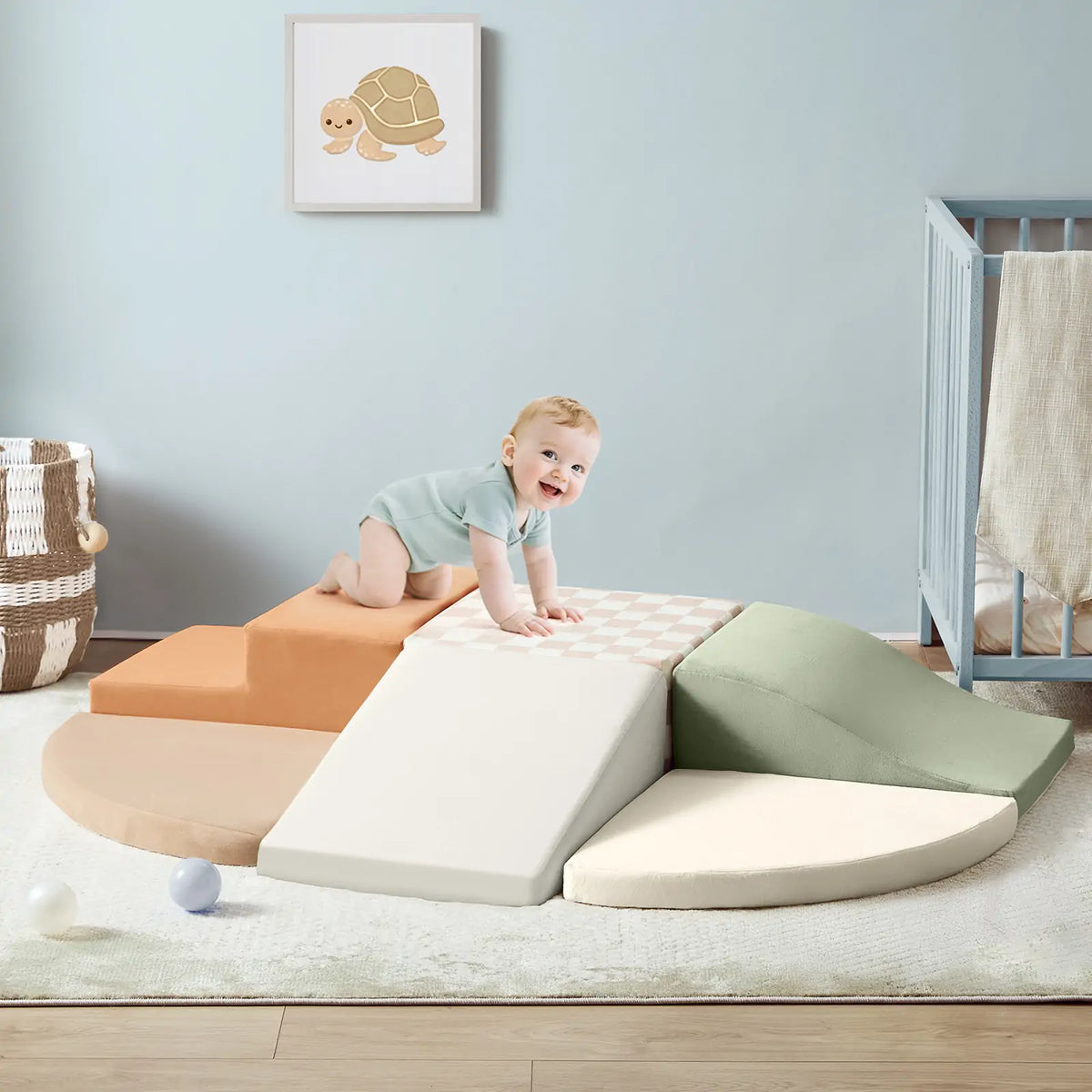
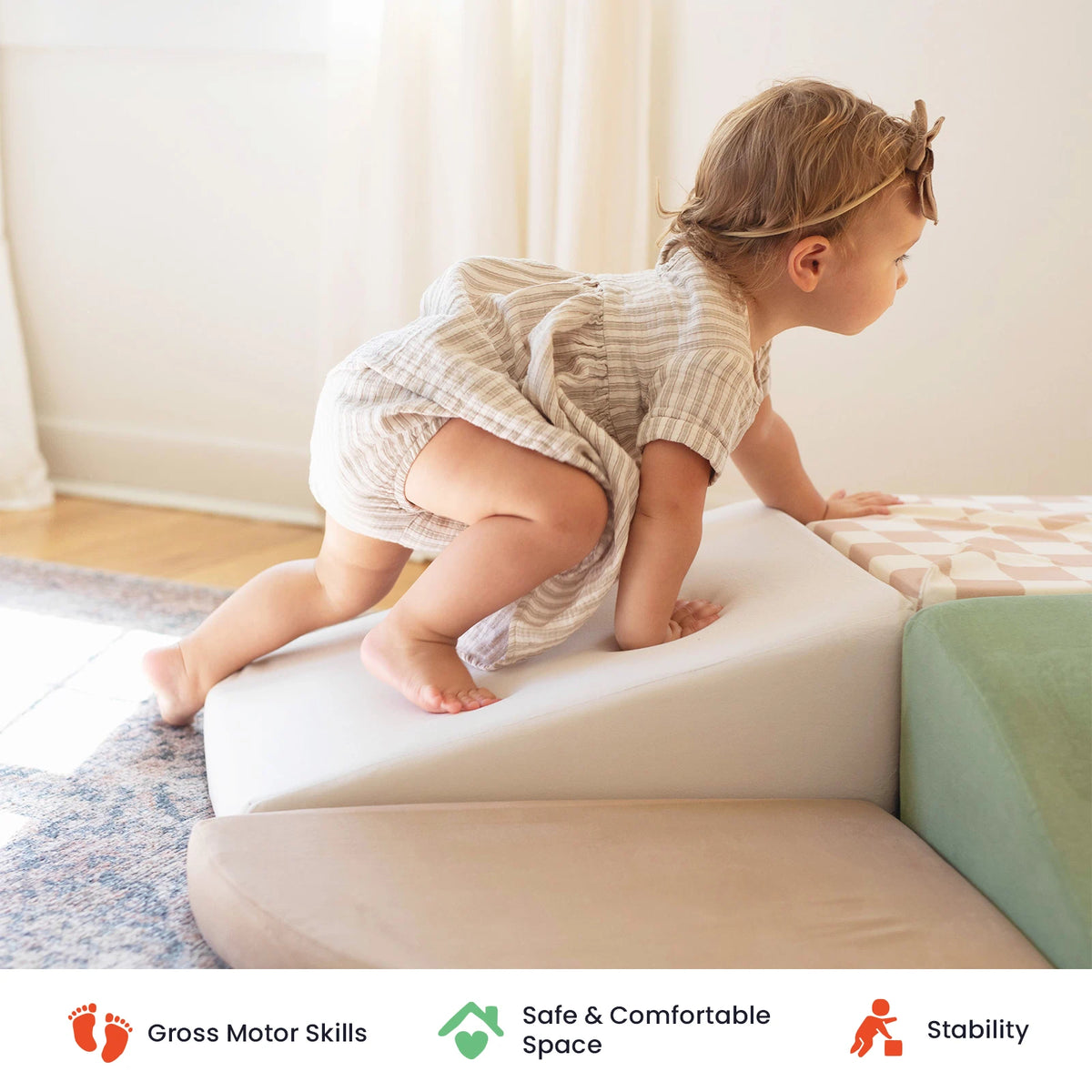

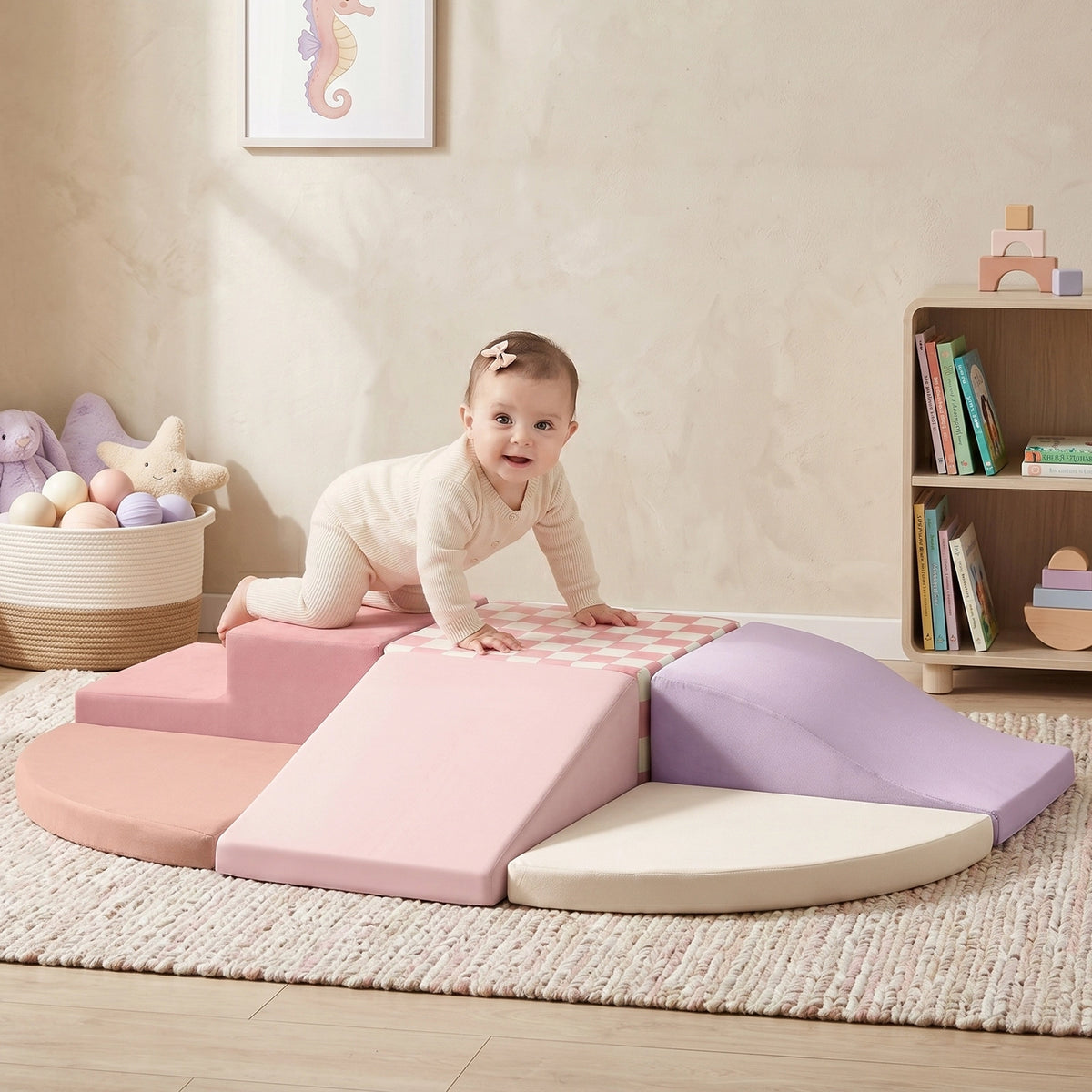


During the toddler years, children learn through movement. Every climb, reach, stretch, and balance attempt helps them understand their bodies and build essential physical skills.
A Pikler Triangle is an indoor climbing structure designed to encourage independent movement and active exploration.
Originally created by Hungarian pediatrician Dr. Emmi Pikler, this climbing tool has become popular in Montessori-inspired and respectful parenting environments because it allows children to explore movement at their own pace.
Unlike traditional playground equipment that often guides children toward specific movements, a Pikler Triangle gives children the freedom to decide how they move, where they climb, and when they are ready for new challenges.
Through climbing, balancing, and problem-solving, children naturally develop important abilities related to pikler triangle motor skills, including gross motor development, spatial awareness, coordination, and confidence.

Key Developmental Benefits of Climbing Triangles
Gross Motor Skill Refinement
One of the most important benefits of Pikler Triangle for toddlers is supporting gross motor development.
Climbing is a full-body movement activity that helps toddlers strengthen major muscle groups while improving coordination and balance.
As children grip the rungs, pull their bodies upward, and adjust their position, they practice:
- Core strength and stability
- Arm and shoulder strength
- Leg coordination
- Balance and body control
- Whole-body movement planning
These skills provide the foundation for everyday activities such as walking, running, jumping, and active play.
Developing Spatial Awareness
A Pikler Triangle helps toddlers understand how their bodies interact with the world around them.
When children decide where to place their hands and feet, how far they can reach, and how to shift their weight, they develop spatial awareness and movement planning skills.
Through climbing experiences, toddlers learn:
- How their body fits within a space
- How to judge distance and height
- How to adjust movements safely
- How to plan their next action
This awareness helps children become more confident and coordinated during physical activities.

Proprioceptive Input Through Climbing
Climbing provides valuable proprioceptive input, which helps children understand body position, movement, and force.
When toddlers push against the rungs, support their body weight, or pull themselves upward, their muscles and joints send feedback to the brain about:
- Where their body is positioned
- How much strength to use
- How to maintain balance
This sensory experience supports body awareness and coordinated movement while encouraging children to better understand their physical abilities.
Independent Confidence and Problem-Solving Skills
A key reason families choose Montessori-inspired climbing tools is that they encourage children to actively participate in their own learning process.
A Pikler Triangle allows toddlers to make their own movement decisions:
- Which rung to climb
- How high they feel comfortable reaching
- When they are ready for a new challenge
- When they need to pause or try again
Through this process, children develop confidence, independence, and early risk-assessment skills.
Rather than adults directing every movement, children learn to evaluate challenges, make decisions, and build trust in their own abilities.

Expert Perspective: Why Independent Movement Matters
Early childhood educators emphasize that movement experiences play an important role in early development.
When children have opportunities to explore physical challenges at their own pace, they practice problem-solving, body awareness, and confidence through play.
Independent movement allows children to discover what their bodies can do while developing important physical and emotional skills.

Pikler Triangle Age Milestone: Understanding Toddler Climbing Development
Every child develops at their own pace. The following Pikler Triangle age milestone guide provides general examples of how children may explore climbing at different stages.
6 to 12 Months: Pulling Up and Exploring Movement
At this stage, many babies begin developing the strength needed for standing.
They may use the lower rungs of a Pikler Triangle to:
- Pull up to a standing position
- Practice balance while holding support
- Explore different hand grips
- Become familiar with movement challenges
At this age, the focus is exploration rather than climbing height.
12 to 24 Months: Developing Climbing Skills
Toddlers begin experimenting with more intentional climbing movements.
Common toddler climbing milestones may include:
- Climbing 2–3 rungs
- Learning how to shift body weight
- Coordinating hands and feet together
- Exploring different climbing positions
This stage helps children strengthen balance, coordination, and body awareness.
2 to 3 Years: Advanced Climbing Exploration
As toddlers gain strength and confidence, they may begin exploring more complex movements.
They may practice:
- Reaching the top of the triangle
- Moving over the top bar
- Using attached ramps or slides
- Planning multi-step movements independently
These experiences continue supporting gross motor development while encouraging creativity and confidence.

Indoor Climbing Triangle Safety Checklist
Creating a safe environment is essential when introducing an indoor climbing structure.
Before play, parents should check:
☐ Place the climbing structure on a soft, impact-absorbing surface such as an activity mat.
☐ Maintain active adult supervision during open play.
☐ Ensure non-slip rubber feet are securely installed at the base.
☐ Choose a structure with an appropriate tested weight capacity.
☐ Select climbing toys made with smooth-sanded hardwood, such as birch plywood or solid beechwood, with no sharp edges or splinters.
☐ Regularly inspect screws, joints, and wooden components for stability.
Following proper indoor climbing triangle safety practices helps children enjoy active play while creating a safer exploration environment.

Montessori Climbing Triangle Benefits
A Pikler Triangle aligns with many Montessori-inspired principles by supporting independence, freedom of movement, and hands-on exploration.
The main Montessori climbing triangle benefits include:
- Encouraging child-led exploration
- Supporting confidence through achievement
- Allowing children to practice skills at their own pace
- Creating opportunities for focused independent play
While a Pikler Triangle was not originally designed as a traditional Montessori material, it reflects many Montessori-inspired ideas by allowing children to learn through movement, curiosity, and self-directed exploration.

Choosing a Quality Pikler Triangle for Your Home
A thoughtfully designed Pikler Triangle should balance safety, durability, and opportunities for open-ended play.
When choosing an indoor climbing triangle, parents may consider:
- Smooth hardwood construction
- Stable and secure design
- Child-safe finishes
- Durable materials such as birch plywood and solid beechwood
- Design features that encourage different types of movement
A well-designed climbing structure can become a meaningful part of a child’s play environment by supporting both physical development and independent exploration.

Frequently Asked Questions (FAQs)
Is a Pikler Triangle safe for a 1-year-old?
Yes, a Pikler Triangle can be safe for a 1-year-old when used with proper precautions.
Young toddlers often begin by holding onto lower rungs, pulling themselves up, and practicing balance before attempting more advanced climbing.
Parents should always provide adult supervision and place the structure on a padded surface during play.
What are the benefits of a Pikler Triangle for toddlers?
The main benefits of Pikler Triangle for toddlers include supporting gross motor development, balance, coordination, spatial awareness, proprioceptive input, confidence, and independent problem-solving.
Are Pikler Triangles Montessori?
While Pikler Triangles are not traditional Montessori materials, they align with many Montessori-inspired principles, including independence, freedom of movement, hands-on exploration, and child-led learning.
What is the ideal wood type for indoor climbing toys?
High-quality materials such as birch plywood and solid beechwood are commonly used for indoor climbing toys because they provide durability, structural support, and a smooth finish suitable for children.
What age is best for a Pikler Triangle?
There is no single ideal age because children develop at different rates. Many families introduce Pikler Triangles when children begin pulling up, standing, and showing interest in independent movement.

Final Thoughts
A Pikler Triangle is more than an indoor climbing toy. It provides toddlers with opportunities to build strength, coordination, confidence, and independence through meaningful movement.
By allowing children to explore physical challenges at their own pace, Pikler Triangles support motor skill development, sensory exploration, and self-directed learning.
With thoughtful design, safe materials, and age-appropriate use, a Pikler Triangle can become a valuable part of a child’s everyday play environment.