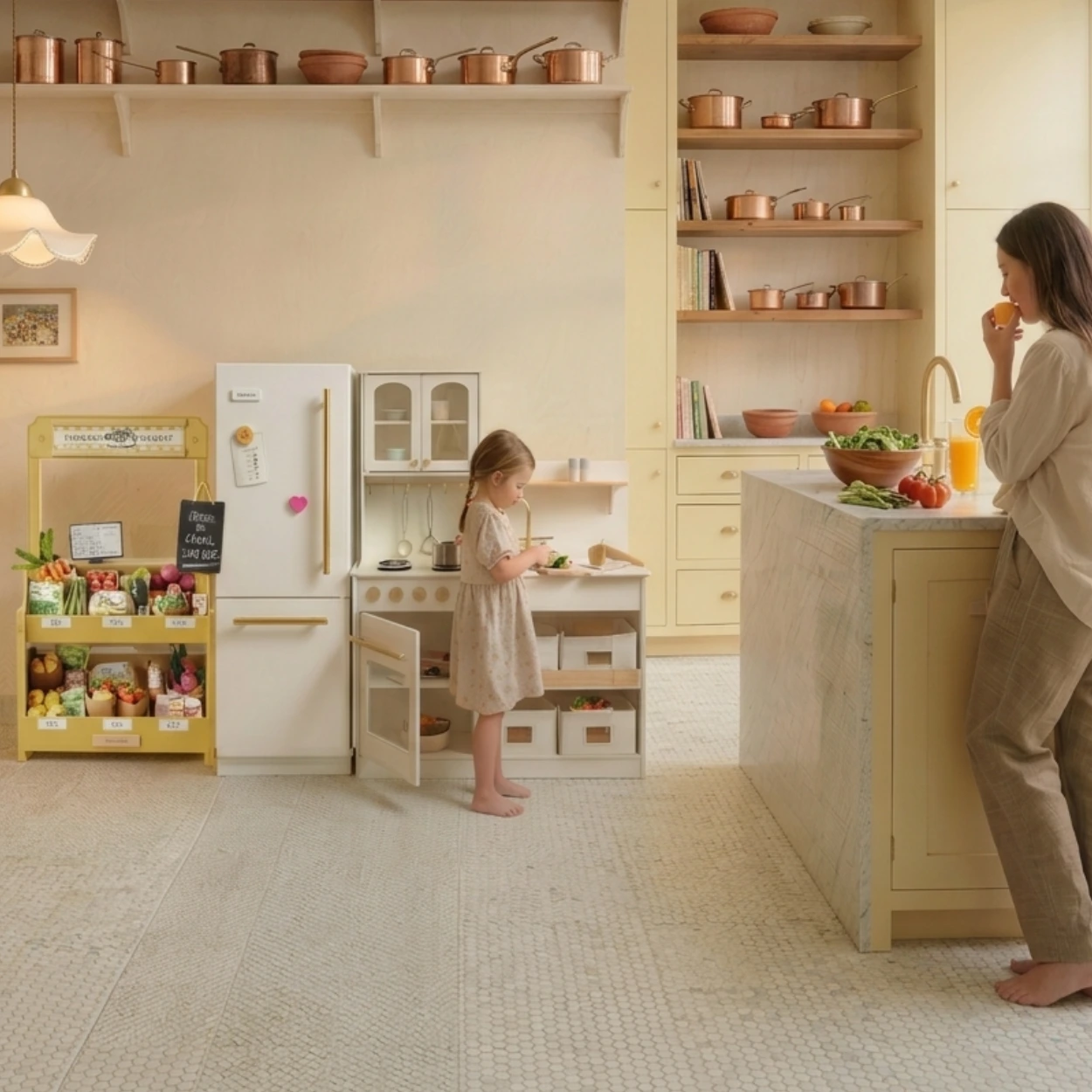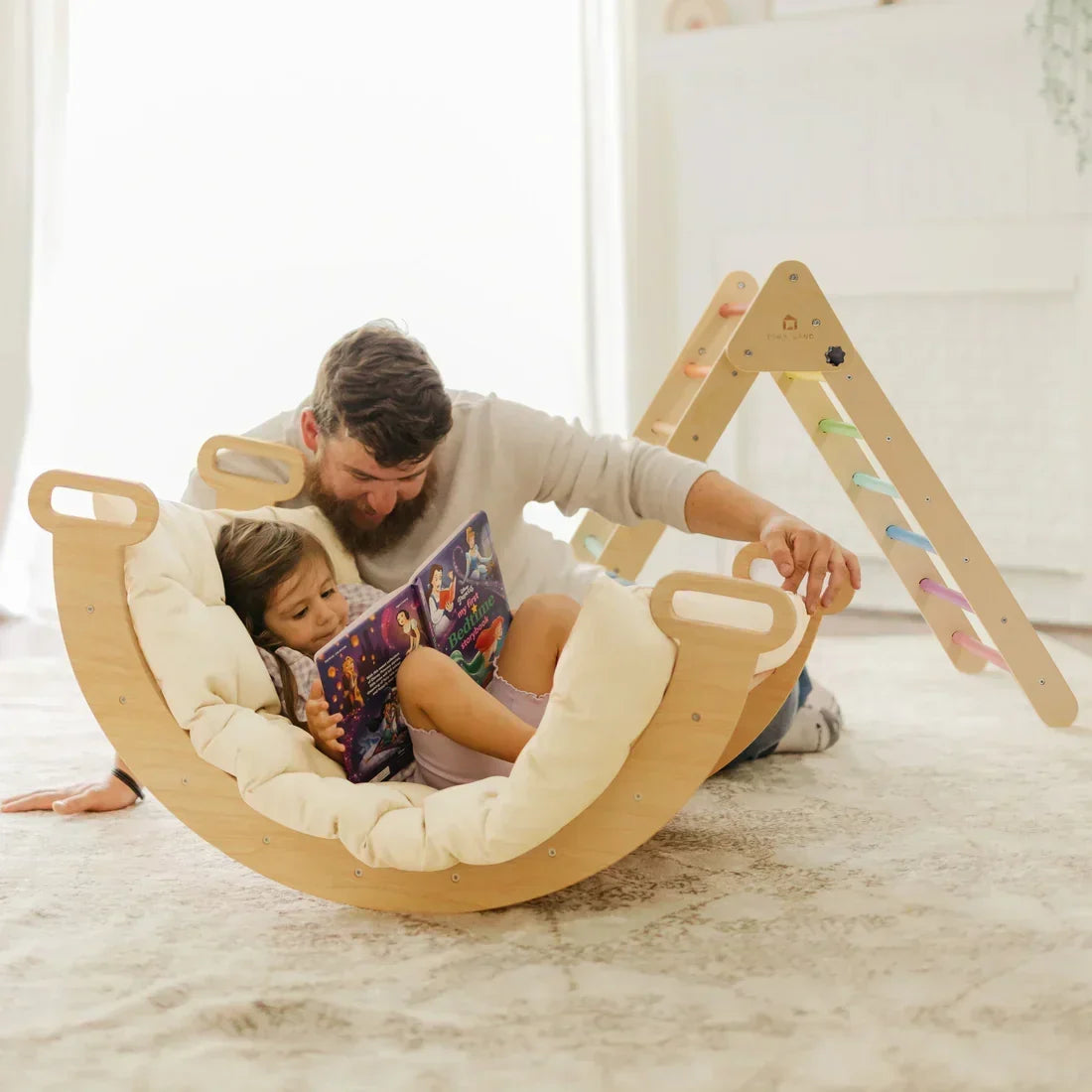

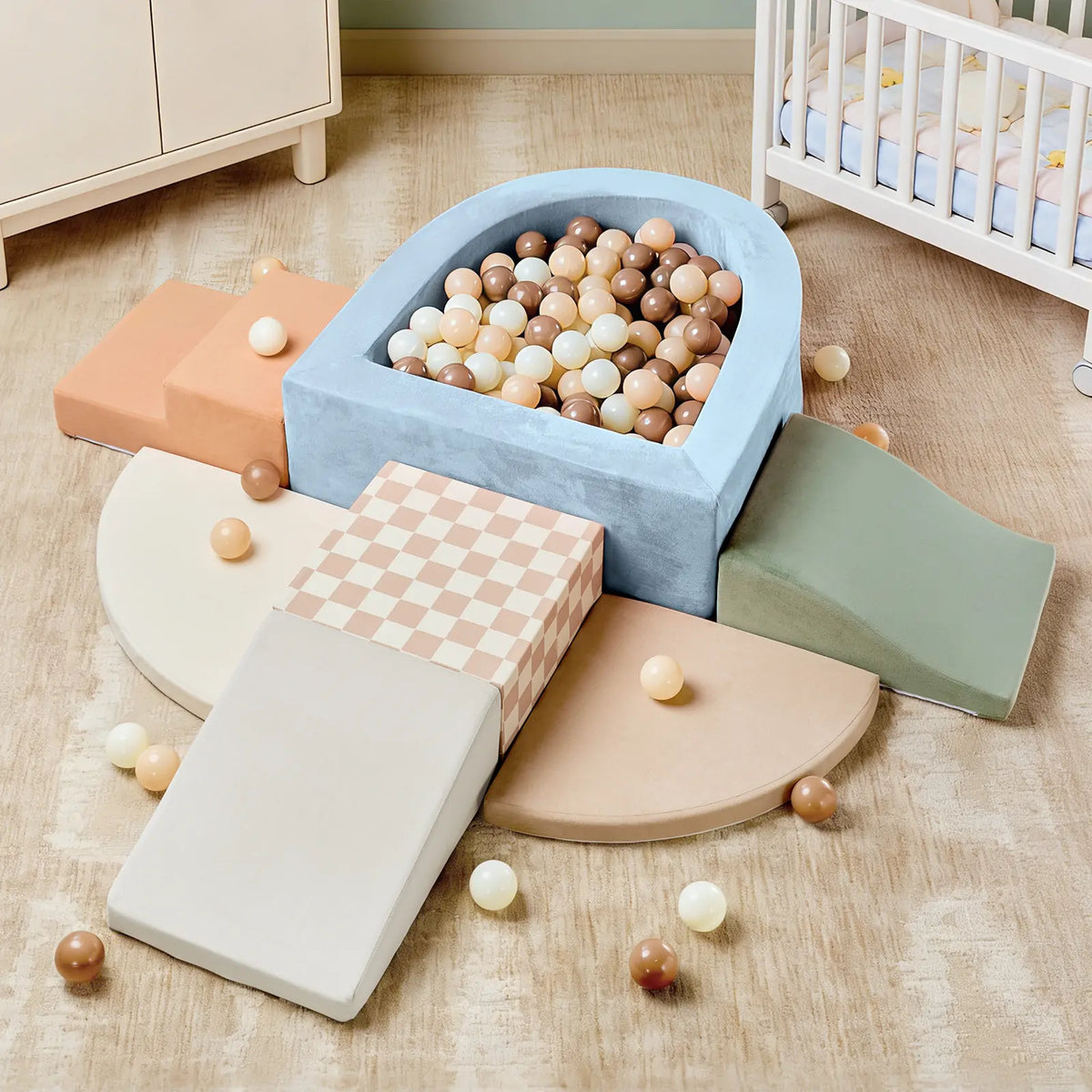
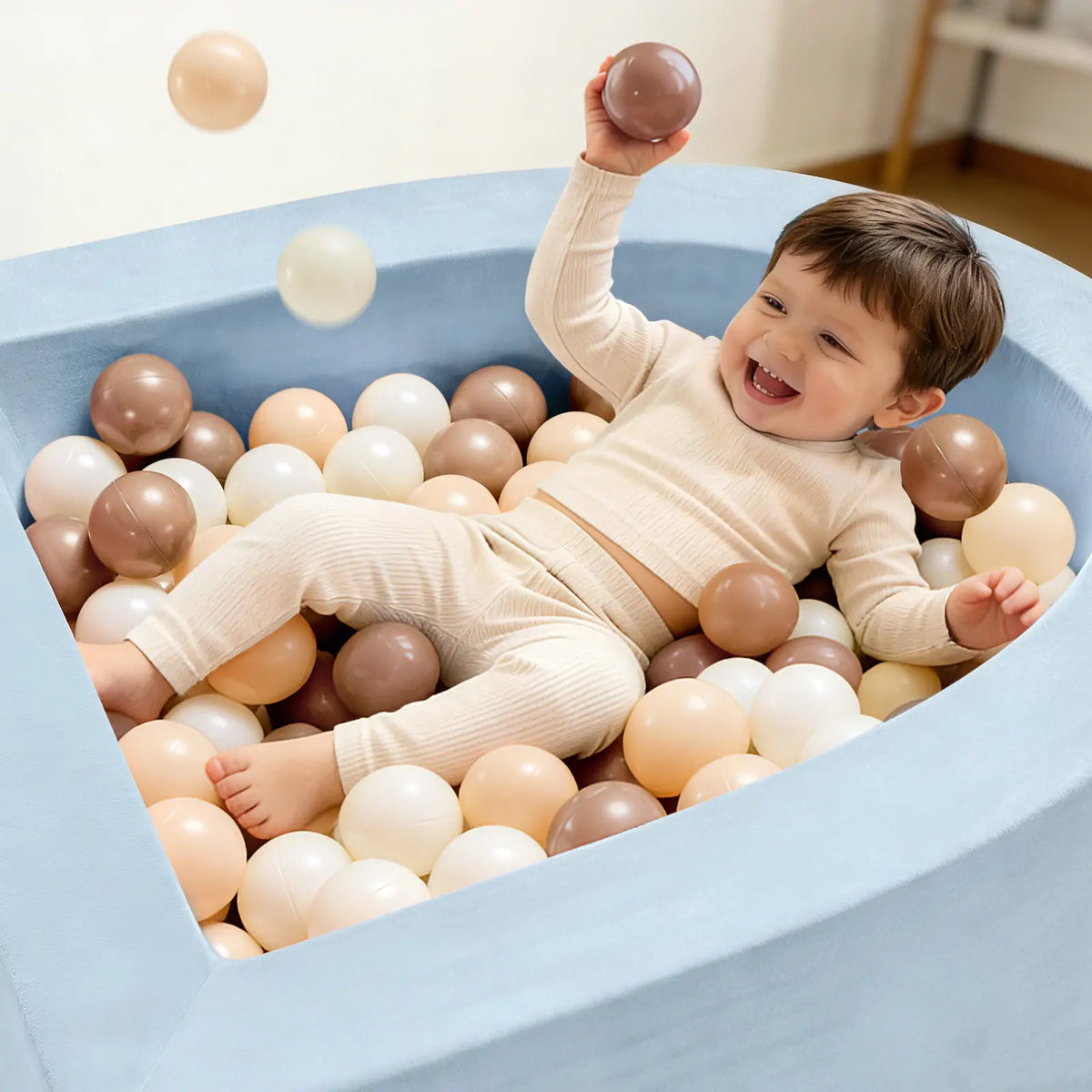
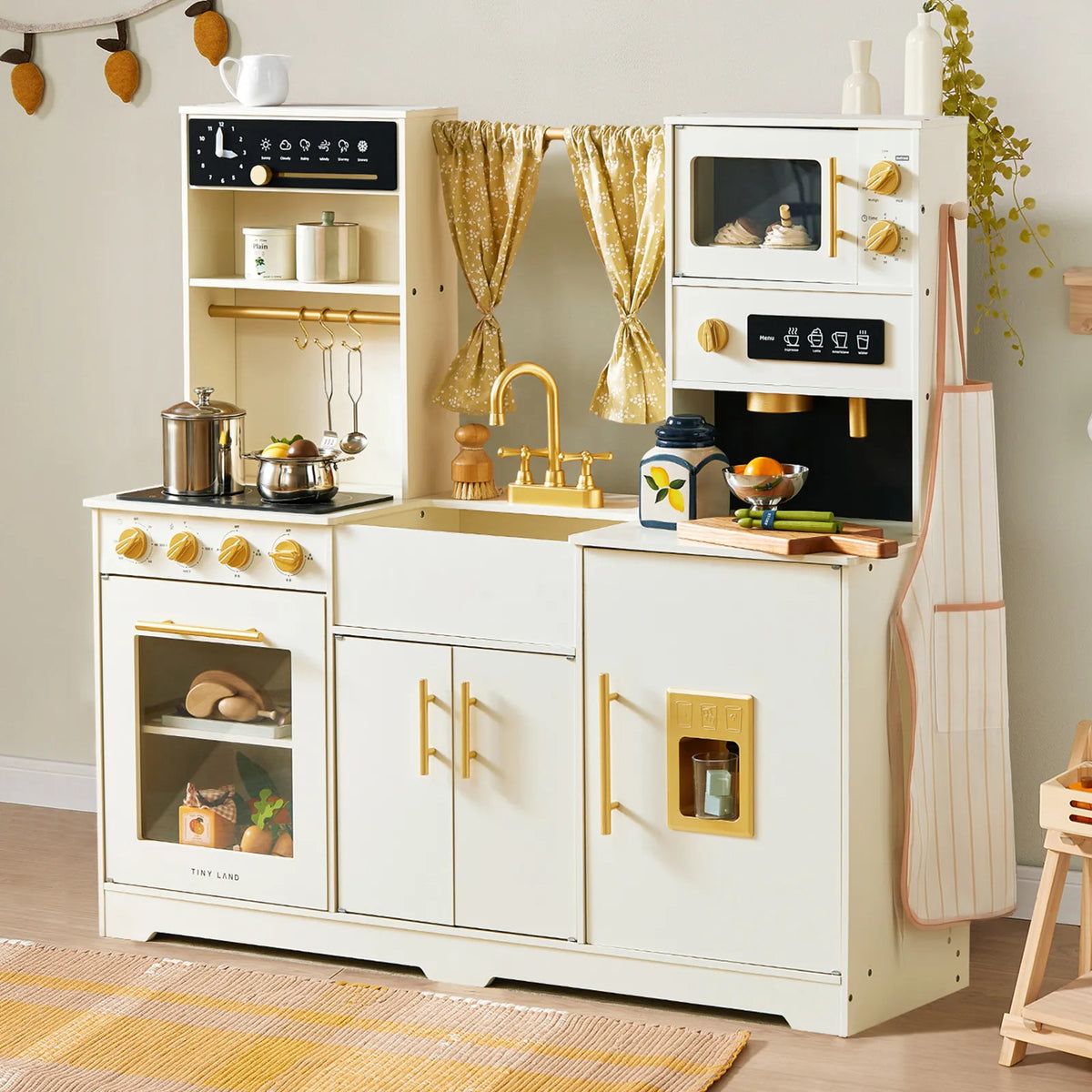
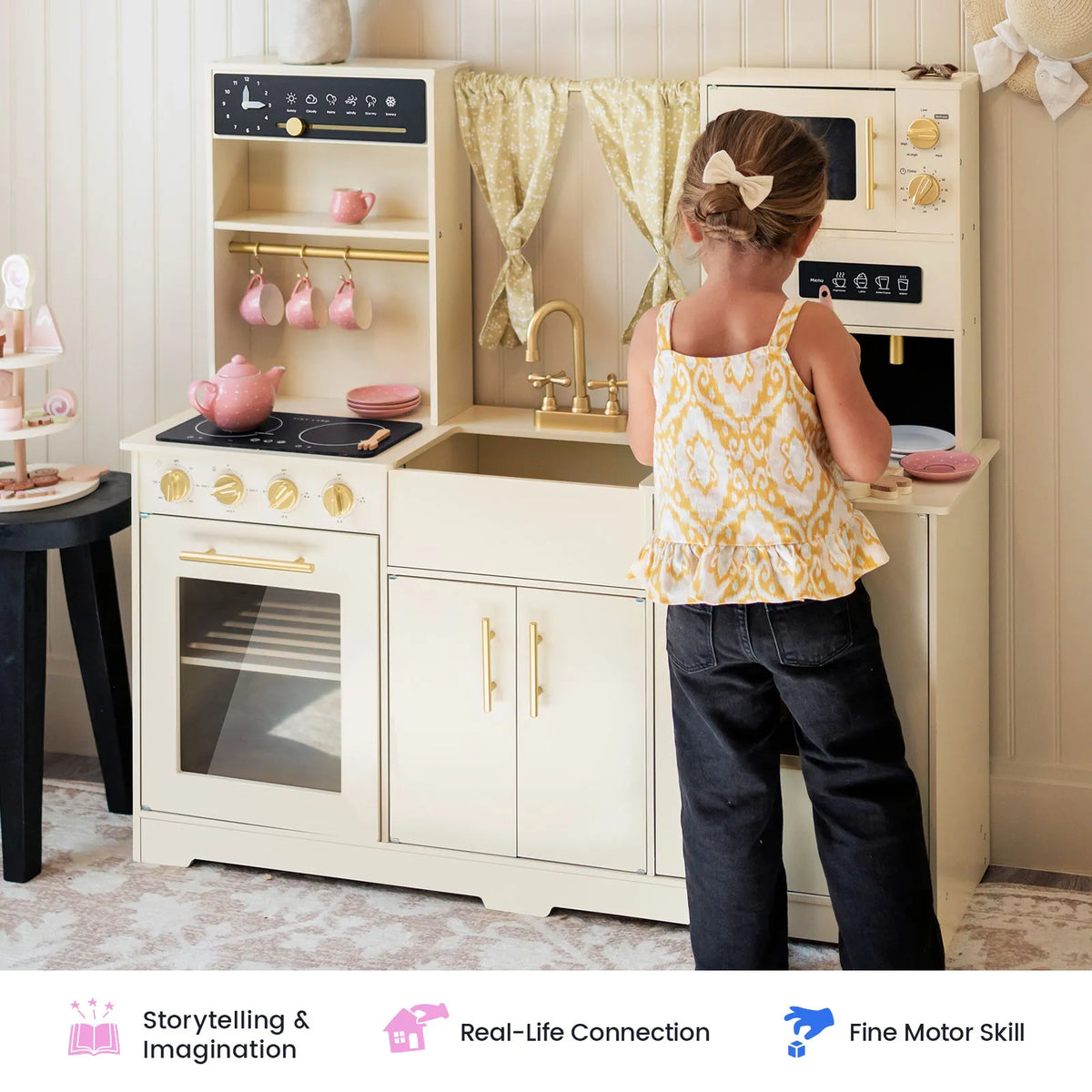
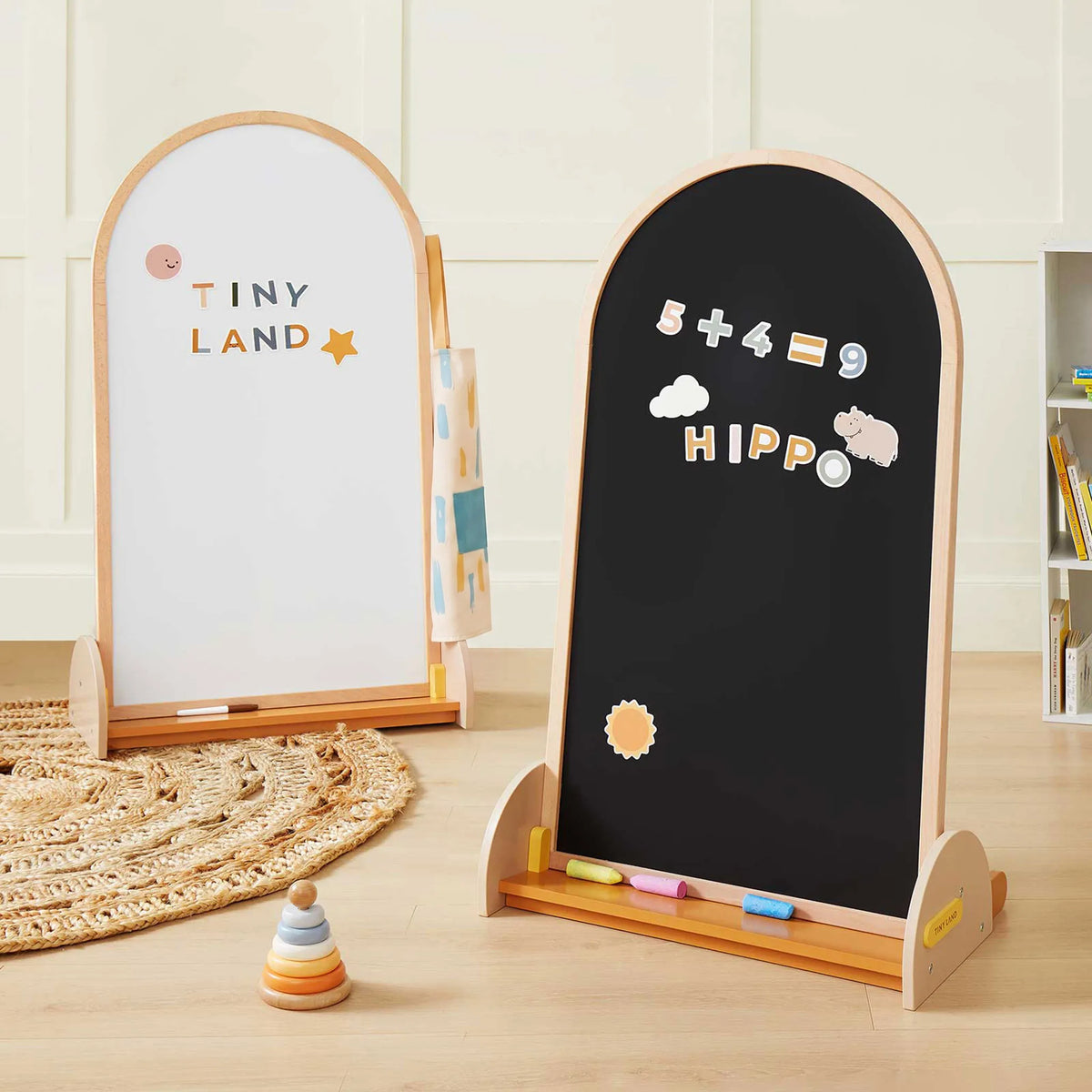
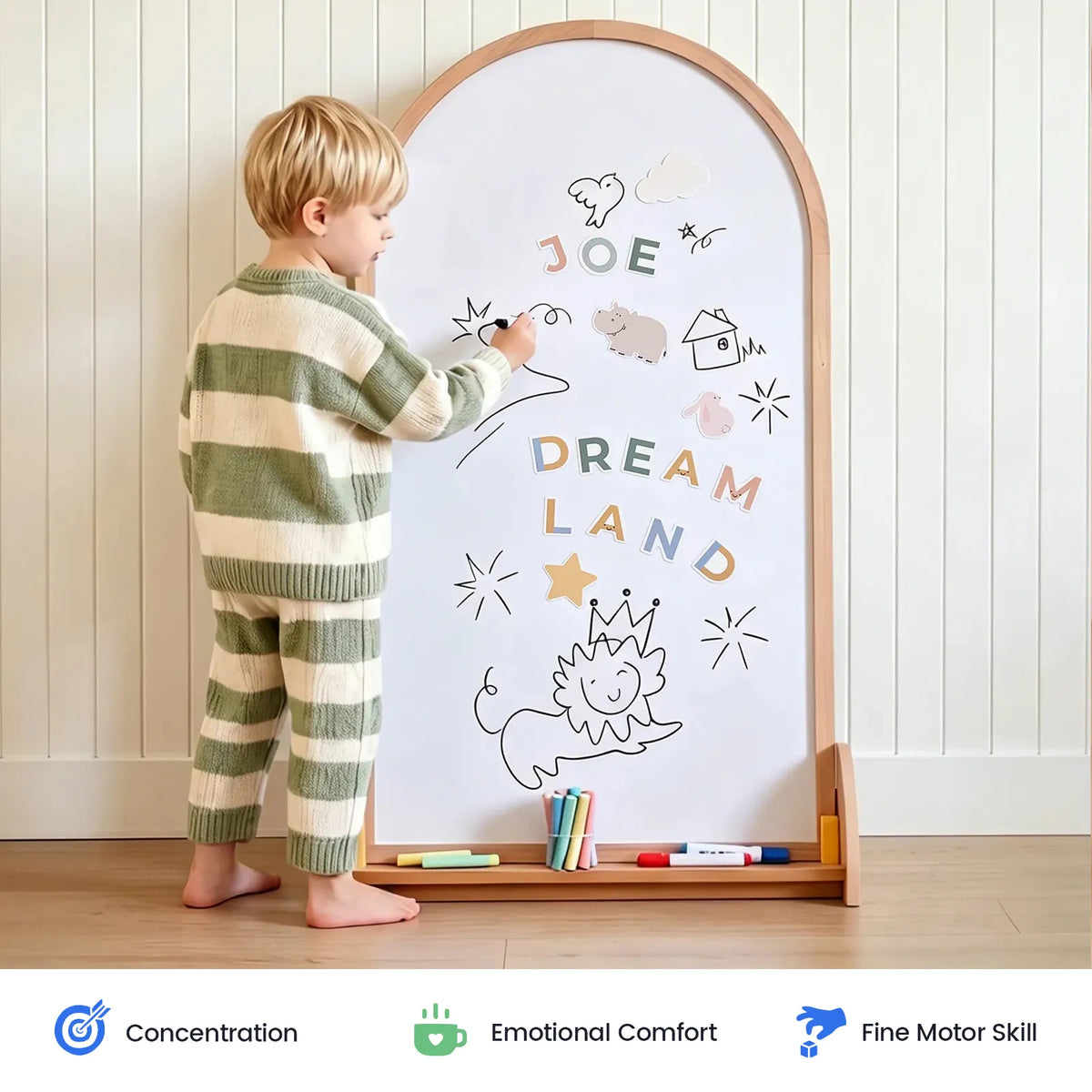
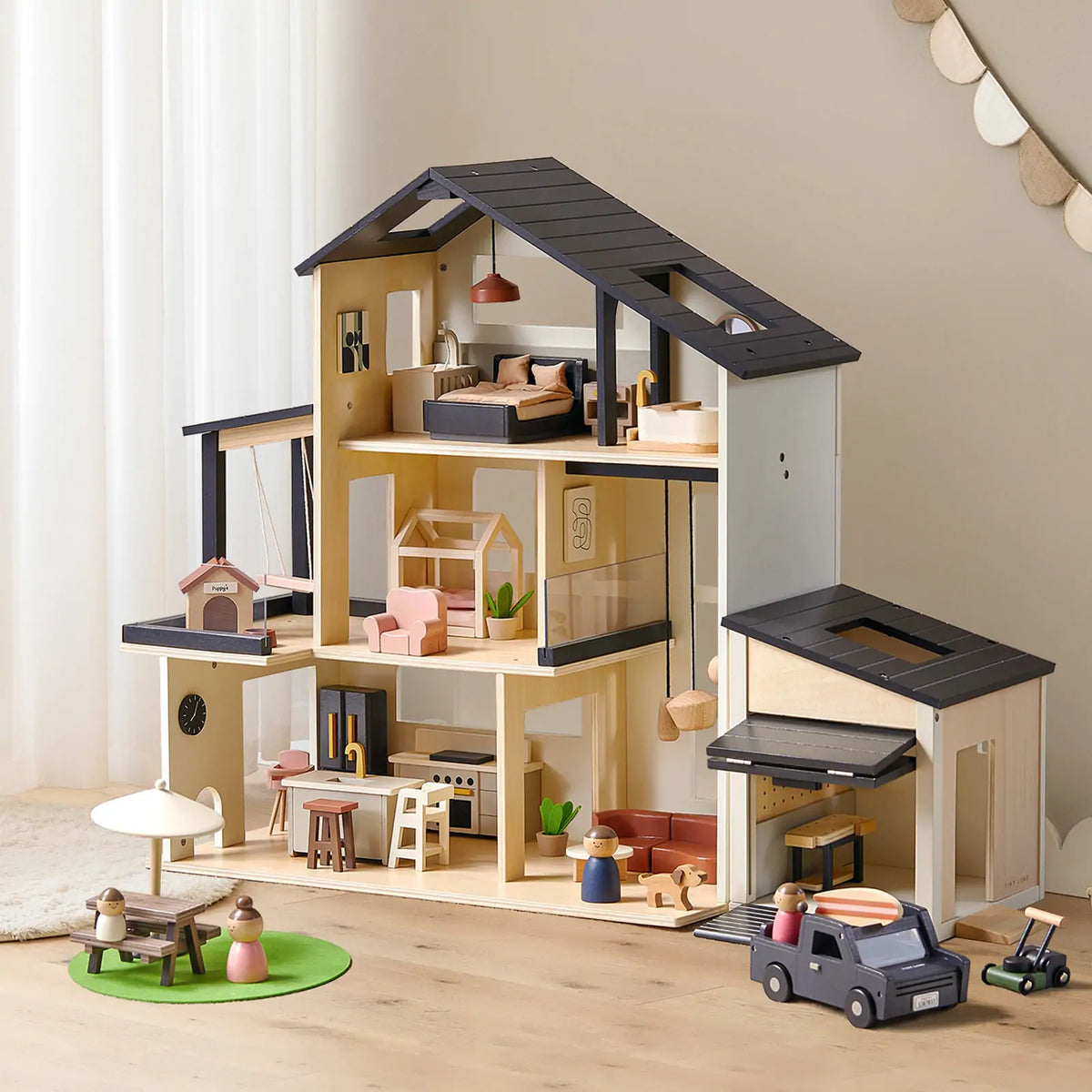
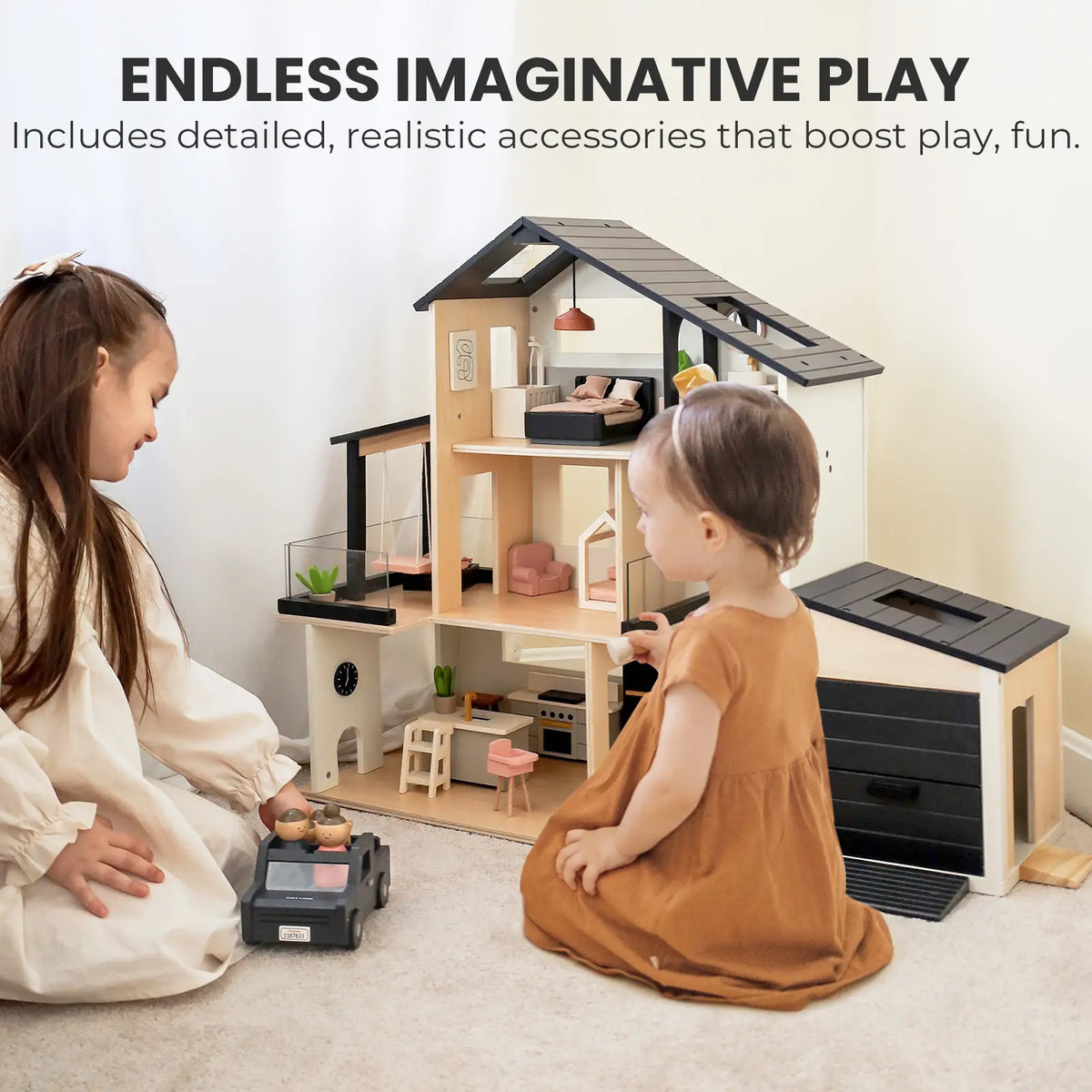
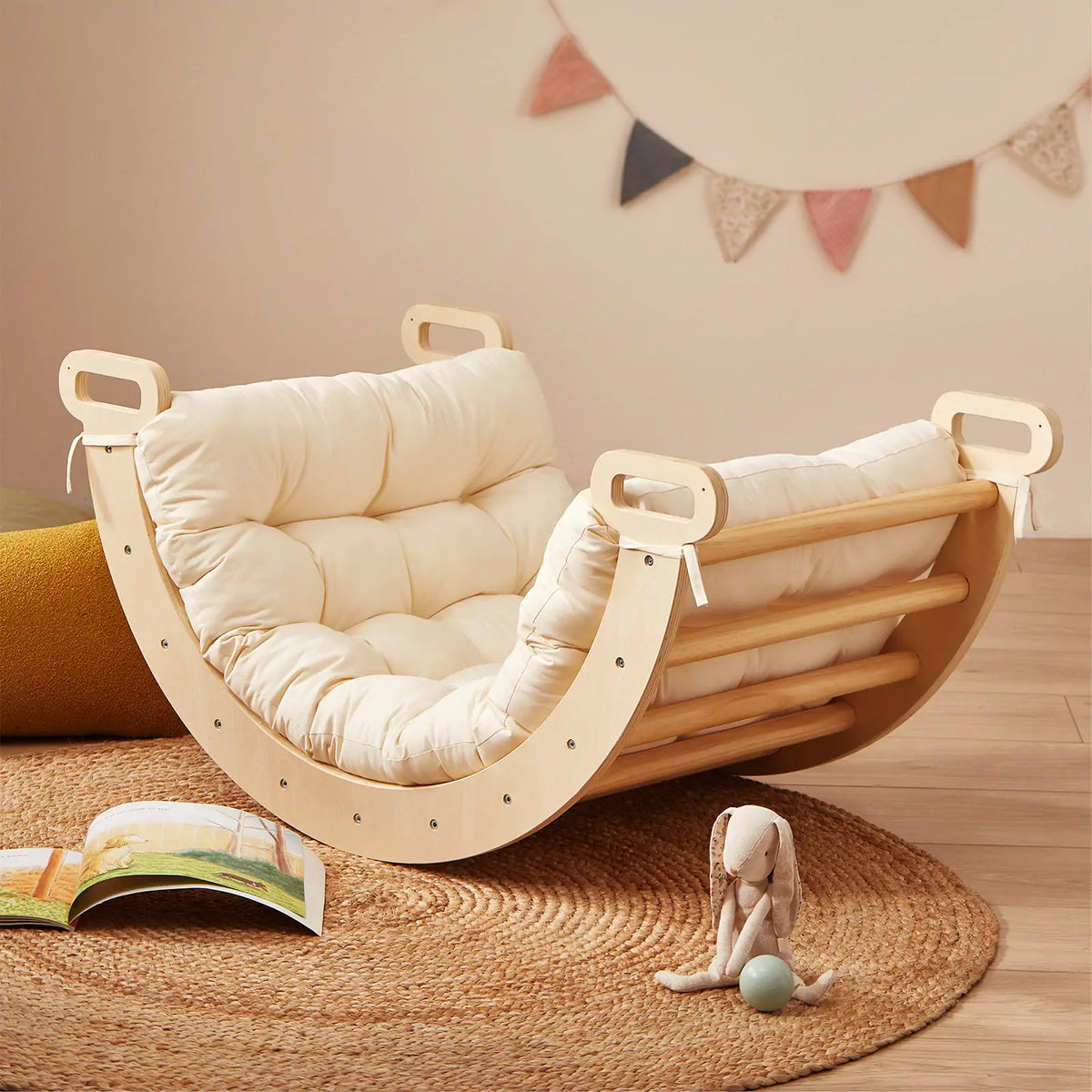
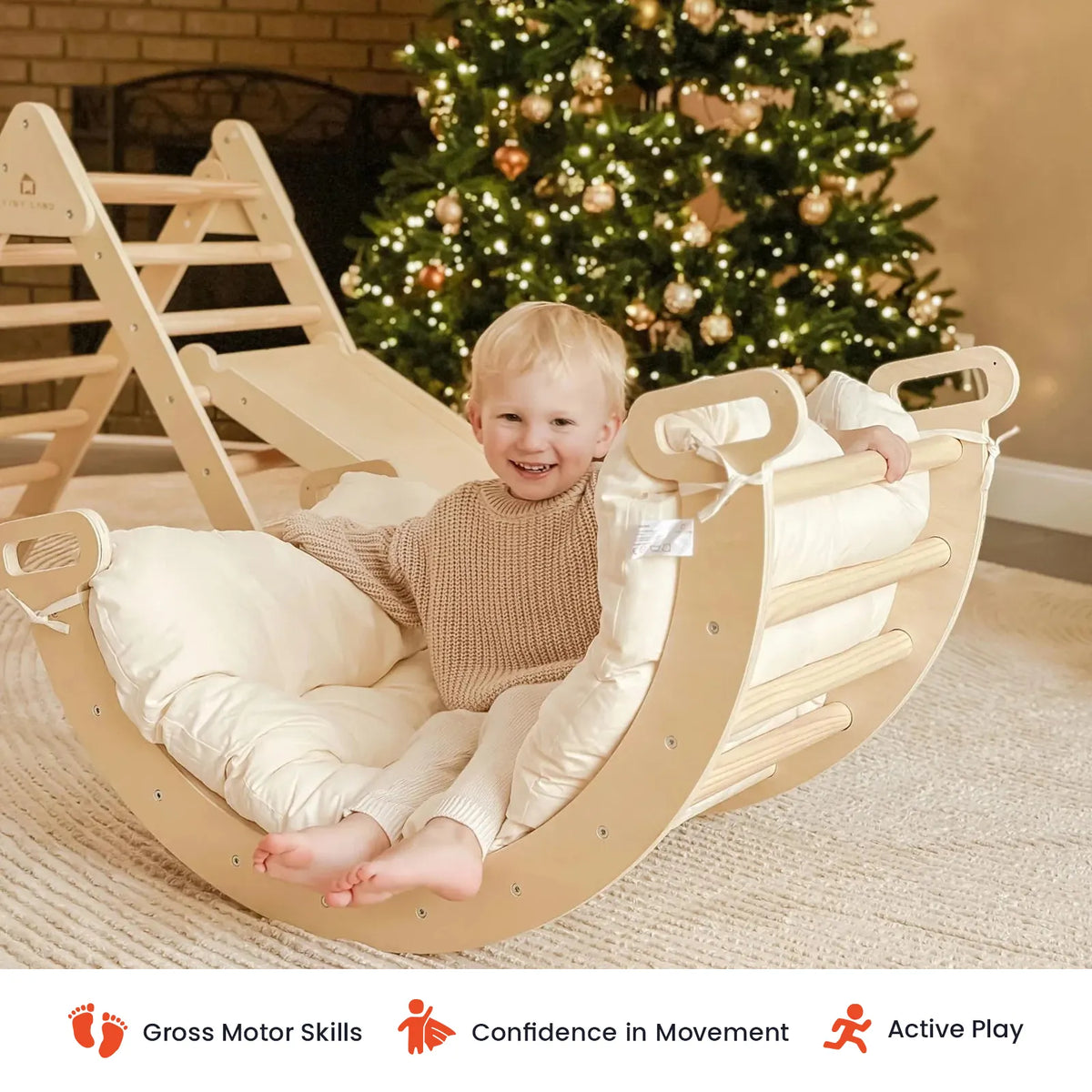
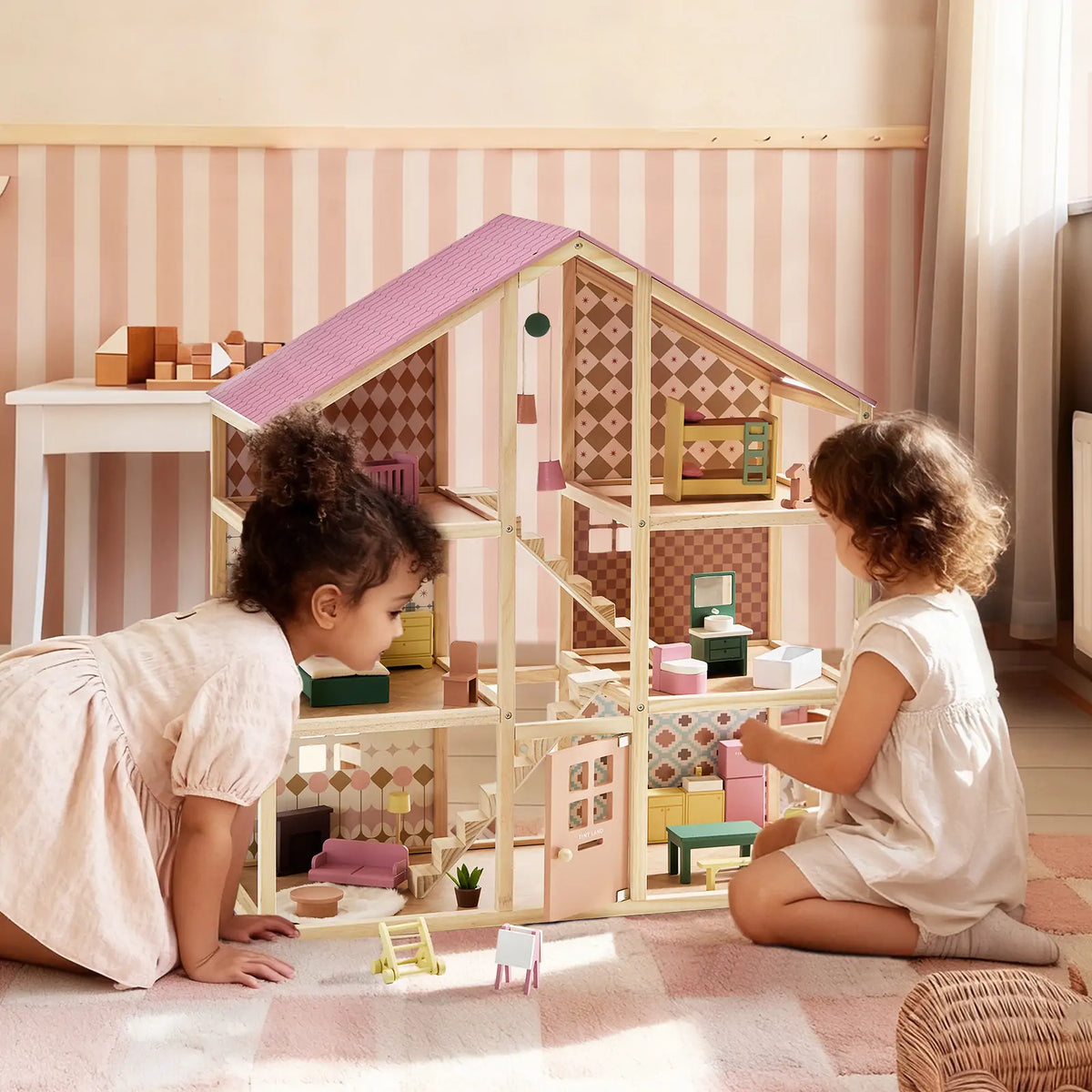
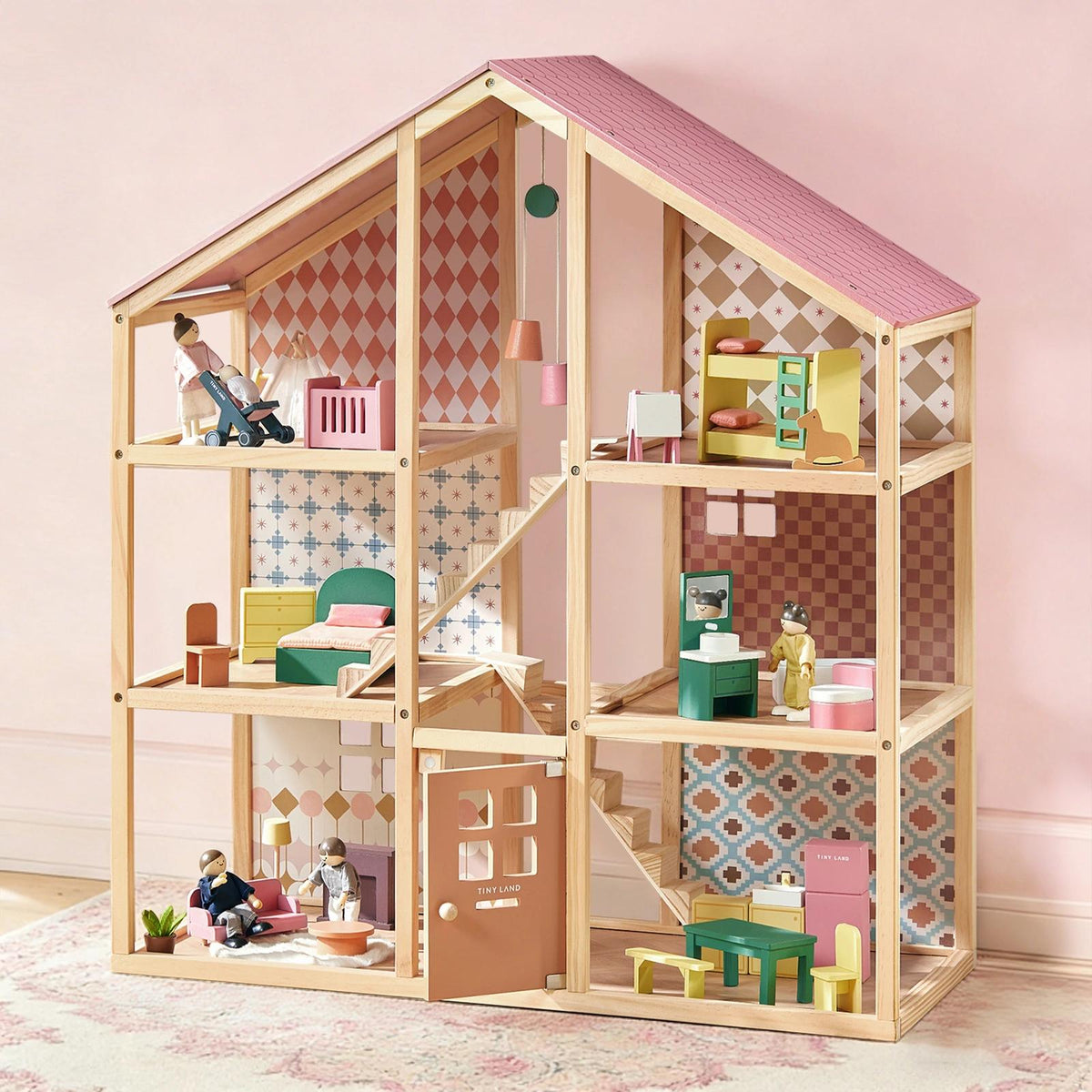
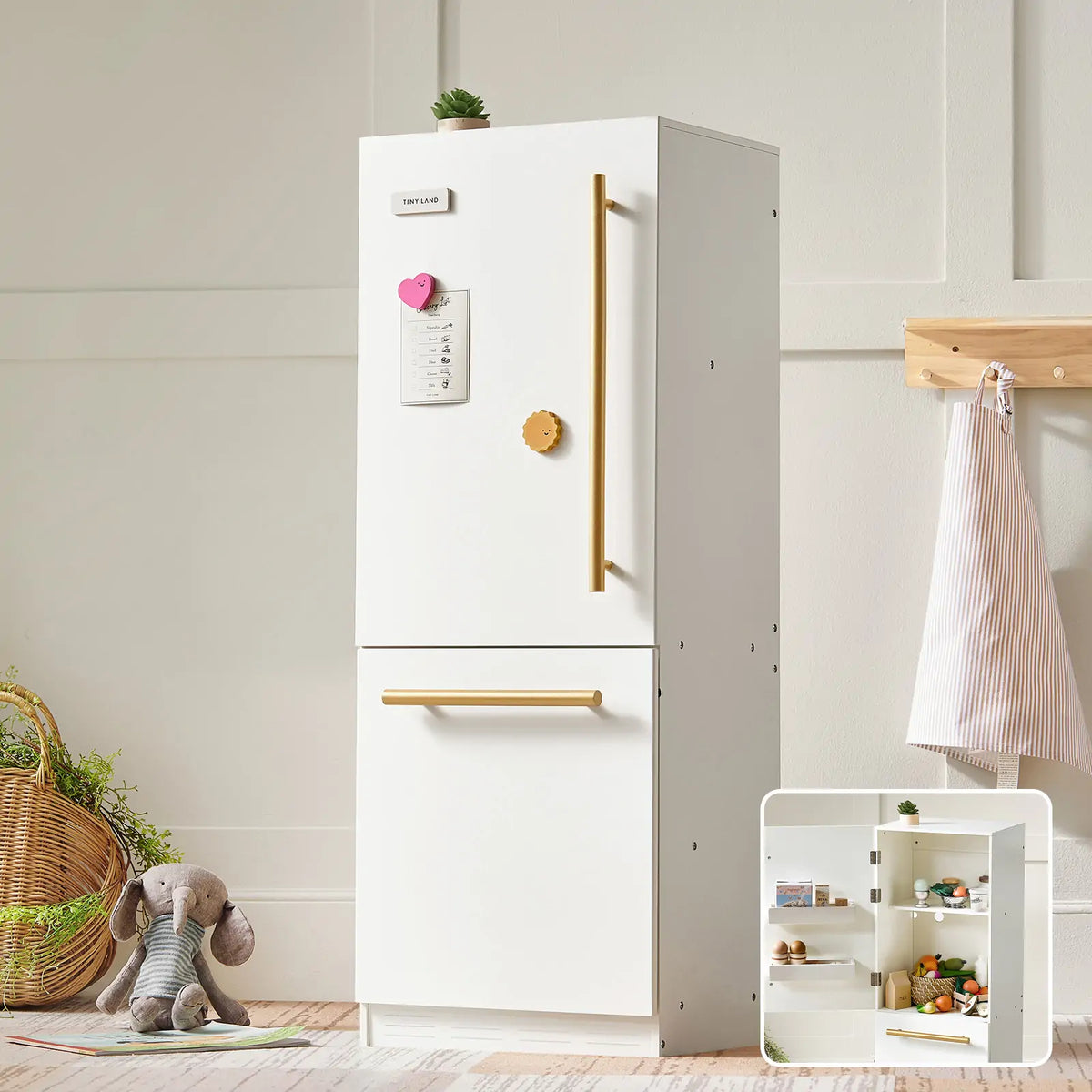
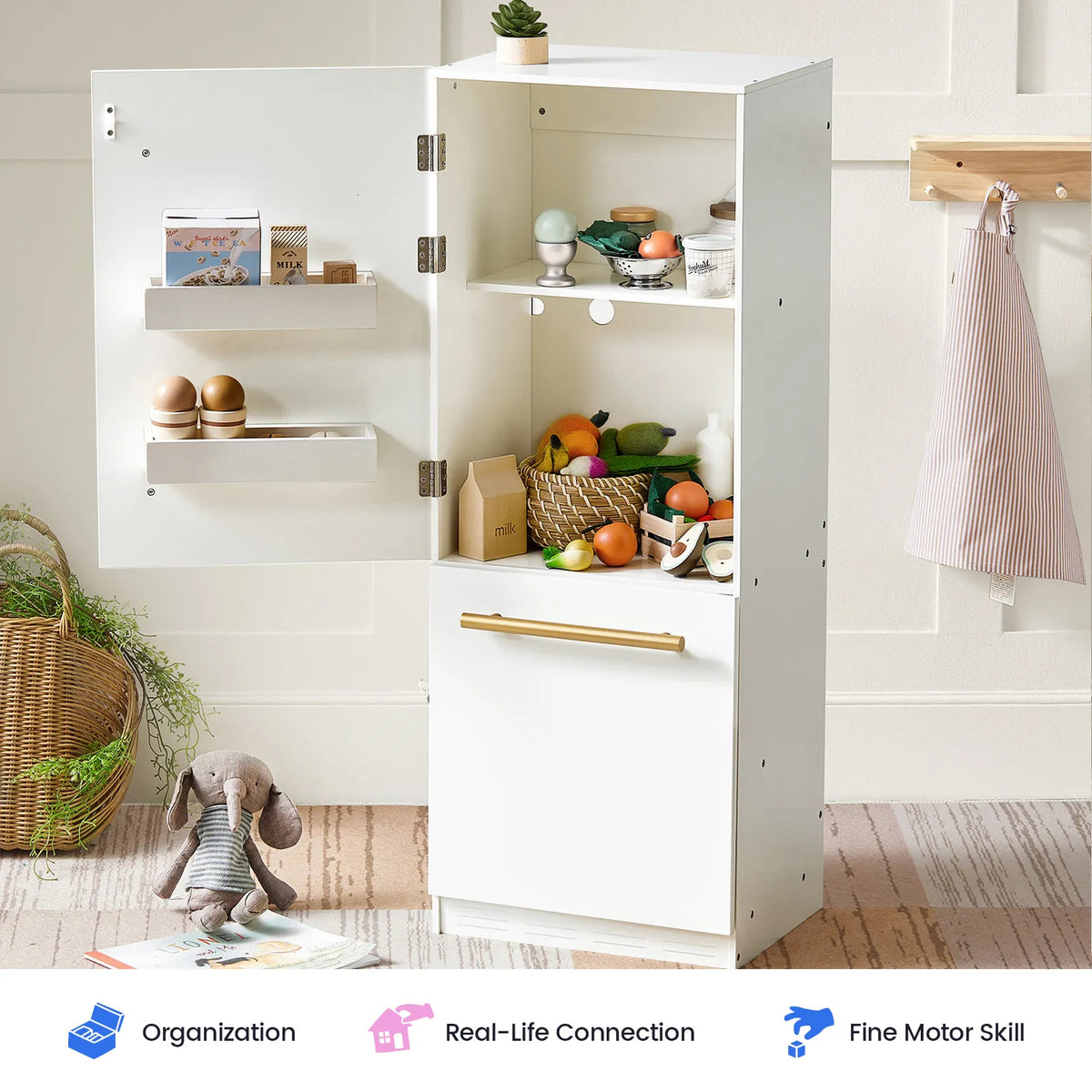
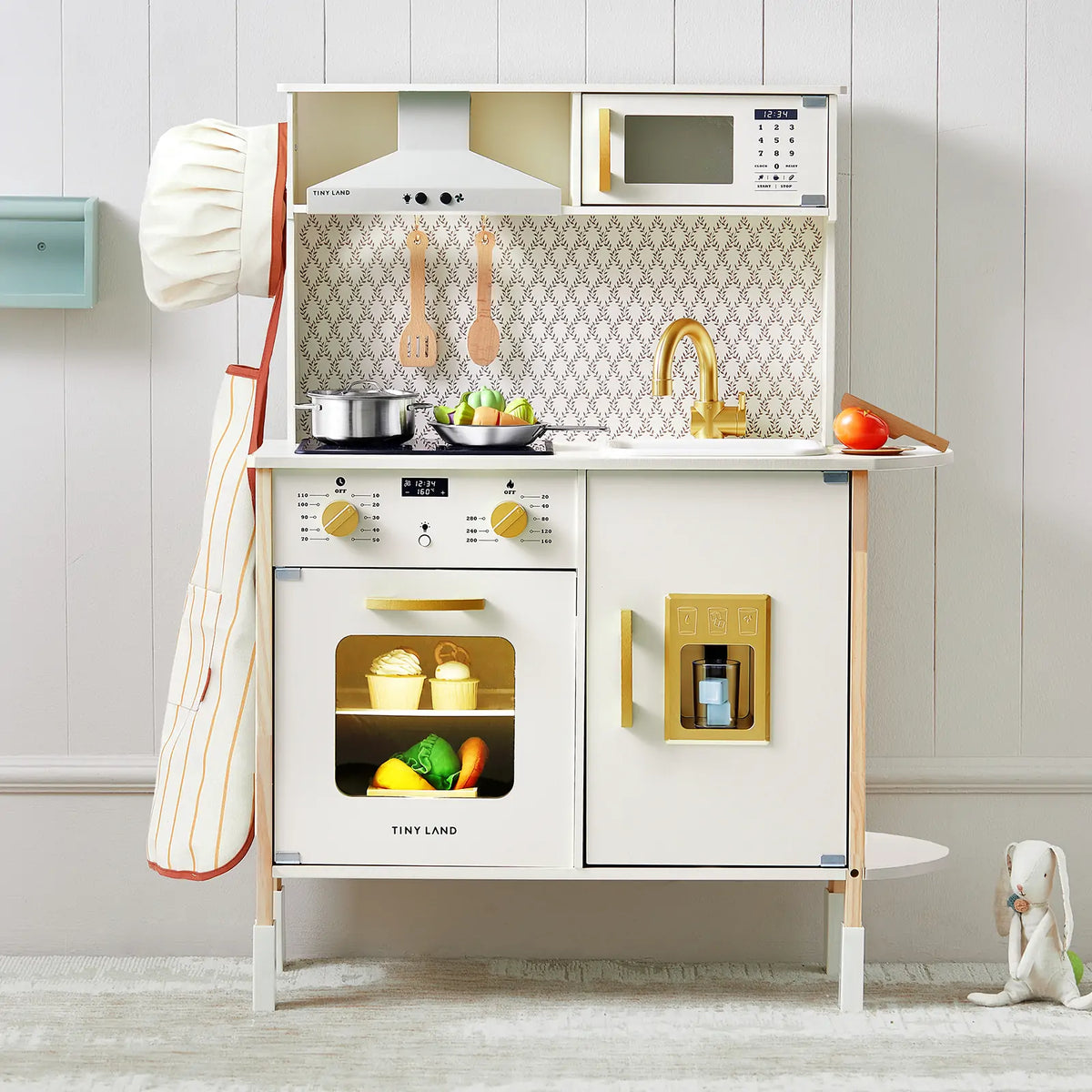
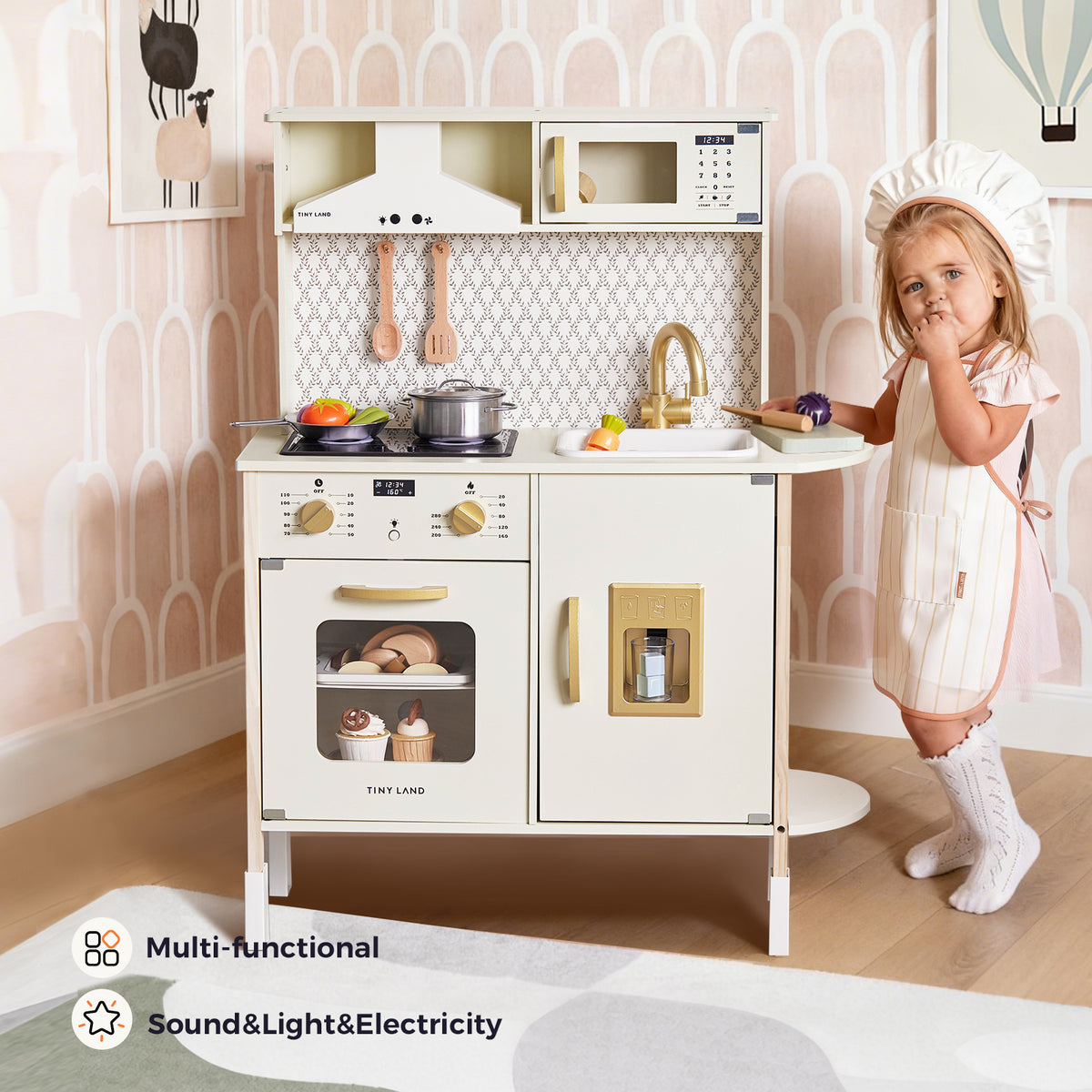
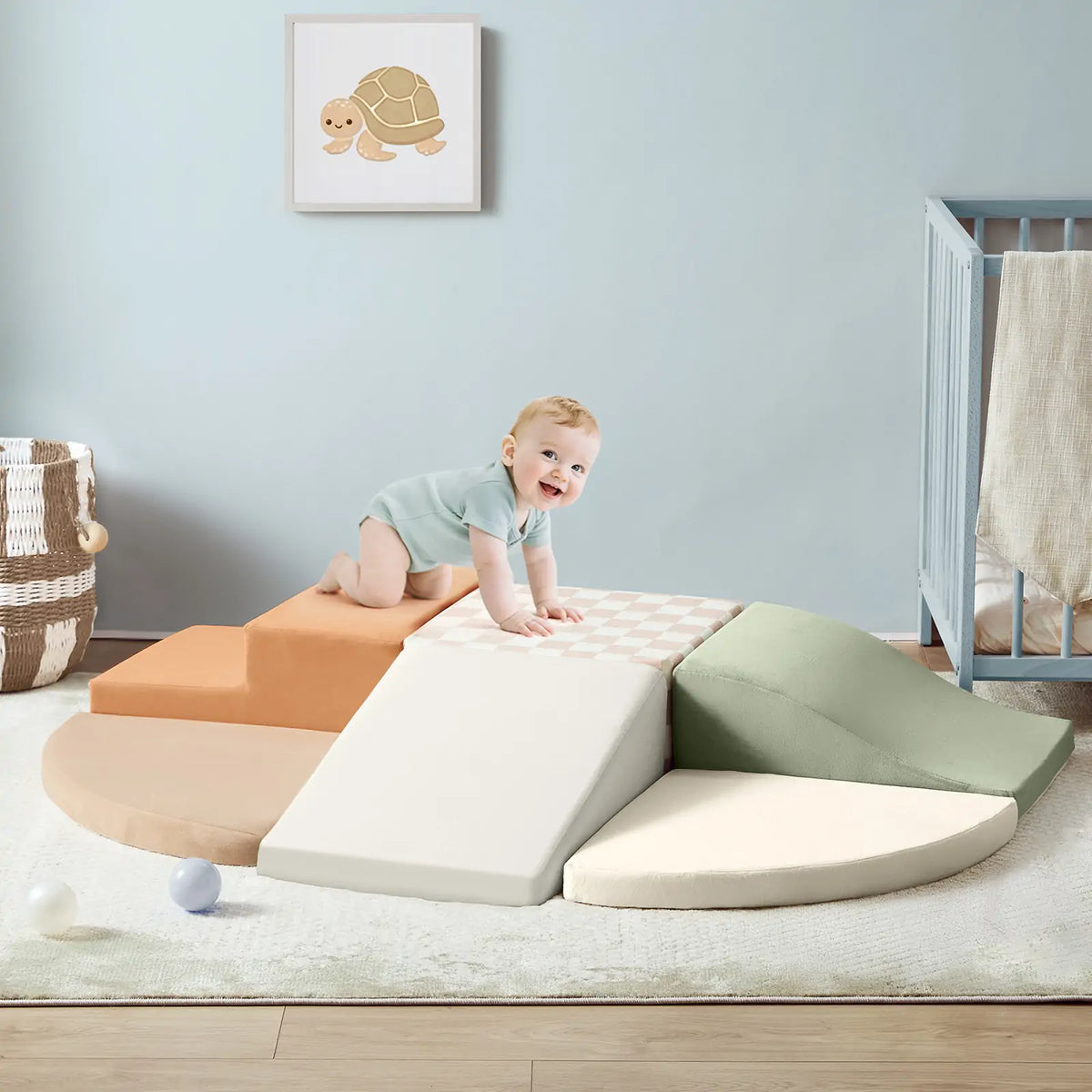
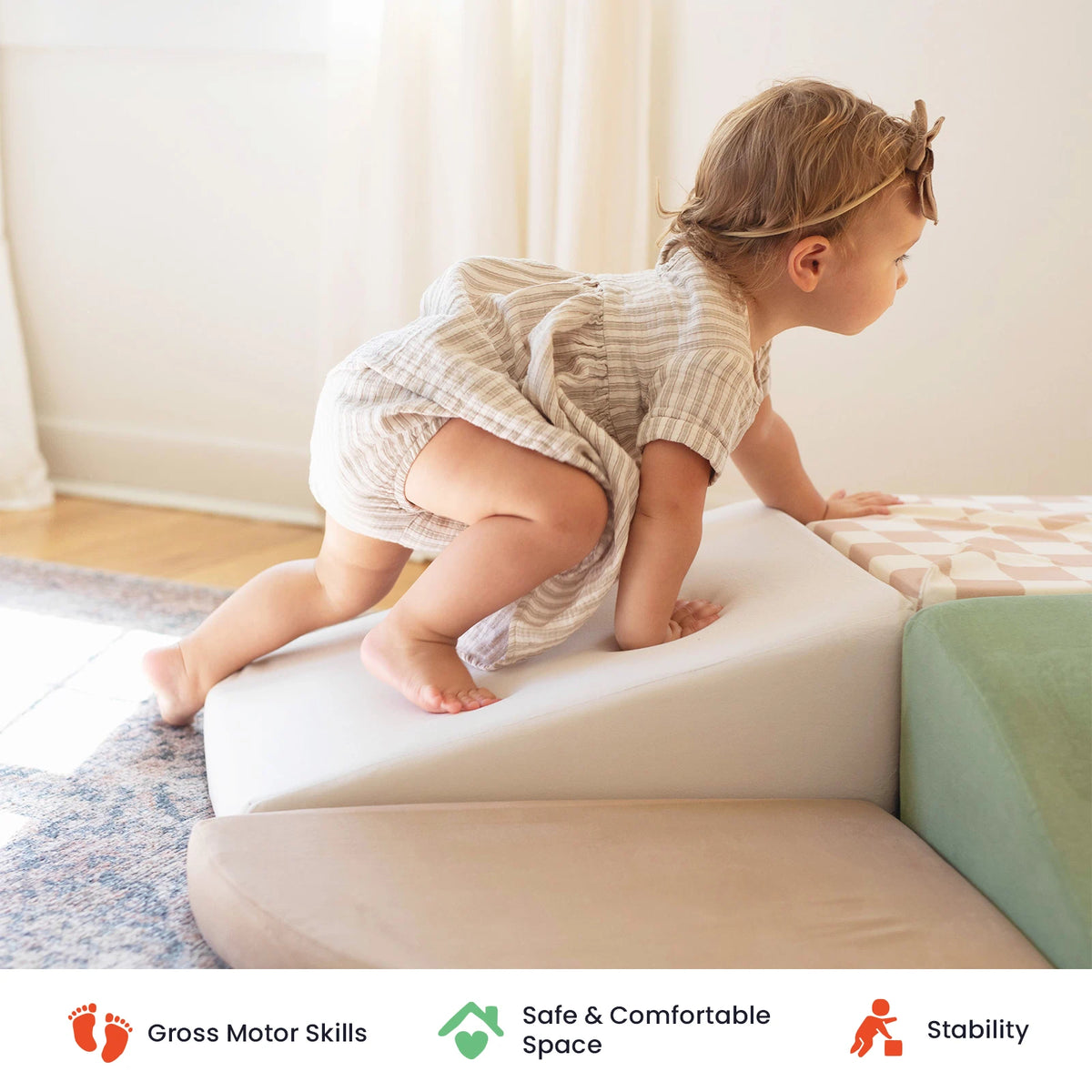

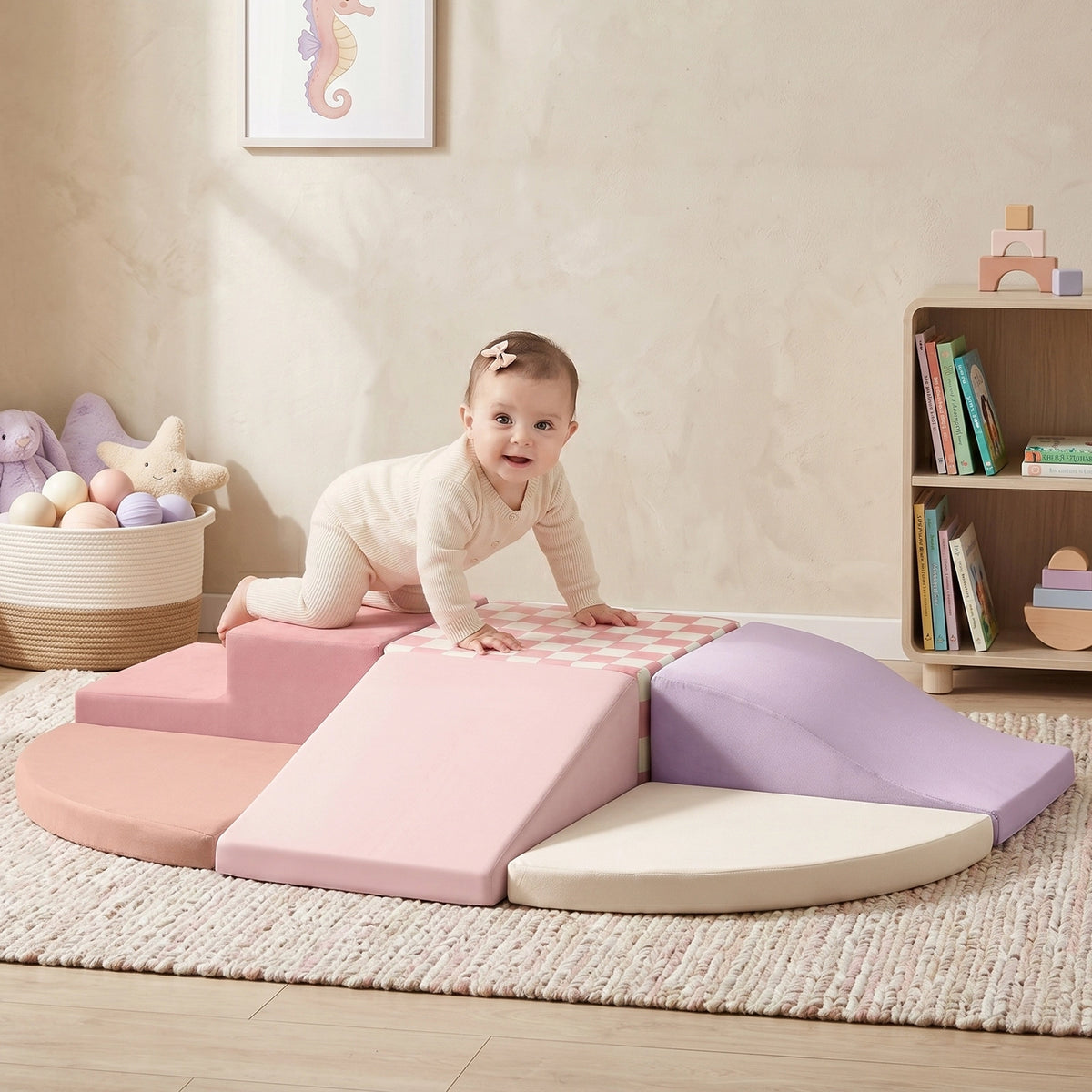
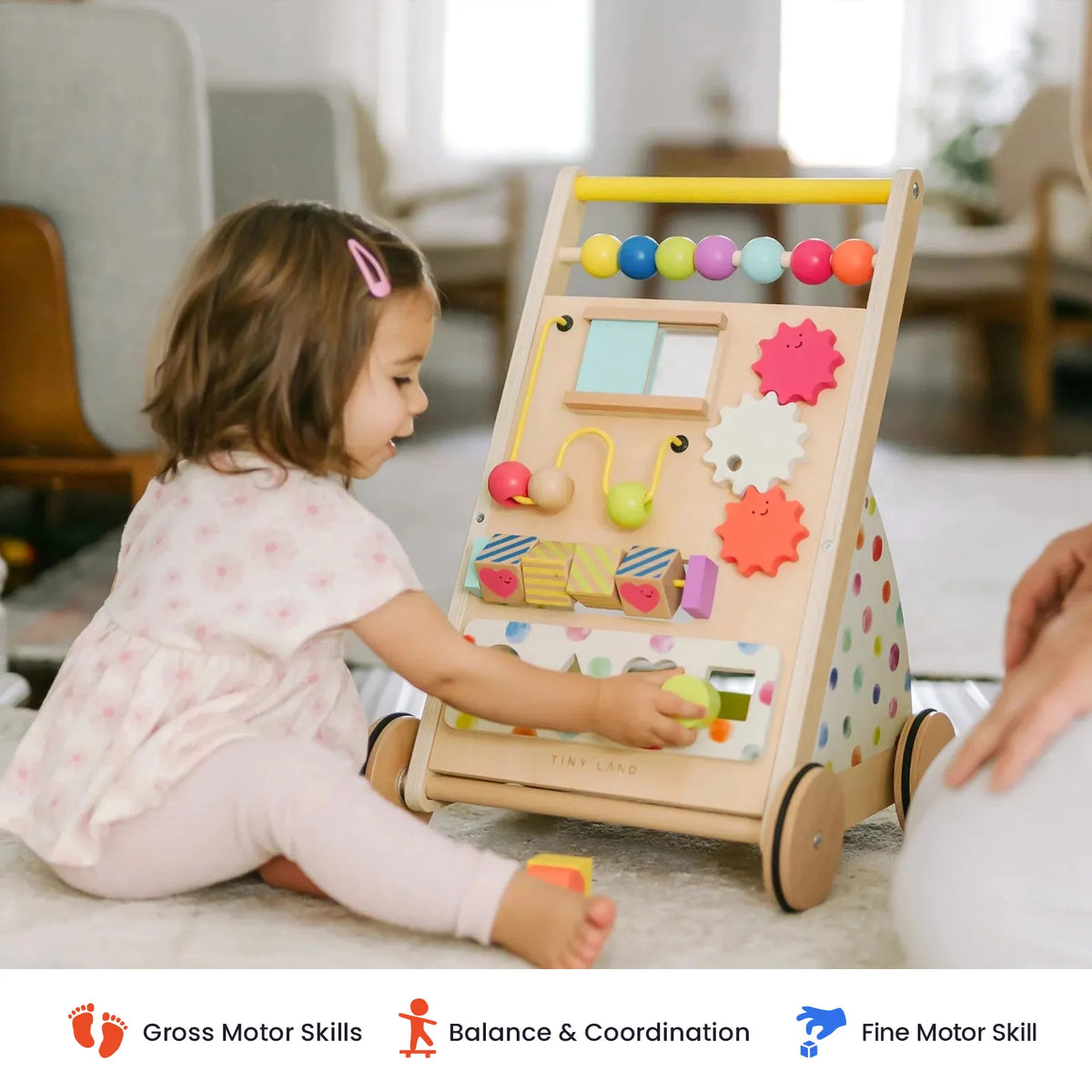

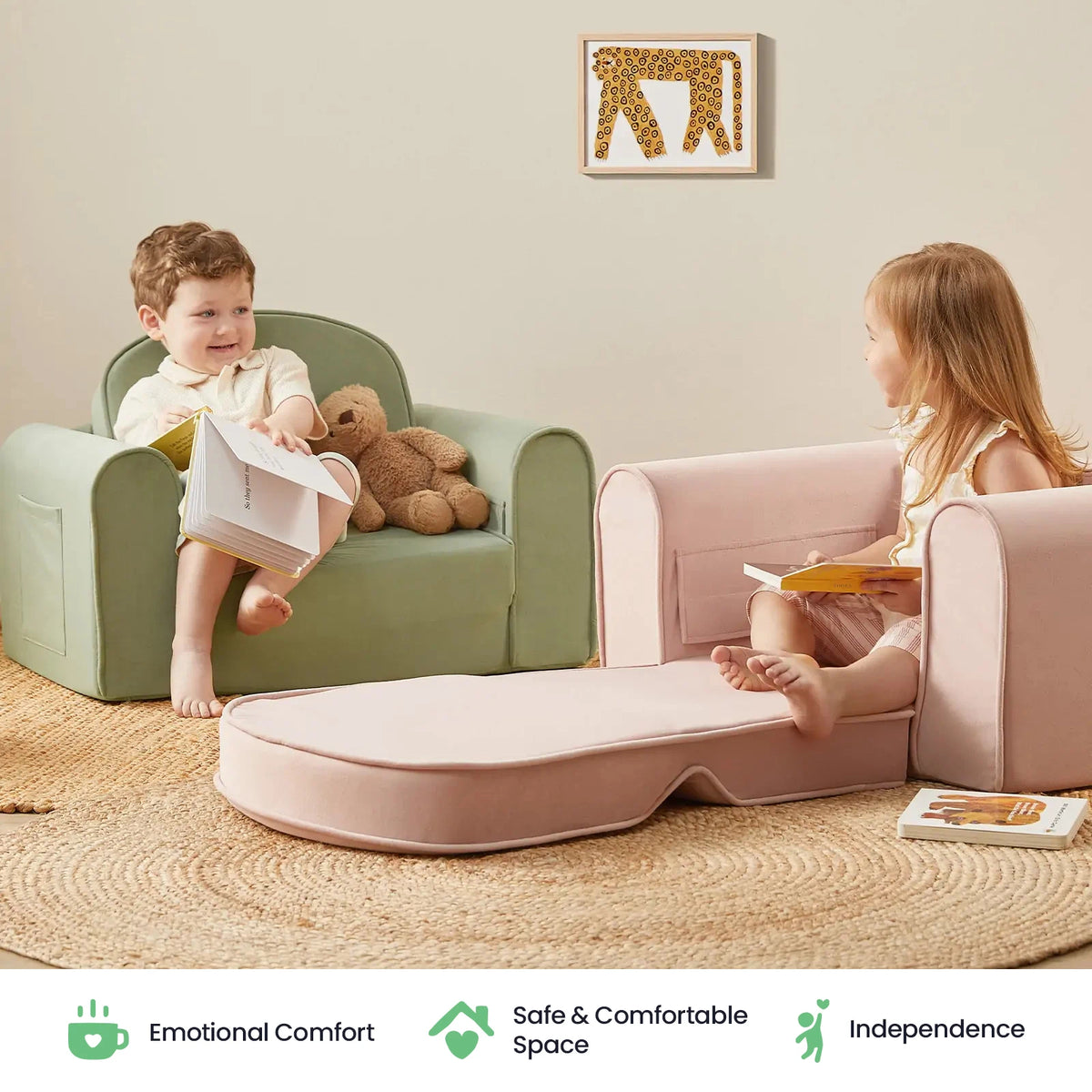
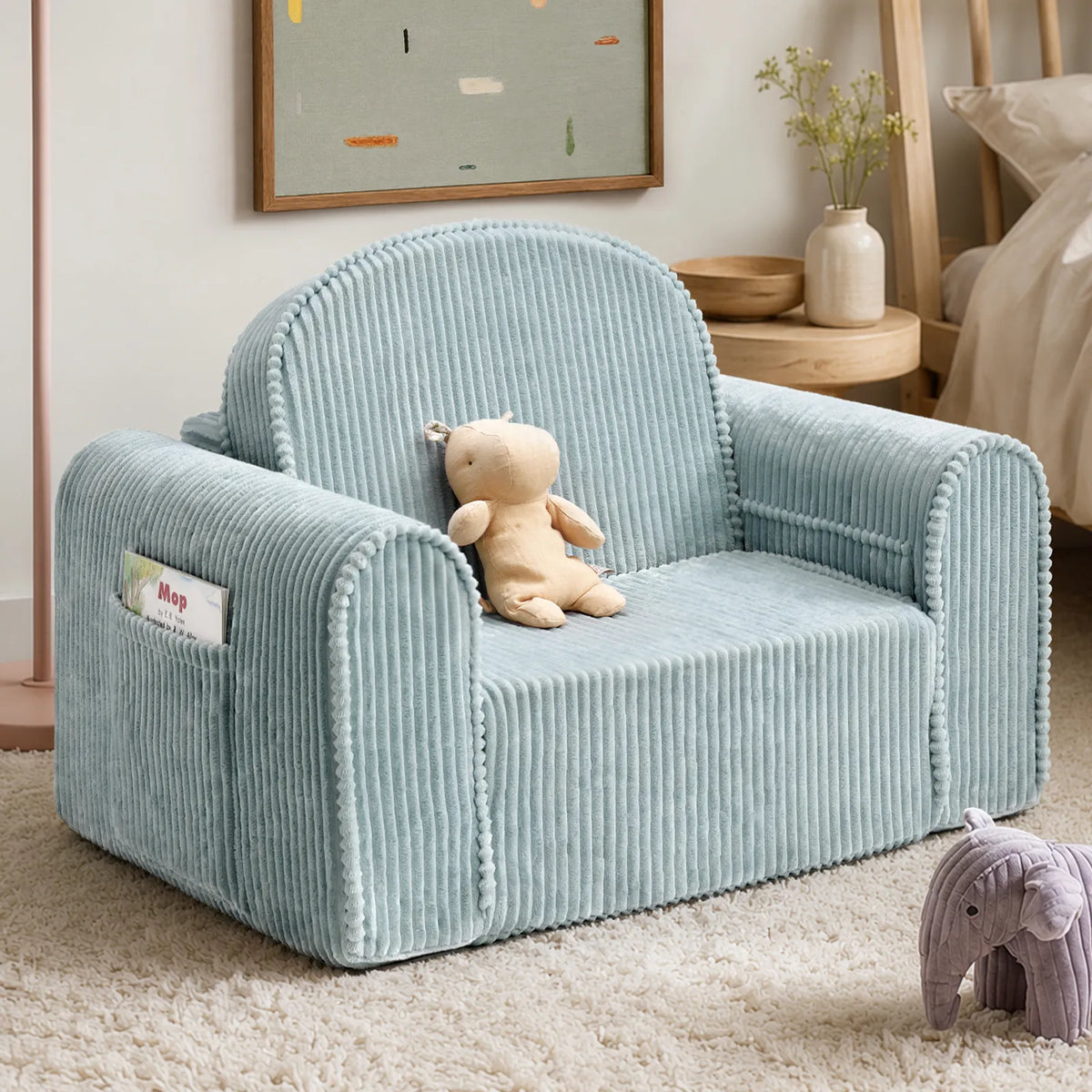
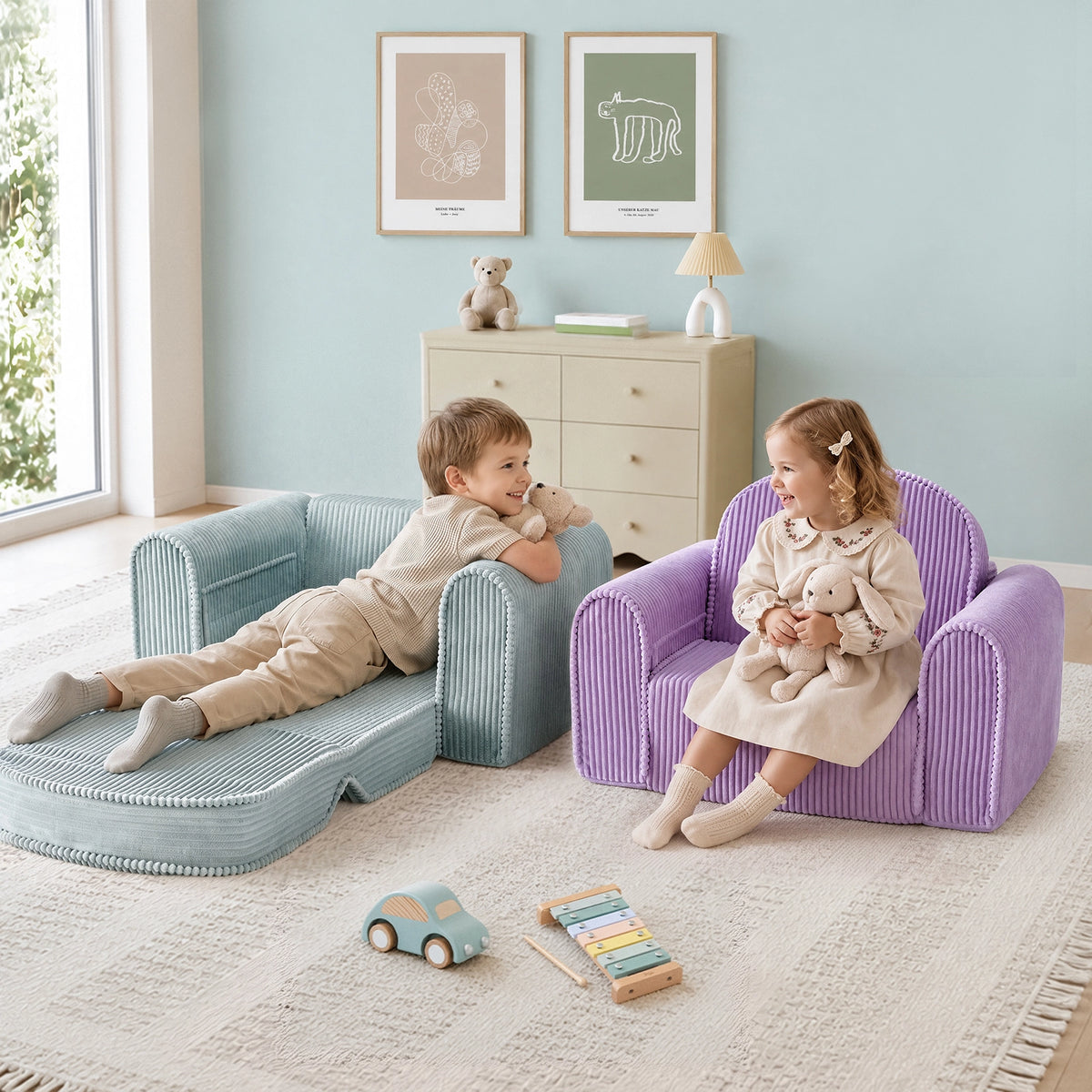

Designing an engaging playroom in a limited space requires intentional organization, multi-functional furniture, and clutter-free storage solutions. You don’t need a dedicated room to create an inspiring play nook for your child.
With thoughtful planning, even a small corner of your home can become a functional and inviting play space.
The key is to maximize available space, choose practical furniture, and create an organized environment where toddlers can explore, play, and learn.
Small play spaces are especially common in apartments, shared family areas, and homes where every corner needs to serve a purpose.
The goal is not to create a room filled with toys, but to design an intentional environment where toddlers can move, explore, and enjoy different activities comfortably.
By combining smart storage solutions, flexible furniture, and carefully selected play areas, even a compact space can support active play, quiet moments, and creative exploration.

Small Space Layout Example
A well-planned layout helps create separate areas for different activities while keeping a small playroom organized.
-
Wall Shelves: Keep books and small toys accessible while saving floor space.
-
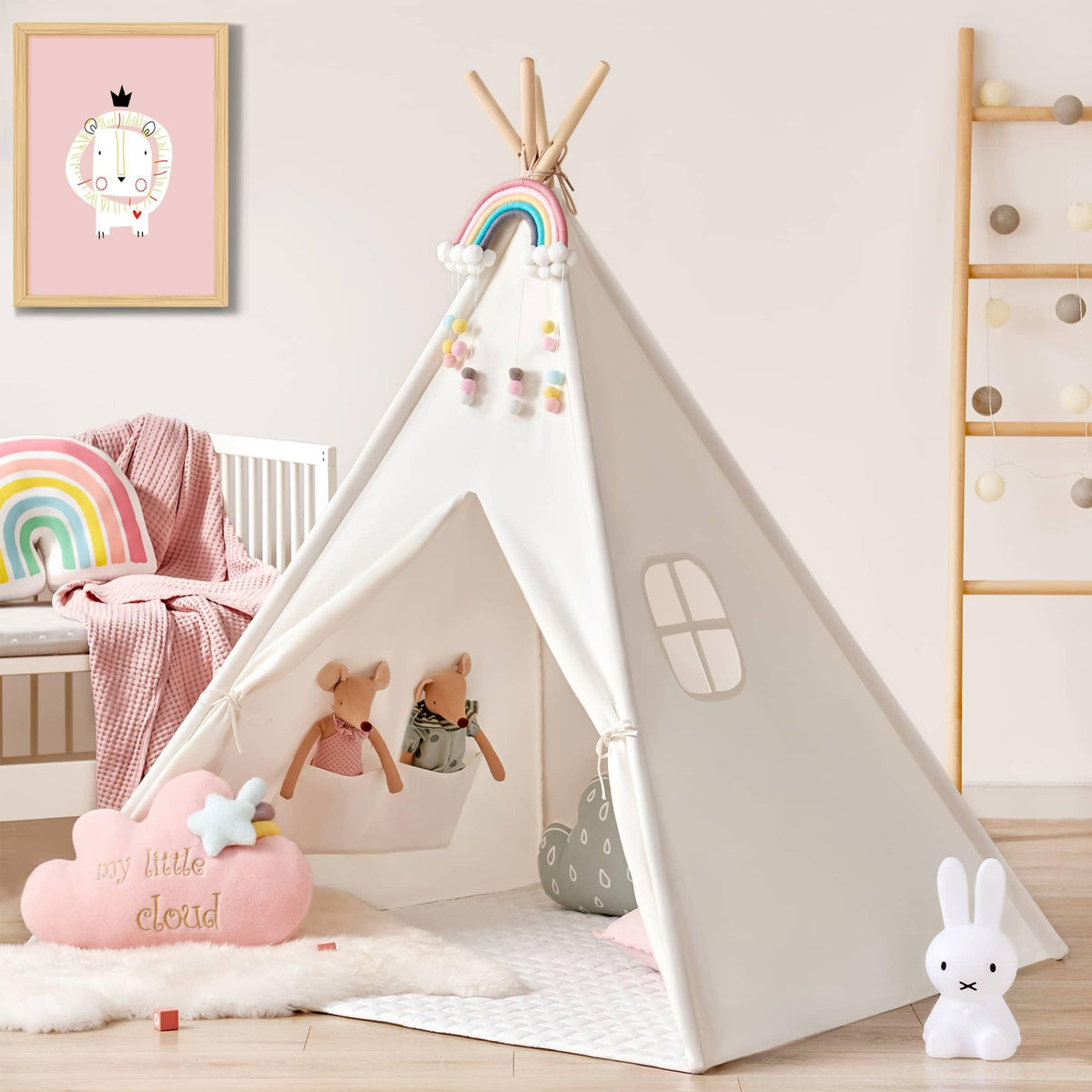
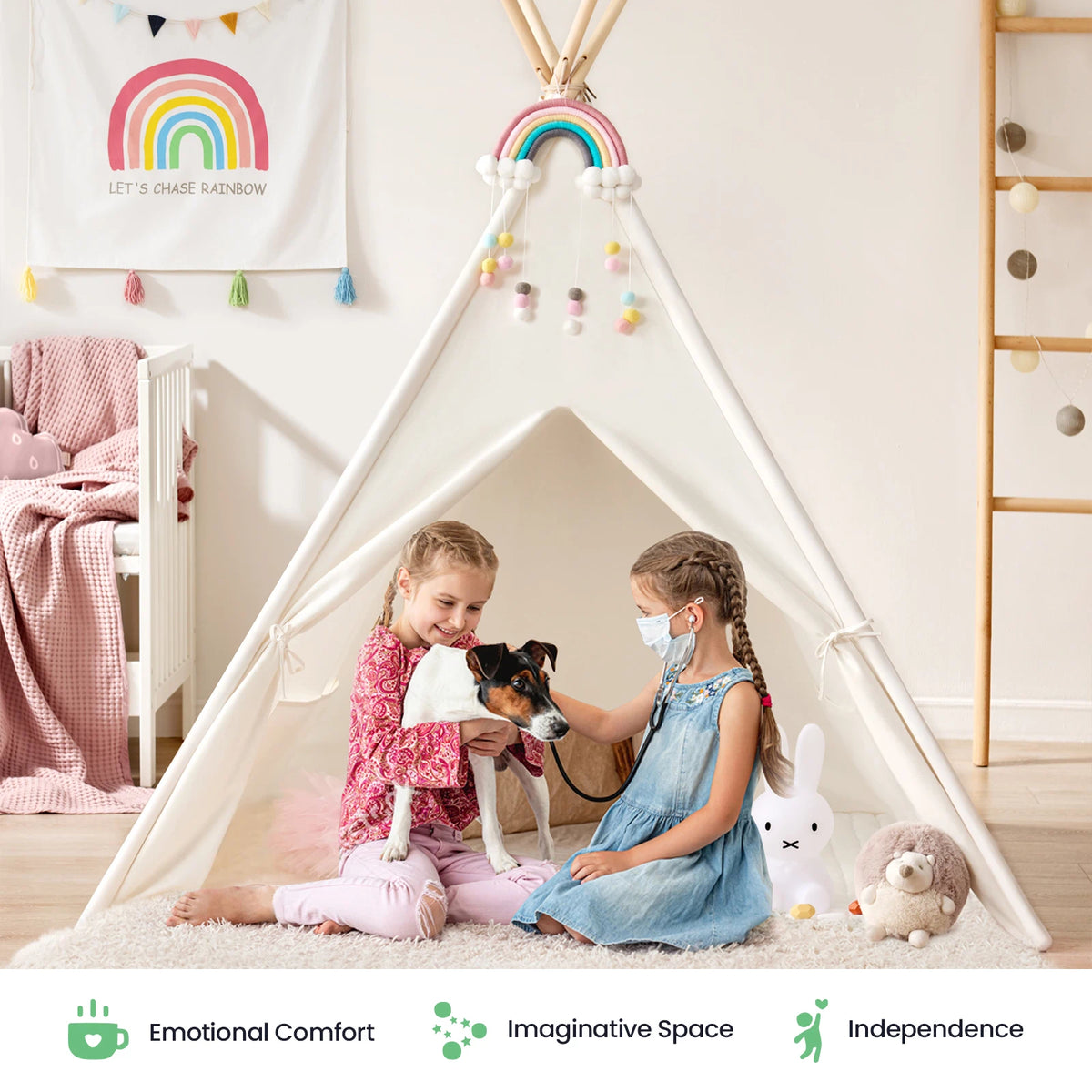
Teepee Nook: Creates a cozy corner for reading, relaxing, and quiet play.
-
Toy Bin: Provides simple storage for keeping toys organized.
-
Low Play Table: Offers a dedicated surface for drawing, building, and creative activities.
- Rug: Defines the play area and creates a comfortable space for toddlers.
A successful small playroom layout balances open space with easy access to activities. Keeping frequently used items within toddlers’ reach encourages independent exploration, while organized storage helps parents maintain a tidy home.
Creating simple zones within the same area allows children to transition naturally between different types of play without requiring a large dedicated room.

5 Design Tips for Small Play Spaces
1. Utilize Vertical Space
When floor space is limited, use your walls to create additional storage opportunities.
Install wall-mounted floating bookshelves at toddler height to keep books, artwork, and small toys accessible while keeping floor areas clear.
Vertical wall storage helps maximize a small playroom by:
-
Saving valuable floor space
-
Keeping toys and books within reach
- Creating a more organized play environment
2. Choose Multi-Functional Furniture
Choosing furniture that serves multiple purposes is an effective way to create a functional small play area.
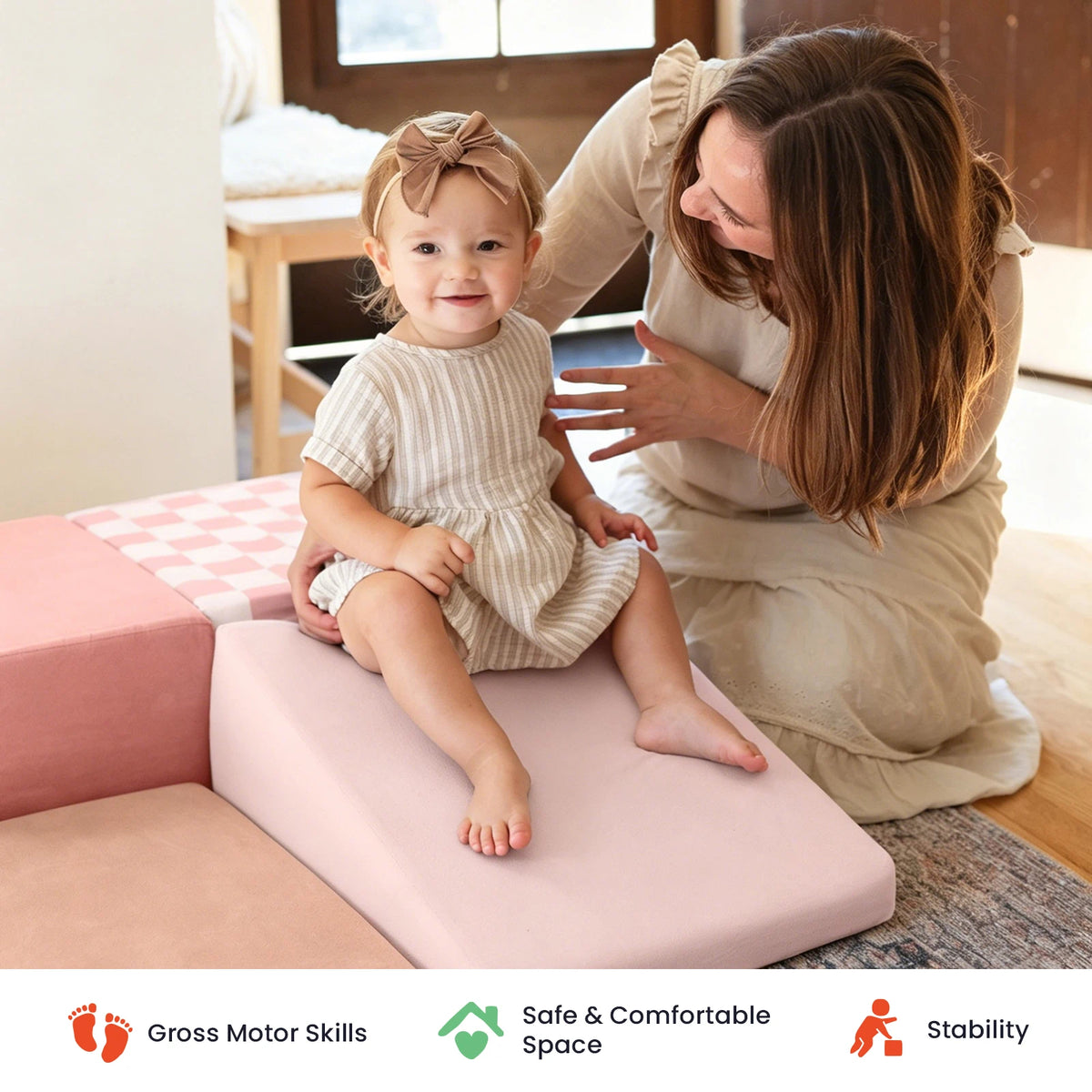
Opt for play tables with built-in storage bins underneath or foldable play structures, such as foldable climbing triangles and foldable play tents, that can be stored away when not in use.
For families living in smaller homes, choosing fewer but more versatile furniture pieces can make a significant difference. A well-designed play table, compact play structure, or storage-friendly furniture piece can support multiple activities while reducing the need for additional items.
This approach helps create a flexible play environment that grows with children’s changing interests.
Multi-functional toddler furniture helps families:
-
Make better use of limited space
-
Reduce clutter
-
Create flexible play areas
- Keep toys organized
 3. Incorporate Cozy Reading Nooks
A small corner can easily become a comfortable reading and quiet play area.
Use a compact play tent or canvas teepee to create a designated zone for:
-
Quiet time
-
Reading
-
Relaxation
- Sensory calming activities
A cozy reading nook gives toddlers a special place to slow down, explore books, and enjoy independent play.
4. Rotate Toys Regularly
Having too many toys visible at once can make a small play space feel crowded and overwhelming.
A toy rotation system helps maintain a clean and organized environment while keeping play experiences fresh.
Limit the number of visible toys to 6–8 items at a time. Store the rest out of sight and rotate toys weekly to maintain engagement without overwhelming the space.
A toy rotation system can help create a more clutter free toddler playroom design by:
-
Reducing visual clutter
-
Encouraging focused play
- Making old toys feel new again
Toy rotation is especially helpful in small play areas because it prevents the room from feeling crowded.
By introducing different toys at different times, children can rediscover familiar activities and engage more deeply with each item. A simple rotation routine also makes cleanup easier for families.
5. Stick to Neutral and Natural Tones
The colors and materials in a playroom can influence how the space feels.
Natural wood finishes and soft neutral palettes can make small rooms feel larger while promoting a calm, focused environment for deep play.
A neutral playroom decor style can help:
-
Create a peaceful atmosphere
-
Blend naturally with home interiors
-
Reduce visual distractions
- Create a timeless play space
The best storage solution depends on how your family uses the space. Wall shelves work well for homes that need to preserve floor space, while baskets and under-table storage provide quick access for everyday toys.
Combining open and closed storage options can help keep frequently used items available while keeping extra toys organized and out of sight.

Space-Saving Storage Options
Choosing the right storage solutions is essential when learning how to organize a small play area.
The best space saving playroom storage options keep toys accessible while helping maintain a tidy and functional play space.
|
Storage Type |
Best Used For |
Space Saving Efficiency |
|
Wall Bookshelves |
Picture Books, Art Boards |
★★★★★ (Zero floor space) |
|
Under-Table Bins |
Blocks, Pretend Food, Trains |
★★★★☆ |
|
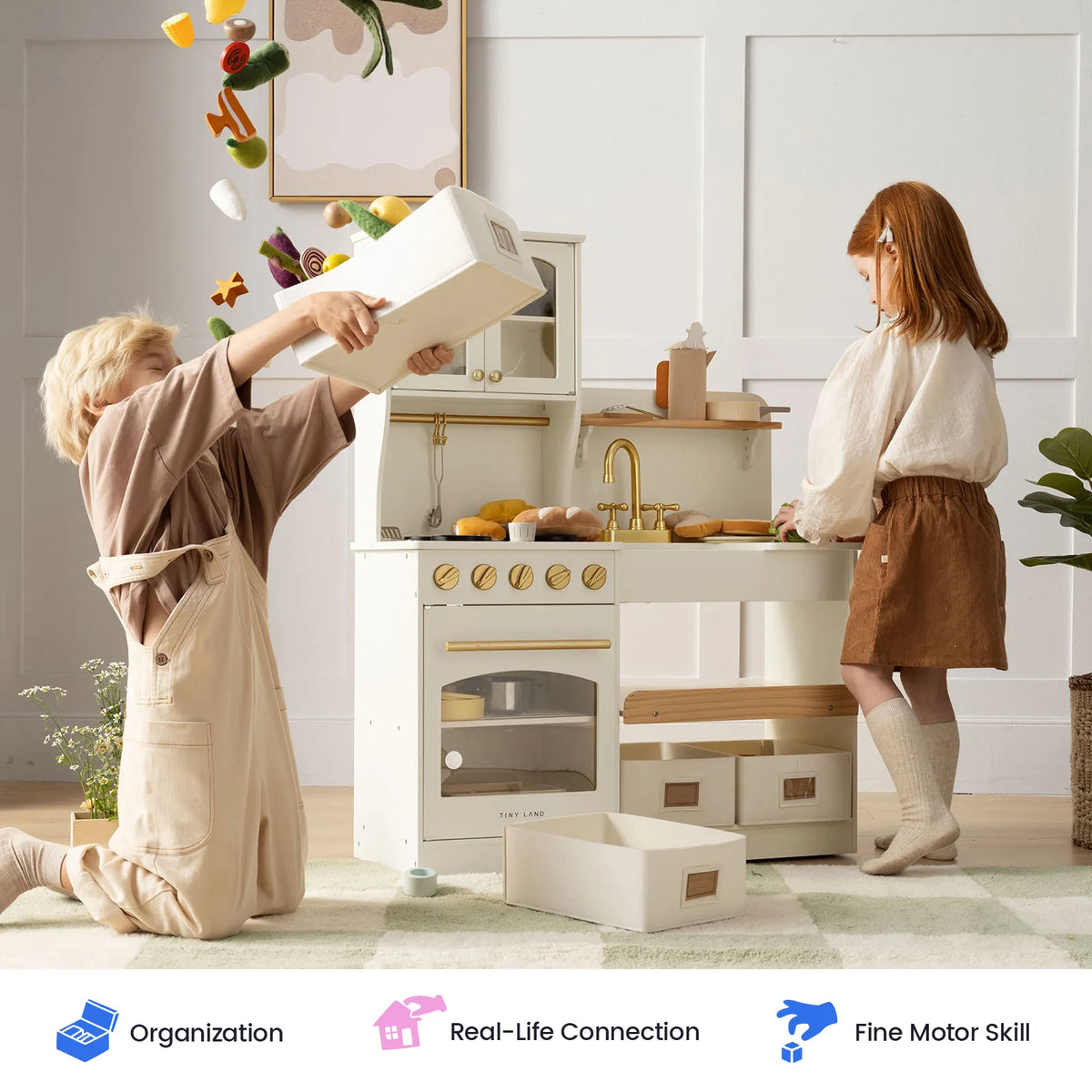
Foldable Fabric Baskets |
Soft Toys, Dress-up Clothes |
★★★★☆ |
 Frequently Asked Questions (FAQs)
Q: How can I set up a play area in a living room without clutter?
A: Define the play space using a neutral rug, use closed wooden storage chests or baskets, and select aesthetic wooden toys that complement your home decor.
Keep only a small selection of toys visible and use a toy rotation system to maintain a clean and organized play area.
Q: How can I create a Montessori small space playroom?
A: A Montessori small space playroom focuses on simplicity, accessibility, and intentional organization. Choose child-height shelves, keep toys and materials easy for toddlers to reach, and create clearly defined areas for different activities.
A thoughtfully arranged space allows children to explore independently while keeping the play area calm and organized.
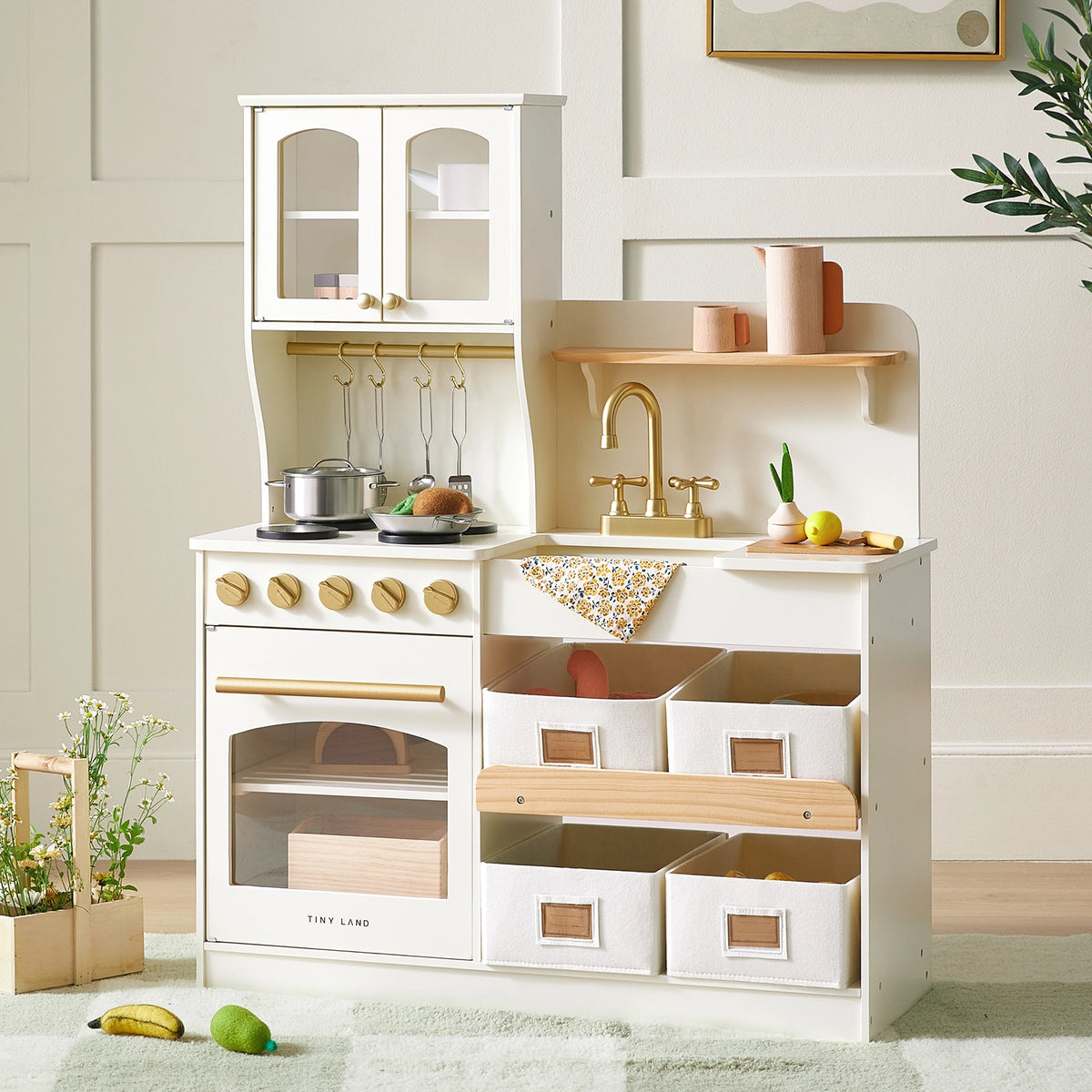
Explore Tiny Land thoughtfully designed wooden play furniture to create a beautiful and functional play space for toddlers.