
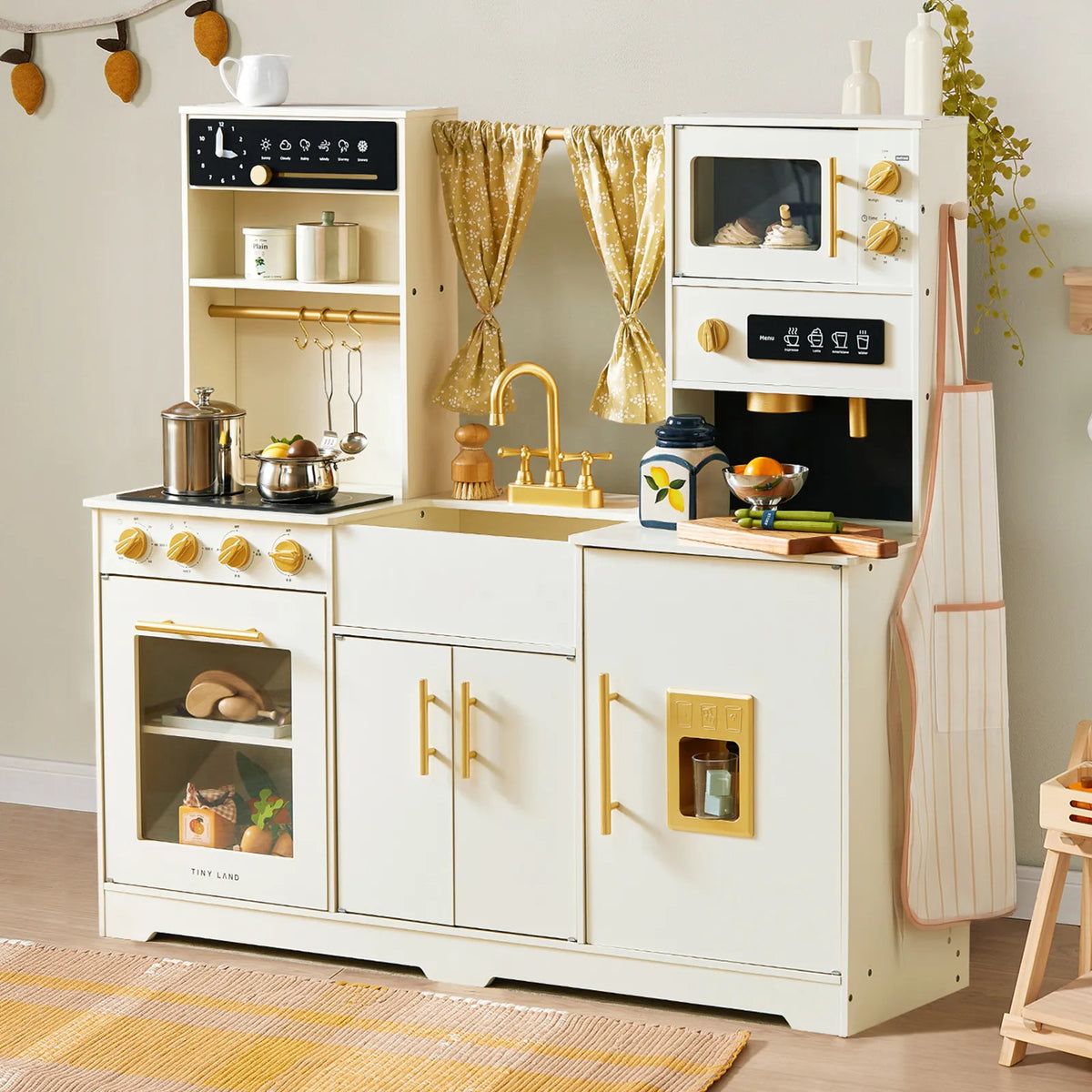
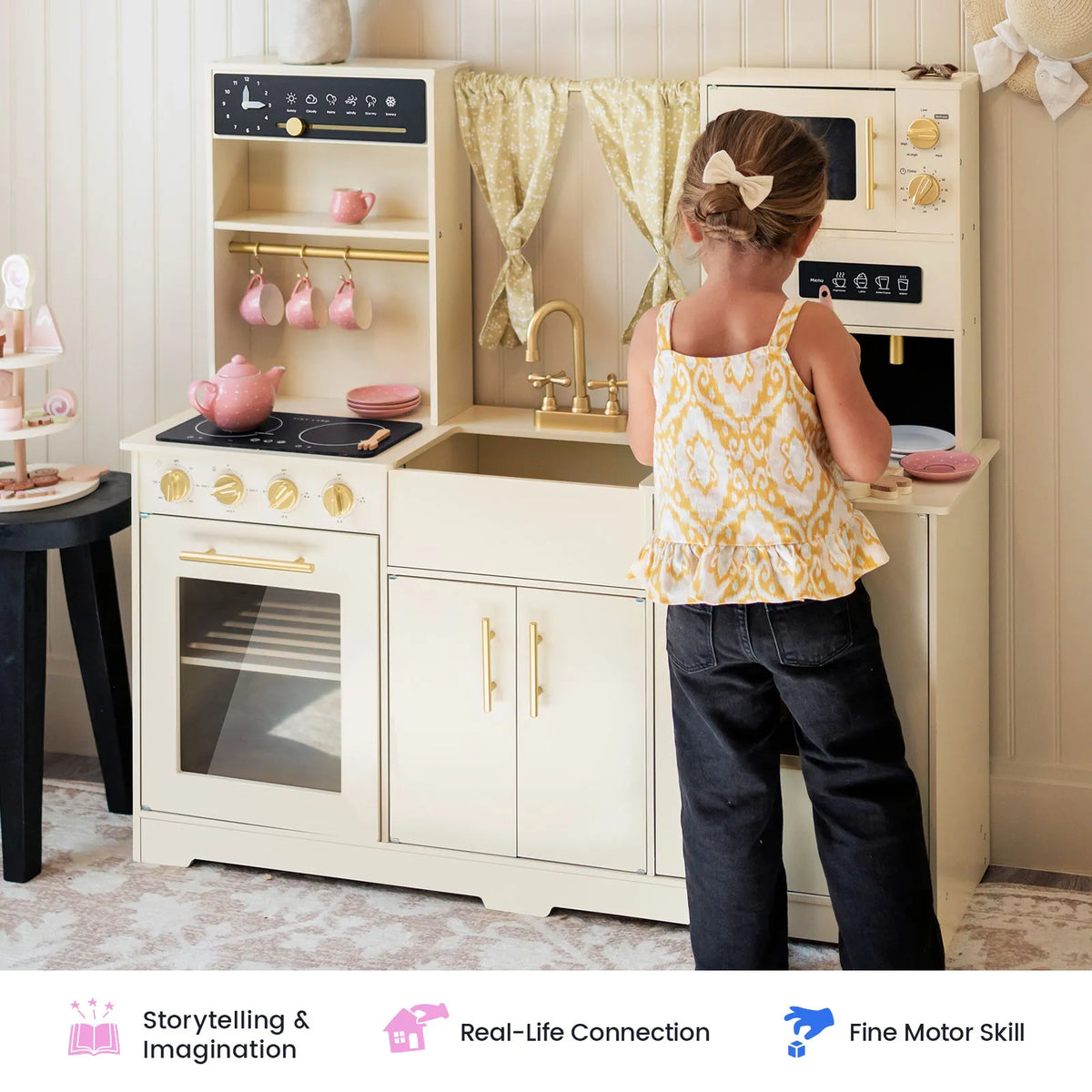
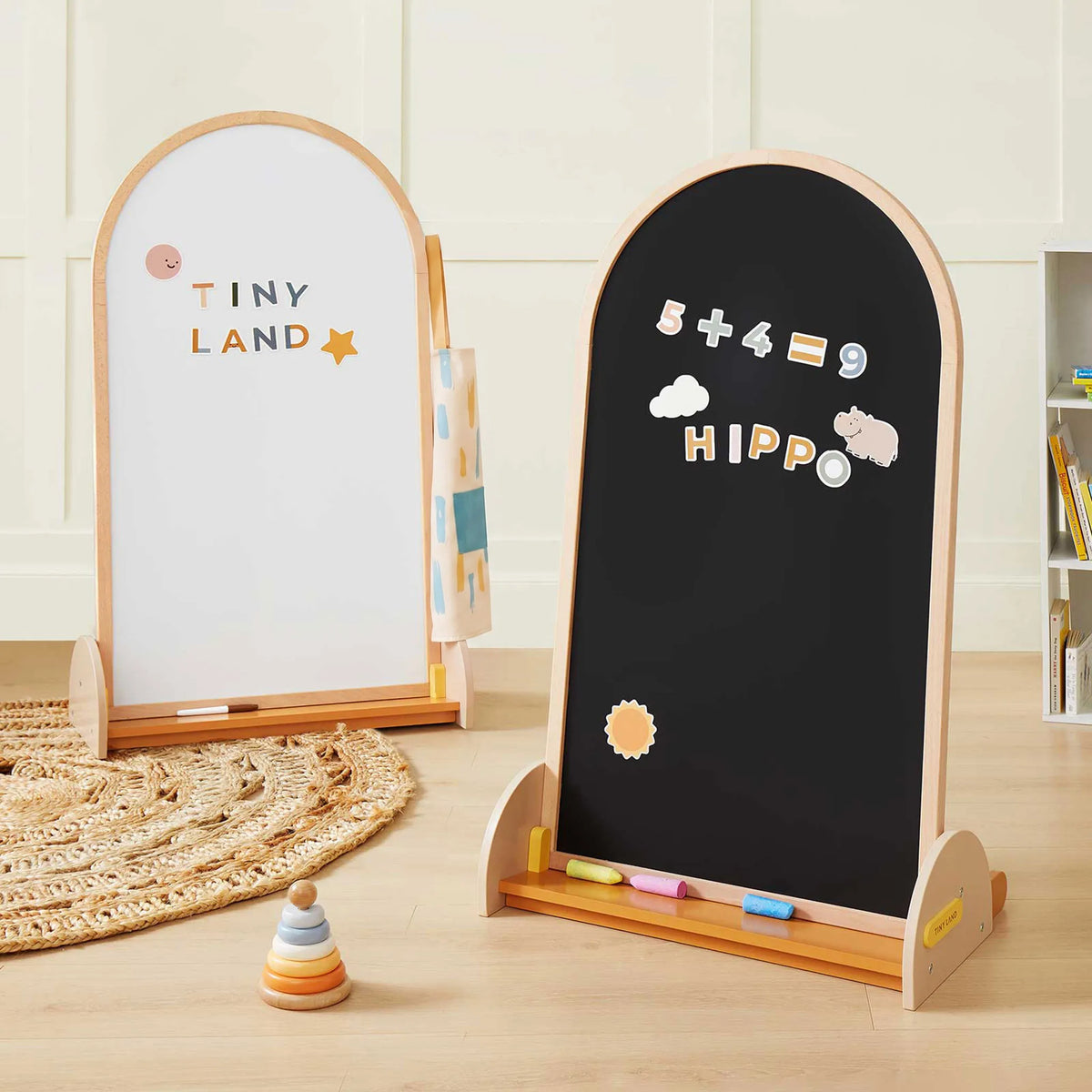
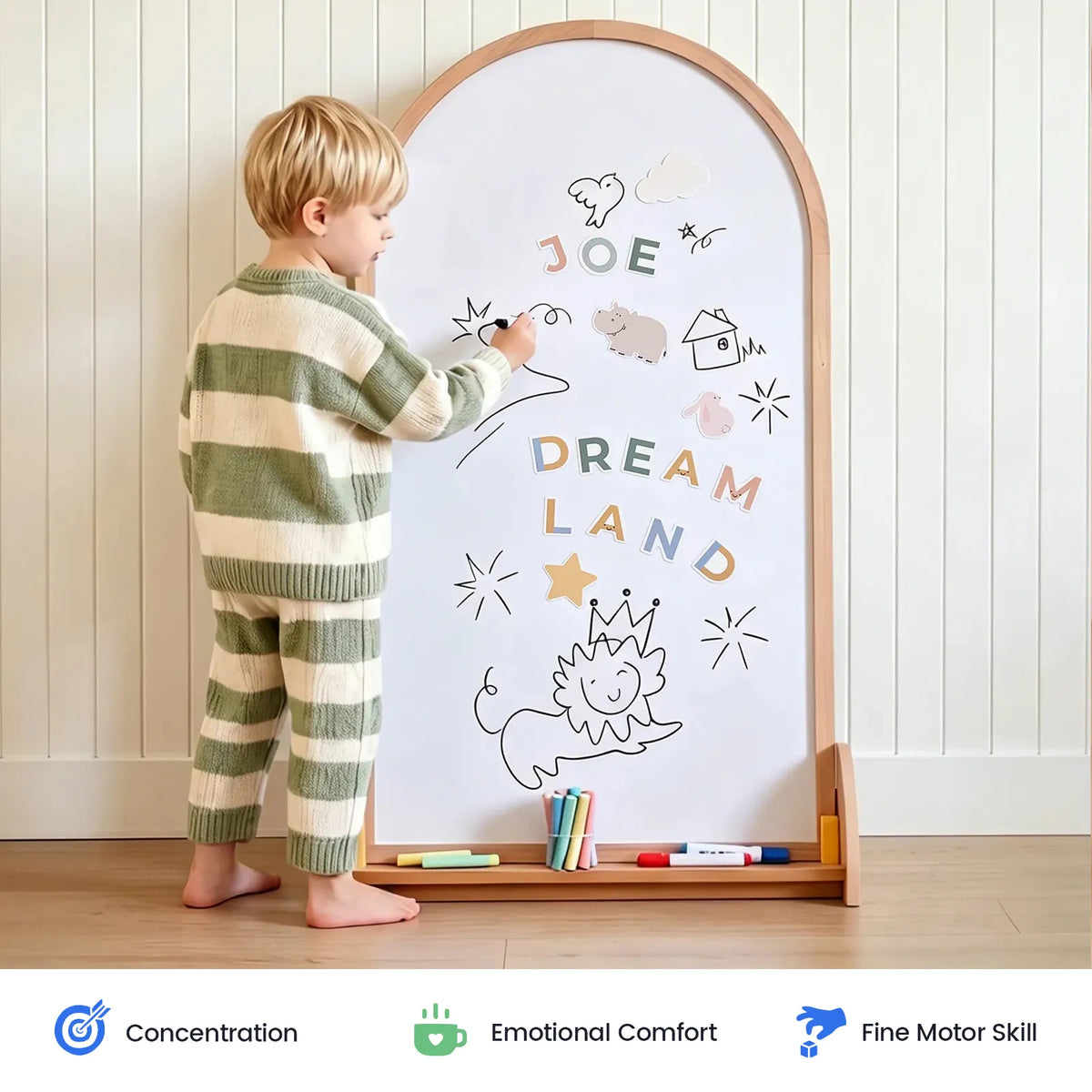
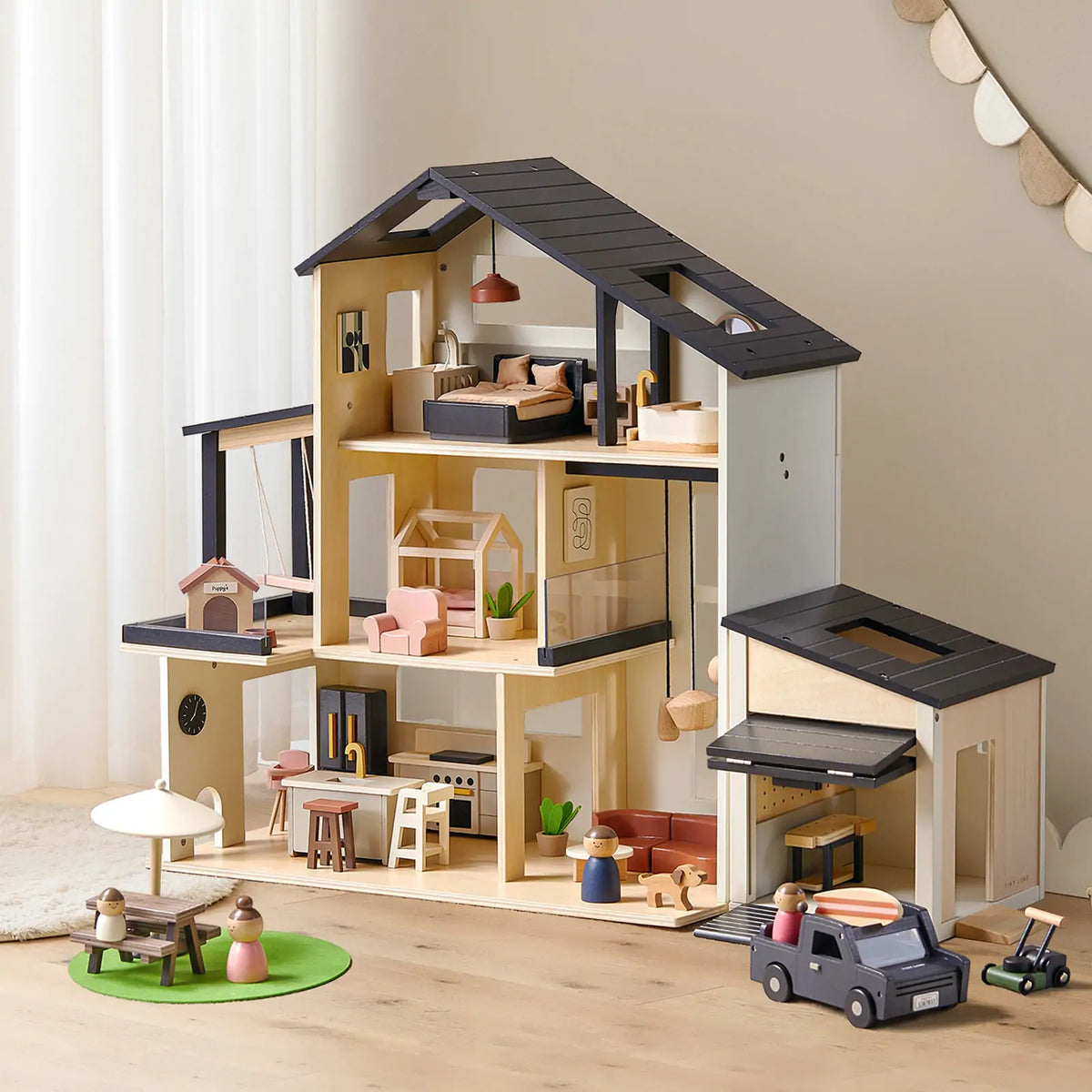
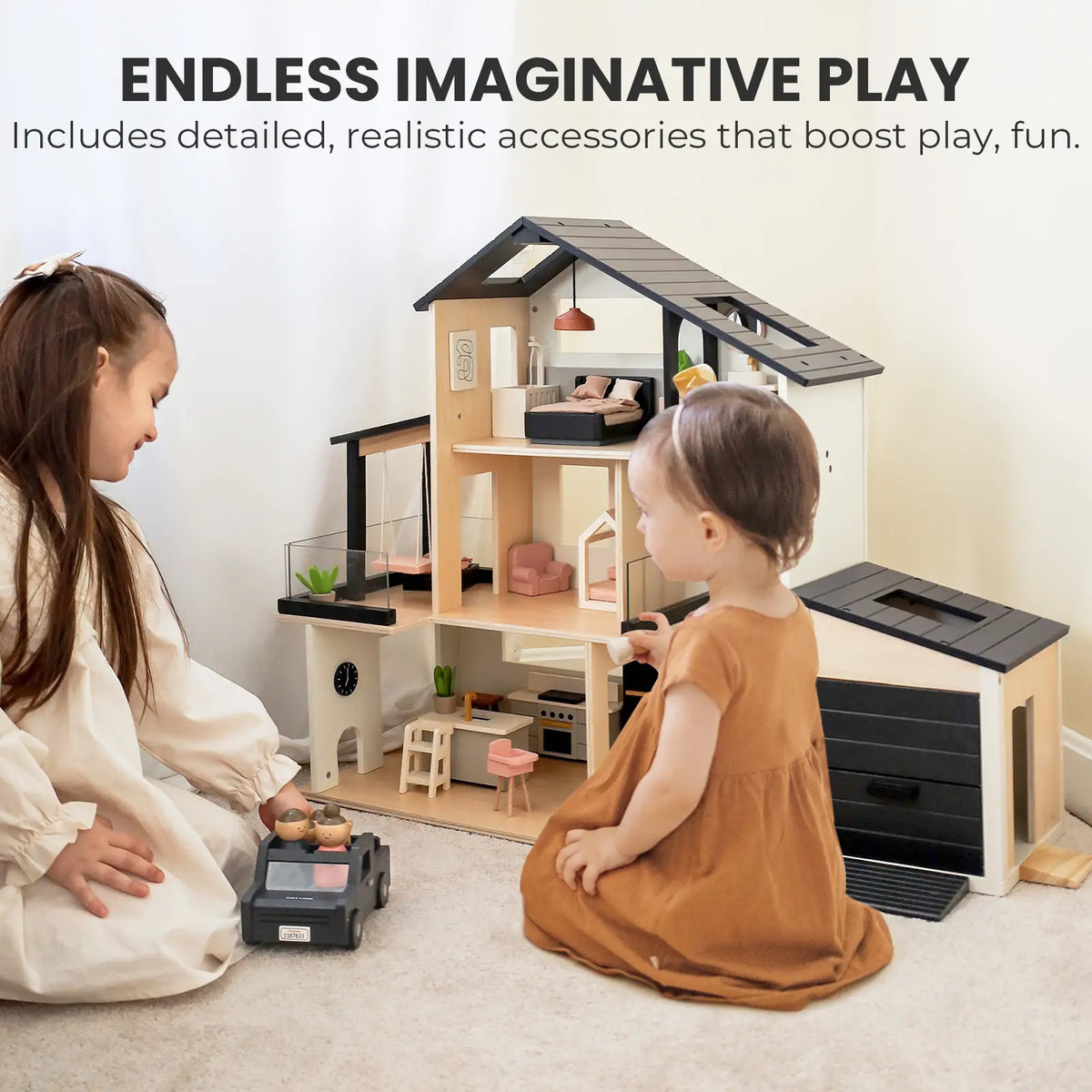
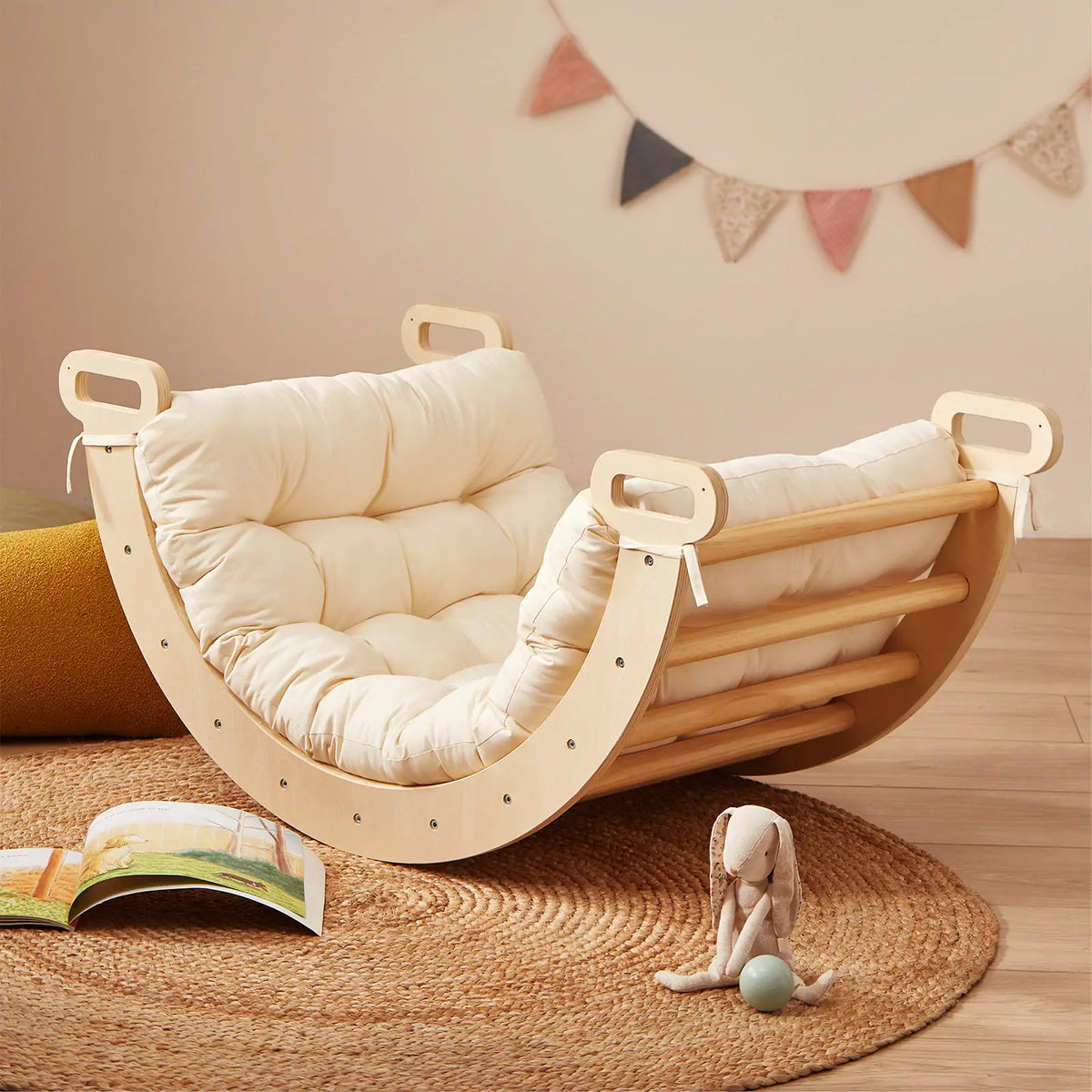
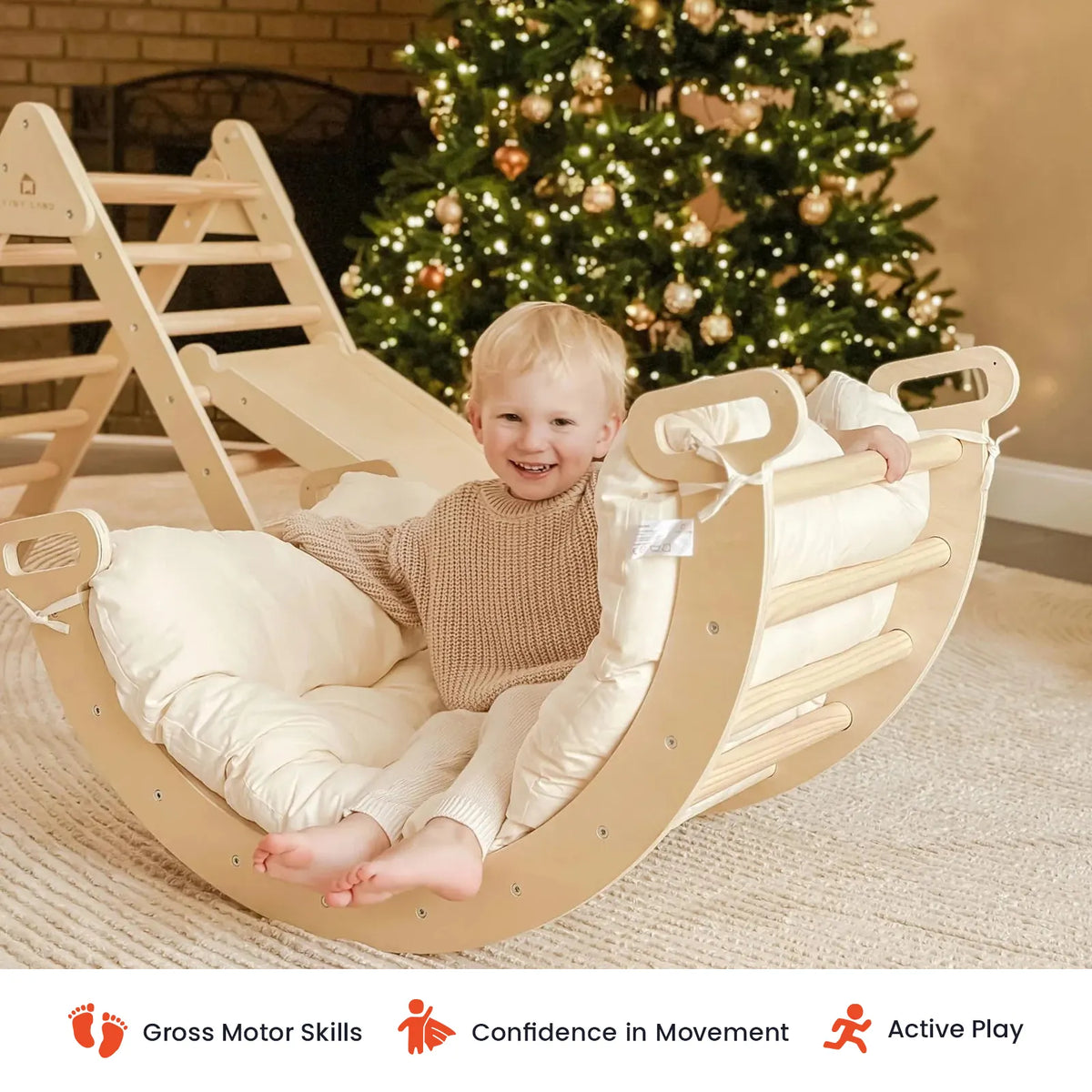
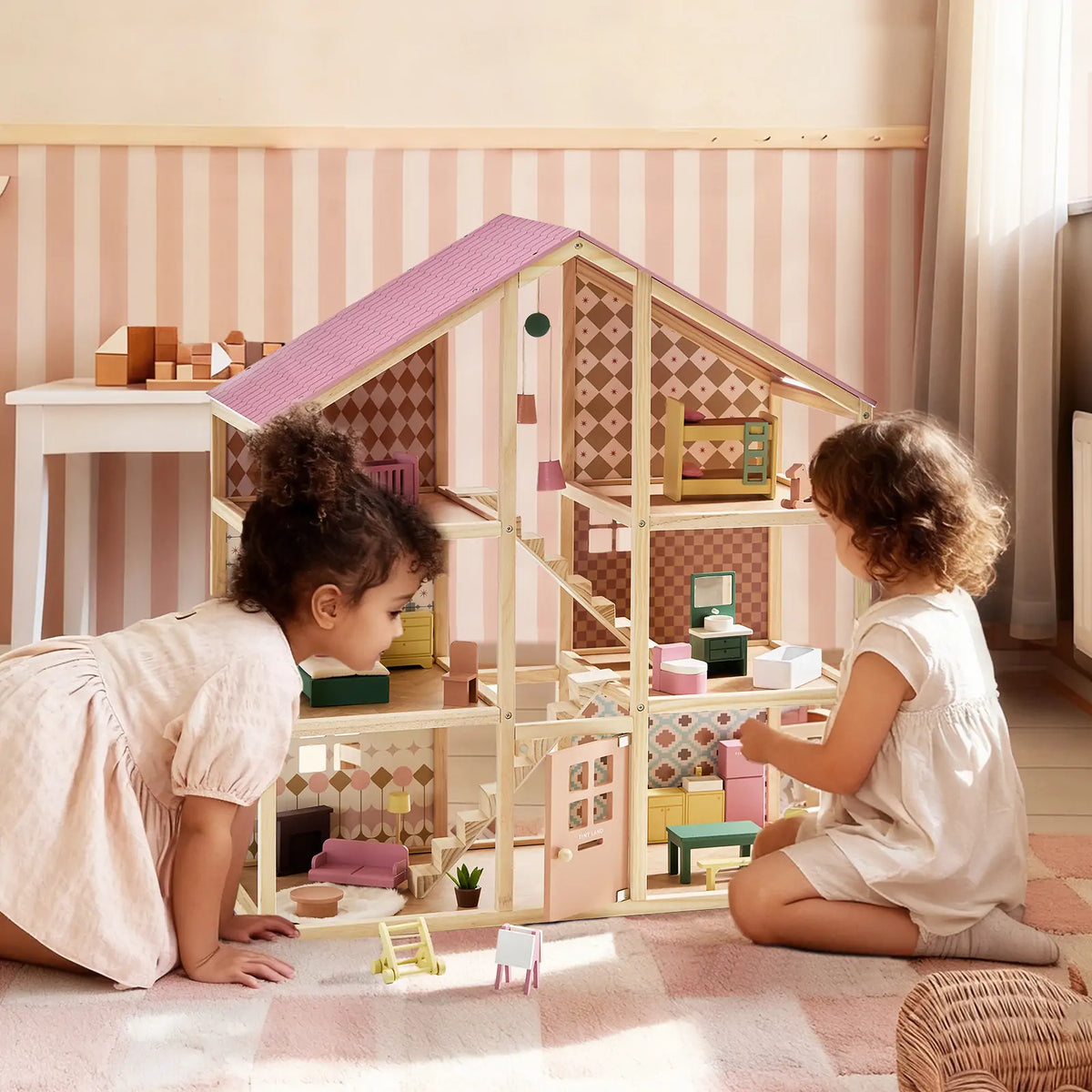
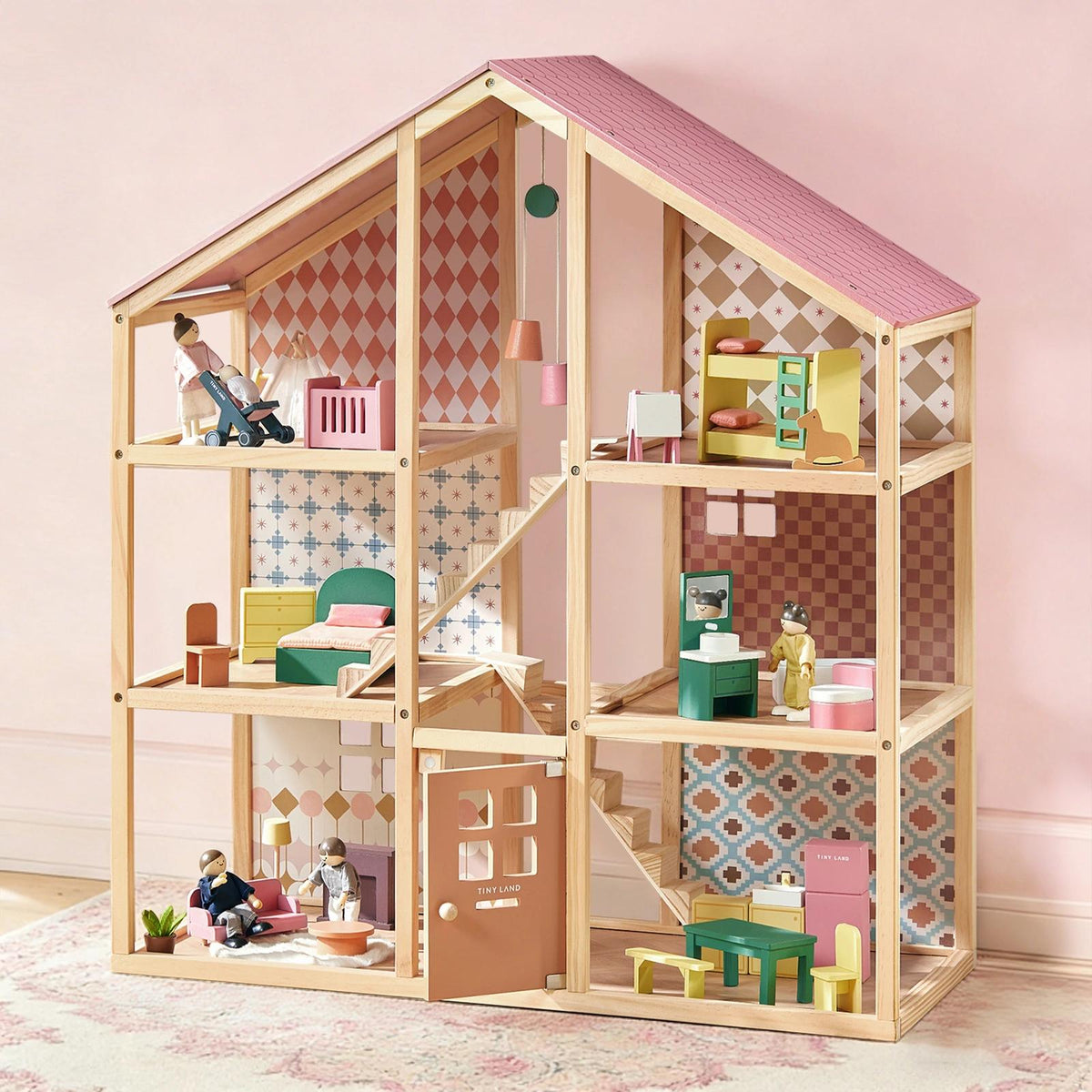
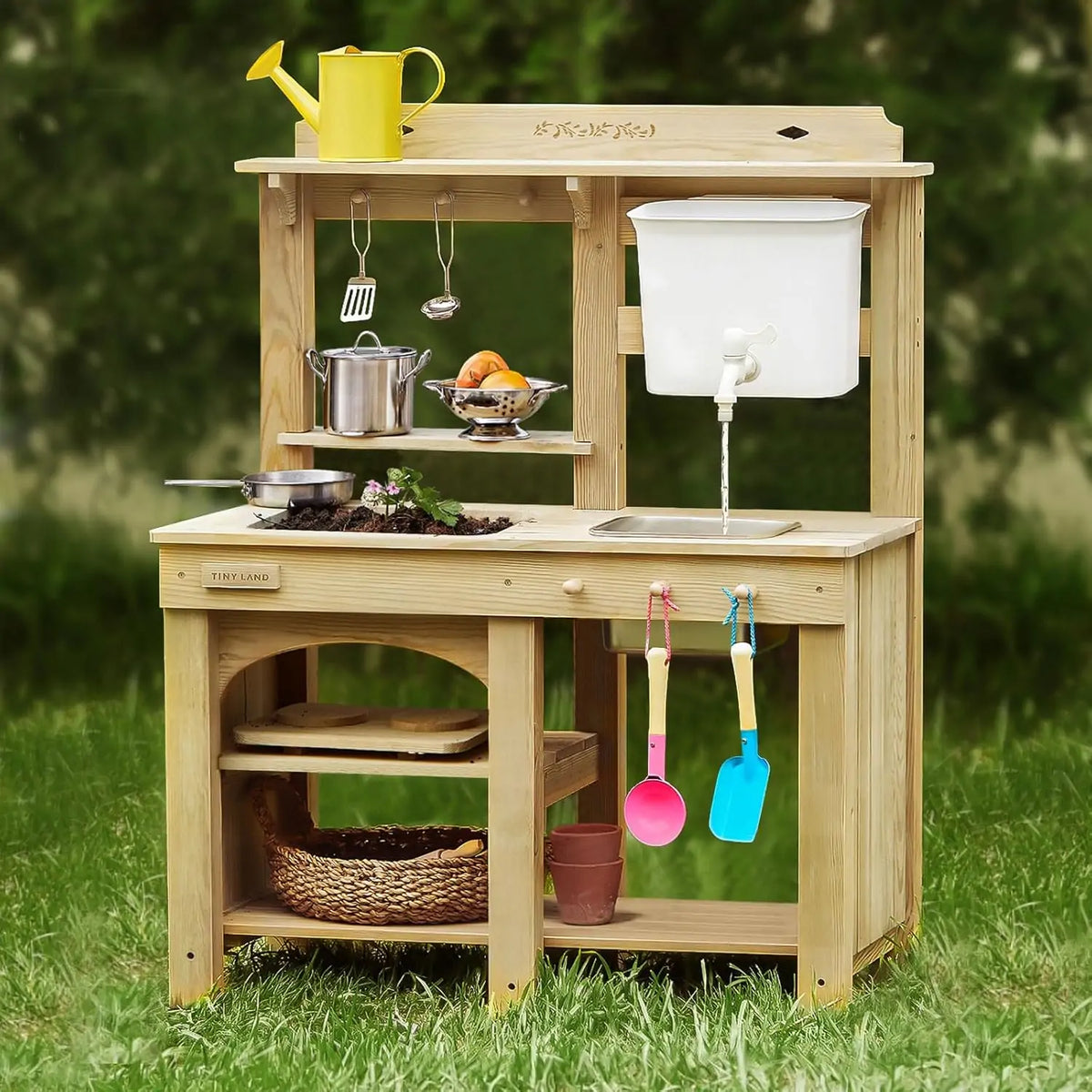
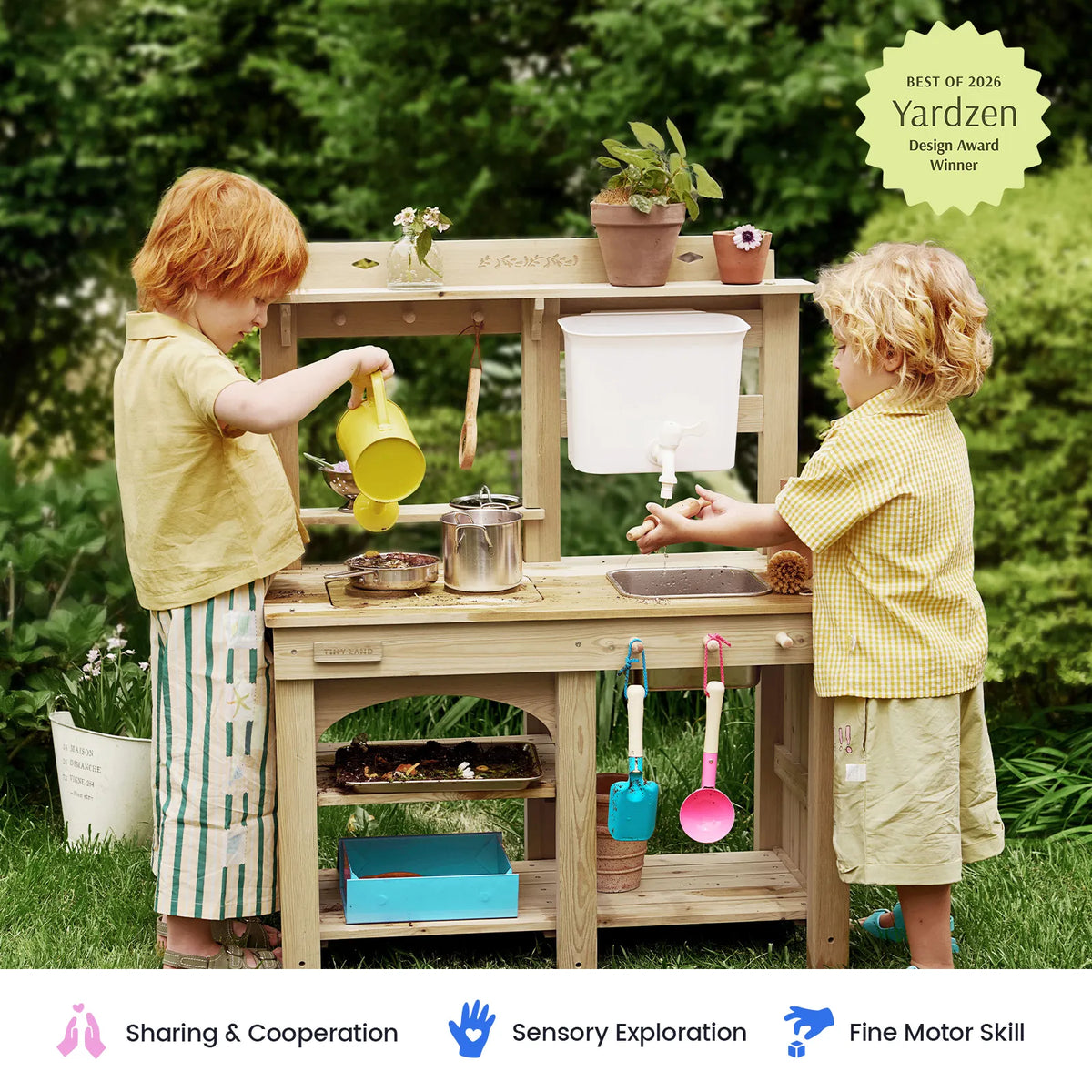
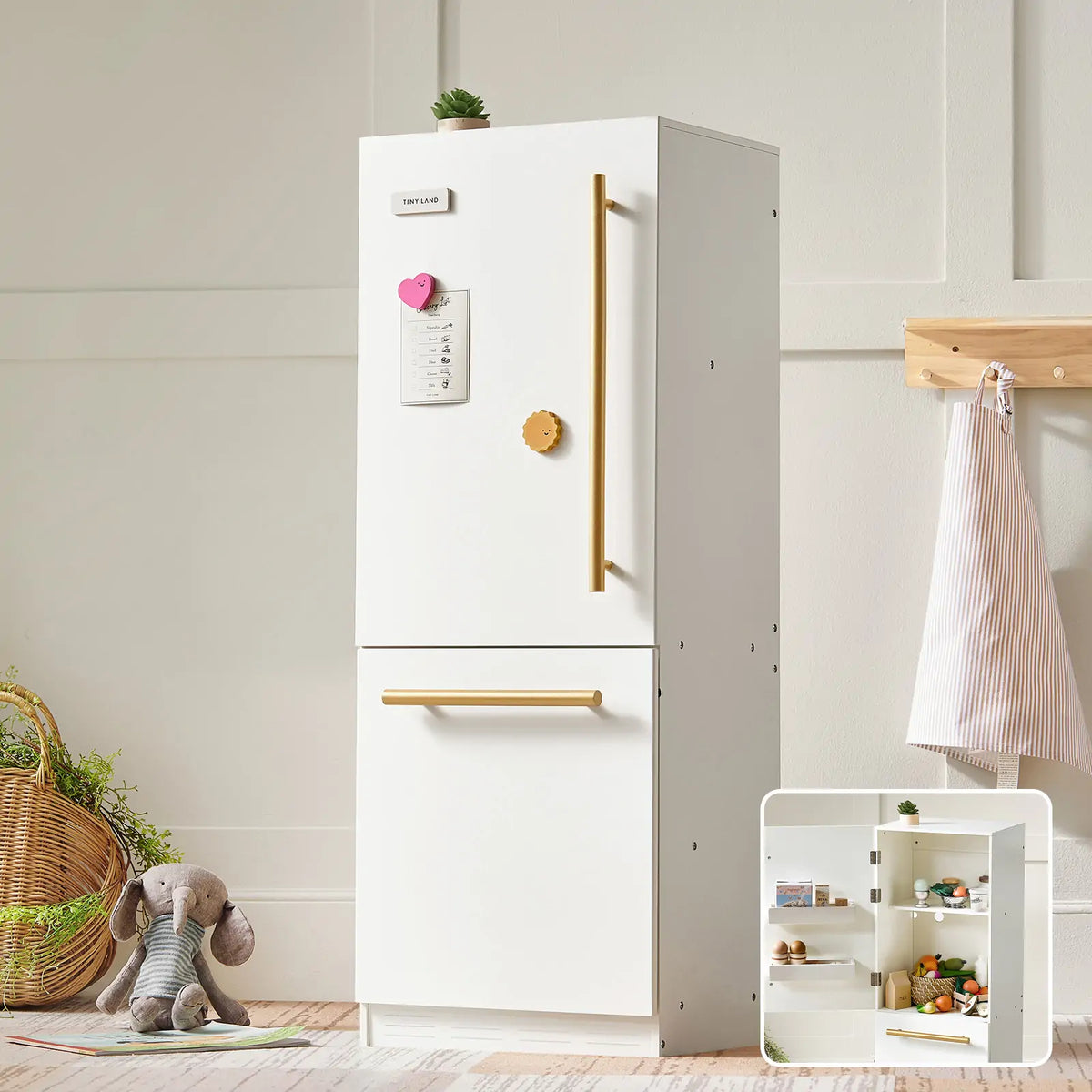
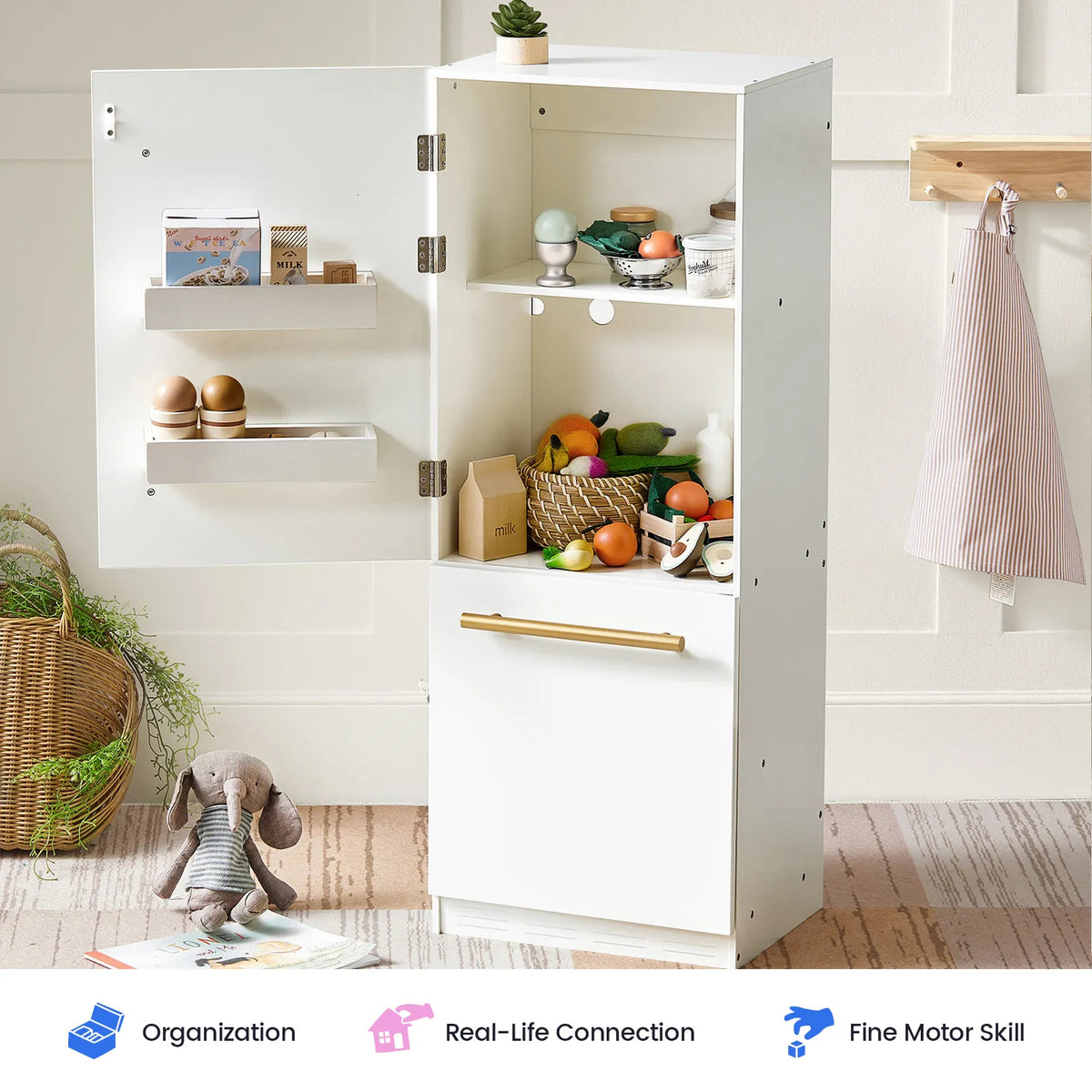
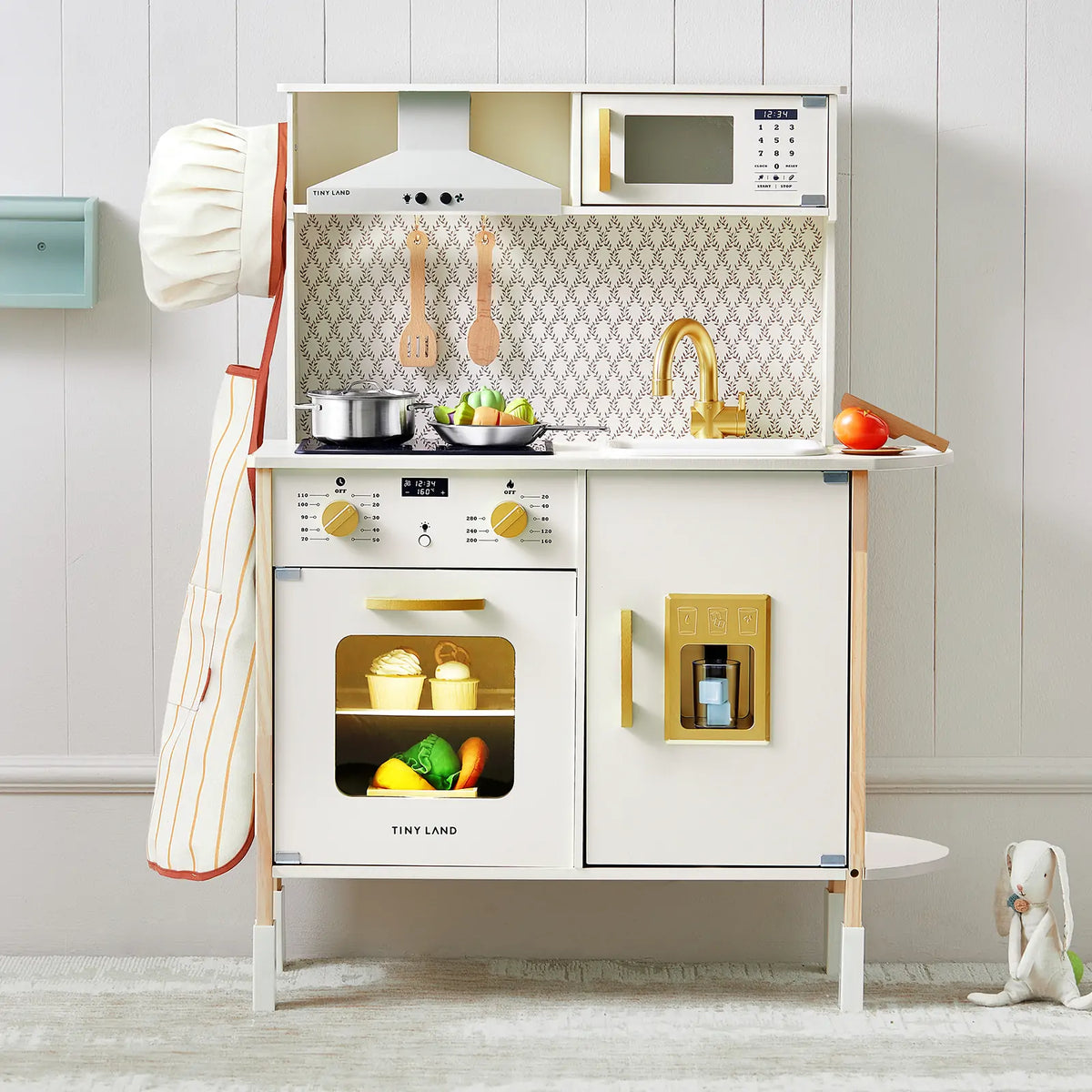
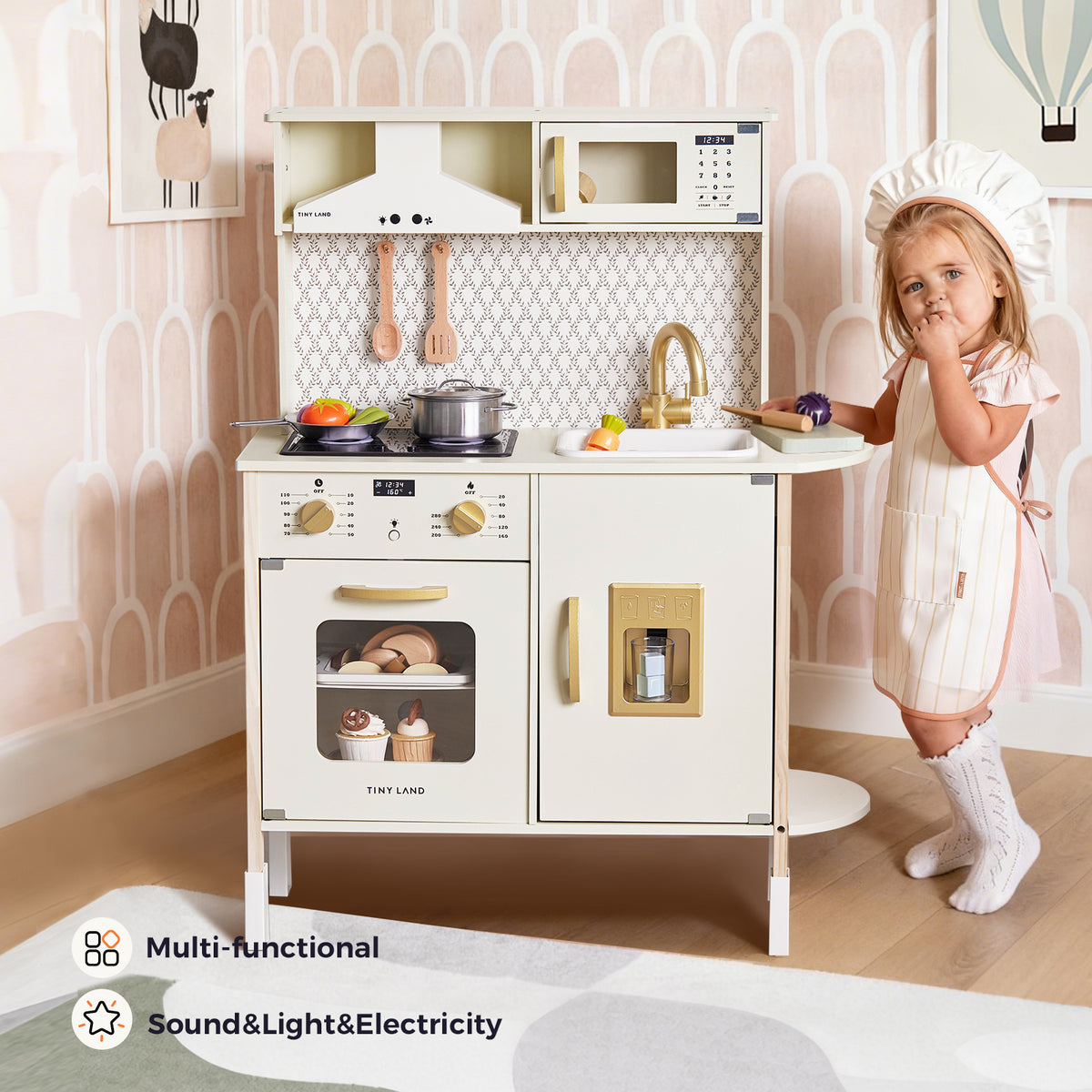
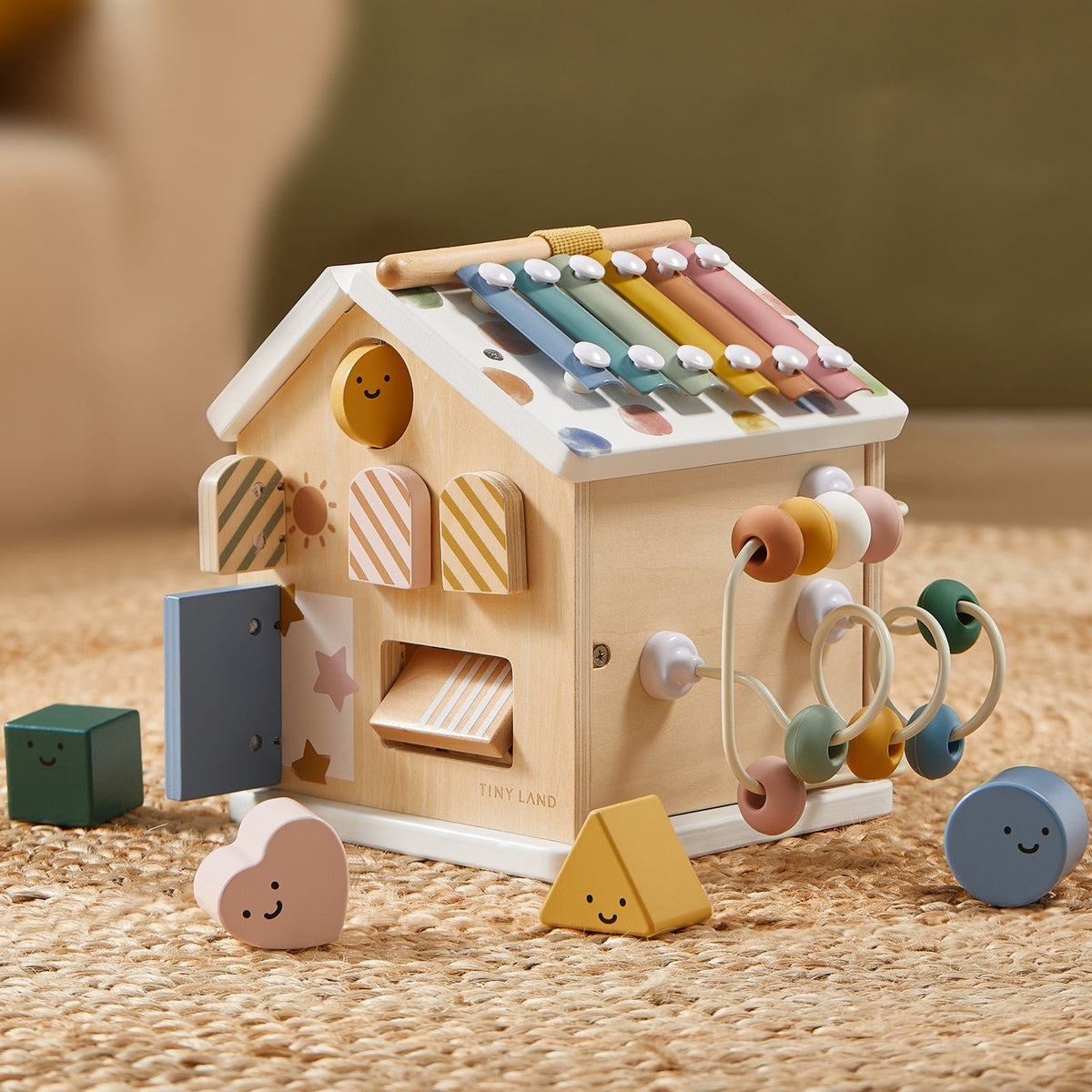
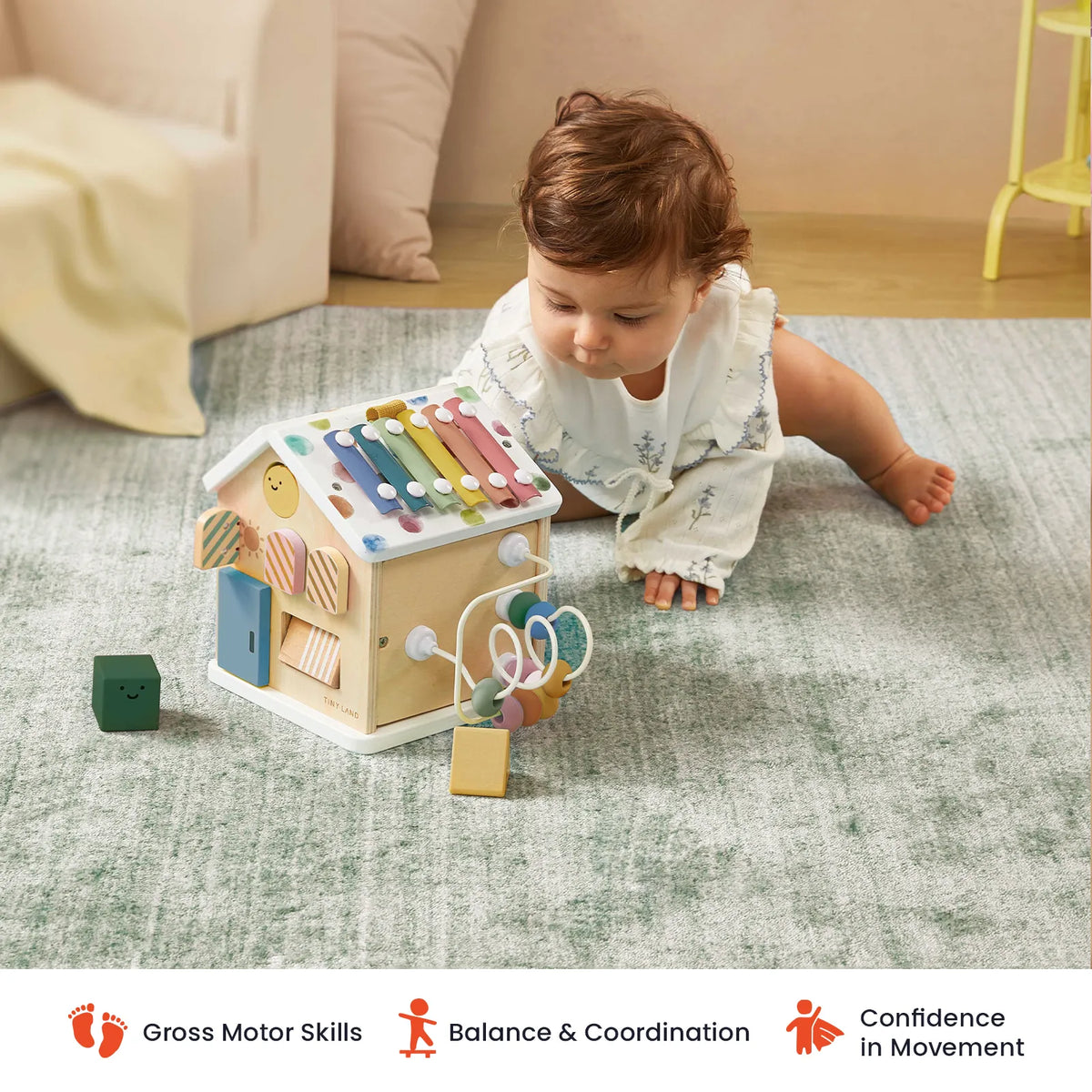

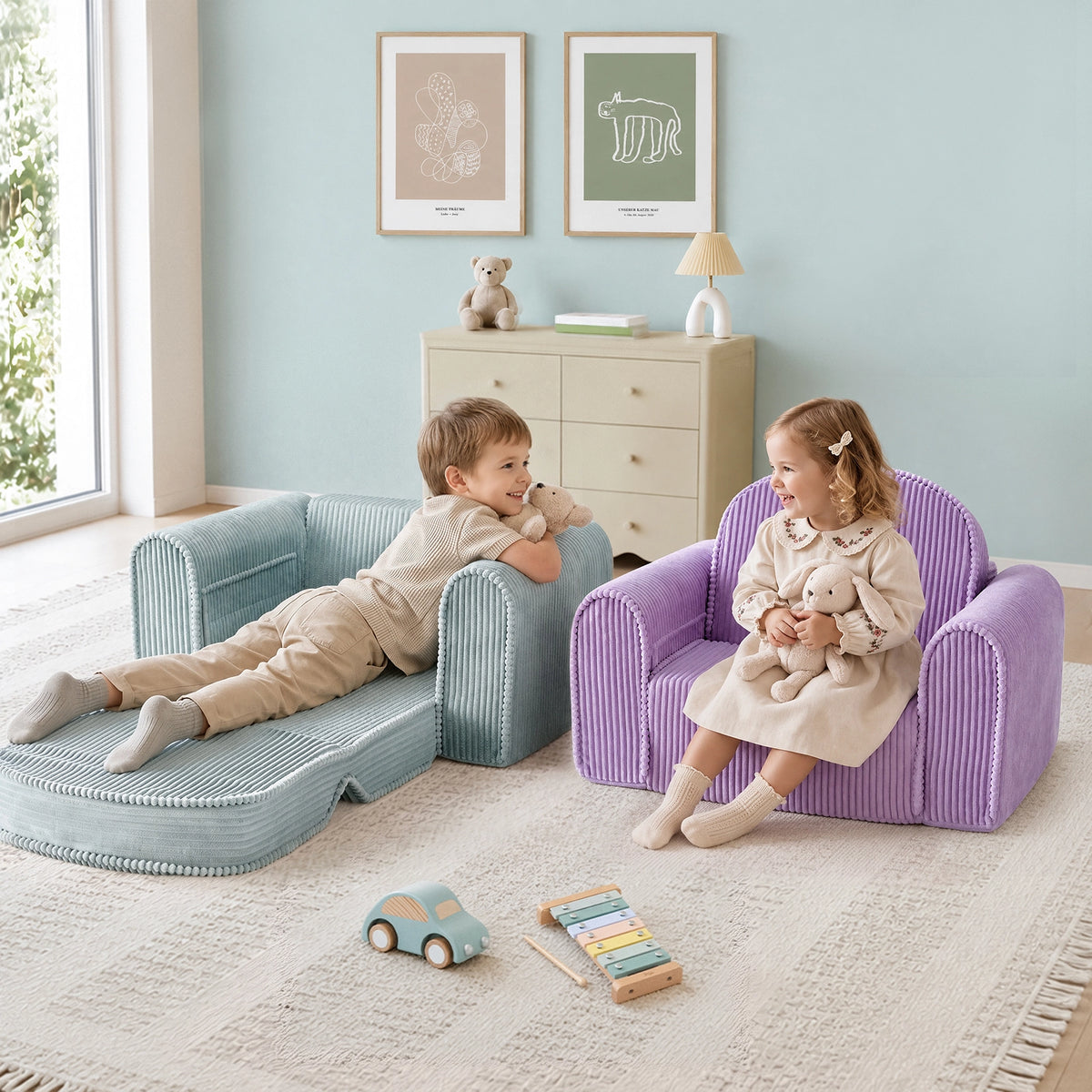

Wooden toys are loved by families for their durability, natural beauty, and timeless design. Compared with many plastic alternatives, high-quality wooden toys offer a sturdy play experience and can often be enjoyed for years when properly cared for.
Wood is a natural material with unique properties. While some types of wood may have natural antimicrobial properties, regular cleaning is still important to remove dirt, germs, and everyday buildup from children’s toys.
Proper care helps preserve the toy’s natural finish while supporting a safe and enjoyable play experience.
Knowing how to clean wooden toys correctly is essential for protecting the wood finish, preserving the toy’s appearance, and preventing damage caused by excessive moisture.
With the right cleaning routine, parents can help prevent issues such as wood warping and cracking while keeping toys safe for everyday play.

Step-by-Step Wooden Toy Cleaning Process
[Inspect Toy] ➔ [Wipe with Damp Cloth] ➔ [Mild Soap/Vinegar Solution] ➔ [Air Dry]
Step 1: Daily Maintenance (Wiping Down)
Regular wiping is the easiest way to keep wooden toys clean and well-maintained.
Use a clean, dry microfiber cloth to remove surface dust, crumbs, and loose debris from the toy.
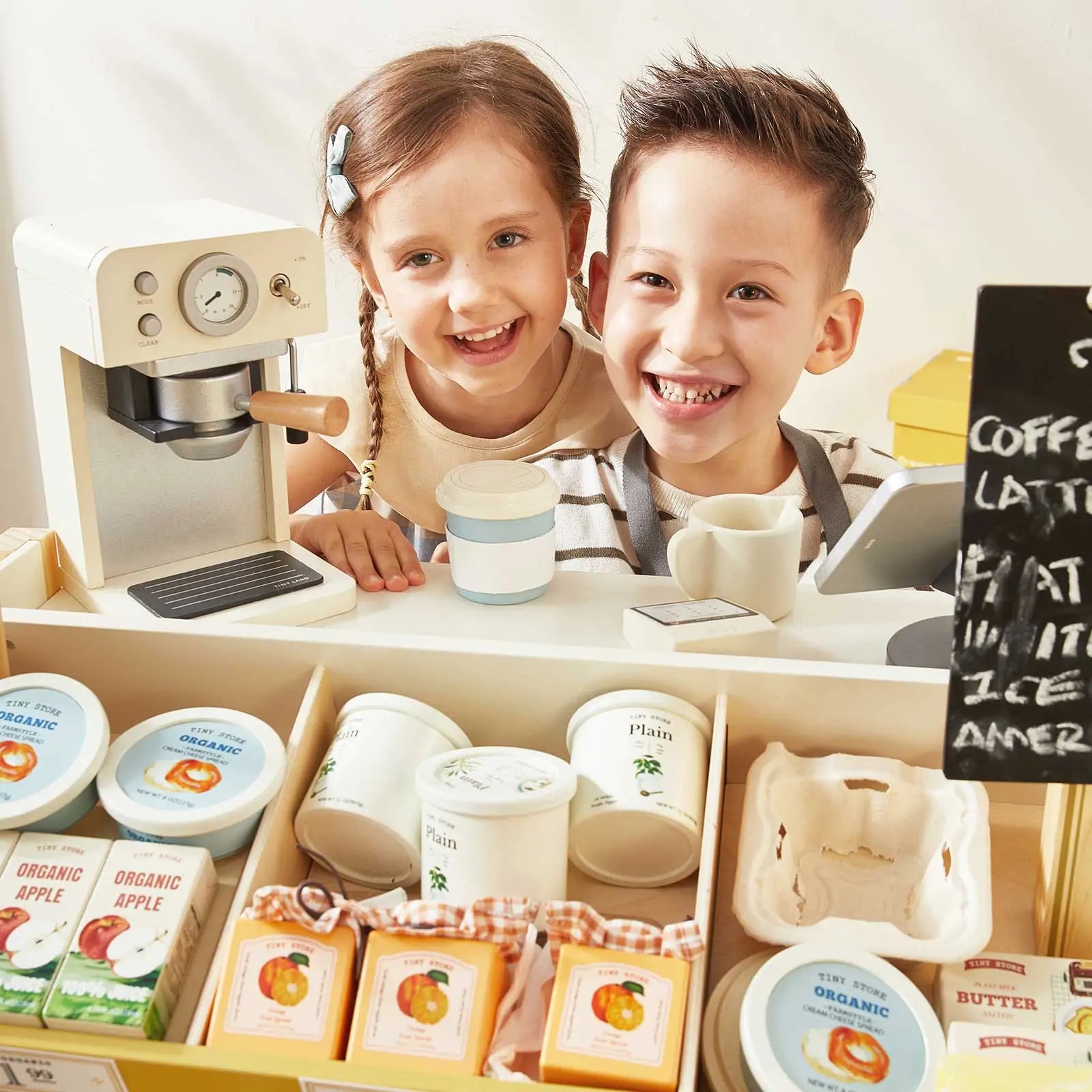
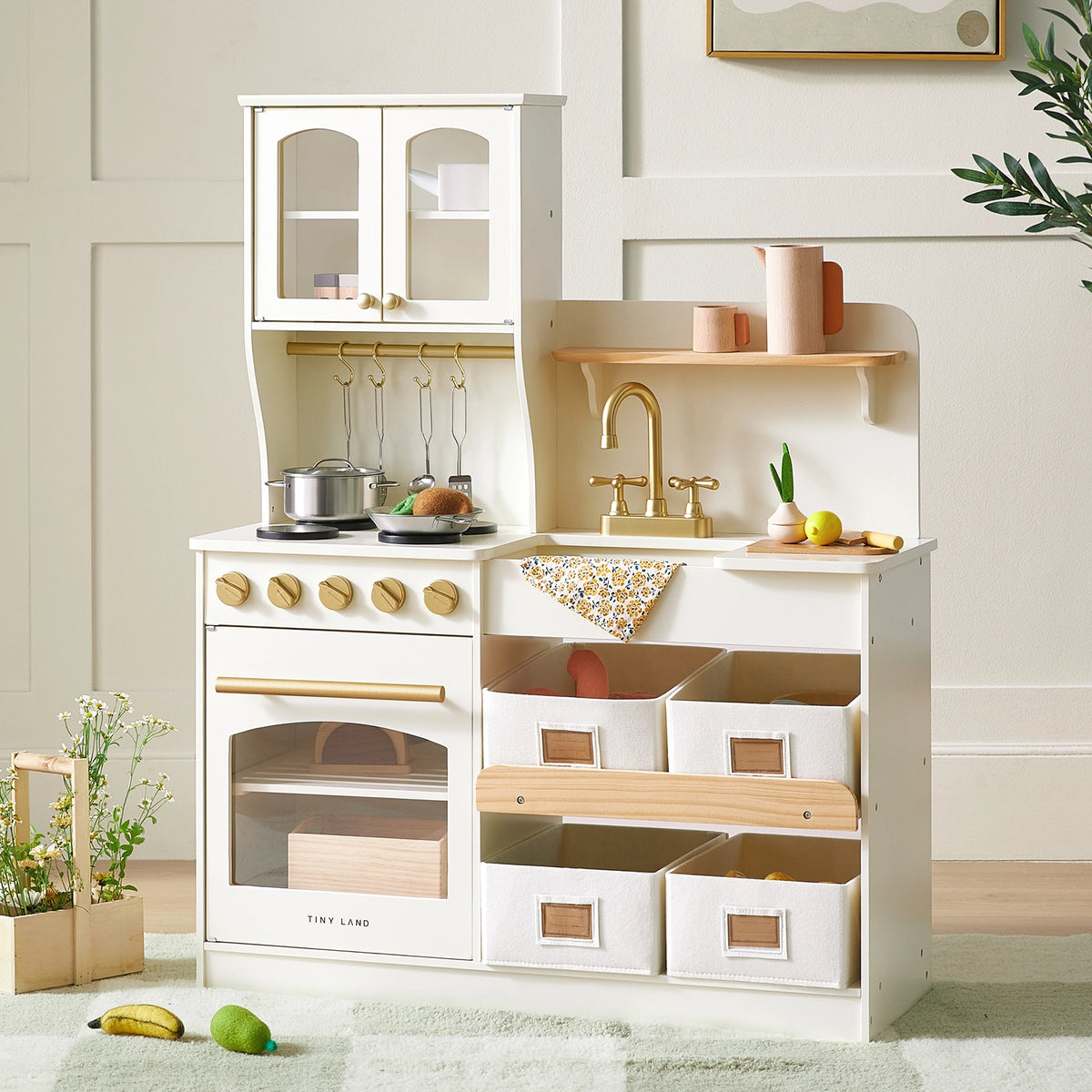
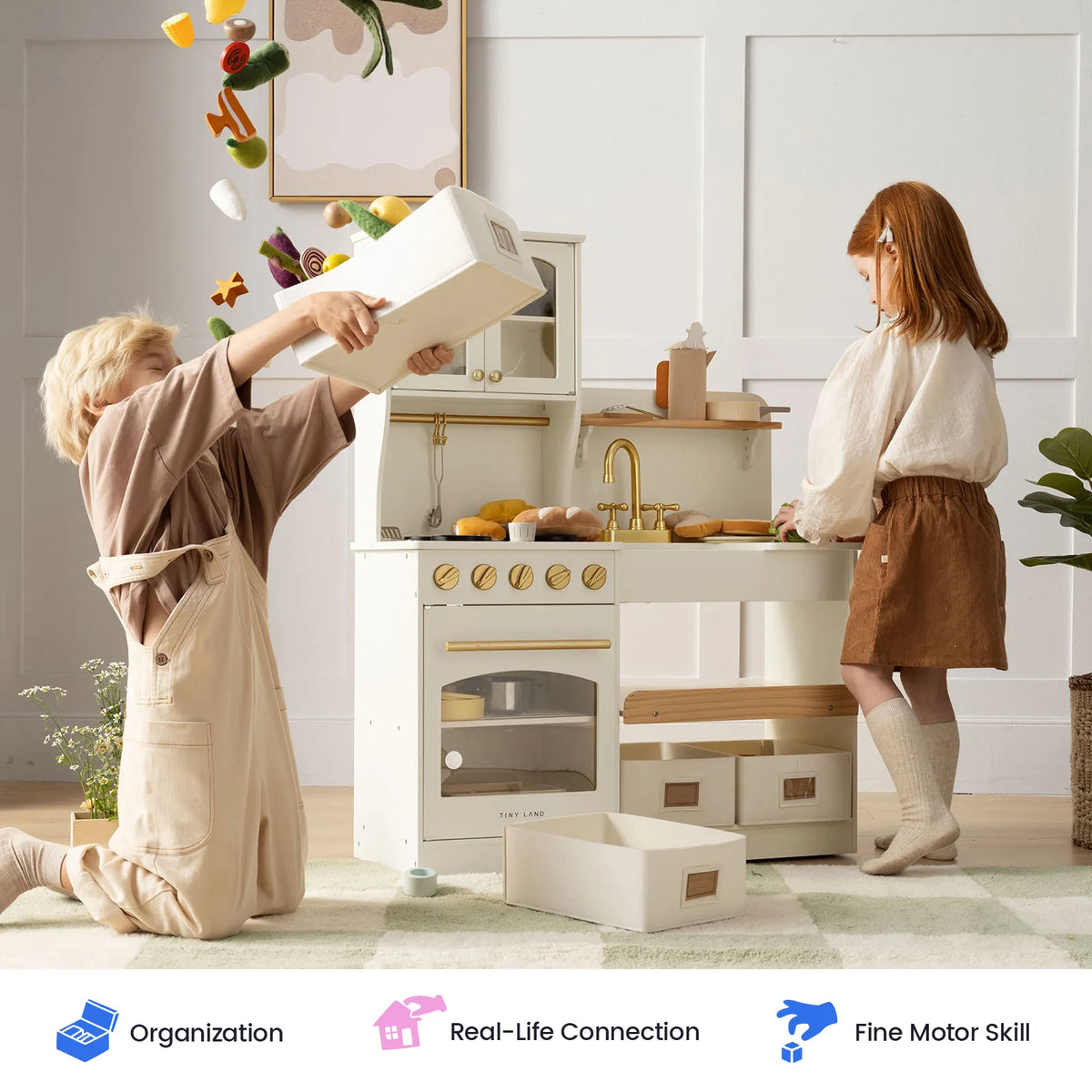
For frequently used toys, such as wooden play kitchens, dollhouses, and pretend play accessories, daily or regular wiping helps prevent dirt from collecting in corners, edges, and small details.
This is especially helpful for pretend play toys with multiple touch points, where children often interact with handles, surfaces, and small accessories during play.
For small spills or sticky areas:
- Slightly dampen a soft cloth with water.
-
Gently wipe the affected surface.
- Dry the area immediately with a clean towel.
Avoid leaving moisture sitting on wooden surfaces for a long time. Since wood naturally absorbs water, prolonged exposure may affect the finish and increase the risk of swelling, warping, or cracking.

Step 2: Deep Cleaning (Disinfecting)
When wooden toys need a deeper clean, choose gentle cleaning methods that protect both children and the natural material.
DO NOT submerge wooden toys in water or put them in a dishwasher.
Wood absorbs moisture, which can cause:
-
Swelling
-
Wood warping and cracking
-
Changes to the toy’s shape
- Potential mold growth if moisture remains trapped
Unlike plastic toys, wooden toys should not be soaked or washed under running water. Instead, use a controlled cleaning method that removes dirt while keeping the wood dry.
Solution:
Option 1: Diluted White Vinegar Solution
Mix:
-
1 part white vinegar
- 4 parts warm water
A diluted vinegar solution is a commonly used non-toxic toy cleaner option for cleaning sealed wooden toys.
Option 2: Mild Castile Soap Solution
Mix a small amount of mild castile soap with warm water.
A castile soap solution provides gentle cleaning power without using harsh chemicals that may damage the wooden surface.
How to Clean:
-
Lightly mist the solution onto a soft cloth (do not spray directly onto the toy).
-
Wipe down all surfaces of the wooden toy.
-
Clean frequently touched areas carefully, including handles, knobs, and small accessories.
-
Use a clean damp cloth to remove any remaining residue if needed.
- Dry the toy completely before returning it to play.
Using a gentle approach helps maintain the toy’s protective finish while supporting safe cleaning practices.

Step 3: Drying and Conditioning
Proper drying is one of the most important parts of wooden toy maintenance and care.
After cleaning:
-
Allow the toy to air dry completely in a well-ventilated area.
-
Keep the toy away from direct sunlight.
- Avoid placing wooden toys near heaters or other direct heat sources.
Proper air drying wood practices help prevent moisture-related issues and protect the toy from wood warping and cracking over time.
Direct sunlight and excessive heat may cause:
-
Colors to fade
-
Wood to dry out
- Cracks or surface damage
Do not use a hairdryer or other high-heat methods to speed up drying. Rapid temperature changes can cause the wood to expand or contract unevenly.

Conditioning Unpainted Wooden Toys
For unfinished wooden toys, occasional conditioning can help maintain the natural moisture barrier and appearance of the wood.
Every few months, apply a small amount of:
-
Food-grade beeswax
- Organic coconut oil
Use a soft cloth to gently apply the conditioner and remove any excess product.
Food-grade beeswax can help maintain:
-
A smooth wooden surface
-
Natural shine
- Long-lasting protection
Always make sure any product used on children’s toys is appropriate for toy-safe surfaces.

Cleaning Methods Comparison
|
Method |
Recommended for Wood? |
Risk Level |
|
Damp Cloth + Mild Soap |
Yes |
Low |
|
Diluted White Vinegar Spray |
Yes |
Low |
|
Castile Soap Solution |
Yes |
Low |
|
Dishwasher / Submersion |
NO |
High (Causes warping, cracking & possible moisture damage) |
|
Bleach / Harsh Chemicals |
NO |
High (Strips paint & damages non-toxic finishes) |

Frequently Asked Questions (FAQs)
Q: Is vinegar safe for cleaning painted wooden toys?
A: Yes, a highly diluted vinegar solution (1:4 ratio) is generally safe for sealed and painted wooden toys when used correctly.
When cleaning painted wooden toys with vinegar, always apply the solution to a cloth instead of spraying directly onto the toy.
Avoid using concentrated vinegar or allowing liquid to sit on the surface for extended periods, as excessive moisture may affect the paint or protective finish.
Q: What happens if a wooden toy gets submerged in water?
A: If a wooden toy is accidentally submerged, remove it from the water immediately and dry it thoroughly with a clean towel.
Place the toy in a dry, well-ventilated area and allow it to dry naturally. Do not apply direct heat, such as a hairdryer or heater, because rapid drying can cause the wood to warp, crack, or change shape.
Q: Can you wash wooden toys with water?
A: Wooden toys can be cleaned with a slightly damp cloth, but they should not be washed by soaking them in water.
Because wood is a natural material, excess moisture can penetrate the surface and lead to swelling, warping, cracking, or mold growth. For safe cleaning, use a damp cloth with mild soap or a diluted vinegar solution instead.
Q: How often should wooden toys be cleaned?
A: The cleaning frequency depends on how often the toy is used.
For everyday toys:
-
Wipe away dust and surface dirt regularly.
-
Clean spills as soon as they happen.
- Perform deeper cleaning when toys become visibly dirty or are shared among multiple children.
Regular care helps maintain the toy’s appearance and supports long-term durability.
Q: What is the best way to maintain wooden toys?
A: The best wooden toy maintenance and care routine includes regular dust removal, gentle cleaning methods, avoiding excessive moisture, and proper drying.
For unfinished wood, occasional conditioning with food-grade beeswax can help preserve the natural surface and keep wooden toys looking beautiful over time.