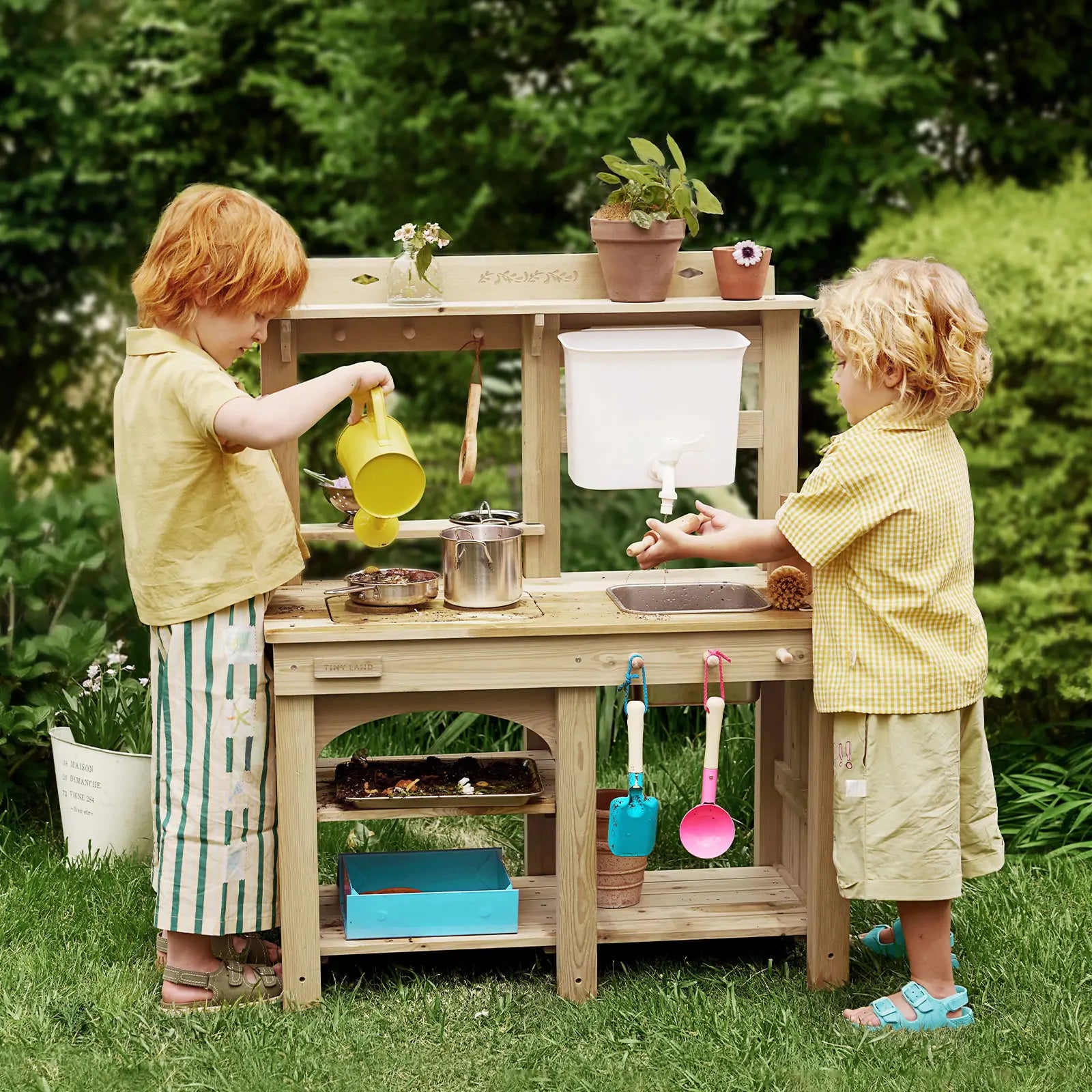

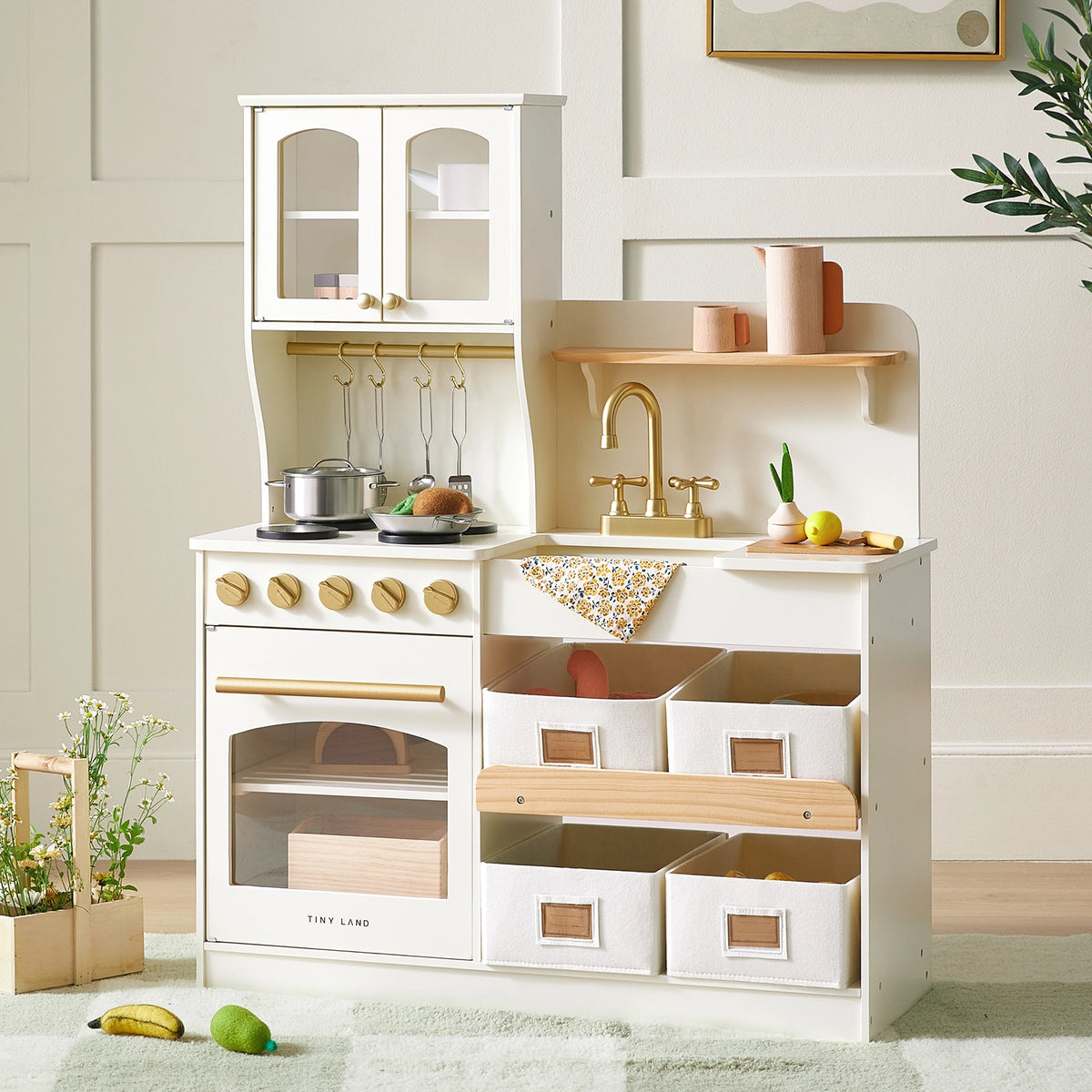

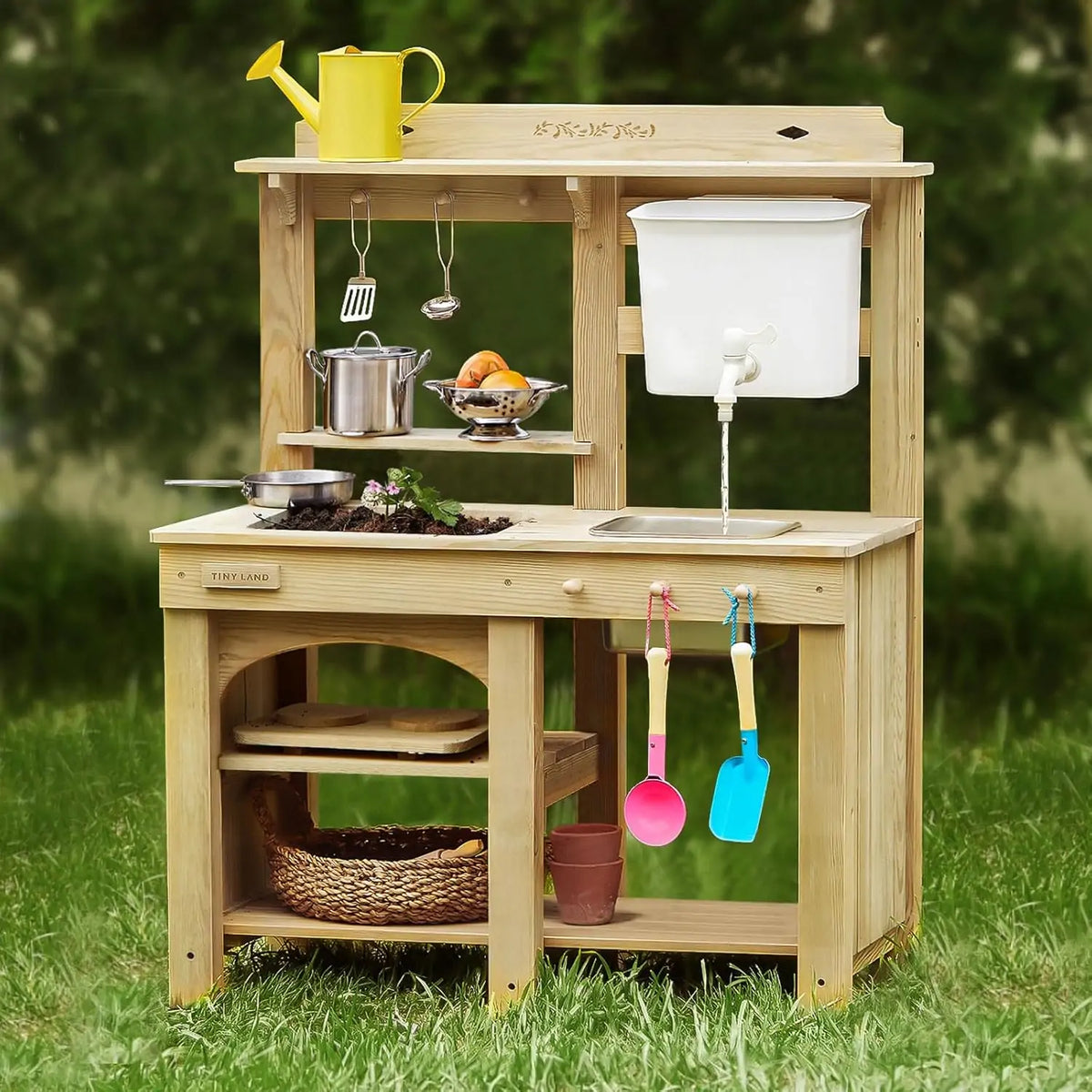
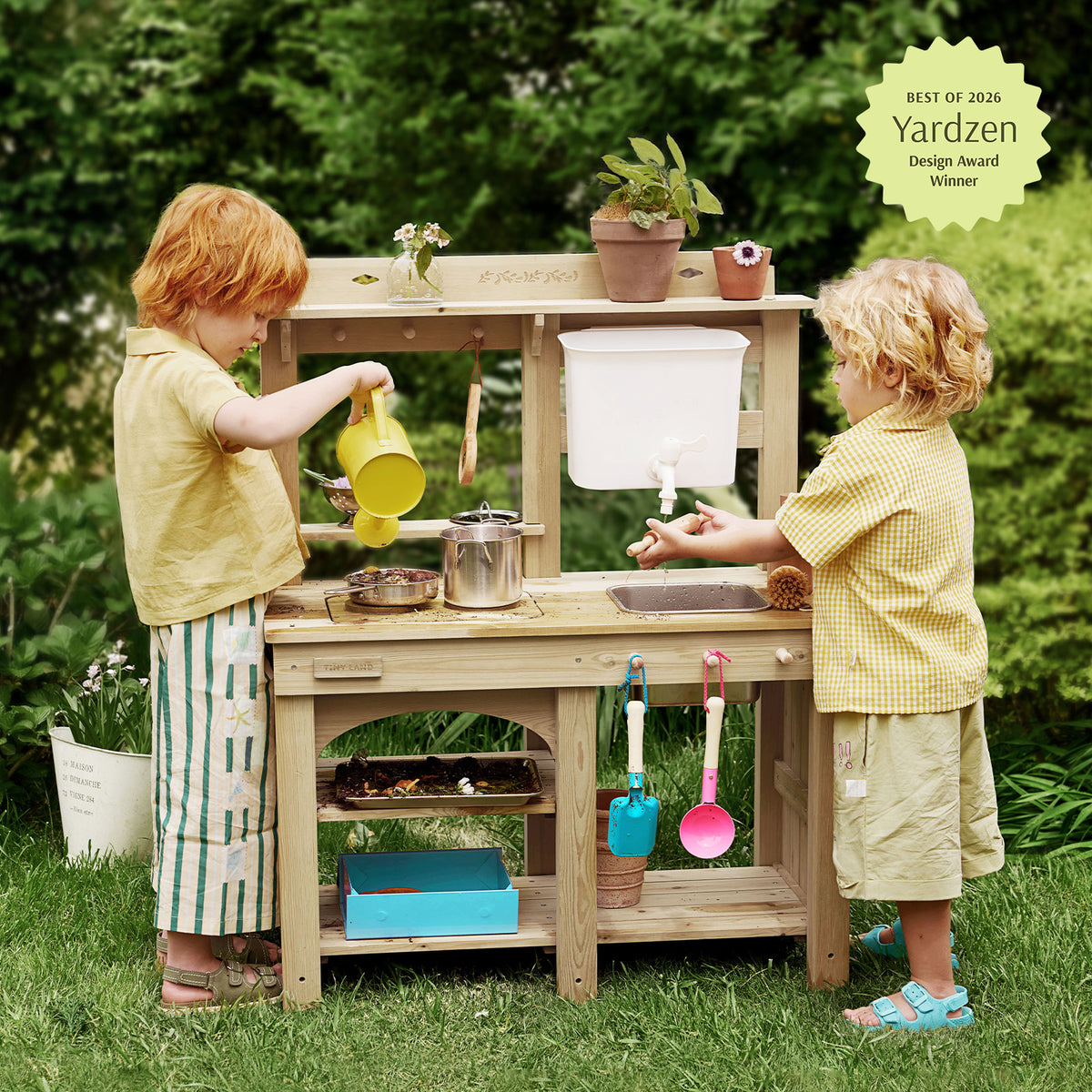
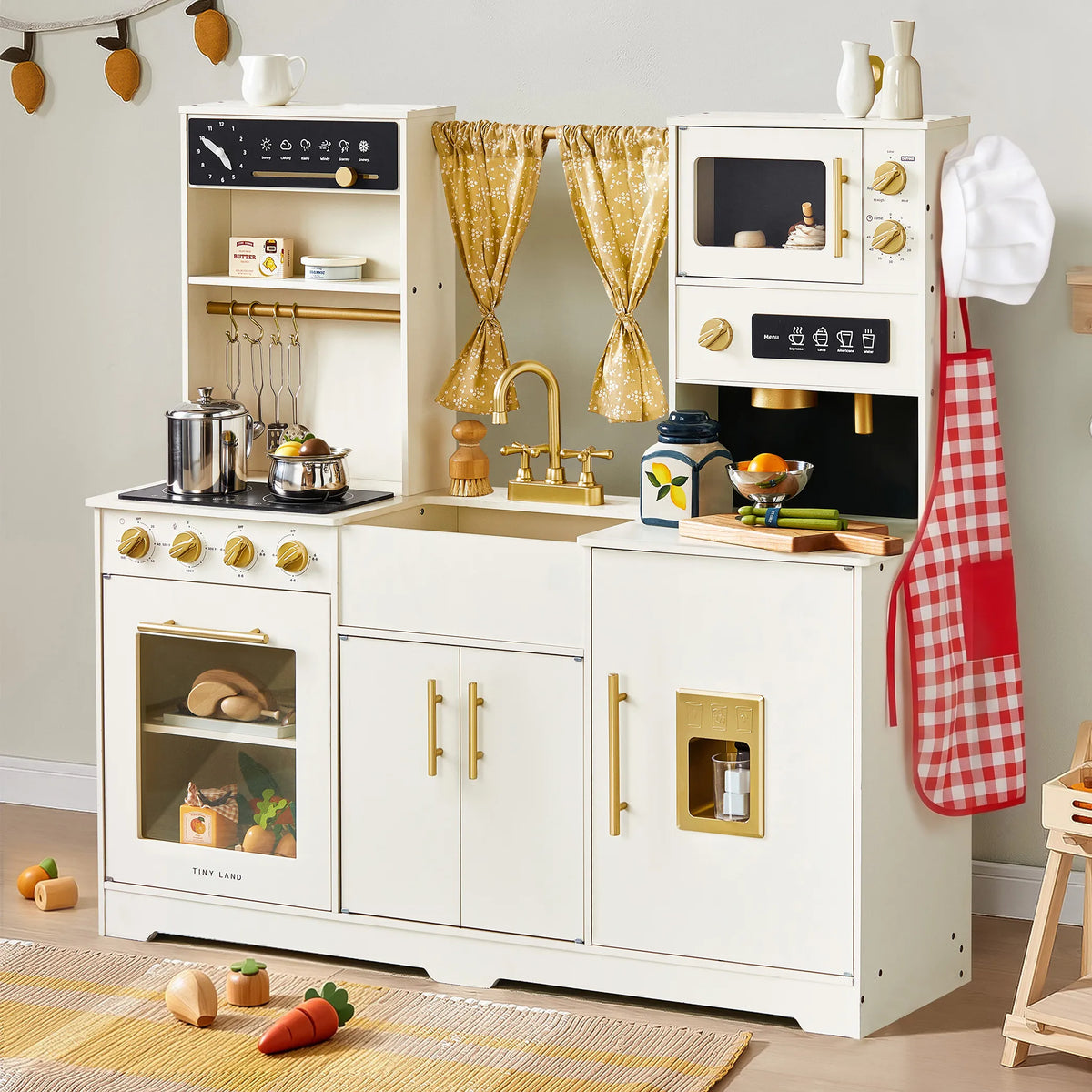
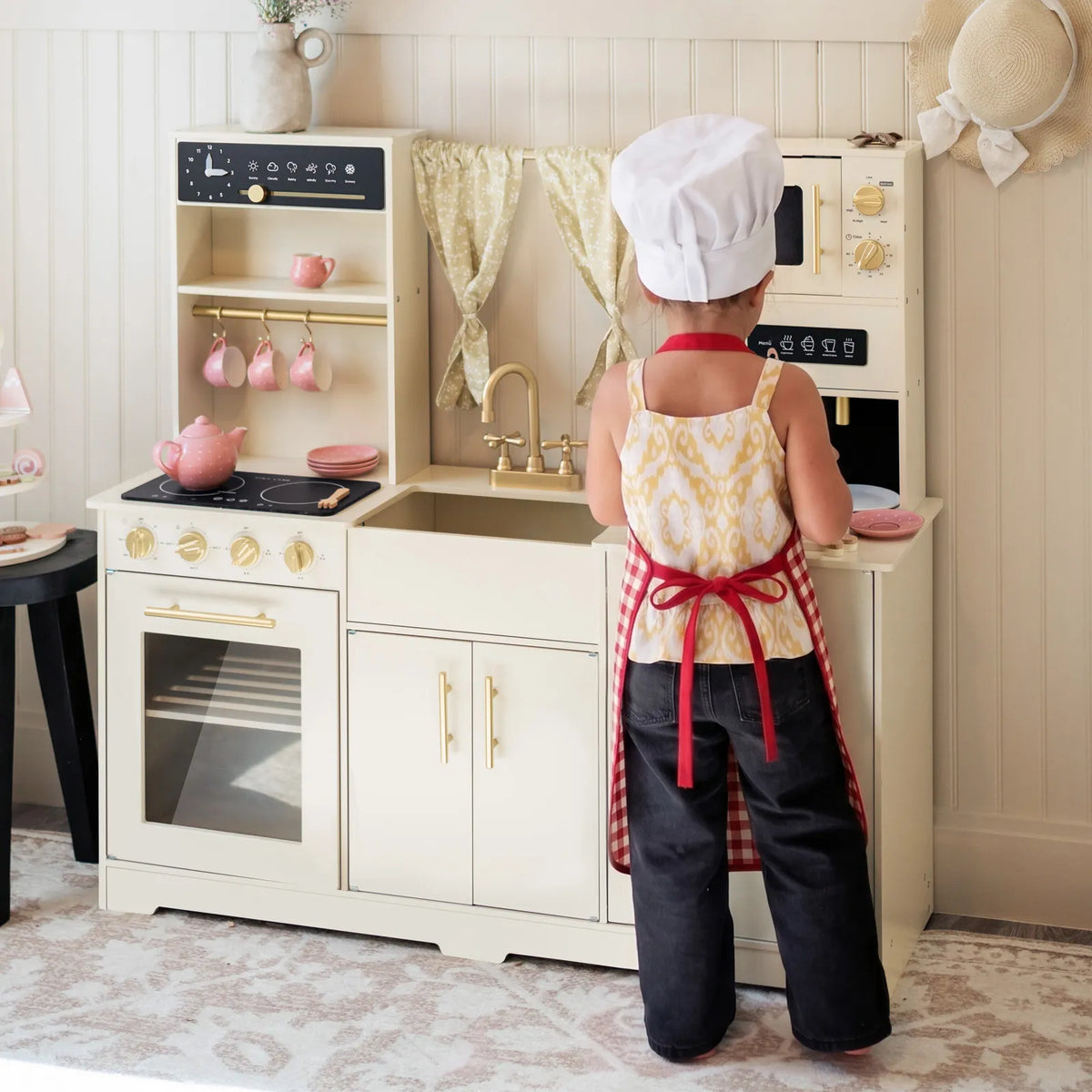
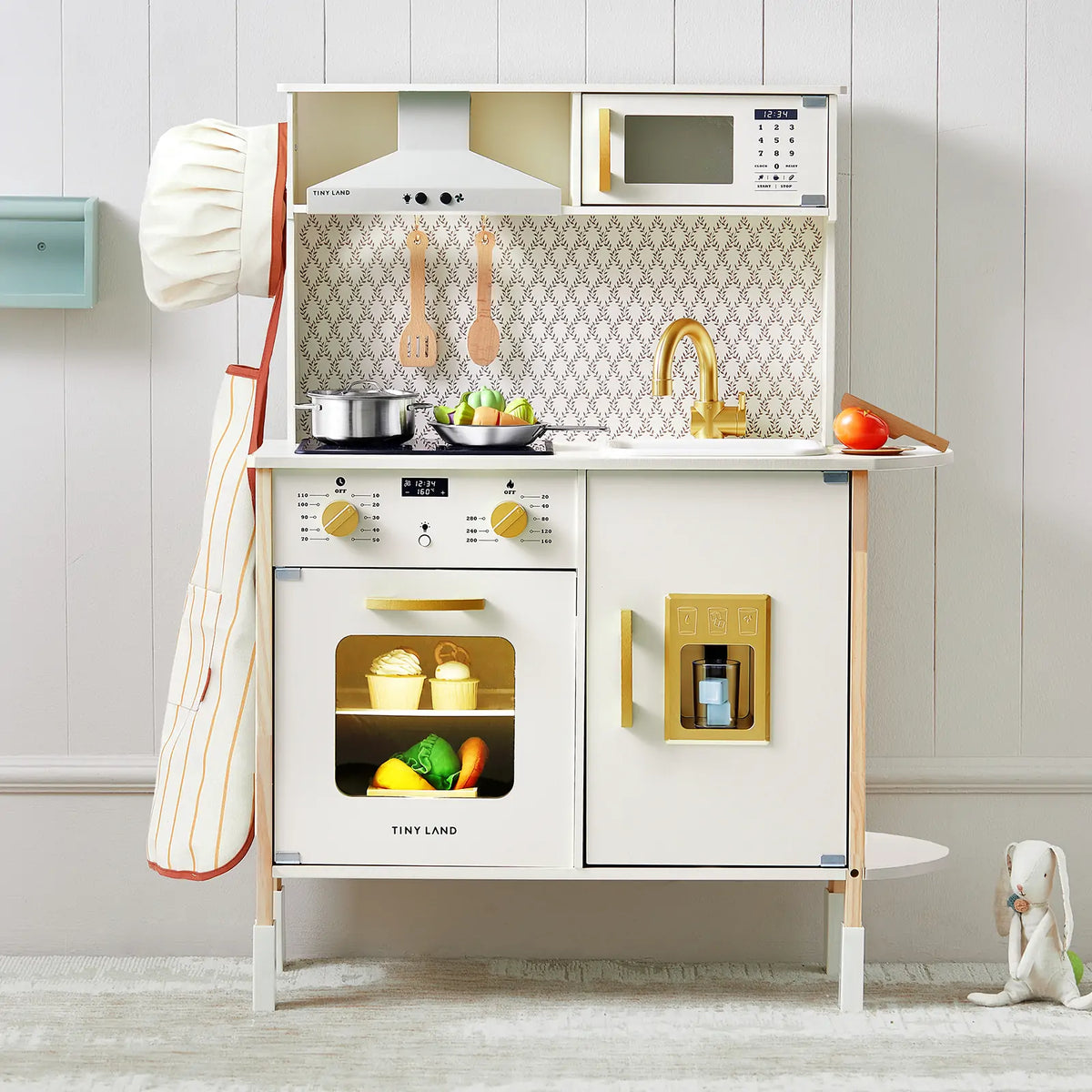
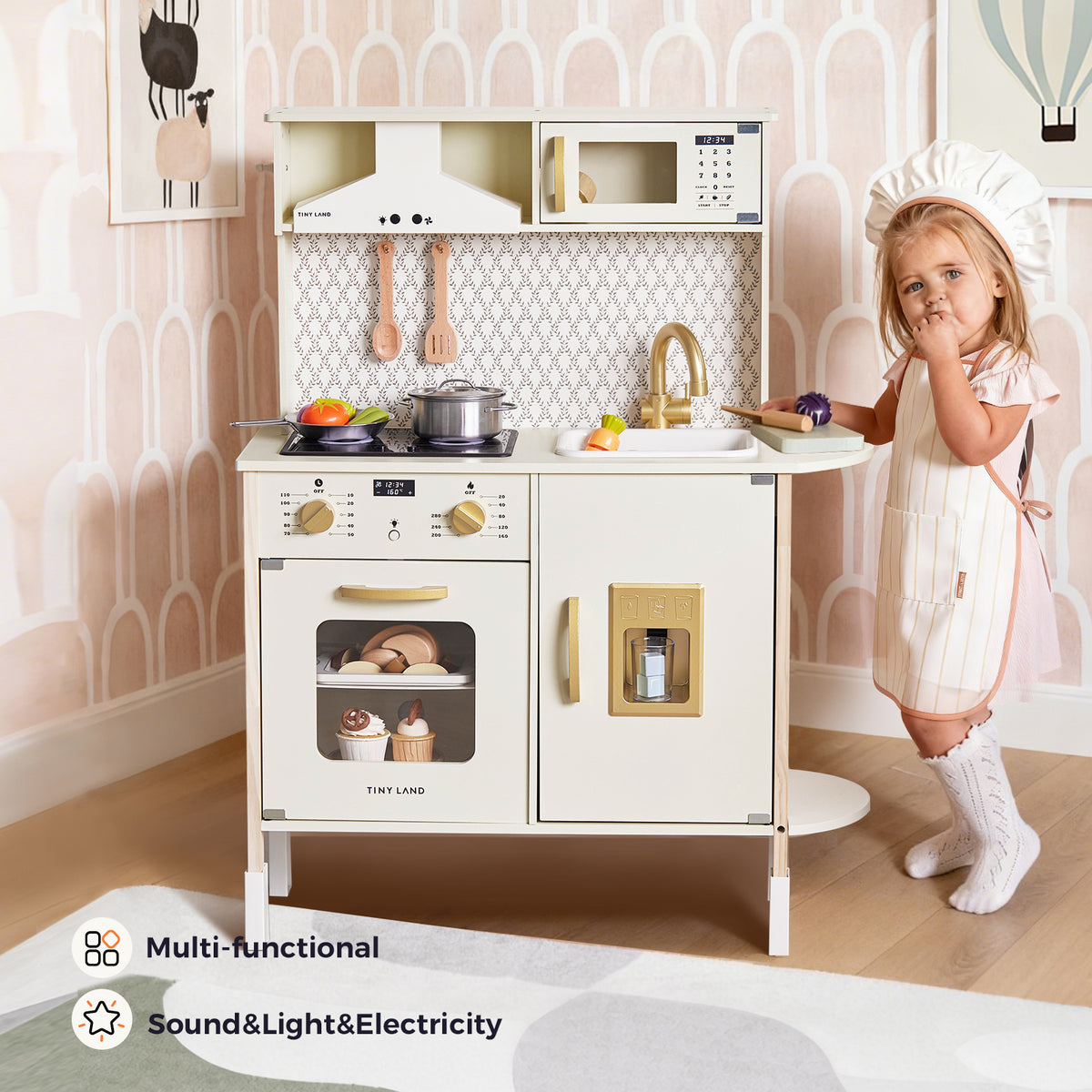




A mud kitchen gives children a place to pour, mix, dig, cook, and create outdoors. With a few pots, bowls, measuring cups, and natural materials, an ordinary corner of the garden can quickly become a busy mud café.
The mess is part of the fun, but a little preparation matters—especially when toddlers are involved. These mud kitchen safety tips can help parents create a play space where kids are free to explore without introducing unnecessary risks.

Start With Clean, Suitable Soil
Not all dirt is suitable for mud play. Avoid soil taken from areas near busy roads, old painted buildings, treated garden beds, animal waste, standing floodwater, or places where chemicals may have been used.
For a new mud kitchen, consider using clean topsoil or play sand from a trusted supplier or garden centre. Check the label and ask whether the product is suitable for children’s play.
Before each session, look through the soil for sharp rocks, glass, metal, animal droppings, or thorny sticks. Keep pets away from the mud kitchen when it is not in use, and cover the soil container if animals can enter the garden.
Mud should be used for pretend cooking only. Remind children that mud pies, garden soup, and flower cakes are not real food and should never be tasted.

Stay Close Whenever Water Is Available
Pouring water, carrying water, and mixing mud are some of the most enjoyable parts of mud kitchen play. However, young children must always be supervised around buckets, sinks, tubs, and other water containers.
Even a few inches of water can create a serious risk for babies and toddlers. Stay close enough to respond immediately rather than watching from inside the house or becoming distracted by a phone.
Use shallow containers and provide only the amount of water needed for the activity. A small jug is usually enough for making mud pies and recipes. Empty the sink, bucket, pots, and pans as soon as play ends so water is not left sitting in one spot.
If children need more water, an adult should refill the container. This is safer than allowing toddlers to walk repeatedly between the mud kitchen and an outdoor water source.

Choose Child-Safe Tools and Supplies
Mud kitchen supplies do not need to be expensive. Old pots, wooden spoons, muffin tins, cups, and bowls can all support imaginative play. However, inspect every item before placing it in the kitchen.
Avoid broken plastic, cracked glass, rusty metal, sharp kitchen utensils, heavy cookware, and anything with loose screws. Tools should be light enough for children to lift safely and large enough not to become a choking hazard.
Loose parts such as stones, shells, bottle caps, and flower petals can add different textures to sensory play, but small objects are not suitable for children who still put things in their mouths. Adjust the supplies according to the youngest child using the space.
Older children may be ready for more detailed equipment, while toddlers need simple, sturdy tools with rounded edges.

Make Sure the Mud Kitchen Is Stable
Place the mud kitchen on level ground where it will not rock, tip, or slide. Check the table, shelves, sink, hooks, and storage areas regularly, especially if the kitchen stays outdoors throughout the year.
Secure tall furniture and avoid placing heavy pans on high shelves. Children may pull on hooks, lean against the counter, or climb while reaching for supplies.
Keep the walking area clear of hoses, buckets, sticks, and spilled tools. Wet mud can make the ground slippery, so encourage children to walk rather than run around the kitchen.
Boots with good grip can help on messy days. Clothes should be comfortable, easy to wash, and suitable for the weather.

Set Simple Rules Before Play Begins
Mud kitchen play works best when the rules are short and easy to remember. Before children start, explain that mud stays in the play area, tools are for mixing rather than hitting, and no one throws dirt or water at another person.
For group play, remind children to take turns with popular tools and ask before adding ingredients to another child’s recipe. These simple habits support communication skills and social skills while reducing arguments.
A mud café can become busy when several kids are cooking at once. Give everyone enough room to work, and add duplicate spoons, bowls, or measuring cups when possible.
There is no right or wrong way to create pretend food, but there should be clear limits around actions that could hurt someone.

Supervise Natural Materials
Leaves, grass, smooth stones, and flower petals make wonderful ingredients for open ended play. They allow children to explore nature and create their own recipes without needing a fixed result.
However, not every plant is safe to touch. Teach children to collect only materials approved by an adult. Avoid unknown berries, mushrooms, irritating plants, sharp branches, and anything treated with pesticides.
Children should not pull flowers from garden beds without permission. Creating a small basket of approved natural materials before play begins is often the easiest option.
Wash Hands After Mud Play
When the cooking ends, have children wash hands thoroughly with soap and warm water. Pay attention to the areas under fingernails and between fingers, especially after mixing mud with bare hands.
A towel, clean clothes, and a boot-washing area can help keep dirt from spreading through the house. Any cuts or grazes should be cleaned, and children with open wounds may need to wear waterproof coverings or avoid direct soil contact.
Mud play is sometimes promoted as a way to strengthen children’s immune systems, but parents should not treat dirty or unknown soil as a health treatment. The benefits of mud play come from outdoor play, sensory exploration, movement, imagination, and social interaction—not from exposing children to unsafe contaminants.

Rinse Tools and Store Them Properly
At the end of the day, rinse tools, cups, bowls, and kitchen utensils with clean water. Remove leftover mud, leaves, and food-like creations before they dry or attract insects.
Allow supplies to dry before placing them on shelves or in storage containers. Water trapped inside cups and pots can become unpleasant, especially during warm weather.
Check wooden tools for splinters and metal items for rust. Broken or damaged supplies should be removed rather than returned to the mud kitchen.
Adjust the Play for Different Ages
For toddlers, keep activities simple: pouring water, filling cups, stirring dirt, and pressing mud into muffin tins. Stay within easy reach and offer only a few tools at a time.
Older children can follow pretend recipes, measure ingredients, run a mud café, or work together on larger creations. These activities encourage critical thinking, creativity, group play, and problem solving.
Events such as International Mud Day can also inspire a special family mud-play session, but safe supervision and clean materials remain important on every day of the year.

Safe Mud Play Can Still Be Messy
A safe mud kitchen does not need to be tidy. Children should still be able to get dirty, test ideas, and enjoy the strange feeling of wet mud between their fingers.
Mixing mud, shaping mud pies, and pouring water can support fine motor skills and larger motor skills. Pretend cooking encourages imaginative play, while sharing tools can build communication and cooperation.
The goal is not to remove every possible challenge. It is to manage the risks that children cannot understand on their own. With clean soil, safe tools, shallow water, clear rules, and an adult who stays close, mud kitchen play can remain wonderfully messy, creative, and fun.