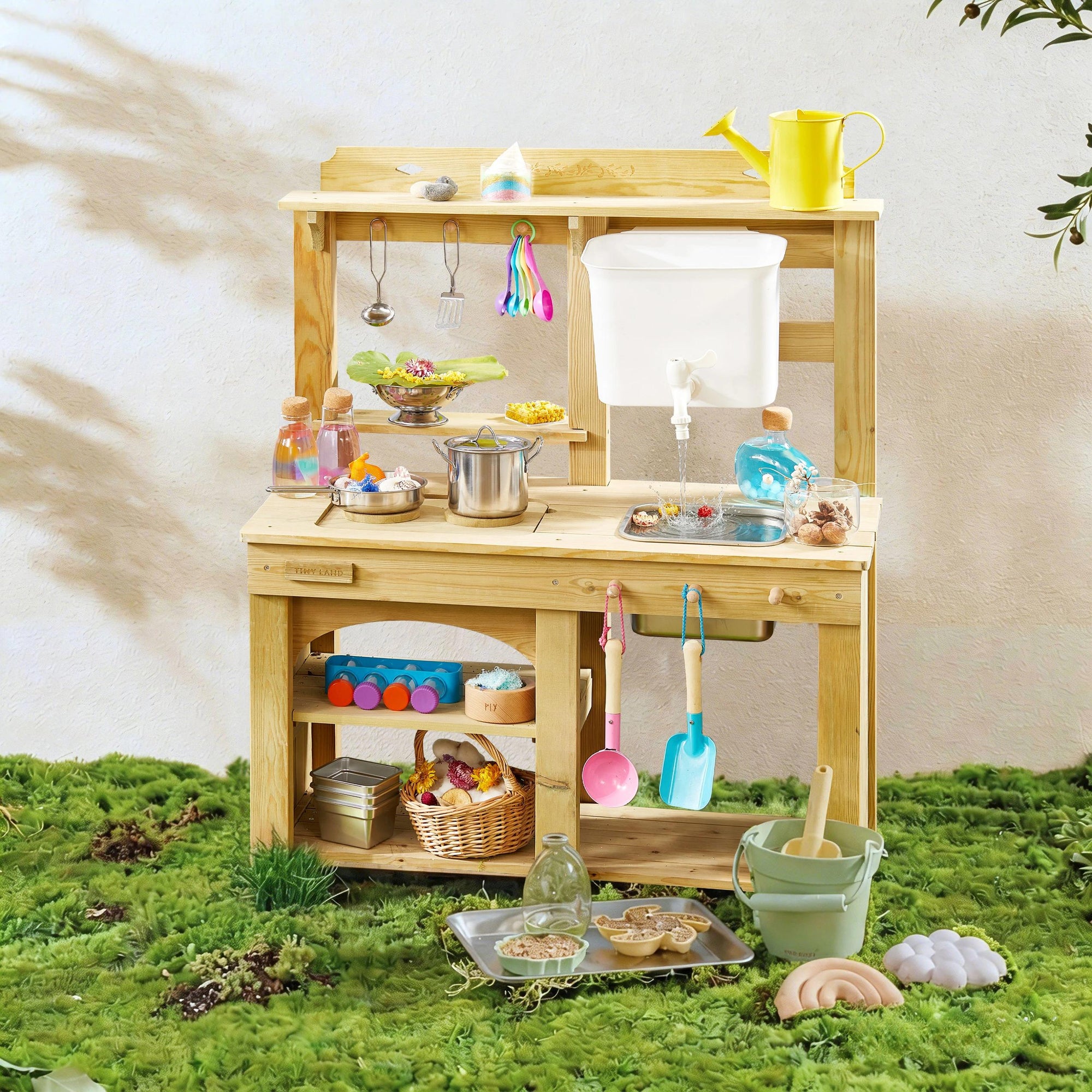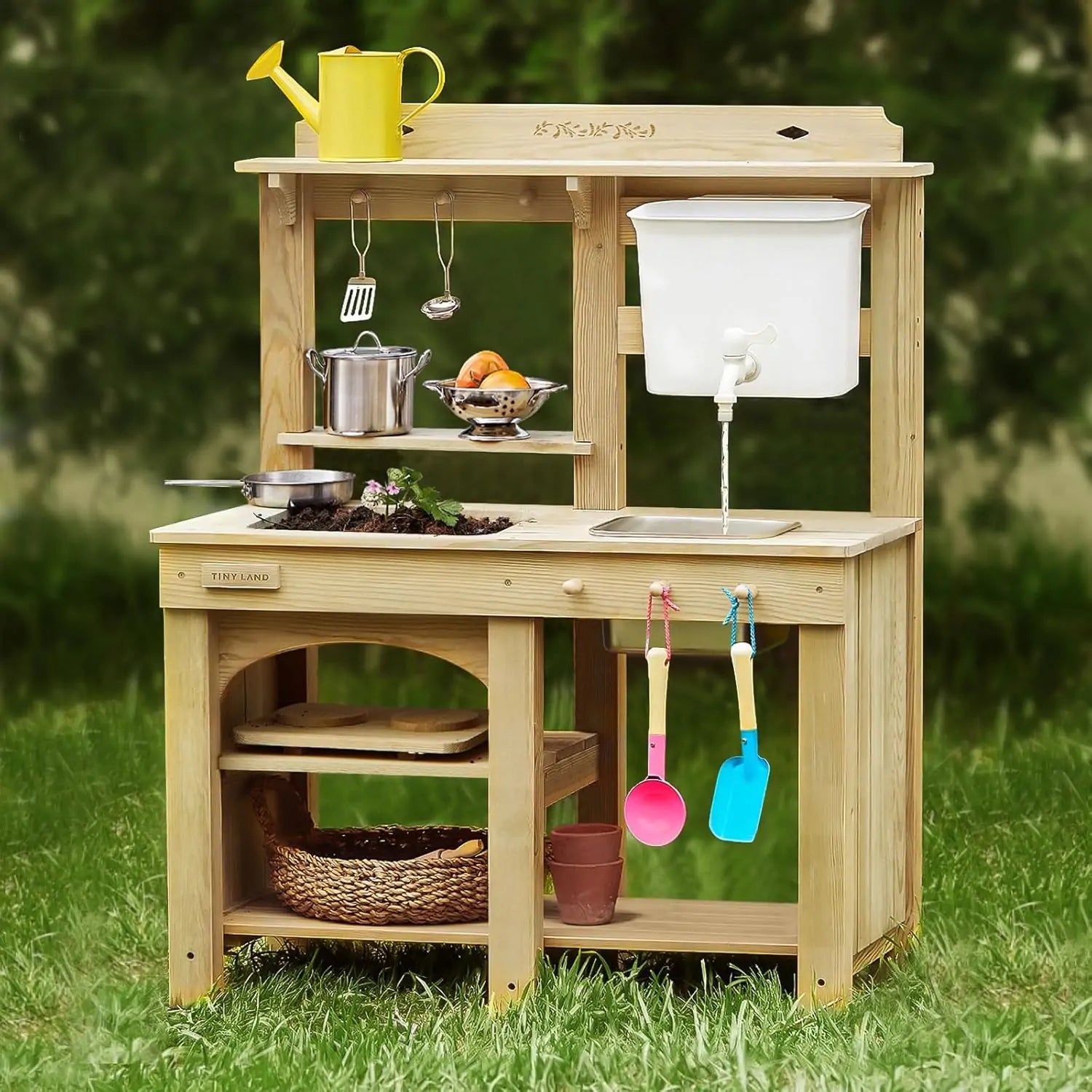

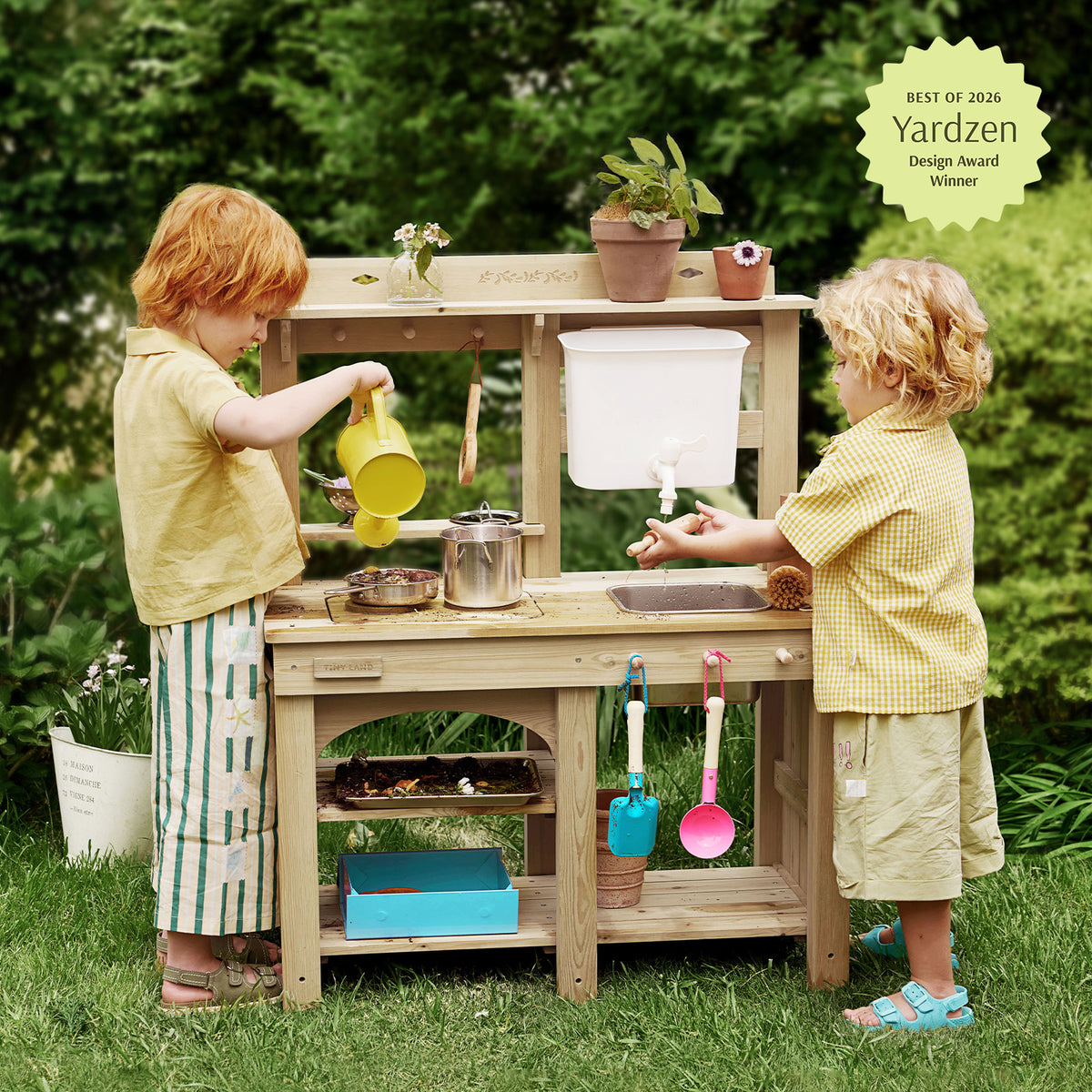




A mud kitchen is one of those simple outdoor play ideas that children never seem to get tired of. Give kids a sturdy table, a few old pots, pans, cups, sticks, rocks, flowers, sand, dirt, and water, and suddenly the backyard becomes a whole world of pretend cooking, messy fun, and hands-on learning.
For many parents, the charm of a mud kitchen is that it does not need to be fancy. Children do not need perfect toys or a carefully planned lesson. They need room to dig, mix, fill, roll, pour, decorate, and create. This is why a sensory play mud kitchen can be such an engaging part of early childhood development.
Mud play may look like simple mess, but for toddlers and young children, it is packed with learning. Through sensory play, kids explore nature, build social skills, strengthen little hands, and use imagination in a way that feels fresh and natural.

Why Sensory Play Matters in Early Childhood
Sensory play helps children understand the world through touch, sight, smell, sound, and movement. When children grab wet mud, scoop dry dirt, press sand into cups, or mix flowers into a pretend soup, they are learning how different materials feel and behave.
A mud kitchen is especially powerful because it brings many textures together. Mud can be thick, wet, cold, sticky, smooth, or crumbly. Sand feels different from soil. Rocks feel heavy and hard. Sticks can be rough or smooth. Fresh grass, petals, leaves, and garden treasures add color, smell, and texture.
This kind of kids sensory play is important for young children because it gives them real experiences, not just screen-based learning. They watch what happens when water turns dirt into mud. They notice that dry sand pours easily, while wet sand holds its shape. They learn that a cup can fill, spill, empty, and refill again.
These small discoveries support problem solving, creativity, and early science thinking in a natural way.

Mud Kitchen Play Builds Fine Motor Skills
A mud kitchen is perfect for little hands. When children scoop mud into cups, stir with sticks, pinch flowers, pour water, or press mud pies into pans, they are strengthening the muscles they will later use for drawing, writing, cutting, and dressing themselves.
The actions may look playful, but they are full of development. Digging builds hand strength. Pouring helps coordination. Stirring supports wrist movement. Picking up small rocks, leaves, or petals improves control and precision.
Kids can also practice counting without even realizing it. They may count three cups of dirt, five rocks for decoration, or two pans of pretend food. This kind of learning feels natural because it is part of play, not a formal lesson.
Imaginative Play Comes Naturally
One of the best things about mud kitchen play is how easily it turns into imaginative play. A child may start by mixing mud, then suddenly decide they are making soup for animals, baking mud pies for the house, or opening a garden café for the rest of the family.
This pretend play gives children space to build stories. They might say, “This is chocolate cake,” or “The worms are coming to dinner.” They may invite parents to join, hand over a cup of mud tea, or ask another child to help decorate the mud pies with flowers.
In this kind of play, there is no wrong answer. A pile of sticks can become candles. Rocks can become potatoes. Grass can become noodles. Old pots and pans from a thrift store can feel like real cooking tools. Recycled materials like jars, wooden spoons, and metal bowls can become treasures in a child’s world.
That open-ended nature is what makes mud kitchens so special. Children are not just playing with mud; they are building imagination, language, and confidence.

Social Skills Grow Through Shared Play
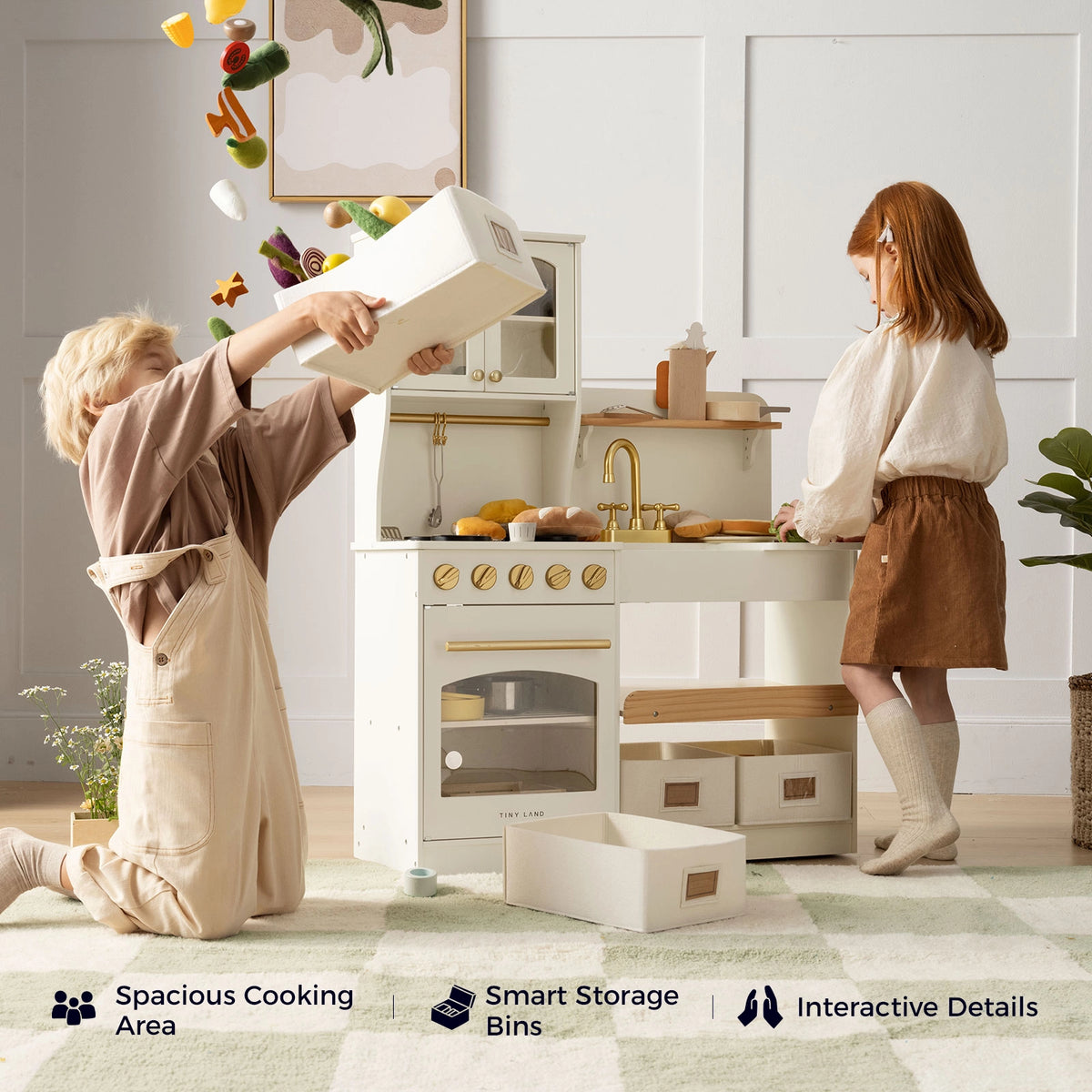
A mud kitchen is also a great place for children to practice social skills. When two or more kids play together, they naturally need to share tools, take turns, talk about ideas, and solve small problems.
One child may want the big pot while another wants to use it too. One may decide to make mud pies while another wants to run a pretend food truck. These small moments teach children how to communicate, listen, negotiate, and work together.
Parents can support this by staying nearby and gently guiding when needed. Instead of taking over, you can say things like, “Can you ask for a turn?” or “What could you use while you wait?” This helps children build problem solving skills during real play.
Mud kitchens also welcome children of different ages. Toddlers may simply enjoy filling cups and dumping mud, while older kids may create more detailed pretend games with menus, prices, shelves, and decorations. Everyone can join at their own level.

How to Create Your Own Mud Kitchen
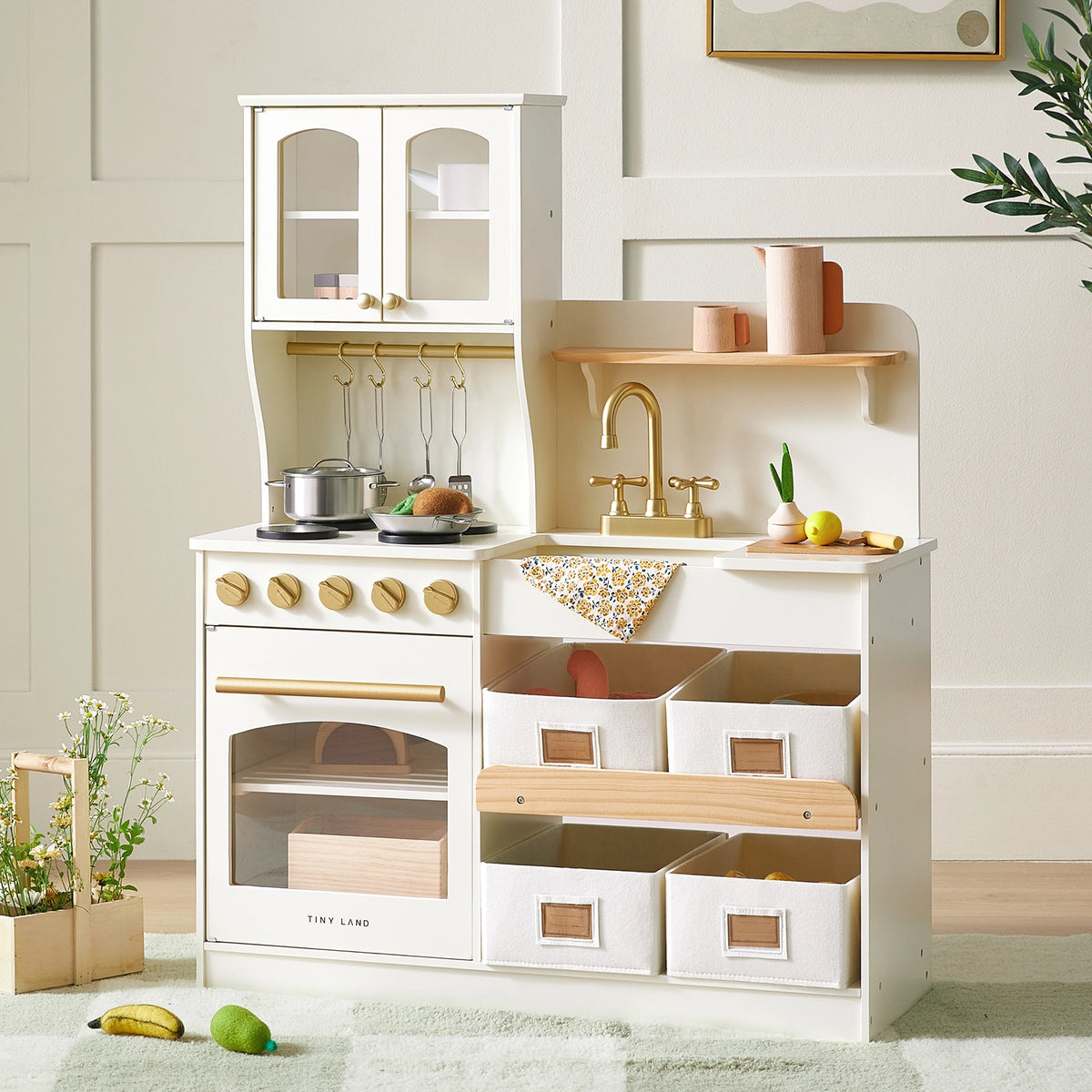
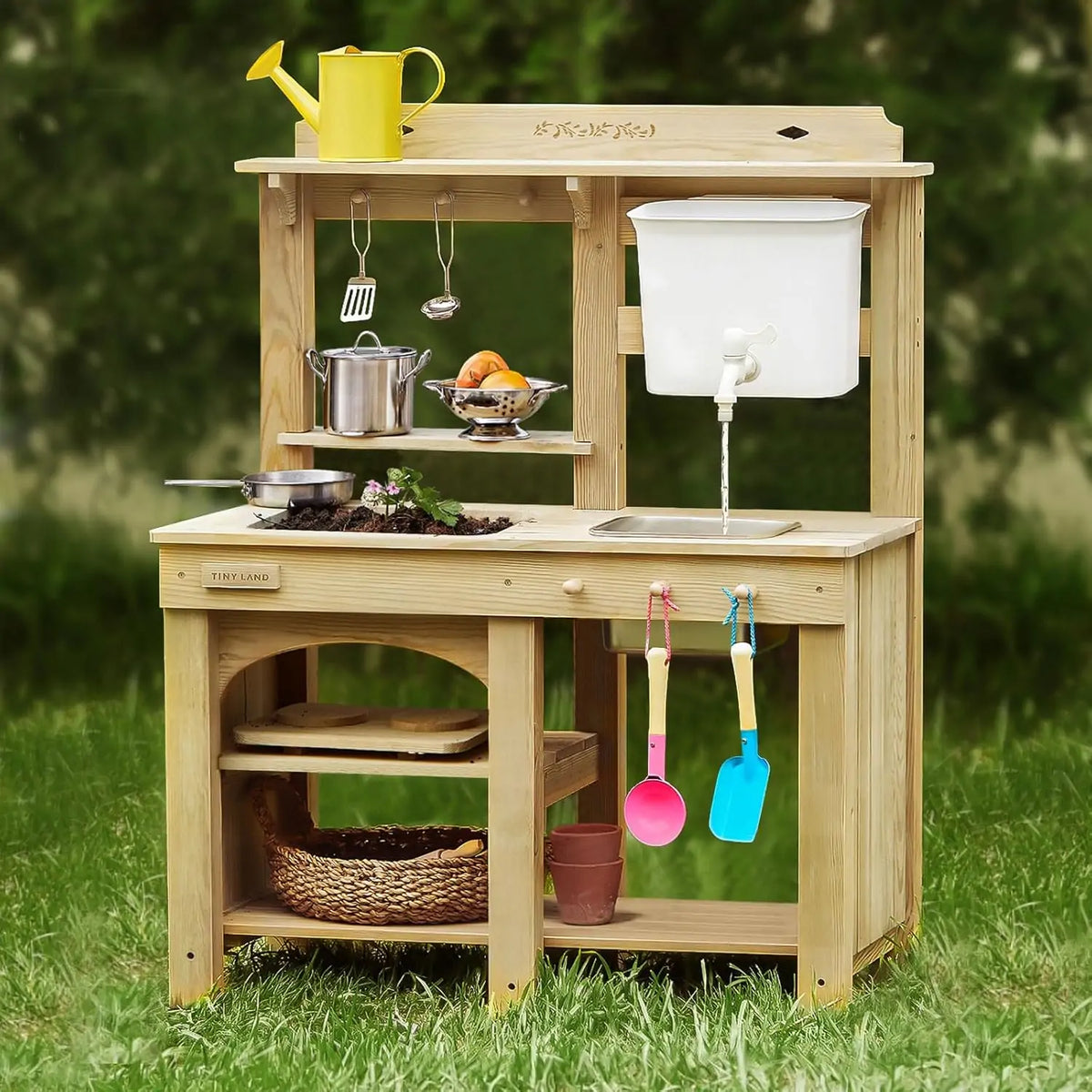
You do not need to purchase an expensive setup to create your own mud kitchen. A simple table, bench, or wooden crate can work well. The key is to make it sturdy, safe, and easy for children to reach.
Start with basic materials:
-
Old pots and pans
-
Cups and bowls
-
Wooden spoons
-
Muffin tins or trays
-
Recycled materials like jars or containers
-
Sticks, rocks, leaves, flowers, and grass
-
Sand, dirt, and water
-
Shelves or baskets for storage
A thrift store can be a great place to find affordable tools. Look for items that are strong, washable, and safe for children. Avoid anything sharp, broken, rusty, or made with unsafe chemicals.
You can also decorate the mud kitchen with signs, flower pots, or a small chalkboard menu. It does not have to look perfect. In fact, part of the fun is letting kids help design the space. When children help create the kitchen, they feel more connected to it.

Fun Ideas for Mud Kitchen Play
Once the mud kitchen is ready, children will usually find their own way to play. Still, a few fun ideas can offer inspiration when play feels quiet.
Kids can make mud pies and decorate them with flowers, rocks, or grass. They can create pretend soup with sticks and leaves. They can open a pretend café, serve food to stuffed animals, or build roads for trucks through the mud. They can dig for garden treasures, make animal homes, or mix wet and dry materials to see what changes.
In spring, fresh flowers, petals, and soft soil make the kitchen feel new again. After rain, wet mud gives children a different texture to explore. On dry days, they can add water slowly and watch the dirt change.
The best part is that mud kitchen play can last for hours. Children return to it again and again because it changes with the weather, the seasons, and their imagination.

Safety Tips Parents Should Not Forget
Mud play is messy, but it should still be safe. Choose clean soil and avoid areas that may contain chemicals, animal waste, sharp objects, or treated wood. If you use garden soil, make sure it is safe for children and free from harmful additives.
Keep a clean water source nearby so children can wash their hands after play. Teach kids that mud food is only pretend food and should not go in their mouths. Check tools often and remove anything cracked, sharp, rusty, or unsafe.
It is also helpful to set a few simple rules. Mud stays outdoors. Tools are for mixing, not throwing. Children wash hands when they finish. These small habits keep messy play fun without creating unnecessary risk.

A Simple Way to Support Big Development
A mud kitchen may look like just a messy corner of the garden, but for children, it can be a place of discovery, creativity, and growth. It gives kids freedom to explore nature, use their imagination, build social skills, and strengthen little hands through real, meaningful play.
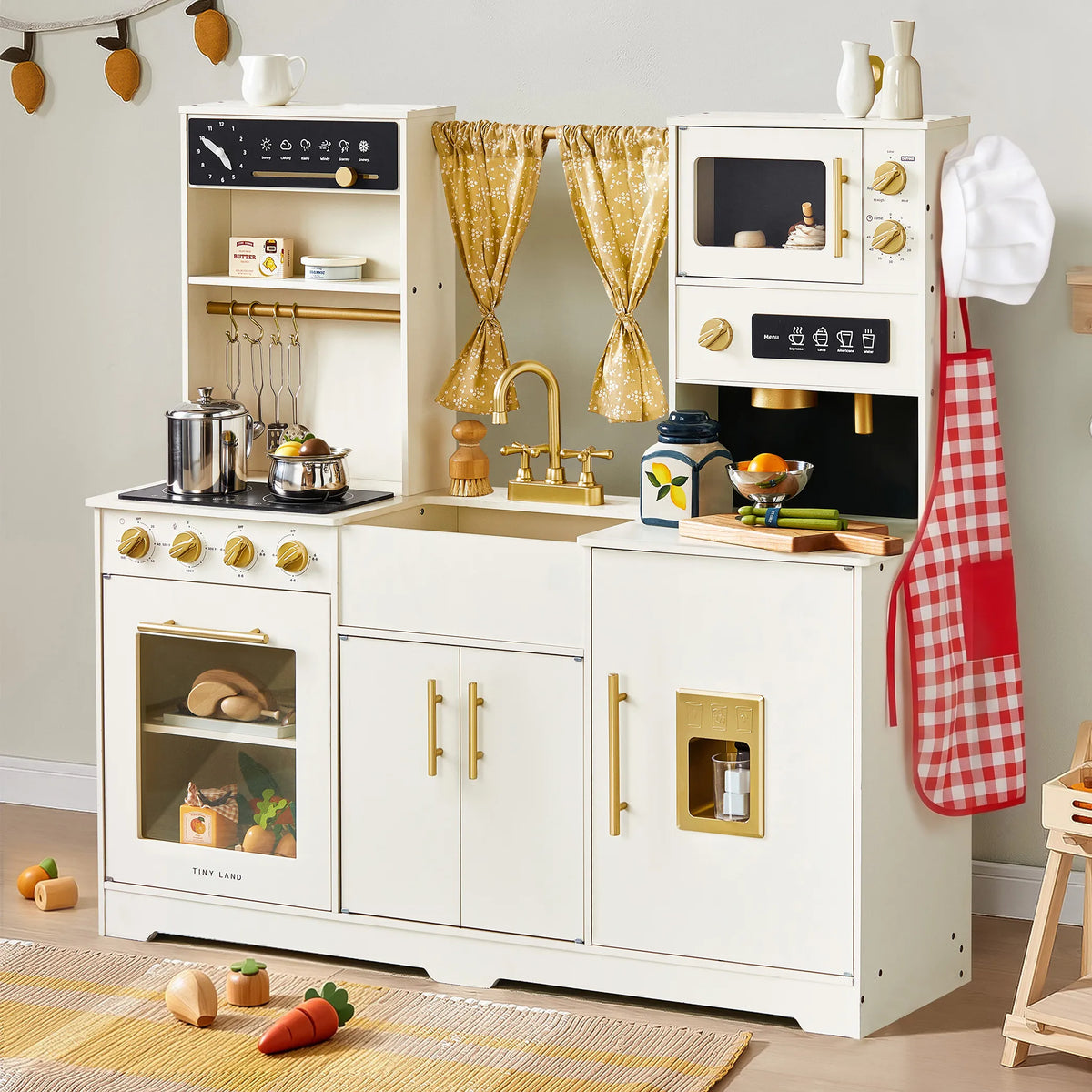
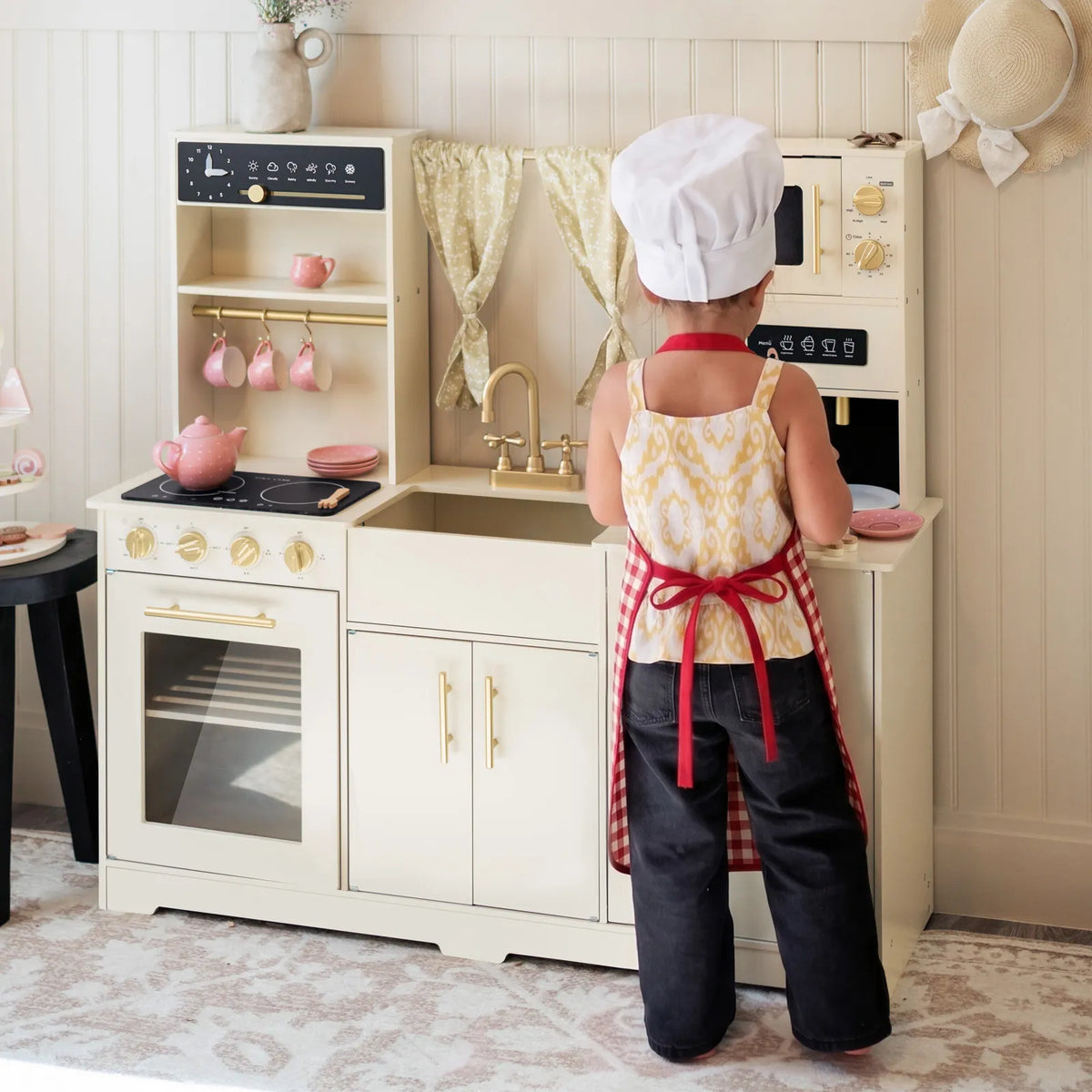
Whether you build one from recycled materials, find supplies at a thrift store, or purchase a ready-made mud kitchen, the goal is the same: give children a space where they can dig, mix, create, pretend, and watch their ideas come to life.
In a world full of screens and structured activities, mud kitchen play offers something beautifully simple. It invites children outdoors, gives them room to make a mess, and reminds us that some of the best learning happens when kids are free to play.