


The Psychological Benefits of a Play Kitchen Set for Kids
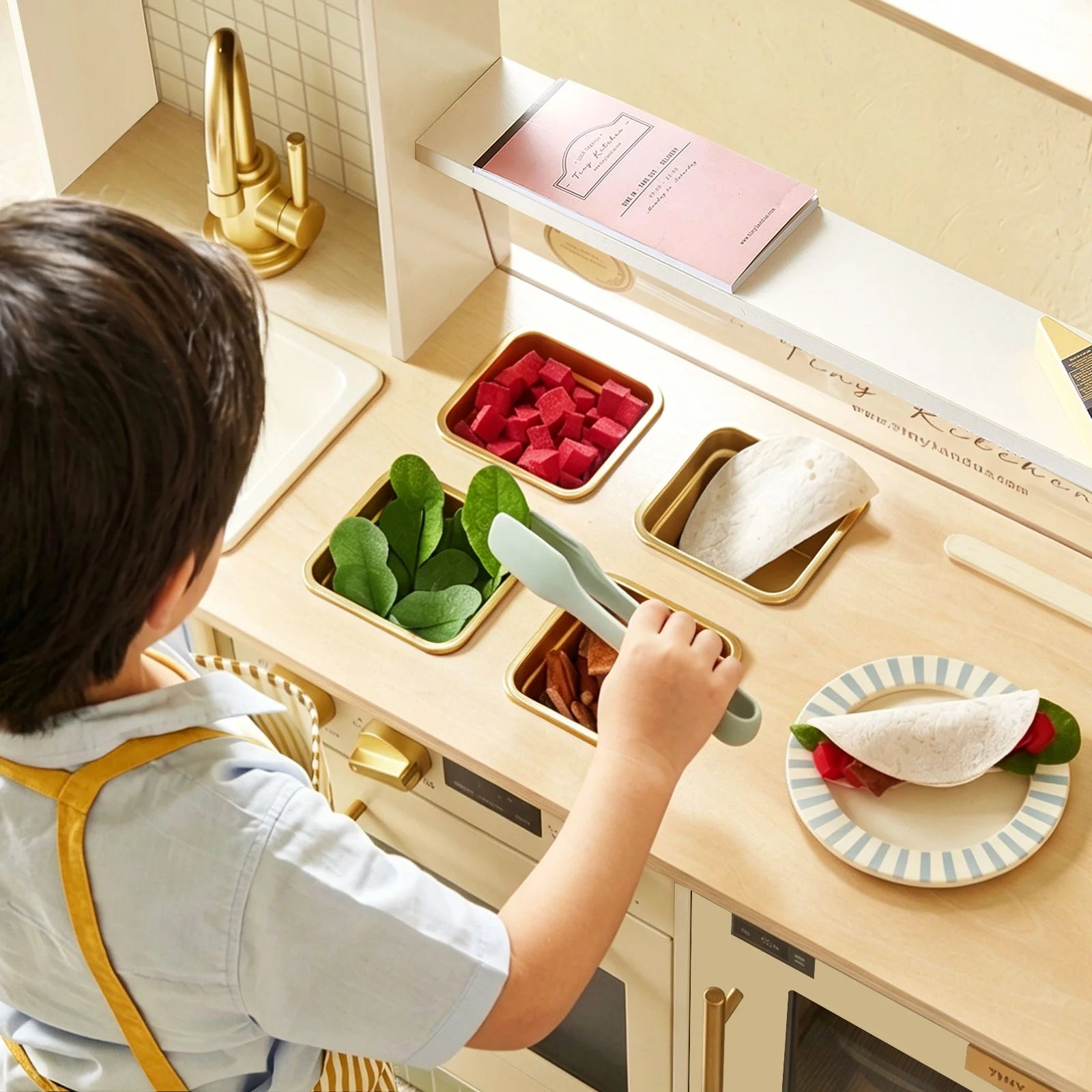
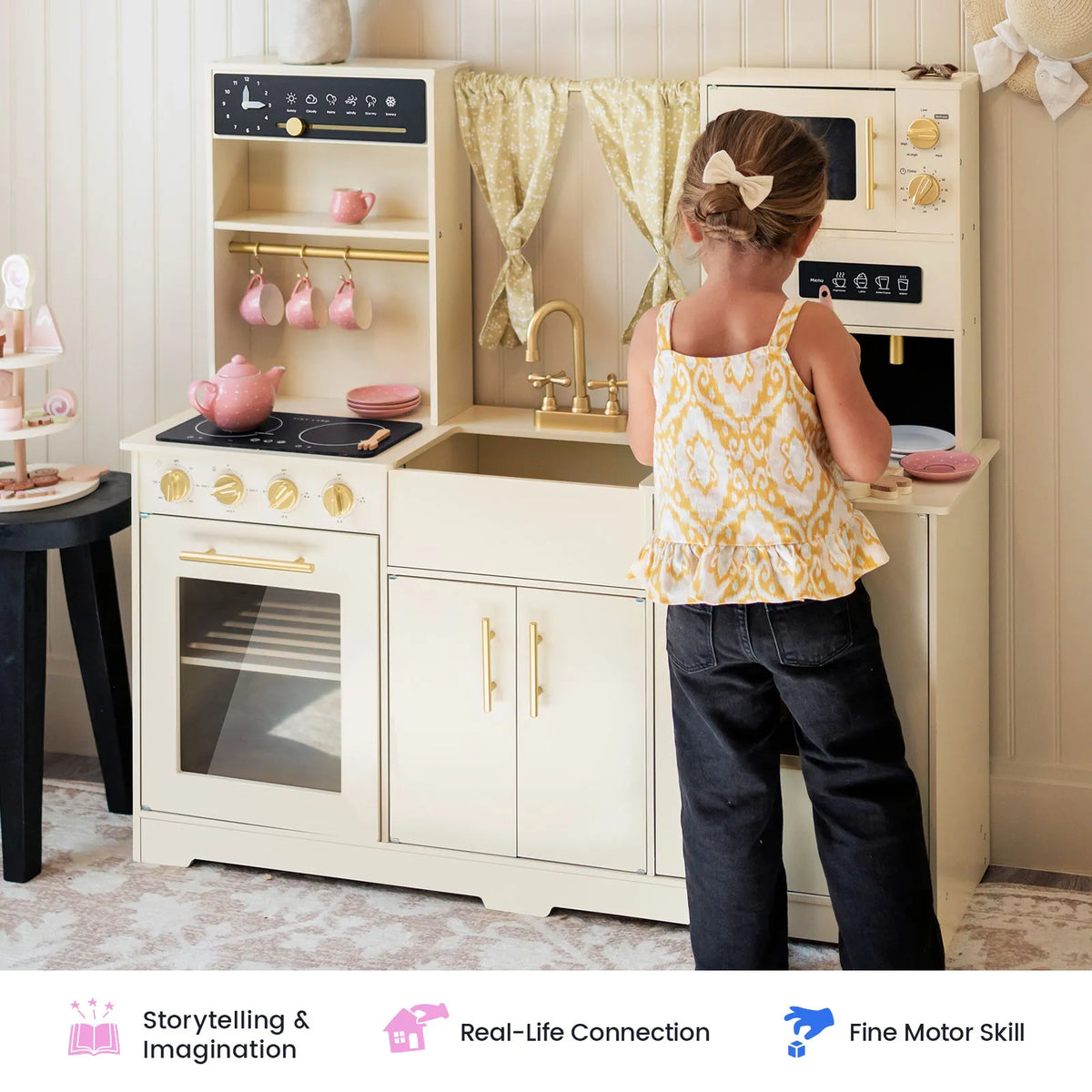
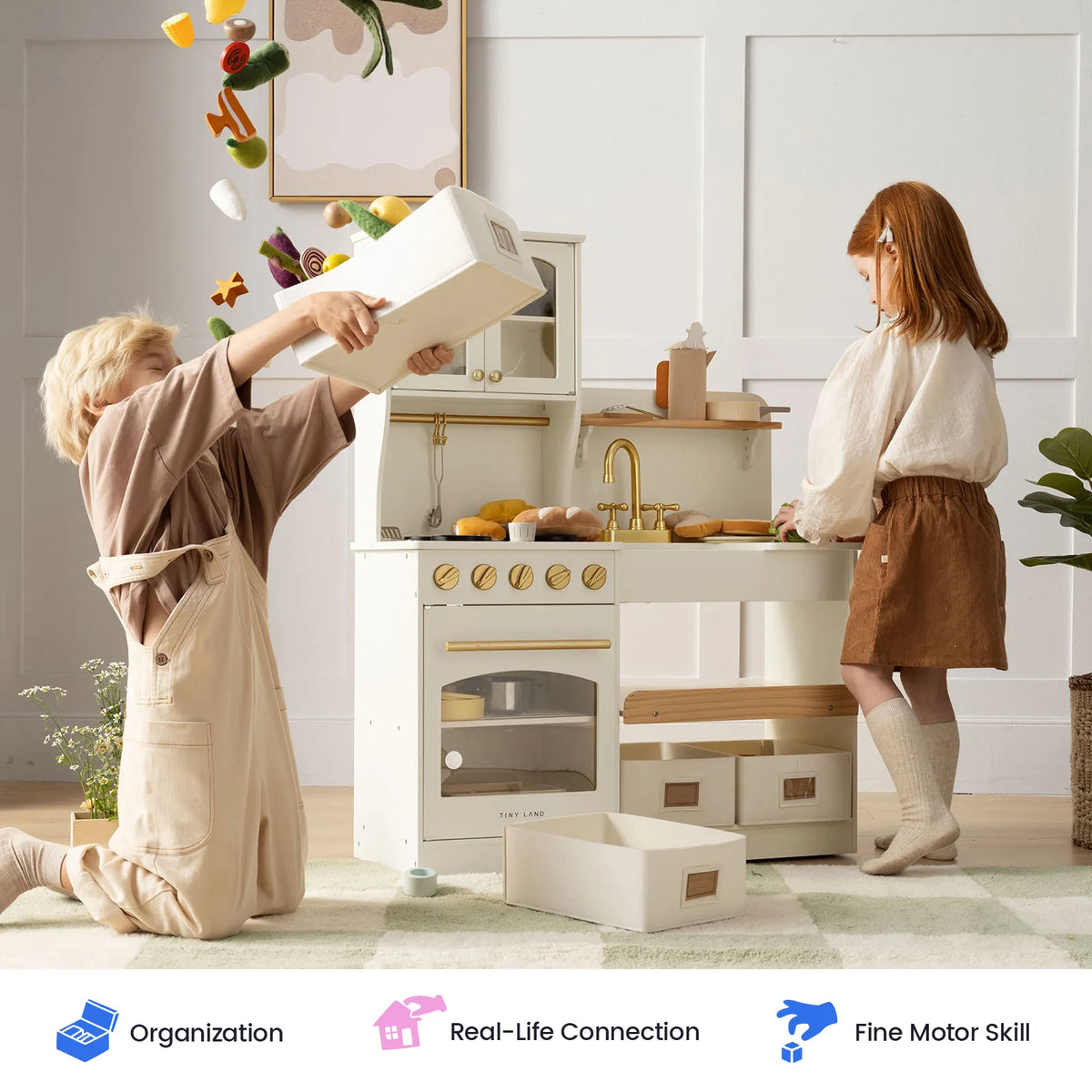
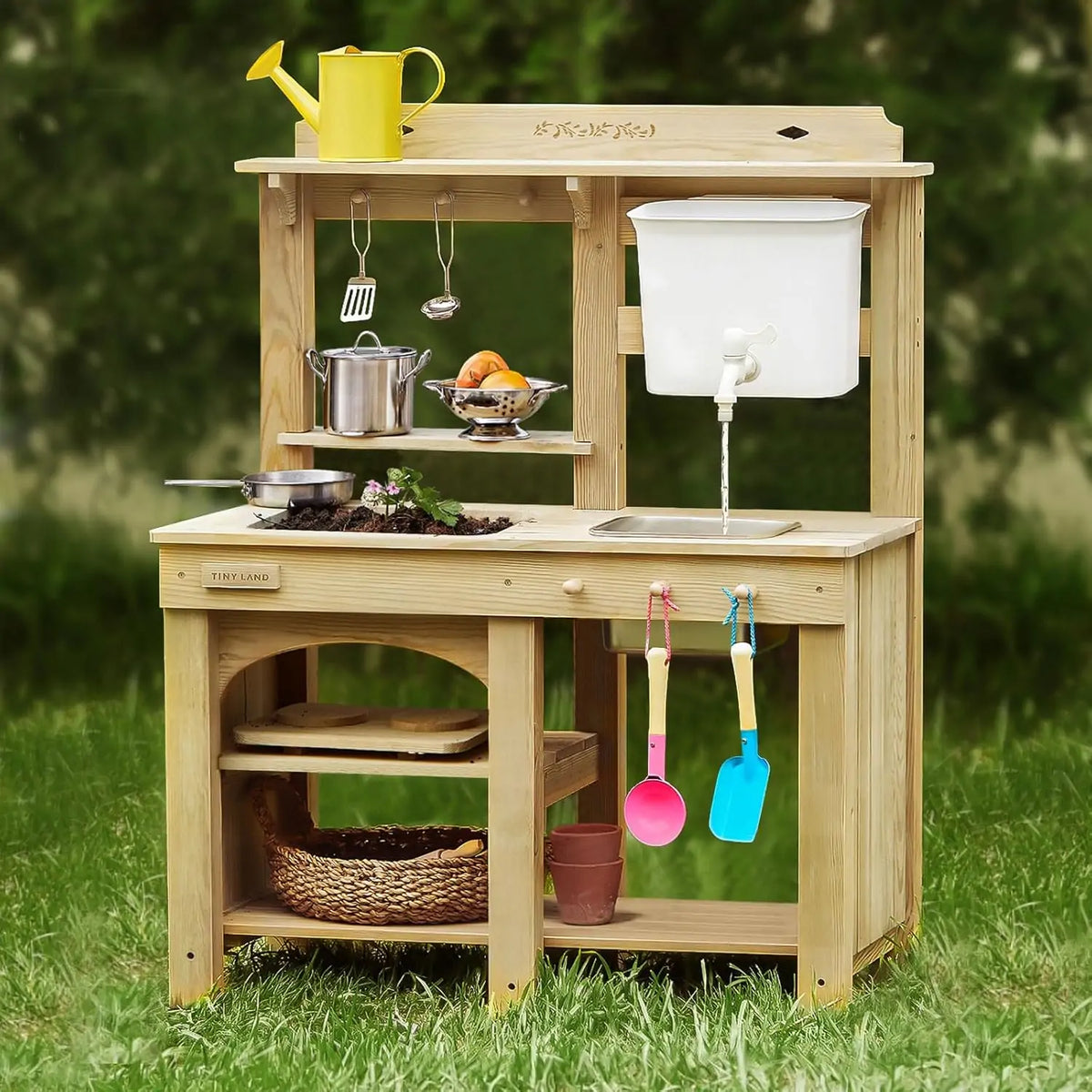
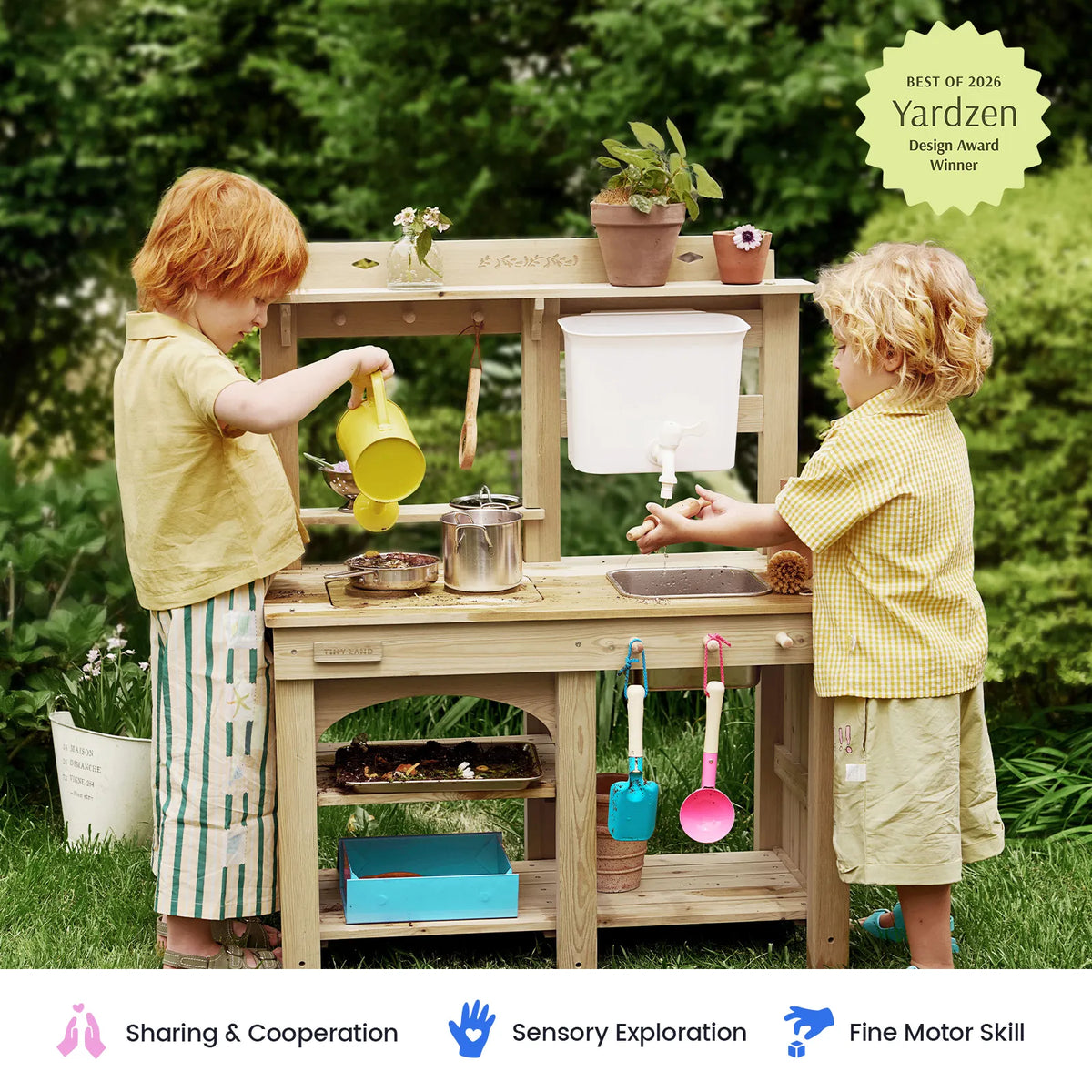
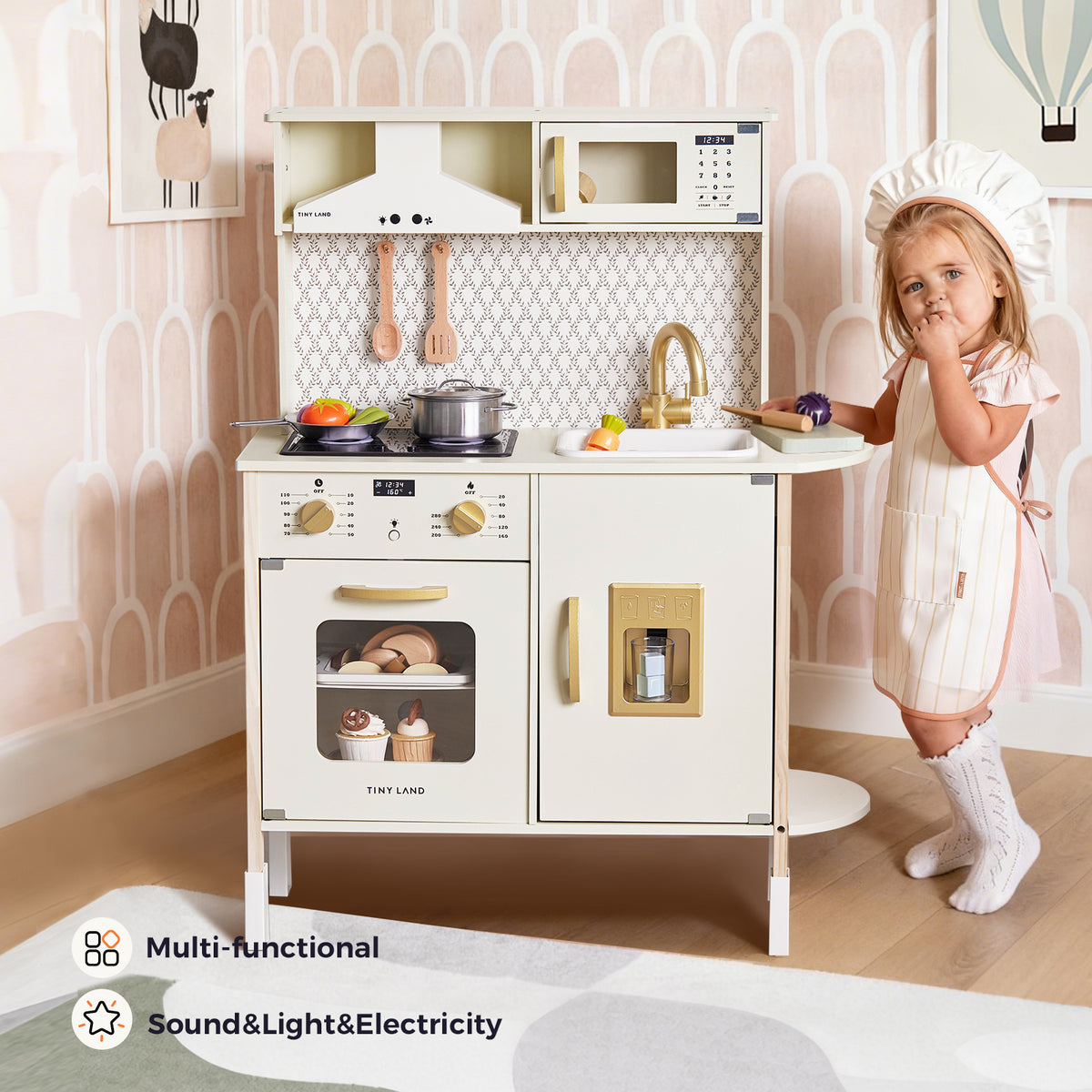
A play kitchen is one of the most effective forms of early childhood pretend play because it mirrors real-world social environments in a safe and controlled way. When children engage in cooking, serving, or role-play scenarios, they are actively building foundational cognitive and emotional skills.
One of the most important benefits is language development through context. Instead of learning isolated vocabulary, children naturally use words in action-based communication such as “cook,” “eat,” or “your turn.” This improves both retention and expressive language ability.
Role play also supports social-emotional development. Children practice turn-taking, empathy, and perspective-taking by switching between roles such as chef, parent, or guest. These experiences strengthen early social intelligence and communication confidence.
From a cognitive perspective, play kitchens reinforce executive function skills such as planning, sequencing, and decision-making. For example, children must decide what to “cook,” organize steps, and complete actions in order—skills directly linked to school readiness.

Wooden vs Plastic Play Kitchen: What Actually Matters for Parents
When choosing a play kitchen, material choice affects durability, safety, environmental impact, and long-term usability.
Plastic play kitchens are typically designed around lightweight construction and short-term engagement. While they often include lights, sounds, and bright colors, their lighter structure can make them easier to tip or shift during active play. Over time, plastic components may also loosen or wear down with repeated use.
In contrast, a wooden play kitchen offers a fundamentally different physical build. Wood is naturally heavier and more stable, which helps keep the structure firmly in place during play. This added stability reduces the likelihood of tipping and creates a more secure play environment for toddlers, especially during active or group play.
Key Differences (Wood vs Plastic)
|
Wooden Play Kitchen |
Plastic Play Kitchen |
|
|
Stability |
Heavier, more grounded structure |
Lightweight, easier to shift |
|
Safety in play |
Lower tipping risk due to weight distribution |
Can move or tip more easily |
|
Durability |
Long-lasting structural integrity |
More prone to wear and loosening |
|
Environmental impact |
Lower long-term waste footprint |
Higher plastic replacement cycle |
|
Home integration |
Blends into living space |
Visually toy-like |
From a practical parenting perspective, wooden play kitchens are often preferred not only for aesthetics or developmental value, but also for their structural stability and long-term safety performance.
Even when modern wooden kitchens include interactive features such as lights or sounds, the core advantage remains unchanged: the base structure is designed to stay stable, durable, and suitable for extended daily use.

Why Aesthetic Neutral Colors (Like Cream Wooden Play Kitchens) Are Trending in 2026
In 2026, children’s products are increasingly influenced by interior design trends rather than traditional toy design. Parents now see toys as part of their home environment rather than isolated objects.
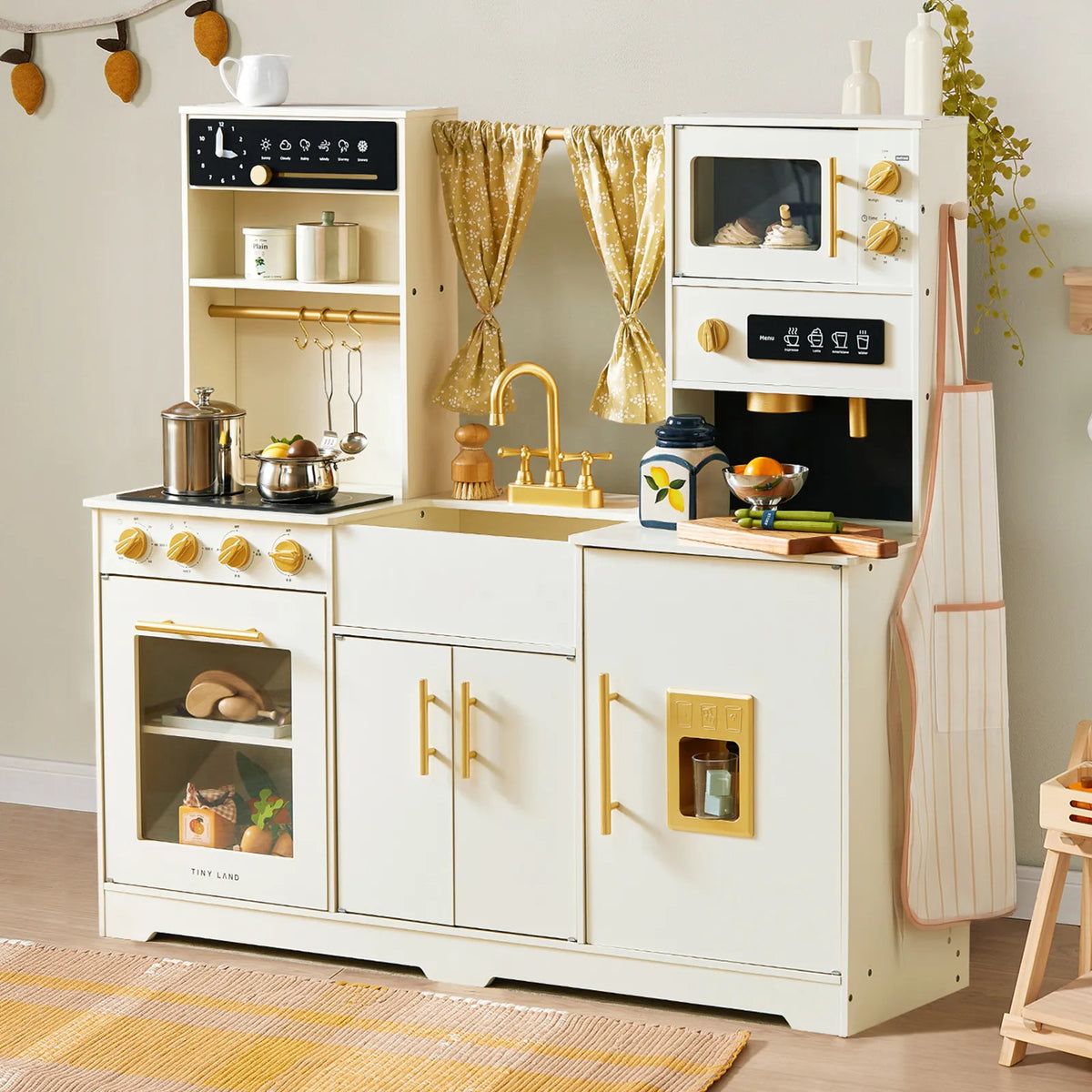
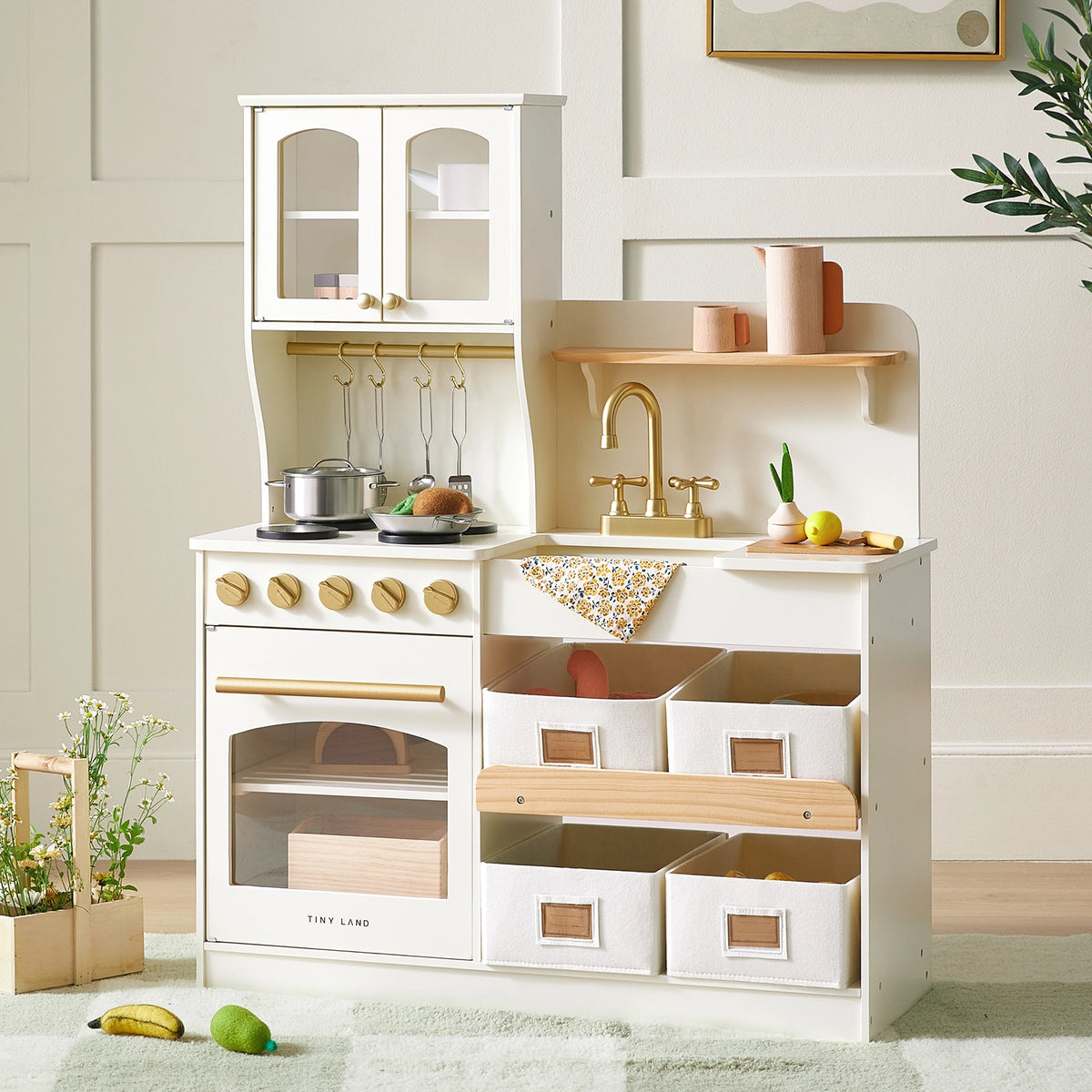
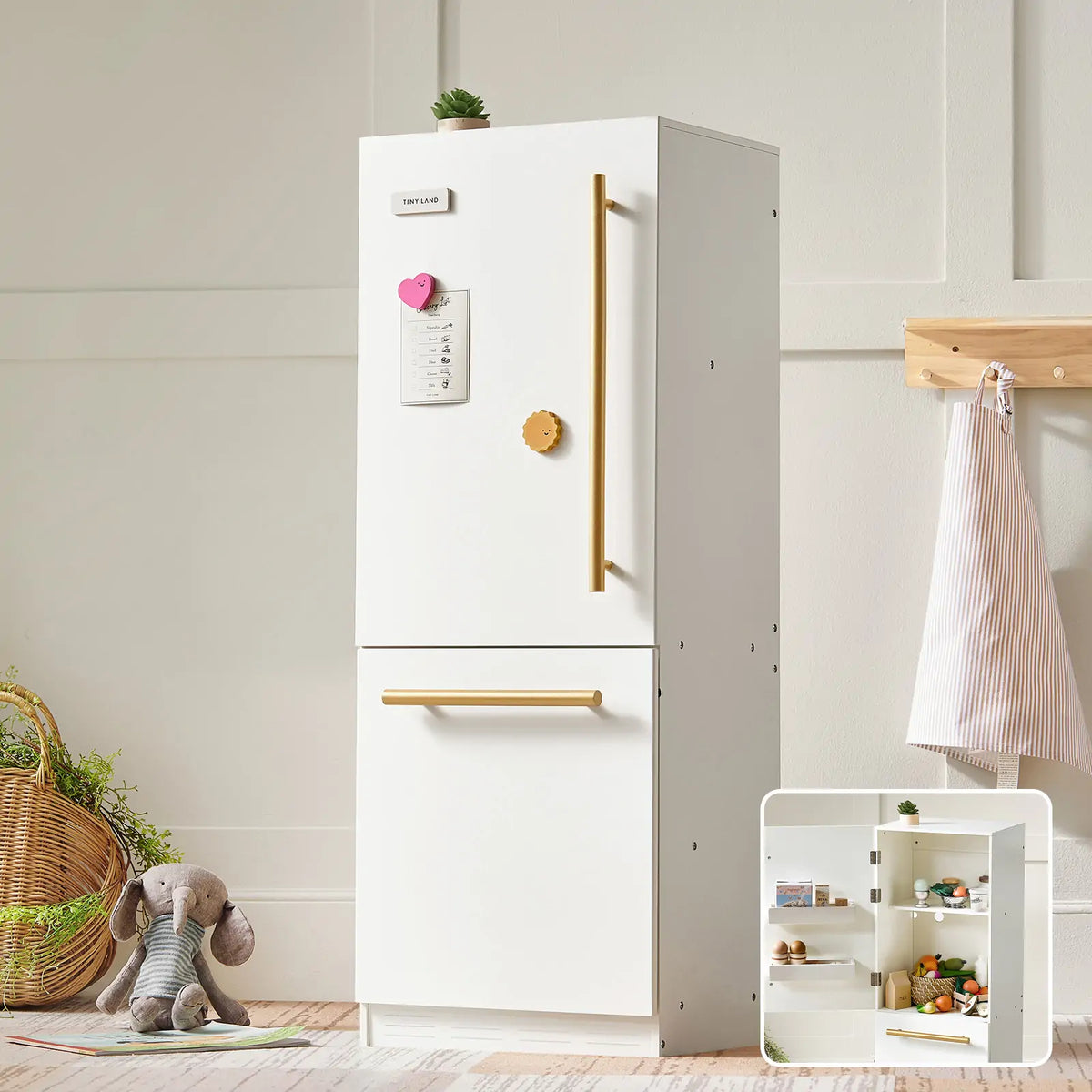
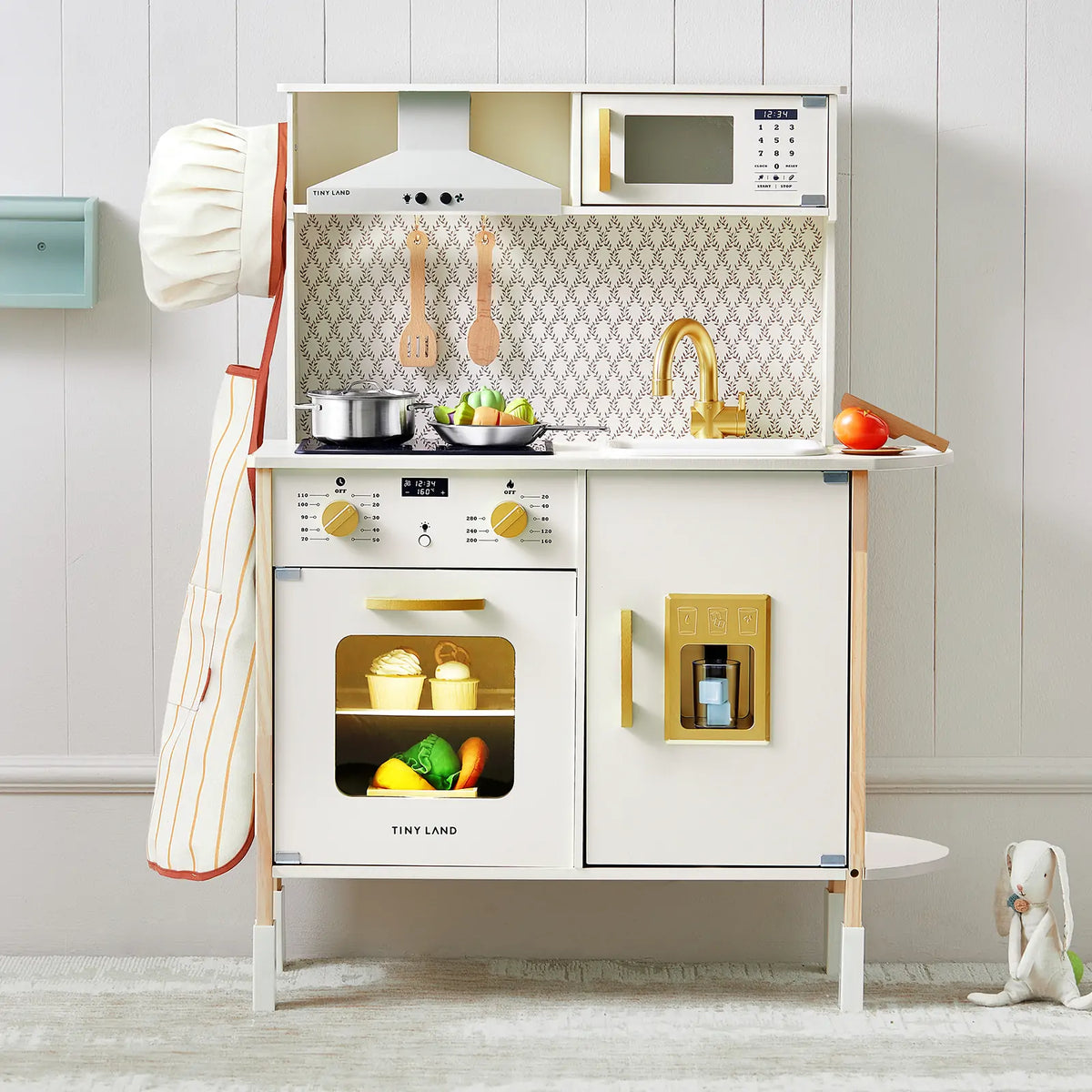
This has driven strong demand for neutral tones such as cream, beige, and soft wood finishes. These colors integrate naturally into living spaces, reducing visual clutter while maintaining high play value.
Neutral aesthetics also contribute to a calmer play environment. Without excessive visual stimulation, children tend to engage in longer, more immersive storytelling-based play.
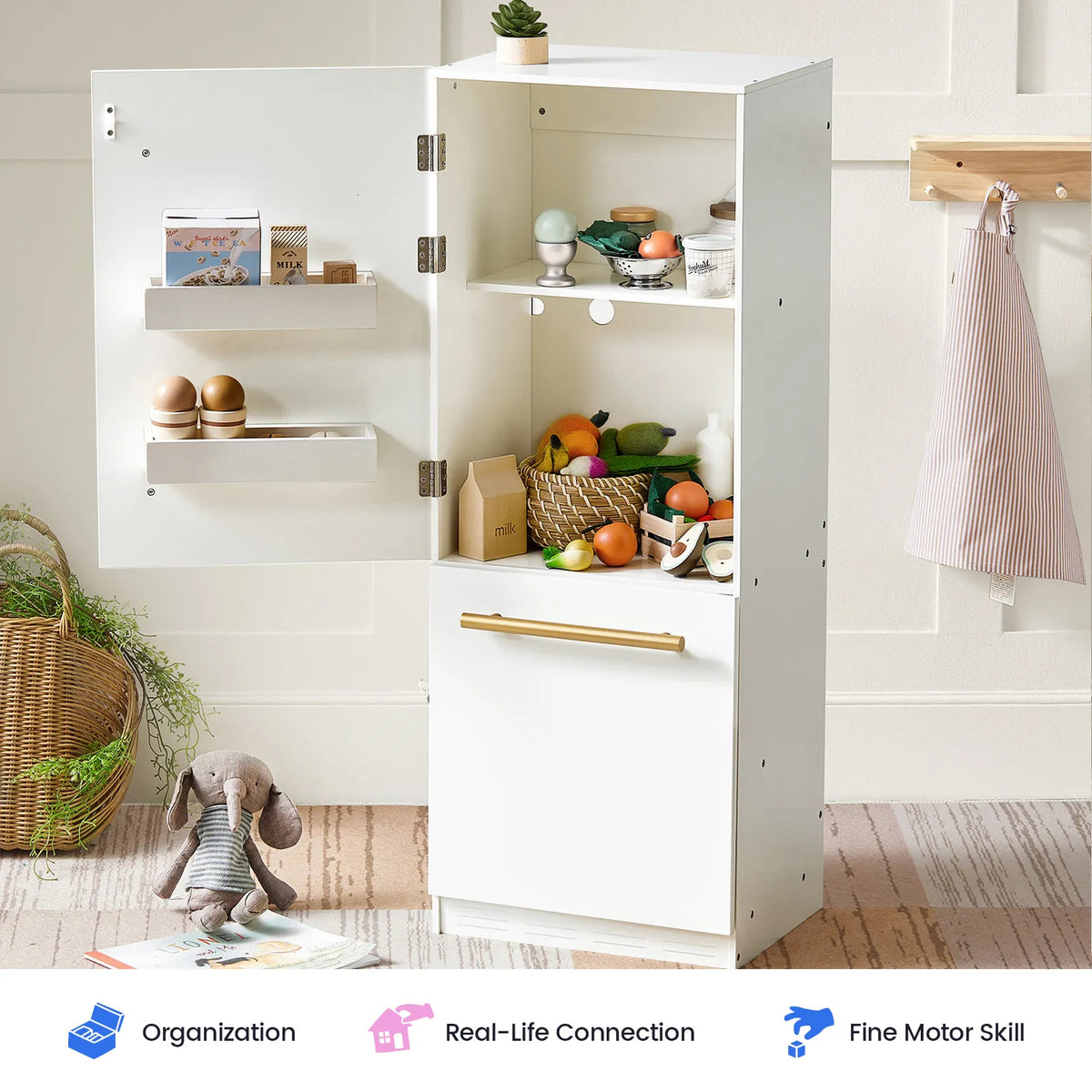
A strong example of this design direction is the Tiny Land® Iconic Cream Wooden Play Kitchen, which combines minimalist design with functional wooden structure, making it suitable both as a play tool and as a home-friendly furniture piece.

Who Should Buy a Wooden Play Kitchen?
A wooden play kitchen is best suited for families who prioritize both developmental value and long-term usability.
It is especially ideal for:
- Parents of toddlers aged 18 months to 6 years
- Families focusing on Montessori-style independent play
- Homes that prefer minimalist or neutral interior design
- Children who enjoy imaginative or role-based play
- Parents looking for a long-lasting toy investment rather than short-term entertainment
It may be less suitable for families who prioritize highly interactive electronic toys or short-cycle novelty play experiences.

Safety Considerations for Play Kitchen Sets
Safety is one of the most important factors when selecting a play kitchen for toddlers.
Wooden play kitchens generally offer a more stable structure compared to lightweight plastic alternatives. Their solid build reduces the risk of tipping during active play, especially for younger children.
Key safety considerations include:
-
Material safety: High-quality wooden kitchens are typically made with child-safe, non-toxic finishes.
-
Structural stability: Heavier base reduces tipping risk during play.
-
Edge design: Rounded corners help minimize accidental bumps.
- Small parts awareness: Parents should ensure accessories are age-appropriate to avoid choking hazards.
While both wooden and plastic kitchens can be safe when properly manufactured, wooden designs often provide a more stable and controlled physical environment for toddlers.

Frequently Asked Questions
What age is best for a toddler play kitchen?
Most children begin engaging meaningfully with play kitchens between 18 months and 6 years old, with increasing complexity as their language and motor skills develop.
Are wooden play kitchens better than plastic ones?
Wooden play kitchens typically offer better durability, calmer sensory input, and more open-ended imaginative play compared to plastic versions.
Is a play kitchen good for learning?
Yes. It supports language development, social skills, emotional expression, and executive function through structured pretend play.
What is the best type of play kitchen for kids?
The best option depends on priorities, but many parents prefer wooden designs due to their balance of developmental benefits, durability, and home aesthetics.

Final Thought: A Long-Term Development Investment
A play kitchen is more than a toy—it is a developmental tool that supports communication, imagination, and social learning.
Choosing a well-designed wooden option ensures long-term usability while also integrating naturally into modern home environments, making it both a functional and aesthetic investment.