




























Summer camp season is here.
Families are exploring camp options that promise adventure, learning, friendships, and unforgettable memories. While traditional summer camps can offer valuable experiences, many parents are also looking for alternatives that fit their family's schedule, budget, and lifestyle.
The truth is, the core value of summer camp isn't the location—it’s the experience itself.
Many of the same benefits children gain from summer camp can be recreated at home through a thoughtfully planned At-Home Summer Camp. With a little creativity, parents can create a summer filled with exploration, movement, learning, and meaningful moments right at home.

Why Parents Love Summer Camp
Parents don't enroll their children in summer camp simply to fill time. They do it because summer camps provide experiences that help children grow instead of spending all day on screens.
Want Children to Burn Off Energy
Children are naturally active learners.
Running, climbing, balancing, and moving their bodies help strengthen coordination, balance, confidence, and overall physical development. Kids need plenty of opportunities for movement.
Want Children to Make Friends
Camp environments encourage children to communicate, cooperate, share ideas, and solve problems together.
These everyday interactions help build social confidence, empathy, teamwork, and communication skills that children will use throughout their lives.
Want Learning to Continue During Summer
Out of school doesn't have to mean a pause in learning.
Many camps include creative activities that encourage children to explore, experiment, imagine new possibilities, and solve challenges through play-based learning.
Want Children to Build Independence
One of the greatest gifts of summer camp is the opportunity for children to make choices on their own, try new things, and gain confidence in their own abilities.
As children take ownership of activities and responsibilities, they begin developing a stronger sense of independence.
Want Children to Connect with Nature
Many parents want their children to spend more time outdoors.
Exploring nature encourages curiosity, observation, sensory development, and a deeper appreciation for the natural world—something that can be difficult to achieve through indoor activities alone.

How to Create an At-Home Summer Camp
Creating an At-Home Summer Camp doesn't require a complicated curriculum. A simple weekly structure can provide children with the same sense of excitement and anticipation that makes at-home camps so memorable.
Monday — Nature Explorer Day
Give children opportunities to connect with nature through hands-on exploration.
Activities:
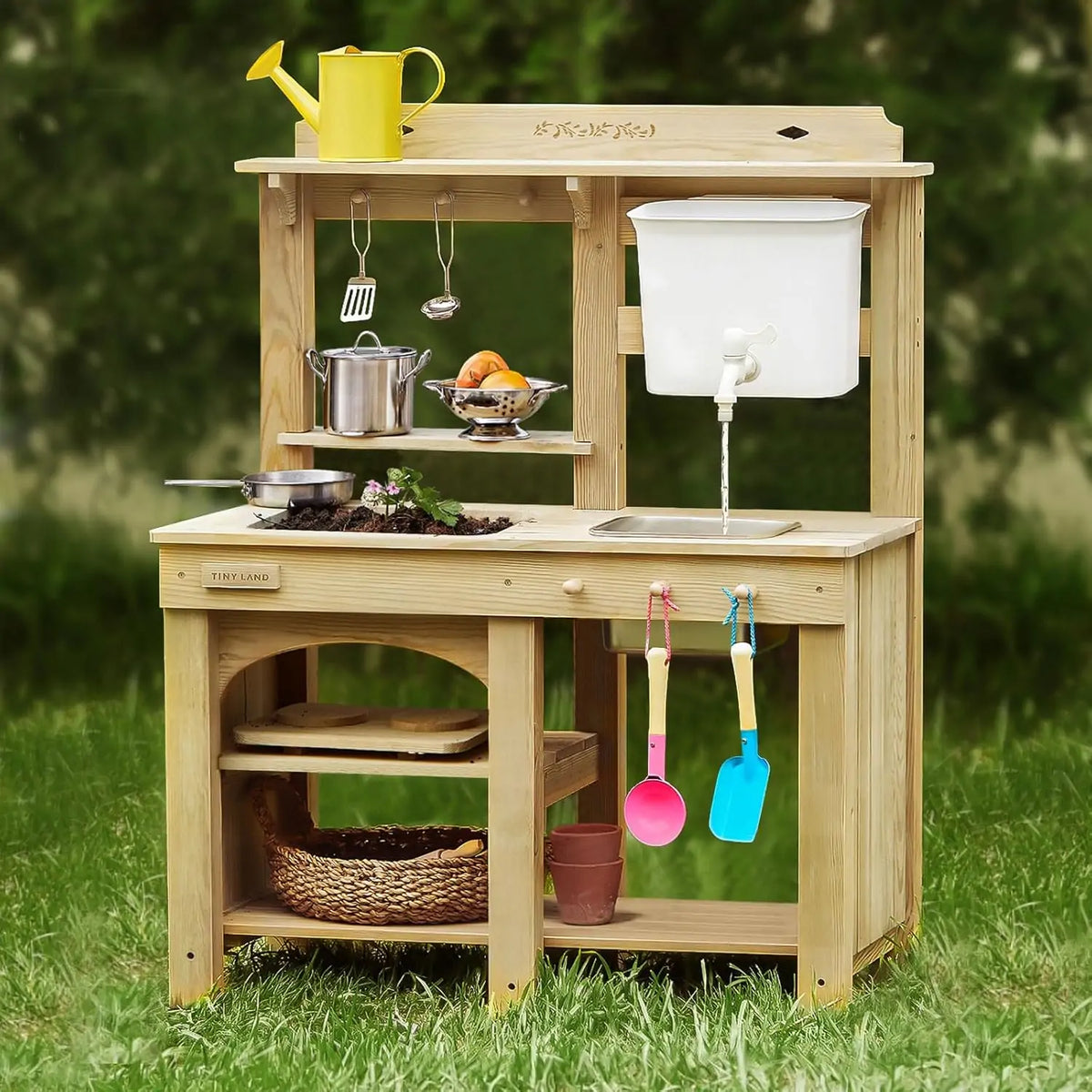
● Mud kitchen play
● Gardening and planting activities
● Sand play and sensory exploration
Children can collect leaves, dig in the soil, mix natural materials, and observe the world around them while developing curiosity, sensory awareness, and a deeper connection to nature through play.

Tuesday — Imaginative Play Day
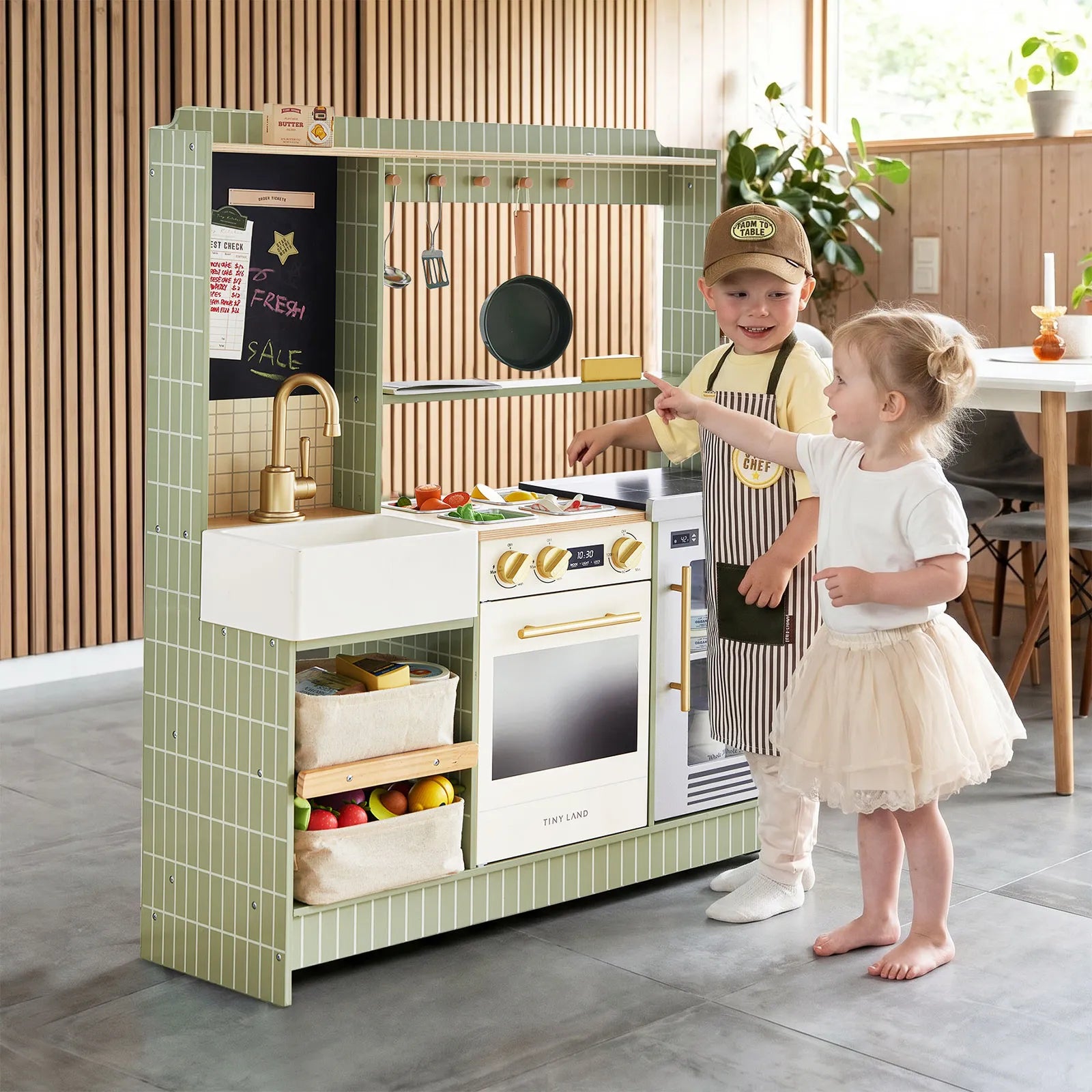
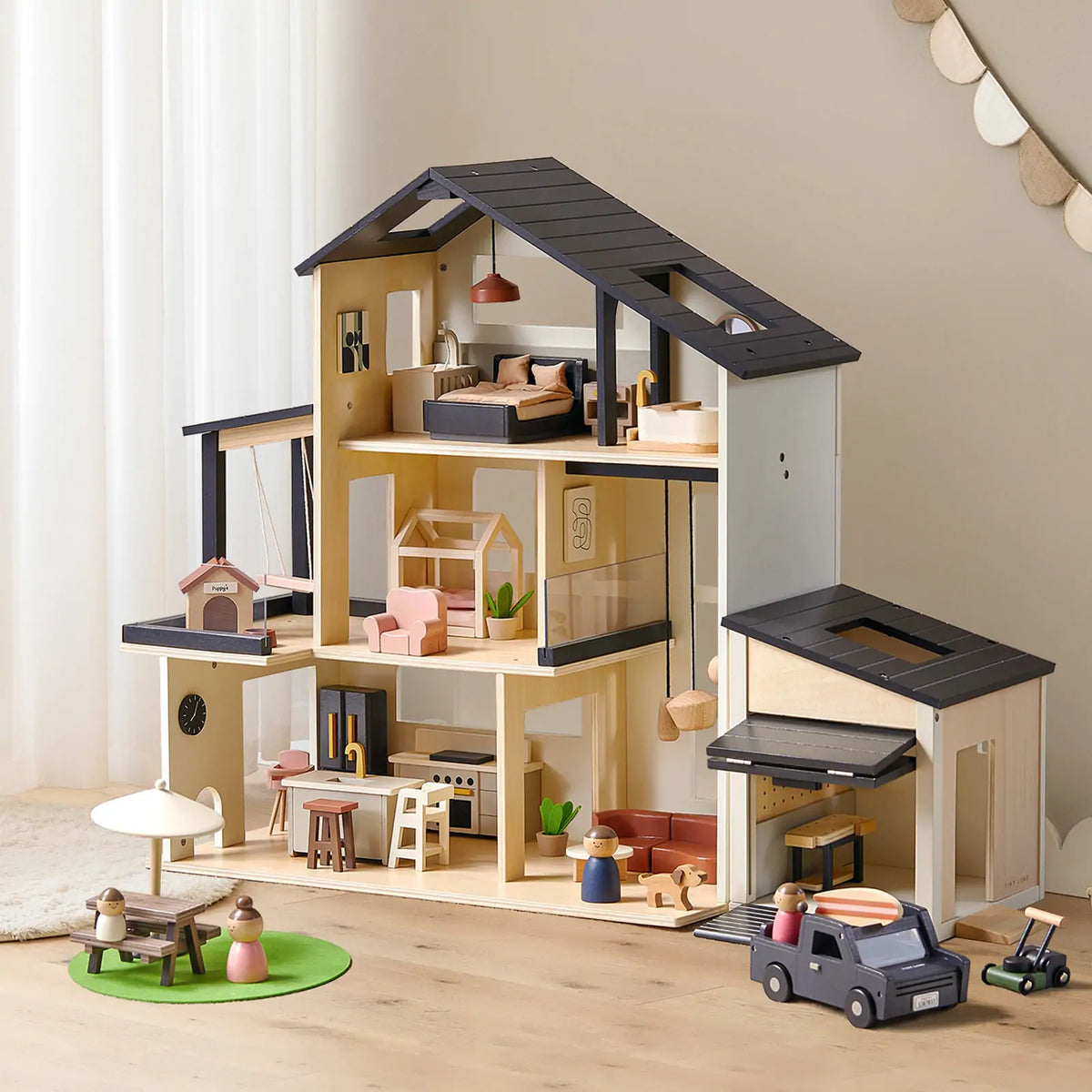
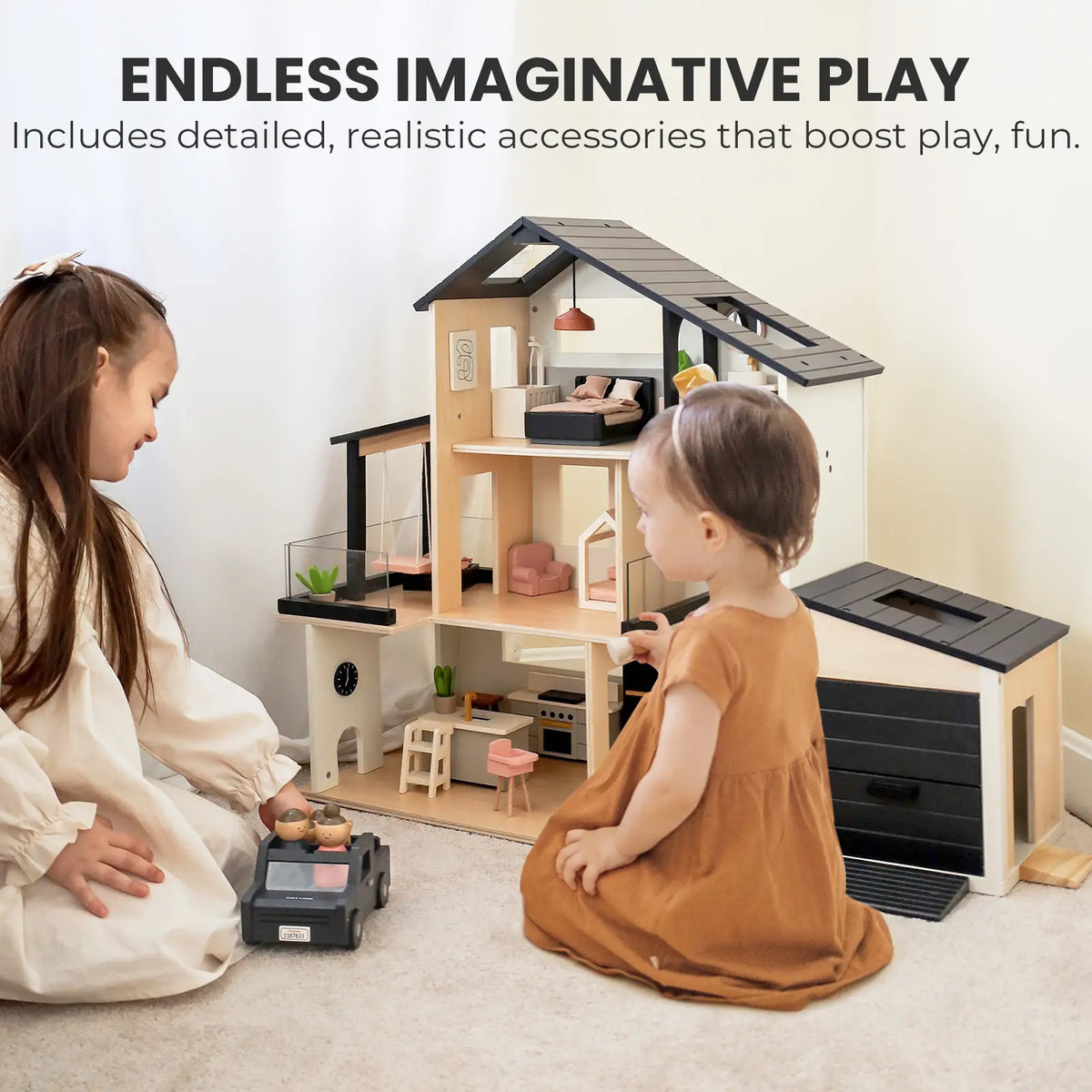
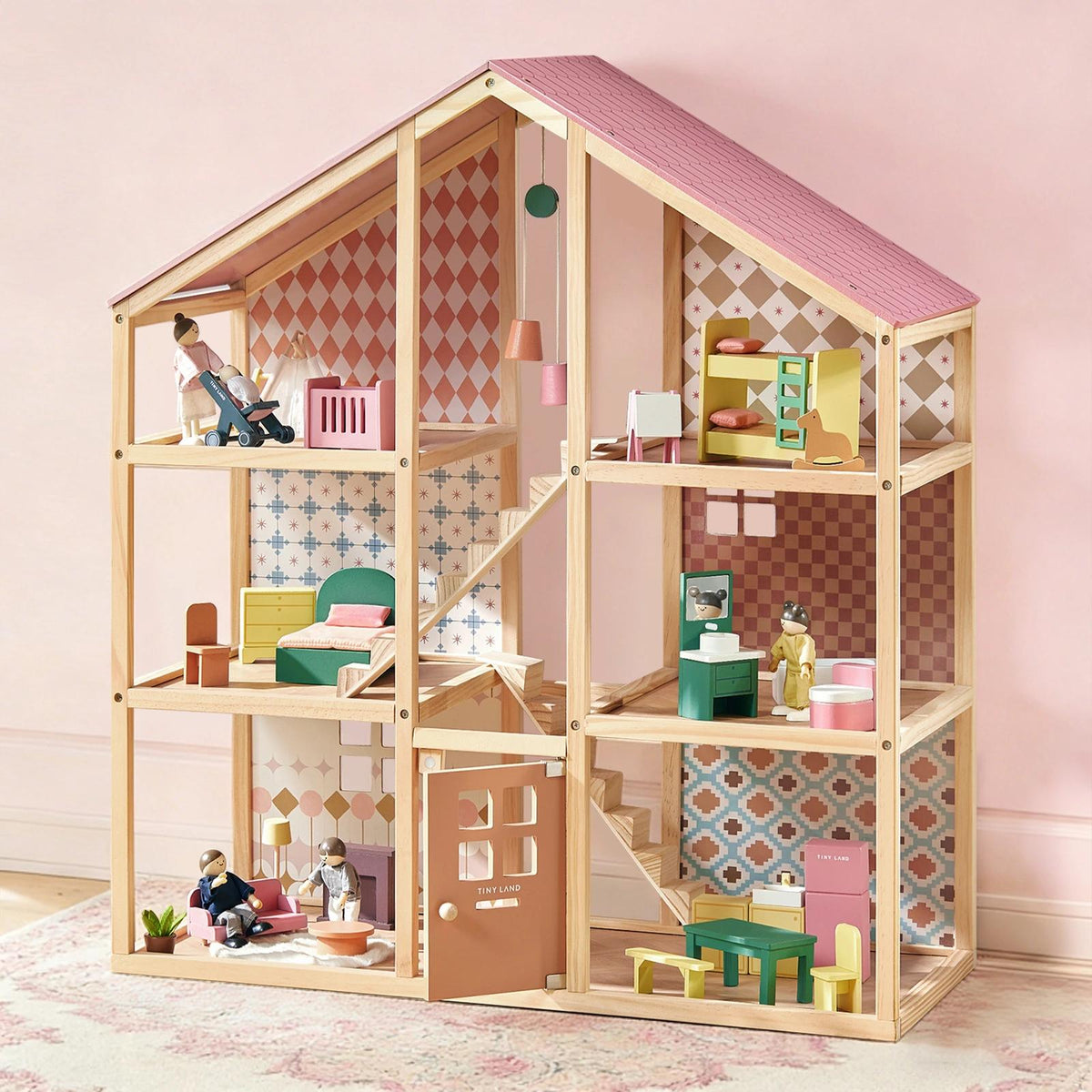
Transform your play space into a world of imagination and role play.
Role-playing Activities:
● food play
Children can move between different roles—such as chefs, customers, shop owners, and cashiers—while creating menus, preparing imaginative meals, running a grocery store, and interacting with family members.
Through role play, children naturally practice communication, social interaction, sequencing, and problem-solving skills while building creativity and imagination.

Wednesday — Active Adventure Day
Make movement the focus of the day.
Activities:
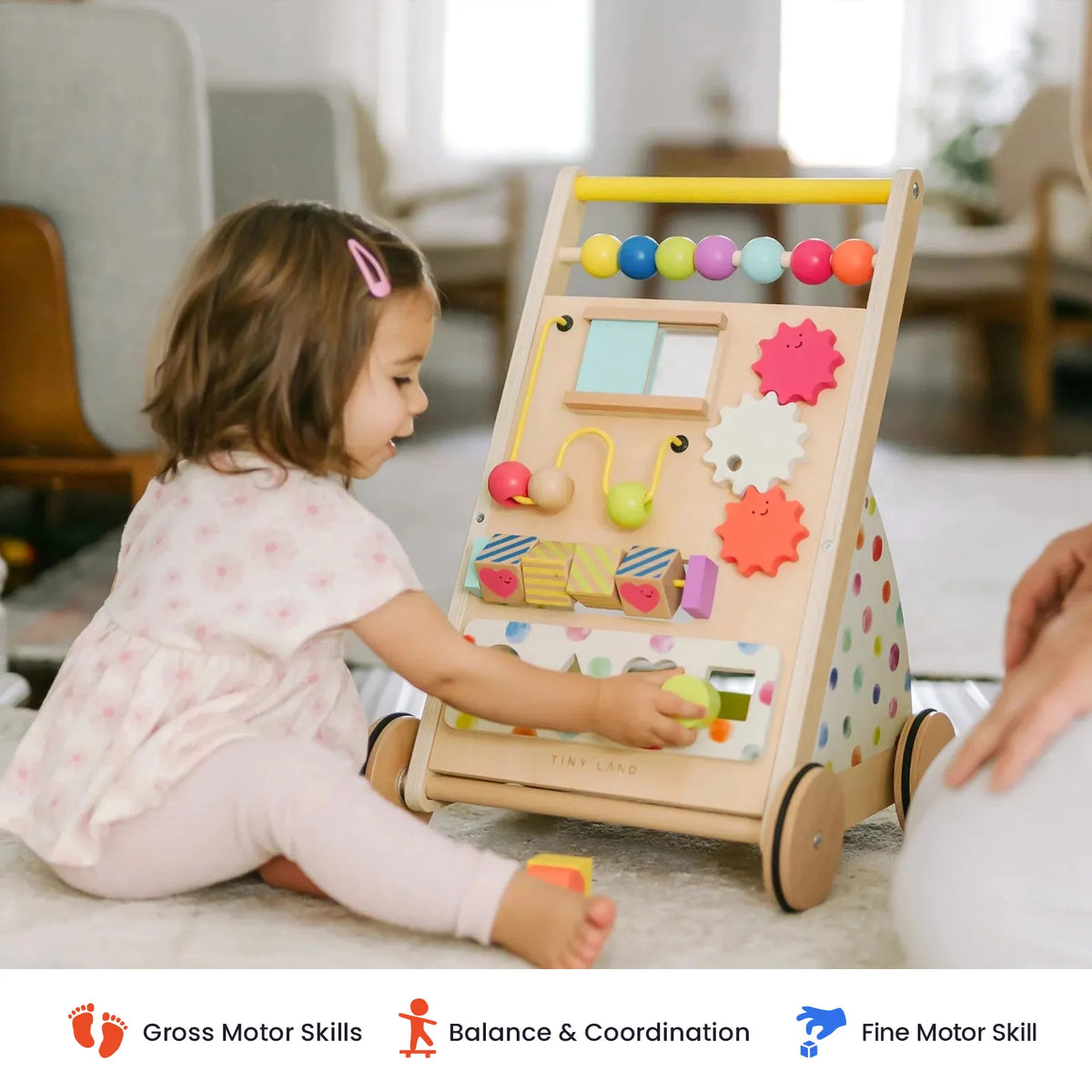
Physical challenges help children strengthen gross motor skills while building confidence and resilience as they try new movements, stay active, and release energy through play.

Thursday — Creative Art Studio Day
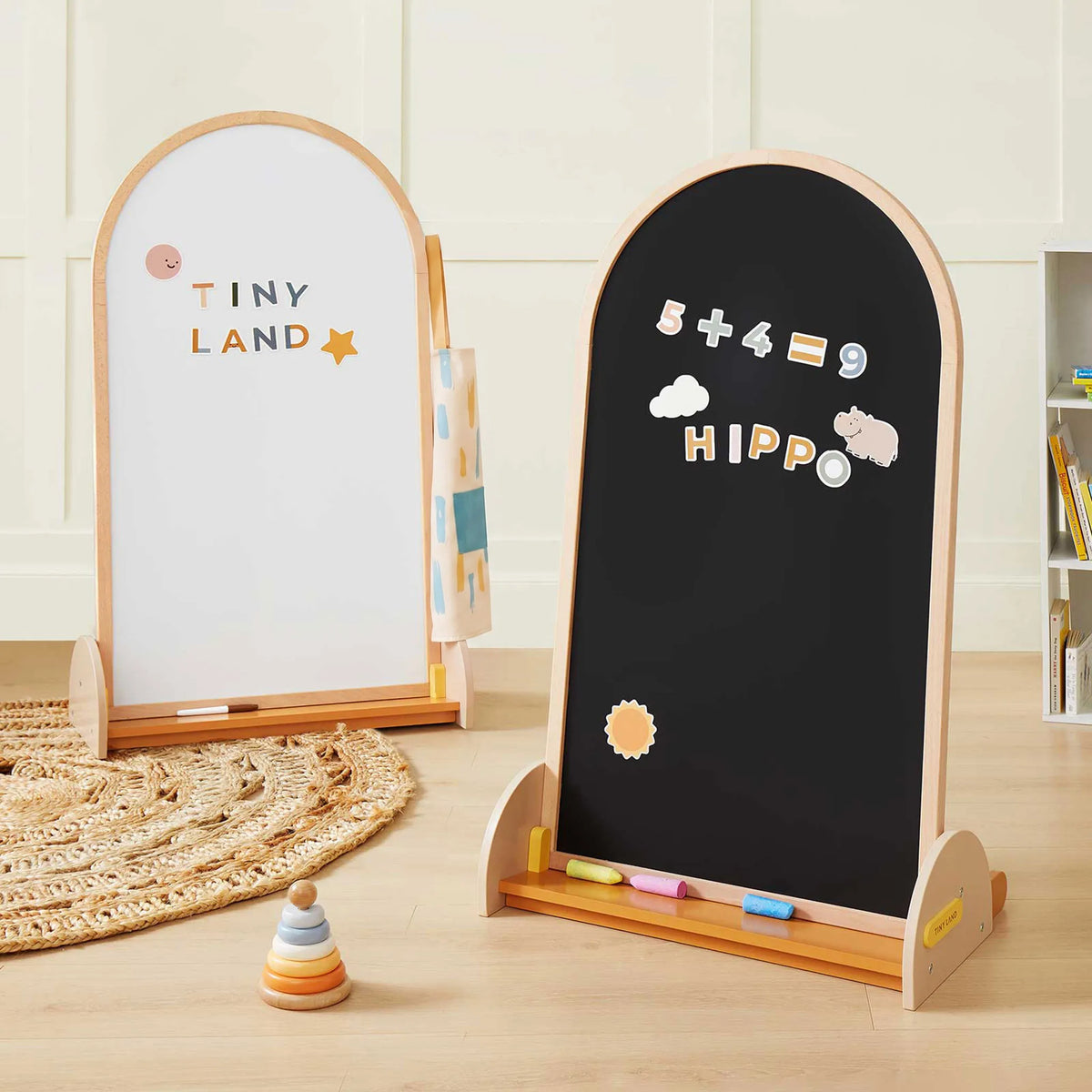
Encourage children to express themselves creatively.
Activities:
● Easel painting
● Arts and crafts projects
Open-ended art experiences allow children to experiment, make decisions, and bring their ideas to life while supporting creativity, imagination, and hands-on learning.

Friday — Camp Experience Day
End the week with relaxed, shared summer camp-style experiences.
Activities:
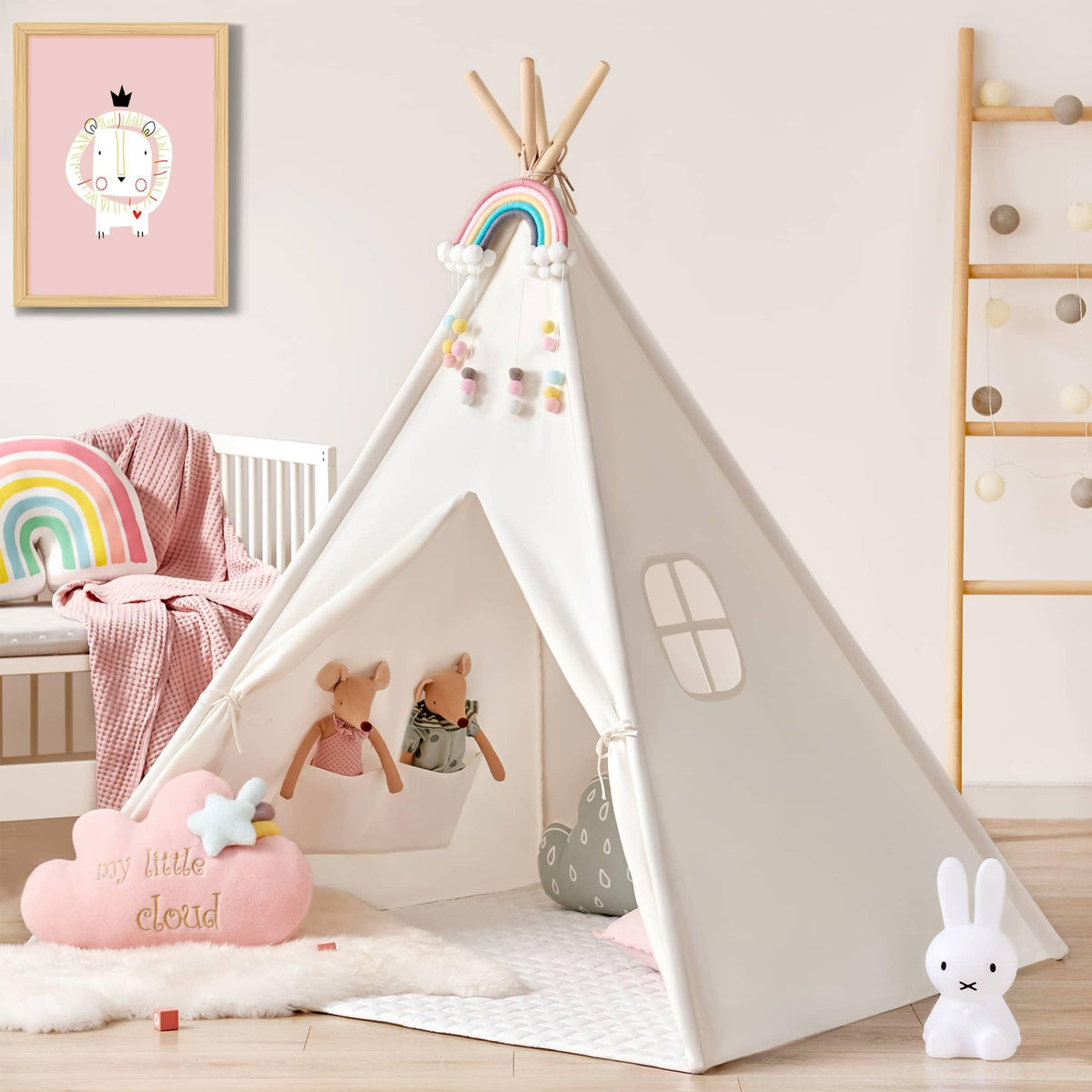
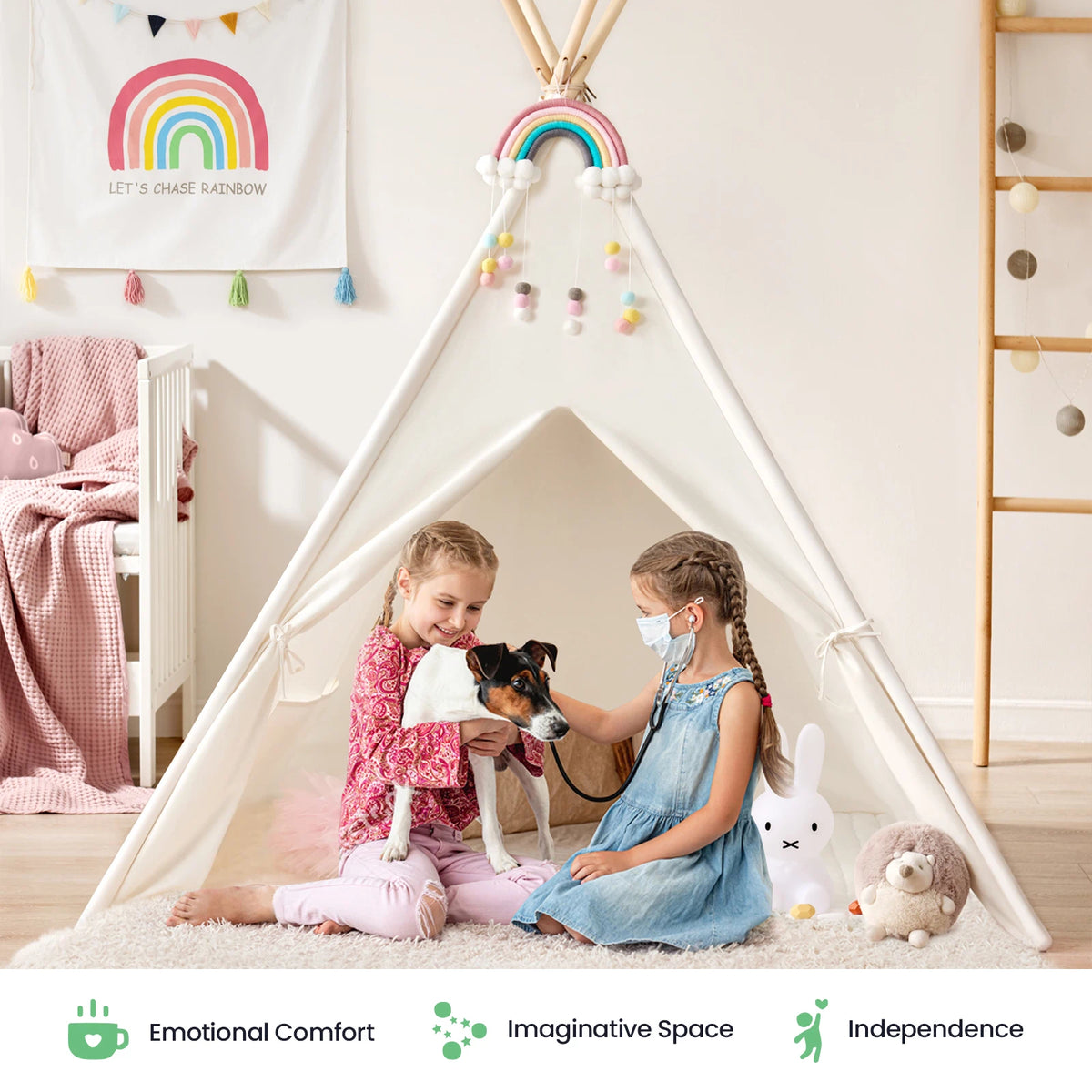
● Tent or indoor fort play
● Movie time
● Storytelling circle
Children can gather inside a cozy tent or indoor fort space, enjoy a movie experience together, and share storytelling moments with family or friends.
This kind of slower-paced day helps children unwind while still supporting imagination, emotional connection, and shared social experiences—similar to a traditional summer camp “closing day” atmosphere.

Benefits of an At-Home Summer Camp
An At-Home Summer Camp offers many advantages for modern families.
Lower Cost
Traditional summer camps can be a significant investment.
Creating meaningful experiences at home allows families to provide enriching activities while staying within their budget.
Greater Flexibility
Every family has a different summer schedule.
An At-Home Summer Camp can easily be adapted around vacations, work commitments, naps, and family plans.
More Quality Family Time
Some of the most meaningful childhood memories come from shared experiences with parents, grandparents, and siblings. At-home activities create opportunities for connection while still encouraging independent play.
No Daily Commute
Without drop-offs and pick-ups, families can spend less time traveling and more time enjoying summer together.
Easy to Adapt to Children's Interests
Every child is unique.
An At-Home Summer Camp allows parents to tailor activities to their child's current interests, whether that's cooking, art, outdoor exploration, imaginative play, or physical adventure.
Long-Term Play Value
One additional benefit of creating an At-Home Summer Camp is that many of the materials and play setups can continue to be used long after summer ends.
High-quality, open-ended toys and play environments don’t disappear after the camp experience—they naturally become part of the child’s everyday playroom life, supporting ongoing imaginative play, creativity, and learning throughout the year.

A Summer Filled With Meaningful Experiences
Summer doesn't need an expensive schedule to be memorable.
The experiences children love most—exploring, creating, moving, imagining, and spending time with the people they love—can happen anywhere.
Because the true value of summer camp is found in the opportunities children have to play, discover, grow, and create memories that last long after summer ends.