Play is often seen as something simple and enjoyable in early childhood. However, in professional child development settings, it is also recognized as an important part of how children explore, communicate, and make sense of the world around them.
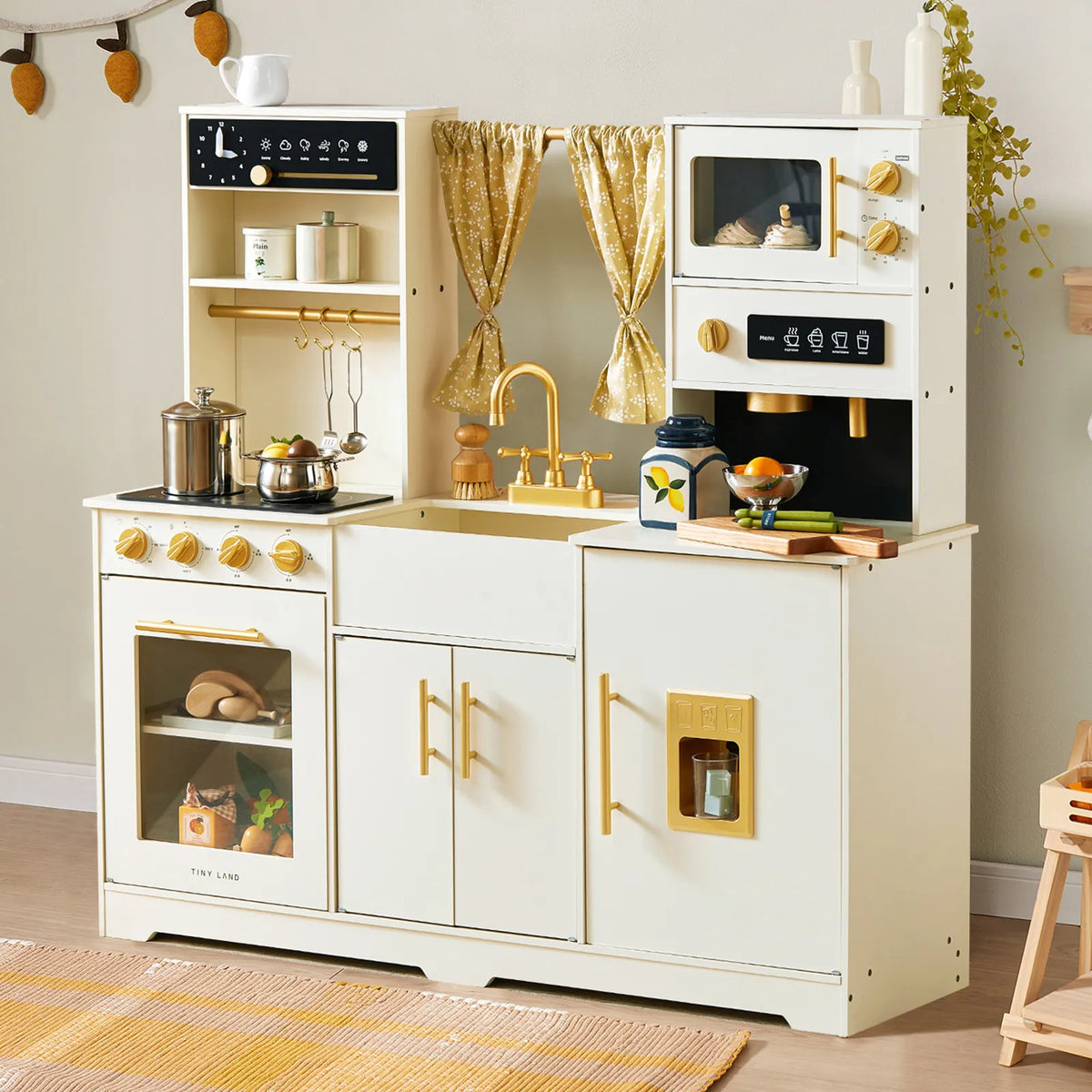
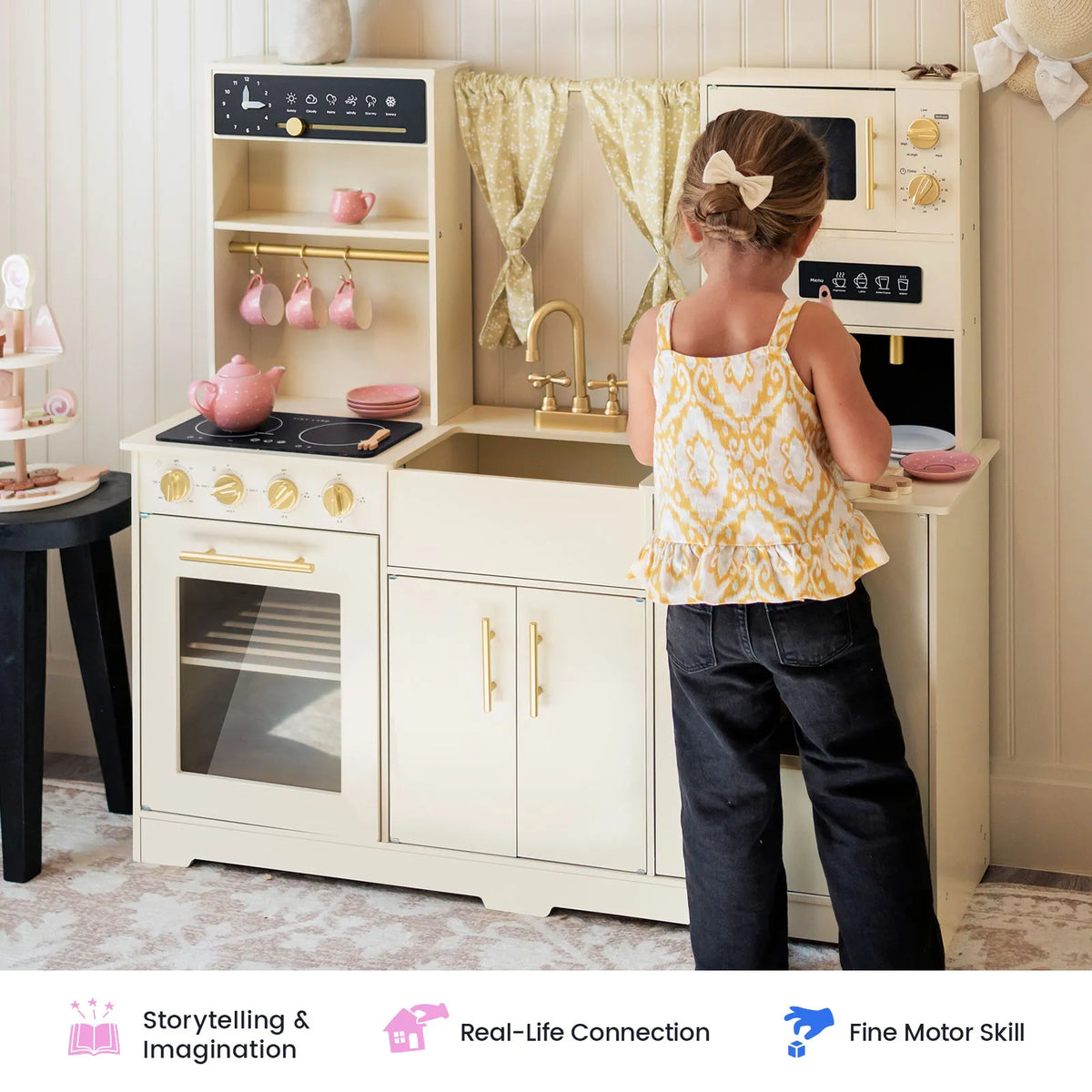
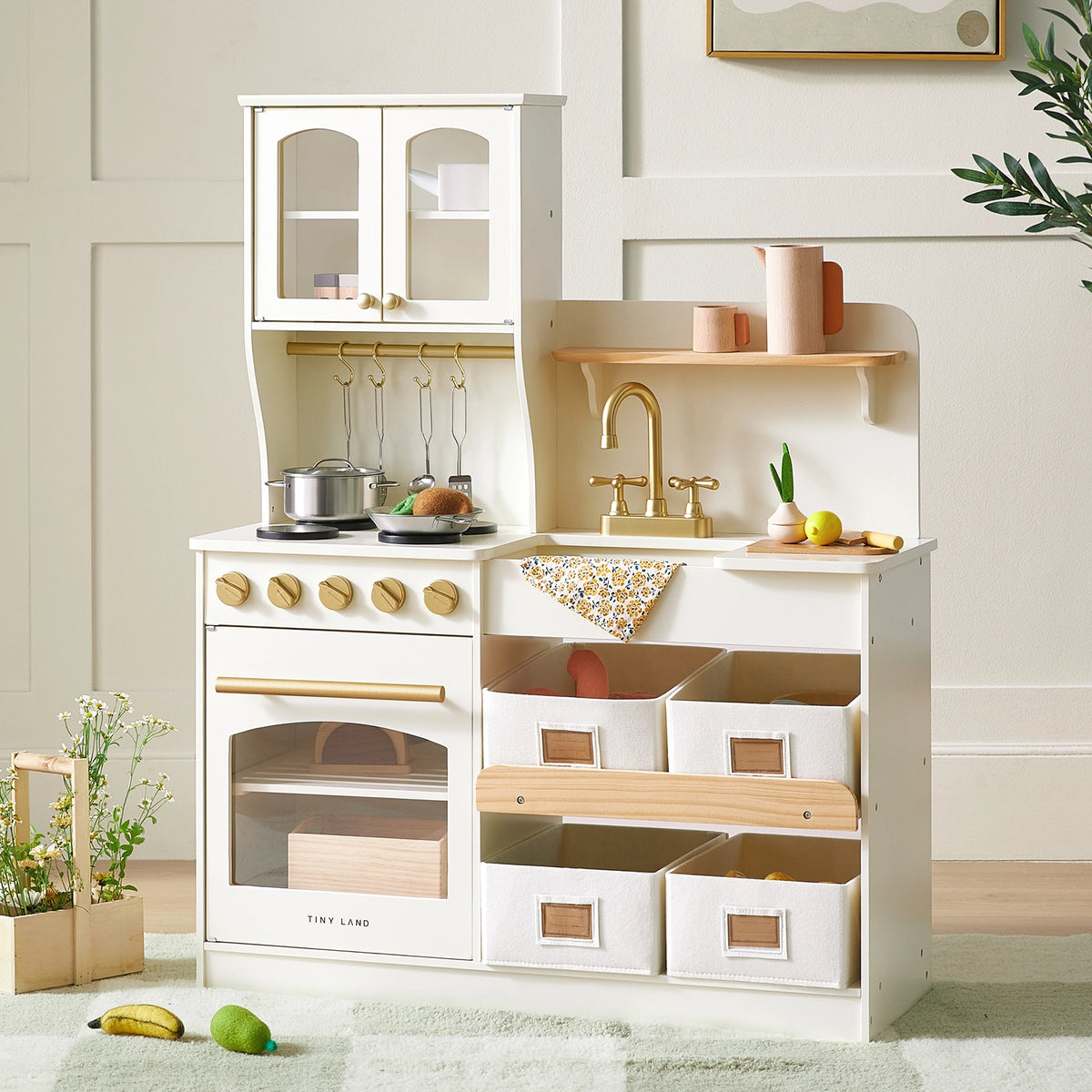
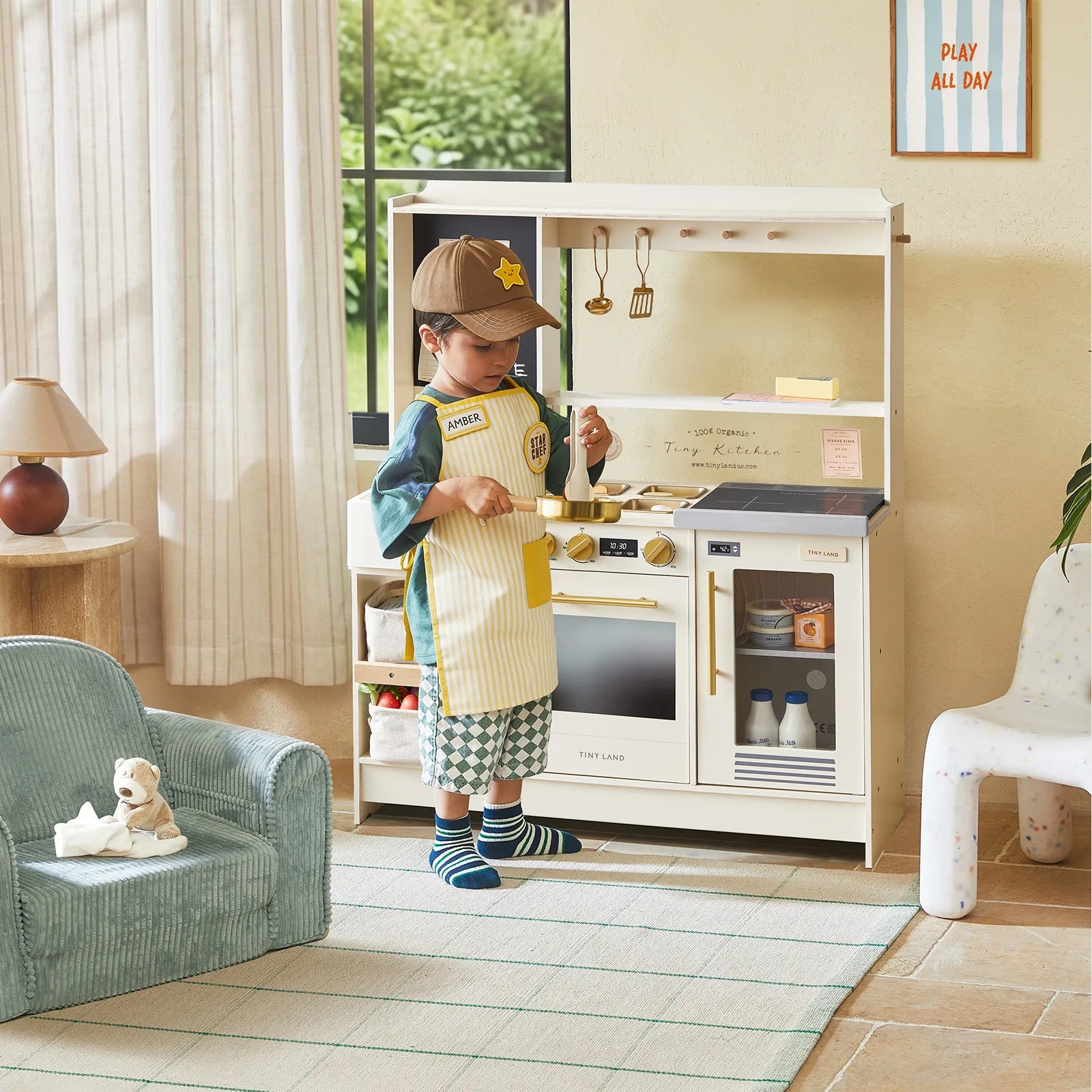
Recently, Spot On Therapy Services, a pediatric therapy practice providing speech therapy, occupational therapy, and physical therapy services for children, shared a reflection on the value of pretend play and featured theTiny Land BistroSwitch Play Kitchenin their public post.
Their message reflects a broader idea often emphasized by child development professionals: pretend play is much more than just play.
About Spot On Therapy Services
Spot On Therapy Services is a pediatric therapy practice that works with children and families across a range of developmental needs.
Their services include speech therapy, occupational therapy, and physical therapy, supporting children through individualized, family-centered care.
In their daily work, their team focuses on how children communicate, interact, and engage in meaningful activities that support development in natural and supportive ways.
Within this context, they recently shared a reflection on the importance of pretend play in early childhood.
What They Shared About Pretend Play
Spot On Therapy Services highlighted a simple but important idea: Pretend play is so much more than just play.
They explained that when children engage in imaginative play, they are building a range of important developmental foundations, including: ● Creativity ● Problem-solving skills ● Communication ● Social-emotional development ● Confidence
They also noted that pretend play typically begins around 18–24 months of age and becomes increasingly complex throughout the preschool years.
Their perspective reflects how pretend play is widely recognized in child development settings as a meaningful part of early learning experiences.
The BistroSwitch Play Kitchen in Context
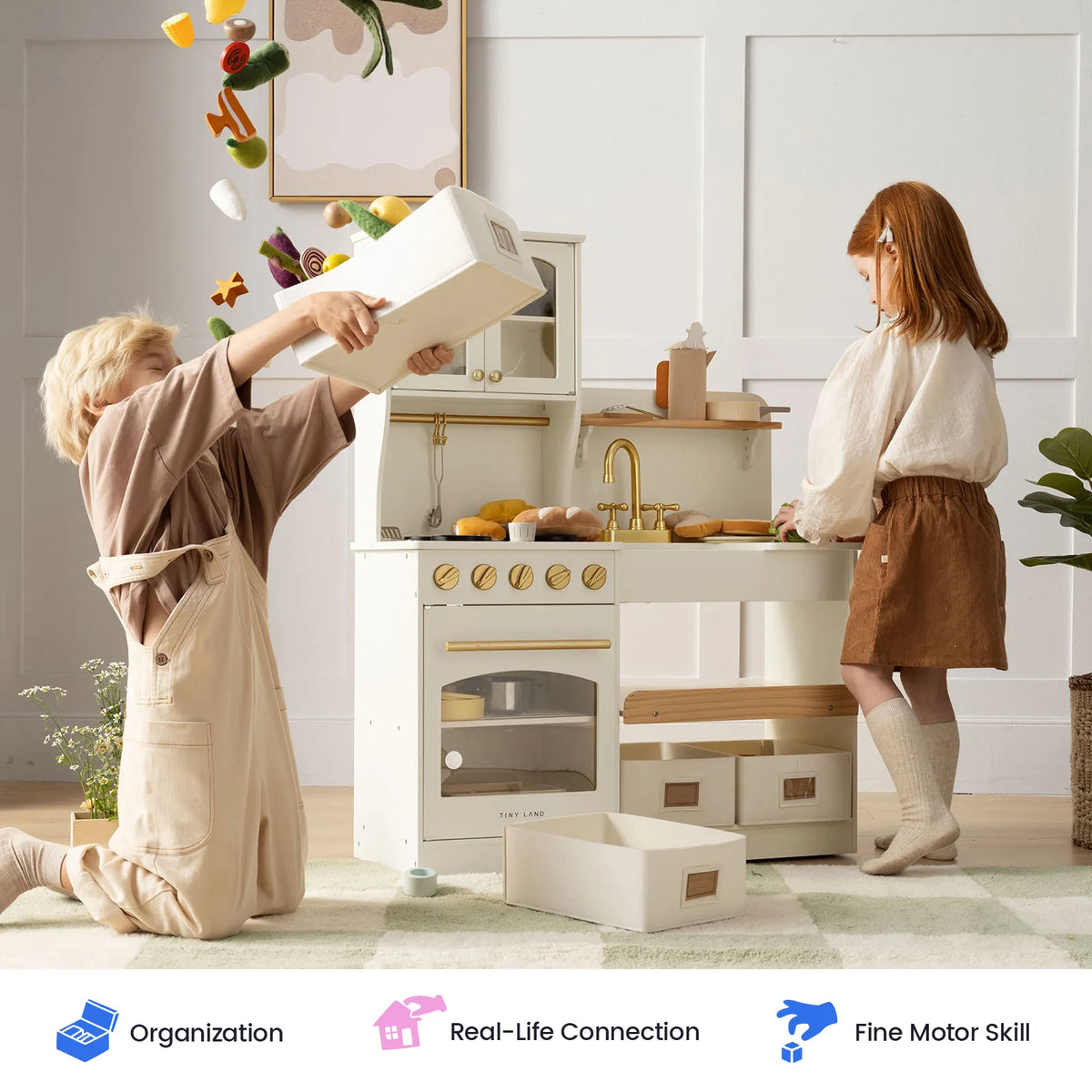
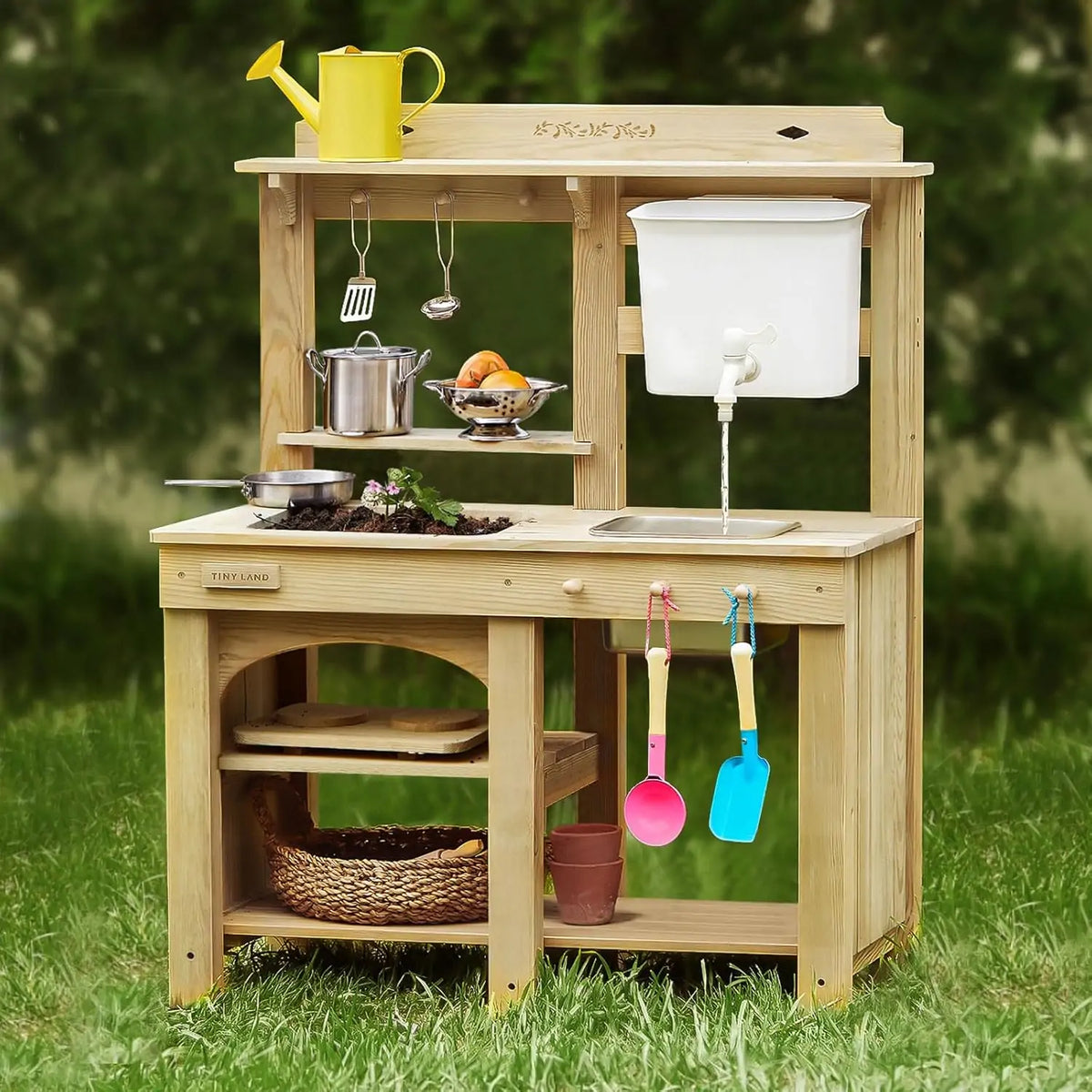
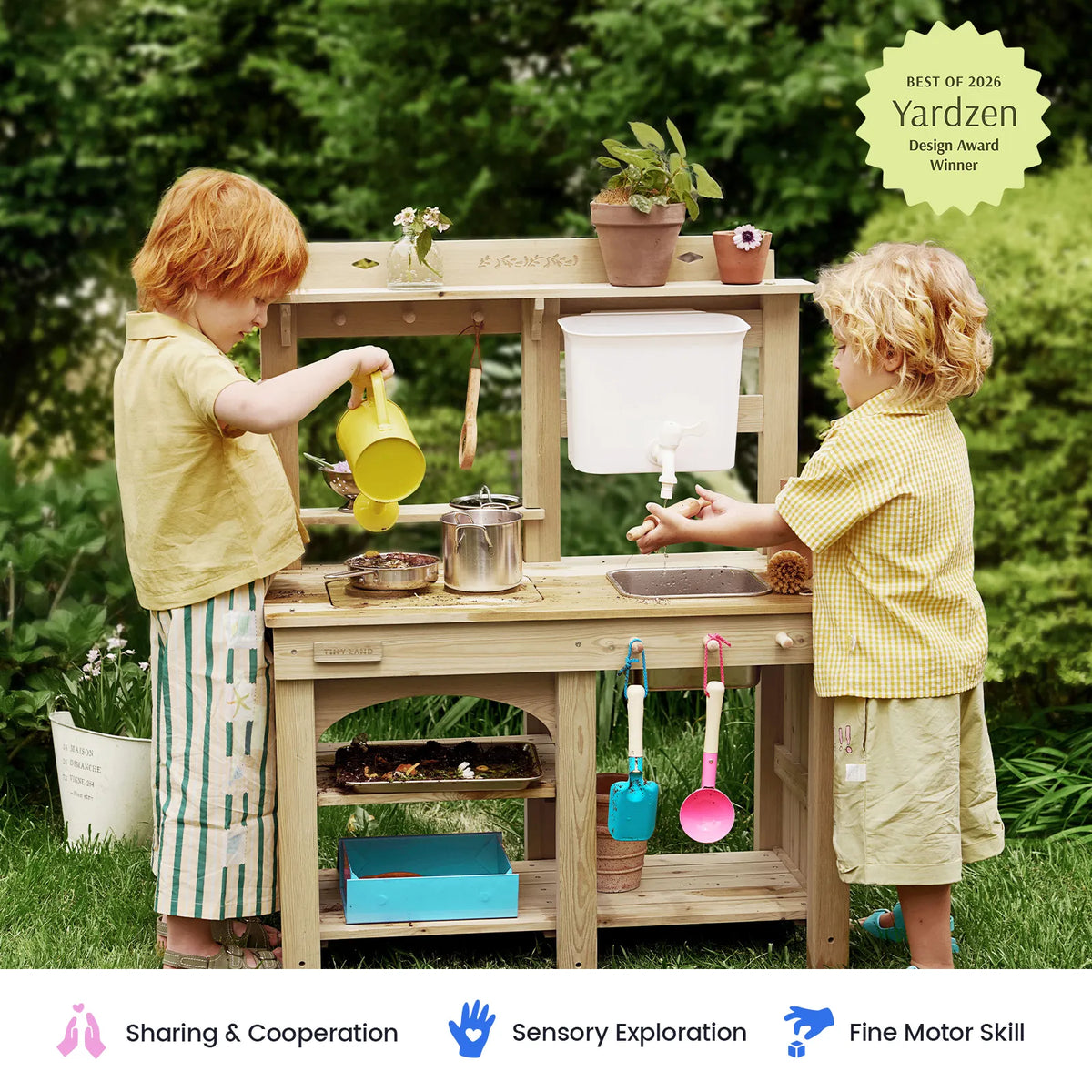
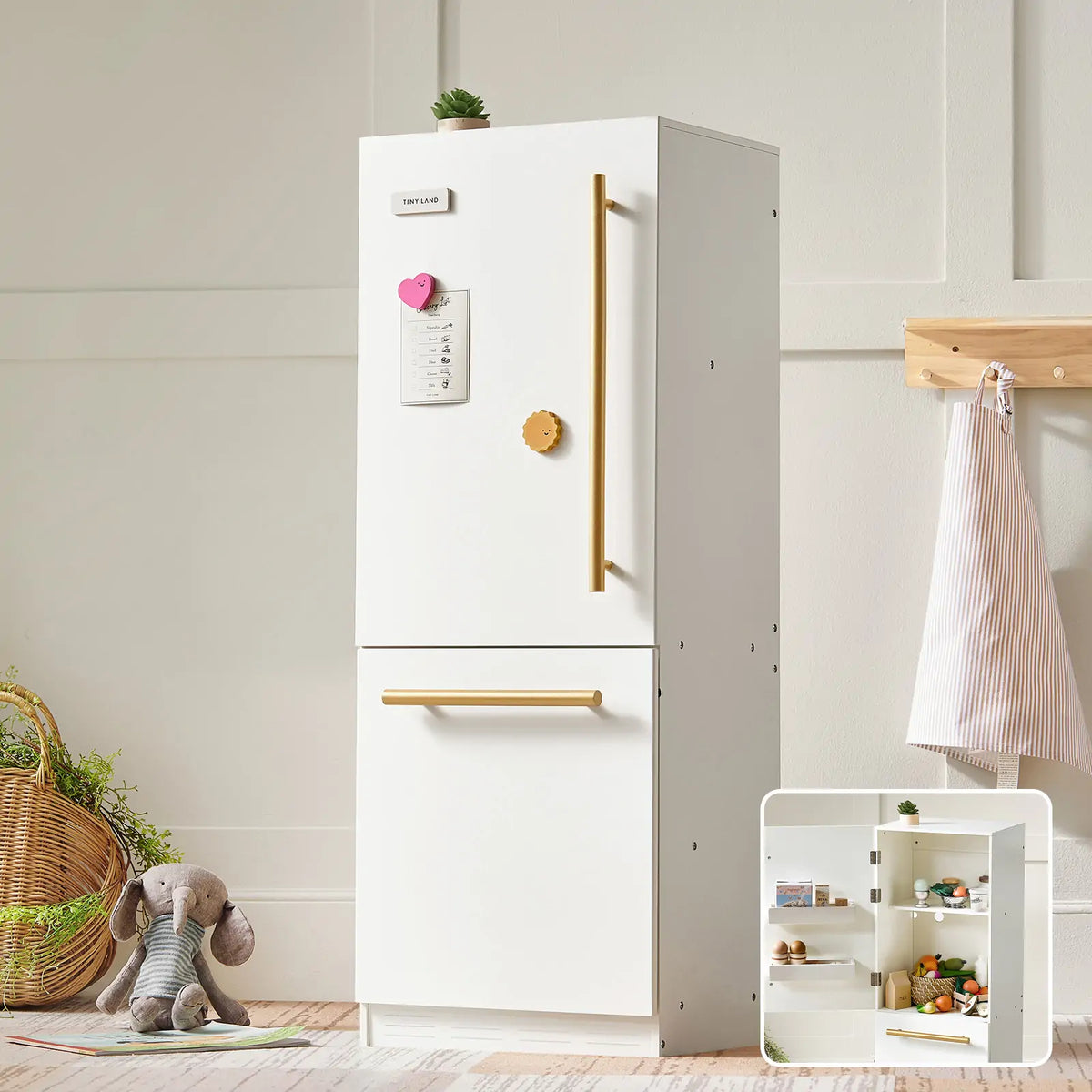
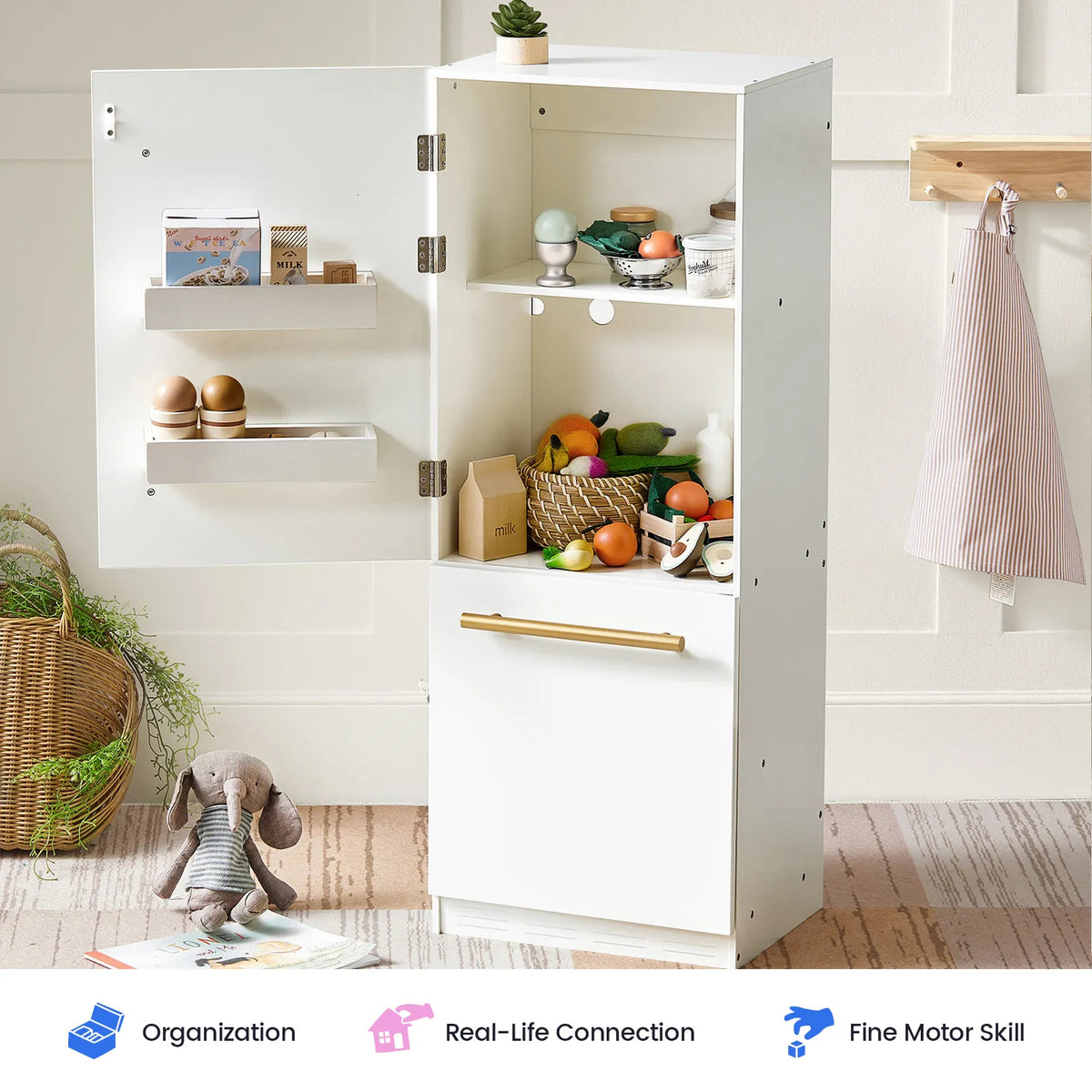
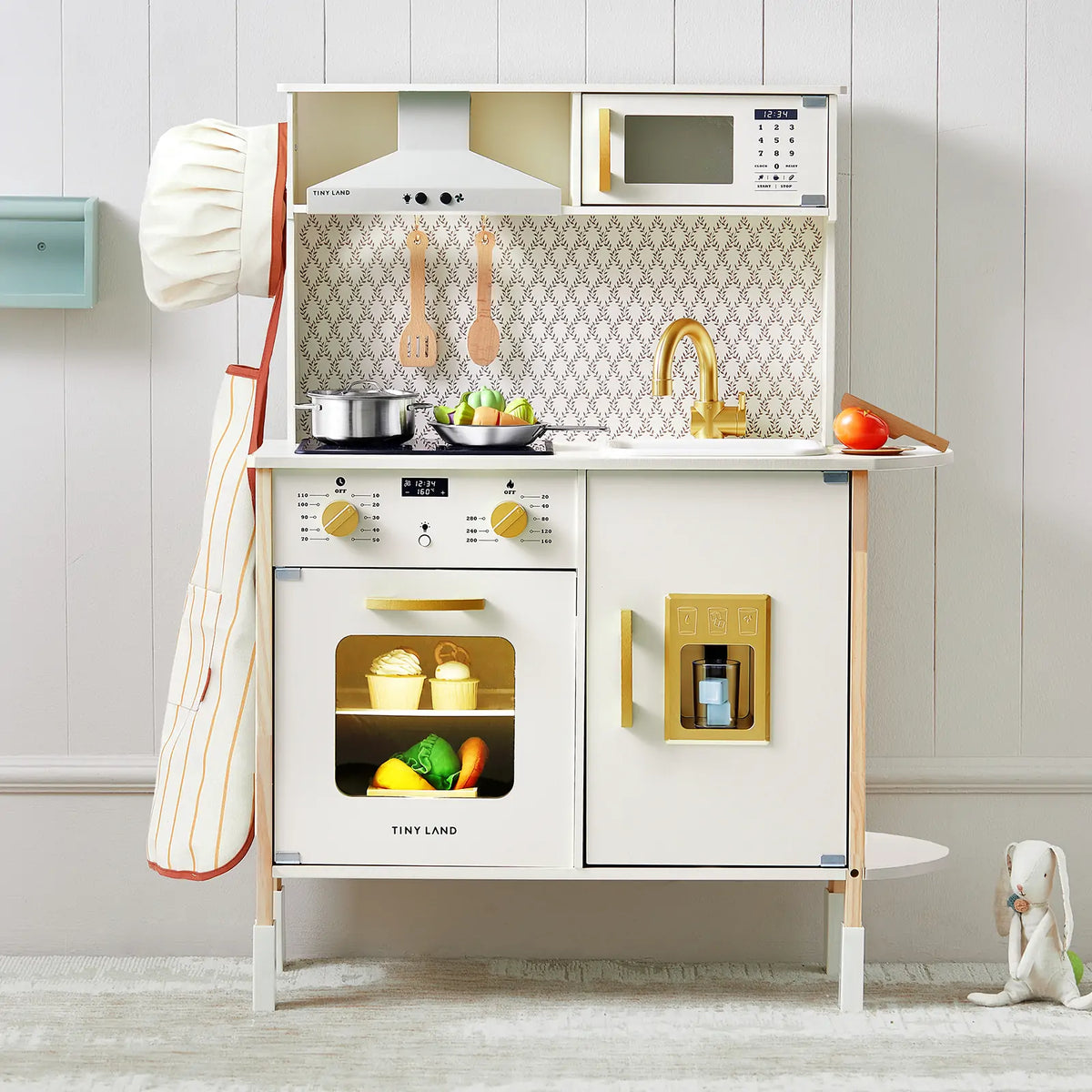
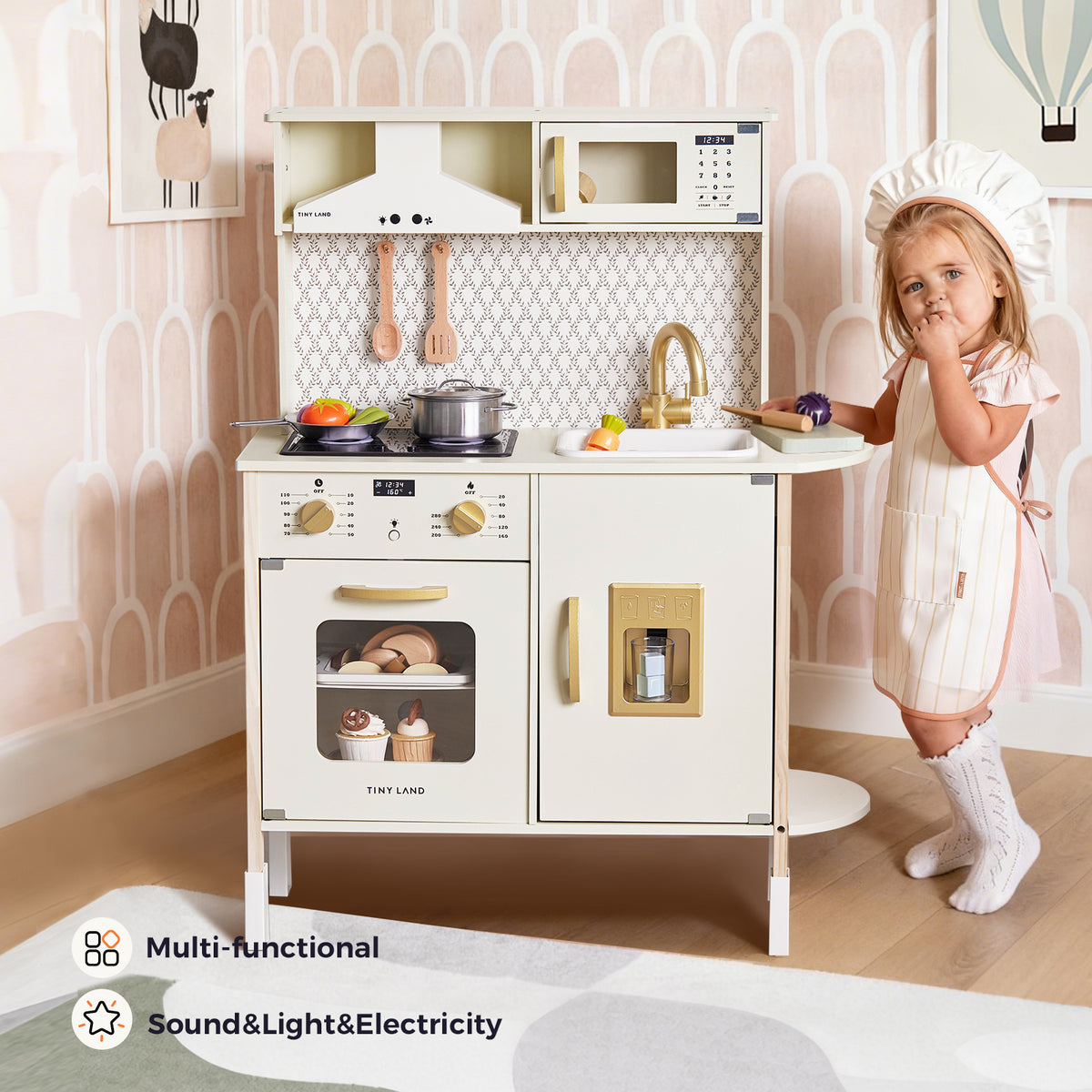
Spot On Therapy Services featured the Tiny Land BistroSwitch Play Kitchen as part of their reflection on pretend play, presenting it as a play environment that supports open-ended imaginative experiences.
Through different types of pretend play—such as role play, everyday life scenarios, and imaginative storytelling—children have opportunities to explore ideas, practice communication, develop problem-solving skills, and build confidence through real-time experience.
Within this context, the BistroSwitch Play Kitchen is designed to create two interconnected play environments—home-based play and bistro-style role play—allowing children to move naturally between familiar everyday routines and more imaginative restaurant scenarios in a hands-on and self-directed way.
Extending Learning Through Language-Rich Play
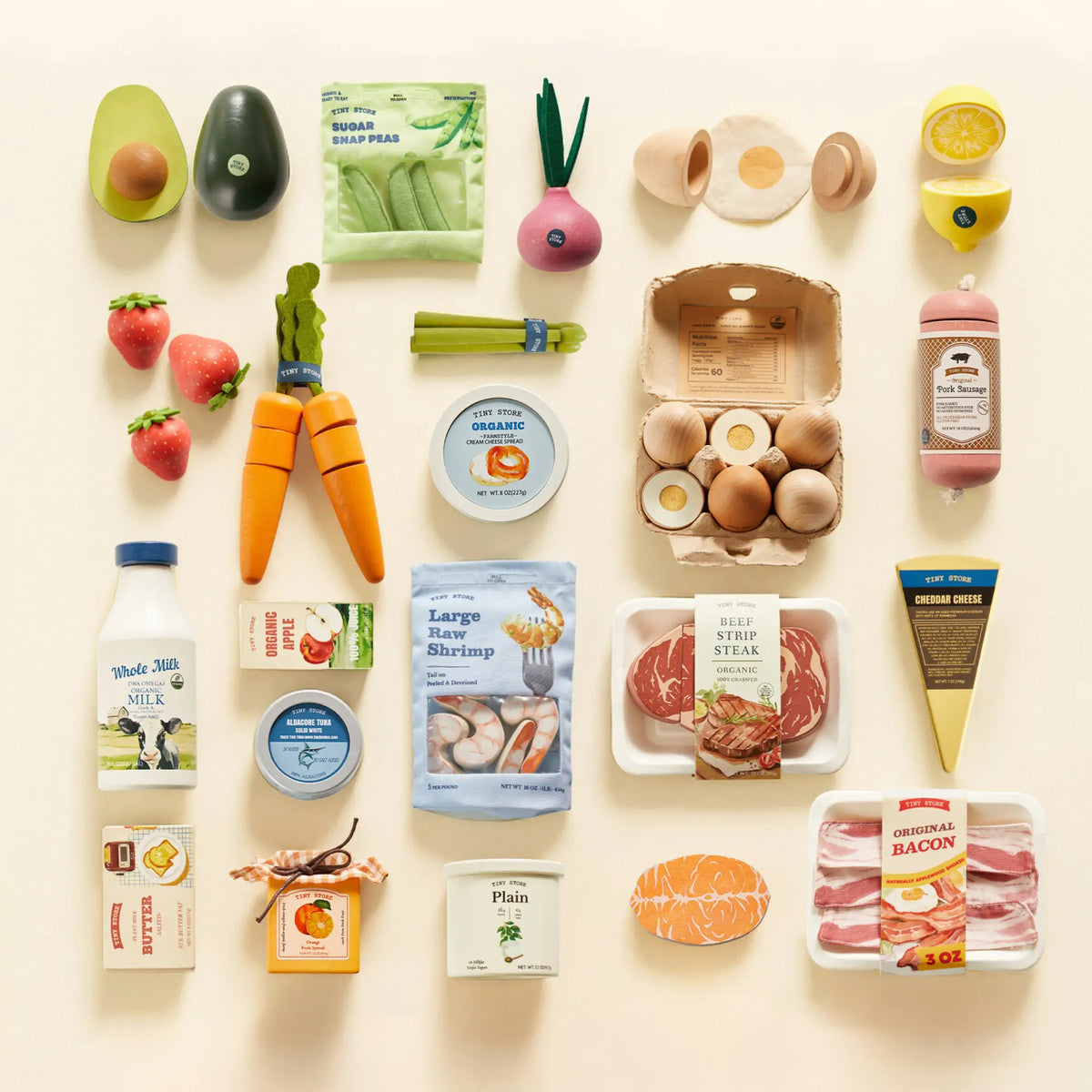
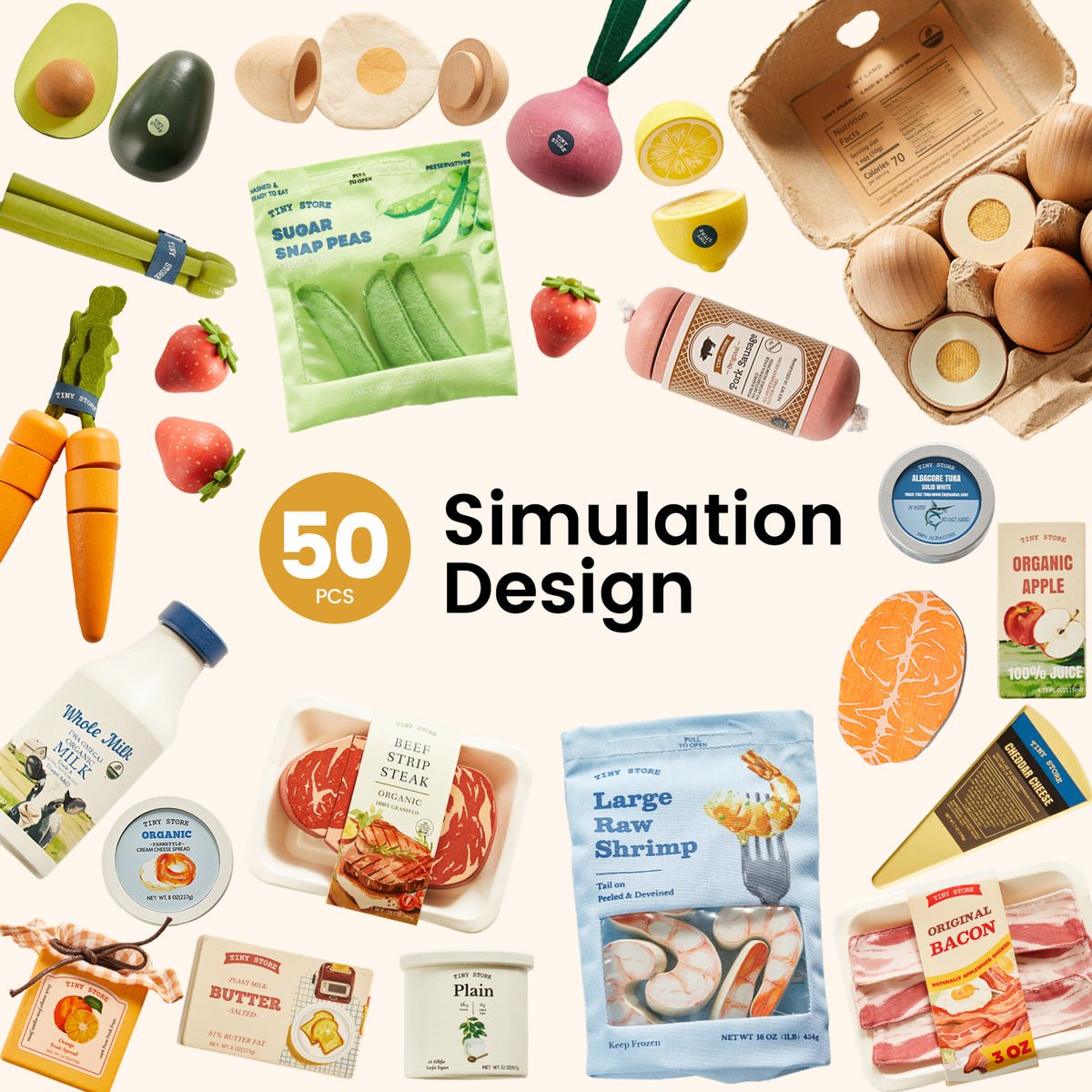
BistroSwitch kitchen play can also be extended into simple language-building activities during everyday play. As shown in Spot On Therapy Services’ shared content, families can use printed play materials—such as food cards, kitchen items, and bistro-related vocabulary—to help children connect words with objects in a meaningful way.
During play, children may match printed cards with play food items and practice saying the corresponding words out loud, supporting recognition and pronunciation in a natural context. Simple sentence structures such as “I see ___” or “I have ___” can also be introduced to encourage early communication and verbal expression.
Through these small, play-based interactions, children are able to associate language with real objects and actions, making vocabulary learning more engaging, interactive, and connected to their everyday pretend play experience.
At Tiny Land, we believe that play is one of the most natural ways children learn about the world around them, offering meaningful opportunities to explore, communicate, and grow through everyday experiences.
The BistroSwitch Play Kitchen reflects this philosophy by providing an open-ended play environment that supports imaginative learning in a natural and engaging way.