





There’s a quiet moment many parents know well.
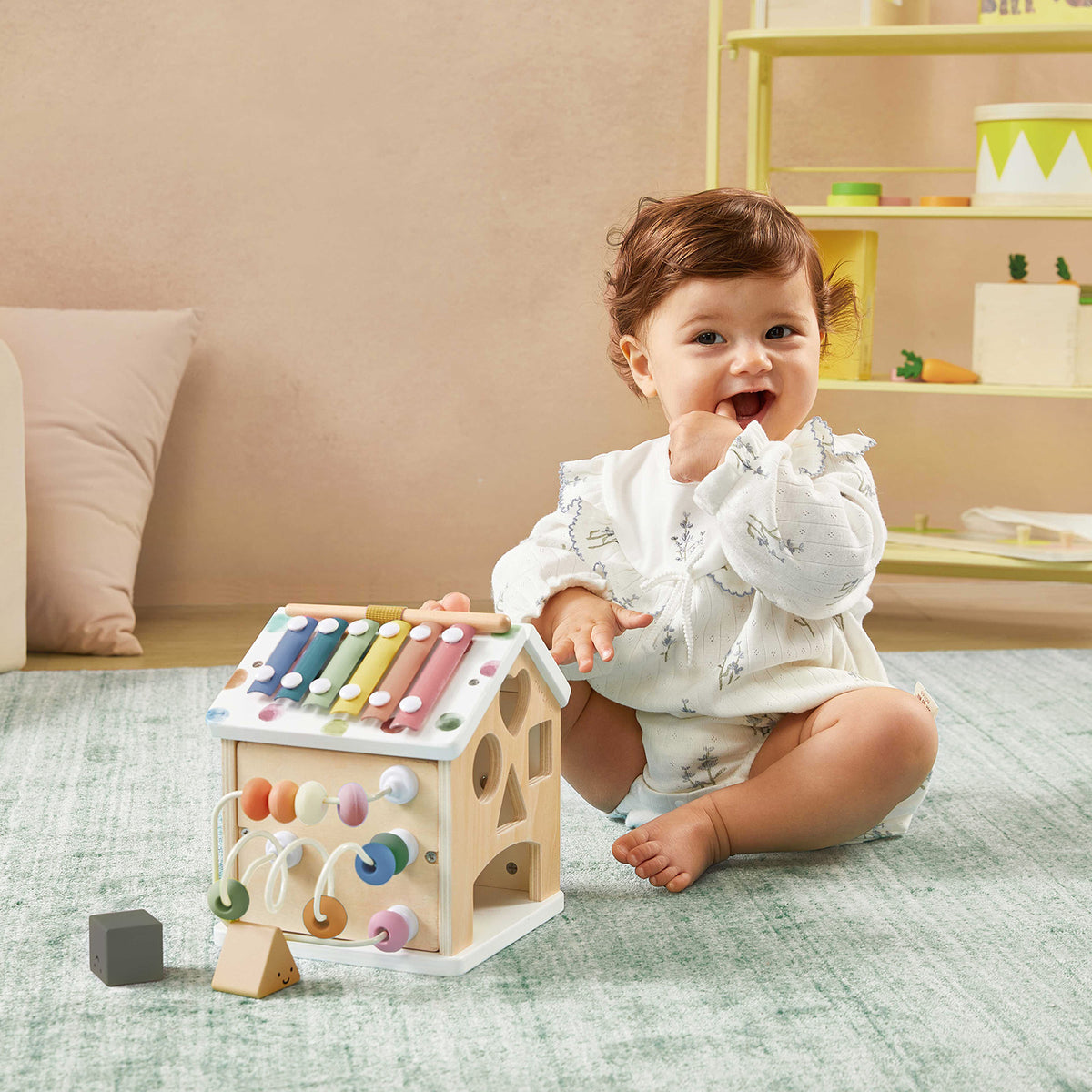
Your toddler is fully absorbed in play — building, pretending, exploring on their own.
And in that moment, one question often appears:
Is my child safe when I’m not right next to them?
June is National Safety Month, a time focused on preventing everyday risks at home and in the community. While much of the conversation centers on public safety, one of the most important environments starts at home — where children play and grow.
This is where safe independent play becomes essential.

What Is Safe Independent Play for Kids?
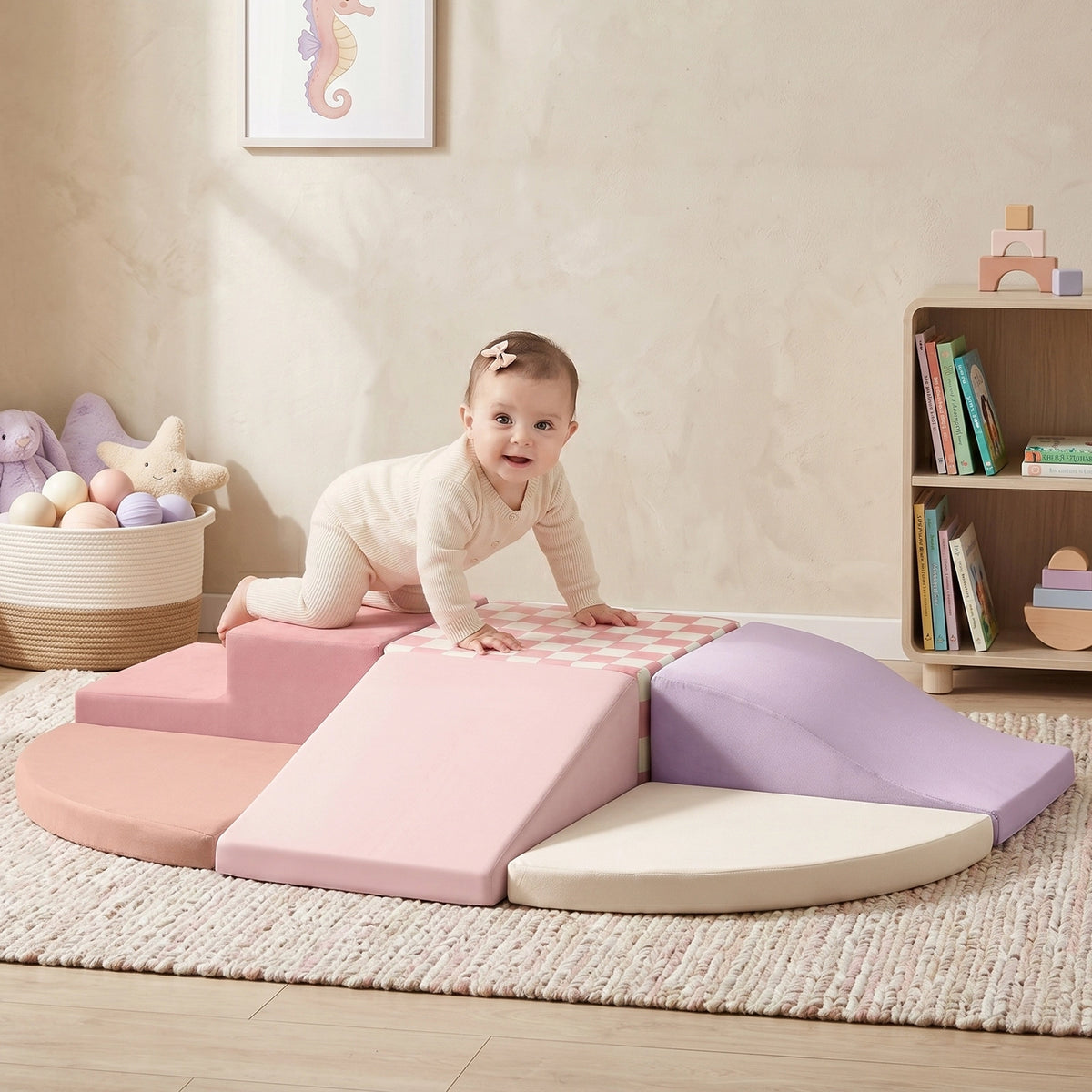
Safe independent play refers to a child’s ability to explore, learn, and engage in play within an environment that supports both physical safety and emotional well-being.
It is not simply about playing alone — it is about being able to explore with confidence in a space designed for both freedom and protection.
Safe independent play includes:
- Feeling secure while exploring independently
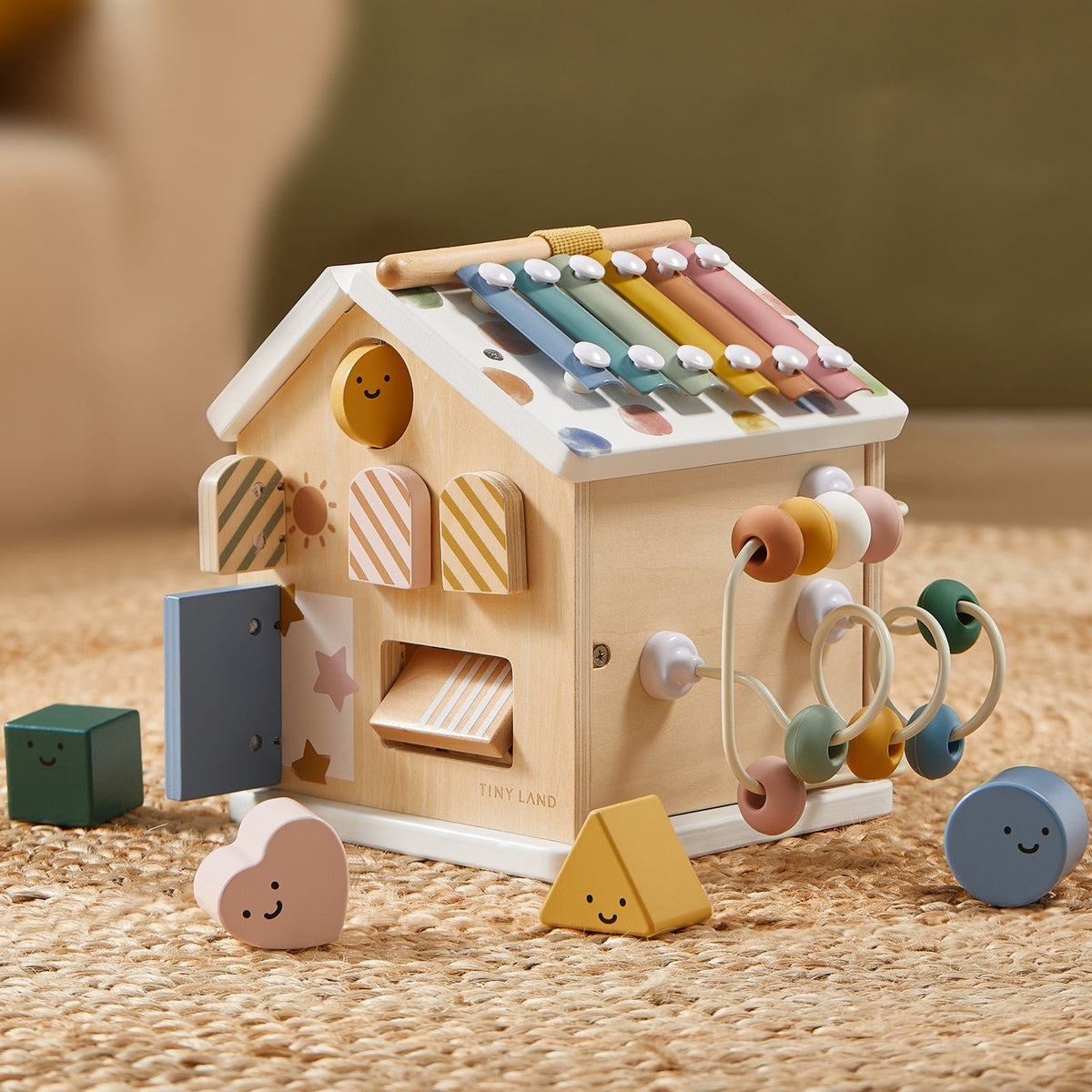
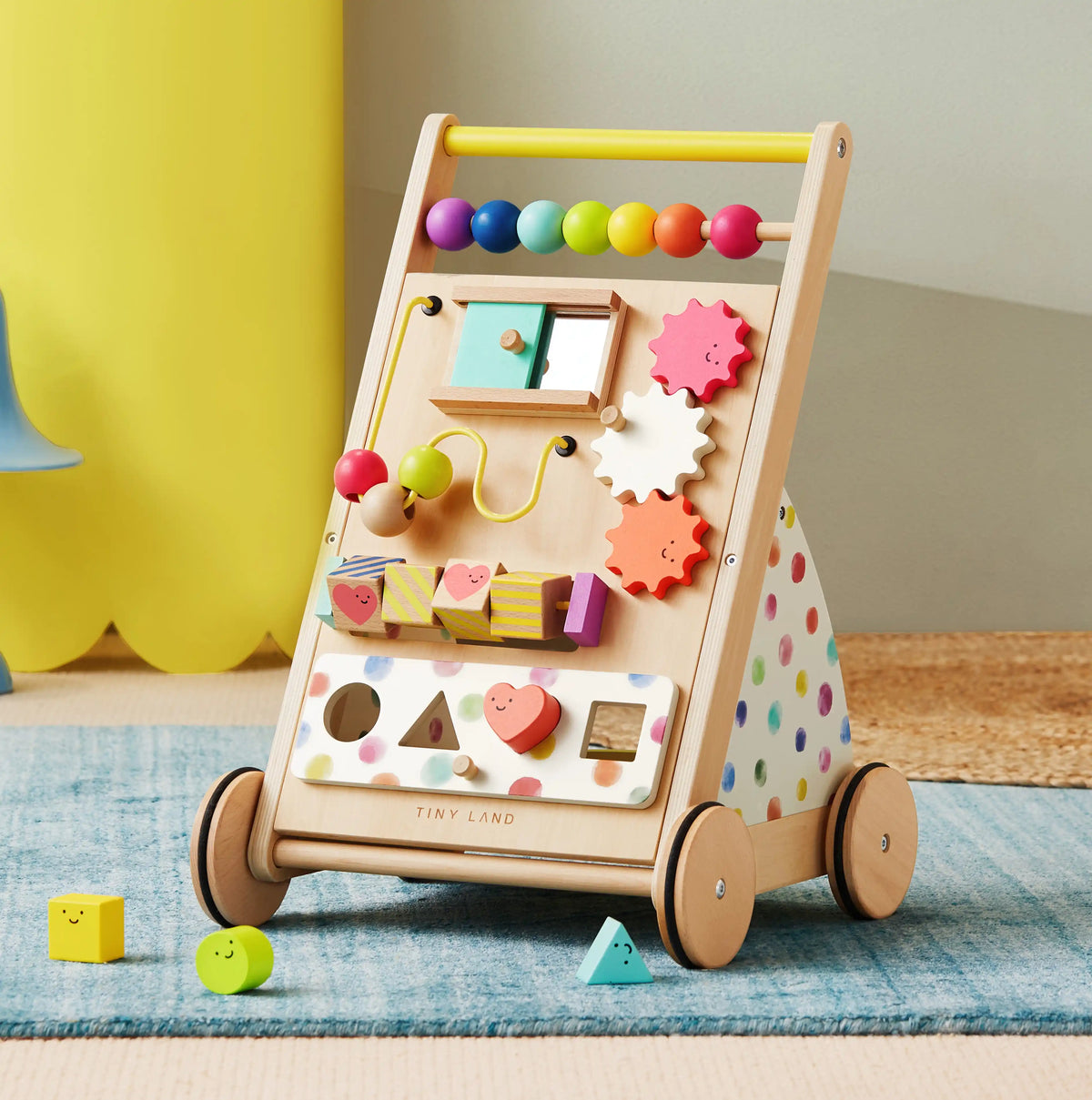
- Using age-appropriate, well-designed materials
- Engaging in both structured and open-ended play
- Building confidence through self-directed exploration
In simple terms, it is the balance of freedom, safety, and healthy development in a child’s everyday play environment.

A Real-Life Moment Every Parent Recognizes
It often looks like this:
A parent is preparing meals in the kitchen. In the next room, a toddler is deeply engaged — building a small world, switching between pretend roles, or quietly focusing on a creative task.
There is no constant interruption. No need for step-by-step guidance.
Just independent play happening safely within reach.
This is the balance many families hope for:
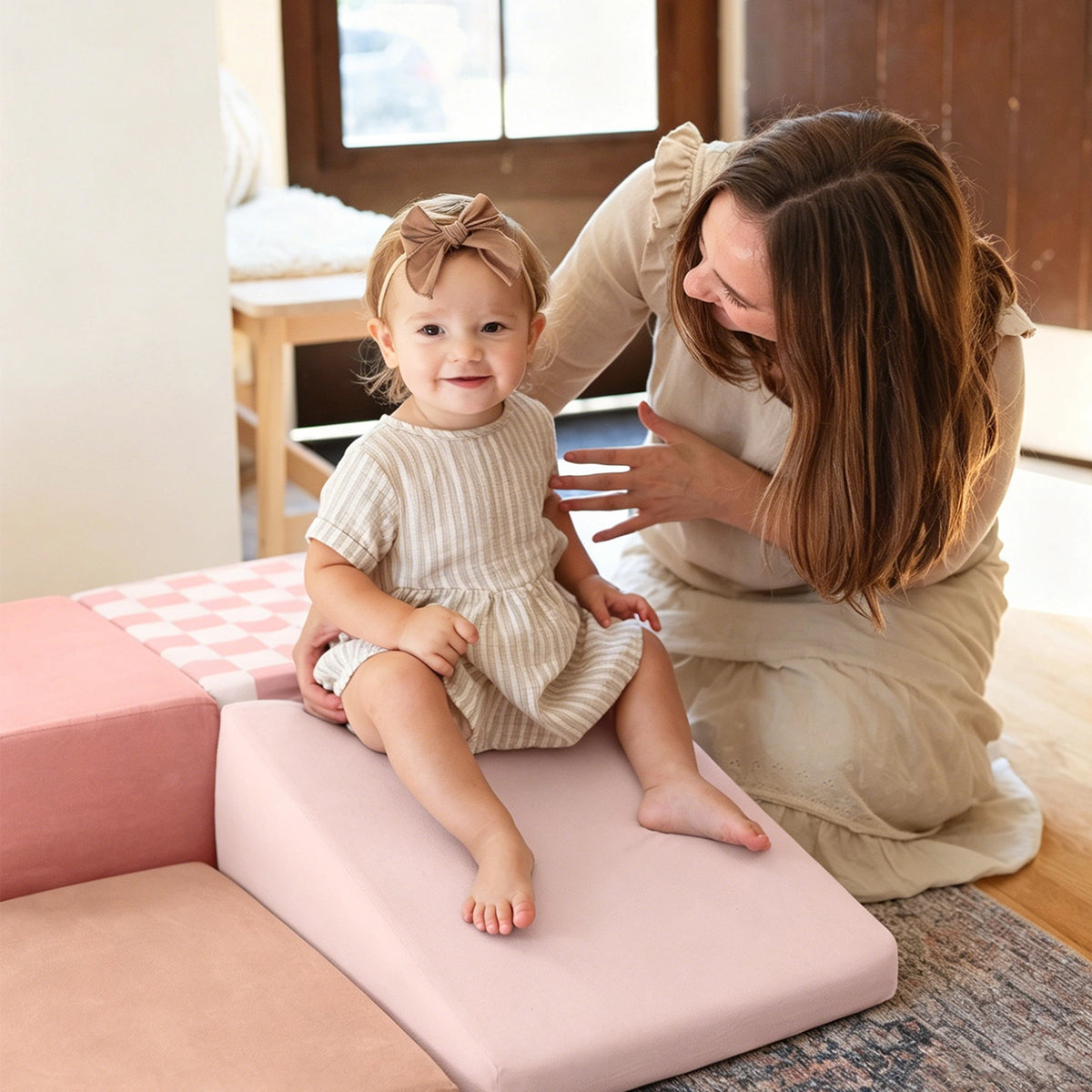
children exploring freely, while parents stay calmly present.
But this balance does not happen automatically. It is shaped by the environment around the child.

How to Create a Safe Independent Play Environment
Safe independent play is not about limiting curiosity. It is about designing the right conditions for it.
1. Choose Trusted and Certified Brands
Parents rely on products that meet recognized safety standards. Certifications and testing provide reassurance that core safety expectations are already addressed.
2. Prioritize Materials and Build Quality
Non-toxic materials, smooth finishes, stable structures, and durable construction all help reduce everyday risks during active play.
3. Look for Real-World Educational Use
Many families feel more confident when products are also used in:
- Preschools
- Daycare environments
- Early learning centers
This real-world usage helps validate both safety and developmental value.

Why Safe Independent Play Matters for the Whole Family
Independent play is not only important for children — it also shapes the rhythm of family life.
For children, it supports:
- Independence and decision-making
- Creativity and imagination
- Emotional resilience
- Focus and persistence
For parents, it creates:
- More balanced daily routines
- Reduced need for constant supervision
- Greater peace of mind
- Higher quality interaction time
When the environment is well designed, children gain confidence through exploration, and parents gain space to step back without worry.

Summer Picks for Safe Independent Play
Summer is a natural time for more flexible, at-home play — making it ideal for encouraging independent exploration.
Here are a few play setups that support safe independent play:
Pretend Play Sets
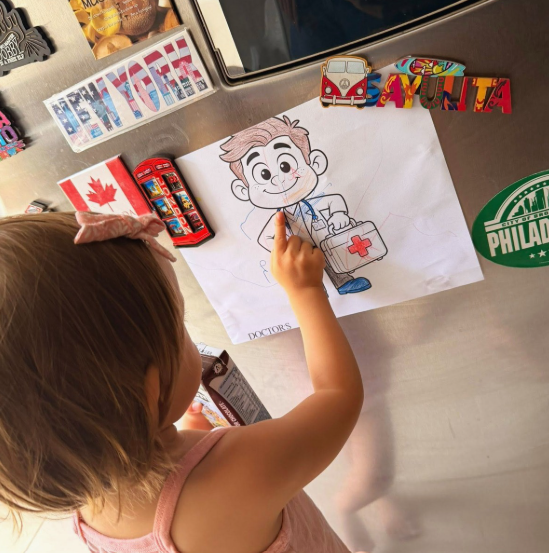
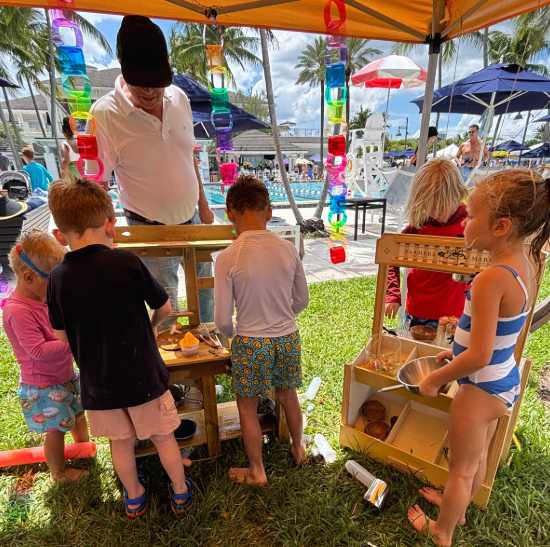
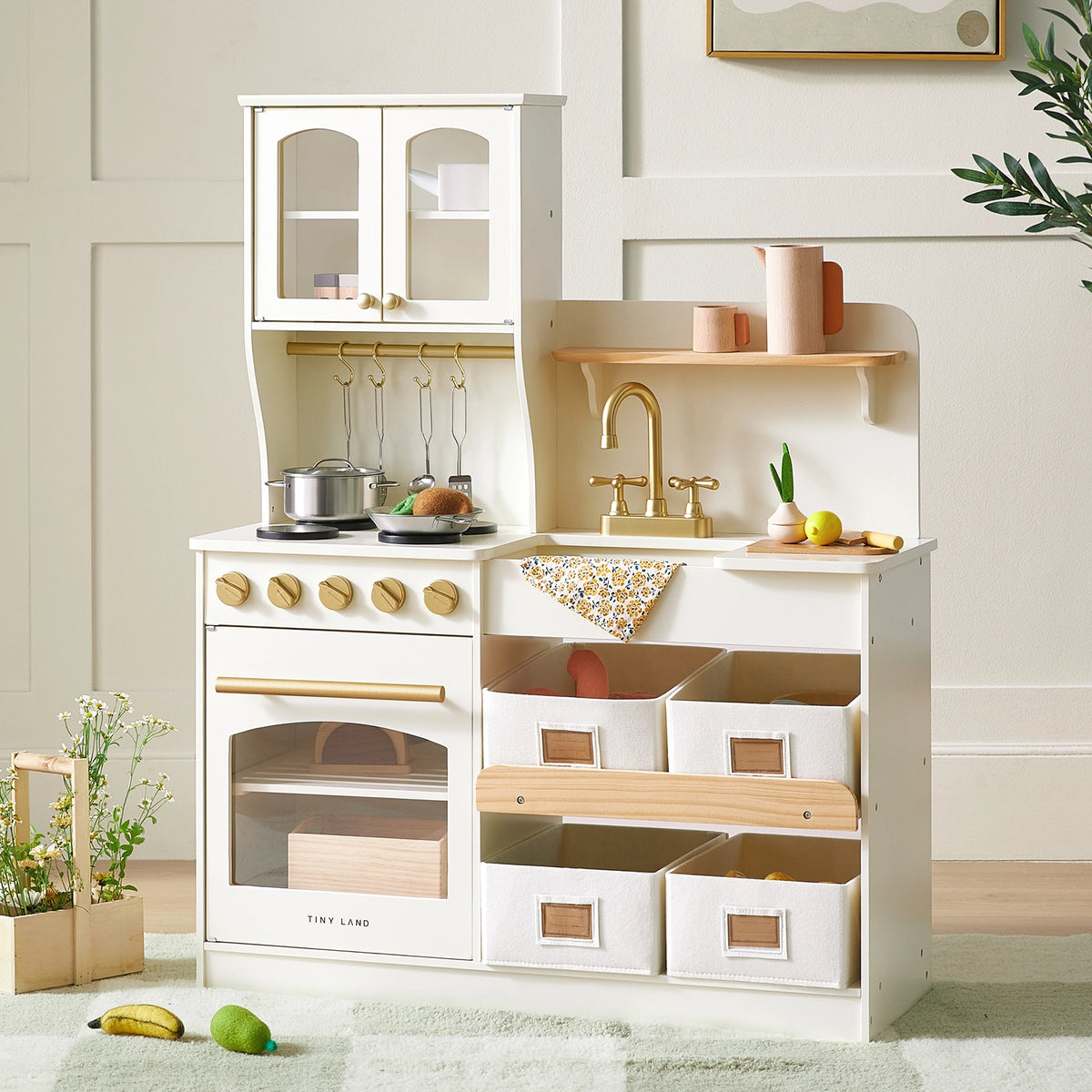
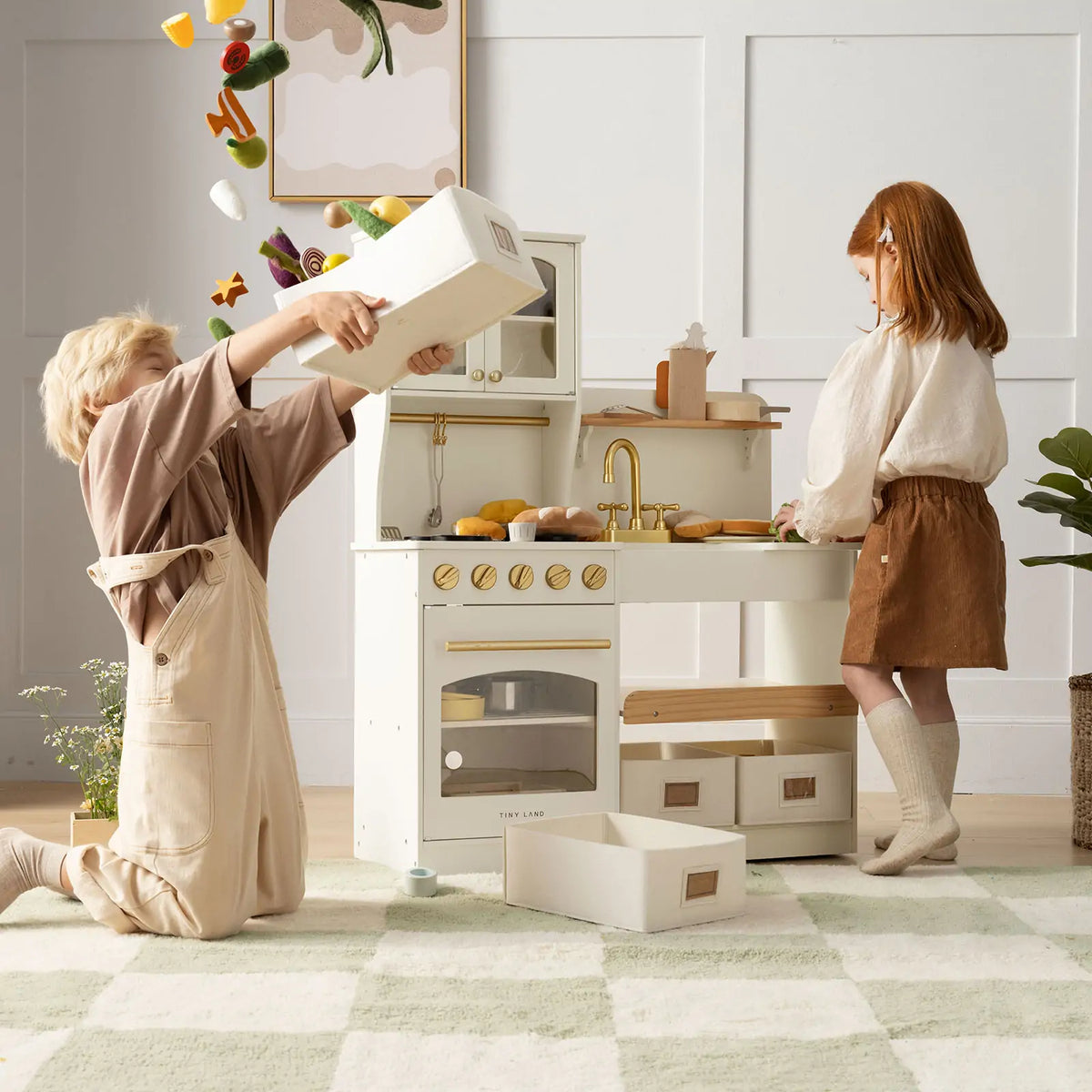
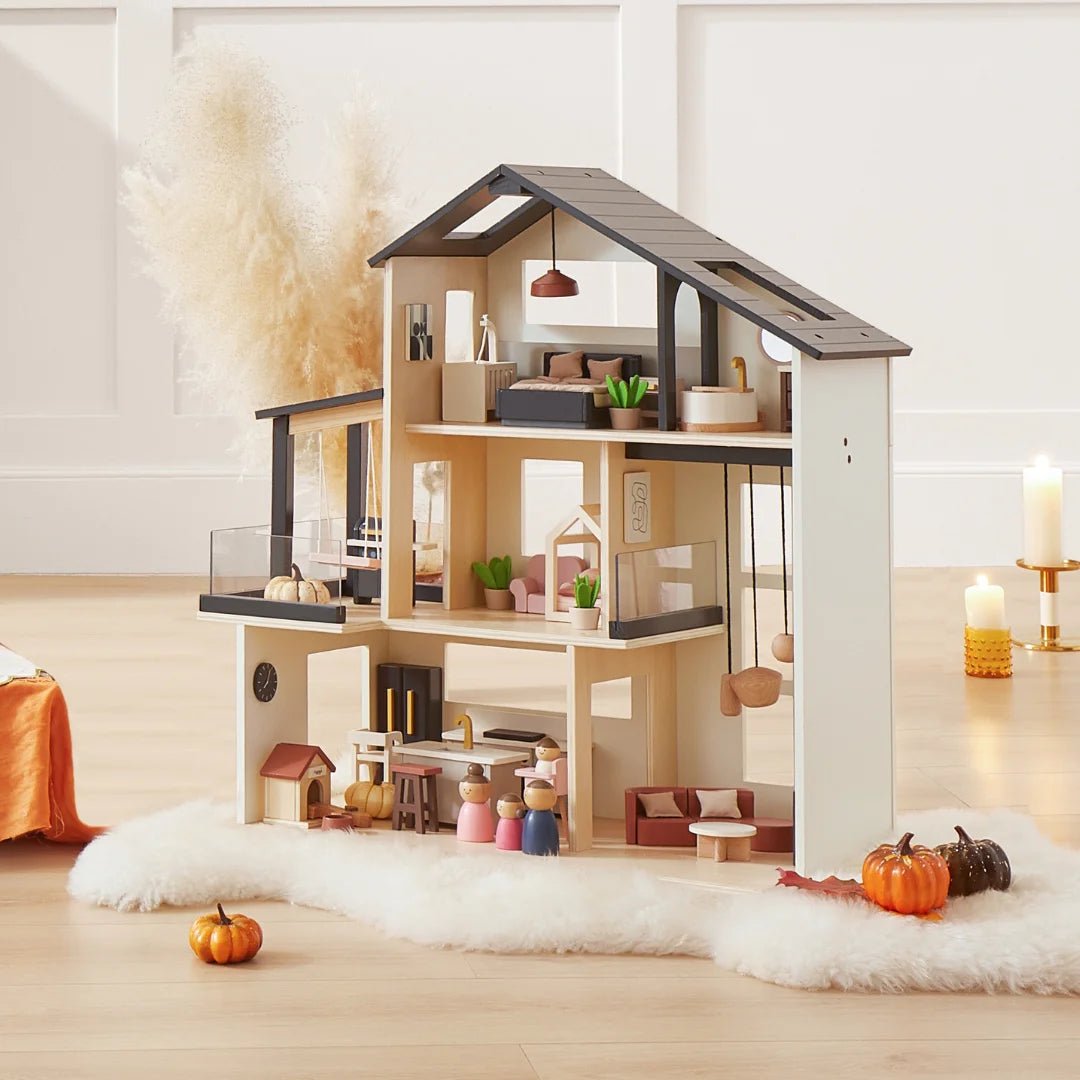
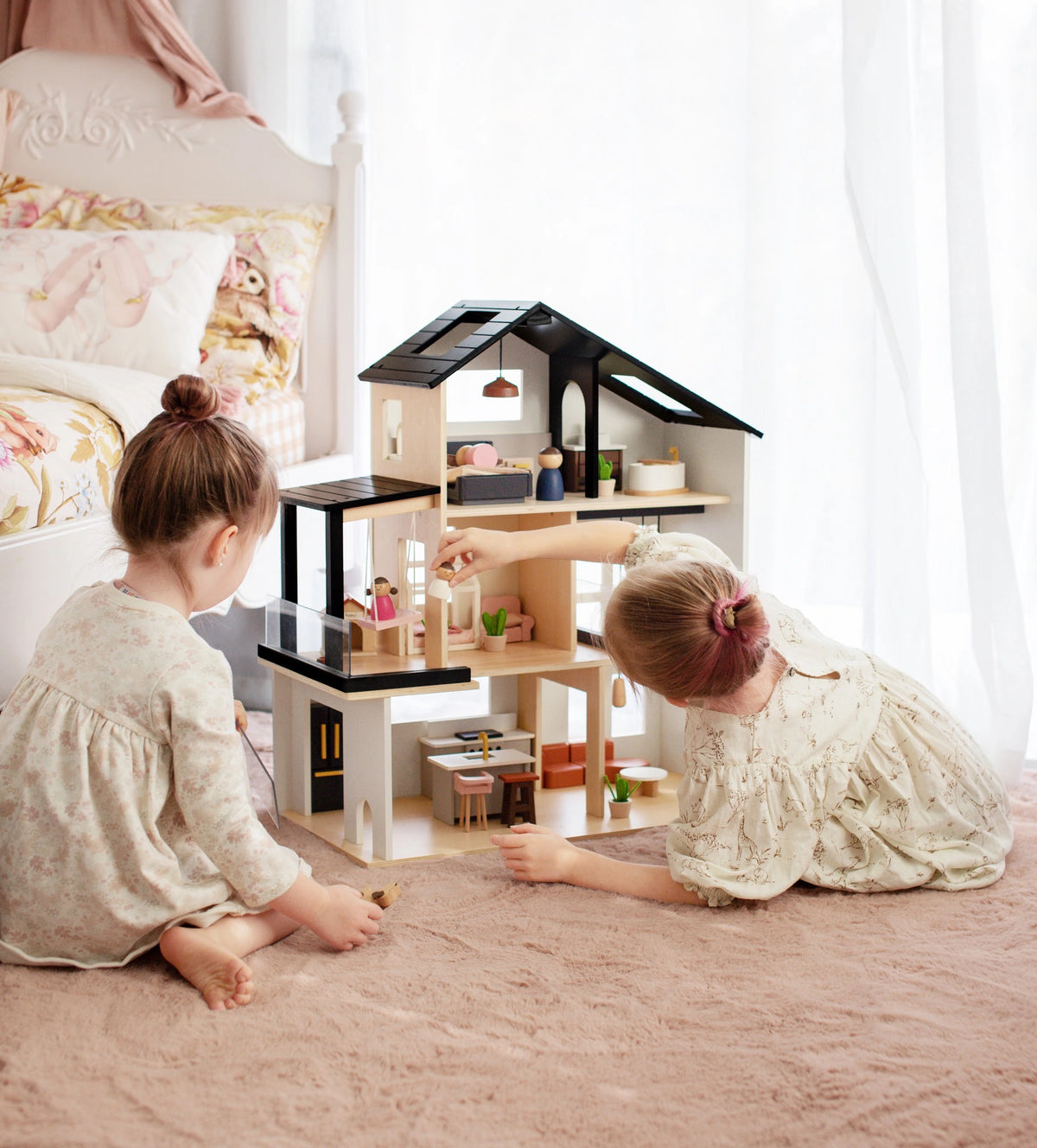
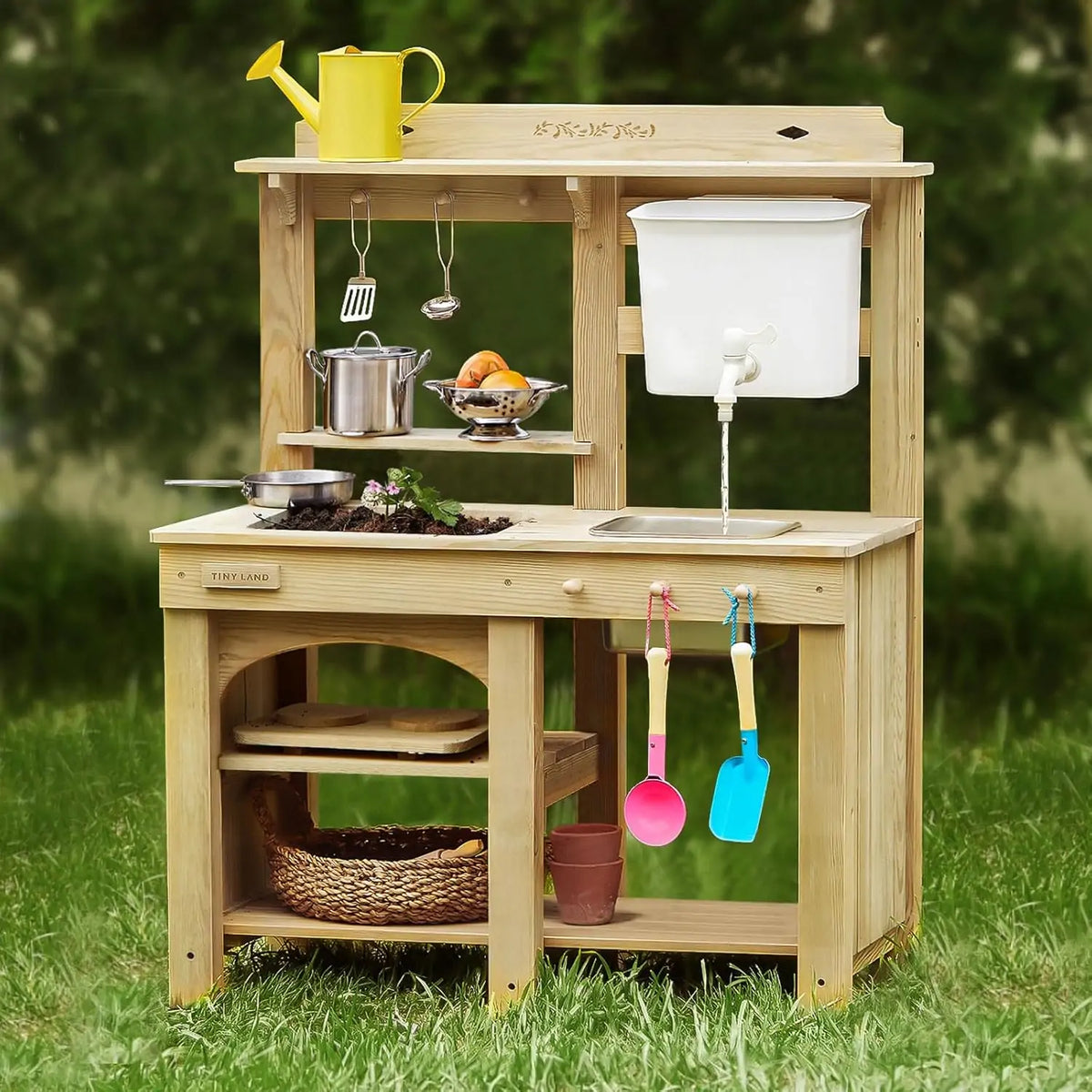
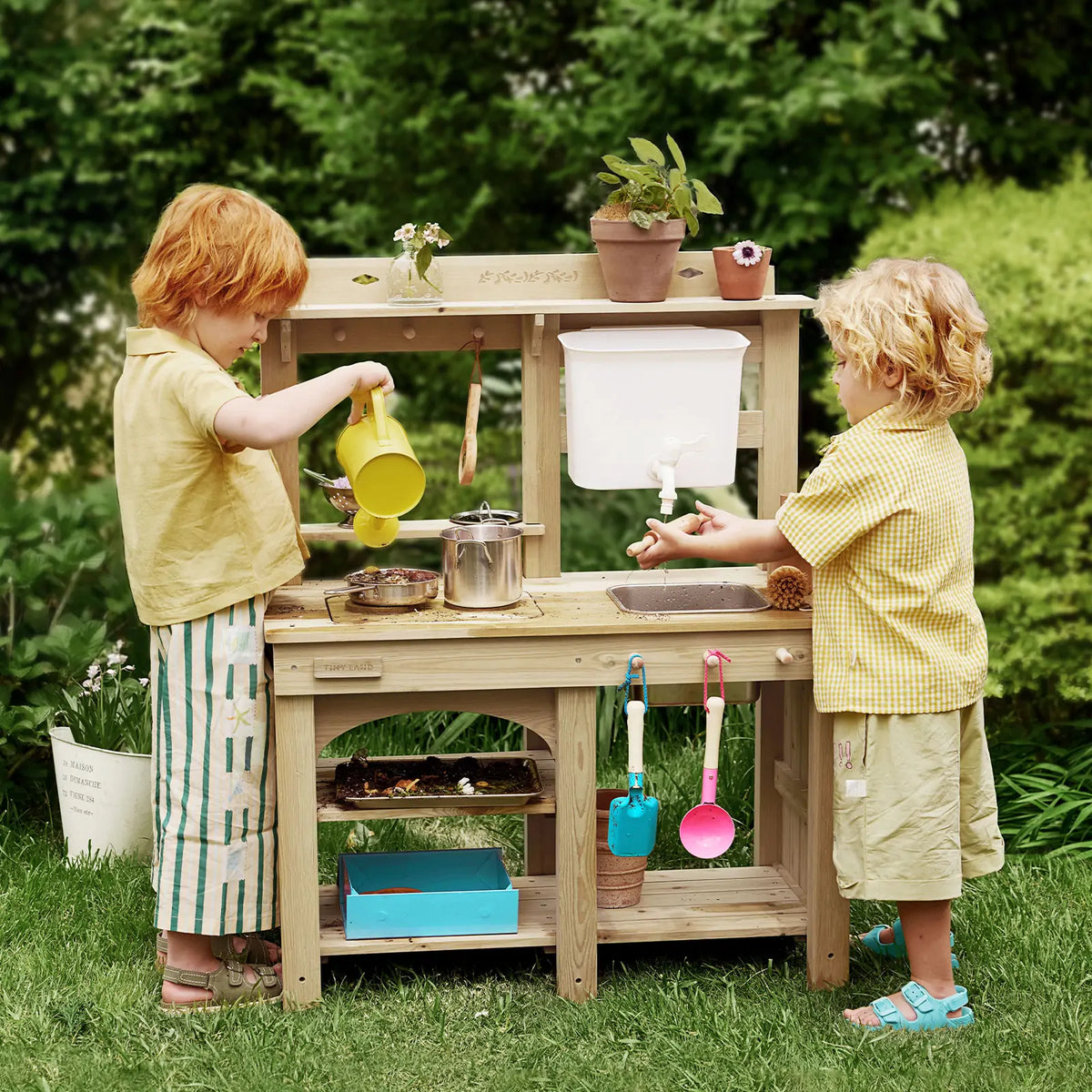
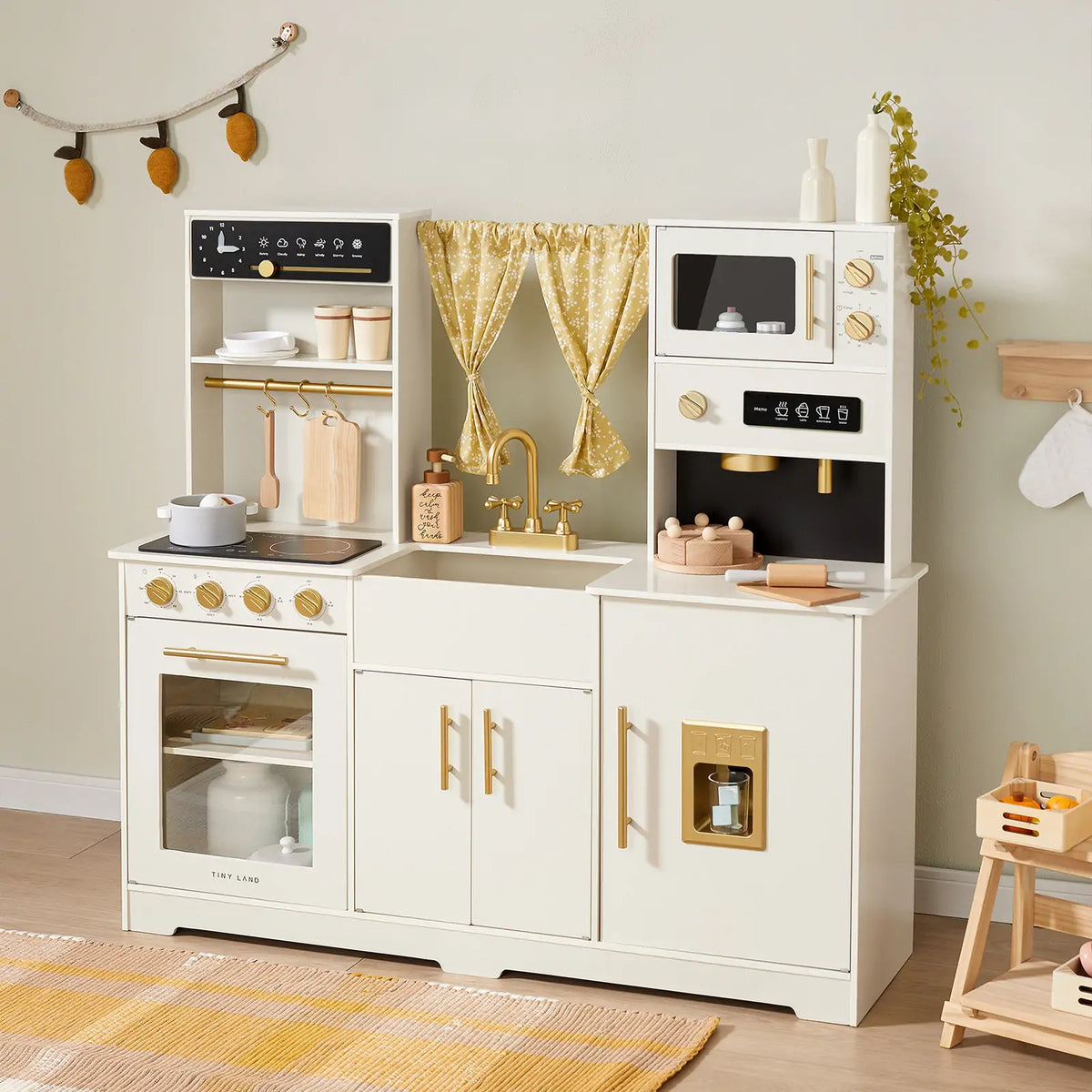
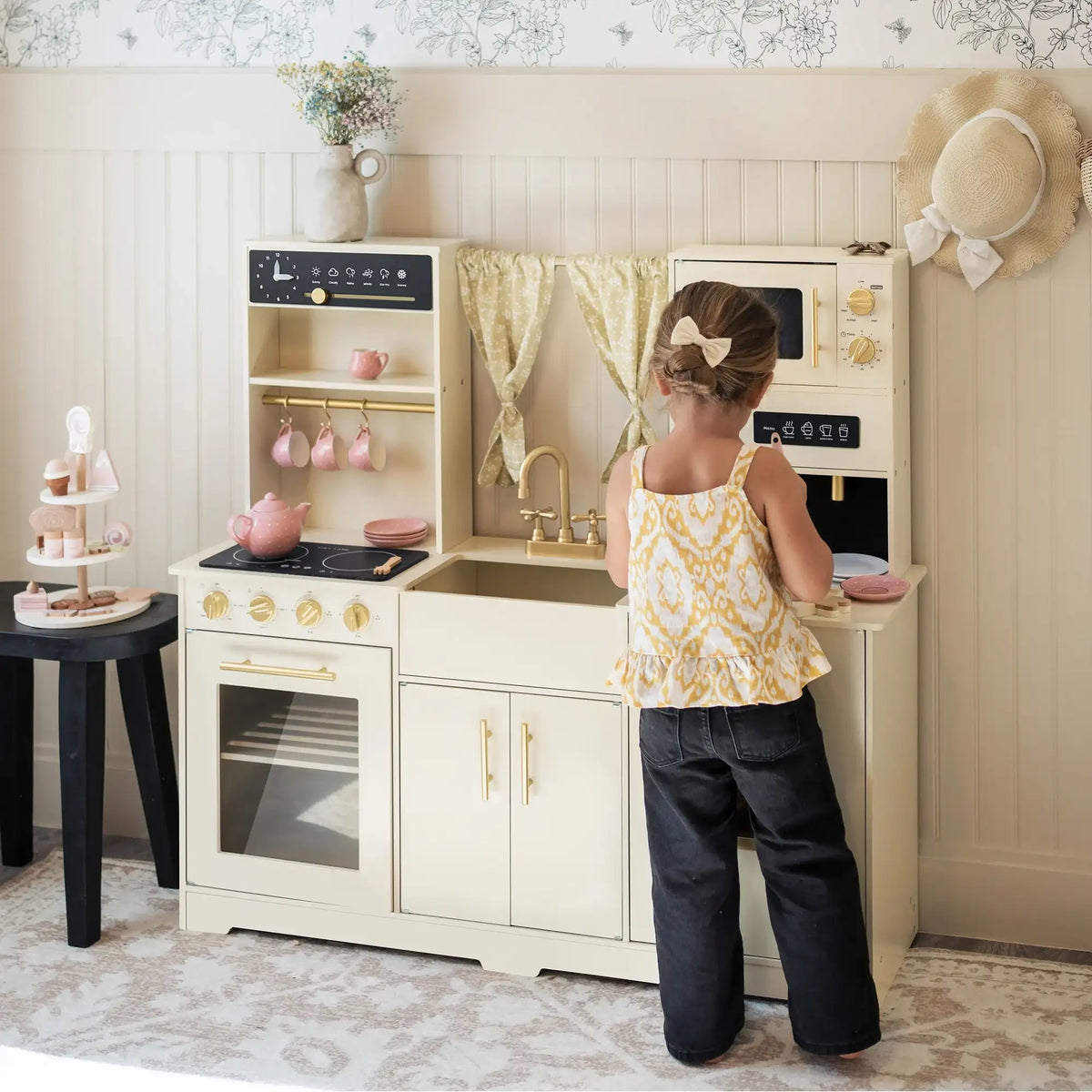
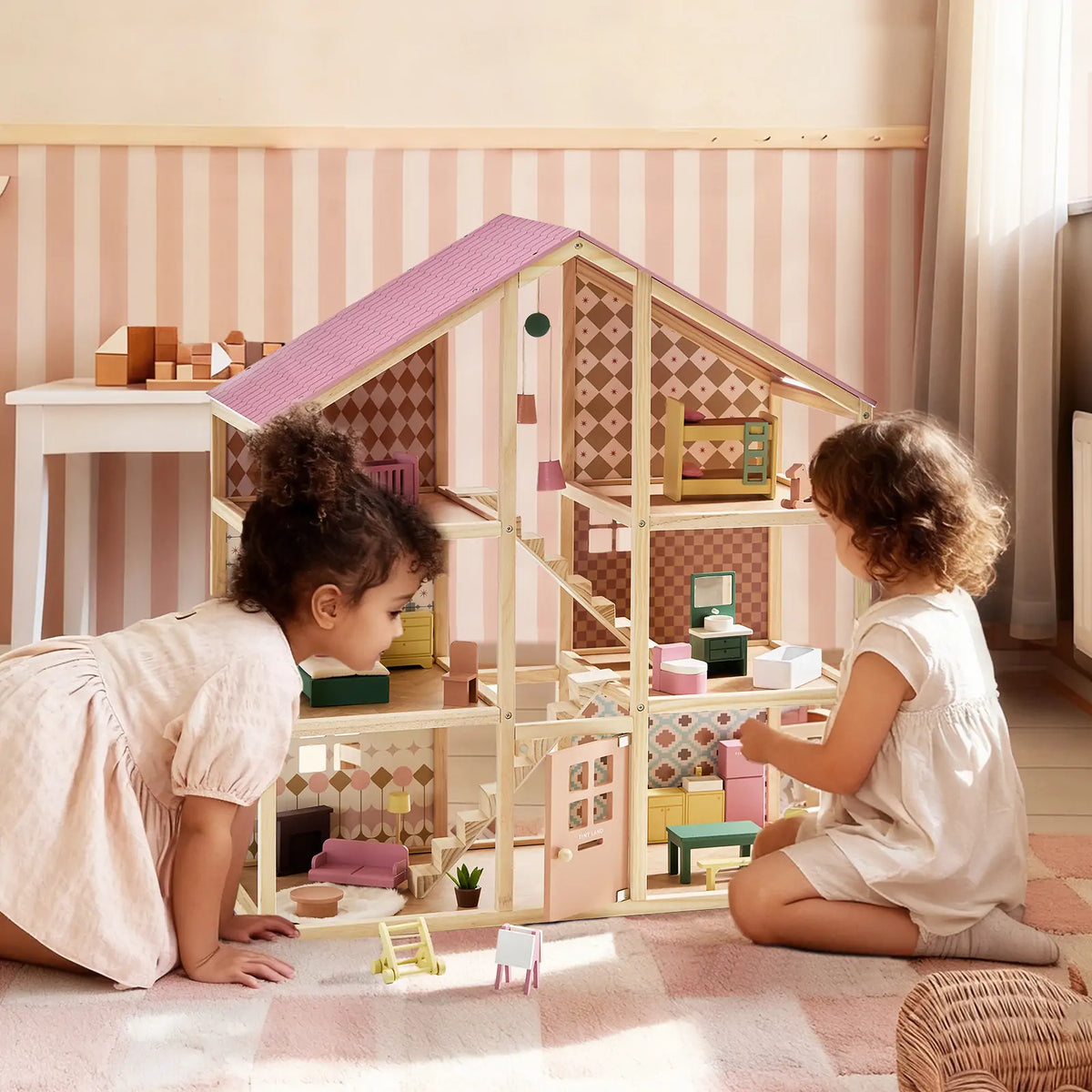
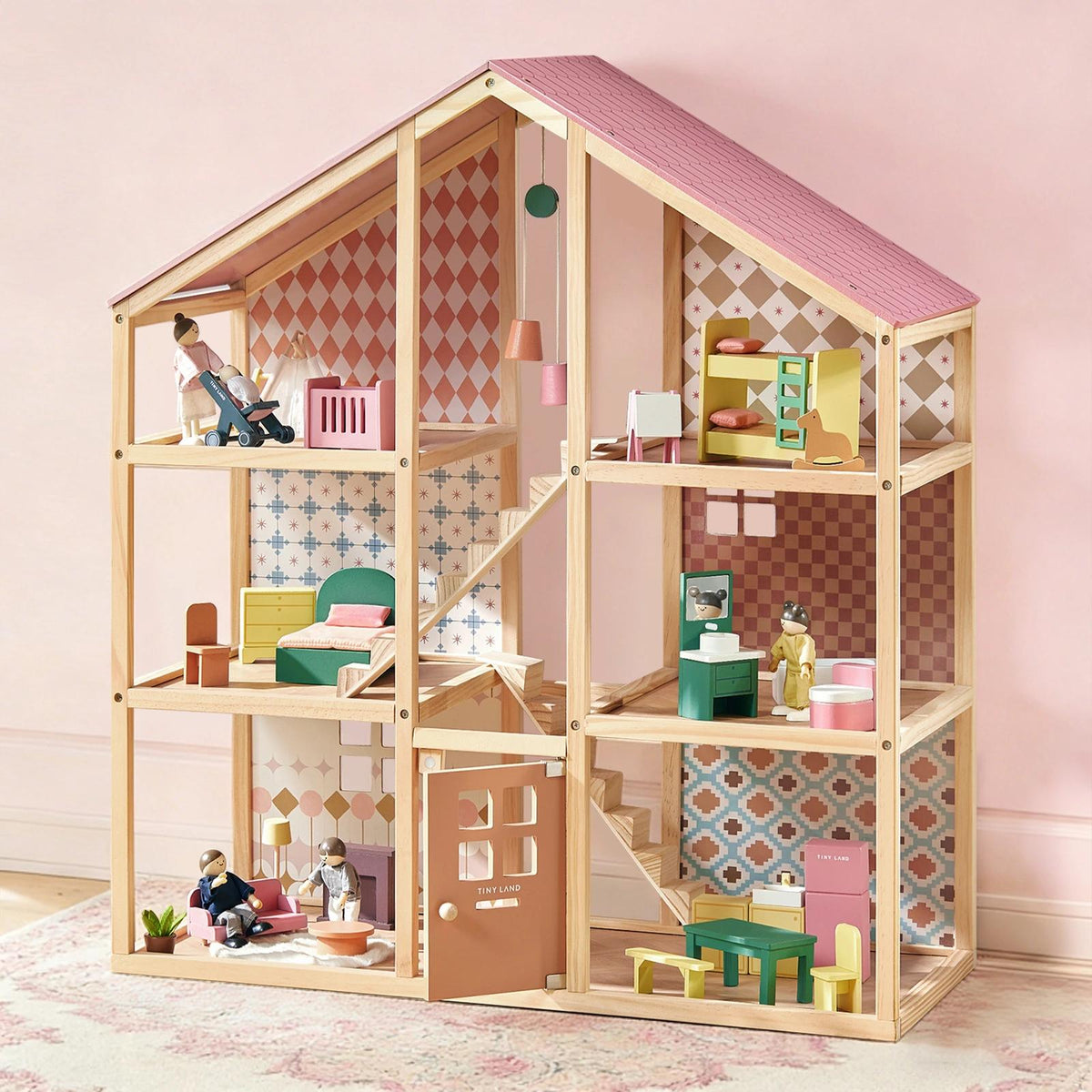
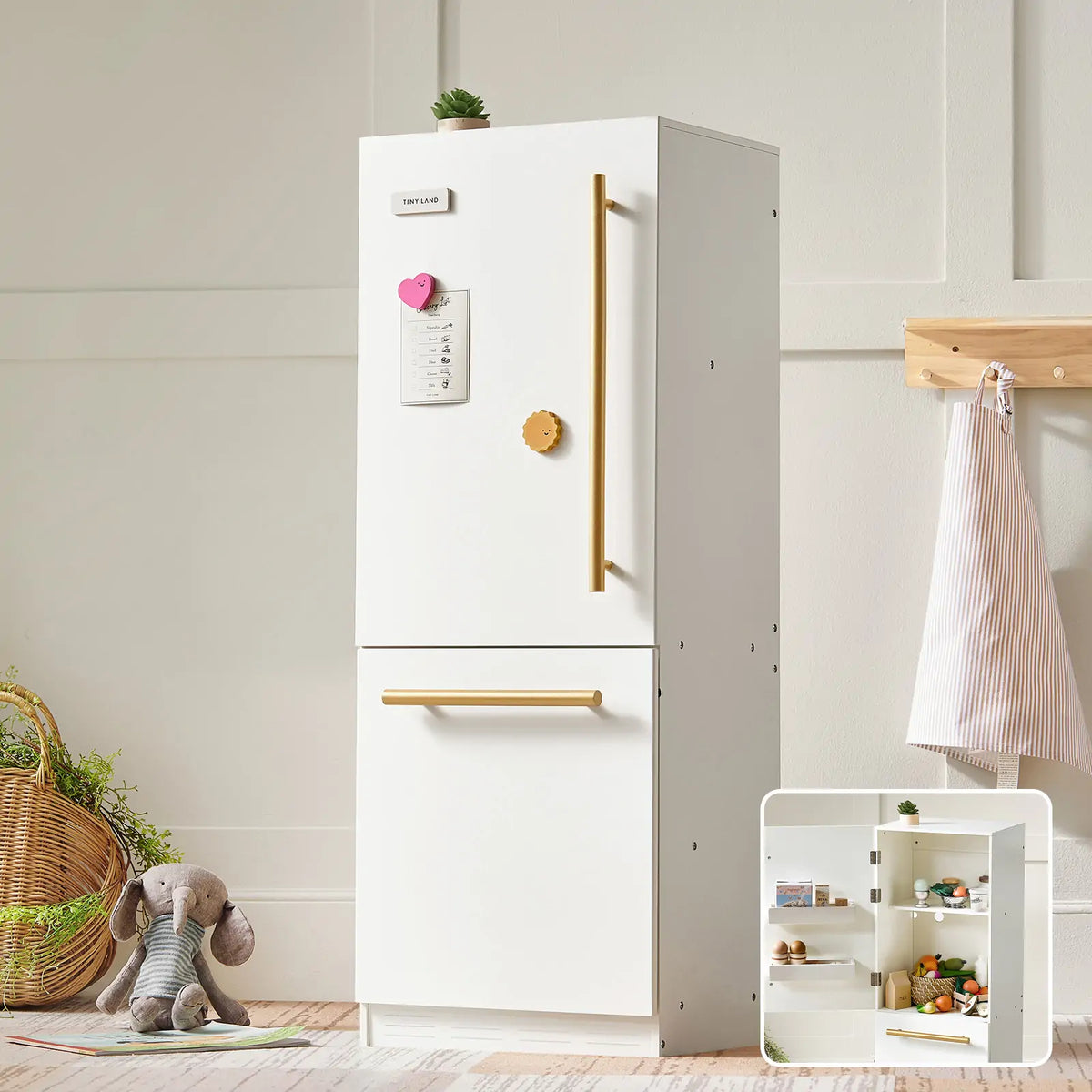
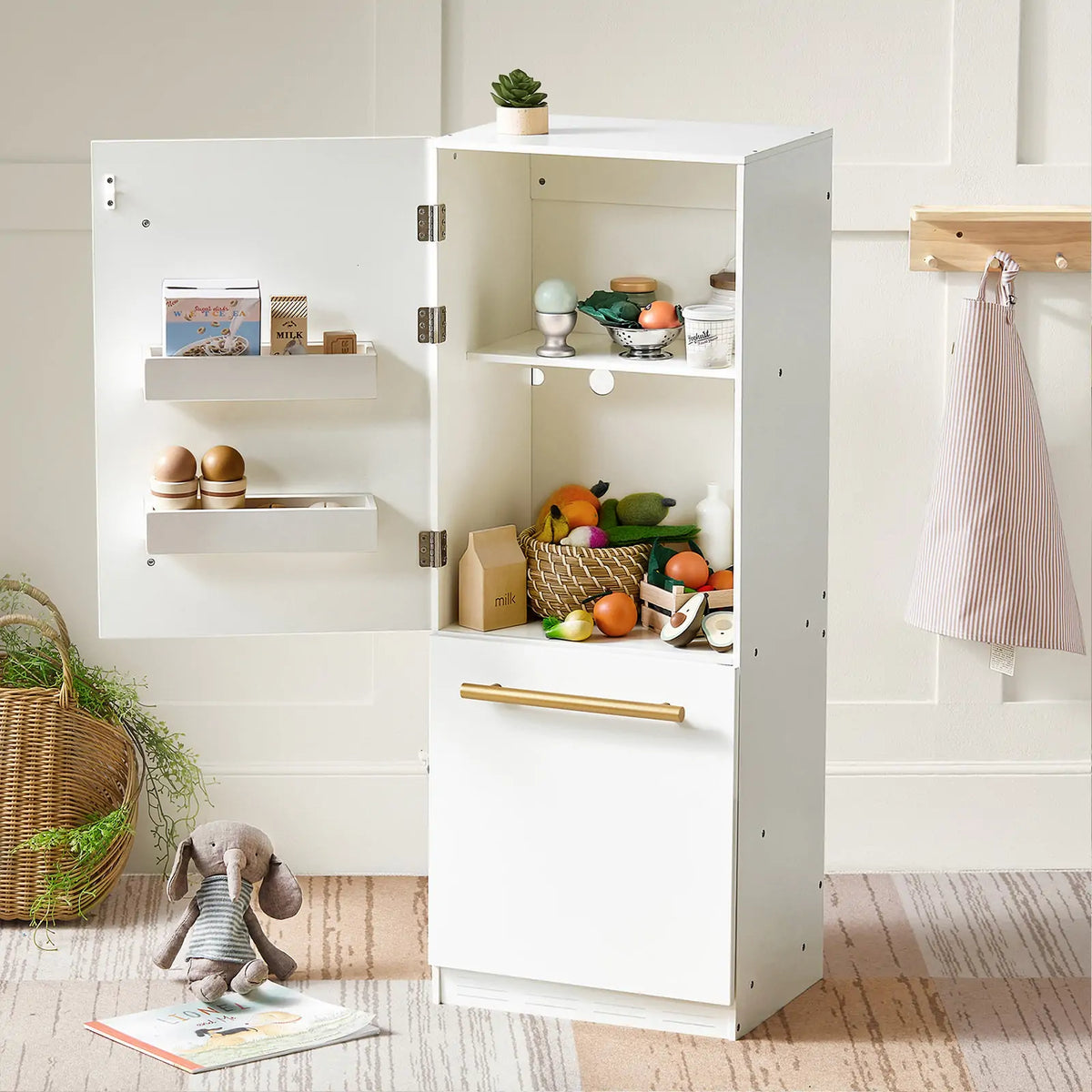
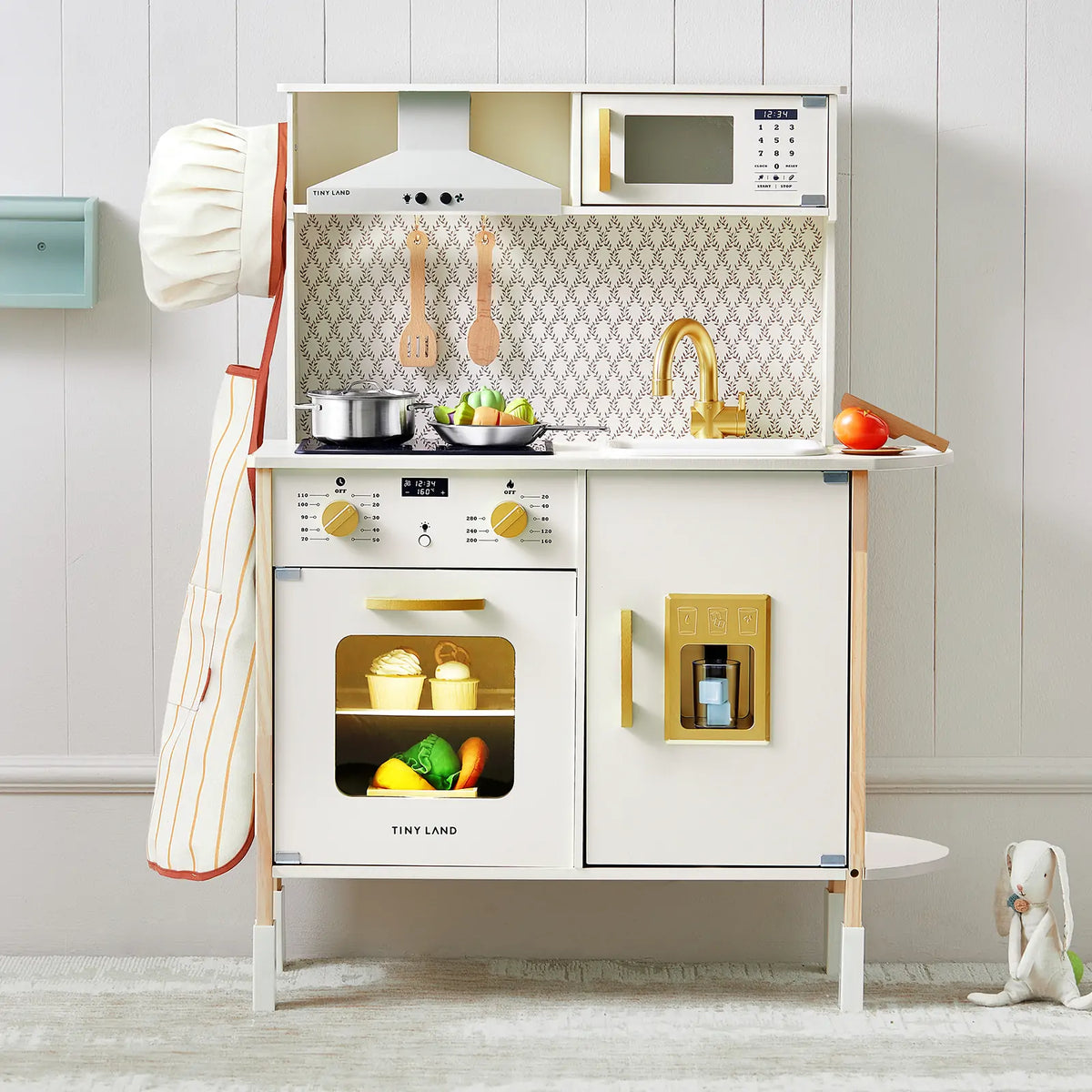
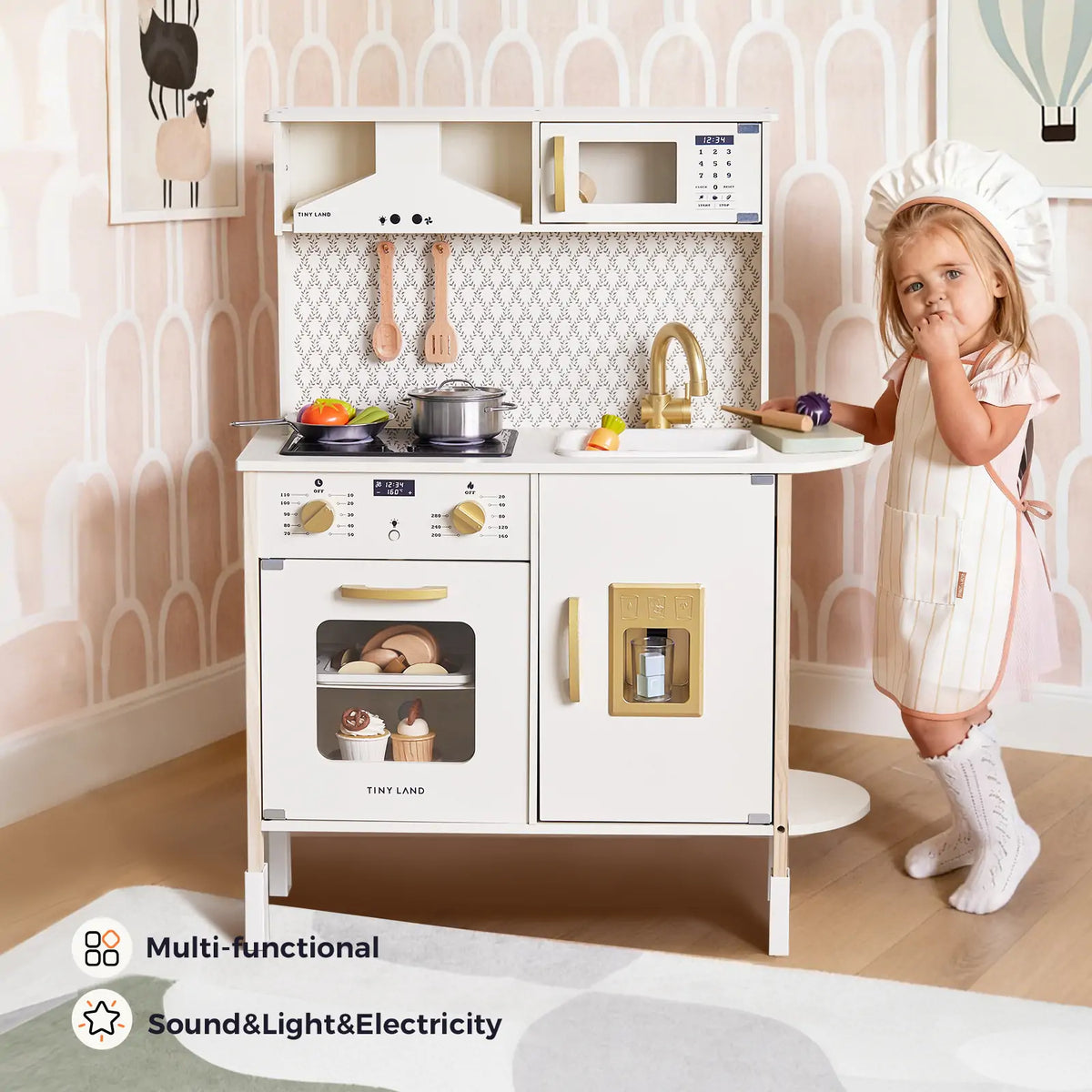
Role-play activities such as kitchen play, wooden dollhouse or doctor sets help children explore real-life situations through imagination in a safe, structured way.
Art and Creative Stations
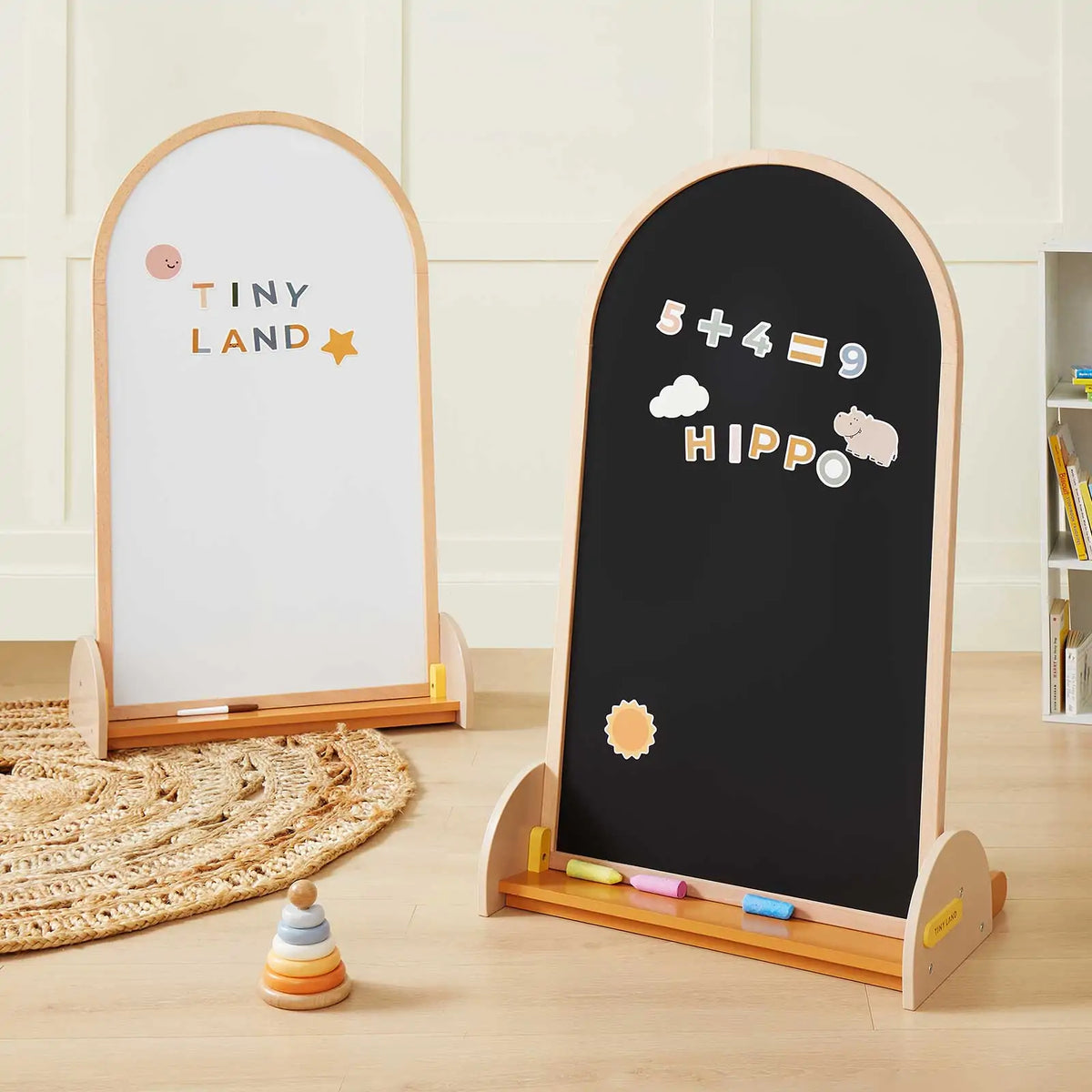
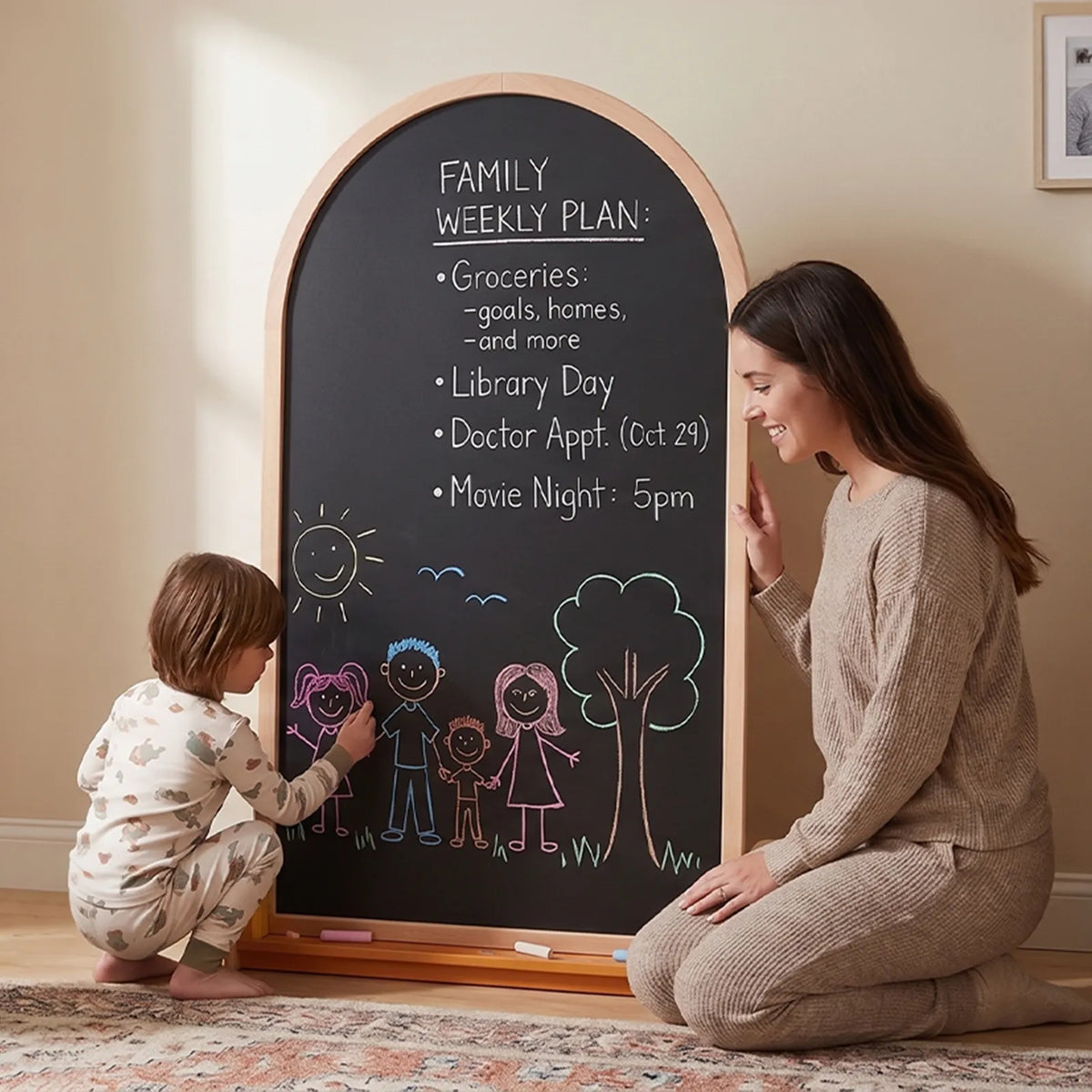
Easels, drawing boards, and craft spaces support focus, creativity, and fine motor development across indoor and outdoor environments.
Play Tents and Cozy Corners
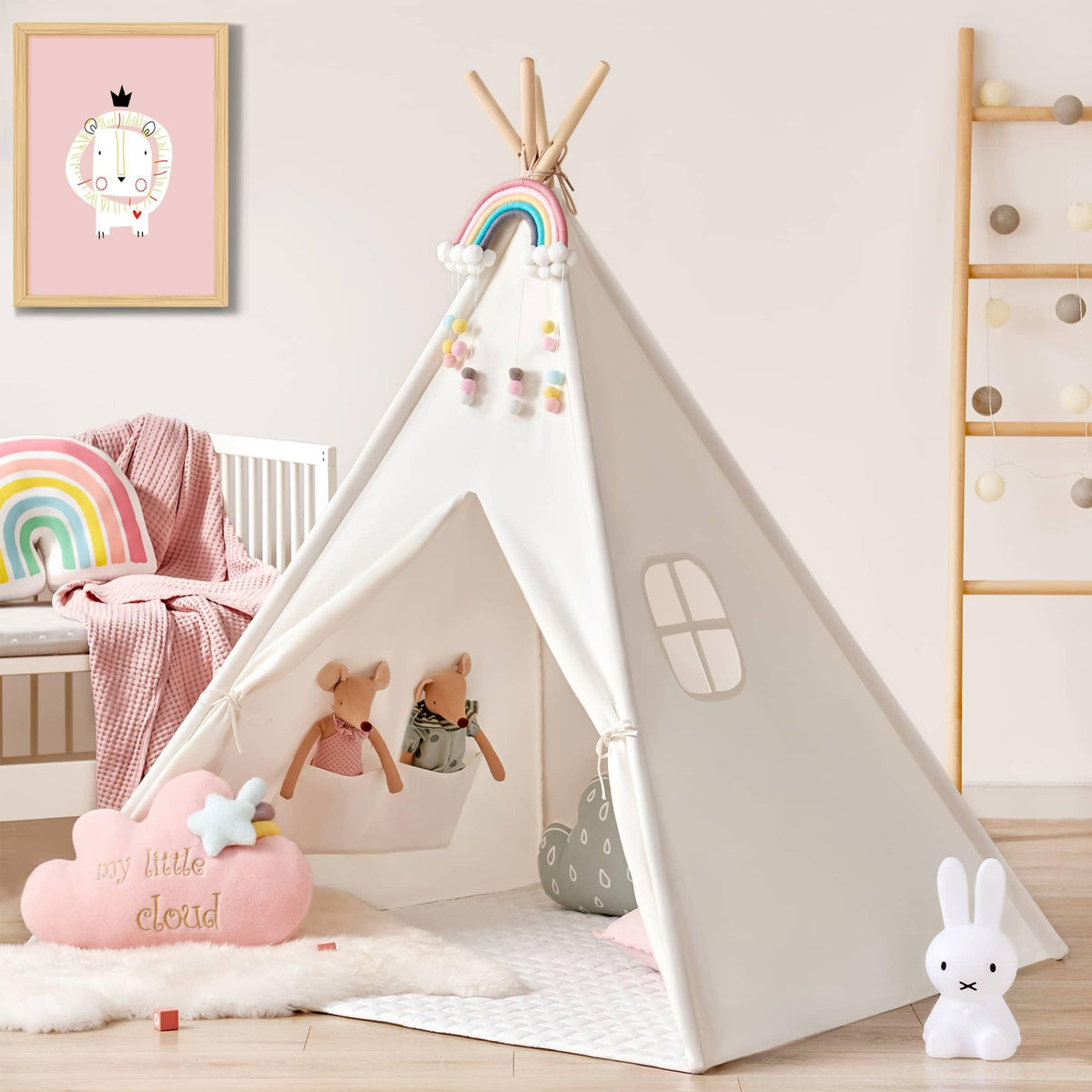
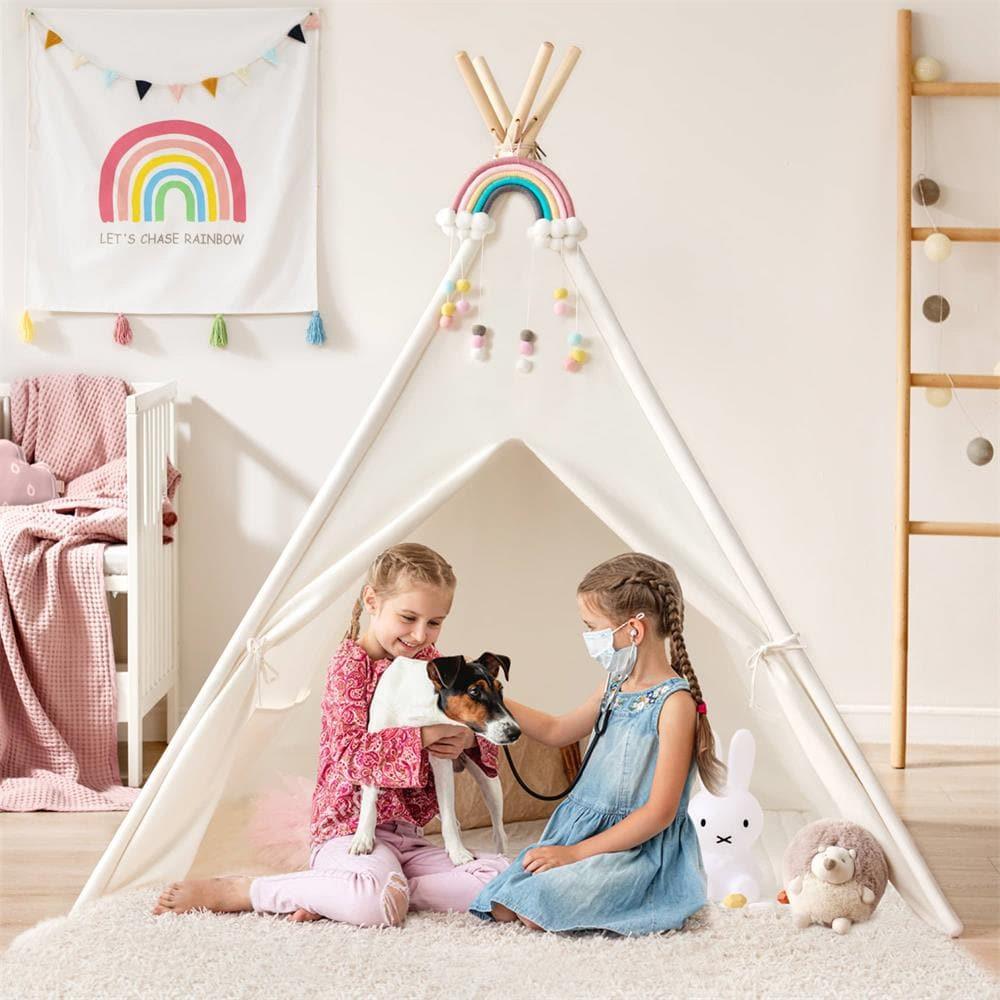
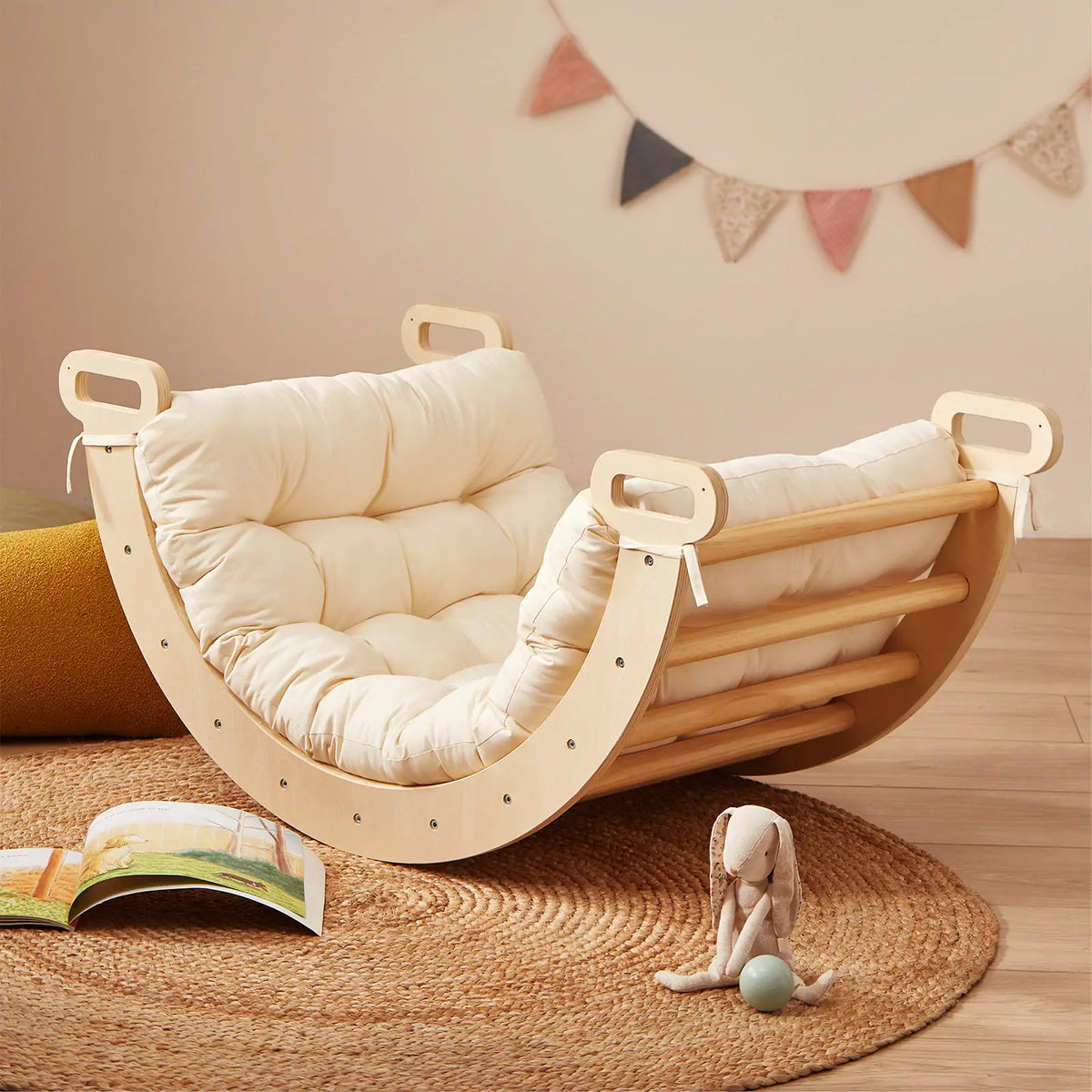
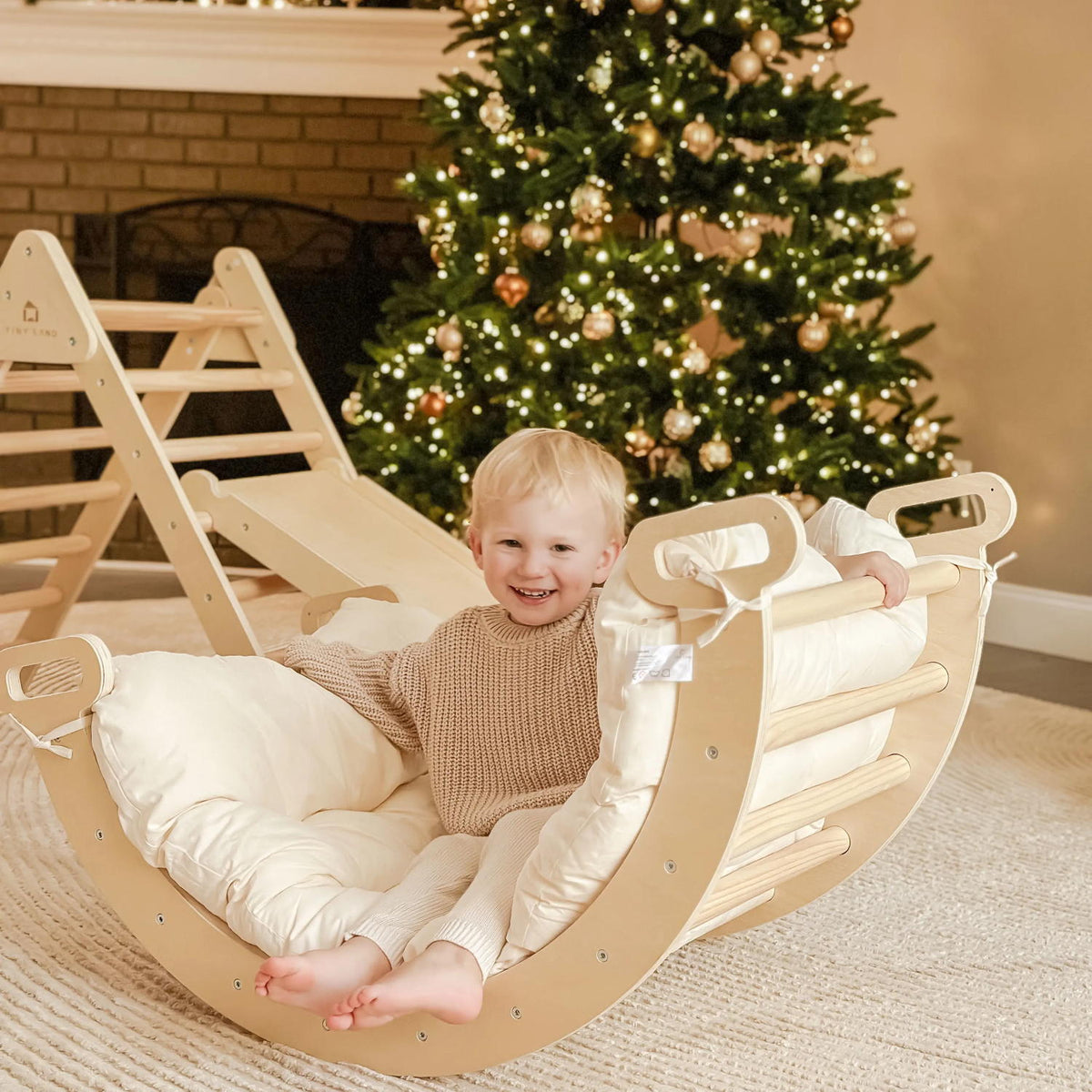
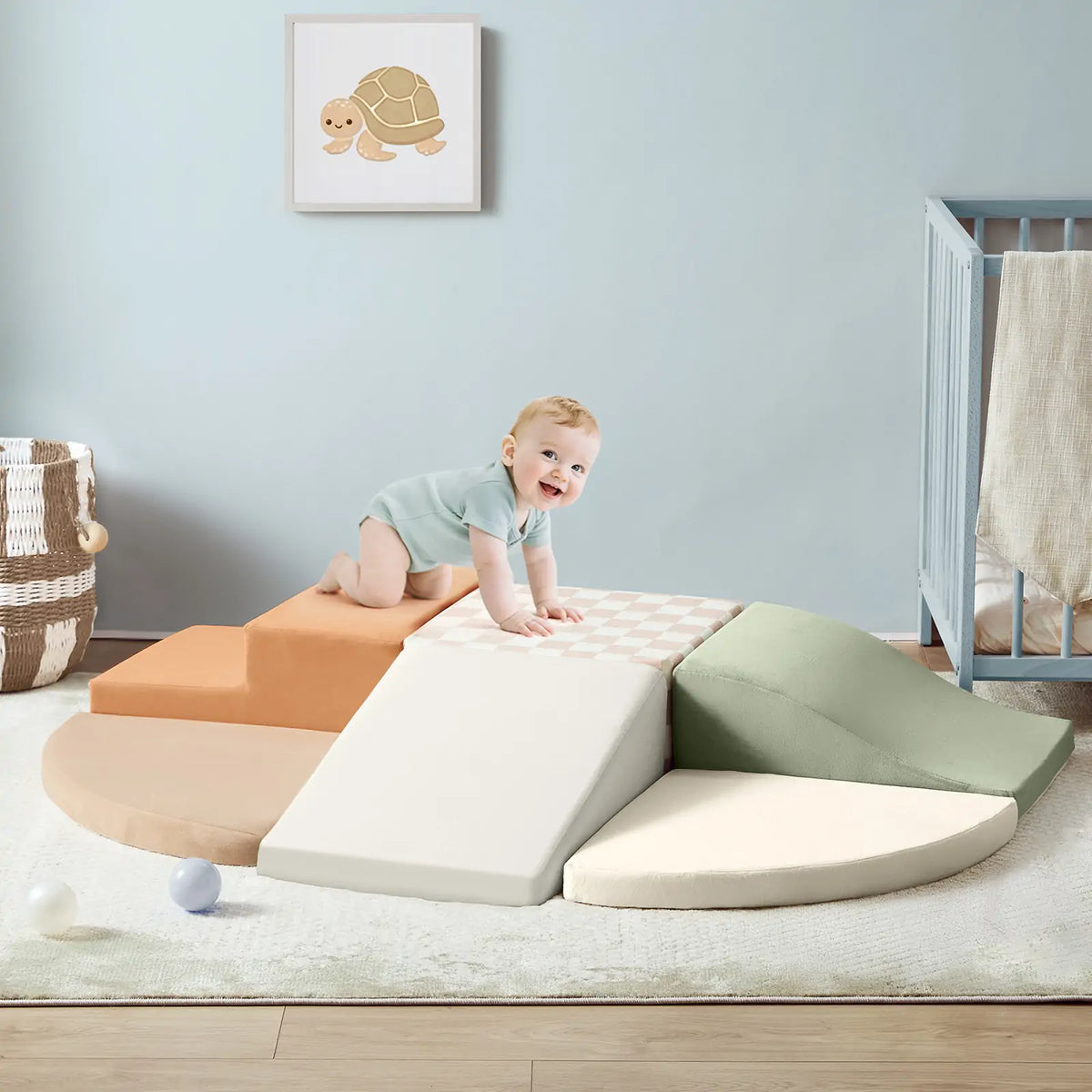
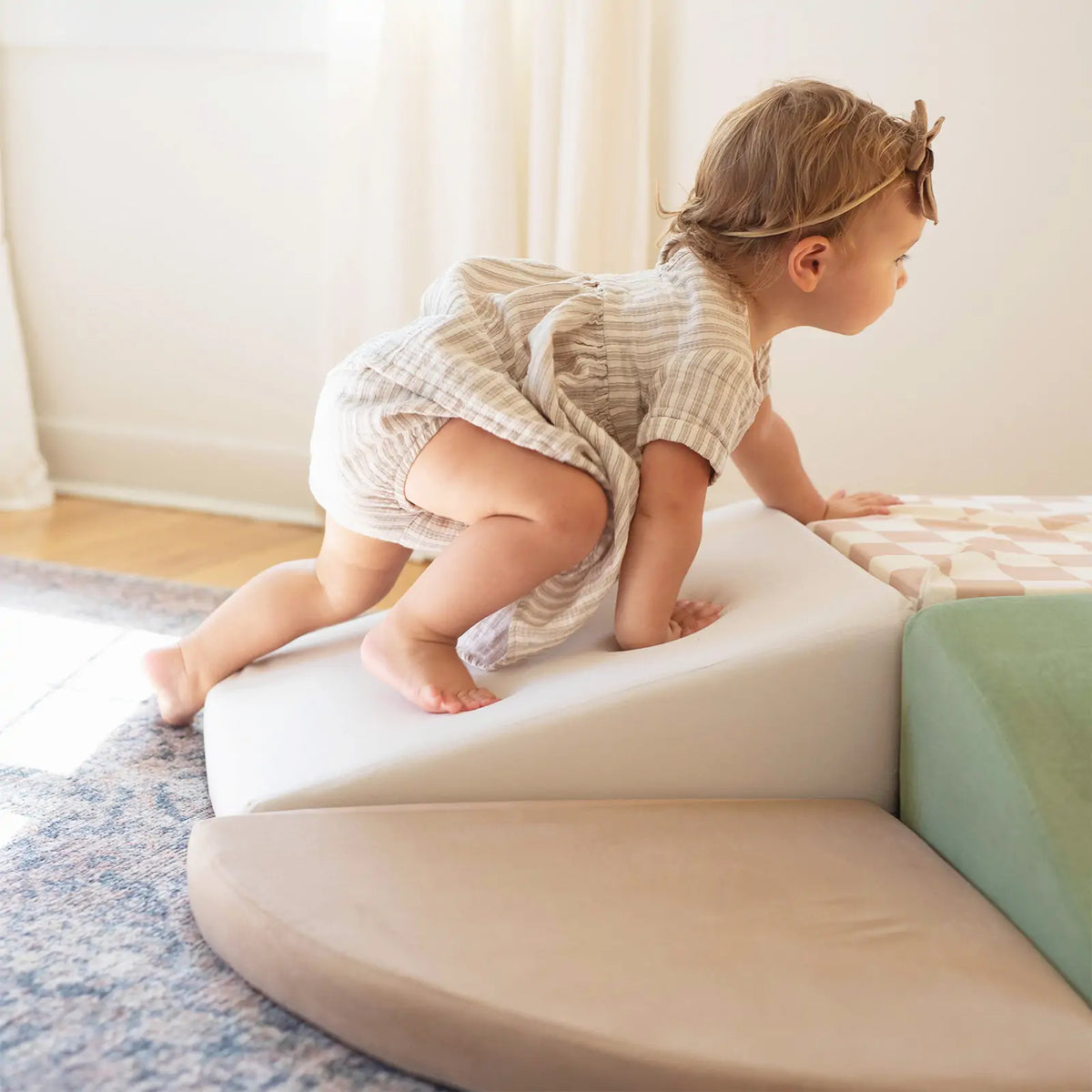
Kids’ play tents and ball pits each create a dedicated space for different types of independent play — from quiet moments of reading and imagination to active, sensory exploration.
Together, they help children build a small world of their own where they can move freely, stay engaged, and enjoy both calm and energetic play in a safe environment.
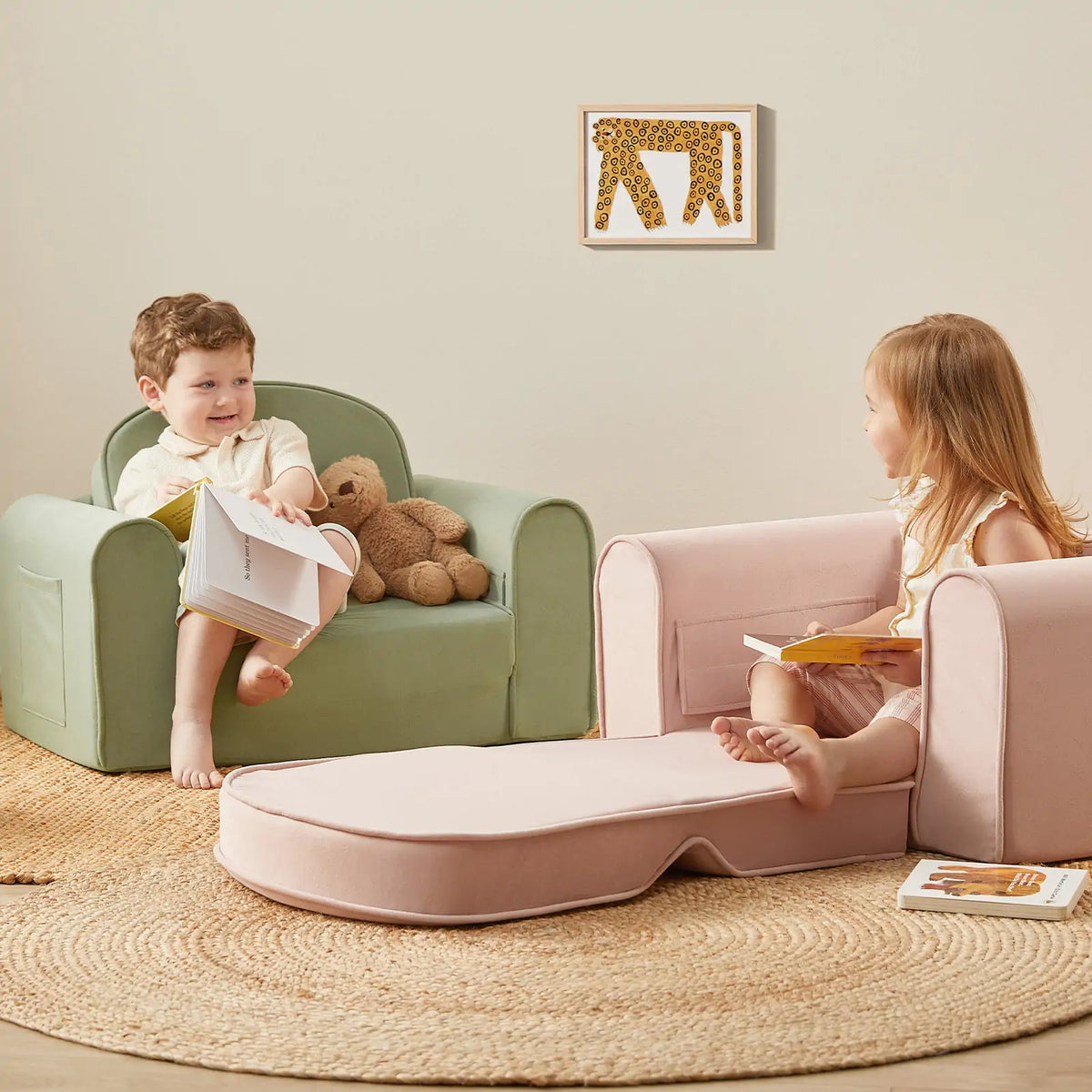
Child-Sized Furniture and Kids Chairs
Properly scaled furniture such as kids chair supports posture, stability, and safe everyday use while giving children independence over their own space.

FAQ
What is safe independent play?
Safe independent play is when children explore and play on their own within a safe, supportive environment that encourages both learning and well-being.
At what age can children start independent play?
Most children begin showing early independent play behaviors around 2–3 years old, with duration and complexity increasing over time.
How long should toddlers play independently?
It varies by child, but many toddlers can engage in short independent play sessions of 10–30 minutes, gradually increasing with development.
How can parents encourage safe independent play?
Start with a simple, organized environment, provide open-ended toys, and allow short periods of uninterrupted play while staying nearby.
What makes a toy safe for independent play?
Safe toys are age-appropriate, stable, made from non-toxic materials, and designed to minimize risk during active use.

Final Thoughts
Safe independent play is not about reducing freedom — it is about designing the conditions where freedom can exist safely and meaningfully.
During National Safety Month, it becomes a reminder that safety is not only about preventing harm, but also about creating environments where children can grow with confidence every day.
When children are supported by safe surroundings, they don’t just play independently — they learn how to trust themselves, their environment, and their ability to explore the world.

Create a play environment that supports both independence and peace of mind.
Explore thoughtfully designed pretend play sets, creative stations, and child-sized furniture that help children learn, imagine, and grow safely at home.