




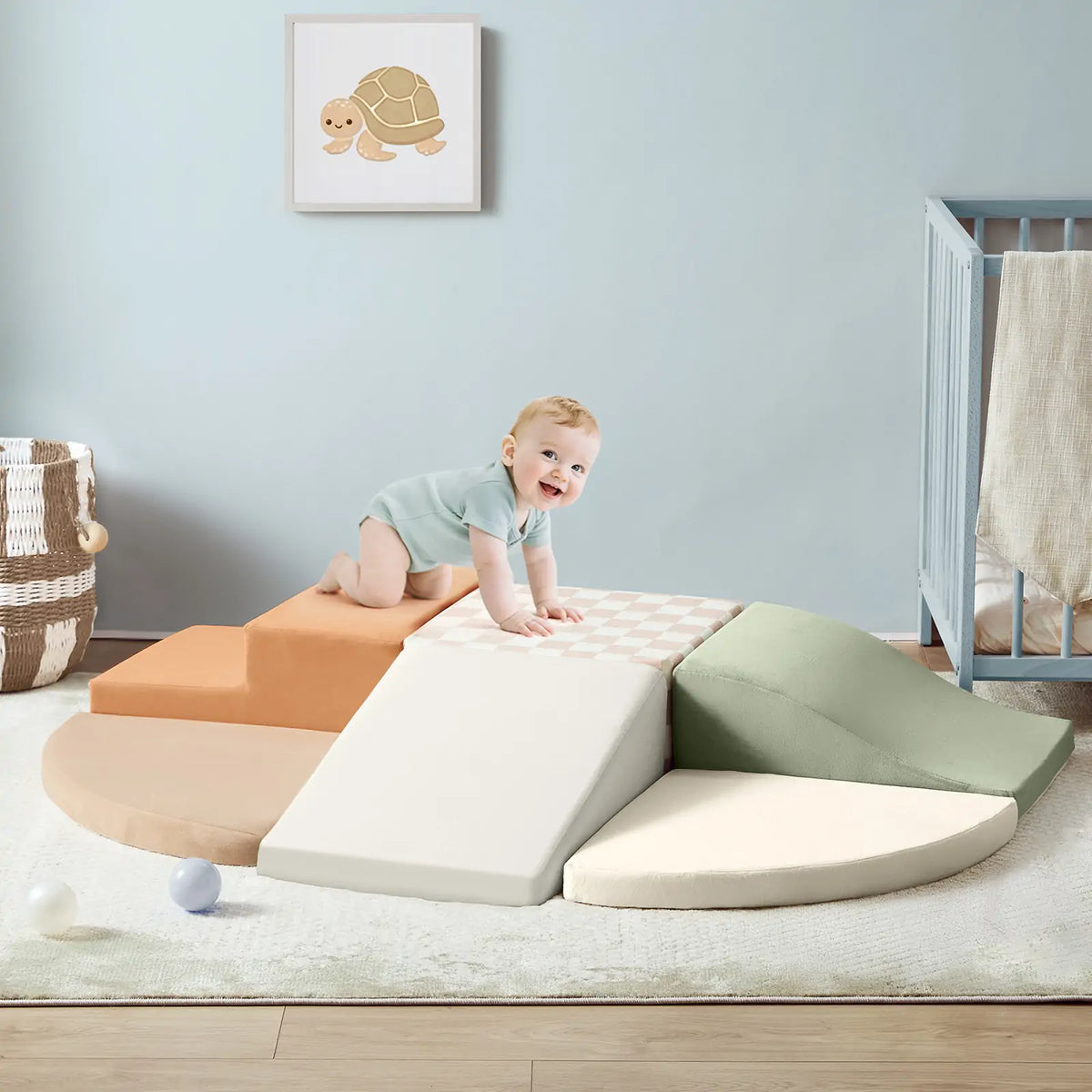
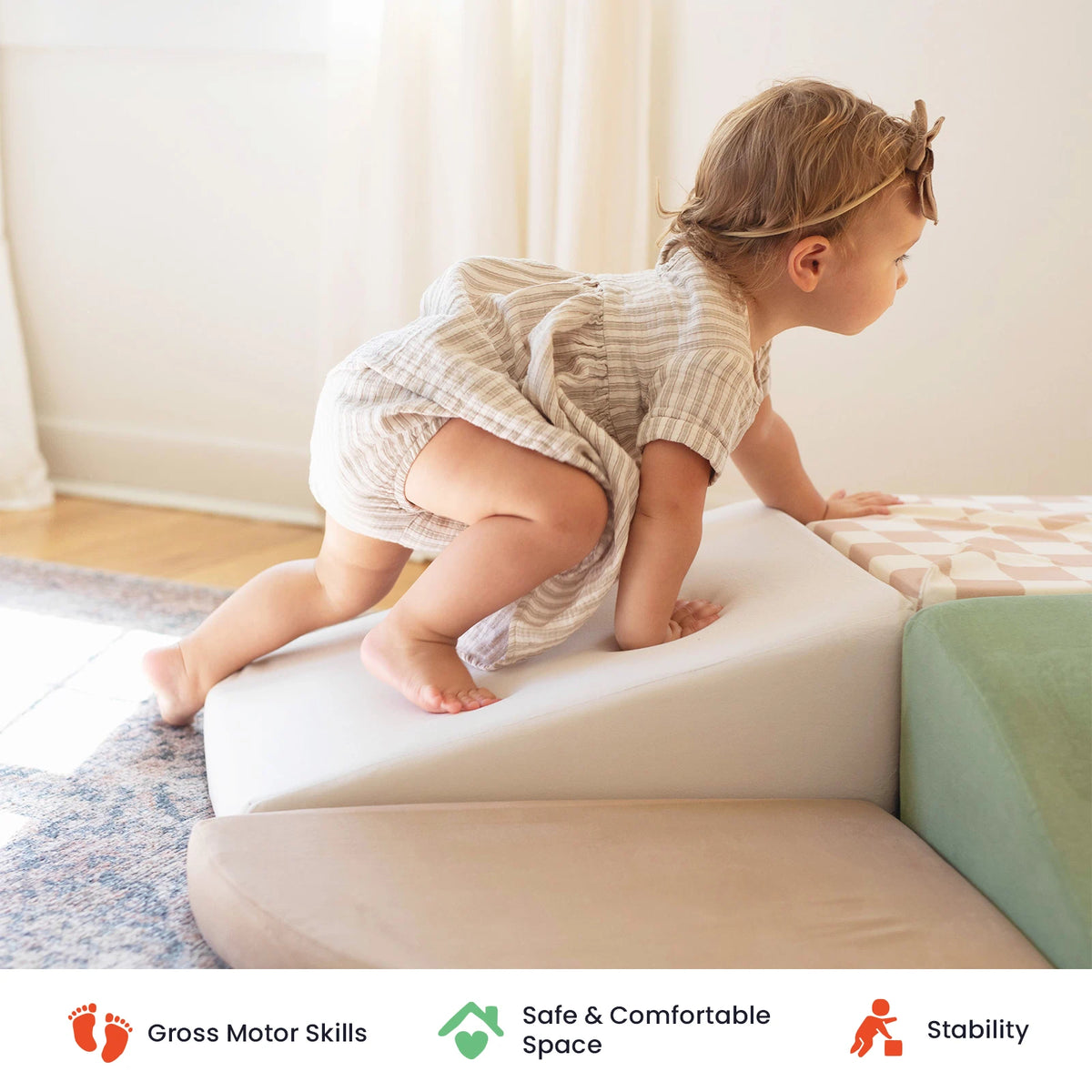
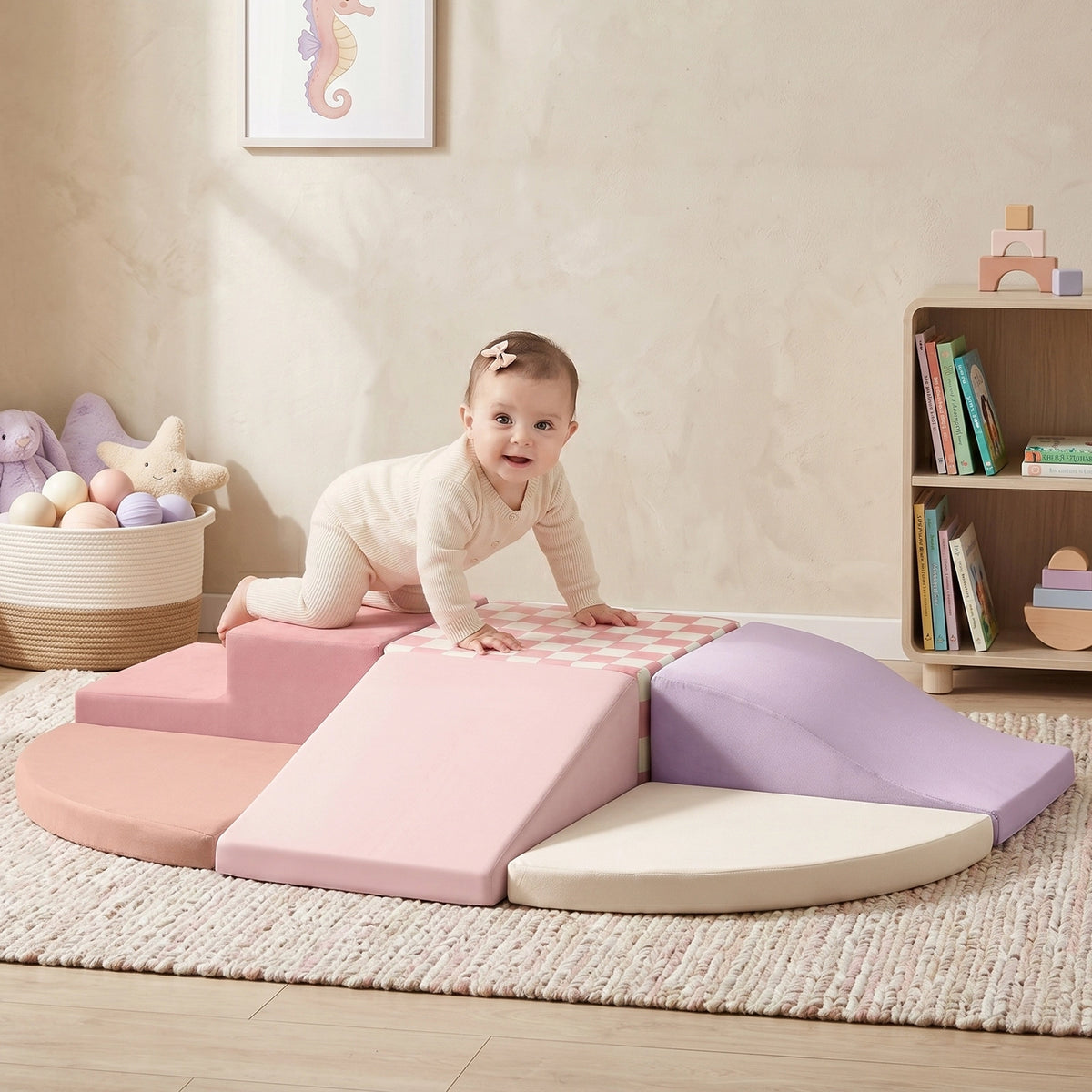
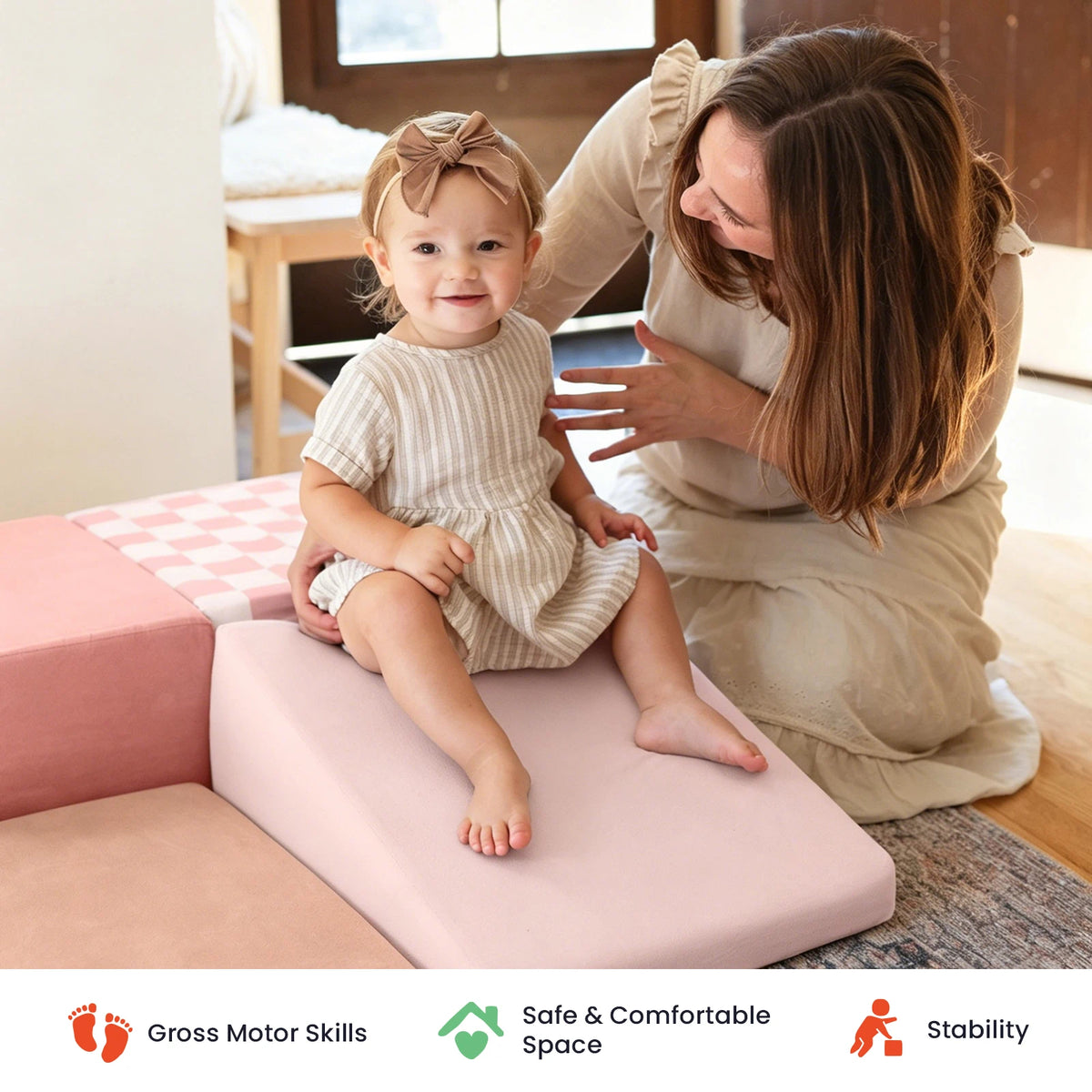


Baby play mats do a lot of work in daily family life. They cushion tummy time, create a softer floor space for rolling and crawling, and give your little one a comfortable place to play. But with all that use comes drool, snack crumbs, spit-up, pet hair, and everyday dirt. That is why learning how to clean baby play mats matters so much.
For many parents, a mat is more than just a soft surface. It is part of a safe space for early movement, sensory exploration, and quiet bonding time. Keeping that space fresh does not have to be complicated. With the right routine, gentle products, and a little consistency, you can clean play mats without using harsh chemicals or damaging the material.
This guide covers practical cleaning tips for different mat types, including foam mats, fabric mats, and plastic mats, so you can handle daily messes and occasional deep clean days with confidence.

Why Regular Cleaning Matters
A baby mat gets exposed to more than most household surfaces. Your baby may lie on it during tummy time, press their face against it, chew toys on it, and touch it repeatedly throughout each play session. Crumbs, moisture, and dust can collect quickly, especially when the mat stays on the floor surface all day.
That is why regular cleaning is important. It helps reduce bacteria buildup, removes residue that may irritate baby's skin, and keeps the space more pleasant for everyday baby play. Without routine care, even a clean-looking mat can become a breeding ground for odor and grime.
For many parents, the best approach is simple: a quick wipe for daily messes, plus a deeper routine when needed.
Start With the Care Instructions
Before you wash, wipe, or soak anything, check the manufacturer’s care instructions. Different play mats have different cleaning needs, and using the wrong method can wear them out faster.
Some mats can handle hand washing or even machine washing, while others should only be wiped on the surface. A foldable foam play mat may need a very different routine from padded organic cotton fabric mats. The label will usually tell you whether hot water, tumble drying, or full-water washing is safe.
If you are cleaning the entire mat, this first step matters even more. A few minutes spent checking the label can help you avoid warping, fading, peeling, or trapped moisture.

How to Clean Baby Play Mats Step by Step
If there is no special instruction that says otherwise, this simple method works well for many baby play mats.
1. Remove loose dust and debris
Start by picking up toys, crumbs, and visible debris. Then use a dry soft cloth or microfiber towel to remove dust from the surface. If you are cleaning textured foam mats, a soft bristled brush can help lift crumbs from grooves and seams.
For interlocking foam play tiles, separate the pieces occasionally and clean underneath too. Dust often settles between tiles and on the floor below.
2. Mix a gentle cleaning solution
In a bowl or spray bottle, combine warm water with a small amount of mild soap or mild detergent. This makes an effective cleaning solution for most everyday messes.
Try not to overdo the soap. Too much product can leave residue behind and make the mat feel sticky after cleaning.
3. Wipe the mat carefully
Dip a damp cloth into the solution and wring it out well. Then gently wipe the surface. A slightly damp cloth is usually better than soaking the mat, especially for foam materials.
Move across the mat in sections so you do not miss spots. If you are cleaning a textured surface, wipe in one direction and then the opposite direction to lift more grime from grooves and edges.
4. Spot clean stains
If you notice spills or marks, spot clean the affected area before doing a full pass over the rest of the mat. This helps prevent stains from setting in.
Use the same cleaning solution with a soft cloth, and press gently rather than scrubbing too hard. For stubborn spots, let the damp cloth rest on the stain briefly before wiping again.
5. Rinse away residue
After cleaning with soap, use a second cloth dipped in fresh water to rinse the surface. This step is especially helpful for mats used daily by a baby, since leftover soap can irritate sensitive skin.
Do not pour water directly over most foam-based mats unless the label clearly says it is safe.
6. Let the mat dry fully
After cleaning, air dry the mat in a well-ventilated room. If possible, stand it partly upright so both sides get airflow. Always air dry completely before the next use.
A completely dry surface matters for both cleanliness and comfort. Moisture trapped inside folds or seams can lead to odor over time.

How Cleaning Changes by Mat Type
Not every mat should be cleaned the same way. The material makes a real difference.
Foam mats
Foam mats are popular because they are soft, supportive, and easy to use on hard floors. A foam play mat usually responds best to light surface cleaning rather than soaking.
Use a damp cloth, mild soap, and as little excess water as possible. If the mat folds, open it fully while drying so trapped moisture can escape. If it comes apart into tiles, clean each section and let the pieces mat air dry separately before reassembling.
For a full deep clean, wipe all sides, including edges and undersides. Let the mat air out well before placing it back on the floor.
Fabric mats
Fabric mats often feel softer and cozier for younger babies. Some are made with quilted materials or organic cotton, and some can handle machine washing.
If the label allows, use a gentle wash cycle with mild detergent. If not, try hand washing with warm water and gentle pressure. Avoid heavy twisting, which can distort the padding.
After washing, lay the mat flat to air dry or hang it in a way that supports the shape. Make sure it is fully dry before reuse. If the label warns against tumble drying, skip it.
Plastic mats
Plastic mats are often the easiest to maintain. They are usually made for fast cleanups and daily wiping. In many homes, they are a practical choice for messy snacks, art time, and active baby play.
A quick wipe with a damp cloth and cleaning solution is often enough. Just remember to rinse if you used soap, then let the surface air dry.
How to Handle Common Messes
Real family life creates different kinds of messes, and each one benefits from a slightly different response.
Spit-up and drool
These are common during tummy time and early floor play. Wipe them up as soon as possible with a soft cloth and warm water. If needed, follow with a little mild soap, then rinse.
Snack crumbs and sticky residue
Crumbs should be removed before wiping, especially on a foam play mat with seams or patterns. For sticky spots, use your gentle cleaning solution and let it sit briefly before you wipe.
Milk or formula spills
Milk can create odor fast if it seeps into seams. Blot the spill first, then spot clean with warm water and a little mild detergent. Wipe again with fresh water and allow the mat to air dry completely.
Tough stains
For dried-on marks, use a damp cloth and repeat gentle passes rather than scrubbing aggressively. On some surfaces, a little baking soda paste can help lift residue, but test a small area first and follow with a proper rinse.

Safe Ingredients to Use
When a product is used so close to your baby, simple is often best. Good options include:
-
Warm water
-
Mild soap
-
Mild detergent
-
A gentle homemade cleaning solution
-
Small amounts of white vinegar for some odor issues, if the material allows it
In most cases, it is better to avoid heavily fragranced products. Some families like essential oils, but they are not always the best choice for surfaces used by babies. When in doubt, stick to unscented, gentle cleaning methods.
What to Avoid
A few mistakes can shorten the life of the mat or make it less suitable for daily use.
Avoid:
-
Harsh chemicals
-
Strong disinfectants unless the label says they are safe
-
Too much hot water
-
Soaking most foam mats
-
Leaving moisture trapped in folds
-
Using direct sunlight for too long on materials that may fade or warp
-
Avoid bleach unless the care label specifically says it is safe
Too much water is a common problem. Even when a mat looks waterproof, excess water can sometimes collect in seams, stitched edges, or fold lines.
Spot Clean or Deep Clean?
Not every mess requires washing the whole mat. Knowing when to spot clean and when to deep clean makes maintenance easier.
A quick surface clean is usually enough when:
-
There are a few crumbs or light spills
-
The mess is limited to one section
-
The mat still smells fresh overall
A deep clean makes more sense when:
-
There are multiple stains
-
The mat smells sour or musty
-
It has gone a long time without a full clean
-
There has been heavy use during repeated play sessions
This balance helps keep the mat clean without over-washing it.

How Often Should You Clean It?
There is no single rule for every household, but a practical cleaning frequency looks like this:
-
After messy use: spot clean
-
Every few days: wipe down high-use areas
-
Weekly: do more complete regular cleaning
-
Monthly or as needed: deep clean the entire mat
Homes with pets, shoes indoors, or multiple children may need more frequent cleaning. Homes where the baby uses the mat many times a day may also need a more consistent routine.
Tips to Keep Play Mats Fresh Longer
A little prevention can make cleaning much easier.
-
Wipe spills right away
-
Shake out or vacuum around the mat often
-
Keep the floor surface under the mat clean
-
Rotate the mat if one side gets more use
-
Use simple storage solutions if the mat is foldable and not in constant use
-
Trim pet nails if sharp claws come near the mat
-
Let the mat breathe occasionally instead of keeping it folded all the time
These habits help reduce buildup and make future cleaning faster.

Final Thoughts
Learning how to clean baby play mats does not need to feel overwhelming. With gentle products, attention to care instructions, and a simple routine, you can keep your play mats fresh, comfortable, and ready for everyday play.
A clean mat supports more than tidiness. It helps protect your baby's health, supports comfortable tummy time, and keeps one of the most-used play areas in your home feeling welcoming. For parents trying to balance safety, convenience, and daily messes, a little consistent care goes a long way.

1 comment
Monica
Hi, I ordered one of your mats off of Amazon. Within 2 months of using, I’m noticing it’s shedding a plastic film everywhere. Did I receive a defective product? I’m worried my baby is ingesting it.
Hi, I ordered one of your mats off of Amazon. Within 2 months of using, I’m noticing it’s shedding a plastic film everywhere. Did I receive a defective product? I’m worried my baby is ingesting it.